Zenbait transplante-erregimenetan, everolimusaren haran-maila 3–8 ng/mL izatea izaten da helburua, normalean hurrengo dosia hartu baino berehala lehenago jasotako lagin bat erabiliz. Zure transplante-protokoloak, beste sendagaiek eta lagina hartzeko uneak zehazten dute zer esan nahi duen emaitzak; minbiziaren tratamenduan dosifikazio-printzipio desberdinak erabiltzen dira, eta ez zenuke dosia zure kabuz aldatu behar.

Ondorio nagusiak
- Transplante-helburuetan odol osoan 3–8 ng/mL erabili ohi dira, baina organoak, batera hartzen diren sendagaiek eta zure taldearen protokoloak zehazten dute zure helburu pertsonala.
- Lagin-bilketa egiteko unea programatutako hurrengo dosia hartu baino berehala lehenago da —aurreko dosia hartu eta gutxi gorabehera 12 ordura, egunean bi aldiz hartzeko erregimenean—.
- Laborategiko unitateak baliokideak dira ng/mL edo µg/L-tan adierazten direnean: 5 ng/mL = 5 µg/L.
- Emaitza altuak agindutako 3–8 ng/mL-ko helburuaren gainetik dauden emaitzek transplante-taldearen ebaluazioa behar dute; 8 ng/mL ez da larrialdi- edo toxikotasun-atalase unibertsala.
- Emaitza baxuek, erabiltzen den erregimenak beheko muga hori badu, 3 ng/mL-tik beherakoek esposizio desegokia adieraz dezakete, baina ez dute errefusa diagnostikatzen.
- Proba errepikatzea normalean klinikariak agindutako dosia aldatu eta 4–5 egun ingurura gertatzen da, eta lehenago edo azterketa osagarriak egiten dira egoerak hala eskatzen duenean.
- Elkarrekintzak azol-antifungikoak, klaritromizina, ritonavir duten sendagaiak, rifampizina eta krisien aurkako sendagai batzuk barne hartzen dituzte; elkarreragina duen sendagai bat hasi edo uzteak kontzentrazioak alda ditzake.
- Minbiziaren tratamendua ez du automatikoki transplanteetarako 3–8 ng/mL-ko tartea erabiltzen; onkologia-erregimen askotan indikazioaren araberako eguneroko dosia eta toxikotasunean oinarritutako doikuntzak erabiltzen dira.
- Dosi segurtasuna zure transplante-taldeari zer hartu eta noiz errepikatu azterketa galdetzea esan nahi du, dosi bat zeuk saltatu, bikoiztu edo berriro kalkulatu beharrean.
Zer adierazten dizu benetan everolimusaren haran-mailak?
Bat everolimusaren hondar-maila hurrengo dosia hartu aurretik berehala neurtzen du sendagaiaren odol osoko kontzentrazioa, klinikariei esposizioa ebaluatzen lagunduz, agindutako kantitatea besterik gabe aztertu beharrean. 5 ng/mL-ko emaitza transplanteetarako 3–8 ng/mL-ko helburuarekin bat etor daiteke, baina lagina hartzeko unea eta tratamendu-protokoloa interpretazio horrekin bat badatoz soilik.
Everolimus-dosi berak kontzentrazio desberdinak eragin ditzake 2 pertsonengan, xurgapena, gibeleko metabolismoa eta elkarreragina duten sendagaiak aldatu egiten baitira. Hondar-maila laginketa-puntu praktikoa da, ez egun osoko esposizioaren neurketa osoa; zenbaki egoki batek ere ezin du frogatu transplantatutako organoa normaltasunez funtzionatzen ari denik edo albo-ondoriorik ez dagoenik.
Kantesti-n, laborategiak inprimatutako tartea eta zure taldeak benetan agindutako helburua bereizten ditugu —adibidez, 3–8 ng/mL-ko tartea eta banakako tarte estuagoa—. Gure erakundea eta helburu klinikoa interpretazioaren hezkuntza-eginkizuna azaltzen dute; transplante-zerbitzuak jarraitzen du immunosupresio-erregimena hautatzearen eta emaitza batek tratamendua aldatu behar duen erabakitzearen ardura izaten.
Kantesti bat da. AI odol-analisi analizatzailea Everolimusaren emaitza, hala nola 5 ng/mL, igotako giltzurrun-funtzioko eta odol-kontaketako emaitzekin batera kokatzen lagun dezakete, dosirik agindu gabe. Everolimusa beste immunosupresore batekin batera hartzen denean, gure tacrolimusaren jarraipen-gida sendagai bakoitzak bere helburua eta laginak hartzeko jarraibideak behar dituela azaltzen du.
Zein everolimus-tarte terapeutiko dagokio zure indikazioari?
The everolimusaren tarte terapeutikoa hautatutako giltzurrun- eta gibel-transplanteetako erregimenetan erabili ohi dena 3–8 ng/mL da odol osoan. Erabilera hori onartuta dagoen jurisdikzioetako bihotz-transplanteen protokoloek antzeko tartea erabiltzen dute maiz, baina birika-transplanteek, beste sendagai osagarri baten dosia murrizteko estrategiek eta bestelako indikazioek espezialisten berariazko helburuak behar dituzte.
Shipkova et al.-en (2016) Therapeutic Drug Monitoring aldizkarian argitaratutako adostasun-txostenak babesten du everolimus-kontzentrazioak transplante-erregimen osoaren barruan interpretatzea, eta kaltzineurina-inhibitzaileekin batera 3–8 ng/mL erabiltzea ohikoa da. Beheko mugak immunosupresio nahikorik ez izatearen kezka islatzen du; goiko mugak, berriz, esposizioarekin lotutako albo-ondorioak mugatzen laguntzen du; muga horietako bat ere ez da segurtasuna bat-batean aldatzen den amildegi biologiko bat.
Onarpenak eta protokoloak desberdinak dira nazioartean: AEBetako transplanteen etiketatzeak zehaztutako giltzurrun- eta gibel-testuinguruak hartzen ditu barne; Europako produktu-informazioak, berriz, hautatutako bihotz-transplanteetako erabilera ere jasotzen du. Beraz, 3–8 ng/mL-ko laborategi-tarteak ez du berez zehazten zein organo den, harekin batera erabiltzen den sendagaiaren esposizioa edo ebakuntza osteko fasea; eta zentro batek beste helburu bat hauta dezake, arrazoi kliniko dokumentatu batengatik.
Eskatu 3 informazio-pieza: zure helburu-tartea, hura aukeratzeko arrazoia eta harekin batera erabiltzen den kaltzineurina-inhibitzailearen helburua. Printzipio orokorra gure infliximabaren hondar-mailaren interpretazioaatalean ere agertzen da: tarte terapeutikoak sendagai, indikazio eta laginketa-estrategia jakin bati dagozkio, ez sendagai hori hartzen duen pertsona orori.
| Maila | Tartea | Zer esan nahi duen |
|---|---|---|
| Hautatutako giltzurrun-transplanteetako erregimenak | Normalean 3–8 ng/mL | Zehaztutako immunosupresio osagarriarekin erabiltzen den dosi aurreko odol osoko helburua; egiaztatu zentroaren protokoloa. |
| Hautatutako gibel-transplanteetako erregimenak | Normalean 3–8 ng/mL | Often paired with reduced tacrolimus exposure after an appropriate postoperative interval. |
| Selected heart-transplant regimens | Often 3–8 ng/mL | Applicable only where the regimen and local approval support this target. |
| Lung or other specialist transplant regimens | Center-specific | Do not infer an individualized target from another organ's protocol. |
| Minbiziaren tratamendua | No universal transplant-equivalent target | Oncology dosing and adverse-effect management do not automatically use 3–8 ng/mL. |
Noiz hartu behar da everolimus-lagina?
Everolimus level timing should place the collection immediately before the next scheduled dose. For a twice-daily transplant regimen, this generally means approximately 12 hours after the previous dose; a specialist-requested trough for a once-daily regimen would generally be approximately 24 hours after the previous dose.
A hypothetical recipient takes everolimus at 08:00 and 20:00, then attends a planned collection just before 08:00 the next morning. The transplant team's usual instruction is to bring the morning dose and take it after collection, but obtain that instruction beforehand; a laboratory delay does not give you permission to postpone immunosuppression indefinitely.
Record the previous dose time, collection time and next dose time as 3 separate entries. A fasting instruction for glucose or lipids is a different issue from trough timing, so confirm whether you should take your usual food afterward and whether other morning medicines have separate instructions; our lehenengo marrazkia prestatzeko checklist-ak helps prevent missing these details.
Scheduling accuracy matters more than an appointment labeled simply 'morning': a 07:00 sample after a 23:00 dose represents an 8-hour interval, not a 12-hour trough. If travel, shift work or another medication makes the standard schedule difficult, arrange a collection plan with the transplant coordinator rather than changing dose times solely to fit the laboratory.
Zer gertatzen da proba egin aurretik dosia hartu baduzu edo dosiren bat galdu baduzu?
A sample collected after taking everolimus is not a true predose trough and should not be compared directly with a 3–8 ng/mL trough target. A missed dose or substantially delayed collection also changes interpretation; report the actual times rather than trying to make the result fit the expected interval.
Everolimus commonly reaches peak concentrations around 1–2 hours after an oral dose, although food and individual absorption can change that timing. A hypothetical result of 12 ng/mL collected 90 minutes after dosing could reflect the absorption phase rather than an excessive trough; the team must still review the result and symptoms, not simply dismiss the number.
Missing the evening dose can make an apparently low morning concentration unrepresentative of your usual prescribed regimen, even if the appointment occurs at the expected hour. Give the team a factual account of the last 2–3 days, including vomiting or uncertainty about a dose; a one-time low result cannot distinguish missed treatment from inadequate dosing without that history.
Do not take an extra dose to compensate for a misleading 2 ng/mL result, and do not omit the next dose because a postdose sample looks high. Different medicines have different postdose sampling rules, as our digoxin sample-timing guide illustrates; ask the transplant team whether the collection needs repeating and what to take in the meantime.
Dosi-aldaketa egin ondoren, zenbat denbora igaro behar da mailak berriro aztertzeko?
A routine everolimus level is commonly reassessed around 4–5 days after a clinician-directed dose change, when concentrations are approaching the new steady state. Earlier collections may be appropriate for suspected toxicity or major interactions, but they should be interpreted as transitional measurements rather than final evidence of the new dose's effect.
Everolimus has an average elimination half-life of roughly 30 hours, with substantial variation between people. After only 24 hours, a concentration still reflects considerable exposure from the previous regimen, so a second adjustment based solely on that early result can overshoot the intended target; product instructions commonly discourage routine adjustments more frequently than every 4–5 days.
A hypothetical recipient changes dose on Monday and has a predose sample on Tuesday because another test was already booked. That 1-day interval may provide useful safety information, but the transplant team may still request a later level; our blood-test change timeline explains why the biological response and the appointment schedule are not the same thing.
Starting an inhibitor can raise exposure while everolimus is still accumulating, and stopping an inducer can have delayed effects as enzyme activity returns toward baseline. Keep 2 dates in your record—the everolimus dose change and the interacting medicine change—because 'unchanged dose' does not mean unchanged exposure, and the team may need more than one repeat collection.
Zergatik dute garrantzia lagin motak eta laborategiko metodoak?
Everolimus transplant monitoring uses odol osoa, usually collected in an EDTA tube, rather than an interchangeable serum concentration. Results reported in ng/mL and µg/L are numerically equivalent: 6 ng/mL equals 6 µg/L, but values produced by different assay methods may not be directly comparable.
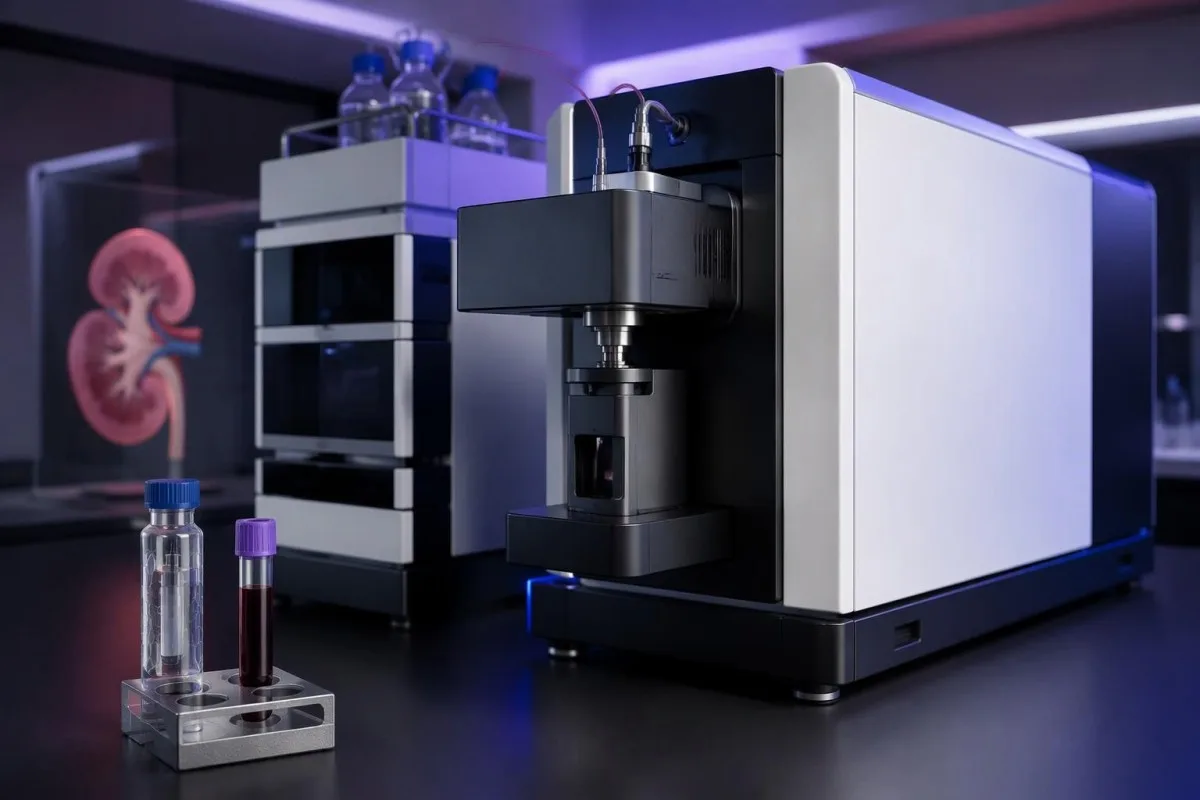
Liquid chromatography–tandem mass spectrometry, abbreviated LC-MS/MS, is a reference approach for everolimus measurement, while some laboratories use immunoassays. Method-dependent bias can occur, including differences in metabolite cross-reactivity, so an apparent shift from 6 to 8 ng/mL after changing laboratories deserves a method check before anyone assumes that drug exposure increased by one-third.
Whole-blood concentrations also depend partly on distribution into cellular elements, meaning a large hematocrit change may alter the relationship between the measured value and circulating drug exposure. There is no routine patient-applied hematocrit correction formula for an everolimus result of 4 ng/mL; our fenitoina askeari eta osoari buruzko gidak explains why specimen biology differs across monitored drugs.
Kantesti can help organize 3 report details—the analyte name, units and laboratory interval—but an uploaded report does not reveal an undocumented dose time or assay change. Our baliozkotze- eta gainbegiratze-esparrua describes interpretation standards; it does not mean that AI performs the everolimus assay or replaces a transplant pharmacist's assessment of unexpected concentrations.
Zein sendagaik igo edo jaitsi ditzakete everolimus-mailak?
Medicines that inhibit CYP3A4 or P-glycoprotein can raise everolimus exposure, while enzyme-inducing medicines can lower it. Strong inhibitors such as certain azole antifungals and ritonavir-containing treatments may require avoidance or specialist management; even a 5-day course can matter for a twice-daily transplant regimen.
Examples that can raise exposure include voriconazole, posaconazole, itraconazole, clarithromycin and ritonavir or cobicistat; fluconazole, diltiazem and verapamil can also be relevant. The effect is not identical for every drug or person, and a previous concentration of 5 ng/mL does not predict safety after an inhibitor starts; our voriconazole monitoring guide covers the antifungal's own monitoring needs.
Rifampicin, carbamazepine, phenytoin, phenobarbital and St John's wort can reduce everolimus exposure through induction, although onset and recovery depend on the particular medicine. Starting an inducer may lower a previously acceptable 6 ng/mL trough, while stopping it may subsequently raise concentrations; tell the team about both actions rather than reporting only the new prescription.
Cyclosporine can increase everolimus exposure, so changes to its dose can alter the everolimus concentration even when the everolimus prescription stays the same. Before starting 1 new antibiotic, antifungal, antiviral or supplement, ask the transplant service or pharmacist to check the complete regimen—including tacrolimus, cyclosporine and nonprescription products—rather than checking each medicine separately.
Nola eragiten diete janariak, gibeleko funtzioak eta urdaileko gaitzek emaitzei?
Food consistency, liver impairment and gastrointestinal illness can change everolimus exposure or make a result harder to interpret. Take each prescribed dose consistently with or without food, avoid grapefruit unless your specialist explicitly advises otherwise, and report vomiting or persistent diarrhea even when the latest concentration was within 3–8 ng/mL.
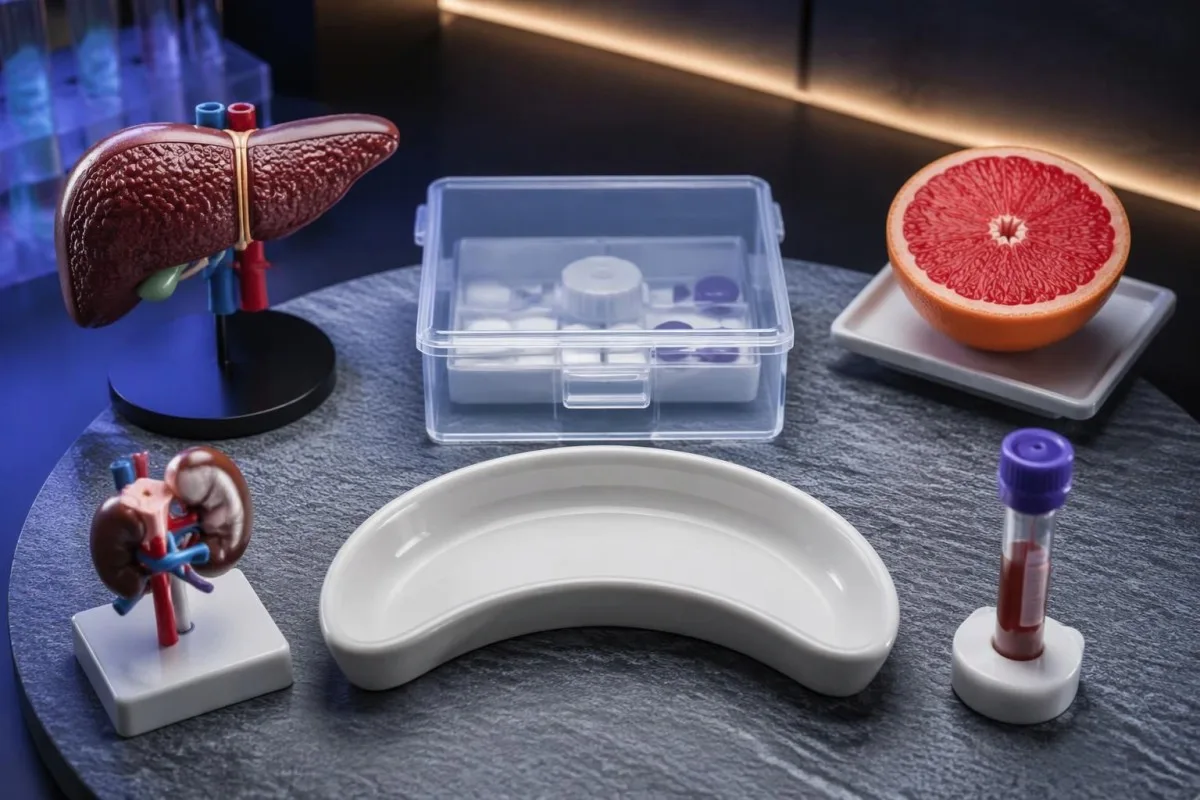
Food can alter everolimus absorption, so switching between fasting doses and doses with substantial meals can introduce variability without any prescription change. A practical record includes whether each of the previous 2 doses was taken with food; do not begin taking it fasting to 'improve' a low result, because that changes the exposure pattern your team is trying to assess.
Liver impairment can reduce everolimus clearance and may require indication-specific clinician-directed dose reduction, whereas reduced kidney filtration alone does not explain clearance in the same way. A change from 5 to 9 ng/mL therefore deserves a review of liver status and interacting medicines as well as kidney results; avoid unreviewed products marketed for kidney supplement support.
Diarrhea and vomiting can disrupt absorption, medication retention, hydration and the overall transplant regimen, but they do not reliably move everolimus concentrations in one predictable direction. If illness lasts more than 24 hours, or you cannot retain a scheduled dose, contact the team promptly; our norovirus recovery guidance should not substitute for transplant-specific advice.
Zer egin behar duzu everolimus-maila altuegia bada?
Bat everolimus level too high means the measured concentration exceeds your prescribed target—not that one universal number proves poisoning. If your target is 3–8 ng/mL and a correctly collected trough is 12 ng/mL, contact the transplant team promptly for timing, interaction, symptom and laboratory review without independently withholding or reducing treatment.
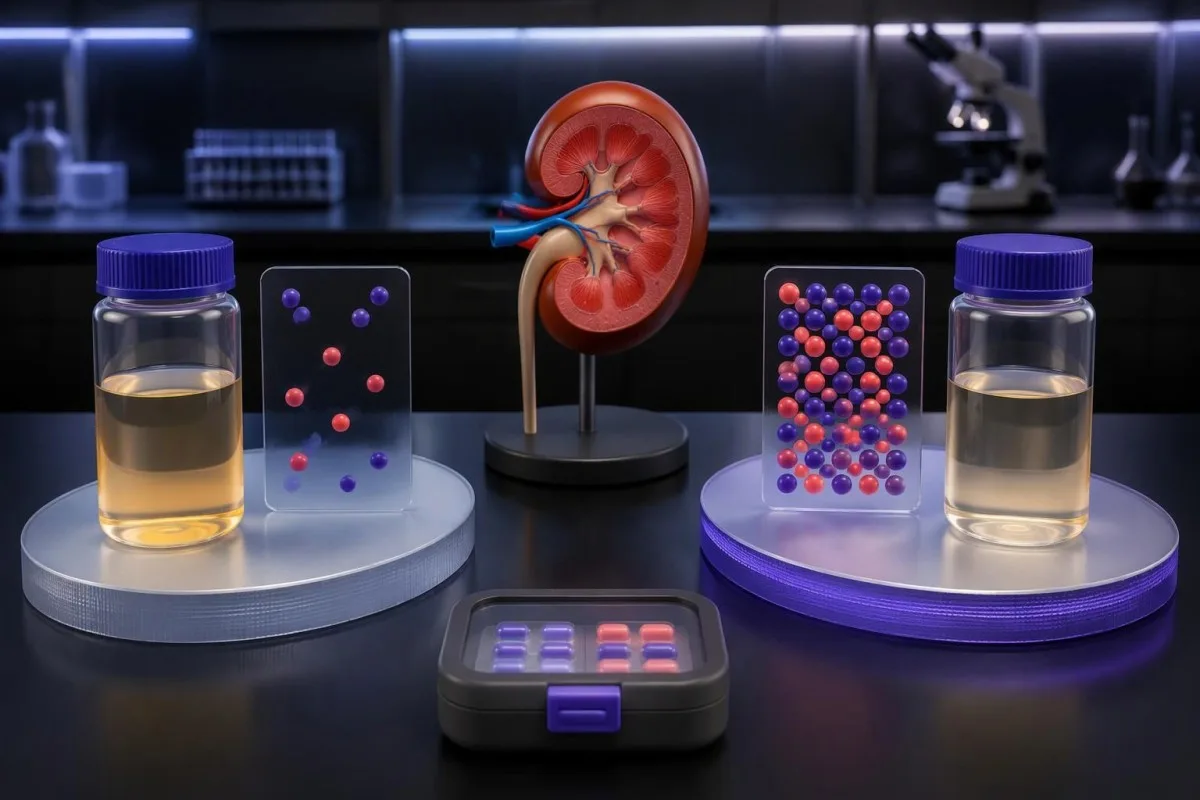
A value of 8.4 ng/mL is only 0.4 ng/mL above an 8 ng/mL upper target and does not carry the same context as a sudden rise from 5 to 16 ng/mL. There is no universally accepted emergency cutoff that applies to every transplant regimen; the direction of change, collection accuracy, symptoms and other immunosuppressants determine how urgently the team responds.
Everolimus can cause mouth sores, low blood counts, proteinuria, increased lipids, hyperglycemia, impaired healing and noninfectious pneumonitis, including at concentrations within the intended range. New thirst or frequent urination warrants glucose assessment rather than assuming the trough explains everything; our high-glucose warning signs distinguish routine follow-up from symptoms that require urgent evaluation.
Kantesti bat da. AI odol-analisien interpretazio-plataforma that can help compare a reported 12 ng/mL concentration with accompanying uploaded results, but cannot decide whether the next dose should be held. Fever of 38°C or higher, new breathlessness, severe weakness, markedly reduced urine output or inability to keep medicines down warrants urgent clinical contact; severe breathing difficulty requires emergency care regardless of the trough.
Everolimusaren haran-maila baxuak errefusa esan nahi al du?
A low everolimus trough can indicate insufficient exposure when it falls below your protocol's lower target, but it does not diagnose rejection. For a regimen targeting 3–8 ng/mL, a genuine 2.2 ng/mL trough should prompt timely transplant-team review of adherence, timing, interactions and the complete immunosuppressive regimen.
A missed dose, an inducer such as rifampicin, inconsistent food intake or a delayed collection can each contribute to a low result. If a hypothetical recipient's usual trough is 4.5 ng/mL and the new result is 2.2 ng/mL, the useful first step is reconstructing events—not assuming the prescribed dose suddenly stopped working or taking an extra tablet.
Rejection assessment depends on graft function, symptoms and organ-specific investigations; a kidney recipient may need creatinine trends, urine testing, imaging or specialist tissue assessment. A rise in creatinine plus a 2 ng/mL trough raises concern, but dehydration, obstruction and other causes remain possible, so the transplant service decides which tests can distinguish them.
Increasing immunosuppression can worsen some viral complications, which is why a low trough cannot be managed separately from the rest of the record. Our BK virus graft-risk guide explains a setting where graft dysfunction and treatment intensity must be balanced; do not double 1 dose or change tacrolimus to compensate for an isolated everolimus result.
Zein beste proba egiten dituzte everolimusaren jarraipena seguruagoa izan dadin?
Everolimus safety monitoring commonly includes blood counts, kidney function, urine protein, liver tests, glucose and lipids, alongside the trough and companion-drug levels. A 5 ng/mL concentration within a 3–8 ng/mL target does not rule out cytopenias, proteinuria, metabolic adverse effects or a problem caused by combined immunosuppression.
Persistent urine protein can require assessment even when creatinine changes little, and a urine albumin-to-creatinine ratio of 30 mg/g marks increased albumin excretion under general kidney classification. That threshold is not an automatic everolimus stopping rule; the team may use albumin or total-protein ratios, trends and graft context, while our gernu aparatsua dela eta argibideak explains why appearance alone is insufficient.
De Simone et al. (2012) tested everolimus targeting 3–8 ng/mL with reduced tacrolimus after liver transplantation and found better kidney-function outcomes than standard tacrolimus exposure in the studied setting. This supports a deliberately coordinated regimen, not independent calcineurin-inhibitor withdrawal; our giltzurrun-funtzioaren ratioen gida provides background, but cannot identify the cause of graft dysfunction by itself.
A platelet decline from 180 to 70 × 10⁹/L combined with rising creatinine and evidence of red-cell fragmentation would need urgent investigation, including consideration of thrombotic microangiopathy. Those hypothetical values are not diagnostic thresholds, and other medicines or illnesses can be responsible; our eskizitoen interpretazio urgenteak explains why a normal everolimus trough cannot make this pattern safe to ignore.
Zergatik ez dira automatikoki erabili behar transplante-helburuak minbiziaren tratamenduan?
Cancer treatment should not automatically use the transplant 3–8 ng/mL everolimus target, because treatment goals, doses, formulations and supporting evidence differ. Many oncology regimens use a prescribed once-daily dose and adjust for adverse effects, interactions and liver function rather than routinely titrating every patient to a transplant trough interval.
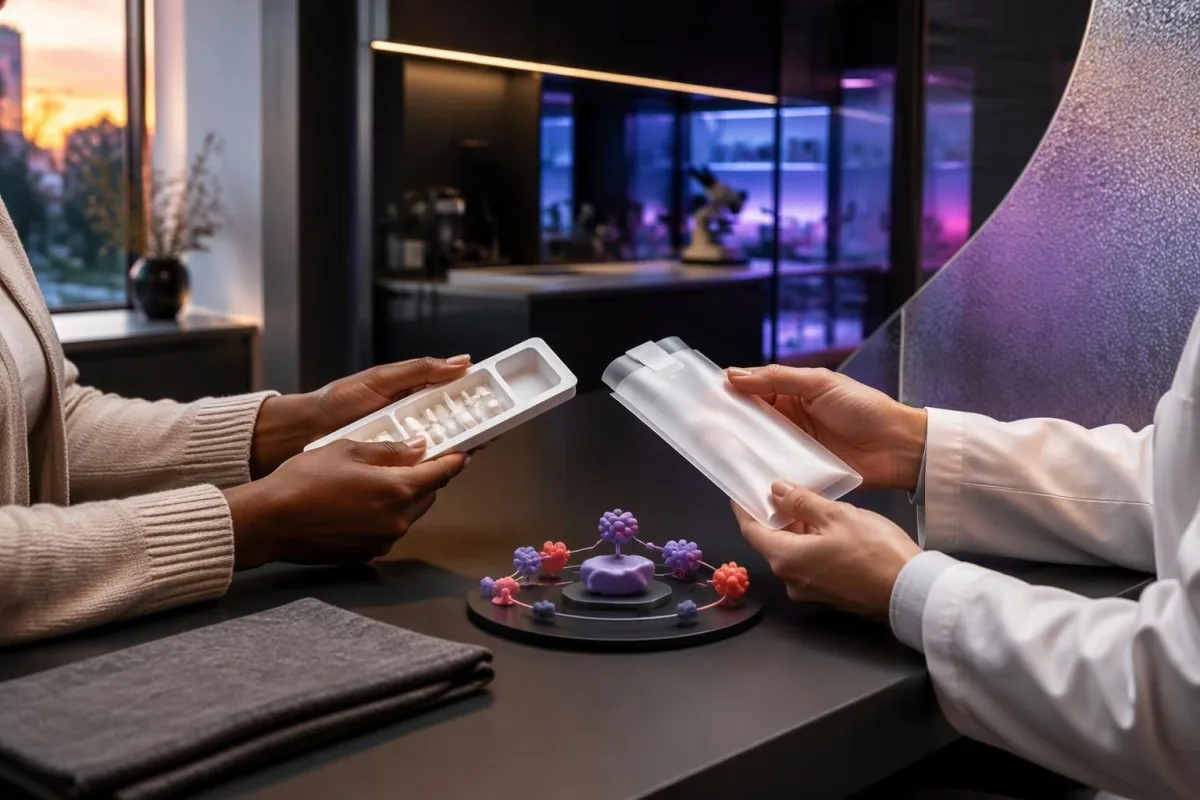
Baselga et al. (2012), in the BOLERO-2 trial published in The New England Journal of Medicine, studied everolimus 10 mg daily with exemestane in a defined advanced breast-cancer population. That trial supports an indication-specific treatment strategy, not a universal concentration goal; a cancer patient's result above 8 ng/mL cannot be labeled excessive solely because a transplant report prints that upper boundary.
Exposure-response studies suggest potential roles for individualized oncology monitoring, but evidence has not established one universally accepted routine trough target across cancers. Separate noncancer indications also illustrate the difference: product labeling uses concentration-guided treatment targeting 5–15 ng/mL in certain tuberous-sclerosis-associated settings, and that interval must not be borrowed for cancer or transplantation without specialist direction.
A hypothetical oncology patient with a 9 ng/mL concentration needs the oncologist to review why the test was ordered, whether it was a true 24-hour predose sample and whether adverse effects are present. Our chemotherapy testing distinctions explain a different medicine-specific safety test; drug monitoring, pharmacogenetics and toxicity grading are not interchangeable routes to a self-selected dose.
Nola aldatzen dituzte denborak eta elkarrekintzek zenbakizko emaitza bera?
The same everolimus concentration can mean different things when the dose interval, indication or interacting medicines differ. Kantesti is an AI bidezko odol-analisien analisi-tresna that can help organize these distinctions around a reported 10 ng/mL result, but only the treating team can translate the clinical context into a dosing decision.
Hypothetical example 1: a kidney recipient targeting 3–8 ng/mL has a 10 ng/mL result collected 12 hours after the last dose, several days after starting clarithromycin. That combination suggests a plausible interaction-related rise requiring prompt review; a mouth-sore history, blood count and companion-drug level would influence the clinician's decision more than the number alone.
Hypothetical example 2: another recipient has 10 ng/mL collected 1 hour after taking the morning dose, while their previous genuine trough was 5 ng/mL. The two results should not be plotted as equivalent troughs; our medikazioaren segurtasun-joeren lan-fluxuak explains why sample annotations matter before interpreting a line rising on a chart.
Kantesti AI can support a record containing 4 fields—dose, previous-dose time, collection time and target—while our AI teknologiaren azalpena describes the broader interpretation workflow. A proportional calculation such as reducing a dose by 50% because a level doubled ignores timing errors, interactions and graft risk, so it is not a safe patient dosing method.
Ikerketa-argitalpenak eta transplantearen jarraipen segururako kontrol-zerrenda
The strongest evidence for interpreting everolimus comes from drug-monitoring consensus guidance and indication-specific trials, not from general laboratory articles. Before acting on a result such as 9 ng/mL, obtain your prescribed target, verify collection timing and ask your transplant service for explicit next-dose and repeat-test instructions.
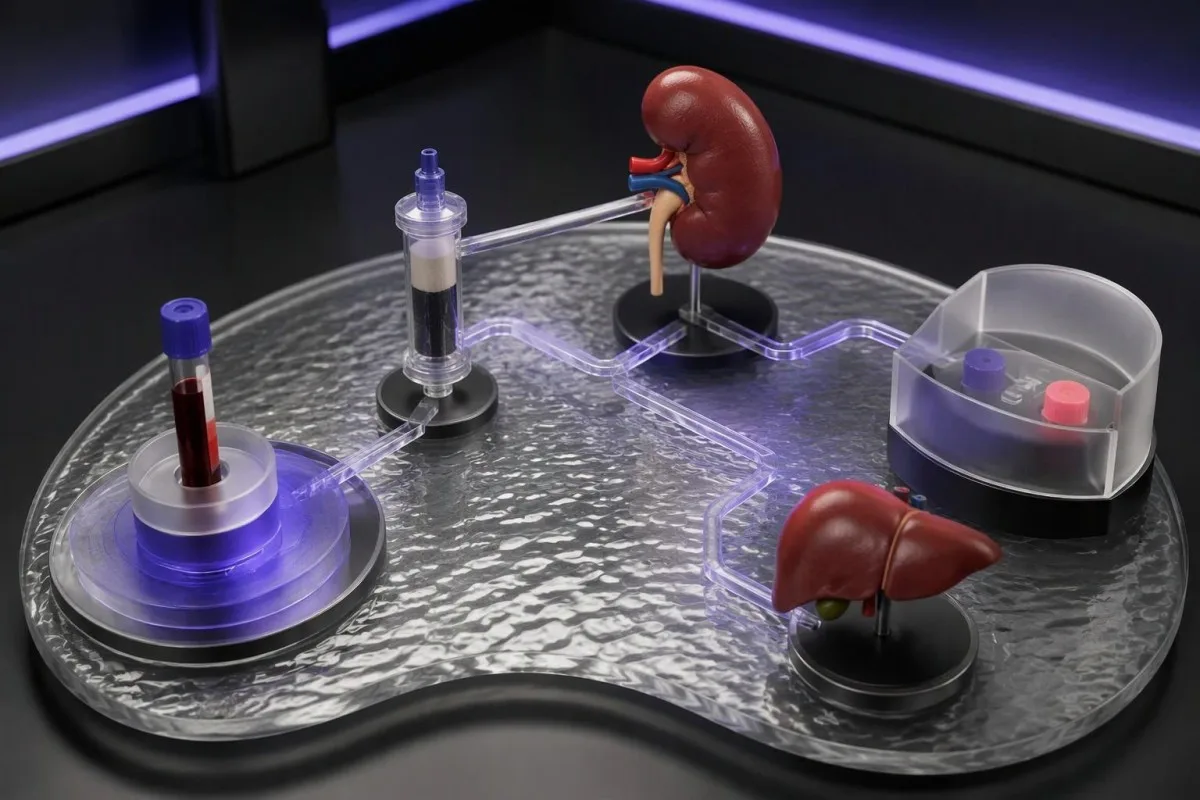
Send the service 5 essentials: the result and units, prescribed regimen, last-dose time, collection time and recent medicine or illness changes. Ask whether the sample is interpretable, what to take next and when to repeat it; the Shipkova et al. (2016) consensus and indication-specific trials provide clinical background, but none makes an unexplained high flag a patient-directed dosing instruction.
The 2 Zenodo publications listed below address coagulation and serum proteins, not everolimus pharmacokinetics, transplant target validation or oncology dose selection. Our serumeko proteinen interpretazio-gidak may help explain accompanying albumin results, but these background resources should not be cited as evidence that 3–8 ng/mL is appropriate for a particular recipient.
Kantesti-ren eduki medikoaren estandarrak distinguish educational interpretation from prescribing; this article cannot confirm that an individual 6 ng/mL result is correctly timed or clinically safe. Keep the transplant service's daytime and out-of-hours contact details available, and obtain urgent help for fever, breathing changes or inability to retain immunosuppression rather than waiting for another concentration.
Ohiko galderak
0 Everolimusaren gutxieneko maila zer izan behar da transplante baten ondoren?
An everolimus trough target of 3–8 ng/mL in whole blood is commonly used in selected kidney and liver transplant regimens and some heart-transplant protocols. Your personal target depends on the transplanted organ, accompanying immunosuppressants, postoperative phase and local protocol. A laboratory's printed range is not automatically your prescribed target. Ask the transplant team to confirm the interval before interpreting a flagged result or considering any treatment change.
Zenbat ordura egiaztatu behar da everolimus-dosi baten ondoren haren maila?
An everolimus trough should be collected immediately before the next scheduled dose, usually approximately 12 hours after the previous dose for a twice-daily transplant regimen. If a specialist requests a trough during once-daily treatment, the expected interval is generally approximately 24 hours. Follow the team's instructions about taking the next dose after collection, and report both actual dose and collection times. A sample taken after dosing should not be treated as an ordinary predose trough.
Everolimus-maila 10 ng/mL-ekoa altuegia al da?
Everolimus-maila 10 ng/mL-ko balioa helburutik gorakoa da, agindutako odol osoko gutxieneko kontzentrazio-tartea 3–8 ng/mL bada, baina ez da toxikotasun-atalase unibertsala. Dosiaren aurreko benetako neurketak bestelako esanahia du dosia hartu eta 1–2 ordura jasotako lagin batek baino. Jarri harremanetan berehala transplante-taldearekin, lagina noiz hartu den, elkarrekintzak dituzten sendagaiak, sintomak eta laborategiko gainerako emaitzak aztertzeko. Ez utzi hurrengo dosia hartzeari, ez murriztu eta ez zatitu zure kabuz; arnasa hartzeko zailtasun larria edo bestelako sintoma larriak izanez gero, eskatu premiazko arreta, kontzentrazioa edozein dela ere.
Everolimus-maila baxu batek nire transplantea arbuiatzen ari dela esan dezake?
3 ng/mL-tik beherako everolimusaren hondar-kontzentrazioak 3–8 ng/mL-ko tartea erabiltzen duen erregimen batean esposizioa nahikoa ez dela adieraz dezake, baina emaitzak ez du errefusa diagnostikatzen. Dosiak hartzea ahazteak, lagina berandu biltzeak, oka egiteak eta entzimak induzitzen dituzten sendagaiek ere kontzentrazio txikian lagun dezakete. Errefusaren ebaluazioak injertoaren funtzioaren bilakaera eta transplante-zerbitzuak hautatutako organoari berariazko azterketak behar ditu. 2.2 ng/mL bezalako emaitza bat berehala jakinarazi, aparteko dosirik hartu edo beste immunoezabatzaile baten dosia aldatu beharrean.
Everolimusaren mailak dosia aldatu ondoren zenbat denborara errepikatu behar dira?
Everolimus concentrations are commonly rechecked around 4–5 days after a clinician-directed dose change, when exposure is approaching the new steady state. The medicine's average half-life is roughly 30 hours, so a sample after only 1 day may still reflect the previous regimen substantially. Suspected toxicity, a major interaction or an unstable clinical situation can justify earlier or additional testing. Your transplant team should specify both the collection date and what to take while waiting.
Minbizia dela eta everolimus hartzen duten pertsonek 3–8 ng/mL-ko hondar-kontzentrazioa behar dute?
Minbiziagatik everolimus hartzen duten pertsonei ez zaie automatikoki ezarri behar transplanteetarako 3–8 ng/mL-ko hondar-kontzentrazioaren helburua. Onkologia-erregimen askotan, indikazio bakoitzari dagozkion egunean behingo dosiak erabiltzen dira, hala nola BOLERO-2 azterketan ikertutako 10 mg/eguneko erregimena, eta klinikariak doikuntzak egiten ditu ondorio kaltegarriak, interakzioak eta gibeleko funtzioa kontuan hartuta. Minbizi guztietarako ez dago ohiko hondar-kontzentrazioaren helburu bakar eta unibertsalki onarturik. Onkologoak kontzentrazio bat eskatzen badu, galdetu zergatik neurtu den eta zein interpretazio-esparru aplikatzen den.
Zein botikak igo dezakete everolimusaren gutxieneko maila?
Everolimusarekiko esposizioa handitu egin daiteke CYP3A4 edo P-glikoproteinaren inhibitzaileekin, zenbait antifungiko azoliko, klaritromizina eta ritonavir duten sendagaiak barne. Diltiazema, berapamiloa, flukonazola eta ziklosporina ere garrantzitsuak izan daitezke, nahiz eta eragina sendagaiaren eta pertsonaren arabera aldatu. Bost eguneko errezeta batek ere lehen egonkor zegoen 5 ng/mL-ko hondar-kontzentrazioa asaldatu dezake. Hasi aurretik, kontsultatu errezeta berriak eta osagarriak transplante-zerbitzuarekin edo farmazialariarekin, eta jakinarazi tratamendu elkarreragilea eteten denean ere.
Jaso odol-analisien emaitzak nola irakurri
Kargatu zure laborategiko txostena, eta Kantesti-ren AIak biomarkatzaile bakoitza hizkera arruntean azalduko du segundo gutxitan. Mundu osoan 2 milioi pertsona baino gehiagok erabiltzen dute.
Erreferentziak
- Klein, T., Mitchell, S., & Weber, H. (2026). aPTTaren ohiko tartea: D-dimeroa, C proteina eta odol-koagulazioaren gida. Kantesti AI Ikerketa Medikoa. DOI
- Klein, T., Mitchell, S., & Weber, H. (2026). Serumeko proteinen gida: globulinak, albumina eta A/G ratioaren odol-analisia. Kantesti AI Ikerketa Medikoa. DOI
- Shipkova M et al. (2016). Therapeutic Drug Monitoring of Everolimus: A Consensus Report. Therapeutic Drug Monitoring.
- De Simone P et al. (2012). Everolimus with reduced tacrolimus improves renal function in de novo liver transplant recipients: a randomized controlled trial. American Journal of Transplantation. DOI
- Baselga J et al. (2012). Everolimus in Postmenopausal Hormone-Receptor–Positive Advanced Breast Cancer. The New England Journal of Medicine. DOI
- 2M+Aztertutako probak
- 127+Herrialdeak
- 100+Hizkuntzak
Medikuntza-taldeari buruz


E-E-A-T Konfiantza-seinaleak
Esperientzia
Medikuek gidatutako berrikuspen klinikoa laborategiko interpretazioaren lan-fluxuei buruz.
Espezializazioa
Laborategiko medikuntzaren ikuspegia biomarkatzaileek testuinguru klinikoan nola jokatzen duten aztertzean.
Autoritatea
Thomas Klein doktoreak medikoki berrikusia, Sarah Mitchell doktorearen eta Hans Weber irakasle doktorearen ekarpenekin.
Fidagarritasuna
Ebidentzian oinarritutako interpretazioa, alarma murrizteko jarraipen-bide argiekin.






Ohar medikoa
Artikulu hau hezkuntza-helburuetarako da soilik eta ez du mediku-aholkurik ematen. Diagnostiko- eta tratamendu-erabakietarako, beti kontsultatu osasun-profesional kualifikatu bati.
Argitaratua · Jarri harremanetan erredakzio-taldearekin
Kantesti Ltd-k argitaratua, Ingalaterran eta Galesen erregistratua, enpresa zk. 17090423, Londres, Erresuma Batua.
