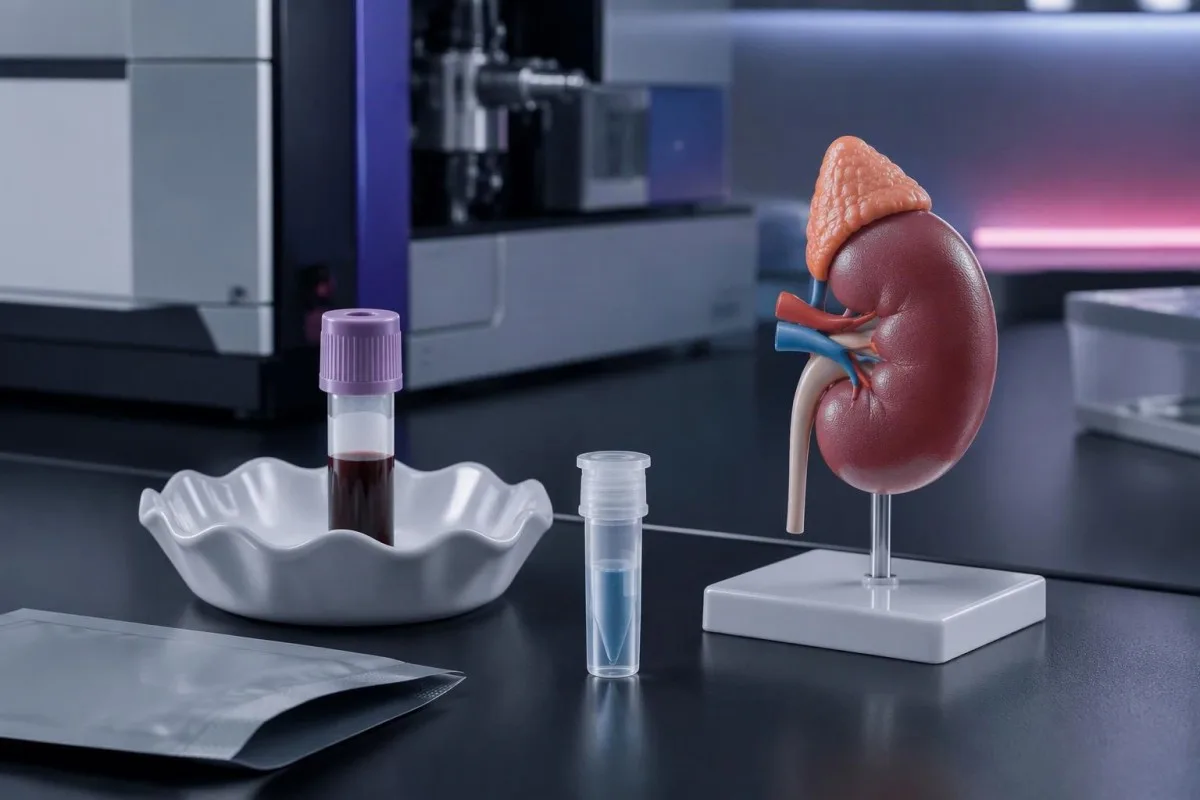
Najčešće se cilja najniža koncentracija everolimusa od 3–8 ng/mL u određenim režimima nakon transplantacije, obično na temelju uzorka uzetog neposredno prije sljedeće doze. Vaš protokol transplantacije, drugi lijekovi i vrijeme uzorkovanja određuju što vaš rezultat znači; liječenje raka primjenjuje drugačija načela doziranja i ne biste trebali sami mijenjati doze.

Ključne napomene
- Ciljne vrijednosti nakon transplantacije obično su 3–8 ng/mL u punoj krvi, no ciljne vrijednosti za vas ovise o organu, popratnim lijekovima i protokolu vašeg tima.
- Vrijeme uzorkovanja neposredno je prije sljedeće planirane doze — približno 12 sati nakon prethodne doze kod režima s doziranjem dvaput dnevno.
- Laboratorijske jedinice su zamjenjive kada su izražene u ng/mL ili µg/L: 5 ng/mL jednako je 5 µg/L.
- Visoke vrijednosti iznad propisane ciljne vrijednosti od 3–8 ng/mL zahtijevaju procjenu transplantacijskog tima; 8 ng/mL nije univerzalni prag za hitno stanje ni toksičnost.
- Niske vrijednosti ispod 3 ng/mL mogu upućivati na nedostatnu izloženost u režimima koji primjenjuju tu donju granicu, ali ne postavljaju dijagnozu odbacivanja transplantata.
- Ponovljeno testiranje obično se javlja oko 4–5 dana nakon promjene doze prema uputama liječnika, uz ranije ili dodatno testiranje kada to okolnosti zahtijevaju.
- Interakcije uključuju azolne antimikotike, klaritromicin, lijekove koji sadrže ritonavir, rifampicin i neke lijekove protiv epileptičkih napada; uvođenje lijeka u interakciji ili prekid njegova uzimanja mogu promijeniti koncentracije.
- Liječenje raka ne primjenjuje automatski raspon od 3–8 ng/mL za transplantaciju; mnogi onkološki režimi primjenjuju dnevnu dozu specifičnu za indikaciju i prilagodbe na temelju toksičnosti.
- Sigurnost doze znači pitati transplantacijski tim što uzimati i kada ponoviti testiranje, umjesto da sami preskočite dozu, uzmete dvostruku dozu ili je preračunavate.
Što vam zapravo govori najniža koncentracija everolimusa?
Jedan najniža koncentracija everolimusa mjeri koncentraciju lijeka u punoj krvi neposredno prije sljedeće doze, što kliničarima pomaže procijeniti izloženost lijeku, a ne samo propisanu količinu. Rezultat od 5 ng/mL može odgovarati transplantacijskom ciljnom rasponu od 3–8 ng/mL, ali samo ako se vrijeme uzimanja uzorka i protokol liječenja podudaraju s tim tumačenjem.
Ista doza everolimusa može u 2 osobe dovesti do različitih koncentracija zbog razlika u apsorpciji, metabolizmu u jetri i lijekovima koji stupaju u interakcije. Najniža koncentracija praktična je vremenska točka uzorkovanja, a ne cjelovita mjera izloženosti tijekom dana; zadovoljavajući rezultat također ne može dokazati da presađeni organ normalno funkcionira ni da nema nuspojava.
U Kantesti odvajamo referentni raspon naveden na laboratorijskom nalazu od cilja koji je vaš tim doista propisao — primjerice, 3–8 ng/mL nasuprot užem individualiziranom rasponu. Naš organizacija i klinička svrha objašnjava obrazovnu ulogu tumačenja; transplantacijska služba i dalje je odgovorna za odabir imunosupresivnog režima i odluku o tome treba li rezultat dovesti do promjene liječenja.
Kantesti je Analizator krvnih testova s umjetnom inteligencijom koji može pomoći u stavljanju rezultata everolimusa, primjerice 5 ng/mL, u kontekst s učitanim rezultatima bubrežne funkcije i krvne slike, bez propisivanja doze. Kada se everolimus primjenjuje uz drugi imunosupresiv, naš vodič za praćenje takrolimusa objašnjava zašto svaki lijek zahtijeva vlastiti cilj i upute za uzimanje uzorka.
Koji se terapijski raspon everolimusa primjenjuje za vašu indikaciju?
The terapijski raspon everolimusa koji se uobičajeno primjenjuje u odabranim režimima za transplantaciju bubrega i jetre iznosi 3–8 ng/mL u punoj krvi. Protokoli za transplantaciju srca u jurisdikcijama u kojima je takva primjena odobrena često koriste sličan raspon, no transplantacija pluća, strategije smanjenja doze pratećeg lijeka i druge indikacije zahtijevaju izričite ciljne vrijednosti koje odredi specijalist.
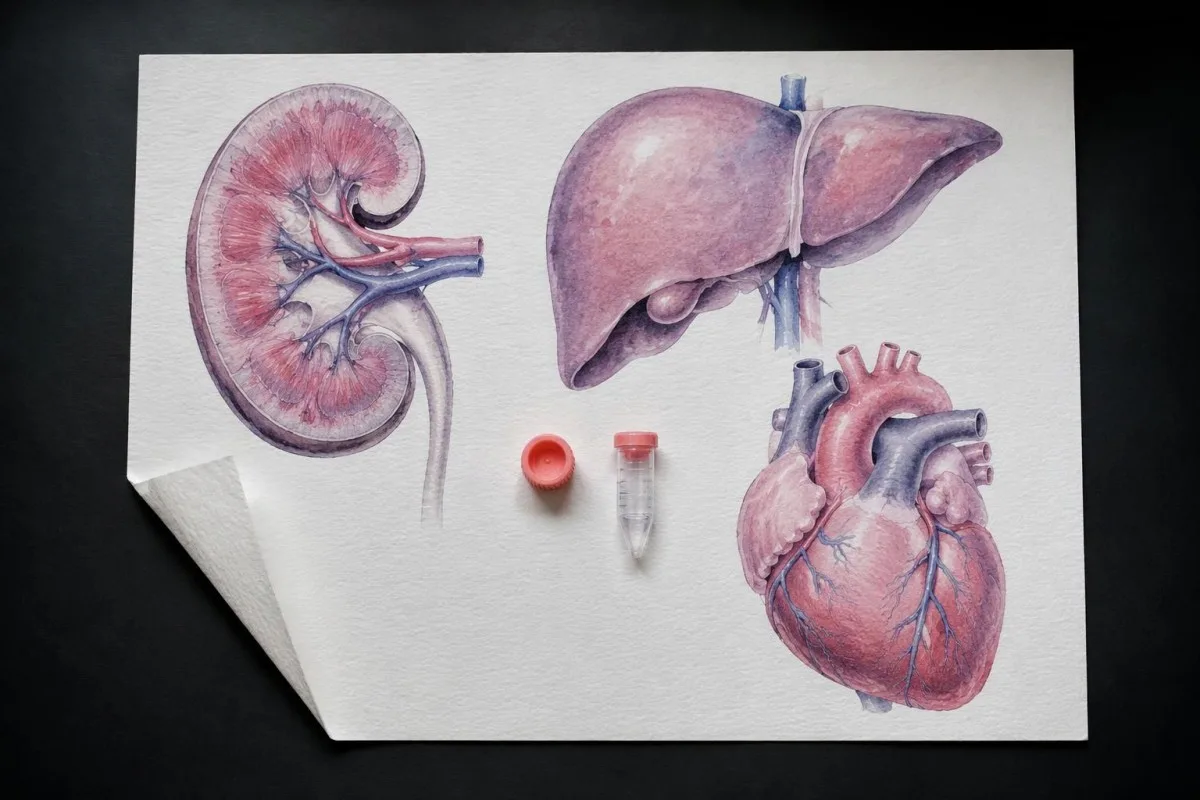
Konsenzusno izvješće autora Shipkova i sur. (2016.), objavljeno u časopisu Therapeutic Drug Monitoring, podupire tumačenje koncentracija everolimusa u kontekstu cjelokupnog transplantacijskog režima, pri čemu se često primjenjuje raspon od 3–8 ng/mL uz inhibitore kalcineurina. Donja granica odražava zabrinutost zbog nedovoljne imunosupresije, a gornja granica pomaže ograničiti nuspojave povezane s izloženošću; nijedna granica nije biološka litica na kojoj se sigurnost naglo mijenja.
Odobrenja i protokoli razlikuju se među zemljama: američke informacije o lijeku za transplantaciju obuhvaćaju određene situacije nakon transplantacije bubrega i jetre, dok europske informacije o lijeku uključuju i odabrane slučajeve primjene nakon transplantacije srca. Stoga laboratorijski raspon od 3–8 ng/mL sam po sebi ne otkriva koji je organ presađen, izloženost pratećim lijekovima ni postoperacijsku fazu, a centar može odabrati drukčiji cilj iz dokumentiranog kliničkog razloga.
Zatražite 3 informacije: svoj ciljni raspon, razlog zbog kojeg je odabran i cilj za svaki prateći inhibitor kalcineurina. Opće se načelo pojavljuje i u našem tumačenju najniže koncentracije infliksimaba: terapijski rasponi odnose se na određeni lijek, indikaciju i strategiju uzorkovanja, a ne na sve osobe koje uzimaju taj lijek.
| Razina | Raspon | Što to znači |
|---|---|---|
| Odabrani režimi nakon transplantacije bubrega | Uobičajeno 3–8 ng/mL | Ciljna vrijednost u punoj krvi prije doze, koja se primjenjuje uz određenu prateću imunosupresivnu terapiju; potvrdite protokol centra. |
| Odabrani režimi nakon transplantacije jetre | Uobičajeno 3–8 ng/mL | Often paired with reduced tacrolimus exposure after an appropriate postoperative interval. |
| Selected heart-transplant regimens | Often 3–8 ng/mL | Applicable only where the regimen and local approval support this target. |
| Lung or other specialist transplant regimens | Center-specific | Do not infer an individualized target from another organ's protocol. |
| Liječenje raka | No universal transplant-equivalent target | Oncology dosing and adverse-effect management do not automatically use 3–8 ng/mL. |
Kada treba uzeti uzorak za određivanje koncentracije everolimusa?
Everolimus level timing should place the collection immediately before the next scheduled dose. For a twice-daily transplant regimen, this generally means approximately 12 hours after the previous dose; a specialist-requested trough for a once-daily regimen would generally be approximately 24 hours after the previous dose.
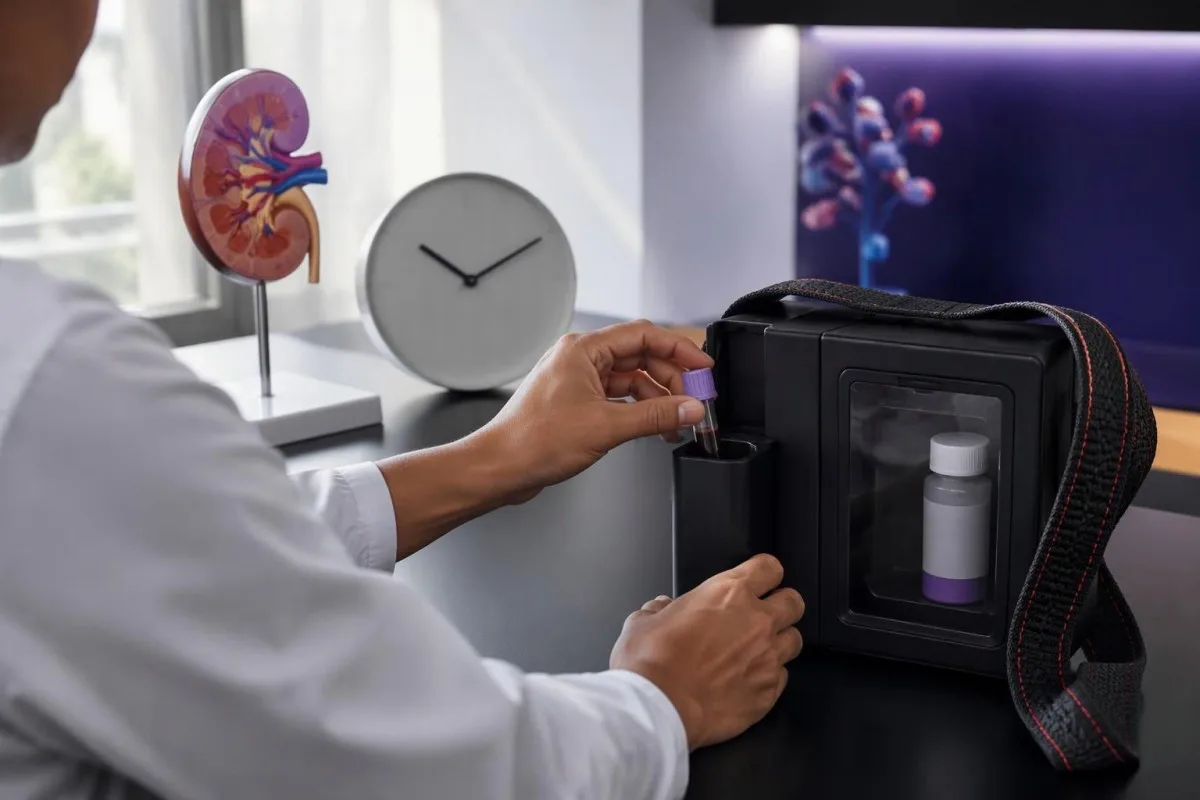
A hypothetical recipient takes everolimus at 08:00 and 20:00, then attends a planned collection just before 08:00 the next morning. The transplant team's usual instruction is to bring the morning dose and take it after collection, but obtain that instruction beforehand; a laboratory delay does not give you permission to postpone immunosuppression indefinitely.
Record the previous dose time, collection time and next dose time as 3 separate entries. A fasting instruction for glucose or lipids is a different issue from trough timing, so confirm whether you should take your usual food afterward and whether other morning medicines have separate instructions; our popis za pripremu prvog uzorka helps prevent missing these details.
Scheduling accuracy matters more than an appointment labeled simply 'morning': a 07:00 sample after a 23:00 dose represents an 8-hour interval, not a 12-hour trough. If travel, shift work or another medication makes the standard schedule difficult, arrange a collection plan with the transplant coordinator rather than changing dose times solely to fit the laboratory.
Što ako ste uzeli dozu prije testiranja ili ste je propustili?
A sample collected after taking everolimus is not a true predose trough and should not be compared directly with a 3–8 ng/mL trough target. A missed dose or substantially delayed collection also changes interpretation; report the actual times rather than trying to make the result fit the expected interval.
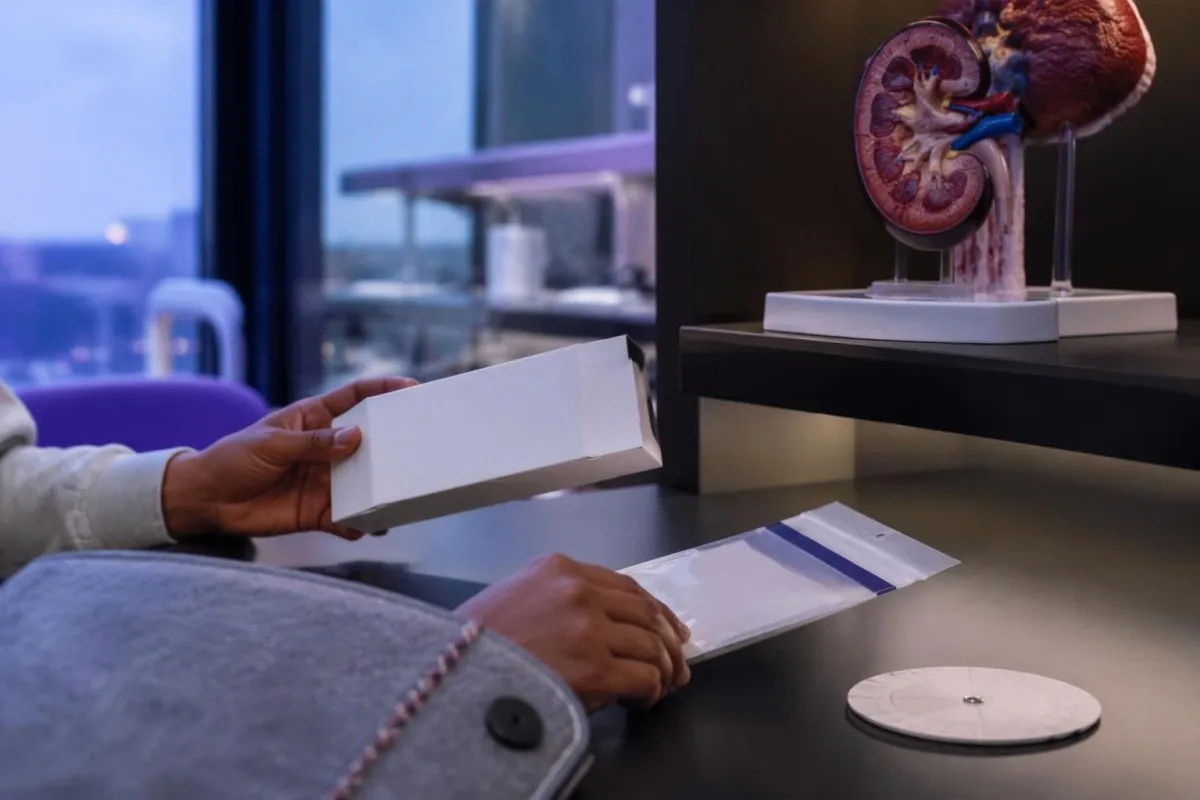
Everolimus commonly reaches peak concentrations around 1–2 hours after an oral dose, although food and individual absorption can change that timing. A hypothetical result of 12 ng/mL collected 90 minutes after dosing could reflect the absorption phase rather than an excessive trough; the team must still review the result and symptoms, not simply dismiss the number.
Missing the evening dose can make an apparently low morning concentration unrepresentative of your usual prescribed regimen, even if the appointment occurs at the expected hour. Give the team a factual account of the last 2–3 days, including vomiting or uncertainty about a dose; a one-time low result cannot distinguish missed treatment from inadequate dosing without that history.
Do not take an extra dose to compensate for a misleading 2 ng/mL result, and do not omit the next dose because a postdose sample looks high. Different medicines have different postdose sampling rules, as our digoxin sample-timing guide illustrates; ask the transplant team whether the collection needs repeating and what to take in the meantime.
Koliko nakon promjene doze treba ponovno provjeriti koncentracije?
A routine everolimus level is commonly reassessed around 4–5 days after a clinician-directed dose change, when concentrations are approaching the new steady state. Earlier collections may be appropriate for suspected toxicity or major interactions, but they should be interpreted as transitional measurements rather than final evidence of the new dose's effect.
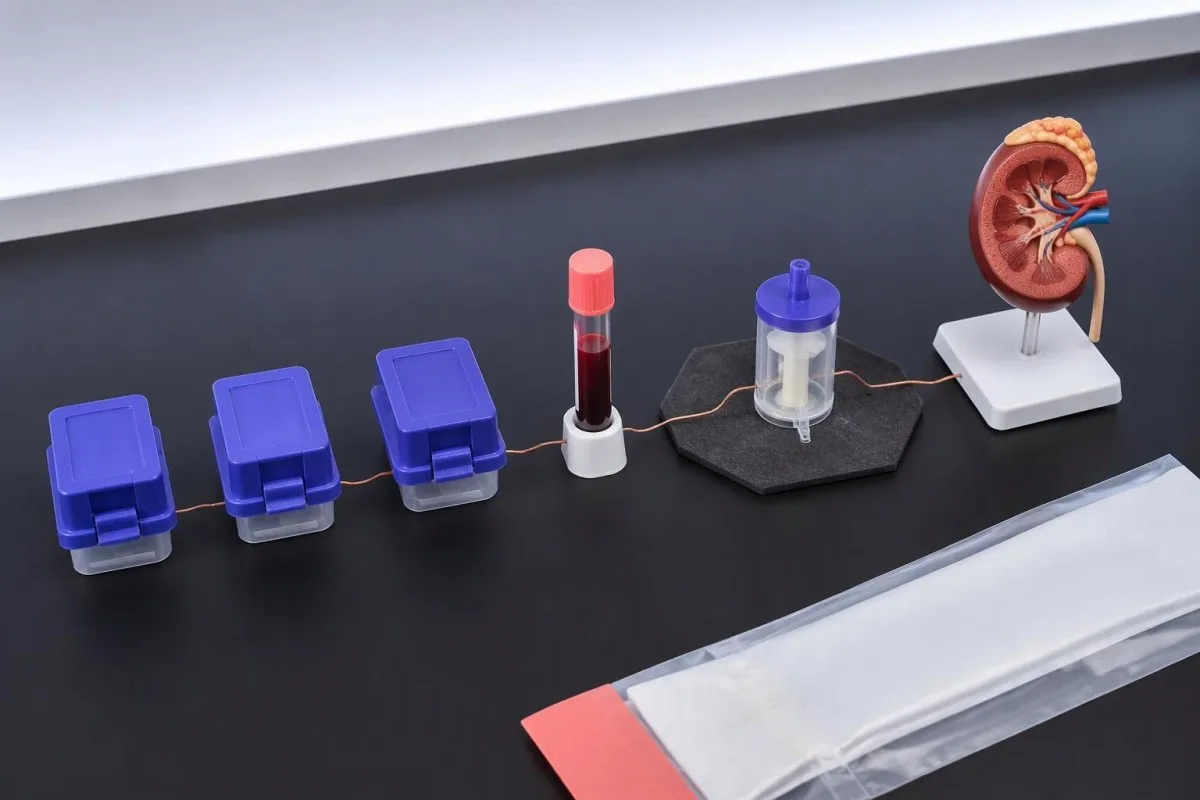
Everolimus has an average elimination half-life of roughly 30 hours, with substantial variation between people. After only 24 hours, a concentration still reflects considerable exposure from the previous regimen, so a second adjustment based solely on that early result can overshoot the intended target; product instructions commonly discourage routine adjustments more frequently than every 4–5 days.
A hypothetical recipient changes dose on Monday and has a predose sample on Tuesday because another test was already booked. That 1-day interval may provide useful safety information, but the transplant team may still request a later level; our blood-test change timeline explains why the biological response and the appointment schedule are not the same thing.
Starting an inhibitor can raise exposure while everolimus is still accumulating, and stopping an inducer can have delayed effects as enzyme activity returns toward baseline. Keep 2 dates in your record—the everolimus dose change and the interacting medicine change—because 'unchanged dose' does not mean unchanged exposure, and the team may need more than one repeat collection.
Zašto su vrsta uzorka i laboratorijska metoda važne?
Everolimus transplant monitoring uses puna krv, usually collected in an EDTA tube, rather than an interchangeable serum concentration. Results reported in ng/mL and µg/L are numerically equivalent: 6 ng/mL equals 6 µg/L, but values produced by different assay methods may not be directly comparable.
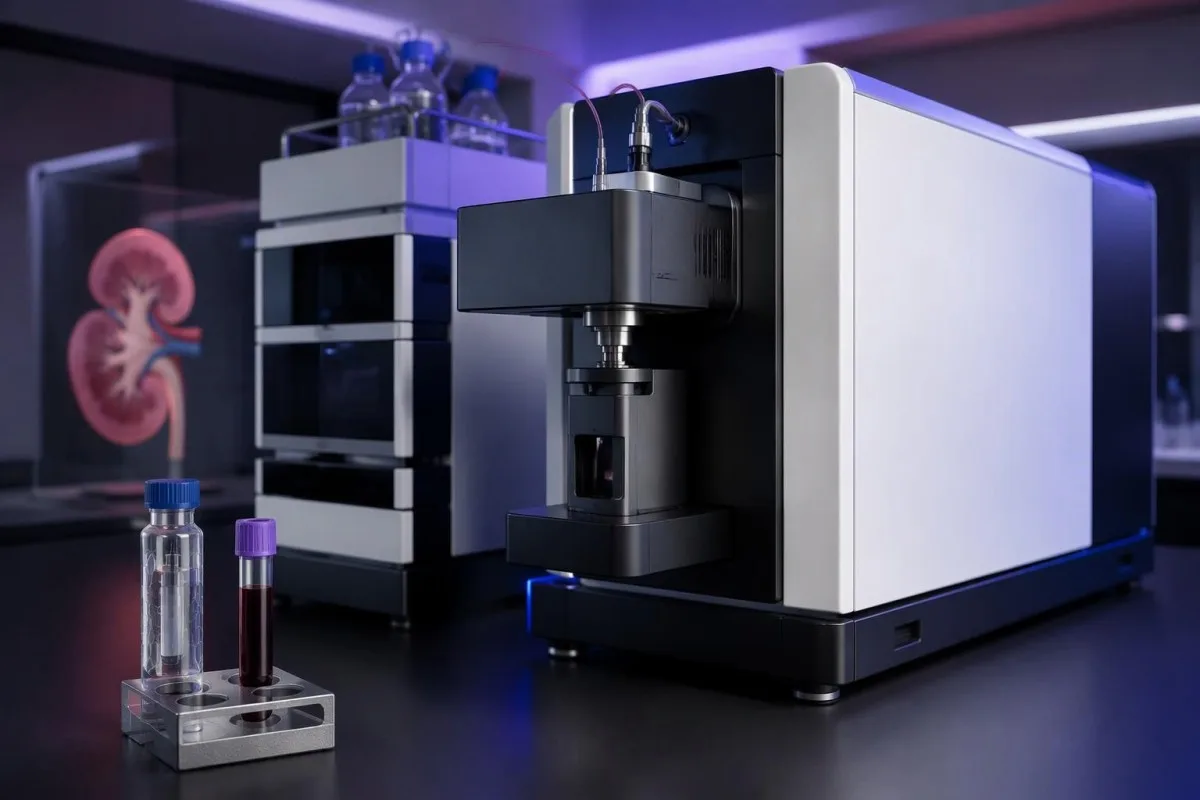
Liquid chromatography–tandem mass spectrometry, abbreviated LC-MS/MS, is a reference approach for everolimus measurement, while some laboratories use immunoassays. Method-dependent bias can occur, including differences in metabolite cross-reactivity, so an apparent shift from 6 to 8 ng/mL after changing laboratories deserves a method check before anyone assumes that drug exposure increased by one-third.
Whole-blood concentrations also depend partly on distribution into cellular elements, meaning a large hematocrit change may alter the relationship between the measured value and circulating drug exposure. There is no routine patient-applied hematocrit correction formula for an everolimus result of 4 ng/mL; our vodič za slobodni i ukupni fenitoin explains why specimen biology differs across monitored drugs.
Kantesti can help organize 3 report details—the analyte name, units and laboratory interval—but an uploaded report does not reveal an undocumented dose time or assay change. Our okvir za validaciju i nadzor describes interpretation standards; it does not mean that AI performs the everolimus assay or replaces a transplant pharmacist's assessment of unexpected concentrations.
Koji lijekovi mogu povisiti ili sniziti koncentracije everolimusa?
Medicines that inhibit CYP3A4 or P-glycoprotein can raise everolimus exposure, while enzyme-inducing medicines can lower it. Strong inhibitors such as certain azole antifungals and ritonavir-containing treatments may require avoidance or specialist management; even a 5-day course can matter for a twice-daily transplant regimen.
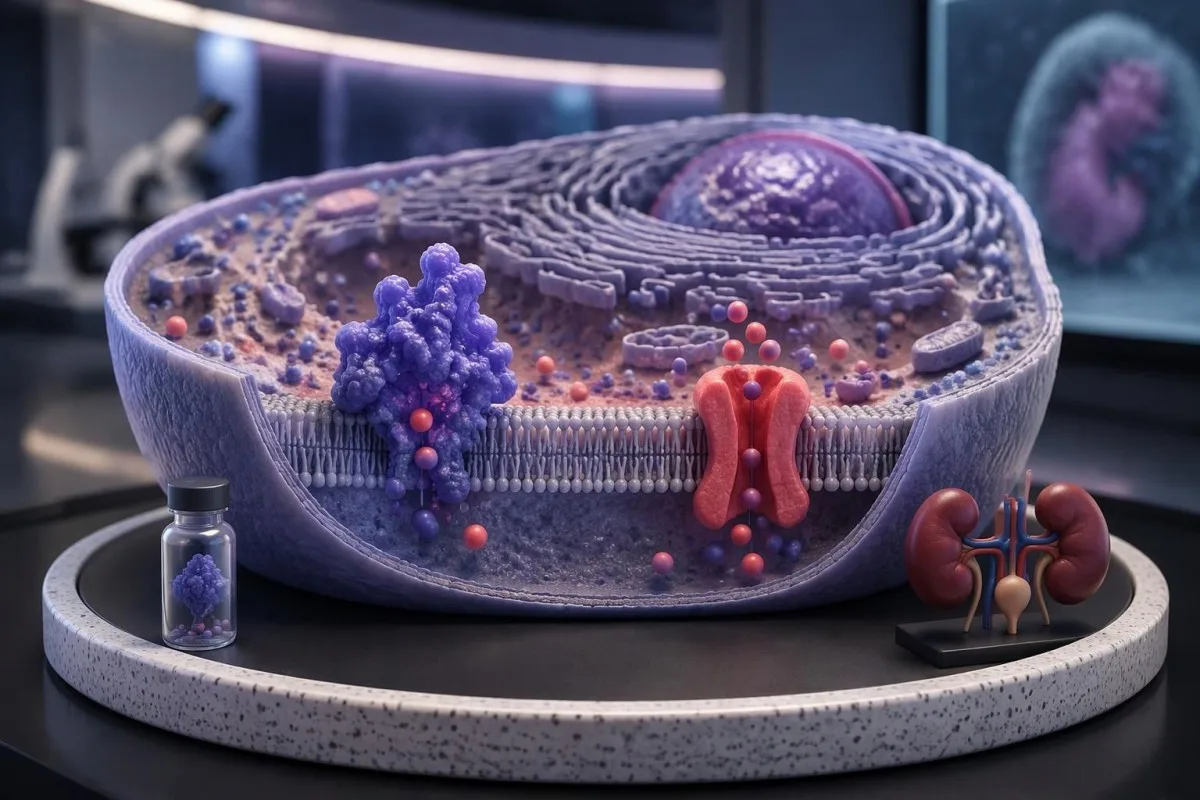
Examples that can raise exposure include voriconazole, posaconazole, itraconazole, clarithromycin and ritonavir or cobicistat; fluconazole, diltiazem and verapamil can also be relevant. The effect is not identical for every drug or person, and a previous concentration of 5 ng/mL does not predict safety after an inhibitor starts; our voriconazole monitoring guide covers the antifungal's own monitoring needs.
Rifampicin, carbamazepine, phenytoin, phenobarbital and St John's wort can reduce everolimus exposure through induction, although onset and recovery depend on the particular medicine. Starting an inducer may lower a previously acceptable 6 ng/mL trough, while stopping it may subsequently raise concentrations; tell the team about both actions rather than reporting only the new prescription.
Cyclosporine can increase everolimus exposure, so changes to its dose can alter the everolimus concentration even when the everolimus prescription stays the same. Before starting 1 new antibiotic, antifungal, antiviral or supplement, ask the transplant service or pharmacist to check the complete regimen—including tacrolimus, cyclosporine and nonprescription products—rather than checking each medicine separately.
Kako hrana, funkcija jetre i želučane tegobe utječu na rezultate?
Food consistency, liver impairment and gastrointestinal illness can change everolimus exposure or make a result harder to interpret. Take each prescribed dose consistently with or without food, avoid grapefruit unless your specialist explicitly advises otherwise, and report vomiting or persistent diarrhea even when the latest concentration was within 3–8 ng/mL.
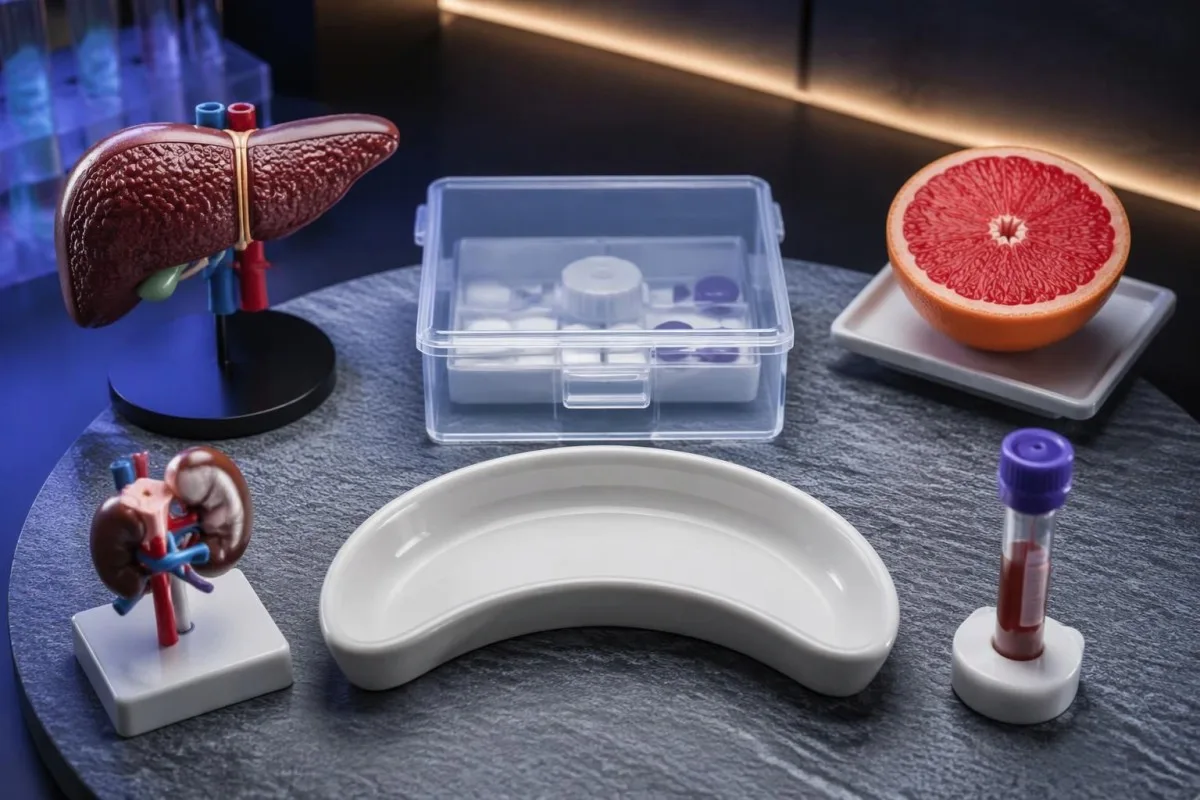
Food can alter everolimus absorption, so switching between fasting doses and doses with substantial meals can introduce variability without any prescription change. A practical record includes whether each of the previous 2 doses was taken with food; do not begin taking it fasting to 'improve' a low result, because that changes the exposure pattern your team is trying to assess.
Liver impairment can reduce everolimus clearance and may require indication-specific clinician-directed dose reduction, whereas reduced kidney filtration alone does not explain clearance in the same way. A change from 5 to 9 ng/mL therefore deserves a review of liver status and interacting medicines as well as kidney results; avoid unreviewed products marketed for kidney supplement support.
Diarrhea and vomiting can disrupt absorption, medication retention, hydration and the overall transplant regimen, but they do not reliably move everolimus concentrations in one predictable direction. If illness lasts more than 24 hours, or you cannot retain a scheduled dose, contact the team promptly; our norovirus recovery guidance should not substitute for transplant-specific advice.
Što trebate učiniti ako je koncentracija everolimusa previsoka?
Jedan everolimus level too high means the measured concentration exceeds your prescribed target—not that one universal number proves poisoning. If your target is 3–8 ng/mL and a correctly collected trough is 12 ng/mL, contact the transplant team promptly for timing, interaction, symptom and laboratory review without independently withholding or reducing treatment.
A value of 8.4 ng/mL is only 0.4 ng/mL above an 8 ng/mL upper target and does not carry the same context as a sudden rise from 5 to 16 ng/mL. There is no universally accepted emergency cutoff that applies to every transplant regimen; the direction of change, collection accuracy, symptoms and other immunosuppressants determine how urgently the team responds.
Everolimus can cause mouth sores, low blood counts, proteinuria, increased lipids, hyperglycemia, impaired healing and noninfectious pneumonitis, including at concentrations within the intended range. New thirst or frequent urination warrants glucose assessment rather than assuming the trough explains everything; our high-glucose warning signs distinguish routine follow-up from symptoms that require urgent evaluation.
Kantesti je Platforma za tumačenje krvnih nalaza pomoću AI-a that can help compare a reported 12 ng/mL concentration with accompanying uploaded results, but cannot decide whether the next dose should be held. Fever of 38°C or higher, new breathlessness, severe weakness, markedly reduced urine output or inability to keep medicines down warrants urgent clinical contact; severe breathing difficulty requires emergency care regardless of the trough.
Znači li niska najniža koncentracija everolimusa odbacivanje transplantata?
A low everolimus trough can indicate insufficient exposure when it falls below your protocol's lower target, but it does not diagnose rejection. For a regimen targeting 3–8 ng/mL, a genuine 2.2 ng/mL trough should prompt timely transplant-team review of adherence, timing, interactions and the complete immunosuppressive regimen.
A missed dose, an inducer such as rifampicin, inconsistent food intake or a delayed collection can each contribute to a low result. If a hypothetical recipient's usual trough is 4.5 ng/mL and the new result is 2.2 ng/mL, the useful first step is reconstructing events—not assuming the prescribed dose suddenly stopped working or taking an extra tablet.
Rejection assessment depends on graft function, symptoms and organ-specific investigations; a kidney recipient may need creatinine trends, urine testing, imaging or specialist tissue assessment. A rise in creatinine plus a 2 ng/mL trough raises concern, but dehydration, obstruction and other causes remain possible, so the transplant service decides which tests can distinguish them.
Increasing immunosuppression can worsen some viral complications, which is why a low trough cannot be managed separately from the rest of the record. Our BK virus graft-risk guide explains a setting where graft dysfunction and treatment intensity must be balanced; do not double 1 dose or change tacrolimus to compensate for an isolated everolimus result.
Koje druge pretrage omogućuju sigurnije praćenje everolimusa?
Everolimus safety monitoring commonly includes blood counts, kidney function, urine protein, liver tests, glucose and lipids, alongside the trough and companion-drug levels. A 5 ng/mL concentration within a 3–8 ng/mL target does not rule out cytopenias, proteinuria, metabolic adverse effects or a problem caused by combined immunosuppression.
Persistent urine protein can require assessment even when creatinine changes little, and a urine albumin-to-creatinine ratio of 30 mg/g marks increased albumin excretion under general kidney classification. That threshold is not an automatic everolimus stopping rule; the team may use albumin or total-protein ratios, trends and graft context, while our upute za postojanu pjenušavu mokraću explains why appearance alone is insufficient.
De Simone et al. (2012) tested everolimus targeting 3–8 ng/mL with reduced tacrolimus after liver transplantation and found better kidney-function outcomes than standard tacrolimus exposure in the studied setting. This supports a deliberately coordinated regimen, not independent calcineurin-inhibitor withdrawal; our vodič za omjer pokazatelja bubrežne funkcije provides background, but cannot identify the cause of graft dysfunction by itself.
A platelet decline from 180 to 70 × 10⁹/L combined with rising creatinine and evidence of red-cell fragmentation would need urgent investigation, including consideration of thrombotic microangiopathy. Those hypothetical values are not diagnostic thresholds, and other medicines or illnesses can be responsible; our hitni vodič za tumačenje shizocita explains why a normal everolimus trough cannot make this pattern safe to ignore.
Zašto se ciljne vrijednosti za transplantaciju ne bi smjele automatski primjenjivati na liječenje raka?
Cancer treatment should not automatically use the transplant 3–8 ng/mL everolimus target, because treatment goals, doses, formulations and supporting evidence differ. Many oncology regimens use a prescribed once-daily dose and adjust for adverse effects, interactions and liver function rather than routinely titrating every patient to a transplant trough interval.
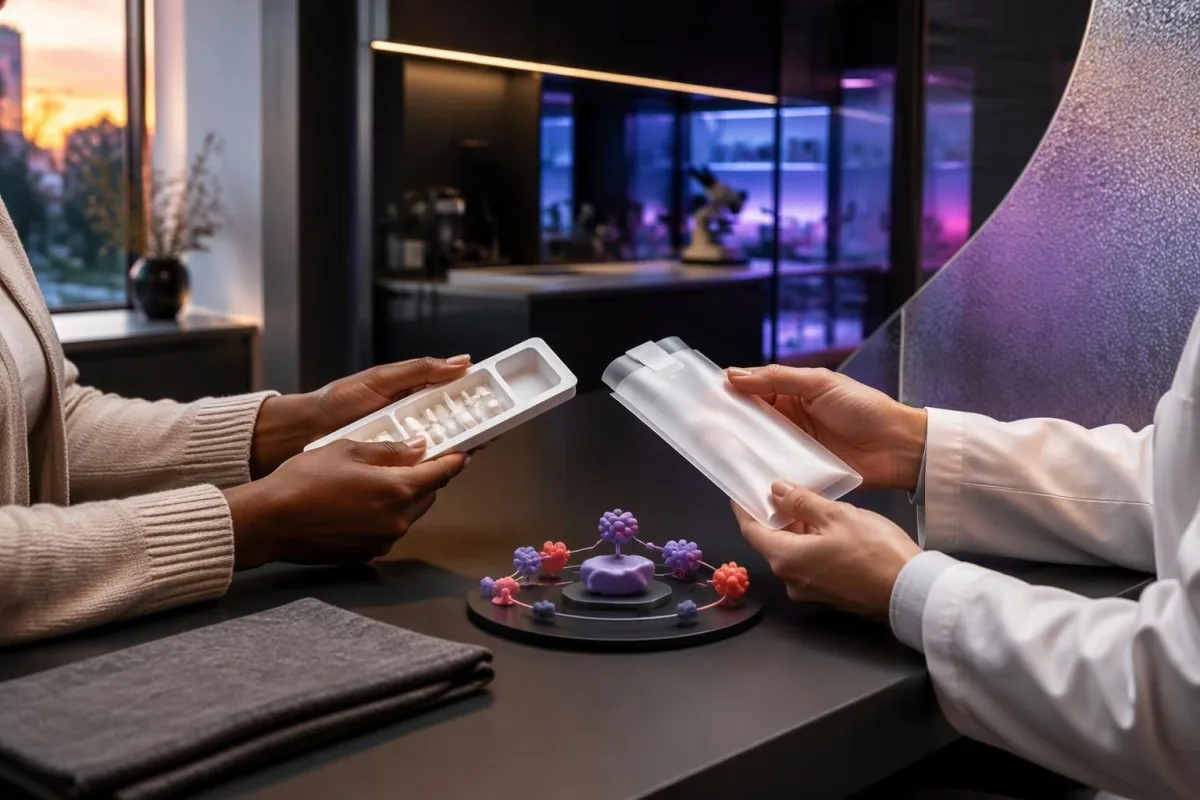
Baselga et al. (2012), in the BOLERO-2 trial published in The New England Journal of Medicine, studied everolimus 10 mg daily with exemestane in a defined advanced breast-cancer population. That trial supports an indication-specific treatment strategy, not a universal concentration goal; a cancer patient's result above 8 ng/mL cannot be labeled excessive solely because a transplant report prints that upper boundary.
Exposure-response studies suggest potential roles for individualized oncology monitoring, but evidence has not established one universally accepted routine trough target across cancers. Separate noncancer indications also illustrate the difference: product labeling uses concentration-guided treatment targeting 5–15 ng/mL in certain tuberous-sclerosis-associated settings, and that interval must not be borrowed for cancer or transplantation without specialist direction.
A hypothetical oncology patient with a 9 ng/mL concentration needs the oncologist to review why the test was ordered, whether it was a true 24-hour predose sample and whether adverse effects are present. Our chemotherapy testing distinctions explain a different medicine-specific safety test; drug monitoring, pharmacogenetics and toxicity grading are not interchangeable routes to a self-selected dose.
Kako vrijeme i interakcije mijenjaju isti brojčani rezultat?
The same everolimus concentration can mean different things when the dose interval, indication or interacting medicines differ. Kantesti is an Alat za analizu krvnih nalaza uz pomoć AI-a that can help organize these distinctions around a reported 10 ng/mL result, but only the treating team can translate the clinical context into a dosing decision.
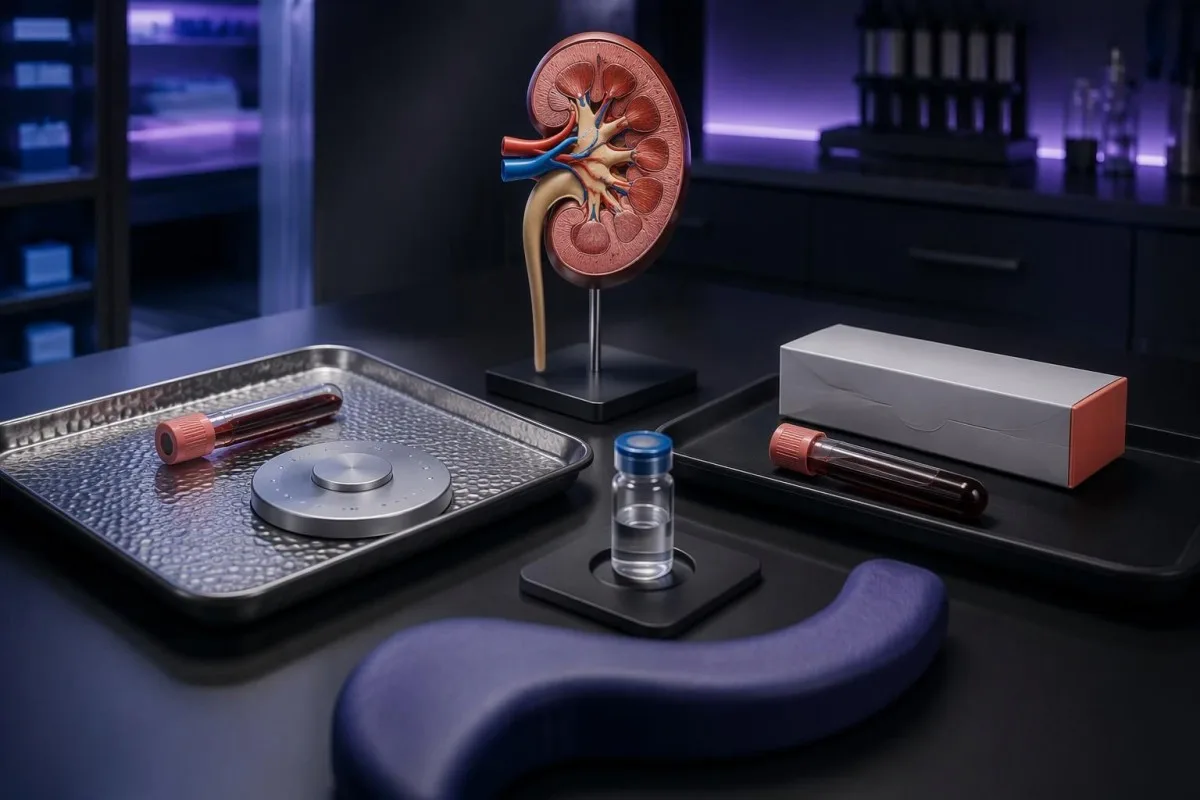
Hypothetical example 1: a kidney recipient targeting 3–8 ng/mL has a 10 ng/mL result collected 12 hours after the last dose, several days after starting clarithromycin. That combination suggests a plausible interaction-related rise requiring prompt review; a mouth-sore history, blood count and companion-drug level would influence the clinician's decision more than the number alone.
Hypothetical example 2: another recipient has 10 ng/mL collected 1 hour after taking the morning dose, while their previous genuine trough was 5 ng/mL. The two results should not be plotted as equivalent troughs; our tijek rada za praćenje trendova sigurnosti lijekova explains why sample annotations matter before interpreting a line rising on a chart.
Kantesti AI can support a record containing 4 fields—dose, previous-dose time, collection time and target—while our objašnjenje AI tehnologije describes the broader interpretation workflow. A proportional calculation such as reducing a dose by 50% because a level doubled ignores timing errors, interactions and graft risk, so it is not a safe patient dosing method.
Istraživačke publikacije i kontrolni popis za sigurno praćenje nakon transplantacije
The strongest evidence for interpreting everolimus comes from drug-monitoring consensus guidance and indication-specific trials, not from general laboratory articles. Before acting on a result such as 9 ng/mL, obtain your prescribed target, verify collection timing and ask your transplant service for explicit next-dose and repeat-test instructions.
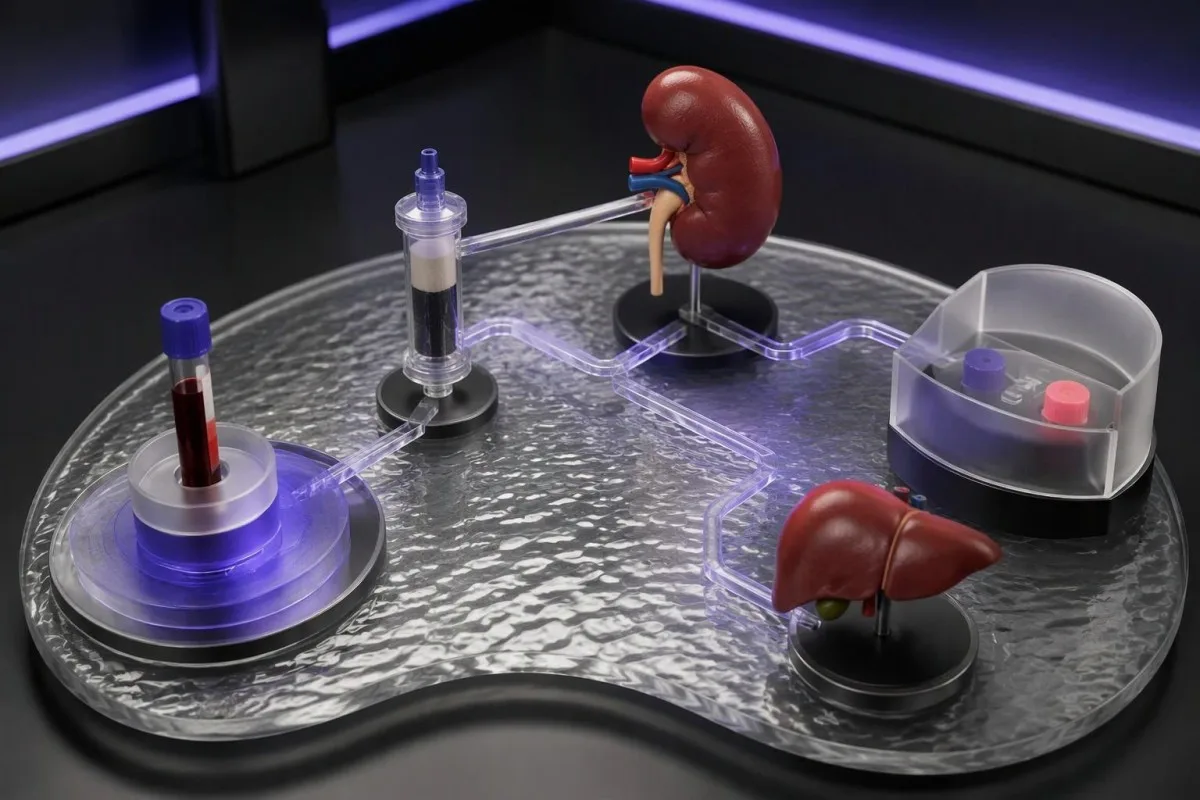
Send the service 5 essentials: the result and units, prescribed regimen, last-dose time, collection time and recent medicine or illness changes. Ask whether the sample is interpretable, what to take next and when to repeat it; the Shipkova et al. (2016) consensus and indication-specific trials provide clinical background, but none makes an unexplained high flag a patient-directed dosing instruction.
The 2 Zenodo publications listed below address coagulation and serum proteins, not everolimus pharmacokinetics, transplant target validation or oncology dose selection. Our vodič za tumačenje serumskih proteina may help explain accompanying albumin results, but these background resources should not be cited as evidence that 3–8 ng/mL is appropriate for a particular recipient.
Materijale Kantesti-a standardi medicinskog sadržaja distinguish educational interpretation from prescribing; this article cannot confirm that an individual 6 ng/mL result is correctly timed or clinically safe. Keep the transplant service's daytime and out-of-hours contact details available, and obtain urgent help for fever, breathing changes or inability to retain immunosuppression rather than waiting for another concentration.
Često postavljana pitanja
Koja je ciljna najniža koncentracija everolimusa nakon transplantacije?
An everolimus trough target of 3–8 ng/mL in whole blood is commonly used in selected kidney and liver transplant regimens and some heart-transplant protocols. Your personal target depends on the transplanted organ, accompanying immunosuppressants, postoperative phase and local protocol. A laboratory's printed range is not automatically your prescribed target. Ask the transplant team to confirm the interval before interpreting a flagged result or considering any treatment change.
Koliko sati nakon doze everolimusa treba provjeriti njegovu koncentraciju?
An everolimus trough should be collected immediately before the next scheduled dose, usually approximately 12 hours after the previous dose for a twice-daily transplant regimen. If a specialist requests a trough during once-daily treatment, the expected interval is generally approximately 24 hours. Follow the team's instructions about taking the next dose after collection, and report both actual dose and collection times. A sample taken after dosing should not be treated as an ordinary predose trough.
Je li razina everolimusa od 10 ng/mL previsoka?
Koncentracija everolimusa od 10 ng/mL iznad je ciljne vrijednosti ako je propisani raspon najniže koncentracije u punoj krvi 3–8 ng/mL, no to nije univerzalna granica toksičnosti. Rezultat uzorka uzetog neposredno prije doze ima drukčije značenje od uzorka prikupljenog 1–2 sata nakon uzimanja doze. Odmah se obratite transplantacijskom timu kako biste provjerili vrijeme uzimanja uzorka, lijekove koji mogu stupiti u interakcije, simptome i druge laboratorijske nalaze. Nemojte samoinicijativno preskočiti, smanjiti ni podijeliti sljedeću dozu; kod ozbiljnih poteškoća s disanjem ili drugih ozbiljnih simptoma potrebna je hitna medicinska pomoć bez obzira na koncentraciju.
Može li niska razina everolimusa značiti da moje tijelo odbacuje transplantirani organ?
Najniža koncentracija everolimusa u krvi manja od 3 ng/mL može upućivati na nedovoljnu izloženost u režimu doziranja s ciljnom koncentracijom od 3–8 ng/mL, ali taj rezultat ne dijagnosticira odbacivanje presatka. Propuštene doze, odgođeno uzimanje uzorka, povraćanje i lijekovi koji induciraju enzime također mogu pridonijeti niskoj koncentraciji. Procjena odbacivanja presatka zahtijeva praćenje trendova funkcije presatka i pretrage specifične za pojedini organ koje odabire transplantacijski tim. Pravodobno prijavite rezultat poput 2.2 ng/mL, umjesto da uzmete dodatnu dozu ili promijenite drugi imunosupresiv.
Koliko brzo treba ponoviti mjerenje razine everolimusa nakon promjene doze?
Everolimus concentrations are commonly rechecked around 4–5 days after a clinician-directed dose change, when exposure is approaching the new steady state. The medicine's average half-life is roughly 30 hours, so a sample after only 1 day may still reflect the previous regimen substantially. Suspected toxicity, a major interaction or an unstable clinical situation can justify earlier or additional testing. Your transplant team should specify both the collection date and what to take while waiting.
Moraju li osobe koje uzimaju everolimus za rak imati najnižu koncentraciju od 3–8 ng/mL?
Osobama koje uzimaju everolimus za liječenje raka ne bi trebalo automatski dodijeliti transplantacijski cilj za najnižu koncentraciju od 3–8 ng/mL. Mnogi onkološki režimi primjenjuju doze jednom dnevno specifične za indikaciju, kao što je režim od 10 mg na dan ispitivan u studiji BOLERO-2, uz prilagodbe prema uputama liječnika zbog nuspojava, interakcija i funkcije jetre. Ne postoji jedinstven, univerzalno prihvaćen rutinski ciljni raspon najniže koncentracije koji bi se primjenjivao na sve vrste raka. Ako onkolog zatraži mjerenje koncentracije, pitajte zašto je mjerena i koji se okvir za njezino tumačenje primjenjuje.
Koji lijekovi mogu povisiti najnižu koncentraciju everolimusa?
Izloženost everolimusu može se povećati uz inhibitore CYP3A4 ili P-glikoproteina, uključujući određene azolne antimikotike, klaritromicin i lijekove koji sadrže ritonavir. Diltiazem, verapamil, flukonazol i ciklosporin također mogu biti relevantni, iako učinak varira ovisno o lijeku i osobi. Čak i petodnevna terapija može poremetiti prethodno stabilnu najnižu koncentraciju od 5 ng/mL. Prije nego što počnete uzimati nove lijekove na recept ili dodatke prehrani, provjerite s transplantacijskim timom ili ljekarnikom, a također prijavite i prekid liječenja koje stupa u interakciju.
Saznajte kako čitati krvnu sliku
Prenesite svoj laboratorijski nalaz i AI alata Kantesti objasnit će svaki biomarker jednostavnim jezikom u nekoliko sekundi. Koristi ga više od 2 milijuna ljudi diljem svijeta.
Reference
- Klein, T., Mitchell, S., & Weber, H. (2026). Normalni raspon aPTT-a: vodič za D-dimer, protein C i zgrušavanje krvi. Medicinsko istraživanje uz Kantesti AI. DOI
- Klein, T., Mitchell, S., & Weber, H. (2026). Vodič za serumske proteine: globulini, albumin i omjer A/G u krvnim pretragama. Medicinsko istraživanje uz Kantesti AI. DOI
- Shipkova M et al. (2016). Therapeutic Drug Monitoring of Everolimus: A Consensus Report. Therapeutic Drug Monitoring.
- De Simone P et al. (2012). Everolimus with reduced tacrolimus improves renal function in de novo liver transplant recipients: a randomized controlled trial. American Journal of Transplantation. DOI
- Baselga J et al. (2012). Everolimus in Postmenopausal Hormone-Receptor–Positive Advanced Breast Cancer. The New England Journal of Medicine. DOI
- 2 milijuna+Analizirani testovi
- 127+Zemlje
- 100+Jezici
O medicinskom timu


E-E-A-T signal(i) povjerenja
Iskustvo
Liječnički vođena klinička revizija radnih tokova tumačenja laboratorijskih nalaza.
Stručnost
Fokus laboratorijske medicine na to kako se biomarkeri ponašaju u kliničkom kontekstu.
Autoritativnost
Medicinski recenzirao dr. Thomas Klein, uz doprinose dr. Sarah Mitchell i prof. dr. Hansa Webera.
Pouzdanost
Tumačenje utemeljeno na dokazima, s jasnim putovima praćenja kako bi se smanjila uzbuna.






Medicinsko odricanje od odgovornosti
Ovaj je članak samo u obrazovne svrhe i ne predstavlja medicinski savjet. Za odluke o dijagnozi i liječenju uvijek se posavjetujte s kvalificiranim pružateljem zdravstvenih usluga.
Objavljeno · Obratite se uredničkom timu
Izdaje Kantesti Ltd, registrirana u Engleskoj i Walesu, broj tvrtke. 17090423, London, Ujedinjeno Kraljevstvo.
