An everolimus trough level of 3–8 ng/mL is commonly targeted in certain transplant regimens, usually using a sample collected immediately before the next dose. Your transplant protocol, other medicines and collection timing determine what your result means; cancer treatment uses different dosing principles, and you should not change doses yourself.

Төп нәтиҗәләр
- Transplant targets commonly use 3–8 ng/mL in whole blood, but the organ, accompanying medicines and your team's protocol determine your personal target.
- Collection timing is immediately before the next scheduled dose—approximately 12 hours after the previous dose for a twice-daily regimen.
- Лаборатория үлчәү берәмлекләре are interchangeable when expressed as ng/mL or µg/L: 5 ng/mL equals 5 µg/L.
- Югары нәтиҗәләр above a prescribed 3–8 ng/mL target warrant transplant-team review; 8 ng/mL is not a universal emergency or toxicity threshold.
- Low results below 3 ng/mL may indicate insufficient exposure in regimens using that lower boundary, but do not diagnose rejection.
- Кабат тикшерү commonly occurs around 4–5 days after a clinician-directed dose change, with earlier or additional testing when circumstances require it.
- Үзара тәэсирләр include azole antifungals, clarithromycin, ritonavir-containing medicines, rifampicin and some seizure medicines; starting or stopping an interacting drug can change concentrations.
- Cancer treatment does not automatically use the transplant 3–8 ng/mL range; many oncology regimens use an indication-specific daily dose and toxicity-based adjustments.
- Доза куркынычсызлыгы means asking your transplant team what to take and when to repeat testing, rather than skipping, doubling or recalculating a dose yourself.
What does an everolimus trough level actually tell you?
Бер everolimus trough level measures the medicine's whole-blood concentration immediately before the next dose, helping clinicians assess exposure rather than simply the amount prescribed. A result of 5 ng/mL can fit a 3–8 ng/mL transplant target, but only if the sample timing and treatment protocol match that interpretation.
The same everolimus dose can produce different concentrations in 2 people because absorption, liver metabolism and interacting medicines vary. The trough is a practical sampling point, not a complete measurement of exposure throughout the day; a satisfactory number also cannot prove that the transplanted organ is functioning normally or that adverse effects are absent.
At Kantesti, we separate the laboratory's printed interval from the target your team actually prescribed—for example, 3–8 ng/mL versus a narrower individualized interval. Our оешма һәм клиник максат explain the educational role of interpretation; the transplant service remains responsible for selecting the immunosuppressive regimen and deciding whether a result should change treatment.
Кантести - ЯИ анализы that can help place an everolimus result such as 5 ng/mL alongside uploaded kidney-function and blood-count results, without prescribing a dose. When everolimus accompanies another immunosuppressant, our такролимусны мониторинглау буенча белешмә explains why each drug needs its own target and collection instructions.
Which everolimus therapeutic range applies to your indication?
.Әр сүзнең everolimus therapeutic range commonly used for selected kidney and liver transplant regimens is 3–8 ng/mL in whole blood. Heart transplantation protocols in jurisdictions where this use is approved often use a similar interval, but lung transplantation, reduced-companion-drug strategies and other indications require explicit specialist targets.
The consensus report by Shipkova et al. (2016), published in Therapeutic Drug Monitoring, supports interpreting everolimus concentrations within the complete transplant regimen, commonly using 3–8 ng/mL with calcineurin inhibitors. The lower boundary reflects concern about insufficient immunosuppression, while the upper boundary helps limit exposure-related adverse effects; neither boundary is a biological cliff where safety abruptly changes.
Approval and protocols differ internationally: U.S. transplant labeling covers specified kidney and liver settings, while European product information also includes selected heart-transplant use. A 3–8 ng/mL laboratory interval therefore does not identify the organ, companion-drug exposure or postoperative phase by itself, and a center may select a different target for a documented clinical reason.
Ask for 3 pieces of information: your target interval, the reason it was chosen and the target for any accompanying calcineurin inhibitor. The general principle also appears in our infliximab trough interpretation: therapeutic ranges belong to a particular drug, indication and sampling strategy, rather than to every person taking that medicine.
| Дәрәҗә | Диапазон | Мәгънәсе |
|---|---|---|
| Selected kidney-transplant regimens | Commonly 3–8 ng/mL | Whole-blood predose target used with specified accompanying immunosuppression; confirm the center's protocol. |
| Selected liver-transplant regimens | Commonly 3–8 ng/mL | Often paired with reduced tacrolimus exposure after an appropriate postoperative interval. |
| Selected heart-transplant regimens | Often 3–8 ng/mL | Applicable only where the regimen and local approval support this target. |
| Lung or other specialist transplant regimens | Center-specific | Do not infer an individualized target from another organ's protocol. |
| Cancer treatment | No universal transplant-equivalent target | Oncology dosing and adverse-effect management do not automatically use 3–8 ng/mL. |
When should the everolimus sample be collected?
Everolimus level timing should place the collection immediately before the next scheduled dose. For a twice-daily transplant regimen, this generally means approximately 12 hours after the previous dose; a specialist-requested trough for a once-daily regimen would generally be approximately 24 hours after the previous dose.
A hypothetical recipient takes everolimus at 08:00 and 20:00, then attends a planned collection just before 08:00 the next morning. The transplant team's usual instruction is to bring the morning dose and take it after collection, but obtain that instruction beforehand; a laboratory delay does not give you permission to postpone immunosuppression indefinitely.
Record the previous dose time, collection time and next dose time as 3 separate entries. A fasting instruction for glucose or lipids is a different issue from trough timing, so confirm whether you should take your usual food afterward and whether other morning medicines have separate instructions; our беренче җыю әзерләү чек-листы helps prevent missing these details.
Scheduling accuracy matters more than an appointment labeled simply 'morning': a 07:00 sample after a 23:00 dose represents an 8-hour interval, not a 12-hour trough. If travel, shift work or another medication makes the standard schedule difficult, arrange a collection plan with the transplant coordinator rather than changing dose times solely to fit the laboratory.
What if you took the dose before testing or missed one?
A sample collected after taking everolimus is not a true predose trough and should not be compared directly with a 3–8 ng/mL trough target. A missed dose or substantially delayed collection also changes interpretation; report the actual times rather than trying to make the result fit the expected interval.
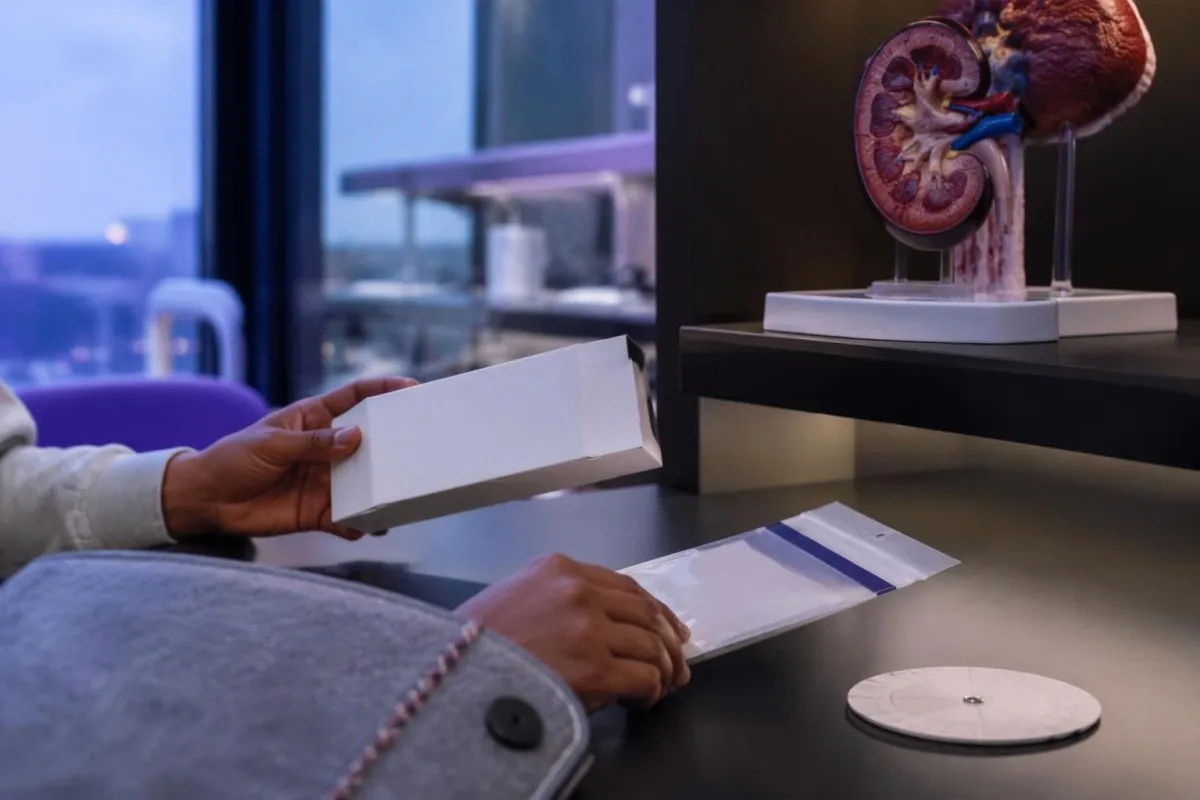
Everolimus commonly reaches peak concentrations around 1–2 hours after an oral dose, although food and individual absorption can change that timing. A hypothetical result of 12 ng/mL collected 90 minutes after dosing could reflect the absorption phase rather than an excessive trough; the team must still review the result and symptoms, not simply dismiss the number.
Missing the evening dose can make an apparently low morning concentration unrepresentative of your usual prescribed regimen, even if the appointment occurs at the expected hour. Give the team a factual account of the last 2–3 days, including vomiting or uncertainty about a dose; a one-time low result cannot distinguish missed treatment from inadequate dosing without that history.
Do not take an extra dose to compensate for a misleading 2 ng/mL result, and do not omit the next dose because a postdose sample looks high. Different medicines have different postdose sampling rules, as our digoxin sample-timing guide illustrates; ask the transplant team whether the collection needs repeating and what to take in the meantime.
How long after a dose change should levels be rechecked?
A routine everolimus level is commonly reassessed around 4–5 days after a clinician-directed dose change, when concentrations are approaching the new steady state. Earlier collections may be appropriate for suspected toxicity or major interactions, but they should be interpreted as transitional measurements rather than final evidence of the new dose's effect.
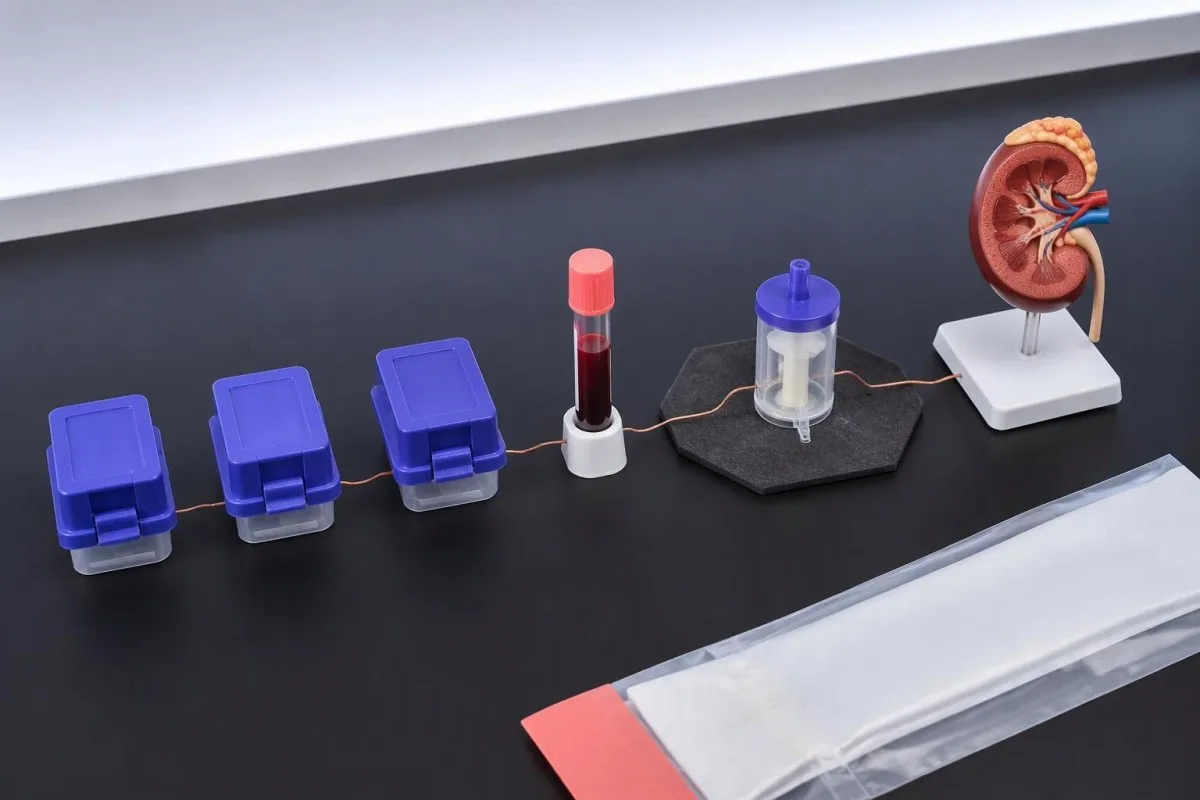
Everolimus has an average elimination half-life of roughly 30 hours, with substantial variation between people. After only 24 hours, a concentration still reflects considerable exposure from the previous regimen, so a second adjustment based solely on that early result can overshoot the intended target; product instructions commonly discourage routine adjustments more frequently than every 4–5 days.
A hypothetical recipient changes dose on Monday and has a predose sample on Tuesday because another test was already booked. That 1-day interval may provide useful safety information, but the transplant team may still request a later level; our blood-test change timeline explains why the biological response and the appointment schedule are not the same thing.
Starting an inhibitor can raise exposure while everolimus is still accumulating, and stopping an inducer can have delayed effects as enzyme activity returns toward baseline. Keep 2 dates in your record—the everolimus dose change and the interacting medicine change—because 'unchanged dose' does not mean unchanged exposure, and the team may need more than one repeat collection.
Why do specimen type and laboratory method matter?
Everolimus transplant monitoring uses бөтен кан дип әйтүен тикшерәм. Билге (флаг) турында карар чыгарганчы бу аерма аеруча файдалы; илләр буенча нәтиҗәләрне чагыштырган пациентлар өчен безнең, usually collected in an EDTA tube, rather than an interchangeable serum concentration. Results reported in ng/mL and µg/L are numerically equivalent: 6 ng/mL equals 6 µg/L, but values produced by different assay methods may not be directly comparable.
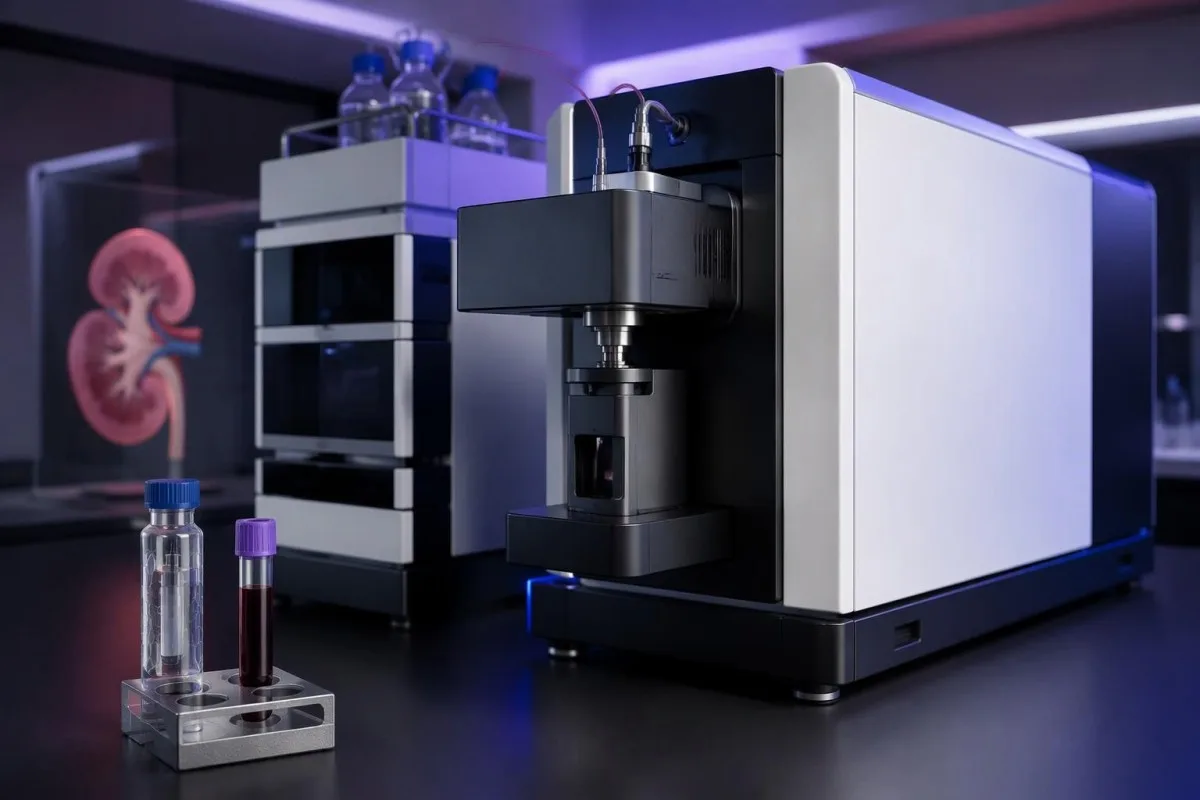
Liquid chromatography–tandem mass spectrometry, abbreviated LC-MS/MS, is a reference approach for everolimus measurement, while some laboratories use immunoassays. Method-dependent bias can occur, including differences in metabolite cross-reactivity, so an apparent shift from 6 to 8 ng/mL after changing laboratories deserves a method check before anyone assumes that drug exposure increased by one-third.
Whole-blood concentrations also depend partly on distribution into cellular elements, meaning a large hematocrit change may alter the relationship between the measured value and circulating drug exposure. There is no routine patient-applied hematocrit correction formula for an everolimus result of 4 ng/mL; our фенитоинның ирекле һәм гомуми күләмен чагыштыру буенча кулланма explains why specimen biology differs across monitored drugs.
Kantesti can help organize 3 report details—the analyte name, units and laboratory interval—but an uploaded report does not reveal an undocumented dose time or assay change. Our валидация һәм күзәтчелек кысалары describes interpretation standards; it does not mean that AI performs the everolimus assay or replaces a transplant pharmacist's assessment of unexpected concentrations.
Which medicines can raise or lower everolimus levels?
Medicines that inhibit CYP3A4 or P-glycoprotein can raise everolimus exposure, while enzyme-inducing medicines can lower it. Strong inhibitors such as certain azole antifungals and ritonavir-containing treatments may require avoidance or specialist management; even a 5-day course can matter for a twice-daily transplant regimen.
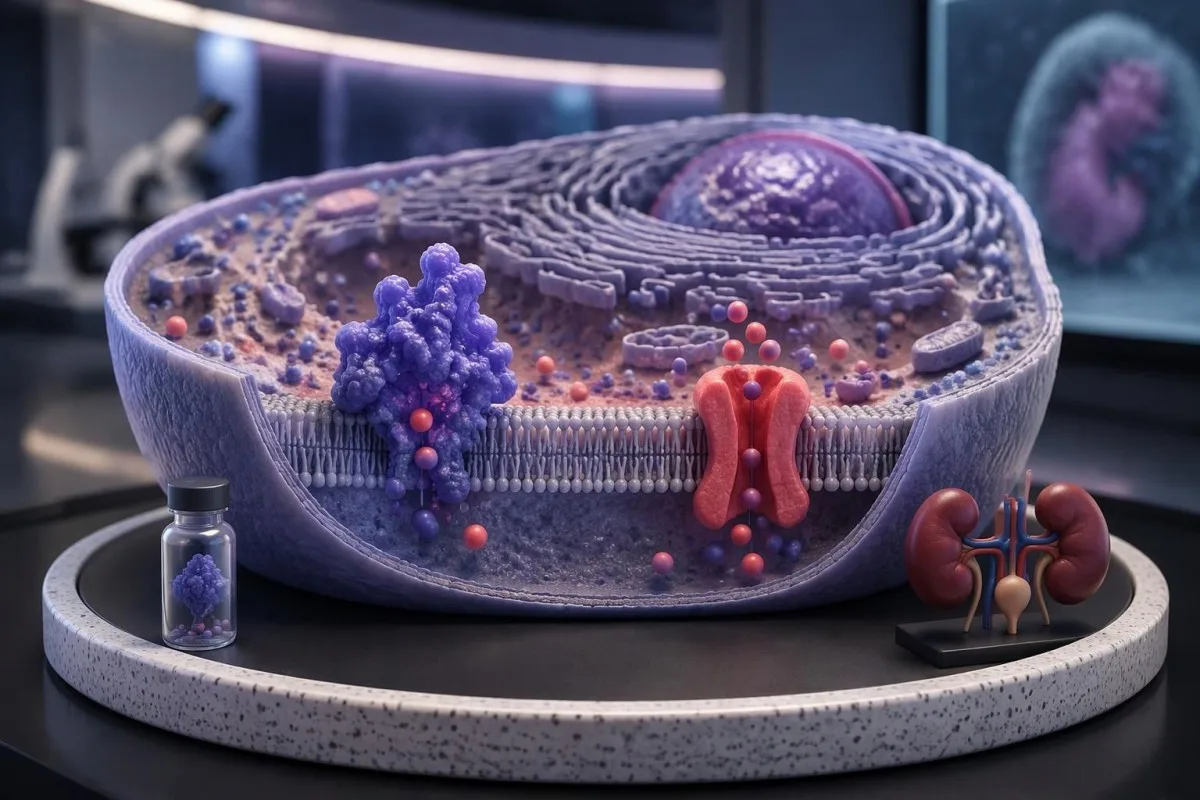
Examples that can raise exposure include voriconazole, posaconazole, itraconazole, clarithromycin and ritonavir or cobicistat; fluconazole, diltiazem and verapamil can also be relevant. The effect is not identical for every drug or person, and a previous concentration of 5 ng/mL does not predict safety after an inhibitor starts; our voriconazole monitoring guide covers the antifungal's own monitoring needs.
Rifampicin, carbamazepine, phenytoin, phenobarbital and St John's wort can reduce everolimus exposure through induction, although onset and recovery depend on the particular medicine. Starting an inducer may lower a previously acceptable 6 ng/mL trough, while stopping it may subsequently raise concentrations; tell the team about both actions rather than reporting only the new prescription.
Cyclosporine can increase everolimus exposure, so changes to its dose can alter the everolimus concentration even when the everolimus prescription stays the same. Before starting 1 new antibiotic, antifungal, antiviral or supplement, ask the transplant service or pharmacist to check the complete regimen—including tacrolimus, cyclosporine and nonprescription products—rather than checking each medicine separately.
How do food, liver function and stomach illness affect results?
Food consistency, liver impairment and gastrointestinal illness can change everolimus exposure or make a result harder to interpret. Take each prescribed dose consistently with or without food, avoid grapefruit unless your specialist explicitly advises otherwise, and report vomiting or persistent diarrhea even when the latest concentration was within 3–8 ng/mL.
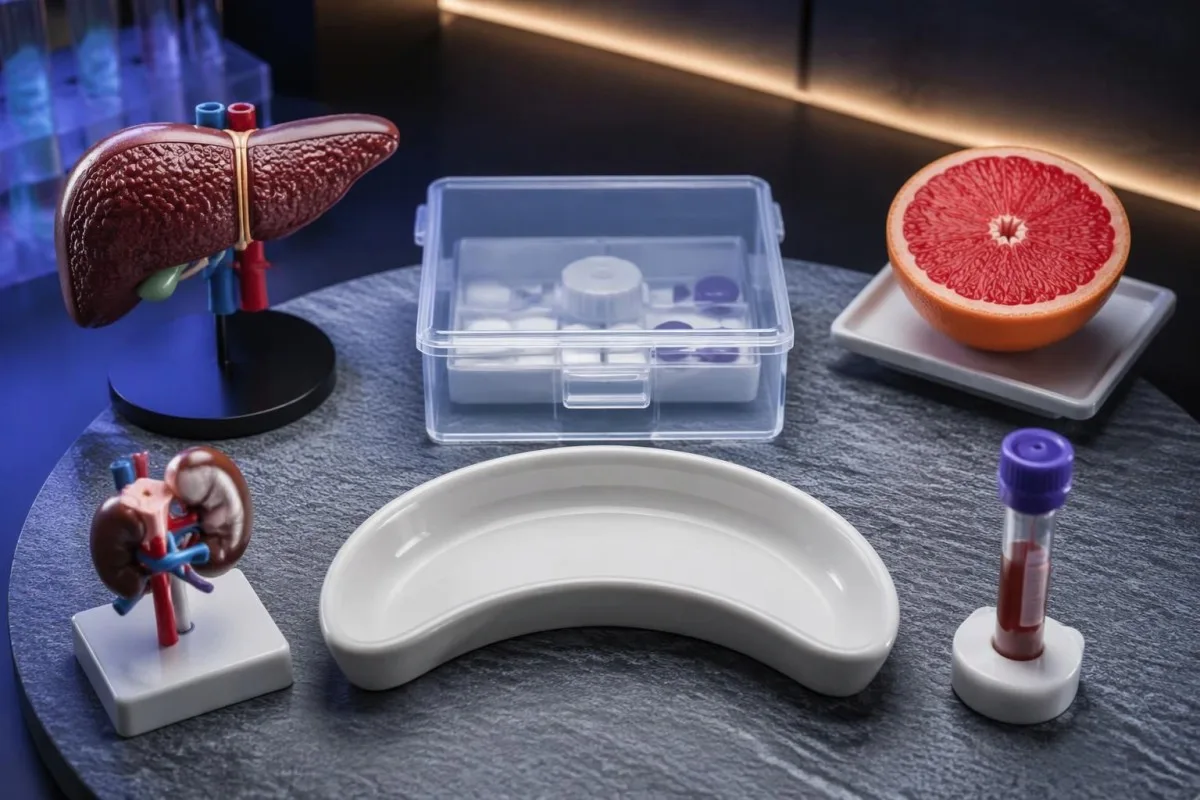
Food can alter everolimus absorption, so switching between fasting doses and doses with substantial meals can introduce variability without any prescription change. A practical record includes whether each of the previous 2 doses was taken with food; do not begin taking it fasting to 'improve' a low result, because that changes the exposure pattern your team is trying to assess.
Liver impairment can reduce everolimus clearance and may require indication-specific clinician-directed dose reduction, whereas reduced kidney filtration alone does not explain clearance in the same way. A change from 5 to 9 ng/mL therefore deserves a review of liver status and interacting medicines as well as kidney results; avoid unreviewed products marketed for kidney supplement support.
Diarrhea and vomiting can disrupt absorption, medication retention, hydration and the overall transplant regimen, but they do not reliably move everolimus concentrations in one predictable direction. If illness lasts more than 24 hours, or you cannot retain a scheduled dose, contact the team promptly; our norovirus recovery guidance should not substitute for transplant-specific advice.
What should you do if your everolimus level is too high?
Бер everolimus level too high means the measured concentration exceeds your prescribed target—not that one universal number proves poisoning. If your target is 3–8 ng/mL and a correctly collected trough is 12 ng/mL, contact the transplant team promptly for timing, interaction, symptom and laboratory review without independently withholding or reducing treatment.
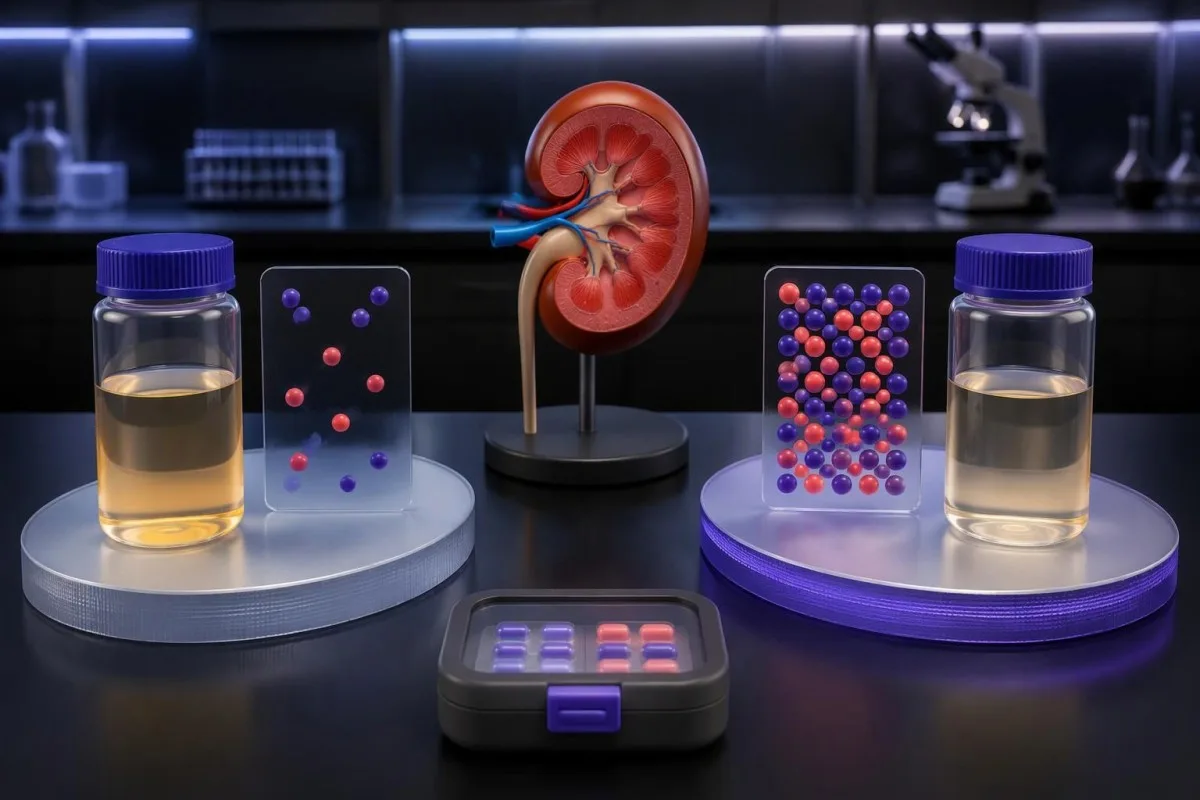
A value of 8.4 ng/mL is only 0.4 ng/mL above an 8 ng/mL upper target and does not carry the same context as a sudden rise from 5 to 16 ng/mL. There is no universally accepted emergency cutoff that applies to every transplant regimen; the direction of change, collection accuracy, symptoms and other immunosuppressants determine how urgently the team responds.
Everolimus can cause mouth sores, low blood counts, proteinuria, increased lipids, hyperglycemia, impaired healing and noninfectious pneumonitis, including at concentrations within the intended range. New thirst or frequent urination warrants glucose assessment rather than assuming the trough explains everything; our high-glucose warning signs distinguish routine follow-up from symptoms that require urgent evaluation.
Кантести - AI кан анализы нәтиҗәләрен аңлату платформасы that can help compare a reported 12 ng/mL concentration with accompanying uploaded results, but cannot decide whether the next dose should be held. Fever of 38°C or higher, new breathlessness, severe weakness, markedly reduced urine output or inability to keep medicines down warrants urgent clinical contact; severe breathing difficulty requires emergency care regardless of the trough.
Does a low everolimus trough mean rejection?
A low everolimus trough can indicate insufficient exposure when it falls below your protocol's lower target, but it does not diagnose rejection. For a regimen targeting 3–8 ng/mL, a genuine 2.2 ng/mL trough should prompt timely transplant-team review of adherence, timing, interactions and the complete immunosuppressive regimen.
A missed dose, an inducer such as rifampicin, inconsistent food intake or a delayed collection can each contribute to a low result. If a hypothetical recipient's usual trough is 4.5 ng/mL and the new result is 2.2 ng/mL, the useful first step is reconstructing events—not assuming the prescribed dose suddenly stopped working or taking an extra tablet.
Rejection assessment depends on graft function, symptoms and organ-specific investigations; a kidney recipient may need creatinine trends, urine testing, imaging or specialist tissue assessment. A rise in creatinine plus a 2 ng/mL trough raises concern, but dehydration, obstruction and other causes remain possible, so the transplant service decides which tests can distinguish them.
Increasing immunosuppression can worsen some viral complications, which is why a low trough cannot be managed separately from the rest of the record. Our BK virus graft-risk guide explains a setting where graft dysfunction and treatment intensity must be balanced; do not double 1 dose or change tacrolimus to compensate for an isolated everolimus result.
Which other tests make everolimus monitoring safer?
Everolimus safety monitoring commonly includes blood counts, kidney function, urine protein, liver tests, glucose and lipids, alongside the trough and companion-drug levels. A 5 ng/mL concentration within a 3–8 ng/mL target does not rule out cytopenias, proteinuria, metabolic adverse effects or a problem caused by combined immunosuppression.
Persistent urine protein can require assessment even when creatinine changes little, and a urine albumin-to-creatinine ratio of 30 mg/g marks increased albumin excretion under general kidney classification. That threshold is not an automatic everolimus stopping rule; the team may use albumin or total-protein ratios, trends and graft context, while our күпме тонык сидек буенча кулланма explains why appearance alone is insufficient.
De Simone et al. (2012) tested everolimus targeting 3–8 ng/mL with reduced tacrolimus after liver transplantation and found better kidney-function outcomes than standard tacrolimus exposure in the studied setting. This supports a deliberately coordinated regimen, not independent calcineurin-inhibitor withdrawal; our бөер функциясе коэффициенты буенча белешмәлек provides background, but cannot identify the cause of graft dysfunction by itself.
A platelet decline from 180 to 70 × 10⁹/L combined with rising creatinine and evidence of red-cell fragmentation would need urgent investigation, including consideration of thrombotic microangiopathy. Those hypothetical values are not diagnostic thresholds, and other medicines or illnesses can be responsible; our шистоцитларны кичектергесез интерпретацияләү турындагы explains why a normal everolimus trough cannot make this pattern safe to ignore.
Why should cancer treatment not use transplant targets automatically?
Cancer treatment should not automatically use the transplant 3–8 ng/mL everolimus target, because treatment goals, doses, formulations and supporting evidence differ. Many oncology regimens use a prescribed once-daily dose and adjust for adverse effects, interactions and liver function rather than routinely titrating every patient to a transplant trough interval.
Baselga et al. (2012), in the BOLERO-2 trial published in The New England Journal of Medicine, studied everolimus 10 mg daily with exemestane in a defined advanced breast-cancer population. That trial supports an indication-specific treatment strategy, not a universal concentration goal; a cancer patient's result above 8 ng/mL cannot be labeled excessive solely because a transplant report prints that upper boundary.
Exposure-response studies suggest potential roles for individualized oncology monitoring, but evidence has not established one universally accepted routine trough target across cancers. Separate noncancer indications also illustrate the difference: product labeling uses concentration-guided treatment targeting 5–15 ng/mL in certain tuberous-sclerosis-associated settings, and that interval must not be borrowed for cancer or transplantation without specialist direction.
A hypothetical oncology patient with a 9 ng/mL concentration needs the oncologist to review why the test was ordered, whether it was a true 24-hour predose sample and whether adverse effects are present. Our chemotherapy testing distinctions explain a different medicine-specific safety test; drug monitoring, pharmacogenetics and toxicity grading are not interchangeable routes to a self-selected dose.
How do timing and interactions change the same numerical result?
The same everolimus concentration can mean different things when the dose interval, indication or interacting medicines differ. Kantesti is an AI нигезендәге кан анализы тикшерү коралы that can help organize these distinctions around a reported 10 ng/mL result, but only the treating team can translate the clinical context into a dosing decision.
Hypothetical example 1: a kidney recipient targeting 3–8 ng/mL has a 10 ng/mL result collected 12 hours after the last dose, several days after starting clarithromycin. That combination suggests a plausible interaction-related rise requiring prompt review; a mouth-sore history, blood count and companion-drug level would influence the clinician's decision more than the number alone.
Hypothetical example 2: another recipient has 10 ng/mL collected 1 hour after taking the morning dose, while their previous genuine trough was 5 ng/mL. The two results should not be plotted as equivalent troughs; our дарулар куркынычсызлыгы динамикасын күзәтү эш тәртибе explains why sample annotations matter before interpreting a line rising on a chart.
Kantesti AI can support a record containing 4 fields—dose, previous-dose time, collection time and target—while our AI технологиясе аңлатмасы describes the broader interpretation workflow. A proportional calculation such as reducing a dose by 50% because a level doubled ignores timing errors, interactions and graft risk, so it is not a safe patient dosing method.
Research publications and a safe transplant follow-up checklist
The strongest evidence for interpreting everolimus comes from drug-monitoring consensus guidance and indication-specific trials, not from general laboratory articles. Before acting on a result such as 9 ng/mL, obtain your prescribed target, verify collection timing and ask your transplant service for explicit next-dose and repeat-test instructions.
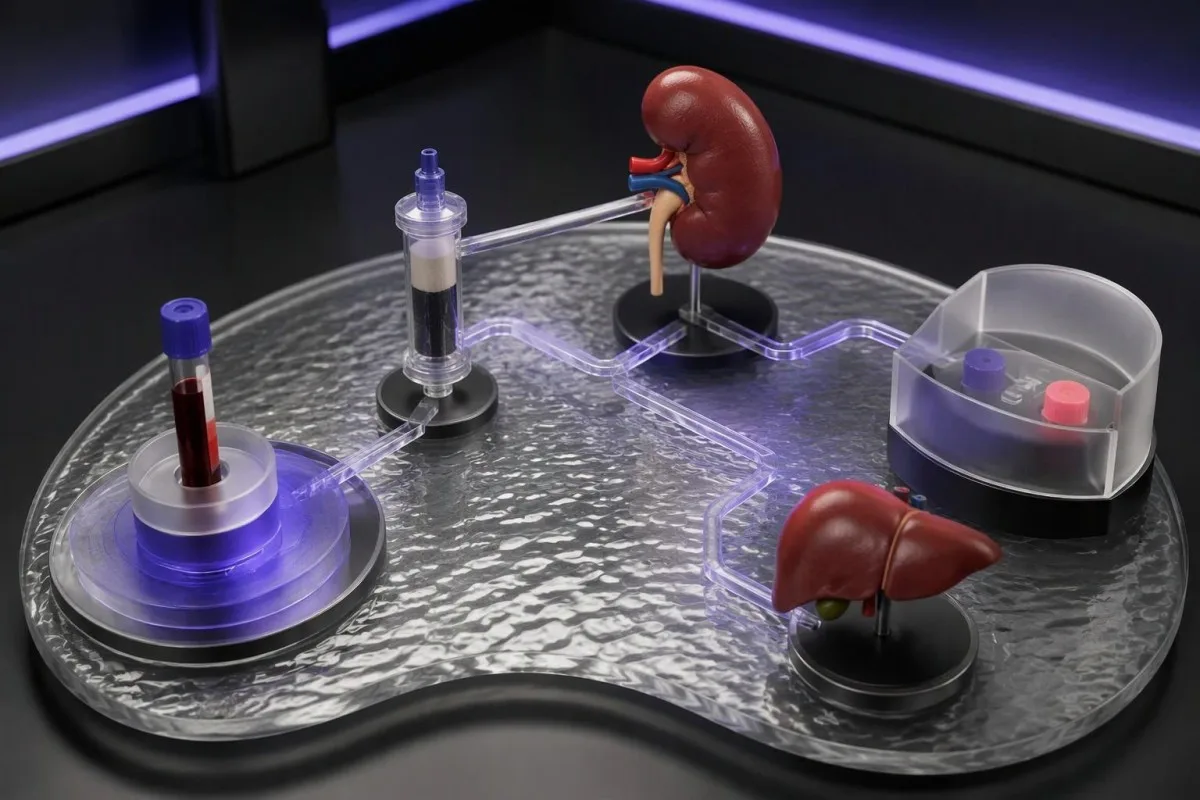
Send the service 5 essentials: the result and units, prescribed regimen, last-dose time, collection time and recent medicine or illness changes. Ask whether the sample is interpretable, what to take next and when to repeat it; the Shipkova et al. (2016) consensus and indication-specific trials provide clinical background, but none makes an unexplained high flag a patient-directed dosing instruction.
The 2 Zenodo publications listed below address coagulation and serum proteins, not everolimus pharmacokinetics, transplant target validation or oncology dose selection. Our кан сүвендәге аксымнарны аңлату белешмәлеге may help explain accompanying albumin results, but these background resources should not be cited as evidence that 3–8 ng/mL is appropriate for a particular recipient.
Kantestiның медицина эчтәлегенә стандартлар distinguish educational interpretation from prescribing; this article cannot confirm that an individual 6 ng/mL result is correctly timed or clinically safe. Keep the transplant service's daytime and out-of-hours contact details available, and obtain urgent help for fever, breathing changes or inability to retain immunosuppression rather than waiting for another concentration.
Еш бирелгән сораулар
Трансплантациядән соң эверолимусның максатчан минималь дәрәҗәсе нинди?
An everolimus trough target of 3–8 ng/mL in whole blood is commonly used in selected kidney and liver transplant regimens and some heart-transplant protocols. Your personal target depends on the transplanted organ, accompanying immunosuppressants, postoperative phase and local protocol. A laboratory's printed range is not automatically your prescribed target. Ask the transplant team to confirm the interval before interpreting a flagged result or considering any treatment change.
Эверолимус дозасын кабул иткәннән соң ничә сәгать узгач, аның дәрәҗәсен тикшерергә кирәк?
An everolimus trough should be collected immediately before the next scheduled dose, usually approximately 12 hours after the previous dose for a twice-daily transplant regimen. If a specialist requests a trough during once-daily treatment, the expected interval is generally approximately 24 hours. Follow the team's instructions about taking the next dose after collection, and report both actual dose and collection times. A sample taken after dosing should not be treated as an ordinary predose trough.
Эверолимус дәрәҗәсе 10 ng/mL булуы артык югары түгелме?
0 3–8 нг/мл тәшкил иткән бөтен кандагы минималь концентрациянең билгеләнгән диапазоны өчен эверолимус дәрәҗәсе 10 нг/мл максаттан югары, ләкин ул токсиклыкның универсаль чик дәрәҗәсе түгел. Дозаны кабул иткәнче алынган чын анализ нәтиҗәсе дозадан соң 1–2 сәгать узгач алынган үрнәк нәтиҗәсеннән аерыла. Үрнәкне алу вакытын, башка дарулар белән үзара тәэсирне, симптомнарны һәм башка лаборатор нәтиҗәләрне тикшерү өчен трансплантация буенча командагызга тиз арада мөрәҗәгать итегез. Киләсе дозаны үз белдегегез белән кабул итми калдырмагыз, киметмәгез һәм бүлмәгез; концентрациягә карамастан, сул алуның каты кыенлашуы яки башка җитди симптомнар кичектергесез медицина ярдәме таләп итә.
0 Канда эверолимусның түбән дәрәҗәсе трансплантатымны кире кагуны аңлатамы?
0 Эверолимусның минималь концентрациясе 3–8 ng/mL максатчан диапазонын кулланган дәвалау схемасында 3 ng/mLдан түбән булса, препаратка тәэсир итү җитәрлек булмавын күрсәтергә мөмкин, ләкин бу нәтиҗә кире кагуны диагностикаламый. Дозаларны кабул итми калу, анализны соңрак тапшыру, косу һәм ферментлар индукцияләүче дарулар да концентрациянең түбән булуына сәбәп булырга мөмкин. Кире кагуны бәяләү өчен трансплантация хезмәте сайлаган күчереп утыртылган орган функциясе динамикасын күзәтү һәм шул органга хас тикшеренүләр кирәк. 2.2 ng/mL кебек нәтиҗә турында тиз арада хәбәр итегез; өстәмә доза кабул итмәгез һәм башка иммунодепрессантның дозасын үзгәртмәгез.
Дозаны үзгәрткәннән соң эверолимус дәрәҗәсен күпме вакыттан соң кабат тикшерергә кирәк?
Everolimus concentrations are commonly rechecked around 4–5 days after a clinician-directed dose change, when exposure is approaching the new steady state. The medicine's average half-life is roughly 30 hours, so a sample after only 1 day may still reflect the previous regimen substantially. Suspected toxicity, a major interaction or an unstable clinical situation can justify earlier or additional testing. Your transplant team should specify both the collection date and what to take while waiting.
Яман шешкә каршы эверолимус кабул итүчеләргә препаратның иң түбән концентрациясе 3–8 нг/мл булырга тиешме?
Яман шеш өчен эверолимус кабул итүчеләргә трансплантация өчен билгеләнгән 3–8 ng/mL максатчан минималь концентрацияне автоматик рәвештә билгеләргә ярамый. Күп кенә онкология схемаларында күрсәтмәгә хас, көнгә бер тапкыр кабул ителә торган дозалар кулланыла; мәсәлән, BOLERO-2 тикшерүендә өйрәнелгән көненә 10 mg дозасы, ә тискәре йогынтыларга, үзара тәэсирләргә һәм бавыр функциясенә карап дозаны табиб билгели. Барлык яман шеш төрләре өчен дә яраклы, гомум кабул ителгән бер генә гадәти минималь концентрация максаты юк. Онколог концентрацияне тикшерергә кушса, аның ни өчен үлчәнгәнен һәм кайсы аңлату ысулы кулланылуын сорагыз.
Кайсы дарулар эверолимусның минималь концентрациясен күтәрергә мөмкин?
CYP3A4 яки P-гликопротеин ингибиторлары, шул исәптән кайбер азол төркемендәге гөмбәгә каршы препаратлар, кларитромицин һәм ритонавирлы дарулар, эверолимус тәэсирен арттырырга мөмкин. Дилтиазем, верапамил, флуконазол һәм циклоспорин да әһәмиятле булырга мөмкин, әмма тәэсире даруга һәм кешегә карап үзгәрә. Хәтта 5 көнлек рецепт та моңа кадәр тотрыклы булган 5 ng/mL иң түбән концентрацияне үзгәртергә мөмкин. Яңа препаратларны һәм өстәмәләрне кабул итә башлаганчы, аларны трансплантация хезмәте яки фармацевт белән тикшерегез, шулай ук үзара тәэсир итүче дәвалау туктаганда да хәбәр итегез.
Кан анализы нәтиҗәләрен аңлатып алыгыз
Лаборатория хисабыгызны йөкләгез, һәм Kantesti AI һәр биомаркерны секундлар эчендә гади тел белән аңлатыр. Дөнья буйлап 2 миллионнан артык кеше куллана.
Сылтамалар
- Klein, T., Mitchell, S., & Weber, H. (2026). aPTT нормаль күрсәткече: D-Dimer, Protein C кан оешу күрсәткече буенча белешмәлек. Kantesti AI медицина тикшеренүләре. DOI
- Klein, T., Mitchell, S., & Weber, H. (2026). Кан аксымнары буенча белешмәлек: глобулиннар, альбумин һәм A/G нисбәте кан анализы. Kantesti AI медицина тикшеренүләре. DOI
- Shipkova M et al. (2016). Therapeutic Drug Monitoring of Everolimus: A Consensus Report. Therapeutic Drug Monitoring.
- De Simone P et al. (2012). Everolimus with reduced tacrolimus improves renal function in de novo liver transplant recipients: a randomized controlled trial. American Journal of Transplantation. DOI
- Baselga J et al. (2012). Everolimus in Postmenopausal Hormone-Receptor–Positive Advanced Breast Cancer. The New England Journal of Medicine. DOI
- 2М +Анализланган тестлар
- 127+Илләр
- 100+Телләр
Медицина командасы турында


E-E-A-T ышаныч сигналлары
Тәҗрибә
Табиб җитәкчелегендә лаборатория нәтиҗәләрен аңлату эш процессларын клиник тикшерү.
Белгечлек
Лаборатория медицинасы: биомаркерларның клиник контекстта үз-үзләрен тотышын аңлау.
Авторититет
Доктор Томас Кляйн медицина ягыннан тикшерде; доктор Сара Митчелл һәм профессор доктор Һанс Вебер үз өлешләрен кертте.
Ышанычлылык
Ачык күзәтү юллары белән куркуны киметү өчен дәлилләргә нигезләнгән аңлату.






Медицина турында кисәтү
Бу мәкалә бары тик белем бирү максатларында гына һәм медицина киңәше булып тормый. Диагноз һәм дәвалау карарлары өчен һәрвакыт квалификацияле сәламәтлек саклау белгеченә мөрәҗәгать итегез.
Басылып чыкты · Редакция командасына мөрәҗәгать итегез
Kantesti Ltd нәшер итә, Англия һәм Уэльста теркәлгән, компания №. 17090423, Лондон, Бөекбритания.
