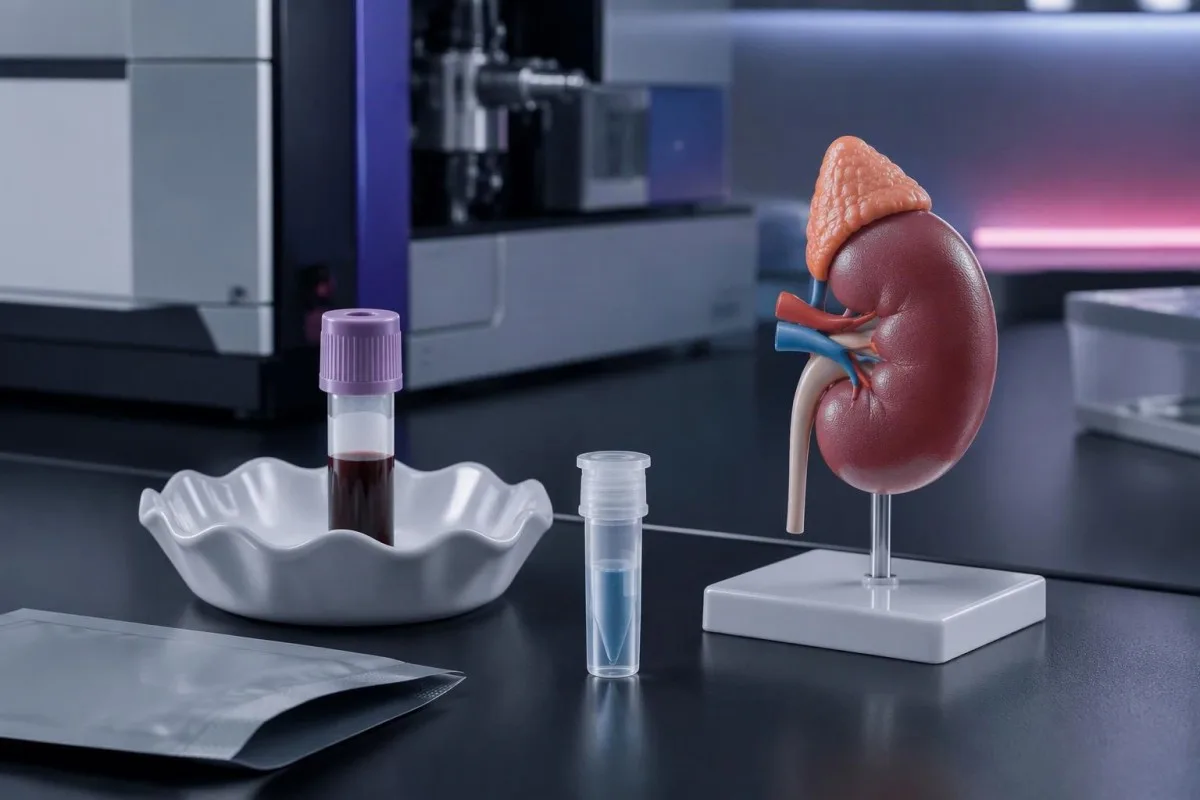
بعض ٹرانسپلانٹ علاجی طریقوں میں ایورولیمس کی کم ترین سطح عموماً 3–8 ng/mL مقرر کی جاتی ہے، اور اس کے لیے نمونہ عموماً اگلی خوراک سے فوراً پہلے لیا جاتا ہے۔ آپ کا ٹرانسپلانٹ پروٹوکول، دوسری ادویات اور نمونہ لینے کا وقت طے کرتے ہیں کہ آپ کے نتیجے کا کیا مطلب ہے؛ کینسر کے علاج میں خوراک کے اصول مختلف ہوتے ہیں، اور آپ کو خود سے خوراک تبدیل نہیں کرنی چاہیے۔.

اہم نکات
- ٹرانسپلانٹ کے اہداف پورے خون میں عموماً 3–8 ng/mL استعمال کرتے ہیں، لیکن عضو، ساتھ لی جانے والی ادویات اور آپ کی ٹیم کا پروٹوکول آپ کا انفرادی ہدف طے کرتے ہیں۔.
- نمونہ لینے کا وقت اگلی مقررہ خوراک سے فوراً پہلے ہوتا ہے—دن میں دو بار خوراک لینے کے طریقے میں پچھلی خوراک کے تقریباً 12 گھنٹے بعد۔.
- لیبارٹری کی اکائیاں ng/mL یا µg/L میں ظاہر کیے جانے پر باہم قابلِ تبادلہ ہیں: 5 ng/mL برابر ہے 5 µg/L کے۔.
- بلند نتائج تجویز کردہ 3–8 ng/mL ہدف سے زیادہ نتائج پر ٹرانسپلانٹ ٹیم سے رجوع کرنا چاہیے؛ 8 ng/mL ہر صورت میں ہنگامی حالت یا زہریلے اثرات کی حد نہیں ہے۔.
- کم نتائج 3 ng/mL سے کم نتائج اُن علاجی طریقوں میں ناکافی اثر کی نشاندہی کر سکتے ہیں جن میں یہ نچلی حد استعمال ہوتی ہے، لیکن ان سے مسترد کیے جانے کی تشخیص نہیں ہوتی۔.
- دوبارہ ٹیسٹنگ عموماً معالج کی ہدایت پر خوراک میں تبدیلی کے تقریباً 4–5 دن بعد ہوتی ہے، جبکہ حالات کا تقاضا ہو تو اس سے پہلے یا اضافی جانچ کی جاتی ہے۔.
- تعاملات ان میں ایزول اینٹی فنگل ادویات، کلیریتھرومائسن، ریٹوناویر پر مشتمل ادویات، رفیمپیسن اور مرگی کی بعض ادویات شامل ہیں؛ باہمی اثر رکھنے والی دوا شروع کرنے یا بند کرنے سے ارتکاز بدل سکتا ہے۔.
- کینسر کا علاج میں ٹرانسپلانٹ کی 3–8 ng/mL والی حد خودکار طور پر استعمال نہیں ہوتی؛ آنکولوجی کے بہت سے طریقۂ علاج میں مخصوص تشخیص کے مطابق روزانہ خوراک اور زہریلے اثرات کی بنیاد پر تبدیلیاں کی جاتی ہیں۔.
- خوراک کی حفاظت کا مطلب ہے اپنی ٹرانسپلانٹ ٹیم سے پوچھنا کہ کیا لینا ہے اور جانچ کب دہرانی ہے، نہ کہ خود سے خوراک چھوڑنا، دگنی کرنا یا دوبارہ حساب لگانا۔.
ایورولیمس کی کم ترین سطح دراصل آپ کو کیا بتاتی ہے؟
ایک ایورولیمس کی ٹراف سطح اگلی خوراک سے فوراً پہلے خون میں دوا کا ارتکاز ناپتی ہے، جس سے معالجین کو تجویز کردہ مقدار کے بجائے جسم کو حاصل ہونے والی دوا کا اندازہ لگانے میں مدد ملتی ہے۔ 5 ng/mL کا نتیجہ ٹرانسپلانٹ کے 3–8 ng/mL ہدف کے مطابق ہو سکتا ہے، لیکن صرف اس صورت میں جب نمونے کے وقت اور علاج کا طریقۂ کار اس تشریح سے مطابقت رکھتے ہوں۔.
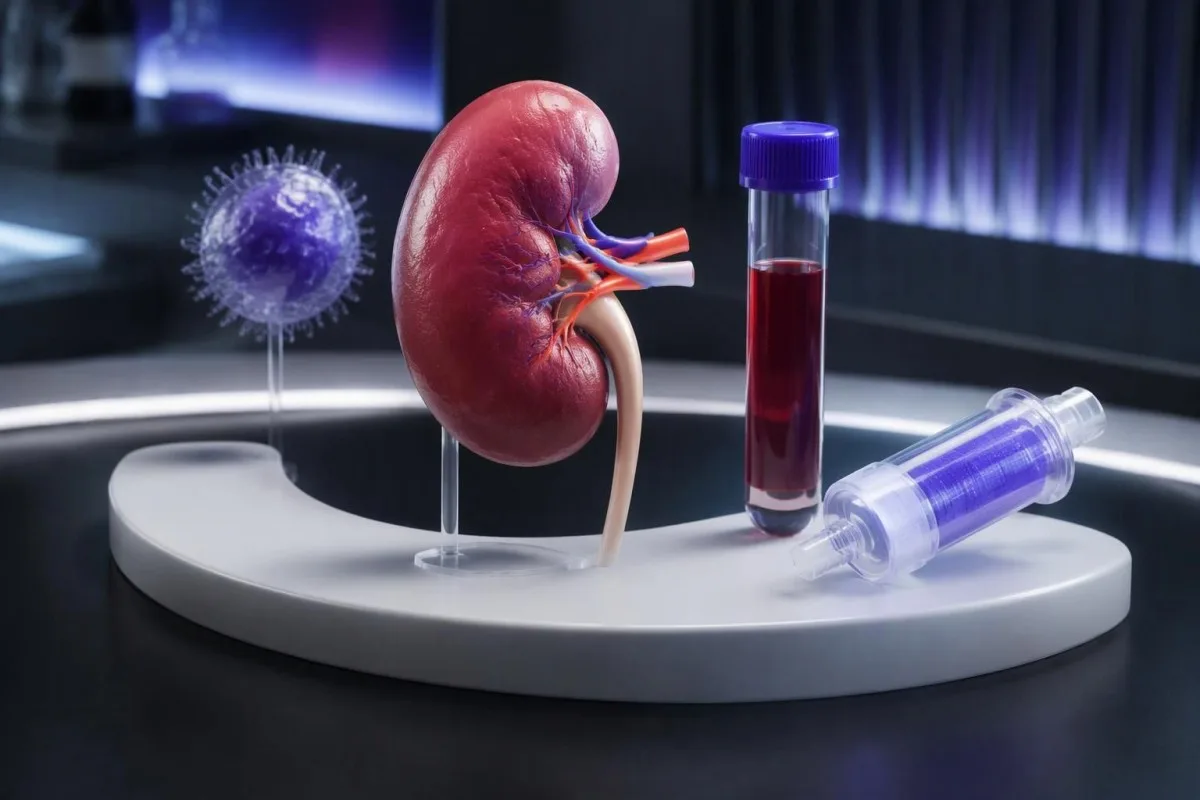
ایک ہی خوراک سے 2 افراد میں ایورولیمس کے ارتکاز مختلف ہو سکتے ہیں، کیونکہ جذب، جگر میں میٹابولزم اور باہمی اثر رکھنے والی ادویات مختلف ہوتی ہیں۔ ٹراف دوا کا نمونہ لینے کا ایک عملی وقت ہے، پورے دن کے دوران جسم کو حاصل ہونے والی دوا کی مکمل پیمائش نہیں؛ تسلی بخش عدد یہ بھی ثابت نہیں کرتا کہ ٹرانسپلانٹ شدہ عضو معمول کے مطابق کام کر رہا ہے یا مضر اثرات موجود نہیں ہیں۔.
Kantesti میں، ہم لیبارٹری کی چھپی ہوئی حد کو اس ہدف سے الگ رکھتے ہیں جو آپ کی ٹیم نے حقیقتاً تجویز کیا ہے—مثلاً 3–8 ng/mL کے مقابلے میں ایک نسبتاً محدود انفرادی حد۔ ہمارا تنظیم اور کلینیکل مقصد تشریح کے تعلیمی کردار کی وضاحت کرتے ہیں؛ مدافعتی نظام کو دبانے والے علاج کے طریقے کے انتخاب اور یہ فیصلہ کرنے کی ذمہ داری ٹرانسپلانٹ سروس کی ہے کہ نتیجے سے علاج میں تبدیلی ہونی چاہیے یا نہیں۔.
کنٹیسٹی ایک ہے۔ اے آئی بلڈ ٹیسٹ تجزیہ کار جو ایورولیمس کے نتیجے، مثلاً 5 ng/mL، کو اپ لوڈ کیے گئے گردوں کے فعل اور خون کے خلیات کی گنتی کے نتائج کے ساتھ سمجھنے میں مدد دے سکتے ہیں، خوراک تجویز کیے بغیر۔ جب ایورولیمس کے ساتھ کوئی دوسری مدافعتی نظام دبانے والی دوا دی جاتی ہے تو ہمارا ٹیکرولیمس کی نگرانی سے متعلق رہنما بتاتا ہے کہ ہر دوا کے لیے الگ ہدف اور نمونہ جمع کرنے کی ہدایات کیوں درکار ہیں۔.
آپ کی طبی کیفیت کے لیے ایورولیمس کی کون سی علاجی حد لاگو ہوتی ہے؟
دی ایورولیمس کی علاجی حد منتخب گردے اور جگر کے ٹرانسپلانٹ طریقۂ علاج میں عام طور پر پورے خون میں 3–8 ng/mL استعمال ہوتی ہے۔ جن خطوں میں اس استعمال کی منظوری ہے وہاں دل کے ٹرانسپلانٹ کے طریقۂ علاج میں اکثر اسی جیسی حد استعمال ہوتی ہے، لیکن پھیپھڑوں کا ٹرانسپلانٹ، ساتھ دی جانے والی دوا کی کم خوراک کی حکمتِ عملیاں اور دیگر استعمالات کے لیے ماہرین کے واضح اہداف درکار ہوتے ہیں۔.
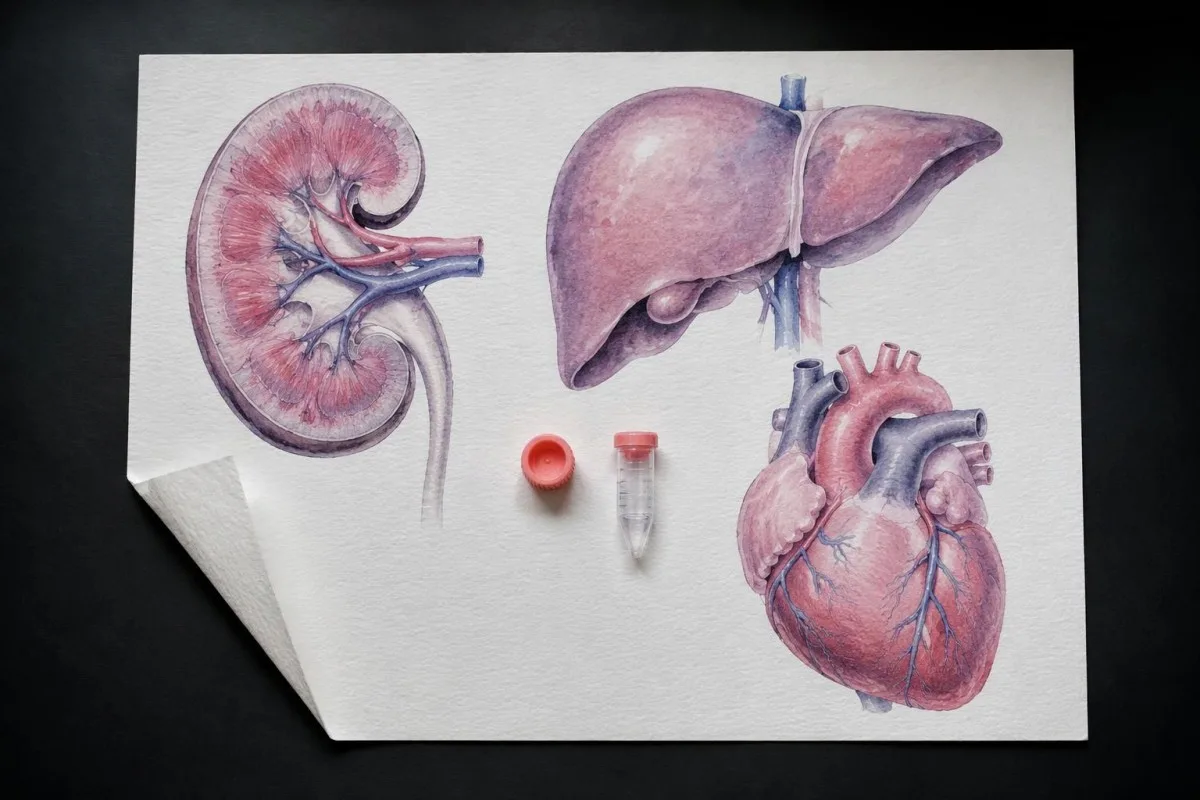
Therapeutic Drug Monitoring میں شائع شدہ Shipkova et al. (2016) کی اتفاقِ رائے کی رپورٹ، ٹرانسپلانٹ کے مکمل طریقۂ علاج کے تناظر میں ایورولیمس کے ارتکاز کی تشریح کی تائید کرتی ہے؛ کیلسی نیورین انہیبیٹرز کے ساتھ عموماً 3–8 ng/mL استعمال کیا جاتا ہے۔ نچلی حد ناکافی مدافعتی دباؤ کے خدشے کی عکاسی کرتی ہے، جبکہ بالائی حد ارتکاز سے متعلق مضر اثرات کو محدود کرنے میں مدد دیتی ہے؛ ان میں سے کوئی بھی ایسی حیاتیاتی حد نہیں جہاں حفاظت اچانک بدل جائے۔.
منظوری اور طریقۂ کار بین الاقوامی سطح پر مختلف ہیں: امریکی ٹرانسپلانٹ لیبلنگ میں گردے اور جگر کے مخصوص حالات شامل ہیں، جبکہ یورپی مصنوعات کی معلومات میں دل کے ٹرانسپلانٹ کے منتخب استعمالات بھی شامل ہیں۔ لہٰذا 3–8 ng/mL کی لیبارٹری حد بذاتِ خود عضو، ساتھ دی جانے والی دوا کے ارتکاز یا آپریشن کے بعد کے مرحلے کی نشاندہی نہیں کرتی، اور کوئی مرکز دستاویزی طبی وجہ کی بنا پر مختلف ہدف منتخب کر سکتا ہے۔.
تین معلومات پوچھیں: آپ کی ہدفی حد، اسے منتخب کرنے کی وجہ، اور ساتھ دیے جانے والے کسی بھی کیلسی نیورین انہیبیٹر کا ہدف۔ یہی عمومی اصول ہمارے انفلیکسیماب کی ٹراف کی تشریحمیں بھی موجود ہے: علاجی حدود کسی خاص دوا، استعمال اور نمونہ لینے کی حکمتِ عملی سے وابستہ ہوتی ہیں، نہ کہ اس دوا کو لینے والے ہر فرد سے۔.
| سطح | حد | اس کا مطلب |
|---|---|---|
| گردے کے ٹرانسپلانٹ کے منتخب طریقۂ علاج | عموماً 3–8 ng/mL | مخصوص ساتھ دی جانے والی مدافعتی دباؤ کی ادویات کے ساتھ استعمال ہونے والا پورے خون میں خوراک سے پہلے کا ہدف؛ مرکز کے طریقۂ کار کی تصدیق کریں۔. |
| جگر کے ٹرانسپلانٹ کے منتخب طریقۂ علاج | عموماً 3–8 ng/mL | Often paired with reduced tacrolimus exposure after an appropriate postoperative interval. |
| Selected heart-transplant regimens | Often 3–8 ng/mL | Applicable only where the regimen and local approval support this target. |
| Lung or other specialist transplant regimens | Center-specific | Do not infer an individualized target from another organ's protocol. |
| کینسر کا علاج | No universal transplant-equivalent target | Oncology dosing and adverse-effect management do not automatically use 3–8 ng/mL. |
ایورولیمس کا نمونہ کب لیا جانا چاہیے؟
Everolimus level timing should place the collection immediately before the next scheduled dose. For a twice-daily transplant regimen, this generally means approximately 12 hours after the previous dose; a specialist-requested trough for a once-daily regimen would generally be approximately 24 hours after the previous dose.
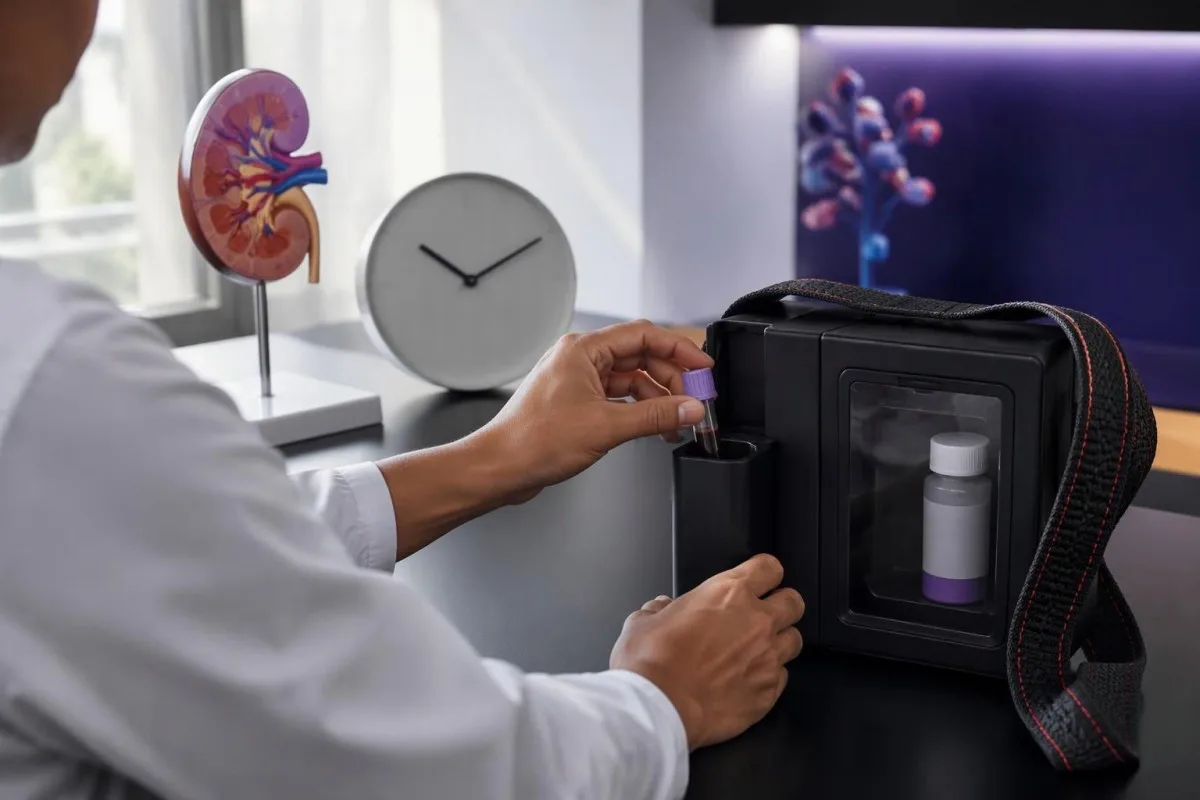
A hypothetical recipient takes everolimus at 08:00 and 20:00, then attends a planned collection just before 08:00 the next morning. The transplant team's usual instruction is to bring the morning dose and take it after collection, but obtain that instruction beforehand; a laboratory delay does not give you permission to postpone immunosuppression indefinitely.
Record the previous dose time, collection time and next dose time as 3 separate entries. A fasting instruction for glucose or lipids is a different issue from trough timing, so confirm whether you should take your usual food afterward and whether other morning medicines have separate instructions; our فرسٹ ڈرا پریپریشن چیک لسٹ helps prevent missing these details.
Scheduling accuracy matters more than an appointment labeled simply 'morning': a 07:00 sample after a 23:00 dose represents an 8-hour interval, not a 12-hour trough. If travel, shift work or another medication makes the standard schedule difficult, arrange a collection plan with the transplant coordinator rather than changing dose times solely to fit the laboratory.
اگر آپ نے ٹیسٹ سے پہلے خوراک لے لی ہو یا کوئی خوراک چھوٹ گئی ہو تو کیا ہوگا؟
A sample collected after taking everolimus is not a true predose trough and should not be compared directly with a 3–8 ng/mL trough target. A missed dose or substantially delayed collection also changes interpretation; report the actual times rather than trying to make the result fit the expected interval.
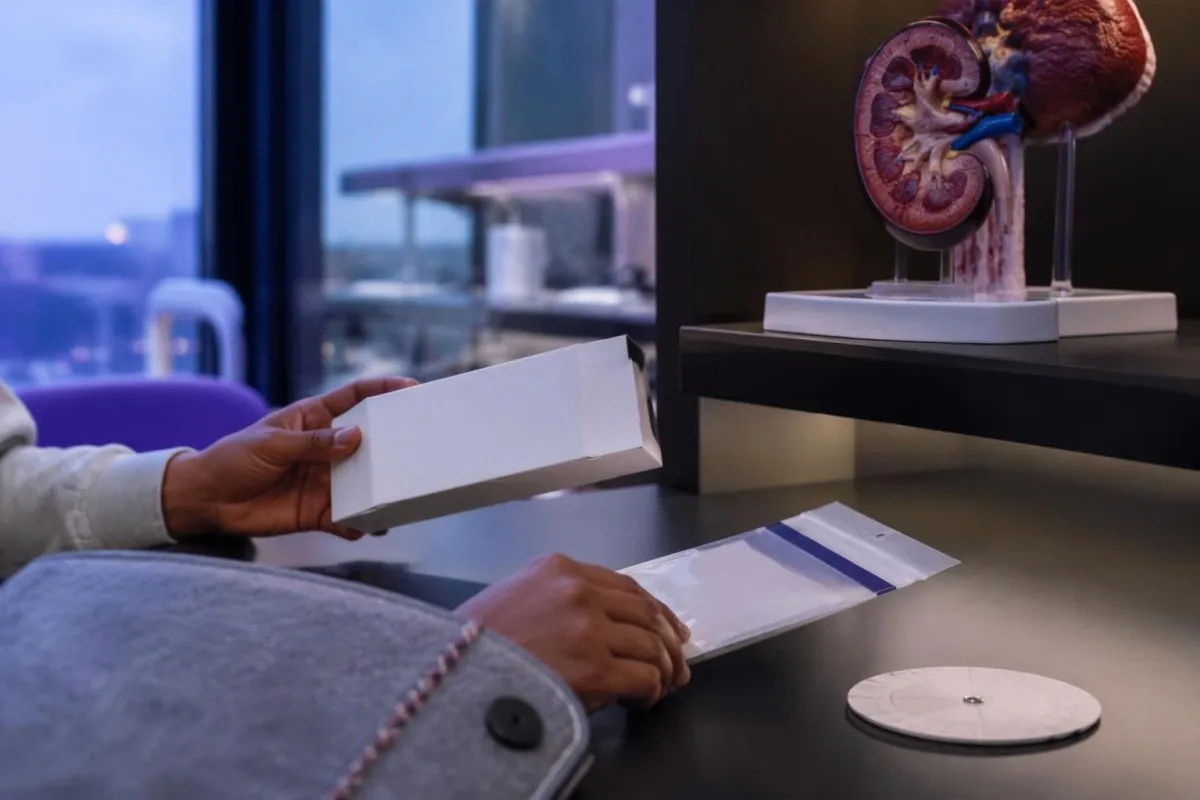
Everolimus commonly reaches peak concentrations around 1–2 hours after an oral dose, although food and individual absorption can change that timing. A hypothetical result of 12 ng/mL collected 90 minutes after dosing could reflect the absorption phase rather than an excessive trough; the team must still review the result and symptoms, not simply dismiss the number.
Missing the evening dose can make an apparently low morning concentration unrepresentative of your usual prescribed regimen, even if the appointment occurs at the expected hour. Give the team a factual account of the last 2–3 days, including vomiting or uncertainty about a dose; a one-time low result cannot distinguish missed treatment from inadequate dosing without that history.
Do not take an extra dose to compensate for a misleading 2 ng/mL result, and do not omit the next dose because a postdose sample looks high. Different medicines have different postdose sampling rules, as our digoxin sample-timing guide illustrates; ask the transplant team whether the collection needs repeating and what to take in the meantime.
خوراک میں تبدیلی کے کتنے عرصے بعد سطح دوبارہ جانچنی چاہیے؟
A routine everolimus level is commonly reassessed around 4–5 days after a clinician-directed dose change, when concentrations are approaching the new steady state. Earlier collections may be appropriate for suspected toxicity or major interactions, but they should be interpreted as transitional measurements rather than final evidence of the new dose's effect.
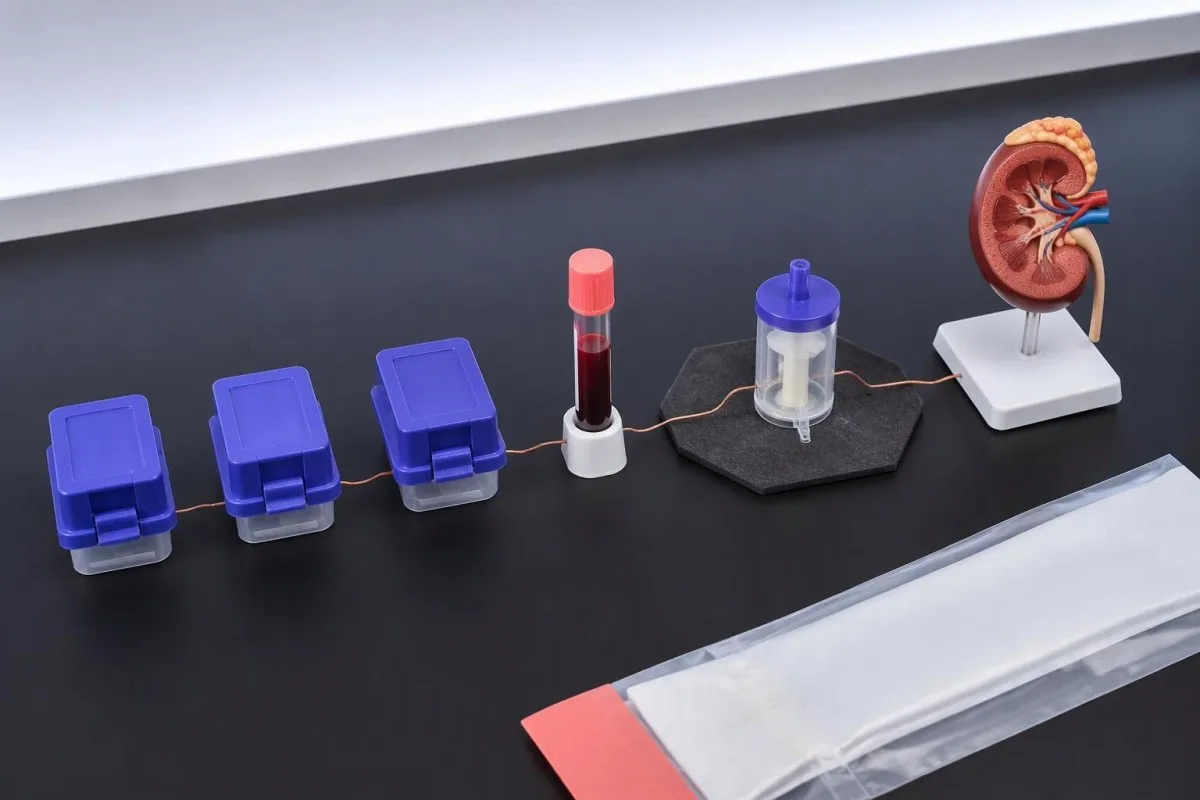
Everolimus has an average elimination half-life of roughly 30 hours, with substantial variation between people. After only 24 hours, a concentration still reflects considerable exposure from the previous regimen, so a second adjustment based solely on that early result can overshoot the intended target; product instructions commonly discourage routine adjustments more frequently than every 4–5 days.
A hypothetical recipient changes dose on Monday and has a predose sample on Tuesday because another test was already booked. That 1-day interval may provide useful safety information, but the transplant team may still request a later level; our blood-test change timeline explains why the biological response and the appointment schedule are not the same thing.
Starting an inhibitor can raise exposure while everolimus is still accumulating, and stopping an inducer can have delayed effects as enzyme activity returns toward baseline. Keep 2 dates in your record—the everolimus dose change and the interacting medicine change—because 'unchanged dose' does not mean unchanged exposure, and the team may need more than one repeat collection.
نمونے کی قسم اور لیبارٹری کا طریقۂ کار کیوں اہم ہیں؟
Everolimus transplant monitoring uses ہول بلڈ, usually collected in an EDTA tube, rather than an interchangeable serum concentration. Results reported in ng/mL and µg/L are numerically equivalent: 6 ng/mL equals 6 µg/L, but values produced by different assay methods may not be directly comparable.
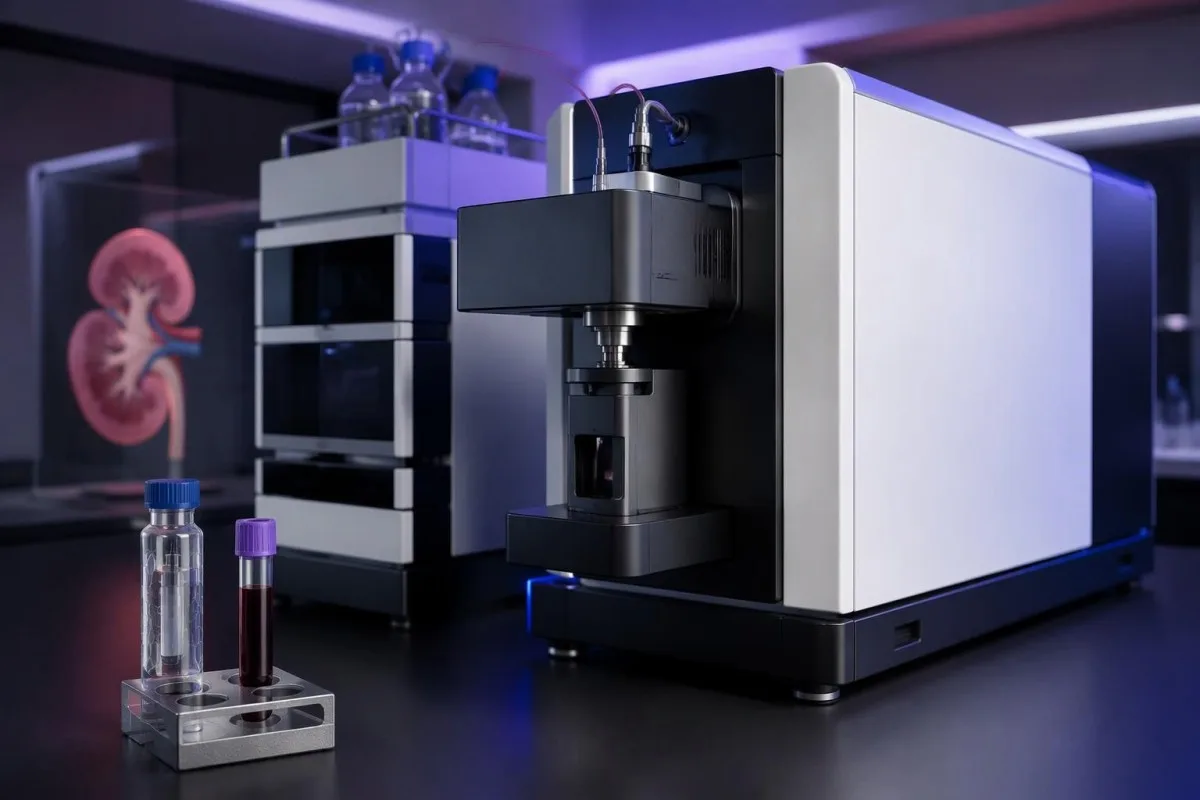
Liquid chromatography–tandem mass spectrometry, abbreviated LC-MS/MS, is a reference approach for everolimus measurement, while some laboratories use immunoassays. Method-dependent bias can occur, including differences in metabolite cross-reactivity, so an apparent shift from 6 to 8 ng/mL after changing laboratories deserves a method check before anyone assumes that drug exposure increased by one-third.
Whole-blood concentrations also depend partly on distribution into cellular elements, meaning a large hematocrit change may alter the relationship between the measured value and circulating drug exposure. There is no routine patient-applied hematocrit correction formula for an everolimus result of 4 ng/mL; our فینیٹوئن کے آزاد اور کل ارتکاز سے متعلق رہنما explains why specimen biology differs across monitored drugs.
Kantesti can help organize 3 report details—the analyte name, units and laboratory interval—but an uploaded report does not reveal an undocumented dose time or assay change. Our توثیق اور نگرانی کا فریم ورک describes interpretation standards; it does not mean that AI performs the everolimus assay or replaces a transplant pharmacist's assessment of unexpected concentrations.
کون سی ادویات ایورولیمس کی سطح بڑھا یا گھٹا سکتی ہیں؟
Medicines that inhibit CYP3A4 or P-glycoprotein can raise everolimus exposure, while enzyme-inducing medicines can lower it. Strong inhibitors such as certain azole antifungals and ritonavir-containing treatments may require avoidance or specialist management; even a 5-day course can matter for a twice-daily transplant regimen.
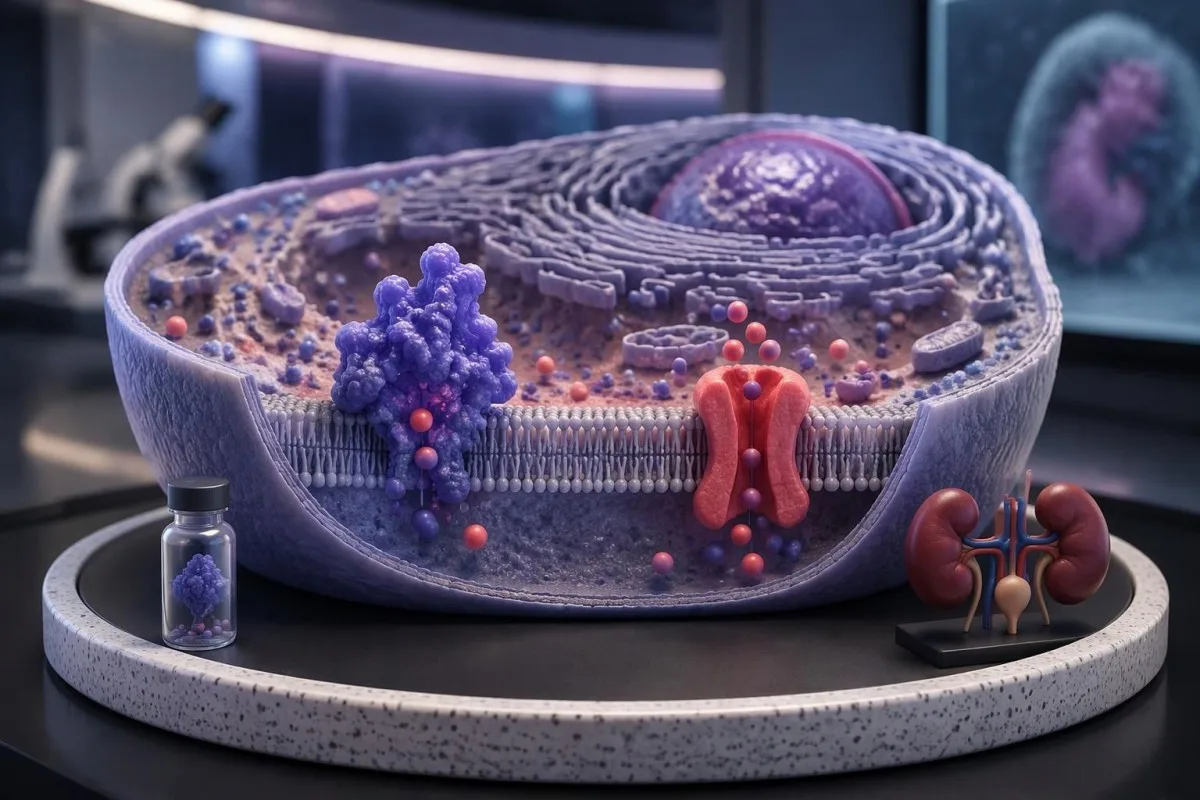
Examples that can raise exposure include voriconazole, posaconazole, itraconazole, clarithromycin and ritonavir or cobicistat; fluconazole, diltiazem and verapamil can also be relevant. The effect is not identical for every drug or person, and a previous concentration of 5 ng/mL does not predict safety after an inhibitor starts; our voriconazole monitoring guide covers the antifungal's own monitoring needs.
Rifampicin, carbamazepine, phenytoin, phenobarbital and St John's wort can reduce everolimus exposure through induction, although onset and recovery depend on the particular medicine. Starting an inducer may lower a previously acceptable 6 ng/mL trough, while stopping it may subsequently raise concentrations; tell the team about both actions rather than reporting only the new prescription.
Cyclosporine can increase everolimus exposure, so changes to its dose can alter the everolimus concentration even when the everolimus prescription stays the same. Before starting 1 new antibiotic, antifungal, antiviral or supplement, ask the transplant service or pharmacist to check the complete regimen—including tacrolimus, cyclosporine and nonprescription products—rather than checking each medicine separately.
خوراک، جگر کی کارکردگی اور معدے کی بیماری نتائج پر کیا اثر ڈالتی ہے؟
Food consistency, liver impairment and gastrointestinal illness can change everolimus exposure or make a result harder to interpret. Take each prescribed dose consistently with or without food, avoid grapefruit unless your specialist explicitly advises otherwise, and report vomiting or persistent diarrhea even when the latest concentration was within 3–8 ng/mL.
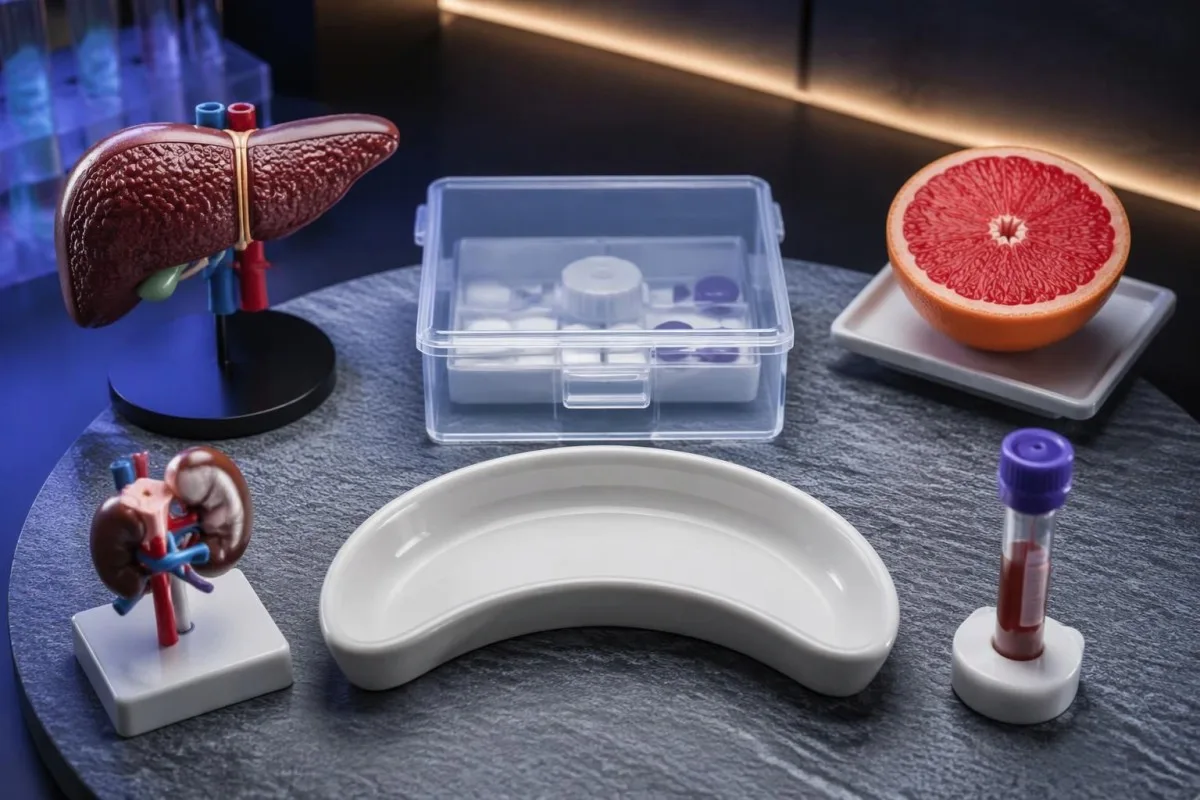
Food can alter everolimus absorption, so switching between fasting doses and doses with substantial meals can introduce variability without any prescription change. A practical record includes whether each of the previous 2 doses was taken with food; do not begin taking it fasting to 'improve' a low result, because that changes the exposure pattern your team is trying to assess.
Liver impairment can reduce everolimus clearance and may require indication-specific clinician-directed dose reduction, whereas reduced kidney filtration alone does not explain clearance in the same way. A change from 5 to 9 ng/mL therefore deserves a review of liver status and interacting medicines as well as kidney results; avoid unreviewed products marketed for kidney supplement support.
Diarrhea and vomiting can disrupt absorption, medication retention, hydration and the overall transplant regimen, but they do not reliably move everolimus concentrations in one predictable direction. If illness lasts more than 24 hours, or you cannot retain a scheduled dose, contact the team promptly; our norovirus recovery guidance should not substitute for transplant-specific advice.
اگر آپ کی ایورولیمس کی سطح بہت زیادہ ہو تو آپ کو کیا کرنا چاہیے؟
ایک everolimus level too high means the measured concentration exceeds your prescribed target—not that one universal number proves poisoning. If your target is 3–8 ng/mL and a correctly collected trough is 12 ng/mL, contact the transplant team promptly for timing, interaction, symptom and laboratory review without independently withholding or reducing treatment.
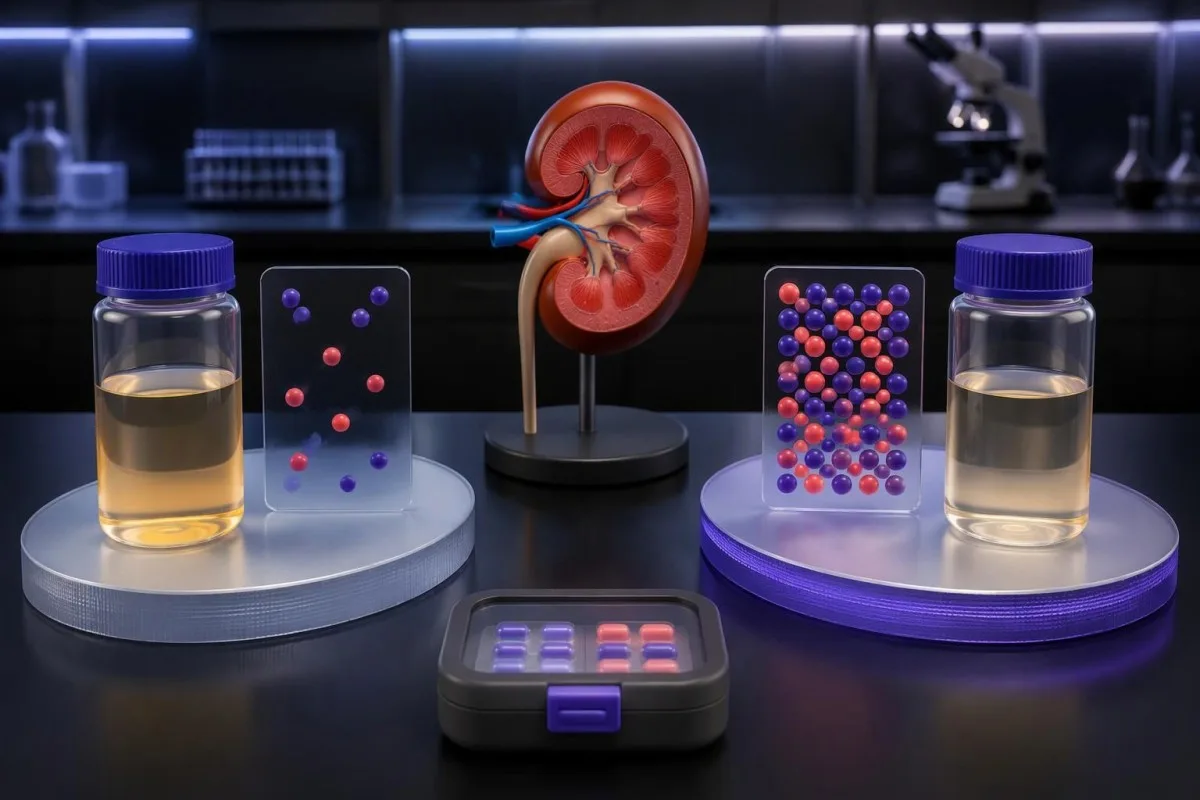
A value of 8.4 ng/mL is only 0.4 ng/mL above an 8 ng/mL upper target and does not carry the same context as a sudden rise from 5 to 16 ng/mL. There is no universally accepted emergency cutoff that applies to every transplant regimen; the direction of change, collection accuracy, symptoms and other immunosuppressants determine how urgently the team responds.
Everolimus can cause mouth sores, low blood counts, proteinuria, increased lipids, hyperglycemia, impaired healing and noninfectious pneumonitis, including at concentrations within the intended range. New thirst or frequent urination warrants glucose assessment rather than assuming the trough explains everything; our high-glucose warning signs distinguish routine follow-up from symptoms that require urgent evaluation.
کنٹیسٹی ایک ہے۔ AI خون کے ٹیسٹ کی رپورٹ کی تشریح that can help compare a reported 12 ng/mL concentration with accompanying uploaded results, but cannot decide whether the next dose should be held. Fever of 38°C or higher, new breathlessness, severe weakness, markedly reduced urine output or inability to keep medicines down warrants urgent clinical contact; severe breathing difficulty requires emergency care regardless of the trough.
کیا ایورولیمس کی کم ترین سطح کا کم ہونا مسترد کیے جانے کی علامت ہے؟
A low everolimus trough can indicate insufficient exposure when it falls below your protocol's lower target, but it does not diagnose rejection. For a regimen targeting 3–8 ng/mL, a genuine 2.2 ng/mL trough should prompt timely transplant-team review of adherence, timing, interactions and the complete immunosuppressive regimen.
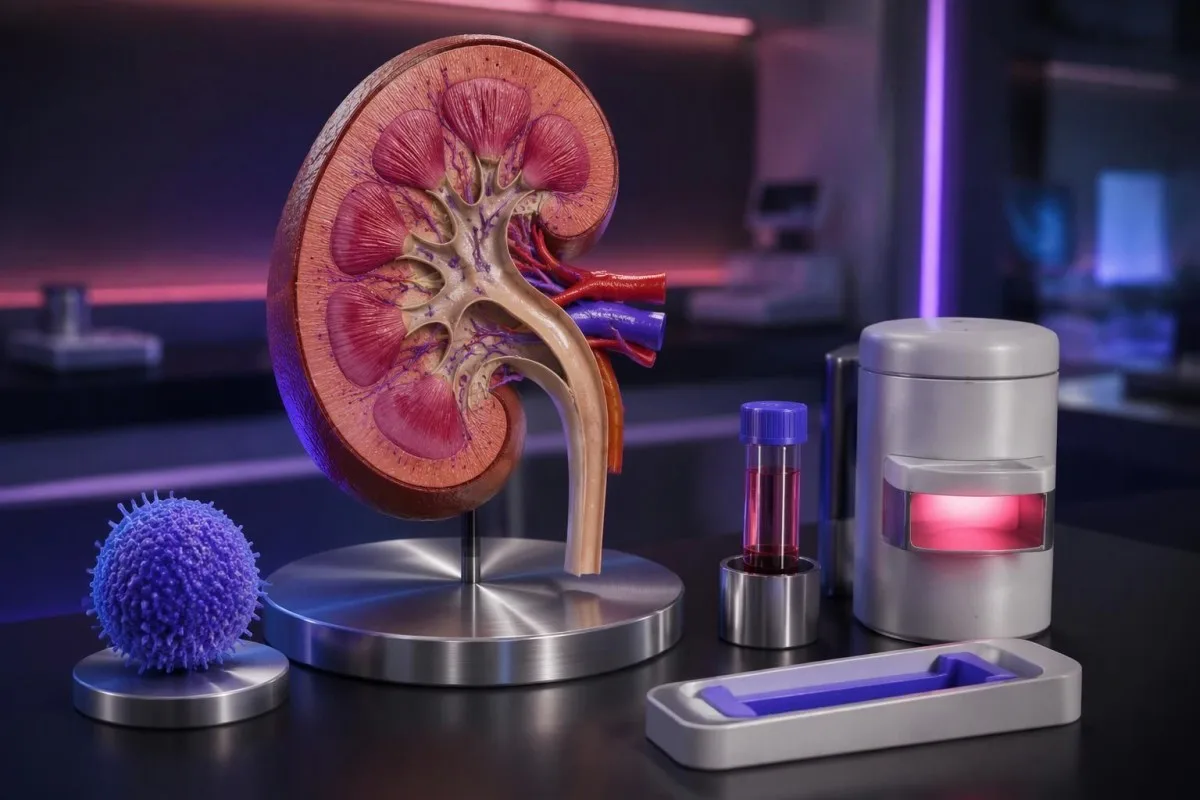
A missed dose, an inducer such as rifampicin, inconsistent food intake or a delayed collection can each contribute to a low result. If a hypothetical recipient's usual trough is 4.5 ng/mL and the new result is 2.2 ng/mL, the useful first step is reconstructing events—not assuming the prescribed dose suddenly stopped working or taking an extra tablet.
Rejection assessment depends on graft function, symptoms and organ-specific investigations; a kidney recipient may need creatinine trends, urine testing, imaging or specialist tissue assessment. A rise in creatinine plus a 2 ng/mL trough raises concern, but dehydration, obstruction and other causes remain possible, so the transplant service decides which tests can distinguish them.
Increasing immunosuppression can worsen some viral complications, which is why a low trough cannot be managed separately from the rest of the record. Our BK virus graft-risk guide explains a setting where graft dysfunction and treatment intensity must be balanced; do not double 1 dose or change tacrolimus to compensate for an isolated everolimus result.
ایورولیمس کی نگرانی کو زیادہ محفوظ بنانے کے لیے کون سے دوسرے ٹیسٹ ضروری ہیں؟
Everolimus safety monitoring commonly includes blood counts, kidney function, urine protein, liver tests, glucose and lipids, alongside the trough and companion-drug levels. A 5 ng/mL concentration within a 3–8 ng/mL target does not rule out cytopenias, proteinuria, metabolic adverse effects or a problem caused by combined immunosuppression.
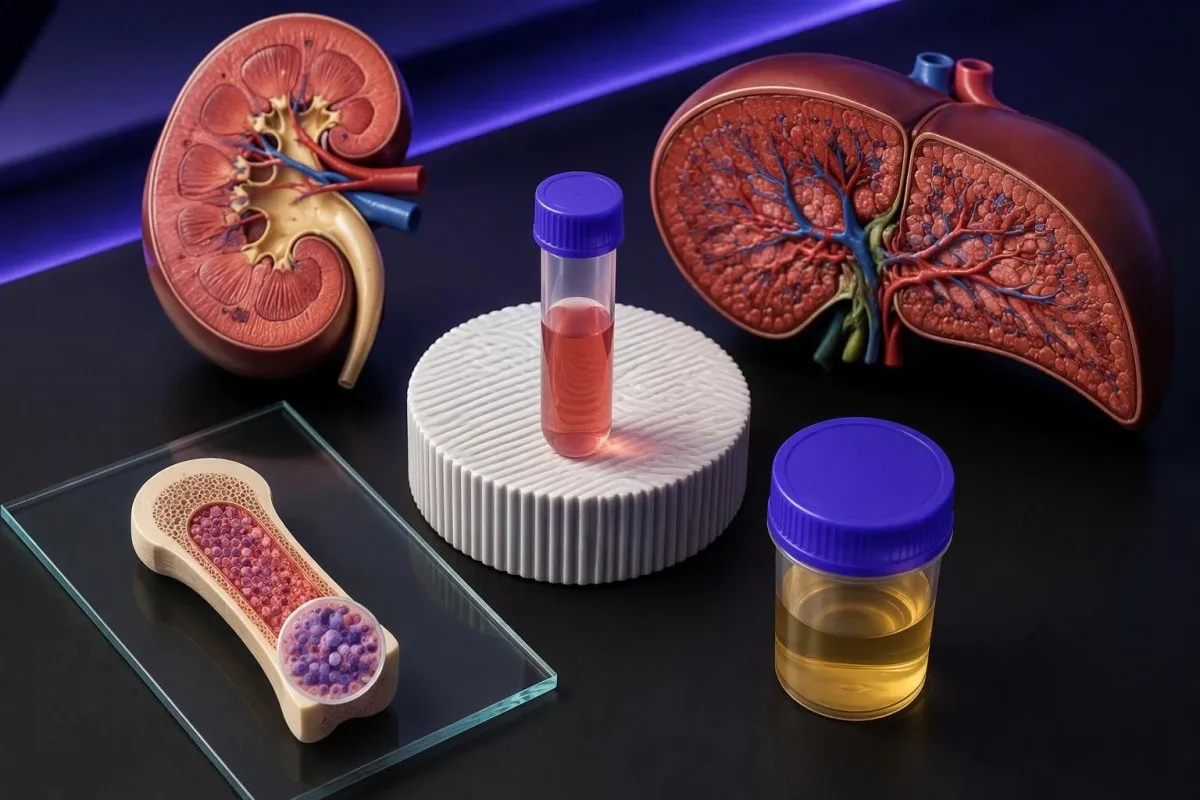
Persistent urine protein can require assessment even when creatinine changes little, and a urine albumin-to-creatinine ratio of 30 mg/g marks increased albumin excretion under general kidney classification. That threshold is not an automatic everolimus stopping rule; the team may use albumin or total-protein ratios, trends and graft context, while our مستقل جھاگ دار پیشاب کی رہنمائی explains why appearance alone is insufficient.
De Simone et al. (2012) tested everolimus targeting 3–8 ng/mL with reduced tacrolimus after liver transplantation and found better kidney-function outcomes than standard tacrolimus exposure in the studied setting. This supports a deliberately coordinated regimen, not independent calcineurin-inhibitor withdrawal; our گردے کے افعال کے تناسب کی رہنما گائیڈ provides background, but cannot identify the cause of graft dysfunction by itself.
A platelet decline from 180 to 70 × 10⁹/L combined with rising creatinine and evidence of red-cell fragmentation would need urgent investigation, including consideration of thrombotic microangiopathy. Those hypothetical values are not diagnostic thresholds, and other medicines or illnesses can be responsible; our شِسٹوسائٹس کی فوری تشریح explains why a normal everolimus trough cannot make this pattern safe to ignore.
کینسر کے علاج میں ٹرانسپلانٹ کے اہداف خودکار طور پر کیوں استعمال نہیں کرنے چاہییں؟
Cancer treatment should not automatically use the transplant 3–8 ng/mL everolimus target, because treatment goals, doses, formulations and supporting evidence differ. Many oncology regimens use a prescribed once-daily dose and adjust for adverse effects, interactions and liver function rather than routinely titrating every patient to a transplant trough interval.
Baselga et al. (2012), in the BOLERO-2 trial published in The New England Journal of Medicine, studied everolimus 10 mg daily with exemestane in a defined advanced breast-cancer population. That trial supports an indication-specific treatment strategy, not a universal concentration goal; a cancer patient's result above 8 ng/mL cannot be labeled excessive solely because a transplant report prints that upper boundary.
Exposure-response studies suggest potential roles for individualized oncology monitoring, but evidence has not established one universally accepted routine trough target across cancers. Separate noncancer indications also illustrate the difference: product labeling uses concentration-guided treatment targeting 5–15 ng/mL in certain tuberous-sclerosis-associated settings, and that interval must not be borrowed for cancer or transplantation without specialist direction.
A hypothetical oncology patient with a 9 ng/mL concentration needs the oncologist to review why the test was ordered, whether it was a true 24-hour predose sample and whether adverse effects are present. Our chemotherapy testing distinctions explain a different medicine-specific safety test; drug monitoring, pharmacogenetics and toxicity grading are not interchangeable routes to a self-selected dose.
وقت اور باہمی اثرات ایک ہی عددی نتیجے کو کیسے بدلتے ہیں؟
The same everolimus concentration can mean different things when the dose interval, indication or interacting medicines differ. Kantesti is an اے آئی سے چلنے والا خون کے ٹیسٹ کا تجزیہ کا آلہ that can help organize these distinctions around a reported 10 ng/mL result, but only the treating team can translate the clinical context into a dosing decision.
Hypothetical example 1: a kidney recipient targeting 3–8 ng/mL has a 10 ng/mL result collected 12 hours after the last dose, several days after starting clarithromycin. That combination suggests a plausible interaction-related rise requiring prompt review; a mouth-sore history, blood count and companion-drug level would influence the clinician's decision more than the number alone.
Hypothetical example 2: another recipient has 10 ng/mL collected 1 hour after taking the morning dose, while their previous genuine trough was 5 ng/mL. The two results should not be plotted as equivalent troughs; our ادویاتی تحفظ کے رجحانات کا ورک فلو explains why sample annotations matter before interpreting a line rising on a chart.
Kantesti AI can support a record containing 4 fields—dose, previous-dose time, collection time and target—while our AI प्रौद्योगिकी व्याख्या describes the broader interpretation workflow. A proportional calculation such as reducing a dose by 50% because a level doubled ignores timing errors, interactions and graft risk, so it is not a safe patient dosing method.
تحقیقی اشاعتیں اور ٹرانسپلانٹ کے محفوظ فالو اَپ کی چیک لسٹ
The strongest evidence for interpreting everolimus comes from drug-monitoring consensus guidance and indication-specific trials, not from general laboratory articles. Before acting on a result such as 9 ng/mL, obtain your prescribed target, verify collection timing and ask your transplant service for explicit next-dose and repeat-test instructions.
Send the service 5 essentials: the result and units, prescribed regimen, last-dose time, collection time and recent medicine or illness changes. Ask whether the sample is interpretable, what to take next and when to repeat it; the Shipkova et al. (2016) consensus and indication-specific trials provide clinical background, but none makes an unexplained high flag a patient-directed dosing instruction.
The 2 Zenodo publications listed below address coagulation and serum proteins, not everolimus pharmacokinetics, transplant target validation or oncology dose selection. Our سیرم پروٹین کی تشریح سے متعلق رہنما کتابچہ may help explain accompanying albumin results, but these background resources should not be cited as evidence that 3–8 ng/mL is appropriate for a particular recipient.
Kantesti کے طبی مواد کے معیارات distinguish educational interpretation from prescribing; this article cannot confirm that an individual 6 ng/mL result is correctly timed or clinically safe. Keep the transplant service's daytime and out-of-hours contact details available, and obtain urgent help for fever, breathing changes or inability to retain immunosuppression rather than waiting for another concentration.
اکثر پوچھے جانے والے سوالات
ٹرانسپلانٹ کے بعد ایورولیمس کی مطلوبہ ٹرف سطح کیا ہے؟
An everolimus trough target of 3–8 ng/mL in whole blood is commonly used in selected kidney and liver transplant regimens and some heart-transplant protocols. Your personal target depends on the transplanted organ, accompanying immunosuppressants, postoperative phase and local protocol. A laboratory's printed range is not automatically your prescribed target. Ask the transplant team to confirm the interval before interpreting a flagged result or considering any treatment change.
ایورولیمس کی خوراک لینے کے کتنے گھنٹے بعد اس کی سطح چیک کرنی چاہیے؟
An everolimus trough should be collected immediately before the next scheduled dose, usually approximately 12 hours after the previous dose for a twice-daily transplant regimen. If a specialist requests a trough during once-daily treatment, the expected interval is generally approximately 24 hours. Follow the team's instructions about taking the next dose after collection, and report both actual dose and collection times. A sample taken after dosing should not be treated as an ordinary predose trough.
کیا ایورولیمس کی 10 ng/mL سطح بہت زیادہ ہے؟
0 آپ کی تجویز کردہ مکمل خون میں دوا کی کم ترین سطح کا وقفہ 3–8 ng/mL ہو تو ایورولیمس کی 10 ng/mL سطح ہدف سے زیادہ ہے، لیکن یہ زہریلے اثرات کی کوئی آفاقی حد نہیں ہے۔ خوراک لینے سے پہلے لیے گئے حقیقی نمونے کے نتیجے کا مطلب، خوراک لینے کے 1–2 گھنٹے بعد جمع کیے گئے نمونے سے مختلف ہوتا ہے۔ نمونہ لینے کے وقت، باہمی اثر ڈالنے والی ادویات، علامات اور دیگر لیبارٹری نتائج کا جائزہ لینے کے لیے فوری طور پر اپنی ٹرانسپلانٹ ٹیم سے رابطہ کریں۔ اگلی خوراک اپنی طرف سے نہ چھوڑیں، نہ کم کریں اور نہ ہی تقسیم کریں؛ سانس لینے میں شدید دشواری یا دیگر سنگین علامات کی صورت میں، دوا کی مقدار سے قطع نظر فوری طبی امداد حاصل کریں۔.
کیا ایورولیمس کی کم سطح کا مطلب یہ ہو سکتا ہے کہ میرا ٹرانسپلانٹ مسترد ہو رہا ہے؟
3–8 ng/mL کا ہدف رکھنے والے طریقۂ علاج میں ایورولیمس کی ٹراف سطح 3 ng/mL سے کم ہونا ناکافی ایکسپوژر کی نشاندہی کر سکتا ہے، لیکن اس نتیجے سے ریجیکشن کی تشخیص نہیں ہوتی۔ خوراکیں چھوٹ جانا، نمونہ لینے میں تاخیر، قے اور انزائم پیدا کرنے والی ادویات بھی کم ارتکاز کا باعث بن سکتی ہیں۔ ریجیکشن کی جانچ کے لیے گرافٹ کے فعل کے رجحانات اور ٹرانسپلانٹ سروس کے منتخب کردہ اعضا کے لحاظ سے مخصوص معائنے درکار ہوتے ہیں۔ 2.2 ng/mL جیسے نتیجے کی فوری اطلاع دیں، بجائے اس کے کہ اضافی خوراک لیں یا کوئی اور امیونوسپریسنٹ تبدیل کریں۔.
خوراک میں تبدیلی کے بعد ایورولیمس کی سطحیں کتنی جلد دوبارہ چیک کی جانی چاہئیں؟
Everolimus concentrations are commonly rechecked around 4–5 days after a clinician-directed dose change, when exposure is approaching the new steady state. The medicine's average half-life is roughly 30 hours, so a sample after only 1 day may still reflect the previous regimen substantially. Suspected toxicity, a major interaction or an unstable clinical situation can justify earlier or additional testing. Your transplant team should specify both the collection date and what to take while waiting.
کیا کینسر کے لیے ایورولیمس لینے والے افراد کے لیے 3–8 ng/mL کی ٹراف لیول ضروری ہے؟
0 لوگوں کو کینسر کے لیے ایورولیمس لینے پر خودکار طور پر ٹرانسپلانٹ کا 3–8 ng/mL ٹراف ہدف مقرر نہیں کرنا چاہیے۔ بہت سے آنکولوجی طریقۂ علاج میں مخصوص اشارۂ استعمال کے مطابق روزانہ ایک بار خوراک دی جاتی ہے، مثلاً BOLERO-2 میں زیرِ مطالعہ 10 mg روزانہ کا طریقۂ علاج، جس میں مضر اثرات، ادویاتی تعاملات اور جگر کے فعل کے پیشِ نظر معالج کی ہدایت کے مطابق خوراک میں ردوبدل کیا جاتا ہے۔ تمام اقسام کے کینسر کے لیے معمول کے ٹراف کی کوئی ایک عالمی طور پر تسلیم شدہ حد لاگو نہیں ہوتی۔ اگر آنکولوجسٹ دوا کی مقدار جانچنے کا حکم دے تو پوچھیں کہ یہ کیوں ناپی گئی اور اس کی تشریح کا کون سا طریقۂ کار لاگو ہوتا ہے۔.
کون سی دوائیں ایورولیمس کی ٹراف سطح بڑھا سکتی ہیں؟
CYP3A4 یا P-glycoprotein کے inhibitors کے ساتھ everolimus کی مقدار بڑھ سکتی ہے، جن میں بعض azole antifungals، clarithromycin اور ritonavir پر مشتمل ادویات شامل ہیں۔ Diltiazem، verapamil، fluconazole اور cyclosporine بھی اہم ہو سکتے ہیں، اگرچہ اثر دوا اور فرد کے لحاظ سے مختلف ہوتا ہے۔ صرف 5 دن کا نسخہ بھی پہلے سے مستحکم 5 ng/mL trough level کو متاثر کر سکتا ہے۔ نئی ادویات اور سپلیمنٹس شروع کرنے سے پہلے ان کے بارے میں ٹرانسپلانٹ سروس یا فارماسسٹ سے مشورہ کریں، اور تعامل کرنے والا علاج بند ہونے پر بھی اطلاع دیں۔.
اپنے خون کے ٹیسٹ کے نتائج کی وضاحت حاصل کریں
اپنی لیب رپورٹ اپ لوڈ کریں اور Kantesti کا AI چند سیکنڈ میں ہر بائیومارکر کو آسان زبان میں سمجھائے گا۔ دنیا بھر میں 2 ملین سے زیادہ افراد استعمال کرتے ہیں۔.
حوالہ جات
- Klein, T., Mitchell, S., & Weber, H. (2026). aPTT کی معمول کی حد: D-Dimer، Protein C اور خون جمنے سے متعلق رہنما۔. Kantesti AI طبی تحقیق۔. ڈی او آئی
- Klein, T., Mitchell, S., & Weber, H. (2026). سیرم پروٹینز گائیڈ: گلوبیولنز، البیومن اور A/G تناسب کا خون کا ٹیسٹ۔. Kantesti AI طبی تحقیق۔. ڈی او آئی
- Shipkova M et al. (2016). Therapeutic Drug Monitoring of Everolimus: A Consensus Report. Therapeutic Drug Monitoring.
- De Simone P et al. (2012). Everolimus with reduced tacrolimus improves renal function in de novo liver transplant recipients: a randomized controlled trial. American Journal of Transplantation. ڈی او آئی
- Baselga J et al. (2012). Everolimus in Postmenopausal Hormone-Receptor–Positive Advanced Breast Cancer. دی نیو انگلینڈ جرنل آف میڈیسن۔. ڈی او آئی
- 2M+تجزیہ کیے گئے ٹیسٹ
- 127+ممالک
- 100+زبانیں
طبی ٹیم کے بارے میں


E-E-A-T اعتماد کے اشارے
تجربہ
معالج کی قیادت میں لیب تشریح کے ورک فلو کا کلینیکل جائزہ۔.
مہارت
لیبارٹری میڈیسن کا فوکس یہ کہ بایومارکرز کلینیکل سیاق میں کیسے برتاؤ کرتے ہیں۔.
مستندیت
ڈاکٹر تھامس کلائن نے طبی جائزہ لیا، جبکہ ڈاکٹر سارہ مچل اور پروفیسر ڈاکٹر ہانس ویبر نے بھی تعاون کیا۔.
امانت داری
شواہد پر مبنی تشریح واضح فالو اپ راستوں کے ساتھ تاکہ گھبراہٹ کم ہو۔.






طبی دستبرداری
یہ مضمون صرف تعلیمی مقاصد کے لیے ہے اور طبی مشورہ نہیں ہے۔ تشخیص اور علاج کے فیصلوں کے لیے ہمیشہ کسی مستند صحت کے ماہر سے رجوع کریں۔.
شائع ہوا۔ · ادارتی ٹیم سے رابطہ کریں
Kantesti Ltd کی جانب سے شائع کردہ، انگلینڈ اور ویلز میں رجسٹرڈ، کمپنی نمبر. 17090423, ، لندن، برطانیہ۔.
