לעיתים קרובות מכוונים לרמת שפל של אוורולימוס בטווח 3–8 ng/mL במשטרי טיפול מסוימים לאחר השתלה, בדרך כלל על סמך דגימה שנאספה מיד לפני המנה הבאה. פרוטוקול ההשתלה שלך, התרופות האחרות ומועד איסוף הדגימה קובעים מה משמעות התוצאה שלך; בטיפול בסרטן משתמשים בעקרונות מינון שונים, ואין לשנות מינונים על דעת עצמך.

נקודות עיקריות
- יעדי השתלה משתמשים בדרך כלל בטווח 3–8 ng/mL בדם מלא, אך האיבר, התרופות הנלוות והפרוטוקול של הצוות שלך קובעים את היעד האישי שלך.
- מועד איסוף הדגימה הוא מיד לפני המנה המתוכננת הבאה — כ־12 שעות לאחר המנה הקודמת במשטר של נטילה פעמיים ביום.
- יחידות מעבדה ניתנים להחלפה כאשר הם מבוטאים ב־ng/mL או ב־µg/L: 5 ng/mL שווים ל־5 µg/L.
- תוצאות גבוהות מעל יעד שנקבע במרשם של 3–8 ng/mL מחייבים בדיקה של צוות ההשתלות; 8 ng/mL אינו סף חירום או רעילות אוניברסלי.
- תוצאות נמוכות מתחת ל־3 ng/mL עשויות להצביע על חשיפה לא מספקת במשטרים שבהם זהו הגבול התחתון, אך אינן מאבחנות דחייה.
- בדיקה חוזרת מתרחש בדרך כלל כעבור 4–5 ימים לאחר שינוי מינון בהנחיית קלינאי, עם בדיקות מוקדמות יותר או נוספות כאשר הנסיבות מחייבות זאת.
- אינטראקציות כוללים תרופות אנטי־פטרייתיות ממשפחת האזולים, קלריתרומיצין, תרופות המכילות ריטונביר, ריפמפיצין וכמה תרופות נגד פרכוסים; התחלה או הפסקה של תרופה בעלת אינטראקציה עלולה לשנות את הריכוזים.
- טיפול בסרטן אינו משתמש אוטומטית בטווח של 3–8 ng/mL המיועד להשתלות; במשטרי טיפול אונקולוגיים רבים משתמשים במינון יומי המותאם להתוויה ובהתאמות המבוססות על רעילות.
- בטיחות מינון פירושו לשאול את צוות ההשתלות מה לקחת ומתי לחזור על הבדיקות, במקום לדלג על מנה, להכפיל אותה או לחשב מחדש מינון בעצמכם.
מה בעצם מלמדת אותך רמת השפל של אוורולימוס?
אן רמת שפל של אוורולימוס מודדת את ריכוז התרופה בדם מלא מיד לפני המנה הבאה, וכך מסייעת לקלינאים להעריך את החשיפה לתרופה ולא רק את הכמות שנרשמה. תוצאה של 5 ng/mL יכולה להתאים ליעד של 3–8 ng/mL לאחר השתלה, אך רק אם מועד נטילת הדגימה ופרוטוקול הטיפול תואמים לפרשנות זו.
אותו מינון אוורולימוס עשוי להפיק ריכוזים שונים אצל 2 אנשים, משום שהספיגה, חילוף החומרים בכבד ותרופות בעלות אינטראקציה משתנים. רמת השפל היא נקודת דגימה מעשית, ולא מדידה מלאה של החשיפה לאורך היום; גם תוצאה משביעת רצון אינה יכולה להוכיח שהאיבר המושתל מתפקד כרגיל או שאין תופעות לוואי.
ב־Kantesti, אנו מבדילים בין טווח הייחוס המודפס של המעבדה לבין היעד שהצוות שלכם קבע בפועל—לדוגמה, 3–8 ng/mL לעומת טווח אישי צר יותר. שלנו הארגון שלנו והמטרה הקלינית שלנו מסבירים את תפקידה החינוכי של הפרשנות; שירות ההשתלות נותר אחראי לבחירת משטר הדיכוי החיסוני ולהחלטה אם תוצאה צריכה להביא לשינוי בטיפול.
קנטסטי הוא מנתח בדיקות דם בינה מלאכותית שיכולים לסייע בבחינת תוצאת אוורולימוס, כגון 5 ng/mL, לצד תוצאות שהועלו של תפקוד הכליות וספירת הדם, בלי לרשום מינון. כאשר אוורולימוס ניתן לצד תרופה מדכאת חיסון נוספת, שלנו לניטור טקרולימוס מסביר מדוע כל תרופה זקוקה ליעד משלה ולהנחיות איסוף משלה.
איזה טווח טיפולי של אוורולימוס מתאים להתוויה שלך?
ה טווח טיפולי של אוורולימוס טווח המשמש בדרך כלל במשטרים נבחרים להשתלת כליה וכבד הוא 3–8 ng/mL בדם מלא. בפרוטוקולים להשתלת לב בתחומי שיפוט שבהם השימוש מאושר, נעשה לעיתים קרובות שימוש בטווח דומה, אך השתלת ריאות, אסטרטגיות המפחיתות את מינון התרופה הנלווית והתוויות אחרות מחייבות יעדים מפורשים שנקבעו בידי מומחה.
דוח ההסכמה של Shipkova et al. (2016), שפורסם ב־Therapeutic Drug Monitoring, תומך בפרשנות של ריכוזי אוורולימוס במסגרת משטר ההשתלה המלא, תוך שימוש נפוץ בטווח של 3–8 ng/mL בשילוב עם מעכבי קלצינאורין. הגבול התחתון משקף חשש מדיכוי חיסוני בלתי מספק, ואילו הגבול העליון מסייע להגביל תופעות לוואי הקשורות לחשיפה; אף אחד מהגבולות אינו סף ביולוגי שבו הבטיחות משתנה בפתאומיות.
האישורים והפרוטוקולים משתנים ממדינה למדינה: תווית ההשתלות בארה״ב חלה על מצבים מוגדרים של השתלת כליה וכבד, ואילו מידע המוצר האירופי כולל גם שימוש נבחר בהשתלת לב. לכן, טווח מעבדתי של 3–8 ng/mL אינו מזהה כשלעצמו את האיבר, את החשיפה לתרופות הנלוות או את השלב שלאחר הניתוח, והמרכז עשוי לבחור יעד אחר מסיבה קלינית מתועדת.
בקשו 3 פרטי מידע: טווח היעד שלכם, הסיבה לבחירתו והיעד של כל מעכב קלצינאורין הניתן לצד הטיפול. העיקרון הכללי מופיע גם ב־שלנו פרשנות רמת שפל של אינפליקסימאב: טווחים טיפוליים שייכים לתרופה, להתוויה ולאסטרטגיית דגימה מסוימות, ולא לכל אדם הנוטל את אותה תרופה.
| רמה | טווח | מה פירוש הדבר |
|---|---|---|
| משטרים נבחרים להשתלת כליה | בדרך כלל 3–8 ng/mL | יעד בדם מלא לפני נטילת המנה, המשמש עם דיכוי חיסוני נלווה מוגדר; יש לאמת מול פרוטוקול המרכז. |
| משטרים נבחרים להשתלת כבד | בדרך כלל 3–8 ng/mL | Often paired with reduced tacrolimus exposure after an appropriate postoperative interval. |
| Selected heart-transplant regimens | Often 3–8 ng/mL | Applicable only where the regimen and local approval support this target. |
| Lung or other specialist transplant regimens | Center-specific | Do not infer an individualized target from another organ's protocol. |
| טיפול בסרטן | No universal transplant-equivalent target | Oncology dosing and adverse-effect management do not automatically use 3–8 ng/mL. |
מתי יש לאסוף את דגימת האוורולימוס?
Everolimus level timing should place the collection immediately before the next scheduled dose. For a twice-daily transplant regimen, this generally means approximately 12 hours after the previous dose; a specialist-requested trough for a once-daily regimen would generally be approximately 24 hours after the previous dose.
A hypothetical recipient takes everolimus at 08:00 and 20:00, then attends a planned collection just before 08:00 the next morning. The transplant team's usual instruction is to bring the morning dose and take it after collection, but obtain that instruction beforehand; a laboratory delay does not give you permission to postpone immunosuppression indefinitely.
Record the previous dose time, collection time and next dose time as 3 separate entries. A fasting instruction for glucose or lipids is a different issue from trough timing, so confirm whether you should take your usual food afterward and whether other morning medicines have separate instructions; our רשימת בדיקה להכנה ראשונית helps prevent missing these details.
Scheduling accuracy matters more than an appointment labeled simply 'morning': a 07:00 sample after a 23:00 dose represents an 8-hour interval, not a 12-hour trough. If travel, shift work or another medication makes the standard schedule difficult, arrange a collection plan with the transplant coordinator rather than changing dose times solely to fit the laboratory.
מה אם נטלת את המנה לפני הבדיקה או שכחת מנה?
A sample collected after taking everolimus is not a true predose trough and should not be compared directly with a 3–8 ng/mL trough target. A missed dose or substantially delayed collection also changes interpretation; report the actual times rather than trying to make the result fit the expected interval.
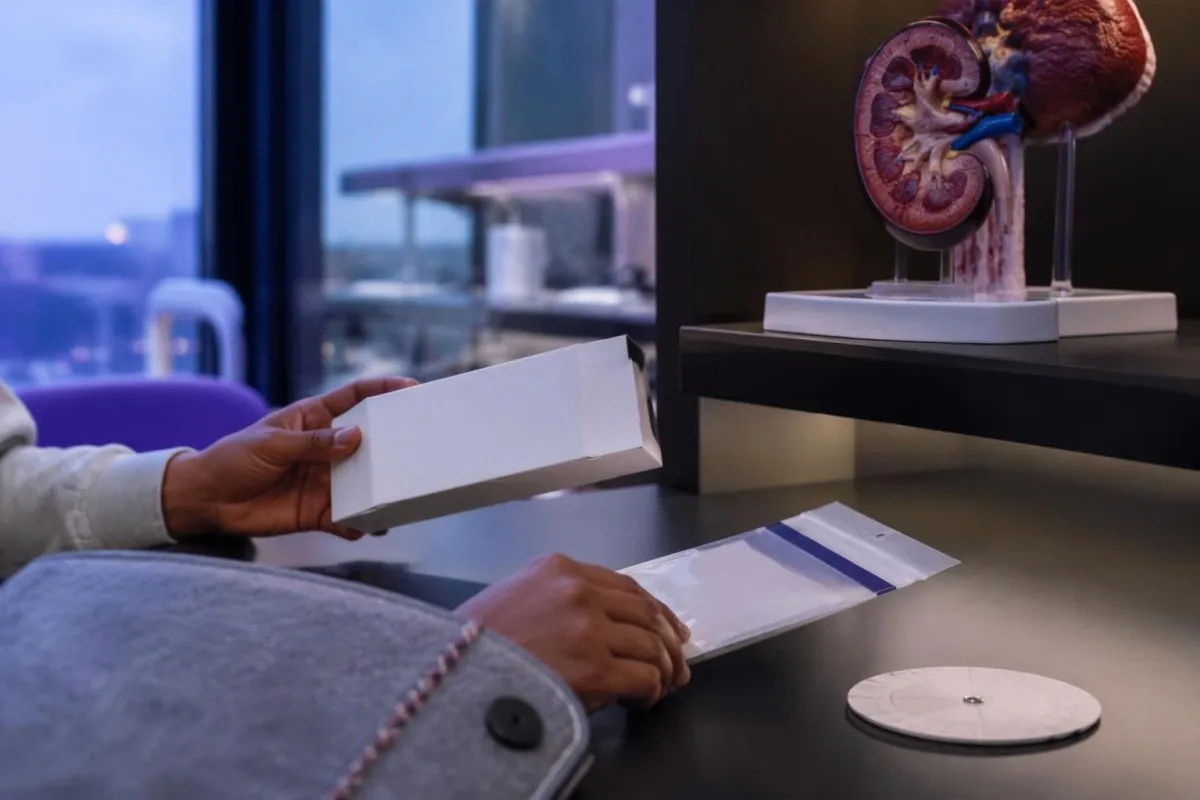
Everolimus commonly reaches peak concentrations around 1–2 hours after an oral dose, although food and individual absorption can change that timing. A hypothetical result of 12 ng/mL collected 90 minutes after dosing could reflect the absorption phase rather than an excessive trough; the team must still review the result and symptoms, not simply dismiss the number.
Missing the evening dose can make an apparently low morning concentration unrepresentative of your usual prescribed regimen, even if the appointment occurs at the expected hour. Give the team a factual account of the last 2–3 days, including vomiting or uncertainty about a dose; a one-time low result cannot distinguish missed treatment from inadequate dosing without that history.
Do not take an extra dose to compensate for a misleading 2 ng/mL result, and do not omit the next dose because a postdose sample looks high. Different medicines have different postdose sampling rules, as our digoxin sample-timing guide illustrates; ask the transplant team whether the collection needs repeating and what to take in the meantime.
כמה זמן לאחר שינוי במנה יש לבדוק מחדש את הרמות?
A routine everolimus level is commonly reassessed around 4–5 days after a clinician-directed dose change, when concentrations are approaching the new steady state. Earlier collections may be appropriate for suspected toxicity or major interactions, but they should be interpreted as transitional measurements rather than final evidence of the new dose's effect.
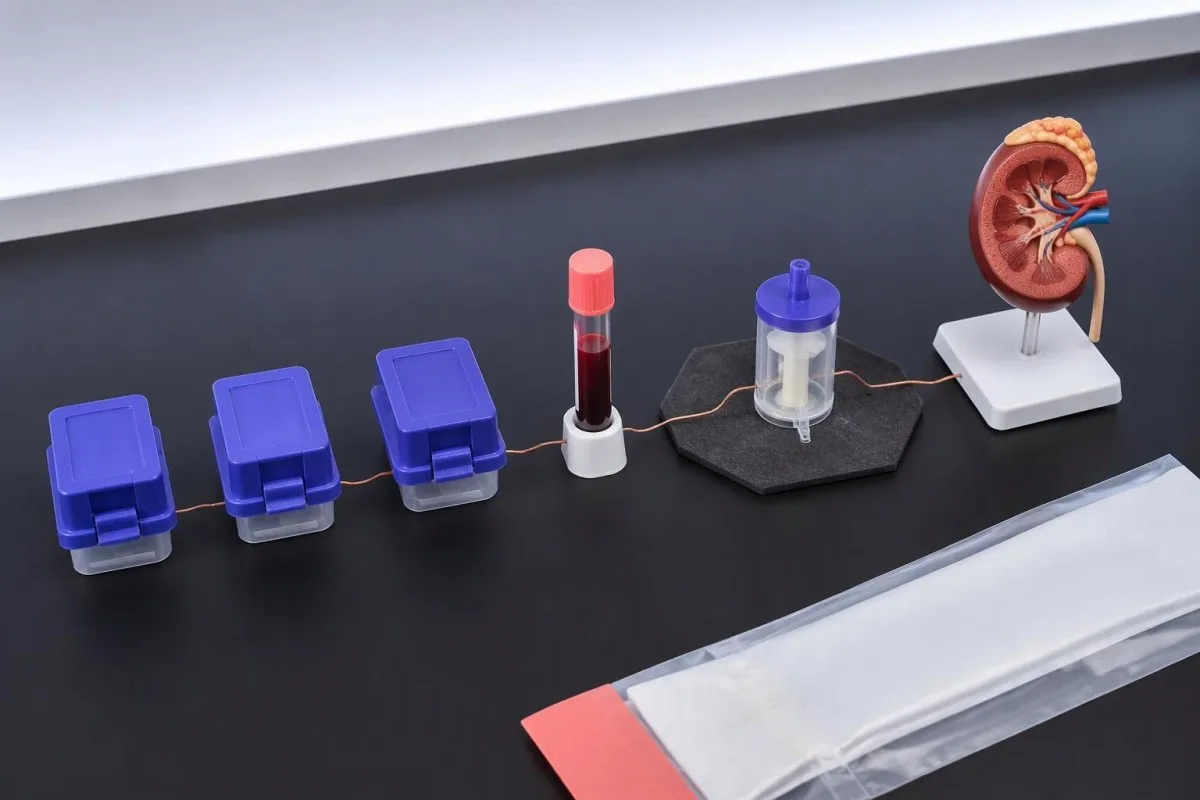
Everolimus has an average elimination half-life of roughly 30 hours, with substantial variation between people. After only 24 hours, a concentration still reflects considerable exposure from the previous regimen, so a second adjustment based solely on that early result can overshoot the intended target; product instructions commonly discourage routine adjustments more frequently than every 4–5 days.
A hypothetical recipient changes dose on Monday and has a predose sample on Tuesday because another test was already booked. That 1-day interval may provide useful safety information, but the transplant team may still request a later level; our blood-test change timeline explains why the biological response and the appointment schedule are not the same thing.
Starting an inhibitor can raise exposure while everolimus is still accumulating, and stopping an inducer can have delayed effects as enzyme activity returns toward baseline. Keep 2 dates in your record—the everolimus dose change and the interacting medicine change—because 'unchanged dose' does not mean unchanged exposure, and the team may need more than one repeat collection.
מדוע סוג הדגימה ושיטת המעבדה חשובים?
Everolimus transplant monitoring uses דם מלא, usually collected in an EDTA tube, rather than an interchangeable serum concentration. Results reported in ng/mL and µg/L are numerically equivalent: 6 ng/mL equals 6 µg/L, but values produced by different assay methods may not be directly comparable.
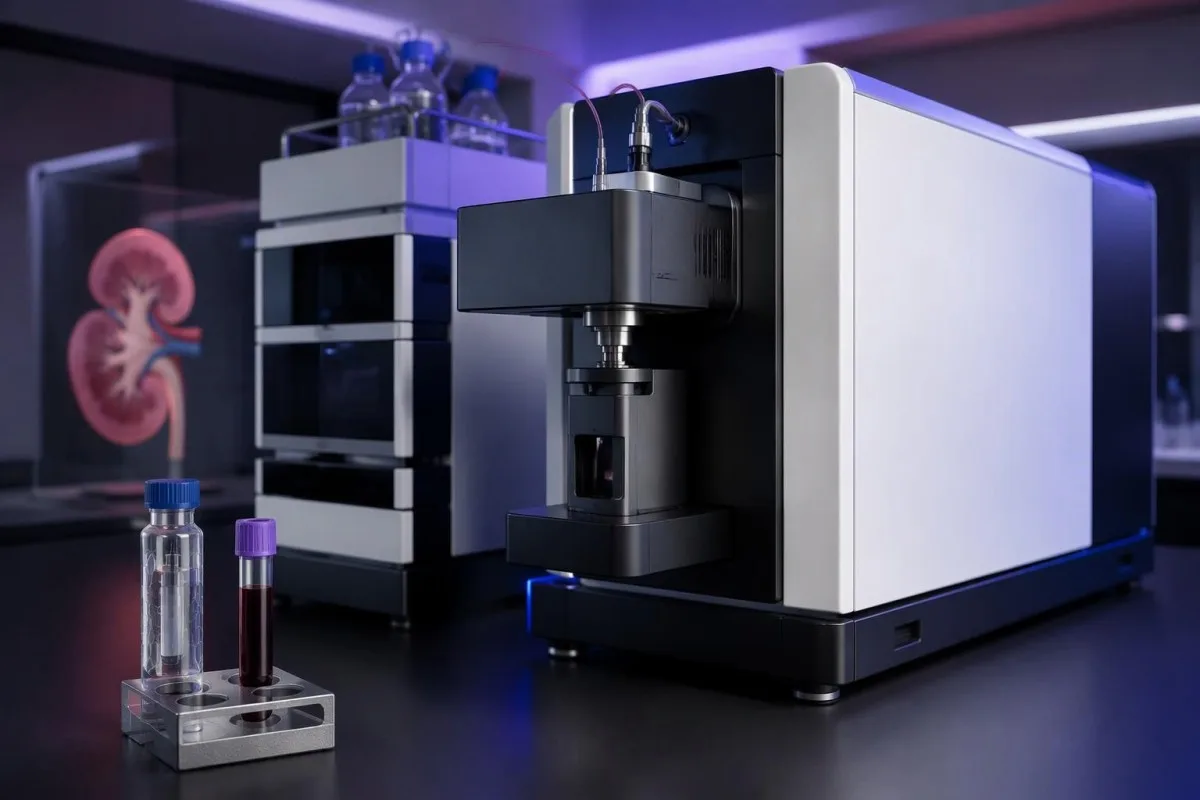
Liquid chromatography–tandem mass spectrometry, abbreviated LC-MS/MS, is a reference approach for everolimus measurement, while some laboratories use immunoassays. Method-dependent bias can occur, including differences in metabolite cross-reactivity, so an apparent shift from 6 to 8 ng/mL after changing laboratories deserves a method check before anyone assumes that drug exposure increased by one-third.
Whole-blood concentrations also depend partly on distribution into cellular elements, meaning a large hematocrit change may alter the relationship between the measured value and circulating drug exposure. There is no routine patient-applied hematocrit correction formula for an everolimus result of 4 ng/mL; our מדריך שלנו לפניטואין חופשי לעומת פניטואין כולל explains why specimen biology differs across monitored drugs.
Kantesti can help organize 3 report details—the analyte name, units and laboratory interval—but an uploaded report does not reveal an undocumented dose time or assay change. Our מסגרת האימות והפיקוח describes interpretation standards; it does not mean that AI performs the everolimus assay or replaces a transplant pharmacist's assessment of unexpected concentrations.
אילו תרופות עשויות להעלות או להוריד את רמות האוורולימוס?
Medicines that inhibit CYP3A4 or P-glycoprotein can raise everolimus exposure, while enzyme-inducing medicines can lower it. Strong inhibitors such as certain azole antifungals and ritonavir-containing treatments may require avoidance or specialist management; even a 5-day course can matter for a twice-daily transplant regimen.
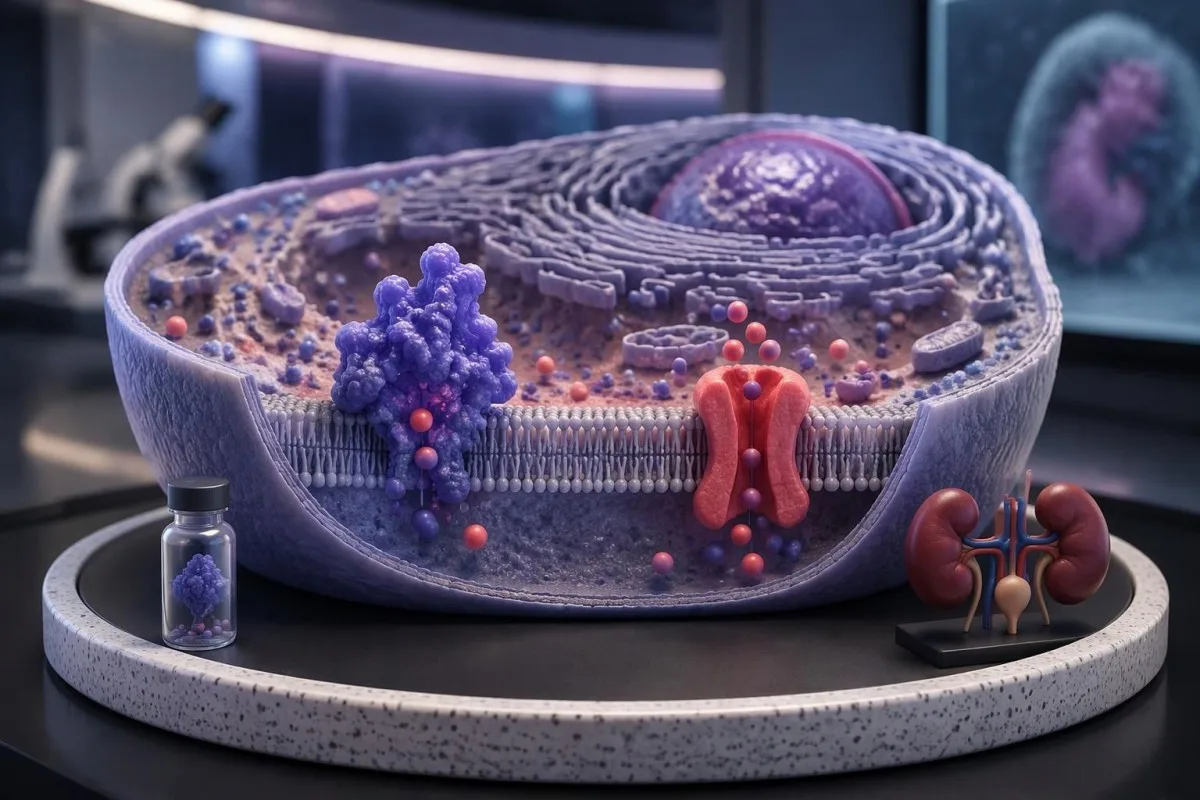
Examples that can raise exposure include voriconazole, posaconazole, itraconazole, clarithromycin and ritonavir or cobicistat; fluconazole, diltiazem and verapamil can also be relevant. The effect is not identical for every drug or person, and a previous concentration of 5 ng/mL does not predict safety after an inhibitor starts; our voriconazole monitoring guide covers the antifungal's own monitoring needs.
Rifampicin, carbamazepine, phenytoin, phenobarbital and St John's wort can reduce everolimus exposure through induction, although onset and recovery depend on the particular medicine. Starting an inducer may lower a previously acceptable 6 ng/mL trough, while stopping it may subsequently raise concentrations; tell the team about both actions rather than reporting only the new prescription.
Cyclosporine can increase everolimus exposure, so changes to its dose can alter the everolimus concentration even when the everolimus prescription stays the same. Before starting 1 new antibiotic, antifungal, antiviral or supplement, ask the transplant service or pharmacist to check the complete regimen—including tacrolimus, cyclosporine and nonprescription products—rather than checking each medicine separately.
כיצד מזון, תפקוד הכבד ומחלת קיבה משפיעים על התוצאות?
Food consistency, liver impairment and gastrointestinal illness can change everolimus exposure or make a result harder to interpret. Take each prescribed dose consistently with or without food, avoid grapefruit unless your specialist explicitly advises otherwise, and report vomiting or persistent diarrhea even when the latest concentration was within 3–8 ng/mL.
Food can alter everolimus absorption, so switching between fasting doses and doses with substantial meals can introduce variability without any prescription change. A practical record includes whether each of the previous 2 doses was taken with food; do not begin taking it fasting to 'improve' a low result, because that changes the exposure pattern your team is trying to assess.
Liver impairment can reduce everolimus clearance and may require indication-specific clinician-directed dose reduction, whereas reduced kidney filtration alone does not explain clearance in the same way. A change from 5 to 9 ng/mL therefore deserves a review of liver status and interacting medicines as well as kidney results; avoid unreviewed products marketed for kidney supplement support.
Diarrhea and vomiting can disrupt absorption, medication retention, hydration and the overall transplant regimen, but they do not reliably move everolimus concentrations in one predictable direction. If illness lasts more than 24 hours, or you cannot retain a scheduled dose, contact the team promptly; our norovirus recovery guidance should not substitute for transplant-specific advice.
מה עליך לעשות אם רמת האוורולימוס שלך גבוהה מדי?
אן everolimus level too high means the measured concentration exceeds your prescribed target—not that one universal number proves poisoning. If your target is 3–8 ng/mL and a correctly collected trough is 12 ng/mL, contact the transplant team promptly for timing, interaction, symptom and laboratory review without independently withholding or reducing treatment.
A value of 8.4 ng/mL is only 0.4 ng/mL above an 8 ng/mL upper target and does not carry the same context as a sudden rise from 5 to 16 ng/mL. There is no universally accepted emergency cutoff that applies to every transplant regimen; the direction of change, collection accuracy, symptoms and other immunosuppressants determine how urgently the team responds.
Everolimus can cause mouth sores, low blood counts, proteinuria, increased lipids, hyperglycemia, impaired healing and noninfectious pneumonitis, including at concentrations within the intended range. New thirst or frequent urination warrants glucose assessment rather than assuming the trough explains everything; our high-glucose warning signs distinguish routine follow-up from symptoms that require urgent evaluation.
קנטסטי הוא פלטפורמת פענוח בדיקות דם של AI that can help compare a reported 12 ng/mL concentration with accompanying uploaded results, but cannot decide whether the next dose should be held. Fever of 38°C or higher, new breathlessness, severe weakness, markedly reduced urine output or inability to keep medicines down warrants urgent clinical contact; severe breathing difficulty requires emergency care regardless of the trough.
האם רמת שפל נמוכה של אוורולימוס פירושה דחייה?
A low everolimus trough can indicate insufficient exposure when it falls below your protocol's lower target, but it does not diagnose rejection. For a regimen targeting 3–8 ng/mL, a genuine 2.2 ng/mL trough should prompt timely transplant-team review of adherence, timing, interactions and the complete immunosuppressive regimen.
A missed dose, an inducer such as rifampicin, inconsistent food intake or a delayed collection can each contribute to a low result. If a hypothetical recipient's usual trough is 4.5 ng/mL and the new result is 2.2 ng/mL, the useful first step is reconstructing events—not assuming the prescribed dose suddenly stopped working or taking an extra tablet.
Rejection assessment depends on graft function, symptoms and organ-specific investigations; a kidney recipient may need creatinine trends, urine testing, imaging or specialist tissue assessment. A rise in creatinine plus a 2 ng/mL trough raises concern, but dehydration, obstruction and other causes remain possible, so the transplant service decides which tests can distinguish them.
Increasing immunosuppression can worsen some viral complications, which is why a low trough cannot be managed separately from the rest of the record. Our BK virus graft-risk guide explains a setting where graft dysfunction and treatment intensity must be balanced; do not double 1 dose or change tacrolimus to compensate for an isolated everolimus result.
אילו בדיקות נוספות הופכות את ניטור האוורולימוס לבטוח יותר?
Everolimus safety monitoring commonly includes blood counts, kidney function, urine protein, liver tests, glucose and lipids, alongside the trough and companion-drug levels. A 5 ng/mL concentration within a 3–8 ng/mL target does not rule out cytopenias, proteinuria, metabolic adverse effects or a problem caused by combined immunosuppression.
Persistent urine protein can require assessment even when creatinine changes little, and a urine albumin-to-creatinine ratio of 30 mg/g marks increased albumin excretion under general kidney classification. That threshold is not an automatic everolimus stopping rule; the team may use albumin or total-protein ratios, trends and graft context, while our מדריך לשתן קצפי מתמשך explains why appearance alone is insufficient.
De Simone et al. (2012) tested everolimus targeting 3–8 ng/mL with reduced tacrolimus after liver transplantation and found better kidney-function outcomes than standard tacrolimus exposure in the studied setting. This supports a deliberately coordinated regimen, not independent calcineurin-inhibitor withdrawal; our מדריך ליחסי תפקוד כלייתי provides background, but cannot identify the cause of graft dysfunction by itself.
A platelet decline from 180 to 70 × 10⁹/L combined with rising creatinine and evidence of red-cell fragmentation would need urgent investigation, including consideration of thrombotic microangiopathy. Those hypothetical values are not diagnostic thresholds, and other medicines or illnesses can be responsible; our פענוח דחוף של שיסטוציטים explains why a normal everolimus trough cannot make this pattern safe to ignore.
מדוע אין להשתמש אוטומטית ביעדי טיפול בסרטן כיעדים להשתלה?
Cancer treatment should not automatically use the transplant 3–8 ng/mL everolimus target, because treatment goals, doses, formulations and supporting evidence differ. Many oncology regimens use a prescribed once-daily dose and adjust for adverse effects, interactions and liver function rather than routinely titrating every patient to a transplant trough interval.
Baselga et al. (2012), in the BOLERO-2 trial published in The New England Journal of Medicine, studied everolimus 10 mg daily with exemestane in a defined advanced breast-cancer population. That trial supports an indication-specific treatment strategy, not a universal concentration goal; a cancer patient's result above 8 ng/mL cannot be labeled excessive solely because a transplant report prints that upper boundary.
Exposure-response studies suggest potential roles for individualized oncology monitoring, but evidence has not established one universally accepted routine trough target across cancers. Separate noncancer indications also illustrate the difference: product labeling uses concentration-guided treatment targeting 5–15 ng/mL in certain tuberous-sclerosis-associated settings, and that interval must not be borrowed for cancer or transplantation without specialist direction.
A hypothetical oncology patient with a 9 ng/mL concentration needs the oncologist to review why the test was ordered, whether it was a true 24-hour predose sample and whether adverse effects are present. Our chemotherapy testing distinctions explain a different medicine-specific safety test; drug monitoring, pharmacogenetics and toxicity grading are not interchangeable routes to a self-selected dose.
כיצד תזמון ואינטראקציות משנים את משמעותה של אותה תוצאה מספרית?
The same everolimus concentration can mean different things when the dose interval, indication or interacting medicines differ. Kantesti is an כלי לניתוח בדיקות דם מבוסס AI that can help organize these distinctions around a reported 10 ng/mL result, but only the treating team can translate the clinical context into a dosing decision.
Hypothetical example 1: a kidney recipient targeting 3–8 ng/mL has a 10 ng/mL result collected 12 hours after the last dose, several days after starting clarithromycin. That combination suggests a plausible interaction-related rise requiring prompt review; a mouth-sore history, blood count and companion-drug level would influence the clinician's decision more than the number alone.
Hypothetical example 2: another recipient has 10 ng/mL collected 1 hour after taking the morning dose, while their previous genuine trough was 5 ng/mL. The two results should not be plotted as equivalent troughs; our תהליך עבודה לניטור מגמות בטיחות התרופות explains why sample annotations matter before interpreting a line rising on a chart.
Kantesti AI can support a record containing 4 fields—dose, previous-dose time, collection time and target—while our הסבר טכנולוגיית AI describes the broader interpretation workflow. A proportional calculation such as reducing a dose by 50% because a level doubled ignores timing errors, interactions and graft risk, so it is not a safe patient dosing method.
פרסומי מחקר ורשימת תיוג בטוחה למעקב לאחר השתלה
The strongest evidence for interpreting everolimus comes from drug-monitoring consensus guidance and indication-specific trials, not from general laboratory articles. Before acting on a result such as 9 ng/mL, obtain your prescribed target, verify collection timing and ask your transplant service for explicit next-dose and repeat-test instructions.
Send the service 5 essentials: the result and units, prescribed regimen, last-dose time, collection time and recent medicine or illness changes. Ask whether the sample is interpretable, what to take next and when to repeat it; the Shipkova et al. (2016) consensus and indication-specific trials provide clinical background, but none makes an unexplained high flag a patient-directed dosing instruction.
The 2 Zenodo publications listed below address coagulation and serum proteins, not everolimus pharmacokinetics, transplant target validation or oncology dose selection. Our פרשנות חלבוני סרום may help explain accompanying albumin results, but these background resources should not be cited as evidence that 3–8 ng/mL is appropriate for a particular recipient.
של Kantesti תקני תוכן רפואי distinguish educational interpretation from prescribing; this article cannot confirm that an individual 6 ng/mL result is correctly timed or clinically safe. Keep the transplant service's daytime and out-of-hours contact details available, and obtain urgent help for fever, breathing changes or inability to retain immunosuppression rather than waiting for another concentration.
שאלות נפוצות
מהי רמת השפל היעדית של אוורולימוס לאחר השתלה?
An everolimus trough target of 3–8 ng/mL in whole blood is commonly used in selected kidney and liver transplant regimens and some heart-transplant protocols. Your personal target depends on the transplanted organ, accompanying immunosuppressants, postoperative phase and local protocol. A laboratory's printed range is not automatically your prescribed target. Ask the transplant team to confirm the interval before interpreting a flagged result or considering any treatment change.
כמה שעות לאחר מנת אוורולימוס יש לבדוק את הרמה?
An everolimus trough should be collected immediately before the next scheduled dose, usually approximately 12 hours after the previous dose for a twice-daily transplant regimen. If a specialist requests a trough during once-daily treatment, the expected interval is generally approximately 24 hours. Follow the team's instructions about taking the next dose after collection, and report both actual dose and collection times. A sample taken after dosing should not be treated as an ordinary predose trough.
האם רמת אוורולימוס של 10 ng/mL גבוהה מדי?
0 רמת אוורולימוס של 10 ננוגרם/מ״ל גבוהה מהיעד אם טווח השפל שנקבע לך בדם מלא הוא 3–8 ננוגרם/מ״ל, אך היא אינה סף רעילות אוניברסלי. לתוצאה אמיתית לפני נטילת המנה יש משמעות שונה מזו של דגימה שנאספה 1–2 שעות לאחר נטילת המנה. פנה בהקדם לצוות ההשתלות שלך כדי לבדוק את עיתוי איסוף הדגימה, תרופות שעלולות ליצור אינטראקציה, תסמינים ותוצאות בדיקות מעבדה אחרות. אל תדלג, תפחית או תחלק באופן עצמאי את המנה הבאה; קשיי נשימה חמורים או תסמינים חמורים אחרים מחייבים טיפול דחוף ללא קשר לריכוז.
האם רמה נמוכה של אברולימוס יכולה להעיד על כך שהגוף דוחה את השתל שלי?
רמת שפל של אוורולימוס מתחת ל־3 ng/mL עשויה להעיד על חשיפה לא מספקת במשטר טיפולי המשתמש בטווח של 3–8 ng/mL, אך התוצאה אינה מאבחנת דחייה. מנות שהוחמצו, איסוף שנעשה באיחור, הקאות ותרופות משרות אנזימים עשויים גם הם לתרום לריכוז נמוך. הערכת דחייה מחייבת מעקב אחר מגמות בתפקוד השתל ובדיקות ייעודיות לאיבר, שנבחרות על ידי צוות ההשתלות. יש לדווח בהקדם על תוצאה כגון 2.2 ng/mL, ולא לקחת מנה נוספת או לשנות תרופה מדכאת חיסון אחרת.
כעבור כמה זמן יש לחזור על בדיקת רמות האברולימוס לאחר שינוי המינון?
Everolimus concentrations are commonly rechecked around 4–5 days after a clinician-directed dose change, when exposure is approaching the new steady state. The medicine's average half-life is roughly 30 hours, so a sample after only 1 day may still reflect the previous regimen substantially. Suspected toxicity, a major interaction or an unstable clinical situation can justify earlier or additional testing. Your transplant team should specify both the collection date and what to take while waiting.
האם אנשים הנוטלים אוורולימוס לטיפול בסרטן צריכים להגיע לרמת שפל של 3–8 ננוגרם/מ״ל?
אין להקצות באופן אוטומטי למטופלים הנוטלים אברולימוס לטיפול בסרטן את טווח רמות השפל היעד של 3–8 ng/mL הנהוג בהשתלות. משטרי טיפול אונקולוגיים רבים משתמשים במינונים פעם ביום המותאמים להתוויה, כגון משטר של 10 מ״ג ביום שנחקר ב-BOLERO-2, עם התאמות לפי שיקול דעתו של הרופא בשל תופעות לוואי, אינטראקציות ותפקודי כבד. אין טווח יעד שגרתי יחיד ומקובל אוניברסלית לרמות שפל המתאים לכל סוגי הסרטן. אם אונקולוג מבקש למדוד ריכוז, שאלו מדוע הוא נמדד ואיזו מסגרת פרשנות חלה.
אילו תרופות יכולות להעלות את רמת השפל של אוורולימוס?
החשיפה לאברולימוס עלולה לעלות בעקבות מעכבי CYP3A4 או P-glycoprotein, לרבות תרופות אנטי־פטרייתיות מסוימות ממשפחת האזולים, קלריתרומיצין ותרופות המכילות ריטונביר. גם דילטיאזם, ורפמיל, פלוקונאזול וציקלוספורין עשויים להיות רלוונטיים, אם כי ההשפעה משתנה בהתאם לתרופה ולאדם. אפילו מרשם לחמישה ימים עלול לשבש רמת שפל יציבה של 5 ng/mL. יש לבדוק מרשמים חדשים ותוספי תזונה עם צוות ההשתלות או הרוקח לפני תחילת נטילתם, וכן לדווח כאשר הטיפול האינטראקטיבי מופסק.
קבלו הסבר על תוצאות בדיקות הדם שלכם
העלו את דוח המעבדה שלכם, וה-AI של Kantesti יסביר כל סמן ביולוגי בשפה פשוטה בתוך שניות. יותר מ-2 מיליון אנשים ברחבי העולם משתמשים בו.
הפניות
- Klein, T., Mitchell, S., & Weber, H. (2026). טווח תקין של aPTT: מדריך לקרישת דם בנושא D-Dimer ו-Protein C. מחקר רפואי של Kantesti AI. DOI
- Klein, T., Mitchell, S., & Weber, H. (2026). מדריך לחלבוני סרום: בדיקת דם לגלובולינים, אלבומין ויחס A/G. מחקר רפואי של Kantesti AI. DOI
- Shipkova M et al. (2016). Therapeutic Drug Monitoring of Everolimus: A Consensus Report. Therapeutic Drug Monitoring.
- De Simone P et al. (2012). Everolimus with reduced tacrolimus improves renal function in de novo liver transplant recipients: a randomized controlled trial. American Journal of Transplantation. DOI
- Baselga J et al. (2012). Everolimus in Postmenopausal Hormone-Receptor–Positive Advanced Breast Cancer. The New England Journal of Medicine. DOI
- 2 מיליון+בדיקות שנותחו
- 127+מדינות
- 100+שפות
על הצוות הרפואי


אותות אמון E-E-A-T
הִתנַסוּת
סקירה קלינית בהובלת רופא של תהליכי עבודה לפענוח בדיקות מעבדה.
מוּמחִיוּת
רפואה מעבדתית מתמקדת באופן שבו סמנים ביולוגיים מתנהגים בהקשר קליני.
סמכותיות
נבדק רפואית על ידי ד״ר Thomas Klein, בתרומתם של ד״ר Sarah Mitchell ופרופ׳ ד״ר Hans Weber.
אֲמִינוּת
פרשנות מבוססת-ראיות עם מסלולי המשך ברורים כדי להפחית בהלה.






הצהרה רפואית
מאמר זה מיועד למטרות חינוכיות בלבד ואינו מהווה ייעוץ רפואי. תמיד יש להתייעץ עם גורם מוסמך בתחום הבריאות לצורך החלטות אבחון וטיפול.
פורסם · צרו קשר עם צוות העריכה
פורסם על ידי Kantesti Ltd, הרשומה באנגליה ובוויילס, מספר חברה. 17090423, לונדון, בריטניה.
