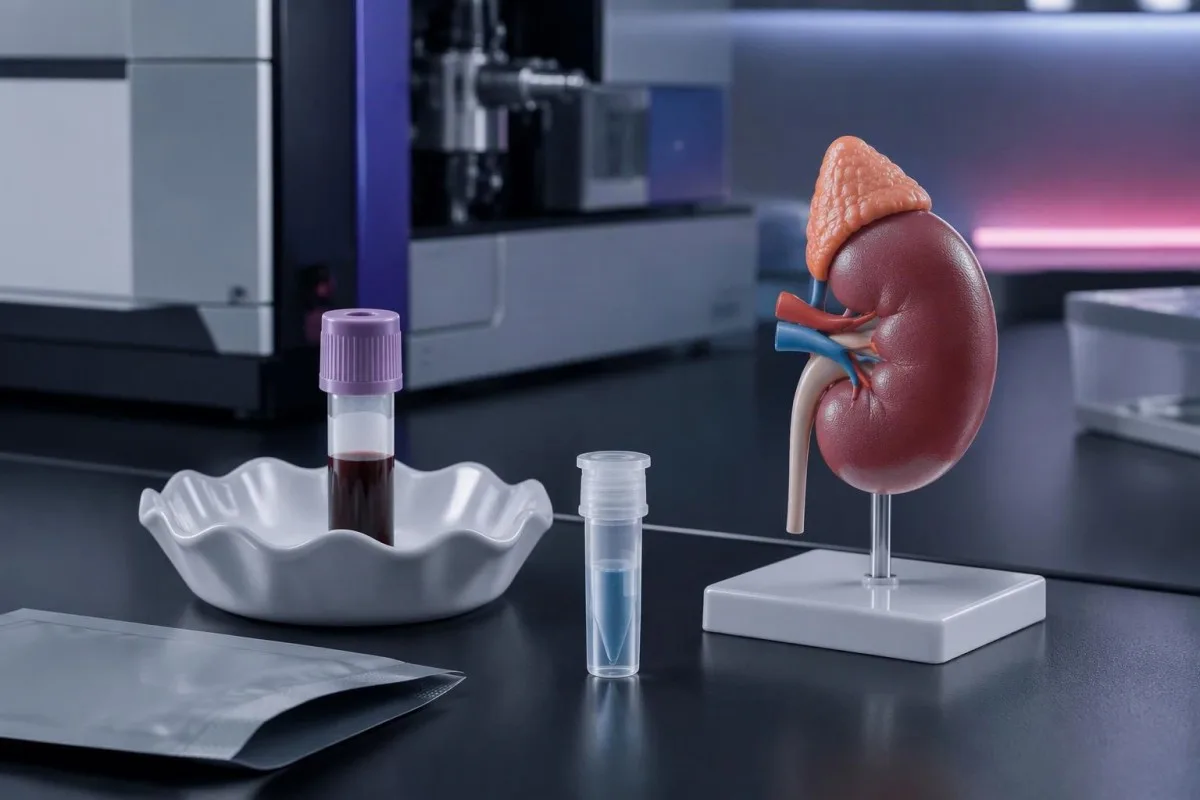
ചില ട്രാൻസ്പ്ലാന്റ് ചികിത്സാ രീതികളിൽ, അടുത്ത ഡോസിന് തൊട്ടുമുമ്പ് ശേഖരിച്ച സാമ്പിൾ ഉപയോഗിച്ച് എവെറോളിമസിന്റെ ട്രഫ് ലെവൽ സാധാരണയായി 3–8 ng/mL ആയി ലക്ഷ്യമിടുന്നു. നിങ്ങളുടെ ട്രാൻസ്പ്ലാന്റ് പ്രോട്ടോക്കോൾ, മറ്റ് മരുന്നുകൾ, സാമ്പിൾ ശേഖരിക്കുന്ന സമയം എന്നിവയാണ് നിങ്ങളുടെ ഫലത്തിന്റെ അർത്ഥം നിർണയിക്കുന്നത്; കാൻസർ ചികിത്സയിൽ വ്യത്യസ്ത ഡോസിങ് തത്വങ്ങളാണ് ഉപയോഗിക്കുന്നത്, അതിനാൽ ഡോസിൽ സ്വയം മാറ്റം വരുത്തരുത്.

പ്രധാന കാര്യങ്ങൾ
- ട്രാൻസ്പ്ലാന്റ് ലക്ഷ്യങ്ങൾ സാധാരണയായി മുഴുവൻ രക്തത്തിൽ 3–8 ng/mL ആണ്, എന്നാൽ അവയവം, കൂടെ ഉപയോഗിക്കുന്ന മരുന്നുകൾ, നിങ്ങളുടെ ടീമിന്റെ പ്രോട്ടോക്കോൾ എന്നിവയാണ് നിങ്ങളുടെ വ്യക്തിഗത ലക്ഷ്യം നിർണയിക്കുന്നത്.
- സാമ്പിൾ ശേഖരിക്കുന്ന സമയം അടുത്ത നിശ്ചിത ഡോസിന് തൊട്ടുമുമ്പാണ്—ദിവസത്തിൽ രണ്ടുതവണയുള്ള ചികിത്സാരീതിയിൽ, മുൻ ഡോസ് കഴിഞ്ഞ് ഏകദേശം 12 മണിക്കൂറിന് ശേഷം.
- ലബോറട്ടറി യൂണിറ്റുകൾ ng/mL അല്ലെങ്കിൽ µg/L ആയി പ്രകടിപ്പിക്കുമ്പോൾ പരസ്പരം തുല്യമാണ്: 5 ng/mL എന്നത് 5 µg/L-ന് തുല്യമാണ്.
- ഉയർന്ന ഫലങ്ങൾ നിർദേശിച്ച 3–8 ng/mL ലക്ഷ്യത്തേക്കാൾ ഉയർന്ന ഫലങ്ങൾ ട്രാൻസ്പ്ലാന്റ് ടീമിന്റെ വിലയിരുത്തൽ ആവശ്യപ്പെടുന്നു; 8 ng/mL എല്ലാവർക്കും ബാധകമായ അടിയന്തരാവസ്ഥാ പരിധിയോ വിഷാംശപരിധിയോ അല്ല.
- കുറഞ്ഞ ഫലങ്ങൾ 3 ng/mL-ൽ താഴെയുള്ളത് ആ താഴ്ന്ന പരിധി ഉപയോഗിക്കുന്ന ചികിത്സാരീതികളിൽ അപര്യാപ്തമായ എക്സ്പോഷറിനെ സൂചിപ്പിക്കാം, എന്നാൽ നിരസനം നിർണയിക്കുന്നില്ല.
- ആവർത്തിച്ച പരിശോധന സാധാരണയായി, ചികിത്സകന്റെ നിർദേശപ്രകാരമുള്ള ഡോസ് മാറ്റത്തിന് ഏകദേശം 4–5 ദിവസങ്ങൾക്ക് ശേഷം; സാഹചര്യം ആവശ്യപ്പെടുമ്പോൾ അതിനുമുമ്പ് അല്ലെങ്കിൽ അധിക പരിശോധന നടത്തും.
- ഇടപെടലുകൾ അസോൾ ആന്റിഫംഗലുകൾ, ക്ലാരിത്രോമൈസിൻ, റിറ്റോണാവിർ അടങ്ങിയ മരുന്നുകൾ, റിഫാംപിസിൻ, ചില അപസ്മാര മരുന്നുകൾ എന്നിവ ഉൾപ്പെടുന്നു; പരസ്പരപ്രവർത്തനമുള്ള ഒരു മരുന്ന് തുടങ്ങുകയോ നിർത്തുകയോ ചെയ്യുന്നത് സാന്ദ്രതകളിൽ മാറ്റമുണ്ടാക്കാം.
- കാൻസർ ചികിത്സ ട്രാൻസ്പ്ലാന്റിനുള്ള 3–8 ng/mL പരിധി സ്വയമേവ ഉപയോഗിക്കുന്നില്ല; പല ഓങ്കോളജി ചികിത്സാരീതികളും രോഗസൂചനയ്ക്ക് അനുസൃതമായ ദൈനംദിന ഡോസും വിഷാംശത്തെ അടിസ്ഥാനമാക്കിയുള്ള ക്രമീകരണങ്ങളും ഉപയോഗിക്കുന്നു.
- ഡോസ് സുരക്ഷ ഡോസ് ഒഴിവാക്കുകയോ ഇരട്ടിയാക്കുകയോ സ്വയം വീണ്ടും കണക്കാക്കുകയോ ചെയ്യുന്നതിനുപകരം, എന്ത് എപ്പോൾ കഴിക്കണമെന്നും പരിശോധന എപ്പോൾ ആവർത്തിക്കണമെന്നും ട്രാൻസ്പ്ലാന്റ് ടീമിനോട് ചോദിക്കുക എന്നാണ് അർത്ഥം.
എവെറോളിമസിന്റെ ട്രഫ് ലെവൽ യഥാർഥത്തിൽ എന്താണ് സൂചിപ്പിക്കുന്നത്?
ഒരു എവെറോലിമസ് ട്രഫ് നില അടുത്ത ഡോസിന് തൊട്ടുമുമ്പുള്ള രക്തത്തിലെ മരുന്നിന്റെ സാന്ദ്രത അളക്കുന്നു; ഇത് നിർദേശിച്ച അളവ് മാത്രമല്ല, ശരീരത്തിലെ മരുന്നിന്റെ സാന്നിധ്യം വിലയിരുത്താൻ ചികിത്സകരെ സഹായിക്കുന്നു. സാമ്പിൾ എടുത്ത സമയവും ചികിത്സാ പ്രോട്ടോക്കോളും ആ വ്യാഖ്യാനവുമായി പൊരുത്തപ്പെടുന്നുവെങ്കിൽ മാത്രമേ 5 ng/mL എന്ന ഫലം 3–8 ng/mL ട്രാൻസ്പ്ലാന്റ് ലക്ഷ്യപരിധിയിൽ വരികയുള്ളൂ.
ആഗിരണം, കരളിലെ ഉപാപചയം, പരസ്പരപ്രവർത്തനമുള്ള മരുന്നുകൾ എന്നിവ വ്യത്യാസപ്പെടുന്നതിനാൽ, ഒരേ എവെറോലിമസ് ഡോസ് 2 പേരിൽ വ്യത്യസ്ത സാന്ദ്രതകൾക്ക് കാരണമാകാം. ദിവസമൊട്ടാകെയുള്ള സമ്പർക്കത്തിന്റെ പൂർണ അളവല്ല ട്രഫ്; പ്രായോഗികമായ ഒരു സാമ്പിൾ എടുക്കൽ സമയമാണത്. തൃപ്തികരമായ ഒരു സംഖ്യകൊണ്ട് മാത്രം ട്രാൻസ്പ്ലാന്റ് ചെയ്ത അവയവം സാധാരണ നിലയിൽ പ്രവർത്തിക്കുന്നുവെന്നോ പ്രതികൂലഫലങ്ങളില്ലെന്നോ തെളിയിക്കാനാവില്ല.
Kantesti-ൽ, ലാബ് അച്ചടിച്ചിരിക്കുന്ന ഇടവേളയും നിങ്ങളുടെ ടീം യഥാർത്ഥത്തിൽ നിർദേശിച്ച ലക്ഷ്യവും ഞങ്ങൾ വേർതിരിക്കുന്നു—ഉദാഹരണത്തിന്, 3–8 ng/mL-ഉം അതിനേക്കാൾ ഇടുങ്ങിയ വ്യക്തിഗത ഇടവേളയും. ഞങ്ങളുടെ സംഘടനയും ക്ലിനിക്കൽ ഉദ്ദേശ്യവും വ്യാഖ്യാനത്തിന്റെ വിദ്യാഭ്യാസപരമായ പങ്ക് വിശദീകരിക്കുന്നു; രോഗപ്രതിരോധം കുറയ്ക്കുന്ന ചികിത്സാരീതി തിരഞ്ഞെടുക്കുന്നതിനും ഫലം ചികിത്സയിൽ മാറ്റം വരുത്തണമോ എന്ന് തീരുമാനിക്കുന്നതിനും ട്രാൻസ്പ്ലാന്റ് സേവനത്തിനാണ് ഉത്തരവാദിത്തം.
കാന്റേസ്റ്റി ഒരു AI രക്ത പരിശോധന അനലൈസർ ഡോസ് നിർദേശിക്കാതെ, അപ്ലോഡ് ചെയ്ത വൃക്കപ്രവർത്തനത്തിന്റെയും രക്തകോശങ്ങളുടെ എണ്ണത്തിന്റെയും ഫലങ്ങൾക്കൊപ്പം 5 ng/mL പോലുള്ള എവെറോലിമസ് ഫലം വിലയിരുത്താൻ സഹായിക്കാവുന്നവ. മറ്റൊരു രോഗപ്രതിരോധം കുറയ്ക്കുന്ന മരുന്നിനൊപ്പം എവെറോലിമസ് ഉപയോഗിക്കുമ്പോൾ, ഞങ്ങളുടെ tacrolimus നിരീക്ഷണ മാർഗ്ഗദർശിക ഓരോ മരുന്നിനും അതിന്റേതായ ലക്ഷ്യവും സാമ്പിൾ ശേഖരണ നിർദേശങ്ങളും ആവശ്യമാകുന്നത് എന്തുകൊണ്ടെന്ന് വിശദീകരിക്കുന്നു.
നിങ്ങളുടെ ചികിത്സാ സൂചനയ്ക്ക് ഏത് എവെറോളിമസ് ചികിത്സാ പരിധിയാണ് ബാധകം?
ദി എവെറോലിമസിന്റെ ചികിത്സാ പരിധി തിരഞ്ഞെടുത്ത വൃക്ക, കരൾ ട്രാൻസ്പ്ലാന്റ് ചികിത്സാരീതികളിൽ സാധാരണയായി മുഴുവൻ രക്തത്തിൽ 3–8 ng/mL ആണ് ഉപയോഗിക്കുന്നത്. ഈ ഉപയോഗത്തിന് അംഗീകാരമുള്ള അധികാരപരിധികളിലെ ഹൃദയ ട്രാൻസ്പ്ലാന്റ് പ്രോട്ടോക്കോളുകൾ പലപ്പോഴും സമാനമായ ഇടവേള ഉപയോഗിക്കുന്നു. എന്നാൽ ശ്വാസകോശ ട്രാൻസ്പ്ലാന്റ്, കൂടെ നൽകുന്ന മരുന്നിന്റെ അളവ് കുറച്ചുള്ള ചികിത്സാരീതികൾ, മറ്റ് രോഗസൂചനകൾ എന്നിവയ്ക്ക് വിദഗ്ധർ വ്യക്തമായി നിശ്ചയിച്ച ലക്ഷ്യങ്ങൾ ആവശ്യമാണ്.
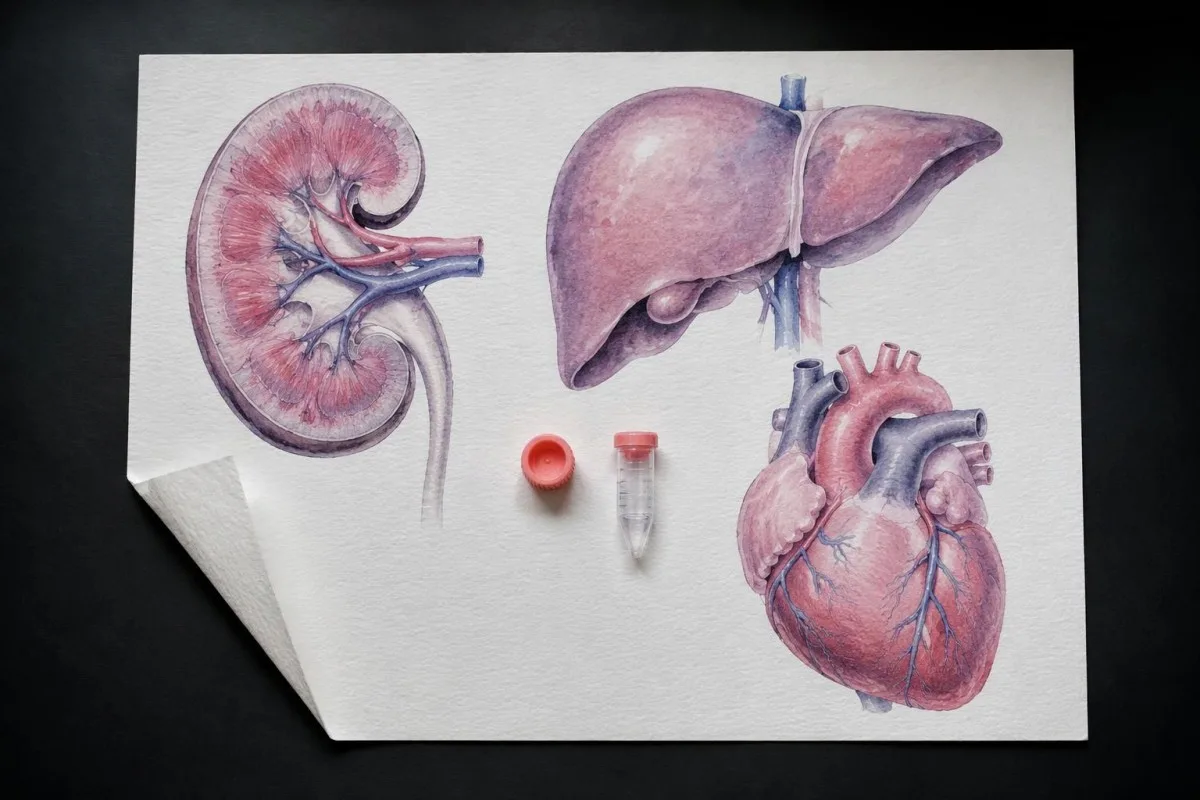
Therapeutic Drug Monitoring-ൽ പ്രസിദ്ധീകരിച്ച Shipkova et al. (2016)ന്റെ സമവായ റിപ്പോർട്ട്, ട്രാൻസ്പ്ലാന്റിനുള്ള സമ്പൂർണ ചികിത്സാരീതിയുടെ പശ്ചാത്തലത്തിൽ എവെറോലിമസ് സാന്ദ്രതകൾ വ്യാഖ്യാനിക്കണമെന്ന് പിന്തുണയ്ക്കുന്നു; കാൽസിന്യൂറിൻ ഇൻഹിബിറ്ററുകൾക്കൊപ്പം സാധാരണയായി 3–8 ng/mL ഉപയോഗിക്കുന്നു. അപര്യാപ്തമായ രോഗപ്രതിരോധ അടിച്ചമർത്തലിനെക്കുറിച്ചുള്ള ആശങ്കയാണ് താഴ്ന്ന പരിധിയെ സൂചിപ്പിക്കുന്നത്; മരുന്നിന്റെ സമ്പർക്കവുമായി ബന്ധപ്പെട്ട പ്രതികൂലഫലങ്ങൾ പരിമിതപ്പെടുത്താൻ ഉയർന്ന പരിധി സഹായിക്കുന്നു. സുരക്ഷ പെട്ടെന്ന് മാറുന്ന ജൈവപരമായ അതിരുകളല്ല ഈ രണ്ട് പരിധികളും.
അംഗീകാരങ്ങളും പ്രോട്ടോക്കോളുകളും രാജ്യങ്ങൾക്കനുസരിച്ച് വ്യത്യാസപ്പെടുന്നു: U.S. ട്രാൻസ്പ്ലാന്റ് ലേബലിംഗിൽ നിർദ്ദിഷ്ട വൃക്ക, കരൾ സാഹചര്യങ്ങൾ ഉൾപ്പെടുന്നു; യൂറോപ്യൻ ഉൽപ്പന്നവിവരങ്ങളിൽ തിരഞ്ഞെടുത്ത ഹൃദയ ട്രാൻസ്പ്ലാന്റ് ഉപയോഗവും ഉൾപ്പെടുന്നു. അതിനാൽ, 3–8 ng/mL എന്ന ലാബ് ഇടവേള മാത്രം കൊണ്ട് അവയവം, കൂടെ നൽകുന്ന മരുന്നിന്റെ സമ്പർക്കം, ശസ്ത്രക്രിയാനന്തര ഘട്ടം എന്നിവ തിരിച്ചറിയാനാവില്ല; രേഖപ്പെടുത്തിയ ക്ലിനിക്കൽ കാരണത്താൽ ഒരു കേന്ദ്രം വേറൊരു ലക്ഷ്യം തിരഞ്ഞെടുക്കാം.
3 വിവരങ്ങൾ ചോദിക്കുക: നിങ്ങളുടെ ലക്ഷ്യപരിധി, അത് തിരഞ്ഞെടുക്കാനുള്ള കാരണം, ഒപ്പം നൽകുന്ന ഏതെങ്കിലും കാൽസിന്യൂറിൻ ഇൻഹിബിറ്ററിന്റെ ലക്ഷ്യം. പൊതുതത്ത്വം ഞങ്ങളുടെ ഇൻഫ്ലിക്സിമാബ് ട്രഫ് വ്യാഖ്യാനംഎന്നതിലും കാണാം: ചികിത്സാ പരിധികൾ ഒരു പ്രത്യേക മരുന്നിനും രോഗസൂചനയ്ക്കും സാമ്പിൾ എടുക്കൽ രീതിക്കും ഉള്ളതാണ്; ആ മരുന്ന് കഴിക്കുന്ന എല്ലാവർക്കുമുള്ളതല്ല.
| നില | പരിധി | ഇതിന്റെ അർത്ഥം |
|---|---|---|
| തിരഞ്ഞെടുത്ത വൃക്ക-ട്രാൻസ്പ്ലാന്റ് ചികിത്സാരീതികൾ | സാധാരണയായി 3–8 ng/mL | നിർദ്ദിഷ്ട അനുബന്ധ രോഗപ്രതിരോധ-അടിച്ചമർത്തൽ ചികിത്സയോടൊപ്പം ഉപയോഗിക്കുന്ന, ഡോസിന് മുമ്പുള്ള മുഴുവൻ-രക്ത ലക്ഷ്യം; കേന്ദ്രത്തിന്റെ പ്രോട്ടോക്കോൾ സ്ഥിരീകരിക്കുക. |
| തിരഞ്ഞെടുത്ത കരൾ-ട്രാൻസ്പ്ലാന്റ് ചികിത്സാരീതികൾ | സാധാരണയായി 3–8 ng/mL | Often paired with reduced tacrolimus exposure after an appropriate postoperative interval. |
| Selected heart-transplant regimens | Often 3–8 ng/mL | Applicable only where the regimen and local approval support this target. |
| Lung or other specialist transplant regimens | Center-specific | Do not infer an individualized target from another organ's protocol. |
| കാൻസർ ചികിത്സ | No universal transplant-equivalent target | Oncology dosing and adverse-effect management do not automatically use 3–8 ng/mL. |
എപ്പോഴാണ് എവെറോളിമസ് സാമ്പിൾ ശേഖരിക്കേണ്ടത്?
Everolimus level timing should place the collection immediately before the next scheduled dose. For a twice-daily transplant regimen, this generally means approximately 12 hours after the previous dose; a specialist-requested trough for a once-daily regimen would generally be approximately 24 hours after the previous dose.
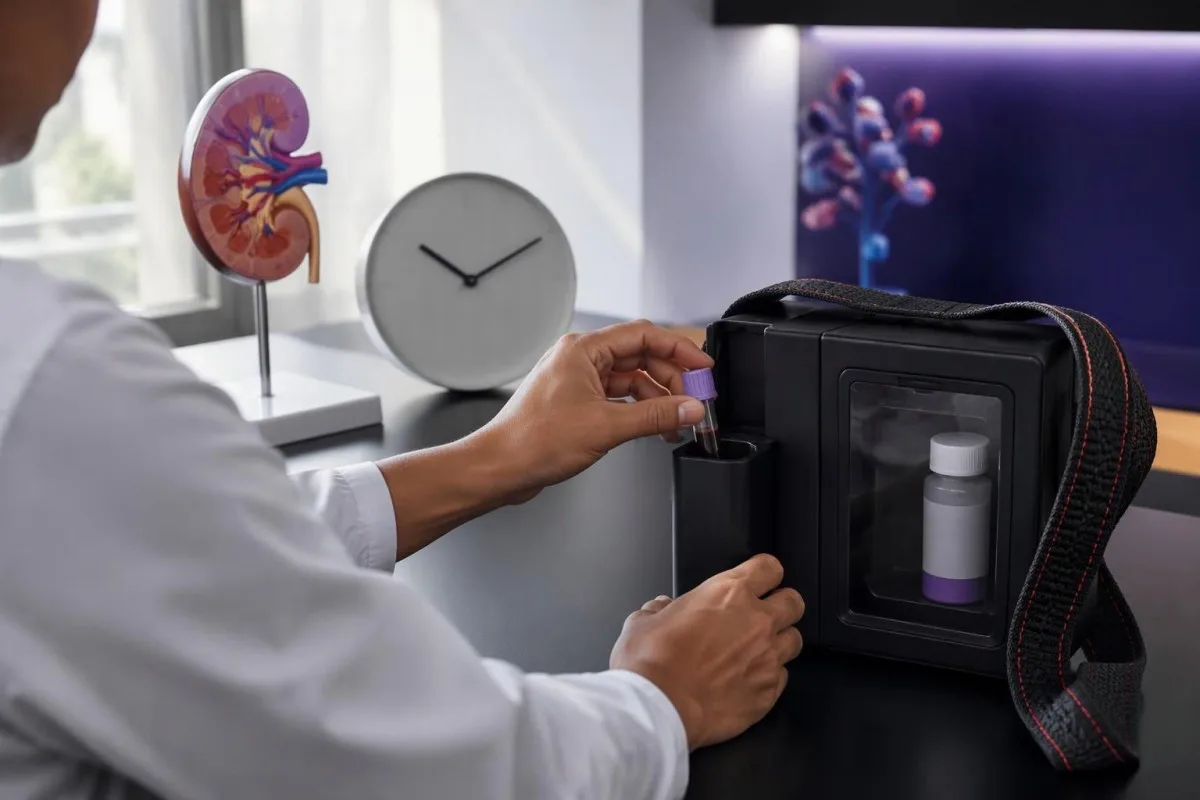
A hypothetical recipient takes everolimus at 08:00 and 20:00, then attends a planned collection just before 08:00 the next morning. The transplant team's usual instruction is to bring the morning dose and take it after collection, but obtain that instruction beforehand; a laboratory delay does not give you permission to postpone immunosuppression indefinitely.
Record the previous dose time, collection time and next dose time as 3 separate entries. A fasting instruction for glucose or lipids is a different issue from trough timing, so confirm whether you should take your usual food afterward and whether other morning medicines have separate instructions; our ഫസ്റ്റ്-ഡ്രോ തയ്യാറാക്കൽ ചെക്ക്ലിസ്റ്റ് helps prevent missing these details.
Scheduling accuracy matters more than an appointment labeled simply 'morning': a 07:00 sample after a 23:00 dose represents an 8-hour interval, not a 12-hour trough. If travel, shift work or another medication makes the standard schedule difficult, arrange a collection plan with the transplant coordinator rather than changing dose times solely to fit the laboratory.
പരിശോധനയ്ക്ക് മുമ്പ് ഡോസ് കഴിക്കുകയോ ഒരു ഡോസ് വിട്ടുപോകുകയോ ചെയ്താൽ എന്തുചെയ്യണം?
A sample collected after taking everolimus is not a true predose trough and should not be compared directly with a 3–8 ng/mL trough target. A missed dose or substantially delayed collection also changes interpretation; report the actual times rather than trying to make the result fit the expected interval.
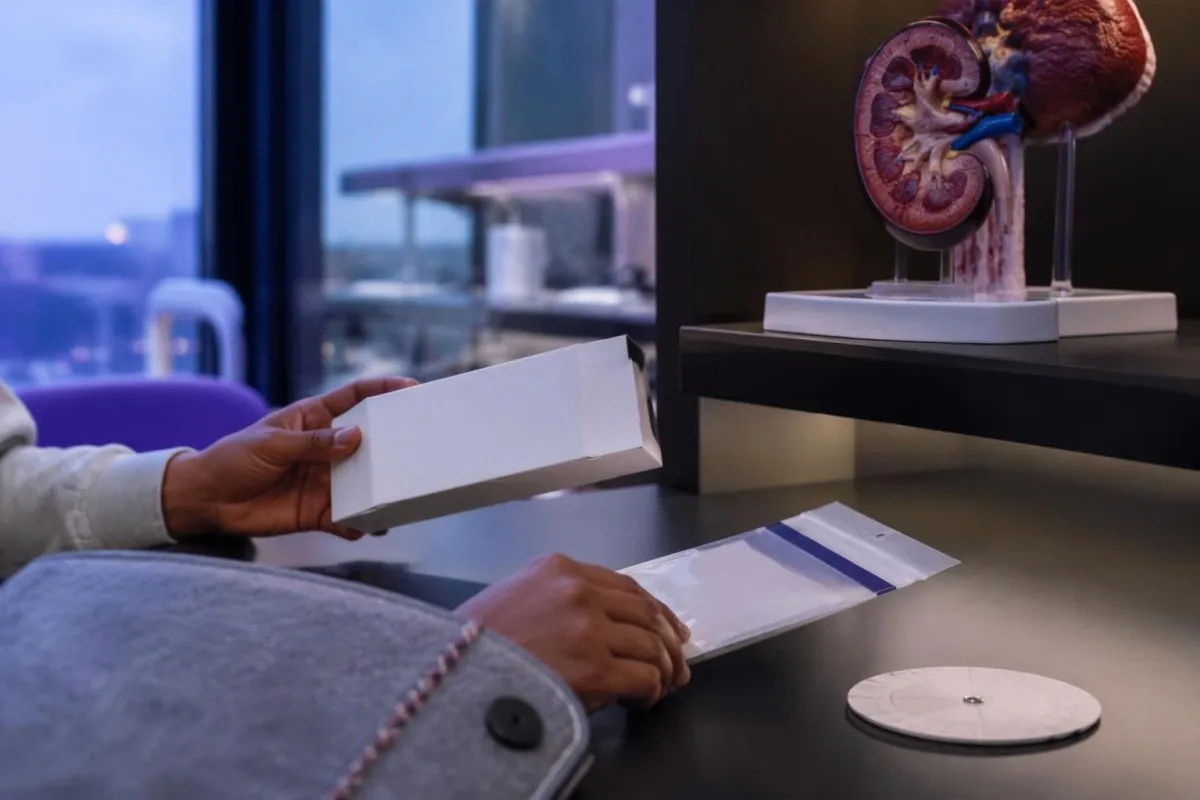
Everolimus commonly reaches peak concentrations around 1–2 hours after an oral dose, although food and individual absorption can change that timing. A hypothetical result of 12 ng/mL collected 90 minutes after dosing could reflect the absorption phase rather than an excessive trough; the team must still review the result and symptoms, not simply dismiss the number.
Missing the evening dose can make an apparently low morning concentration unrepresentative of your usual prescribed regimen, even if the appointment occurs at the expected hour. Give the team a factual account of the last 2–3 days, including vomiting or uncertainty about a dose; a one-time low result cannot distinguish missed treatment from inadequate dosing without that history.
Do not take an extra dose to compensate for a misleading 2 ng/mL result, and do not omit the next dose because a postdose sample looks high. Different medicines have different postdose sampling rules, as our digoxin sample-timing guide illustrates; ask the transplant team whether the collection needs repeating and what to take in the meantime.
ഡോസിൽ മാറ്റം വരുത്തിയ ശേഷം എത്രകാലം കഴിഞ്ഞാണ് ലെവൽ വീണ്ടും പരിശോധിക്കേണ്ടത്?
A routine everolimus level is commonly reassessed around 4–5 days after a clinician-directed dose change, when concentrations are approaching the new steady state. Earlier collections may be appropriate for suspected toxicity or major interactions, but they should be interpreted as transitional measurements rather than final evidence of the new dose's effect.
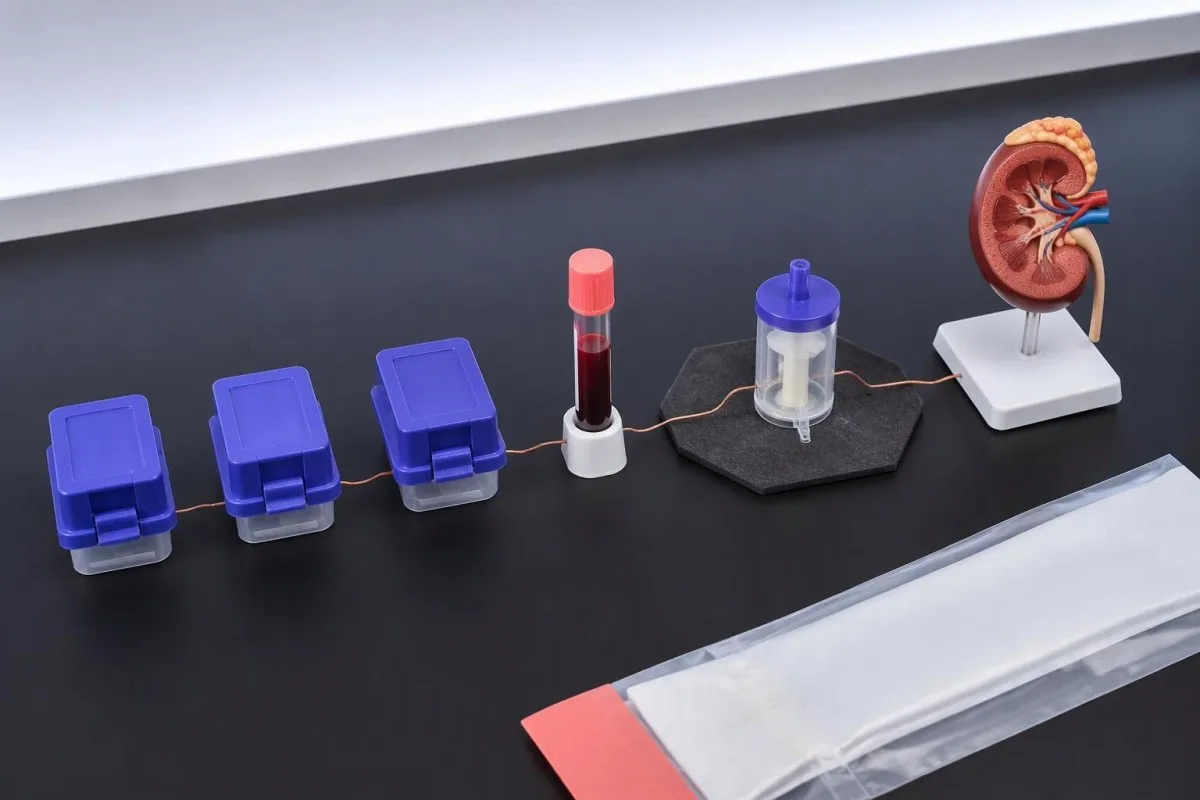
Everolimus has an average elimination half-life of roughly 30 hours, with substantial variation between people. After only 24 hours, a concentration still reflects considerable exposure from the previous regimen, so a second adjustment based solely on that early result can overshoot the intended target; product instructions commonly discourage routine adjustments more frequently than every 4–5 days.
A hypothetical recipient changes dose on Monday and has a predose sample on Tuesday because another test was already booked. That 1-day interval may provide useful safety information, but the transplant team may still request a later level; our blood-test change timeline explains why the biological response and the appointment schedule are not the same thing.
Starting an inhibitor can raise exposure while everolimus is still accumulating, and stopping an inducer can have delayed effects as enzyme activity returns toward baseline. Keep 2 dates in your record—the everolimus dose change and the interacting medicine change—because 'unchanged dose' does not mean unchanged exposure, and the team may need more than one repeat collection.
സാമ്പിളിന്റെ തരവും ലബോറട്ടറി രീതിയും പ്രധാനമാകുന്നത് എന്തുകൊണ്ട്?
Everolimus transplant monitoring uses മുഴുവൻ രക്തം, usually collected in an EDTA tube, rather than an interchangeable serum concentration. Results reported in ng/mL and µg/L are numerically equivalent: 6 ng/mL equals 6 µg/L, but values produced by different assay methods may not be directly comparable.
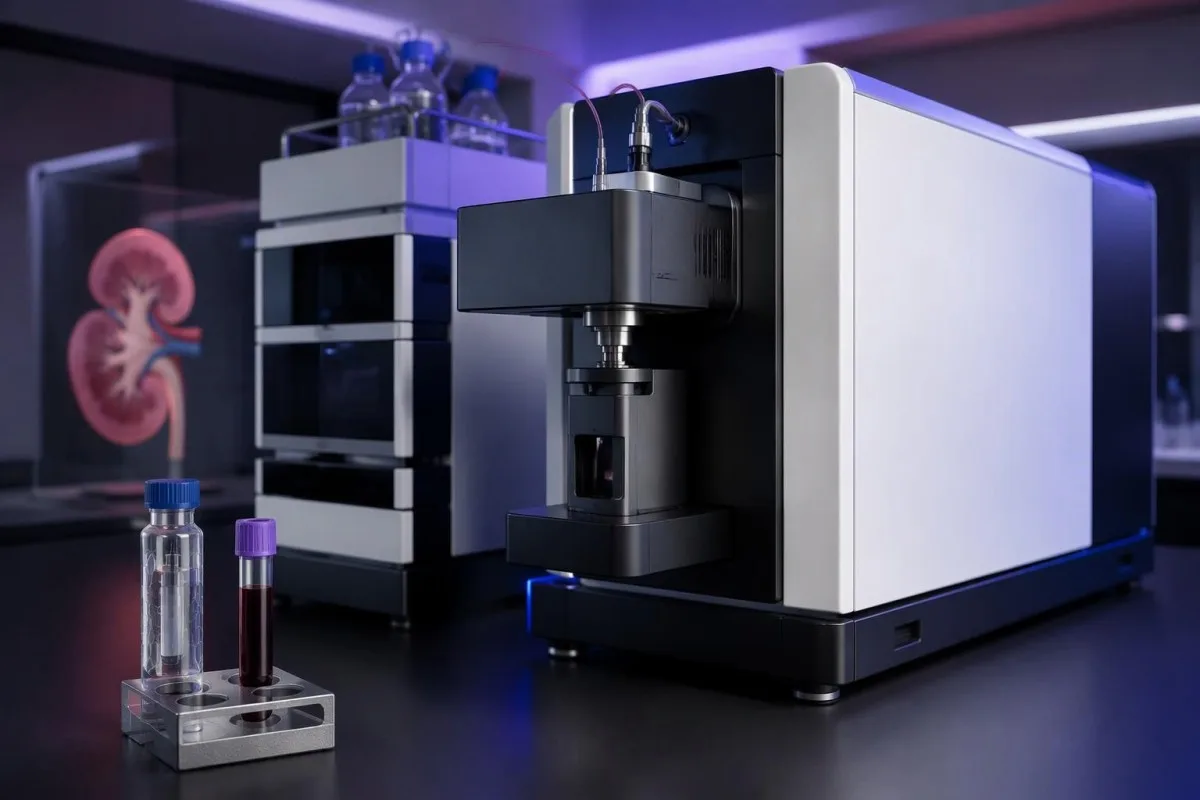
Liquid chromatography–tandem mass spectrometry, abbreviated LC-MS/MS, is a reference approach for everolimus measurement, while some laboratories use immunoassays. Method-dependent bias can occur, including differences in metabolite cross-reactivity, so an apparent shift from 6 to 8 ng/mL after changing laboratories deserves a method check before anyone assumes that drug exposure increased by one-third.
Whole-blood concentrations also depend partly on distribution into cellular elements, meaning a large hematocrit change may alter the relationship between the measured value and circulating drug exposure. There is no routine patient-applied hematocrit correction formula for an everolimus result of 4 ng/mL; our ഫ്രീയും ടോട്ടലുമായ ഫീനിറ്റോയിൻ മാർഗ്ഗദർശി explains why specimen biology differs across monitored drugs.
Kantesti can help organize 3 report details—the analyte name, units and laboratory interval—but an uploaded report does not reveal an undocumented dose time or assay change. Our വാലിഡേഷൻ, മേൽനോട്ട ചട്ടക്കൂട് describes interpretation standards; it does not mean that AI performs the everolimus assay or replaces a transplant pharmacist's assessment of unexpected concentrations.
ഏത് മരുന്നുകൾക്ക് എവെറോളിമസ് ലെവൽ കൂട്ടാനോ കുറയ്ക്കാനോ കഴിയും?
Medicines that inhibit CYP3A4 or P-glycoprotein can raise everolimus exposure, while enzyme-inducing medicines can lower it. Strong inhibitors such as certain azole antifungals and ritonavir-containing treatments may require avoidance or specialist management; even a 5-day course can matter for a twice-daily transplant regimen.
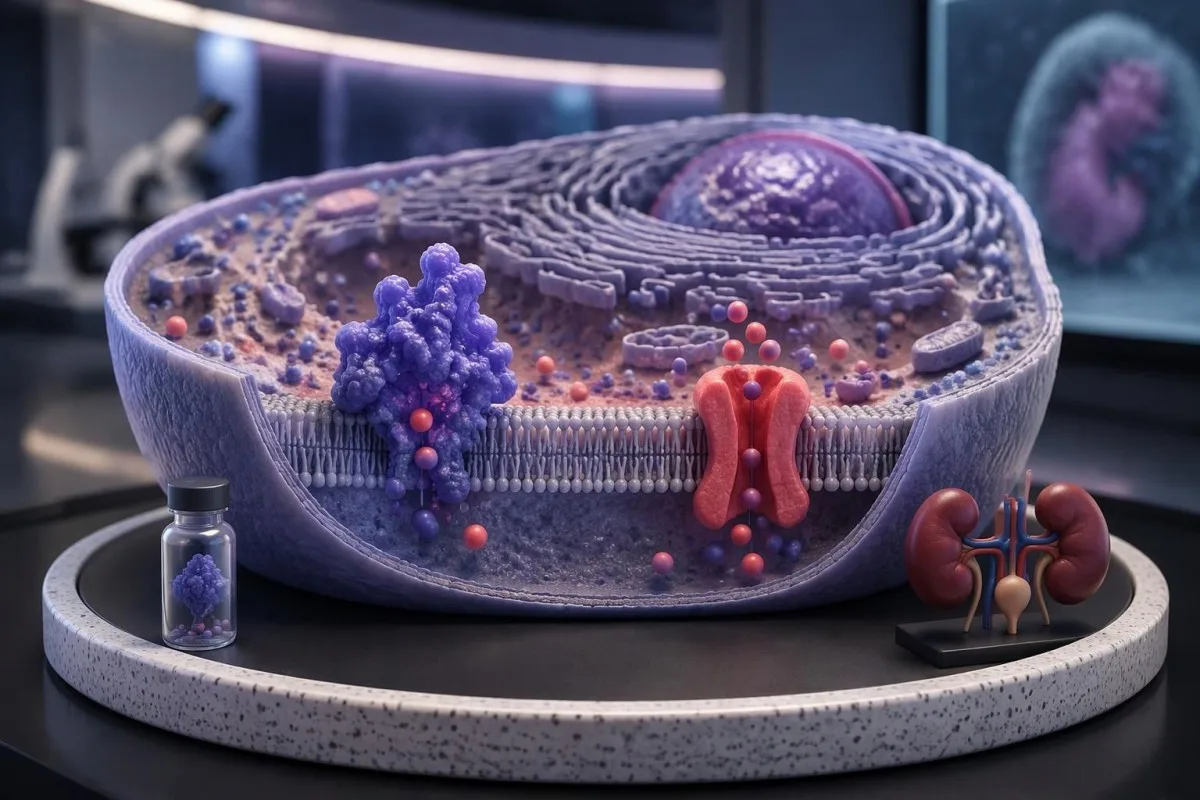
Examples that can raise exposure include voriconazole, posaconazole, itraconazole, clarithromycin and ritonavir or cobicistat; fluconazole, diltiazem and verapamil can also be relevant. The effect is not identical for every drug or person, and a previous concentration of 5 ng/mL does not predict safety after an inhibitor starts; our voriconazole monitoring guide covers the antifungal's own monitoring needs.
Rifampicin, carbamazepine, phenytoin, phenobarbital and St John's wort can reduce everolimus exposure through induction, although onset and recovery depend on the particular medicine. Starting an inducer may lower a previously acceptable 6 ng/mL trough, while stopping it may subsequently raise concentrations; tell the team about both actions rather than reporting only the new prescription.
Cyclosporine can increase everolimus exposure, so changes to its dose can alter the everolimus concentration even when the everolimus prescription stays the same. Before starting 1 new antibiotic, antifungal, antiviral or supplement, ask the transplant service or pharmacist to check the complete regimen—including tacrolimus, cyclosporine and nonprescription products—rather than checking each medicine separately.
ഭക്ഷണം, കരളിന്റെ പ്രവർത്തനം, വയറുസംബന്ധമായ അസുഖങ്ങൾ എന്നിവ ഫലങ്ങളെ എങ്ങനെ ബാധിക്കുന്നു?
Food consistency, liver impairment and gastrointestinal illness can change everolimus exposure or make a result harder to interpret. Take each prescribed dose consistently with or without food, avoid grapefruit unless your specialist explicitly advises otherwise, and report vomiting or persistent diarrhea even when the latest concentration was within 3–8 ng/mL.
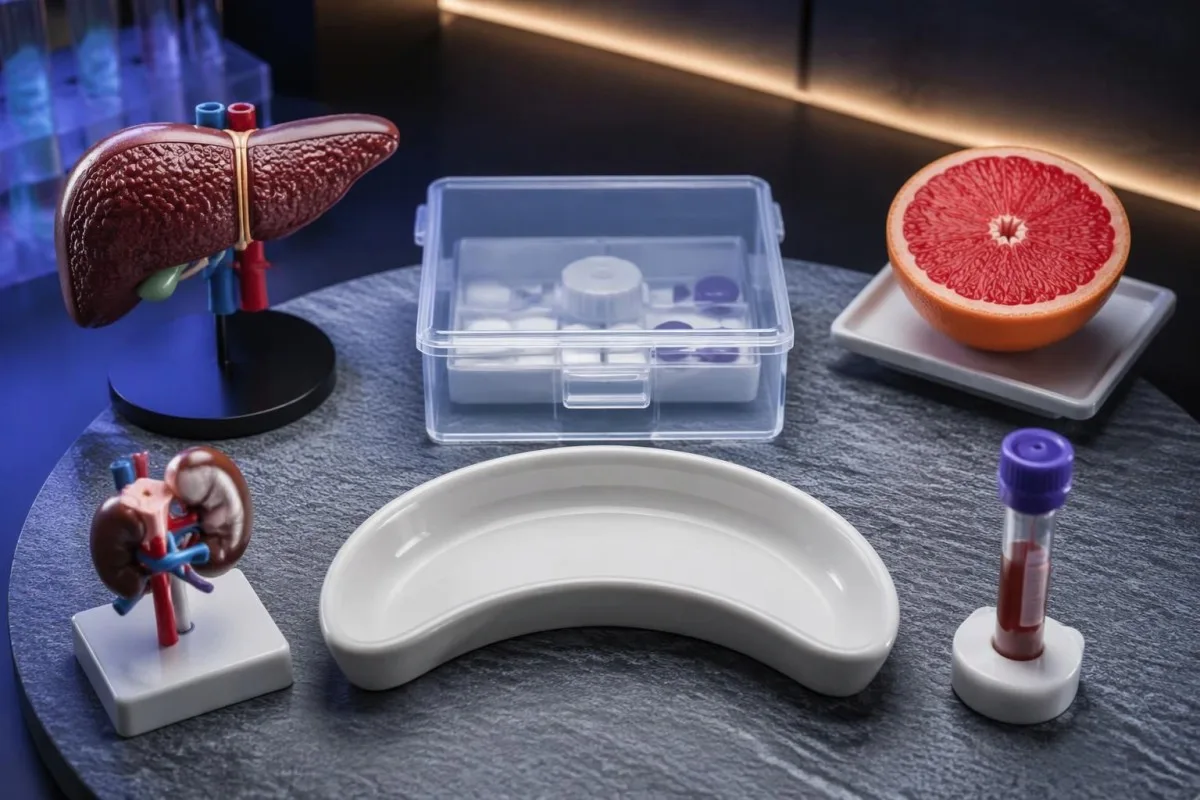
Food can alter everolimus absorption, so switching between fasting doses and doses with substantial meals can introduce variability without any prescription change. A practical record includes whether each of the previous 2 doses was taken with food; do not begin taking it fasting to 'improve' a low result, because that changes the exposure pattern your team is trying to assess.
Liver impairment can reduce everolimus clearance and may require indication-specific clinician-directed dose reduction, whereas reduced kidney filtration alone does not explain clearance in the same way. A change from 5 to 9 ng/mL therefore deserves a review of liver status and interacting medicines as well as kidney results; avoid unreviewed products marketed for kidney supplement support.
Diarrhea and vomiting can disrupt absorption, medication retention, hydration and the overall transplant regimen, but they do not reliably move everolimus concentrations in one predictable direction. If illness lasts more than 24 hours, or you cannot retain a scheduled dose, contact the team promptly; our norovirus recovery guidance should not substitute for transplant-specific advice.
നിങ്ങളുടെ എവെറോളിമസ് ലെവൽ വളരെ ഉയർന്നാൽ എന്തുചെയ്യണം?
ഒരു everolimus level too high means the measured concentration exceeds your prescribed target—not that one universal number proves poisoning. If your target is 3–8 ng/mL and a correctly collected trough is 12 ng/mL, contact the transplant team promptly for timing, interaction, symptom and laboratory review without independently withholding or reducing treatment.
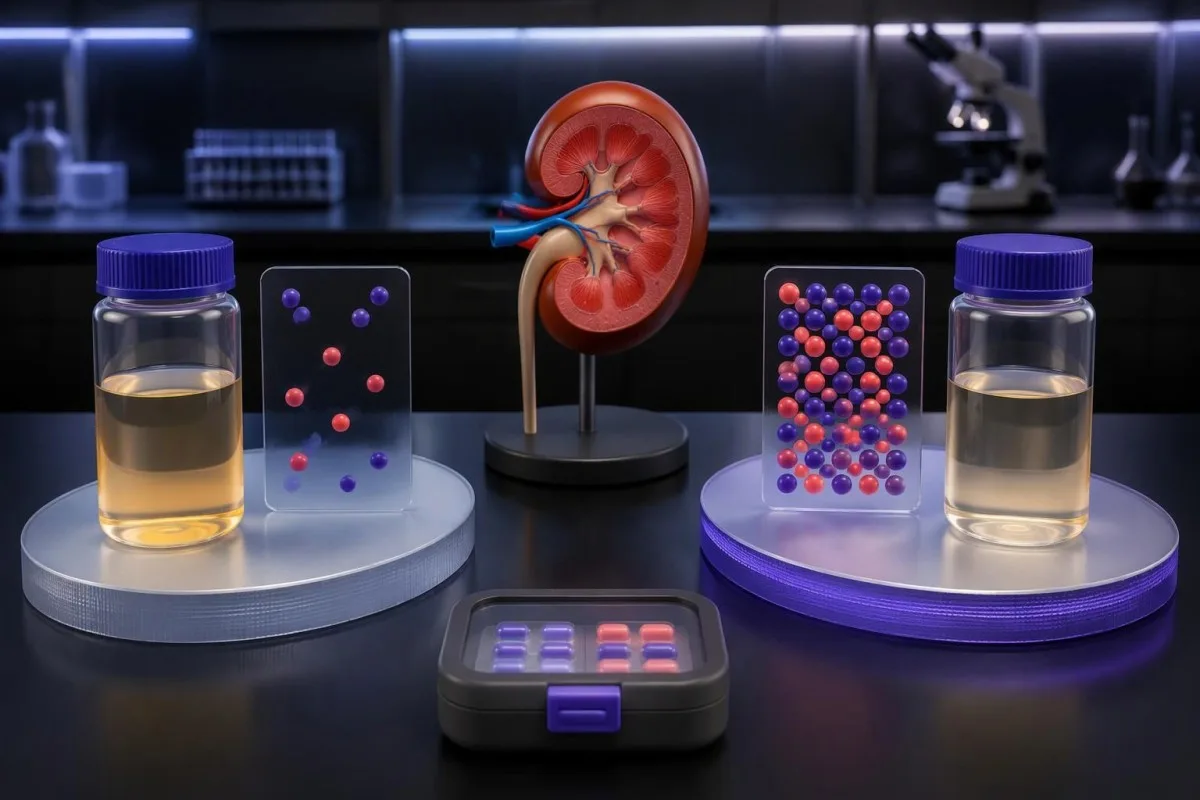
A value of 8.4 ng/mL is only 0.4 ng/mL above an 8 ng/mL upper target and does not carry the same context as a sudden rise from 5 to 16 ng/mL. There is no universally accepted emergency cutoff that applies to every transplant regimen; the direction of change, collection accuracy, symptoms and other immunosuppressants determine how urgently the team responds.
Everolimus can cause mouth sores, low blood counts, proteinuria, increased lipids, hyperglycemia, impaired healing and noninfectious pneumonitis, including at concentrations within the intended range. New thirst or frequent urination warrants glucose assessment rather than assuming the trough explains everything; our high-glucose warning signs distinguish routine follow-up from symptoms that require urgent evaluation.
കാന്റേസ്റ്റി ഒരു AI രക്ത പരിശോധന ഫലം മനസ്സിലാക്കൽ പ്ലാറ്റ്ഫോം that can help compare a reported 12 ng/mL concentration with accompanying uploaded results, but cannot decide whether the next dose should be held. Fever of 38°C or higher, new breathlessness, severe weakness, markedly reduced urine output or inability to keep medicines down warrants urgent clinical contact; severe breathing difficulty requires emergency care regardless of the trough.
എവെറോളിമസിന്റെ ട്രഫ് ലെവൽ കുറവാണെന്നത് നിരസനത്തെ സൂചിപ്പിക്കുന്നുണ്ടോ?
A low everolimus trough can indicate insufficient exposure when it falls below your protocol's lower target, but it does not diagnose rejection. For a regimen targeting 3–8 ng/mL, a genuine 2.2 ng/mL trough should prompt timely transplant-team review of adherence, timing, interactions and the complete immunosuppressive regimen.
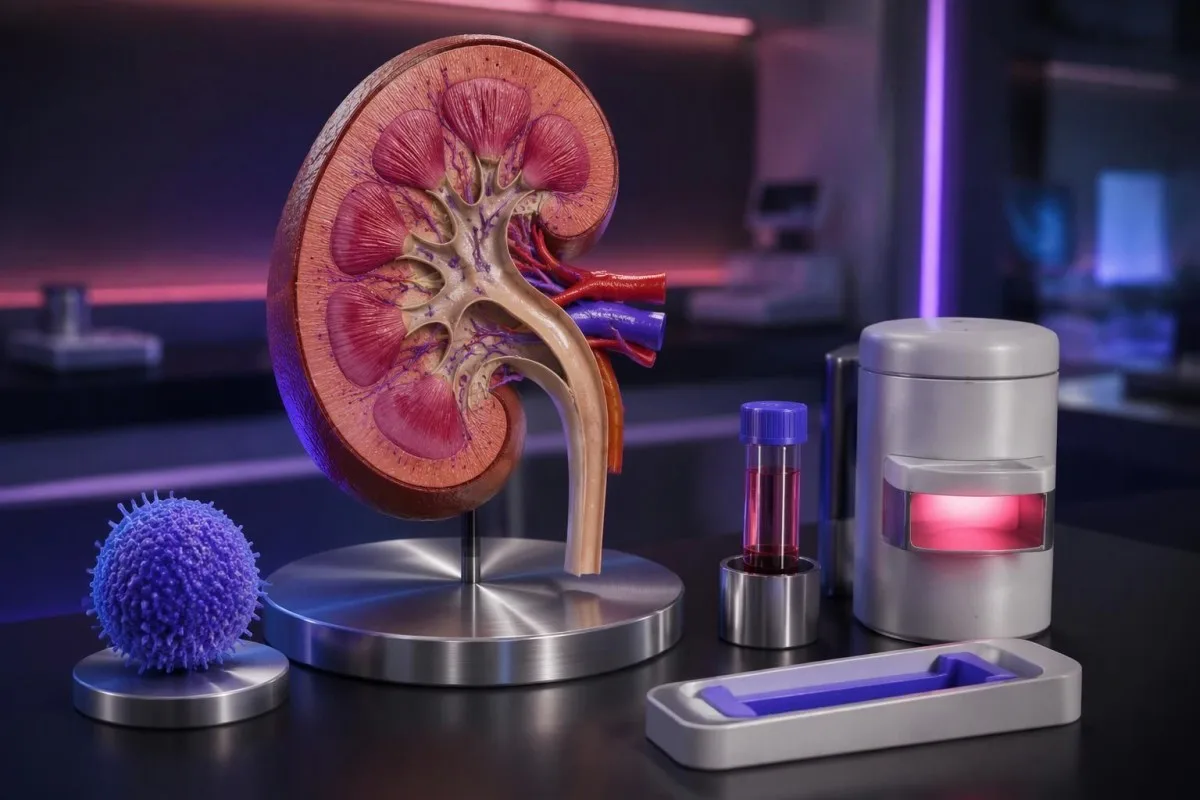
A missed dose, an inducer such as rifampicin, inconsistent food intake or a delayed collection can each contribute to a low result. If a hypothetical recipient's usual trough is 4.5 ng/mL and the new result is 2.2 ng/mL, the useful first step is reconstructing events—not assuming the prescribed dose suddenly stopped working or taking an extra tablet.
Rejection assessment depends on graft function, symptoms and organ-specific investigations; a kidney recipient may need creatinine trends, urine testing, imaging or specialist tissue assessment. A rise in creatinine plus a 2 ng/mL trough raises concern, but dehydration, obstruction and other causes remain possible, so the transplant service decides which tests can distinguish them.
Increasing immunosuppression can worsen some viral complications, which is why a low trough cannot be managed separately from the rest of the record. Our BK virus graft-risk guide explains a setting where graft dysfunction and treatment intensity must be balanced; do not double 1 dose or change tacrolimus to compensate for an isolated everolimus result.
എവെറോളിമസ് നിരീക്ഷണം കൂടുതൽ സുരക്ഷിതമാക്കാൻ മറ്റ് ഏതെല്ലാം പരിശോധനകൾ സഹായിക്കും?
Everolimus safety monitoring commonly includes blood counts, kidney function, urine protein, liver tests, glucose and lipids, alongside the trough and companion-drug levels. A 5 ng/mL concentration within a 3–8 ng/mL target does not rule out cytopenias, proteinuria, metabolic adverse effects or a problem caused by combined immunosuppression.
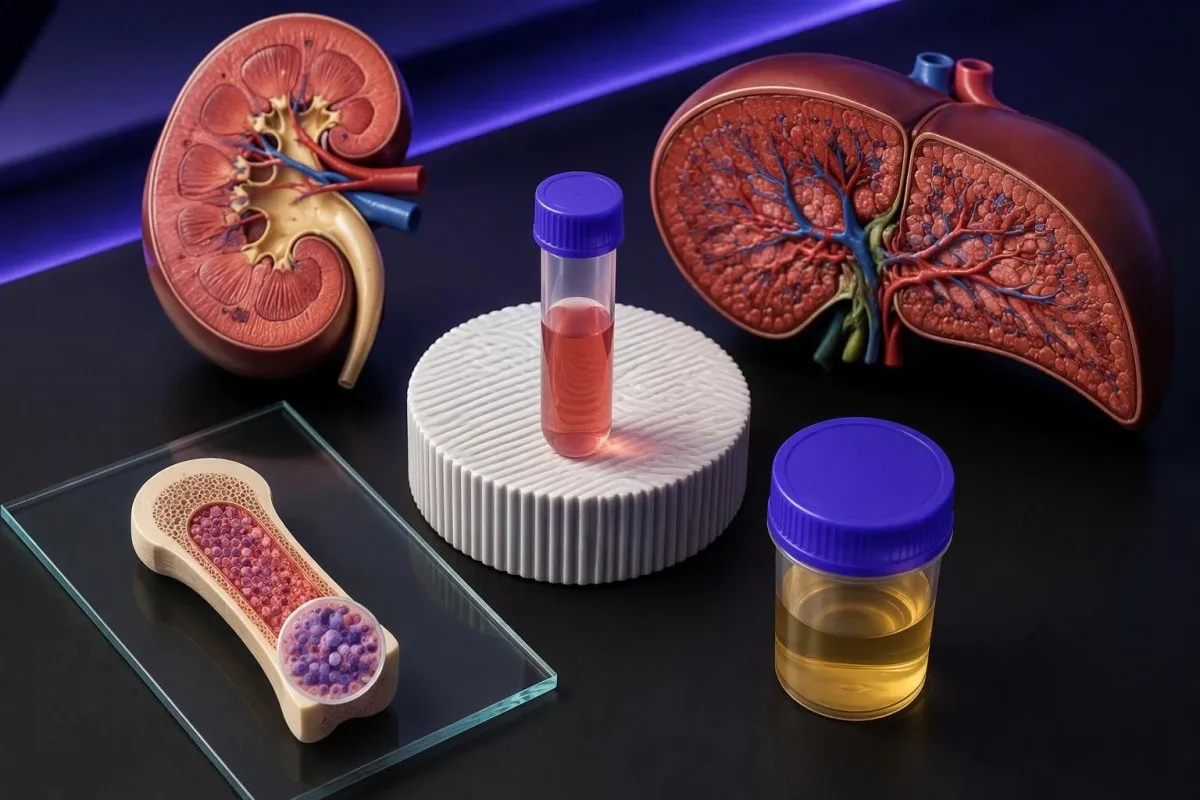
Persistent urine protein can require assessment even when creatinine changes little, and a urine albumin-to-creatinine ratio of 30 mg/g marks increased albumin excretion under general kidney classification. That threshold is not an automatic everolimus stopping rule; the team may use albumin or total-protein ratios, trends and graft context, while our സ്ഥിരമായ నుര കലർന്ന മൂത്രത്തെക്കുറിച്ചുള്ള മാർഗ്ഗനിർദ്ദേശം explains why appearance alone is insufficient.
De Simone et al. (2012) tested everolimus targeting 3–8 ng/mL with reduced tacrolimus after liver transplantation and found better kidney-function outcomes than standard tacrolimus exposure in the studied setting. This supports a deliberately coordinated regimen, not independent calcineurin-inhibitor withdrawal; our വൃക്ക-പ്രവർത്തന അനുപാത മാർഗ്ഗനിർദ്ദേശം provides background, but cannot identify the cause of graft dysfunction by itself.
A platelet decline from 180 to 70 × 10⁹/L combined with rising creatinine and evidence of red-cell fragmentation would need urgent investigation, including consideration of thrombotic microangiopathy. Those hypothetical values are not diagnostic thresholds, and other medicines or illnesses can be responsible; our അടിയന്തര സ്കിസ്റ്റോസൈറ്റ് വ്യാഖ്യാനം explains why a normal everolimus trough cannot make this pattern safe to ignore.
കാൻസർ ചികിത്സയിൽ ട്രാൻസ്പ്ലാന്റ് ലക്ഷ്യങ്ങൾ സ്വമേധയാ ഉപയോഗിക്കരുതാത്തത് എന്തുകൊണ്ട്?
Cancer treatment should not automatically use the transplant 3–8 ng/mL everolimus target, because treatment goals, doses, formulations and supporting evidence differ. Many oncology regimens use a prescribed once-daily dose and adjust for adverse effects, interactions and liver function rather than routinely titrating every patient to a transplant trough interval.
Baselga et al. (2012), in the BOLERO-2 trial published in The New England Journal of Medicine, studied everolimus 10 mg daily with exemestane in a defined advanced breast-cancer population. That trial supports an indication-specific treatment strategy, not a universal concentration goal; a cancer patient's result above 8 ng/mL cannot be labeled excessive solely because a transplant report prints that upper boundary.
Exposure-response studies suggest potential roles for individualized oncology monitoring, but evidence has not established one universally accepted routine trough target across cancers. Separate noncancer indications also illustrate the difference: product labeling uses concentration-guided treatment targeting 5–15 ng/mL in certain tuberous-sclerosis-associated settings, and that interval must not be borrowed for cancer or transplantation without specialist direction.
A hypothetical oncology patient with a 9 ng/mL concentration needs the oncologist to review why the test was ordered, whether it was a true 24-hour predose sample and whether adverse effects are present. Our chemotherapy testing distinctions explain a different medicine-specific safety test; drug monitoring, pharmacogenetics and toxicity grading are not interchangeable routes to a self-selected dose.
സമയവും മരുന്നുകൾ തമ്മിലുള്ള ഇടപെടലുകളും ഒരേ സംഖ്യാത്മക ഫലത്തെ എങ്ങനെ മാറ്റുന്നു?
The same everolimus concentration can mean different things when the dose interval, indication or interacting medicines differ. Kantesti is an AI-ശക്തിയുള്ള രക്തപരിശോധന വിശകലന ഉപകരണം that can help organize these distinctions around a reported 10 ng/mL result, but only the treating team can translate the clinical context into a dosing decision.
Hypothetical example 1: a kidney recipient targeting 3–8 ng/mL has a 10 ng/mL result collected 12 hours after the last dose, several days after starting clarithromycin. That combination suggests a plausible interaction-related rise requiring prompt review; a mouth-sore history, blood count and companion-drug level would influence the clinician's decision more than the number alone.
Hypothetical example 2: another recipient has 10 ng/mL collected 1 hour after taking the morning dose, while their previous genuine trough was 5 ng/mL. The two results should not be plotted as equivalent troughs; our മരുന്ന്-സുരക്ഷാ പ്രവണതാ പ്രവർത്തനരീതി explains why sample annotations matter before interpreting a line rising on a chart.
Kantesti AI can support a record containing 4 fields—dose, previous-dose time, collection time and target—while our AI സാങ്കേതികവിദ്യ വിശദീകരണം describes the broader interpretation workflow. A proportional calculation such as reducing a dose by 50% because a level doubled ignores timing errors, interactions and graft risk, so it is not a safe patient dosing method.
ഗവേഷണ പ്രസിദ്ധീകരണങ്ങളും സുരക്ഷിതമായ ട്രാൻസ്പ്ലാന്റ് ഫോളോ-അപ്പ് പരിശോധനപ്പട്ടികയും
The strongest evidence for interpreting everolimus comes from drug-monitoring consensus guidance and indication-specific trials, not from general laboratory articles. Before acting on a result such as 9 ng/mL, obtain your prescribed target, verify collection timing and ask your transplant service for explicit next-dose and repeat-test instructions.
Send the service 5 essentials: the result and units, prescribed regimen, last-dose time, collection time and recent medicine or illness changes. Ask whether the sample is interpretable, what to take next and when to repeat it; the Shipkova et al. (2016) consensus and indication-specific trials provide clinical background, but none makes an unexplained high flag a patient-directed dosing instruction.
The 2 Zenodo publications listed below address coagulation and serum proteins, not everolimus pharmacokinetics, transplant target validation or oncology dose selection. Our സീറം-പ്രോട്ടീൻ വ്യാഖ്യാന ഗൈഡ് may help explain accompanying albumin results, but these background resources should not be cited as evidence that 3–8 ng/mL is appropriate for a particular recipient.
Kantesti-യുടെ മെഡിക്കൽ ഉള്ളടക്ക മാനദണ്ഡങ്ങൾ distinguish educational interpretation from prescribing; this article cannot confirm that an individual 6 ng/mL result is correctly timed or clinically safe. Keep the transplant service's daytime and out-of-hours contact details available, and obtain urgent help for fever, breathing changes or inability to retain immunosuppression rather than waiting for another concentration.
സാധാരണയായി ചോദിക്കുന്ന ചോദ്യങ്ങൾ
ട്രാൻസ്പ്ലാന്റിന് ശേഷം ലക്ഷ്യമിടുന്ന എവറോളിമസ് ട്രഫ് ലെവൽ എത്രയാണ്?
An everolimus trough target of 3–8 ng/mL in whole blood is commonly used in selected kidney and liver transplant regimens and some heart-transplant protocols. Your personal target depends on the transplanted organ, accompanying immunosuppressants, postoperative phase and local protocol. A laboratory's printed range is not automatically your prescribed target. Ask the transplant team to confirm the interval before interpreting a flagged result or considering any treatment change.
എവറോളിമസ് ഡോസ് നൽകിയതിന് എത്ര മണിക്കൂറുകൾക്ക് ശേഷം അതിന്റെ അളവ് പരിശോധിക്കണം?
An everolimus trough should be collected immediately before the next scheduled dose, usually approximately 12 hours after the previous dose for a twice-daily transplant regimen. If a specialist requests a trough during once-daily treatment, the expected interval is generally approximately 24 hours. Follow the team's instructions about taking the next dose after collection, and report both actual dose and collection times. A sample taken after dosing should not be treated as an ordinary predose trough.
10 ng/mL എന്ന എവറോളിമസ് നില വളരെ കൂടുതലാണോ?
നിങ്ങൾക്ക് നിർദേശിച്ചിട്ടുള്ള മുഴുവൻ രക്തത്തിലെ ട്രഫ് പരിധി 3–8 ng/mL ആണെങ്കിൽ, 10 ng/mL എന്ന എവെറോലിമസ് നില ലക്ഷ്യപരിധിക്ക് മുകളിലാണ്; എന്നാൽ ഇത് എല്ലായിടത്തും ബാധകമായ വിഷാംശ പരിധിയല്ല. ഡോസ് കഴിക്കുന്നതിന് തൊട്ടുമുമ്പ് എടുത്ത യഥാർത്ഥ പരിശോധനാഫലത്തിന്, ഡോസ് കഴിച്ച് 1–2 മണിക്കൂറിന് ശേഷം ശേഖരിച്ച സാമ്പിളിന്റെ ഫലത്തിൽനിന്ന് വ്യത്യസ്തമായ അർഥമാണുള്ളത്. സാമ്പിൾ ശേഖരിച്ച സമയം, മറ്റ് മരുന്നുകളുമായുള്ള ഇടപെടലുകൾ, ലക്ഷണങ്ങൾ, മറ്റ് ലബോറട്ടറി ഫലങ്ങൾ എന്നിവ പരിശോധിക്കാൻ ഉടൻ നിങ്ങളുടെ ട്രാൻസ്പ്ലാന്റ് ടീമിനെ ബന്ധപ്പെടുക. അടുത്ത ഡോസ് സ്വമേധയാ ഒഴിവാക്കുകയോ കുറയ്ക്കുകയോ വിഭജിക്കുകയോ ചെയ്യരുത്; സാന്ദ്രത എന്തായാലും, ഗുരുതരമായ ശ്വസനബുദ്ധിമുട്ടോ മറ്റ് ഗുരുതര ലക്ഷണങ്ങളോ ഉണ്ടായാൽ അടിയന്തര ചികിത്സ തേടുക.
എവറോലിമസിന്റെ അളവ് കുറവായിരിക്കുന്നത് എന്റെ അവയവമാറ്റിവെക്കൽ ശരീരം നിരസിക്കുന്നു എന്നർത്ഥമാകുമോ?
3–8 ng/mL ലക്ഷ്യപരിധി ഉപയോഗിക്കുന്ന ചികിത്സാരീതിയിൽ എവെറോളിമസിന്റെ ട്രഫ് സാന്ദ്രത 3 ng/mL-ൽ താഴെയാണെങ്കിൽ, മരുന്നിലേക്കുള്ള സമ്പർക്കം അപര്യാപ്തമാണെന്ന് സൂചിപ്പിക്കാം; എന്നാൽ ഈ ഫലം മാത്രം റിജക്ഷൻ നിർണയിക്കുന്നില്ല. ഡോസുകൾ വിട്ടുപോകുക, സാമ്പിൾ വൈകി ശേഖരിക്കുക, ഛർദ്ദി, എൻസൈം-ഇൻഡ്യൂസിങ് മരുന്നുകൾ എന്നിവയും കുറഞ്ഞ സാന്ദ്രതയ്ക്ക് കാരണമാകാം. ട്രാൻസ്പ്ലാന്റ് സേവനം തിരഞ്ഞെടുക്കുന്ന ഗ്രാഫ്റ്റ് പ്രവർത്തനത്തിലെ പ്രവണതകളും അവയവ-നിർദ്ദിഷ്ട പരിശോധനകളും ആവശ്യമാണ് റിജക്ഷൻ വിലയിരുത്താൻ. 2.2 ng/mL പോലുള്ള ഫലം ഉടൻ അറിയിക്കുക; പകരം അധിക ഡോസ് കഴിക്കുകയോ മറ്റൊരു ഇമ്യൂണോസപ്രസന്റിൽ മാറ്റം വരുത്തുകയോ ചെയ്യരുത്.
ഡോസ് മാറ്റിയതിന് ശേഷം എത്ര വേഗം എവെറോലിമസ് നിലകൾ വീണ്ടും പരിശോധിക്കണം?
Everolimus concentrations are commonly rechecked around 4–5 days after a clinician-directed dose change, when exposure is approaching the new steady state. The medicine's average half-life is roughly 30 hours, so a sample after only 1 day may still reflect the previous regimen substantially. Suspected toxicity, a major interaction or an unstable clinical situation can justify earlier or additional testing. Your transplant team should specify both the collection date and what to take while waiting.
കാൻസറിനായി എവെറോളിമസ് കഴിക്കുന്നവർക്ക് 3–8 ng/mL ട്രഫ് നില ആവശ്യമുണ്ടോ?
കാൻസറിനായി എവറോലിമസ് കഴിക്കുന്നവർക്ക് ട്രാൻസ്പ്ലാന്റ് ട്രഫ് ലക്ഷ്യമായ 3–8 ng/mL സ്വമേധയാ നിശ്ചയിക്കരുത്. പല ഓങ്കോളജി ചികിത്സാരീതികളിലും, BOLERO-2-ൽ പഠിച്ച 10 mg പ്രതിദിന ഡോസ് പോലുള്ള, രോഗസൂചനയ്ക്ക് അനുയോജ്യമായ ദിവസത്തിൽ ഒരിക്കൽ നൽകുന്ന ഡോസുകളാണ് ഉപയോഗിക്കുന്നത്; പാർശ്വഫലങ്ങൾ, മരുന്നുകളുടെ ഇടപെടലുകൾ, കരളിന്റെ പ്രവർത്തനം എന്നിവ കണക്കിലെടുത്ത് ചികിത്സകൻ ഡോസിൽ മാറ്റങ്ങൾ നിർദേശിക്കും. എല്ലാ കാൻസറുകൾക്കും ബാധകമായ, സാർവത്രികമായി അംഗീകരിച്ച ഒരൊറ്റ പതിവ് ട്രഫ് ലക്ഷ്യമില്ല. ഒരു ഓങ്കോളജിസ്റ്റ് മരുന്നിന്റെ സാന്ദ്രത അളക്കാൻ നിർദേശിച്ചാൽ, അത് എന്തിനാണ് അളന്നതെന്നും ഏത് വ്യാഖ്യാന ചട്ടക്കൂടാണ് ബാധകമെന്നും ചോദിക്കുക.
എവെറോളിമസിന്റെ ട്രഫ് ലെവൽ ഉയരാൻ കാരണമാകുന്ന മരുന്നുകൾ ഏതൊക്കെയാണ്?
ചില അസോൾ ആന്റിഫംഗലുകൾ, ക്ലാരിത്രോമൈസിൻ, റിറ്റോണാവിർ അടങ്ങിയ മരുന്നുകൾ എന്നിവ ഉൾപ്പെടെ, CYP3A4 അല്ലെങ്കിൽ P-ഗ്ലൈക്കോപ്രോട്ടീൻ ഇൻഹിബിറ്ററുകൾ ഉപയോഗിക്കുമ്പോൾ എവെറോളിമസ് എക്സ്പോഷർ വർധിക്കാം. ഡിൽറ്റിയാസെം, വെരാപാമിൽ, ഫ്ലൂക്കോണസോൾ, സൈക്ലോസ്പോരിൻ എന്നിവയും പ്രസക്തമായേക്കാം, എന്നാൽ മരുന്നിനും വ്യക്തിക്കും അനുസരിച്ച് ഇവയുടെ സ്വാധീനം വ്യത്യാസപ്പെടും. വെറും 5 ദിവസത്തെ കുറിപ്പടി പോലും മുമ്പ് സ്ഥിരമായിരുന്ന 5 ng/mL ട്രഫ് നിലയെ തടസ്സപ്പെടുത്താം. പുതിയ കുറിപ്പടികളും സപ്ലിമെന്റുകളും തുടങ്ങുന്നതിന് മുമ്പ് ട്രാൻസ്പ്ലാന്റ് സേവനത്തോടോ ഫാർമസിസ്റ്റിനോടോ പരിശോധിക്കുക; പരസ്പരപ്രവർത്തനമുള്ള ചികിത്സ നിർത്തുമ്പോഴും അറിയിക്കുക.
നിങ്ങളുടെ രക്ത പരിശോധന ഫലം എങ്ങനെ വായിക്കാം
നിങ്ങളുടെ ലാബ് റിപ്പോർട്ട് അപ്ലോഡ് ചെയ്യൂ; Kantesti-യുടെ AI ഓരോ ബയോമാർക്കറും നിമിഷങ്ങൾക്കുള്ളിൽ ലളിതമായ ഭാഷയിൽ വിശദീകരിക്കും. ലോകമെമ്പാടുമുള്ള 2 ദശലക്ഷത്തിലധികം ആളുകൾ ഉപയോഗിക്കുന്നു.
അവലംബം
- ക്ലൈൻ, ടി., മിച്ചൽ, എസ്., & വെബർ, എച്ച്. (2026). aPTT സാധാരണ പരിധി: D-Dimer, Protein C രക്തം കട്ടപിടിക്കൽ മാർഗ്ഗദർശിക. Kantesti AI മെഡിക്കൽ ഗവേഷണം. ഡി.ഒ.ഐ.
- ക്ലൈൻ, ടി., മിച്ചൽ, എസ്., & വെബർ, എച്ച്. (2026). സീറം പ്രോട്ടീനുകൾക്കുള്ള മാർഗ്ഗദർശിക: ഗ്ലോബുലിനുകൾ, ആൽബുമിൻ, A/G അനുപാത രക്തപരിശോധന. Kantesti AI മെഡിക്കൽ ഗവേഷണം. ഡി.ഒ.ഐ.
- Shipkova M et al. (2016). Therapeutic Drug Monitoring of Everolimus: A Consensus Report. Therapeutic Drug Monitoring.
- De Simone P et al. (2012). Everolimus with reduced tacrolimus improves renal function in de novo liver transplant recipients: a randomized controlled trial. American Journal of Transplantation. ഡി.ഒ.ഐ.
- Baselga J et al. (2012). Everolimus in Postmenopausal Hormone-Receptor–Positive Advanced Breast Cancer. ദ ന്യൂ ഇംഗ്ലണ്ട് ജേണൽ ഓഫ് മെഡിസിൻ. ഡി.ഒ.ഐ.
- 2മി+വിശകലനം ചെയ്ത പരിശോധനകൾ
- 127+രാജ്യങ്ങൾ
- 100+ഭാഷകൾ
മെഡിക്കൽ സംഘത്തെക്കുറിച്ച്


E-E-A-T വിശ്വാസ സൂചനകൾ
അനുഭവം
ലാബ് ഫലം വ്യാഖ്യാനിക്കുന്ന പ്രവാഹങ്ങളുടെ വൈദ്യനേതൃത്വത്തിലുള്ള ക്ലിനിക്കൽ അവലോകനം.
വൈദഗ്ദ്ധ്യം
ക്ലിനിക്കൽ സാഹചര്യത്തിൽ ബയോമാർക്കറുകൾ എങ്ങനെ പെരുമാറുന്നു എന്നതിൽ ലബോറട്ടറി മെഡിസിൻ കേന്ദ്രീകരിക്കുന്നു.
ആധികാരികത
ഡോ. തോമസ് ക്ലൈൻ മെഡിക്കൽ അവലോകനം നടത്തി; ഡോ. സാറാ മിച്ചലിന്റെയും പ്രൊഫ. ഡോ. ഹാൻസ് വെബറിന്റെയും സംഭാവനകളോടെ.
വിശ്വാസ്യത
അലാറം കുറയ്ക്കാൻ വ്യക്തമായ തുടർനടപടി മാർഗങ്ങളോടെയുള്ള തെളിവാധിഷ്ഠിത വ്യാഖ്യാനം.






മെഡിക്കൽ നിരാകരണ അറിയിപ്പ്
ഈ ലേഖനം വിദ്യാഭ്യാസ ആവശ്യങ്ങൾക്കായി മാത്രമാണ്; ഇത് മെഡിക്കൽ ഉപദേശം എന്ന നിലയിൽ കണക്കാക്കരുത്. രോഗനിർണയത്തിനും ചികിത്സാ തീരുമാനങ്ങൾക്കും വേണ്ടി എപ്പോഴും യോഗ്യതയുള്ള ആരോഗ്യപരിചരണ വിദഗ്ധനെ സമീപിക്കുക.
പ്രസിദ്ധീകരിച്ചത് · എഡിറ്റോറിയൽ സംഘവുമായി ബന്ധപ്പെടുക
Kantesti Ltd പ്രസിദ്ധീകരിച്ചത്, ഇംഗ്ലണ്ടിലും വെയിൽസിലും രജിസ്റ്റർ ചെയ്തിരിക്കുന്നു, കമ്പനി നമ്പർ. 17090423, ലണ്ടൻ, യുണൈറ്റഡ് കിംഗ്ഡം.
