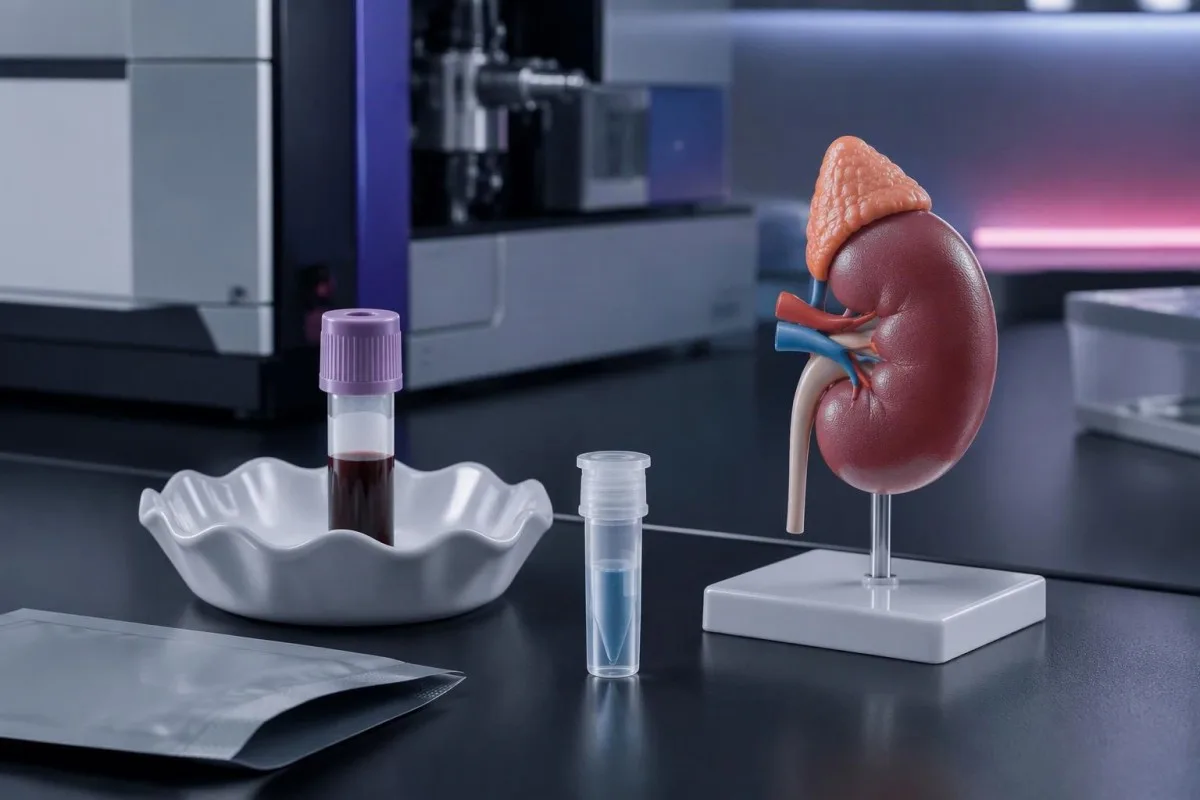
Nos transplantes con certos réximes, adoita buscarse un nivel valle de everolimus de 3–8 ng/mL, normalmente cunha mostra recollida inmediatamente antes da seguinte dose. O protocolo do transplante, outros medicamentos e o momento da recollida determinan o que significa o resultado; o tratamento do cancro segue principios de dosificación diferentes, e non debe cambiar as doses pola súa conta.

Conclusións principais
- Os obxectivos dos transplantes adoitan empregar 3–8 ng/mL en sangue total, pero o órgano, os medicamentos concomitantes e o protocolo do seu equipo determinan o seu obxectivo persoal.
- O momento da recollida é inmediatamente antes da seguinte dose programada, aproximadamente 12 horas despois da dose anterior nun réxime de dúas tomas ao día.
- As unidades de laboratorio son intercambiables cando se expresan en ng/mL ou µg/L: 5 ng/mL equivalen a 5 µg/L.
- Resultados altos Os resultados por riba dun obxectivo prescrito de 3–8 ng/mL requiren a revisión do equipo de transplantes; 8 ng/mL non é un limiar universal de emerxencia ou toxicidade.
- Os resultados baixos por baixo de 3 ng/mL poden indicar unha exposición insuficiente nos réximes que usan ese límite inferior, pero non diagnostican rexeitamento.
- Repetir a proba adoita producirse arredor de 4–5 días despois dun cambio de dose indicado por un profesional clínico, con probas anteriores ou adicionais cando as circunstancias o requiran.
- Interaccións inclúen antifúnxicos azólicos, claritromicina, medicamentos que conteñen ritonavir, rifampicina e algúns medicamentos para as convulsións; comezar ou deixar un fármaco con interaccións pode cambiar as concentracións.
- Tratamento do cancro non usa automaticamente o intervalo de 3–8 ng/mL dos transplantes; moitos réximes oncolóxicos utilizan unha dose diaria específica para a indicación e axustes baseados na toxicidade.
- Seguridade da dose significa preguntarlle ao equipo de transplantes que debes tomar e cando repetir as probas, en vez de saltar, duplicar ou recalcular ti mesmo unha dose.
Que indica realmente un nivel valle de everolimus?
Un nivel valle de everolimus mide a concentración do medicamento no sangue total xusto antes da seguinte dose, o que axuda aos profesionais clínicos a avaliar a exposición e non só a cantidade prescrita. Un resultado de 5 ng/mL pode cadrar cun obxectivo de 3–8 ng/mL para un transplante, pero só se o momento da toma da mostra e o protocolo de tratamento permiten esa interpretación.
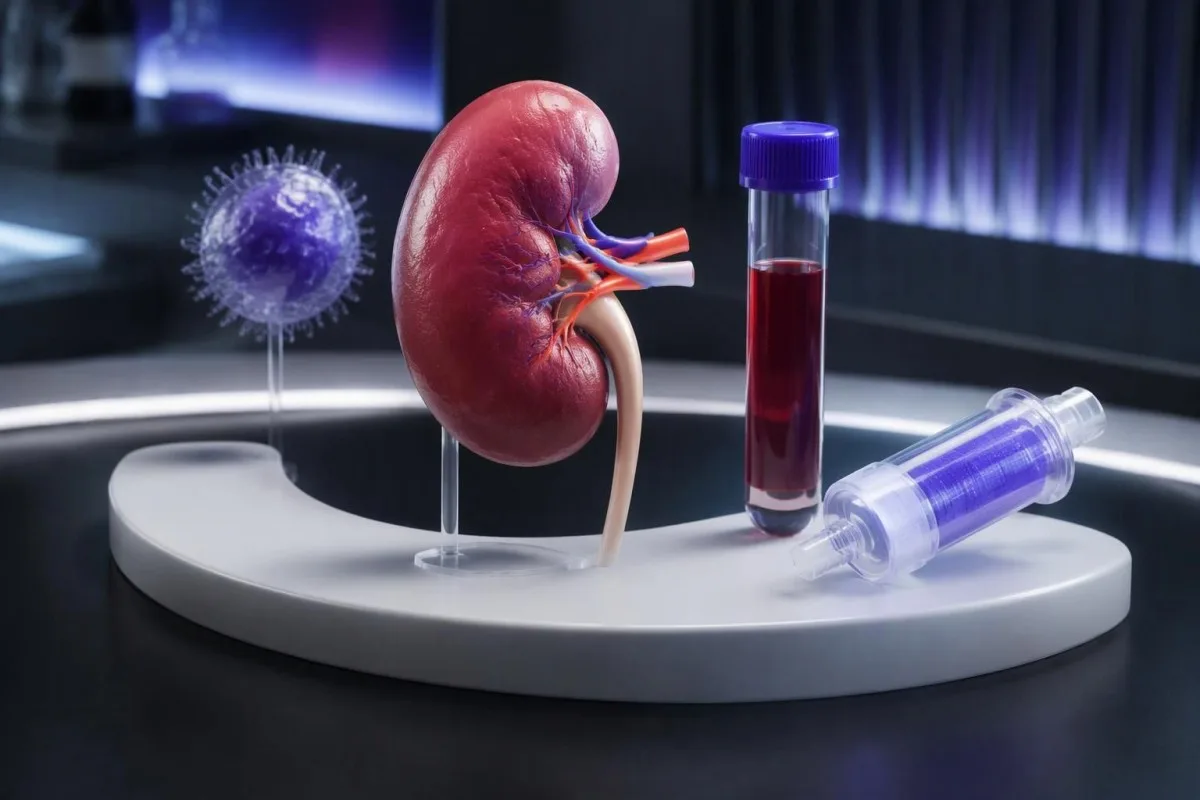
A mesma dose de everolimus pode producir concentracións diferentes en 2 persoas porque varían a absorción, o metabolismo hepático e os medicamentos concomitantes con interaccións. O nivel valle é un momento práctico para a toma da mostra, non unha medición completa da exposición ao longo do día; un resultado satisfactorio tampouco pode demostrar que o órgano transplantado funcione normalmente nin que non haxa efectos adversos.
En Kantesti, distinguimos o intervalo que figura no informe do laboratorio do obxectivo que o teu equipo prescribiu realmente, por exemplo, 3–8 ng/mL fronte a un intervalo individualizado máis estreito. O noso organización e propósito clínico explican a función educativa da interpretación; o servizo de transplantes segue sendo responsable de seleccionar o réxime inmunosupresor e decidir se un resultado debe cambiar o tratamento.
Kantesti é un Analizador de análises de sangue con IA que pode axudar a situar un resultado de everolimus como 5 ng/mL xunto cos resultados cargados da función renal e do hemograma, sen prescribir unha dose. Cando o everolimus se administra xunto con outro inmunosupresor, o noso guía de monitorización do tacrolimus explica por que cada fármaco precisa o seu propio obxectivo e as súas propias instrucións para a recollida da mostra.
Que intervalo terapéutico de everolimus corresponde á súa indicación?
O/A intervalo terapéutico do everolimus que se utiliza habitualmente nalgúns réximes de transplante de ril e fígado é de 3–8 ng/mL en sangue total. Os protocolos de transplante cardíaco en xurisdicións onde este uso está aprobado adoitan utilizar un intervalo semellante, pero o transplante de pulmón, as estratexias de redución dos fármacos concomitantes e outras indicacións requiren obxectivos explícitos definidos por un especialista.
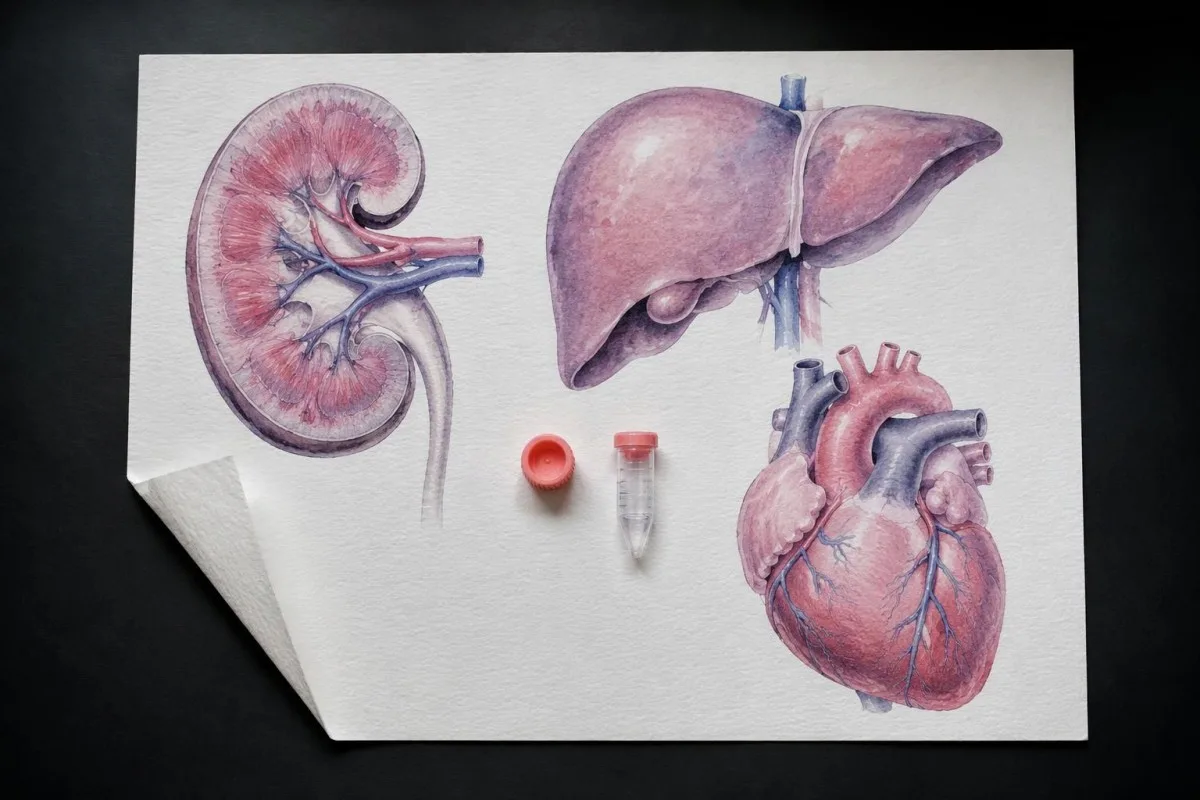
O informe de consenso de Shipkova et al. (2016), publicado en Therapeutic Drug Monitoring, apoia a interpretación das concentracións de everolimus no contexto do réxime completo do transplante, usando habitualmente 3–8 ng/mL con inhibidores da calcineurina. O límite inferior responde á preocupación pola inmunosupresión insuficiente, mentres que o superior axuda a limitar os efectos adversos relacionados coa exposición; ningún dos dous límites é un precipicio biolóxico onde a seguridade cambie bruscamente.
A aprobación e os protocolos varían segundo o país: a ficha técnica dos Estados Unidos para transplantes abrangue contextos especificados de transplante de ril e fígado, mentres que a información do produto europea tamén inclúe certos usos no transplante cardíaco. Polo tanto, un intervalo de laboratorio de 3–8 ng/mL non permite determinar por si só o órgano, a exposición aos fármacos concomitantes nin a fase posoperatoria, e un centro pode escoller un obxectivo diferente por un motivo clínico documentado.
Pide 3 datos: o teu intervalo obxectivo, o motivo polo que se escolleu e o obxectivo de calquera inhibidor da calcineurina concomitante. O principio xeral tamén aparece na nosa interpretación do nivel valle de infliximab: os intervalos terapéuticos corresponden a un fármaco, unha indicación e unha estratexia de toma de mostras concretos, non a todas as persoas que toman ese medicamento.
| Nivel | Intervalo | Que significa |
|---|---|---|
| Réximes seleccionados de transplante de ril | Habitualmente, 3–8 ng/mL | Obxectivo predose en sangue total utilizado con inmunosupresión concomitante especificada; confirma o protocolo do centro. |
| Réximes seleccionados de transplante de fígado | Habitualmente, 3–8 ng/mL | Often paired with reduced tacrolimus exposure after an appropriate postoperative interval. |
| Selected heart-transplant regimens | Often 3–8 ng/mL | Applicable only where the regimen and local approval support this target. |
| Lung or other specialist transplant regimens | Center-specific | Do not infer an individualized target from another organ's protocol. |
| Tratamento do cancro | No universal transplant-equivalent target | Oncology dosing and adverse-effect management do not automatically use 3–8 ng/mL. |
Cando debe recollerse a mostra de everolimus?
Everolimus level timing should place the collection immediately before the next scheduled dose. For a twice-daily transplant regimen, this generally means approximately 12 hours after the previous dose; a specialist-requested trough for a once-daily regimen would generally be approximately 24 hours after the previous dose.
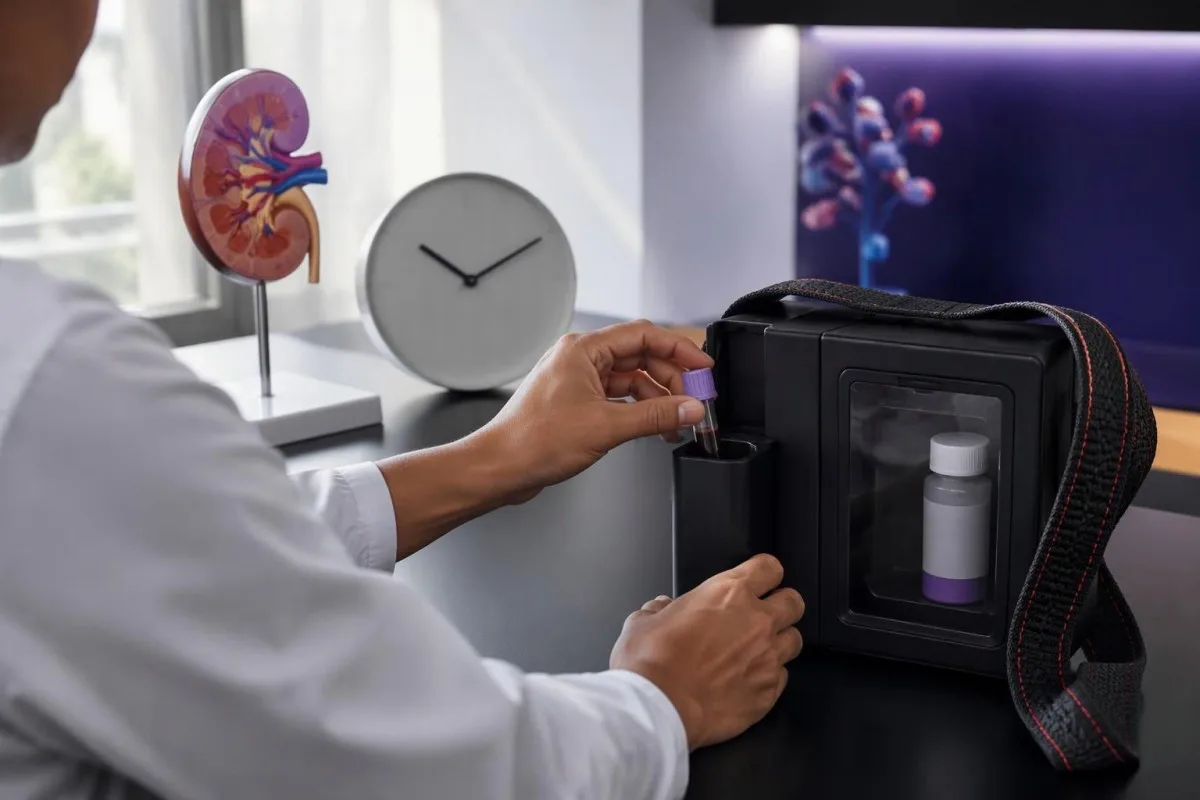
A hypothetical recipient takes everolimus at 08:00 and 20:00, then attends a planned collection just before 08:00 the next morning. The transplant team's usual instruction is to bring the morning dose and take it after collection, but obtain that instruction beforehand; a laboratory delay does not give you permission to postpone immunosuppression indefinitely.
Record the previous dose time, collection time and next dose time as 3 separate entries. A fasting instruction for glucose or lipids is a different issue from trough timing, so confirm whether you should take your usual food afterward and whether other morning medicines have separate instructions; our lista de verificación de preparación de primeira extracción helps prevent missing these details.
Scheduling accuracy matters more than an appointment labeled simply 'morning': a 07:00 sample after a 23:00 dose represents an 8-hour interval, not a 12-hour trough. If travel, shift work or another medication makes the standard schedule difficult, arrange a collection plan with the transplant coordinator rather than changing dose times solely to fit the laboratory.
Que ocorre se tomou a dose antes da análise ou esqueceu unha?
A sample collected after taking everolimus is not a true predose trough and should not be compared directly with a 3–8 ng/mL trough target. A missed dose or substantially delayed collection also changes interpretation; report the actual times rather than trying to make the result fit the expected interval.
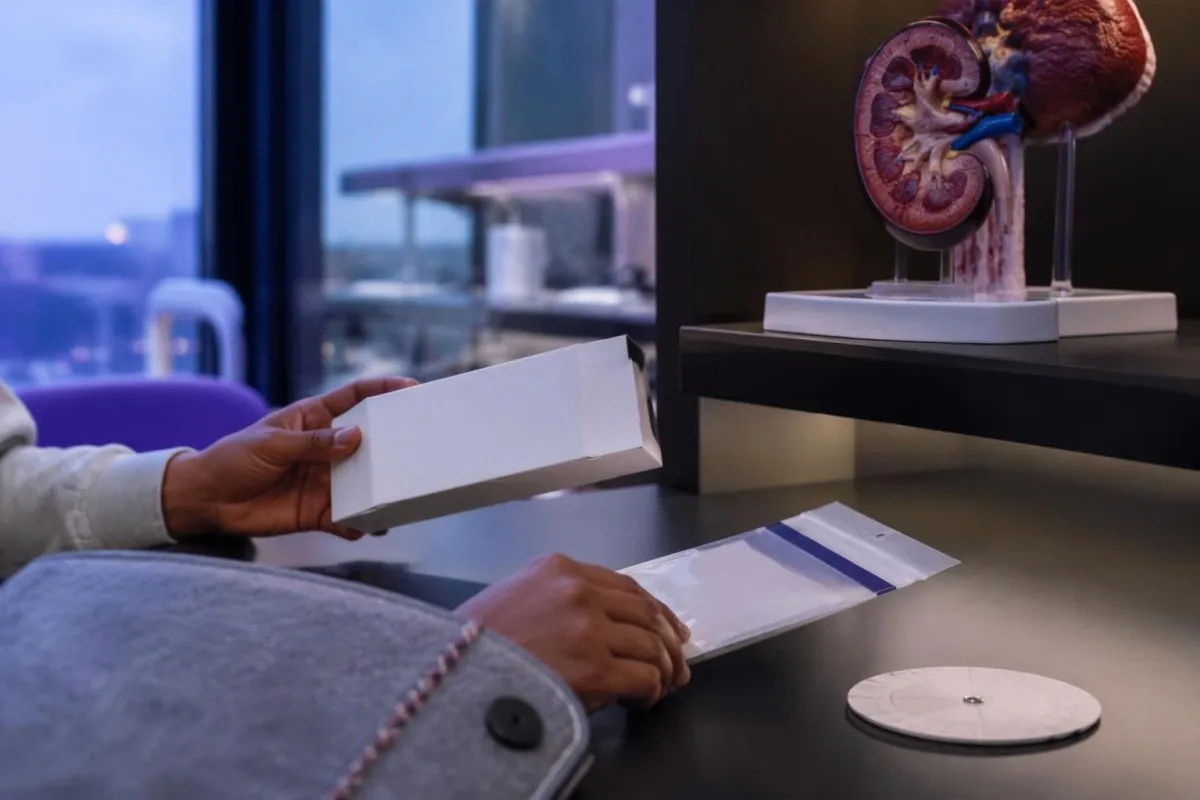
Everolimus commonly reaches peak concentrations around 1–2 hours after an oral dose, although food and individual absorption can change that timing. A hypothetical result of 12 ng/mL collected 90 minutes after dosing could reflect the absorption phase rather than an excessive trough; the team must still review the result and symptoms, not simply dismiss the number.
Missing the evening dose can make an apparently low morning concentration unrepresentative of your usual prescribed regimen, even if the appointment occurs at the expected hour. Give the team a factual account of the last 2–3 days, including vomiting or uncertainty about a dose; a one-time low result cannot distinguish missed treatment from inadequate dosing without that history.
Do not take an extra dose to compensate for a misleading 2 ng/mL result, and do not omit the next dose because a postdose sample looks high. Different medicines have different postdose sampling rules, as our digoxin sample-timing guide illustrates; ask the transplant team whether the collection needs repeating and what to take in the meantime.
Canto tempo despois dun cambio de dose deben volver comprobarse os niveis?
A routine everolimus level is commonly reassessed around 4–5 days after a clinician-directed dose change, when concentrations are approaching the new steady state. Earlier collections may be appropriate for suspected toxicity or major interactions, but they should be interpreted as transitional measurements rather than final evidence of the new dose's effect.
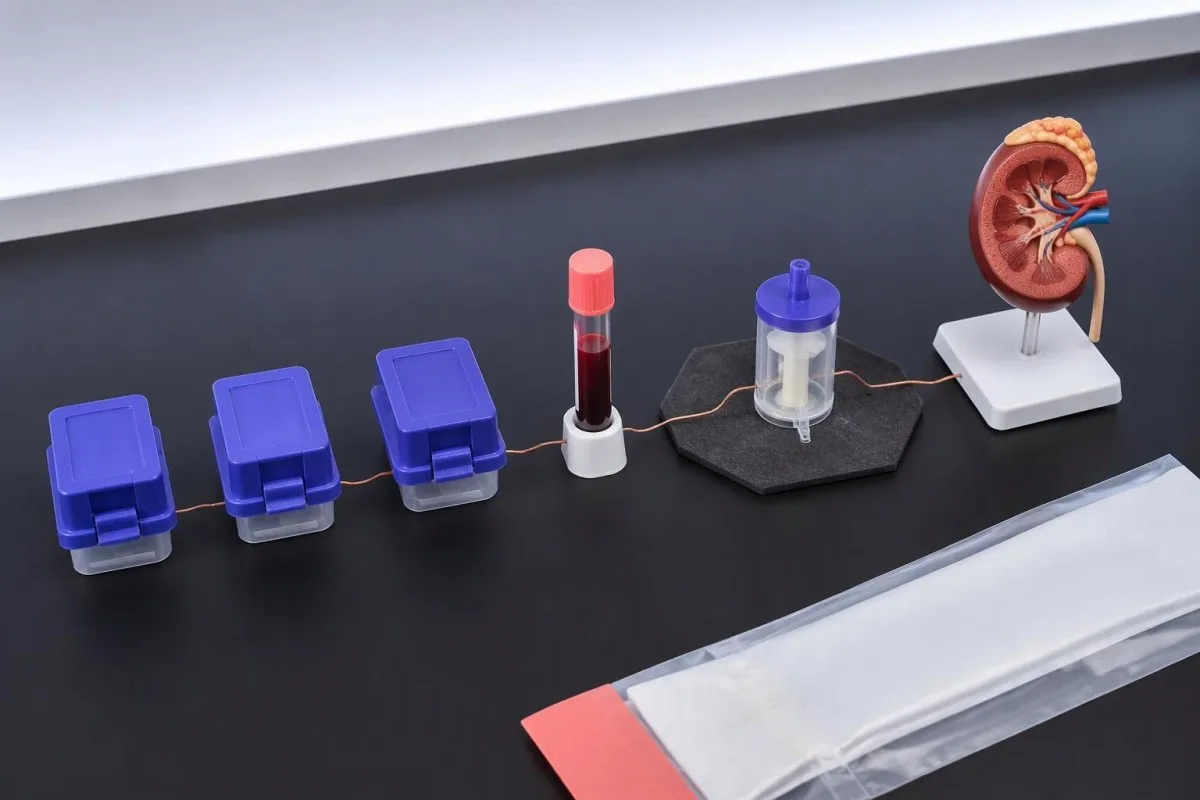
Everolimus has an average elimination half-life of roughly 30 hours, with substantial variation between people. After only 24 hours, a concentration still reflects considerable exposure from the previous regimen, so a second adjustment based solely on that early result can overshoot the intended target; product instructions commonly discourage routine adjustments more frequently than every 4–5 days.
A hypothetical recipient changes dose on Monday and has a predose sample on Tuesday because another test was already booked. That 1-day interval may provide useful safety information, but the transplant team may still request a later level; our blood-test change timeline explains why the biological response and the appointment schedule are not the same thing.
Starting an inhibitor can raise exposure while everolimus is still accumulating, and stopping an inducer can have delayed effects as enzyme activity returns toward baseline. Keep 2 dates in your record—the everolimus dose change and the interacting medicine change—because 'unchanged dose' does not mean unchanged exposure, and the team may need more than one repeat collection.
Por que importan o tipo de mostra e o método de laboratorio?
Everolimus transplant monitoring uses sangue total, usually collected in an EDTA tube, rather than an interchangeable serum concentration. Results reported in ng/mL and µg/L are numerically equivalent: 6 ng/mL equals 6 µg/L, but values produced by different assay methods may not be directly comparable.
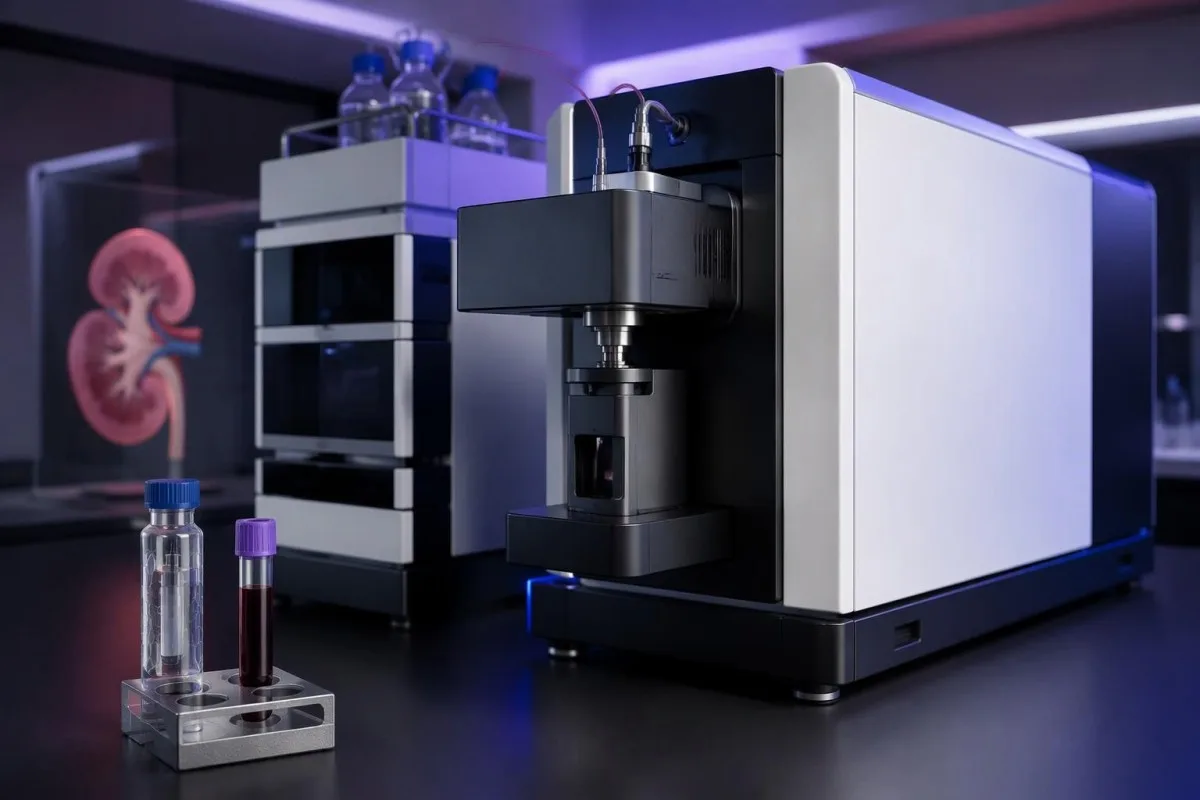
Liquid chromatography–tandem mass spectrometry, abbreviated LC-MS/MS, is a reference approach for everolimus measurement, while some laboratories use immunoassays. Method-dependent bias can occur, including differences in metabolite cross-reactivity, so an apparent shift from 6 to 8 ng/mL after changing laboratories deserves a method check before anyone assumes that drug exposure increased by one-third.
Whole-blood concentrations also depend partly on distribution into cellular elements, meaning a large hematocrit change may alter the relationship between the measured value and circulating drug exposure. There is no routine patient-applied hematocrit correction formula for an everolimus result of 4 ng/mL; our guía sobre fenitoína libre fronte á total explains why specimen biology differs across monitored drugs.
Kantesti can help organize 3 report details—the analyte name, units and laboratory interval—but an uploaded report does not reveal an undocumented dose time or assay change. Our marco de validación e supervisión describes interpretation standards; it does not mean that AI performs the everolimus assay or replaces a transplant pharmacist's assessment of unexpected concentrations.
Que medicamentos poden aumentar ou reducir os niveis de everolimus?
Medicines that inhibit CYP3A4 or P-glycoprotein can raise everolimus exposure, while enzyme-inducing medicines can lower it. Strong inhibitors such as certain azole antifungals and ritonavir-containing treatments may require avoidance or specialist management; even a 5-day course can matter for a twice-daily transplant regimen.
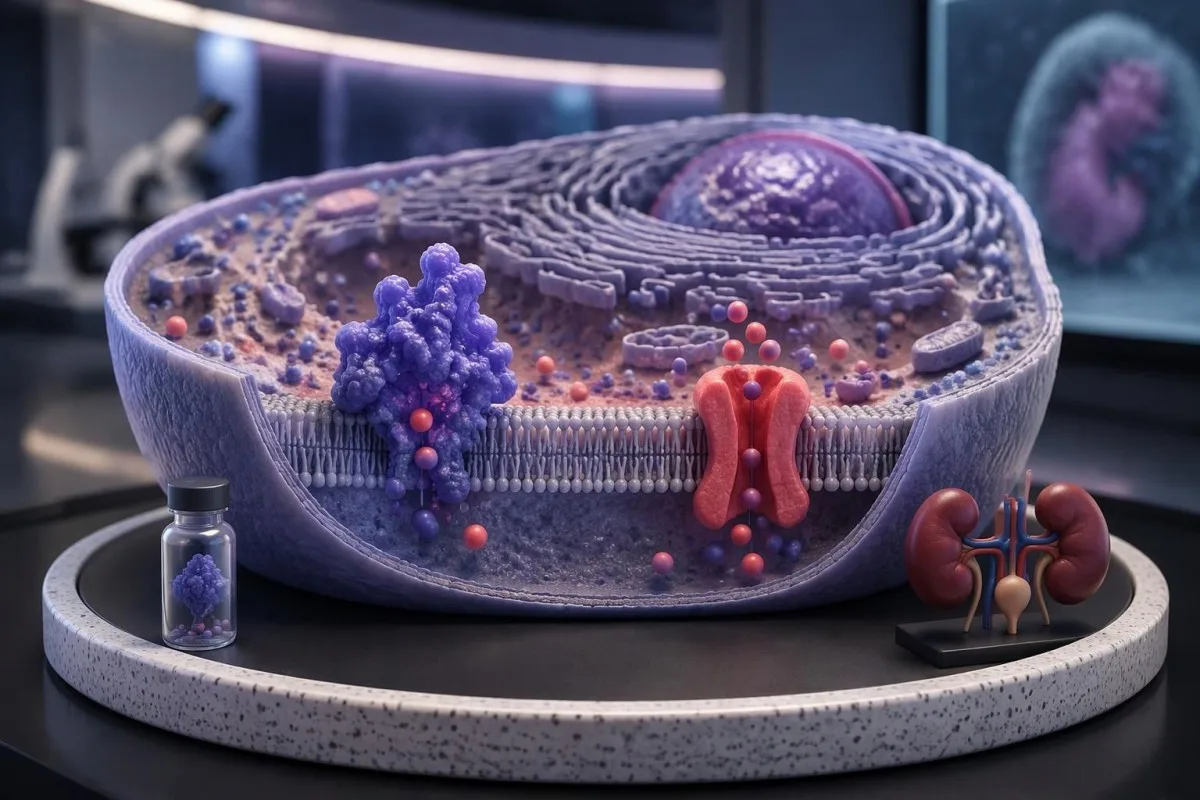
Examples that can raise exposure include voriconazole, posaconazole, itraconazole, clarithromycin and ritonavir or cobicistat; fluconazole, diltiazem and verapamil can also be relevant. The effect is not identical for every drug or person, and a previous concentration of 5 ng/mL does not predict safety after an inhibitor starts; our voriconazole monitoring guide covers the antifungal's own monitoring needs.
Rifampicin, carbamazepine, phenytoin, phenobarbital and St John's wort can reduce everolimus exposure through induction, although onset and recovery depend on the particular medicine. Starting an inducer may lower a previously acceptable 6 ng/mL trough, while stopping it may subsequently raise concentrations; tell the team about both actions rather than reporting only the new prescription.
Cyclosporine can increase everolimus exposure, so changes to its dose can alter the everolimus concentration even when the everolimus prescription stays the same. Before starting 1 new antibiotic, antifungal, antiviral or supplement, ask the transplant service or pharmacist to check the complete regimen—including tacrolimus, cyclosporine and nonprescription products—rather than checking each medicine separately.
Como afectan os alimentos, a función hepática e as afeccións gástricas aos resultados?
Food consistency, liver impairment and gastrointestinal illness can change everolimus exposure or make a result harder to interpret. Take each prescribed dose consistently with or without food, avoid grapefruit unless your specialist explicitly advises otherwise, and report vomiting or persistent diarrhea even when the latest concentration was within 3–8 ng/mL.
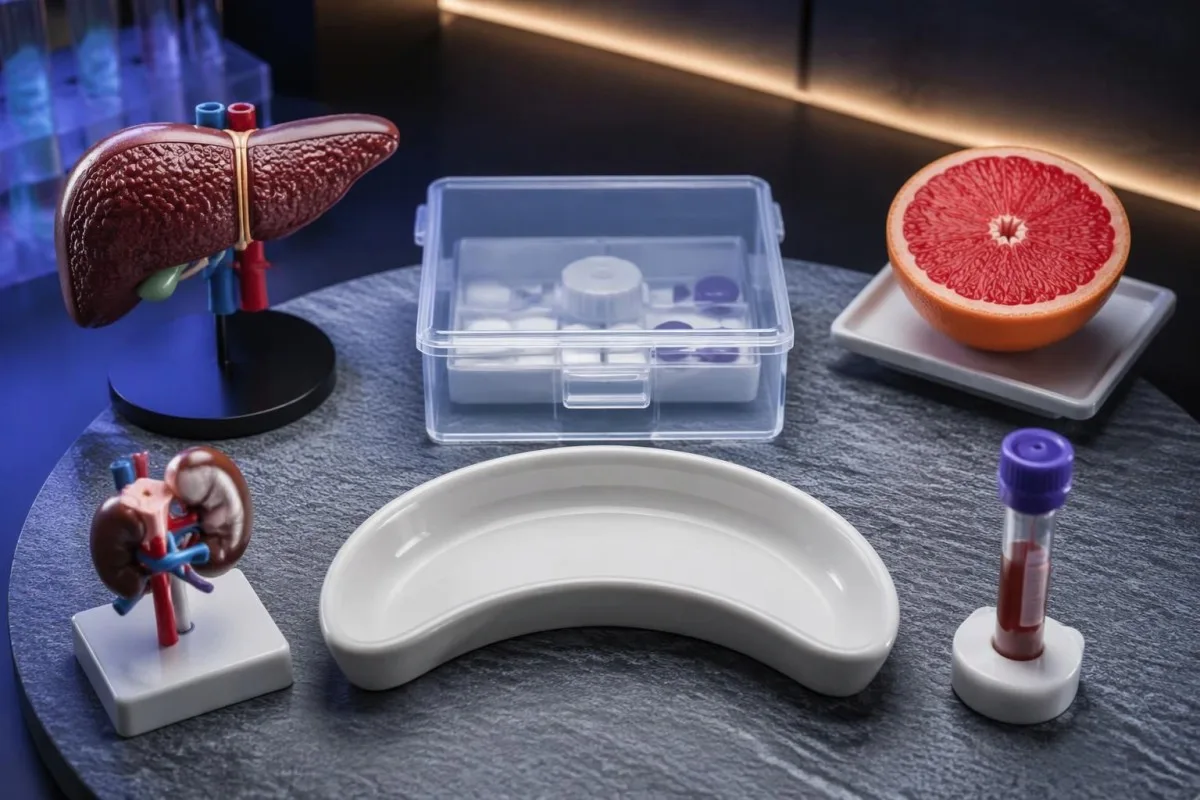
Food can alter everolimus absorption, so switching between fasting doses and doses with substantial meals can introduce variability without any prescription change. A practical record includes whether each of the previous 2 doses was taken with food; do not begin taking it fasting to 'improve' a low result, because that changes the exposure pattern your team is trying to assess.
Liver impairment can reduce everolimus clearance and may require indication-specific clinician-directed dose reduction, whereas reduced kidney filtration alone does not explain clearance in the same way. A change from 5 to 9 ng/mL therefore deserves a review of liver status and interacting medicines as well as kidney results; avoid unreviewed products marketed for kidney supplement support.
Diarrhea and vomiting can disrupt absorption, medication retention, hydration and the overall transplant regimen, but they do not reliably move everolimus concentrations in one predictable direction. If illness lasts more than 24 hours, or you cannot retain a scheduled dose, contact the team promptly; our norovirus recovery guidance should not substitute for transplant-specific advice.
Que debe facer se o nivel de everolimus é demasiado alto?
Un everolimus level too high means the measured concentration exceeds your prescribed target—not that one universal number proves poisoning. If your target is 3–8 ng/mL and a correctly collected trough is 12 ng/mL, contact the transplant team promptly for timing, interaction, symptom and laboratory review without independently withholding or reducing treatment.
A value of 8.4 ng/mL is only 0.4 ng/mL above an 8 ng/mL upper target and does not carry the same context as a sudden rise from 5 to 16 ng/mL. There is no universally accepted emergency cutoff that applies to every transplant regimen; the direction of change, collection accuracy, symptoms and other immunosuppressants determine how urgently the team responds.
Everolimus can cause mouth sores, low blood counts, proteinuria, increased lipids, hyperglycemia, impaired healing and noninfectious pneumonitis, including at concentrations within the intended range. New thirst or frequent urination warrants glucose assessment rather than assuming the trough explains everything; our high-glucose warning signs distinguish routine follow-up from symptoms that require urgent evaluation.
Kantesti é un plataforma de interpretación de análise de sangue de IA that can help compare a reported 12 ng/mL concentration with accompanying uploaded results, but cannot decide whether the next dose should be held. Fever of 38°C or higher, new breathlessness, severe weakness, markedly reduced urine output or inability to keep medicines down warrants urgent clinical contact; severe breathing difficulty requires emergency care regardless of the trough.
Un nivel valle baixo de everolimus significa rexeitamento?
A low everolimus trough can indicate insufficient exposure when it falls below your protocol's lower target, but it does not diagnose rejection. For a regimen targeting 3–8 ng/mL, a genuine 2.2 ng/mL trough should prompt timely transplant-team review of adherence, timing, interactions and the complete immunosuppressive regimen.
A missed dose, an inducer such as rifampicin, inconsistent food intake or a delayed collection can each contribute to a low result. If a hypothetical recipient's usual trough is 4.5 ng/mL and the new result is 2.2 ng/mL, the useful first step is reconstructing events—not assuming the prescribed dose suddenly stopped working or taking an extra tablet.
Rejection assessment depends on graft function, symptoms and organ-specific investigations; a kidney recipient may need creatinine trends, urine testing, imaging or specialist tissue assessment. A rise in creatinine plus a 2 ng/mL trough raises concern, but dehydration, obstruction and other causes remain possible, so the transplant service decides which tests can distinguish them.
Increasing immunosuppression can worsen some viral complications, which is why a low trough cannot be managed separately from the rest of the record. Our BK virus graft-risk guide explains a setting where graft dysfunction and treatment intensity must be balanced; do not double 1 dose or change tacrolimus to compensate for an isolated everolimus result.
Que outras probas fan que o seguimento do everolimus sexa máis seguro?
Everolimus safety monitoring commonly includes blood counts, kidney function, urine protein, liver tests, glucose and lipids, alongside the trough and companion-drug levels. A 5 ng/mL concentration within a 3–8 ng/mL target does not rule out cytopenias, proteinuria, metabolic adverse effects or a problem caused by combined immunosuppression.
Persistent urine protein can require assessment even when creatinine changes little, and a urine albumin-to-creatinine ratio of 30 mg/g marks increased albumin excretion under general kidney classification. That threshold is not an automatic everolimus stopping rule; the team may use albumin or total-protein ratios, trends and graft context, while our guía de orina espumosa persistente explains why appearance alone is insufficient.
De Simone et al. (2012) tested everolimus targeting 3–8 ng/mL with reduced tacrolimus after liver transplantation and found better kidney-function outcomes than standard tacrolimus exposure in the studied setting. This supports a deliberately coordinated regimen, not independent calcineurin-inhibitor withdrawal; our guía da relación de función renal provides background, but cannot identify the cause of graft dysfunction by itself.
A platelet decline from 180 to 70 × 10⁹/L combined with rising creatinine and evidence of red-cell fragmentation would need urgent investigation, including consideration of thrombotic microangiopathy. Those hypothetical values are not diagnostic thresholds, and other medicines or illnesses can be responsible; our interpretación urxente dos esquistocitos explains why a normal everolimus trough cannot make this pattern safe to ignore.
Por que non se deben aplicar automaticamente ao tratamento do cancro os obxectivos dos transplantes?
Cancer treatment should not automatically use the transplant 3–8 ng/mL everolimus target, because treatment goals, doses, formulations and supporting evidence differ. Many oncology regimens use a prescribed once-daily dose and adjust for adverse effects, interactions and liver function rather than routinely titrating every patient to a transplant trough interval.
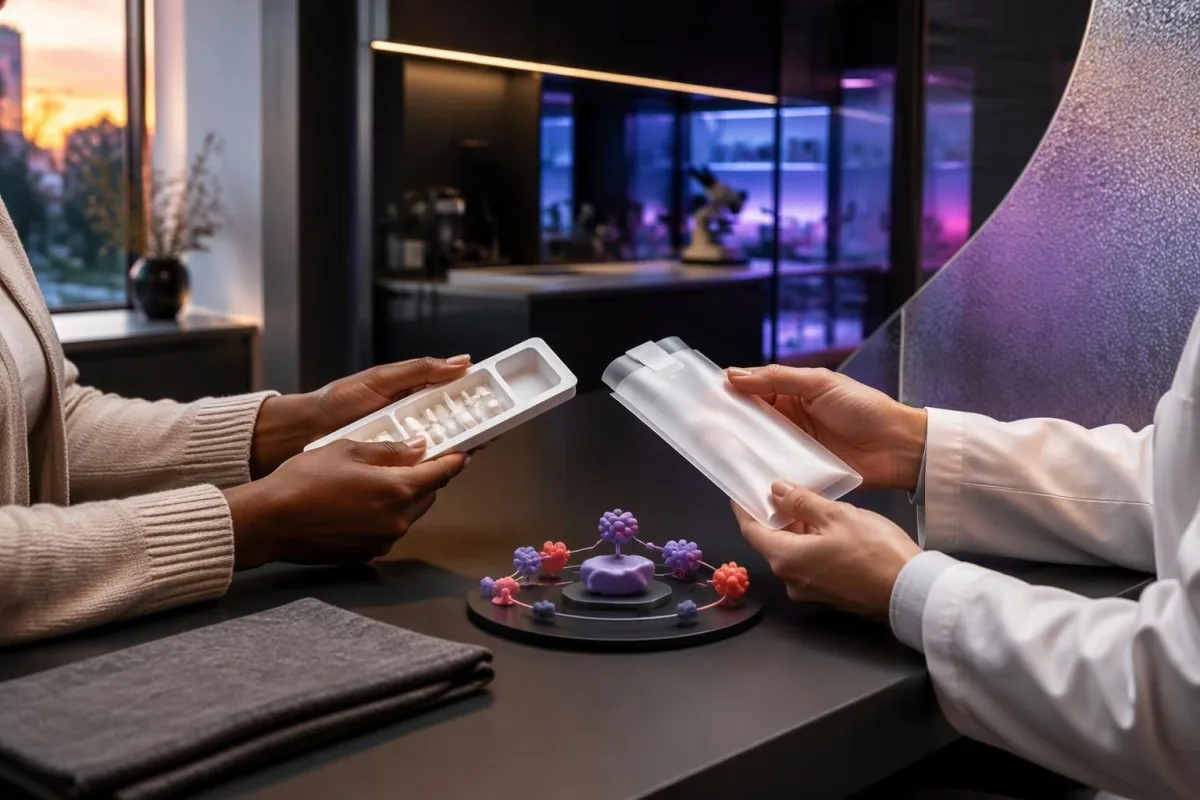
Baselga et al. (2012), in the BOLERO-2 trial published in The New England Journal of Medicine, studied everolimus 10 mg daily with exemestane in a defined advanced breast-cancer population. That trial supports an indication-specific treatment strategy, not a universal concentration goal; a cancer patient's result above 8 ng/mL cannot be labeled excessive solely because a transplant report prints that upper boundary.
Exposure-response studies suggest potential roles for individualized oncology monitoring, but evidence has not established one universally accepted routine trough target across cancers. Separate noncancer indications also illustrate the difference: product labeling uses concentration-guided treatment targeting 5–15 ng/mL in certain tuberous-sclerosis-associated settings, and that interval must not be borrowed for cancer or transplantation without specialist direction.
A hypothetical oncology patient with a 9 ng/mL concentration needs the oncologist to review why the test was ordered, whether it was a true 24-hour predose sample and whether adverse effects are present. Our chemotherapy testing distinctions explain a different medicine-specific safety test; drug monitoring, pharmacogenetics and toxicity grading are not interchangeable routes to a self-selected dose.
Como cambian o momento da recollida e as interaccións o mesmo resultado numérico?
The same everolimus concentration can mean different things when the dose interval, indication or interacting medicines differ. Kantesti is an Ferramenta de análise de probas de sangue impulsada por IA that can help organize these distinctions around a reported 10 ng/mL result, but only the treating team can translate the clinical context into a dosing decision.
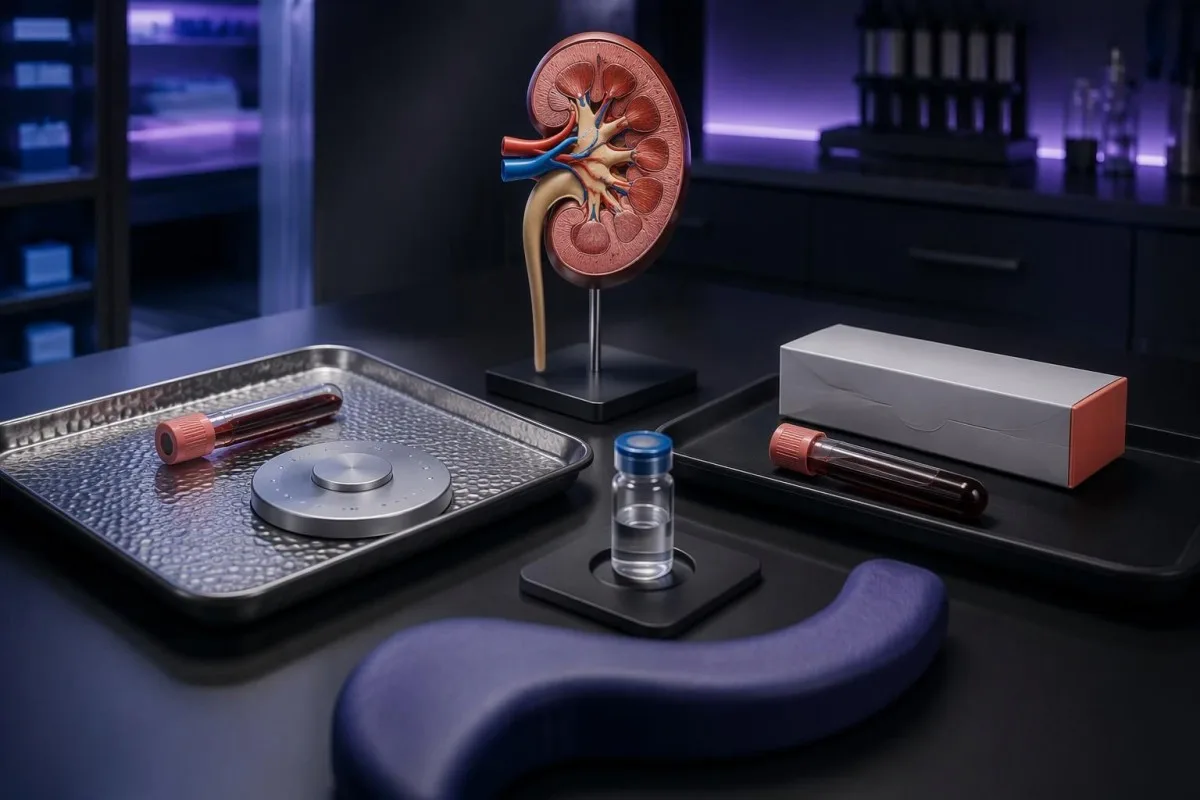
Hypothetical example 1: a kidney recipient targeting 3–8 ng/mL has a 10 ng/mL result collected 12 hours after the last dose, several days after starting clarithromycin. That combination suggests a plausible interaction-related rise requiring prompt review; a mouth-sore history, blood count and companion-drug level would influence the clinician's decision more than the number alone.
Hypothetical example 2: another recipient has 10 ng/mL collected 1 hour after taking the morning dose, while their previous genuine trough was 5 ng/mL. The two results should not be plotted as equivalent troughs; our fluxo de traballo para as tendencias de seguridade dos medicamentos explains why sample annotations matter before interpreting a line rising on a chart.
Kantesti AI can support a record containing 4 fields—dose, previous-dose time, collection time and target—while our explicación da tecnoloxía de IA describes the broader interpretation workflow. A proportional calculation such as reducing a dose by 50% because a level doubled ignores timing errors, interactions and graft risk, so it is not a safe patient dosing method.
Publicacións de investigación e lista de comprobación para un seguimento seguro do transplante
The strongest evidence for interpreting everolimus comes from drug-monitoring consensus guidance and indication-specific trials, not from general laboratory articles. Before acting on a result such as 9 ng/mL, obtain your prescribed target, verify collection timing and ask your transplant service for explicit next-dose and repeat-test instructions.
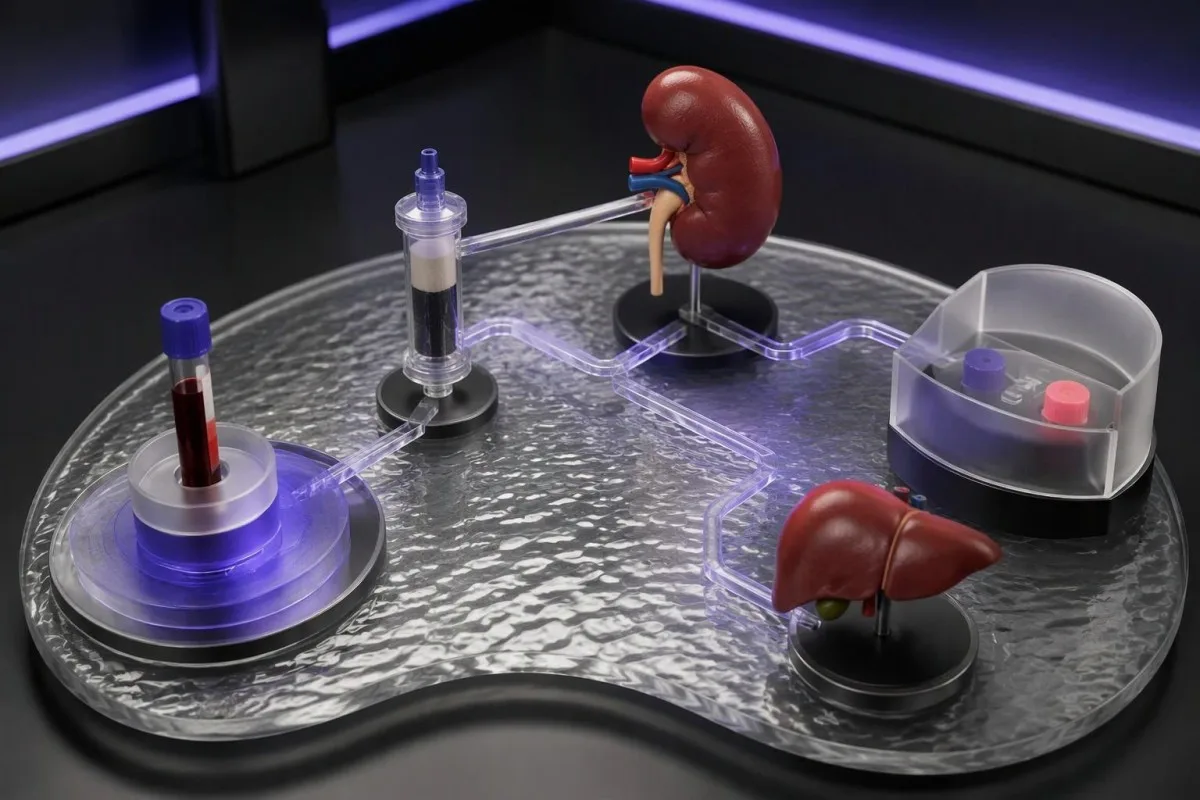
Send the service 5 essentials: the result and units, prescribed regimen, last-dose time, collection time and recent medicine or illness changes. Ask whether the sample is interpretable, what to take next and when to repeat it; the Shipkova et al. (2016) consensus and indication-specific trials provide clinical background, but none makes an unexplained high flag a patient-directed dosing instruction.
The 2 Zenodo publications listed below address coagulation and serum proteins, not everolimus pharmacokinetics, transplant target validation or oncology dose selection. Our guía de interpretación das proteínas séricas may help explain accompanying albumin results, but these background resources should not be cited as evidence that 3–8 ng/mL is appropriate for a particular recipient.
Os materiais de Kantesti estándares de contido médico distinguish educational interpretation from prescribing; this article cannot confirm that an individual 6 ng/mL result is correctly timed or clinically safe. Keep the transplant service's daytime and out-of-hours contact details available, and obtain urgent help for fever, breathing changes or inability to retain immunosuppression rather than waiting for another concentration.
Preguntas frecuentes
Cal é o nivel obxectivo de everólimus en sangue valle despois dun transplante?
An everolimus trough target of 3–8 ng/mL in whole blood is commonly used in selected kidney and liver transplant regimens and some heart-transplant protocols. Your personal target depends on the transplanted organ, accompanying immunosuppressants, postoperative phase and local protocol. A laboratory's printed range is not automatically your prescribed target. Ask the transplant team to confirm the interval before interpreting a flagged result or considering any treatment change.
Cantas horas despois dunha dose de everolimus se debe comprobar o nivel?
An everolimus trough should be collected immediately before the next scheduled dose, usually approximately 12 hours after the previous dose for a twice-daily transplant regimen. If a specialist requests a trough during once-daily treatment, the expected interval is generally approximately 24 hours. Follow the team's instructions about taking the next dose after collection, and report both actual dose and collection times. A sample taken after dosing should not be treated as an ordinary predose trough.
É demasiado alto un nivel de everolimus de 10 ng/mL?
Un nivel de everolimus de 10 ng/mL está por riba do obxectivo se o intervalo prescrito para a concentración valle en sangue total é de 3–8 ng/mL, pero non é un limiar de toxicidade universal. Un resultado obtido xusto antes da dose ten un significado distinto ao dunha mostra recollida entre 1 e 2 horas despois da dose. Póñase en contacto axiña co equipo de transplante para revisar o momento da toma da mostra, os medicamentos con interaccións, os síntomas e outros resultados analíticos. Non omita, reduza nin divida pola súa conta a seguinte dose; a dificultade respiratoria grave ou outros síntomas graves requiren atención urxente, independentemente da concentración.
Pode significar un nivel baixo de everolimus que o meu transplante estea sufrindo un rexeitamento?
Un nivel valle de everolimus inferior a 3 ng/mL pode indicar unha exposición insuficiente nun réxime que utiliza entre 3 e 8 ng/mL, pero o resultado non diagnostica un rexeitamento. As doses esquecidas, a recollida tardía, os vómitos e os medicamentos inductores enzimáticos tamén poden contribuír a unha concentración baixa. A avaliación do rexeitamento require analizar as tendencias da función do enxerto e realizar investigacións específicas para cada órgano, seleccionadas polo servizo de transplantes. Comunique axiña un resultado como 2,2 ng/mL en vez de tomar unha dose adicional ou cambiar outro inmunosupresor.
Canto tempo despois de cambiar a dose se deben repetir os niveis de everolimus?
Everolimus concentrations are commonly rechecked around 4–5 days after a clinician-directed dose change, when exposure is approaching the new steady state. The medicine's average half-life is roughly 30 hours, so a sample after only 1 day may still reflect the previous regimen substantially. Suspected toxicity, a major interaction or an unstable clinical situation can justify earlier or additional testing. Your transplant team should specify both the collection date and what to take while waiting.
As persoas que toman everolimus para o cancro necesitan un nivel valle de 3–8 ng/mL?
Ás persoas que toman everolimus para o cancro non se lles debe asignar automaticamente o obxectivo de concentración valle dos transplantes de 3–8 ng/mL. Moitos esquemas oncolóxicos empregan doses unha vez ao día específicas para cada indicación, como o réxime de 10 mg diarios estudado en BOLERO-2, con axustes indicados polo médico en función dos efectos adversos, as interaccións e a función hepática. Non existe un obxectivo de concentración valle rutineiro universalmente aceptado que se aplique a todos os cancros. Se un oncólogo solicita medir a concentración, pregunta por que se mediu e que marco de interpretación é aplicable.
Que medicamentos poden facer que aumente o nivel mínimo de everolimus?
A exposición ao everolimus pode aumentar cos inhibidores do CYP3A4 ou da glicoproteína P, incluídos certos antifúnxicos azólicos, a claritromicina e os medicamentos que conteñen ritonavir. O diltiazem, o verapamilo, o fluconazol e a ciclosporina tamén poden ser relevantes, aínda que o efecto varía segundo o medicamento e a persoa. Mesmo unha receita para 5 días pode desestabilizar un nivel valle de 5 ng/mL que antes era estable. Consulte as novas receitas e os suplementos co equipo de transplantes ou co farmacéutico antes de comezar a tomalos, e informe tamén cando se interrompa o tratamento que poida causar interaccións.
Obtén unha explicación dos resultados análise de sangue
Carga o teu informe de laboratorio e a IA de Kantesti explica cada biomarcador en linguaxe sinxela en cuestión de segundos. Utilizada por máis de 2 millóns de persoas en todo o mundo.
Referencias
- Klein, T., Mitchell, S., & Weber, H. (2026). Intervalo normal do aPTT: guía sobre dímero D e coagulación sanguínea da proteína C. Investigación médica con IA de Kantesti. DOI
- Klein, T., Mitchell, S., & Weber, H. (2026). Guía das proteínas séricas: globulinas, albumina e análise de sangue da relación A/G. Investigación médica con IA de Kantesti. DOI
- Shipkova M et al. (2016). Therapeutic Drug Monitoring of Everolimus: A Consensus Report. Therapeutic Drug Monitoring.
- De Simone P et al. (2012). Everolimus with reduced tacrolimus improves renal function in de novo liver transplant recipients: a randomized controlled trial. American Journal of Transplantation. DOI
- Baselga J et al. (2012). Everolimus in Postmenopausal Hormone-Receptor–Positive Advanced Breast Cancer. The New England Journal of Medicine. DOI
- Máis de 2 millónsProbas analizadas
- 127+Países
- 100+Linguas
Sobre o equipo médico


Sinais de confianza E-E-A-T
Experiencia
Revisión clínica dirixida por un médico dos fluxos de interpretación de análises.
Experiencia
Foco en medicina de laboratorio sobre como se comportan os biomarcadores no contexto clínico.
Autoridade
Revisado medicamente polo Dr. Thomas Klein, coas achegas da Dra. Sarah Mitchell e do Prof. Dr. Hans Weber.
Fiabilidade
Interpretación baseada en evidencias con vías de seguimento claras para reducir a alarma.






Aviso médico
Este artigo é só para fins educativos e non constitúe asesoramento médico. Consulta sempre un/ha profesional sanitario/a cualificado/a para decisións de diagnóstico e tratamento.
Publicado · Contacte co equipo editorial
Publicado por Kantesti Ltd, rexistrada en Inglaterra e Gales, número de sociedade. 17090423, Londres, Reino Unido.
