ಕೆಲವು ಕಸಿ ಚಿಕಿತ್ಸಾ ಕ್ರಮಗಳಲ್ಲಿ ಎವೆರೋಲಿಮಸ್ನ ಟ್ರಫ್ ಮಟ್ಟವನ್ನು ಸಾಮಾನ್ಯವಾಗಿ 3–8 ng/mL ಗುರಿಯಾಗಿರಿಸಲಾಗುತ್ತದೆ; ಇದಕ್ಕಾಗಿ ಮುಂದಿನ ಡೋಸ್ಗೆ ತಕ್ಷಣ ಮೊದಲು ಸಂಗ್ರಹಿಸಿದ ಮಾದರಿಯನ್ನು ಬಳಸಲಾಗುತ್ತದೆ. ನಿಮ್ಮ ಕಸಿ ಪ್ರೋಟೋಕಾಲ್, ಇತರ ಔಷಧಿಗಳು ಮತ್ತು ಮಾದರಿ ಸಂಗ್ರಹಿಸುವ ಸಮಯವು ನಿಮ್ಮ ಫಲಿತಾಂಶದ ಅರ್ಥವನ್ನು ನಿರ್ಧರಿಸುತ್ತವೆ; ಕ್ಯಾನ್ಸರ್ ಚಿಕಿತ್ಸೆಯಲ್ಲಿ ವಿಭಿನ್ನ ಡೋಸಿಂಗ್ ತತ್ವಗಳನ್ನು ಬಳಸಲಾಗುತ್ತದೆ, ಮತ್ತು ನೀವೇ ಡೋಸ್ಗಳನ್ನು ಬದಲಾಯಿಸಬಾರದು.

ಪ್ರಮುಖ ಅಂಶಗಳು
- ಕಸಿ ಗುರಿಗಳು ಸಾಮಾನ್ಯವಾಗಿ ಸಂಪೂರ್ಣ ರಕ್ತದಲ್ಲಿ 3–8 ng/mL ಅನ್ನು ಬಳಸುತ್ತವೆ; ಆದರೆ ಅಂಗ, ಜೊತೆಯಲ್ಲಿ ಬಳಸುವ ಔಷಧಿಗಳು ಮತ್ತು ನಿಮ್ಮ ತಂಡದ ಪ್ರೋಟೋಕಾಲ್ ನಿಮ್ಮ ವೈಯಕ್ತಿಕ ಗುರಿಯನ್ನು ನಿರ್ಧರಿಸುತ್ತವೆ.
- ಮಾದರಿ ಸಂಗ್ರಹಿಸುವ ಸಮಯ ಮುಂದಿನ ನಿಗದಿತ ಡೋಸ್ಗೆ ತಕ್ಷಣ ಮೊದಲು ಇರಬೇಕು—ದಿನಕ್ಕೆ ಎರಡು ಬಾರಿ ಡೋಸ್ ನೀಡುವ ಕ್ರಮದಲ್ಲಿ ಹಿಂದಿನ ಡೋಸ್ನ ಸುಮಾರು 12 ಗಂಟೆಗಳ ನಂತರ.
- ಪ್ರಯೋಗಾಲಯದ ಏಕಮಾನಗಳು ng/mL ಅಥವಾ µg/L ನಲ್ಲಿ ವ್ಯಕ್ತಪಡಿಸಿದಾಗ ಪರಸ್ಪರ ಸಮಾನವಾಗಿರುತ್ತವೆ: 5 ng/mL ಎಂದರೆ 5 µg/L.
- ಹೆಚ್ಚಿನ ಫಲಿತಾಂಶಗಳು ನಿಗದಿತ 3–8 ng/mL ಗುರಿಗಿಂತ ಹೆಚ್ಚಿದ್ದರೆ ಕಸಿ ತಂಡದ ಪರಿಶೀಲನೆ ಅಗತ್ಯ; 8 ng/mL ಎಲ್ಲರಿಗೂ ಅನ್ವಯಿಸುವ ತುರ್ತುಸ್ಥಿತಿ ಅಥವಾ ವಿಷಕಾರಿ ಮಟ್ಟದ ಮಿತಿಯಲ್ಲ.
- ಕಡಿಮೆ ಫಲಿತಾಂಶಗಳು 3 ng/mL ಗಿಂತ ಕಡಿಮೆಯಿದ್ದರೆ, ಆ ಕಡಿಮೆ ಮಿತಿಯನ್ನು ಬಳಸುವ ಚಿಕಿತ್ಸಾ ಕ್ರಮಗಳಲ್ಲಿ ಔಷಧಿಗೆ ಒಡ್ಡಿಕೊಳ್ಳುವಿಕೆ ಸಾಕಷ್ಟಿಲ್ಲವೆಂದು ಸೂಚಿಸಬಹುದು; ಆದರೆ ಇದು ಕಸಿ ನಿರಾಕರಣೆಯನ್ನು ನಿರ್ಣಯಿಸುವುದಿಲ್ಲ.
- ಪುನಃ ಪರೀಕ್ಷೆ ಸಾಮಾನ್ಯವಾಗಿ ವೈದ್ಯರ ನಿರ್ದೇಶನದ ಡೋಸ್ ಬದಲಾವಣೆಯ ಸುಮಾರು 4–5 ದಿನಗಳ ನಂತರ ಸಂಭವಿಸುತ್ತದೆ; ಸಂದರ್ಭಗಳು ಅಗತ್ಯವಿದ್ದಾಗ ಇನ್ನಷ್ಟು ಮುಂಚಿತವಾಗಿ ಅಥವಾ ಹೆಚ್ಚುವರಿ ಪರೀಕ್ಷೆ ಮಾಡಲಾಗುತ್ತದೆ.
- ಪರಸ್ಪರ ಕ್ರಿಯೆಗಳು ಅಜೋಲ್ ಆಂಟಿಫಂಗಲ್ಗಳು, ಕ್ಲಾರಿಥ್ರೊಮೈಸಿನ್, ರಿಟೊನಾವಿರ್ ಹೊಂದಿರುವ ಔಷಧಿಗಳು, ರಿಫಾಂಪಿಸಿನ್ ಮತ್ತು ಕೆಲವು ಸೆಳೆತದ ಔಷಧಿಗಳು ಇವುಗಳಲ್ಲಿ ಸೇರಿವೆ; ಪರಸ್ಪರ ಕ್ರಿಯೆ ಉಂಟುಮಾಡುವ ಔಷಧಿಯನ್ನು ಪ್ರಾರಂಭಿಸುವುದು ಅಥವಾ ನಿಲ್ಲಿಸುವುದು ಸಾಂದ್ರತೆಯನ್ನು ಬದಲಾಯಿಸಬಹುದು.
- ಕ್ಯಾನ್ಸರ್ ಚಿಕಿತ್ಸೆ ಕಸಿ ಚಿಕಿತ್ಸೆಯ 3–8 ng/mL ವ್ಯಾಪ್ತಿಯನ್ನು ಸ್ವಯಂಚಾಲಿತವಾಗಿ ಬಳಸುವುದಿಲ್ಲ; ಅನೇಕ ಆಂಕಾಲಜಿ ಚಿಕಿತ್ಸಾ ಕ್ರಮಗಳು ನಿರ್ದಿಷ್ಟ ಸೂಚನೆಗೆ ಅನುಗುಣವಾದ ದೈನಂದಿನ ಡೋಸ್ ಮತ್ತು ವಿಷಕಾರಿತ್ವ ಆಧಾರಿತ ಹೊಂದಾಣಿಕೆಗಳನ್ನು ಬಳಸುತ್ತವೆ.
- ಡೋಸ್ ಸುರಕ್ಷತೆ ಎಂದರೆ ಏನು ತೆಗೆದುಕೊಳ್ಳಬೇಕು ಮತ್ತು ಪರೀಕ್ಷೆಯನ್ನು ಯಾವಾಗ ಪುನರಾವರ್ತಿಸಬೇಕು ಎಂದು ನಿಮ್ಮ ಕಸಿ ತಂಡವನ್ನು ಕೇಳುವುದು; ಡೋಸ್ ಅನ್ನು ನೀವೇ ಬಿಟ್ಟುಬಿಡುವುದು, ದ್ವಿಗುಣಗೊಳಿಸುವುದು ಅಥವಾ ಮರುಲೆಕ್ಕಾಚಾರ ಮಾಡುವುದು ಅಲ್ಲ.
ಎವೆರೋಲಿಮಸ್ನ ಟ್ರಫ್ ಮಟ್ಟವು ನಿಜವಾಗಿ ಏನನ್ನು ತಿಳಿಸುತ್ತದೆ?
ಒಂದು ಎವೆರೋಲಿಮಸ್ ಟ್ರಫ್ ಮಟ್ಟ ಮುಂದಿನ ಡೋಸ್ಗೆ ತಕ್ಷಣ ಮೊದಲು ಔಷಧಿಯ ಪೂರ್ಣ-ರಕ್ತ ಸಾಂದ್ರತೆಯನ್ನು ಅಳೆಯುತ್ತದೆ; ಇದರಿಂದ ವೈದ್ಯರು ಕೇವಲ ಸೂಚಿಸಲಾದ ಪ್ರಮಾಣವನ್ನಲ್ಲ, ಔಷಧಿಗೆ ಒಡ್ಡಿಕೊಳ್ಳುವ ಮಟ್ಟವನ್ನು ಅಂದಾಜಿಸಬಹುದು. 5 ng/mL ಫಲಿತಾಂಶವು 3–8 ng/mL ಕಸಿ ಗುರಿಗೆ ಹೊಂದಿಕೆಯಾಗಬಹುದು, ಆದರೆ ಮಾದರಿ ಸಂಗ್ರಹದ ಸಮಯ ಮತ್ತು ಚಿಕಿತ್ಸಾ ಪ್ರೋಟೋಕಾಲ್ ಆ ಅರ್ಥವ್ಯಾಖ್ಯಾನಕ್ಕೆ ಹೊಂದಿದರೆ ಮಾತ್ರ.
ಹೀರಿಕೊಳ್ಳುವಿಕೆ, ಯಕೃತ್ತಿನ ಚಯಾಪಚಯ ಮತ್ತು ಪರಸ್ಪರ ಕ್ರಿಯೆಗೊಳಗಾಗುವ ಔಷಧಿಗಳು ಬದಲಾಗುವುದರಿಂದ, ಒಂದೇ ಎವೆರೋಲಿಮಸ್ ಡೋಸ್ 2 ಜನರಲ್ಲಿ ವಿಭಿನ್ನ ಸಾಂದ್ರತೆಗಳನ್ನು ಉಂಟುಮಾಡಬಹುದು. ಟ್ರಫ್ ಎನ್ನುವುದು ಪ್ರಾಯೋಗಿಕ ಮಾದರಿ ಸಂಗ್ರಹದ ಸಮಯ; ಅದು ದಿನವಿಡೀ ಔಷಧಿಗೆ ಒಡ್ಡಿಕೊಳ್ಳುವ ಮಟ್ಟವನ್ನು ಸಂಪೂರ್ಣವಾಗಿ ಅಳೆಯುವುದಿಲ್ಲ. ತೃಪ್ತಿಕರ ಸಂಖ್ಯೆಯೊಂದರಿಂದ ಕಸಿ ಮಾಡಿದ ಅಂಗವು ಸಹಜವಾಗಿ ಕಾರ್ಯನಿರ್ವಹಿಸುತ್ತಿದೆ ಅಥವಾ ಪ್ರತಿಕೂಲ ಪರಿಣಾಮಗಳಿಲ್ಲ ಎಂದು ಸಾಬೀತಾಗುವುದಿಲ್ಲ.
Kantesti ನಲ್ಲಿ, ಪ್ರಯೋಗಾಲಯವು ಮುದ್ರಿಸಿರುವ ವ್ಯಾಪ್ತಿಯನ್ನು ನಿಮ್ಮ ತಂಡವು ನಿಜವಾಗಿ ಸೂಚಿಸಿರುವ ಗುರಿಯಿಂದ ಪ್ರತ್ಯೇಕಿಸುತ್ತೇವೆ—ಉದಾಹರಣೆಗೆ, 3–8 ng/mL ಗೆ ಹೋಲಿಸಿದರೆ ಹೆಚ್ಚು ಕಿರಿದಾದ ವೈಯಕ್ತಿಕ ವ್ಯಾಪ್ತಿ. ನಮ್ಮ ಸಂಸ್ಥೆ ಮತ್ತು ಕ್ಲಿನಿಕಲ್ ಉದ್ದೇಶ ಅರ್ಥವ್ಯಾಖ್ಯಾನದ ಶೈಕ್ಷಣಿಕ ಪಾತ್ರವನ್ನು ವಿವರಿಸುತ್ತವೆ; ರೋಗನಿರೋಧಕ ಶಮನ ಚಿಕಿತ್ಸಾ ಕ್ರಮವನ್ನು ಆಯ್ಕೆಮಾಡುವ ಮತ್ತು ಫಲಿತಾಂಶದಿಂದ ಚಿಕಿತ್ಸೆಯನ್ನು ಬದಲಾಯಿಸಬೇಕೇ ಎಂದು ನಿರ್ಧರಿಸುವ ಜವಾಬ್ದಾರಿ ಕಸಿ ಸೇವೆಯದ್ದೇ ಆಗಿರುತ್ತದೆ.
ಕಾಂತೆಸ್ಟಿ ಒಬ್ಬ AI ರಕ್ತ ಪರೀಕ್ಷಾ ವಿಶ್ಲೇಷಕ ಡೋಸ್ ಸೂಚಿಸದೆ, ಅಪ್ಲೋಡ್ ಮಾಡಿದ ಮೂತ್ರಪಿಂಡ ಕಾರ್ಯ ಮತ್ತು ರಕ್ತಕಣ ಎಣಿಕೆಯ ಫಲಿತಾಂಶಗಳ ಜೊತೆಗೆ 5 ng/mL ನಂತಹ ಎವೆರೋಲಿಮಸ್ ಫಲಿತಾಂಶವನ್ನು ಪರಿಶೀಲಿಸಲು ಸಹಾಯ ಮಾಡಬಲ್ಲವು. ಎವೆರೋಲಿಮಸ್ ಮತ್ತೊಂದು ರೋಗನಿರೋಧಕ ಶಮನಕಾರಿ ಔಷಧಿಯೊಂದಿಗೆ ಬಳಸಿದಾಗ, ನಮ್ಮ ಟ್ಯಾಕ್ರೋಲಿಮಸ್ ಮೇಲ್ವಿಚಾರಣಾ ಮಾರ್ಗದರ್ಶಿ ಪ್ರತಿಯೊಂದು ಔಷಧಿಗೂ ಅದರದೇ ಆದ ಗುರಿ ಮತ್ತು ಮಾದರಿ ಸಂಗ್ರಹ ಸೂಚನೆಗಳು ಏಕೆ ಅಗತ್ಯವೆಂದು ವಿವರಿಸುತ್ತದೆ.
ನಿಮ್ಮ ಚಿಕಿತ್ಸಾ ಸೂಚನೆಗೆ ಯಾವ ಎವೆರೋಲಿಮಸ್ ಚಿಕಿತ್ಸಕ ವ್ಯಾಪ್ತಿ ಅನ್ವಯಿಸುತ್ತದೆ?
ದಿ ಎವೆರೋಲಿಮಸ್ ಚಿಕಿತ್ಸಕ ವ್ಯಾಪ್ತಿ ಆಯ್ದ ಮೂತ್ರಪಿಂಡ ಮತ್ತು ಯಕೃತ್ತಿನ ಕಸಿ ಚಿಕಿತ್ಸಾ ಕ್ರಮಗಳಲ್ಲಿ ಸಾಮಾನ್ಯವಾಗಿ ಬಳಸುವ ಪೂರ್ಣ-ರಕ್ತ ವ್ಯಾಪ್ತಿ 3–8 ng/mL ಆಗಿದೆ. ಈ ಬಳಕೆಗೆ ಅನುಮೋದನೆ ಇರುವ ಪ್ರದೇಶಗಳಲ್ಲಿನ ಹೃದಯ ಕಸಿ ಪ್ರೋಟೋಕಾಲ್ಗಳು ಬಹಳಷ್ಟು ಬಾರಿ ಇದೇ ರೀತಿಯ ವ್ಯಾಪ್ತಿಯನ್ನು ಬಳಸುತ್ತವೆ; ಆದರೆ ಶ್ವಾಸಕೋಶ ಕಸಿ, ಜೊತೆಯ ಔಷಧಿಯ ಪ್ರಮಾಣ ಕಡಿಮೆ ಮಾಡುವ ಚಿಕಿತ್ಸಾ ಕ್ರಮಗಳು ಮತ್ತು ಇತರ ಸೂಚನೆಗಳಿಗೆ ತಜ್ಞರು ಸ್ಪಷ್ಟವಾಗಿ ನಿಗದಿಪಡಿಸಿದ ಗುರಿಗಳು ಅಗತ್ಯ.
Therapeutic Drug Monitoring ನಲ್ಲಿ ಪ್ರಕಟವಾದ Shipkova et al. (2016) ಅವರ ಒಮ್ಮತ ವರದಿಯು, ಸಂಪೂರ್ಣ ಕಸಿ ಚಿಕಿತ್ಸಾ ಕ್ರಮದ ವ್ಯಾಪ್ತಿಯಲ್ಲಿ ಎವೆರೋಲಿಮಸ್ ಸಾಂದ್ರತೆಗಳನ್ನು ಅರ್ಥೈಸಲು ಬೆಂಬಲ ನೀಡುತ್ತದೆ; ಕ್ಯಾಲ್ಸಿನ್ಯೂರಿನ್ ಪ್ರತಿಬಂಧಕಗಳೊಂದಿಗೆ ಸಾಮಾನ್ಯವಾಗಿ 3–8 ng/mL ಬಳಸಲಾಗುತ್ತದೆ. ಕೆಳಗಿನ ಮಿತಿ ಸಾಕಷ್ಟು ರೋಗನಿರೋಧಕ ಶಮನವಿಲ್ಲದಿರುವುದರ ಬಗ್ಗೆ ಇರುವ ಕಳವಳವನ್ನು ಸೂಚಿಸುತ್ತದೆ; ಮೇಲಿನ ಮಿತಿಯು ಒಡ್ಡಿಕೊಳ್ಳುವಿಕೆಗೆ ಸಂಬಂಧಿಸಿದ ಪ್ರತಿಕೂಲ ಪರಿಣಾಮಗಳನ್ನು ಸೀಮಿತಗೊಳಿಸಲು ಸಹಾಯ ಮಾಡುತ್ತದೆ. ಸುರಕ್ಷತೆ ಏಕಾಏಕಿ ಬದಲಾಗುವ ಜೈವಿಕ ಗಡಿಯಾಗಿ ಈ ಎರಡೂ ಮಿತಿಗಳು ಕಾರ್ಯನಿರ್ವಹಿಸುವುದಿಲ್ಲ.
ಅನುಮೋದನೆಗಳು ಮತ್ತು ಪ್ರೋಟೋಕಾಲ್ಗಳು ದೇಶದಿಂದ ದೇಶಕ್ಕೆ ಭಿನ್ನವಾಗಿವೆ: U.S. ಕಸಿ ಲೇಬಲಿಂಗ್ ನಿರ್ದಿಷ್ಟ ಮೂತ್ರಪಿಂಡ ಮತ್ತು ಯಕೃತ್ತಿನ ಸಂದರ್ಭಗಳನ್ನು ಒಳಗೊಂಡಿದೆ; ಯುರೋಪಿನ ಉತ್ಪನ್ನ ಮಾಹಿತಿಯಲ್ಲಿ ಆಯ್ದ ಹೃದಯ ಕಸಿ ಬಳಕೆಯೂ ಸೇರಿದೆ. ಆದ್ದರಿಂದ, 3–8 ng/mL ಪ್ರಯೋಗಾಲಯ ವ್ಯಾಪ್ತಿಯೊಂದರಿಂದ ಮಾತ್ರ ಕಸಿ ಮಾಡಿದ ಅಂಗ, ಜೊತೆಯ ಔಷಧಿಯ ಒಡ್ಡಿಕೊಳ್ಳುವಿಕೆ ಅಥವಾ ಶಸ್ತ್ರಚಿಕಿತ್ಸೆಯ ನಂತರದ ಹಂತವನ್ನು ಗುರುತಿಸಲು ಸಾಧ್ಯವಿಲ್ಲ; ದಾಖಲಿತ ವೈದ್ಯಕೀಯ ಕಾರಣವಿದ್ದಲ್ಲಿ ಕೇಂದ್ರವು ಬೇರೆ ಗುರಿಯನ್ನು ಆಯ್ಕೆಮಾಡಬಹುದು.
3 ಮಾಹಿತಿಗಳನ್ನು ಕೇಳಿ: ನಿಮ್ಮ ಗುರಿ ವ್ಯಾಪ್ತಿ, ಅದನ್ನು ಆಯ್ಕೆಮಾಡಿದ ಕಾರಣ ಮತ್ತು ಜೊತೆಯಾಗಿ ಬಳಸುವ ಯಾವುದೇ ಕ್ಯಾಲ್ಸಿನ್ಯೂರಿನ್ ಪ್ರತಿಬಂಧಕದ ಗುರಿ. ಇದೇ ಸಾಮಾನ್ಯ ತತ್ವವು ನಮ್ಮ ಇನ್ಫ್ಲಿಕ್ಸಿಮ್ಯಾಬ್ ಟ್ರಫ್ ಅರ್ಥವ್ಯಾಖ್ಯಾನದಲ್ಲಿಯೂ ಕಾಣಿಸುತ್ತದೆ: ಚಿಕಿತ್ಸಕ ವ್ಯಾಪ್ತಿಗಳು ನಿರ್ದಿಷ್ಟ ಔಷಧಿ, ಸೂಚನೆ ಮತ್ತು ಮಾದರಿ ಸಂಗ್ರಹ ತಂತ್ರಕ್ಕೆ ಸೇರಿವೆ; ಆ ಔಷಧಿ ತೆಗೆದುಕೊಳ್ಳುವ ಪ್ರತಿಯೊಬ್ಬರಿಗೂ ಅನ್ವಯಿಸುವುದಿಲ್ಲ.
| ಮಟ್ಟ | ವ್ಯಾಪ್ತಿ | ಅದರ ಅರ್ಥ |
|---|---|---|
| ಆಯ್ದ ಮೂತ್ರಪಿಂಡ ಕಸಿ ಚಿಕಿತ್ಸಾ ಕ್ರಮಗಳು | ಸಾಮಾನ್ಯವಾಗಿ 3–8 ng/mL | ನಿರ್ದಿಷ್ಟ ಜೊತೆಯ ರೋಗನಿರೋಧಕ ಶಮನ ಚಿಕಿತ್ಸೆಯೊಂದಿಗೆ ಬಳಸುವ ಪೂರ್ಣ-ರಕ್ತ, ಡೋಸ್ಗೂ ಮುನ್ನದ ಗುರಿ; ಕೇಂದ್ರದ ಪ್ರೋಟೋಕಾಲ್ ಅನ್ನು ಖಚಿತಪಡಿಸಿಕೊಳ್ಳಿ. |
| ಆಯ್ದ ಯಕೃತ್ತಿನ ಕಸಿ ಚಿಕಿತ್ಸಾ ಕ್ರಮಗಳು | ಸಾಮಾನ್ಯವಾಗಿ 3–8 ng/mL | Often paired with reduced tacrolimus exposure after an appropriate postoperative interval. |
| Selected heart-transplant regimens | Often 3–8 ng/mL | Applicable only where the regimen and local approval support this target. |
| Lung or other specialist transplant regimens | Center-specific | Do not infer an individualized target from another organ's protocol. |
| ಕ್ಯಾನ್ಸರ್ ಚಿಕಿತ್ಸೆ | No universal transplant-equivalent target | Oncology dosing and adverse-effect management do not automatically use 3–8 ng/mL. |
ಎವೆರೋಲಿಮಸ್ ಮಾದರಿಯನ್ನು ಯಾವಾಗ ಸಂಗ್ರಹಿಸಬೇಕು?
Everolimus level timing should place the collection immediately before the next scheduled dose. For a twice-daily transplant regimen, this generally means approximately 12 hours after the previous dose; a specialist-requested trough for a once-daily regimen would generally be approximately 24 hours after the previous dose.
A hypothetical recipient takes everolimus at 08:00 and 20:00, then attends a planned collection just before 08:00 the next morning. The transplant team's usual instruction is to bring the morning dose and take it after collection, but obtain that instruction beforehand; a laboratory delay does not give you permission to postpone immunosuppression indefinitely.
Record the previous dose time, collection time and next dose time as 3 separate entries. A fasting instruction for glucose or lipids is a different issue from trough timing, so confirm whether you should take your usual food afterward and whether other morning medicines have separate instructions; our ಮೊದಲ-ಡ್ರಾ ಸಿದ್ಧತೆ ಚೆಕ್ಲಿಸ್ಟ್ helps prevent missing these details.
Scheduling accuracy matters more than an appointment labeled simply 'morning': a 07:00 sample after a 23:00 dose represents an 8-hour interval, not a 12-hour trough. If travel, shift work or another medication makes the standard schedule difficult, arrange a collection plan with the transplant coordinator rather than changing dose times solely to fit the laboratory.
ಪರೀಕ್ಷೆಗೆ ಮೊದಲು ಡೋಸ್ ತೆಗೆದುಕೊಂಡಿದ್ದರೆ ಅಥವಾ ಒಂದು ಡೋಸ್ ತಪ್ಪಿಸಿಕೊಂಡಿದ್ದರೆ ಏನು ಮಾಡಬೇಕು?
A sample collected after taking everolimus is not a true predose trough and should not be compared directly with a 3–8 ng/mL trough target. A missed dose or substantially delayed collection also changes interpretation; report the actual times rather than trying to make the result fit the expected interval.
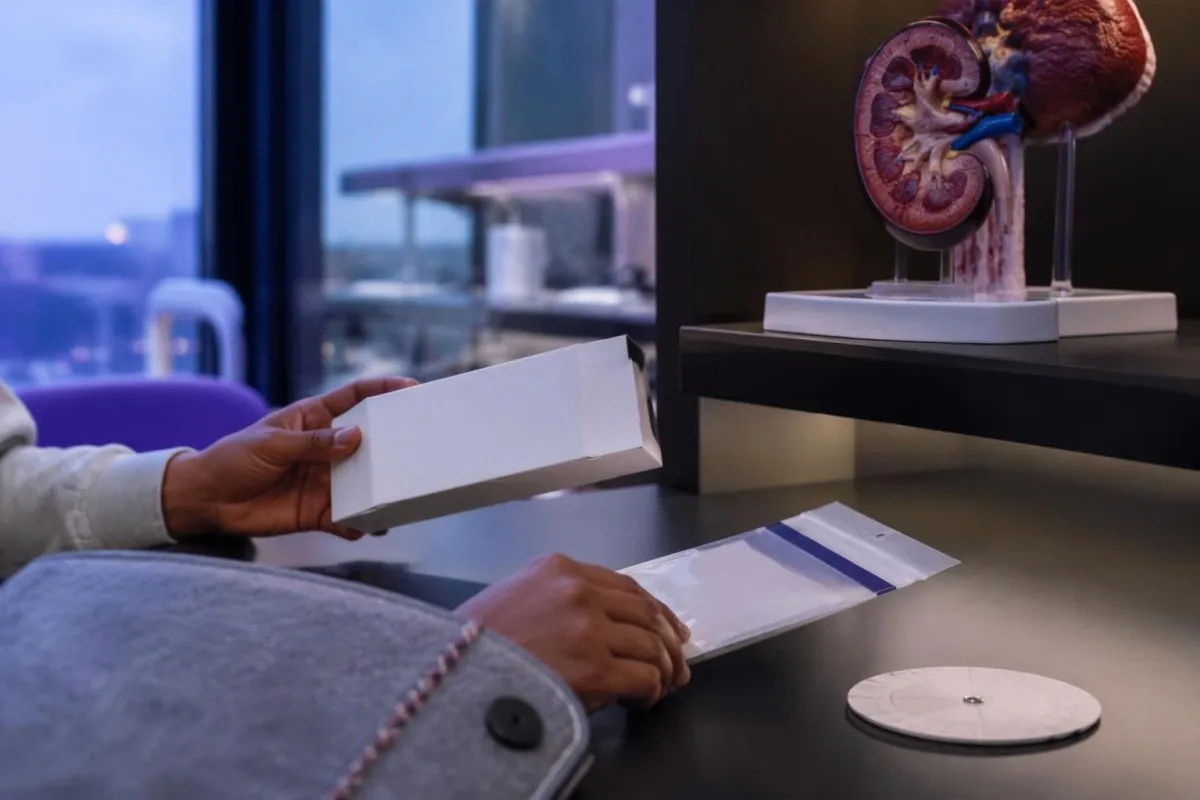
Everolimus commonly reaches peak concentrations around 1–2 hours after an oral dose, although food and individual absorption can change that timing. A hypothetical result of 12 ng/mL collected 90 minutes after dosing could reflect the absorption phase rather than an excessive trough; the team must still review the result and symptoms, not simply dismiss the number.
Missing the evening dose can make an apparently low morning concentration unrepresentative of your usual prescribed regimen, even if the appointment occurs at the expected hour. Give the team a factual account of the last 2–3 days, including vomiting or uncertainty about a dose; a one-time low result cannot distinguish missed treatment from inadequate dosing without that history.
Do not take an extra dose to compensate for a misleading 2 ng/mL result, and do not omit the next dose because a postdose sample looks high. Different medicines have different postdose sampling rules, as our digoxin sample-timing guide illustrates; ask the transplant team whether the collection needs repeating and what to take in the meantime.
ಡೋಸ್ ಬದಲಾವಣೆಯ ಎಷ್ಟು ಸಮಯದ ನಂತರ ಮಟ್ಟಗಳನ್ನು ಮರುಪರಿಶೀಲಿಸಬೇಕು?
A routine everolimus level is commonly reassessed around 4–5 days after a clinician-directed dose change, when concentrations are approaching the new steady state. Earlier collections may be appropriate for suspected toxicity or major interactions, but they should be interpreted as transitional measurements rather than final evidence of the new dose's effect.
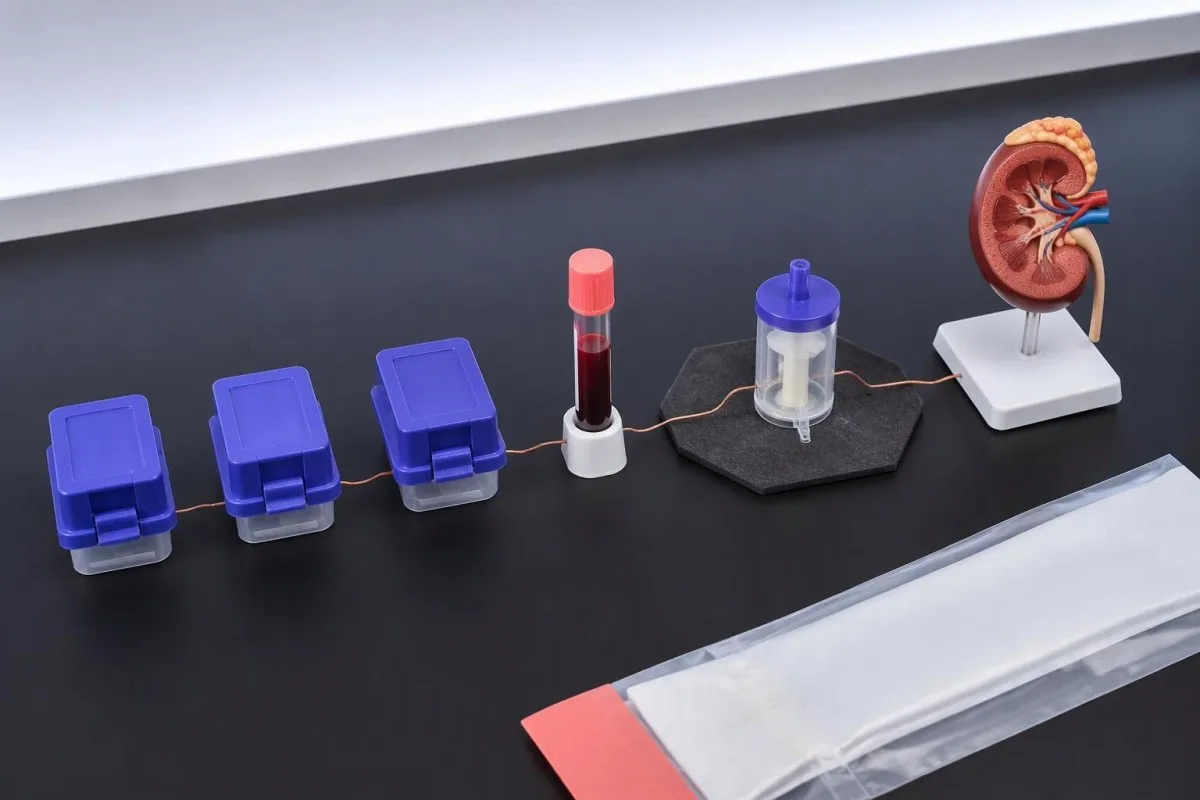
Everolimus has an average elimination half-life of roughly 30 hours, with substantial variation between people. After only 24 hours, a concentration still reflects considerable exposure from the previous regimen, so a second adjustment based solely on that early result can overshoot the intended target; product instructions commonly discourage routine adjustments more frequently than every 4–5 days.
A hypothetical recipient changes dose on Monday and has a predose sample on Tuesday because another test was already booked. That 1-day interval may provide useful safety information, but the transplant team may still request a later level; our blood-test change timeline explains why the biological response and the appointment schedule are not the same thing.
Starting an inhibitor can raise exposure while everolimus is still accumulating, and stopping an inducer can have delayed effects as enzyme activity returns toward baseline. Keep 2 dates in your record—the everolimus dose change and the interacting medicine change—because 'unchanged dose' does not mean unchanged exposure, and the team may need more than one repeat collection.
ಮಾದರಿಯ ಪ್ರಕಾರ ಮತ್ತು ಪ್ರಯೋಗಾಲಯದ ವಿಧಾನ ಏಕೆ ಮುಖ್ಯ?
Everolimus transplant monitoring uses ಸಂಪೂರ್ಣ ರಕ್ತ (whole blood) ಎಂದು ಹೇಳಿದೆಯೇ ಎಂದು ನೋಡುತ್ತೇನೆ; ನಂತರ ಫ್ಲ್ಯಾಗ್ ಅನ್ನು ನಿರ್ಣಯಿಸುತ್ತೇನೆ. ದೇಶಗಳ ನಡುವೆ ಫಲಿತಾಂಶಗಳನ್ನು ಹೋಲಿಸುವ ರೋಗಿಗಳಿಗೆ ಈ ವ್ಯತ್ಯಾಸ ವಿಶೇಷವಾಗಿ ಉಪಯುಕ್ತ. ನಮ್ಮ ವಿವರಣೆ (explainer) ನಲ್ಲಿ, usually collected in an EDTA tube, rather than an interchangeable serum concentration. Results reported in ng/mL and µg/L are numerically equivalent: 6 ng/mL equals 6 µg/L, but values produced by different assay methods may not be directly comparable.
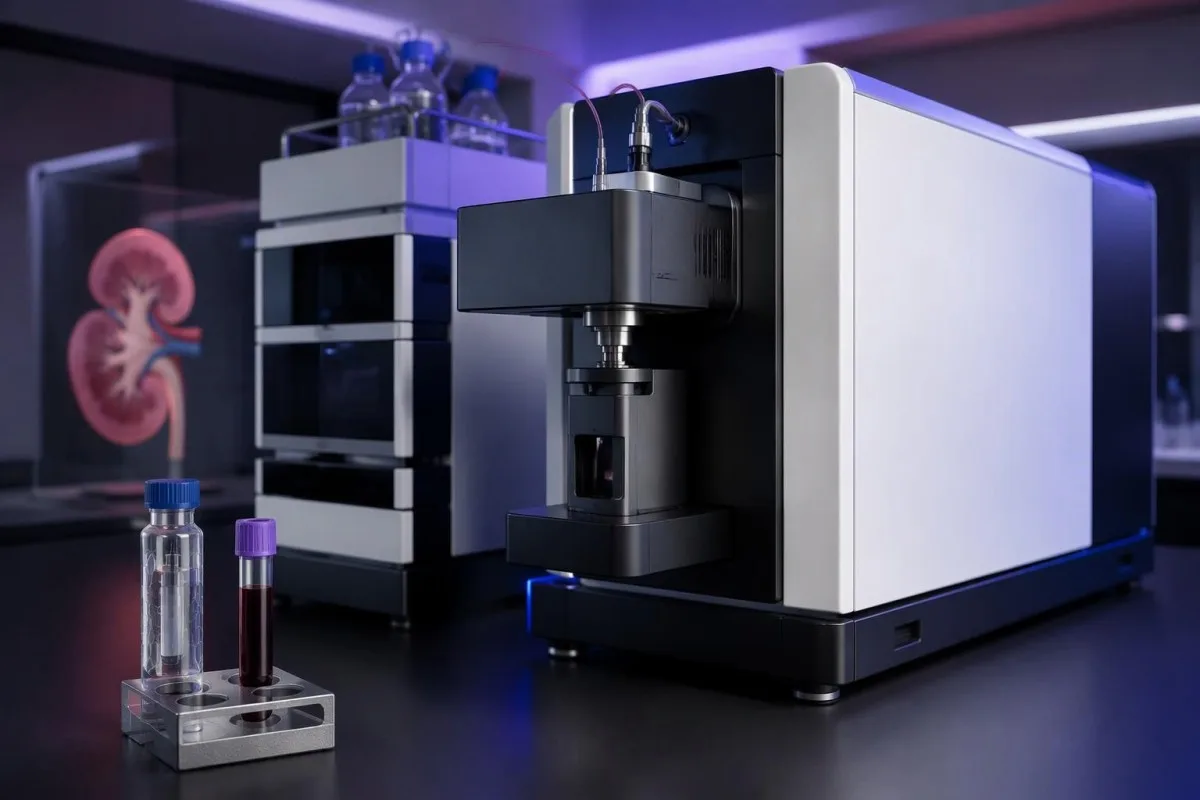
Liquid chromatography–tandem mass spectrometry, abbreviated LC-MS/MS, is a reference approach for everolimus measurement, while some laboratories use immunoassays. Method-dependent bias can occur, including differences in metabolite cross-reactivity, so an apparent shift from 6 to 8 ng/mL after changing laboratories deserves a method check before anyone assumes that drug exposure increased by one-third.
Whole-blood concentrations also depend partly on distribution into cellular elements, meaning a large hematocrit change may alter the relationship between the measured value and circulating drug exposure. There is no routine patient-applied hematocrit correction formula for an everolimus result of 4 ng/mL; our ಮುಕ್ತ ಮತ್ತು ಒಟ್ಟು ಫೆನಿಟೋಯಿನ್ ಮಾರ್ಗದರ್ಶಿ explains why specimen biology differs across monitored drugs.
Kantesti can help organize 3 report details—the analyte name, units and laboratory interval—but an uploaded report does not reveal an undocumented dose time or assay change. Our ಮೌಲ್ಯೀಕರಣ ಮತ್ತು ಮೇಲ್ವಿಚಾರಣಾ ಚೌಕಟ್ಟು describes interpretation standards; it does not mean that AI performs the everolimus assay or replaces a transplant pharmacist's assessment of unexpected concentrations.
ಯಾವ ಔಷಧಿಗಳು ಎವೆರೋಲಿಮಸ್ ಮಟ್ಟವನ್ನು ಹೆಚ್ಚಿಸಬಹುದು ಅಥವಾ ಕಡಿಮೆ ಮಾಡಬಹುದು?
Medicines that inhibit CYP3A4 or P-glycoprotein can raise everolimus exposure, while enzyme-inducing medicines can lower it. Strong inhibitors such as certain azole antifungals and ritonavir-containing treatments may require avoidance or specialist management; even a 5-day course can matter for a twice-daily transplant regimen.
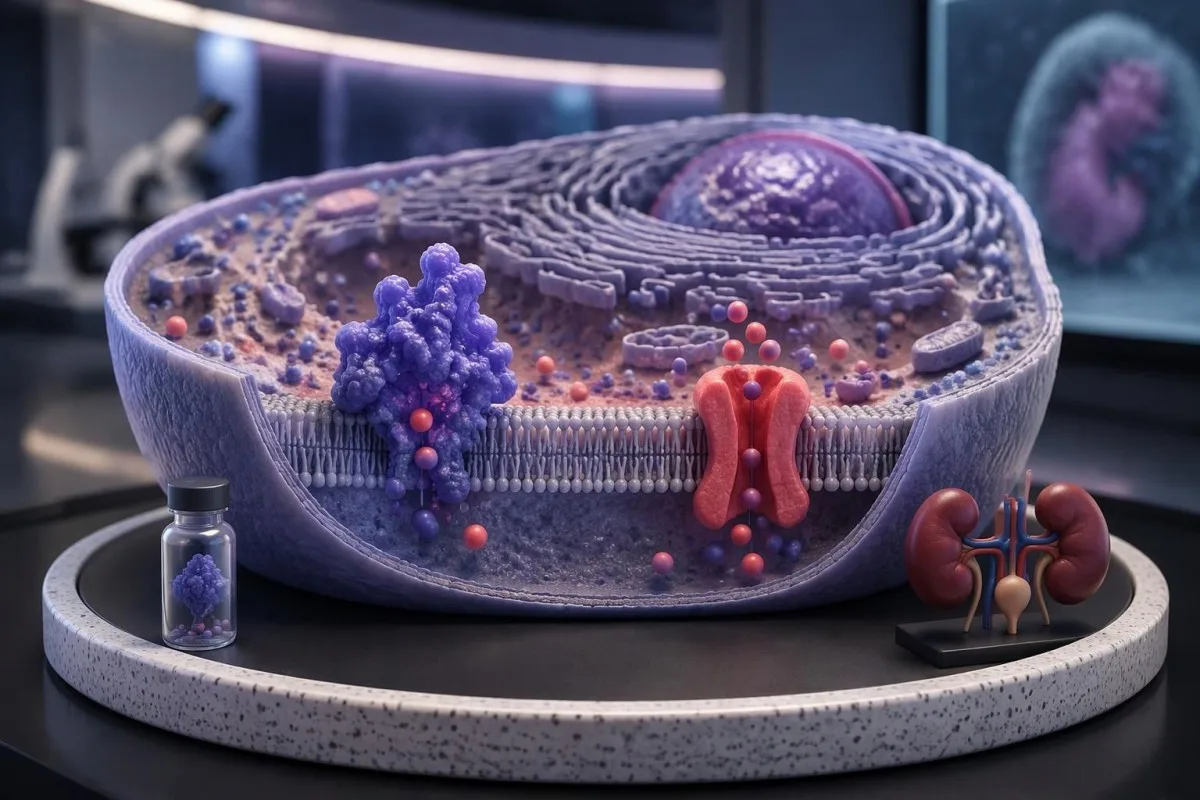
Examples that can raise exposure include voriconazole, posaconazole, itraconazole, clarithromycin and ritonavir or cobicistat; fluconazole, diltiazem and verapamil can also be relevant. The effect is not identical for every drug or person, and a previous concentration of 5 ng/mL does not predict safety after an inhibitor starts; our voriconazole monitoring guide covers the antifungal's own monitoring needs.
Rifampicin, carbamazepine, phenytoin, phenobarbital and St John's wort can reduce everolimus exposure through induction, although onset and recovery depend on the particular medicine. Starting an inducer may lower a previously acceptable 6 ng/mL trough, while stopping it may subsequently raise concentrations; tell the team about both actions rather than reporting only the new prescription.
Cyclosporine can increase everolimus exposure, so changes to its dose can alter the everolimus concentration even when the everolimus prescription stays the same. Before starting 1 new antibiotic, antifungal, antiviral or supplement, ask the transplant service or pharmacist to check the complete regimen—including tacrolimus, cyclosporine and nonprescription products—rather than checking each medicine separately.
ಆಹಾರ, ಯಕೃತ್ತಿನ ಕಾರ್ಯ ಮತ್ತು ಹೊಟ್ಟೆಯ ಕಾಯಿಲೆ ಫಲಿತಾಂಶಗಳ ಮೇಲೆ ಹೇಗೆ ಪರಿಣಾಮ ಬೀರುತ್ತವೆ?
Food consistency, liver impairment and gastrointestinal illness can change everolimus exposure or make a result harder to interpret. Take each prescribed dose consistently with or without food, avoid grapefruit unless your specialist explicitly advises otherwise, and report vomiting or persistent diarrhea even when the latest concentration was within 3–8 ng/mL.
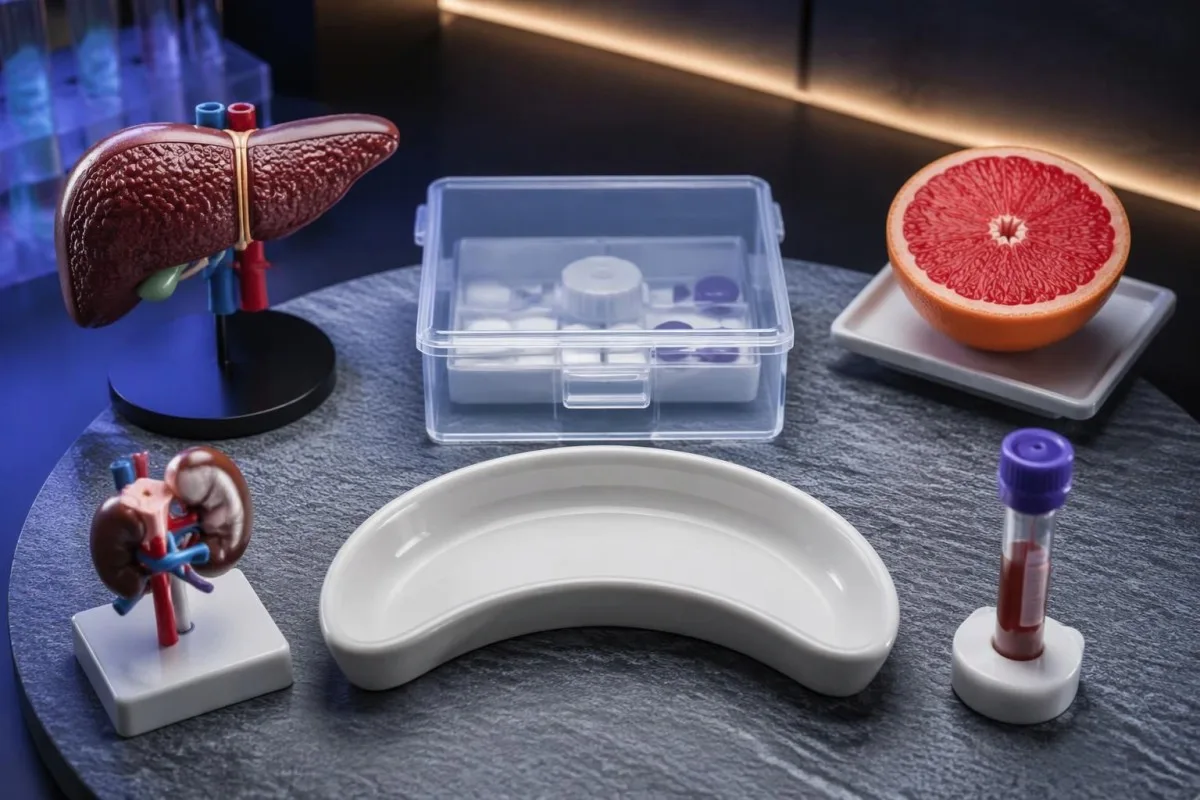
Food can alter everolimus absorption, so switching between fasting doses and doses with substantial meals can introduce variability without any prescription change. A practical record includes whether each of the previous 2 doses was taken with food; do not begin taking it fasting to 'improve' a low result, because that changes the exposure pattern your team is trying to assess.
Liver impairment can reduce everolimus clearance and may require indication-specific clinician-directed dose reduction, whereas reduced kidney filtration alone does not explain clearance in the same way. A change from 5 to 9 ng/mL therefore deserves a review of liver status and interacting medicines as well as kidney results; avoid unreviewed products marketed for kidney supplement support.
Diarrhea and vomiting can disrupt absorption, medication retention, hydration and the overall transplant regimen, but they do not reliably move everolimus concentrations in one predictable direction. If illness lasts more than 24 hours, or you cannot retain a scheduled dose, contact the team promptly; our norovirus recovery guidance should not substitute for transplant-specific advice.
ನಿಮ್ಮ ಎವೆರೋಲಿಮಸ್ ಮಟ್ಟ ತುಂಬಾ ಹೆಚ್ಚಿದ್ದರೆ ಏನು ಮಾಡಬೇಕು?
ಒಂದು everolimus level too high means the measured concentration exceeds your prescribed target—not that one universal number proves poisoning. If your target is 3–8 ng/mL and a correctly collected trough is 12 ng/mL, contact the transplant team promptly for timing, interaction, symptom and laboratory review without independently withholding or reducing treatment.
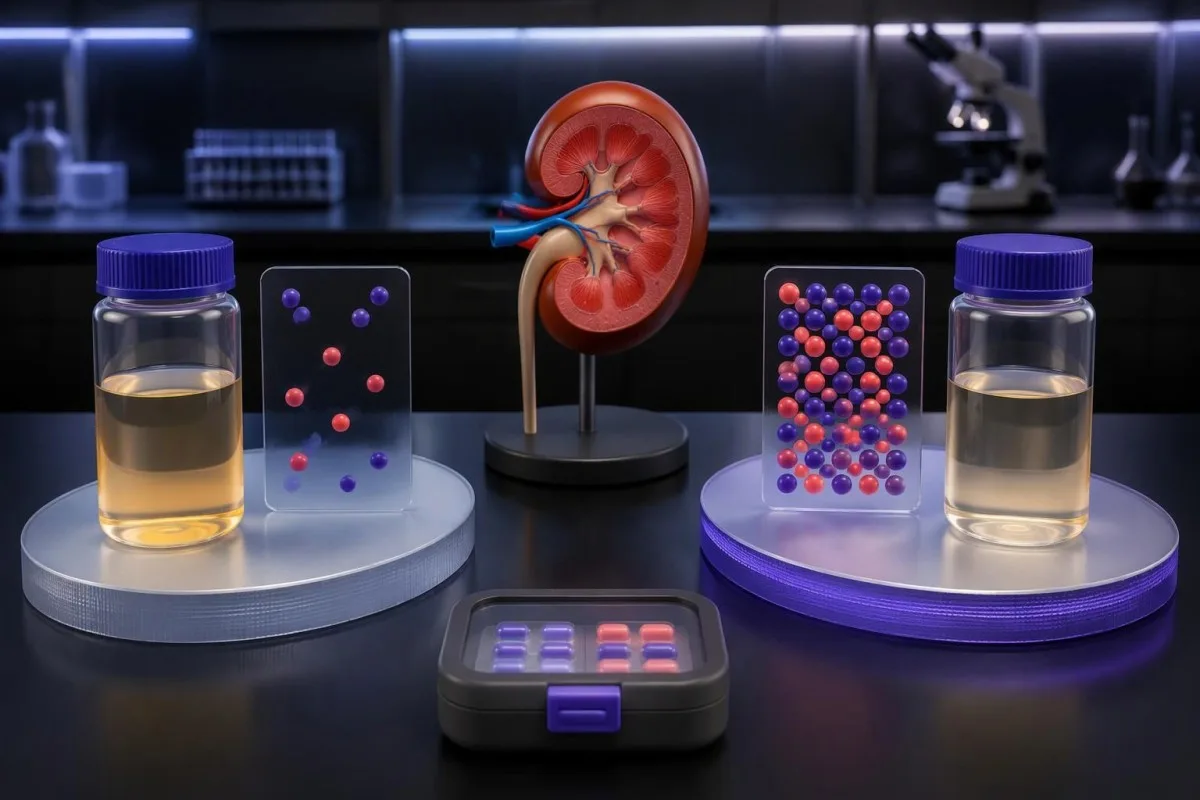
A value of 8.4 ng/mL is only 0.4 ng/mL above an 8 ng/mL upper target and does not carry the same context as a sudden rise from 5 to 16 ng/mL. There is no universally accepted emergency cutoff that applies to every transplant regimen; the direction of change, collection accuracy, symptoms and other immunosuppressants determine how urgently the team responds.
Everolimus can cause mouth sores, low blood counts, proteinuria, increased lipids, hyperglycemia, impaired healing and noninfectious pneumonitis, including at concentrations within the intended range. New thirst or frequent urination warrants glucose assessment rather than assuming the trough explains everything; our high-glucose warning signs distinguish routine follow-up from symptoms that require urgent evaluation.
ಕಾಂತೆಸ್ಟಿ ಒಬ್ಬ AI ರಕ್ತ ಪರೀಕ್ಷೆ ವರದಿ ಅರ್ಥ ಪ್ಲಾಟ್ಫಾರ್ಮ್ that can help compare a reported 12 ng/mL concentration with accompanying uploaded results, but cannot decide whether the next dose should be held. Fever of 38°C or higher, new breathlessness, severe weakness, markedly reduced urine output or inability to keep medicines down warrants urgent clinical contact; severe breathing difficulty requires emergency care regardless of the trough.
ಎವೆರೋಲಿಮಸ್ನ ಟ್ರಫ್ ಮಟ್ಟ ಕಡಿಮೆಯಿದ್ದರೆ ಅದು ಕಸಿ ನಿರಾಕರಣೆಯನ್ನು ಸೂಚಿಸುತ್ತದೆಯೇ?
A low everolimus trough can indicate insufficient exposure when it falls below your protocol's lower target, but it does not diagnose rejection. For a regimen targeting 3–8 ng/mL, a genuine 2.2 ng/mL trough should prompt timely transplant-team review of adherence, timing, interactions and the complete immunosuppressive regimen.
A missed dose, an inducer such as rifampicin, inconsistent food intake or a delayed collection can each contribute to a low result. If a hypothetical recipient's usual trough is 4.5 ng/mL and the new result is 2.2 ng/mL, the useful first step is reconstructing events—not assuming the prescribed dose suddenly stopped working or taking an extra tablet.
Rejection assessment depends on graft function, symptoms and organ-specific investigations; a kidney recipient may need creatinine trends, urine testing, imaging or specialist tissue assessment. A rise in creatinine plus a 2 ng/mL trough raises concern, but dehydration, obstruction and other causes remain possible, so the transplant service decides which tests can distinguish them.
Increasing immunosuppression can worsen some viral complications, which is why a low trough cannot be managed separately from the rest of the record. Our BK virus graft-risk guide explains a setting where graft dysfunction and treatment intensity must be balanced; do not double 1 dose or change tacrolimus to compensate for an isolated everolimus result.
ಎವೆರೋಲಿಮಸ್ ಮೇಲ್ವಿಚಾರಣೆಯನ್ನು ಹೆಚ್ಚು ಸುರಕ್ಷಿತಗೊಳಿಸುವ ಇತರ ಪರೀಕ್ಷೆಗಳು ಯಾವುವು?
Everolimus safety monitoring commonly includes blood counts, kidney function, urine protein, liver tests, glucose and lipids, alongside the trough and companion-drug levels. A 5 ng/mL concentration within a 3–8 ng/mL target does not rule out cytopenias, proteinuria, metabolic adverse effects or a problem caused by combined immunosuppression.
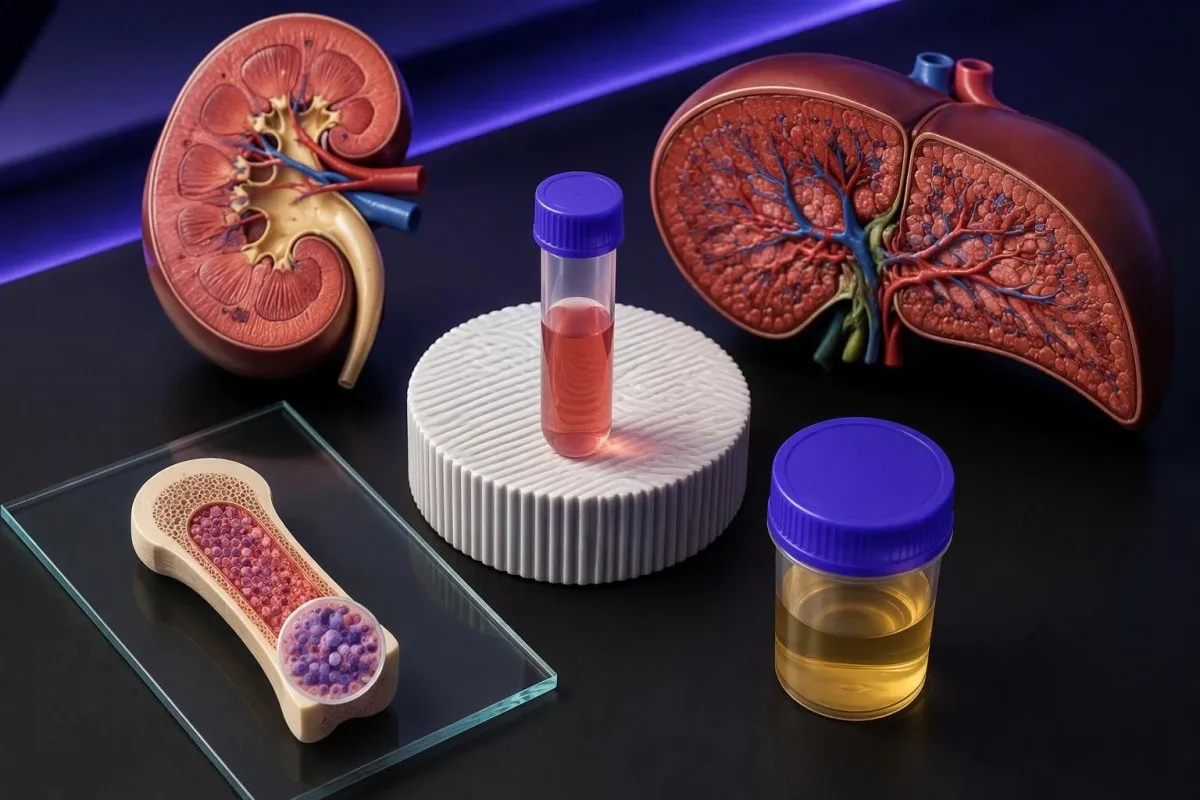
Persistent urine protein can require assessment even when creatinine changes little, and a urine albumin-to-creatinine ratio of 30 mg/g marks increased albumin excretion under general kidney classification. That threshold is not an automatic everolimus stopping rule; the team may use albumin or total-protein ratios, trends and graft context, while our ನಿರಂತರ ನೊರೆ ಮೂತ್ರ ಮಾರ್ಗದರ್ಶಿ explains why appearance alone is insufficient.
De Simone et al. (2012) tested everolimus targeting 3–8 ng/mL with reduced tacrolimus after liver transplantation and found better kidney-function outcomes than standard tacrolimus exposure in the studied setting. This supports a deliberately coordinated regimen, not independent calcineurin-inhibitor withdrawal; our ಮೂತ್ರಪಿಂಡದ ಕಾರ್ಯದ ಅನುಪಾತ ಮಾರ್ಗದರ್ಶಿ provides background, but cannot identify the cause of graft dysfunction by itself.
A platelet decline from 180 to 70 × 10⁹/L combined with rising creatinine and evidence of red-cell fragmentation would need urgent investigation, including consideration of thrombotic microangiopathy. Those hypothetical values are not diagnostic thresholds, and other medicines or illnesses can be responsible; our ತುರ್ತು ಸ್ಕಿಸ್ಟೋಸೈಟ್ ವ್ಯಾಖ್ಯಾನ explains why a normal everolimus trough cannot make this pattern safe to ignore.
ಕ್ಯಾನ್ಸರ್ ಚಿಕಿತ್ಸೆಯಲ್ಲಿ ಕಸಿ ಗುರಿಗಳನ್ನು ಸ್ವಯಂಚಾಲಿತವಾಗಿ ಏಕೆ ಬಳಸಬಾರದು?
Cancer treatment should not automatically use the transplant 3–8 ng/mL everolimus target, because treatment goals, doses, formulations and supporting evidence differ. Many oncology regimens use a prescribed once-daily dose and adjust for adverse effects, interactions and liver function rather than routinely titrating every patient to a transplant trough interval.
Baselga et al. (2012), in the BOLERO-2 trial published in The New England Journal of Medicine, studied everolimus 10 mg daily with exemestane in a defined advanced breast-cancer population. That trial supports an indication-specific treatment strategy, not a universal concentration goal; a cancer patient's result above 8 ng/mL cannot be labeled excessive solely because a transplant report prints that upper boundary.
Exposure-response studies suggest potential roles for individualized oncology monitoring, but evidence has not established one universally accepted routine trough target across cancers. Separate noncancer indications also illustrate the difference: product labeling uses concentration-guided treatment targeting 5–15 ng/mL in certain tuberous-sclerosis-associated settings, and that interval must not be borrowed for cancer or transplantation without specialist direction.
A hypothetical oncology patient with a 9 ng/mL concentration needs the oncologist to review why the test was ordered, whether it was a true 24-hour predose sample and whether adverse effects are present. Our chemotherapy testing distinctions explain a different medicine-specific safety test; drug monitoring, pharmacogenetics and toxicity grading are not interchangeable routes to a self-selected dose.
ಸಮಯ ಮತ್ತು ಔಷಧಿ ಪರಸ್ಪರ ಕ್ರಿಯೆಗಳು ಅದೇ ಸಂಖ್ಯಾತ್ಮಕ ಫಲಿತಾಂಶವನ್ನು ಹೇಗೆ ಬದಲಾಯಿಸುತ್ತವೆ?
The same everolimus concentration can mean different things when the dose interval, indication or interacting medicines differ. Kantesti is an AI-ಚಾಲಿತ ರಕ್ತ ಪರೀಕ್ಷೆ ವಿಶ್ಲೇಷಣೆ ಸಾಧನ that can help organize these distinctions around a reported 10 ng/mL result, but only the treating team can translate the clinical context into a dosing decision.
Hypothetical example 1: a kidney recipient targeting 3–8 ng/mL has a 10 ng/mL result collected 12 hours after the last dose, several days after starting clarithromycin. That combination suggests a plausible interaction-related rise requiring prompt review; a mouth-sore history, blood count and companion-drug level would influence the clinician's decision more than the number alone.
Hypothetical example 2: another recipient has 10 ng/mL collected 1 hour after taking the morning dose, while their previous genuine trough was 5 ng/mL. The two results should not be plotted as equivalent troughs; our ಔಷಧಿ-ಸುರಕ್ಷತಾ ಪ್ರವೃತ್ತಿ ಕಾರ್ಯವಿಧಾನ explains why sample annotations matter before interpreting a line rising on a chart.
Kantesti AI can support a record containing 4 fields—dose, previous-dose time, collection time and target—while our AI ತಂತ್ರಜ್ಞಾನದ ವಿವರಣೆ describes the broader interpretation workflow. A proportional calculation such as reducing a dose by 50% because a level doubled ignores timing errors, interactions and graft risk, so it is not a safe patient dosing method.
ಸಂಶೋಧನಾ ಪ್ರಕಟಣೆಗಳು ಮತ್ತು ಸುರಕ್ಷಿತ ಕಸಿ ಅನುಸರಣಾ ಪರಿಶೀಲನಾಪಟ್ಟಿ
The strongest evidence for interpreting everolimus comes from drug-monitoring consensus guidance and indication-specific trials, not from general laboratory articles. Before acting on a result such as 9 ng/mL, obtain your prescribed target, verify collection timing and ask your transplant service for explicit next-dose and repeat-test instructions.
Send the service 5 essentials: the result and units, prescribed regimen, last-dose time, collection time and recent medicine or illness changes. Ask whether the sample is interpretable, what to take next and when to repeat it; the Shipkova et al. (2016) consensus and indication-specific trials provide clinical background, but none makes an unexplained high flag a patient-directed dosing instruction.
The 2 Zenodo publications listed below address coagulation and serum proteins, not everolimus pharmacokinetics, transplant target validation or oncology dose selection. Our ಸೀರಮ್-ಪ್ರೋಟೀನ್ ವ್ಯಾಖ್ಯಾನ ಮಾರ್ಗದರ್ಶಿ may help explain accompanying albumin results, but these background resources should not be cited as evidence that 3–8 ng/mL is appropriate for a particular recipient.
Kantestiನ ವೈದ್ಯಕೀಯ ವಿಷಯದ ಮಾನದಂಡಗಳು distinguish educational interpretation from prescribing; this article cannot confirm that an individual 6 ng/mL result is correctly timed or clinically safe. Keep the transplant service's daytime and out-of-hours contact details available, and obtain urgent help for fever, breathing changes or inability to retain immunosuppression rather than waiting for another concentration.
ಆಗಾಗ್ಗೆ ಕೇಳಲಾಗುವ ಪ್ರಶ್ನೆಗಳು
ಕಸಿ ನಂತರದ ಎವೆರೋಲಿಮಸ್ನ ಗುರಿ ಟ್ರಫ್ ಮಟ್ಟ ಎಷ್ಟು?
An everolimus trough target of 3–8 ng/mL in whole blood is commonly used in selected kidney and liver transplant regimens and some heart-transplant protocols. Your personal target depends on the transplanted organ, accompanying immunosuppressants, postoperative phase and local protocol. A laboratory's printed range is not automatically your prescribed target. Ask the transplant team to confirm the interval before interpreting a flagged result or considering any treatment change.
ಎವೆರೋಲಿಮಸ್ನ ಡೋಸ್ ನೀಡಿದ ಎಷ್ಟು ಗಂಟೆಗಳ ನಂತರ ಅದರ ಮಟ್ಟವನ್ನು ಪರೀಕ್ಷಿಸಬೇಕು?
An everolimus trough should be collected immediately before the next scheduled dose, usually approximately 12 hours after the previous dose for a twice-daily transplant regimen. If a specialist requests a trough during once-daily treatment, the expected interval is generally approximately 24 hours. Follow the team's instructions about taking the next dose after collection, and report both actual dose and collection times. A sample taken after dosing should not be treated as an ordinary predose trough.
ಎವೆರೋಲಿಮಸ್ ಮಟ್ಟ 10 ng/mL ತುಂಬಾ ಹೆಚ್ಚಿದೆಯೇ?
0. ನೀವು ನಿಗದಿಪಡಿಸಲಾದ ಪೂರ್ಣ-ರಕ್ತ ಟ್ರಫ್ ಮಟ್ಟದ ವ್ಯಾಪ್ತಿ 3–8 ng/mL ಆಗಿದ್ದರೆ, 10 ng/mL ಎವೆರೋಲಿಮಸ್ ಮಟ್ಟವು ಗುರಿಗಿಂತ ಹೆಚ್ಚಾಗಿದೆ; ಆದರೆ ಇದು ಎಲ್ಲರಿಗೂ ಅನ್ವಯಿಸುವ ವಿಷಕಾರಿತ್ವದ ಮಿತಿಯಲ್ಲ. ಡೋಸ್ ನೀಡುವ ಮೊದಲು ತೆಗೆದ ನಿಜವಾದ ಮಾದರಿಯ ಫಲಿತಾಂಶಕ್ಕೂ, ಡೋಸ್ ನೀಡಿದ 1–2 ಗಂಟೆಗಳ ನಂತರ ಸಂಗ್ರಹಿಸಿದ ಮಾದರಿಯ ಫಲಿತಾಂಶಕ್ಕೂ ಬೇರೆ ಅರ್ಥವಿರುತ್ತದೆ. ಮಾದರಿ ಸಂಗ್ರಹಿಸಿದ ಸಮಯ, ಪರಸ್ಪರ ಕ್ರಿಯೆ ಉಂಟುಮಾಡುವ ಔಷಧಿಗಳು, ಲಕ್ಷಣಗಳು ಮತ್ತು ಇತರ ಪ್ರಯೋಗಾಲಯದ ಫಲಿತಾಂಶಗಳನ್ನು ಪರಿಶೀಲಿಸಲು ತಕ್ಷಣವೇ ನಿಮ್ಮ ಕಸಿ ತಂಡವನ್ನು ಸಂಪರ್ಕಿಸಿ. ಮುಂದಿನ ಡೋಸ್ ಅನ್ನು ಸ್ವತಃ ಬಿಟ್ಟುಬಿಡಬೇಡಿ, ಕಡಿಮೆ ಮಾಡಬೇಡಿ ಅಥವಾ ವಿಭಜಿಸಬೇಡಿ; ಮಟ್ಟ ಏನೇ ಇರಲಿ, ತೀವ್ರ ಉಸಿರಾಟದ ತೊಂದರೆ ಅಥವಾ ಇತರ ಗಂಭೀರ ಲಕ್ಷಣಗಳಿದ್ದರೆ ತುರ್ತು ಚಿಕಿತ್ಸೆ ಪಡೆಯಿರಿ.
ಎವೆರೋಲಿಮಸ್ನ ಕಡಿಮೆ ಮಟ್ಟವು ನನ್ನ ಕಸಿ ಅಂಗವನ್ನು ದೇಹವು ತಿರಸ್ಕರಿಸುತ್ತಿದೆ ಎಂದರ್ಥವೇ?
3–8 ng/mL ಬಳಸುವ ಚಿಕಿತ್ಸಾ ಕ್ರಮದಲ್ಲಿ ಎವೆರೊಲಿಮಸ್ನ ಕನಿಷ್ಠ ಸಾಂದ್ರತೆಯು 3 ng/mLಗಿಂತ ಕಡಿಮೆಯಿದ್ದರೆ ಔಷಧಿಗೆ ಒಡ್ಡಿಕೊಳ್ಳುವಿಕೆ ಸಾಕಷ್ಟಿಲ್ಲವೆಂದು ಸೂಚಿಸಬಹುದು; ಆದರೆ ಈ ಫಲಿತಾಂಶವು ನಿರಾಕರಣೆಯನ್ನು ನಿರ್ಣಯಿಸುವುದಿಲ್ಲ. ತಪ್ಪಿಹೋದ ಡೋಸ್ಗಳು, ಮಾದರಿ ಸಂಗ್ರಹದಲ್ಲಿ ವಿಳಂಬ, ವಾಂತಿ ಮತ್ತು ಎಂಜೈಮ್ಗಳನ್ನು ಪ್ರೇರೇಪಿಸುವ ಔಷಧಿಗಳೂ ಕಡಿಮೆ ಸಾಂದ್ರತೆಗೆ ಕಾರಣವಾಗಬಹುದು. ಕಸಿ ಸೇವೆಯು ಆಯ್ಕೆಮಾಡುವ ಕಸಿ ಅಂಗದ ಕಾರ್ಯನಿರ್ವಹಣೆಯ ಪ್ರವೃತ್ತಿಗಳು ಮತ್ತು ಅಂಗ-ನಿರ್ದಿಷ್ಟ ತನಿಖೆಗಳ ಆಧಾರದ ಮೇಲೆ ನಿರಾಕರಣೆಯನ್ನು ನಿರ್ಣಯಿಸಬೇಕು. ಹೆಚ್ಚುವರಿ ಡೋಸ್ ತೆಗೆದುಕೊಳ್ಳುವ ಅಥವಾ ಮತ್ತೊಂದು ರೋಗನಿರೋಧಕ-ನಿಗ್ರಹಕ ಔಷಧಿಯನ್ನು ಬದಲಾಯಿಸುವ ಬದಲು, 2.2 ng/mLನಂತಹ ಫಲಿತಾಂಶವನ್ನು ತಕ್ಷಣ ವರದಿ ಮಾಡಿ.
ಡೋಸ್ ಬದಲಿಸಿದ ನಂತರ ಎವೆರೋಲಿಮಸ್ ಮಟ್ಟಗಳನ್ನು ಎಷ್ಟು ಬೇಗ ಮರುಪರಿಶೀಲಿಸಬೇಕು?
Everolimus concentrations are commonly rechecked around 4–5 days after a clinician-directed dose change, when exposure is approaching the new steady state. The medicine's average half-life is roughly 30 hours, so a sample after only 1 day may still reflect the previous regimen substantially. Suspected toxicity, a major interaction or an unstable clinical situation can justify earlier or additional testing. Your transplant team should specify both the collection date and what to take while waiting.
ಕ್ಯಾನ್ಸರ್ಗಾಗಿ ಎವೆರೋಲಿಮಸ್ ತೆಗೆದುಕೊಳ್ಳುವವರಿಗೆ 3–8 ng/mL ಟ್ರಫ್ ಮಟ್ಟ ಅಗತ್ಯವಿದೆಯೇ?
0 ಕ್ಯಾನ್ಸರ್ಗಾಗಿ ಎವೆರೋಲಿಮಸ್ ತೆಗೆದುಕೊಳ್ಳುವವರಿಗೆ, ಕಸಿ ಚಿಕಿತ್ಸೆಯ ಟ್ರಫ್ ಗುರಿಯಾದ 3–8 ng/mL ಅನ್ನು ಸ್ವಯಂಚಾಲಿತವಾಗಿ ನಿಗದಿಪಡಿಸಬಾರದು. ಅನೇಕ ಆಂಕಾಲಜಿ ಚಿಕಿತ್ಸಾ ಕ್ರಮಗಳು, BOLERO-2 ಅಧ್ಯಯನದಲ್ಲಿ ಪರೀಕ್ಷಿಸಲಾದ ದಿನಕ್ಕೆ ಒಮ್ಮೆ 10 mg ಡೋಸ್ನಂತಹ, ನಿರ್ದಿಷ್ಟ ಸೂಚನೆಗೆ ಅನುಗುಣವಾದ ದಿನನಿತ್ಯದ ಡೋಸ್ಗಳನ್ನು ಬಳಸುತ್ತವೆ; ಅಡ್ಡಪರಿಣಾಮಗಳು, ಔಷಧಿಗಳ ಪರಸ್ಪರ ಕ್ರಿಯೆಗಳು ಮತ್ತು ಯಕೃತ್ತಿನ ಕಾರ್ಯವನ್ನು ಆಧರಿಸಿ ವೈದ್ಯರು ಡೋಸ್ನಲ್ಲಿ ಬದಲಾವಣೆ ಮಾಡುತ್ತಾರೆ. ಎಲ್ಲ ಕ್ಯಾನ್ಸರ್ಗಳಿಗೂ ಅನ್ವಯಿಸುವಂತೆ, ದಿನನಿತ್ಯದ ಟ್ರಫ್ ಮಟ್ಟಕ್ಕೆ ಸಾರ್ವತ್ರಿಕವಾಗಿ ಅಂಗೀಕರಿಸಲಾದ ಒಂದೇ ಗುರಿ ಇಲ್ಲ. ಆಂಕಾಲಜಿಸ್ಟ್ ಔಷಧದ ಸಾಂದ್ರತೆಯನ್ನು ಅಳೆಯಲು ಸೂಚಿಸಿದರೆ, ಅದನ್ನು ಏಕೆ ಅಳೆಯಲಾಗಿದೆ ಮತ್ತು ಯಾವ ವ್ಯಾಖ್ಯಾನ ಚೌಕಟ್ಟು ಅನ್ವಯಿಸುತ್ತದೆ ಎಂದು ಕೇಳಿ.
ಯಾವ ಔಷಧಿಗಳು ಎವೆರೋಲಿಮಸ್ ಟ್ರಫ್ ಮಟ್ಟವನ್ನು ಹೆಚ್ಚಿಸಬಹುದು?
ಕೆಲವು ಅಜೋಲ್ ಶಿಲೀಂಧ್ರನಾಶಕಗಳು, ಕ್ಲ್ಯಾರಿಥ್ರೊಮೈಸಿನ್ ಮತ್ತು ರಿಟೋನಾವಿರ್ ಹೊಂದಿರುವ ಔಷಧಿಗಳು ಸೇರಿದಂತೆ, CYP3A4 ಅಥವಾ P-glycoprotein ಪ್ರತಿರೋಧಕಗಳಿಂದ ಎವೆರೋಲಿಮಸ್ನ ಒಡ್ಡಿಕೊಳ್ಳುವಿಕೆ ಹೆಚ್ಚಾಗಬಹುದು. ಡಿಲ್ಟಿಯಾಜೆಮ್, ವೆರಪಾಮಿಲ್, ಫ್ಲುಕೊನಜೋಲ್ ಮತ್ತು ಸೈಕ್ಲೋಸ್ಪೊರಿನ್ ಕೂಡ ಸಂಬಂಧಿಸಿರಬಹುದು, ಆದರೂ ಪರಿಣಾಮವು ಔಷಧಿ ಮತ್ತು ವ್ಯಕ್ತಿಯನ್ನು ಅವಲಂಬಿಸಿ ಬದಲಾಗುತ್ತದೆ. ಕೇವಲ 5 ದಿನಗಳ ಔಷಧದ ಚೀಟಿಯೂ ಹಿಂದೆ ಸ್ಥಿರವಾಗಿದ್ದ 5 ng/mL ಟ್ರಫ್ ಮಟ್ಟವನ್ನು ಅಸ್ಥಿರಗೊಳಿಸಬಹುದು. ಹೊಸ ಔಷಧದ ಚೀಟಿಗಳು ಮತ್ತು ಪೂರಕಗಳನ್ನು ಆರಂಭಿಸುವ ಮೊದಲು ಅವುಗಳ ಬಗ್ಗೆ ಕಸಿ ಸೇವಾ ತಂಡ ಅಥವಾ ಔಷಧಿಕಾರರೊಂದಿಗೆ ಪರಿಶೀಲಿಸಿ; ಪರಸ್ಪರ ಕ್ರಿಯೆ ಉಂಟುಮಾಡುವ ಚಿಕಿತ್ಸೆಯನ್ನು ನಿಲ್ಲಿಸಿದಾಗಲೂ ತಿಳಿಸಿ.
ನಿಮ್ಮ ರಕ್ತ ಪರೀಕ್ಷೆ ಫಲಿತಾಂಶಗಳನ್ನು ವಿವರಿಸಿಕೊಳ್ಳಿ
ನಿಮ್ಮ ಪ್ರಯೋಗಾಲಯ ವರದಿಯನ್ನು ಅಪ್ಲೋಡ್ ಮಾಡಿ; Kantestiಯ AI ಕೆಲವೇ ಸೆಕೆಂಡುಗಳಲ್ಲಿ ಪ್ರತಿಯೊಂದು ಜೈವಿಕ ಸೂಚಕವನ್ನು ಸರಳ ಭಾಷೆಯಲ್ಲಿ ವಿವರಿಸುತ್ತದೆ. ವಿಶ್ವದಾದ್ಯಂತ 2 ದಶಲಕ್ಷಕ್ಕೂ ಹೆಚ್ಚು ಜನರು ಬಳಸಿದ್ದಾರೆ.
ಉಲ್ಲೇಖಗಳು
- Klein, T., Mitchell, S., & Weber, H. (2026). aPTT ಸಾಮಾನ್ಯ ವ್ಯಾಪ್ತಿ: D-Dimer, Protein C ರಕ್ತ ಹೆಪ್ಪುಗಟ್ಟುವಿಕೆ ಮಾರ್ಗದರ್ಶಿ. Kantesti AI ವೈದ್ಯಕೀಯ ಸಂಶೋಧನೆ. ಡಿಒಐ
- Klein, T., Mitchell, S., & Weber, H. (2026). ಸೀರಮ್ ಪ್ರೋಟೀನ್ಗಳ ಮಾರ್ಗದರ್ಶಿ: ಗ್ಲೋಬ್ಯುಲಿನ್ಗಳು, ಆಲ್ಬ್ಯುಮಿನ್ ಮತ್ತು A/G ಅನುಪಾತದ ರಕ್ತ ಪರೀಕ್ಷೆ. Kantesti AI ವೈದ್ಯಕೀಯ ಸಂಶೋಧನೆ. ಡಿಒಐ
- Shipkova M et al. (2016). Therapeutic Drug Monitoring of Everolimus: A Consensus Report. Therapeutic Drug Monitoring.
- De Simone P et al. (2012). Everolimus with reduced tacrolimus improves renal function in de novo liver transplant recipients: a randomized controlled trial. American Journal of Transplantation. ಡಿಒಐ
- Baselga J et al. (2012). Everolimus in Postmenopausal Hormone-Receptor–Positive Advanced Breast Cancer. ದ ನ್ಯೂ ಇಂಗ್ಲೆಂಡ್ ಜರ್ನಲ್ ಆಫ್ ಮೆಡಿಸಿನ್. ಡಿಒಐ
- 2ಮಿ+ವಿಶ್ಲೇಷಿಸಿದ ಪರೀಕ್ಷೆಗಳು
- 127+ದೇಶಗಳು
- 100+ಭಾಷೆಗಳು
ವೈದ್ಯಕೀಯ ತಂಡದ ಬಗ್ಗೆ


E-E-A-T ವಿಶ್ವಾಸ ಸಂಕೇತಗಳು
ಅನುಭವ
ಲ್ಯಾಬ್ ಅರ್ಥೈಸುವ ಕಾರ್ಯಪ್ರವಾಹಗಳ ಮೇಲೆ ವೈದ್ಯರಿಂದ ನೇತೃತ್ವದ ಕ್ಲಿನಿಕಲ್ ವಿಮರ್ಶೆ.
ಪರಿಣಿತಿ
ಕ್ಲಿನಿಕಲ್ ಸಂದರ್ಭದಲ್ಲಿನ ಬಯೋಮಾರ್ಕರ್ಗಳು ಹೇಗೆ ವರ್ತಿಸುತ್ತವೆ ಎಂಬುದರ ಮೇಲೆ ಪ್ರಯೋಗಾಲಯ ವೈದ್ಯಕೀಯದ ಕೇಂದ್ರೀಕರಣ.
ಅಧಿಕಾರಯುತತೆ
ಡಾ. ಥಾಮಸ್ ಕ್ಲೈನ್ ಅವರ ವೈದ್ಯಕೀಯ ವಿಮರ್ಶೆ; ಡಾ. ಸಾರಾ ಮಿಚೆಲ್ ಮತ್ತು ಪ್ರೊ. ಡಾ. ಹಾನ್ಸ್ ವೆಬರ್ ಅವರ ಕೊಡುಗೆಗಳೊಂದಿಗೆ.
ವಿಶ್ವಾಸಾರ್ಹತೆ
ಎಚ್ಚರಿಕೆಯನ್ನು ಕಡಿಮೆ ಮಾಡಲು ಸ್ಪಷ್ಟವಾದ ಮುಂದಿನ ಹಂತಗಳೊಂದಿಗೆ ಸಾಕ್ಷ್ಯಾಧಾರಿತ ಅರ್ಥೈಸಿಕೆ.






ವೈದ್ಯಕೀಯ ಹಕ್ಕುತ್ಯಾಗ
ಈ ಲೇಖನವು ಕೇವಲ ಶಿಕ್ಷಣ ಉದ್ದೇಶಗಳಿಗಾಗಿ이며 ವೈದ್ಯಕೀಯ ಸಲಹೆಯನ್ನು ನೀಡುವುದಿಲ್ಲ. ರೋಗನಿರ್ಣಯ ಮತ್ತು ಚಿಕಿತ್ಸೆ ನಿರ್ಧಾರಗಳಿಗಾಗಿ ಸದಾ ಅರ್ಹ ಆರೋಗ್ಯ ಸೇವಾ ಪೂರೈಕೆದಾರರನ್ನು ಸಂಪರ್ಕಿಸಿ.
ಪ್ರಕಟಿಸಲಾಗಿದೆ · ಸಂಪಾದಕೀಯ ತಂಡವನ್ನು ಸಂಪರ್ಕಿಸಿ
Kantesti Ltd ಪ್ರಕಟಿಸಿದೆ, ಇಂಗ್ಲೆಂಡ್ ಮತ್ತು ವೇಲ್ಸ್ನಲ್ಲಿ ನೋಂದಾಯಿತವಾಗಿದೆ, ಕಂಪನಿ ಸಂಖ್ಯೆ. 17090423, ಲಂಡನ್, ಯುನೈಟೆಡ್ ಕಿಂಗ್ಡಮ್.
