In dalnivo fan everolimus fan 3–8 ng/mL wurdt by bepaalde transplantaasjeregimen faak as doel steld, meastal op basis fan in stekproef dy't fuort foar de folgjende doasis ôfnommen is. Jo transplantaasjeprotokol, oare medisinen en it tiidstip fan de ôfname bepale wat jo resultaat betsjut; by kankerbehanneling jilde oare dosearprinsipes, en jo moatte de doses net sels feroarje.

Wichtichste punten
- Transplantaasjedoelen brûke faak 3–8 ng/mL yn folslein bloed, mar it oargaan, de byhearrende medisinen en it protokol fan jo team bepale jo persoanlike doelwearde.
- Tiidstip fan ôfname is fuort foar de folgjende plande doasis—likernôch 12 oeren nei de foarige doasis by in regime mei twa doses deis.
- Laboratoariumienheden binne lykweardich as se útdrukt wurde yn ng/mL of µg/L: 5 ng/mL is gelyk oan 5 µg/L.
- Hege resultaten boppe in foarskreaun doelberik fan 3–8 ng/mL freegje om beoardieling troch it transplantaasjeteam; 8 ng/mL is gjin universele need- of toksisiteitsdrompel.
- Lege resultaten ûnder 3 ng/mL kinne wize op ûnfoldwaande bleatstelling by regimen dêr't dy wearde de ûndergrins is, mar stelle gjin diagnoaze fan ôfstjit.
- Werhelle testen komt ornaris foar om 4–5 dagen nei in dosisferoaring op oanrieden fan in klinikus, mei earder of ekstra ûndersyk as de omstannichheden dat fereaskje.
- Ynteraksjes omfetsje azool-antimykotika, claritromycine, medisinen mei ritonavir, rifampicine en guon medisinen tsjin epileptyske oanfallen; it begjinnen of stopjen fan in medisyn mei ynteraksjes kin de konsintraasjes feroarje.
- Kankerbehanneling brûkt net automatysk it transplantaasjeberik fan 3–8 ng/mL; in protte onkologyske behannelingsregimen brûke in deistige dosis spesifyk foar de oantsjutting en oanpassingen op basis fan toksisiteit.
- Dosisfeiligens betsjut dat jo jo transplantaasjeteam freegje wat jo nimme moatte en wannear’t it ûndersyk werhelle wurde moat, yn stee fan sels in dosis oer te slaan, te ferdûbeljen of opnij te berekkenjen.
Wat fertelt in dalnivo fan everolimus jo eins?
In trough-nivo fan everolimus mjit de konsintraasje fan it medisyn yn folslein bloed fuort foar de folgjende dosis, en helpt klinisy de bleatstelling te beoardieljen yn stee fan allinnich de foarskreaune hoemannichte. In útslach fan 5 ng/mL kin passe by in transplantaasjedoel fan 3–8 ng/mL, mar allinnich as it tiidstip fan de bloedôfname en it behannelingsprotokol by dy ynterpretaasje passe.
Deselde dosis everolimus kin by 2 minsken ferskillende konsintraasjes opsmite, om’t opname, levermetabolisme en medisinen mei ynteraksjes ferskille. It trough-nivo is in praktysk ôfnimmomint, gjin folsleine mjitting fan de bleatstelling troch de dei hinne; in befredigjend getal kin ek net bewize dat it transplantearre orgaan normaal funksjonearret of dat der gjin neidielige effekten binne.
By Kantesti meitsje wy ûnderskied tusken it printe referinsjeberik fan it laboratoarium en it doel dat jo team feitlik foarskreaun hat—bygelyks 3–8 ng/mL tsjin in smeller, yndividualisearre berik. Us organisaasje en klinysk doel ferklearje de edukative rol fan ynterpretaasje; de transplantaasjetsjinst bliuwt ferantwurdlik foar it kiezen fan it immunosuppressive behannelingsregimen en it besluten oft in útslach reden is om de behanneling te feroarjen.
Kantesti is in AI bloedtestanalysator dy't helpe kin om in everolimusútslach lykas 5 ng/mL te beoardieljen yn gearhing mei opladen útslaggen fan nierfunksje en bloedtelling, sûnder in dosis foar te skriuwen. As everolimus tegearre mei in oar immunosuppressivum brûkt wurdt, ús hantlieding foar tafersjoch op tacrolimus ferklearret wêrom’t elk medisyn in eigen doel en ynstruksjes foar bloedôfname nedich hat.
Hokker terapeutysk berik fan everolimus jildt foar jo yndikaasje?
De terapeutysk berik fan everolimus dat ornaris brûkt wurdt foar selektearre behannelingsregimen nei in nier- of levertransplantaasje is 3–8 ng/mL yn folslein bloed. Protokollen foar herttransplantaasje yn jurisdiksjes dêr’t dit gebrûk goedkard is, brûke faak in ferlykber berik, mar by longtransplantaasje, strategyen mei fermindere gebrûk fan begeliedende medisinen en oare oantsjuttings binne eksplisite doelen fan in spesjalist nedich.
It konsensusrapport fan Shipkova et al. (2016), publisearre yn Therapeutic Drug Monitoring, stipet it ynterpretearjen fan everolimus-konsintraasjes binnen it folsleine transplantaasjebehannelingsregimen, mei faak in berik fan 3–8 ng/mL by gebrûk fan calcineurineremmers. De ûndergrins jout de soarch oer ûnfoldwaande immunosuppressy wer, wylst de boppegrins helpt om neidielige effekten troch te hege bleatstelling te beheinen; gjin fan beide grinzen is in biologyske ôfgrûn dêr’t de feiligens ynienen feroaret.
Goedkarring en protokollen ferskille ynternasjonaal: de Amerikaanske transplantlabeling omfettet spesifike situaasjes by nier- en levertransplantaasje, wylst de Jeropeeske produktynformaasje ek selektearre gebrûk nei herttransplantaasje omfettet. In laboratoariumberik fan 3–8 ng/mL jout dêrom op himsels net oan om hokker orgaan, bleatstelling oan begeliedende medisinen of postoperative faze it giet, en in sintrum kin om in dokumintearre klinyske reden in oar doel kieze.
Freegje om 3 ynformaasje-items: jo doelberik, de reden wêrom’t it keazen is en it doel foar alle begeliedende calcineurineremmers. It algemiene prinsipe komt ek werom yn ús ynterpretaasje fan de infliximab-troughwearde: terapeutyske berikken hearre by in bepaald medisyn, in bepaalde oantsjutting en in bepaalde ôfnimmestrategy, net by elkenien dy’t dat medisyn nimt.
| Nivo | Berik | Wat it betsjut |
|---|---|---|
| Selektearre behannelingsregimen nei niertransplantaasje | Gewoanwei 3–8 ng/mL | Doel foar folslein bloed foar de dosis, brûkt mei spesifisearre begeliedende immunosuppressive behanneling; befêstigje it protokol fan it sintrum. |
| Selektearre behannelingsregimen nei levertransplantaasje | Gewoanwei 3–8 ng/mL | Often paired with reduced tacrolimus exposure after an appropriate postoperative interval. |
| Selected heart-transplant regimens | Often 3–8 ng/mL | Applicable only where the regimen and local approval support this target. |
| Lung or other specialist transplant regimens | Center-specific | Do not infer an individualized target from another organ's protocol. |
| Kankerbehanneling | No universal transplant-equivalent target | Oncology dosing and adverse-effect management do not automatically use 3–8 ng/mL. |
Wannear moat de stekproef foar everolimus ôfnommen wurde?
Everolimus level timing should place the collection immediately before the next scheduled dose. For a twice-daily transplant regimen, this generally means approximately 12 hours after the previous dose; a specialist-requested trough for a once-daily regimen would generally be approximately 24 hours after the previous dose.
A hypothetical recipient takes everolimus at 08:00 and 20:00, then attends a planned collection just before 08:00 the next morning. The transplant team's usual instruction is to bring the morning dose and take it after collection, but obtain that instruction beforehand; a laboratory delay does not give you permission to postpone immunosuppression indefinitely.
Record the previous dose time, collection time and next dose time as 3 separate entries. A fasting instruction for glucose or lipids is a different issue from trough timing, so confirm whether you should take your usual food afterward and whether other morning medicines have separate instructions; our earste-draw tariedingschecklist helps prevent missing these details.
Scheduling accuracy matters more than an appointment labeled simply 'morning': a 07:00 sample after a 23:00 dose represents an 8-hour interval, not a 12-hour trough. If travel, shift work or another medication makes the standard schedule difficult, arrange a collection plan with the transplant coordinator rather than changing dose times solely to fit the laboratory.
Wat as jo de doasis foar de test nommen hawwe of ien oerslein hawwe?
A sample collected after taking everolimus is not a true predose trough and should not be compared directly with a 3–8 ng/mL trough target. A missed dose or substantially delayed collection also changes interpretation; report the actual times rather than trying to make the result fit the expected interval.
Everolimus commonly reaches peak concentrations around 1–2 hours after an oral dose, although food and individual absorption can change that timing. A hypothetical result of 12 ng/mL collected 90 minutes after dosing could reflect the absorption phase rather than an excessive trough; the team must still review the result and symptoms, not simply dismiss the number.
Missing the evening dose can make an apparently low morning concentration unrepresentative of your usual prescribed regimen, even if the appointment occurs at the expected hour. Give the team a factual account of the last 2–3 days, including vomiting or uncertainty about a dose; a one-time low result cannot distinguish missed treatment from inadequate dosing without that history.
Do not take an extra dose to compensate for a misleading 2 ng/mL result, and do not omit the next dose because a postdose sample looks high. Different medicines have different postdose sampling rules, as our digoxin sample-timing guide illustrates; ask the transplant team whether the collection needs repeating and what to take in the meantime.
Hoe lang nei in dosisferoaring moatte de nivo's opnij kontrolearre wurde?
A routine everolimus level is commonly reassessed around 4–5 days after a clinician-directed dose change, when concentrations are approaching the new steady state. Earlier collections may be appropriate for suspected toxicity or major interactions, but they should be interpreted as transitional measurements rather than final evidence of the new dose's effect.
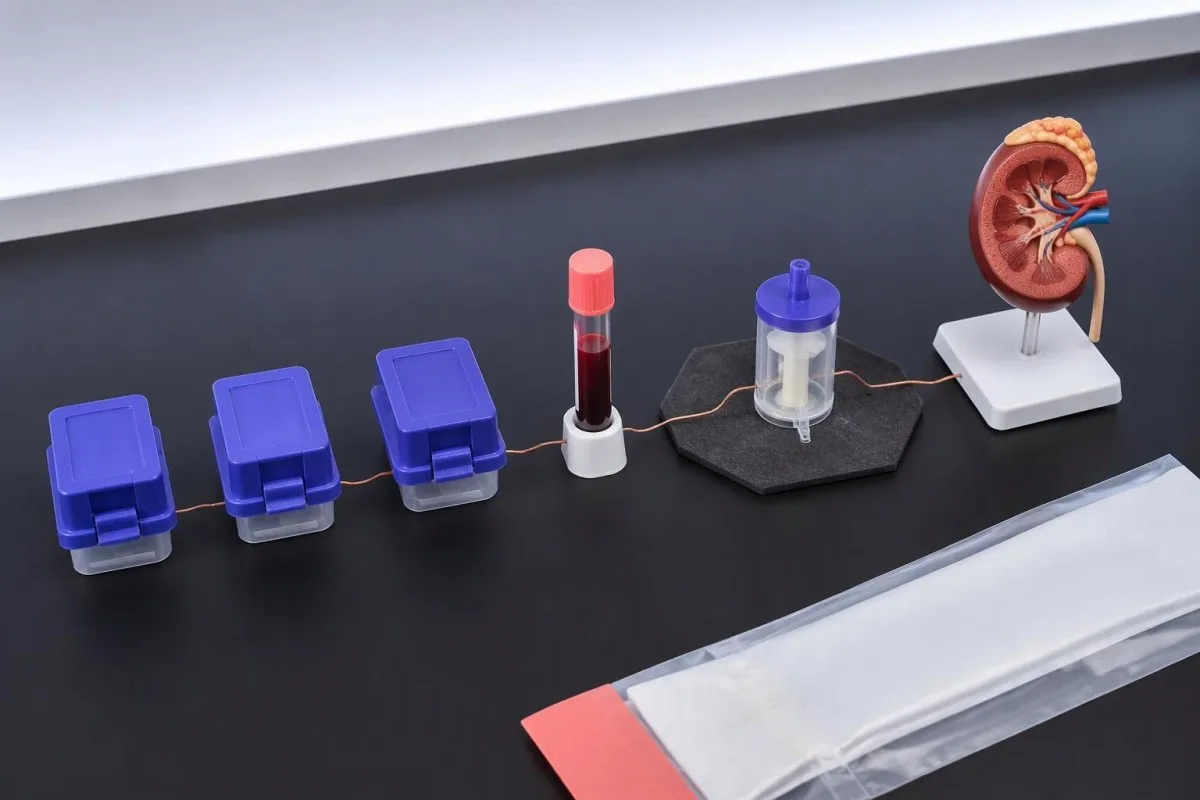
Everolimus has an average elimination half-life of roughly 30 hours, with substantial variation between people. After only 24 hours, a concentration still reflects considerable exposure from the previous regimen, so a second adjustment based solely on that early result can overshoot the intended target; product instructions commonly discourage routine adjustments more frequently than every 4–5 days.
A hypothetical recipient changes dose on Monday and has a predose sample on Tuesday because another test was already booked. That 1-day interval may provide useful safety information, but the transplant team may still request a later level; our blood-test change timeline explains why the biological response and the appointment schedule are not the same thing.
Starting an inhibitor can raise exposure while everolimus is still accumulating, and stopping an inducer can have delayed effects as enzyme activity returns toward baseline. Keep 2 dates in your record—the everolimus dose change and the interacting medicine change—because 'unchanged dose' does not mean unchanged exposure, and the team may need more than one repeat collection.
Wêrom binne it monstertype en de laboratoariummetoade fan belang?
Everolimus transplant monitoring uses folslein bloed, usually collected in an EDTA tube, rather than an interchangeable serum concentration. Results reported in ng/mL and µg/L are numerically equivalent: 6 ng/mL equals 6 µg/L, but values produced by different assay methods may not be directly comparable.
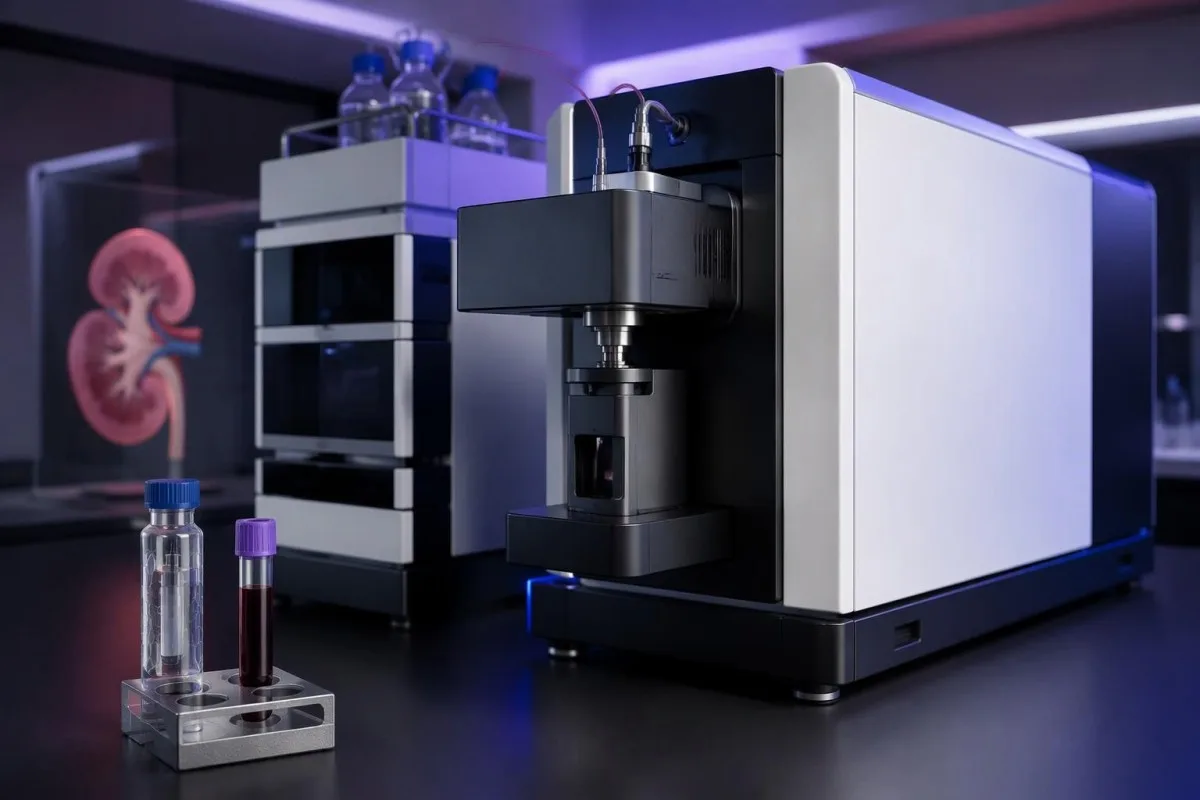
Liquid chromatography–tandem mass spectrometry, abbreviated LC-MS/MS, is a reference approach for everolimus measurement, while some laboratories use immunoassays. Method-dependent bias can occur, including differences in metabolite cross-reactivity, so an apparent shift from 6 to 8 ng/mL after changing laboratories deserves a method check before anyone assumes that drug exposure increased by one-third.
Whole-blood concentrations also depend partly on distribution into cellular elements, meaning a large hematocrit change may alter the relationship between the measured value and circulating drug exposure. There is no routine patient-applied hematocrit correction formula for an everolimus result of 4 ng/mL; our gids oer frij tsjin totaal fenytoïne explains why specimen biology differs across monitored drugs.
Kantesti can help organize 3 report details—the analyte name, units and laboratory interval—but an uploaded report does not reveal an undocumented dose time or assay change. Our ramt foar validaasje en tafersjoch describes interpretation standards; it does not mean that AI performs the everolimus assay or replaces a transplant pharmacist's assessment of unexpected concentrations.
Hokker medisinen kinne de everolimusnivo's ferheegje of ferleegje?
Medicines that inhibit CYP3A4 or P-glycoprotein can raise everolimus exposure, while enzyme-inducing medicines can lower it. Strong inhibitors such as certain azole antifungals and ritonavir-containing treatments may require avoidance or specialist management; even a 5-day course can matter for a twice-daily transplant regimen.
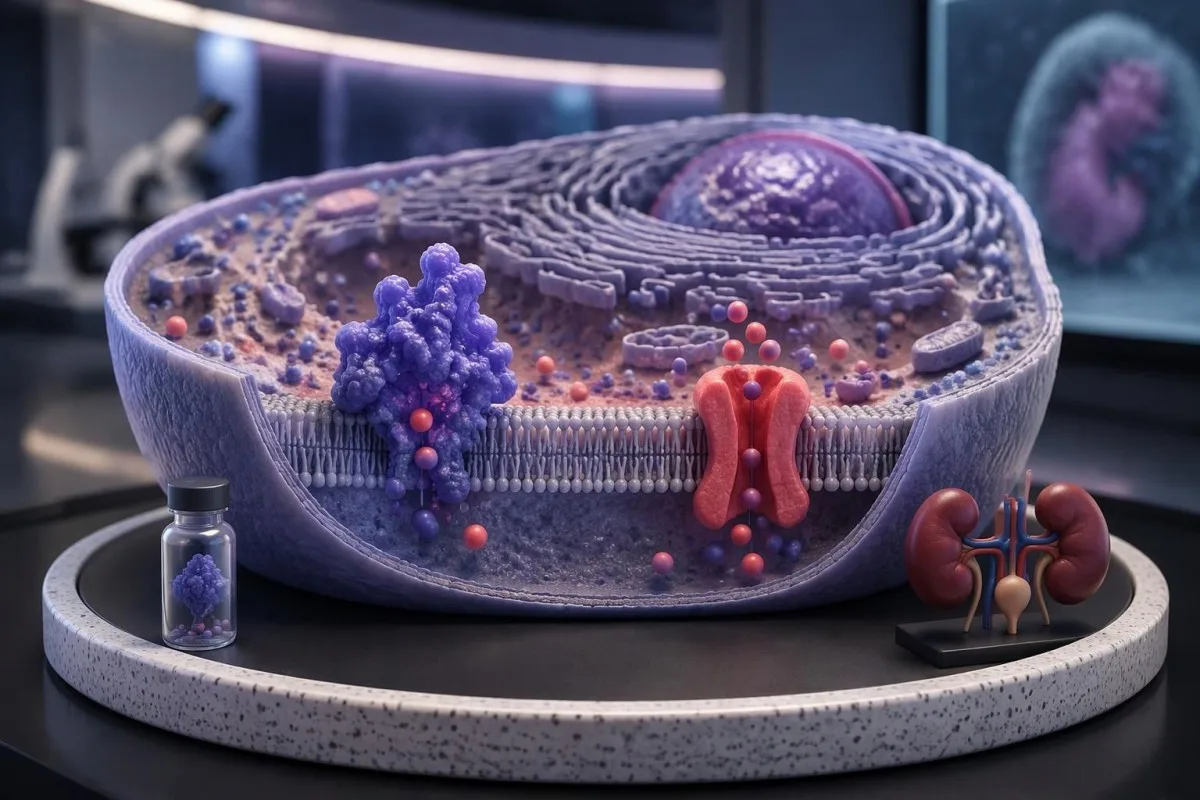
Examples that can raise exposure include voriconazole, posaconazole, itraconazole, clarithromycin and ritonavir or cobicistat; fluconazole, diltiazem and verapamil can also be relevant. The effect is not identical for every drug or person, and a previous concentration of 5 ng/mL does not predict safety after an inhibitor starts; our voriconazole monitoring guide covers the antifungal's own monitoring needs.
Rifampicin, carbamazepine, phenytoin, phenobarbital and St John's wort can reduce everolimus exposure through induction, although onset and recovery depend on the particular medicine. Starting an inducer may lower a previously acceptable 6 ng/mL trough, while stopping it may subsequently raise concentrations; tell the team about both actions rather than reporting only the new prescription.
Cyclosporine can increase everolimus exposure, so changes to its dose can alter the everolimus concentration even when the everolimus prescription stays the same. Before starting 1 new antibiotic, antifungal, antiviral or supplement, ask the transplant service or pharmacist to check the complete regimen—including tacrolimus, cyclosporine and nonprescription products—rather than checking each medicine separately.
Hoe beynfloedzje iten, leverfunksje en mageklachten de resultaten?
Food consistency, liver impairment and gastrointestinal illness can change everolimus exposure or make a result harder to interpret. Take each prescribed dose consistently with or without food, avoid grapefruit unless your specialist explicitly advises otherwise, and report vomiting or persistent diarrhea even when the latest concentration was within 3–8 ng/mL.
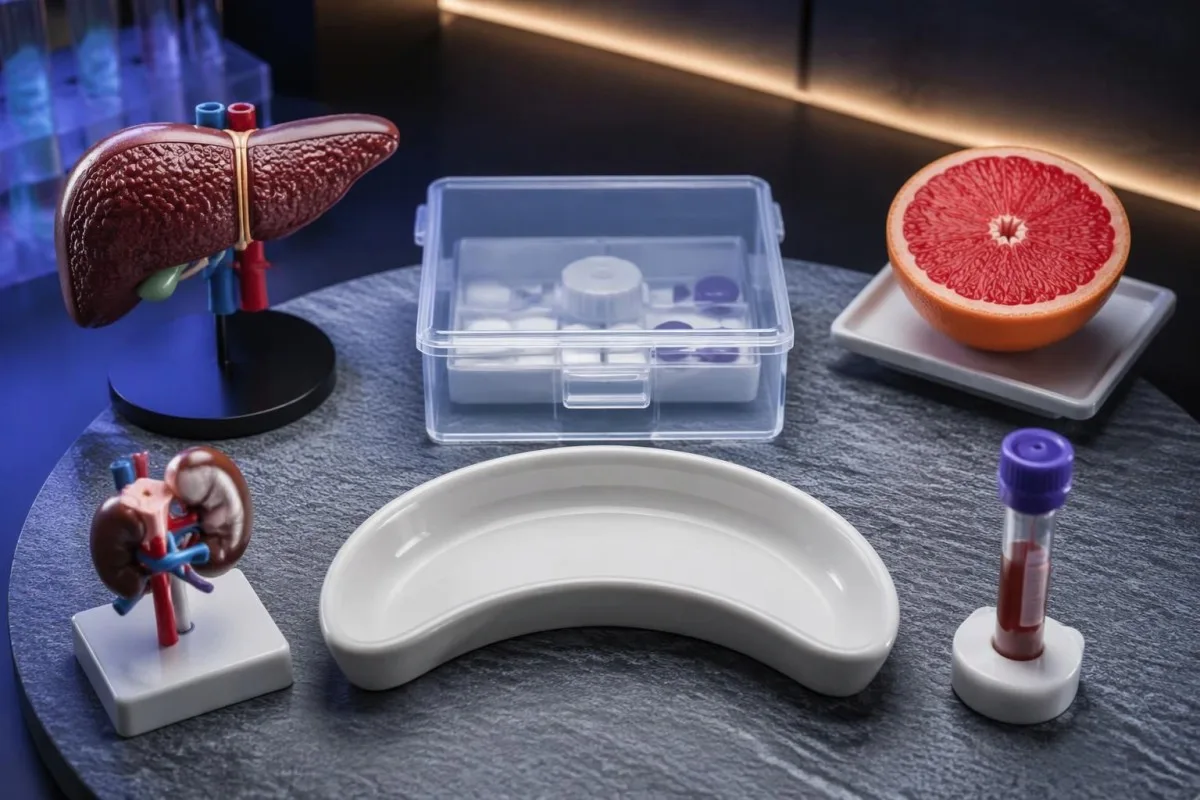
Food can alter everolimus absorption, so switching between fasting doses and doses with substantial meals can introduce variability without any prescription change. A practical record includes whether each of the previous 2 doses was taken with food; do not begin taking it fasting to 'improve' a low result, because that changes the exposure pattern your team is trying to assess.
Liver impairment can reduce everolimus clearance and may require indication-specific clinician-directed dose reduction, whereas reduced kidney filtration alone does not explain clearance in the same way. A change from 5 to 9 ng/mL therefore deserves a review of liver status and interacting medicines as well as kidney results; avoid unreviewed products marketed for kidney supplement support.
Diarrhea and vomiting can disrupt absorption, medication retention, hydration and the overall transplant regimen, but they do not reliably move everolimus concentrations in one predictable direction. If illness lasts more than 24 hours, or you cannot retain a scheduled dose, contact the team promptly; our norovirus recovery guidance should not substitute for transplant-specific advice.
Wat moatte jo dwaan as jo everolimusnivo te heech is?
In everolimus level too high means the measured concentration exceeds your prescribed target—not that one universal number proves poisoning. If your target is 3–8 ng/mL and a correctly collected trough is 12 ng/mL, contact the transplant team promptly for timing, interaction, symptom and laboratory review without independently withholding or reducing treatment.
A value of 8.4 ng/mL is only 0.4 ng/mL above an 8 ng/mL upper target and does not carry the same context as a sudden rise from 5 to 16 ng/mL. There is no universally accepted emergency cutoff that applies to every transplant regimen; the direction of change, collection accuracy, symptoms and other immunosuppressants determine how urgently the team responds.
Everolimus can cause mouth sores, low blood counts, proteinuria, increased lipids, hyperglycemia, impaired healing and noninfectious pneumonitis, including at concentrations within the intended range. New thirst or frequent urination warrants glucose assessment rather than assuming the trough explains everything; our high-glucose warning signs distinguish routine follow-up from symptoms that require urgent evaluation.
Kantesti is in AI bloedtest-útslachplatfoarm that can help compare a reported 12 ng/mL concentration with accompanying uploaded results, but cannot decide whether the next dose should be held. Fever of 38°C or higher, new breathlessness, severe weakness, markedly reduced urine output or inability to keep medicines down warrants urgent clinical contact; severe breathing difficulty requires emergency care regardless of the trough.
Betsjut in leech dalnivo fan everolimus ôfstjit?
A low everolimus trough can indicate insufficient exposure when it falls below your protocol's lower target, but it does not diagnose rejection. For a regimen targeting 3–8 ng/mL, a genuine 2.2 ng/mL trough should prompt timely transplant-team review of adherence, timing, interactions and the complete immunosuppressive regimen.
A missed dose, an inducer such as rifampicin, inconsistent food intake or a delayed collection can each contribute to a low result. If a hypothetical recipient's usual trough is 4.5 ng/mL and the new result is 2.2 ng/mL, the useful first step is reconstructing events—not assuming the prescribed dose suddenly stopped working or taking an extra tablet.
Rejection assessment depends on graft function, symptoms and organ-specific investigations; a kidney recipient may need creatinine trends, urine testing, imaging or specialist tissue assessment. A rise in creatinine plus a 2 ng/mL trough raises concern, but dehydration, obstruction and other causes remain possible, so the transplant service decides which tests can distinguish them.
Increasing immunosuppression can worsen some viral complications, which is why a low trough cannot be managed separately from the rest of the record. Our BK virus graft-risk guide explains a setting where graft dysfunction and treatment intensity must be balanced; do not double 1 dose or change tacrolimus to compensate for an isolated everolimus result.
Hokker oare tests meitsje everolimusmonitoring feiliger?
Everolimus safety monitoring commonly includes blood counts, kidney function, urine protein, liver tests, glucose and lipids, alongside the trough and companion-drug levels. A 5 ng/mL concentration within a 3–8 ng/mL target does not rule out cytopenias, proteinuria, metabolic adverse effects or a problem caused by combined immunosuppression.
Persistent urine protein can require assessment even when creatinine changes little, and a urine albumin-to-creatinine ratio of 30 mg/g marks increased albumin excretion under general kidney classification. That threshold is not an automatic everolimus stopping rule; the team may use albumin or total-protein ratios, trends and graft context, while our Hânstige skuimige urinegids explains why appearance alone is insufficient.
De Simone et al. (2012) tested everolimus targeting 3–8 ng/mL with reduced tacrolimus after liver transplantation and found better kidney-function outcomes than standard tacrolimus exposure in the studied setting. This supports a deliberately coordinated regimen, not independent calcineurin-inhibitor withdrawal; our hantlieding foar nierfunksjeferhâlding provides background, but cannot identify the cause of graft dysfunction by itself.
A platelet decline from 180 to 70 × 10⁹/L combined with rising creatinine and evidence of red-cell fragmentation would need urgent investigation, including consideration of thrombotic microangiopathy. Those hypothetical values are not diagnostic thresholds, and other medicines or illnesses can be responsible; our urgente ynterpretaasje fan schistocyten explains why a normal everolimus trough cannot make this pattern safe to ignore.
Wêrom moatte transplantaasjedoelen net automatysk brûkt wurde by kankerbehanneling?
Cancer treatment should not automatically use the transplant 3–8 ng/mL everolimus target, because treatment goals, doses, formulations and supporting evidence differ. Many oncology regimens use a prescribed once-daily dose and adjust for adverse effects, interactions and liver function rather than routinely titrating every patient to a transplant trough interval.
Baselga et al. (2012), in the BOLERO-2 trial published in The New England Journal of Medicine, studied everolimus 10 mg daily with exemestane in a defined advanced breast-cancer population. That trial supports an indication-specific treatment strategy, not a universal concentration goal; a cancer patient's result above 8 ng/mL cannot be labeled excessive solely because a transplant report prints that upper boundary.
Exposure-response studies suggest potential roles for individualized oncology monitoring, but evidence has not established one universally accepted routine trough target across cancers. Separate noncancer indications also illustrate the difference: product labeling uses concentration-guided treatment targeting 5–15 ng/mL in certain tuberous-sclerosis-associated settings, and that interval must not be borrowed for cancer or transplantation without specialist direction.
A hypothetical oncology patient with a 9 ng/mL concentration needs the oncologist to review why the test was ordered, whether it was a true 24-hour predose sample and whether adverse effects are present. Our chemotherapy testing distinctions explain a different medicine-specific safety test; drug monitoring, pharmacogenetics and toxicity grading are not interchangeable routes to a self-selected dose.
Hoe feroarje tiidstip en ynteraksjes deselde numerike útslach?
The same everolimus concentration can mean different things when the dose interval, indication or interacting medicines differ. Kantesti is an AI-oandreaune ark foar analyse fan bloedtests that can help organize these distinctions around a reported 10 ng/mL result, but only the treating team can translate the clinical context into a dosing decision.
Hypothetical example 1: a kidney recipient targeting 3–8 ng/mL has a 10 ng/mL result collected 12 hours after the last dose, several days after starting clarithromycin. That combination suggests a plausible interaction-related rise requiring prompt review; a mouth-sore history, blood count and companion-drug level would influence the clinician's decision more than the number alone.
Hypothetical example 2: another recipient has 10 ng/mL collected 1 hour after taking the morning dose, while their previous genuine trough was 5 ng/mL. The two results should not be plotted as equivalent troughs; our workflow foar it folgjen fan trends yn medisynfeiligens explains why sample annotations matter before interpreting a line rising on a chart.
Kantesti AI can support a record containing 4 fields—dose, previous-dose time, collection time and target—while our útlis fan AI-technology describes the broader interpretation workflow. A proportional calculation such as reducing a dose by 50% because a level doubled ignores timing errors, interactions and graft risk, so it is not a safe patient dosing method.
Undersykspublikaasjes en in feilige checklist foar transplantaasjefollow-up
The strongest evidence for interpreting everolimus comes from drug-monitoring consensus guidance and indication-specific trials, not from general laboratory articles. Before acting on a result such as 9 ng/mL, obtain your prescribed target, verify collection timing and ask your transplant service for explicit next-dose and repeat-test instructions.
Send the service 5 essentials: the result and units, prescribed regimen, last-dose time, collection time and recent medicine or illness changes. Ask whether the sample is interpretable, what to take next and when to repeat it; the Shipkova et al. (2016) consensus and indication-specific trials provide clinical background, but none makes an unexplained high flag a patient-directed dosing instruction.
The 2 Zenodo publications listed below address coagulation and serum proteins, not everolimus pharmacokinetics, transplant target validation or oncology dose selection. Our gids foar ynterpretaasje fan serumproteïnen may help explain accompanying albumin results, but these background resources should not be cited as evidence that 3–8 ng/mL is appropriate for a particular recipient.
De medyske ynhâldsnoarmen distinguish educational interpretation from prescribing; this article cannot confirm that an individual 6 ng/mL result is correctly timed or clinically safe. Keep the transplant service's daytime and out-of-hours contact details available, and obtain urgent help for fever, breathing changes or inability to retain immunosuppression rather than waiting for another concentration.
Faak stelde fragen
Wat is it doeltroughnivo fan everolimus nei in transplantaasje?
An everolimus trough target of 3–8 ng/mL in whole blood is commonly used in selected kidney and liver transplant regimens and some heart-transplant protocols. Your personal target depends on the transplanted organ, accompanying immunosuppressants, postoperative phase and local protocol. A laboratory's printed range is not automatically your prescribed target. Ask the transplant team to confirm the interval before interpreting a flagged result or considering any treatment change.
Hoefolle oeren nei in doasis everolimus moat it nivo kontrolearre wurde?
An everolimus trough should be collected immediately before the next scheduled dose, usually approximately 12 hours after the previous dose for a twice-daily transplant regimen. If a specialist requests a trough during once-daily treatment, the expected interval is generally approximately 24 hours. Follow the team's instructions about taking the next dose after collection, and report both actual dose and collection times. A sample taken after dosing should not be treated as an ordinary predose trough.
Is in everolimuspyl fan 10 ng/mL te heech?
In everolimusnivo fan 10 ng/mL leit boppe it doel as jo foarskreaune trough-ynterfal yn folbloed 3–8 ng/mL is, mar it is gjin universele drompel foar toksisiteit. In echte predosisemjitting hat in oare betsjutting as in stekproef dy't 1–2 oeren nei de dosis sammele is. Nim fuort kontakt op mei jo transplantaasjeteam om it tiidstip fan it sammeljen, ynteraksjonearjende medisinen, symptomen en oare laboratoariumresultaten te bepraten. Sla de folgjende dosis net selsstannich oer, ferleegje dy net en diel dy net op; slimme sykhelproblemen of oare earnstige symptomen fereaskje driuwende soarch, ûnôfhinklik fan de konsintraasje.
Kin in leech everolimusnivo betsjutte dat myn transplantaat ôfstjitten wurdt?
In everolimus-dal ûndergrinswearde ûnder 3 ng/mL kin wize op ûnfoldwaande bleatstelling by in behannelingsregime mei 3–8 ng/mL, mar it resultaat stelt gjin ôfstjit fêst. Doses oerslaan, in fertrage bloedôfname, braken en enzym-yndusearjende medisinen kinne ek bydrage oan in lege konsintraasje. By it beoardieljen fan ôfstjit binne trends yn de graftfunksje nedich, en ek orgaanspesifike ûndersiken dy't troch it transplantatieteam keazen wurde. Meld in resultaat lykas 2.2 ng/mL daliks, yn stee fan in ekstra dosis te nimmen of in oar immunosuppressivum te feroarjen.
Hoe gau moatte de everolimusnivo's nei in doseferoaring opnij metten wurde?
Everolimus concentrations are commonly rechecked around 4–5 days after a clinician-directed dose change, when exposure is approaching the new steady state. The medicine's average half-life is roughly 30 hours, so a sample after only 1 day may still reflect the previous regimen substantially. Suspected toxicity, a major interaction or an unstable clinical situation can justify earlier or additional testing. Your transplant team should specify both the collection date and what to take while waiting.
Hawwe minsken dy't everolimus nimme foar kanker in trough fan 3–8 ng/mL nedich?
Minsken dy’t everolimus nimme foar kanker moatte net automatysk it troughdoel fan 3–8 ng/mL foar transplantaten tawiisd krije. In protte onkologyske behannelingsregimes brûke ienris-deistige doses dy’t spesifyk binne foar de oantsjutting, lykas it deistige regime fan 10 mg dat yn BOLERO-2 ûndersocht is, mei oanpassingen op oanwizing fan de behanneljend arts foar bywurkingen, ynteraksjes en leverfunksje. Der jildt gjin inkeld universeel akseptearre routine-troughdoel foar alle kankersoarten. As in onkolooch in konsintraasje oanfreget, freegje dan wêrom’t dy metten is en hokker ynterpretaasjekader fan tapassing is.
Hokker medisinen kinne it dalnivo fan everolimus ferheegje?
De bleatstelling oan everolimus kin tanimme troch CYP3A4- of P-glycoproteïne-ynhibitoren, dêrûnder bepaalde azool-antimykotika, clarithromycine en medisinen mei ritonavir. Diltiazem, verapamil, fluconazol en cyclosporine kinne ek fan belang wêze, hoewol't it effekt ferskilt per medisyn en persoan. Sels in resept foar 5 dagen kin in earder stabile dalwearde fan 5 ng/mL fersteure. Kontrolearje nije resepten en oanfollingen mei it transplantatieteam of de apteker foardat jo se begjinne te brûken, en meld ek wannear't de ynteraktearjende behanneling ophâldt.
Lit jo bloedtest resultaten útlizze
Laad jo laboratoariumrapport op en de AI fan Kantesti leit elke biomarker binnen sekonden út yn gewoane taal. Brûkt troch mear as 2 miljoen minsken wrâldwiid.
Referinsjes
- Klein, T., Mitchell, S., & Weber, H. (2026). aPTT Normaalberik: Gids foar D-Dimer, Protein C en bloedstolling. Kantesti AI Medysk Undersyk. DOI
- Klein, T., Mitchell, S., & Weber, H. (2026). Gids foar serumproteïnen: Globulinen, albumine en de A/G-ferhâlding yn in bloedtest. Kantesti AI Medysk Undersyk. DOI
- Shipkova M et al. (2016). Therapeutic Drug Monitoring of Everolimus: A Consensus Report. Therapeutic Drug Monitoring.
- De Simone P et al. (2012). Everolimus with reduced tacrolimus improves renal function in de novo liver transplant recipients: a randomized controlled trial. American Journal of Transplantation. DOI
- Baselga J et al. (2012). Everolimus in Postmenopausal Hormone-Receptor–Positive Advanced Breast Cancer. The New England Journal of Medicine. DOI
- 2M+Analysearre tests
- 127+Lannen
- 100+Talen
Oer it medyske team


E-E-A-T fertrouwensignalen
Ûnderfining
Dokter-oandreaune klinyske resinsje fan lab-ynterpretaasje-wurkprosessen.
Ekspertize
Fokus fan laboratoariummedisyne op hoe’t biomarkers har gedrage yn in klinyske kontekst.
Autoriteit
Medysk beoardiele troch Dr. Thomas Klein, mei bydragen fan Dr. Sarah Mitchell en prof. dr. Hans Weber.
Betrouberens
Bewiis-basearre ynterpretaasje mei dúdlike ferfolchpaadkes om alarm te ferminderjen.






Medyske disclaimer
Dit artikel is allinnich foar ûnderwiisdoelen en foarmet gjin medysk advys. Rieplachtsje altyd in kwalifisearre soarchferliener foar besluten oer diagnoaze en behanneling.
Publisearre · Nim kontakt op mei it redaksjeteam
Publisearre troch Kantesti Ltd, registrearre yn Ingelân en Wales, bedriuwsnûmer. 17090423, Londen, Feriene Keninkryk.
