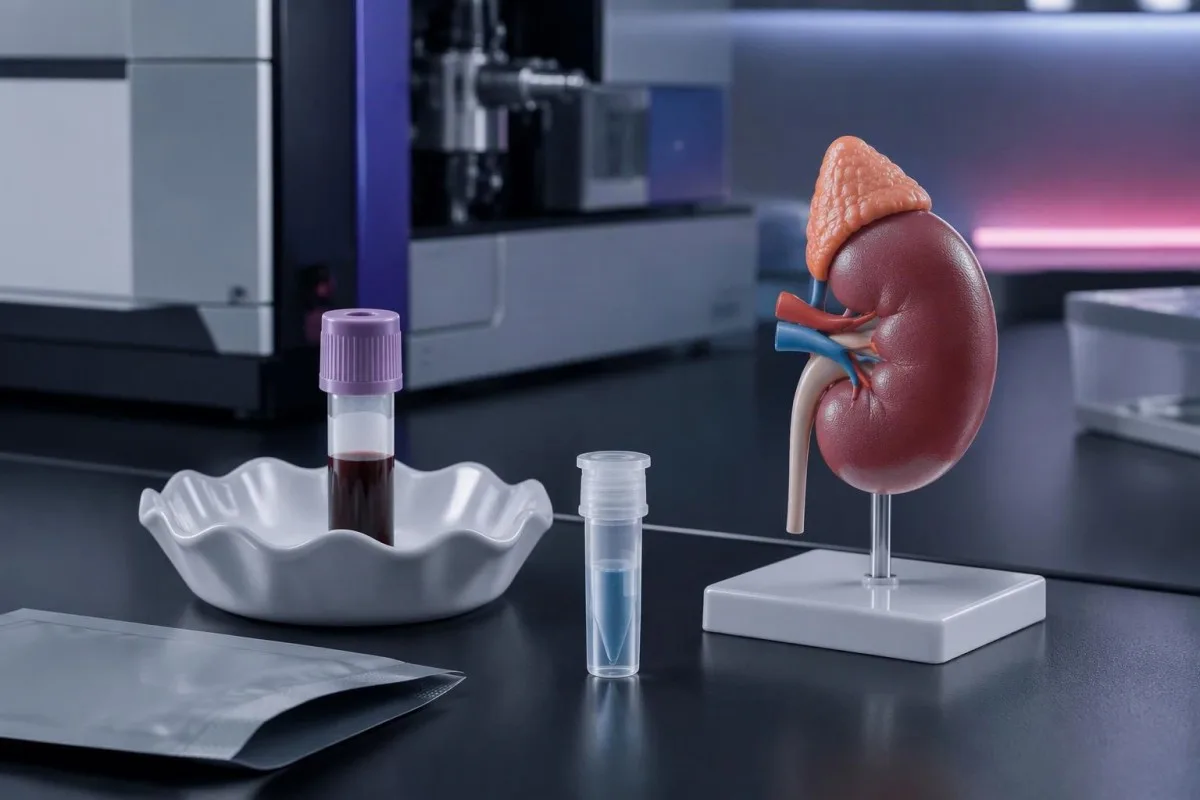
Pri niektorých transplantačných režimoch sa bežne cieli na minimálnu koncentráciu everolimu 3–8 ng/mL, pričom sa zvyčajne používa vzorka odobratá bezprostredne pred ďalšou dávkou. Význam výsledku závisí od vášho transplantačného protokolu, ostatných liekov a času odberu; pri liečbe rakoviny sa používajú iné princípy dávkovania a dávky by ste nemali meniť sami.

Kľúčové poznatky
- Cieľové hodnoty po transplantácii často predstavujú 3–8 ng/mL v plnej krvi, ale vašu osobnú cieľovú hodnotu určuje typ transplantovaného orgánu, súbežne užívané lieky a protokol vášho tímu.
- Čas odberu je bezprostredne pred ďalšou plánovanou dávkou – približne 12 hodín po predchádzajúcej dávke pri režime s podávaním dvakrát denne.
- Laboratórne jednotky sú zameniteľné, ak sú vyjadrené v ng/mL alebo µg/L: 5 ng/mL sa rovná 5 µg/L.
- Vysoké výsledky hodnoty nad predpísanou cieľovou hodnotou 3–8 ng/mL si vyžadujú posúdenie transplantačným tímom; 8 ng/mL nie je univerzálnym prahom pre urgentný stav ani toxicitu.
- Nízke výsledky hodnoty pod 3 ng/mL môžu poukazovať na nedostatočnú expozíciu pri režimoch, v ktorých sa používa táto dolná hranica, ale nepotvrdzujú rejekciu.
- Opakované testovanie sa zvyčajne vyskytuje približne 4–5 dní po zmene dávky podľa pokynov lekára, pričom v prípade potreby sa vykonáva skoršie alebo dodatočné testovanie.
- Interakcie zahŕňajú azolové antimykotiká, klaritromycín, lieky obsahujúce ritonavir, rifampicín a niektoré lieky na záchvaty; začatie alebo ukončenie užívania lieku s interakciami môže zmeniť koncentrácie.
- Liečba rakoviny automaticky nepoužíva rozmedzie 3–8 ng/mL určené pre transplantáciu; pri mnohých onkologických režimoch sa používa denná dávka špecifická pre danú indikáciu a úpravy podľa toxicity.
- Bezpečnosť dávky znamená opýtať sa transplantačného tímu, čo a kedy užiť a kedy zopakovať testovanie, namiesto toho, aby ste dávku vynechali, zdvojnásobili alebo sami prepočítali.
Čo vám minimálna koncentrácia everolimu vlastne hovorí?
Jeden minimálna koncentrácia everolimu meria koncentráciu lieku v plnej krvi bezprostredne pred ďalšou dávkou a pomáha lekárom posúdiť expozíciu, a nie iba predpísané množstvo. Výsledok 5 ng/mL môže zodpovedať cieľovému rozmedziu 3–8 ng/mL pri transplantácii, ale iba ak načasovanie odberu vzorky a liečebný protokol zodpovedajú tejto interpretácii.
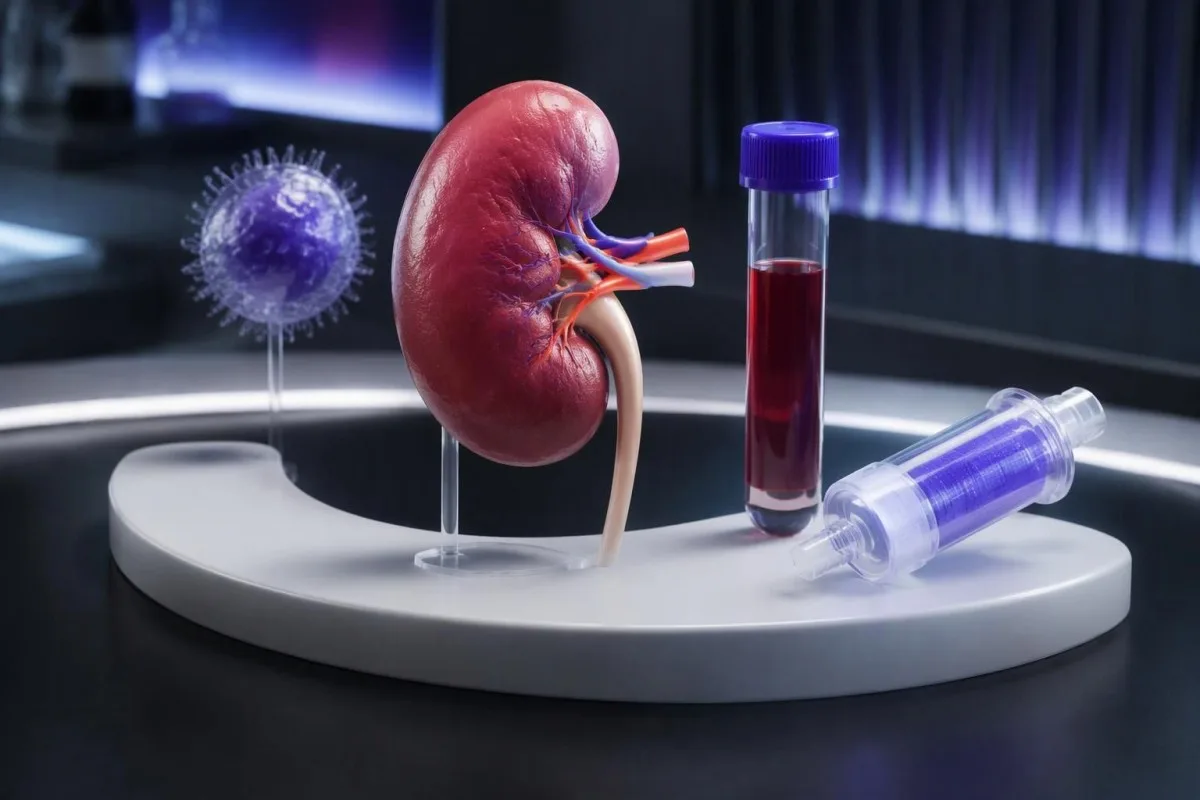
Rovnaká dávka everolimu môže u 2 ľudí viesť k rôznym koncentráciám, pretože vstrebávanie, metabolizmus v pečeni a interagujúce lieky sa líšia. Minimálna koncentrácia je praktický čas na odber vzorky, nie úplné meranie expozície počas dňa; uspokojivý výsledok tiež nedokazuje, že transplantovaný orgán funguje normálne alebo že sa nevyskytujú nežiaduce účinky.
V spoločnosti Kantesti odlišujeme vytlačené referenčné rozmedzie laboratória od cieľového rozmedzia, ktoré vám skutočne určil váš tím — napríklad 3–8 ng/mL oproti užšiemu individualizovanému rozmedziu. Naše organizácia a klinický účel vysvetľujú vzdelávaciu úlohu interpretácie; za výber imunosupresívneho režimu a rozhodnutie, či sa má liečba zmeniť na základe výsledku, naďalej zodpovedá transplantačné pracovisko.
Kantesti je Analyzátor krvných testov s umelou inteligenciou ktoré môžu pomôcť posúdiť výsledok everolimu, napríklad 5 ng/mL, spolu s nahranými výsledkami funkcie obličiek a krvného obrazu bez predpisovania dávky. Keď sa everolimus užíva spolu s ďalším imunosupresívom, naše sprievodca monitorovaním takrolimu vysvetľuje, prečo každý liek potrebuje vlastné cieľové rozmedzie a pokyny na odber.
Aké terapeutické rozmedzie everolimu sa vzťahuje na vašu indikáciu?
Ten/Tá/To terapeutické rozmedzie everolimu bežne používané pri vybraných režimoch po transplantácii obličky a pečene je 3–8 ng/mL v plnej krvi. V jurisdikciách, kde je použitie schválené, sa pri protokoloch po transplantácii srdca často používa podobné rozmedzie, ale pri transplantácii pľúc, režimoch so zníženou dávkou sprievodného lieku a ďalších indikáciách sú potrebné výslovné ciele stanovené špecialistom.
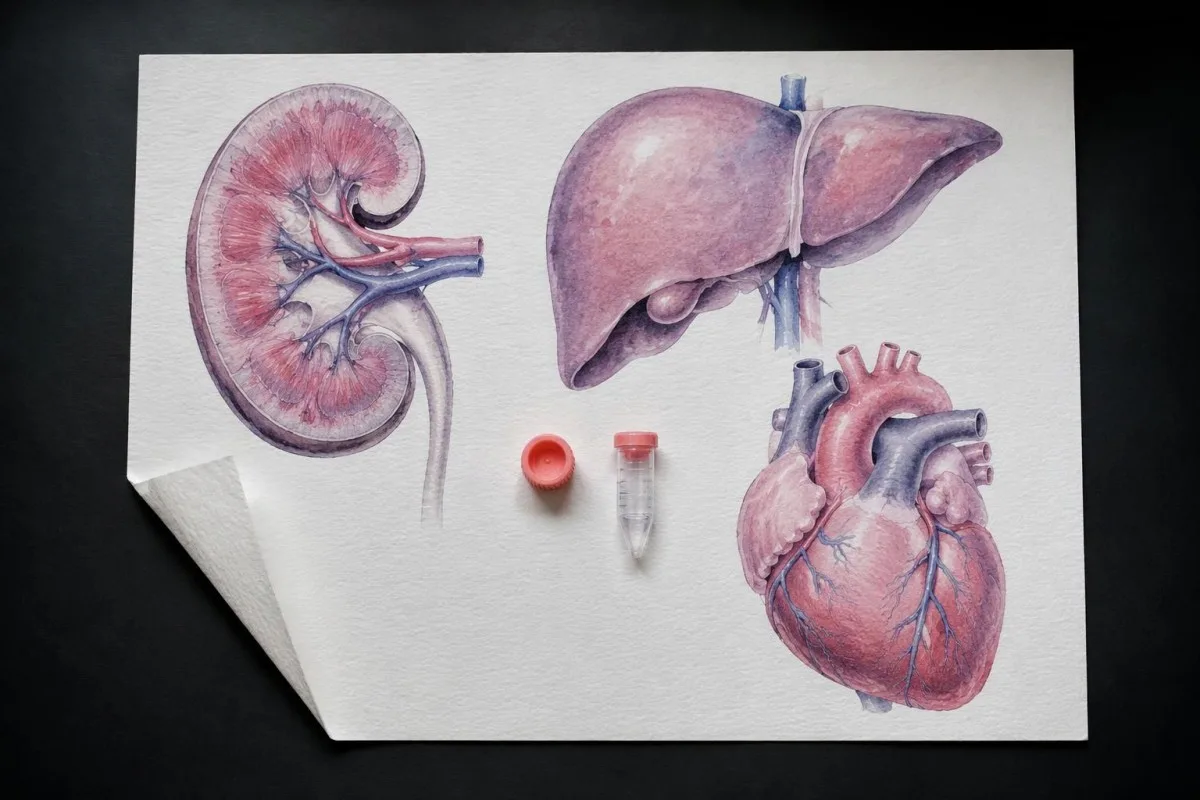
Konsenzuálna správa autorov Shipkova et al. (2016), publikovaná v časopise Therapeutic Drug Monitoring, podporuje interpretáciu koncentrácií everolimu v rámci celého transplantačného režimu, pri ktorej sa v kombinácii s inhibítormi kalcineurínu bežne používa rozmedzie 3–8 ng/mL. Dolná hranica zohľadňuje obavy z nedostatočnej imunosupresie, zatiaľ čo horná hranica pomáha obmedziť nežiaduce účinky súvisiace s expozíciou; ani jedna hranica nie je biologickou hranicou, pri ktorej sa bezpečnosť náhle mení.
Schválenia a protokoly sa v jednotlivých krajinách líšia: označenie lieku na transplantáciu v USA sa vzťahuje na určené situácie pri transplantácii obličky a pečene, zatiaľ čo európske informácie o lieku zahŕňajú aj vybrané použitie po transplantácii srdca. Laboratórne rozmedzie 3–8 ng/mL preto samo osebe neurčuje orgán, expozíciu sprievodným liekom ani pooperačnú fázu a centrum môže zo zdokumentovaného klinického dôvodu zvoliť iný cieľ.
Požiadajte o 3 informácie: svoje cieľové rozmedzie, dôvod jeho výberu a cieľové rozmedzie prípadného sprievodného inhibítora kalcineurínu. Všeobecný princíp sa uvádza aj v našej interpretácii minimálnej koncentrácie infliximabu: terapeutické rozmedzia sa vzťahujú na konkrétny liek, indikáciu a spôsob odberu vzorky, nie na každého človeka, ktorý daný liek užíva.
| Úroveň | Rozmedzie | Čo to znamená |
|---|---|---|
| Vybrané režimy po transplantácii obličky | Zvyčajne 3–8 ng/mL | Cieľová koncentrácia v plnej krvi pred podaním dávky, používaná pri špecifikovanej sprievodnej imunosupresii; overte si protokol daného centra. |
| Vybrané režimy po transplantácii pečene | Zvyčajne 3–8 ng/mL | Often paired with reduced tacrolimus exposure after an appropriate postoperative interval. |
| Selected heart-transplant regimens | Often 3–8 ng/mL | Applicable only where the regimen and local approval support this target. |
| Lung or other specialist transplant regimens | Center-specific | Do not infer an individualized target from another organ's protocol. |
| Liečba rakoviny | No universal transplant-equivalent target | Oncology dosing and adverse-effect management do not automatically use 3–8 ng/mL. |
Kedy treba odobrať vzorku na stanovenie everolimu?
Everolimus level timing should place the collection immediately before the next scheduled dose. For a twice-daily transplant regimen, this generally means approximately 12 hours after the previous dose; a specialist-requested trough for a once-daily regimen would generally be approximately 24 hours after the previous dose.
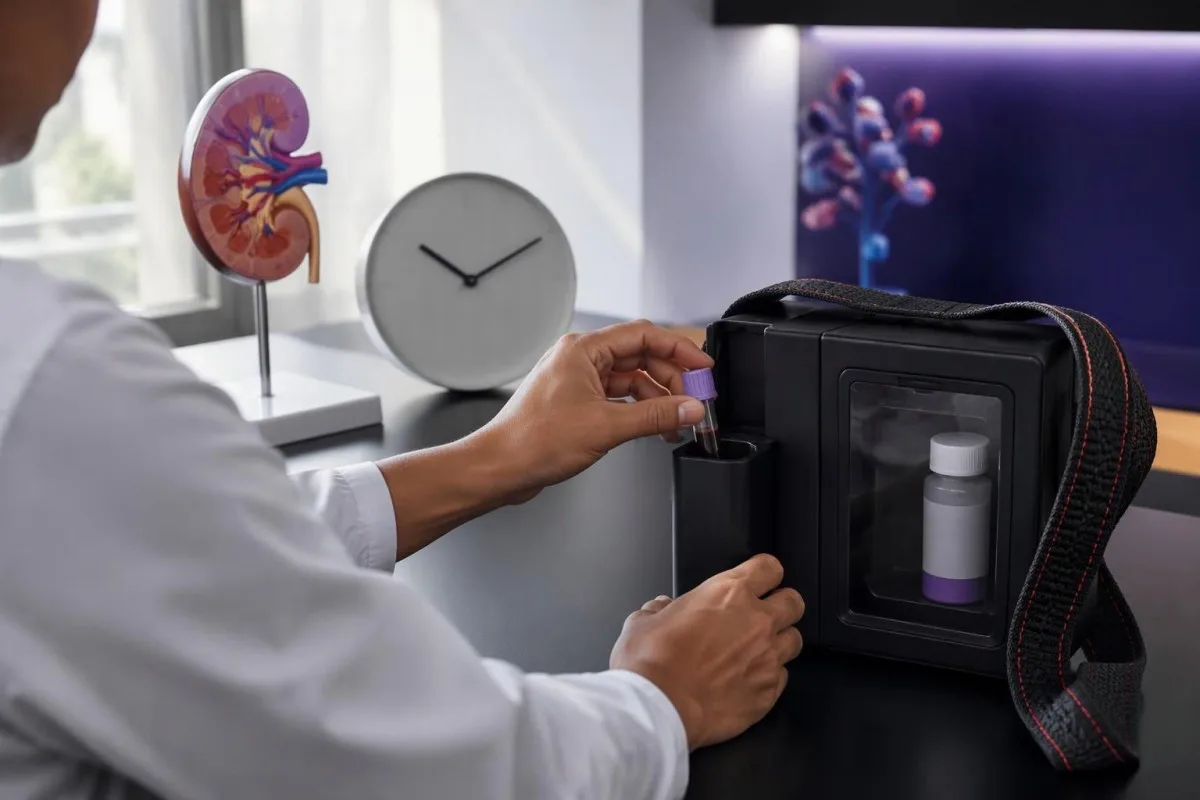
A hypothetical recipient takes everolimus at 08:00 and 20:00, then attends a planned collection just before 08:00 the next morning. The transplant team's usual instruction is to bring the morning dose and take it after collection, but obtain that instruction beforehand; a laboratory delay does not give you permission to postpone immunosuppression indefinitely.
Record the previous dose time, collection time and next dose time as 3 separate entries. A fasting instruction for glucose or lipids is a different issue from trough timing, so confirm whether you should take your usual food afterward and whether other morning medicines have separate instructions; our zoznam kontrol pred prvým odberom helps prevent missing these details.
Scheduling accuracy matters more than an appointment labeled simply 'morning': a 07:00 sample after a 23:00 dose represents an 8-hour interval, not a 12-hour trough. If travel, shift work or another medication makes the standard schedule difficult, arrange a collection plan with the transplant coordinator rather than changing dose times solely to fit the laboratory.
Čo ak ste si pred testovaním vzali dávku alebo ste jednu dávku vynechali?
A sample collected after taking everolimus is not a true predose trough and should not be compared directly with a 3–8 ng/mL trough target. A missed dose or substantially delayed collection also changes interpretation; report the actual times rather than trying to make the result fit the expected interval.
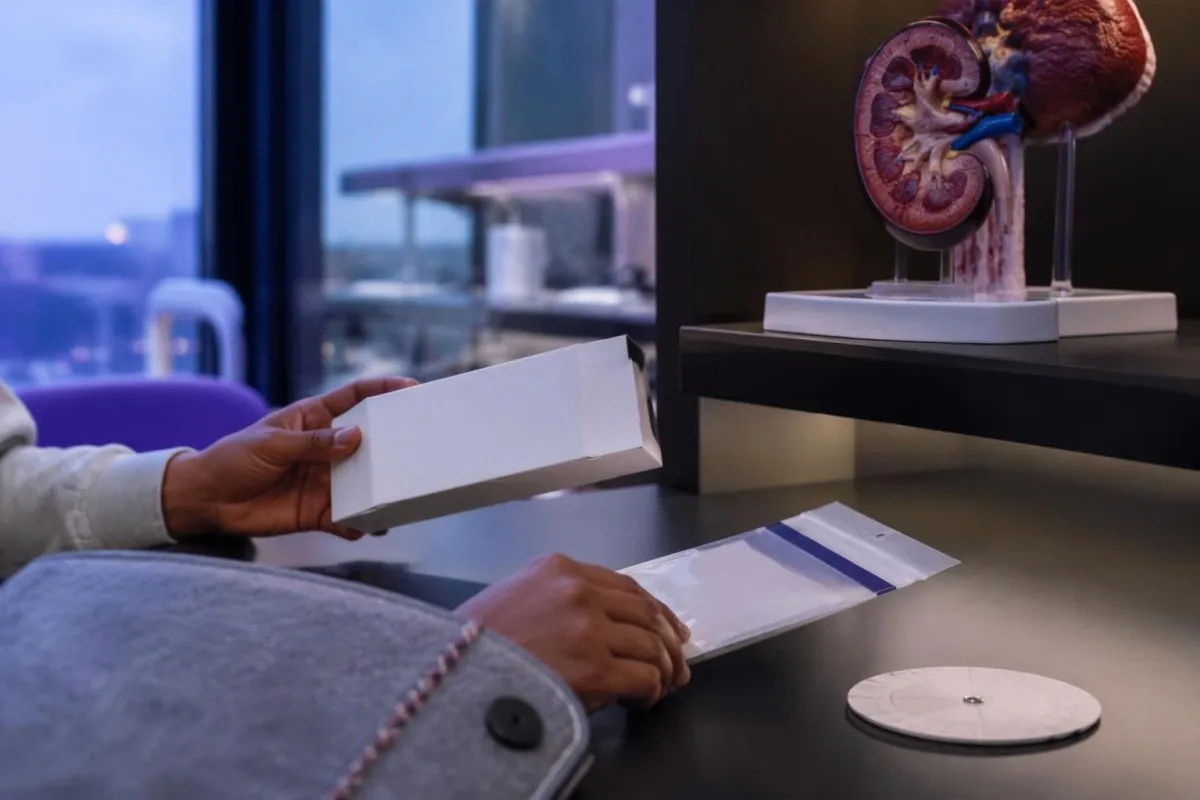
Everolimus commonly reaches peak concentrations around 1–2 hours after an oral dose, although food and individual absorption can change that timing. A hypothetical result of 12 ng/mL collected 90 minutes after dosing could reflect the absorption phase rather than an excessive trough; the team must still review the result and symptoms, not simply dismiss the number.
Missing the evening dose can make an apparently low morning concentration unrepresentative of your usual prescribed regimen, even if the appointment occurs at the expected hour. Give the team a factual account of the last 2–3 days, including vomiting or uncertainty about a dose; a one-time low result cannot distinguish missed treatment from inadequate dosing without that history.
Do not take an extra dose to compensate for a misleading 2 ng/mL result, and do not omit the next dose because a postdose sample looks high. Different medicines have different postdose sampling rules, as our digoxin sample-timing guide illustrates; ask the transplant team whether the collection needs repeating and what to take in the meantime.
Ako dlho po zmene dávky treba hladinu opätovne skontrolovať?
A routine everolimus level is commonly reassessed around 4–5 days after a clinician-directed dose change, when concentrations are approaching the new steady state. Earlier collections may be appropriate for suspected toxicity or major interactions, but they should be interpreted as transitional measurements rather than final evidence of the new dose's effect.
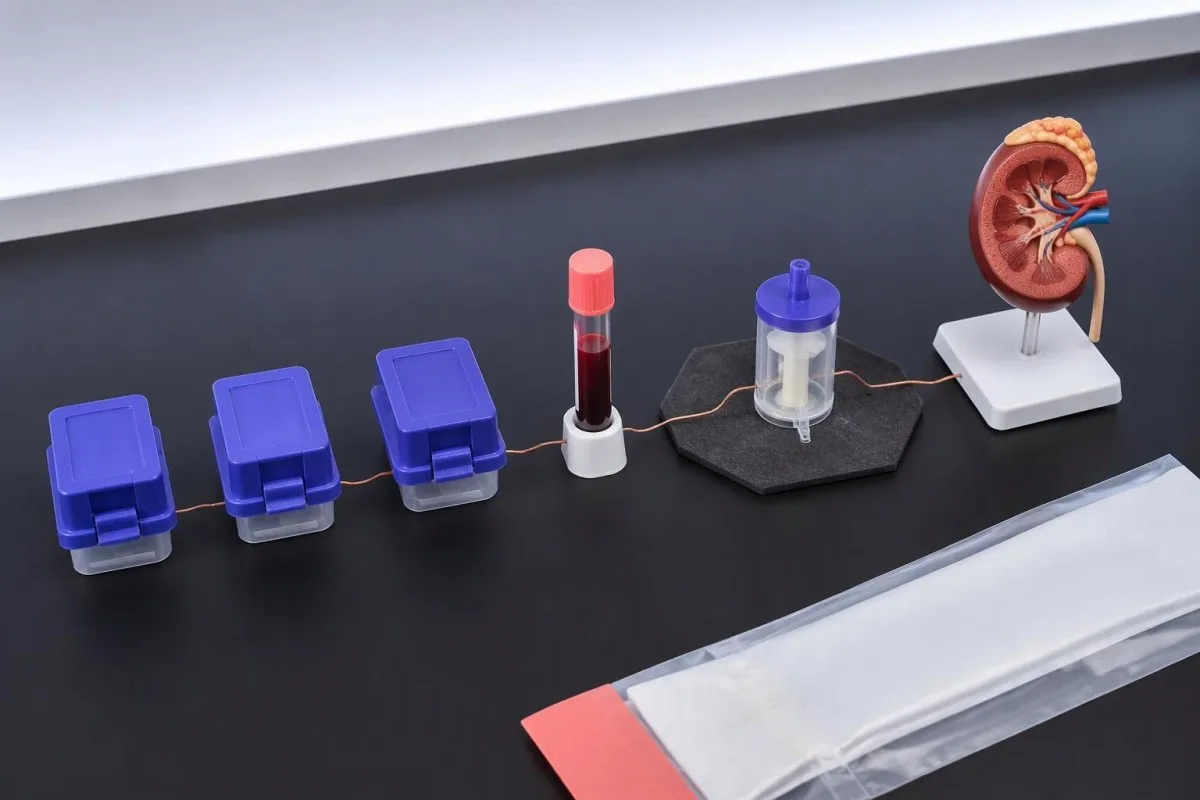
Everolimus has an average elimination half-life of roughly 30 hours, with substantial variation between people. After only 24 hours, a concentration still reflects considerable exposure from the previous regimen, so a second adjustment based solely on that early result can overshoot the intended target; product instructions commonly discourage routine adjustments more frequently than every 4–5 days.
A hypothetical recipient changes dose on Monday and has a predose sample on Tuesday because another test was already booked. That 1-day interval may provide useful safety information, but the transplant team may still request a later level; our blood-test change timeline explains why the biological response and the appointment schedule are not the same thing.
Starting an inhibitor can raise exposure while everolimus is still accumulating, and stopping an inducer can have delayed effects as enzyme activity returns toward baseline. Keep 2 dates in your record—the everolimus dose change and the interacting medicine change—because 'unchanged dose' does not mean unchanged exposure, and the team may need more than one repeat collection.
Prečo záleží na type vzorky a laboratórnej metóde?
Everolimus transplant monitoring uses plnú krv, usually collected in an EDTA tube, rather than an interchangeable serum concentration. Results reported in ng/mL and µg/L are numerically equivalent: 6 ng/mL equals 6 µg/L, but values produced by different assay methods may not be directly comparable.
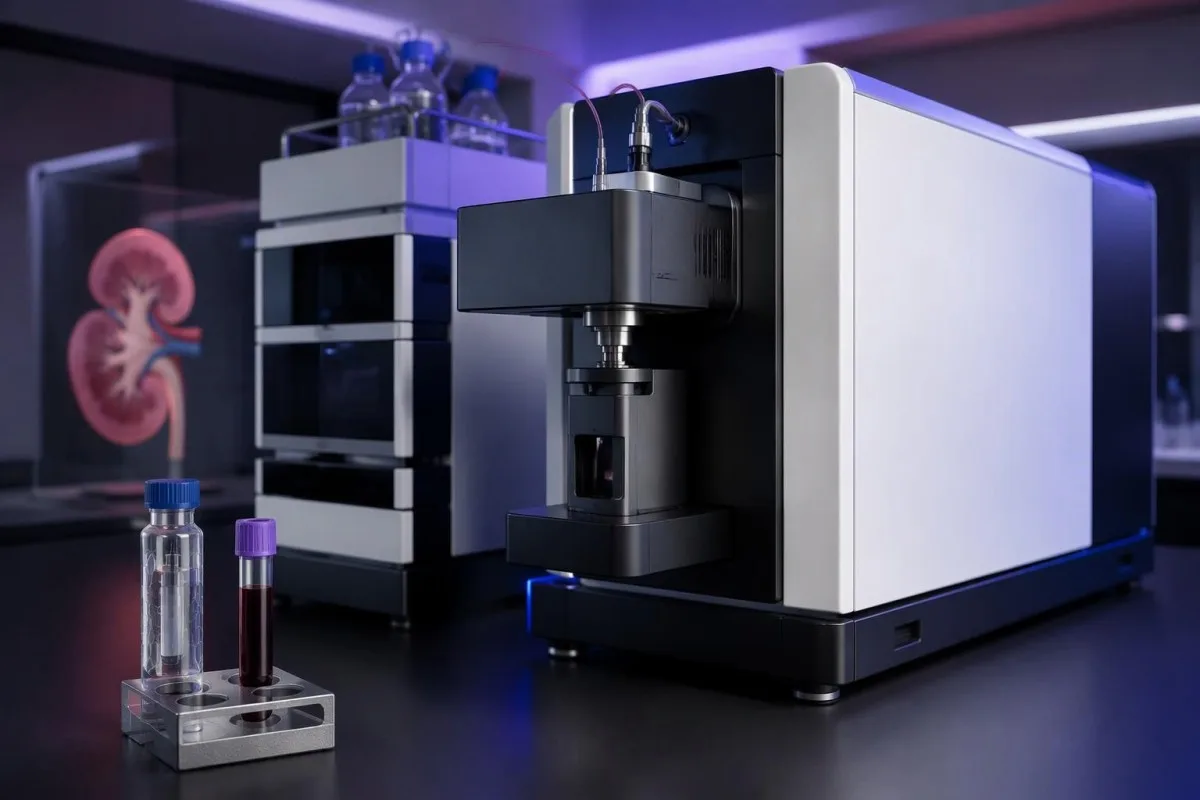
Liquid chromatography–tandem mass spectrometry, abbreviated LC-MS/MS, is a reference approach for everolimus measurement, while some laboratories use immunoassays. Method-dependent bias can occur, including differences in metabolite cross-reactivity, so an apparent shift from 6 to 8 ng/mL after changing laboratories deserves a method check before anyone assumes that drug exposure increased by one-third.
Whole-blood concentrations also depend partly on distribution into cellular elements, meaning a large hematocrit change may alter the relationship between the measured value and circulating drug exposure. There is no routine patient-applied hematocrit correction formula for an everolimus result of 4 ng/mL; our sprievodca voľným a celkovým fenytoínom explains why specimen biology differs across monitored drugs.
Kantesti can help organize 3 report details—the analyte name, units and laboratory interval—but an uploaded report does not reveal an undocumented dose time or assay change. Our rámec validácie a dohľadu describes interpretation standards; it does not mean that AI performs the everolimus assay or replaces a transplant pharmacist's assessment of unexpected concentrations.
Ktoré lieky môžu zvýšiť alebo znížiť hladinu everolimu?
Medicines that inhibit CYP3A4 or P-glycoprotein can raise everolimus exposure, while enzyme-inducing medicines can lower it. Strong inhibitors such as certain azole antifungals and ritonavir-containing treatments may require avoidance or specialist management; even a 5-day course can matter for a twice-daily transplant regimen.
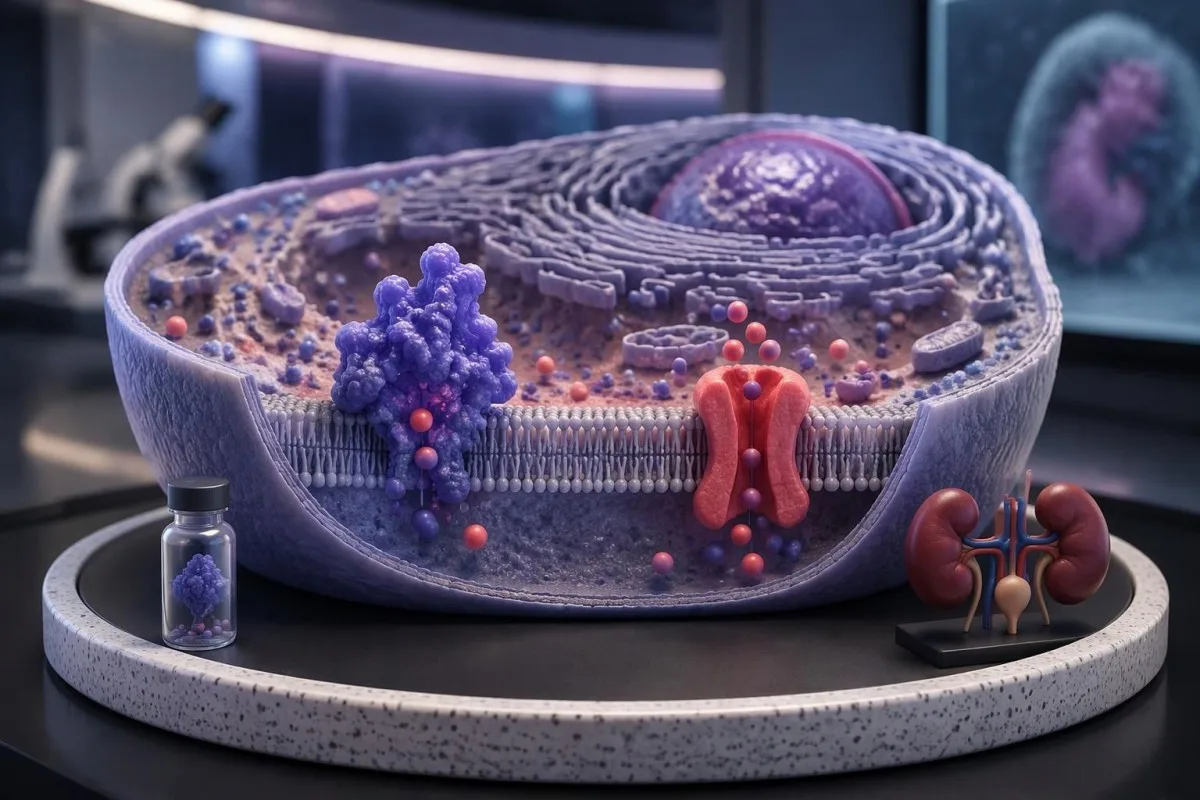
Examples that can raise exposure include voriconazole, posaconazole, itraconazole, clarithromycin and ritonavir or cobicistat; fluconazole, diltiazem and verapamil can also be relevant. The effect is not identical for every drug or person, and a previous concentration of 5 ng/mL does not predict safety after an inhibitor starts; our voriconazole monitoring guide covers the antifungal's own monitoring needs.
Rifampicin, carbamazepine, phenytoin, phenobarbital and St John's wort can reduce everolimus exposure through induction, although onset and recovery depend on the particular medicine. Starting an inducer may lower a previously acceptable 6 ng/mL trough, while stopping it may subsequently raise concentrations; tell the team about both actions rather than reporting only the new prescription.
Cyclosporine can increase everolimus exposure, so changes to its dose can alter the everolimus concentration even when the everolimus prescription stays the same. Before starting 1 new antibiotic, antifungal, antiviral or supplement, ask the transplant service or pharmacist to check the complete regimen—including tacrolimus, cyclosporine and nonprescription products—rather than checking each medicine separately.
Ako ovplyvňujú výsledky jedlo, funkcia pečene a žalúdočné ťažkosti?
Food consistency, liver impairment and gastrointestinal illness can change everolimus exposure or make a result harder to interpret. Take each prescribed dose consistently with or without food, avoid grapefruit unless your specialist explicitly advises otherwise, and report vomiting or persistent diarrhea even when the latest concentration was within 3–8 ng/mL.
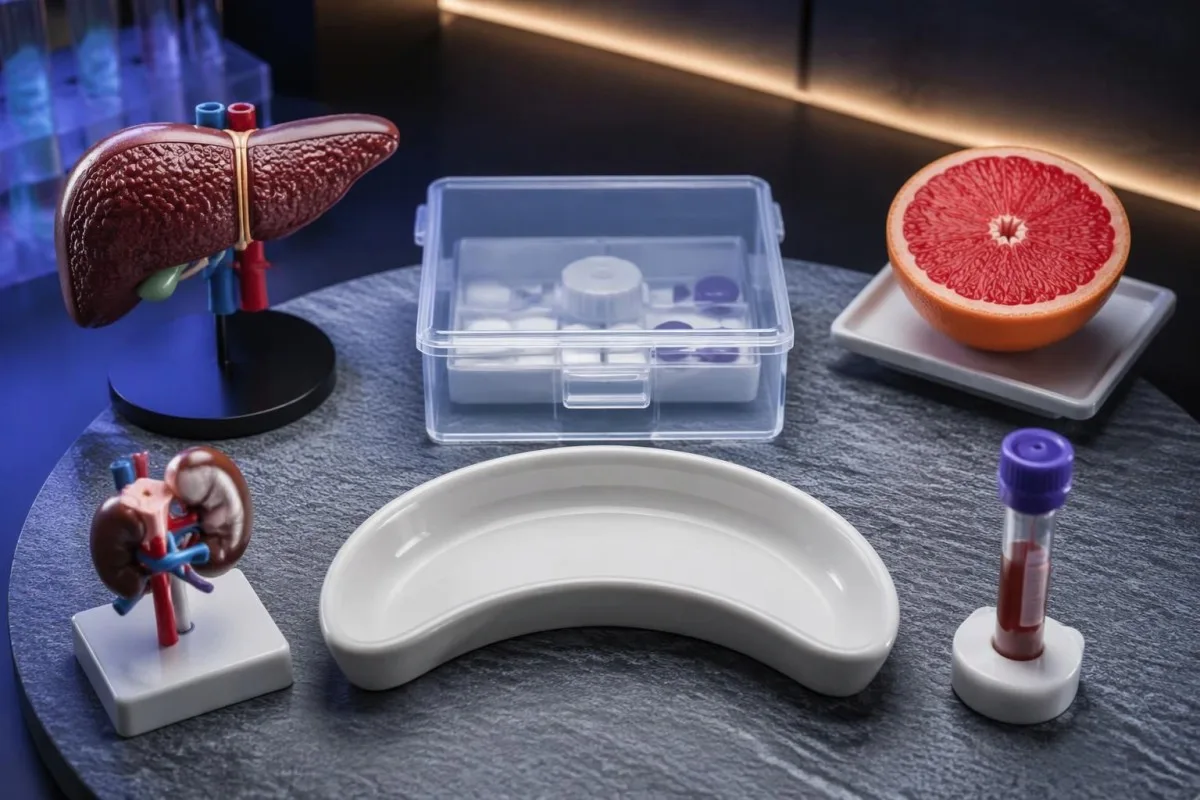
Food can alter everolimus absorption, so switching between fasting doses and doses with substantial meals can introduce variability without any prescription change. A practical record includes whether each of the previous 2 doses was taken with food; do not begin taking it fasting to 'improve' a low result, because that changes the exposure pattern your team is trying to assess.
Liver impairment can reduce everolimus clearance and may require indication-specific clinician-directed dose reduction, whereas reduced kidney filtration alone does not explain clearance in the same way. A change from 5 to 9 ng/mL therefore deserves a review of liver status and interacting medicines as well as kidney results; avoid unreviewed products marketed for kidney supplement support.
Diarrhea and vomiting can disrupt absorption, medication retention, hydration and the overall transplant regimen, but they do not reliably move everolimus concentrations in one predictable direction. If illness lasts more than 24 hours, or you cannot retain a scheduled dose, contact the team promptly; our norovirus recovery guidance should not substitute for transplant-specific advice.
Čo máte robiť, ak je vaša hladina everolimu príliš vysoká?
Jeden everolimus level too high means the measured concentration exceeds your prescribed target—not that one universal number proves poisoning. If your target is 3–8 ng/mL and a correctly collected trough is 12 ng/mL, contact the transplant team promptly for timing, interaction, symptom and laboratory review without independently withholding or reducing treatment.
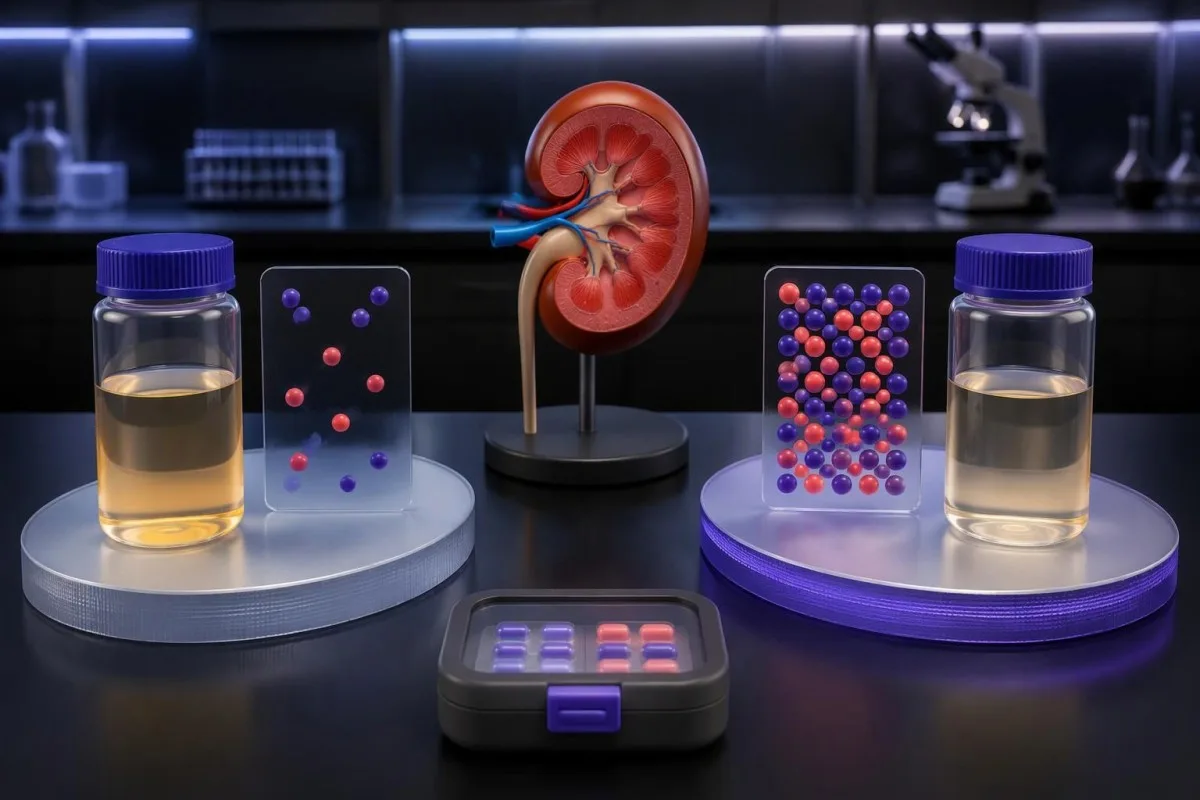
A value of 8.4 ng/mL is only 0.4 ng/mL above an 8 ng/mL upper target and does not carry the same context as a sudden rise from 5 to 16 ng/mL. There is no universally accepted emergency cutoff that applies to every transplant regimen; the direction of change, collection accuracy, symptoms and other immunosuppressants determine how urgently the team responds.
Everolimus can cause mouth sores, low blood counts, proteinuria, increased lipids, hyperglycemia, impaired healing and noninfectious pneumonitis, including at concentrations within the intended range. New thirst or frequent urination warrants glucose assessment rather than assuming the trough explains everything; our high-glucose warning signs distinguish routine follow-up from symptoms that require urgent evaluation.
Kantesti je platforma na interpretáciu krvného testu AI that can help compare a reported 12 ng/mL concentration with accompanying uploaded results, but cannot decide whether the next dose should be held. Fever of 38°C or higher, new breathlessness, severe weakness, markedly reduced urine output or inability to keep medicines down warrants urgent clinical contact; severe breathing difficulty requires emergency care regardless of the trough.
Znamená nízka minimálna koncentrácia everolimu rejekciu?
A low everolimus trough can indicate insufficient exposure when it falls below your protocol's lower target, but it does not diagnose rejection. For a regimen targeting 3–8 ng/mL, a genuine 2.2 ng/mL trough should prompt timely transplant-team review of adherence, timing, interactions and the complete immunosuppressive regimen.
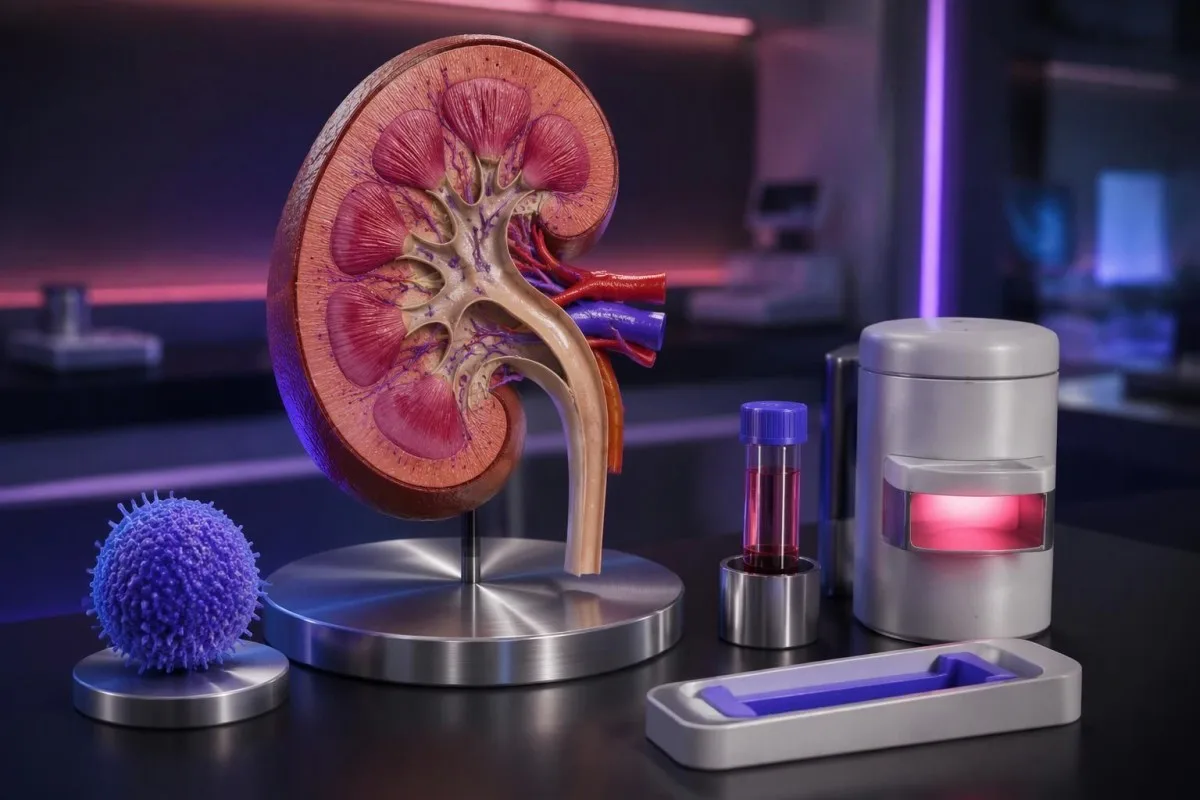
A missed dose, an inducer such as rifampicin, inconsistent food intake or a delayed collection can each contribute to a low result. If a hypothetical recipient's usual trough is 4.5 ng/mL and the new result is 2.2 ng/mL, the useful first step is reconstructing events—not assuming the prescribed dose suddenly stopped working or taking an extra tablet.
Rejection assessment depends on graft function, symptoms and organ-specific investigations; a kidney recipient may need creatinine trends, urine testing, imaging or specialist tissue assessment. A rise in creatinine plus a 2 ng/mL trough raises concern, but dehydration, obstruction and other causes remain possible, so the transplant service decides which tests can distinguish them.
Increasing immunosuppression can worsen some viral complications, which is why a low trough cannot be managed separately from the rest of the record. Our BK virus graft-risk guide explains a setting where graft dysfunction and treatment intensity must be balanced; do not double 1 dose or change tacrolimus to compensate for an isolated everolimus result.
Ktoré ďalšie vyšetrenia zvyšujú bezpečnosť monitorovania everolimu?
Everolimus safety monitoring commonly includes blood counts, kidney function, urine protein, liver tests, glucose and lipids, alongside the trough and companion-drug levels. A 5 ng/mL concentration within a 3–8 ng/mL target does not rule out cytopenias, proteinuria, metabolic adverse effects or a problem caused by combined immunosuppression.
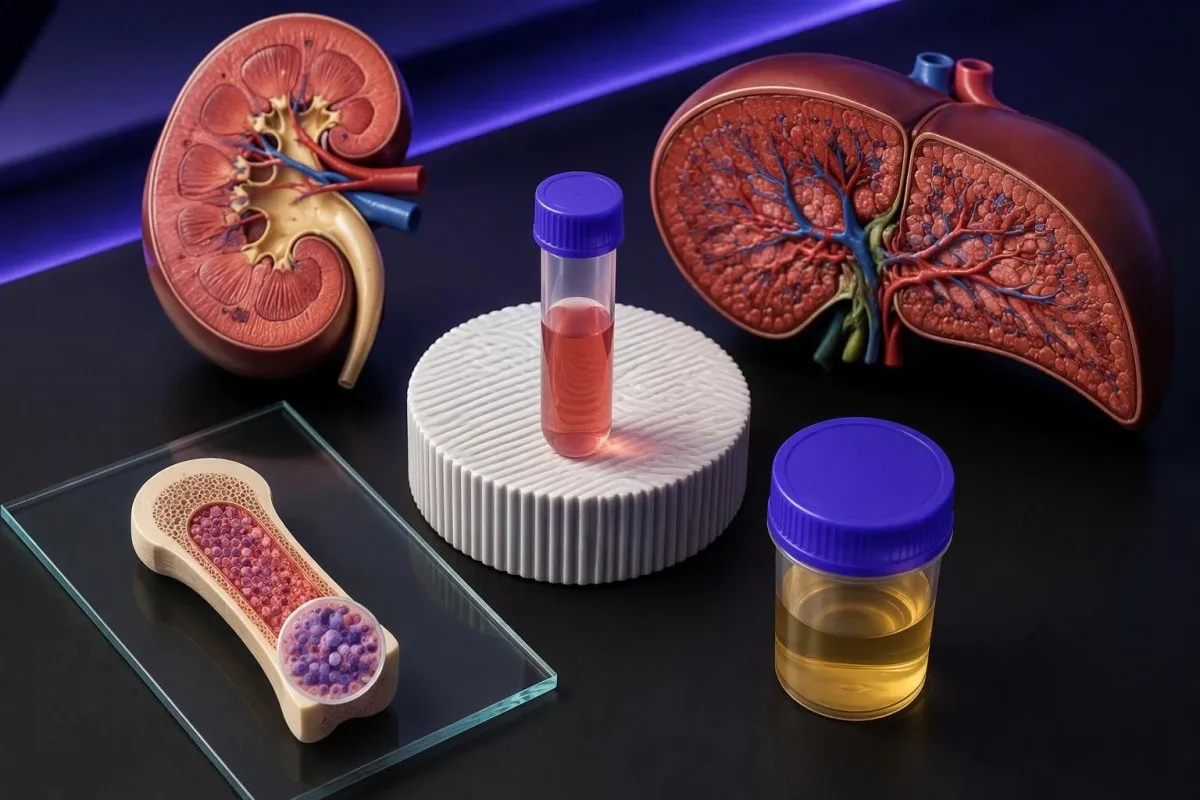
Persistent urine protein can require assessment even when creatinine changes little, and a urine albumin-to-creatinine ratio of 30 mg/g marks increased albumin excretion under general kidney classification. That threshold is not an automatic everolimus stopping rule; the team may use albumin or total-protein ratios, trends and graft context, while our Sprievodca perzistentnou penovou močou explains why appearance alone is insufficient.
De Simone et al. (2012) tested everolimus targeting 3–8 ng/mL with reduced tacrolimus after liver transplantation and found better kidney-function outcomes than standard tacrolimus exposure in the studied setting. This supports a deliberately coordinated regimen, not independent calcineurin-inhibitor withdrawal; our príručka k pomeru ukazovateľov funkcie obličiek provides background, but cannot identify the cause of graft dysfunction by itself.
A platelet decline from 180 to 70 × 10⁹/L combined with rising creatinine and evidence of red-cell fragmentation would need urgent investigation, including consideration of thrombotic microangiopathy. Those hypothetical values are not diagnostic thresholds, and other medicines or illnesses can be responsible; our urgentný výklad schistocytov explains why a normal everolimus trough cannot make this pattern safe to ignore.
Prečo by sa pri liečbe rakoviny nemali automaticky používať cieľové hodnoty pre transplantovaných pacientov?
Cancer treatment should not automatically use the transplant 3–8 ng/mL everolimus target, because treatment goals, doses, formulations and supporting evidence differ. Many oncology regimens use a prescribed once-daily dose and adjust for adverse effects, interactions and liver function rather than routinely titrating every patient to a transplant trough interval.
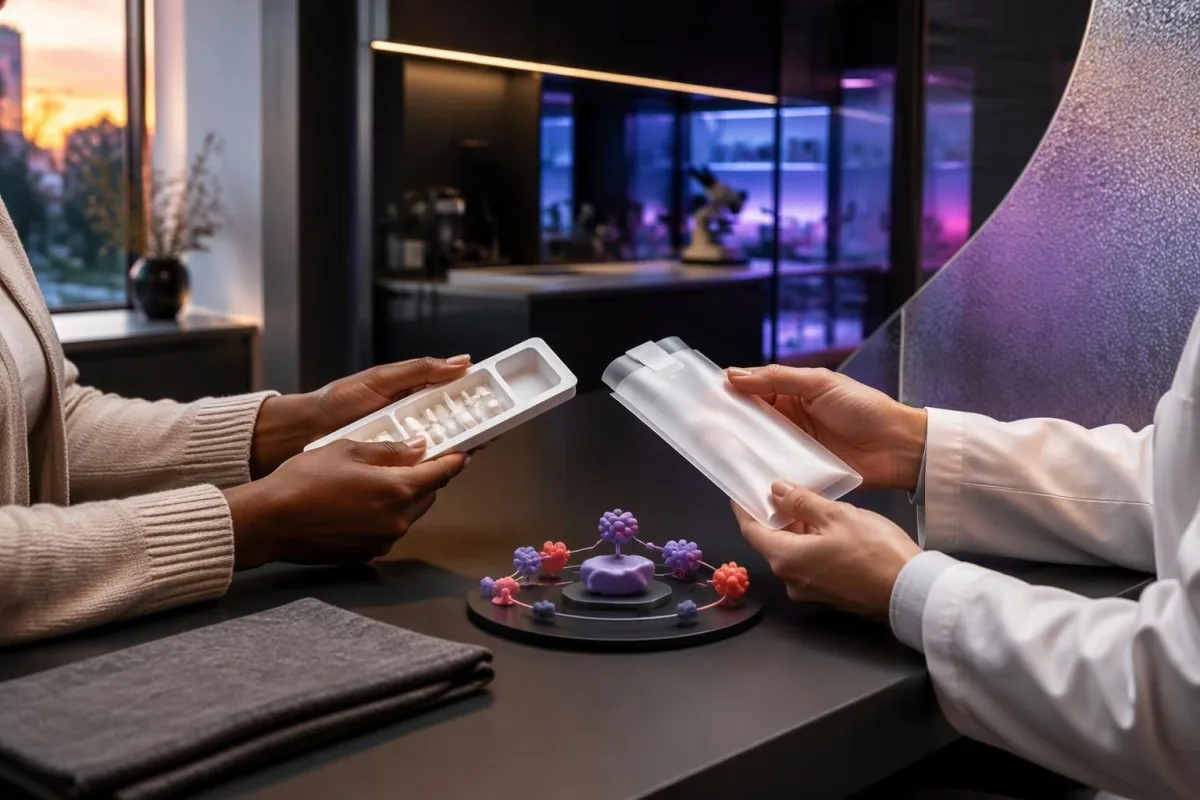
Baselga et al. (2012), in the BOLERO-2 trial published in The New England Journal of Medicine, studied everolimus 10 mg daily with exemestane in a defined advanced breast-cancer population. That trial supports an indication-specific treatment strategy, not a universal concentration goal; a cancer patient's result above 8 ng/mL cannot be labeled excessive solely because a transplant report prints that upper boundary.
Exposure-response studies suggest potential roles for individualized oncology monitoring, but evidence has not established one universally accepted routine trough target across cancers. Separate noncancer indications also illustrate the difference: product labeling uses concentration-guided treatment targeting 5–15 ng/mL in certain tuberous-sclerosis-associated settings, and that interval must not be borrowed for cancer or transplantation without specialist direction.
A hypothetical oncology patient with a 9 ng/mL concentration needs the oncologist to review why the test was ordered, whether it was a true 24-hour predose sample and whether adverse effects are present. Our chemotherapy testing distinctions explain a different medicine-specific safety test; drug monitoring, pharmacogenetics and toxicity grading are not interchangeable routes to a self-selected dose.
Ako menia načasovanie a interakcie význam toho istého číselného výsledku?
The same everolimus concentration can mean different things when the dose interval, indication or interacting medicines differ. Kantesti is an Nástroj na analýzu krvných testov poháňaný AI that can help organize these distinctions around a reported 10 ng/mL result, but only the treating team can translate the clinical context into a dosing decision.
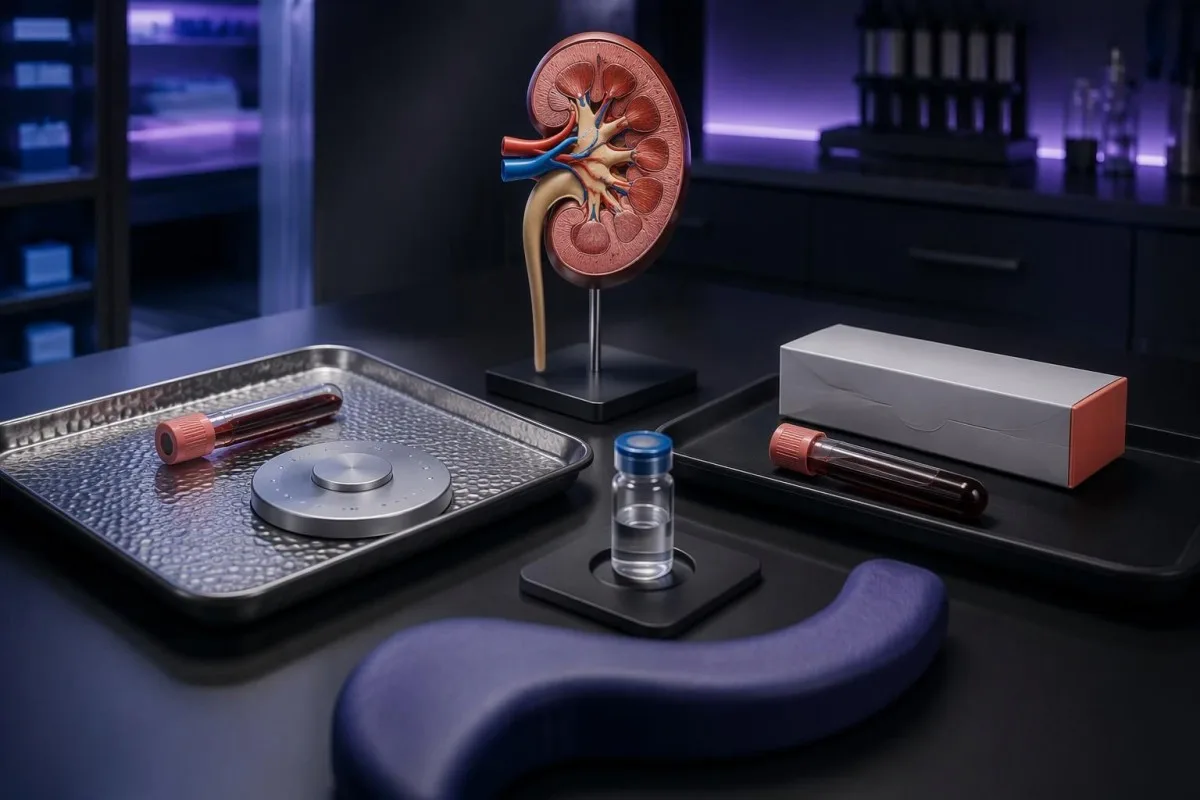
Hypothetical example 1: a kidney recipient targeting 3–8 ng/mL has a 10 ng/mL result collected 12 hours after the last dose, several days after starting clarithromycin. That combination suggests a plausible interaction-related rise requiring prompt review; a mouth-sore history, blood count and companion-drug level would influence the clinician's decision more than the number alone.
Hypothetical example 2: another recipient has 10 ng/mL collected 1 hour after taking the morning dose, while their previous genuine trough was 5 ng/mL. The two results should not be plotted as equivalent troughs; our pracovný postup na sledovanie trendov bezpečnosti liekov explains why sample annotations matter before interpreting a line rising on a chart.
Kantesti AI can support a record containing 4 fields—dose, previous-dose time, collection time and target—while our Vysvetlenie technológie AI describes the broader interpretation workflow. A proportional calculation such as reducing a dose by 50% because a level doubled ignores timing errors, interactions and graft risk, so it is not a safe patient dosing method.
Výskumné publikácie a kontrolný zoznam pre bezpečné sledovanie po transplantácii
The strongest evidence for interpreting everolimus comes from drug-monitoring consensus guidance and indication-specific trials, not from general laboratory articles. Before acting on a result such as 9 ng/mL, obtain your prescribed target, verify collection timing and ask your transplant service for explicit next-dose and repeat-test instructions.
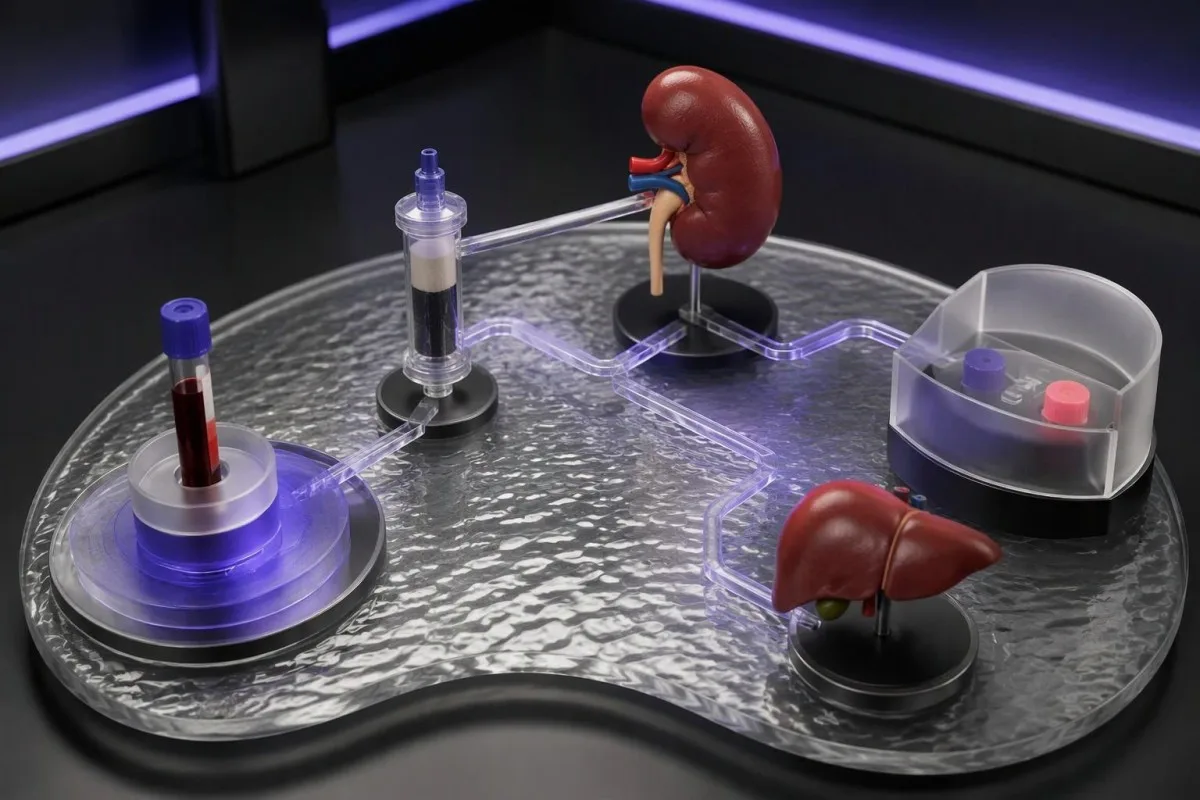
Send the service 5 essentials: the result and units, prescribed regimen, last-dose time, collection time and recent medicine or illness changes. Ask whether the sample is interpretable, what to take next and when to repeat it; the Shipkova et al. (2016) consensus and indication-specific trials provide clinical background, but none makes an unexplained high flag a patient-directed dosing instruction.
The 2 Zenodo publications listed below address coagulation and serum proteins, not everolimus pharmacokinetics, transplant target validation or oncology dose selection. Our interpretáciou sérových bielkovín may help explain accompanying albumin results, but these background resources should not be cited as evidence that 3–8 ng/mL is appropriate for a particular recipient.
materiály Kantesti štandardy medicínskeho obsahu distinguish educational interpretation from prescribing; this article cannot confirm that an individual 6 ng/mL result is correctly timed or clinically safe. Keep the transplant service's daytime and out-of-hours contact details available, and obtain urgent help for fever, breathing changes or inability to retain immunosuppression rather than waiting for another concentration.
Často kladené otázky
Aká je cieľová minimálna koncentrácia everolimu po transplantácii?
An everolimus trough target of 3–8 ng/mL in whole blood is commonly used in selected kidney and liver transplant regimens and some heart-transplant protocols. Your personal target depends on the transplanted organ, accompanying immunosuppressants, postoperative phase and local protocol. A laboratory's printed range is not automatically your prescribed target. Ask the transplant team to confirm the interval before interpreting a flagged result or considering any treatment change.
Koľko hodín po dávke everolimu sa má skontrolovať jeho hladina?
An everolimus trough should be collected immediately before the next scheduled dose, usually approximately 12 hours after the previous dose for a twice-daily transplant regimen. If a specialist requests a trough during once-daily treatment, the expected interval is generally approximately 24 hours. Follow the team's instructions about taking the next dose after collection, and report both actual dose and collection times. A sample taken after dosing should not be treated as an ordinary predose trough.
Je hladina everolimu 10 ng/ml príliš vysoká?
0 An everolimus level of 10 ng/mL je nad cieľovou hodnotou, ak máte predpísané cieľové rozmedzie minimálnej koncentrácie v plnej krvi 3–8 ng/mL, nejde však o univerzálnu hranicu toxicity. Skutočný výsledok pred podaním dávky má iný význam než vzorka odobratá 1–2 hodiny po podaní dávky. Čo najskôr kontaktujte svoj transplantačný tím, aby ste s ním prebrali načasovanie odberu, lieky s možnými interakciami, príznaky a ďalšie laboratórne výsledky. Sami nevynechávajte, neznižujte ani nerozdeľujte nasledujúcu dávku; pri závažných ťažkostiach s dýchaním alebo iných vážnych príznakoch vyhľadajte urgentnú lekársku pomoc bez ohľadu na koncentráciu.
Môže nízka hladina everolimu znamenať, že moje telo odmieta transplantovaný orgán?
Minimálna koncentrácia everolimu pod 3 ng/ml môže poukazovať na nedostatočnú expozíciu pri režime s cieľovým rozmedzím 3–8 ng/ml, výsledok však nepotvrdzuje rejekciu. K nízkej koncentrácii môžu prispieť aj vynechané dávky, oneskorený odber, vracanie a lieky indukujúce enzýmy. Posúdenie rejekcie si vyžaduje sledovanie trendov funkcie štepu a vyšetrenia špecifické pre daný orgán, ktoré zvolí transplantačné pracovisko. Výsledok, napríklad 2,2 ng/ml, bezodkladne nahláste namiesto užitia dodatočnej dávky alebo zmeny dávkovania iného imunosupresíva.
Ako skoro po zmene dávky treba zopakovať stanovenie hladiny everolimu?
Everolimus concentrations are commonly rechecked around 4–5 days after a clinician-directed dose change, when exposure is approaching the new steady state. The medicine's average half-life is roughly 30 hours, so a sample after only 1 day may still reflect the previous regimen substantially. Suspected toxicity, a major interaction or an unstable clinical situation can justify earlier or additional testing. Your transplant team should specify both the collection date and what to take while waiting.
Potrebujú ľudia užívajúci everolimus na liečbu rakoviny dosiahnuť minimálnu koncentráciu 3–8 ng/mL?
Ľuďom užívajúcim everolimus na liečbu rakoviny by sa nemal automaticky určovať cieľový minimálny koncentrácia pri transplantácii 3–8 ng/mL. Mnohé onkologické režimy používajú dávky podávané raz denne, špecifické pre danú indikáciu, napríklad režim 10 mg denne skúmaný v štúdii BOLERO-2, pričom úpravy dávkovania podľa nežiaducich účinkov, interakcií a funkcie pečene riadi lekár. Pre všetky druhy rakoviny neexistuje jeden všeobecne uznávaný rutinný cieľový minimálny koncentrácia. Ak onkológ nariadi stanovenie koncentrácie, opýtajte sa, prečo sa merala a ktorý interpretačný rámec sa má použiť.
Ktoré lieky môžu zvýšiť minimálnu hladinu everolimu?
Expozícia everolimu sa môže zvýšiť pri užívaní inhibítorov CYP3A4 alebo P-glykoproteínu vrátane niektorých azolových antimykotík, klaritromycínu a liekov obsahujúcich ritonavir. Relevantné môžu byť aj diltiazem, verapamil, flukonazol a cyklosporín, hoci účinok sa líši v závislosti od lieku a osoby. Aj 5-dňová liečba môže narušiť predtým stabilnú minimálnu koncentráciu 5 ng/mL. Pred začatím užívania nových liekov na predpis a výživových doplnkov sa poraďte s transplantačným tímom alebo lekárnikom a oznámte im aj ukončenie liečby s potenciálnymi interakciami.
Získajte vysvetlenie výsledkov krvných testov
Nahrajte svoj laboratórny nález a AI nástroja Kantesti vám v priebehu niekoľkých sekúnd vysvetlí každý biomarker jednoduchým jazykom. Používa ho viac než 2 milióny ľudí na celom svete.
Referencie
- Klein, T., Mitchell, S., & Weber, H. (2026). Normálne rozmedzie aPTT: sprievodca D-dimérom a proteínom C pri zrážaní krvi. Kantesti AI lekársky výskum. DOI
- Klein, T., Mitchell, S., & Weber, H. (2026). Sprievodca sérovými bielkovinami: globulíny, albumín a pomer A/G pri krvnom teste. Kantesti AI lekársky výskum. DOI
- Shipkova M et al. (2016). Therapeutic Drug Monitoring of Everolimus: A Consensus Report. Therapeutic Drug Monitoring.
- De Simone P et al. (2012). Everolimus with reduced tacrolimus improves renal function in de novo liver transplant recipients: a randomized controlled trial. American Journal of Transplantation. DOI
- Baselga J et al. (2012). Everolimus in Postmenopausal Hormone-Receptor–Positive Advanced Breast Cancer. The New England Journal of Medicine. DOI
- 2 milióny+Analyzované testy
- 127+Krajiny
- 100+Jazyky
O zdravotníckom tíme


Signály dôvery E-E-A-T Trust Signals
Skúsenosti
Klinické hodnotenie vedené lekárom pracovných postupov interpretácie laboratórnych výsledkov.
Odbornosť
Laboratórna medicína so zameraním na to, ako sa biomarkery správajú v klinickom kontexte.
Autoritatívnosť
Lekársky recenzoval Dr. Thomas Klein, s príspevkami Dr. Sarah Mitchell a prof. Dr. Hansa Webera.
Dôveryhodnosť
Interpretácia založená na dôkazoch s jasnými následnými krokmi na zníženie poplachu.






Zdravotnícke upozornenie
Tento článok je určený len na vzdelávacie účely a nepredstavuje lekárske poradenstvo. Pri rozhodnutiach o diagnostike a liečbe sa vždy poraďte s kvalifikovaným poskytovateľom zdravotnej starostlivosti.
Publikované · Kontaktujte redakčný tím
Vydáva Kantesti Ltd, registrovaná v Anglicku a Walese, číslo spoločnosti. 17090423, Londýn, Spojené kráľovstvo.
