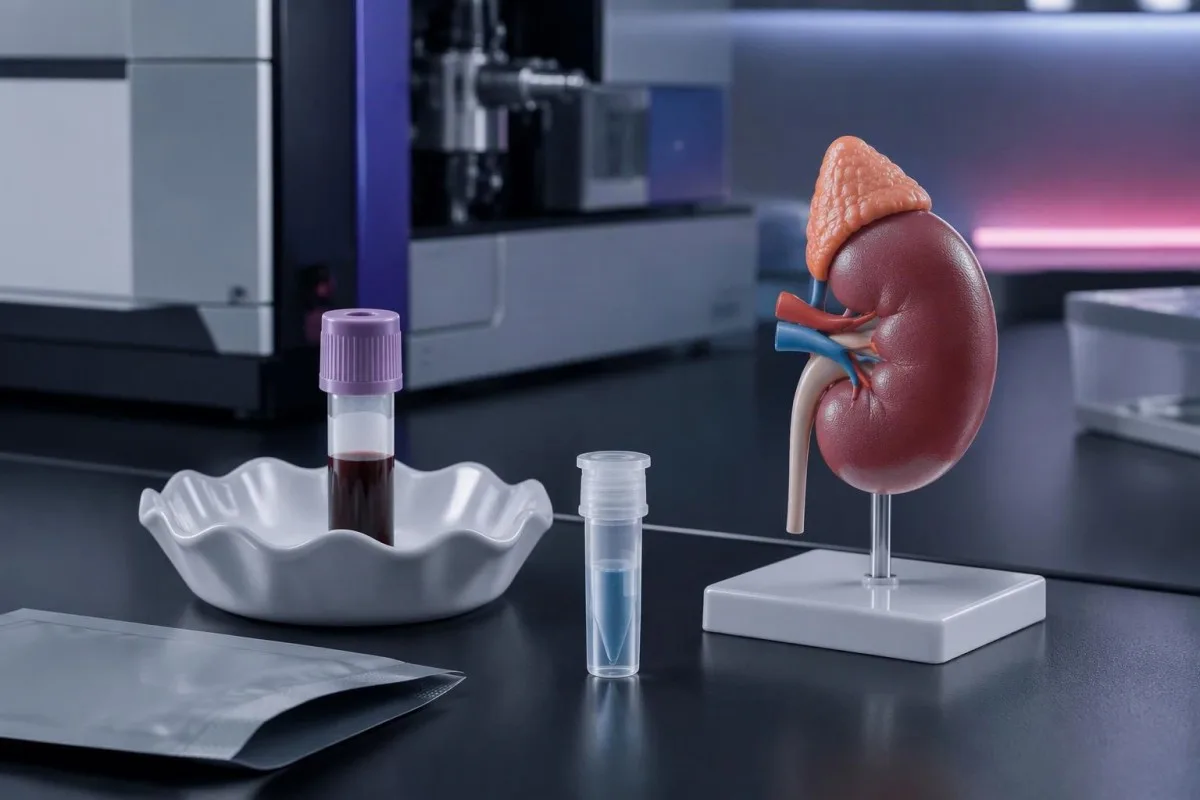
Everolimus-nivelo de 3–8 ng/mL ĉe la minimuma koncentriĝo antaŭ dozo estas kutime celata en certaj transplantaĵaj reĝimoj, kutime uzante specimenon kolektitan tuj antaŭ la sekva dozo. Via transplantaĵa protokolo, aliaj medikamentoj kaj la tempo de kolektado determinas la signifon de via rezulto; kancera kuracado uzas malsamajn dozajn principojn, kaj vi ne devas mem ŝanĝi la dozon.

Ĉefaj konkludoj
- Transplantaĵaj celoj kutime uzas 3–8 ng/mL en tuta sango, sed la organo, kunakompanaj medikamentoj kaj la protokolo de via teamo determinas vian personan celon.
- Tempo de kolektado estas tuj antaŭ la sekva planita dozo — proksimume 12 horojn post la antaŭa dozo ĉe reĝimo kun du dozoj ĉiutage.
- Laboratoriaj unuoj estas interŝanĝeblaj kiam esprimitaj kiel ng/mL aŭ µg/L: 5 ng/mL egalas al 5 µg/L.
- Altaj rezultoj super preskribita celo de 3–8 ng/mL postulas pritakson fare de la transplantaĵa teamo; 8 ng/mL ne estas universala urĝa aŭ tokseca sojlo.
- Malaltaj rezultoj sub 3 ng/mL povas indiki nesufiĉan ekspozicion en reĝimoj uzantaj tiun pli malaltan limon, sed ne diagnozas malakcepton.
- Ripeta testado kutime okazas ĉirkaŭ 4–5 tagojn post ŝanĝo de dozo laŭ instrukcio de kuracisto, kun pli frua aŭ kroma testado kiam la cirkonstancoj tion postulas.
- Interagoj inkluzivas azolajn kontraŭfungajn medikamentojn, klaritromicinon, medikamentojn enhavantajn ritonaviron, rifampicinon kaj iujn medikamentojn kontraŭ epilepsiatakoj; komenci aŭ ĉesi interagantan medikamenton povas ŝanĝi la koncentriĝojn.
- Kancera kuracado ne aŭtomate uzas la intervalon de 3–8 ng/mL por transplantado; multaj onkologiaj reĝimoj uzas ĉiutagan dozon specifan por la indikacio kaj ĝustigojn bazitajn sur tokseco.
- Doza sekureco signifas demandi vian transplantan teamon, kion preni kaj kiam fari la sekvan teston, anstataŭ mem preterlasi dozon, preni duoblan dozon aŭ rekalkuli dozon.
Kion efektive diras al vi everolimus-nivelo ĉe la minimuma koncentriĝo antaŭ dozo?
Unu minimuma koncentriĝo de everolimus mezuras la koncentriĝon de la medikamento en tuta sango tuj antaŭ la sekva dozo, helpante al kuracistoj taksi eksponiĝon anstataŭ nur la preskribitan kvanton. Rezulto de 5 ng/mL povas konveni al transplanta celintervalo de 3–8 ng/mL, sed nur se la tempigo de la specimeno kaj la kuracprotokolo kongruas kun tiu interpreto.
La sama dozo de everolimus povas produkti malsamajn koncentriĝojn ĉe 2 homoj, ĉar sorbado, hepata metabolo kaj interagantaj medikamentoj varias. La minimuma koncentriĝo estas praktika punkto por preni specimenon, ne kompleta mezuro de eksponiĝo dum la tuta tago; kontentiga nombro ankaŭ ne povas pruvi, ke la transplantita organo funkcias normale aŭ ke ne ĉeestas nedezirataj efikoj.
Ĉe Kantesti, ni distingas la intervalon presitan de la laboratorio disde la celo efektive preskribita de via teamo—ekzemple, 3–8 ng/mL kompare kun pli mallarĝa individue adaptita intervalo. Nia organizo kaj klinika celo klarigas la edukan rolon de interpretado; la transplanta servo restas respondeca pri elekto de la imunosubprema reĝimo kaj decido ĉu rezulto devus ŝanĝi la kuracadon.
Kantesti estas AI-sangotesta analizilo kiu povas helpi kunmeti rezulton de everolimus, kiel 5 ng/mL, kun alŝutitaj rezultoj pri rena funkcio kaj sangokalkulo, sen preskribi dozon. Kiam everolimus estas uzata kune kun alia imunosubpremilo, nia gvidilo pri monitorado de tacrolimus klarigas kial ĉiu medikamento bezonas propran celon kaj instrukciojn pri la kolekto de specimenoj.
Kiu terapia intervalo de everolimus aplikiĝas al via indiko?
La terapia intervalo de everolimus kutime uzata por elektitaj reĝimoj post rena kaj hepata transplantado estas 3–8 ng/mL en tuta sango. Protokoloj por kortransplantado en jurisdikcioj, kie ĉi tiu uzo estas aprobita, ofte uzas similan intervalon, sed pulmotransplantado, strategioj kun reduktita dozo de kunmedikamentoj kaj aliaj indikoj postulas eksplicitajn celojn difinitajn de specialisto.
La konsenta raporto de Shipkova et al. (2016), publikigita en Therapeutic Drug Monitoring, subtenas interpreti koncentriĝojn de everolimus en la kunteksto de la kompleta transplanta kuracreĝimo, kutime uzante 3–8 ng/mL kune kun kalcineŭrinaj inhibiciiloj. La malsupra limo spegulas zorgon pri nesufiĉa imunosubpremado, dum la supra limo helpas limigi nedeziratajn efikojn rilatajn al eksponiĝo; neniu el la limoj estas biologia krutaĵo, ĉe kiu sekureco subite ŝanĝiĝas.
Aprobo kaj protokoloj malsamas internacie: la usona transplanta etikedado kovras specifajn situaciojn de rena kaj hepata transplantado, dum la eŭropaj produktinformoj ankaŭ inkluzivas elektitan uzon post kortransplantado. Sekve, laboratoriointervalo de 3–8 ng/mL per si mem ne identigas la organon, eksponiĝon al kunmedikamentoj aŭ postoperacian fazon, kaj centro povas elekti alian celon pro dokumentita klinika kialo.
Petu 3 informojn: vian celintervalon, la kialon de ĝia elekto kaj la celon por ĉiu kunuzata kalcineŭrina inhibiciilo. La ĝenerala principo aperas ankaŭ en nia interpretado de la minimuma koncentriĝo de infliksimabo: terapiaj intervaloj apartenas al specifa medikamento, indiko kaj strategio pri specimenopreno, ne al ĉiu homo kiu prenas tiun medikamenton.
| Nivelo | Intervalo | Kion ĝi signifas |
|---|---|---|
| Elektitaj reĝimoj post rena transplantado | Kutime 3–8 ng/mL | Celvaloro en tuta sango antaŭ dozo, uzata kune kun specifita imunosubpremado; konfirmu la protokolon de la centro. |
| Elektitaj reĝimoj post hepata transplantado | Kutime 3–8 ng/mL | Often paired with reduced tacrolimus exposure after an appropriate postoperative interval. |
| Selected heart-transplant regimens | Often 3–8 ng/mL | Applicable only where the regimen and local approval support this target. |
| Lung or other specialist transplant regimens | Center-specific | Do not infer an individualized target from another organ's protocol. |
| Kancera kuracado | No universal transplant-equivalent target | Oncology dosing and adverse-effect management do not automatically use 3–8 ng/mL. |
Kiam oni devas kolekti la specimenon por everolimus?
Everolimus level timing should place the collection immediately before the next scheduled dose. For a twice-daily transplant regimen, this generally means approximately 12 hours after the previous dose; a specialist-requested trough for a once-daily regimen would generally be approximately 24 hours after the previous dose.
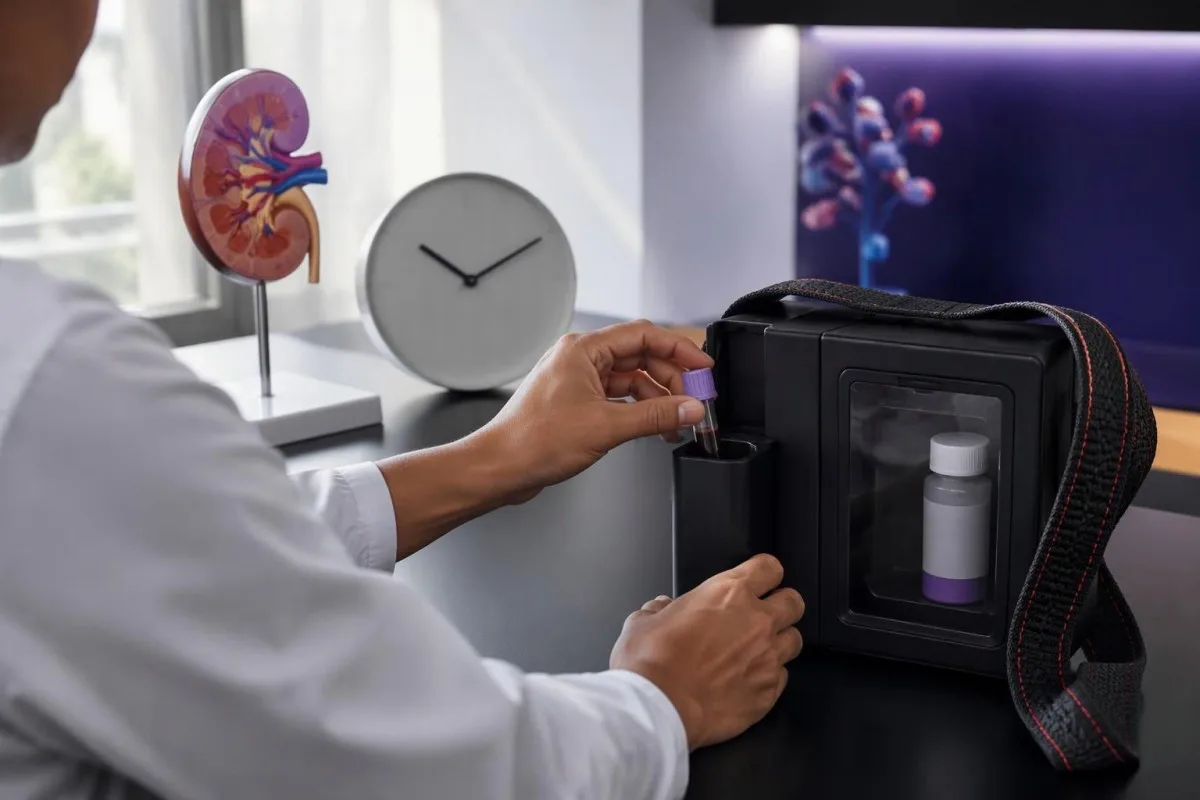
A hypothetical recipient takes everolimus at 08:00 and 20:00, then attends a planned collection just before 08:00 the next morning. The transplant team's usual instruction is to bring the morning dose and take it after collection, but obtain that instruction beforehand; a laboratory delay does not give you permission to postpone immunosuppression indefinitely.
Record the previous dose time, collection time and next dose time as 3 separate entries. A fasting instruction for glucose or lipids is a different issue from trough timing, so confirm whether you should take your usual food afterward and whether other morning medicines have separate instructions; our unua-eltira preparo-kontrol listo helps prevent missing these details.
Scheduling accuracy matters more than an appointment labeled simply 'morning': a 07:00 sample after a 23:00 dose represents an 8-hour interval, not a 12-hour trough. If travel, shift work or another medication makes the standard schedule difficult, arrange a collection plan with the transplant coordinator rather than changing dose times solely to fit the laboratory.
Kio se vi prenis la dozon antaŭ la testado aŭ preterlasis unu?
A sample collected after taking everolimus is not a true predose trough and should not be compared directly with a 3–8 ng/mL trough target. A missed dose or substantially delayed collection also changes interpretation; report the actual times rather than trying to make the result fit the expected interval.
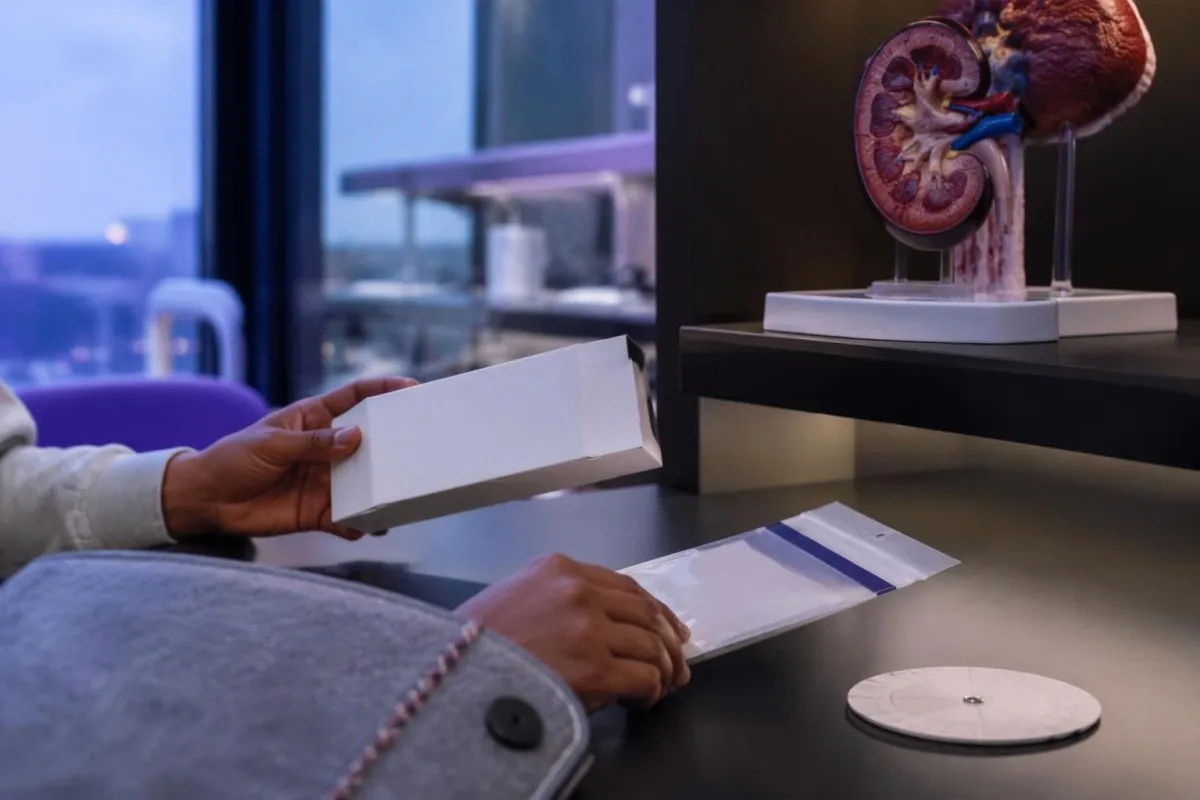
Everolimus commonly reaches peak concentrations around 1–2 hours after an oral dose, although food and individual absorption can change that timing. A hypothetical result of 12 ng/mL collected 90 minutes after dosing could reflect the absorption phase rather than an excessive trough; the team must still review the result and symptoms, not simply dismiss the number.
Missing the evening dose can make an apparently low morning concentration unrepresentative of your usual prescribed regimen, even if the appointment occurs at the expected hour. Give the team a factual account of the last 2–3 days, including vomiting or uncertainty about a dose; a one-time low result cannot distinguish missed treatment from inadequate dosing without that history.
Do not take an extra dose to compensate for a misleading 2 ng/mL result, and do not omit the next dose because a postdose sample looks high. Different medicines have different postdose sampling rules, as our digoxin sample-timing guide illustrates; ask the transplant team whether the collection needs repeating and what to take in the meantime.
Kiom longe post ŝanĝo de dozo oni devas rekontroli la nivelojn?
A routine everolimus level is commonly reassessed around 4–5 days after a clinician-directed dose change, when concentrations are approaching the new steady state. Earlier collections may be appropriate for suspected toxicity or major interactions, but they should be interpreted as transitional measurements rather than final evidence of the new dose's effect.
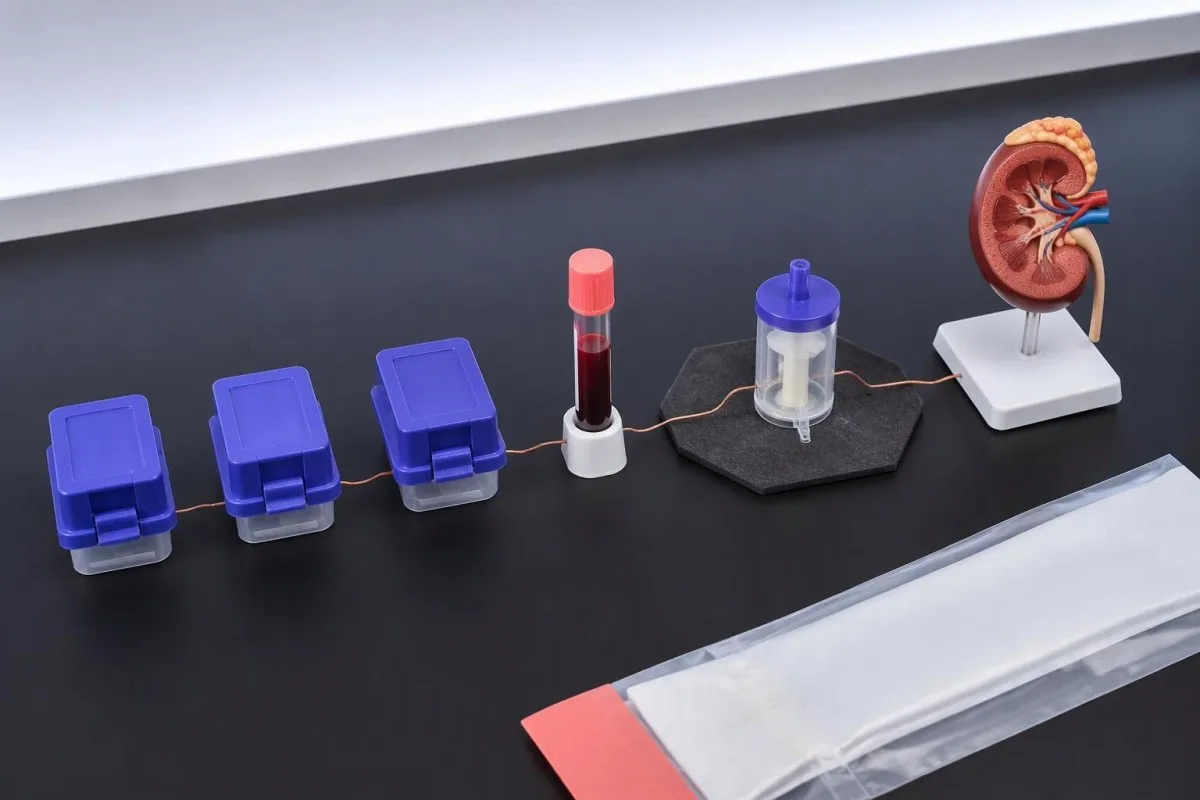
Everolimus has an average elimination half-life of roughly 30 hours, with substantial variation between people. After only 24 hours, a concentration still reflects considerable exposure from the previous regimen, so a second adjustment based solely on that early result can overshoot the intended target; product instructions commonly discourage routine adjustments more frequently than every 4–5 days.
A hypothetical recipient changes dose on Monday and has a predose sample on Tuesday because another test was already booked. That 1-day interval may provide useful safety information, but the transplant team may still request a later level; our blood-test change timeline explains why the biological response and the appointment schedule are not the same thing.
Starting an inhibitor can raise exposure while everolimus is still accumulating, and stopping an inducer can have delayed effects as enzyme activity returns toward baseline. Keep 2 dates in your record—the everolimus dose change and the interacting medicine change—because 'unchanged dose' does not mean unchanged exposure, and the team may need more than one repeat collection.
Kial gravas la speco de specimeno kaj la laboratorio-metodo?
Everolimus transplant monitoring uses tuta sango, usually collected in an EDTA tube, rather than an interchangeable serum concentration. Results reported in ng/mL and µg/L are numerically equivalent: 6 ng/mL equals 6 µg/L, but values produced by different assay methods may not be directly comparable.
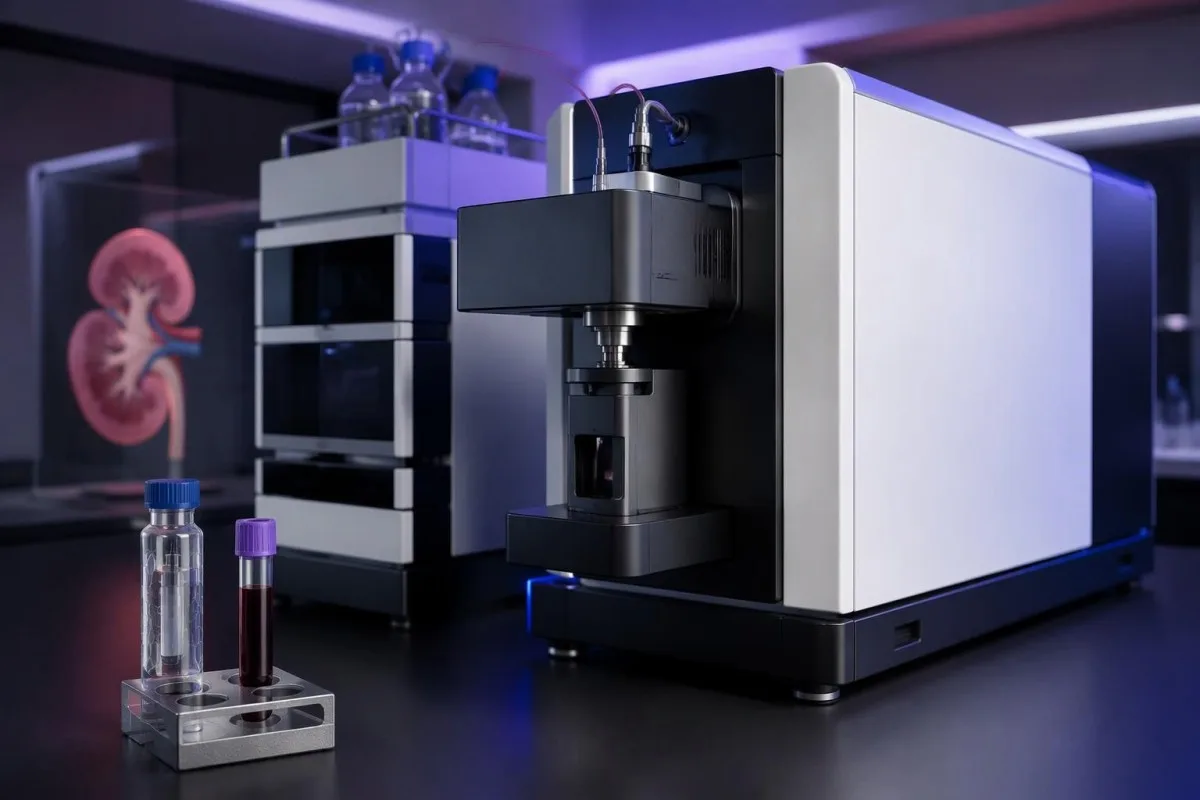
Liquid chromatography–tandem mass spectrometry, abbreviated LC-MS/MS, is a reference approach for everolimus measurement, while some laboratories use immunoassays. Method-dependent bias can occur, including differences in metabolite cross-reactivity, so an apparent shift from 6 to 8 ng/mL after changing laboratories deserves a method check before anyone assumes that drug exposure increased by one-third.
Whole-blood concentrations also depend partly on distribution into cellular elements, meaning a large hematocrit change may alter the relationship between the measured value and circulating drug exposure. There is no routine patient-applied hematocrit correction formula for an everolimus result of 4 ng/mL; our gvidilo pri libera kontraŭ totala fenitoino explains why specimen biology differs across monitored drugs.
Kantesti can help organize 3 report details—the analyte name, units and laboratory interval—but an uploaded report does not reveal an undocumented dose time or assay change. Our validiga kaj superrigarda kadro describes interpretation standards; it does not mean that AI performs the everolimus assay or replaces a transplant pharmacist's assessment of unexpected concentrations.
Kiuj medikamentoj povas altigi aŭ malaltigi la nivelojn de everolimus?
Medicines that inhibit CYP3A4 or P-glycoprotein can raise everolimus exposure, while enzyme-inducing medicines can lower it. Strong inhibitors such as certain azole antifungals and ritonavir-containing treatments may require avoidance or specialist management; even a 5-day course can matter for a twice-daily transplant regimen.
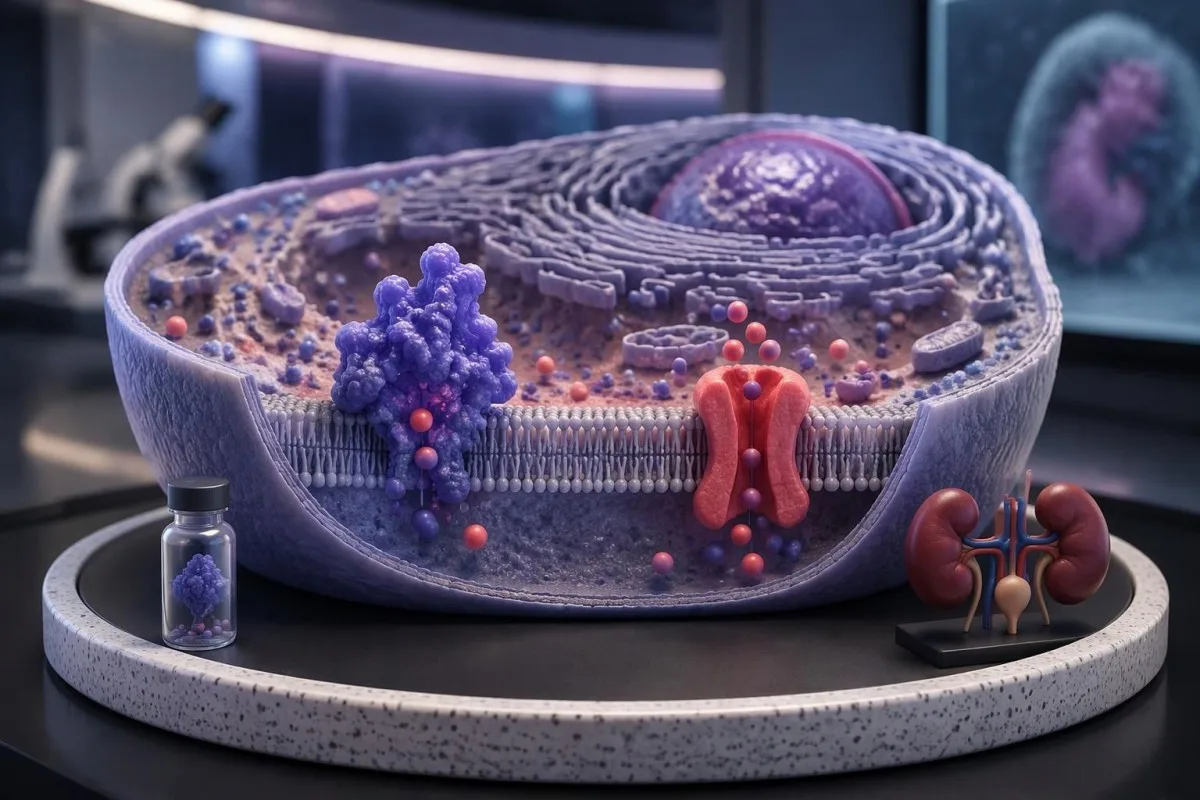
Examples that can raise exposure include voriconazole, posaconazole, itraconazole, clarithromycin and ritonavir or cobicistat; fluconazole, diltiazem and verapamil can also be relevant. The effect is not identical for every drug or person, and a previous concentration of 5 ng/mL does not predict safety after an inhibitor starts; our voriconazole monitoring guide covers the antifungal's own monitoring needs.
Rifampicin, carbamazepine, phenytoin, phenobarbital and St John's wort can reduce everolimus exposure through induction, although onset and recovery depend on the particular medicine. Starting an inducer may lower a previously acceptable 6 ng/mL trough, while stopping it may subsequently raise concentrations; tell the team about both actions rather than reporting only the new prescription.
Cyclosporine can increase everolimus exposure, so changes to its dose can alter the everolimus concentration even when the everolimus prescription stays the same. Before starting 1 new antibiotic, antifungal, antiviral or supplement, ask the transplant service or pharmacist to check the complete regimen—including tacrolimus, cyclosporine and nonprescription products—rather than checking each medicine separately.
Kiel manĝaĵoj, hepata funkcio kaj stomaka malsano influas la rezultojn?
Food consistency, liver impairment and gastrointestinal illness can change everolimus exposure or make a result harder to interpret. Take each prescribed dose consistently with or without food, avoid grapefruit unless your specialist explicitly advises otherwise, and report vomiting or persistent diarrhea even when the latest concentration was within 3–8 ng/mL.
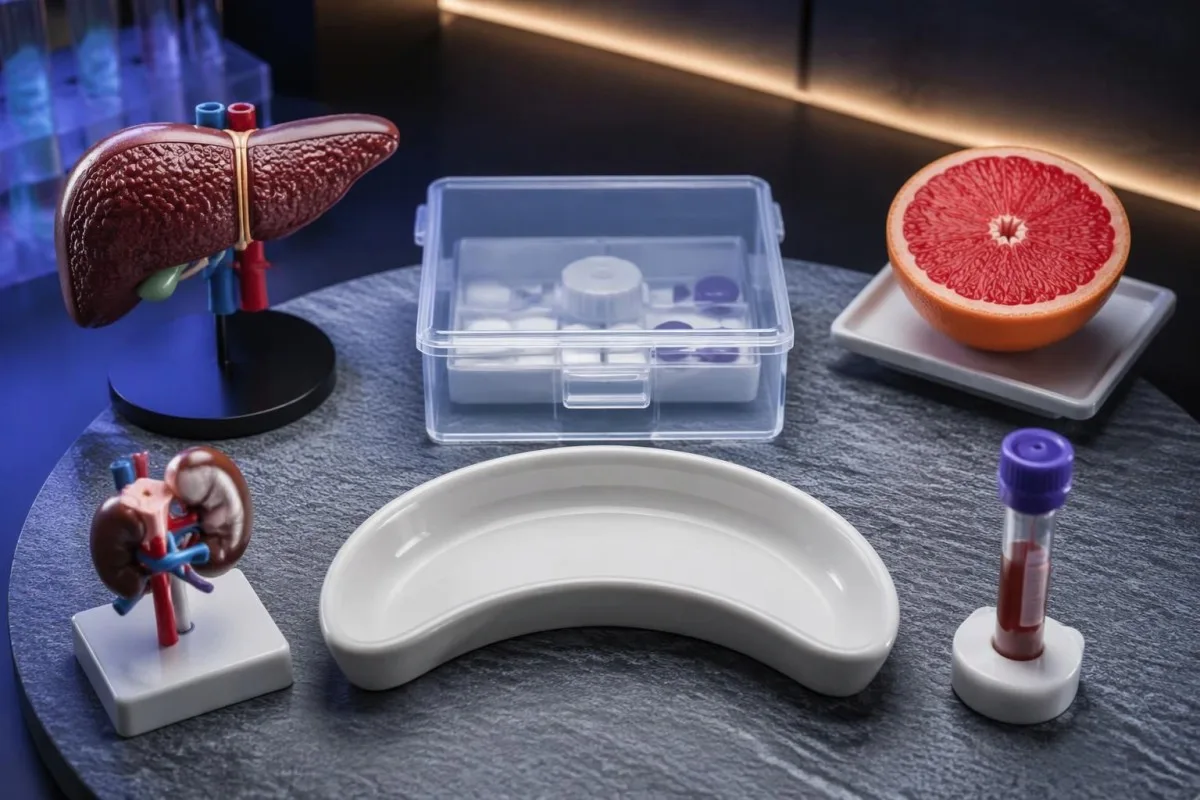
Food can alter everolimus absorption, so switching between fasting doses and doses with substantial meals can introduce variability without any prescription change. A practical record includes whether each of the previous 2 doses was taken with food; do not begin taking it fasting to 'improve' a low result, because that changes the exposure pattern your team is trying to assess.
Liver impairment can reduce everolimus clearance and may require indication-specific clinician-directed dose reduction, whereas reduced kidney filtration alone does not explain clearance in the same way. A change from 5 to 9 ng/mL therefore deserves a review of liver status and interacting medicines as well as kidney results; avoid unreviewed products marketed for kidney supplement support.
Diarrhea and vomiting can disrupt absorption, medication retention, hydration and the overall transplant regimen, but they do not reliably move everolimus concentrations in one predictable direction. If illness lasts more than 24 hours, or you cannot retain a scheduled dose, contact the team promptly; our norovirus recovery guidance should not substitute for transplant-specific advice.
Kion vi devas fari se via everolimus-nivelo estas tro alta?
Unu everolimus level too high means the measured concentration exceeds your prescribed target—not that one universal number proves poisoning. If your target is 3–8 ng/mL and a correctly collected trough is 12 ng/mL, contact the transplant team promptly for timing, interaction, symptom and laboratory review without independently withholding or reducing treatment.
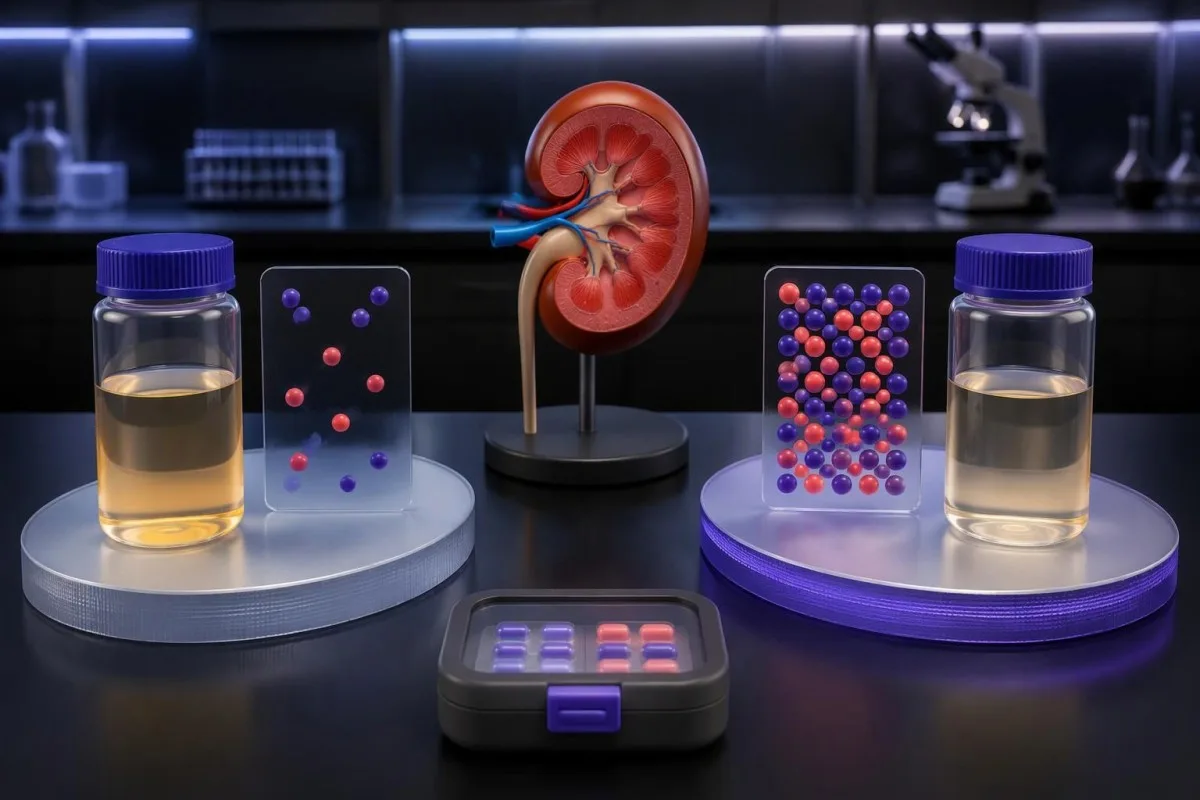
A value of 8.4 ng/mL is only 0.4 ng/mL above an 8 ng/mL upper target and does not carry the same context as a sudden rise from 5 to 16 ng/mL. There is no universally accepted emergency cutoff that applies to every transplant regimen; the direction of change, collection accuracy, symptoms and other immunosuppressants determine how urgently the team responds.
Everolimus can cause mouth sores, low blood counts, proteinuria, increased lipids, hyperglycemia, impaired healing and noninfectious pneumonitis, including at concentrations within the intended range. New thirst or frequent urination warrants glucose assessment rather than assuming the trough explains everything; our high-glucose warning signs distinguish routine follow-up from symptoms that require urgent evaluation.
Kantesti estas AI sangotesta interpretada platformo that can help compare a reported 12 ng/mL concentration with accompanying uploaded results, but cannot decide whether the next dose should be held. Fever of 38°C or higher, new breathlessness, severe weakness, markedly reduced urine output or inability to keep medicines down warrants urgent clinical contact; severe breathing difficulty requires emergency care regardless of the trough.
Ĉu malalta everolimus-nivelo ĉe la minimuma koncentriĝo antaŭ dozo signifas malakcepton?
A low everolimus trough can indicate insufficient exposure when it falls below your protocol's lower target, but it does not diagnose rejection. For a regimen targeting 3–8 ng/mL, a genuine 2.2 ng/mL trough should prompt timely transplant-team review of adherence, timing, interactions and the complete immunosuppressive regimen.
A missed dose, an inducer such as rifampicin, inconsistent food intake or a delayed collection can each contribute to a low result. If a hypothetical recipient's usual trough is 4.5 ng/mL and the new result is 2.2 ng/mL, the useful first step is reconstructing events—not assuming the prescribed dose suddenly stopped working or taking an extra tablet.
Rejection assessment depends on graft function, symptoms and organ-specific investigations; a kidney recipient may need creatinine trends, urine testing, imaging or specialist tissue assessment. A rise in creatinine plus a 2 ng/mL trough raises concern, but dehydration, obstruction and other causes remain possible, so the transplant service decides which tests can distinguish them.
Increasing immunosuppression can worsen some viral complications, which is why a low trough cannot be managed separately from the rest of the record. Our BK virus graft-risk guide explains a setting where graft dysfunction and treatment intensity must be balanced; do not double 1 dose or change tacrolimus to compensate for an isolated everolimus result.
Kiuj aliaj testoj plifaciligas sekuran monitoradon de everolimus?
Everolimus safety monitoring commonly includes blood counts, kidney function, urine protein, liver tests, glucose and lipids, alongside the trough and companion-drug levels. A 5 ng/mL concentration within a 3–8 ng/mL target does not rule out cytopenias, proteinuria, metabolic adverse effects or a problem caused by combined immunosuppression.
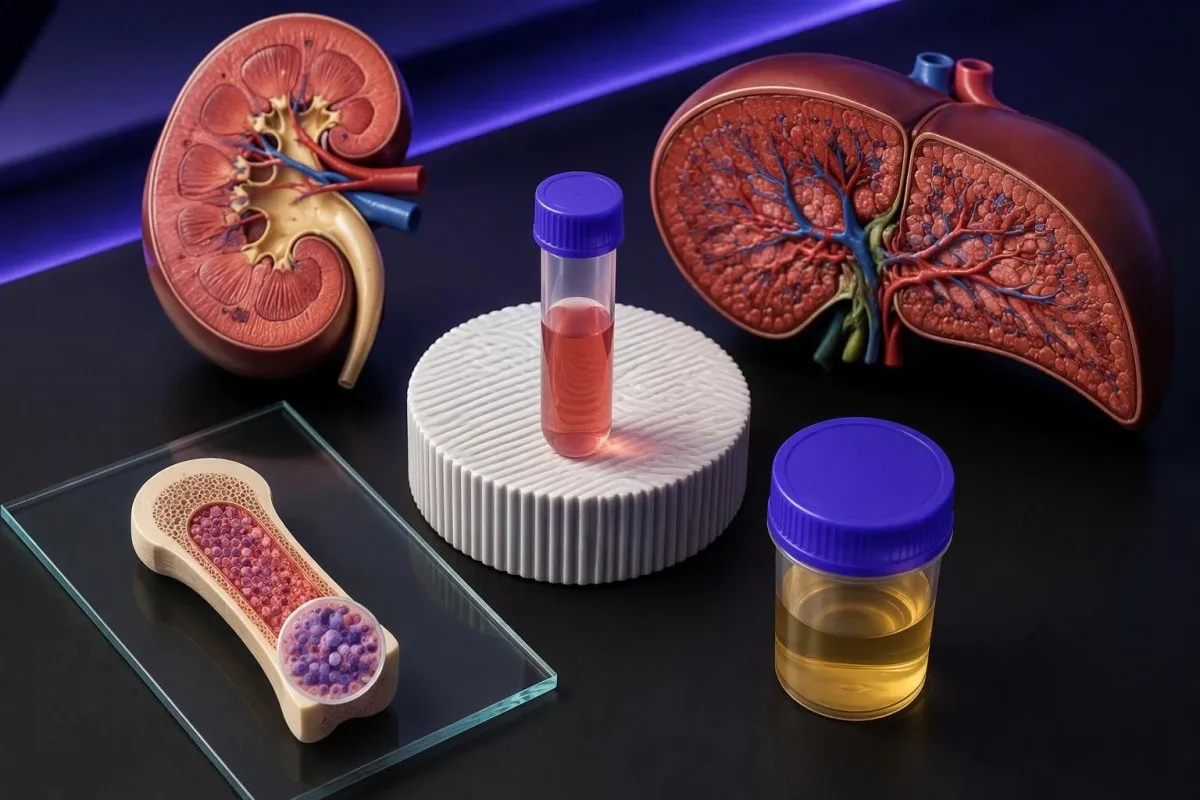
Persistent urine protein can require assessment even when creatinine changes little, and a urine albumin-to-creatinine ratio of 30 mg/g marks increased albumin excretion under general kidney classification. That threshold is not an automatic everolimus stopping rule; the team may use albumin or total-protein ratios, trends and graft context, while our konstanta ŝaŭma urino gvidilo explains why appearance alone is insufficient.
De Simone et al. (2012) tested everolimus targeting 3–8 ng/mL with reduced tacrolimus after liver transplantation and found better kidney-function outcomes than standard tacrolimus exposure in the studied setting. This supports a deliberately coordinated regimen, not independent calcineurin-inhibitor withdrawal; our gvidilo pri rena funkcia kvociento provides background, but cannot identify the cause of graft dysfunction by itself.
A platelet decline from 180 to 70 × 10⁹/L combined with rising creatinine and evidence of red-cell fragmentation would need urgent investigation, including consideration of thrombotic microangiopathy. Those hypothetical values are not diagnostic thresholds, and other medicines or illnesses can be responsible; our urĝa interpreto de skistocitoj explains why a normal everolimus trough cannot make this pattern safe to ignore.
Kial oni ne devas aŭtomate uzi transplantaĵajn celojn por kancera kuracado?
Cancer treatment should not automatically use the transplant 3–8 ng/mL everolimus target, because treatment goals, doses, formulations and supporting evidence differ. Many oncology regimens use a prescribed once-daily dose and adjust for adverse effects, interactions and liver function rather than routinely titrating every patient to a transplant trough interval.
Baselga et al. (2012), in the BOLERO-2 trial published in The New England Journal of Medicine, studied everolimus 10 mg daily with exemestane in a defined advanced breast-cancer population. That trial supports an indication-specific treatment strategy, not a universal concentration goal; a cancer patient's result above 8 ng/mL cannot be labeled excessive solely because a transplant report prints that upper boundary.
Exposure-response studies suggest potential roles for individualized oncology monitoring, but evidence has not established one universally accepted routine trough target across cancers. Separate noncancer indications also illustrate the difference: product labeling uses concentration-guided treatment targeting 5–15 ng/mL in certain tuberous-sclerosis-associated settings, and that interval must not be borrowed for cancer or transplantation without specialist direction.
A hypothetical oncology patient with a 9 ng/mL concentration needs the oncologist to review why the test was ordered, whether it was a true 24-hour predose sample and whether adverse effects are present. Our chemotherapy testing distinctions explain a different medicine-specific safety test; drug monitoring, pharmacogenetics and toxicity grading are not interchangeable routes to a self-selected dose.
Kiel la tempo kaj interagoj ŝanĝas la saman nombran rezulton?
The same everolimus concentration can mean different things when the dose interval, indication or interacting medicines differ. Kantesti is an AI-movita ilo por analizo de sangotestoj that can help organize these distinctions around a reported 10 ng/mL result, but only the treating team can translate the clinical context into a dosing decision.
Hypothetical example 1: a kidney recipient targeting 3–8 ng/mL has a 10 ng/mL result collected 12 hours after the last dose, several days after starting clarithromycin. That combination suggests a plausible interaction-related rise requiring prompt review; a mouth-sore history, blood count and companion-drug level would influence the clinician's decision more than the number alone.
Hypothetical example 2: another recipient has 10 ng/mL collected 1 hour after taking the morning dose, while their previous genuine trough was 5 ng/mL. The two results should not be plotted as equivalent troughs; our laborfluo por monitori tendencojn pri medikamenta sekureco explains why sample annotations matter before interpreting a line rising on a chart.
Kantesti AI can support a record containing 4 fields—dose, previous-dose time, collection time and target—while our AI-teknologia klarigo describes the broader interpretation workflow. A proportional calculation such as reducing a dose by 50% because a level doubled ignores timing errors, interactions and graft risk, so it is not a safe patient dosing method.
Esploraj publikaĵoj kaj sekura kontrol-listo por posttransplantaĵa sekvado
The strongest evidence for interpreting everolimus comes from drug-monitoring consensus guidance and indication-specific trials, not from general laboratory articles. Before acting on a result such as 9 ng/mL, obtain your prescribed target, verify collection timing and ask your transplant service for explicit next-dose and repeat-test instructions.
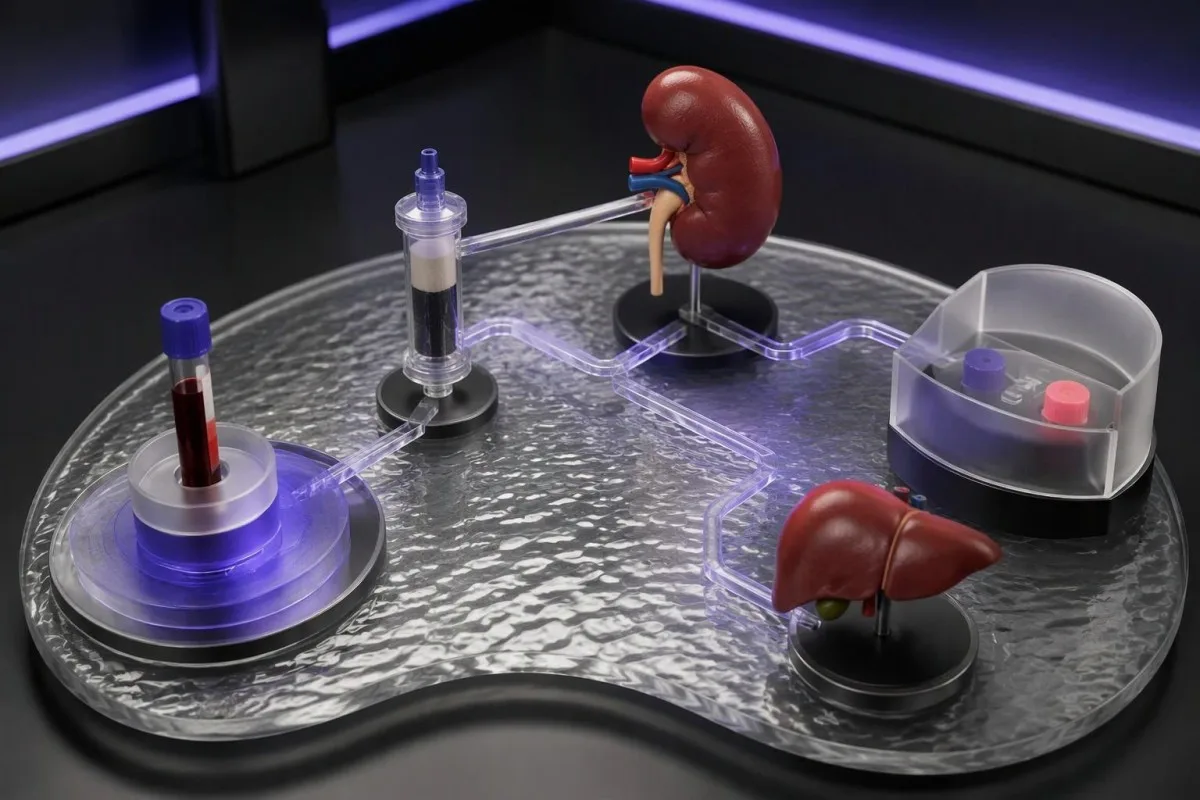
Send the service 5 essentials: the result and units, prescribed regimen, last-dose time, collection time and recent medicine or illness changes. Ask whether the sample is interpretable, what to take next and when to repeat it; the Shipkova et al. (2016) consensus and indication-specific trials provide clinical background, but none makes an unexplained high flag a patient-directed dosing instruction.
The 2 Zenodo publications listed below address coagulation and serum proteins, not everolimus pharmacokinetics, transplant target validation or oncology dose selection. Our gvidilo pri interpretado de serumaj proteinoj may help explain accompanying albumin results, but these background resources should not be cited as evidence that 3–8 ng/mL is appropriate for a particular recipient.
La materialoj de Kantesti normoj pri medicina enhavo distinguish educational interpretation from prescribing; this article cannot confirm that an individual 6 ng/mL result is correctly timed or clinically safe. Keep the transplant service's daytime and out-of-hours contact details available, and obtain urgent help for fever, breathing changes or inability to retain immunosuppression rather than waiting for another concentration.
Oftaj demandoj
Kio estas la celata minimuma koncentriĝo de everolimus post transplantado?
An everolimus trough target of 3–8 ng/mL in whole blood is commonly used in selected kidney and liver transplant regimens and some heart-transplant protocols. Your personal target depends on the transplanted organ, accompanying immunosuppressants, postoperative phase and local protocol. A laboratory's printed range is not automatically your prescribed target. Ask the transplant team to confirm the interval before interpreting a flagged result or considering any treatment change.
Kiom da horoj post dozo de everolimus oni devas kontroli la nivelon?
An everolimus trough should be collected immediately before the next scheduled dose, usually approximately 12 hours after the previous dose for a twice-daily transplant regimen. If a specialist requests a trough during once-daily treatment, the expected interval is generally approximately 24 hours. Follow the team's instructions about taking the next dose after collection, and report both actual dose and collection times. A sample taken after dosing should not be treated as an ordinary predose trough.
Ĉu everolimusa nivelo de 10 ng/mL estas tro alta?
0 La nivelo de everolimus de 10 ng/mL superas la celintervalon, se via preskribita intervalo de la minimuma koncentriĝo en tuta sango estas 3–8 ng/mL, sed ĝi ne estas universala sojlo de tokseco. Vera antaŭdoza rezulto havas alian signifon ol specimeno kolektita 1–2 horojn post la dozo. Rapide kontaktu vian transplantan teamon por revizii la tempon de la kolekto, interagantajn medikamentojn, simptomojn kaj aliajn laboratoriajn rezultojn. Ne memstare preterlasu, reduktu aŭ dividu la sekvan dozon; severa spirproblemo aŭ aliaj gravaj simptomoj postulas urĝan medicinan prizorgon sendepende de la koncentriĝo.
Ĉu malalta nivelo de everolimo povas signifi, ke mia transplantaĵo estas malakceptata?
Everolimusa minimuma koncentriĝo sub 3 ng/mL povas indiki nesufiĉan ekspozicion en reĝimo celanta 3–8 ng/mL, sed la rezulto ne diagnozas malakcepton. Ankaŭ preterlasitaj dozoj, malfrua specimenkolektado, vomado kaj enzimojn induktantaj medikamentoj povas kontribui al malalta koncentriĝo. Takso de malakcepto postulas tendencojn en la funkcio de la grefto kaj organ-specifajn esplorojn elektitajn de la transplanta servo. Raportu rezulton kiel 2.2 ng/mL senprokraste, anstataŭ preni kroman dozon aŭ ŝanĝi alian imunosupresilon.
Kiom baldaŭ oni devas ripeti la mezuradon de la everolimus-niveloj post ŝanĝo de la dozo?
Everolimus concentrations are commonly rechecked around 4–5 days after a clinician-directed dose change, when exposure is approaching the new steady state. The medicine's average half-life is roughly 30 hours, so a sample after only 1 day may still reflect the previous regimen substantially. Suspected toxicity, a major interaction or an unstable clinical situation can justify earlier or additional testing. Your transplant team should specify both the collection date and what to take while waiting.
Ĉu homoj, kiuj prenas everolimuson kontraŭ kancero, bezonas minimuman koncentriĝon de 3–8 ng/mL antaŭ la dozo?
Homoj, kiuj prenas everolimuson kontraŭ kancero, ne devus aŭtomate ricevi la transplantan celon de minimuma koncentriĝo de 3–8 ng/mL. Multaj onkologiaj kuracskemoj uzas indikaĵ-specifajn dozojn unufoje ĉiutage, kiel la ĉiutagan dozon de 10 mg studitan en BOLERO-2, kun ĝustigoj laŭ instrukcio de kuracisto pro adversaj efikoj, interagoj kaj hepata funkcio. Ne ekzistas unu sola universale akceptita rutina celo por minimuma koncentriĝo, kiu aplikiĝas al ĉiuj kanceroj. Se onkologo mendas mezuron de la koncentriĝo, demandu kial ĝi estis mezurita kaj kiu interpreta kadro aplikiĝas.
Kiuj medikamentoj povas altigi la valonivelojn de everolimus?
Everolimusa eksponiĝo povas pliiĝi pro inhibiciantoj de CYP3A4 aŭ P-glikoproteino, inkluzive de iuj azolaj kontraŭfungaj medikamentoj, klaritromicino kaj medikamentoj enhavantaj ritonaviron. Diltiazemo, verapamilo, flukonazolo kaj ciklosporino ankaŭ povas esti gravaj, kvankam la efiko varias laŭ medikamento kaj persono. Eĉ 5-taga preskribo povas perturbi antaŭe stabilan 5 ng/mL-valon antaŭ la dozo. Kontrolu novajn preskribitajn medikamentojn kaj suplementojn kun la transplanta servo aŭ apotekisto antaŭ ol komenci ilin, kaj raportu ankaŭ kiam la interaganta kuracado ĉesas.
Klarigu viajn rezultojn de sangoanalizo
Alŝutu vian laboratorian raporton kaj la AI de Kantesti klarigas ĉiun biomarkilon per simpla lingvaĵo ene de sekundoj. Uzata de pli ol 2 milionoj da homoj tutmonde.
Referencoj
- Klein, T., Mitchell, S., & Weber, H. (2026). Normala intervalo de aPTT: Gvidilo pri D-dimero kaj Protein C por sangokoaguliĝo. Kantesti AI-esplorado pri medicino. DOI
- Klein, T., Mitchell, S., & Weber, H. (2026). Gvidilo pri serumaj proteinoj: globulinoj, albumino kaj sangotesto pri la A/G-rilatumo. Kantesti AI-esplorado pri medicino. DOI
- Shipkova M et al. (2016). Therapeutic Drug Monitoring of Everolimus: A Consensus Report. Therapeutic Drug Monitoring.
- De Simone P et al. (2012). Everolimus with reduced tacrolimus improves renal function in de novo liver transplant recipients: a randomized controlled trial. American Journal of Transplantation. DOI
- Baselga J et al. (2012). Everolimus in Postmenopausal Hormone-Receptor–Positive Advanced Breast Cancer. The New England Journal of Medicine. DOI
- 2M+Analizitaj testoj
- 127+Landoj
- 100+Lingvoj
Pri la medicina teamo


Signaloj de fido E-E-A-T
Sperto
Kuracista gvidata klinika revizio de laboratoriaj interpretaj laborfluoj.
Kompetenteco
Laboratoria medicino fokusiĝas pri kiel biomarkiloj kondutas en klinika kunteksto.
Aŭtoritateco
Medicine recenzita de D-ro Thomas Klein, kun kontribuoj de D-rino Sarah Mitchell kaj Prof. D-ro Hans Weber.
Fidindeco
Evident-bazita interpretado kun klaraj sekvaj vojoj por redukti alarmon.






Medicina malrespondeca deklaro
Ĉi tiu artikolo estas nur por edukaj celoj kaj ne konsistigas medicinan konsilon. Ĉiam konsultu kvalifikitan sanprovizanton por diagnozaj kaj traktadaj decidoj.
Publikigita · Kontaktu la redakcian teamon
Eldonita de Kantesti Ltd, registrita en Anglio kaj Kimrio, kompanio n-ro. 17090423, Londono, Unuiĝinta Reĝlando.
