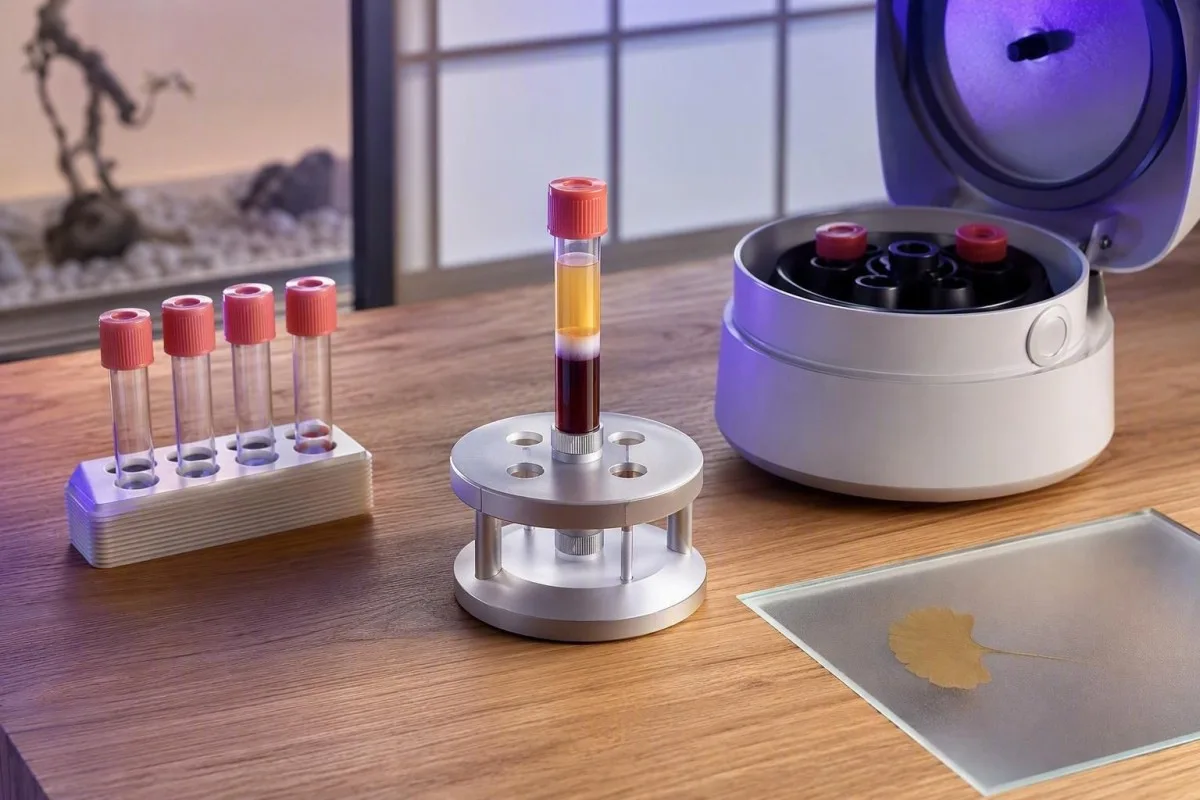
O primă analiză utilă înregistrează fiziologia dumneavoastră obișnuită, nu ecoul biochimic al antrenamentului de ieri, al băuturilor, al unui somn prost sau al unui virus trecător. Scopul este un context repetabil pe care îl puteți folosi ani de zile.


- Momentul testării de referință: programați o analiză dimineața, după 8-12 ore de post, dacă sunt incluse glicemia, trigliceridele, studiile de fier sau insulina.
- Pauza de exerciții fizice: evitați antrenamentul de forță neobișnuit de intens, intervalele sau evenimentele de anduranță timp de 24-48 de ore înainte de testarea de referință de rutină.
- Fereastra alcoolului: evitați alcoolul timp de cel puțin 48 de ore înainte de testarea trigliceridelor și a enzimelor hepatice; consumul excesiv de alcool poate distorsiona rezultatele pentru o perioadă mai lungă.
- Regula bolii: amânați o analiză de referință a stării de sănătate până la cel puțin 2 săptămâni după ce febra sau simptomele respiratorii sau gastrointestinale semnificative se rezolvă.
- Ținta de hidratare: beți normal cu o zi înainte și consumați 250-500 mL de apă în cele 2 ore dinaintea recoltării, cu excepția cazului în care aportul de lichide este restricționat.
- Precauție biotină: întrerupeți administrarea de biotină netratată prescrise în doze mari timp de 48-72 de ore înainte de numeroase imunoanalize, dar nu întrerupeți niciodată un tratament prescris fără a consulta medicul prescriptor.
- Contextul ciclului: înregistrați ziua ciclului pentru estradiol, progesteron, LH, FSH și, uneori, lipide; aceasta modifică interpretarea mai mult decât se așteaptă mulți oameni.
- Repetabilitate: utilizați același laborator, la o oră similară dimineața și același tip de pregătire atunci când urmăriți rezultatele de laborator în timp.
Ce face ca o primă analiză de sânge să fie o adevărată referință?
A test de sânge de bază este cel mai util atunci când surprinde o săptămână obișnuită: mese echilibrate, hidratare normală, fără boală acută și fără antrenament sau consum excepțional de alcool. Pentru majoritatea adulților, recomand o probă de dimineață după un post de 8-12 ore, atunci când se măsoară glicemia, trigliceridele, markerii fierului sau insulina.
Scopul practic nu este de a face rezultatele să pară mai bune. Este de a reduce variația pre-analitică—modificări care apar înainte ca analizorul să vadă eșantionul. O glicemie à jeun de 96 mg/dL și un nivel de trigliceride de 105 mg/dL pot fi ambele complet normale, totuși semnificația lor se modifică dacă persoana a mâncat târziu, a alergat 10 km sau a dormit 3 ore.
În practica mea clinică, solicit pacienților să trateze prima recoltare ca pe o fotografie de referință. Păstrați o înregistrare scurtă a orei de trezire, a duratei postului, a medicamentelor, a suplimentelor, a consumului de alcool în ultimele 72 de ore, a exercițiilor fizice în ultimele 48 de ore, a zilei ciclului menstrual și a infecțiilor recente. Această înregistrare este adesea mai utilă la al doilea test decât un singur indicator de “normalitate”.
Kantesti este o Analizor de teste de sânge AI conceput pentru a citi rezultatele în contextul practic, mai degrabă decât a trata fiecare valoare evidențiată ca o boală. Pentru o listă de teste sensibilă, începeți cu ghidul nostru analize anuale de sânge și agreați completări cu un medic care vă cunoaște istoricul.
Baza este personală, nu doar “în interval”
Un interval de referință de laborator conține de obicei 95% din valorile unei populații selectate; nu definește numărul dvs. personal cel mai sănătos sau cel mai sigur. Un rezultat al creatininei poate rămâne în intervalul unui laborator, în timp ce crește semnificativ față de valoarea dvs. repetată, motiv pentru care documentarea de bază contează.
Cum influențează postul și mesele de cu o zi înainte rezultatele
Fasting for 8-12 ore produce prima comparație cea mai clară pentru trigliceride, glicemie à jeun, insulină și fier seric, deși multe profiluri lipidice pot fi interpretate fără post. Apa este permisă și, de obicei, utilă; cafeaua, sucul, guma de mestecat și băuturile calorice nu reprezintă un post real.
O glicemie à jeun sub 100 mg/dL este, în general, normală, 100-125 mg/dL indică o toleranță alterată la glucoză à jeun, iar 126 mg/dL sau mai mult necesită confirmare, cu excepția cazului în care sunt prezente simptome și hiperglicemie marcată. HbA1c reflectă aproximativ ultimele 8-12 săptămâni, deci un mic dejun nu o poate scădea semnificativ; ghidul de laborator al ADA explică de ce glicemia și HbA1c răspund la întrebări diferite (Sacks et al., 2023).
Trigliceridele sunt deosebit de sensibile la masă. O valoare sub 150 mg/dL este convențional de dorit, în timp ce 500 mg/dL sau mai mult ridică suspiciunea de risc de pancreatită și necesită o evaluare clinică promptă. O masă copioasă târzie sau alcoolul pot crea un prim rezultat înșelător de ridicat, așa că utilizați un plan de retestare a trigliceridelor mai degrabă decât să încercați să “mâncați perfect” timp de o zi.
Kantesti este o platforma de interpretare analize sange AI care care care care care care care care care care care care care care care care care care care care care care care care care care care care care care care care care care care care care care care care care care care care care care care care care care care care care care care care care care care care care care care care care care care care care care care care care care care care care care care care care care care care care care care care care care care care care care care care care care care care care care care care care care care care care care care care care care care care care care care care care care care care care care care care care care care care care care care care care care care care care care care care care care care care care care care care care care care care care care care care care care care care care care care care care care care care care care care care care care care care care care care care care care care care care care care care care care care care care care care care care care care care care care care care care care care care care care care care care care care care care care care care care care care care care care care care care care care care care care care care care care care care care care care care care care care care care care care care care care care care care care care care care care care care care care care care care care care care care care care care care care care care care care care care care care care care care care care care care care care care care care care care care care care care care care care care care care care care care care care care care care care care care care care care care care care care care care care care care care care care care care care care care care care care care care care care care care care care care care care care care care care care care care care care care care care care care care care care care care care care care care care care care care care care care care care care care care care care care care care care care care care care care care care care care care care care care care care care care care care care care care care care care care care care care care care care care care care care care care care care care care care care care care care care care care care care care care care care care care care care care care care care care care care care care care care care care care care care care care care care care care care care care care care care care care care care care care care care care care care care care care care care care care care care care care care care care care care care care care care care care care care care care care care care care care care care care care care care care care care care care care care care care care care care care care care care care care care care care care care care care care care care care care care care care care care care care care care care care care care care care care care care care care care care care care care care care care care care care care care care care care care care care care care care care care care care care care care care care care care care care care care care care care care care care care care care care care care care care care care care care care care care care care care care care care care care care care care care care care care care care care care care care care care care care care care care care care care care care care care care care care care care care care care care care care care care care care care care care care care care care care care care care care care care care care care care care care care care care care care care care care care care care care care care care care care care care care care care care care care care care care care care care care care care care care care care care care care care care care care care care care care care care care care care care care care care care care care care care care care care care care care care care care care care care care care care care care care care care care care care care care care care care care care care care care care care care care care care care care care care care care care care care care care care care care care care care care care care care care care care care care care care care care care care care care care care care care care care care care care care care care care care care care care care care care care care care care care care care care care care care care care care care care care care care care care care care care care care care care care care care care care care care care care care care care care care care care care care care care care care care care care care care care care care care care care care care care care care care care care care care care care care care care care care care care care care care care care care care care care care care care care care care care care care care care care care care care care care care care care care care care care care care care care care care care care care care care care care care care care care care care care care care care care care care care care care care care care care care care care care care care care care care care care care care care care care care care care care care care care care care care care care care care care care care care care care care care care care care care care care care care care care care care care care care care care care care care care care care care care care care care care care care care care care care care care care care care care care care care care care care care care care care care care care care care care care care care care care care care care care care care care care care care care care care care care care care care care care care care care care care care care care care care care care care care care care care care care care care care care care care care care care care care care care care care care care care care care care care care care care care care care care care care care care care care care care care care care care care care care care care care care care care care care care care care care care care care care care care care care care care care care care care care care care care care care care care care care care care care care care care care care care care care care care care care care care care care care care care care care care care care care care care care care care care care care care care care care care care care care care care care care care care care care care care care care care care care care care care care care care care care care care care care care care care care care care care care care care care care care care care care care care care care care care care care care care care care care care care care care care care care care care care care care care care care care care care care care care care care care care care care care care care care care care care care care care care care care care care care care care care care care care care care care care care care care care care care care care care care care care care care care care care care care care care care care care care care care care care care care care care care care care care care care care care care care care care care care care care care care care care care care care care care care care care care care care care care care care care care care care care care care care care care care care care care care care care care care care care care care care care care care care care care care care care care care care care care care care care care care care care care care care care care care care care care care care care care care care care care care care care care care care care care care care care care care care care care care care care care care care care care care care care care care care care care care care care care care care care care care care care care care care care care care care care care care care care care care care care care care care care care care care care care care care care care care care care care care care care care care care care care care care care care care care care care care care care care care care care care care care care care care care care care care care care care care care care care care care care care care care care care care care care care care care care care care care care care care care care care care care care care care care care care care care care care care care care care care care care care care care care care care care care care care care care care care care care care care care care care care care care care care care care care care care care care care care care care care care care care care care care care care care care care care care care care care care care care care care care care care care care care care care care care care care care care care care care care care care care care care care care care care care care care care care care care care care care care care care care care care care care care care care care care care care care care care care care care care care care care care care care care care care care care care care care care care care care care care care care care care care care care care care care care care care care care care care care care care care care care care care care care care care care care care care care care care care care care care care care care care care care care care care care care care care care care care care care care care care care care care care care care care care care care care care care care care care care care care care care care care care care care care care care care care care care care care care care care care care care care care care care care care care care care care care care care care care care care care care care care care care care care care care care care care care care care care care care care care care care care care care care care care care care care care care care care care care care care care care care care care care care care care care care care care care care care care care care care care care care care care care care care care care care care care care care care care care care care care care care care care care care care care care care care care care care care care care care care care care care care care care care care care care care care care care care care care care care care care care care care care care care care care care care care care care care care care care care care care care care care care care care care care care care care care care care care care care care care care care care care care care care care care care care care care care care care care care care care care care care care care care care care care care care care care care care care care care care care care care care care care care care care care care care care care care care care care care care care care care care care care care care care care care care care care care care care care care care care care care care care care care care care care care care care care care care care care care care care care care care care care care care care care care care care care care care care care care care care care care care care care care care care care care care care care care care care care care care care care care care care care care care care care care care care care care care care care care care care care care care care care care care care care care care care care care care care care care care care care care care care care care care care care care care care care care care care care care care care care care care care care care care care care care care care care care care care care care care care care care care care care care care care care care care care care care care care care care care care care care care care care care care care care care care care care care care care care care care care care care care care care care care care care care care care care care care care care care care care care care care care care care care care care care care care care care care care care care care care care care care care care care care care care care care care care care care care care care care care care care care care care care care care care care care care care care care care care care care care care care care care care care care care care care care care care care care care care care care care care care care care care care care care care care care care care care care care care care care care care care care care care care care care care care care care care care care care care care care care care care care care care care care care care care care care care care care care care care care care care care care care care care care care care care care care care care care care care care care care care care care care care care care care care care care care care care care care care care care care care care care care care care care care care care care care care care care care care care care care care care care care care care care care care care care care care care care care care care care care care care care care care care care care care care care care care care care care care care care care care care care care care care care care care care care care care care care care care care care care care care care care care care care care care care care care care care care care care care care care care care care care care care care care care care care care care care care care care care care care care care care care care care care care care care care care care care care care care care care care care care care care care care care care care care care care care care care care care care care care care care care care care care care care care care care care care care care care care care care care care care care care care care care care care care care care care care care care care care care care care care care care care care care care care care care care care care care care care care care care care care care care care care care care care care care care care care care care care care care care care care care care care care care care care care care care care care care care care care care care care care care care care care care care care care care care care care care care care care care care care care care care care care care care care care care care care care care care care care care care care care care care care care care care care care care care care care care care care care care care care care care care care care care care care care care care care care care care care care care care care care care care care care care care care care care care care care care care care care care care care care care care care care care care care care care care care care care care care care care care care care care care care care care care care care care care care care care care care care care care care care care care care care care care care care care care care care care care care care care care care care care care care care care care care care care care care care care care care care care care care care care care care care care care care care care care care care care care care care care care care care care care care care care care care care care care care care care care care care care care care care care care care care care care care care care care care care care care care care care care care care care care care care care care care care care care care care care care care care care care care care care care care care care care care care care care care care care care care care care care care care care care care care care care care care care care care care care care care care care care care care care care care care care care care care care care care care care care care care care care care care care care care care care care care care care care care care care care care care care care care care care care care care care care care care care care care care care care care care care care care care care care care care care care care care care care care care care care care care care care care care care care care care care care care care care care care care care care care care care care care care care care care care care care care care care care care care care care care care care care care care care care care care care care care care care care care care care care care care care care care care care care care care care care care care care care care care care care care care care care care care care care care care care care care care care care care care care care care care care care care care care care care care care care care care care care care care care care care care care care care care care care care care care care care care care care care care care care care care care care care care care care care care care care care care care care care care care care care care care care care care care care care care care care care care care care care care care care care care care care care care care care care care care care care care care care care care care care care care care care care care care care care care care care care care care care care care care care care care care care care care care care care care care care care care care care care care care care care care care care care care care care care care care care care care care care care care care care care care care care care care care care care care care care care care care care care care care care care care care care care care care care care care care care care care care care care care care care care care care care care care care care care care care care care care care care care care care care care care care care care care care care care care care care care care care care care care care care care care care care care care care care care care care care care care care care care care care care care care care care care care care care care care care care care care care care care care care care care care care care care care care care care care care care care care care care care care care care care care care care care care care care care care care care care care care care care care care care care care care care care care care care care care care care care care care care care care care care care care care care care care care care care care care care care care care care care care care care care care care care care care care care care care care care care care care care care care care care care care care care care care care care care care care care care care care care care care care care care care care care care care care care care care care care care care care care care care care care care care care care care care care care care care care care care care care care care care care care care care care care care care care care care care care care care care care care care care care care care care care care care care care care care care care care care care care care care care care care care care care care care care care care care care care care care care care care care care care care care care care care care care care care care care care care care care care care care care care care care care care care care care care care care care care care care care care care care care care care care care care care care care care care care care care care care care care care care care care care care care care care care care care care care care care care care care care care care care care care care care care care care care care care care care care care care care care care care care care care care care care care care care care care care care care care care care care care care care care care care care care care care care care care care care care care care care care care care care care care care care care care care care care care care care care care care care care care care care care care care care care care care care care care care care care care care care care care care care care care care care care care care care care care care care care care care care care care care care care care care care care care care care care care care care care care care care care care care care care care care care care care care care care care care care care care care care care care care care care care care care care care care care care care care care care care care care care care care care care care care care care care care care care care care care care care care care care care care care care care care care care care care care care care care care care care care care care care care care care care care care care care care care care care care care care care care care care care care care care care care care care care care care care care care care care care care care care care care care care care care care care care care care care care care care care care care care care care care care care care care care care care care care care care care care care care care care care care care care care care care care care care care care care care care care care care care care care care care care care care care care care care care care care care care care care care care care care care care care care care care care care care care care care care care care care care care care care care care care care care care care care care care care care care care care care care care care care care care care care care care care care care care care care care care care care care care care care care care care care care care care care care care care care care care care care care care care care care care care care care care care care care care care care care care care care care care care care care care care care care care care care care care care care care care care care care care care care care care care care care care care care care care care care care care care care care care care care care care care care care care care care care care care care care care care care care care care care care care care care care care care care care care care care care care care care care care care care care care care care care care care care care care care care care care care care care care care care care care care care care care care care care care care care care care care care care care care care care care care care care care care care care care care care care care care care care care care care care care care care care care care care care care care care care care care care care care care care care care care care care care care care care care care care care care care care care care care care care care care care care care care care care care care care care care care care care care care care care care care care care care care care care care care care care care care care care care care care care care care care care care care care care care care care care care care care care care care care care care care care care care care care care care care care care care care care care care care care care care care care care care care care care care care care care care care care care care care care care care care care care care care care care care care care care care care care care care care care care care care care care care care care care care care care care care care care care care care care care care care care care care care care care care care care care care care care care care care care care care care care care care care care care care care care care care care care care care care care care care care care care care care care care care care care care care care care care care care care care care care care care care care care care care care care care care care care care care care care care care care care care care care care care care care care care care care care care care care care care care care care care care care care care care care care care care care care care care care care care care care care care care care care care care care care care care care care care care care care care care care care care care care care care care care care care care care care care care care care care care care care care care care care care care care care care care care care care care care care care care care care care care care care care care care care care care care care care care care care care care care care care care care care care care care care care care care care care care care care care care care care care care care care care care care care care care care care care care care care care care care care care care care care care care care care care care care care care care care care care care care care care care care care care care care care care care care care care care care care care care care care care care care care care care care care care care care care care care care care care care care care care care care care care care care care care care care care care care care care care care care care care care care care care care care care care care care care care care care care care care care care care care care care care care care care care care care care care care care care care care care care care care care care care care care care care care care care care care care care care care care care care care care care care care care care care care care care care care care care care care care care care care care care care care care care care care care care care care care care care care care care care care care care care care care care care care care care care care care care care care care care care care care care care care care care care care care care care care care care care care care care care care care care care care care care care care care care care care care care care care care care care care care care care care care care care care care care care care care care care care care care care care care care care care care care care care care care care care care care care care care care care care care care care care care care care care care care care care care care care care care care care care care care care care care care care care care care care care care care care care care care care care care care care care care care care care care care care care care care care care care care care care care care care care care care care care care care care care care care care care care care care care care care care care care care care care care care care care care care care care care care care care care care care care care care care care care care care care care care care care care care care care care care care care care care care care care care care care care care care care care care care care care care care care care care care care care care care care care care care care care care care care care care care care care care care care care care care care care care care care care care care care care care care care care care care care care care care care care care care care care care care care care care care care care care care care care care care care care care care care care care care care care care care care care care care care care care care care care care care care care care care care care care care care care care care care care care care care care care care care care care care care care care care care care care care care care care care care care care care care care care care care care care care care care care care care care care care care care care care care care care care care care care care care care care care care care care care care care care care care care care care care care care care care care care care care care care care care care care care care care care care care care care care care care care care care care care care care care care care care care care care care care care care care care care care care care care care care care care care care care care care care care care care care care care care care care care care care care care care care care care care care care care care care care care care care care care care care care care care care care care care care care care care care care care care care care care care care care care care care care care care care care care care care care care care care care care care care care care care care care care care care care care care care care care care care care care care care care care care care care care care care care care care care care care care care care care care care care care care care care care care care care care care care care care care care care care care care care care care care care care care care care care care care care care care care care care care care care care care care care care care care care care care care care care care care care care care care care care care care care care care care care care care care care care care care care care care care care care care care care care care care care care care care care care care care care care care care care care care care care care care care care care care care care care care care care care care care care care care care care care care care care care care care care care care care care care care care care care care care care care care care care care care care care care care care care care care care care care care care care care care care care care care care care care care care care care care care care care care care care care care care care care care care care care care care care care care care care care care care care care care care care care care care care care care care care care care care care care care care care care care care care care care care care care care care care care care care care care care care care care care care care care care care care care care care care care care care care care care care care care care care care care care care care care care care care care care care care care care care care care care care care care care care care care care care care care care care care care care care care care care care care care care care care care care care care care care care care care care care care care care care care care care care care care care care care care care care care care care care care care care care care care care care care care care care care care care care care care care care care care care care care care care care care care care care care care care care care care care care care care care care care care care care care care care care care care care care care care care care care care care care care care care care care care care care care care care care care care care care care care care care care care care care care care care care care care care care care care care care care care care care care care care care care care care care care care care care care care care care care care care care care care care care care care care care care care care care care care care care care care care care care care care care care care care care care care care care care care care care care care care care care care care care care care care care care care care care care care care care care care care care care care care care care care care care care care care care care care care care care care care care care care care care care care care care care care care care care care care care care care care care care care care care care care care care care This story is not about the ethical nuances of medical decision-making, but rather about practical laboratory testing and how specific lifestyle factors can influence their results. The article focuses on factors that might affect lab tests and emphasizes the importance of interpreting results within their proper context. In summary, the text covers: * **The importance of fasting for certain tests:** Several tests are sensitive to food intake, and maintaining a fasting state is crucial for accurate results and easier comparison. * **Identifying meal-sensitive tests:** The article aims to clarify which tests are affected by meals and which are not. * **Normal ranges and interpretations:** It provides typical fasting glucose ranges for adults and mentions ranges for prediabetes, stressing the need for context and confirmation. * **The impact of physical activity:** Strenuous exercise can significantly alter levels of muscle, kidney, and liver-related markers, requiring retesting after recovery. * **The role of alcohol:** Alcohol consumption can temporarily distort various lab values, including triglycerides, glucose, GGT, and AST, highlighting the need for abstinence before testing. * **Factors affecting specific tests:** The text touches upon how exercise influences AST and CK levels, and how alcohol and other conditions affect GGT and triglycerides. * **The need for repeat testing:** Isolated lab values are often insufficient for diagnosis, and repeat tests after a period of recovery or abstinence are frequently necessary. * **Caution against "detoxing":** The article advises against extreme measures like excessive fasting or "detoxing" to improve liver results, advocating for a simpler, evidence-based approach. pentru biomarkeri explică ce teste sunt cu adevărat sensibile la masă și care nu.
Cum exercițiile fizice pot mima teste hepatice și renale anormale
Efortul fizic intens poate crește temporar CK, AST, ALT, creatinină, leucocite și uneori potasiu, deci evitați antrenamentele necunoscute sau de intensitate ridicată timp de 24-48 de ore înainte de un panou de bază. Mersul pe jos ușor și mișcarea zilnică normală sunt în regulă.
Un alergător de maraton de 52 de ani pe care l-am examinat a avut AST 89 UI/L după o cursă lungă, cu ALT 36 UI/L și CK peste 2.000 UI/L. Acest tipar a indicat mai puternic mușchiul solicitat decât o leziune hepatică, dar a necesitat totuși o repetare după recuperare; valorile izolate sunt rar suficiente. Citiți mai multe despre AST după efort înainte de a presupune o problemă hepatică.
Limitele de referință ale creatine kinase variază în funcție de laborator, sex, origine etnică, masă musculară și statutul de antrenament, dar multe laboratoare marchează valorile peste aproximativ 200-300 UI/L. CK care depășește de 5 ori limita superioară de referință după efort este frecventă; CK peste 5.000 UI/L cu urină închisă la culoare, dureri musculare severe sau scăderea producției de urină necesită evaluare urgentă pentru rabdomioliză de efort.
Creatinina crește după activitate intensă parțial prin descompunerea mușchilor și flux sanguin renal redus din cauza pierderii de lichide. Nu interpretați un eGFR mai mic dintr-o probă post-cursă ca boală cronică de rinichi fără testare de recuperare; ghidul nostru pentru creatinină în timpul efortului explică fereastra mai sigură de retragere a probei.
Resetarea de 48 de ore nu este o regulă pentru toată lumea
Pentru o sesiune recreativă la sală, 24 de ore sunt adesea suficiente. După un ultramaraton, o competiție CrossFit, ridicare de greutăți foarte grele cu mișcări excentrice sau expunere la căldură, aștept adesea 48-72 de ore dacă scopul este un nivel de bază stabil, mai degrabă decât evaluarea evenimentului în sine.
De ce alcoolul merită o pauză de 48 de ore înainte de testarea de referință
Evitarea alcoolului timp de cel puțin 48 de ore înainte de un test sanguin de bază reduce distorsiunea pe termen scurt a trigliceridelor, glucozei, GGT, AST, markerilor de hidratare și fiziologiei legate de somn. O singură seară de consum exagerat poate conta mai mult decât se așteaptă mulți pacienți.
Alcoolul poate crește trigliceridele prin creșterea producției hepatice de lipoproteină cu densitate foarte mică, în special după mese bogate în carbohidrați. Efectul este variabil: rezultatul unei persoane revine la normal în 24 de ore, în timp ce la alta cu ficat gras, diabet sau un consum mai mare pot apărea modificări timp de mai multe zile. Un nivel de trigliceride de 220 mg/dL în condiții de post după un weekend cu băuturi ar trebui repetat înainte ca cineva să-l eticheteze ca o problemă metabolică fixă.
GGT este sensibil, dar nespecific. Multe laboratoare folosesc limite superioare în jur de 55-60 UI/L pentru bărbați și 35-40 UI/L pentru femei, totuși medicamentele, colestaza, ficatul gras și alcoolul pot crește nivelul. Tiparul semnificativ este GGT împreună cu ALT, ALP, bilirubina, numărul de trombocite și istoricul de consum de alcool; vezi ghidul nostru explicație pentru panelul hepatic pentru modul în care se potrivesc aceste piese.
Începând cu 1 septembrie 2026, încă sfătuiesc împotriva “detoxifierii” sau a postului excesiv pentru îmbunătățirea rezultatelor hepatice. Alimentația normală, apa normală, fără alcool și un interval documentat reprezintă o știință mai curată. Persistența ALT peste limita superioară a laboratorului pe două probe la câteva săptămâni distanță necesită o evaluare medicală, nu o cură pe internet.
Când boala sau vaccinarea ar trebui să amâne o analiză de stare de sănătate
Amânați stabilirea unui nivel de bază pentru starea de bine în timpul febrei, al unei boli gastrointestinale active, al unei infecții respiratorii semnificative sau în primele 1-2 săptămâni după recuperare, deoarece CRP, feritină, leucocite, trombocite, glucoză și analize tiroidiene pot fluctua temporar. Testarea diagnostică urgentă este diferită: nu o amânați atunci când nu vă simțiți bine.
Proteina C reactivă crește frecvent în 6-8 ore de la un stimul inflamator și poate scădea rapid odată ce factorul declanșator se stabilizează. Un CRP sub 3 mg/L este adesea folosit pentru stratificarea riscului cardiovascular numai atunci când o persoană este clinic sănătoasă; un rezultat de 18 mg/L în timpul unei răceli spune puțin despre riscul vascular pe termen lung. Modelul CRP și albumină este mai informativ decât oricare rezultat singur.
Feritina este atât o proteină de stocare a fierului, cât și un reactant de fază acută. O feritină de 110 ng/mL în timpul unei infecții poate masca niveluri depuse de fier, în timp ce o feritină sub 15 ng/mL este foarte specifică pentru deficitul de fier la un adult altfel sănătos. Acesta este motivul pentru care asociez feritina cu saturația transferinei, CRP, hemoglobina și istoricul clinic.
Vaccinarea poate provoca un răspuns imunitar de scurtă durată, inclusiv modificări tranzitorii ale CRP și ale subseturilor de leucocite. Testarea de rutină poate, de obicei, să aștepte 3-7 zile după vaccinare dacă scopul este stabilirea unui nivel de bază liniștit, dar un panel de siguranță programat pentru monitorizarea medicamentelor ar trebui să urmeze instrucțiunile medicului prescriptor. Ghidul nostru ghidul nostru de laborator post-vaccinare acoperă distincțiile practice.
Regula de două săptămâni are excepții
După pneumonie, spitalizare, mononucleoză infecțioasă sau o exacerbare severă a unei boli cronice, două săptămâni s-ar putea să nu fie suficiente. În aceste cazuri, folosesc adesea recuperarea simptomelor, tendința CRP și judecata clinicianului, mai degrabă decât un calendar singur.
Cum influențează lipsa somnului și momentul zilei o analiză de sânge
O singură noapte de somn slab poate crește glicemia à jeun, cortizolul, tensiunea arterială și semnalele inflamatorii, în timp ce momentul recoltării poate modifica testosteronul, cortizolul, fierul și TSH. Pentru o primă valoare de bază, vizați 7-9 ore de somn obișnuit și recoltați între aproximativ 7 și 10 dimineața, când este posibil.
Cortizolul urmează un ritm zilnic puternic. Cortizolul seric matinal este măsurat frecvent în jurul orei 8 dimineața, dar o valoare nu poate diagnostica o boală suprarenală fără ora recoltării, simptome și adesea testarea ACTH. O probă de după-amiază comparată cu o probă anterioară de la ora 8 dimineața nu reprezintă o tendință validă, chiar dacă același laborator efectuează ambele analize.
Restricționarea somnului timp de 4-5 ore poate înrăutăți sensibilitatea la insulină în dimineața următoare și poate modifica hormonii apetitului; dimensiunea modificării de laborator variază considerabil în funcție de persoană. Observ acest lucru cel mai des la lucrătorii în schimburi, la părinții noi și la călătorii frecvenți, unde un “nivel de bază” trebuie să reflecte programul lor real, mai degrabă decât unul idealizat. Ghidul nostru și ghidul pentru analize de somn de slabă calitate oferă o listă de verificare utilă pentru adnotări.
Sfaturile practice ale Dr. Thomas Klein sunt simple: nu anulați un test necesar pentru că ați dormit prost, ci înregistrați-o. Dacă o glicemie à jeun la limită este de 103 mg/dL după o noapte nedormită, repetați în condiții obișnuite înainte de a trage concluzii despre prediabet.
Cafeina nu este întotdeauna o pregătire inofensivă
Cafeaua neagră poate avea un efect redus asupra multor panouri, dar poate afecta glucoza, catecolaminele, tensiunea arterială și anumite teste endocrine specializate. Când se comandă insulină, glucoză, cortizol sau metanefrine pe nemâncate, apa simplă este cea mai puțin ambiguă alegere.
Ce suplimente și medicamente trebuie înregistrate
Nu opriți medicamentele prescrise pentru un test sanguin de bază decât dacă prescripția vă spune să faceți acest lucru, dar înregistrați fiecare medicament și supliment cu doza și momentul administrării. Biotină, fier, B12, creatină, iod, corticosteroizi și decongestionante pot modifica fie biologia, fie analiza testului.
Doza mare de biotină, adesea 5.000-10.000 micrograme pe zi în produsele pentru păr și unghii, poate interfera cu anumite imunoanalize streptavidină-biotină. Aceasta poate crea un TSH fals scăzut sau un T4 liber fals ridicat, troponină sau rezultate hormonale, în funcție de designul analizei. O pauză de 48-72 de ore este utilizată frecvent pentru biotina neprescrisă, dar persoanele care o iau pentru o afecțiune medicală ar trebui să întrebe mai întâi medicul.
Fierul oral poate crește tranzitoriu fierul seric, iar suplimentele de creatină pot crește creatinina fără a reduce filtrarea reală. Corticosteroizii pot crește glucoza și leucocitele; inhibitorii pompei de protoni pot afecta magneziul și B12 în timp. Răspunsul corect este contextul, nu auto-întreruperea bruscă; ghidul nostru pentru posturile cu suplimente explică excepțiile comune.
Kantesti este o Instrument de analiză a analizelor de sânge bazat pe AI care înregistrează suplimentele raportate lângă rezultate, astfel încât o modificare aparentă a tiroidianului sau renalului să poată fi analizată în raport cu expunerea care o poate explica. Pacienții pot compara, de asemenea, rezultatele raportate cu lista noastră de verificare a acurateței clinice înainte de a acționa în cazul unui semnal neașteptat.
Momentul administrării medicamentelor poate face parte din prescripție
Terapia de substituție tiroidiană, terapia cu testosteron, insulina, diureticele și anticoagulantele au fiecare reguli de moment specifice testelor. De exemplu, analizele tiroidiene sunt adesea efectuate înainte de doza zilnică de levotiroxină atunci când se monitorizează consistența, dar protocolul medicului prescriptor ar trebui să aibă prioritate.
Cum influențează momentul ciclului menstrual o primă referință hormonală
Pentru testarea hormonilor reproductivi, ziua ciclului face parte din rezultat. FSH, LH, estradiol, progesteron, testosteron, prolactină și, uneori, lipidele pot varia suficient pe parcursul ciclului, încât o dată nerecunoscută slăbește interpretarea.
Testarea în faza foliculară timpurie, adesea zilele 2-5 ale ciclului, este frecvent utilizată pentru evaluarea de bază a FSH, LH și estradiolului în evaluarea fertilității. Progesteronul este de obicei măsurat la aproximativ 7 zile după ovulație – nu automat “ziua 21”, deoarece un ciclu de 35 de zile urmează o biologie diferită. O valoare a progesteronului de peste aproximativ 3 ng/mL poate susține ovulația recentă în multe situații, dar interpretarea exactă depinde de analiză și de momentul administrării.
Prolactina este sensibilă la stres, efort fizic recent, activitate sexuală și recoltare dificilă a probei. Creșterile ușoare sunt adesea repetate după 20-30 de minute de repaus liniștit, ideal dimineața; un nivel persistent peste 100 ng/mL necesită o evaluare endocrină promptă, deși efectele medicamentelor rămân frecvente. Consultați ghidul nostru pentru retestarea prolactinei pentru pașii următori sensibili.
Schimbările lipidice legate de ciclu sunt reale, dar de obicei mai mici decât modificările datorate greutății, dietei, alcoolului, diabetului sau geneticii. Dacă intenționați să monitorizați sănătatea cu teste de sânge de-a lungul anilor, alegeți o fază similară a ciclului pentru repetarea analizelor lipidice și hormonale ori de câte ori este posibil, mai ales atunci când evaluați simptome sau tratament.
Contracepția hormonală schimbă întrebarea
Contracepția hormonală combinată poate suprima măsurătorile endogene de FSH, LH, estradiol și androgeni, astfel încât aceste rezultate s-ar putea să nu descrie fiziologia netratată. Nu întrerupeți contracepția doar pentru a obține un nivel de bază fără a lua în considerare riscul de sarcină și motivul clinic pentru testare.
De ce hidratarea, postura și tehnica de recoltare contează
Hidratarea normală și 10-15 minute de repaus la șezut înainte de recoltare îmbunătățesc repetabilitatea, deoarece deshidratarea, statul prelungit în picioare și o recoltare dificilă pot concentra sau distorsiona mai multe rezultate. Beți normal în ziua precedentă și, dacă nu aveți restricție de lichide, consumați 250-500 mL de apă în cele 2 ore dinaintea programării.
Contracția volumului plasmatic poate face ca hemoglobina, hematocritul, albumina, calciul, proteinele totale și creatinina să pară mai ridicate decât ar fi în condiții de hidratare obișnuită. Dimpotrivă, consumul agresiv de litri de apă imediat înainte de testare poate dilua sodiul și alte măsurători. Un interval normal pentru sodiu este, în general, de 135-145 mmol/L, dar un rezultat neașteptat ar trebui întotdeauna interpretat în contextul hidratării și al statusului glucozei.
Postura contează mai mult decât realizează majoritatea oamenilor. Statul în picioare poate crește albumina și analiții legați de proteine prin deplasări de fluide, în timp ce timpul prelungit al garoului și strângerea repetată a pumnului pot crește în mod fals potasiul și lactatul. Un potasiu peste 5,5 mmol/L fără boli renale, simptome sau modificări ECG este adesea retestat prompt, deoarece artefactul de recoltare este frecvent; ghidul nostru de eroare la recoltarea potasiului explică de ce.
Menstruația, pierderea recentă de lichide din cauza diareei, diureticele și utilizarea saunei aparțin toate în nota atașată recoltării. Dacă eGFR este neașteptat de scăzut după deshidratare, reluați aportul normal și discutați repetarea testării; consultați modificări temporare ale eGFR înainte de a presupune o afectare renală permanentă.
Un tub roșu nu este un diagnostic
Culoarea tubului identifică aditivul utilizat pentru procesarea de laborator, nu gravitatea testului. Ceea ce contează clinic este selecția corectă a tubului, temperatura de transport, întârzierea procesării și dacă laboratorul raportează hemoliză sau un eșantion insuficient.
Cum să faceți ca rezultatele ulterioare să fie comparabile cu prima analiză
Folosiți același laborator, o oră de recoltare similară și o rutină de pregătire similară ori de câte ori urmăriți rezultatele de laborator în timp. O modificare biologică reală poate fi mai mică decât efectul combinat al metodei de analiză, statusului de repaus alimentar, exercițiului fizic și variației obișnuite zilnice.
Colesterolul LDL poate fi calculat mai degrabă decât măsurat direct, iar calculul devine mai puțin fiabil pe măsură ce trigliceridele cresc. Ghidul din 2018 AHA/ACC privind colesterolul susține screeningul non-fasting la mulți oameni, dar recomandă evaluarea fasting în circumstanțe selectate, inclusiv trigliceride foarte ridicate și incertitudine diagnostică (Grundy et al., 2019). Punctul crucial este consistența, nu perfecțiunea.
Valoarea de schimb de referință, sau RCV, combină imprecizia analitică cu variația biologică normală a unui individ. O mișcare de 10% la un marker poate fi zgomot, în timp ce o schimbare de 30% la altul este semnificativă; nu există un procent universal care să se aplice fiecărui test. Ghidul nostru este această schimbare reală arată de ce tendințele necesită mai mult decât săgeți codificate pe culori.
Kantesti AI interpretează panouri repetate prin compararea unităților de analiză, a intervalelor de referință, a datelor de recoltare și a biomarkerilor înrudiți, mai degrabă decât prin simpla numărare a steagurilor anormale. Ghidul nostru de lucru de comparație AI este construit pentru această întrebare longitudinală: ce s-a schimbat suficient pentru a merita atenție?
Păstrați raportul original
Salvați PDF-ul sau o fotografie clară, nu doar un rezultat tastat. Conversiile unităților, intervalele de laborator, comentariile despre hemoliză și dacă LDL a fost calculat pot schimba în mod semnificativ modul în care un clinician viitor va citi tendința.
Nota de context de salvat la fiecare analiză de sânge
O scurtă notă de context transformă numerele izolate în date longitudinale utilizabile. Înregistrați data, ora, orele de repaus alimentar, somnul, exercițiul fizic, alcoolul, bolile, medicamentele, suplimentele, ziua ciclului, modificările de greutate și simptomele noi la fiecare recoltare.
Nota mea minimă are opt elemente: ora recoltării; durata postului; exerciții fizice în ultimele 48 de ore; consum de alcool în ultimele 72 de ore; boală actuală; modificări ale prescripției; doza și ultima doză de suplimente; și starea menstruală sau de sarcină, unde este cazul. Adăugați călătorii, decalajul orar și altitudinea atunci când acestea se aplică, deoarece fiecare poate influența markeri sensibili la hidratare, cortizol, hemoglobină și somn.
O scădere în greutate de 1,5 kg în 10 zile, o nouă dietă bogată în proteine sau mai multe nopți de somn fragmentat pot explica modificări modeste ale analizelor de sânge în timp. Acest lucru nu face rezultatul neimportant – îl face interpretabil. Pentru o versiune reutilizabilă, ghidul nostru urmărire context laborator include detaliile pe care pacienții le uită cel mai des.
Dr. Thomas Klein recomandă scrierea notei înainte de a pleca de acasă, nu în timp ce așteptați rezultatele. Memoria devine nesigură după un semnal neașteptat, iar oamenii reconstruiesc în mod de înțeles săptămâna precedentă pentru a se potrivi cu numărul.
Ce să nu înregistrați ca un “remediu”
Nu manipulați dieta, aportul de apă, exercițiile fizice sau suplimentele exclusiv pentru a obține un prim rezultat de bază mai atractiv. Un rezultat de bază ar trebui să vă reprezinte viața; altfel, următorul test poate părea mai prost pur și simplu pentru că este mai onest.
Ce constatări limită ar trebui repetate înainte de a vă îngrijora
Multe rezultate de bază limitrofe ar trebui repetate în condiții stabile înainte de a fi tratate ca boală, în special modificări ușoare izolate ale enzimelor hepatice, creatininei, potasiului, prolactinei, neutrofilelor și trigliceridelor. Simptomele urgente sau valorile marcat anormale sunt excepția.
Un ALT mai mic de 2 ori limita superioară a laboratorului, cu bilirubină, ALP și simptome absente, este frecvent reevaluat după eliminarea factorilor temporari, cum ar fi alcoolul, exercițiile fizice intense sau bolile intercurente. Un nivel de bilirubină peste 3 mg/dL cu icter, urină închisă la culoare, scaun palid, febră sau dureri abdominale este diferit și nu ar trebui să aștepte o repetare de rutină a rezultatului de bază.
Un număr ușor scăzut de neutrofile poate urma unei boli virale sau poate reflecta un nivel normal stabil al unui individ. Un număr absolut de neutrofile de 1,0-1,5 × 10⁹/L este, de obicei, neutropenie ușoară, în timp ce sub 0,5 × 10⁹/L implică un risc substanțial mai mare de infecție și necesită îndrumare medicală urgentă, în special în caz de febră. Ghidul nostru pentru urmărirea neutrofilelor ghid de urmărire a neutrofilelor separă retestările comune de semnalele de alarmă.
Una dintre cele mai utile măsuri de siguranță este verificarea tiparelor. De exemplu, calciul ridicat cu hormon paratiroidian supresat are o urgență diferită față de calciul ridicat plus deshidratare și creșterea albuminei; motivul pentru care ne preocupăm de combinații este că biologia rar modifică un singur marker.
Când o analiză de sânge de referință nu ar trebui să înlocuiască îngrijirea medicală
Un protocol de bază nu este adecvat atunci când aveți simptome de alarmă, boală cu agravare rapidă, complicații ale sarcinii sau un alertă de laborator critică. Durerea toracică, dificultatea severă de respirație, confuzia, leșinul, icterul, scaunele negre sau deshidratarea severă necesită evaluare clinică acum – nu un test repetat efectuat cu o pregătire mai bună.
Potasiul de 6,0 mmol/L sau mai mare, sodiul sub 120 mmol/L, glucoza peste 300 mg/dL cu vărsături sau confuzie, sau hemoglobina aproape de 7 g/dL sunt exemple de rezultate care pot necesita intervenție urgentă, deși contextul clinic complet este important. Laboratoarele contactează frecvent echipa care a solicitat analizele pentru valorile critice, dar pacienții nu trebuie să presupună că un apel ratat înseamnă că un rezultat este sigur.
Dacă sunteți însărcinată, aveți boală cronică de rinichi, luați insulină, folosiți anticoagulante, primiți chimioterapie sau aveți boală hepatică cunoscută, instrucțiunile de pregătire pot diferi de modelul pentru starea de bine. Un post poate fi nesigur pentru unele persoane cu diabet, iar momentul administrării medicației poate fi esențial. Ghidul nostru frecvența testării explică de ce grupul de risc modifică planul.
Kantesti este o serviciul de interpretare a testelor de laborator AI care ajută la identificarea întrebărilor pentru clinicieni, nu înlocuiește evaluarea urgentă sau un diagnostic. Măsurile de siguranță clinică și principiile de revizuire medicală din spatele muncii noastre sunt descrise de ghidul nostru Consiliul consultativ medical.
Un protocol practic de 72 de ore pentru prima dumneavoastră analiză de referință
Pentru o primă valoare de referință utilă, mențineți-vă rutina timp de 72 de ore, renunțați la alcool timp de 48 de ore, evitați exercițiile fizice intense timp de 24-48 de ore, dormiți normal, postiți 8-12 ore atunci când este indicat, beți apă și înregistrați contextul dumneavoastră. Consistența este intervenția.
Șaptezeci și două până la 48 de ore înainte: nu începeți un nou supliment, o dietă drastică, o curățare sau un bloc de antrenament. Dacă luați deja un supliment, înregistrați doza exactă; dacă acesta conține biotină în doză mare, întrebați medicul curant sau farmacistul dacă o pauză de 48-72 de ore este adecvată. Evitați alcoolul timp de 48 de ore și amânați testarea de rutină dacă boala este activă.
Cu o zi înainte: mâncați mesele obișnuite, hidratați-vă normal, evitați sauna sau evenimentele de anduranță și planificați 7-9 ore de somn. Pentru panourile de post, terminați de mâncat cu 8-12 ore înainte de programare; apa este în regulă. În dimineața prelevării, evitați cafeaua și nicotina dacă sunt planificate teste pentru glucoză, insulină, cortizol, catecolamine sau teste endocrine specializate.
După sosirea rezultatului, salvați raportul original și nota sa contextuală înainte de a schimba ceva. Kantesti AI poate organiza rezultatele într-o vizualizare longitudinală, în timp ce ghidul nostru tehnologie și metodă clinică explică de ce recunoașterea tiparelor necesită în continuare urmărire medicală umană pentru simptome, anomalii majore și decizii de tratament.
Întrebări frecvente
Cum mă pregătesc pentru o analiză de sânge de bază?
Pregătiți-vă pentru un test de bază al sângelui, păstrându-vă rutina obișnuită, evitând alcoolul timp de 48 de ore, evitând exercițiile fizice intense timp de 24-48 de ore, dormind normal și documentând medicamentele și suplimentele. Jețuiți timp de 8-12 ore dacă recomandarea include glucoză a jeun, trigliceride, insulină sau studii ale fierului; apa este, în general, permisă. Beți normal, nu vă hidratați excesiv, și programați o recoltare dimineața, între orele 7 și 10, când sunt incluse hormoni sau fier. Amânați un test de bază de bunăstare în timpul unei boli acute, cu excepția cazului în care testul este necesar pentru evaluarea acelei boli.
Trebuie să țin post pentru primul meu test de sânge?
Un post de 8-12 ore este cel mai util pentru un prim test de sânge care include trigliceride, glucoză à jeun, insulină sau fier seric, deși multe panouri lipidice de rutină nu mai necesită post. Apa simplă nu întrerupe postul și ajută la prevenirea colectării dificile sau a efectelor de concentrare legate de deshidratare. Cafeaua, sucul, laptele, alcoolul, guma de mestecat și suplimentele pot modifica rezultatele selectate sau pot invalida pregătirea intenționată. Urmați instrucțiunile specifice comenzii dacă medicul dumneavoastră vă oferă o durată diferită de post.
Exercițiul fizic poate afecta rezultatele analizelor de sânge în ziua următoare?
Da, exercițiile fizice intense pot afecta rezultatele analizelor de sânge timp de 24-72 de ore prin creșterea creatin kinazei, AST, ALT, creatininei, leucocitelor și, ocazional, a potasiului. Antrenamentul de rezistență intens, alergarea la maraton, intervalele de intensitate ridicată și expunerea la căldură produc modificări mai mari decât o plimbare obișnuită. Pentru o bază de referință stabilă a stării de bine, evitați exercițiile fizice neobișnuite sau intense timp de 24-48 de ore; după un eveniment de anduranță major, 48-72 de ore este adesea mai realist. Nu amânați testarea urgentă pentru simptome precum dureri musculare severe, urină închisă la culoare, slăbiciune sau reducerea cantității de urină.
Cât timp trebuie să evit alcoolul înainte de o analiză de sânge?
Evitați alcoolul cu cel puțin 48 de ore înainte de o analiză de sânge de bază, mai ales atunci când sunt evaluate trigliceridele, glucoza, GGT, AST, ALT sau markeri sensibili la hidratare. Alcoolul poate crește trigliceridele chiar și după o seară de consum exagerat, iar efectul poate dura câteva zile la persoanele cu diabet, ficat gras sau un consum obișnuit mai mare. Un rezultat al trigliceridelor de 500 mg/dL sau mai mare necesită o evaluare clinică promptă, deoarece riscul de pancreatită crește substanțial. Nu încercați o curățare sau un post sever după; mesele obișnuite și hidratarea produc un rezultat repetat mai sincer.
Poate un somn prost să schimbe rezultatele analizelor de sânge?
Un somn slab calitativ poate modifica nivelul glucozei a jeun în dimineața următoare, cortizolul, tensiunea arterială și anumite semnale inflamatorii, în special după 4-5 ore de somn sau un tur de noapte. Nu modifică semnificativ HbA1c, care reflectă glicemia medie pe parcursul a aproximativ 8-12 săptămâni. Dacă un rezultat de referință non-urgent este la limită după o noapte nedormită, notați privarea de somn și luați în considerare repetarea testului în condiții obișnuite. Testarea necesară ar trebui să continue, deoarece simptomele și anomaliile marcate sunt mai importante decât pregătirea ideală.
Ar trebui să fac analize hormonale într-o anumită zi a ciclului menstrual?
Da, testarea hormonală trebuie corelată cu întrebarea clinică, iar ziua ciclului menstrual trebuie înregistrată întotdeauna. FSH, LH și estradiol sunt adesea evaluate în zilele 2-5 ale ciclului pentru o evaluare inițială în faza foliculară timpurie, în timp ce progesteronul este verificat în mod obișnuit la aproximativ 7 zile după ovulație, mai degrabă decât automat în ziua 21. Un nivel de progesteron de peste aproximativ 3 ng/mL poate susține ovulația recentă, dar laboratoarele și situațiile clinice diferă. Contracepția hormonală modifică rezultatele hormonilor endogeni, deci nu o întrerupeți exclusiv pentru testare fără sfatul medicului.
Obține astăzi analiză de sânge cu AI
Alătură-te a peste 2 milioane de utilizatori din întreaga lume care au încredere în Kantesti pentru analiza instantanee și precisă a analizelor de laborator. Încarcă rezultatele analizelor tale de sânge și primește o interpretare completă a biomarkerilor 15,000+ în câteva secunde.
📚 Publicații de cercetare citate
Klein, T., Mitchell, S., & Weber, H. (2026). Kantesti LTD. (2026). Ghid pentru testarea C3 C4 serologică a complementului și titrului ANA. Zenodo.. Kantesti AI Medical Research.
Klein, T., Mitchell, S., & Weber, H. (2026). Kantesti LTD. (2026). Ghid pentru analize de sânge ale virusului Nipah: detectare timpurie și diagnostic 2026. Zenodo.. Kantesti AI Medical Research.
📖 Referințe medicale externe
⚕️ Declarație medicală
Acest articol are doar scop educațional și nu constituie sfat medical. Consultă întotdeauna un furnizor calificat de servicii medicale pentru decizii privind diagnosticarea și tratamentul.
Semnale de încredere E-E-A-T
Experienţă
Revizuire clinică condusă de medici a fluxurilor de lucru pentru interpretarea analizelor.
Expertiză
Focalizare pe medicina de laborator asupra modului în care biomarkerii se comportă în context clinic.
Autoritate
Scris de dr. Thomas Klein, cu revizuire de dr. Sarah Mitchell și prof. dr. Hans Weber.
Încredere
Interpretare bazată pe dovezi, cu căi clare de urmărire pentru a reduce alarmele.