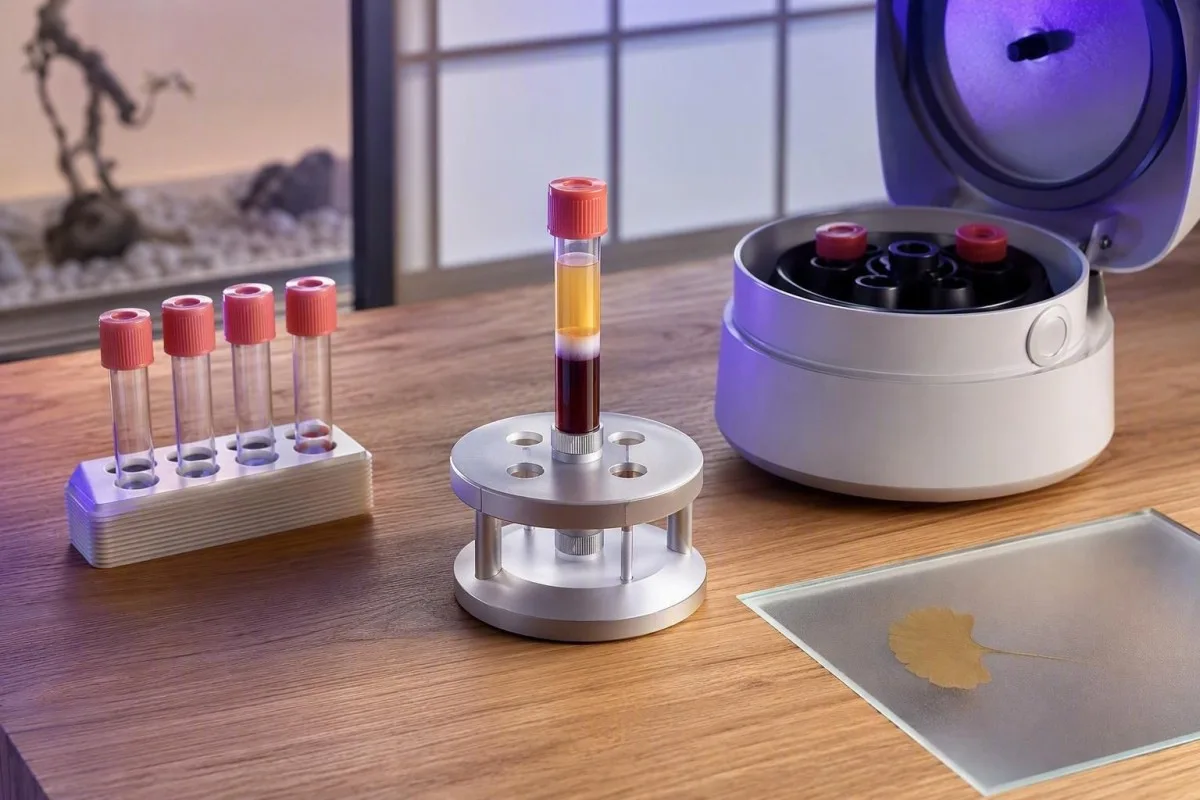
Una primièra presa de sang utila enregistra vòstra fisiologia abituala, pas l'eco bioquimic de l'entraïnament d'ier, de bevendas, d'un mal dormir, o d'un virus passatgièr. L'objectiu es un contèxte repetible que podètz utilizar pendent d'ans.


- Ora de la referéncia: reservatz una presa de sang del matin aprés 8-12 oras sens manjar se la glucosa en jo, los triglicerids, los estudis de fèrre, o l'insulina son incluses.
- Pausa d'exercici: evitzatz l'entraïnament amb peses inabitualament intens, los intervals, o los eveniments d'endurança pendent 24-48 oras abans los tests de referéncia de rotina.
- Fenèstra d'alcòl: evitzatz l'alcòl pendent almens 48 oras abans los tests de triglicerids e d'enzims de fetge; la beveria excessiva pòt distorsionnar los resultats pus longament.
- Regla de malautiá: pospausatz una referéncia de benestar fins a almens 2 setmanas aprés que la fièbra o los simptòmas respiratoris o gastrointestinals importants sián resolguts.
- Objectiu d'idratacion: beure normalament lo jorn d'abans e beure 250-500 mL d'aiga dins las 2 oras abans la recòlta levat se es restricta en liquids.
- Atencion a la biotina: arrestar la biotina sens prescripcion a dòsi nauta pendent 48-72 oras abans de nombroses imunoensags, mas jamai arrestar un tractament prescrit sens consultar lo mètge prescriptor.
- Consèrt del cicle: notar lo jorn del cicle per l'estradiol, la progesterona, la LH, la FSH, e de còps los lipids; aquò càmbia l'interpretacion mai que çò que pensan la màger part de las gents.
- Repetabilitat: utilizar lo mèsme laboratòri, una ora del matin similar, e lo mèsme esquèma de preparacion quand seguissètz los resultats del laboratòri amb lo temps.
Qu'es çò que fa d'una primièra presa de sang una referéncia vertadièra?
A analisis de sang de referéncia es mai utila quand capta una setmana ordinària: repapias establas, idratacion abituala, pas de malautiá aguda, e pas de formacion o de beure excepcional. Per la màger part dels adults, recomandi un echantillon del matin aprés un june de 8-12 oras quand lo glucòsa, los triglicerids, los marcators de fèrre, o l'insulina son mesurats.
L'objectiu practic es pas de far paréisser los resultats melhors. Es de reduire la variacion preanalitica—los cambiaments que se produsison abans que l'analizator vejatz l'echantillon. Un glucòsa jos june de 96 mg/dL e un nivèl de triglicerids de 105 mg/dL pòdon èsser totjorn ordinari, mas lor significacion càmbia se la persona a manjats tard, a corrut 10 km, o a dormit 3 oras.
Dins mon trabalh clinic, soi que los pacients tractan la primièra analisi coma una fotografia de referéncia. Tènedes un brèu recòrd del moment de desrevelh, de la durada del june, de las medecinas, dels suplementes, de l'alcòl dins las 72 oras precedentas, de l'exercici dins las 48 oras precedentas, del jorn del cicle menstrual, e de l'infeccion recenta. Aquel recòrd es sovent mai util a la segonda analisis qu'un simple indicador “normal”.
Kantesti es un Analizador de tèst de sang d'IA concebut per legir los resultats amb aquel consèrt practic, puslèu que de tractar cada valor destacat coma una malautiá. Per una lista de tests racionals, comencatz amb nòstre guida d'analisis de sang annala e acordatz los ajustaments amb un clinician que coneis vòstra istòria.
La referéncia es personala, pas simplament “dans l'intervalle”
Un intervalle de referéncia de laboratòri conten d'usança las 2/3 centralas dels valors d'una populacion selecionada; definís pas vòstre nombre personal mai sain o mai segur. Un resultat de creatinina pòt demorar dins un intervalle de laboratòri mentre que puja significativament dempuèi vòstre valor repetit, es per aquò que la documentacion de referéncia es importanta.
Coma lo jo e los repapièrs del jorn precedent dàn forma als resultats
. Fòra 8-12 oras produtz la comparason iniciala mai clara per los triglicerids, lo glucòsa jos june, l'insulina, e lo fèrre seric, encara que de panels lipidics pòdon èsser interpretats sens june. L'aiga es permésa e sovent utila; lo cafè, lo jos, la gomma, e las bevendas calòricas son pas un verai june.
Un glucòsa plasmatic jos june de 100 mg/dL es generalament normal, 100-125 mg/dL indica un glucòsa jos june alterat, e 126 mg/dL o mai requèrís confirmacion levat se siá de simptòmas e una ipèrglucemia marcada. L'HbA1c refleta a pauc près las 8-12 setmanas precedentas, doncas un sol dejunar pòt pas lo baissar de biais significatiu; la guida de laboratòri de l'ADA explica perqué lo glucòsa e l'HbA1c respondon a de questions diferentas (Sacks et al., 2023).
Los triglicerids son especialament sensibles als repapias. Un valor de mendre de 150 mg/dL es convencionament desirabla, mentre que 500 mg/dL o mai suscita de preocupacion per lo risc de pancreatita e merita una avaloracion clinica rapida. Un repapiat ric tardiu o l'alcòl pòdon crear un primièr resultat enganós, doncas utilizatz un plan de retest dels triglicerids puslèu que d'ensajar de “manjar perfectament” pendent un jorn.
Kantesti es un plataforma d’interpretacion d’analisi de sang d’AI que pòt préserver lo estat de jinett de cada tavèla, çò que rend las comparasons de'n ser mai seguras. Nòstra guia de biomarcadors explica quins tests son vertadièrament sensibles a la repaosta e quins non son pas.
Coma l'exercici fisic pòt mimicar de tests de fetge e de rinhels anormals
L’exercici intens pòde far pujar temporàriament CK, AST, ALT, creatinina, leucocits, e de còps que i aurà potassi, doncas evitar los entrenaments non familiars o de nauta intensitat pendent 24-48 oras abans una tavèla de basa. Caminar leugièrament e los moviments quotidiens son acceptables.
Un corredor de maraton de 52 ans que revejèri aviá una AST de 89 UI/L après una longa corsa, amb una ALT de 36 UI/L e una CK de mai de 2 000 UI/L. Aquela configuracion puntava mai fòrtament cap a un muscle exercitat qu'a una lesion del fetge, mas calguèt la repetir après recuperacion; los nombres isolats son rarament sufisents. Legir mai sus AST après l'exercici abans d'assumir un problèma de fetge.
Los limits de referéncia de la creatina quinasa varian segon lo laboratòri, lo sèxe, l'ancianetat, la massa musculara e l'estat d'entrenament, mas fòrça laboratòris señalhan los valors superiors a 200-300 UI/L. Una CK que depassa 5 còps lo limit superior de referéncia après un esforç es comuna; una CK de mai de 5 000 UI/L amb urina escura, dolor muscular severa, o una diminucion de la produccion d'urina necessita una avaloracion urgenta per rabdomiolisi d'esforç.
La creatinina aumenta après una activitat intensa en partit per la degradacion musculara e la reduccion del flux sanguin renal deguda a la pèrda de liquids. Non interpretar una eGFR mendre d'un escantilh post-corsa coma una malautiá renal cronica sens tèst de recuperacion; nòstra guia de creatinina amb exercici explica la fenèstra de redibuxatge mai segura.
Lo reset de 48 oras es pas una règla per tot lo mond
Per una sesilha de gimnàs recreatiu, 24 oras son sovent sufisentas. Après un ultramaraton, una competicion CrossFit, un levament excentric pesuc, o una exposicion a la calor, espèri comunament 48-72 oras se lo but es un nivèl de basa stable puslèu qu'una avaloracion de l'eveniment meteis.
Perqué l'alcòl merita una pausa de referéncia de 48 oras
Evitar l'alcòl pendent almens 48 oras abans un tèst sanguin de basa reduch la distorsion de curta durada dels triglicerids, del glucòsa, de la GGT, de l'AST, dels marcaires d'idratacion e de la fisiologia ligada al son. Una unica serada pesuga pòt aver mai d'importància que los pacients s'o esperavan.
L'alcòl pòt aumentar los triglicerids en aumentar la produccion de lipoproteïnas de bassa densitat del fetge, especialament après de repaisses riches en glucids. L'efecte es variable: lo resultat d'una persona torna a la normalitat en 24 oras, mentre que l'autra amb un fetge gras, diabèta, o una consumacion mai importanta pòt mostrar de cambiaments pendent divèrses jorns. Un triglicerid de jinett de 220 mg/dL après un final de setmana de bevendas deuriá èsser repetida abans que qualqu'un o qualifiqui de problèma metabolic fix.
La GGT es sensible mas non specifica. Fòrça laboratòris utilizan de limits superiors de l'òrdre de 55-60 UI/L per los òmes e 35-40 UI/L per las femnas, e mai los medicaments, la colestasi, lo fetge gras, e l'alcòl pòdon aumentar-la. La configuracion significativa es la GGT amb l'ALT, l'ALP, la bilirubina, lo compte de plaquetas, e l'istorial d'alcòl; veire nòstra explicacion del panèl hepatic per coma aquestas pèças s'amassan.
A partir del 1èr de setembre de 2026, conselhi totjorn de non pas “desintoxicar” ni jinettar excessivament per melhorar los resultats del fetge. Un repàs normal, una aiga normala, pas d'alcòl, e un interval documentat son una sciéncia mai neta. Una ALT persistenta al-dessús del limit superior del laboratòri sus dos escantilh amb un interval de qualques setmanas merita una revision medicala, pas un netejatge per internet.
Quand la malautiá o la vaccinacion devon retardar una presa de sang de benestar
Retrasar un análisis de bienestar de referencia durante la fiebre, una enfermedad gastrointestinal activa, una infección respiratoria importante o durante las primeras 1-2 semanas después de la recuperación porque CRP, ferritina, glóbulos blancos, plaquetas, glucosa y examen tiroïdian pueden cambiar temporalmente. Las pruebas diagnósticas urgentes son diferentes: no las retrase cuando no se encuentre bien.
La proteína C reactiva suele aumentar en las 6-8 horas siguientes a un estímulo inflamatorio y puede disminuir rápidamente una vez que el desencadenante se resuelve. Una CRP inferior a 3 mg/L se utiliza a menudo para la estratificación del riesgo cardiovascular solo cuando una persona está clínicamente bien; un resultado de 18 mg/L durante un resfriado dice poco sobre el riesgo vascular a largo plazo. El patrón de CRP y albúmina es más informativo que cualquiera de los resultados por separado.
La ferritina es tanto una proteína de almacenamiento de hierro como un reactante de fase aguda. Una ferritina de 110 ng/mL durante una infección puede ocultar niveles de hierro agotados, mientras que una ferritina inferior a 15 ng/mL es muy específica de la deficiencia de hierro en un adulto sano. Por eso combino la ferritina con la saturación de transferrina, la CRP, la hemoglobina y la historia clínica.
La vacunación puede provocar una respuesta inmunitaria breve, incluidos cambios transitorios en la CRP y en los subconjuntos de glóbulos blancos. Las pruebas de rutina suelen poder esperar 3-7 días después de la vacunación si el objetivo es una línea de base tranquila, pero un panel de seguridad programado para el control de la medicación debe seguir las instrucciones del médico prescriptor. Nuestro guia de laboratòri aprèp la vacunacion cubre las distinciones prácticas.
Una regla de dos semanas tiene excepciones
Después de neumonía, hospitalización, mononucleosis infecciosa o un brote grave de una enfermedad crónica, dos semanas pueden no ser suficientes. En esos casos, suelo utilizar la recuperación de los síntomas, la tendencia de la CRP y el juicio clínico en lugar de un calendario.
Coma la pèrda de sonh e l'ora de la jornada cambiàn un test sanguin
Una mala noche de sueño puede elevar la glucosa en ayunas, el cortisol, la presión arterial y las señales inflamatorias, mientras que el horario puede alterar la testosterona, el cortisol, el hierro y el TSH. Para una primera línea de base, apunte a 7-9 horas de sueño habitual y tome la muestra entre las 7 y las 10 a. m. aproximadamente, cuando sea posible.
El cortisol sigue un fuerte ritmo diario. El cortisol sérico matutino se mide comúnmente alrededor de las 8 a. m., pero un valor no puede diagnosticar una enfermedad suprarrenal sin la hora de la extracción, los síntomas y, a menudo, las pruebas de ACTH. Una muestra de la tarde comparada con una muestra anterior de las 8 a. m. no es una tendencia válida, incluso si el mismo laboratorio realiza ambas.
La restricción del sueño de 4-5 horas puede empeorar la sensibilidad a la insulina de la mañana siguiente y alterar las hormonas del apetito; el tamaño del cambio de laboratorio varía considerablemente según la persona. Veo esto con mayor frecuencia en trabajadores por turnos, padres primerizos y viajeros frecuentes, donde una “línea de base” debe representar su horario real en lugar de uno idealizado. Nuestro guida de laboratòri del sonh marrit ofrece una lista de verificación de anotaciones útil.
El consejo práctico del Dr. Thomas Klein es sencillo: no cancele una prueba necesaria porque durmió mal, pero anótelo. Si una glucosa en ayunas límite es de 103 mg/dL después de una noche en vela, repita en condiciones normales antes de sacar conclusiones sobre la prediabetes.
La cafeína no siempre es una preparación inofensiva
Lo cafè negre pòt aver pauc d'efècte sus mantun ser, mas pòt afectar lo glucòsa, las catecolaminas, la pression sanguina e qualques examens endocrinians especializats. Quand se demanda un tèst de insulina jos jen, glucòsa, cortisol, o metanefrinas, l'aiga pura es lo melhor e mai clar de causir.
Quines suplementes e medicaments devon èsser enregistrats
Donatz pas vòstres medicaments prescriches per un tèst sanguin de basa levat que lo mètge o prescire, mas registratz cada medicament e complement amb la dòsi e l'ora. Biotina, fèrre, B12, creatina, iod, corticosteroïdes e descongestionants pòdon cambiar la biologia o lo metòde d'analisi del tèst.
Una dòsi auta de biotina, sovent 5 000-10 000 micrograms per jorn dins los produches per l'uèlhs e los ongles, pòt interferir amb cèrtes immunoanalisis de streptavidina-biotina. Pòt donar un TSH falsament bas o una T4 liura falsament auta, de resultats de troponina o d'ormonas segon lo metòde d'analisi. Un arrest de 48-72 oras es comunament utilizat per la biotina non prescrita, mas las personas que la prenon per una condicion medicala devon primer demandar a lor mètge.
Lo fèrre oral pòt aumentar lo fèrre seric de faiçon transitoria, e los complements de creatina pòdon aumentar la creatinina sens reduire la filtracion reala. Los corticosteroïdes pòdon elevar lo glucòsa e los globuls blancs; los inhibidors de la bomba de protons pòdon afectar lo magnèsi e la B12 amb lo temps. La responsa corrècta es lo contèxte, pas l'arrèst abrupte de se sol, nostre guida de jen per complements explica las excepcions comunas.
Kantesti es un Outil d’analisi de sang amb IA que enregistra los complements declarats a costat dels resultats atal un cambi aparent tiroidian o renal pòt èsser reverificat amb l'exposicion que pòt l'explicar. Los pacients pòdon tanben comparar los resultats declarats amb nòstra lista de verificacion d'exactitud clinica abans d'agir sus un senhal inesperat.
L'ora de la presa dels medicaments pòt èsser part de la prescription
La substitucion tiroidiana, la teràpia de testosterona, l'insulina, los diuretics e los anticoagulants an cadun de règlas d'ora especificas per los tèsts. Per exemple, los examens tiroidians se fan sovent abans la dòsi de levotiroxina del jorn quand se vòl seguir la consisténcia, mas lo protocòl del mètge que prescriu devè abans tot.
Coma l'ora del cicle menstrual afècta una primièra referéncia hormonala
Per los tèsts d'ormonas reproductivas, lo jorn del cicle fa part del resultat. FSH, LH, estradiol, progesterona, testosterona, prolactina e de còps lipidas pòdon variar pro en lo cicle que una data non enregistrada afeblisca l'interpretacion.
Los tèsts de debuta de fasa foliculara, sovent los jorns 2-5 del cicle, son comunament utilizats per la FSH, LH, e l'estradiol de basa dins l'evaluacion de la fertilitat. La progesterona se mesura generalament aperaquí 7 jorns après l'ovulacion—pas automaticament “jorn 21,” perque un cicle de 35 jorns seguís una biologia diferenta. Una valor de progesterona superiora a 3 ng/mL pòt sostenir una ovulacion recenta dins mantun contèxte, mas l'interpretacion exacta depend del metòde d'analisi e de l'ora.
La prolactina es sensibla al stress, a l'exercici recent, a l'activitat sexuala e a una prena de mostra dificila. Las elevacions leugièras se repetisson sovent après 20-30 minutas de repaus tranquil, idealament lo matin; un nivèl persistentament superior a 100 ng/mL merita una evaluacion endocriniana prompta, totun los efècts de las medicacions demòran comuns. Veire nòstra guida de repeticion de tèst de prolactina per las pròchas estapas rasonablas.
Los cambiaments de lipidas ligats al cicle son reals mas generalament mai pichons que los cambiaments de pes, dieta, alcol, diabèta o genetica. Se vòletz seguir la santat amb de tèsts sanguins sus mantunas annadas, causissètz una fasa de cicle semblabla per repetir los panèls de lipidas e d'ormonas sempre que siá possible, subretot mentre evaluatz de simptòmas o de tractament.
La contracepcion hormonala cambia la question
La contracepcion hormonala combinada pòt suprimir las mesuras endogènas de FSH, LH, estradiol, e d'androgènas, atal aquestes resultats pòdon pas descriure la fisiologia non tractada. Donatz pas la contracepcion simplament per obtenir una basa levat que considerez lo risc de pregnesa e la rason clinica del tèst.
Perqué l'idratacion, la postura e la tecnica de recòlta son importantas
Una bona idratacion e 10-15 minutas de repaus sedens abans del prelevement melhoran la replicabilitat perque la desidratacion, un long estada de pè, e un prelevement dificil pòdon concentrar o distorsionar divèrs resultats. Beba normalament lo jorn d'abans e, levat restriction de liquids, prenetz 250-500 mL d'aiga dins las 2 oras abans del rendetz-vos.
La contraction del volum plasmatic pòt far que l'emoglobina, l'ematocrit, l'albumina, lo calci, las protèïnas totalas, e la creatinina paréisson mai nautas que çò que serián jos una idratacion ordinària. A l'invers, bever de biais agressiu de litres d'aiga just abans de l'analisi pòt diluir lo sòdi e d'autras mesuras. Una gama normala de sòdi es generalament 135-145 mmol/L, mas un resultat inesperat se deu totjorn interpretar amb l'estat d'idratacion e de glucemia.
La postura a mai d'importància que la mai granda partida de las personas que lo pensan. Estar de pè pòt aumentar l'albumina e los analits ligats a las protèïnas per de desplaçaments de liquids, mentre qu'un temps de torniquet prolongat e un stringiment repetit del punh pòdon aumentar espuriosament lo potassi e lo lactat. Un potassi superior a 5,5 mmol/L sens malautiá renala, simptòmas, o modificacions de l'ECG es sovent recontrolat rapidament perque l'artifici de prelevement es frequent; nòstre guida d'error de prelevement de potassi explica perqué.
La menstruacion, la pèrda recenta de liquids per la diarrea, los diuretics, e l'usatge de saunas fan partida de la nòta ajustada al prelevement. Se l'eGFR es inesperadament bas aprèp una desidratacion, recuperatz l'apòrt normal e discutissetz un contraròtle repetit; vejatz cambiaments temporaris de l'eGFR abans de supausar de damatges renals permanents.
Un tub roge es pas un diagnòstic
La color del tub identifica l'additiu utilizat per lo tractament de laboratori, pas la gravetat de l'analisi. Ce qui compte clinicament es la seleccion corrècta del tub, la temperatura de transpòrt, lo retàrd de tractament, e se lo laboratori rapòrta l'emolisi o un escàs de mostra.
Coma far que los resultats seguents sián comparables a la primièra presa de sang
Utilizatz lo meteis laboratori, un moment de prelevement similar, e una rutina de preparacion similara cada còp que seguissètz los resultats de laboratori dins lo temps. Un cambiament biologic real pòt èsser mai pichon que l'efècte combinat de la metòda d'analisi, l'estat de dejuni, l'exercici, e la variacion ordinària de jorn en jorn.
Lo colesterol LDL pòt èsser calculat puslèu que mesurat dirèctament, e lo calcul ven mens fiable que los triglicerids aumentan. La guida de 2018 AHA/ACC sul colesterol sosten lo depistage non-fasting per un fum de personas mas recomanda una avaloracion fasting dins de circonstàncias seleccionadas, inclusent de triglicerids fòrça nautas e una incertitud diagnostica (Grundy et al., 2019). Lo punt crucial es la consisténcia, pas la perfeccion.
La valor de referéncia de cambi, o RCV, combina la imprecision analitica amb la variacion biologica normala d'un individú. Un movement de 10% dins un marcador pòt èsser de bruch mentre qu'un cambiament de 30% dins un autre es significatiu; i a pas de percentatge universal que s'aplique a cada analisi. Nòstre guida es aquò un cambiament real mòstra perque las tendéncias demandan mai que de flechas codificadas per color.
L'IA Kantesti interpreta de panels repetits en comparant las unitats d'analisi, los intervals de referéncia, las datas de prelevement, e los biomarcadors relacionats puslèu que de comptar simplament de flags anormals. Nòstre flux de trabalh de comparason de l’AI es bastit per aquesta question longitudinala: qué a cambiat pro per meritar atencion?
Gardatz lo rapòrt original
Gardatz lo PDF o una fotografia clara, pas sonque un resultat tipografiat. Las conversions d'unitats, las gamas de laboratori, los comentaris sus l'emolisi, e se lo LDL foguèt calculat pòdon de biais material cambiar la manera dont un futur clinic legirà la tendéncia.
La nòta de contèxte a enregistrar amb cada test sanguin
Una corta nòta de contèxte transforma de chifres isolats en donadas longitudinalas utilisablas. Registratz data, ora, oras de dejuni, repaus, exercici, alcòl, malautiá, medicaments, suplementes, jorn del cicle, cambiaments de pes, e simptòmas nòus a cada prelevement.
Nòstra nòta minimauta a uèit elements: temps de recampament; durada del dejuni; exercici fisic dins las 48 oras; consum d'alcòl dins las 72 oras; malautiá actuala; modificacions de las prescripcions; dòsi de suplement e dòsi de la darrièra presa; e estat menstrual o de gràvida quand es pertinent. Apondètz lo viatge, lo descalatge orari, e l'altitud quand aquò s'aplica, que cada element pòt influenciar l'idratacion, lo cortisol, l'emoglobina, e los marcaires sensiblas al sonh.
Una pèrda de pes de 1,5 kg en 10 jorns, un novèl regim ric en proteïnas, o divèras nuèits de som fragmentat pòdon explicar de modèstas modificacions dels analisis de sang al fil del temps. Aquò rend pas lo resultat unimportant—aquò lo fa interpretable. Per una version reutilizabla, nòstra seguiment del context del laboratori includís los detalhs que los pacients oblidan mai sovent.
Lo Doctor Thomas Klein conselha d'escriure la nòta abans de partir de la maison, pas mentre qu'esperatz los resultats. La memòria ven de'npauc fiable aprés un signal inesperat, e las personas reconstruisson de biais comprensible la setmana precedenta per la adaptar al chifre.
Ce que cal pas enregistrar coma “correcion”
Manipuletz pas lo regim, l'apòrt d'aiga, l'exercici fisic, o los suplements sonque per obténer una primièra basa mai atractiva. Una basa deu representar vòstra vida; autrament, lo tèst seguent pòt paréisser mai marrit simplament que's pus onèste.
Quines resultats limitas devon èsser repetits abans de s'inquietar
de resultats de basa limitats devon èsser repetits dins de condicions establas abans d'èsser tractats coma malautiá, especialament de modificacions leugièras isoladas de las enzimas del fetge, de la creatinina, del potassi, de la prolactina, dels neutrophils, e dels triglicerids. Los simptòmas urgents o los valors marcadament anormaus son l'excepcion.
Un ALT mens que 2 còps la limita superiora del laboratòri amb una bilirubina, una ALP normalas, e sens simptòmas es comunament recontrolat aprés aver removut de contributors temporaris coma l'alcòl, l'exercici fisic intens, o una malautiá intercurrenta. Un nivèl de bilirubina superior a 3 mg/dL amb icterícia, urina escura, de matèrias feccalas clàrias, febri, o dolor abdominala es diferent e deu pas esperar una redibuisson de basa de rotina.
Un comptatge de neutrophils leugièrament bas pòt seguir una malautiá virala o representar un estat normal stabil d'un individú. Un comptatge absolut de neutrophils de 1,0-1,5 × 10⁹/L es generalament una neutropènia leugièra, alara que jos 0,5 × 10⁹/L pòrta un risc d'infeccion substancialament mai nauta e merita un avís medical urgent, particularament amb febri. Nòstra guida de seguiment dels neutrophils destria los recòntes comunas de las senhals de dangièr.
Un dels salvagardas mai utilas es la verificacion de patrons. Per exemple, un calci aut amb una paratiroïdiana bassa a una urgéncia diferenta qu'un calci aut amb de desidratacion e una albumina elevada; la rason per que nos preocupam de combinasons es que la biologia càmbia rarament un sol marcador.
Quand un test sanguin de referéncia devon pas remplaçar los suenhs mèdics
Un protocol de basa es pas apropiat quand avètz simptòmas de senhal de dangièr, una malautiá que s'agravava rapidament, complicacions de gràvida, o una alerta de laboratòri critica. Dolor toracica, d'espena greva, confusion, desmaio, icterícia, matèrias escuras, o desidratacion severa demandan una assessment clinica ara—pas un tèst repetit melhor preparat.
Un potassi de 6,0 mmol/L o superior, un sòdi inferior a 120 mmol/L, una glicèmia superior a 300 mg/dL amb vòmits o confusion, o una emoglobina pròcha de 7 g/dL son d'exemples de resultats que pòdon demandar una accion urgenta, tot e que lo contèxte clinic complet a son impòrtança. Los laboratòris contactan comunament l'equipa prescriptritz a prepaus de valors criticas, mas los pacients devon pas pensar qu'un apèl mancat signifia qu'un resultat es segur.
Se siatz prens, que patissiatz d'una malautiá renala cronica, que prenetz d'insulina, que utilizatz d'anticoagulans, que recebetz quimio, o que siatz coneguda per aver una malautiá del fetge, las instruccions de preparacion pòdon diferir del modèl de santat. Un perióde de dejun pòt èsser perilhós per qualques personas diabeticas, e lo moment de la presa de medicaments pòt èsser essencial. Nòstre guida sus la frequéncia dels tèstes expliqua perqué lo grop de risc càmbia lo plan.
Kantesti es un servici d’interpretacion de tests de l’IA qu'ajuda a identificar las questions per los clinicians, e non es un substitut per una avalacion urgenta o un diagnostic. Los salvagardas clinics e los principis d'evaluacion medicala en çò nòstre son descrits per nòstre Conselh Consultatiu Medical.
Un protocol practic de 72 oras per vòstra primièra referéncia
Per una bona basa de referéncia iniciala, mantengatz vòstra rutina pendent 72 oras, evitetz l'alcòl pendent 48 oras, evitetz l'esfòrç fisic intens pendent 24-48 oras, dormissètz normalament, dejunètz 8-12 oras se indicat, bevètz d'aiga, e notatz vòstre contèxte. La consisténcia es l'intervencion.
Setanta-dos a 48 oras abans: ne començatz pas cap de suplement nòu, de regime draconic, de netejatge, o de bloc d'entrainament. Se prenetz ja un suplement, notatz la dòsi exacta; s'el conten de biotina a dòsi auta, demandatz a vòstre clinician prescriptor o a vòstre farmacièr se un arrest de 48-72 oras es adequat. Evitetz l'alcòl pendent 48 oras e aplazatz los tèstes de rutina se aviatz una malautiá activa.
Lo jorn abans: menjatz vòstres repapiars ordinaris, hidratatz-vos normalament, evitetz los saunas o los espròvas de resisténcia, e planificatz 7-9 oras de repaus. Per los panels en dejun, acabatz de manjar 8-12 oras abans lo rendètz-vos; l'aiga es acceptabla. Lo matin del prelevament, evitetz lo cafè e la nicotina se un tèste de glicèmia, d'insulina, de cortisol, de catecholaminas, o endocrin especializat es previst.
Après que lo resultat arriba, gardatz lo rapòrt original e sa nota de contèxte abans de cambiar quicòm. Kantesti AI pòt organizar los resultats dins una vista longitudinala, mentre que nòstre guida tecnologica e metòde clinic explica perqué la reconeissença de patrons demanda totjorn un seguit medical uman per los simptòmas, las anomalias importantas, e las decisions de tractament.
Questions frequentas
Com me soi preparada per un analisis de sang de referéncia?
Preparatz-vos per un examen de sang de referéncia en gardant vòstra rutina abituala, en evitant l'alcòl pendent 48 oras, en evitant l'exercici fisic intens pendent 24-48 oras, en dormissent normalament, e en documentant los medicaments e los complementes. Junaus 8-12 oras se la comanda inclutz la glicèmia de juna, los triglicerids, l'insulina, o las estúdias del fèrre; l'aiga es generalament autorizada. Beba normalament en plaça de sobrehidratar-vos, e programatz una reculhida del matin entre 7 oras e 10 oras aperaquí quand las èrmonas o lo fèrre son incluses. Suspendetz una referéncia de benestar pendent una malautiá aguda levat que l'examen siá necessari per avaliar aquela malautiá.
Aiái de jeunar per mon primièr analisis de sang ?
Un dejunat de 8 a 12 oras es de màger utilitat per un primièr examen de sang que compren triglicerids, glicemia a dejun, insulina, o fèrre seric, ben que de nombrosas analisis de lipids de rutina ja n'exigisson pas de dejunat. L'aiga clara romp pas lo dejunat e ajuda a evitar una recòlta dificila o d'efieches de concentracion liats a la desidratacion. Lo cafè, lo jase, lo lach, l'alcòl, la goma de mossegar, e los suplements pòdon modificar de resultats seleccionats o invalidar la preparacion intencionada. Seguitz las instruccions especificas de la comanda se vòstre clinician provesís una durada de dejunat diferenta.
L'exercici fisic pòt influençar los resultats analisis de sang del jorn seguent?
Sias, un exercici intens pòt afectar los [resultats analisi de sang] per 24-72 oras en aumentant la creatina quinasa, AST, ALT, la creatinina, los leucocits, e de temps en temps lo potassi. Un entraïnament de resisténcia dur, una maratona, d'intervals de nauta intensitat, e l'exposicion a la calor produson de cambiaments mai importants qu'una passejada normala. Per una basa de benestar estandard, evitatz un exercici inabitual o intens per 24-48 oras; après un eveniment d'endurança màger, 48-72 oras es sovent mai realistic. Ne retardatz pas las analisis urgentas per de simptòmas coma dolor muscular severa, urina escura, feblesa, o reduccion de la produccion d'urina.
Quant de temps devètz evitar l'alcòl abans d'un analisis de sang?
Evitar l'alcòl pendent almens 48 oras abans d'una analisis de sang de referéncia, especialament quand se mesuran triglicerids, glucosa, GGT, AST, ALT, o marcaires sensiblas a l'idratacion. L'alcòl pòt aumentar los triglicerids aprés quitament un ser intens, e l'efèit pòt durar qualques jorns çai dels diabètics, dels gròsses del fetge, o dels que ne bevon abitualament mai. Un resultat de triglicerids de 500 mg/dL o mai a besonh d'una evaluacion clinica rapida perque lo risc de pancreatitis aumenta considerablament. Non ensajar de purificacion ni de junh sever après; los repaisses normals e l'idratacion produson un resultat repetat mai sincer.
Lo marrit dòrme pòt cambiar los resultats analisi de sang?
Un sòmi marrit pòt modificar la glicemia de devès, lo cortisol, la pression sanguina e qualques senhals inflamatòris lo matin seguent, particularament aprèp 4-5 oras de sòm o un torn de nuèch. Que non cambia pas de faiçon significativa l'HbA1c, que revèrta la glicemia mejana sus gaireben 8-12 setmanas. Se un resultat de referéncia non urgent es limitaud après una nuèch sens sòm, notatz la pèrda de sòm e consideratz de repetir lo tèst dins de condicions normalas. Los tèsts necessaris devon totjorn s'efectuar, perque los simptòmas e las anomalias marcadas son mai importantas que una preparacion ideal.
Deuriái èsser fach de tests hormonals un jorn precís de mon cicle menstrual?
Vic, lo tèst d'ormonas deuriá èsser temporizat a la question clinica e lo jorn del cicle menstrual deuriá totjorn èsser enregistrat. FSH, LH e estradiol son sovent avalorats los jorns 2-5 del cicle per una basa foliculara precòça, mentre que la progesterona es comunament verificada aperaquí 7 jorns aprés l'ovulacion siá pas automaticament lo jorn 21. Un nivèl de progesterona superior a 3 ng/mL pòt sustenir una ovulacion recenta, mas los laboratòris e las situacions clinicas diferisson. La contracepcion hormonala càmba los resultats hormonals endogèns, doncas l'arrestar pas sonque per un tèst sens avís medical.
Obtén uèi una analisi de sang amb IA
Joinhètz mai de 2 milions d’utilizaires al mond que confian en Kantesti per una analisi instantanèa e precisa dels analisis de laboratòri. Mandatz vòstres resultats analisi de sang e recebetz una interpretacion complèta de 15,000+ biomarcadors en segondas.
📚 Publicacions de recerca citadas
Klein, T., Mitchell, S., & Weber, H. (2026). Kantesti LTD. (2026). C3 C4 Complement Blood Test & ANA Titer Guide. Zenodo.. Kantesti IA Recèrca Medicala.
Klein, T., Mitchell, S., & Weber, H. (2026). Kantesti LTD. (2026). Guia de l’analisi de sang pel virus Nipah: deteccion e diagnostica precòces 2026. Zenodo.. Kantesti IA Recèrca Medicala.
📖 Referéncias mèdicas externes
⚕️ Avertiment medical
Aqueste article es solament per tòcas educatius e constituís pas de conselh medical. Consultatz totjorn un professional de la sant qualificat per las decisions de diagnostica e de tractament.
Senhals de confiança E-E-A-T
Experiéncia
Revisión clinica menada pel metge de las practicas d’interpretacion de las analisis.
Expertisa
Fòcus sus la medicina de laboratòri sus cossí los biomarcadors se comportan dins un contèxte clinic.
Autoritat
Escrich pel Dr. Thomas Klein amb revisión pel Dr. Sarah Mitchell e Prof. Dr. Hans Weber.
Fisança
Interpretacion basada sus d’evidéncias amb de camins de seguiment clars per reduzir l’alarmisme.