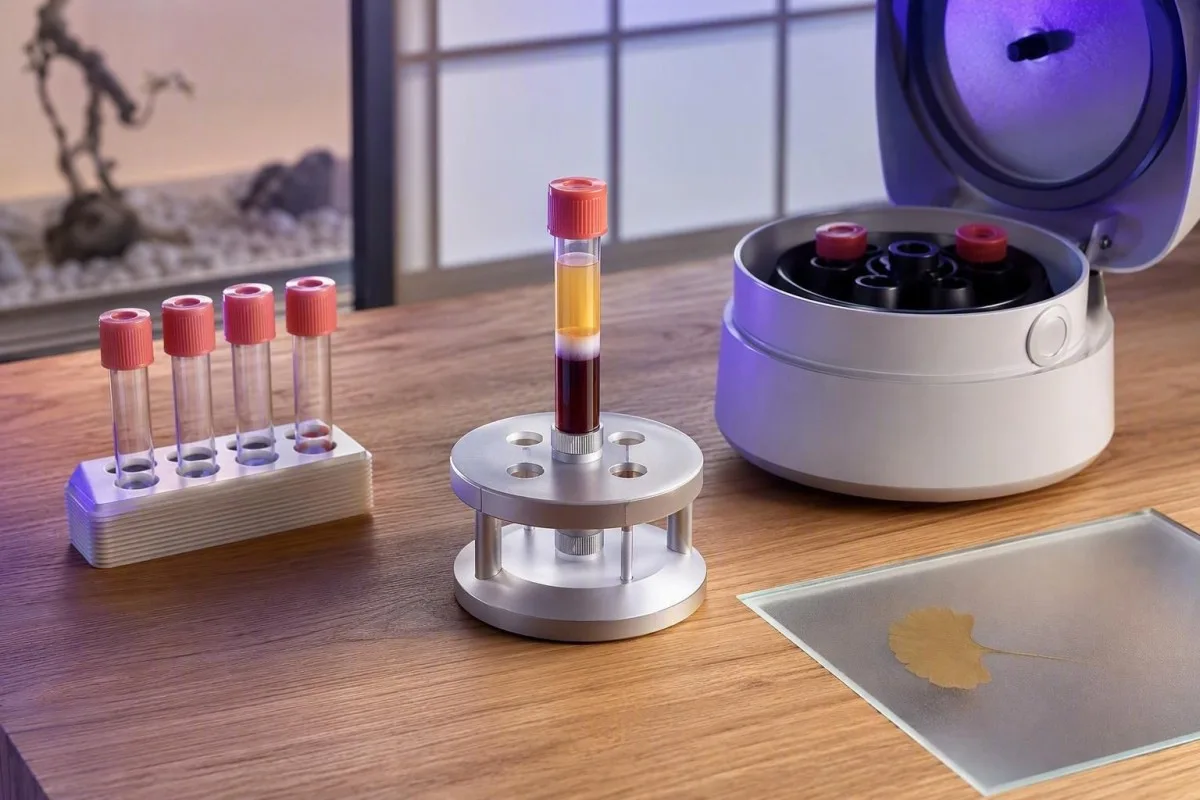
ಉಪಯುಕ್ತವಾದ ಮೊದಲ ರಕ್ತದ ಮಾದರಿಯು ನಿಮ್ಮ ಸಾಮಾನ್ಯ ಶರೀರಶಾಸ್ತ್ರವನ್ನು ದಾಖಲಿಸುತ್ತದೆ, ನಿನ್ನೆಯ ವ್ಯಾಯಾಮ, ಪಾನೀಯಗಳು, ಕಳಪೆ ನಿದ್ರೆ ಅಥವಾ ವೈರಸ್ನ ಜೈವಿಕ ರಾಸಾಯನಿಕ ಪ್ರತಿಧ್ವನಿ ಅಲ್ಲ. ಇದರ ಗುರಿಯೆಂದರೆ ವರ್ಷಗಳ ಕಾಲ ಬಳಸಬಹುದಾದ ಪುನರಾವರ್ತಿಸಬಹುದಾದ ಸಂದರ್ಭವನ್ನು ಒದಗಿಸುವುದು.


- ಮೂಲ ಸಮಯ: ಉಪವಾಸ ಗ್ಲೂಕೋಸ್, ಟ್ರೈಗ್ಲಿಸರೈಡ್ಗಳು, ಕಬ್ಬಿಣದ ಅಧ್ಯಯನಗಳು, ಅಥವಾ ಇನ್ಸುಲಿನ್ ಅನ್ನು ಸೇರಿಸಿದ್ದರೆ, 8-12 ಗಂಟೆಗಳ ಕಾಲ ಆಹಾರವಿಲ್ಲದೆ ಬೆಳಿಗ್ಗೆ ರಕ್ತದ ಮಾದರಿ ತೆಗೆದುಕೊಳ್ಳಲು ಬುಕ್ ಮಾಡಿ.
- ವ್ಯಾಯಾಮ ವಿರಾಮ: ನಿಯಮಿತ ಮೂಲ ಪರೀಕ್ಷೆಗೆ 24-48 ಗಂಟೆಗಳ ಮೊದಲು ಅಸಾಧಾರಣವಾಗಿ ಕಠಿಣ ಪ್ರತಿರೋಧ ತರಬೇತಿ, ಅಂತರಗಳು, ಅಥವಾ ಸಹಿಷ್ಣುತೆ ಘಟನೆಗಳನ್ನು ತಪ್ಪಿಸಿ.
- ಆಲ್ಕೋಹಾಲ್ ವಿಂಡೋ: ಟ್ರೈಗ್ಲಿಸರೈಡ್ ಮತ್ತು ಯಕೃತ್ತಿನ- ಕಿಣ್ವ ಪರೀಕ್ಷೆಗಳಿಗೆ ಕನಿಷ್ಠ 48 ಗಂಟೆಗಳ ಮೊದಲು ಆಲ್ಕೋಹಾಲ್ ಅನ್ನು ಬಿಟ್ಟುಬಿಡಿ; ಅತಿಯಾದ ಮದ್ಯಪಾನವು ಫಲಿತಾಂಶಗಳನ್ನು ಹೆಚ್ಚು ಕಾಲ ತಿರುಚಬಹುದು.
- ಅನಾರೋಗ್ಯ ನಿಯಮ: ಜ್ವರ ಅಥವಾ ಗಮನಾರ್ಹ ಉಸಿರಾಟ ಅಥವಾ ಜಠರಗರುಳಿನ ಲಕ್ಷಣಗಳು ನಿವಾರಣೆಯಾದ ಕನಿಷ್ಠ 2 ವಾರಗಳ ನಂತರ ಆರೋಗ್ಯ ಮೂಲ ಪರೀಕ್ಷೆಯನ್ನು ಮುಂದೂಡಿ.
- ಹೈಡ್ರೇಷನ್ ಗುರಿ: ಸಂಗ್ರಹಕ್ಕೆ 2 ಗಂಟೆಗಳ ಮೊದಲು ಸಾಮಾನ್ಯ ರೀತಿಯಲ್ಲಿ ಕುಡಿಯಿರಿ ಮತ್ತು 250-500 mL ನೀರನ್ನು ಕುಡಿಯಿರಿ, ದ್ರವ ನಿರ್ಬಂಧಿತವಾಗದ ಹೊರತು.
- ಬಯೋಟಿನ್ ಎಚ್ಚರಿಕೆ: ಅನೇಕ ಇಮ್ಯುನೊಅಸೇಗಳಿಗೆ 48-72 ಗಂಟೆಗಳ ಮೊದಲು ಸೂಚಿಸದ ಹೆಚ್ಚಿನ-ಡೋಸ್ ಬಯೋಟಿನ್ ಅನ್ನು ನಿಲ್ಲಿಸಿ, ಆದರೆ ಸೂಚನೆ ನೀಡುವವರನ್ನು ಕೇಳದೆ ಸೂಚಿಸಿದ ಚಿಕಿತ್ಸೆಯನ್ನು ಎಂದಿಗೂ ನಿಲ್ಲಿಸಬೇಡಿ.
- ಚಕ್ರ ಸಂದರ್ಭ: ಈಸ್ಟ್ರೊಜೆನ್, ಪ್ರೊಜೆಸ್ಟೆರಾನ್, LH, FSH, ಮತ್ತು ಕೆಲವೊಮ್ಮೆ ಲಿಪಿಡ್ಗಳಿಗಾಗಿ ಚಕ್ರ ದಿನಾಂಕವನ್ನು ರೆಕಾರ್ಡ್ ಮಾಡಿ; ಇದು ಅನೇಕ ಜನರು ಅಂದುಕೊಂಡಿದ್ದಕ್ಕಿಂತ ಹೆಚ್ಚಾಗಿ ವ್ಯಾಖ್ಯಾನವನ್ನು ಬದಲಾಯಿಸುತ್ತದೆ.
- ಪುನರಾವರ್ತನೆ: ನೀವು ಲ್ಯಾಬ್ ಫಲಿತಾಂಶಗಳನ್ನು ಕಾಲಾನಂತರದಲ್ಲಿ ಟ್ರ್ಯಾಕ್ ಮಾಡುವಾಗ ಅದೇ ಲ್ಯಾಬ್, ಇದೇ ರೀತಿಯ ಬೆಳಗಿನ ಸಮಯ ಮತ್ತು ಇದೇ ರೀತಿಯ ತಯಾರಿ ಮಾದರಿಯನ್ನು ಬಳಸಿ.
ಮೊದಲ ರಕ್ತದ ಮಾದರಿಯನ್ನು ನಿಜವಾದ ಮೂಲ ಪರೀಕ್ಷೆಯನ್ನಾಗಿ ಮಾಡುವುದು ಯಾವುದು?
A ಮೂಲ ರಕ್ತ ಪರೀಕ್ಷೆ ಸಾಮಾನ್ಯ ವಾರವನ್ನು ಸೆರೆಹಿಡಿಯುವಾಗ ಹೆಚ್ಚು ಉಪಯುಕ್ತವಾಗಿದೆ: ಸ್ಥಿರ ಊಟ, ಸಾಮಾನ್ಯ ಹೈಡ್ರೇಷನ್, ತೀವ್ರ ಅನಾರೋಗ್ಯವಿಲ್ಲ, ಮತ್ತು ಅಸಾಮಾನ್ಯ ತರಬೇತಿ ಅಥವಾ ಕುಡಿಯುವಿಕೆಯಿಲ್ಲ. ಹೆಚ್ಚಿನ ವಯಸ್ಕರಿಗೆ, ಗ್ಲೂಕೋಸ್, ಟ್ರೈಗ್ಲಿಸರೈಡ್ಗಳು, ಕಬ್ಬಿಣದ ಗುರುತುಗಳು, ಅಥವಾ ಇನ್ಸುಲಿನ್ ಅಳತೆ ಮಾಡುತ್ತಿರುವಾಗ 8-12 ಗಂಟೆಗಳ ಉಪವಾಸದ ನಂತರ ಬೆಳಗಿನ ಮಾದರಿಯನ್ನು ನಾನು ಶಿಫಾರಸು ಮಾಡುತ್ತೇನೆ.
ಪ್ರಾಯೋಗಿಕ ಗುರಿಯು ಫಲಿತಾಂಶಗಳನ್ನು ಉತ್ತಮವಾಗಿ ತೋರಿಸುವುದು ಅಲ್ಲ. ಇದು ಕಡಿಮೆ ಮಾಡುವುದು ಪೂರ್ವ-ವಿಶ್ಲೇಷಣಾತ್ಮಕ ವ್ಯತ್ಯಾಸ—ವಿಶ್ಲೇಷಕರು ಮಾದರಿಯನ್ನು ನೋಡುವ ಮೊದಲು ಸಂಭವಿಸುವ ಬದಲಾವಣೆಗಳು. 96 mg/dL ನ ಉಪವಾಸ ಗ್ಲೂಕೋಸ್ ಮತ್ತು 105 mg/dL ನ ಟ್ರೈಗ್ಲಿಸರೈಡ್ ಮಟ್ಟವು ಸಂಪೂರ್ಣವಾಗಿ ಸಾಮಾನ್ಯವಾಗಿದ್ದರೂ, ವ್ಯಕ್ತಿಯು ತಡವಾಗಿ ತಿಂದರೆ, 10 ಕಿಮೀ ಓಡಿಸಿದರೆ, ಅಥವಾ 3 ಗಂಟೆಗಳ ಕಾಲ ನಿದ್ರಿಸಿದರೆ ಅವುಗಳ ಅರ್ಥವು ಬದಲಾಗುತ್ತದೆ.
ನನ್ನ ಕ್ಲಿನಿಕಲ್ ಕೆಲಸದಲ್ಲಿ, ನಾನು ರೋಗಿಗಳಿಗೆ ಮೊದಲ ರಕ್ತ ಸಂಗ್ರಹವನ್ನು ಉಲ್ಲೇಖ ಛಾಯಾಚಿತ್ರದಂತೆ ಪರಿಗಣಿಸಲು ಕೇಳುತ್ತೇನೆ. ಎಚ್ಚರ ಸಮಯ, ಉಪವಾಸದ ಅವಧಿ, ಔಷಧಿಗಳು, ಪೂರಕಗಳು, ಹಿಂದಿನ 72 ಗಂಟೆಗಳಲ್ಲಿ ಆಲ್ಕೋಹಾಲ್, ಹಿಂದಿನ 48 ಗಂಟೆಗಳಲ್ಲಿ ವ್ಯಾಯಾಮ, ಋತುಚಕ್ರದ ದಿನ, ಮತ್ತು ಇತ್ತೀಚಿನ ಸೋಂಕಿನ ಸಂಕ್ಷಿಪ್ತ ದಾಖಲೆಯನ್ನು ಇರಿಸಿ. ಆ ದಾಖಲೆಯು ಎರಡನೇ ಪರೀಕ್ಷೆಯಲ್ಲಿ “ಸಾಮಾನ್ಯ” ಧ್ವಜಕ್ಕಿಂತ ಹೆಚ್ಚು ಉಪಯುಕ್ತವಾಗಿದೆ.
ಕಾಂತೆಸ್ಟಿ ಒಬ್ಬ AI ರಕ್ತ ಪರೀಕ್ಷಾ ವಿಶ್ಲೇಷಕ ಅದನ್ನು ರೋಗವೆಂದು ಪರಿಗಣಿಸುವ ಬದಲು ಆ ಪ್ರಾಯೋಗಿಕ ಸಂದರ್ಭದೊಂದಿಗೆ ಫಲಿತಾಂಶಗಳನ್ನು ಓದಲು ವಿನ್ಯಾಸಗೊಳಿಸಲಾಗಿದೆ. ಬುದ್ಧಿವಂತ ಪರೀಕ್ಷಾ ಪಟ್ಟಿಗಾಗಿ, ನಮ್ಮೊಂದಿಗೆ ಪ್ರಾರಂಭಿಸಿ ವಾರ್ಷಿಕ ರಕ್ತ ಪರೀಕ್ಷೆ ಮಾರ್ಗದರ್ಶಿ ಮತ್ತು ನಿಮ್ಮ ಇತಿಹಾಸವನ್ನು ತಿಳಿದಿರುವ ವೈದ್ಯರೊಂದಿಗೆ ಸೇರ್ಪಡೆಗಳನ್ನು ಒಪ್ಪಿಕೊಳ್ಳಿ.
ಮೂಲವು ವೈಯಕ್ತಿಕವಾಗಿದೆ, ಕೇವಲ “ಶ್ರೇಣಿಯಲ್ಲಿ” ಅಲ್ಲ”
ಪ್ರಯೋಗಾಲಯದ ಉಲ್ಲೇಖ ಮಧ್ಯಂತರವು ಸಾಮಾನ್ಯವಾಗಿ ಆಯ್ಕೆಮಾಡಿದ ಜನಸಂಖ್ಯೆಯಿಂದ ಮೌಲ್ಯಗಳ ಕೇಂದ್ರ 95% ಅನ್ನು ಹೊಂದಿರುತ್ತದೆ; ಇದು ನಿಮ್ಮ ಆರೋಗ್ಯಕರ ಅಥವಾ ಸುರಕ್ಷಿತ ವೈಯಕ್ತಿಕ ಸಂಖ್ಯೆಯನ್ನು ವ್ಯಾಖ್ಯಾನಿಸುವುದಿಲ್ಲ. ಕ್ರಿಯೇಟಿನೈನ್ ಫಲಿತಾಂಶವು ಲ್ಯಾಬ್ ಶ್ರೇಣಿಯೊಳಗೆ ಉಳಿಯಬಹುದು ಆದರೆ ನಿಮ್ಮ ಸ್ವಂತ ಪುನರಾವರ್ತಿತ ಮೌಲ್ಯದಿಂದ ಗಣನೀಯವಾಗಿ ಏರಿಕೆಯಾಗಬಹುದು, ಅದಕ್ಕಾಗಿಯೇ ಮೂಲ ದಾಖಲಾತಿ ಮುಖ್ಯವಾಗಿದೆ.
ಉಪವಾಸ ಮತ್ತು ಹಿಂದಿನ ದಿನದ ಊಟವು ಫಲಿತಾಂಶಗಳನ್ನು ಹೇಗೆ ರೂಪಿಸುತ್ತದೆ
ಯ ಒಂದು ಭಾಗ ಮಾತ್ರ. 8-12 ಗಂಟೆಗಳು ಟ್ರೈಗ್ಲಿಸರೈಡ್ಗಳು, ಉಪವಾಸ ಗ್ಲೂಕೋಸ್, ಇನ್ಸುಲಿನ್, ಮತ್ತು ಸೀರಮ್ ಕಬ್ಬಿಣಕ್ಕೆ ಸ್ವಚ್ಛವಾದ ಮೊದಲ ಹೋಲಿಕೆಯನ್ನು ಉತ್ಪಾದಿಸುತ್ತದೆ, ಆದರೂ ಅನೇಕ ಲಿಪಿಡ್ ಫಲಕಗಳನ್ನು ಉಪವಾಸವಿಲ್ಲದೆ ಅರ್ಥೈಸಿಕೊಳ್ಳಬಹುದು. ನೀರು ಅನುಮತಿಸಲಾಗಿದೆ ಮತ್ತು ಸಾಮಾನ್ಯವಾಗಿ ಸಹಾಯಕವಾಗಿದೆ; ಕಾಫಿ, ಜ್ಯೂಸ್, ಗಮ್, ಮತ್ತು ಕ್ಯಾಲೋರಿ ಪಾನೀಯಗಳು ನಿಜವಾದ ಉಪವಾಸವಲ್ಲ.
100 mg/dL ಗಿಂತ ಕಡಿಮೆ ಉಪವಾಸ ಪ್ಲಾಸ್ಮಾ ಗ್ಲೂಕೋಸ್ ಸಾಮಾನ್ಯವಾಗಿ ಸಾಮಾನ್ಯವಾಗಿದೆ, 100-125 mg/dL ದುರ್ಬಲ ಉಪವಾಸ ಗ್ಲೂಕೋಸ್ ಅನ್ನು ಸೂಚಿಸುತ್ತದೆ, ಮತ್ತು 100 mg/dL ಅಥವಾ ಅದಕ್ಕಿಂತ ಹೆಚ್ಚಿನದನ್ನು ರೋಗಲಕ್ಷಣಗಳು ಮತ್ತು ಗಮನಾರ್ಹ ಹೈಪರ್ಗ್ಲೈಸೀಮಿಯಾ ಇರದ ಹೊರತು ದೃಢೀಕರಣದ ಅಗತ್ಯವಿದೆ. HbA1c ಸುಮಾರು ಹಿಂದಿನ 8-12 ವಾರಗಳನ್ನು ಪ್ರತಿಬಿಂಬಿಸುತ್ತದೆ, ಆದ್ದರಿಂದ ಒಂದು ಉಪಾಹಾರವು ಅದನ್ನು ಗಣನೀಯವಾಗಿ ಕಡಿಮೆ ಮಾಡುವುದಿಲ್ಲ; ADA ಲ್ಯಾಬೋರೇಟರಿ ಮಾರ್ಗದರ್ಶಿಯು ಗ್ಲೂಕೋಸ್ ಮತ್ತು HbA1c ಏಕೆ ವಿಭಿನ್ನ ಪ್ರಶ್ನೆಗಳಿಗೆ ಉತ್ತರಿಸುತ್ತವೆ ಎಂಬುದನ್ನು ವಿವರಿಸುತ್ತದೆ (Sacks et al., 2023).
ಟ್ರೈಗ್ಲಿಸರೈಡ್ಗಳು ವಿಶೇಷವಾಗಿ ಊಟಕ್ಕೆ-ಸೂಕ್ಷ್ಮವಾಗಿರುತ್ತವೆ. 150 mg/dL ಗಿಂತ ಕಡಿಮೆ ಮೌಲ್ಯವು ಸಾಂಪ್ರದಾಯಿಕವಾಗಿ ಅಪೇಕ್ಷಣೀಯವಾಗಿದೆ, ಆದರೆ 500 mg/dL ಅಥವಾ ಅದಕ್ಕಿಂತ ಹೆಚ್ಚಿನದು ಪ್ಯಾಂಕ್ರಿಯಾಟೈಟಿಸ್ ಅಪಾಯದ ಬಗ್ಗೆ ಕಾಳಜಿಯನ್ನು ಹೆಚ್ಚಿಸುತ್ತದೆ ಮತ್ತು ತಕ್ಷಣದ ಕ್ಲಿನಿಕಲ್ ಮೌಲ್ಯಮಾಪನಕ್ಕೆ ಅರ್ಹವಾಗಿದೆ. ಶ್ರೀಮಂತ ತಡವಾದ ಊಟ ಅಥವಾ ಆಲ್ಕೋಹಾಲ್ ತಪ್ಪು-ಹೆಚ್ಚಿನ ಮೊದಲ ಫಲಿತಾಂಶವನ್ನು ರಚಿಸಬಹುದು, ಆದ್ದರಿಂದ ಬಳಸಿ ಟ್ರೈಗ್ಲಿಸರೈಡ್ ಮರುಪರೀಕ್ಷೆ ಯೋಜನೆ ಒಂದು ದಿನಕ್ಕೆ “ಸಂಪೂರ್ಣವಾಗಿ ತಿನ್ನುವ” ಬದಲು.
ಕಾಂತೆಸ್ಟಿ ಒಬ್ಬ AI ರಕ್ತ ಪರೀಕ್ಷೆ ವರದಿ ಅರ್ಥ ಪ್ಲಾಟ್ಫಾರ್ಮ್ ಉಪವಾಸದ ಸ್ಥಿತಿಯನ್ನು ಪ್ರತಿ ಫಲಕದ ಪಕ್ಕದಲ್ಲಿ ಸಂರಕ್ಷಿಸಬಹುದು, ಇದು ನಂತರದ ಹೋಲಿಕೆಗಳನ್ನು ದೋಷರಹಿತವಾಗಿಸುತ್ತದೆ. ನಮ್ಮ ಬಯೋಮಾರ್ಕರ್ ಮಾರ್ಗದರ್ಶಿಯಲ್ಲಿ ಯಾವುದು ನಿಜವಾಗಿಯೂ ಊಟ-ಸೂಕ್ಷ್ಮವಾಗಿದೆ ಮತ್ತು ಯಾವುದು ಅಲ್ಲ ಎಂಬುದನ್ನು ವಿವರಿಸುತ್ತದೆ.
ವ್ಯಾಯಾಮವು ಅಸಹಜ ಯಕೃತ್ತು ಮತ್ತು ಮೂತ್ರಪಿಂಡ ಪರೀಕ್ಷೆಗಳನ್ನು ಹೇಗೆ ಅನುಕರಿಸಬಹುದು
ತೀವ್ರ ವ್ಯಾಯಾಮವು ತಾತ್ಕಾಲಿಕವಾಗಿ ಹೆಚ್ಚಿಸಬಹುದು CK, AST, ALT, ಕ್ರಿಯೇಟಿನೈನ್, ಬಿಳಿ ರಕ್ತ ಕಣಗಳು, ಮತ್ತು ಕೆಲವೊಮ್ಮೆ ಪೊಟ್ಯಾಸಿಯಂ, ಆದ್ದರಿಂದ ಮೂಲ ಫಲಿತಾಂಶದ ಮೊದಲು 24-48 ಗಂಟೆಗಳ ಕಾಲ ಅಪರಿಚಿತ ಅಥವಾ ಅತಿಯಾದ ತೀವ್ರತೆಯ ತರಬೇತಿಯನ್ನು ತಪ್ಪಿಸಿ. ಮೃದುವಾದ ನಡಿಗೆ ಮತ್ತು ಸಾಮಾನ್ಯ ದೈನಂದಿನ ಚಲನೆ ಉತ್ತಮವಾಗಿದೆ.
ನಾನು ಪರಿಶೀಲಿಸಿದ 52 ವರ್ಷದ ಮ್ಯಾರಥಾನ್ ಓಟಗಾರರು ದೀರ್ಘ ಓಟದ ನಂತರ AST 89 IU/L, ALT 36 IU/L ಮತ್ತು CK 2,000 IU/L ಗಿಂತ ಹೆಚ್ಚಿತ್ತು. ಆ ಮಾದರಿಯು ಯಕೃತ್ತಿನ ಗಾಯಕ್ಕಿಂತ ವ್ಯಾಯಾಮ ಮಾಡಿದ ಸ್ನಾಯುವಿನ ಕಡೆಗೆ ಬಲವಾಗಿ ಸೂಚಿಸಿತು, ಆದರೆ ಚೇತರಿಸಿಕೊಂಡ ನಂತರ ಅದನ್ನು ಪುನರಾವರ್ತಿಸಬೇಕಾಯಿತು; ಪ್ರತ್ಯೇಕ ಸಂಖ್ಯೆಗಳು ಅಪರೂಪವಾಗಿ ಸಾಕು. ಇದರ ಬಗ್ಗೆ ಇನ್ನಷ್ಟು ಓದಿ ವ್ಯಾಯಾಮದ ನಂತರ AST ಯಕೃತ್ತಿನ ಸಮಸ್ಯೆಯನ್ನು ಊಹಿಸುವ ಮೊದಲು.
ಕ್ರಿಯೇಟೈನ್ ಕಿನೇಸ್ ಉಲ್ಲೇಖ ಮಿತಿಗಳು ಪ್ರಯೋಗಾಲಯ, ಲಿಂಗ, ಪೂರ್ವಜರು, ಸ್ನಾಯುವಿನ ದ್ರವ್ಯರಾಶಿ ಮತ್ತು ತರಬೇತಿ ಸ್ಥಿತಿಯನ್ನು ಅವಲಂಬಿಸಿ ಬದಲಾಗುತ್ತವೆ, ಆದರೆ ಅನೇಕ ಪ್ರಯೋಗಾಲಯಗಳು ಸುಮಾರು 200-300 IU/L ಗಿಂತ ಹೆಚ್ಚಿನ ಮೌಲ್ಯಗಳನ್ನು ಗುರುತಿಸುತ್ತವೆ. exertion ನಂತರ ಉಲ್ಲೇಖ ಮಿತಿಯ 5 ಪಟ್ಟು ಹೆಚ್ಚು CK ಸಾಮಾನ್ಯವಾಗಿದೆ; ಕತ್ತಲೆ ಮೂತ್ರ, ತೀವ್ರ ಸ್ನಾಯು ನೋವು, ಅಥವಾ ಕಡಿಮೆಯಾದ ಮೂತ್ರ ಉತ್ಪಾದನೆಯೊಂದಿಗೆ 5,000 IU/L ಗಿಂತ ಹೆಚ್ಚಿನ CK exertion rhabdomyolysis ಗಾಗಿ ತುರ್ತು ಮೌಲ್ಯಮಾಪನ ಅಗತ್ಯವಿದೆ.
ಕ್ರಿಯೇಟಿನೈನ್ ತೀವ್ರ ಚಟುವಟಿಕೆಯ ನಂತರ ಸ್ನಾಯುವಿನ ಒಡೆಯುವಿಕೆ ಮತ್ತು ದ್ರವ ನಷ್ಟದಿಂದ ಮೂತ್ರಪಿಂಡದ ರಕ್ತದ ಹರಿವು ಕಡಿಮೆಯಾಗುವುದರಿಂದ ಹೆಚ್ಚಾಗುತ್ತದೆ. ಚೇತರಿಕೆ ಪರೀಕ್ಷೆಯಿಲ್ಲದೆ ಓಟದ ನಂತರದ ಮಾದರಿಯಿಂದ ಕಡಿಮೆಯಾದ eGFR ಅನ್ನು ದೀರ್ಘಕಾಲದ ಮೂತ್ರಪಿಂಡ ಕಾಯಿಲೆ ಎಂದು ಅರ್ಥೈಸಬೇಡಿ; ನಮ್ಮ பயிற்சி கிரியேட்டினின் வழிகாட்டி ಸುರಕ್ಷಿತ ಮರು-ಡ್ರಾಯಿಂಗ್ ವಿಂಡೋವನ್ನು ವಿವರಿಸುತ್ತದೆ.
48-ಗಂಟೆಗಳ ಮರುಹೊಂದಿಸುವಿಕೆ ಎಲ್ಲರಿಗೂ ನಿಯಮವಲ್ಲ
ಮನರಂಜನಾ ಜಿಮ್ ಸೆಷನ್ಗಾಗಿ, 24 ಗಂಟೆಗಳು ಸಾಮಾನ್ಯವಾಗಿ ಸಾಕಾಗುತ್ತದೆ. ಅಲ್ಟ್ರಾಮ್ಯಾರಥಾನ್, ಕ್ರಾಸ್ಫಿಟ್ ಸ್ಪರ್ಧೆ, ಭಾರೀ ಎಸೆಂಟ್ರಿಕ್ ಲಿಫ್ಟಿಂಗ್, ಅಥವಾ ಶಾಖದ ಮಾನ್ಯತೆಯ ನಂತರ, ನಾನು ಸಾಮಾನ್ಯವಾಗಿ 48-72 ಗಂಟೆಗಳ ಕಾಲ ಕಾಯುತ್ತೇನೆ, ಏಕೆಂದರೆ ಉದ್ದೇಶವು ಘಟನೆಯ ಸ್ವಂತ ಮೌಲ್ಯಮಾಪನದ ಬದಲಿಗೆ ಸ್ಥಿರವಾದ ಮೂಲವಾಗಿದೆ.
ಆಲ್ಕೋಹಾಲ್ 48-ಗಂಟೆಗಳ ಮೂಲ ಪರೀಕ್ಷೆಗೆ ವಿರಾಮ ನೀಡಲು ಯೋಗ್ಯವಾಗಿದೆ
ಕನಿಷ್ಠ 48 ಗಂಟೆಗಳೊಳಗೆ ಮೂಲ ರಕ್ತ ಪರೀಕ್ಷೆಯ ಮೊದಲು ಆಲ್ಕೋಹಾಲ್ ಸೇವನೆಯನ್ನು ತಪ್ಪಿಸುವುದು ಟ್ರೈಗ್ಲಿಸರೈಡ್ಗಳು, ಗ್ಲೂಕೋಸ್, GGT, AST, ಹೈಡ್ರೇಶನ್ ಮಾರ್ಕರ್ಗಳು, ಮತ್ತು ನಿದ್ರೆಗೆ ಸಂಬಂಧಿಸಿದ ಶರೀರಶಾಸ್ತ್ರದ ಅಲ್ಪಾವಧಿಯ ಅಡೆತಡೆಗಳನ್ನು ಕಡಿಮೆ ಮಾಡುತ್ತದೆ. ಒಂದು ಭಾರೀ ಸಂಜೆಯು ರೋಗಿಗಳು ಊಹಿಸುವುದಕ್ಕಿಂತ ಹೆಚ್ಚು ಮುಖ್ಯವಾಗಬಹುದು.
ಆಲ್ಕೋಹಾಲ್ ಯಕೃತ್ತಿನ ವಿ.ಎಲ್.ಡಿ.ಎಲ್ ಉತ್ಪಾದನೆಯನ್ನು ಹೆಚ್ಚಿಸುವ ಮೂಲಕ ಟ್ರೈಗ್ಲಿಸರೈಡ್ಗಳನ್ನು ಹೆಚ್ಚಿಸಬಹುದು, ವಿಶೇಷವಾಗಿ ಹೆಚ್ಚಿನ ಕಾರ್ಬೋಹೈಡ್ರೇಟ್ ಊಟದ ನಂತರ. ಪರಿಣಾಮವು ಅಸ್ಥಿರವಾಗಿರುತ್ತದೆ: ಒಬ್ಬ ವ್ಯಕ್ತಿಯ ಫಲಿತಾಂಶವು 24 ಗಂಟೆಗಳಲ್ಲಿ ಮೂಲ ಸ್ಥಿತಿಗೆ ಮರಳುತ್ತದೆ, ಆದರೆ ಕೊಬ್ಬಿನ ಯಕೃತ್ತು, ಮಧುಮೇಹ, ಅಥವಾ ಹೆಚ್ಚು ಸೇವಿಸುವ ಇನ್ನೊಬ್ಬ ವ್ಯಕ್ತಿಯು ಹಲವಾರು ದಿನಗಳವರೆಗೆ ಬದಲಾವಣೆಗಳನ್ನು ತೋರಿಸಬಹುದು. ವಾರಾಂತ್ಯದ ಪಾನೀಯಗಳ ನಂತರ 220 mg/dL ನ ಉಪವಾಸ ಟ್ರೈಗ್ಲಿಸರೈಡ್ ಅನ್ನು ಯಾರಾದರೂ ಅದನ್ನು ಸ್ಥಿರವಾದ ಚಯಾಪಚಯ ಸಮಸ್ಯೆಯೆಂದು ಲೇಬಲ್ ಮಾಡುವ ಮೊದಲು ಪುನರಾವರ್ತಿಸಬೇಕು.
GGT ಸೂಕ್ಷ್ಮ ಆದರೆ ನಿರ್ದಿಷ್ಟವಲ್ಲ. ಅನೇಕ ಪ್ರಯೋಗಾಲಯಗಳು ಪುರುಷರಿಗೆ ಸುಮಾರು 55-60 IU/L ಮತ್ತು ಮಹಿಳೆಯರಿಗೆ 35-40 IU/L ರ ಮೇಲಿನ ಮಿತಿಗಳನ್ನು ಬಳಸುತ್ತವೆ, ಆದರೂ ಔಷಧಿಗಳು, ಕೊಲೆಸ್ಟಾಸಿಸ್, ಕೊಬ್ಬಿನ ಯಕೃತ್ತು, ಮತ್ತು ಆಲ್ಕೋಹಾಲ್ ಎಲ್ಲವೂ ಅದನ್ನು ಹೆಚ್ಚಿಸಬಹುದು. ಅರ್ಥಪೂರ್ಣ ಮಾದರಿಯೆಂದರೆ GGT, ALT, ALP, ಬಿಲಿರುಬಿನ್, ಪ್ಲೇಟ್ಲೆಟ್ ಎಣಿಕೆ, ಮತ್ತು ಆಲ್ಕೋಹಾಲ್ ಇತಿಹಾಸ; ನಮ್ಮ liver panel ವಿವರಣೆ ಈ ತುಣುಕುಗಳು ಹೇಗೆ ಹೊಂದಿಕೊಳ್ಳುತ್ತವೆ ಎಂಬುದನ್ನು ನೋಡಿ.
ಸೆಪ್ಟೆಂಬರ್ 1, 2026 ರಿಂದ, ಯಕೃತ್ತಿನ ಫಲಿತಾಂಶಗಳನ್ನು ಸುಧಾರಿಸಲು “ಡಿಟಾಕ್ಸಿಂಗ್” ಅಥವಾ ಅತಿಯಾಗಿ ಉಪವಾಸ ಮಾಡುವುದನ್ನು ನಾನು ಇನ್ನೂ ವಿರೋಧಿಸುತ್ತೇನೆ. ಸಾಮಾನ್ಯ ಆಹಾರ, ಸಾಮಾನ್ಯ ನೀರು, ಆಲ್ಕೋಹಾಲ್ ಇಲ್ಲ, ಮತ್ತು ದಾಖಲಿತ ಅಂತರವು ಸ್ವಚ್ಛವಾದ ವಿಜ್ಞಾನವಾಗಿದೆ. ಎರಡು ವಾರಗಳ ಅಂತರದಲ್ಲಿ ಪ್ರಯೋಗಾಲಯದ ಮೇಲಿನ ಮಿತಿಗಿಂತ ಹೆಚ್ಚಿನ ನಿರಂತರ ALT ವೈದ್ಯಕೀಯ ವಿಮರ್ಶೆಯನ್ನು ಬಯಸುತ್ತದೆ, ಇಂಟರ್ನೆಟ್ ಕ್ಲೀನ್ಜ್ ಅಲ್ಲ.
ಅನಾರೋಗ್ಯ ಅಥವಾ ಲಸಿಕೆ ಹಾಕಿದಾಗ ಆರೋಗ್ಯ ತಪಾಸಣೆಯನ್ನು ಏಕೆ ವಿಳಂಬಗೊಳಿಸಬೇಕು
ಜ್ವರ, ಸಕ್ರಿಯ ಜೀರ್ಣಾಂಗ ವ್ಯವಸ್ಥೆಯ ಕಾಯಿಲೆ, ಗಮನಾರ್ಹ ಶ್ವಾಸಕೋಶದ ಸೋಂಕು, ಅಥವಾ ಚೇತರಿಸಿಕೊಂಡ 1-2 ವಾರಗಳ ನಂತರ ಆರೋಗ್ಯ ಸ್ಥಿತಿಯ ಮೂಲ ಪರೀಕ್ಷೆಯನ್ನು ವಿಳಂಬಗೊಳಿಸಿ ಏಕೆಂದರೆ CRP, ಫೆರಿಟಿನ್, ಬಿಳಿ ರಕ್ತ ಕಣಗಳು, ಪ್ಲೇಟ್ಲೆಟ್ಸ್, ಗ್ಲೂಕೋಸ್, ಮತ್ತು ಥೈರಾಯ್ಡ್ ಪರೀಕ್ಷೆ ತಾತ್ಕಾಲಿಕವಾಗಿ ಬದಲಾಗಬಹುದು. ತುರ್ತು ರೋಗನಿರ್ಣಯ ಪರೀಕ್ಷೆಯು ಭಿನ್ನವಾಗಿರುತ್ತದೆ: ನೀವು ಅನಾರೋಗ್ಯದಿಂದ ಬಳಲುತ್ತಿರುವಾಗ ಅದನ್ನು ವಿಳಂಬ ಮಾಡಬೇಡಿ.
C-ಪ್ರತಿಕ್ರಿಯಾತ್ಮಕ ಪ್ರೋಟೀನ್ ಸಾಮಾನ್ಯವಾಗಿ ಉರಿಯೂತದ ಪ್ರಚೋದನೆಯ 6-8 ಗಂಟೆಗಳೊಳಗೆ ಹೆಚ್ಚಾಗುತ್ತದೆ ಮತ್ತು ಪ್ರಚೋದಕವು ನೆಲೆಗೊಂಡ ತಕ್ಷಣ ವೇಗವಾಗಿ ಕಡಿಮೆಯಾಗಬಹುದು. 3 mg/L ಗಿಂತ ಕಡಿಮೆ CRP ಸಾಮಾನ್ಯವಾಗಿ ಹೃದ ರಕ್ತನಾಳದ ಅಪಾಯದ ವರ್ಗೀಕರಣಕ್ಕೆ ಬಳಸಲಾಗುತ್ತದೆ, ವ್ಯಕ್ತಿಯು ಕ್ಲಿನಿಕಲ್ ಆಗಿ ಆರೋಗ್ಯವಾಗಿದ್ದಾಗ ಮಾತ್ರ; ಶೀತದ ಸಮಯದಲ್ಲಿ 18 mg/L ಫಲಿತಾಂಶವು ದೀರ್ಘಕಾಲೀನ ನಾಳೀಯ ಅಪಾಯದ ಬಗ್ಗೆ ಹೆಚ್ಚು ಹೇಳುವುದಿಲ್ಲ. CRP ಮತ್ತು ಅಲ್ಬುಮಿನ್ ಮಾದರಿ ಯಾವುದೇ ಒಂದು ಫಲಿತಾಂಶಕ್ಕಿಂತ ಹೆಚ್ಚು ಮಾಹಿತಿಯುಕ್ತವಾಗಿರುತ್ತದೆ.
ಫೆರಿಟಿನ್ ಕಬ್ಬಿಣ-ಶೇಖರಣಾ ಪ್ರೋಟೀನ್ ಮತ್ತು ತೀವ್ರ-ಹಂತದ ಪ್ರತಿಕ್ರಿಯಾಕಾರಕ ಎರಡೂ ಆಗಿದೆ. ಸೋಂಕಿನ ಸಮಯದಲ್ಲಿ 110 ng/mL ನ ಫೆರಿಟಿನ್ ಕಬ್ಬಿಣದ ಕೊರತೆಯನ್ನು ಮರೆಮಾಡಬಹುದು, ಆದರೆ 15 ng/mL ಗಿಂತ ಕಡಿಮೆ ಫೆರಿಟಿನ್, ಆರೋಗ್ಯವಂತ ವಯಸ್ಕರಲ್ಲಿ ಕಬ್ಬಿಣದ ಕೊರತೆಗೆ ಹೆಚ್ಚು ನಿರ್ದಿಷ್ಟವಾಗಿರುತ್ತದೆ. ಅದಕ್ಕಾಗಿಯೇ ನಾನು ಫೆರಿಟಿನ್ ಅನ್ನು ಟ್ರಾನ್ಸ್ಫೆರಿನ್ ಸ್ಯಾಚುರೇಶನ್, CRP, ಹಿಮೋಗ್ಲೋಬಿನ್, ಮತ್ತು ಕ್ಲಿನಿಕಲ್ ಕಥೆಯೊಂದಿಗೆ ಜೋಡಿಸುತ್ತೇನೆ.
ಲಸಿಕೆ ಹಾಕುವುದರಿಂದ CRP ಮತ್ತು ಬಿಳಿ ರಕ್ತ ಕಣಗಳ ಉಪವರ್ಗಗಳಲ್ಲಿ ತಾತ್ಕಾಲಿಕ ಬದಲಾವಣೆಗಳು ಸೇರಿದಂತೆ ಸಂಕ್ಷಿಪ್ತ ರೋಗನಿರೋಧಕ ಪ್ರತಿಕ್ರಿಯೆ ಉಂಟಾಗಬಹುದು. ಸ್ಥಿರವಾದ ಮೂಲ ಪರೀಕ್ಷೆಯ ಗುರಿಯಾಗಿದ್ದರೆ, ರ routine ೀನ್ ಪರೀಕ್ಷೆಯು ಸಾಮಾನ್ಯವಾಗಿ ಲಸಿಕೆ ಹಾಕಿದ 3-7 ದಿನಗಳ ನಂತರ ಕಾಯಬಹುದು, ಆದರೆ ಔಷಧ ಮೇಲ್ವಿಚಾರಣೆಗಾಗಿ ನಿಗದಿತ ಸುರಕ್ಷತಾ ಪ್ಯಾನೆಲ್ ಸೂಚಿಸಿದ ವೈದ್ಯರ ಸೂಚನೆಗಳನ್ನು ಅನುಸರಿಸಬೇಕು. ನಮ್ಮ ಲಸಿಕೆ ನಂತರದ ಲ್ಯಾಬ್ ಗೈಡ್ ನ ಆಚರಣಾತ್ಮಕ ವ್ಯತ್ಯಾಸಗಳು ಒಳಗೊಂಡಿದೆ.
ಎರಡು-ವಾರದ ನಿಯಮಕ್ಕೆ ವಿನಾಯಿತಿಗಳಿವೆ
ನ್ಯುಮೋನಿಯಾ, ಆಸ್ಪತ್ರೆಗೆ ದಾಖಲಾಗುವುದು, ಸಾಂಕ್ರಾಮಿಕ ಮೊನೊನ್ಯೂಕ್ಲಿಯೋಸಿಸ್, ಅಥವಾ ದೀರ್ಘಕಾಲದ ಕಾಯಿಲೆಯ ತೀವ್ರ ಉಲ್ಬಣದ ನಂತರ, ಎರಡು ವಾರಗಳು ಸಾಕಾಗುವುದಿಲ್ಲ. ಆ ಸಂದರ್ಭಗಳಲ್ಲಿ, ನಾನು ಕ್ಯಾಲೆಂಡರ್ ಅನ್ನು ಮಾತ್ರ ಅವಲಂಬಿಸದೆ, ರೋಗಲಕ್ಷಣದ ಚೇತರಿಕೆ, CRP ಪ್ರವೃತ್ತಿ, ಮತ್ತು ವೈದ್ಯರ ನಿರ್ಣಯವನ್ನು ಹೆಚ್ಚಾಗಿ ಬಳಸುತ್ತೇನೆ.
ನಿದ್ರಾಹೀನತೆ ಮತ್ತು ಸಮಯವು ರಕ್ತ ಪರೀಕ್ಷೆಯನ್ನು ಹೇಗೆ ಬದಲಾಯಿಸುತ್ತದೆ
ಕಳಪೆ ನಿದ್ರೆಯ ಒಂದು ರಾತ್ರಿ ಉಪವಾಸ ಗ್ಲೂಕೋಸ್, ಕಾರ್ಟಿಸೋಲ್, ರಕ್ತದೊತ್ತಡ, ಮತ್ತು ಉರಿಯೂತದ ಸಂಕೇತಗಳನ್ನು ಹೆಚ್ಚಿಸಬಹುದು, ಆದರೆ ಸಮಯವು ಟೆಸ್ಟೋಸ್ಟೆರಾನ್, ಕಾರ್ಟಿಸೋಲ್, ಕಬ್ಬಿಣ, ಮತ್ತು TSH ಅನ್ನು ಬದಲಾಯಿಸಬಹುದು. ಮೊದಲ ಮೂಲ ಪರೀಕ್ಷೆಗೆ, 7-9 ಗಂಟೆಗಳ ಸಾಮಾನ್ಯ ನಿದ್ರೆ ಮತ್ತು ಸಾಧ್ಯವಾದರೆ ಬೆಳಿಗ್ಗೆ 7 ರಿಂದ 10 ರವರೆಗೆ ಮಾದರಿಯನ್ನು ತೆಗೆದುಕೊಳ್ಳುವ ಗುರಿಯನ್ನು ಹೊಂದಿರಿ.
ಕಾರ್ಟಿಸೋಲ್ ಬಲವಾದ ದೈನಂದಿನ ಲಯವನ್ನು ಅನುಸರಿಸುತ್ತದೆ. ಬೆಳಿಗ್ಗೆ ಸೀರಮ್ ಕಾರ್ಟಿಸೋಲ್ ಸಾಮಾನ್ಯವಾಗಿ ಬೆಳಿಗ್ಗೆ 8 ಗಂಟೆಗೆ ಅಳೆಯಲಾಗುತ್ತದೆ, ಆದರೆ ಸಂಗ್ರಹ ಸಮಯ, ರೋಗಲಕ್ಷಣಗಳು, ಮತ್ತು ಆಗಾಗ್ಗೆ ACTH ಪರೀಕ್ಷೆಯಿಲ್ಲದೆ ಒಂದು ಮೌಲ್ಯವು ಅಡ್ರಿನಲ್ ಕಾಯಿಲೆಯನ್ನು ನಿರ್ಣಯಿಸಲು ಸಾಧ್ಯವಿಲ್ಲ. ಮಧ್ಯಾಹ್ನದ ಮಾದರಿಯನ್ನು ಹಿಂದಿನ ಬೆಳಿಗ್ಗೆ 8 ಗಂಟೆಯ ಮಾದರಿಯೊಂದಿಗೆ ಹೋಲಿಸುವುದು ಮಾನ್ಯವಾದ ಪ್ರವೃತ್ತಿಯಲ್ಲ, ಅದೇ ಪ್ರಯೋಗಾಲಯವು ಎರಡನ್ನೂ ನಿರ್ವಹಿಸಿದರೂ ಸಹ.
4-5 ಗಂಟೆಗಳ ನಿದ್ರೆಯ ನಿರ್ಬಂಧವು ಮರುದಿನ ಬೆಳಿಗ್ಗೆ ಇನ್ಸುಲಿನ್ ಸಂವೇದನೆಯನ್ನು ಹದಗೆಡಿಸಬಹುದು ಮತ್ತು ಹಸಿವು ಹಾರ್ಮೋನುಗಳನ್ನು ಬದಲಾಯಿಸಬಹುದು; ಪ್ರಯೋಗಾಲಯದ ಬದಲಾವಣೆಯ ಗಾತ್ರವು ವ್ಯಕ್ತಿಯಿಂದ ವ್ಯಕ್ತಿಗೆ ಗಣನೀಯವಾಗಿ ಬದಲಾಗುತ್ತದೆ. ನಾನು ಇದನ್ನು ಶಿಫ್ಟ್ ಕೆಲಸಗಾರರು, ಹೊಸ ಪೋಷಕರು, ಮತ್ತು ಆಗಾಗ್ಗೆ ಪ್ರಯಾಣಿಕರಲ್ಲಿ ಹೆಚ್ಚಾಗಿ ನೋಡುತ್ತೇನೆ, ಅಲ್ಲಿ “ಮೂಲ” ಆದರ್ಶಪ್ರಾಯವಾದ ಒಂದಕ್ಕಿಂತ ತಮ್ಮ ನಿಜವಾದ ವೇಳಾಪಟ್ಟಿಯನ್ನು ಪ್ರತಿನಿಧಿಸಬೇಕು. ನಮ್ಮ ಕೆಟ್ಟ ನಿದ್ರೆಯ ಪ್ರಯೋಗಾಲಯ ಮಾರ್ಗದರ್ಶಿ ಉಪಯುಕ್ತ ಟಿಪ್ಪಣಿ ಪರಿಶೀಲನಾ ಪಟ್ಟಿಯನ್ನು ಒದಗಿಸುತ್ತದೆ.
ಡಾ. ಥಾಮಸ್ ಕ್ಲೈನ್ ಅವರ ಆಚರಣಾತ್ಮಕ ಸಲಹೆಯು ಸರಳವಾಗಿದೆ: ನೀವು ಕೆಟ್ಟದಾಗಿ ನಿದ್ರಿಸಿದ್ದೀರಿ ಎಂಬ ಕಾರಣಕ್ಕೆ ಅಗತ್ಯವಾದ ಪರೀಕ್ಷೆಯನ್ನು ರದ್ದು ಮಾಡಬೇಡಿ, ಆದರೆ ಅದನ್ನು ದಾಖಲಿಸಿ. ಪ್ರಿ-ಡಯಾಬಿಟಿಸ್ ಬಗ್ಗೆ ತೀರ್ಮಾನಕ್ಕೆ ಬರುವ ಮೊದಲು, ಸಾಮಾನ್ಯ ಪರಿಸ್ಥಿತಿಗಳಲ್ಲಿ 103 mg/dL ನ ಗಡಸು ಉಪವಾಸ ಗ್ಲೂಕೋಸ್ ಒಂದು ರಾತ್ರಿ ಎಚ್ಚರದಿಂದ ಇದ್ದರೆ, ಪುನರಾವರ್ತಿಸಿ.
ಕೆಫೀನ್ ಯಾವಾಗಲೂ ಹಾನಿಕಾರಕವಲ್ಲದ ತಯಾರಿಕೆ
ಕಪ್ಪು ಕಾಫಿಯು ಅನೇಕ ಪರೀಕ್ಷೆಗಳ ಮೇಲೆ ಕಡಿಮೆ ಪರಿಣಾಮ ಬೀರಬಹುದು, ಆದರೆ ಇದು ಗ್ಲೂಕೋಸ್, ಕ್ಯಾಟೆಕೋಲಮೈನ್ಗಳು, ರಕ್ತದೊತ್ತಡ ಮತ್ತು ಕೆಲವು ವಿಶೇಷ ಅಂತಃಸ್ರಾವಕ ಪರೀಕ್ಷೆಗಳ ಮೇಲೆ ಪರಿಣಾಮ ಬೀರಬಹುದು. ಉಪವಾಸದ ಇನ್ಸುಲಿನ್, ಗ್ಲೂಕೋಸ್, ಕಾರ್ಟಿ isol, ಅಥವಾ ಮೆಟಾನೆಫ್ರಿನ್ಗಳನ್ನು ಆದೇಶಿಸಿದಾಗ, ಸಾಮಾನ್ಯ ನೀರು ಕಡಿಮೆ ಅಸ್ಪಷ್ಟ ಆಯ್ಕೆಯಾಗಿದೆ.
ಯಾವ ಪೂರಕಗಳು ಮತ್ತು ಔಷಧಿಗಳನ್ನು ದಾಖಲಿಸಬೇಕು
ಮೂಲ ರಕ್ತ ಪರೀಕ್ಷೆಗಾಗಿ ಸೂಚಿಸಿದ ಔಷಧಿಗಳನ್ನು ನಿಲ್ಲಿಸಬೇಡಿ, ಹೊರತುಪಡಿಸಿ ವೈದ್ಯರು ನಿಮಗೆ ಸೂಚಿಸಿದರೆ, ಆದರೆ ಪ್ರತಿ ಔಷಧ ಮತ್ತು ಪೂರಕವನ್ನು ಡೋಸ್ ಮತ್ತು ಸಮಯದೊಂದಿಗೆ ದಾಖಲಿಸಿ. ಬಯೋಟಿನ್, ಕಬ್ಬಿಣ, B12, ಕ್ರಿಯೇಟೈನ್, ಅಯೋಡಿನ್, ಕಾರ್ಟಿಕೊಸ್ಟೆರಾಯ್ಡ್ಗಳು, ಮತ್ತು ಡಿಕಾಂಗೆಸ್ಟೆಂಟ್ಗಳು ಜೀವಶಾಸ್ತ್ರ ಅಥವಾ ಪರೀಕ್ಷೆಯ ವಿಶ್ಲೇಷಣೆಯನ್ನು ಬದಲಾಯಿಸಬಹುದು.
ಅಧಿಕ ಡೋಸ್ ಬಯೋಟಿನ್, ಸಾಮಾನ್ಯವಾಗಿ ಕೂದಲು ಮತ್ತು ಉಗುರು ಉತ್ಪನ್ನಗಳಲ್ಲಿ ದಿನಕ್ಕೆ 5,000-10,000 ಮೈಕ್ರೊಗ್ರಾಂಗಳು, ಕೆಲವು ಸ್ಟ್ರೆಪ್ಟಾವಿಡಿನ್-ಬಯೋಟಿನ್ ಇಮ್ಯುನೊಅಸ್ಸೆಗಳಿಗೆ ಅಡ್ಡಿಯಾಗಬಹುದು. ಇದು ತಪ್ಪಾಗಿ ಕಡಿಮೆ TSH ಅಥವಾ ತಪ್ಪಾಗಿ ಹೆಚ್ಚಿನ ಉಚಿತ T4, ಟ್ರೊಪೊನಿನ್, ಅಥವಾ ಹಾರ್ಮೋನ್ ಫಲಿತಾಂಶಗಳನ್ನು ವಿಶ್ಲೇಷಣೆಯ ವಿನ್ಯಾಸವನ್ನು ಅವಲಂಬಿಸಿ ಉಂಟುಮಾಡಬಹುದು. 48-72 ಗಂಟೆಗಳ ವಿರಾಮವನ್ನು ಸಾಮಾನ್ಯವಾಗಿ ಸೂಚಿಸದ ಬಯೋಟಿನ್ಗೆ ಬಳಸಲಾಗುತ್ತದೆ, ಆದರೆ ವೈದ್ಯಕೀಯ ಸ್ಥಿತಿಗಾಗಿ ಅದನ್ನು ತೆಗೆದುಕೊಳ್ಳುವವರು ಮೊದಲು ತಮ್ಮ ವೈದ್ಯರನ್ನು ಕೇಳಬೇಕು.
ಮೌಖಿಕ ಕಬ್ಬಿಣವು ಸೀರಮ್ ಕಬ್ಬಿಣವನ್ನು ತಾತ್ಕಾಲಿಕವಾಗಿ ಹೆಚ್ಚಿಸಬಹುದು, ಮತ್ತು ಕ್ರಿಯೇಟೈನ್ ಪೂರಕಗಳು ನಿಜವಾದ ಫಿಲ್ಟರೇಶನ್ ಅನ್ನು ಕಡಿಮೆ ಮಾಡದೆ ಕ್ರಿಯೇಟಿನೈನ್ ಅನ್ನು ಹೆಚ್ಚಿಸಬಹುದು. ಕಾರ್ಟಿಕೊಸ್ಟೆರಾಯ್ಡ್ಗಳು ಗ್ಲೂಕೋಸ್ ಮತ್ತು ಬಿಳಿ ರಕ್ತ ಕಣಗಳನ್ನು ಹೆಚ್ಚಿಸಬಹುದು; ಪ್ರೋಟಾನ್-ಪಂಪ್ ಇನ್ಹಿಬಿಟರ್ಗಳು ಕಾಲಾನಂತರದಲ್ಲಿ ಮೆಗ್ನೀಸಿಯಮ್ ಮತ್ತು B12 ಮೇಲೆ ಪರಿಣಾಮ ಬೀರಬಹುದು. ಸರಿಯಾದ ಪ್ರತಿಕ್ರಿಯೆ ಸಂದರ್ಭವಾಗಿದೆ, ದಿಡೀರ್ ಸ್ವಯಂ-ಅವಸಾನವಲ್ಲ; ನಮ್ಮ ಪೂರಕ ಉಪವಾಸ ಮಾರ್ಗದರ್ಶಿ ಸಾಮಾನ್ಯ ವಿನಾಯಿತಿಗಳನ್ನು ವಿವರಿಸುತ್ತದೆ.
ಕಾಂತೆಸ್ಟಿ ಒಬ್ಬ AI-ಚಾಲಿತ ರಕ್ತ ಪರೀಕ್ಷೆ ವಿಶ್ಲೇಷಣೆ ಸಾಧನ ಇದು ಫಲಿತಾಂಶಗಳ ಪಕ್ಕದಲ್ಲಿ ವರದಿ ಮಾಡಿದ ಪೂರಕಗಳನ್ನು ದಾಖಲಿಸುತ್ತದೆ, ಇದರಿಂದ ಸ್ಪಷ್ಟವಾದ ಥೈರಾಯ್ಡ್ ಅಥವಾ ಮೂತ್ರಪಿಂಡದ ಬದಲಾವಣೆಯನ್ನು ಅದನ್ನು ವಿವರಿಸಬಹುದಾದ ಸಂಪರ್ಕದೊಂದಿಗೆ ಪರಿಶೀಲಿಸಬಹುದು. ರೋಗಿಗಳು ನಮ್ಮ ಕ್ಲಿನಿಕಲ್ ನಿಖರತೆಯ ಪರಿಶೀಲನಾ ಪಟ್ಟಿ ಅನಿರೀಕ್ಷಿತ ಧ್ವಜದ ಮೇಲೆ ಕಾರ್ಯನಿರ್ವಹಿಸುವ ಮೊದಲು.
ಔಷಧದ ಸಮಯವು ಸೂಚನೆಯ ಭಾಗವಾಗಿರಬಹುದು
ಥೈರಾಯ್ಡ್ ಬದಲಿಯಾಗಿ, ಟೆಸ್ಟೋಸ್ಟೆರಾನ್ ಚಿಕಿತ್ಸೆ, ಇನ್ಸುಲಿನ್, ಮೂತ್ರವರ್ಧಕಗಳು, ಮತ್ತು ಪ್ರತಿಕೂಅಗ್ಯುಲಂಟ್ಗಳು ಪ್ರತಿಯೊಂದೂ ಪರೀಕ್ಷೆ-ನಿರ್ದಿಷ್ಟ ಸಮಯದ ನಿಯಮಗಳನ್ನು ಹೊಂದಿವೆ. ಉದಾಹರಣೆಗೆ, ಸ್ಥಿರತೆಯನ್ನು ಮೇಲ್ವಿಚಾರಣೆ ಮಾಡುವಾಗ ಥೈರಾಯ್ಡ್ ಪರೀಕ್ಷೆಗಳನ್ನು ಸಾಮಾನ್ಯವಾಗಿ ದಿನದ ಲೆವೊಥೈರಾಕ್ಸಿನ್ ಡೋಸ್ ಮೊದಲು ತೆಗೆದುಕೊಳ್ಳಲಾಗುತ್ತದೆ, ಆದರೆ ಸೂಚಿಸುವ ವೈದ್ಯರ ಪ್ರೋಟೋಕಾಲ್ಗೆ ಆದ್ಯತೆ ನೀಡಬೇಕು.
ಋತುಚಕ್ರದ ಸಮಯವು ಮೊದಲ ಹಾರ್ಮೋನ್ ಮೂಲ ಪರೀಕ್ಷೆಯನ್ನು ಹೇಗೆ ಪರಿಣಾಮ ಬೀರುತ್ತದೆ
ಸಂತಾನೋತ್ಪತ್ತಿ ಹಾರ್ಮೋನ್ ಪರೀಕ್ಷೆಗಾಗಿ, ಚಕ್ರ ದಿನವು ಫಲಿತಾಂಶದ ಭಾಗವಾಗಿದೆ. FSH, LH, ಈಸ್ಟ್ರೋಜೆನ್, ಪ್ರೊಜೆಸ್ಟೆರಾನ್, ಟೆಸ್ಟೋಸ್ಟೆರಾನ್, ಪ್ರೊಲ್ಯಾಕ್ಟಿನ್, ಮತ್ತು ಕೆಲವೊಮ್ಮೆ ಲಿಪಿಡ್ಗಳು ಚಕ್ರದ ಉದ್ದಕ್ಕೂ ಸಾಕಷ್ಟು ಬದಲಾಗಬಹುದು, ಇದರಿಂದ ದಾಖಲಾಗದ ದಿನಾಂಕವು ವ್ಯಾಖ್ಯಾನವನ್ನು ದುರ್ಬಲಗೊಳಿಸುತ್ತದೆ.
ಆರಂಭಿಕ-ಫೋಲಿಕುಲರ್ ಪರೀಕ್ಷೆ, ಸಾಮಾನ್ಯವಾಗಿ ಚಕ್ರದ ದಿನಗಳು 2-5, ಫಲವತ್ತತೆ ಮೌಲ್ಯಮಾಪನದಲ್ಲಿ FSH, LH, ಮತ್ತು ಈಸ್ಟ್ರೋಜೆನ್ ಮೂಲಭೂತ ಸ್ಥಿತಿಗೆ ಸಾಮಾನ್ಯವಾಗಿ ಬಳಸಲಾಗುತ್ತದೆ. ಪ್ರೊಜೆಸ್ಟೆರಾನ್ ಅನ್ನು ಸಾಮಾನ್ಯವಾಗಿ ಅಂಡೋತ್ಪತ್ತಿಯ ಸುಮಾರು 7 ದಿನಗಳ ನಂತರ ಅಳೆಯಲಾಗುತ್ತದೆ-ಸ್ವಯಂಚಾಲಿತವಾಗಿ “ದಿನ 21” ಅಲ್ಲ, ಏಕೆಂದರೆ 35-ದಿನದ ಚಕ್ರವು ವಿಭಿನ್ನ ಜೀವಶಾಸ್ತ್ರವನ್ನು ಅನುಸರಿಸುತ್ತದೆ. ಸುಮಾರು 3 ng/mL ಗಿಂತ ಹೆಚ್ಚಿನ ಪ್ರೊಜೆಸ್ಟೆರಾನ್ ಮೌಲ್ಯವು ಅನೇಕ ಸಂದರ್ಭಗಳಲ್ಲಿ ಇತ್ತೀಚಿನ ಅಂಡೋತ್ಪತ್ತಿಯನ್ನು ಬೆಂಬಲಿಸಬಹುದು, ಆದರೆ ನಿಖರವಾದ ವ್ಯಾಖ್ಯಾನವು ವಿಶ್ಲೇಷಣೆ ಮತ್ತು ಸಮಯವನ್ನು ಅವಲಂಬಿಸಿರುತ್ತದೆ.
ಪ್ರೊಲ್ಯಾಕ್ಟಿನ್ ಒತ್ತಡ, ಇತ್ತೀಚಿನ ವ್ಯಾಯಾಮ, ಲೈಂಗಿಕ ಚಟುವಟಿಕೆ, ಮತ್ತು ಕಷ್ಟಕರ ಮಾದರಿ ಸಂಗ್ರಹಕ್ಕೆ ಸೂಕ್ಷ್ಮವಾಗಿರುತ್ತದೆ. ಸೌಮ್ಯ ಏರಿಕೆಗಳನ್ನು ಸಾಮಾನ್ಯವಾಗಿ 20-30 ನಿಮಿಷಗಳ ಶಾಂತ ವಿಶ್ರಾಂತಿಯ ನಂತರ ಪುನರಾವರ್ತಿಸಲಾಗುತ್ತದೆ, ಆದರ್ಶಪ್ರಾಯವಾಗಿ ಬೆಳಿಗ್ಗೆ; 100 ng/mL ಗಿಂತ ನಿರಂತರವಾಗಿ ಹೆಚ್ಚಿನ ಮಟ್ಟವು ತಕ್ಷಣದ ಅಂತಃಸ್ರಾವಕ ಮೌಲ್ಯಮಾಪನಕ್ಕೆ ಅರ್ಹವಾಗಿದೆ, ಆದರೂ ಔಷಧದ ಪರಿಣಾಮಗಳು ಸಾಮಾನ್ಯವಾಗಿಯೇ ಉಳಿಯುತ್ತವೆ. ನಮ್ಮ ಪ್ರೊಲ್ಯಾಕ್ಟಿನ್ ಮರುಪರೀಕ್ಷಾ ಮಾರ್ಗದರ್ಶಿ ಸೂಕ್ತವಾದ ಮುಂದಿನ ಹಂತಗಳಿಗಾಗಿ ನೋಡಿ.
ಚಕ್ರ-ಸಂಬಂಧಿತ ಲಿಪಿಡ್ ಬದಲಾವಣೆಗಳು ನಿಜ, ಆದರೆ ತೂಕ, ಆಹಾರ, ಆಲ್ಕೋಹಾಲ್, ಮಧುಮೇಹ, ಅಥವಾ આનುವಂಶಿಕತೆಯ ಬದಲಾವಣೆಗಳಿಗಿಂತ ಸಾಮಾನ್ಯವಾಗಿ ಚಿಕ್ಕದಾಗಿರುತ್ತವೆ. ನೀವು ವರ್ಷಗಳ ಕಾಲ ರಕ್ತ ಪರೀಕ್ಷೆಗಳೊಂದಿಗೆ ಆರೋಗ್ಯವನ್ನು ಮೇಲ್ವಿಚಾರಣೆ ಮಾಡಲು ಉದ್ದೇಶಿಸಿರುವಿರಿ, ಪುನರಾವರ್ತಿತ ಲಿಪಿಡ್ ಮತ್ತು ಹಾರ್ಮೋನ್ ಪ್ಯಾನೆಲ್ಗಳಿಗೆ ಸಾಧ್ಯವಾದರೆ, ವಿಶೇಷವಾಗಿ ರೋಗಲಕ್ಷಣಗಳು ಅಥವಾ ಚಿಕಿತ್ಸೆಯನ್ನು ಮೌಲ್ಯಮಾಪನ ಮಾಡುವಾಗ, ಇದೇ ರೀತಿಯ ಚಕ್ರದ ಹಂತವನ್ನು ಆರಿಸಿ.
ಹಾರ್ಮೋನಲ್ ಗರ್ಭನಿರೋಧಕವು ಪ್ರಶ್ನೆಯನ್ನು ಬದಲಾಯಿಸುತ್ತದೆ
ಸಂಯೋಜಿತ ಹಾರ್ಮೋನಲ್ ಗರ್ಭನಿರೋಧಕವು ಅಂತರ್ವರ್ಧಕ FSH, LH, ಈಸ್ಟ್ರೋಜೆನ್, ಮತ್ತು ಆಂಡ್ರೊಜೆನ್ ಅಳತೆಗಳನ್ನು ನಿಗ್ರಹಿಸಬಹುದು, ಆದ್ದರಿಂದ ಈ ಫಲಿತಾಂಶಗಳು ಚಿಕಿತ್ಸೆರಹಿತ ಶರೀರಶಾಸ್ತ್ರವನ್ನು ವಿವರಿಸದಿರಬಹುದು. ಗರ್ಭಾವಸ್ಥೆಯ ಅಪಾಯ ಮತ್ತು ಪರೀಕ್ಷೆಯ ಕ್ಲಿನಿಕಲ್ ಕಾರಣವನ್ನು ಪರಿಗಣಿಸದೆ ಮೂಲಭೂತ ಸ್ಥಿತಿಯನ್ನು ಪಡೆಯಲು ಗರ್ಭನಿರೋಧಕವನ್ನು ನಿಲ್ಲಿಸಬೇಡಿ.
ಹೈಡ್ರೇಷನ್, ಭಂಗಿ, ಮತ್ತು ಸಂಗ್ರಹ ತಂತ್ರವು ಏಕೆ ಮುಖ್ಯವಾಗಿದೆ
ಸಂಗ್ರಹಕ್ಕೆ ಮೊದಲು ಸಾಮಾನ್ಯ ಆರ್ದ್ರತೆ ಮತ್ತು 10-15 ನಿಮಿಷಗಳ ಕಾಲ ಕುಳಿತು ವಿಶ್ರಾಂತಿ ಪಡೆಯುವುದು ಪುನರಾವರ್ತನೆಯನ್ನು ಸುಧಾರಿಸುತ್ತದೆ ಏಕೆಂದರೆ ನಿರ್ಜಲೀಕರಣ, ದೀರ್ಘಕಾಲ ನಿಲ್ಲುವುದು ಮತ್ತು ಕಷ್ಟಕರವಾದ ಎಳೆಯುವಿಕೆಯು ಹಲವಾರು ಫಲಿತಾಂಶಗಳನ್ನು ಕೇಂದ್ರೀಕರಿಸಬಹುದು ಅಥವಾ ವಿರೂಪಗೊಳಿಸಬಹುದು. ಹಿಂದಿನ ದಿನ ಸಾಮಾನ್ಯ ರೀತಿಯಲ್ಲಿ ಕುಡಿಯಿರಿ ಮತ್ತು, ದ್ರವ ನಿರ್ಬಂಧಿಸದಿದ್ದರೆ, 250-500 mL ನೀರು ನೇಮಕಾತಿಯ 2 ಗಂಟೆಗಳ ಮೊದಲು.
ಪ್ಲಾಸ್ಮಾ ಪರಿಮಾಣ ಸಂಕೋಚನವು ಹಿಮೋಗ್ಲೋಬಿನ್, ಹೆಮಟೋಕ್ರಿಟ್, ಅಲ್ಬುಮಿನ್, ಕ್ಯಾಲ್ಸಿಯಂ, ಒಟ್ಟು ಪ್ರೋಟೀನ್ ಮತ್ತು ಕ್ರಿಯೇಟಿನೈನ್ ಅನ್ನು ಸಾಮಾನ್ಯ ಆರ್ದ್ರತೆಯ ಅಡಿಯಲ್ಲಿ ಇರುವದಕ್ಕಿಂತ ಹೆಚ್ಚಾಗಿ ಕಾಣುವಂತೆ ಮಾಡುತ್ತದೆ. ಪ್ರತಿಯಾಗಿ, ಪರೀಕ್ಷೆಗೆ ತಕ್ಷಣವೇ ಲೀಟರ್ಗಳಷ್ಟು ನೀರನ್ನು ಆಕ್ರಮಣಕಾರಿಯಾಗಿ ಕುಡಿಯುವುದು ಸೋಡಿಯಂ ಮತ್ತು ಇತರ ಅಳತೆಗಳನ್ನು ದುರ್ಬಲಗೊಳಿಸುತ್ತದೆ. ಸಾಮಾನ್ಯ ಸೋಡಿಯಂ ಶ್ರೇಣಿಯು ಸಾಮಾನ್ಯವಾಗಿ 135-145 mmol/L ಆಗಿದೆ, ಆದರೆ ಅನಿರೀಕ್ಷಿತ ಫಲಿತಾಂಶವನ್ನು ಯಾವಾಗಲೂ ಆರ್ದ್ರತೆ ಮತ್ತು ಗ್ಲೂಕೋಸ್ ಸ್ಥಿತಿಯೊಂದಿಗೆ ಅರ್ಥೈಸಬೇಕು.
ನಿಲುವು ಹೆಚ್ಚಿನ ಜನರು ಅರಿತುಕೊಳ್ಳುವುದಕ್ಕಿಂತ ಹೆಚ್ಚು ಮುಖ್ಯವಾಗಿದೆ. ನಿಂತಿರುವಿಕೆಯು ದ್ರವ ಬದಲಾವಣೆಗಳ ಮೂಲಕ ಅಲ್ಬುಮಿನ್ ಮತ್ತು ಪ್ರೋಟೀನ್-ಬಂಧಿತ ವಿಶ್ಲೇಷಕಗಳನ್ನು ಹೆಚ್ಚಿಸಬಹುದು, ಆದರೆ ದೀರ್ಘಕಾಲದ ಟೂರ್ನಿಕೆಟ್ ಸಮಯ ಮತ್ತು ಪುನರಾವರ್ತಿತ ಮುಷ್ಟಿ ಹಿಡಿತವು ಪೊಟ್ಯಾಸಿಯಂ ಮತ್ತು ಲ್ಯಾಕ್ಟೇಟ್ ಅನ್ನು ಸುಳ್ಳು ಪ್ರಮಾಣದಲ್ಲಿ ಹೆಚ್ಚಿಸಬಹುದು. ಮೂತ್ರಪಿಂಡದ ಕಾಯಿಲೆ, ಲಕ್ಷಣಗಳು ಅಥವಾ ECG ಬದಲಾವಣೆಗಳಿಲ್ಲದೆ 5.5 mmol/L ಗಿಂತ ಹೆಚ್ಚಿನ ಪೊಟ್ಯಾಸಿಯಂ ಅನ್ನು ಮೂತ್ರಪಿಂಡದ ಕಾಯಿಲೆ, ಲಕ್ಷಣಗಳು ಅಥವಾ ECG ಬದಲಾವಣೆಗಳಿಲ್ಲದೆ 5.5 mmol/L ಗಿಂತ ಹೆಚ್ಚಿನ ಪೊಟ್ಯಾಸಿಯಂ ಅನ್ನು ಸಂಗ್ರಹದ ದೋಷ ಸಾಮಾನ್ಯವಾಗಿದೆ; ನಮ್ಮ ಪೊಟ್ಯಾಸಿಯಂ ಎಳೆಯುವಿಕೆ-ದೋಷ ಮಾರ್ಗದರ್ಶಿ ಏಕೆ ಎಂದು ನಮ್ಮ ಲೇಖನದಲ್ಲಿ ವಿವರಿಸಲಾಗಿದೆ.
ಋತುಸ್ರಾವ, ಅತಿಸಾರದಿಂದ ಇತ್ತೀಚೆಗೆ ದ್ರವ ನಷ್ಟ, ಮೂತ್ರವರ್ಧಕಗಳು ಮತ್ತು ಸೌನಾ ಬಳಕೆ ಎಲ್ಲವೂ ಡ್ರಾಗೆ ಲಗತ್ತಿಸಲಾದ ಟಿಪ್ಪಣಿಗೆ ಸೇರುತ್ತವೆ. ನಿರ್ಜಲೀಕರಣದ ನಂತರ eGFR ಅನಿರೀಕ್ಷಿತವಾಗಿ ಕಡಿಮೆಯಾದರೆ, ಸಾಮಾನ್ಯ ಸೇವನೆಯನ್ನು ಮರುಸ್ಥಾಪಿಸಿ ಮತ್ತು ಪುನರಾವರ್ತಿತ ಪರೀಕ್ಷೆಯನ್ನು ಚರ್ಚಿಸಿ; ನೋಡಿ ತಾತ್ಕಾಲಿಕ eGFR ಬದಲಾವಣೆಗಳು ಶಾಶ್ವತ ಮೂತ್ರಪಿಂಡದ ಹಾನಿಯನ್ನು ಊಹಿಸುವ ಮೊದಲು.
ಕೆಂಪು ಟ್ಯೂಬ್ ರೋಗನಿರ್ಣಯವಲ್ಲ
ಟ್ಯೂಬ್ ಬಣ್ಣವು ಪ್ರಯೋಗಾಲಯದ ಸಂಸ್ಕರಣೆಗಾಗಿ ಬಳಸಿದ ಸಂಯೋಜಕವನ್ನು ಗುರುತಿಸುತ್ತದೆ, ಪರೀಕ್ಷೆಯ ಗಂಭೀರತೆಯನ್ನು ಅಲ್ಲ. ಕ್ಲಿನಿಕಲ್ ಆಗಿ ಮುಖ್ಯವಾದುದು ಸರಿಯಾದ ಟ್ಯೂಬ್ ಆಯ್ಕೆ, ಸಾರಿಗೆ ತಾಪಮಾನ, ಸಂಸ್ಕರಣೆ ವಿಳಂಬ, ಮತ್ತು ಪ್ರಯೋಗಾಲಯವು ಹೆಮೊಲಿಸಿಸ್ ಅಥವಾ ಅಸಮರ್ಪಕ ಮಾದರಿಯನ್ನು ವರದಿ ಮಾಡುತ್ತದೆಯೇ ಎಂಬುದು.
ನಂತರದ ಫಲಿತಾಂಶಗಳನ್ನು ಮೊದಲ ರಕ್ತದ ಮಾದರಿಯೊಂದಿಗೆ ಹೋಲಿಕೆ ಮಾಡಲು ಹೇಗೆ
ಪ್ರಯೋಗಾಲಯದ ಫಲಿತಾಂಶಗಳನ್ನು ಕಾಲಾನಂತರದಲ್ಲಿ ಟ್ರ್ಯಾಕ್ ಮಾಡುವಾಗ ಯಾವಾಗಲೂ ಅದೇ ಪ್ರಯೋಗಾಲಯ, ಅಂತಹುದೇ ಸಂಗ್ರಹ ಸಮಯ ಮತ್ತು ಅಂತಹುದೇ ಸಿದ್ಧತಾ ದಿನಚರಿಯನ್ನು ಬಳಸಿ. ನಿಜವಾದ ಜೈವಿಕ ಬದಲಾವಣೆಯು ಅಸ್ಸೆ ವಿಧಾನ, ಉಪವಾಸ ಸ್ಥಿತಿ, ವ್ಯಾಯಾಮ ಮತ್ತು ಸಾಮಾನ್ಯ ದೈನಂದಿನ ವ್ಯತ್ಯಾಸದ ಸಂಯೋಜಿತ ಪರಿಣಾಮಕ್ಕಿಂತ ಚಿಕ್ಕದಾಗಿರಬಹುದು.
LDL ಕೊಲೆಸ್ಟ್ರಾಲ್ ಅನ್ನು ನೇರವಾಗಿ ಅಳೆಯುವ ಬದಲು ಲೆಕ್ಕ ಹಾಕಬಹುದು, ಮತ್ತು ಟ್ರೈಗ್ಲಿಸರೈಡ್ಗಳು ಹೆಚ್ಚಾದಂತೆ ಲೆಕ್ಕಾಚಾರವು ಕಡಿಮೆ ವಿಶ್ವಾಸಾರ್ಹವಾಗುತ್ತದೆ. 2018 AHA/ACC ಕೊಲೆಸ್ಟ್ರಾಲ್ ಮಾರ್ಗಸೂಚಿಯು ಅನೇಕ ಜನರಲ್ಲಿ ಉಪವಾಸವಿಲ್ಲದ ಸ್ಕ್ರೀನಿಂಗ್ ಅನ್ನು ಬೆಂಬಲಿಸುತ್ತದೆ ಆದರೆ ನಿರ್ದಿಷ್ಟ ಸಂದರ್ಭಗಳಲ್ಲಿ, ಅತ್ಯಂತ ಹೆಚ್ಚಿನ ಟ್ರೈಗ್ಲಿಸರೈಡ್ಗಳು ಮತ್ತು ರೋಗನಿರ್ಣಯದ ಅನಿಶ್ಚಿತತೆ (Grundy et al., 2019) ಸೇರಿದಂತೆ ಉಪವಾಸದ ಮೌಲ್ಯಮಾಪನವನ್ನು ಶಿಫಾರಸು ಮಾಡುತ್ತದೆ. ಪ್ರಮುಖ ಅಂಶವೆಂದರೆ ಸ್ಥಿರತೆ, ಪರಿಪೂರ್ಣತೆ ಅಲ್ಲ.
ಉಲ್ಲೇಖ ಬದಲಾವಣೆ ಮೌಲ್ಯ, ಅಥವಾ RCV, ವಿಶ್ಲೇಷಣಾತ್ಮಕ ಅಸಮರ್ಪಕತೆಯನ್ನು ಒಬ್ಬ ವ್ಯಕ್ತಿಯ ಸಾಮಾನ್ಯ ಜೈವಿಕ ವ್ಯತ್ಯಾಸದೊಂದಿಗೆ ಸಂಯೋಜಿಸುತ್ತದೆ. ಒಂದು ಮಾರ್ಕರ್ನಲ್ಲಿನ 10% ಚಲನೆಯು ಶಬ್ದವಾಗಿದ್ದರೆ, ಇನ್ನೊಂದರಲ್ಲಿ 30% ಬದಲಾವಣೆಯು ಅರ್ಥಪೂರ್ಣವಾಗಿರುತ್ತದೆ; ಪ್ರತಿ ಪರೀಕ್ಷೆಗೆ ಅನ್ವಯಿಸುವ ಸಾರ್ವತ್ರಿಕ ಶೇಕಡಾವಾರು ಇಲ್ಲ. ನಮ್ಮ ಈ ಬದಲಾವಣೆ ನಿಜವೇ ಮಾರ್ಗದರ್ಶಿ ಟ್ರೆಂಡ್ಗಳಿಗೆ ಬಣ್ಣ-ಕೋಡೆಡ್ ಬಾಣಗಳಿಗಿಂತ ಹೆಚ್ಚು ಏಕೆ ಬೇಕು ಎಂದು ತೋರಿಸುತ್ತದೆ.
Kantesti AI ಅಸ್ಸೆ ಘಟಕಗಳು, ಉಲ್ಲೇಖ ವಿರಾಮಗಳು, ಸಂಗ್ರಹ ದಿನಾಂಕಗಳು ಮತ್ತು ಸಂಬಂಧಿತ ಬಯೋಮಾರ್ಕರ್ಗಳನ್ನು ಹೋಲಿಸುವ ಮೂಲಕ ಪುನರಾವರ್ತಿತ ಪ್ಯಾನೆಲ್ಗಳನ್ನು ಅರ್ಥೈಸುತ್ತದೆ, ಕೇವಲ ಅಸಹಜ ಧ್ವಜಗಳನ್ನು ಎಣಿಸುವ ಬದಲು. ನಮ್ಮ AI ಹೋಲಿಕೆ ಕಾರ್ಯಪ್ರವಾಹ ಈ ದೀರ್ಘಕಾಲೀನ ಪ್ರಶ್ನೆಗಾಗಿ ನಿರ್ಮಿಸಲಾಗಿದೆ: ಗಮನಕ್ಕೆ ಅರ್ಹವಾದಷ್ಟು ಬದಲಾಗಿದ್ದು ಯಾವುದು?
ಮೂಲ ವರದಿಯನ್ನು ಇರಿಸಿ
PDF ಅಥವಾ ಸ್ಪಷ್ಟ ಫೋಟೋಗ್ರಾಫ್ ಅನ್ನು ಉಳಿಸಿ, ಕೇವಲ ಟೈಪ್ ಮಾಡಿದ ಫಲಿತಾಂಶವನ್ನು ಅಲ್ಲ. ಯೂನಿಟ್ ಪರಿವರ್ತನೆಗಳು, ಪ್ರಯೋಗಾಲಯದ ಶ್ರೇಣಿಗಳು, ಹೆಮೊಲಿಸಿಸ್ ಬಗ್ಗೆ ಕಾಮೆಂಟ್ಗಳು, ಮತ್ತು LDL ಅನ್ನು ಲೆಕ್ಕ ಹಾಕಲಾಗಿದೆಯೇ ಎಂಬುದು ಭವಿಷ್ಯದ ವೈದ್ಯರು ಟ್ರೆಂಡ್ ಅನ್ನು ಹೇಗೆ ಓದುತ್ತಾರೆ ಎಂಬುದನ್ನು ವಸ್ತುನಿಷ್ಠವಾಗಿ ಬದಲಾಯಿಸಬಹುದು.
ಪ್ರತಿ ರಕ್ತ ಪರೀಕ್ಷೆಯೊಂದಿಗೆ ಉಳಿಸಬೇಕಾದ ಸಂದರ್ಭ ಟಿಪ್ಪಣಿ
ಒಂದು ಸಣ್ಣ ಸಂದರ್ಭ ಟಿಪ್ಪಣಿಯು ಪ್ರತ್ಯೇಕ ಸಂಖ್ಯೆಗಳನ್ನು ಬಳಸಬಹುದಾದ ದೀರ್ಘಕಾಲೀನ ಡೇಟಾವಾಗಿ ಪರಿವರ್ತಿಸುತ್ತದೆ. ದಾಖಲಿಸಿ ದಿನಾಂಕ, ಸಮಯ, ಉಪವಾಸದ ಗಂಟೆಗಳು, ನಿದ್ರೆ, ವ್ಯಾಯಾಮ, ಆಲ್ಕೋಹಾಲ್, ಅನಾರೋಗ್ಯ, ಔಷಧಿಗಳು, ಪೂರಕಗಳು, ಚಕ್ರದ ದಿನ, ತೂಕ ಬದಲಾವಣೆಗಳು ಮತ್ತು ಹೊಸ ಲಕ್ಷಣಗಳು ಪ್ರತಿ ಡ್ರಾದಲ್ಲಿ.
ನನ್ನ ಕನಿಷ್ಠ ಟಿಪ್ಪಣಿಯಲ್ಲಿ ಎಂಟು ಅಂಶಗಳಿವೆ: ಸಂಗ್ರಹ ಸಮಯ; ಉಪವಾಸದ ಅವಧಿ; 48 ಗಂಟೆಗಳ ಒಳಗೆ ವ್ಯಾಯಾಮ; 72 ಗಂಟೆಗಳ ಒಳಗೆ ಮದ್ಯಪಾನ; ಪ್ರಸ್ತುತ ಅನಾರೋಗ್ಯ; ಪ್ರಿಸ್ಕ್ರಿಪ್ಷನ್ ಬದಲಾವಣೆಗಳು; ಪೂರಕ ಪ್ರಮಾಣ ಮತ್ತು ಕೊನೆಯ ಪ್ರಮಾಣ; ಮತ್ತು ಋತುಸ್ರಾವ ಅಥವಾ ಗರ್ಭಧಾರಣೆಯ ಸ್ಥಿತಿ, ಅನ್ವಯವಾಗುವಾಗ. ಪ್ರಯಾಣ, ಜೆಟ್ ಲ್ಯಾಗ್, ಮತ್ತು ಎತ್ತರವನ್ನು ಸೇರಿಸಿ, ಏಕೆಂದರೆ ಪ್ರತಿಯೊಂದೂ ಹೈಡ್ರೇಷನ್, ಕಾರ್ಟಿಸೋಲ್, ಹಿಮೋಗ್ಲೋಬಿನ್, ಮತ್ತು ನಿದ್ರೆಗೆ-ಸೂಕ್ಷ್ಮ ಸೂಚಕಗಳನ್ನು ಚಲಿಸಬಹುದು.
10 ದಿನಗಳಲ್ಲಿ 1.5 ಕೆಜಿ ತೂಕ ನಷ್ಟ, ಹೊಸ ಅಧಿಕ-ಪ್ರೋಟೀನ್ ಆಹಾರ, ಅಥವಾ ಹಲವು ರಾತ್ರಿಗಳ ಅಡಚಣೆಯಾಗುವ ನಿದ್ರೆಯು ಕಾಲಾನಂತರದಲ್ಲಿ ರಕ್ತ ಪರೀಕ್ಷೆಯ ಸಾಧಾರಣ ಬದಲಾವಣೆಗಳನ್ನು ವಿವರಿಸಬಹುದು. ಅದು ಫಲಿತಾಂಶವನ್ನು ಮಹತ್ವವಿಲ್ಲದಂತೆ ಮಾಡುವುದಿಲ್ಲ - ಅದು ಅದನ್ನು ಅರ್ಥಮಾಡಿಕೊಳ್ಳುವಂತೆ ಮಾಡುತ್ತದೆ. ಮರುಬಳಕೆ ಮಾಡಬಹುದಾದ ಆವೃತ್ತಿಗಾಗಿ, ನಮ್ಮ ಪ್ರಯೋಗಾಲಯ ಸಂದರ್ಭ ಟ್ರ್ಯಾಕರ್ ರೋಗಿಗಳು ಹೆಚ್ಚಾಗಿ ಮರೆತುಬಿಡುವ ವಿವರಗಳನ್ನು ಒಳಗೊಂಡಿದೆ.
ಡಾ. ಥಾಮಸ್ ಕ್ಲೈನ್ ಅವರು ಫಲಿತಾಂಶಗಳಿಗಾಗಿ ಕಾಯುತ್ತಿರುವಾಗ ಅಲ್ಲ, ಮನೆಯಿಂದ ಹೊರಡುವ ಮೊದಲು ಟಿಪ್ಪಣಿ ಬರೆಯಲು ಶಿಫಾರಸು ಮಾಡುತ್ತಾರೆ. ಅನಿರೀಕ್ಷಿತ ಧ್ವಜದ ನಂತರ ಸ್ಮರಣೆಯು ವಿಶ್ವಾಸಾರ್ಹವಲ್ಲ, ಮತ್ತು ಜನರು ಸಂಖ್ಯೆಗೆ ಸರಿಹೊಂದುವಂತೆ ಹಿಂದಿನ ವಾರವನ್ನು ಅರ್ಥವಂತಿಕೆಯಿಂದ ಪುನರ್ನಿರ್ಮಿಸುತ್ತಾರೆ.
“ಸರಿಪಡಿಸುವಿಕೆ”ಯಾಗಿ ಏನು ದಾಖಲಿಸಬಾರದು”
ಹೆಚ್ಚು ಆಕರ್ಷಕವಾದ ಮೊದಲ ಮೂಲ ಸ್ಥಿತಿಯನ್ನು ಪಡೆಯಲು ಮಾತ್ರ ಆಹಾರ, ನೀರಿನ ಸೇವನೆ, ವ್ಯಾಯಾಮ, ಅಥವಾ ಪೂರಕಗಳನ್ನು ಮಾರ್ಪಡಿಸಬೇಡಿ. ಮೂಲ ಸ್ಥಿತಿಯು ನಿಮ್ಮ ಜೀವನವನ್ನು ಪ್ರತಿನಿಧಿಸಬೇಕು; ಇಲ್ಲದಿದ್ದರೆ ಮುಂದಿನ ಪರೀಕ್ಷೆಯು ಪ್ರಾಮಾಣಿಕವಾಗಿರುವುದರಿಂದ ಕೆಟ್ಟದಾಗಿ ಕಾಣಿಸಬಹುದು.
ಯಾವ ಗಡಿರೇಖೆಯ ಫಲಿತಾಂಶಗಳನ್ನು ಚಿಂತಿಸುವ ಮೊದಲು ಪುನರಾವರ್ತಿಸಬೇಕು
ಅನೇಕ ಗಡಿರೇಖೆಯ ಮೂಲ ಸ್ಥಿತಿಯ ಫಲಿತಾಂಶಗಳನ್ನು ರೋಗವೆಂದು ಪರಿಗಣಿಸುವ ಮೊದಲು ಸ್ಥಿರ ಪರಿಸ್ಥಿತಿಗಳಲ್ಲಿ ಪುನರಾವರ್ತಿಸಬೇಕು, ವಿಶೇಷವಾಗಿ ಯಕೃತ್ತಿನ ಕಿಣ್ವಗಳು, ಕ್ರಿಯೇಟಿನೈನ್, ಪೊಟ್ಯಾಸಿಯಮ್, ಪ್ರೊಲ್ಯಾಕ್ಟಿನ್, ನ್ಯೂಟ್ರೋಫಿಲ್ಗಳು, ಮತ್ತು ಟ್ರೈಗ್ಲಿಸರೈಡ್ಗಳಲ್ಲಿನ ಪ್ರತ್ಯೇಕ ಸೌಮ್ಯ ಬದಲಾವಣೆಗಳು. ತೀವ್ರವಾದ ಲಕ್ಷಣಗಳು ಅಥವಾ ಗಮನಾರ್ಹವಾಗಿ ಅಸಾಮಾನ್ಯ ಮೌಲ್ಯಗಳು ಇದಕ್ಕೆ ಹೊರತಾಗಿವೆ.
ಪ್ರಯೋಗಾಲಯದ ಮೇಲಿನ ಮಿತಿಗಿಂತ 2 ಪಟ್ಟು ಕಡಿಮೆ ALT, ಸಾಮಾನ್ಯ ಬಿಲಿರುಬಿನ್, ALP, ಮತ್ತು ಯಾವುದೇ ಲಕ್ಷಣಗಳಿಲ್ಲದೆ, ಮದ್ಯಪಾನ, ಕಠಿಣ ವ್ಯಾಯಾಮ, ಅಥವಾ ಮಧ್ಯಂತರ ಅನಾರೋಗ್ಯದಂತಹ ತಾತ್ಕಾಲಿಕ ಕೊಡುಗೆಗಳನ್ನು ತೆಗೆದುಹಾಕಿದ ನಂತರ ಸಾಮಾನ್ಯವಾಗಿ ಮರುಪರಿಶೀಲಿಸಲಾಗುತ್ತದೆ. 3 mg/dL ಗಿಂತ ಹೆಚ್ಚಿನ ಬಿಲಿರುಬಿನ್ ಮಟ್ಟ, ಹಳದಿ, ಗಾಢ ಮೂತ್ರ, ಮಂದ ಮಲ, ಜ್ವರ, ಅಥವಾ ಹೊಟ್ಟೆ ನೋವಿನೊಂದಿಗೆ, ವಿಭಿನ್ನವಾಗಿದೆ ಮತ್ತು ಸಾಮಾನ್ಯ ಮೂಲ ಸ್ಥಿತಿಯ ಮರು-ಡ್ರಾಕ್ಕಾಗಿ ಕಾಯಬಾರದು.
ಸೌಮ್ಯವಾದ ಕಡಿಮೆ ನ್ಯೂಟ್ರೋಫಿಲ್ ಎಣಿಕೆಯು ವೈರಲ್ ಅನಾರೋಗ್ಯದ ನಂತರ ಸಂಭವಿಸಬಹುದು ಅಥವಾ ಒಬ್ಬ ವ್ಯಕ್ತಿಯ ಸ್ಥಿರ ಸಾಮಾನ್ಯ ಸ್ಥಿತಿಯನ್ನು ಪ್ರತಿಬಿಂಬಿಸಬಹುದು. 1.0-1.5 × 10⁹/L ನ ಸಂಪೂರ್ಣ ನ್ಯೂಟ್ರೋಫಿಲ್ ಎಣಿಕೆ ಸಾಮಾನ್ಯವಾಗಿ ಸೌಮ್ಯ ನ್ಯೂಟ್ರೋಪೆನಿಯಾವಾಗಿದೆ, ಆದರೆ 0.5 × 10⁹/L ಗಿಂತ ಕೆಳಗಿನವು ಗಣನೀಯವಾಗಿ ಹೆಚ್ಚಿನ ಸೋಂಕಿನ ಅಪಾಯವನ್ನು ಹೊಂದಿರುತ್ತದೆ ಮತ್ತು ತುರ್ತು ವೈದ್ಯಕೀಯ ಮಾರ್ಗದರ್ಶನವನ್ನು ಬಯಸುತ್ತದೆ, ವಿಶೇಷವಾಗಿ ಜ್ವರದೊಂದಿಗೆ. ನಮ್ಮ ನ್ಯೂಟ್ರೋಫಿಲ್ ಫಾಲೋ-ಅಪ್ ಮಾರ್ಗದರ್ಶಿ ಸಾಮಾನ್ಯ ಮರು-ಪರೀಕ್ಷೆಗಳನ್ನು ರೆಡ್ ಫ್ಲಾಗ್ಗಳಿಂದ ಪ್ರತ್ಯೇಕಿಸುತ್ತದೆ.
ಅತ್ಯಂತ ಉಪಯುಕ್ತ ರಕ್ಷಣೆಗಳಲ್ಲಿ ಒಂದಾದ ಮಾದರಿ ಪರಿಶೀಲನೆ. ಉದಾಹರಣೆಗೆ, ಕಡಿಮೆಯಾದ ಪ್ಯಾರಾಥೈರಾಯ್ಡ್ ಹಾರ್ಮೋನ್ನೊಂದಿಗೆ ಹೆಚ್ಚಿನ ಕ್ಯಾಲ್ಸಿಯಂ, ನಿರ್ಜಲೀಕರಣ ಮತ್ತು ಅಲ್ಬುಮಿನ್ ಹೆಚ್ಚಳದೊಂದಿಗೆ ಹೆಚ್ಚಿನ ಕ್ಯಾಲ್ಸಿಯಂಗಿಂತ ವಿಭಿನ್ನ ತುರ್ತುಸ್ಥಿತಿಯನ್ನು ಹೊಂದಿದೆ; ಸಂಯೋಜನೆಗಳ ಬಗ್ಗೆ ನಾವು ಚಿಂತಿಸುತ್ತಿರುವ ಕಾರಣವೆಂದರೆ ಜೀವಶಾಸ್ತ್ರವು ಅಪರೂಪವಾಗಿ ಒಂದು ಸೂಚಕವನ್ನು ಮಾತ್ರ ಬದಲಾಯಿಸುತ್ತದೆ.
ಮೂಲ ರಕ್ತ ಪರೀಕ್ಷೆಯು ವೈದ್ಯಕೀಯ ಆರೈಕೆಯನ್ನು ಏಕೆ ಬದಲಾಯಿಸಬಾರದು
ರೆಡ್-ಫ್ಲಾಗ್ ರೋಗಲಕ್ಷಣಗಳು, ವೇಗವಾಗಿ ಹದಗೆಡುತ್ತಿರುವ ಅನಾರೋಗ್ಯ, ಗರ್ಭಧಾರಣೆಯ ತೊಡಕುಗಳು, ಅಥವಾ ನಿರ್ಣಾಯಕ ಪ್ರಯೋಗಾಲಯ ಎಚ್ಚರಿಕೆಯಿದ್ದಾಗ ಮೂಲ ಸ್ಥಿತಿಯ ಪ್ರೋಟೋಕಾಲ್ ಸೂಕ್ತವಲ್ಲ. ಎದೆ ನೋವು, ತೀವ್ರ ಉಸಿರಾಟದ ತೊಂದರೆ, ಗೊಂದಲ, ಮೂರ್ಛೆ, ಹಳದಿ, ಕಪ್ಪು ಮಲ, ಅಥವಾ ತೀವ್ರ ನಿರ್ಜಲೀಕರಣವು ಈಗ ವೈದ್ಯಕೀಯ ಮೌಲ್ಯಮಾಪನವನ್ನು ಬಯಸುತ್ತದೆ - ಉತ್ತಮವಾಗಿ ಸಿದ್ಧಪಡಿಸಿದ ಪುನರಾವರ್ತಿತ ಪರೀಕ್ಷೆಯಲ್ಲ.
6.0 mmol/L ಅಥವಾ ಅದ তার ಮೇಲಿರುವ ಪೊಟ್ಯಾಸಿಯಂ, 120 mmol/L ಗಿಂತ ಕಡಿಮೆಯಿರುವ ಸೋಡಿಯಂ, ವಾಂತಿ ಅಥವಾ ಗೊಂದಲದೊಂದಿಗೆ 300 mg/dL ಗಿಂತ ಹೆಚ್ಚಿನ ಗ್ಲೂಕೋಸ್, ಅಥವಾ 7 g/dL ಹತ್ತಿರವಿರುವ ಹಿಮೋಗ್ಲೋಬಿನ್ ಇವು ತುರ್ತು ಕ್ರಮದ ಅಗತ್ಯವಿರುವ ಫಲಿತಾಂಶಗಳಿಗೆ ಉದಾಹರಣೆಗಳಾಗಿವೆ, ಆದರೂ ಸಂಪೂರ್ಣ ಕ್ಲಿನಿಕಲ್ ಸಂದರ್ಭವು ಮುಖ್ಯವಾಗಿರುತ್ತದೆ. ಲ್ಯಾಬೊರೇಟರೀಸ್ ಸಾಮಾನ್ಯವಾಗಿ ಕ್ರಿಟಿಕಲ್ ಮೌಲ್ಯಗಳ ಬಗ್ಗೆ ಆರ್ಡರ್ ಮಾಡುವ ತಂಡವನ್ನು ಸಂಪರ್ಕಿಸುತ್ತವೆ, ಆದರೆ ರೋಗಿಗಳು ಕಳೆದುಹೋದ ಕರೆ ಎಂದರೆ ಫಲಿತಾಂಶ ಸುರಕ್ಷಿತವಾಗಿದೆ ಎಂದು ಊಹಿಸಬಾರದು.
ನೀವು ಗರ್ಭಿಣಿಯಾಗಿದ್ದರೆ, ದೀರ್ಘಕಾಲದ ಮೂತ್ರಪಿಂಡ ಕಾಯಿಲೆ ಹೊಂದಿದ್ದರೆ, ಇನ್ಸುಲಿನ್ ತೆಗೆದುಕೊಳ್ಳುತ್ತಿದ್ದರೆ, ಹೆಪ್ಪುಗಟ್ಟುವಿಕೆ ನಿರೋಧಕಗಳನ್ನು ಬಳಸುತ್ತಿದ್ದರೆ, ಕೀಮೋಥೆರಪಿಯನ್ನು ಸ್ವೀಕರಿಸುತ್ತಿದ್ದರೆ, ಅಥವಾ ಯಕೃತ್ತಿನ ಕಾಯಿಲೆ ತಿಳಿದಿದ್ದರೆ, ಸಿದ್ಧತಾ ಸೂಚನೆಗಳು ವೆಲ್ನೆಸ್ ಟೆಂಪ್ಲೇಟ್ನಿಂದ ಭಿನ್ನವಾಗಿರಬಹುದು. ಕೆಲವು ಮಧುಮೇಹಿಗಳಿಗೆ ಉಪವಾಸ ಅವಧಿಯು ಸುರಕ್ಷಿತವಲ್ಲ, ಮತ್ತು ಔಷಧಿ ಸಮಯವು ಅತ್ಯಗತ್ಯವಾಗಿರುತ್ತದೆ. ನಮ್ಮ ಎಷ್ಟು ಬಾರಿ ಪರೀಕ್ಷಿಸಬೇಕು ಮಾರ್ಗದರ್ಶಿ ಅಪಾಯ ಗುಂಪು ಯೋಜನೆಯನ್ನು ಏಕೆ ಬದಲಾಯಿಸುತ್ತದೆ ಎಂಬುದನ್ನು ವಿವರಿಸುತ್ತದೆ.
ಕಾಂತೆಸ್ಟಿ ಒಬ್ಬ AI ಲ್ಯಾಬ್ ಟೆಸ್ಟ್ ಇಂಟರ್ಪ್ರಿಟೇಶನ್ ಸೇವೆ ಇದು ವೈದ್ಯಕೀಯ ತಜ್ಞರ ಪ್ರಶ್ನೆಗಳನ್ನು ಗುರುತಿಸಲು ಸಹಾಯ ಮಾಡುತ್ತದೆ, ತುರ್ತು ಮೌಲ್ಯಮಾಪನ ಅಥವಾ ರೋಗನಿರ್ಣಯಕ್ಕೆ ಬದಲಿಯಾಗಿಲ್ಲ. ನಮ್ಮ ಕೆಲಸದ ಹಿಂದಿನ ಕ್ಲಿನಿಕಲ್ ಸುರಕ್ಷತೆಗಳು ಮತ್ತು ವೈದ್ಯಕೀಯ ವಿಮರ್ಶೆ ತತ್ವಗಳನ್ನು ನಮ್ಮ ವೈದ್ಯಕೀಯ ಸಲಹಾ ಮಂಡಳಿ.
ನಿಮ್ಮ ಮೊದಲ ಮೂಲ ಪರೀಕ್ಷೆಗೆ ಪ್ರಾಯೋಗಿಕ 72-ಗಂಟೆಗಳ ಪ್ರೋಟೋಕಾಲ್
ಉಪಯುಕ್ತ ಮೊದಲ ಮೂಲಭೂತ ಅಂಕಕ್ಕಾಗಿ, 72 ಗಂಟೆಗಳವರೆಗೆ ನಿಮ್ಮ ದಿನಚರಿಯನ್ನು ಮುಂದುವರಿಸಿ, 48 ಗಂಟೆಗಳವರೆಗೆ ಮದ್ಯವನ್ನು ತ್ಯಜಿಸಿ, 24-48 ಗಂಟೆಗಳವರೆಗೆ ಕಠಿಣ ವ್ಯಾಯಾಮವನ್ನು ತಪ್ಪಿಸಿ, ಸಾಮಾನ್ಯ ನಿದ್ರೆ, ಸೂಚಿಸಿದಾಗ 8-12 ಗಂಟೆಗಳ ಕಾಲ ಉಪವಾಸ, ನೀರು ಕುಡಿಯಿರಿ, ಮತ್ತು ನಿಮ್ಮ ಸಂದರ್ಭವನ್ನು ದಾಖಲಿಸಿ. ಸ್ಥಿರತೆಯು ಹಸ್ತಕ್ಷೇಪವಾಗಿದೆ.
ಎಪ್ಪತ್ತೆರಡು ರಿಂದ 48 ಗಂಟೆಗಳ ಮೊದಲು: ಹೊಸ ಪೂರಕ, ಕ್ರ್ಯಾಶ್ ಡಯಟ್, ಕ್ಲೆನ್ಸ್, ಅಥವಾ ತರಬೇತಿ ಬ್ಲಾಕ್ ಅನ್ನು ಪ್ರಾರಂಭಿಸಬೇಡಿ. ನೀವು ಈಗಾಗಲೇ ಪೂರಕವನ್ನು ತೆಗೆದುಕೊಳ್ಳುತ್ತಿದ್ದರೆ, ನಿಖರವಾದ ಡೋಸೇಜ್ ಅನ್ನು ದಾಖಲಿಸಿ; ಅದು ಅಧಿಕ-ಡೋಸ್ ಬയോಟಿನ್ ಹೊಂದಿದ್ದರೆ, 48-72 ಗಂಟೆಗಳ ವಿರಾಮವು ಸೂಕ್ತವೇ ಎಂದು ಆರ್ಡರ್ ಮಾಡುವ ವೈದ್ಯರು ಅಥವಾ ಔಷಧಿಯನ್ನು ಕೇಳಿ. 48 ಗಂಟೆಗಳವರೆಗೆ ಮದ್ಯವನ್ನು ತಪ್ಪಿಸಿ ಮತ್ತು ಅನಾರೋಗ್ಯವು ಸಕ್ರಿಯವಾಗಿದ್ದರೆ ಸಾಮಾನ್ಯ ಪರೀಕ್ಷೆಯನ್ನು ಮುಂದೂಡಿ.
ಹಿಂದಿನ ದಿನ: ನಿಮ್ಮ ಸಾಮಾನ್ಯ ಊಟವನ್ನು ಸೇವಿಸಿ, ಸಾಮಾನ್ಯ ಪ್ರಮಾಣದಲ್ಲಿ ನೀರು ಕುಡಿಯಿರಿ, ಸೌನಾ ಅಥವಾ ಸಹಿಷ್ಣುತೆಯ ಘಟನೆಗಳನ್ನು ತಪ್ಪಿಸಿ, ಮತ್ತು ಹಾಸಿಗೆಯಲ್ಲಿ 7-9 ಗಂಟೆಗಳ ಕಾಲ ಯೋಜಿಸಿ. ಉಪವಾಸ ಫಲಕಗಳಿಗಾಗಿ, ನೇಮಕಾತಿಗೆ 8-12 ಗಂಟೆಗಳ ಮೊದಲು ಆಹಾರವನ್ನು ಮುಗಿಸಿ; ನೀರು ಒಳ್ಳೆಯದು. ರಕ್ತ ಸಂಗ್ರಹದ ಬೆಳಿಗ್ಗೆ, ಗ್ಲೂಕೋಸ್, ಇನ್ಸುಲಿನ್, ಕಾರ್ಟಿಸಾಲ್, ಕ್ಯಾಟೆಕೋಲಮೈನ್ಸ್, ಅಥವಾ ವಿಶೇಷ ಅಂತಃಸ್ರಾವಕ ಪರೀಕ್ಷೆಯನ್ನು ಯೋಜಿಸಿದ್ದರೆ ಕಾಫಿ ಮತ್ತು ನಿಕೋಟಿನ್ ಅನ್ನು ತಪ್ಪಿಸಿ.
ಫಲಿತಾಂಶ ಬಂದ ನಂತರ, ಏನನ್ನೂ ಬದಲಾಯಿಸುವ ಮೊದಲು ಮೂಲ ವರದಿ ಮತ್ತು ಅದರ ಸಂದರ್ಭದ ಟಿಪ್ಪಣಿಯನ್ನು ಉಳಿಸಿ. Kantesti AI ಫಲಿತಾಂಶಗಳನ್ನು ಕಾಲಾನುಕ್ರಮದಲ್ಲಿ ಆಯೋಜಿಸಬಹುದು, ಆದರೆ ನಮ್ಮ ತಂತ್ರಜ್ಞಾನ ಮತ್ತು ಕ್ಲಿನಿಕಲ್-ವಿಧಾನ ಮಾರ್ಗದರ್ಶಿ ರೋಗಲಕ್ಷಣಗಳು, ಪ್ರಮುಖ ಅಸಹಜತೆಗಳು ಮತ್ತು ಚಿಕಿತ್ಸೆ ನಿರ್ಧಾರಗಳಿಗಾಗಿ ಮಾದರಿ ಗುರುತಿಸುವಿಕೆ ಇನ್ನೂ ಮಾನವ ವೈದ್ಯಕೀಯ ಅನುಸರಣೆಯನ್ನು ಏಕೆ ಬಯಸುತ್ತದೆ ಎಂಬುದನ್ನು ವಿವರಿಸುತ್ತದೆ.
ಪದೇ ಪದೇ ಕೇಳಲಾಗುವ ಪ್ರಶ್ನೆಗಳು
ಮೂಲ ರಕ್ತ ಪರೀಕ್ಷೆಗೆ ನಾನು ಹೇಗೆ ತಯಾರಿ ಮಾಡುವುದು?
48 ಗಂಟೆಗಳ ಕಾಲ ಮದ್ಯಪಾನವನ್ನು ತಪ್ಪಿಸಿ, 24-48 ಗಂಟೆಗಳ ಕಾಲ ಕಠಿಣ ವ್ಯಾಯಾಮವನ್ನು ತಪ್ಪಿಸಿ, ಸಾಮಾನ್ಯ ನಿದ್ರೆ, ಮತ್ತು ಔಷಧಿಗಳು ಹಾಗೂ ಪೂರಕಗಳ ದಾಖಲಾತಿಯನ್ನು ಮಾಡಿ. ನಿಮ್ಮ ಸಾಮಾನ್ಯ ದಿನಚರಿಯನ್ನು ನಿರ್ವಹಿಸಿ. ಉಪವಾಸ ಗ್ಲೂಕೋಸ್, ಟ್ರೈಗ್ಲಿಸರೈಡ್ಗಳು, ಇನ್ಸುಲಿನ್, ಅಥವಾ ಕಬ್ಬಿಣದ ಅಧ್ಯಯನಗಳು ಒಳಗೊಂಡಿದ್ದರೆ 8-12 ಗಂಟೆಗಳ ಕಾಲ ಉಪವಾಸ ಮಾಡಿ; ನೀರು ಸಾಮಾನ್ಯವಾಗಿ ಅನುಮತಿಸಲಾಗಿದೆ. ಹಾರ್ಮೋನುಗಳು ಅಥವಾ ಕಬ್ಬಿಣವನ್ನು ಒಳಗೊಂಡಿದ್ದರೆ ಬೆಳಗ್ಗೆ 7 ರಿಂದ 10 ಗಂಟೆಯ ನಡುವೆ ಸಂಗ್ರಹಿಸಲು ವೇಳಾಪಟ್ಟಿ ಮಾಡಿ, ಹೆಚ್ಚು ನೀರು ಕುಡಿಯುವುದನ್ನು ತಪ್ಪಿಸಿ. ಆ ತೀವ್ರ ಕಾಯಿಲೆಯನ್ನು ನಿರ್ಣಯಿಸಲು ಪರೀಕ್ಷೆ ಅಗತ್ಯವಿಲ್ಲದಿದ್ದರೆ, ತೀವ್ರ ಕಾಯಿಲೆಯ ಸಮಯದಲ್ಲಿ ಆರೋಗ್ಯ ಸ್ಥಿತಿಯ ಮೂಲ ಪರೀಕ್ಷೆಯನ್ನು ಮುಂದೂಡಿ.
ನನ್ನ ಮೊದಲ ರಕ್ತ ಪರೀಕ್ಷೆಗಾಗಿ ನಾನು ಉಪವಾಸ ಮಾಡಬೇಕೇ?
8-12 ಗಂಟೆಗಳ ಉಪವಾಸವು ಟ್ರೈಗ್ಲಿಸರೈಡ್ಗಳು, ಉಪವಾಸ ಗ್ಲೂಕೋಸ್, ಇನ್ಸುಲಿನ್, ಅಥವಾ ಸೀರಮ್ ಕಬ್ಬಿಣವನ್ನು ಒಳಗೊಂಡಿರುವ ಮೊದಲ ರಕ್ತ ಪರೀಕ್ಷೆಗೆ ಹೆಚ್ಚು ಉಪಯುಕ್ತವಾಗಿದೆ, ಆದರೂ ಅನೇಕ ಸಾಮಾನ್ಯ ಲಿಪಿಡ್ ಪ್ಯಾನೆಲ್ಗಳಿಗೆ ಇನ್ನು ಮುಂದೆ ಉಪವಾಸದ ಅಗತ್ಯವಿರುವುದಿಲ್ಲ. ಸಾಮಾನ್ಯ ನೀರು ಉಪವಾಸವನ್ನು ಮುರಿಯುವುದಿಲ್ಲ ಮತ್ತು ಕಷ್ಟಕರವಾದ ಸಂಗ್ರಹಣೆ ಅಥವಾ ನಿರ್ಜಲೀಕರಣ-ಸಂಬಂಧಿತ ಸಾಂದ್ರತೆಯ ಪರಿಣಾಮಗಳನ್ನು ತಡೆಯಲು ಸಹಾಯ ಮಾಡುತ್ತದೆ. ಕಾಫಿ, ಜ್ಯೂಸ್, ಹಾಲು, ಆಲ್ಕೋಹಾಲ್, ಚೂಯಿಂಗ್ ಗಮ್, ಮತ್ತು ಪೂರಕಗಳು ಆಯ್ಕೆ ಮಾಡಿದ ಫಲಿತಾಂಶಗಳನ್ನು ಬದಲಾಯಿಸಬಹುದು ಅಥವಾ ಉದ್ದೇಶಿತ ಸಿದ್ಧತೆಯನ್ನು ಅಮಾನ್ಯಗೊಳಿಸಬಹುದು. ನಿಮ್ಮ ವೈದ್ಯರು ವಿಭಿನ್ನ ಉಪವಾಸದ ಅವಧಿಯನ್ನು ಒದಗಿಸಿದರೆ, ಆರ್ಡರ್-ನಿರ್ದಿಷ್ಟ ಸೂಚನೆಗಳನ್ನು ಅನುಸರಿಸಿ.
ವ್ಯಾಯಾಮವು ಮರುದಿನದ ರಕ್ತ ಪರೀಕ್ಷೆ ಫಲಿತಾಂಶಗಳ ಮೇಲೆ ಪರಿಣಾಮ ಬೀರಬಹುದೇ?
ಹೌದು, ತೀವ್ರವಾದ ವ್ಯಾಯಾಮವು 24-72 ಗಂಟೆಗಳವರೆಗೆ ಕ್ರಿಯೇಟಿನ್ ಕೈನೇಸ್, AST, ALT, ಕ್ರಿಯೇಟಿನೈನ್, ಬಿಳಿ ರಕ್ತ ಕಣಗಳು, ಮತ್ತು ಕೆಲವೊಮ್ಮೆ ಪೊಟ್ಯಾಶಿಯಂ ಅನ್ನು ಹೆಚ್ಚಿಸುವ ಮೂಲಕ ರಕ್ತ ಪರೀಕ್ಷೆ ಫಲಿತಾಂಶಗಳ ಮೇಲೆ ಪರಿಣಾಮ ಬೀರಬಹುದು. ಕಠಿಣ ಪ್ರತಿರೋಧ ತರಬೇತಿ, ಮ್ಯಾರಥಾನ್ ಓಟ, අධි ತೀವ್ರತೆಯ ಅಂತರಗಳು, ಮತ್ತು ಶಾಖಕ್ಕೆ ಒಡ್ಡಿಕೊಳ್ಳುವುದು ಸಾಮಾನ್ಯ ನಡಿಗೆಗಿಂತ ದೊಡ್ಡ ಬದಲಾವಣೆಗಳನ್ನು ಉಂಟುಮಾಡುತ್ತವೆ. ಸ್ಥಿರವಾದ ಆರೋಗ್ಯದ ಮೂಲ ರೇಖೆಗಾಗಿ, 24-48 ಗಂಟೆಗಳ ಕಾಲ ಅಸಾಮಾನ್ಯ ಅಥವಾ ತೀವ್ರವಾದ ವ್ಯಾಯಾಮವನ್ನು ತಪ್ಪಿಸಿ; ಒಂದು ಪ್ರಮುಖ ಸಹಿಷ್ಣುತೆ ಕಾರ್ಯಕ್ರಮದ ನಂತರ, 48-72 ಗಂಟೆಗಳು ಹೆಚ್ಚು ವಾಸ್ತವಿಕವಾಗಿರುತ್ತದೆ. ತೀವ್ರವಾದ ಸ್ನಾಯು ನೋವು, ಗಾಢವಾದ ಮೂತ್ರ, ದೌರ್ಬಲ್ಯ, ಅಥವಾ ಮೂತ್ರ ಉತ್ಪಾದನೆಯಲ್ಲಿ ಇಳಿಕೆ ಮುಂತಾದ ಲಕ್ಷಣಗಳಿಗಾಗಿ ತುರ್ತು ಪರೀಕ್ಷೆಯನ್ನು ವಿಳಂಬ ಮಾಡಬೇಡಿ.
ರಕ್ತ ಪರೀಕ್ಷೆಗೆ ಎಷ್ಟು ಸಮಯ ಮೊದಲು ನಾನು ಮದ್ಯಪಾನವನ್ನು ತ್ಯಜಿಸಬೇಕು?
ಟ್ರೈಗ್ಲಿಸರೈಡ್ಗಳು, ಗ್ಲೂಕೋಸ್, GGT, AST, ALT, ಅಥವಾ ಹೈಡ್ರೇಶನ್-ಸೂಕ್ಷ್ಮ ಮಾರ್ಕರ್ಗಳನ್ನು ನಿರ್ಣಯಿಸುವಾಗ, ಬೇಸ್ಲೈನ್ ರಕ್ತ ಪರೀಕ್ಷೆಗೆ ಕನಿಷ್ಠ 48 ಗಂಟೆಗಳ ಮೊದಲು ಆಲ್ಕೋಹಾಲ್ ಸೇವಿಸುವುದನ್ನು ತಪ್ಪಿಸಿ. ಆಲ್ಕೋಹಾಲ್ ಒಂದು ಬಾರಿ ಅತಿಯಾಗಿ ಸೇವಿಸಿದರೂ ಟ್ರೈಗ್ಲಿಸರೈಡ್ಗಳನ್ನು ಹೆಚ್ಚಿಸಬಹುದು, ಮತ್ತು ಮಧುಮೇಹ, ಫ್ಯಾಟಿ ಲಿವರ್, ಅಥವಾ ಸಾಮಾನ್ಯವಾಗಿ ಹೆಚ್ಚು ಸೇವಿಸುವವರಲ್ಲಿ ಈ ಪರಿಣಾಮವು ಹಲವಾರು ದಿನಗಳವರೆಗೆ ಇರಬಹುದು. 500 mg/dL ಅಥವಾ ಅದಕ್ಕಿಂತ ಹೆಚ್ಚಿನ ಟ್ರೈಗ್ಲಿಸರೈಡ್ ಫಲಿತಾಂಶಕ್ಕೆ ತಕ್ಷಣದ ಕ್ಲಿನಿಕಲ್ ಮೌಲ್ಯಮಾಪನ ಅಗತ್ಯ, ಏಕೆಂದರೆ ಪ್ಯಾಂಕ್ರಿಯಾಟೈಟಿಸ್ ಅಪಾಯವು ಗಣನೀಯವಾಗಿ ಹೆಚ್ಚಾಗುತ್ತದೆ. ನಂತರ ಯಾವುದೇ ಕ್ಲೆನ್ಸ್ ಅಥವಾ ತೀವ್ರ ಉಪವಾಸ ಮಾಡಲು ಪ್ರಯತ್ನಿಸಬೇಡಿ; ಸಾಮಾನ್ಯ ಊಟ ಮತ್ತು ಹೈಡ್ರೇಶನ್ ಹೆಚ್ಚು ಪ್ರಾಮಾಣಿಕವಾದ ಪುನರಾವರ್ತಿತ ಫಲಿತಾಂಶವನ್ನು ನೀಡುತ್ತದೆ.
ಕಳಪೆ ನಿದ್ರೆ ರಕ್ತ ಪರೀಕ್ಷೆ ಫಲಿತಾಂಶವನ್ನು ಬದಲಾಯಿಸಬಹುದೇ?
ಸರಿಯಾಗಿ ನಿದ್ರೆ ಮಾಡದಿರುವುದು ಮರುದಿನ ಬೆಳಿಗ್ಗೆ ಉಪವಾಸದ ಗ್లూಕೋಸ್, ಕಾರ್ಟಿಸೋಲ್, ರಕ್ತದೊತ್ತಡ ಮತ್ತು ಕೆಲವು ಉರಿಯೂತದ ಸಂಕೇತಗಳನ್ನು ಬದಲಾಯಿಸಬಹುದು, ವಿಶೇಷವಾಗಿ 4-5 ಗಂಟೆಗಳ ನಿದ್ರೆಯ ನಂತರ ಅಥವಾ ರಾತ್ರಿ ಪಾಳಿಯ ನಂತರ. ಇದು HbA1c ಅನ್ನು ಗಣನೀಯವಾಗಿ ಬದಲಾಯಿಸುವುದಿಲ್ಲ, ಇದು ಸುಮಾರು 8-12 ವಾರಗಳ ಸರಾಸರಿ ಗ್ಲೈಸೆಮಿಯಾವನ್ನು ಪ್ರತಿಬಿಂಬಿಸುತ್ತದೆ. ನಿದ್ದೆಯಿಲ್ಲದ ರಾತ್ರಿಯ ನಂತರ ತುರ್ತುರಹಿತ ಮೂಲ ಫಲಿತಾಂಶವು ಗಡಿರೇಖೆಯಲ್ಲಿದ್ದರೆ, ನಿದ್ರೆಯ ಕೊರತೆಯನ್ನು ದಾಖಲಿಸಿ ಮತ್ತು ಸಾಮಾನ್ಯ ಪರಿಸ್ಥಿತಿಗಳಲ್ಲಿ ಪರೀಕ್ಷೆಯನ್ನು ಪುನರಾವರ್ತಿಸಲು ಪರಿಗಣಿಸಿ. ಅಗತ್ಯ ಪರೀಕ್ಷೆಗಳು ಇನ್ನೂ ಮುಂದುವರಿಯಬೇಕು, ಏಕೆಂದರೆ ಲಕ್ಷಣಗಳು ಮತ್ತು ಸ್ಪಷ್ಟ ಅಸಹಜತೆಗಳು ಆದರ್ಶ ಸಿದ್ಧತೆಗಿಂತ ಹೆಚ್ಚು ಮುಖ್ಯವಾಗಿರುತ್ತದೆ.
ನನ್ನ ಋತುಚಕ್ರದ ನಿರ್ದಿಷ್ಟ ದಿನದಂದು ನಾನು ಹಾರ್ಮೋನುಗಳನ್ನು ಪರೀಕ್ಷಿಸಬೇಕೇ?
ಹೌದು, ಹಾರ್ಮೋನ್ ಪರೀಕ್ಷೆಯನ್ನು ವೈದ್ಯಕೀಯ ಪ್ರಶ್ನೆಗೆ ಅನುಗುಣವಾಗಿ ಸಮಯಕ್ಕೆ ಸರಿಯಾಗಿ ಮಾಡಬೇಕು ಮತ್ತು ಋತುಚಕ್ರದ ದಿನವನ್ನು ಯಾವಾಗಲೂ ದಾಖಲಿಸಬೇಕು. FSH, LH, ಮತ್ತು ಎಸ್ಟ್ರಾಡಿಯೋಲ್ ಅನ್ನು ಸಾಮಾನ್ಯವಾಗಿ ಋತುಚಕ್ರದ 2-5 ದಿನಗಳಲ್ಲಿ ಆರಂಭಿಕ-ಫಾಲಿಕ್ಯುಲರ್ ಬೇಸ್ಲೈನ್ ಗಾಗಿ ಮೌಲ್ಯಮಾಪನ ಮಾಡಲಾಗುತ್ತದೆ, ಆದರೆ ಪ್ರೊಜೆಸ್ಟರಾನ್ ಅನ್ನು ಸಾಮಾನ್ಯವಾಗಿ 21 ನೇ ದಿನದಂದು ಸ್ವಯಂಚಾಲಿತವಾಗಿ ಅಲ್ಲದೆ ಅಂಡೋತ್ಪತ್ತಿಯ ಸುಮಾರು 7 ದಿನಗಳ ನಂತರ ಪರಿಶೀಲಿಸಲಾಗುತ್ತದೆ. 3 ng/mL ಗಿಂತ ಹೆಚ್ಚಿನ ಪ್ರೊಜೆಸ್ಟರಾನ್ ಮಟ್ಟವು ಇತ್ತೀಚಿನ ಅಂಡೋತ್ಪತ್ತಿಯನ್ನು ಬೆಂಬಲಿಸುತ್ತದೆ, ಆದರೆ ಪ್ರಯೋಗಾಲಯಗಳು ಮತ್ತು ವೈದ್ಯಕೀಯ ಸಂದರ್ಭಗಳು ವಿಭಿನ್ನವಾಗಿವೆ. ಹಾರ್ಮೋನಲ್ ಗರ್ಭನಿರೋಧಕವು ದೇಹದಲ್ಲಿನ ಹಾರ್ಮೋನ್ ಫಲಿತಾಂಶಗಳನ್ನು ಬದಲಾಯಿಸುತ್ತದೆ, ಆದ್ದರಿಂದ ವೈದ್ಯಕೀಯ ಸಲಹೆಯಿಲ್ಲದೆ ಪರೀಕ್ಷೆಗಾಗಿ ಅದನ್ನು ನಿಲ್ಲಿಸಬೇಡಿ.
ಇಂದು AI-ಸಕ್ರಿಯ ರಕ್ತ ಪರೀಕ್ಷೆ ವಿಶ್ಲೇಷಣೆಯನ್ನು ಪಡೆಯಿರಿ
ತಕ್ಷಣದ, ನಿಖರವಾದ ಲ್ಯಾಬ್ ಪರೀಕ್ಷಾ ವಿಶ್ಲೇಷಣೆಗೆ Kantesti ಅನ್ನು ನಂಬುವ ವಿಶ್ವದಾದ್ಯಂತ 2 ಮಿಲಿಯನ್ಗಿಂತ ಹೆಚ್ಚು ಬಳಕೆದಾರರಿಗೆ ಸೇರಿ. ನಿಮ್ಮ ರಕ್ತ ಪರೀಕ್ಷೆ ಫಲಿತಾಂಶಗಳನ್ನು ಅಪ್ಲೋಡ್ ಮಾಡಿ ಮತ್ತು ಕೆಲವೇ ಸೆಕೆಂಡುಗಳಲ್ಲಿ 15,000+ ಬಯೋಮಾರ್ಕರ್ಗಳ ಸಮಗ್ರ ಅರ್ಥೈಸಿಕೆಯನ್ನು ಪಡೆಯಿರಿ.
📚 ಉಲ್ಲೇಖಿತ ಸಂಶೋಧನಾ ಪ್ರಕಟಣೆಗಳು
Klein, T., Mitchell, S., & Weber, H. (2026). Kantesti LTD. (2026). C3 C4 ಕಾಂಪ್ಲಿಮೆಂಟ್ ರಕ್ತ ಪರೀಕ್ಷೆ & ANA ಟೈಟರ್ ಮಾರ್ಗದರ್ಶಿ. Zenodo.. Kantesti AI ವೈದ್ಯಕೀಯ ಸಂಶೋಧನೆ.
Klein, T., Mitchell, S., & Weber, H. (2026). Kantesti LTD. (2026). ನಿಪಾಹ್ ವೈರಸ್ ರಕ್ತ ಪರೀಕ್ಷೆ: ಆರಂಭಿಕ ಪತ್ತೆ ಮತ್ತು ರೋಗನಿರ್ಣಯ ಮಾರ್ಗದರ್ಶಿ 2026. Zenodo.. Kantesti AI ವೈದ್ಯಕೀಯ ಸಂಶೋಧನೆ.
📖 ಬಾಹ್ಯ ವೈದ್ಯಕೀಯ ಉಲ್ಲೇಖಗಳು
⚕️ ವೈದ್ಯಕೀಯ ಹಕ್ಕುತ್ಯಾಗ
ಈ ಲೇಖನವು ಕೇವಲ ಶಿಕ್ಷಣ ಉದ್ದೇಶಗಳಿಗಾಗಿ이며 ವೈದ್ಯಕೀಯ ಸಲಹೆಯನ್ನು ನೀಡುವುದಿಲ್ಲ. ರೋಗನಿರ್ಣಯ ಮತ್ತು ಚಿಕಿತ್ಸೆ ನಿರ್ಧಾರಗಳಿಗಾಗಿ ಸದಾ ಅರ್ಹ ಆರೋಗ್ಯ ಸೇವಾ ಪೂರೈಕೆದಾರರನ್ನು ಸಂಪರ್ಕಿಸಿ.
E-E-A-T ವಿಶ್ವಾಸ ಸಂಕೇತಗಳು
ಅನುಭವ
ಲ್ಯಾಬ್ ಅರ್ಥೈಸುವ ಕಾರ್ಯಪ್ರವಾಹಗಳ ಮೇಲೆ ವೈದ್ಯರಿಂದ ನೇತೃತ್ವದ ಕ್ಲಿನಿಕಲ್ ವಿಮರ್ಶೆ.
ಪರಿಣಿತಿ
ಕ್ಲಿನಿಕಲ್ ಸಂದರ್ಭದಲ್ಲಿನ ಬಯೋಮಾರ್ಕರ್ಗಳು ಹೇಗೆ ವರ್ತಿಸುತ್ತವೆ ಎಂಬುದರ ಮೇಲೆ ಪ್ರಯೋಗಾಲಯ ವೈದ್ಯಕೀಯದ ಕೇಂದ್ರೀಕರಣ.
ಅಧಿಕಾರಯುತತೆ
ಡಾ. ಥಾಮಸ್ ಕ್ಲೈನ್ ಬರಹ; ಡಾ. ಸಾರಾ ಮಿಚೆಲ್ ಮತ್ತು ಪ್ರೊ. ಡಾ. ಹಾನ್ಸ್ ವೆಬರ್ ಅವರ ವಿಮರ್ಶೆಯೊಂದಿಗೆ.
ವಿಶ್ವಾಸಾರ್ಹತೆ
ಎಚ್ಚರಿಕೆಯನ್ನು ಕಡಿಮೆ ಮಾಡಲು ಸ್ಪಷ್ಟವಾದ ಮುಂದಿನ ಹಂತಗಳೊಂದಿಗೆ ಸಾಕ್ಷ್ಯಾಧಾರಿತ ಅರ್ಥೈಸಿಕೆ.