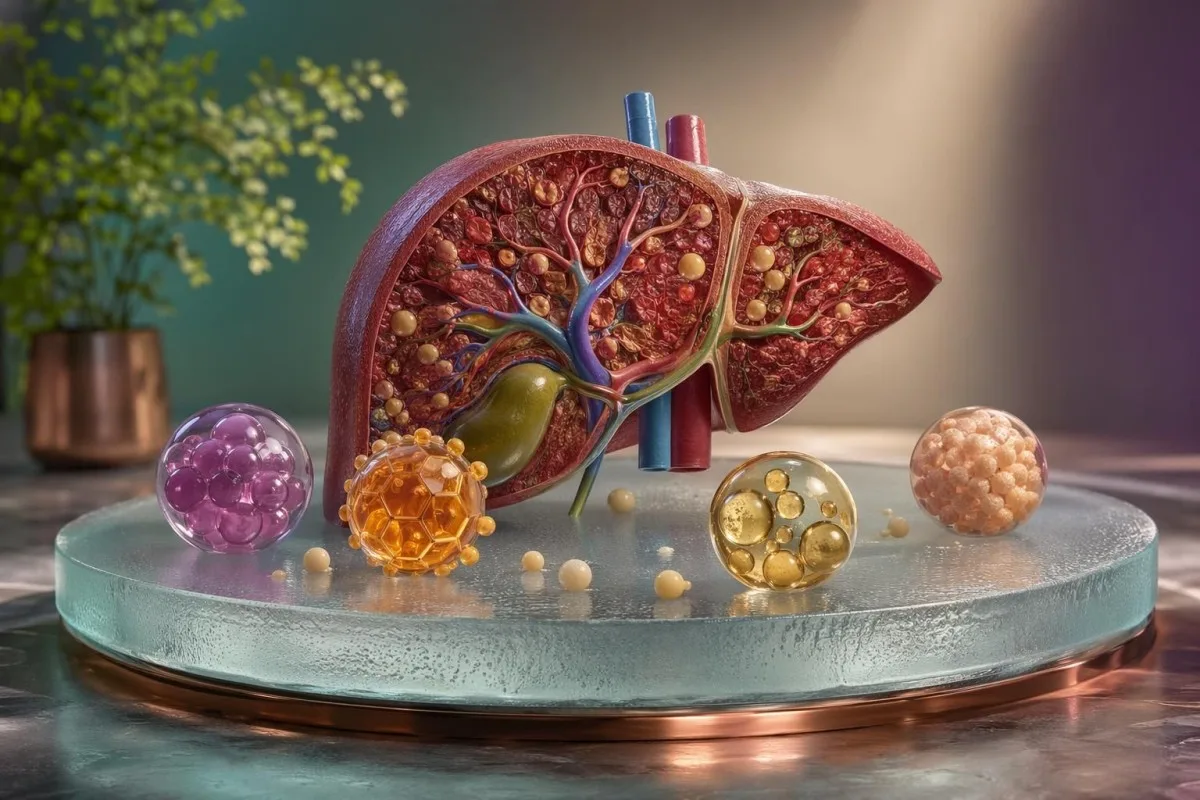
Fat soluble vitamins A, D, E and K can run low with malabsorption or high after months of over-supplementing. The safest clues are usually patterns: vitamin level plus calcium, liver enzymes, INR, lipids, symptoms, and dose history.


- Fat soluble vitamins A, D, E and K dissolve in fat, so excess can be stored in liver and adipose tissue rather than rapidly lost in urine.
- Water soluble vitamins such as B vitamins and vitamin C usually clear faster, although B6 and niacin can still cause toxicity at high doses.
- Vitamin D toxicity is usually suspected when 25-OH vitamin D is above 150 ng/mL, especially with calcium above 10.5 mg/dL.
- Vitamin A deficiency is suggested by serum retinol below 20 µg/dL, but infection and low retinol-binding protein can make results misleading.
- Vitamin E deficiency is more reliable when alpha-tocopherol is interpreted against cholesterol or total lipids, not as a lonely number.
- Vitamin K deficiency is often detected indirectly through prolonged PT/INR, because serum vitamin K testing is unstable and not widely standardized.
- Supplement timing matters: A, D, E and K are usually absorbed better with a meal containing fat, not on an empty stomach with black coffee.
- Supplement interactions include warfarin with vitamin K, orlistat with all four fat-soluble vitamins, and high-dose vitamin E with anticoagulants.
- Before changing supplements, compare dose, duration, symptoms, kidney function, liver tests, calcium, INR, and at least one prior trend when available.
How fat soluble vitamins differ from water soluble vitamins
Fat soluble vitamins A, D, E and K dissolve into dietary fat, travel with bile and lipoproteins, and can be stored for weeks to months. Water soluble vitamins usually move through plasma and urine more quickly, so low levels can appear faster and excess often clears faster. That storage difference is why I never advise raising A, D, E or K doses from symptoms alone.
In our analysis of 2M+ blood tests at Kantesti AI, the risky pattern is not just a low or high vitamin result; it is the vitamin result plus calcium, INR, liver enzymes, kidney function, lipids, and the supplement label. A 25-OH vitamin D of 82 ng/mL may be acceptable in one patient under medical supervision, while 82 ng/mL with calcium 11.2 mg/dL and creatinine rising is a very different conversation.
The digestive step is often missed. A, D, E and K need bile acids, pancreatic enzymes and an absorptive small intestine; if any one of those is impaired, a person can swallow 5,000 IU daily and still test low. For a broader marker-by-marker overview, our vitamin deficiency marker guide explains which nutrients are directly measurable and which require indirect clues.
As of May 20, 2026, the most practical starting point is simple: do not change fat-soluble supplements until you know whether your labs show deficiency, toxicity, malabsorption, medication interaction, or just normal variation. Dr. Thomas Klein's rule in clinic is blunt but useful: dose follows pattern, not panic.
Why excess can build up before symptoms appear
Excess fat-soluble vitamins can build up because storage tissues release them slowly and routine urine clearance does not remove them efficiently. Vitamin A is mainly stored in hepatic stellate cells, vitamin D metabolites circulate with binding proteins, vitamin E sits in lipoproteins and membranes, and vitamin K cycles through liver clotting pathways.
The thing is, the lag time can be long. I have seen vitamin D toxicity appear after 4 to 8 months of taking several overlapping products: a multivitamin, a bone formula, drops, and a fortified shake. A patient may honestly report "one supplement" while the total daily dose is 12,000 to 20,000 IU.
Vitamin A has a narrower safety margin than many people think. Penniston and Tanumihardjo described chronic vitamin A toxicity with long-term intakes above roughly 25,000 IU per day in susceptible adults, although liver disease, alcohol intake and low body weight can lower the threshold (Penniston & Tanumihardjo, 2006). If your lab flags look confusing, our normal range guide is a useful reminder that "normal" is not the same as "safe in context."
Kantesti AI interprets fat-soluble vitamin results by comparing the vitamin value with associated biomarkers rather than treating the result as a stand-alone verdict. Our AI-powered blood test interpretation workflow looks for clusters such as high vitamin D plus high calcium, low vitamin E plus very low cholesterol, or prolonged INR plus antibiotic exposure.
Vitamin A: retinol clues for deficiency and toxicity
Serum retinol below 20 µg/dL usually suggests vitamin A deficiency, while levels above about 80 to 100 µg/dL raise concern for excess when symptoms fit. The result is not perfect: retinol falls during acute infection because retinol-binding protein behaves like a negative acute-phase reactant.
Low vitamin A classically causes night blindness, dry eyes, rough skin and impaired immune barrier function. In real clinics, I more often see borderline retinol in people with cholestasis, inflammatory bowel disease, pancreatic insufficiency, very low-fat dieting, or after malabsorptive bariatric surgery.
High vitamin A is not subtle once it declares itself: headache, dry peeling skin, hair shedding, bone pain, nausea, and sometimes elevated AST or ALT. Chronic toxicity may also push calcium high through bone turnover; that is why a vitamin A blood test should sit beside calcium, alkaline phosphatase and liver enzymes, not in a separate mental drawer.
A serum retinol of 18 µg/dL with CRP 45 mg/L may reflect acute inflammation more than true depleted stores. If you want the deeper retinol range discussion, our vitamin A blood test guide covers when retinol, retinyl esters and retinol-binding protein change the interpretation.
Vitamin D: 25-OH level, calcium and PTH patterns
The best routine vitamin D status test is 25-hydroxyvitamin D, not 1,25-dihydroxyvitamin D. A 25-OH vitamin D below 20 ng/mL is commonly called deficiency, 20 to 29 ng/mL is often called insufficiency, and levels above 150 ng/mL strongly suggest toxicity risk when calcium is high.
The Endocrine Society guideline by Holick et al. used 30 ng/mL as a practical sufficiency target, while the Institute of Medicine argued that 20 ng/mL covers bone needs for most adults (Holick et al., 2011). Clinicians still disagree here, and honestly the right target depends on bone health, kidney disease, pregnancy, malabsorption and baseline risk.
The pattern matters more than the number. Low 25-OH vitamin D with high PTH, low-normal calcium and high alkaline phosphatase points toward secondary hyperparathyroidism and bone turnover; high 25-OH vitamin D with high calcium, low PTH and rising creatinine points toward toxicity. Our vitamin D blood test guide explains why active vitamin D can look normal or high even when stores are low.
Supplement type changes the retest story. Vitamin D3 generally raises 25-OH levels more efficiently than D2 in many dosing studies, although adherence and baseline level can outweigh the form; see our D3 versus D2 comparison before assuming a higher dose is the answer.
Vitamin E: alpha-tocopherol depends on lipids
Vitamin E deficiency is usually suspected when alpha-tocopherol is below about 5 mg/L, but the number must be interpreted against cholesterol or total lipids. Because vitamin E travels in lipoproteins, a person with very low LDL cholesterol can look low even when tissue status is not severely depleted.
True vitamin E deficiency is uncommon in healthy adults eating varied diets. When I see it, the patient often has cystic fibrosis, cholestatic liver disease, abetalipoproteinemia, severe pancreatic insufficiency, or prior intestinal surgery; symptoms can include neuropathy, poor balance, loss of vibration sense and hemolytic anemia.
High-dose vitamin E is not harmless because it can interfere with vitamin K-dependent clotting. Miller et al. reported that high-dosage vitamin E supplementation, often 400 IU per day or more in trials, was associated with increased all-cause mortality in a 2005 meta-analysis, though later debates about dose, population and trial design remain fair (Miller et al., 2005).
A practical lab pattern is alpha-tocopherol plus fasting lipid panel plus PT/INR if bleeding risk exists. If triglycerides are high or LDL is very low, compare with our lipid panel interpretation before calling a vitamin E result truly low or high.
Vitamin K: INR is often the first useful clue
Vitamin K deficiency is often found indirectly through prolonged PT/INR, not a serum vitamin K level. An INR above 1.2 in someone not taking warfarin can suggest reduced vitamin K effect, liver synthetic dysfunction, factor deficiency or lab interference, so the pattern has to be sorted carefully.
Deficiency clues include easy bruising, nosebleeds, heavy menstrual bleeding, dark stools, or prolonged bleeding after dental work. The more specific lab clue is PT prolonged more than aPTT because vitamin K-dependent factors II, VII, IX and X are affected, and factor VII has a short half-life of roughly 4 to 6 hours.
Warfarin changes the entire interpretation because it deliberately blocks vitamin K recycling. A patient on warfarin should not suddenly start or stop vitamin K supplements without the prescribing clinician; even a consistent 100 µg daily intake can shift dose needs. Our vitamin K blood test guide goes deeper into PIVKA-II and undercarboxylated osteocalcin.
I also check liver markers when INR is high. A high INR with low albumin, high bilirubin and elevated AST/ALT points away from simple dietary vitamin K deficiency and toward impaired hepatic synthesis; our PT/INR range guide explains when a clotting result becomes urgent.
When several fat-soluble vitamins are low together
Low A, D, E and K together usually points to fat malabsorption rather than four separate diet mistakes. The common lab companions are low cholesterol, low albumin, prolonged INR, low calcium or phosphate, high ALP, abnormal bilirubin, or stool and pancreatic clues depending on the cause.
A 52-year-old marathon runner once came to clinic with 25-OH vitamin D of 14 ng/mL, low retinol, borderline vitamin E and INR 1.4. The tempting answer was "take more supplements," but his high ALP and pale stools pushed us toward bile flow and intestinal evaluation first.
Cholestasis blocks bile delivery, so fat-soluble vitamin absorption falls even with a decent diet. High ALP and GGT with high direct bilirubin make that possibility stronger; our liver function test guide explains the hepatobiliary pattern I look for before blaming the supplement brand.
Celiac disease can also present through nutrient labs before classic diarrhea appears. If low fat-soluble vitamins travel with low ferritin, low folate, low albumin or unexplained weight loss, a celiac blood test result may be more informative than adding another capsule.
Supplement timing: why the meal matters
Supplement timing affects A, D, E and K because absorption improves when they are taken with a meal containing fat. For most patients, taking these vitamins with the largest mixed meal of the day works better than taking them fasting with coffee or late at night after a very low-fat dinner.
The fat amount does not need to be extreme. In practice, 10 to 15 grams of fat in a meal is often enough to improve absorption for many people, though pancreatic or bile disease changes the equation. A teaspoon of olive oil alone is not a medical treatment for malabsorption, but taking D3 with food is a reasonable starting fix.
Retesting too early creates noise. Vitamin D usually needs 8 to 12 weeks after a dose change to show a stable 25-OH response, while INR can shift within days after vitamin K changes. Our supplement timing guide covers the practical spacing issues patients actually face at breakfast counters.
Fasting status can confuse adjacent labs even if the vitamin itself is stable. If you are checking lipids with vitamin E or calcium with vitamin D, follow the lab's preparation instructions; our fasting versus non-fasting guide explains which results move after meals.
Supplement interactions that change the lab pattern
Supplement interactions are common with fat-soluble vitamins because the same fat pathway is used by several medications. Orlistat, cholestyramine, colestipol, mineral oil, some anticonvulsants, long antibiotic courses and warfarin can all change vitamin levels or their downstream lab effects.
Orlistat can reduce absorption of A, D, E and K, so labels often recommend separating multivitamins by at least 2 hours or taking them at bedtime. Bile acid sequestrants can do the same, and I tend to separate them from fat-soluble supplements by 4 hours when the prescriber agrees.
Warfarin is different: the goal is consistency, not avoidance. A sudden jump from 40 µg to 200 µg vitamin K daily can lower INR, while suddenly stopping greens or K supplements can raise INR. Our blood thinner testing guide explains why anticoagulated patients need a different rulebook.
High-dose vitamin E deserves respect when combined with anticoagulants, antiplatelet drugs or a history of easy bruising. If supplement changes coincide with new medication, our medication monitoring timeline can help frame what moved first.
Symptoms that match deficiency or toxicity
Symptoms are useful only when they match the lab pattern and timeline. Night blindness fits low vitamin A, bone pain and muscle weakness fit low vitamin D, neuropathy fits severe vitamin E deficiency, and easy bruising fits vitamin K effect problems; nausea, headache and high calcium fit toxicity patterns.
Fatigue alone is a poor guide. In our platform, fatigue is more often paired with anemia, thyroid shifts, sleep debt, infection recovery, low ferritin or glucose swings than with isolated fat-soluble vitamin deficiency. Our fatigue blood test checklist is a better first pass than buying four new bottles.
Some symptoms point to urgency. Confusion, severe vomiting, dehydration, kidney pain, marked thirst and calcium above 12 mg/dL in a person taking high-dose vitamin D should not wait for a wellness follow-up. That pattern can become kidney-threatening.
Skin and hair symptoms are especially slippery. Dry skin can happen with vitamin A deficiency, vitamin A excess, thyroid disease, iron deficiency, eczema, winter air, or retinoid medication; this is why Dr. Thomas Klein usually asks for the bottle photo, dose in IU or micrograms, and the start date before interpreting the symptom.
Retesting: when a trend is more useful than one result
A single fat-soluble vitamin result is less reliable than a trend after a documented dose and timing change. Vitamin D is usually rechecked after 8 to 12 weeks, INR can be rechecked within days when vitamin K or warfarin changes, and vitamin A or E retesting often needs 6 to 12 weeks unless toxicity is suspected.
I like to anchor the trend to three facts: the exact dose, the number of days taken, and whether it was taken with fat. Without those, a rise from 19 to 24 ng/mL in vitamin D could mean poor adherence, poor absorption, too little dose, or simply winter-to-spring sun change.
Small changes may be analytical variation. A 25-OH vitamin D movement from 31 to 34 ng/mL rarely matters, while 31 to 78 ng/mL after adding 10,000 IU daily does. Our lab trend graph guide shows how slopes and swings can prevent overreacting.
If you are trying to improve results before a retest, keep the intervention boring and measurable. Our retest timeline guide explains why changing diet, dose, sleep and exercise all at once makes the result harder to interpret.
Groups who need extra caution with A, D, E and K
Pregnancy, infancy, kidney disease, liver disease, bariatric surgery, malabsorption disorders and anticoagulant use all change the safety margin for fat-soluble vitamins. These groups should avoid high-dose A, D, E or K changes unless a clinician is tracking the relevant labs.
Vitamin A is the one I am most cautious about before and during pregnancy. Preformed retinol can be teratogenic at high intake, while beta-carotene from food behaves differently; do not treat skin, fertility or immune concerns with high-dose retinol unless your clinician has agreed.
After bariatric surgery, deficiencies can be clustered and delayed. I have seen patients look fine at 3 months and then show low D, low A, low ferritin and rising INR at 12 months because adherence slipped. Our bariatric supplement guide lays out the lab-based approach.
Children need age-specific thinking. A vitamin D dose that is modest for an adult may be excessive for a small child, and pediatric ranges are not adult ranges scaled down; our child vitamin D guide gives parent-friendly 25-OH interpretation.
How Kantesti reads fat-soluble vitamin patterns
Kantesti AI reads fat-soluble vitamin results by combining direct vitamin assays with indirect organ and pathway markers. For A, D, E and K, our neural network weighs dose history, timing, retest interval, calcium, phosphate, PTH, INR, liver enzymes, bilirubin, albumin, lipids, creatinine and symptom clusters.
This is where pattern-based interpretation helps patients. A PDF showing only "vitamin D high" misses the key clinical question: is calcium high, is PTH suppressed, is kidney function changing, and did the dose recently rise? Our blood biomarker guide shows how we structure more than 15,000 markers into clinical pathways.
Our clinical standards are reviewed by physicians and benchmarked against anonymised cases, including deliberately tricky hyperdiagnosis traps. You can read more about our medical validation and the Kantesti AI engine benchmark at clinical validation research.
The goal is not to replace your clinician. The goal is to make the next appointment sharper: exact doses, likely interactions, concerning patterns and sensible retest timing. When I review cases as Thomas Klein, MD, the best outcomes usually come from patients arriving with organized trends rather than a bag of half-remembered supplements.
Before you change supplements: a clinician's checklist
Before changing A, D, E or K, check the dose, units, duration, meal timing, medication list, symptoms and the labs that reveal harm. For vitamin D that means calcium, phosphate, PTH and creatinine; for vitamin K it means PT/INR; for vitamin A it means liver enzymes and calcium; for vitamin E it means lipids and bleeding risk.
A sensible home checklist is surprisingly powerful: photograph every label, record IU or micrograms, note start dates, and list missed doses. If you use fortified drinks, cod liver oil, protein powders or bone formulas, include those too because they often duplicate A and D.
Kantesti can help you organize this pattern quickly. Upload your lab PDF or photo to Try Free AI Blood Test Analysis and our AI can flag whether a vitamin result fits deficiency, toxicity, malabsorption, medication interaction or repeat-test noise in about 60 seconds.
For governance, medical review and who we are as an organisation, see our Medical Advisory Board and About Us. If you have severe symptoms, calcium above 12 mg/dL, INR above 2.0 without anticoagulation, confusion, bleeding or kidney injury, do not wait for an app interpretation; seek urgent medical care.
Research publications and medical references
Kantesti's research publications focus on clinical decision support, multilingual interpretation and safe triage workflows rather than selling one-size-fits-all supplement advice. The same caution applies to fat soluble vitamins: AI can organise patterns fast, but dose decisions still need clinical context and, in higher-risk cases, a licensed clinician.
Kantesti LTD. (2026). Multilingual AI Assisted Clinical Decision Support for Early Hantavirus Triage: Design, Engineering Validation, and Real-World Deployment Across 50,000 Interpreted Blood Test Reports. Figshare. DOI: 10.6084/m9.figshare.32230290. ResearchGate. Academia.edu.
Kantesti LTD. (2026). Women's Health Guide: Ovulation, Menopause & Hormonal Symptoms. Figshare. DOI: 10.6084/m9.figshare.31830721. ResearchGate. Academia.edu.
For day-to-day learning, our Kantesti blog keeps lab interpretation grounded in patterns rather than isolated flags. Bottom line: with A, D, E and K, low levels often mean absorption or intake problems, while high levels often mean dose accumulation; the safest next step is to match symptoms with the right labs before changing supplements.
Frequently Asked Questions
What are the fat soluble vitamins and why can they build up?
The fat soluble vitamins are A, D, E and K, and they dissolve in dietary fat rather than water. They are absorbed with bile and can be stored in liver, adipose tissue, cell membranes or clotting pathways for weeks to months. Because they are not rapidly cleared in urine like many water soluble vitamins, high-dose supplements can accumulate. Toxicity risk rises most clearly when high levels appear with organ markers such as calcium above 10.5 mg/dL, abnormal liver enzymes or prolonged INR.
Which lab test is best for vitamin D status?
The best routine lab test for vitamin D status is 25-hydroxyvitamin D, often written as 25-OH vitamin D. Many clinicians define deficiency as below 20 ng/mL, insufficiency as 20 to 29 ng/mL and sufficiency as at least 30 ng/mL, although some guidelines accept 20 ng/mL for bone health in many adults. Vitamin D toxicity is usually suspected above 150 ng/mL, especially when calcium is above 10.5 mg/dL and PTH is suppressed. The active 1,25-dihydroxyvitamin D test is not the usual screening test for nutritional vitamin D stores.
Can vitamin A supplements cause abnormal blood tests?
Yes, high-dose preformed vitamin A can cause abnormal blood tests, especially elevated AST or ALT, high calcium and sometimes high serum retinol above 80 to 100 µg/dL. Symptoms may include headache, dry skin, hair loss, bone pain and nausea. Serum retinol below 20 µg/dL suggests deficiency, but infection and inflammation can falsely lower retinol by reducing retinol-binding protein. Patients taking cod liver oil, retinol capsules or isotretinoin should review total vitamin A exposure before adding more.
Why is INR linked to vitamin K deficiency?
INR is linked to vitamin K because vitamin K is needed to activate clotting factors II, VII, IX and X. When vitamin K effect is low, PT often prolongs first and INR may rise above the usual 0.8 to 1.1 range in people not taking anticoagulants. An INR above 1.2 can reflect vitamin K deficiency, warfarin effect, liver synthetic dysfunction or factor deficiency, so liver tests and medication history matter. Anyone on warfarin should keep vitamin K intake consistent rather than abruptly stopping or starting supplements.
Should fat soluble vitamins be taken with food?
Fat soluble vitamins are usually absorbed better when taken with a meal containing fat. For many adults, a mixed meal with roughly 10 to 15 grams of fat is enough to improve absorption, although bile, pancreas or intestinal disease can still block uptake. Taking A, D, E or K fasting with coffee may reduce absorption in some patients. If a dose is changed, vitamin D is usually rechecked after 8 to 12 weeks, while INR can change within days after vitamin K changes.
Which medications interfere with fat soluble vitamins?
Orlistat, cholestyramine, colestipol and mineral oil can reduce absorption of fat soluble vitamins A, D, E and K. Long antibiotic courses can lower vitamin K availability in some patients, and anticonvulsants can alter vitamin D metabolism. Warfarin directly interacts with vitamin K because it blocks vitamin K recycling, so sudden changes in vitamin K intake can shift INR. High-dose vitamin E may increase bleeding risk when combined with anticoagulants or antiplatelet drugs.
Can low A, D, E and K levels mean malabsorption?
Yes, low A, D, E and K together strongly suggests fat malabsorption rather than four unrelated vitamin problems. Common causes include cholestatic liver disease, pancreatic insufficiency, celiac disease, inflammatory bowel disease and malabsorptive bariatric surgery. Lab clues can include high ALP or GGT, high direct bilirubin, low albumin, prolonged INR, low cholesterol, low calcium or low phosphate. In that pattern, adding supplements without looking for the cause can miss the main diagnosis.
Is beta-carotene the same as preformed vitamin A in supplements?
No. Beta-carotene is converted to vitamin A as needed and generally does not cause the same toxicity as preformed retinol, although large doses can turn skin yellow-orange. People who smoke or have smoked should avoid high-dose beta-carotene supplements unless a clinician recommends them.
Can I eat vitamin K-rich foods if I take warfarin?
Yes—do not avoid vitamin K-rich foods completely if you take warfarin. Keep your usual intake of foods such as leafy greens reasonably consistent, and tell your anticoagulation clinician before making major diet or supplement changes so your INR can be monitored.
Do I need to fast before fat-soluble vitamin blood tests?
Usually not for 25-OH vitamin D or INR, but vitamin A or E may be paired with a lipid panel that has specific lab instructions. Follow the testing center’s guidance and avoid changing supplements right before testing unless your clinician advises it.
Get AI-Powered Blood Test Analysis Today
Join over 2 million users worldwide who trust Kantesti for instant, accurate lab test analysis. Upload your blood test results and receive comprehensive interpretation of 15,000+ biomarkers in seconds.
📚 Referenced Research Publications
Klein, T., Mitchell, S., & Weber, H. (2026). Multilingual AI Assisted Clinical Decision Support for Early Hantavirus Triage: Design, Engineering Validation, and Real-World Deployment Across 50,000 Interpreted Blood Test Reports. Kantesti AI Medical Research.
Klein, T., Mitchell, S., & Weber, H. (2026). Women's Health Guide: Ovulation, Menopause & Hormonal Symptoms. Kantesti AI Medical Research.
📖 External Medical References
⚕️ Medical Disclaimer
This article is for educational purposes only and does not constitute medical advice. Always consult a qualified healthcare provider for diagnosis and treatment decisions.
E-E-A-T Trust Signals
Experience
Physician-led clinical review of lab interpretation workflows.
Expertise
Laboratory medicine focus on how biomarkers behave in clinical context.
Authoritativeness
Written by Dr. Thomas Klein with review by Dr. Sarah Mitchell and Prof. Dr. Hans Weber.
Trustworthiness
Evidence-based interpretation with clear follow-up pathways to reduce alarm.