
Folate and vitamin B12 usually matter most, while vitamin B6 has a narrower role. The safest choice depends on the result, kidney function, medicines and possible deficiency.

Key takeaways
- Folate at 400 micrograms daily can lower homocysteine when folate intake is inadequate, but folate should not be used alone when vitamin B12 deficiency has not been excluded.
- Vitamin B12 is the priority when the result is low or borderline, especially with numbness, anaemia, a high MCV, vegan eating, metformin use or long-term acid suppression.
- Vitamin B6 is involved in homocysteine metabolism, but routine high-dose B6 has not reliably reduced cardiovascular events and can cause peripheral neuropathy.
- Typical interpretation uses about 5-15 micromoles per litre as a common adult laboratory interval, although fasting status, assay method and the laboratory range matter.
- Kidney function strongly affects homocysteine; reduced eGFR can keep the result high even when folate and B12 are adequate.
- MTHFR variants usually do not require special methylfolate treatment; ordinary folic acid lowers homocysteine in many people with common variants.
- Retesting after about 8-12 weeks of a stable intervention is usually more informative than repeating the test after only a few days.
- Cardiovascular protection is not guaranteed by a lower number: trials reduced homocysteine but generally did not reduce heart attacks or overall mortality.
What a high homocysteine result actually means
Adult homocysteine is commonly reported as 5-15 micromoles per litre, but the laboratory range must be checked before treatment. A result above 15 micromoles per litre is often called elevated; the cause may be vitamin deficiency, reduced kidney function, thyroid disease, medicines, smoking, alcohol use or a non-fasting sample. Kantesti is an AI blood test analyzer that places homocysteine beside related markers rather than interpreting the number in isolation.

Homocysteine is an intermediate made when the body processes methionine, an amino acid from dietary protein. Folate and vitamin B12 recycle homocysteine into methionine, while vitamin B6 helps route it toward cysteine; a disruption in any pathway can raise the result.
A result of 16 micromoles per litre is not equivalent to 60 micromoles per litre. Mild elevations often need a careful medication, diet and kidney review, whereas levels above 30 micromoles per litre deserve more deliberate investigation and levels above 100 micromoles per litre require prompt medical assessment for severe inherited or acquired causes.
For a hypothetical example, a 52-year-old with homocysteine of 19 micromoles per litre, normal creatinine, low-normal B12 and a high MCV has a different problem from a person with the same result and an eGFR of 42. The first pattern points toward B12 or folate assessment; the second may be substantially kidney-related. Our borderline homocysteine guide explains why repeat timing and surrounding results matter.
| Level | Range | What it means |
|---|---|---|
| Common adult interval | Approximately 5-15 µmol/L | Usually not elevated, but use the reporting laboratory's range and consider fasting status. |
| Mildly elevated | 15-30 µmol/L | Review folate, B12, medicines, smoking, alcohol, thyroid function and kidney function. |
| Moderately high | 31-100 µmol/L | Deficiency, kidney disease, malabsorption or medication effects become more important possibilities. |
| Very high | >100 µmol/L | Prompt clinician-led evaluation is needed, including consideration of severe deficiency or inherited metabolic disease. |
Why one number is not a diagnosis
A homocysteine result is a risk marker and metabolic clue, not a diagnosis of blocked arteries. A single non-fasting result can also be misleading because recent food intake, illness and laboratory handling affect interpretation.
Some European laboratories use an upper adult limit near 12 micromoles per litre, while others use 15. The difference does not mean one laboratory is wrong; it reflects population data, assay calibration and whether the sample was fasting.
Does folate work for high homocysteine?
Folate is often the most effective homocysteine-lowering vitamin when folate intake or status is low. A daily supplement containing 400 micrograms of folic acid commonly lowers mild elevations, but the correct dose depends on pregnancy status, deficiency severity, medicines and vitamin B12 results.
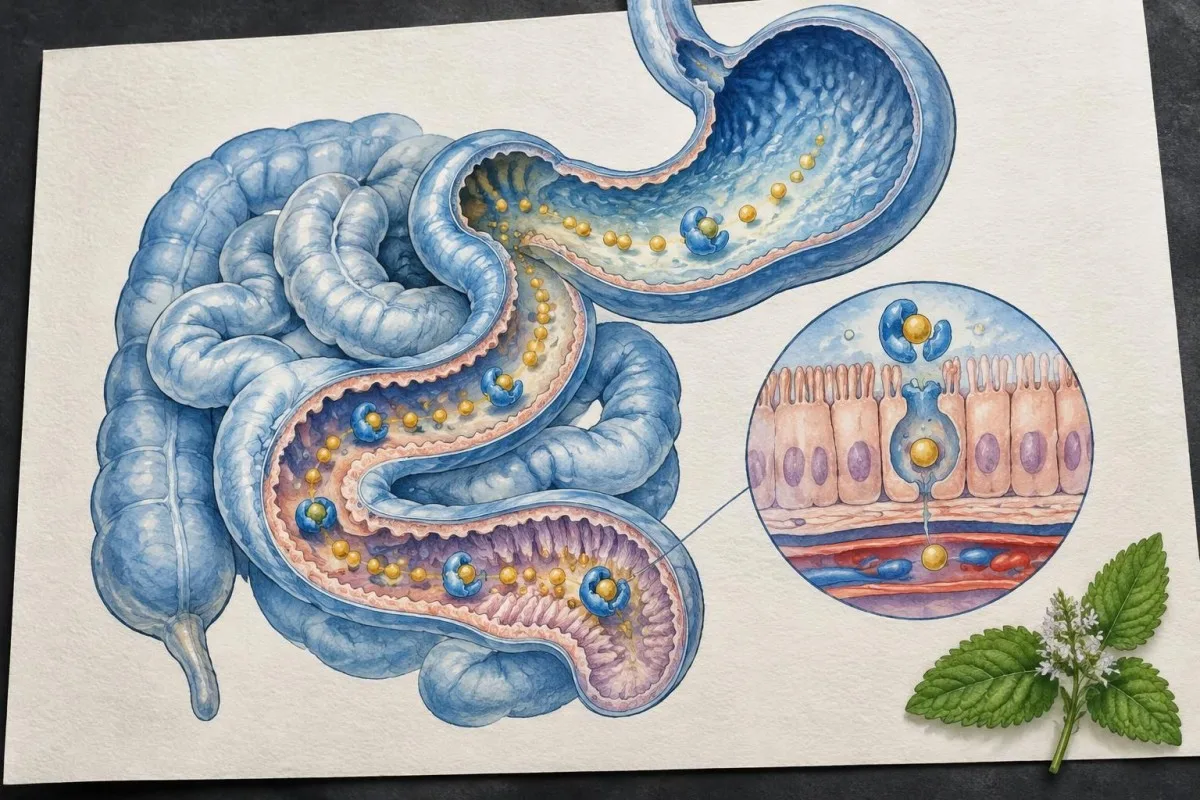
Adults generally need 400 micrograms of dietary folate equivalents daily, rising to 600 micrograms during pregnancy and 500 micrograms during lactation. Folic acid is the synthetic form used in supplements and fortified foods; natural food folates are measured differently, so micrograms of DFE and micrograms of folic acid are not always interchangeable.
For uncomplicated mild elevation, 400-800 micrograms of folic acid daily is a commonly studied range. A clinician may prescribe 1-5 milligrams for confirmed deficiency, malabsorption or selected pregnancy-risk situations, but 5 milligrams should not become a self-treatment default.
The adult upper limit for synthetic folic acid from supplements and fortified foods is 1,000 micrograms daily in United States guidance, excluding naturally occurring food folate. This limit exists because large doses can improve anaemia while allowing neurological injury from untreated B12 deficiency to continue. Our water-soluble vitamins guide compares dose, storage and toxicity more carefully.
Food folate versus a capsule
Cooked leafy greens, beans, lentils, asparagus and citrus provide folate, but food alone may not correct malabsorption or a substantial deficiency quickly. A practical food-first plan can still improve overall intake without exposing someone to unnecessarily high supplemental doses.
For example, a person eating little fruit, vegetables or legumes may gain more from adding lentils and leafy greens than from escalating a supplement from 400 micrograms to 5 milligrams. The laboratory response should guide the next step.
When vitamin B12 matters more than folate
Vitamin B12 should be assessed before or alongside folate when homocysteine is high, particularly if there is numbness, glossitis, fatigue, anaemia or a high MCV. B12 deficiency can raise homocysteine and may damage nerves even when the blood count appears nearly normal. Kantesti is an AI blood test interpretation platform that relates B12, MCV, haemoglobin and kidney markers to the homocysteine result.

The adult vitamin B12 requirement is 2.4 micrograms daily, but treatment doses are much higher because absorption is limited and only a small fraction may enter circulation. A serum B12 below roughly 148 pmol/L, or 200 pg/mL, is commonly considered deficient; 148-221 pmol/L can be an indeterminate zone requiring clinical context and sometimes methylmalonic acid testing.
Methylmalonic acid is useful because it rises more specifically with cellular B12 deficiency, although kidney impairment can also increase it. A normal serum B12 does not always exclude deficiency after recent supplementation, because circulating levels may rise before tissue function is fully restored.
A hypothetical 68-year-old taking metformin with B12 of 175 pmol/L, MCV of 103 femtolitres and tingling in both feet should not simply take folic acid and wait. B12 replacement and evaluation for malabsorption deserve priority; treatment may involve high-dose oral B12 or injections depending on the cause. See our explanation of borderline B12 results for a testing sequence.
Why serum B12 can mislead
Pernicious anaemia, gastric surgery, coeliac disease, inflammatory bowel disease and long-term acid suppression can reduce B12 absorption. A person may therefore need replacement even when dietary intake seems adequate.
B12 has no established tolerable upper intake level for healthy adults, but that does not make every high-dose product appropriate. The goal is to correct deficiency and its cause, not to chase an indefinitely high serum concentration.
Does vitamin B6 lower homocysteine safely?
Vitamin B6 participates in homocysteine breakdown, but B6 is usually not the first supplement to choose for an isolated mild elevation. Trials using B6 alongside folate and B12 have not shown a consistent reduction in heart attacks or death, and chronic high-dose B6 can cause sensory neuropathy.

Adults generally need about 1.3-1.7 milligrams of vitamin B6 daily, depending on age and sex. A standard multivitamin often supplies 1.5-3 milligrams, whereas some targeted B-complex products contain 25-100 milligrams; the latter doses deserve caution rather than automatic use.
Vitamin B6 toxicity usually presents as tingling, burning or reduced sensation in the hands or feet after prolonged exposure, not as an immediate overdose reaction. The United States adult upper limit is 100 milligrams daily, but the European Food Safety Authority set a much lower adult upper limit of 12 milligrams daily in 2023 because neuropathy has occurred at lower long-term intakes.
The practical distinction is between correcting a documented deficiency and adding B6 because a product markets it as a homocysteine solution. If neuropathy is present, a 50-milligram B6 capsule could worsen the diagnostic picture. Our B-complex supplement guide covers label checking and cumulative dose calculation.
Check the total daily dose
A person taking a multivitamin, an energy drink and a B-complex may unknowingly exceed 20 milligrams of B6 daily. Add the amounts from every product before deciding whether a supplement is low dose.
Pyridoxine and pyridoxal-5-phosphate are different chemical forms, but both contribute to total B6 exposure. Do not assume that a product labelled active or natural is free from neuropathy risk.
Is a B-complex better than separate vitamins?
A B-complex is not automatically better than targeted folate or B12 replacement. It may be convenient when several dietary inadequacies exist, but combination products can hide excessive B6, duplicate ingredients and make it difficult to identify which nutrient changed the laboratory result.

A useful B-complex label should state the amount of folate, B12 and B6 per daily serving, not merely list a proprietary blend. For routine self-care, folate near 400 micrograms, B12 near 2.4-25 micrograms and B6 near 1.3-5 milligrams are very different from megadose formulations.
High-dose B12 is generally less concerning than high-dose B6, but an unexplained high result still deserves a cause-based plan. Folate can also obscure the blood-count clues of B12 deficiency, so taking both vitamins does not remove the need to check B12.
For example, a 44-year-old with homocysteine of 18 micromoles per litre and a normal MCV might reasonably discuss a low-dose folate-containing product after checking B12 and kidney function. A product containing 100 milligrams of B6 would add risk without strong evidence of extra benefit.
When a single nutrient is clearer
If testing shows low folate with normal B12, folate alone may make the response easier to judge. If B12 is low, B12 replacement should be the central treatment even if folate is also included.
Kantesti can organise a supplement-related review by showing the result, units, reference interval and nearby CBC or kidney markers together, but treatment decisions still belong with a qualified clinician.
Do MTHFR variants require methylfolate?
Common MTHFR variants usually do not require methylfolate instead of folic acid. These variants can influence folate metabolism modestly, but they rarely explain a major homocysteine elevation on their own, and routine genetic testing seldom changes safe treatment.

The C677T and A1298C MTHFR variants are common, and many people with them have normal homocysteine. A raised homocysteine result is more actionable than an isolated genetic variant; folate status, B12 status, kidney function and thyroid tests usually provide more useful clinical information.
L-methylfolate is biologically active, but evidence that it improves cardiovascular outcomes or consistently lowers homocysteine more effectively than folic acid remains limited. Some people tolerate it well, yet higher price or a methylfolate label does not prove superior clinical benefit.
A person with two C677T copies and homocysteine of 17 micromoles per litre should first review folate intake, B12, medicines and eGFR rather than assume the gene is the complete explanation. Our MTHFR results guide explains why genotype and phenotype should not be confused.
Pregnancy needs separate advice
People who could become pregnant are commonly advised to take 400 micrograms of folic acid daily before conception and through the first 12 weeks, while selected high-risk situations may require 5 milligrams prescribed by a clinician. Do not substitute online genetic advice for preconception care.
Pregnancy changes homocysteine concentrations and reference intervals, so a result cannot be interpreted using a non-pregnant adult cutoff without context. Prenatal supplements should also be checked for duplicated B6 and vitamin A ingredients.
Can food and lifestyle lower homocysteine?
A folate-rich diet, adequate B12 intake, smoking cessation and sensible alcohol use can support lower homocysteine, but lifestyle changes rarely correct severe deficiency alone. Food is most helpful when the elevation reflects low intake rather than malabsorption, kidney disease or a medication effect.
Legumes, leafy greens, asparagus, avocado and citrus are practical folate sources; fish, eggs, dairy, fortified foods and meat provide B12. A vegan diet can be nutritionally adequate but requires a dependable B12 supplement because unfortified plant foods do not reliably supply active B12.
Smoking is associated with higher homocysteine, and heavy alcohol use can worsen folate intake, absorption and liver handling. Coffee associations are inconsistent, so eliminating coffee should not replace checking B12, folate or kidney function.
For a hypothetical person with homocysteine of 16 micromoles per litre who eats few vegetables but has normal B12 and eGFR, adding beans or lentils several times weekly and taking 400 micrograms of folic acid could be reasonable to discuss. Our guide to foods high in B12 separates dietary sources from absorption limits.
Protein is not the enemy
Homocysteine comes from methionine metabolism, but reducing normal protein intake is not an evidence-based treatment. Restrictive diets can worsen B12, iron and overall protein adequacy.
The better question is whether the diet supplies enough folate and B12 and whether a medical condition prevents absorption. A varied diet can support treatment without being used as a substitute for prescribed replacement.
Which medical conditions raise homocysteine?
Reduced kidney function, hypothyroidism, malabsorption and several medicines can raise homocysteine even when a supplement label looks appropriate. Kidney impairment is especially important because homocysteine clearance depends partly on renal handling, and extra vitamins may not normalise the result.
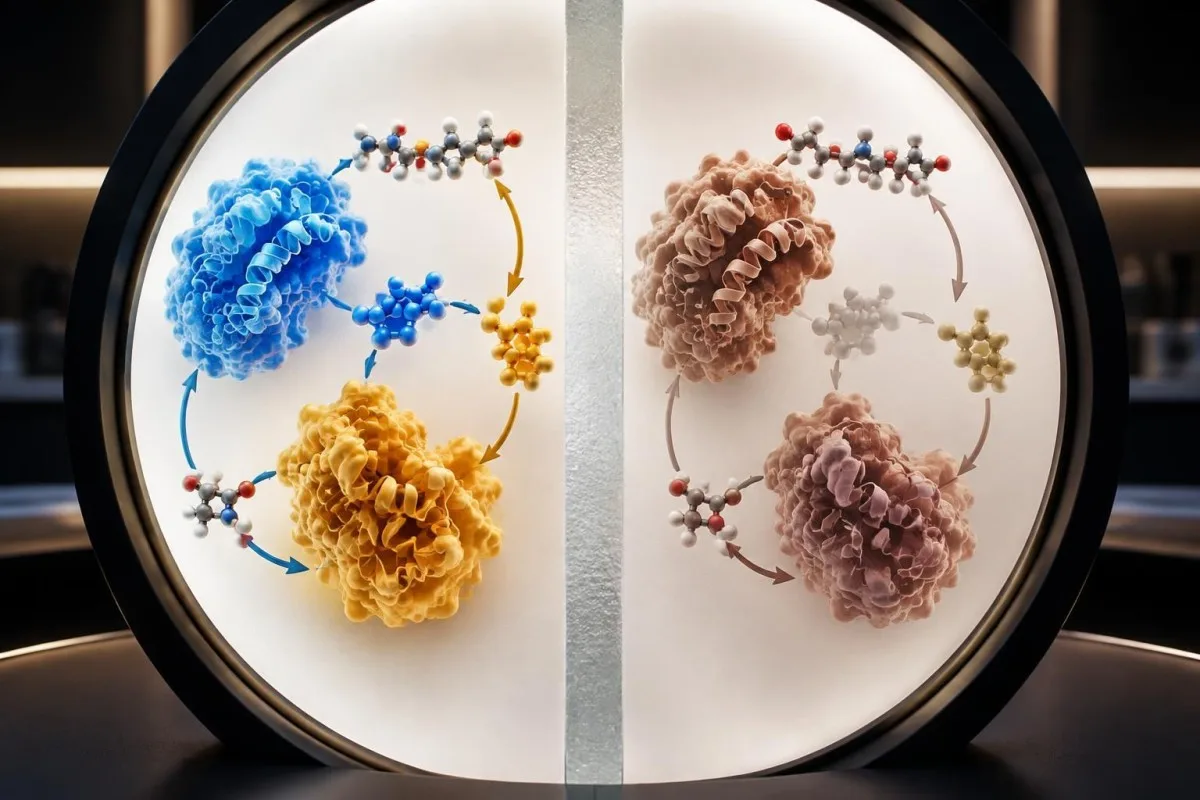
An eGFR below 60 mL/min/1.73 m² is commonly associated with higher homocysteine, although the increase varies with disease stage and dialysis status. A high result with creatinine elevation or eGFR reduction should trigger kidney-focused interpretation rather than repeated escalation of B vitamins.
Hypothyroidism, coeliac disease, inflammatory bowel disease, gastric surgery and pernicious anaemia can all contribute. Metformin and proton-pump inhibitors are associated with lower B12 over time; methotrexate, some antiseizure medicines and trimethoprim can affect folate pathways.
Consider a 60-year-old taking metformin and omeprazole with homocysteine of 22 micromoles per litre, B12 of 160 pmol/L and eGFR of 58. B12 assessment and medicine review are more clinically useful than simply adding B6. Kantesti's AI nutritionist for kidney diets explains why kidney-related supplement advice needs extra caution.
Nitrous oxide is a special warning
Nitrous oxide can functionally inactivate B12 and cause neurological symptoms with raised homocysteine, sometimes despite a seemingly acceptable serum B12. Recreational exposure or repeated medical exposure should be disclosed promptly to a clinician.
Do not treat suspected nitrous oxide-related neurological injury with folate alone. The exposure history, neurological examination and appropriate B12 treatment matter more than the homocysteine number by itself.
When should you avoid self-supplementing?
Self-supplementation is inappropriate when there are neurological symptoms, pregnancy-specific risks, severe anaemia, kidney disease, very high homocysteine or possible malabsorption. These situations require diagnosis and follow-up rather than a trial of several over-the-counter products.
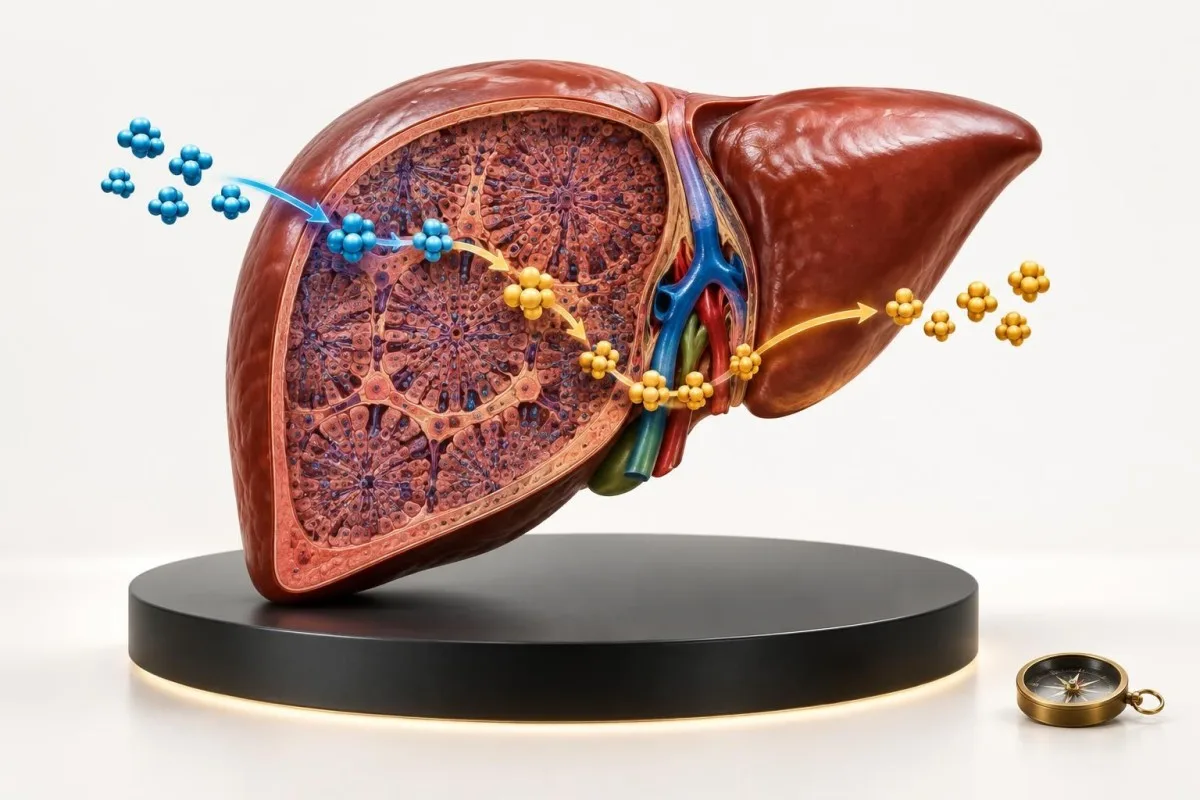
Seek clinician review for progressive numbness, balance problems, weakness, confusion, severe fatigue, tongue changes or unexplained macrocytosis. Neurological B12 deficiency can occur without profound anaemia, and folate may improve the blood count while neurological damage continues.
High-dose supplements also need caution in people receiving chemotherapy, taking antifolate medicines, undergoing dialysis or managing complex epilepsy treatment. A supplement can alter the interpretation of later tests, interact with therapy or delay treatment of the underlying condition.
A homocysteine result above 100 micromoles per litre, a rapidly rising result or a strong family history of early thrombosis deserves prompt medical assessment. It is not a situation for stacking folate, B12 and B6 while waiting months to see what happens.
Do not use homocysteine as a stand-alone clot test
Homocysteine does not diagnose a blood clot, heart attack or stroke. Sudden weakness, facial drooping, speech difficulty, severe chest pain or breathlessness requires emergency care regardless of the supplement plan.
For longer-term prevention, blood pressure, LDL cholesterol, diabetes, smoking and family history generally have stronger established treatment pathways than a modest homocysteine elevation.
How much folate, B12 and B6 is safe?
Safe dosing depends on the nutrient: folate is often used at 400-800 micrograms, B12 may require much higher replacement doses, and B6 should usually remain close to nutritional requirements unless prescribed. Read the total daily intake across every supplement, fortified drink and medication.
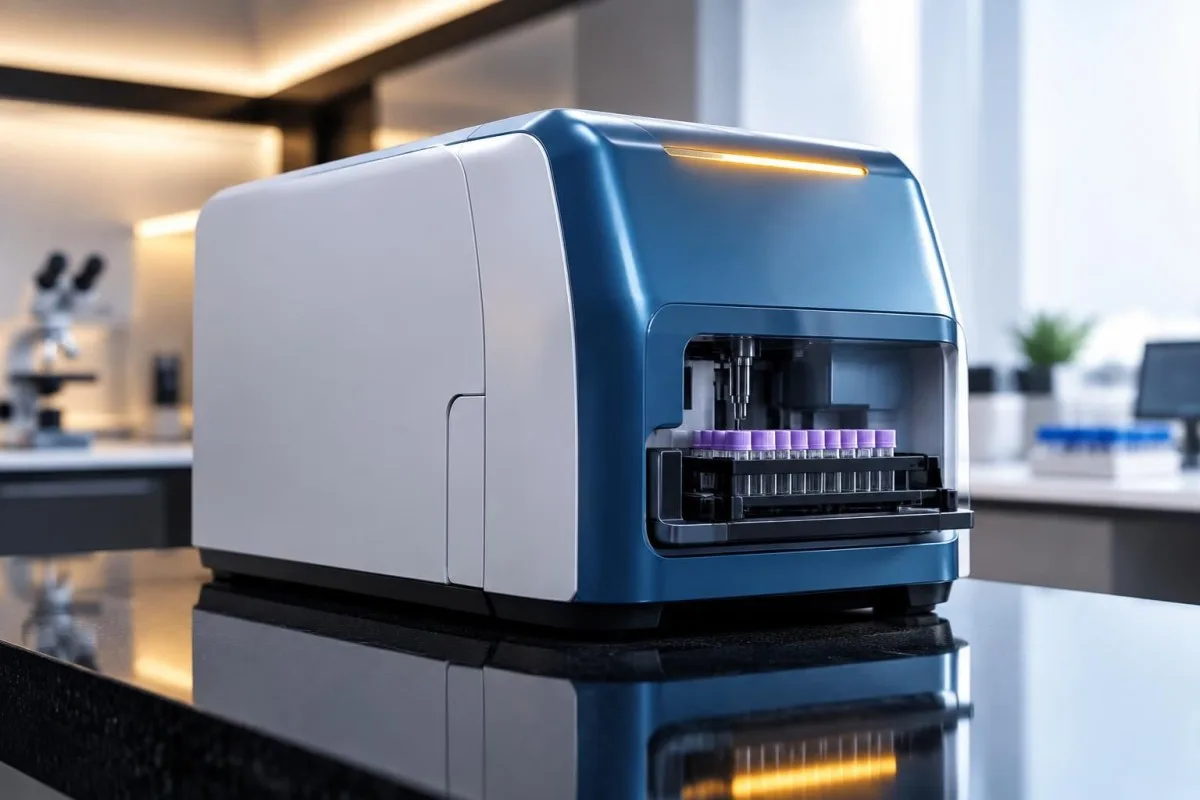
For adults, 400 micrograms of folic acid daily is a common nutritional dose, while confirmed deficiency may require 1-5 milligrams under supervision. Vitamin B12 treatment can use 500-2,000 micrograms orally because absorption is inefficient; the high number does not mean the body is storing all of it.
B6 is different: nutritional needs are around 1.3-1.7 milligrams daily, and long-term doses above 12 milligrams deserve careful review under current European guidance. The United States 100-milligram upper limit is not a target, and products containing 50-100 milligrams should not be taken casually.
A person taking a prenatal multivitamin, a B-complex and an energy drink may reach 800 micrograms of folic acid and 25 milligrams of B6 before counting food. Kantesti is designed to help organise laboratory trends and context, but it cannot verify product purity or replace a pharmacist's interaction check. Review our medical content standards for how health information should be used.
Supplement quality is not the same as dose
Third-party testing may reduce the risk of inaccurate labelling, but a verified product can still contain an unsuitable dose for a particular person. Look for the amount per serving, serving size and chemical form rather than relying on phrases such as high potency.
Keep a dated list of every supplement and medicine. This makes it easier to interpret a change in homocysteine, B12, folate, MCV or liver tests.
When should homocysteine be retested?
Retesting after 8-12 weeks of a stable supplement and diet plan usually gives more useful information than testing after a few days. The interval allows absorption, red-cell production and metabolic pathways to respond, although severe deficiency or symptoms may require earlier clinical checks.

Repeat homocysteine with the same laboratory when possible and record whether the sample was fasting, the supplement dose, the start date and recent illness. A fall from 22 to 13 micromoles per litre after 10 weeks suggests a biochemical response, but it does not prove cardiovascular risk has been eliminated.
Follow-up tests may include B12, folate, complete blood count, MCV, creatinine or eGFR, and methylmalonic acid when B12 status remains uncertain. Retesting only homocysteine can miss persistent B12 deficiency masked by folate.
For example, if B12 rises from 175 to 420 pmol/L but MCV remains 105 femtolitres after 12 weeks, the clinician may investigate alcohol use, thyroid disease, liver disease, marrow disorders or ongoing medication effects. A supplement response is evidence, not a final diagnosis.
Use trends carefully
A difference of 1-2 micromoles per litre may reflect biological or analytical variation, particularly around the upper reference limit. Larger changes are more persuasive when sampling conditions and laboratory method remain consistent.
Kantesti can help display dated results together so a clinician or user can see whether homocysteine, MCV, B12 and kidney markers moved in the same direction.
Does lowering homocysteine prevent heart disease?
Lowering homocysteine with B vitamins does not reliably prevent heart attacks or extend life, even when the laboratory number falls. The strongest evidence supports treating documented vitamin deficiency and selected metabolic disorders, not taking megadose B vitamins solely for cardiovascular prevention.
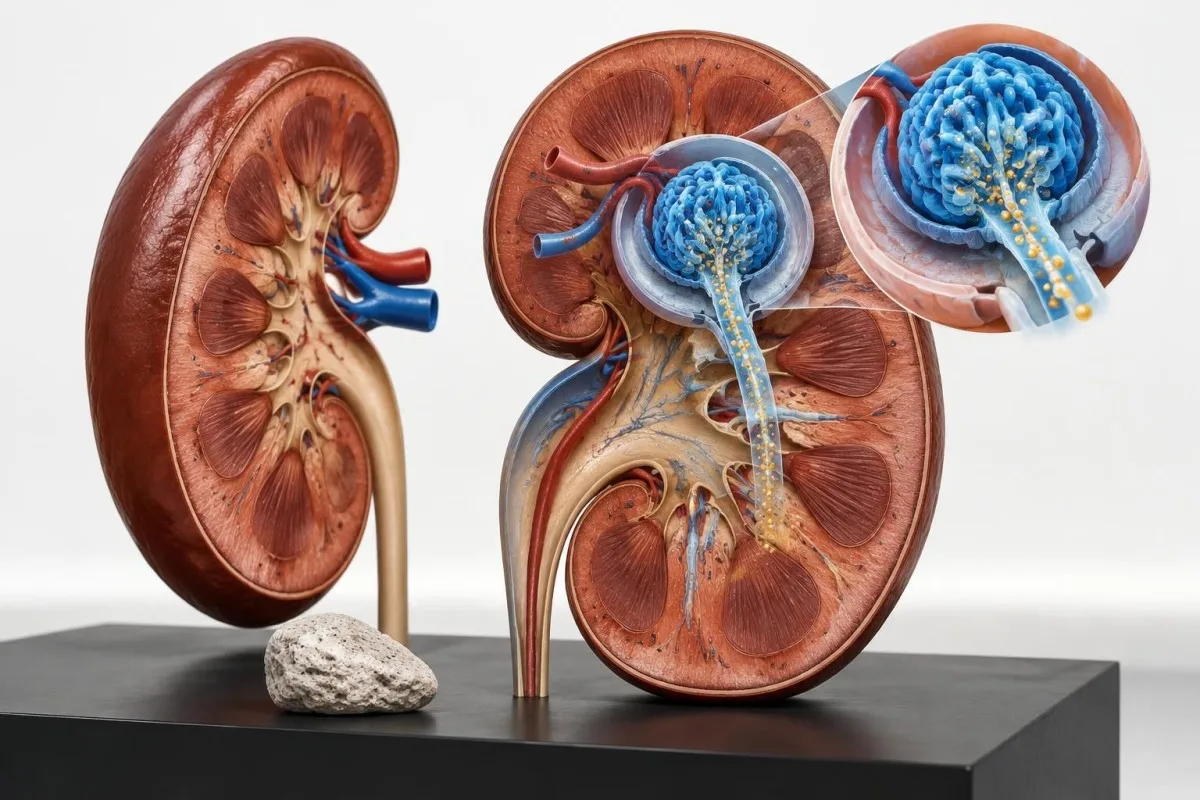
In the HOPE-2 trial, folic acid, vitamin B6 and vitamin B12 lowered homocysteine by about 2.4 micromoles per litre over five years but did not significantly reduce the primary composite of cardiovascular death, myocardial infarction or hospitalisation for unstable angina (Lonn et al., 2006). A modest stroke signal was observed, but it did not establish broad preventive treatment.
The VISP trial also reduced homocysteine more with high-dose than low-dose B vitamins, yet recurrent stroke outcomes did not improve significantly (Toole et al., 2004). These trials show why a better laboratory value does not automatically equal a better clinical outcome.
A Cochrane review by Marti-Carvajal et al. found that homocysteine-lowering interventions did not clearly reduce myocardial infarction or overall mortality, although a small stroke benefit remained possible in some analyses. Continue proven cardiovascular care such as blood-pressure treatment, lipid management and smoking cessation.
What the evidence does support
Treating folate or B12 deficiency remains clinically important because deficiency can cause anaemia, neuropathy and cognitive or functional problems. The reason to replace a deficient vitamin is not limited to homocysteine.
Evidence is more uncertain for people with very high homocysteine, inherited metabolic disorders or advanced kidney disease because major prevention trials do not represent every high-risk subgroup. Specialist advice may therefore differ from routine prevention advice.
How should homocysteine relate to stroke risk?
Homocysteine may contribute to vascular risk, but it should be interpreted alongside blood pressure, cholesterol, diabetes, smoking, atrial fibrillation and kidney function. A modest elevation is not a substitute for standard stroke-risk assessment or treatment.
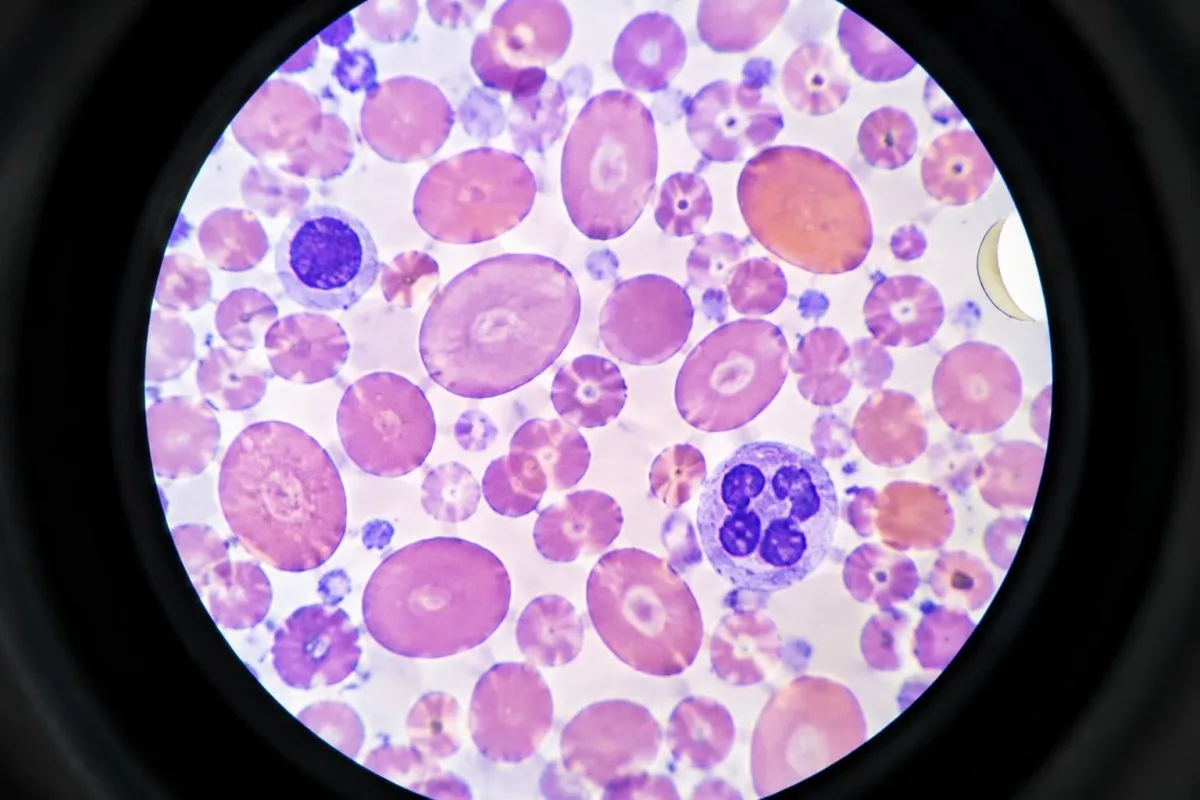
Higher homocysteine is associated with vascular disease in observational research, but association does not prove that lowering it with supplements prevents events. A result of 18 micromoles per litre should not override an untreated blood pressure of 170/100 mmHg or an LDL cholesterol of 190 mg/dL.
The potential stroke signal in HOPE-2 has encouraged ongoing discussion, particularly in populations with lower folate intake. However, routine high-dose B-vitamin treatment for everyone with a mild elevation is not supported by the broader outcome evidence.
People with previous stroke should discuss folate, B12 and B6 with their medical team, especially if taking antiplatelet or anticoagulant medicines or managing kidney disease. Our resource on preventive blood tests when stroke runs in the family places homocysteine among more established risk assessments.
Avoid a false sense of protection
A lower homocysteine result can create false reassurance if blood pressure, diabetes or smoking remain uncontrolled. Supplements should complement, not displace, interventions with proven event reduction.
Conversely, a mildly high result does not mean a stroke is imminent. Risk is cumulative and should be estimated from the whole clinical profile.
A practical decision pathway for supplements
The safest pathway is to confirm the result, look for a reversible cause, correct the specific deficiency and repeat relevant tests after a stable interval. Starting all three B vitamins at high doses makes it harder to identify the cause and increases avoidable exposure.

Step one is to verify the homocysteine value, units, laboratory range and fasting status. Step two is to check B12, folate, complete blood count with MCV, creatinine or eGFR, thyroid function and relevant medicines; step three is to choose a targeted intervention.
For a hypothetical 35-year-old with homocysteine 17 micromoles per litre, normal B12, normal MCV, low dietary folate and normal eGFR, a food-first plan or 400 micrograms of folic acid daily may be reasonable to discuss. For a 70-year-old with homocysteine 28, B12 130 pmol/L and tingling, B12 treatment and cause-finding take priority.
For a person with homocysteine 45 micromoles per litre, eGFR 35 and a normal B12, repeated folic acid escalation is unlikely to solve the whole problem. Kidney-focused review, medication assessment and clinician follow-up are more appropriate. Our baseline blood test guide explains how to make a first comparison more reliable.
A simple checklist before buying a product
Write down the homocysteine result, B12, folate, MCV, eGFR, medicines, pregnancy status and every supplement already used. This information often changes the safest choice more than the brand name does.
If symptoms are neurological or the result is above 30 micromoles per litre, arrange professional review before starting a high-dose product. Bring the actual container or a photograph of its Supplement Facts panel.
When food is enough and when it is not
Food may be enough for a mild elevation caused by low intake, but supplements are usually needed for confirmed deficiency, malabsorption or increased physiological requirements. The distinction depends on the reason for the abnormal result, not simply how healthy the diet appears.
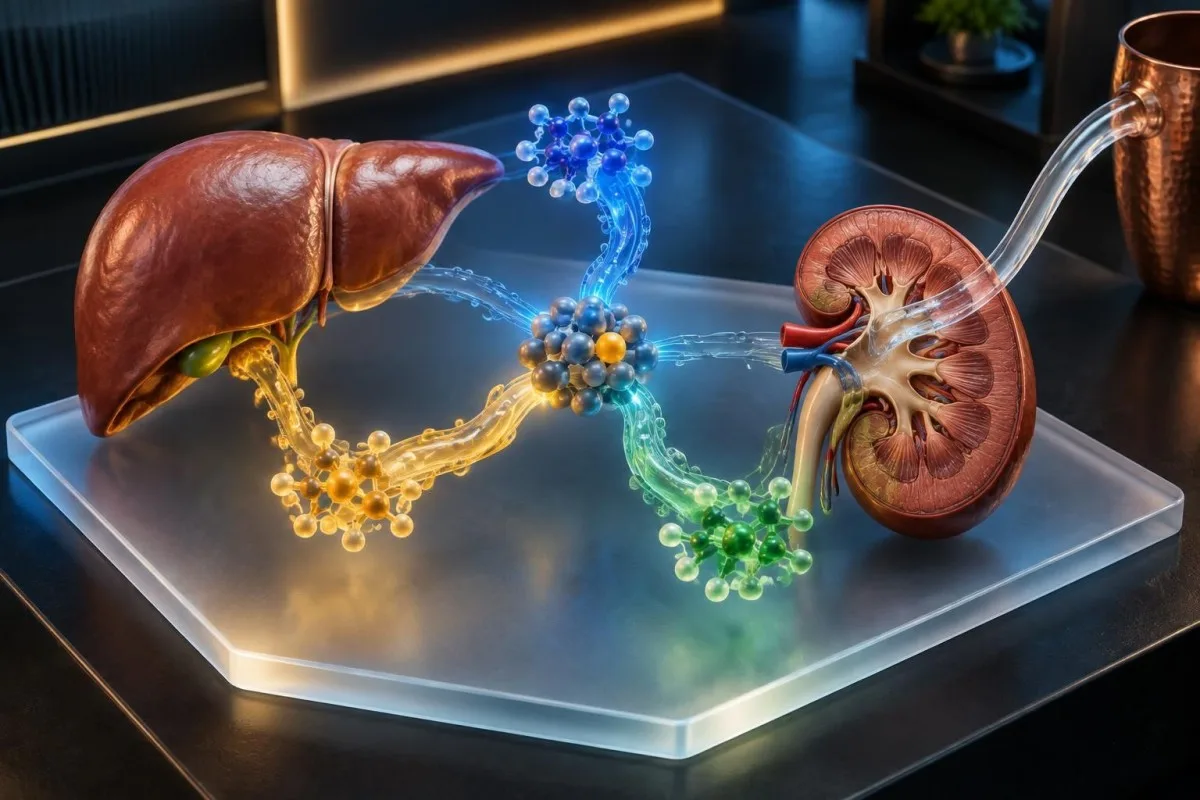
A diet containing beans, lentils, leafy greens and fortified grains can improve folate intake over several weeks. B12 is different because absorption requires gastric acid, intrinsic factor and a functioning terminal ileum; a person can eat B12-rich foods and still remain deficient.
People who have had gastric bypass, partial stomach surgery or prolonged acid suppression may need long-term B12 replacement. Coeliac disease and inflammatory bowel disease can also make a food-only approach unreliable until the underlying condition is addressed.
A hypothetical vegan adult with homocysteine 20 micromoles per litre and B12 145 pmol/L should not rely on spinach or spirulina as B12 treatment. A dependable B12 supplement, clinical assessment and later testing are safer than assuming a plant food will correct the deficiency. See our article on B12 injections versus tablets for absorption-related decisions.
Spirulina is not a reliable B12 source
Spirulina and some fermented foods may contain B12-like compounds that are not reliably active in humans. They should not replace a tested supplement for someone at risk of deficiency.
Fortified foods can help, but the amount varies by product and serving size. Check the label and calculate the weekly pattern rather than assuming one occasional serving meets daily needs.
Which blood-test pattern needs follow-up?
The combination of homocysteine with MCV, haemoglobin, B12, folate, creatinine and symptoms is more informative than homocysteine alone. A high MCV, low B12 or neurological symptom changes the urgency even when the homocysteine elevation is modest.
An MCV above approximately 100 femtolitres is commonly called macrocytosis, although laboratory cutoffs vary. Macrocytosis plus homocysteine above 15 micromoles per litre raises concern for B12 or folate problems, but alcohol, liver disease, hypothyroidism and medicines can produce the same pattern.
A normal MCV does not exclude early B12 deficiency, especially in people taking folate or who have mixed iron deficiency. Reticulocyte count, ferritin, thyroid tests and a blood-film review may be needed when the pattern does not resolve.
If homocysteine falls but numbness progresses, the laboratory improvement should not end the assessment. A vitamin can correct one biochemical pathway while another cause of neuropathy remains. Our borderline MCV guide explains why red-cell size requires context.
Symptoms can outrank a borderline number
Pins and needles, reduced vibration sense, unsteady walking or memory change deserve attention even when B12 is in a borderline laboratory zone. Neurological examination and confirmatory testing can be more informative than repeating the same screening result.
Do not stop prescribed medicines or begin injections without medical advice. The correct treatment depends on the cause, severity and whether absorption is impaired.
How Kantesti can help organise the follow-up
Kantesti can help organise homocysteine, B12, folate, MCV, creatinine and eGFR results into a dated trend, but it cannot diagnose deficiency or prescribe supplements. The value is in seeing related results together and identifying questions for a clinician.
Kantesti is an AI lab test interpretation service that can help explain units, reference intervals and changes between uploaded reports. A trend from homocysteine 24 to 14 micromoles per litre is meaningful only when the dates, laboratory method, supplement use and kidney function are also visible.
Our AI should not be used to decide that a high-dose product is safe, to replace urgent care or to interpret a result without the laboratory range. Users should verify important findings with a clinician, especially during pregnancy, cancer treatment, dialysis or neurological illness.
A useful follow-up record includes the original report, supplement name and dose, start date, symptoms, diet changes and repeat results at roughly 8-12 weeks. Kantesti's technical and clinical validation information explains why automated interpretation is decision support rather than a substitute for medical care.
What to upload or record
Include the complete report rather than only the flagged homocysteine line. B12, folate, MCV, haemoglobin, creatinine, eGFR, TSH and medication-related markers may explain the result.
Remove personal identifiers where appropriate and keep the original laboratory report available. Reference intervals differ between laboratories, so the surrounding report matters.
When to seek medical review and the safest bottom line
Seek medical advice for neurological symptoms, severe anaemia, pregnancy-related questions, kidney disease, a homocysteine result above 30 micromoles per litre or any result above 100 micromoles per litre. For most mild elevations, investigate B12, folate, kidney function, thyroid status, medicines and diet before choosing a supplement.
The most defensible starting point is usually targeted: correct B12 deficiency when present, use folate when intake or status is low, and avoid routine high-dose B6. A lower homocysteine number is useful evidence of biochemical response, but it is not proof that cardiovascular risk has disappeared.
Emergency symptoms such as sudden one-sided weakness, facial drooping, speech difficulty, severe chest pain or acute breathlessness require urgent care and should never be managed with supplements. Persistent numbness, balance change or cognitive symptoms require timely clinical assessment even if the homocysteine result is only mildly high.
Kantesti is an AI-powered blood test analysis tool that helps people turn complex reports into organised questions about patterns, trends and follow-up. Use that context alongside professional medical advice, not instead of it; our Medical Advisory Board information describes the role of clinical oversight.
The safest practical plan
Confirm the result and laboratory interval, check B12 and folate, review MCV and kidney function, list medicines, choose the lowest appropriate targeted dose, and retest after a stable period. Avoid adding several megadose products at once.
If the result does not improve after correction of a documented deficiency, reconsider the diagnosis rather than escalating indefinitely. Kidney disease, malabsorption, thyroid disease, medication effects and inherited conditions may require a different pathway.
Frequently asked questions
What are the best supplements to lower homocysteine?
Folate and vitamin B12 are usually the most relevant supplements to lower homocysteine when a deficiency or low intake is present. A common nutritional folic acid dose is 400 micrograms daily, while B12 treatment may use 500-2,000 micrograms orally because absorption is limited. Vitamin B6 supports homocysteine metabolism but should not routinely be taken at 50-100 milligrams because long-term exposure can cause neuropathy. Check B12, folate, MCV and kidney function before choosing a product.
Can folic acid lower homocysteine without vitamin B12?
Folic acid can lower homocysteine, often at 400-800 micrograms daily, but it should not be used alone when B12 deficiency has not been excluded. Folate can improve anaemia while neurological B12 injury continues, which may delay diagnosis. A B12 level below about 148 pmol/L is commonly considered deficient, while 148-221 pmol/L may require confirmatory testing. People with numbness, macrocytosis or malabsorption need clinician-guided assessment.
How quickly do B vitamins lower homocysteine?
Homocysteine may begin changing within weeks, but retesting after approximately 8-12 weeks of a stable supplement plan usually gives a more reliable assessment. A fall from 22 to 13 micromoles per litre suggests biochemical response, but it does not prove lower cardiovascular risk. The follow-up should usually include B12, folate, MCV and kidney markers when the original result was abnormal. Testing sooner may be appropriate for severe deficiency or neurological symptoms.
Is vitamin B6 safe for high homocysteine?
Vitamin B6 is involved in homocysteine breakdown, but high-dose B6 is not a routine treatment for a mild elevation. Adult nutritional needs are about 1.3-1.7 milligrams daily, and the European Food Safety Authority set an adult upper limit of 12 milligrams daily in 2023 because prolonged exposure can cause neuropathy. Some products contain 25-100 milligrams per serving, so check every supplement and energy drink. New tingling or burning should prompt a product review and medical advice.
Does an MTHFR mutation mean I need methylfolate?
A common MTHFR variant usually does not mean that methylfolate is required instead of ordinary folic acid. The C677T and A1298C variants are common, and many people with them have normal homocysteine. A result above 15 micromoles per litre should prompt review of folate, B12, kidney function, thyroid status, medicines and diet before attributing it to genetics. Evidence that methylfolate produces better cardiovascular outcomes than folic acid remains limited.
Can kidney disease cause high homocysteine?
Kidney disease can raise homocysteine because renal handling contributes to its clearance, and an eGFR below 60 mL/min/1.73 m² is commonly associated with higher results. A high homocysteine value with reduced eGFR may not normalise with additional folate, B12 or B6. The supplement plan should account for kidney stage, dialysis, medicines and other nutritional markers. Do not repeatedly escalate doses without renal and clinical review.
Get your blood test results explained
Upload your lab report and Kantesti's AI explains each biomarker in plain language within seconds. Used by more than 2 million people worldwide.
References
- Klein, T., Mitchell, S., & Weber, H. (2026). B Negative Blood Type, LDH Blood Test & Reticulocyte Count Guide. Kantesti AI Medical Research. DOI
- Klein, T., Mitchell, S., & Weber, H. (2026). Diarrhea After Fasting, Black Specks in Stool & GI Guide 2026. Kantesti AI Medical Research. DOI
- Lonn E et al. (2006). Effects of Long-Term Vitamin Therapy on Cardiovascular Events and Risk of Thrombosis. New England Journal of Medicine. DOI PubMed
- Toole JF et al. (2004). Lowering Homocysteine in Patients With Ischemic Stroke to Prevent Recurrent Stroke, Myocardial Infarction, and Death. JAMA. DOI PubMed
- Marti-Carvajal AJ et al. (2017). Homocysteine-Lowering Interventions for Preventing Cardiovascular Events. Cochrane Database of Systematic Reviews. DOI PubMed
- 2M+Tests analysed
- 127+Countries
- 100+Languages
About the medical team


E-E-A-T Trust Signals
Experience
Physician-led clinical review of lab interpretation workflows.
Expertise
Laboratory medicine focus on how biomarkers behave in clinical context.
Authoritativeness
Medically reviewed by Dr. Thomas Klein, with contributions from Dr. Sarah Mitchell and Prof. Dr. Hans Weber.
Trustworthiness
Evidence-based interpretation with clear follow-up pathways to reduce alarm.






Medical disclaimer
This article is for educational purposes only and does not constitute medical advice. Always consult a qualified healthcare provider for diagnosis and treatment decisions.
Published · Contact the editorial team
Published by Kantesti Ltd, registered in England & Wales, company no. 17090423, London, United Kingdom.
