
Age-related decline is common, but a low number does not automatically mean testosterone treatment is appropriate. Symptoms, repeat morning testing, binding proteins and underlying illness all change the interpretation.

Key takeaways
- Age-related change: Total testosterone often declines gradually after approximately age 30-40, commonly around 1% per year, but the rate varies substantially between individuals.
- Diagnostic threshold: The American Urological Association uses total testosterone below 300 ng/dL as a reasonable cutoff, confirmed on two separate early-morning tests.
- Symptoms matter: Low libido, fewer spontaneous erections and unexplained loss of body hair are more specific clues than tiredness alone.
- Morning testing: Testosterone is usually highest soon after waking, so samples are commonly collected between 7 and 10 a.m.; shift workers need individualized timing.
- Free testosterone: A low total result can be misleading when SHBG is abnormal, so calculated free testosterone may clarify the biologically available fraction.
- Repeat testing: Fever, sleep loss, heavy training, calorie restriction, opioids and some medicines can temporarily lower testosterone for days or weeks.
- Treatment decision: Testosterone therapy requires compatible symptoms plus consistently low results; one borderline measurement should not determine treatment.
- Safety checks: Before treatment, clinicians commonly review fertility plans, haematocrit, PSA when appropriate, sleep apnoea risk and cardiovascular history.
What testosterone levels mean after age 40
Testosterone in men over 40 cannot be judged from age alone: a result is clinically meaningful when symptoms, repeated measurements and the laboratory method point in the same direction. A total testosterone below 300 ng/dL may prompt evaluation, but it is not a diagnosis by itself.
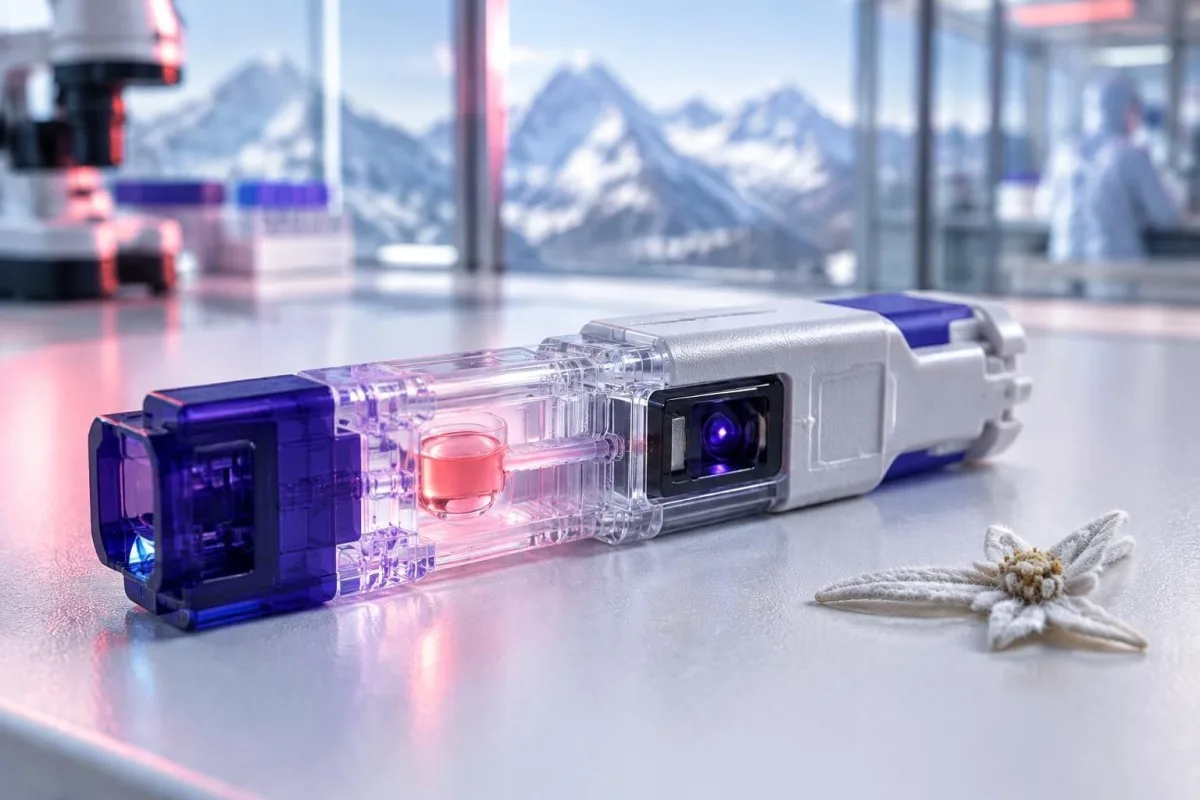
Total testosterone is the amount circulating in serum, including hormone attached to proteins and the smaller unbound fraction. Many laboratories quote adult male intervals around 300-1,000 ng/dL, but the printed range depends on the assay, population and calibration; a value of 320 ng/dL is not automatically abnormal.
The American Urological Association considers total testosterone below 300 ng/dL a reasonable biochemical threshold when symptoms are present, while the Endocrine Society requires unequivocally and consistently low concentrations plus compatible clinical features (Bhasin et al., 2018). These positions are similar in practice but do not make 300 ng/dL a universal biological cliff.
For example, a hypothetical 48-year-old with a result of 285 ng/dL, normal libido and no erectile change needs confirmation and context rather than an automatic prescription. Our hormone testing guide for men explains why collection conditions can shift interpretation.
| Level | Range | What it means |
|---|---|---|
| Often reassuring | ≥300 ng/dL (≥10.4 nmol/L) | Usually reassuring when symptoms are absent and the sample was collected correctly; the laboratory interval still applies. |
| Borderline low | 250-299 ng/dL (8.7-10.4 nmol/L) | Repeat an early-morning measurement and assess symptoms, SHBG, medicines and acute illness. |
| Clearly low | 200-249 ng/dL (6.9-8.6 nmol/L) | More concerning when symptoms are present, but confirmation and cause-directed evaluation remain necessary. |
| Very low | <200 ng/dL (<6.9 nmol/L) | Prompt clinical assessment is appropriate, especially with headaches, visual symptoms, infertility or severe sexual symptoms; the number alone is not an emergency diagnosis. |
Why the same number can mean different things
A testosterone result is a concentration, not a measure of vitality, masculinity or future health. Two men aged 55 can have 290 ng/dL and 650 ng/dL respectively, yet the lower result may be less clinically important if SHBG, sleep and symptoms differ.
Kantesti is an AI blood test analyzer that places testosterone beside related biomarkers rather than treating one flagged value as a complete diagnosis. Our interpretation remains informational and should support, not replace, a clinician's assessment.
How testosterone changes with age
Testosterone changes with age usually involve a gradual fall in average levels, not a sudden switch at 40. The decline reflects altered testicular production, hypothalamic-pituitary signalling, sleep, body composition and chronic disease, so age is only one part of the explanation.

Population studies commonly estimate an average decline of roughly 0.5-1.0% per year after early adulthood, although individual slopes vary widely. Araujo et al. described age-related reductions in both total and free testosterone, with obesity and illness contributing to between-person differences rather than age acting alone.
Free testosterone can fall faster than total testosterone in some older men because SHBG tends to rise with age. A 60-year-old with total testosterone of 430 ng/dL may therefore have lower free testosterone than a 42-year-old with the same total result, particularly if SHBG is 70 nmol/L rather than 30 nmol/L.
A single age-based expectation can therefore misclassify both healthy older men and men with genuine deficiency. For wider preventive context, compare hormone results with a structured annual blood work review rather than assuming every abnormality is caused by ageing.
Age versus biological reserve
The average difference between decades is less useful than a person's trend when prior results exist. A fall from 620 to 360 ng/dL over 18 months deserves more attention than a stable 360 ng/dL documented over 10 years, even though both values may sit near a laboratory boundary.
The evidence is honestly mixed on whether modest age-related testosterone decline independently causes major disease after obesity, diabetes, sleep disorders and inflammation are considered. That uncertainty is why treatment should target confirmed deficiency and symptoms, not a desire to restore a youthful number.
Which symptoms warrant a testosterone evaluation?
Low testosterone symptoms in men are most persuasive when they involve sexual function, especially reduced libido, fewer spontaneous erections or erectile difficulty. Fatigue, low mood and reduced muscle strength are common but nonspecific and should trigger a broader evaluation rather than a hormone assumption.
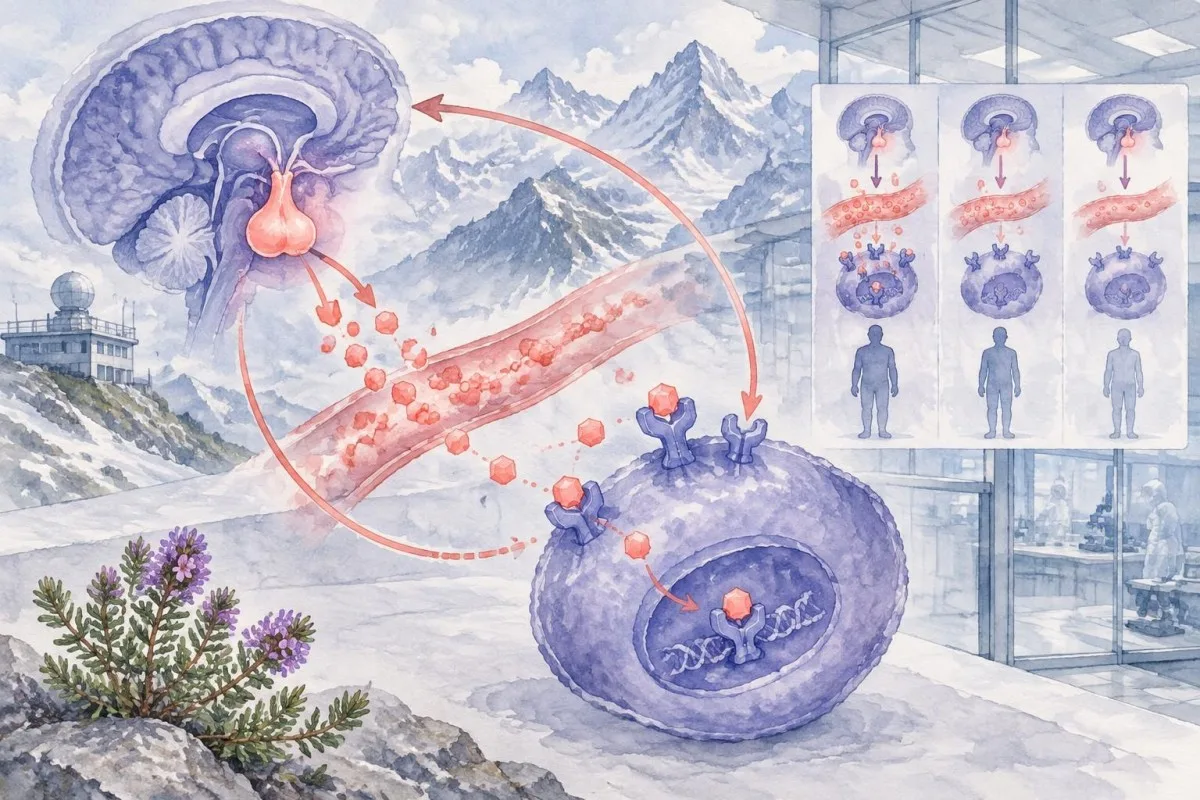
Reduced sexual desire, fewer morning or spontaneous erections and difficulty maintaining erections have stronger diagnostic value than tiredness alone. Symptoms that persist for at least 3 months alongside total testosterone below 300 ng/dL are more persuasive than a brief change during illness or stress.
Low energy can also result from iron deficiency, anaemia, thyroid disease, depression, medication effects or obstructive sleep apnoea. A hypothetical 52-year-old with testosterone of 275 ng/dL and new snoring, daytime sleepiness and a body mass index of 34 needs sleep and metabolic assessment as well as hormone confirmation.
Erectile dysfunction is not synonymous with testosterone deficiency; vascular disease, diabetes and medication effects are frequent contributors. Our guide to blood tests for low libido shows why glucose, thyroid and prolactin results may matter beside testosterone.
Symptoms that deserve a wider differential
Loss of muscle mass, depressed mood and poor concentration can occur with testosterone deficiency, but their likelihood ratio is modest because each has many causes. Unintentional weight loss of 5% in 6 months, persistent fever or severe weakness should not be attributed to hormones without medical review.
Breast tenderness, reduced shaving frequency and infertility can provide additional clues, particularly when several occur together. A new symptom cluster is more informative than a checklist score, and questionnaires should support—not replace—history, examination and laboratory confirmation.
Why timing matters for morning testosterone testing
Morning testosterone testing improves consistency because testosterone usually follows a daily rhythm, with higher concentrations after waking and lower values later in the day. Most guidelines recommend two samples collected between approximately 7 and 10 a.m., although shift workers require a timing plan based on their sleep period.

A late-afternoon sample can be substantially lower than a morning sample, particularly in younger men, and may create a false impression of deficiency. For a hypothetical result of 240 ng/dL at 4 p.m., repeating at 8 a.m. after a normal sleep period may produce a clinically different answer.
Fasting is not always required for testosterone, but the Endocrine Society recommends morning fasting measurements because food intake and metabolic conditions can add variation. Avoid testing during a febrile illness, after an unusually short night of sleep or immediately after an exhausting training session when possible.
Jet lag and rotating shifts complicate the clock-time rule because circadian physiology follows sleep-wake timing. People working nights should document their last sleep period and ask the ordering clinician whether testing 2-3 hours after waking is more representative; our jet-lag testing timing guide covers this issue.
How to prepare for a useful sample
Keep the laboratory, assay and approximate collection time consistent when repeating a result. A change from 8 a.m. to 2 p.m., a different laboratory method and a new medication can make two numbers look more different than the underlying physiology.
Do not stop prescribed medicines to improve a testosterone result. Opioids, glucocorticoids and some anabolic or androgenic products can affect the axis, but medication changes require a clinician's plan rather than self-directed withdrawal.
Why one testosterone result should not guide treatment
One testosterone result should not determine treatment because biological variation, assay imprecision and temporary illness can move a value across a cutoff. A diagnosis generally requires symptoms plus two separate low morning measurements, interpreted with the laboratory method and clinical context.

Testosterone can vary from day to day, and repeat values may differ by more than 10-20% without a meaningful health change. If a first result is 295 ng/dL, a second morning value of 345 ng/dL may place the person in a monitoring or alternative-cause pathway rather than a treatment pathway.
Acute infection, severe calorie restriction, overtraining and sleep deprivation can suppress testosterone temporarily. A practical retest interval is often 2-4 weeks after recovery, although clinicians may choose a different interval when symptoms are severe or a pituitary disorder is suspected.
The blood test timeline guide explains why illness and recent lifestyle changes can distort laboratory results. Kantesti AI can compare dated reports for trends, but a trend flag is not the same as a diagnosis or prescription recommendation.
When a low result needs faster review
Markedly low testosterone with new headaches, visual-field change, loss of smell or multiple pituitary hormone abnormalities warrants prompt clinical assessment. These features may indicate a central cause, where the pituitary or hypothalamus is not signalling normally, rather than ordinary ageing.
A repeat test should not delay urgent care for severe symptoms. Conversely, a mildly low value in a person who feels well usually permits careful confirmation rather than an emergency response.
Total, free and bioavailable testosterone explained
Total testosterone measures protein-bound and unbound hormone, while free testosterone estimates the small fraction not attached to binding proteins. SHBG, albumin, obesity, thyroid disease, liver disease and ageing can make total testosterone appear reassuring or low when the free fraction tells a different story.

Free testosterone commonly represents less than 3% of total circulating testosterone, although the exact proportion varies. High SHBG can lower free testosterone despite total testosterone of 500 ng/dL, whereas low SHBG in obesity can produce total testosterone of 280 ng/dL with a less reduced free fraction.
Calculated free testosterone requires total testosterone, SHBG and albumin, and its reliability depends on the assay and formula. Direct analogue free-testosterone immunoassays are often less dependable at low concentrations, so clinicians may prefer equilibrium dialysis or a validated calculation.
Low SHBG is associated with obesity, insulin resistance, hypothyroidism and glucocorticoid exposure, while high SHBG can occur with hyperthyroidism, liver disease, ageing and some anticonvulsants. Review the low SHBG causes guide before interpreting a discordant result.
A worked interpretation example
Imagine a 46-year-old with total testosterone of 305 ng/dL, SHBG of 18 nmol/L and albumin of 46 g/L. The low SHBG may explain the borderline total result, so calculated free testosterone and symptoms could be more informative than the total value alone.
In contrast, a 68-year-old with total testosterone of 410 ng/dL and SHBG of 82 nmol/L may have a lower free fraction than expected. The SHBG interpretation guide explains why binding proteins belong in the same clinical conversation.
Common reversible causes of low testosterone
Reversible contributors to low testosterone include excess adiposity, sleep apnoea, inadequate energy intake, heavy alcohol use, opioid treatment, glucocorticoids and uncontrolled chronic disease. Correcting the driver can improve hormone levels without lifelong replacement, although the response is not guaranteed.
Obesity is one of the strongest modifiable associations with lower total testosterone, partly because insulin resistance can reduce SHBG and excess adipose tissue alters hormone metabolism. In some studies, a 5-10% reduction in body weight has been associated with improved testosterone, but the magnitude varies and weight loss is not a guaranteed cure.
Opioids can suppress pituitary signalling, while long-term glucocorticoids may reduce gonadal function through several pathways. Do not stop either treatment abruptly; the safer step is to review dose, duration and alternatives with the prescribing clinician.
Sleep apnoea can coexist with low testosterone and may worsen sexual symptoms even when testosterone is only mildly reduced. If fatigue is prominent, assess sleep, thyroid and glucose rather than relying on a hormone supplement; our thyroid results guide provides useful context for one common alternative explanation.
Lifestyle changes need realistic expectations
Resistance training can improve strength and body composition without reliably producing a large resting testosterone increase. A short-term rise of 10-30% after exercise is not equivalent to correcting chronic deficiency, because acute hormone changes often return toward baseline within hours.
Alcohol-related sleep disruption and liver disease can affect both symptoms and SHBG. A person drinking heavily with total testosterone of 340 ng/dL may need liver and sleep assessment before deciding that androgen replacement is the main intervention.
What tests are used to investigate low testosterone?
Evaluation of low testosterone usually combines repeat morning total testosterone with LH, FSH, SHBG, prolactin and targeted tests for thyroid, metabolic or systemic disease. LH and FSH help separate primary testicular failure from secondary suppression by the pituitary, hypothalamus, medicines or illness.
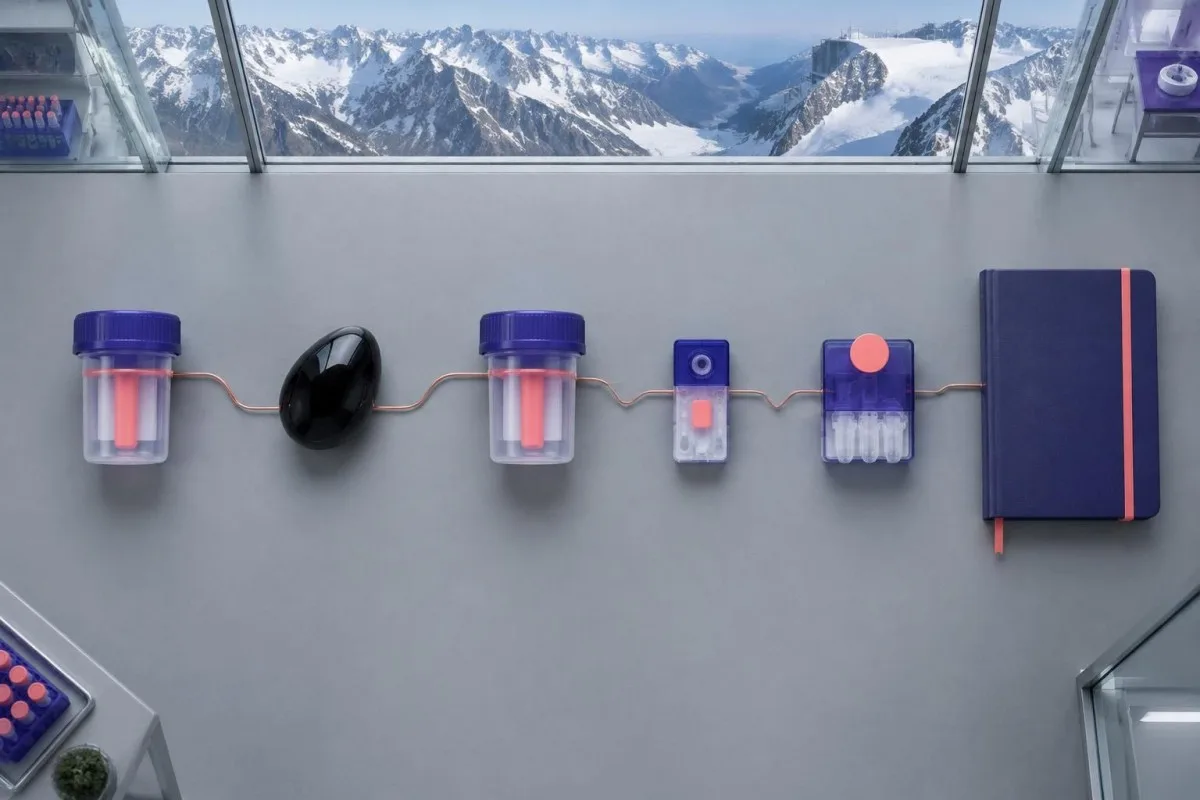
High LH and FSH with low testosterone suggest primary gonadal impairment, while low or inappropriately normal LH and FSH suggest secondary hypogonadism. Prolactin is particularly useful when testosterone is low with low-normal gonadotropins, low libido, headaches or visual symptoms.
Clinicians may add complete blood count, liver enzymes, kidney function, HbA1c or fasting glucose, lipid profile and thyroid-stimulating hormone according to the history. A testosterone result of 260 ng/dL alongside anaemia, elevated TSH or severe hyperglycaemia may represent a wider health problem rather than an isolated hormone disorder.
Breast enlargement, nipple tenderness or a rapidly changing hormone pattern can prompt additional review of estradiol, medicines and liver function. Our gynecomastia blood-test guide explains why the symptom changes the testing pathway.
When imaging may enter the assessment
Pituitary imaging is not required for every borderline result. It becomes more relevant when testosterone is very low, prolactin is persistently elevated, other pituitary hormones are abnormal or symptoms suggest a mass effect.
For example, testosterone below 150 ng/dL with low LH and new visual symptoms deserves a different level of urgency than testosterone of 290 ng/dL after a sleepless night. The clinical pattern determines the next test, not a single universal imaging threshold.
When does low testosterone justify treatment?
**Testosterone treatment is generally considered when persistent biochemical deficiency and compatible symptoms coexist after reversible causes are assessed. Guidelines do not recommend treating a laboratory number alone, and men with normal levels should not use testosterone simply to improve energy, muscle or ageing-related appearance.
The Endocrine Society guideline recommends diagnosing hypogonadism only when symptoms or signs are present and testosterone is unequivocally and consistently low. The AUA's 300 ng/dL threshold is a practical aid, not permission to prescribe after one isolated measurement.
Potential benefits may include improved libido, erectile function in selected men, bone density and lean mass, but effects on energy and mood are less predictable. Kantesti is an AI-powered blood test analysis tool that can organize hormone results with related markers, but treatment eligibility must be decided by a qualified clinician.
A person with testosterone of 220 ng/dL, low libido and two properly timed results may be a reasonable candidate for specialist discussion after cause evaluation. A person with 295 ng/dL, normal sexual function and untreated sleep apnoea needs a different plan; the medical validation information explains why our interpretation is designed to support clinical reasoning rather than replace it.
Why a target number is not the whole goal
Treatment aims to restore a safe, symptom-relevant concentration rather than produce the highest possible value. Supraphysiological levels can increase adverse effects without providing proportional benefit, particularly when haematocrit rises above safe limits.
Response should be assessed after an appropriate interval using symptoms, testosterone concentration and safety tests. Continuing treatment solely because a number increased from 250 to 800 ng/dL ignores whether the original complaint improved.
What benefits are supported in older men?
**Testosterone therapy can improve some sexual symptoms, bone density and anaemia in carefully selected older men with low levels, but benefits for general vitality, memory and cardiovascular prevention remain uncertain. The Testosterone Trials did not show a universal anti-ageing effect.
In the 2016 Testosterone Trials, testosterone treatment in men aged 65 and older with low levels produced modest improvements in sexual activity and desire, while effects on walking distance and vitality were limited (Snyder et al., 2016). These findings do not support testosterone as a general energy tonic for every man over 40.
Bone density can increase during treatment, especially at the spine, but increased density is not identical to proven fracture prevention. A man with low testosterone and a T-score of -2.5 needs a bone-health assessment rather than assuming replacement alone addresses osteoporosis.
Sexual symptoms tend to be the most treatment-responsive when deficiency is genuine, but erectile dysfunction may still require vascular risk evaluation. Review our osteoporosis blood-test guide when low testosterone appears alongside fracture risk.
Why study results do not apply equally to everyone
Clinical trials generally enroll men with documented low morning testosterone and exclude some high-risk conditions, so their results cannot be transferred automatically to men with normal levels. A trial participant with two results near 230 ng/dL is not equivalent to a healthy 52-year-old with one afternoon result of 350 ng/dL.
The evidence remains mixed for cardiovascular outcomes because studies differ in age, baseline risk, formulation and follow-up duration. Patients should discuss individual vascular risk rather than relying on a blanket claim that testosterone is either universally protective or universally dangerous.
Safety checks before testosterone therapy
Before testosterone therapy, clinicians commonly review haematocrit, prostate risk, fertility goals, untreated sleep apnoea, severe heart failure and recent cardiovascular events. Treatment can raise red-cell production, so a baseline haematocrit and follow-up monitoring are central to safe prescribing.

A baseline haematocrit above 50% usually prompts investigation before treatment, and a value above 54% during therapy commonly requires dose adjustment or interruption according to guideline-based practice. The exact action depends on symptoms, altitude, smoking, lung disease and the prescribing protocol.
Testosterone can worsen untreated severe obstructive sleep apnoea and may stimulate erythropoiesis; it is not established as a cause of prostate cancer, but prostate evaluation remains part of responsible monitoring. The PSA symptom guide explains why PSA itself usually causes no symptoms and must be interpreted clinically.
The TRAVERSE cardiovascular safety trial found no excess of major adverse cardiovascular events overall in appropriately selected men with hypogonadism, but some adverse events, including atrial fibrillation and pulmonary embolism, occurred more often in the treatment group. This is a risk discussion, not a guarantee of safety for every individual.
Monitoring is more than repeating testosterone
Follow-up may include testosterone, haematocrit, blood pressure, symptom response and prostate monitoring at intervals chosen for the formulation and risk profile. A testosterone level of 900 ng/dL with haematocrit of 56% is not a success simply because the hormone number is high.
Kantesti can help organize dated laboratory reports, but it cannot examine a prostate, diagnose sleep apnoea or decide whether a cardiovascular symptom is urgent. New chest pain, sudden breathlessness or one-sided leg swelling requires urgent medical assessment rather than an app interpretation.
Fertility, prostate and blood-count considerations
Exogenous testosterone can suppress sperm production, so men who may want biological children should discuss fertility before starting therapy. Testosterone also affects prostate monitoring and red-cell production, making reproductive plans and baseline blood counts clinically relevant even when symptoms are convincing.
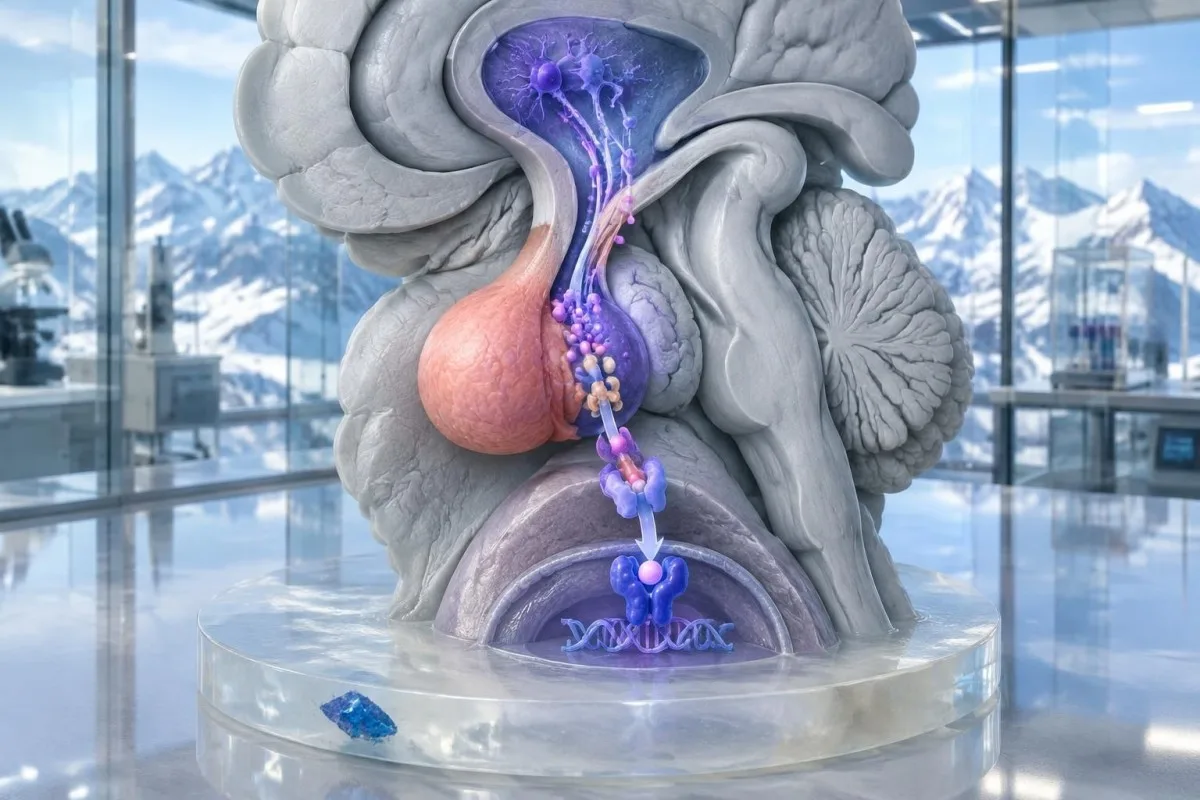
External testosterone suppresses LH and FSH through negative feedback, which can reduce intratesticular testosterone and sperm production. Recovery after stopping varies from months to longer periods, so a fertility goal within 1-2 years should be raised before treatment rather than after a prescription begins.
Men with infertility, small gonads, a history of chemotherapy or suspected chromosomal conditions may need semen analysis and specialist evaluation rather than routine replacement. Our Klinefelter testing guide explains one genetic cause of low testosterone and impaired fertility.
Prostate symptoms are not a reliable measure of testosterone status, and testosterone therapy is not a treatment for urinary symptoms. Baseline PSA decisions depend on age, family history, ethnicity and shared clinical judgment rather than a single universal age cutoff.
Fertility-preserving questions to ask
Ask whether the treatment goal is symptom relief, fertility, bone protection or correction of a defined endocrine disorder. These goals can require different approaches, and a testosterone gel that improves serum levels may be unsuitable when sperm production is the priority.
Do not use non-prescribed anabolic steroids as a substitute for evaluation. They can produce concentrations far above physiological ranges, suppress endogenous production and make later laboratory interpretation difficult.
How weight, diabetes and metabolic health interact
Metabolic health influences testosterone in both directions: obesity and insulin resistance are associated with lower total testosterone, while low activity and poor sleep can worsen the symptoms blamed on hormones. Treating diabetes or reducing visceral fat may improve wellbeing even when testosterone changes only modestly.
Low SHBG in obesity can lower total testosterone without causing an equivalent fall in free testosterone, which is why total testosterone alone can overstate deficiency. A man with HbA1c of 8.2%, SHBG of 16 nmol/L and total testosterone of 270 ng/dL needs metabolic treatment and free-testosterone assessment together.
Type 2 diabetes, fatty liver disease and sleep apnoea often cluster, and each can influence sexual function independently of testosterone. Improvement in HbA1c from 8.2% to 6.8% may improve erectile function even if total testosterone rises by only 40 ng/dL.
Fatigue after exercise is not automatically hormonal; iron deficiency, thyroid disease and anaemia can produce the same complaint. Our article on blood tests for muscle pain shows how CK, thyroid and metabolic results can broaden the assessment.
Why testosterone is not a weight-loss medicine
Testosterone may increase lean mass in deficient men, but it is not approved as a general weight-loss strategy. A 7% reduction in body weight through nutrition, activity and sleep support may improve metabolic health without guaranteeing normalization of testosterone.
The relationship is bidirectional and confounded: low testosterone can reduce motivation and muscle mass, while obesity can lower SHBG and hormone production. That feedback loop calls for parallel treatment rather than waiting for one intervention to solve every symptom.
Can lifestyle or supplements raise testosterone?
**Sleep, resistance training, adequate nutrition and weight management can support testosterone physiology, but over-the-counter boosters have weak evidence and variable quality. Correcting a genuine zinc or vitamin D deficiency may help overall health, yet taking large doses without a deficiency does not reliably restore testosterone.

Adults generally need 7 or more hours of sleep, and repeated restriction to 5 hours can lower daytime testosterone in controlled studies. Sleep regularity matters as well: a normal 8-hour sleep period before testing is more useful than sleeping late after several short nights.
Resistance exercise supports muscle function and insulin sensitivity, but a post-workout testosterone rise may last less than 60 minutes and does not prove long-term correction. Rapid dieting can lower testosterone, especially when energy availability is chronically inadequate or body weight falls quickly.
Supplements marketed as testosterone enhancers may contain undeclared androgenic compounds or doses exceeding safe limits. Before adding zinc, vitamin D or herbal products, check relevant laboratory results and medicines; Kantesti AI can organize those results, but it cannot verify supplement purity or prescribe a dose.
A practical four-week experiment
A clinician-supervised four-week plan might target a consistent sleep window, moderate resistance training three times weekly, adequate protein and reduced alcohol rather than a dramatic hormone protocol. Repeating symptoms and morning testosterone after recovery can show whether the baseline was transient.
Do not interpret a 20% rise as proof that a supplement caused the change, because normal biological and assay variation can produce a similar difference. The strongest evidence comes from repeat testing under comparable conditions.
How to read testosterone on a laboratory report
Reading a testosterone report requires the value, units, collection time, reference interval, assay type and related results. Convert units carefully: 300 ng/dL is approximately 10.4 nmol/L, but rounding or transcription errors can create a false impression of abnormality.
Ng/dL and nmol/L are both used internationally; to convert ng/dL to nmol/L, multiply by approximately 0.0347. Therefore, 450 ng/dL is about 15.6 nmol/L, while 8 nmol/L is about 231 ng/dL.
Check whether the result is total testosterone, free testosterone or bioavailable testosterone, and whether the laboratory used mass spectrometry or an immunoassay. A result of 12 pg/mL free testosterone cannot be compared directly with 12 nmol/L total testosterone because the tests measure different quantities and units.
Kantesti is an AI blood test interpretation platform that can extract the result, unit, collection date and surrounding biomarkers from a report for structured review. Our biomarker guide provides additional context, but the printed laboratory interval and clinician interpretation remain authoritative.
A checklist for comparing two reports
Compare collection time within roughly 1-2 hours, the same analyte, the same units and whether illness or medication changed between draws. A result of 11 nmol/L at 8 a.m. and 11 nmol/L at 3 p.m. are not necessarily equivalent because timing affects the clinical meaning.
Record symptoms using a simple 0-10 scale before repeating the test, including libido, erectile function, energy and sleep quality. A numerical symptom trend can prevent a treatment decision from being based only on a flagged laboratory line.
A sensible next-step plan after an abnormal result
After a low testosterone result, the sensible sequence is to verify timing, repeat the measurement, assess symptoms, review SHBG and medicines, and investigate the cause before discussing treatment. Urgent symptoms such as visual change or severe breathlessness require direct medical care rather than routine laboratory follow-up.
First, record the collection time, illness status, sleep duration, exercise load and current medicines. Repeat total testosterone on a separate morning when clinically appropriate, especially when the first value is between 250 and 350 ng/dL.
Second, connect the result with libido, spontaneous erections, fertility goals, body composition, sleep symptoms and mood. Third, consider LH, FSH, SHBG, prolactin, thyroid tests, HbA1c, complete blood count and liver or kidney tests according to the pattern rather than ordering every test indiscriminately.
For people already using testosterone, repeat monitoring should follow the prescribed formulation and clinical plan rather than internet-generated targets. Kantesti's AI can help organize longitudinal data, while our Medical Advisory Board information explains the role of clinical oversight in health content and interpretation.
When to seek prompt or emergency help
Seek urgent care for sudden chest pain, severe breathlessness, fainting, new one-sided weakness or sudden visual loss, regardless of the testosterone result. These symptoms can signal conditions that hormone interpretation cannot safely assess.
Arrange prompt medical review for testosterone below 150 ng/dL with headaches or visual symptoms, rapidly progressive sexual symptoms, severe anaemia, or a haematocrit above 54% during treatment. A low number is a clue; the associated pattern determines urgency.
Frequently asked questions
What is a normal testosterone level for a man over 40?
There is no single age-specific normal testosterone value for every man over 40, because laboratory methods and reference populations differ. A total testosterone below 300 ng/dL, or about 10.4 nmol/L, is commonly used as a threshold for further evaluation when symptoms are present, but diagnosis usually requires two early-morning low results. A result of 350 ng/dL may be reassuring in one context and require free-testosterone assessment in another if SHBG is abnormal.
Is testosterone of 300 ng/dL low for a 50-year-old man?
A testosterone result of 300 ng/dL is borderline rather than an automatic diagnosis of deficiency in a 50-year-old man. The American Urological Association uses below 300 ng/dL as a practical cutoff, while the Endocrine Society requires compatible symptoms and consistently low morning measurements. Repeat testing between approximately 7 and 10 a.m., together with SHBG and symptom assessment, is usually more informative than treating the first result.
What symptoms suggest low testosterone in men over 40?
The more specific low testosterone symptoms in men include reduced sexual desire, fewer spontaneous or morning erections, erectile difficulty and unexplained loss of body hair. Fatigue, depressed mood, reduced concentration and reduced muscle strength can occur with low testosterone but also result from thyroid disease, anaemia, sleep apnoea, medication effects and depression. Persistent symptoms for 3 months alongside two low morning results deserve clinical evaluation rather than self-treatment.
Why must testosterone be tested in the morning?
Morning testosterone testing is preferred because testosterone usually follows a daily rhythm and is often higher soon after waking. Many guidelines recommend collecting two samples between approximately 7 and 10 a.m.; an afternoon result can be lower and may falsely suggest deficiency. Shift workers should discuss timing based on their main sleep period, and testing during fever, severe sleep loss or extreme training may be misleading.
Can one low testosterone test justify testosterone replacement?
One low testosterone test should not by itself justify testosterone replacement. Biological variation, laboratory imprecision, illness, sleep deprivation, calorie restriction and medication effects can temporarily lower the result by 10-20% or more. Treatment is generally considered only when compatible symptoms coexist with consistently low measurements, after fertility goals, haematocrit, prostate risk and reversible causes have been reviewed.
Does testosterone therapy improve energy and muscle in older men?
Testosterone therapy can improve lean mass and some sexual symptoms in carefully selected older men with confirmed deficiency, but improvements in general energy and vitality are less consistent. The 2016 Testosterone Trials found modest sexual benefits and limited effects on walking distance and vitality in men aged 65 and older. A low-energy complaint should also prompt assessment of sleep, thyroid function, anaemia, diabetes and mood rather than assuming testosterone is the cause.
Get your blood test results explained
Upload your lab report and Kantesti's AI explains each biomarker in plain language within seconds. Used by more than 2 million people worldwide.
References
- Klein, T., Mitchell, S., & Weber, H. (2026). RDW Blood Test: Complete Guide to RDW-CV, MCV & MCHC. Kantesti AI Medical Research. DOI
- Klein, T., Mitchell, S., & Weber, H. (2026). BUN/Creatinine Ratio Explained: Kidney Function Test Guide. Kantesti AI Medical Research. DOI
- Bhasin S et al. (2018). Testosterone Therapy in Men With Hypogonadism: An Endocrine Society Clinical Practice Guideline. The Journal of Clinical Endocrinology & Metabolism. DOI PubMed
- Snyder PJ et al. (2016). Effects of Testosterone Treatment in Older Men. The New England Journal of Medicine. DOI PubMed
- Araujo AB et al. (2004). The Endocrine Society's Testosterone Deficiency in Men Study: The Natural History of Testosterone Levels in Aging Men. The Journal of Clinical Endocrinology & Metabolism.
- 2M+Tests analysed
- 127+Countries
- 100+Languages
About the medical team


E-E-A-T Trust Signals
Experience
Physician-led clinical review of lab interpretation workflows.
Expertise
Laboratory medicine focus on how biomarkers behave in clinical context.
Authoritativeness
Medically reviewed by Dr. Thomas Klein, with contributions from Dr. Sarah Mitchell and Prof. Dr. Hans Weber.
Trustworthiness
Evidence-based interpretation with clear follow-up pathways to reduce alarm.



Medical disclaimer
This article is for educational purposes only and does not constitute medical advice. Always consult a qualified healthcare provider for diagnosis and treatment decisions.
Published · Contact the editorial team
Published by Kantesti Ltd, registered in England & Wales, company no. 17090423, London, United Kingdom.
