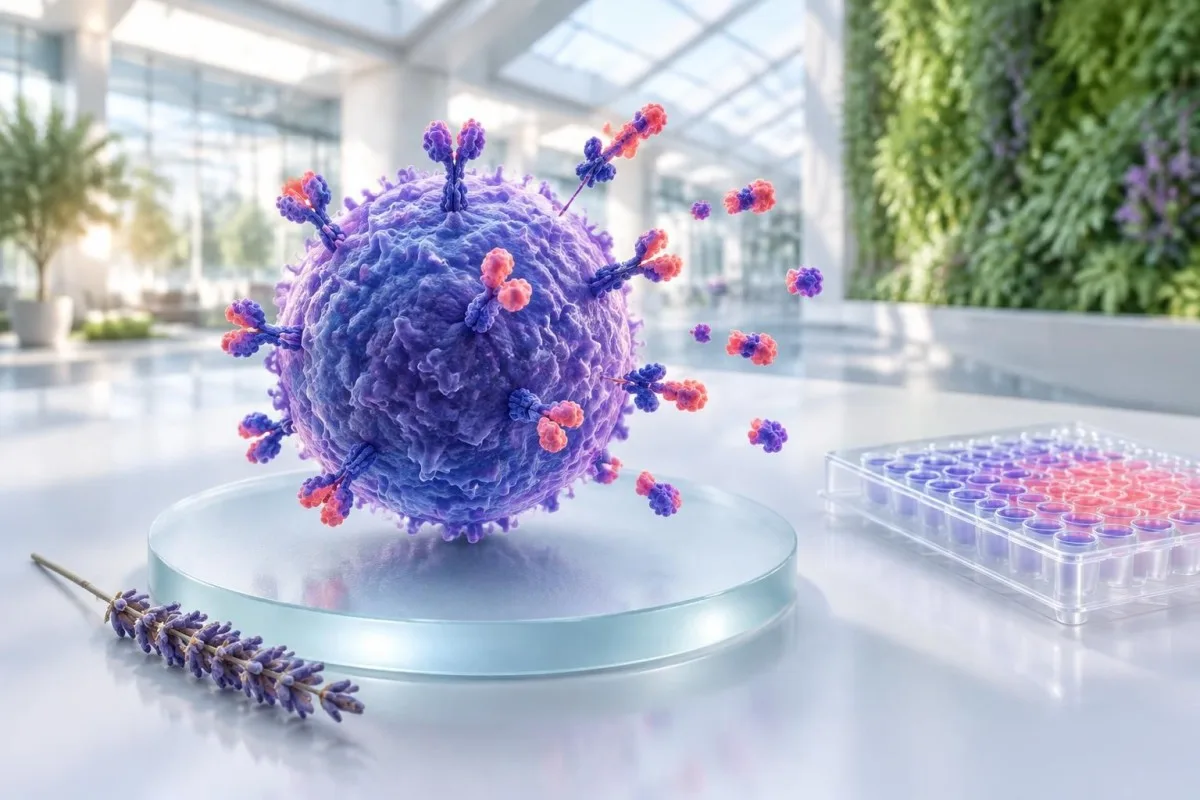
A raised sIL-2R result signals immune-cell activation, not cancer by itself. The result becomes useful only when interpreted with symptoms, blood counts, inflammation markers and imaging.

Key takeaways
- Meaning: High soluble IL-2 receptor, also called soluble CD25 or sIL-2R, usually reflects activation or increased turnover of immune cells; it does not diagnose cancer.
- Reference range: Some adult laboratories report approximately 122–496 U/mL, but ranges and units vary substantially by assay, country and laboratory.
- Lymphoma: Lymphoma, especially some aggressive or T-cell lymphomas, can raise sIL-2R, yet infection, autoimmune disease and organ dysfunction can produce the same pattern.
- HLH: A soluble CD25 result above 2,400 U/mL is one of the HLH-2004 criteria, but HLH requires a wider clinical and laboratory assessment rather than one result.
- Next tests: Clinicians may review a complete blood count, LDH, ferritin, liver tests, kidney function, CRP, imaging and sometimes tissue or bone-marrow examination.
- Urgency: High fever, confusion, breathing difficulty, jaundice, unusual bleeding or rapidly worsening weakness require urgent medical assessment regardless of the exact sIL-2R number.
What does a high soluble IL-2 receptor mean?
High soluble IL-2 receptor means that the concentration of circulating soluble CD25 is above that laboratory’s reference interval. It most often indicates immune-cell activation or increased immune-cell turnover; it is a signal for context, not a cancer diagnosis.
A raised sIL-2R result can occur with lymphoma, hemophagocytic lymphohistiocytosis, autoimmune inflammation, viral illness and some bacterial or fungal diseases. The same marker may rise for different biological reasons, so a value of 1,800 U/mL cannot identify the cause without the clinical picture.
For example, a hypothetical 52-year-old with sIL-2R of 1,800 U/mL, normal blood counts, no fever and a recent inflammatory illness has a different risk pattern from someone with the same result plus weight loss, enlarged lymph nodes and LDH of 620 IU/L. The number is identical; the probability of serious disease is not.
Kantesti is an AI blood test analyzer that places high soluble IL-2 receptor beside CBC results, LDH, ferritin, kidney function and liver tests rather than treating it as an isolated cancer marker. Our output can organize possibilities and questions for a clinician, but it cannot confirm lymphoma, HLH or another diagnosis.
What does the soluble IL-2 receptor blood test measure?
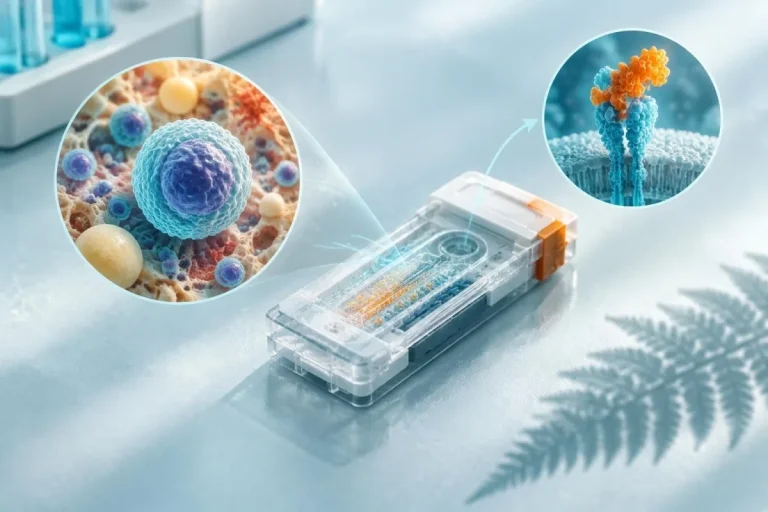
The soluble IL-2 receptor blood test measures the circulating alpha-chain fragment of the interleukin-2 receptor, known as soluble CD25. Activated T cells, B cells, monocytes and some malignant lymphoid cells can release this fragment into the bloodstream.
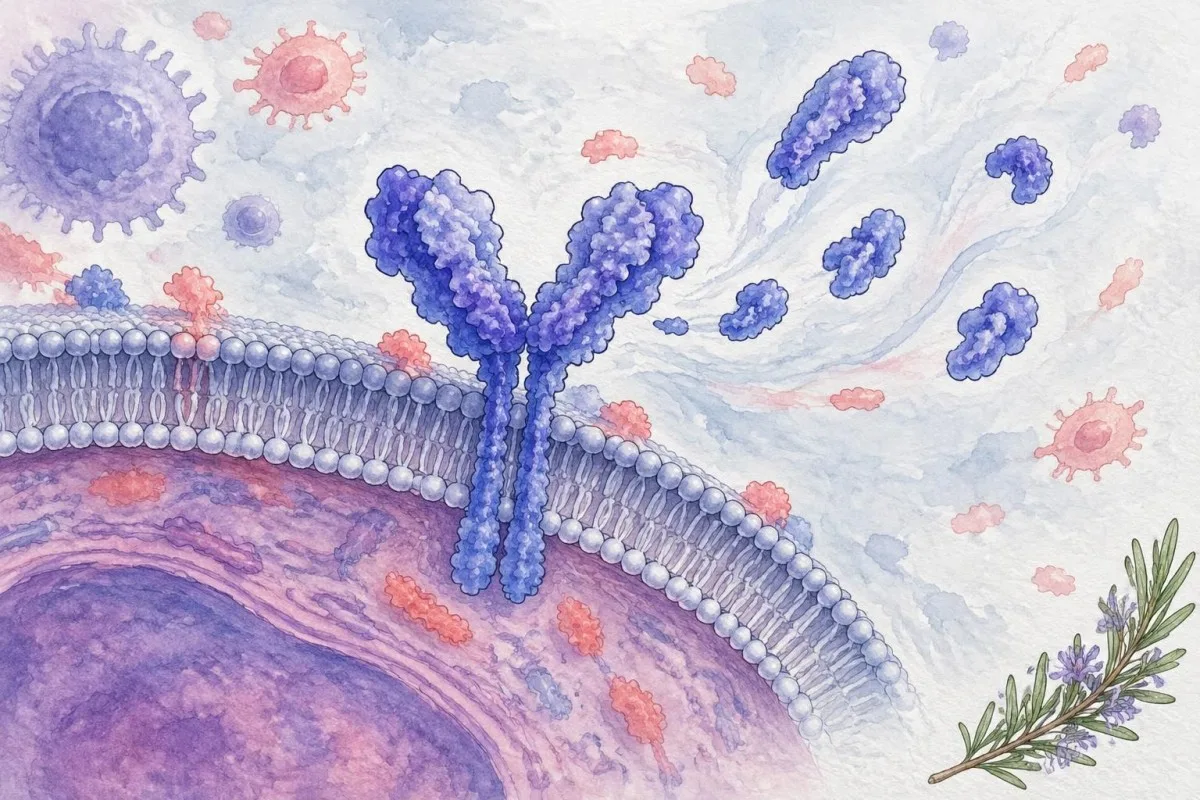
CD25 is the alpha chain of the high-affinity IL-2 receptor, which helps activated lymphocytes respond to interleukin-2. A serum assay measures the soluble receptor fragment, not the number of receptors on every cell and not the strength of cellular signaling; those are related but different measurements.
Rubin et al. described soluble interleukin-2 receptor release from activated human lymphoid cells in Science in 1985, establishing the biological basis for using the fragment as an immune-activation marker. Modern assays commonly report U/mL, although some laboratories use other calibration systems, so 2,000 U/mL on one platform may not be directly interchangeable with 2,000 on another.
The test is usually performed on serum using an immunoassay, and fasting is generally unnecessary unless other tests in the same blood draw require it. Results can be affected by assay design, sample timing and treatment, so the laboratory’s method and reference interval belong beside the number.
What is the normal soluble IL-2 receptor range?
There is no single worldwide normal range for soluble IL-2 receptor because laboratories use different assays and calibration standards. Some adult services report a reference interval near 122–496 U/mL, but the interval printed on your own report takes priority.
A result should be interpreted as a multiple of the laboratory upper limit of normal, or ULN, rather than by number alone. If a laboratory ULN is 496 U/mL, a result of 992 U/mL is approximately 2.0 times the ULN; if another laboratory uses a ULN of 700 U/mL, the same result is only 1.4 times its ULN.
The following table is an illustrative framework, not a validated diagnostic scale. A value above 2,400 U/mL is clinically notable because soluble CD25 above that level is one HLH-2004 criterion, but it does not mean that every person with 2,400 U/mL has HLH.
Some European and Japanese laboratories report different intervals, and pediatric, adult and oncology services may not use the same boundaries. Record the value, unit, assay name, reference interval and collection date before comparing results; this prevents a false trend caused by switching laboratories.
| Level | Range | What it means |
|---|---|---|
| Within reported range | Example: 122–496 U/mL | Typical interval in some adult assays; not universal. |
| Mildly elevated | Above local ULN to <1,000 U/mL | May reflect recent immune activation, inflammation or assay variation. |
| Moderately high | 1,000–2,399 U/mL | Needs clinical correlation; lymphoma and inflammatory conditions remain possible. |
| High and clinically significant | ≥2,400 U/mL | Meets one HLH-2004 laboratory criterion, but is not diagnostic or automatically an emergency. |
Why can lymphoma raise sIL-2R?
Lymphoma can raise sIL-2R because malignant lymphoid cells and surrounding activated immune cells may release soluble CD25. The association is strongest in some aggressive, T-cell and adult T-cell leukemia-lymphoma patterns, but the marker cannot distinguish lymphoma from several benign or infectious causes.

In lymphoma, sIL-2R may roughly track disease burden or immune activation, but the relationship is imperfect and varies by subtype. A very high value can support concern when paired with enlarged nodes, constitutional symptoms, cytopenias or abnormal imaging; it cannot replace tissue examination.
A hypothetical 67-year-old with sIL-2R of 8,500 U/mL, LDH of 780 IU/L, progressive painless neck swelling and anemia has a substantially different next step from an asymptomatic person with sIL-2R of 2,600 U/mL after pneumonia. The first pattern may justify expedited imaging and hematology review; neither pattern proves cancer.
A JAK2 mutation test explanation illustrates a useful contrast: molecular tests target a defined genetic change, whereas sIL-2R is a broad immune-activation marker. Kantesti interprets CD25 in that same pattern-based way, distinguishing a signal that needs investigation from a test that establishes a disease.
How is soluble CD25 used when HLH is suspected?
Soluble CD25 supports an HLH evaluation when it exceeds 2,400 U/mL, but HLH diagnosis requires multiple clinical and laboratory findings. The HLH-2004 framework uses five of eight criteria, or a compatible molecular diagnosis, rather than soluble CD25 alone.

HLH is a severe hyperinflammatory syndrome that may involve persistent fever, enlarged spleen, low blood-cell counts, high triglycerides, low fibrinogen, haemophagocytosis, low natural-killer-cell activity and high ferritin. Soluble CD25 above 2,400 U/mL is one criterion, while ferritin above 500 ng/mL is another, although adult clinicians often become more concerned at much higher ferritin values.
The 2019 Blood recommendations by La Rosée et al. describe soluble CD25 as useful in adult HLH assessment but emphasize rapid integration of clinical findings, triggers and organ dysfunction. A result of 12,000 U/mL with fever of 40.0°C, platelets of 35 × 10⁹/L and fibrinogen of 0.9 g/L is far more concerning than the same result in isolation.
The HScore interpretation guide can help explain adult HLH probability, but sIL-2R is not itself the HScore. Urgent specialist assessment is appropriate when high CD25 accompanies shock, confusion, breathing difficulty, jaundice or rapidly worsening cytopenias.
Can autoimmune disease cause elevated sIL-2R?
Autoimmune disease can increase sIL-2R because persistent T-cell and other immune-cell activation releases soluble CD25. Elevated results have been reported in conditions such as systemic lupus erythematosus, rheumatoid arthritis, sarcoidosis and Sjögren syndrome, but they do not identify one autoimmune diagnosis.
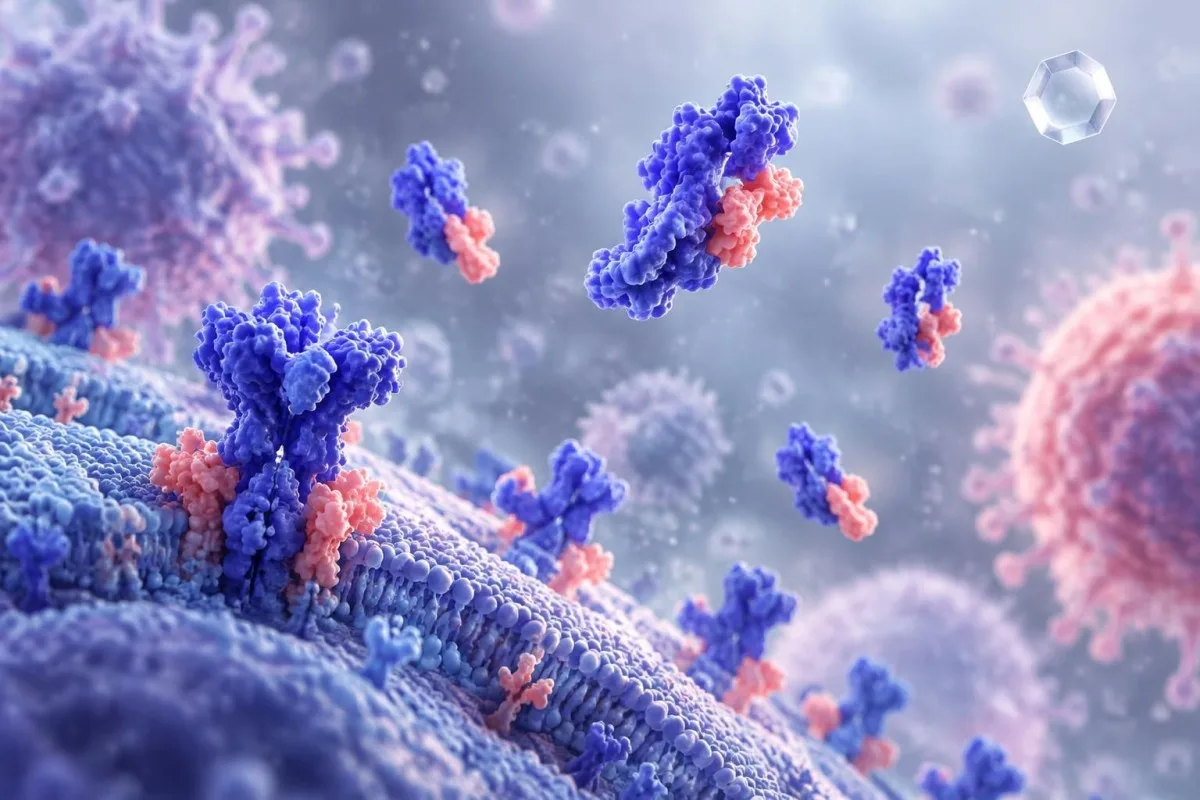
The degree of elevation may reflect current inflammatory activity, organ involvement or treatment status rather than the name of the autoimmune disease. For instance, sIL-2R of 1,400 U/mL with CRP of 48 mg/L and active joint swelling suggests a different process from sIL-2R of 1,400 U/mL with normal CRP and no symptoms.
Autoimmune interpretation usually requires disease-specific evidence such as ANA pattern, anti-dsDNA, complement C3 and C4, urinalysis or organ imaging. A C3, C4 and ANA guide explains why a broad activation marker should not be used as a substitute for targeted antibody testing.
Treatment can complicate the picture: corticosteroids, biologic medicines and other immunosuppressants may reduce inflammatory markers while an underlying condition remains active. A falling sIL-2R over 4–12 weeks can be reassuring, but clinicians should interpret the direction alongside symptoms and organ-specific tests rather than chase a number.
Which infections can raise soluble IL-2 receptor?
Viral, bacterial, mycobacterial and fungal infections can raise soluble IL-2 receptor through sustained immune activation. EBV, CMV, HIV, HTLV-1, tuberculosis and disseminated fungal disease are examples, but the marker does not identify the organism or prove that an infection is active.
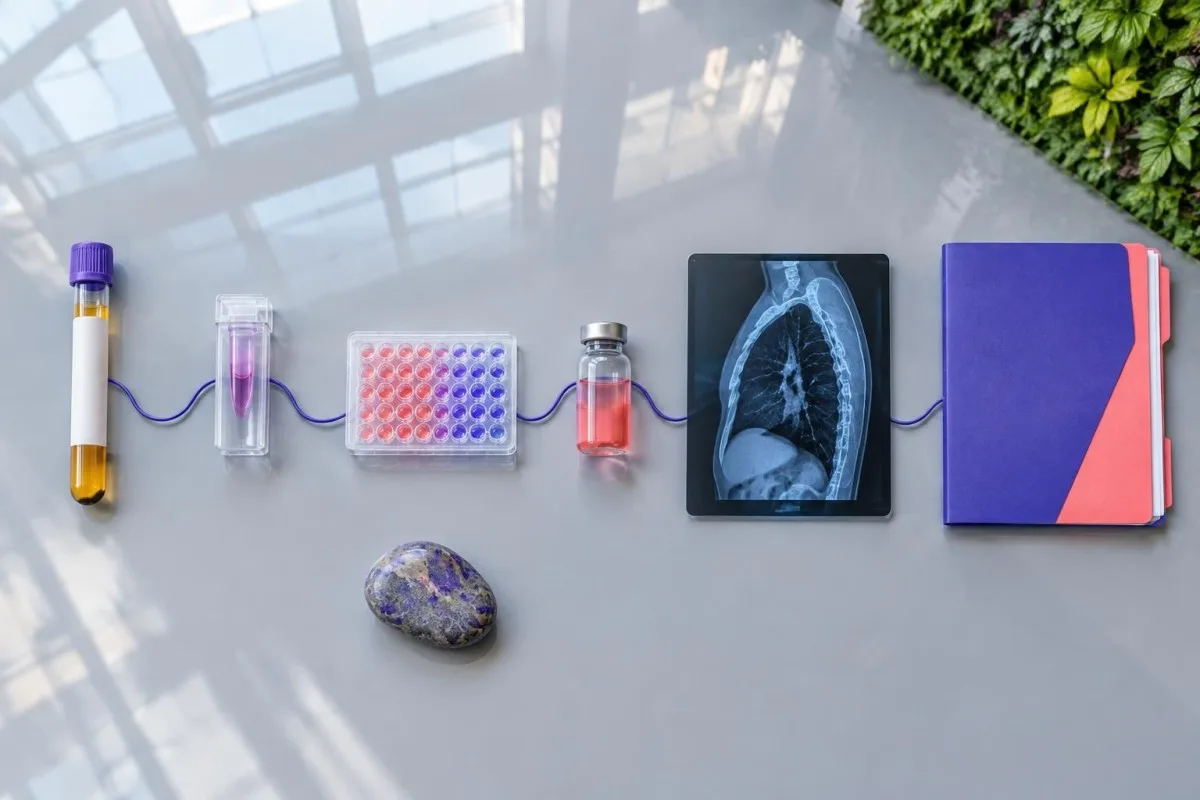
Infection-related elevations are more persuasive when sIL-2R rises with fever, CRP, procalcitonin, abnormal liver tests or a compatible exposure history. A blood-test guide for frequent infections explains why cultures, antigen tests, PCR and imaging are selected according to symptoms rather than ordered as one universal panel.
A hypothetical 34-year-old with sIL-2R of 3,200 U/mL, fever for 6 days, atypical lymphocytes and positive EBV testing may have an acute viral illness; a 72-year-old with the same value, night sweats and a focal lung opacity needs a different evaluation. The marker is shared, but the prior probabilities and follow-up tests differ.
Janka and Lehmberg’s 2013 Blood review describes infections as common triggers of haemophagocytic syndromes, which is why a high CD25 result with fever and cytopenias deserves more than a routine repeat test. Do not start, stop or change antimicrobial treatment from the sIL-2R result alone.
What non-cancer conditions can affect the result?
Kidney dysfunction, liver disease, inflammatory tissue injury and some immune-modifying treatments can accompany high soluble IL-2 receptor results. These conditions may alter immune-cell turnover, clearance or the surrounding inflammatory environment, making an isolated value especially difficult to interpret.
A creatinine of 2.4 mg/dL, eGFR of 28 mL/min/1.73 m² or markedly abnormal liver tests can change the interpretation of an elevated sIL-2R. The exact contribution of reduced clearance depends on the assay and illness, so clinicians should not assume that kidney or liver disease fully explains a major elevation.
Inflammatory disorders outside classic rheumatology can also raise the marker, including sarcoidosis and severe tissue inflammation. The ACE blood-test guide for sarcoidosis shows why one nonspecific marker should be paired with chest imaging, calcium, lung findings and sometimes tissue examination.
Medication history matters at any level above normal, especially recent immunotherapy, corticosteroid treatment, biologic therapy and medicines that cause cytopenias or liver injury. Bring a complete list with doses and start dates; a result measured 2 weeks after a major treatment change may not represent the untreated disease state.
Why cannot high sIL-2R diagnose cancer?
High sIL-2R cannot diagnose cancer because the marker has limited specificity: lymphoma, autoimmune inflammation, infection and other immune conditions can all produce overlapping values. A cancer diagnosis generally requires clinical assessment plus imaging, flow cytometry, molecular testing or tissue examination when appropriate.
A screening marker should separate people with and without disease with enough accuracy to guide action; sIL-2R does not reliably meet that standard for general-population lymphoma screening. Even a result above 10,000 U/mL can be caused by severe immune activation and must be interpreted with symptoms, blood counts, LDH and imaging.
A normal result also cannot exclude lymphoma or HLH, particularly early disease, localized disease or an assay obtained after treatment. This is why a what LDH means guide is useful for understanding complementary information, while recognizing that LDH itself is also nonspecific.
The reason clinicians worry about sIL-2R combined with falling platelets, rising LDH and enlarged nodes is that the pattern suggests active systemic or lymphoid disease; sIL-2R alone usually does not. Kantesti AI flags combinations for follow-up questions, not labels such as cancer positive or cancer negative.
Which blood tests should be reviewed with CD25?
The most informative companion results are a complete blood count with differential, LDH, ferritin, CRP or ESR, liver tests, kidney function, triglycerides and fibrinogen. These tests help distinguish isolated immune activation from a pattern involving cytopenia, tissue injury, inflammation or hyperinflammation.

A haemoglobin of 9.2 g/dL, neutrophils of 0.8 × 10⁹/L and platelets of 70 × 10⁹/L suggest broader marrow or systemic involvement than an isolated sIL-2R elevation with a normal CBC. Ferritin above 500 ng/mL is an HLH-2004 criterion, but ferritin is also raised by liver disease, infection, malignancy and iron overload.
LDH above a local upper limit, such as 250 IU/L, can indicate cellular injury or high turnover but does not specify the tissue involved. The LDH isoenzyme guide explains why fraction patterns may add context, although many hospitals rely mainly on total LDH and clinical examination.
Kantesti’s AI blood test interpretation platform reads CD25 alongside units, reference intervals and time trends, which helps prevent a common error: comparing a new U/mL value with an old result reported by a different assay. Human clinical review remains necessary when the pattern suggests HLH, lymphoma or organ failure.
What should you do after a high result?
After a high sIL-2R result, first confirm the value, unit, assay and reference interval, then arrange clinician-led review of symptoms and related tests. The next investigation may be repeat testing, infection assessment, autoimmune testing, imaging or hematology referral depending on the pattern.
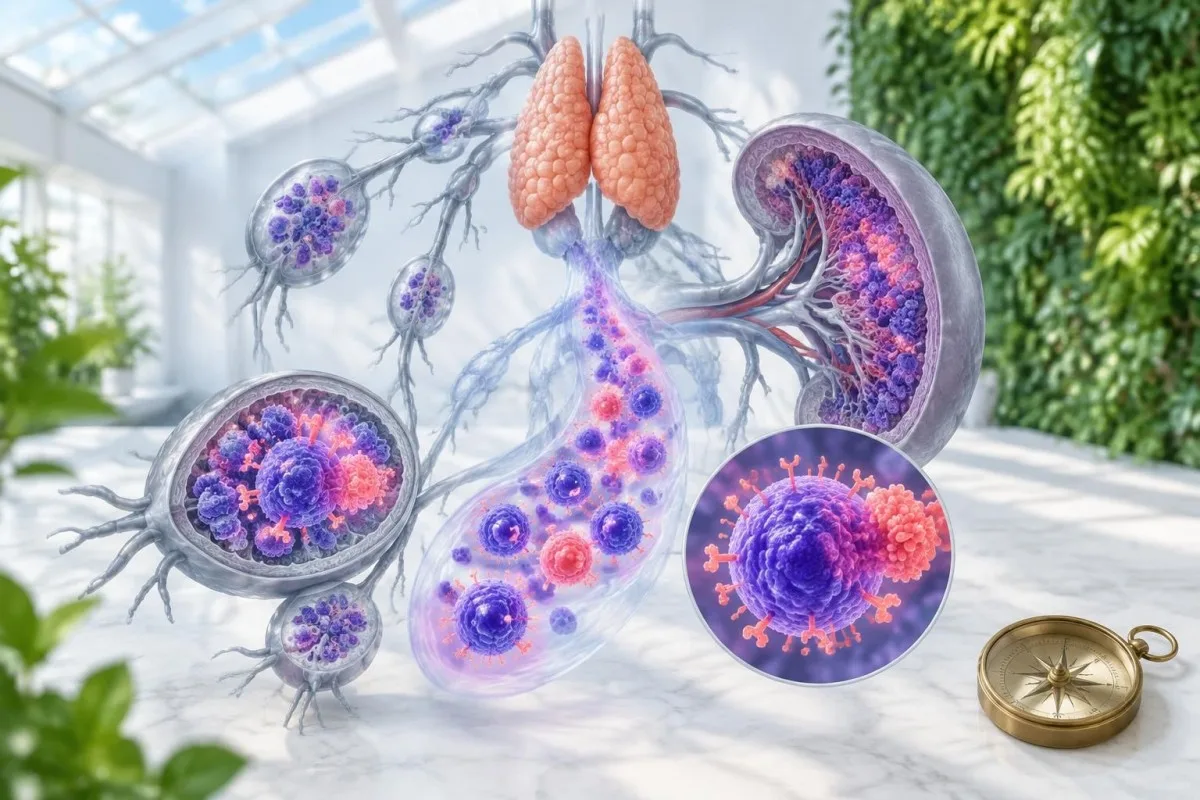
A mildly elevated result with a clear recent viral illness and improving symptoms may be rechecked after recovery, often in 2–8 weeks according to clinician judgment. A persistent or rapidly rising result, especially above 2,400 U/mL, usually deserves earlier review rather than indefinite watchful waiting.
Bring the original report and ask whether the clinician wants CBC with differential, CMP, LDH, ferritin, CRP, triglycerides, fibrinogen, targeted infection tests or imaging. If lymph nodes are persistently enlarged, imaging may be followed by tissue examination because only tissue or validated molecular findings can classify many lymphomas.
For a practical example, a 45-year-old with sIL-2R of 900 U/mL, normal CBC and resolving fever may need repeat assessment, whereas a 45-year-old with 900 U/mL, progressive nodes and LDH of 500 IU/L may need prompt imaging. The same numerical result can produce different safe next steps.
When is a high CD25 result urgent?
High CD25 becomes urgent when it accompanies rapid clinical deterioration, persistent high fever, confusion, breathing difficulty, jaundice, severe weakness, unusual bleeding or very low blood counts. The numerical result alone does not define an emergency, but a high value plus organ dysfunction can indicate HLH, severe infection or another time-sensitive illness.
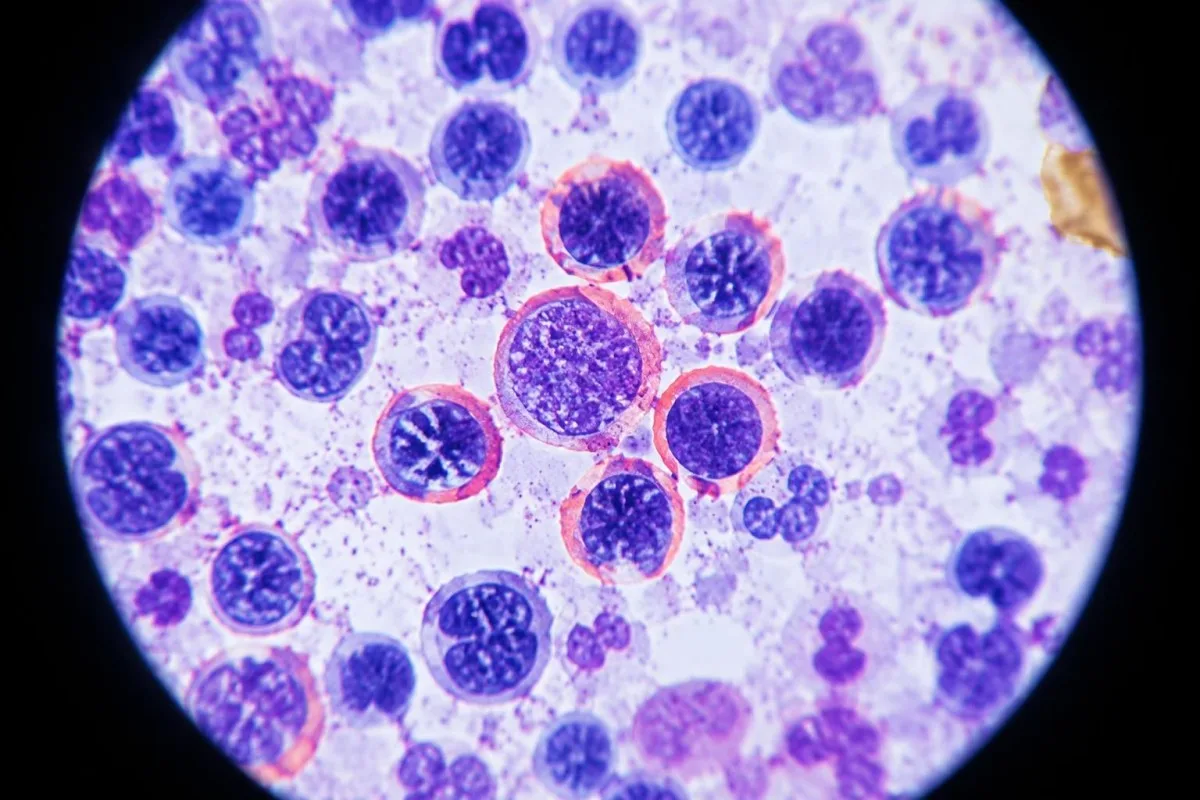
Seek emergency care for confusion, fainting, new breathing difficulty, blue or grey lips, severe chest symptoms or inability to keep fluids down, regardless of whether sIL-2R is 1,000 or 10,000 U/mL. These symptoms can reflect organ dysfunction that requires immediate examination and treatment.
Persistent fever above 38.5°C, platelets below 50 × 10⁹/L, fibrinogen below 1.5 g/L or rapidly rising bilirubin can intensify concern when soluble CD25 is high. These thresholds are clinical warning points, not a self-diagnosis formula; clinicians interpret them alongside blood pressure, oxygen level and examination.
A disseminated intravascular coagulation laboratory guide explains why bleeding or clotting abnormalities may require urgent assessment when systemic inflammation is present. Do not wait for a repeat sIL-2R result if severe symptoms are developing.
How should soluble IL-2R be repeated and tracked?
Soluble IL-2R trends are most useful when measured by the same laboratory and assay under comparable clinical conditions. Record the date, unit, reference interval, recent illness, treatment changes and related results instead of comparing raw numbers from different platforms.

Most soluble IL-2R tests do not require fasting, but preparation instructions can differ when the same appointment includes glucose, lipids or other fasting tests. Recent fever, vaccination, strenuous exercise, steroid treatment and immunotherapy should be documented because timing can change the clinical meaning of a result.
A fall from 4,800 to 2,400 U/mL over 3 weeks may represent improvement, but it remains above the HLH-2004 threshold and cannot be called resolved from the trend alone. Conversely, a rise from 700 to 1,400 U/mL is a doubling even though both values may be described differently by different laboratories.
The blood-test timeline guide explains why illness and medication timing matter across repeated results. Kantesti can organize uploaded reports chronologically, but a clinician must decide whether a trend reflects recovery, persistent disease, assay variation or treatment effect.
How can an AI tool help interpret CD25 safely?
An AI tool can help organize sIL-2R units, reference intervals, trends and related biomarkers, but it cannot diagnose lymphoma or HLH from a laboratory report. Safe interpretation keeps the result linked to symptoms, examination, clinician judgment and confirmatory testing.
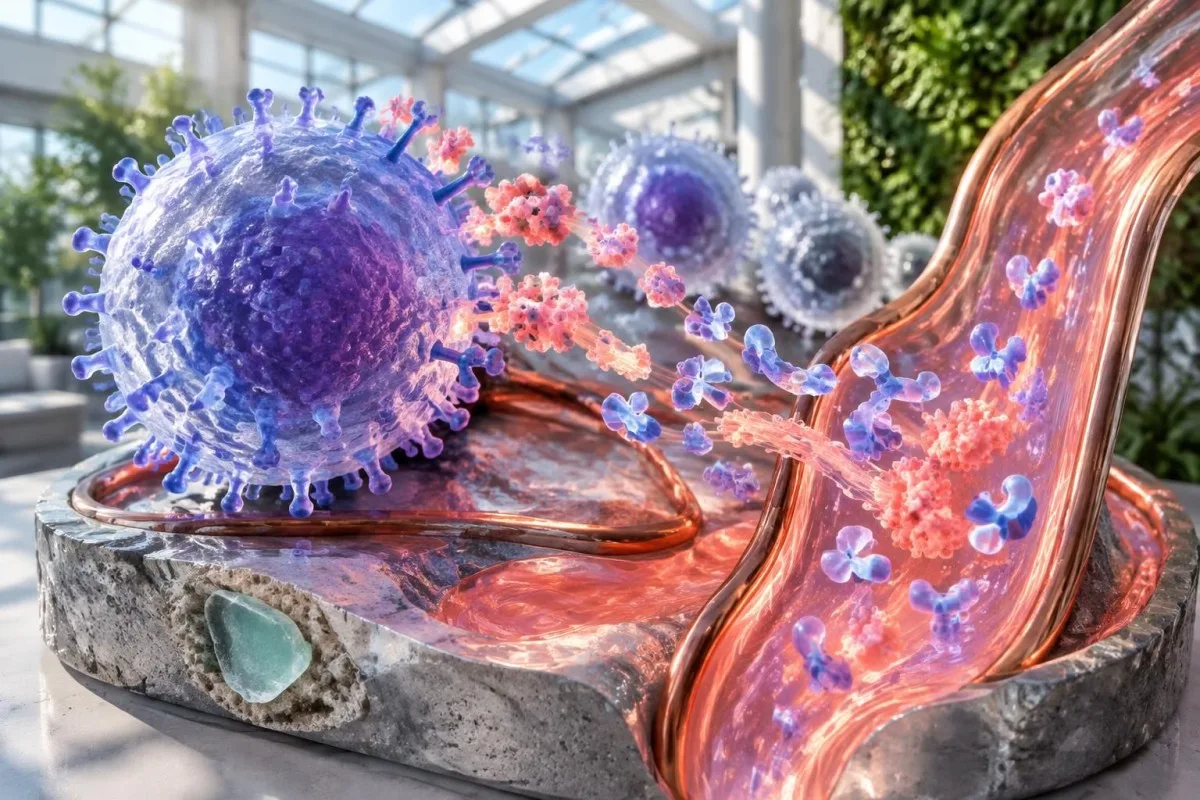
Kantesti is an AI-powered blood test analysis tool that can compare a soluble CD25 result with the report’s own reference range and identify related findings such as ferritin, LDH, CBC changes and liver-test abnormalities. It should be used to prepare better questions, not to replace urgent care or specialist assessment.
AI interpretation has practical limits: a photograph may omit the assay method, a PDF may contain a transcription error, and a reference interval may differ between laboratories by 20% or more. Never upload another person’s results without appropriate consent, and remove unnecessary identifiers when sharing documents.
Our Responsible AI standards explain why uncertainty and safety boundaries belong in medical interpretation. A useful report should say what the result may mean, what it cannot establish and which symptoms require human assessment.
What questions should you ask about an elevated result?
Ask which assay and reference interval were used, how far the result is above the ULN, whether symptoms or other tests suggest HLH, infection, autoimmune disease or lymphoma, and when follow-up should occur. These questions turn a frightening number into a concrete clinical plan.
Ask whether the result is 1.5 times, 3 times or 10 times the local ULN, because relative elevation is more portable than the raw U/mL value. Also ask whether the same laboratory can repeat it; a comparable assay makes a 4-week trend more meaningful.
Ask whether CBC, LDH, ferritin, liver tests, kidney function, CRP, triglycerides and fibrinogen are normal or changing. For example, ferritin of 650 ng/mL and stable counts create a different discussion from ferritin of 18,000 ng/mL with platelets of 40 × 10⁹/L and persistent fever.
If lymph nodes, spleen enlargement or abnormal imaging are present, ask what test would confirm the suspected cause and why. The medical validation page describes how our clinical content separates interpretation support from diagnosis, a distinction that matters especially for nonspecific biomarkers.
Common misunderstandings about sIL-2R results
The most common misconception is that a high soluble IL-2 receptor result equals lymphoma; it does not. A second misconception is that a normal result excludes serious disease; it also does not, because sensitivity varies by condition, timing and assay.
A result of 2,500 U/mL is not automatically cancer, and a result of 500 U/mL is not automatically safe. The first is just above the HLH-2004 soluble CD25 threshold, while the second may still be above a laboratory ULN of 496 U/mL; both require context.
Another misconception is that lowering inflammation through diet will reliably normalize sIL-2R. No food, supplement or home treatment has a validated role in diagnosing or treating a high soluble IL-2 receptor result, and unregulated supplements can interact with medicines or liver function.
The AI medical report explanation guide explains why an interpretation should show sources, uncertainty and clinical limits. Kantesti does not convert a biomarker into a diagnosis, and no responsible tool should promise that it can.
Bottom line: interpreting a high soluble IL-2 receptor
A high soluble IL-2 receptor result is a nonspecific marker of immune activation that may occur with lymphoma, HLH, autoimmune disease, infection or other inflammatory conditions. The safest next step is to match the number with symptoms, the local reference interval, related blood tests and an appropriate follow-up plan.
The practical takeaway is simple: confirm the unit and assay, calculate how far the result is above the local ULN, review CBC and inflammatory markers, and seek prompt care for systemic warning signs. A value above 2,400 U/mL deserves careful HLH consideration, but it is only one criterion among several.
Kantesti is an AI blood test interpretation platform that helps readers place CD25 beside the rest of a blood-test report and track changes over time. Our technology guide explains how contextual analysis can support understanding while human clinicians retain responsibility for diagnosis and treatment.
If your result is high, write down the number, units, reference range, collection date, symptoms and recent medicines before contacting your clinician. That small preparation often makes the next conversation more accurate than focusing on the word high alone.
Frequently asked questions
Does a high soluble IL-2 receptor mean lymphoma?
A high soluble IL-2 receptor does not mean that lymphoma is present. Lymphoma can raise sIL-2R, especially some aggressive or T-cell subtypes, but infections, autoimmune disease, HLH and other inflammatory conditions can produce overlapping values. A result such as 3,000 U/mL requires the laboratory range, CBC, LDH, symptoms and often imaging or tissue-based testing for interpretation.
What is the normal range for soluble IL-2 receptor?
The normal soluble IL-2 receptor range depends on the assay and laboratory, and some adult laboratories report an interval near 122–496 U/mL. That range is not universal, so the reference interval printed on the report should be used first. Results should also be considered relative to the upper limit of normal, because 1,000 U/mL may represent different degrees of elevation across laboratories.
What soluble IL-2 receptor level suggests HLH?
A soluble CD25 level above 2,400 U/mL is one of the HLH-2004 diagnostic criteria, but it does not diagnose HLH by itself. Clinicians also assess fever, splenomegaly, cytopenias, triglycerides, fibrinogen, ferritin, natural-killer-cell activity and haemophagocytosis, using a broader clinical framework. A high result with persistent fever, falling platelets or organ dysfunction requires prompt medical assessment.
Can infection cause high sIL-2R?
Infection can cause high sIL-2R because viral, bacterial, mycobacterial and fungal illnesses activate immune cells. EBV, CMV, HIV, HTLV-1 and tuberculosis are examples, but sIL-2R cannot identify the organism or prove that infection is active. A value of 3,200 U/mL should be interpreted with fever pattern, CRP, liver tests, blood counts, exposure history and targeted microbiological testing.
What tests are usually done after a high soluble IL-2 receptor result?
Follow-up commonly includes a repeat or confirmation of the sIL-2R result plus a CBC with differential, LDH, ferritin, CRP or ESR, liver tests, kidney function, triglycerides and fibrinogen. Clinicians may add infection testing, autoimmune markers, ultrasound or cross-sectional imaging depending on symptoms. A value above 2,400 U/mL, rapidly rising results or systemic symptoms generally warrant earlier specialist review rather than an unsupervised wait.
Can a normal soluble IL-2 receptor rule out cancer?
A normal soluble IL-2 receptor result cannot rule out cancer or lymphoma. The marker is neither sufficiently sensitive nor specific to serve as a general cancer exclusion test, and early or localized disease may not raise it. Persistent enlarged lymph nodes, unexplained weight loss, night sweats or abnormal imaging need clinical assessment even when sIL-2R is within a range such as 122–496 U/mL.
Get your blood test results explained
Upload your lab report and Kantesti's AI explains each biomarker in plain language within seconds. Used by more than 2 million people worldwide.
References
- Klein, T., Mitchell, S., & Weber, H. (2026). Iron Studies Guide: TIBC, Iron Saturation & Binding Capacity. Kantesti AI Medical Research. DOI
- Klein, T., Mitchell, S., & Weber, H. (2026). aPTT Normal Range: D-Dimer, Protein C Blood Clotting Guide. Kantesti AI Medical Research. DOI
- Rubin LA et al. (1985). Soluble interleukin 2 receptors are released from activated human lymphoid cells in vitro. Science. PubMed
- La Rosée P et al. (2019). Recommendations for the management of hemophagocytic lymphohistiocytosis in adults. Blood. DOI PubMed
- Janka GE, Lehmberg K (2013). Hemophagocytic syndromes—an update. Blood. DOI PubMed
- 2M+Tests analysed
- 127+Countries
- 100+Languages
About the medical team


E-E-A-T Trust Signals
Experience
Physician-led clinical review of lab interpretation workflows.
Expertise
Laboratory medicine focus on how biomarkers behave in clinical context.
Authoritativeness
Medically reviewed by Dr. Thomas Klein, with contributions from Dr. Sarah Mitchell and Prof. Dr. Hans Weber.
Trustworthiness
Evidence-based interpretation with clear follow-up pathways to reduce alarm.


Medical disclaimer
This article is for educational purposes only and does not constitute medical advice. Always consult a qualified healthcare provider for diagnosis and treatment decisions.
Published · Contact the editorial team
Published by Kantesti Ltd, registered in England & Wales, company no. 17090423, London, United Kingdom.
