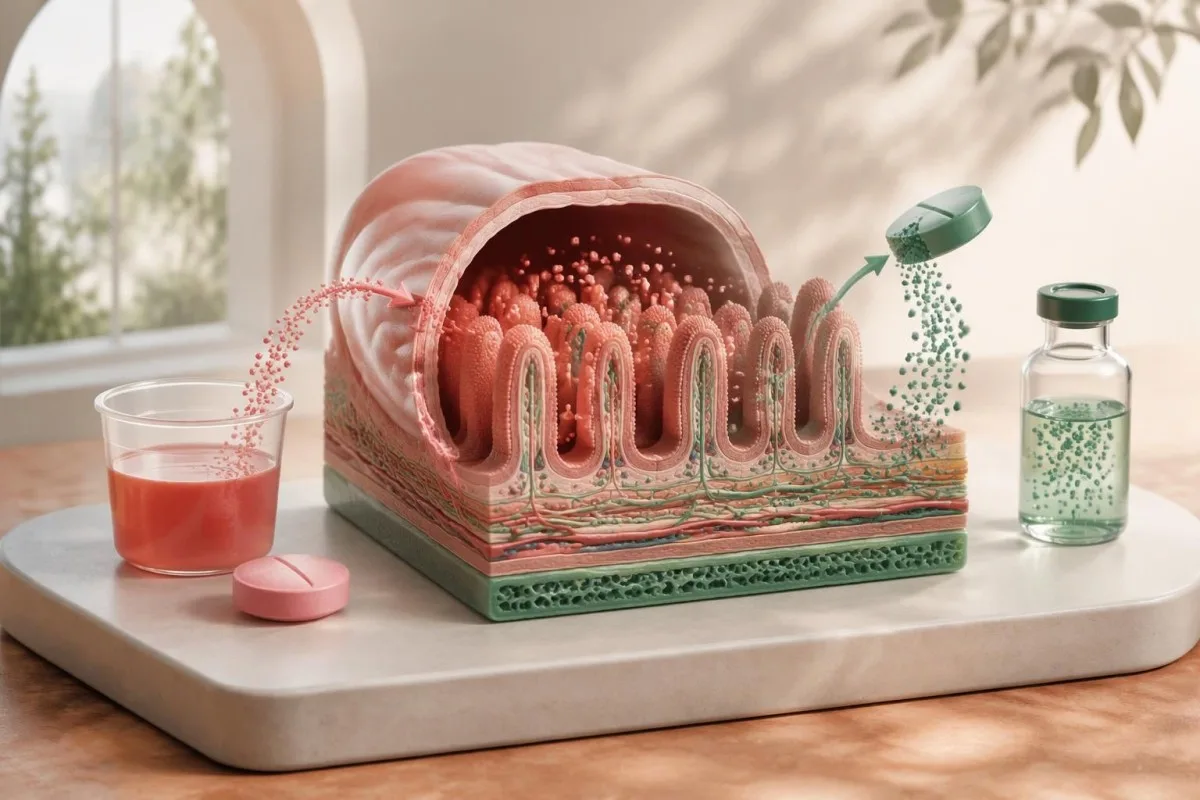
A low posaconazole level does not prove missed doses: formulation, diarrhea, food, interacting medicines and sampling timing can all change the result. Prevention commonly uses a trough target of at least 0.7 mg/L; treatment usually requires a higher, clinician-selected target.

Key takeaways
- Low posaconazole level can occur despite perfect adherence; check the formulation, gastrointestinal symptoms, interacting medicines and sample timing before assuming the dose is inadequate.
- Prevention target is commonly at least 0.7 mg/L, equivalent to 700 ng/mL, although local protocols and individual risk can justify a different threshold.
- Treatment target is commonly above 1.0–1.25 mg/L; organism susceptibility, infection site and clinical response may require a higher specialist-selected exposure.
- Trough concentration means a sample collected immediately before the next scheduled dose—approximately 24 hours after the previous dose for once-daily tablets.
- Steady state is usually assessed around day 7; a result taken after only 2 days should not automatically be compared with a steady-state target.
- Formulations are not interchangeable milligram for milligram: conventional oral suspension, delayed-release tablets and other supplied preparations have different absorption and dosing instructions.
- Absorption investigation becomes especially useful when a low result accompanies diarrhea, vomiting, poor food intake, feeding-tube administration or a recent formulation change.
- Dose safety requires clinician-led changes and repeat monitoring; better absorption after a gastrointestinal problem resolves can turn an increased dose into excessive exposure.
What does a low posaconazole level actually tell you?
A low posaconazole level means the measured concentration is below the intended exposure target—not that you necessarily missed doses. Poor absorption, interacting medicines or an incorrectly timed sample can explain it; prevention commonly uses at least 0.7 mg/L, while treatment generally needs a higher target.
Posaconazole therapeutic drug monitoring measures the medicine in a laboratory sample, usually as a total serum or plasma concentration. A result of 0.4 mg/L describes circulating exposure at collection; it cannot identify whether the cause was limited intestinal uptake, faster clearance, vomiting or a sample obtained before concentrations had stabilized.
Absorption and exposure are different questions. The intestine determines how much oral medicine enters the circulation, but a 0.4 mg/L result also depends on distribution, elimination and protein binding; even an intravenous concentration can be low for reasons unrelated to intestinal absorption.
Kantesti is an AI blood test analyzer that can help place a 700 ng/mL result beside its units, collection time and supplied medication history. We explain the limits of interpretation through our UK organization; neither our AI nor an isolated laboratory number can establish absorption failure or authorize a prescription change.
Why the posaconazole formulation changes absorption
Conventional oral suspension and delayed-release tablets absorb differently, so taking every dose does not guarantee equivalent exposure. The conventional suspension depends much more on food and gastric conditions; the delayed-release tablet provides more predictable exposure, but severe gastrointestinal problems can still produce a low result.
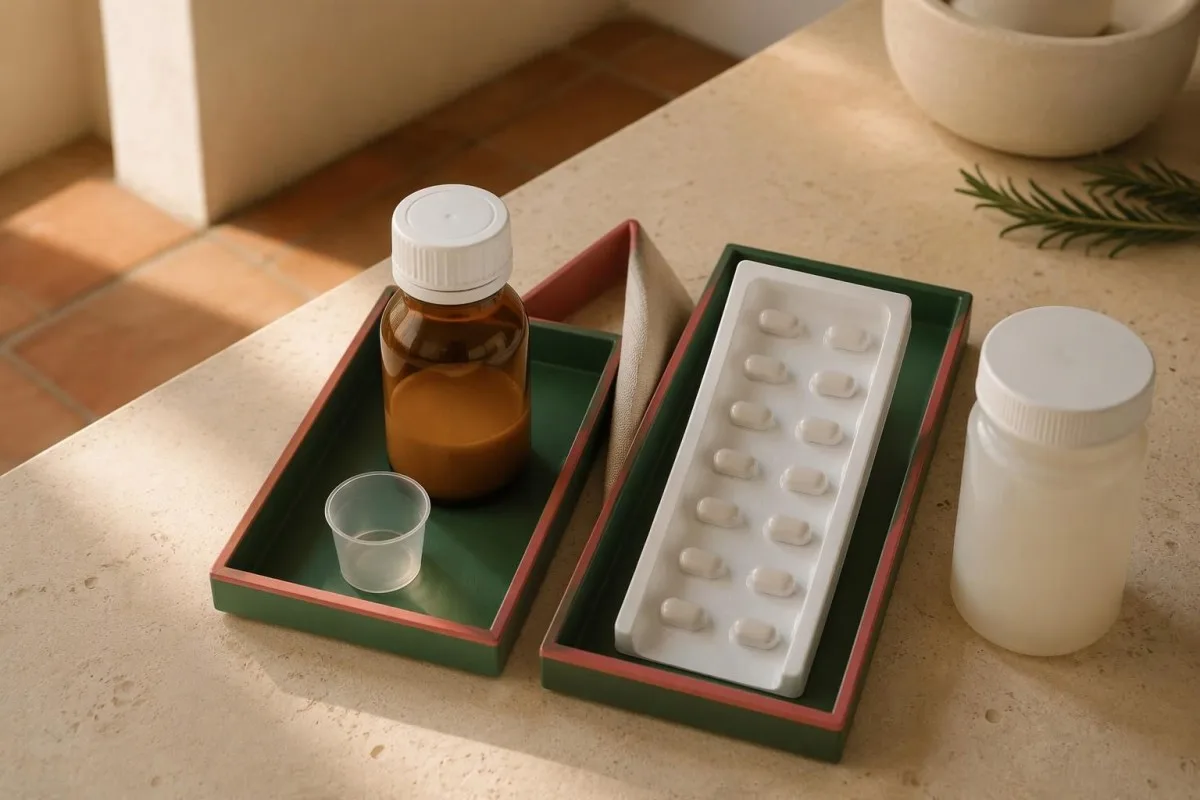
Conventional posaconazole suspension commonly contains 40 mg/mL, whereas delayed-release tablets commonly contain 100 mg per tablet. The suspension releases medicine in the stomach and has saturable absorption; the tablet uses a pH-dependent delivery system to improve intestinal release, explaining why equal daily milligrams do not necessarily produce equal concentrations.
For adults, a common delayed-release tablet schedule is 300 mg twice on day 1, followed by 300 mg once daily; conventional suspension prophylaxis historically uses 200 mg three times daily. These are formulation examples, not instructions to change treatment, and pediatric preparations—including delayed-release oral suspension where supplied—have their own weight-based instructions.
The formulation distinction is emphasized in Dekkers et al.'s 2016 review, Therapeutic Drug Monitoring of Posaconazole: an Update. Record the exact preparation whenever comparing medication-related laboratory trends: a switch from liquid to tablets changes the interpretation even when the medication name on both reports is identical.
Which posaconazole trough target applies to your treatment?
A posaconazole trough concentration is commonly targeted at at least 0.7 mg/L for prevention and above 1.0–1.25 mg/L for treatment. These are exposure goals, not a healthy-person reference range; the appropriate treatment threshold depends on the organism, infection site and clinical response.
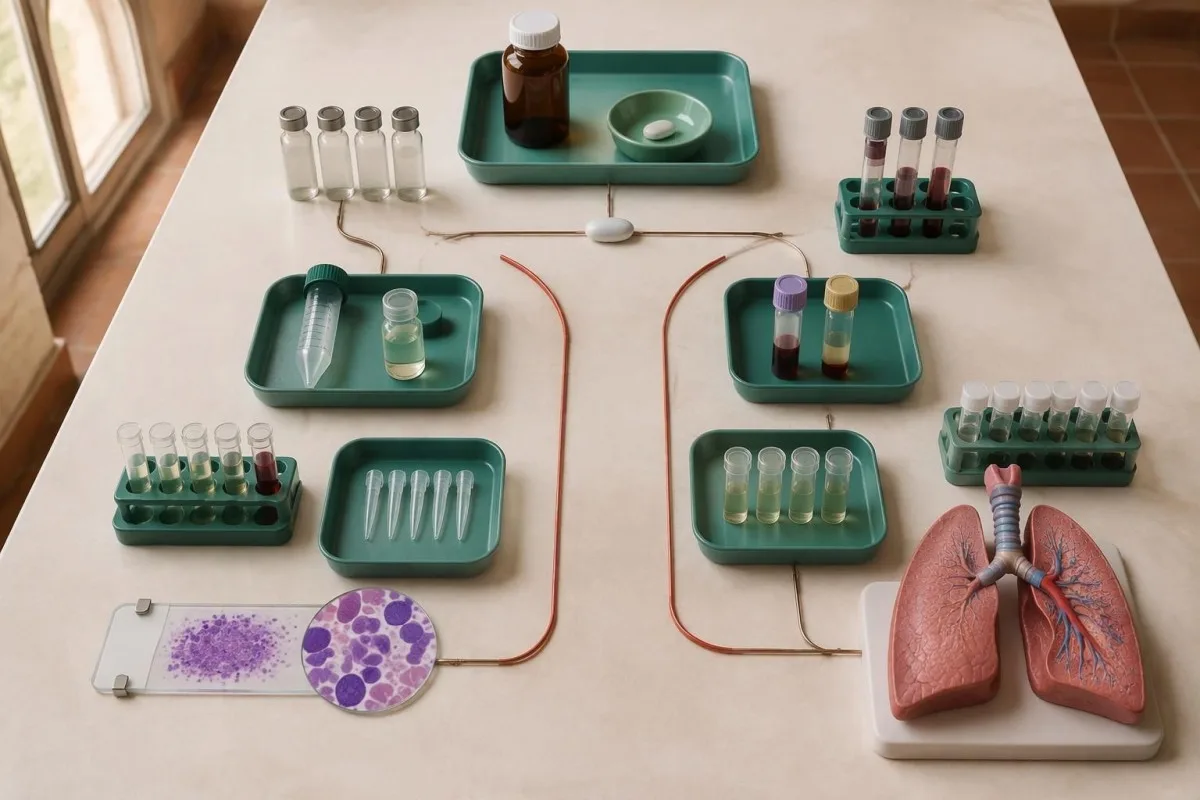
The British Society for Medical Mycology guideline recommends a prophylaxis trough above 0.7 mg/L and a salvage-treatment trough above 1.0 mg/L (Ashbee et al., 2014). Dekkers et al. (2016) discuss 1.25 mg/L for treatment, illustrating why two laboratories or specialist teams may flag the same result differently without either using a universal biological boundary.
A hypothetical trough of 0.9 mg/L may meet a prevention protocol but fall short of a treatment plan targeting 1.25 mg/L. The reason is not simply that established disease needs more medicine: treatment exposure must also account for fungal susceptibility and drug penetration into the affected tissue, neither of which a trough alone measures.
Higher targets, sometimes around 1.8 mg/L, are discussed in specialist reviews for selected treatment circumstances, but clinicians disagree about applying them routinely. Our explanation of other antifungal trough targets shows why one antifungal's range should never be copied onto another; a satisfactory concentration also cannot exclude resistant organisms or breakthrough disease.
| Level | Range | What it means |
|---|---|---|
| Common prevention goal | ≥0.7 mg/L; ≥700 ng/mL | A widely used prophylaxis threshold; confirm the treating team's protocol. |
| Common treatment minimum | >1.0–1.25 mg/L; >1,000–1,250 ng/mL | Guidelines and specialist reviews differ; established disease needs clinical and microbiological context. |
| Selected higher treatment goal | Around 1.8 mg/L; 1,800 ng/mL | Sometimes selected for difficult treatment circumstances; not a universal target. |
| Possible excessive exposure | No universally validated toxicity cutoff | Interpret concentration alongside blood pressure, potassium, liver tests, symptoms and interacting medicines. |
When should a posaconazole trough sample be collected?
A posaconazole trough should be collected immediately before the next scheduled dose, often within the preceding 30 minutes according to local laboratory instructions. For once-daily tablets, that usually means about 24 hours after the previous dose; a substantially delayed dose creates a different sampling condition.
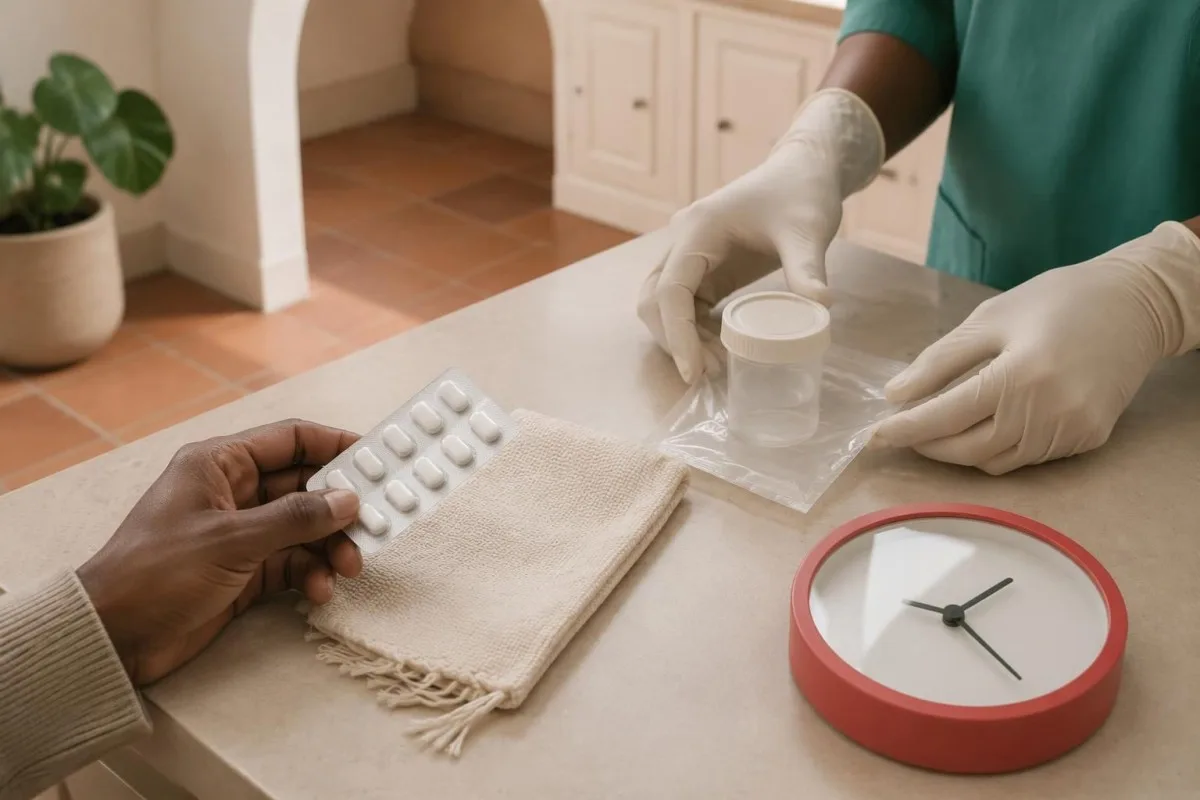
Once-daily dosing and three-times-daily dosing create different intended trough intervals: approximately 24 hours versus 8 hours when evenly scheduled. The laboratory needs actual times, not merely 'morning sample'; note the previous dose, collection time and whether the scheduled morning dose was taken before the appointment.
For example, a person normally taking tablets at 08:00 who has a sample at 11:00 without taking that day's dose has extended the interval to 27 hours. That result may be lower than the usual trough; it should be annotated rather than interpreted as proof that intestinal absorption suddenly deteriorated.
Posaconazole's relatively long elimination half-life makes timing deviations less dramatic than for some medicines, but a post-dose result still is not a standard trough. The same appointment-planning principle appears in tacrolimus trough timing, although the drugs have different targets and kinetics; ask the clinic how to coordinate sampling without unnecessarily withholding treatment.
Why an early posaconazole level can look misleadingly low
An early posaconazole level can be low because concentrations have not yet reached steady state, even with adequate absorption. A routine first trough is often obtained around day 7; loading doses accelerate exposure, but an early result still needs the actual starting date and formulation.
Steady state means drug input and elimination have reached a repeating pattern, not that every sample should be identical. Posaconazole's half-life is commonly approximately 25–35 hours, so several days of a consistent regimen are needed; severe illness and formulation-specific kinetics can shift the timetable.
A hypothetical 0.5 mg/L on day 2 cannot be interpreted exactly like 0.5 mg/L on day 8. Early measurements can still help specialists recognize major underexposure in high-risk patients, but they need an early-sampling protocol rather than an automatic comparison with a day-7 prevention threshold.
After a dose, formulation or relevant interaction changes, clinicians often repeat monitoring after approximately 5–7 days, or sooner when illness makes waiting unsafe. Use a first-draw preparation checklist to record the regimen and timeline; changing three factors simultaneously makes a later improvement much harder to explain.
How diarrhea and intestinal problems lower posaconazole exposure
Diarrhea, intestinal graft-versus-host disease, mucositis and malabsorption can lower oral posaconazole exposure despite every dose being taken. Delayed-release tablets reduce some formulation-related variability, but they do not make damaged intestinal function irrelevant; a trough below 0.7 mg/L with new gastrointestinal symptoms deserves an absorption-focused review.
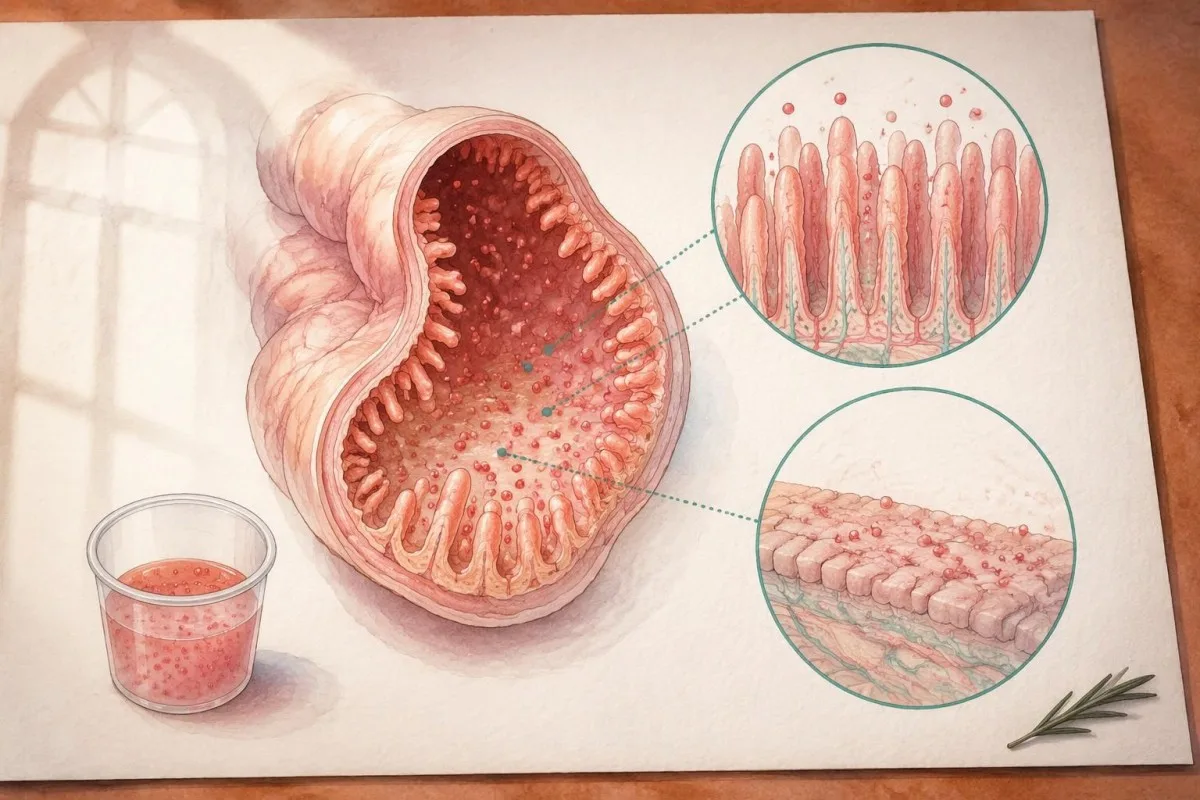
Rapid transit gives medicine less contact time with the absorptive surface, while intestinal injury can reduce effective uptake. A hypothetical transplant recipient with 6 watery stools daily and a newly low trough needs review of hydration, gut disease and medicine delivery—not an assumption that the prescription was ignored.
The cause of diarrhea changes the response to a low concentration. For example, discordant C. diff results need clinical interpretation rather than automatic treatment; a stool result and 0.3 mg/L posaconazole level answer different questions, and neither alone proves which intestinal process reduced exposure.
Persistent symptoms can also require targeted investigation for pathogens such as Giardia, especially when exposure history supports it; our Giardia result interpretation explains the diagnostic context. A 0.8 mg/L level before diarrhea and 0.35 mg/L afterward suggests a temporal association, but food intake, new medicines and sampling changes must still be checked.
Do food and acid-reducing medicines affect posaconazole levels?
Food and acid-reducing medicines strongly affect conventional posaconazole suspension, but have much less effect on delayed-release tablets. In healthy-volunteer research, a high-fat meal increased suspension exposure approximately 4-fold compared with fasting; this does not mean eating more fat will reliably correct a low tablet concentration.

Krishna et al. (2009), in Antimicrobial Agents and Chemotherapy, found that esomeprazole reduced conventional suspension exposure by approximately 32% under the tested conditions. That is a controlled pharmacokinetic finding, not a guaranteed reduction for every person; illness, meal size and other medicines can produce larger or smaller changes.
Delayed-release tablets can generally be taken with or without food, and acid suppression does not have the same established effect as it does with conventional suspension. A hypothetical 0.4 mg/L tablet trough in someone taking a proton-pump inhibitor should prompt a wider review, particularly diarrhea or administration problems, rather than automatically blaming the reflux medicine.
Do not stop a prescribed proton-pump inhibitor or deliberately add acidic drinks without the treating team's advice. People with reflux warning symptoms may need acid suppression for a separate reason; when conventional suspension remains necessary, a clinician can review food or supplement instructions and retest after approximately 5–7 days of a consistent plan.
Which medicine interactions can explain a low posaconazole level?
Rifampicin, rifabutin, phenytoin and certain other interacting medicines can reduce posaconazole exposure through effects on drug handling rather than poor intestinal absorption alone. A low result such as 0.4 mg/L therefore needs a complete medication review, including supplements, before a clinician simply increases the antifungal dose.
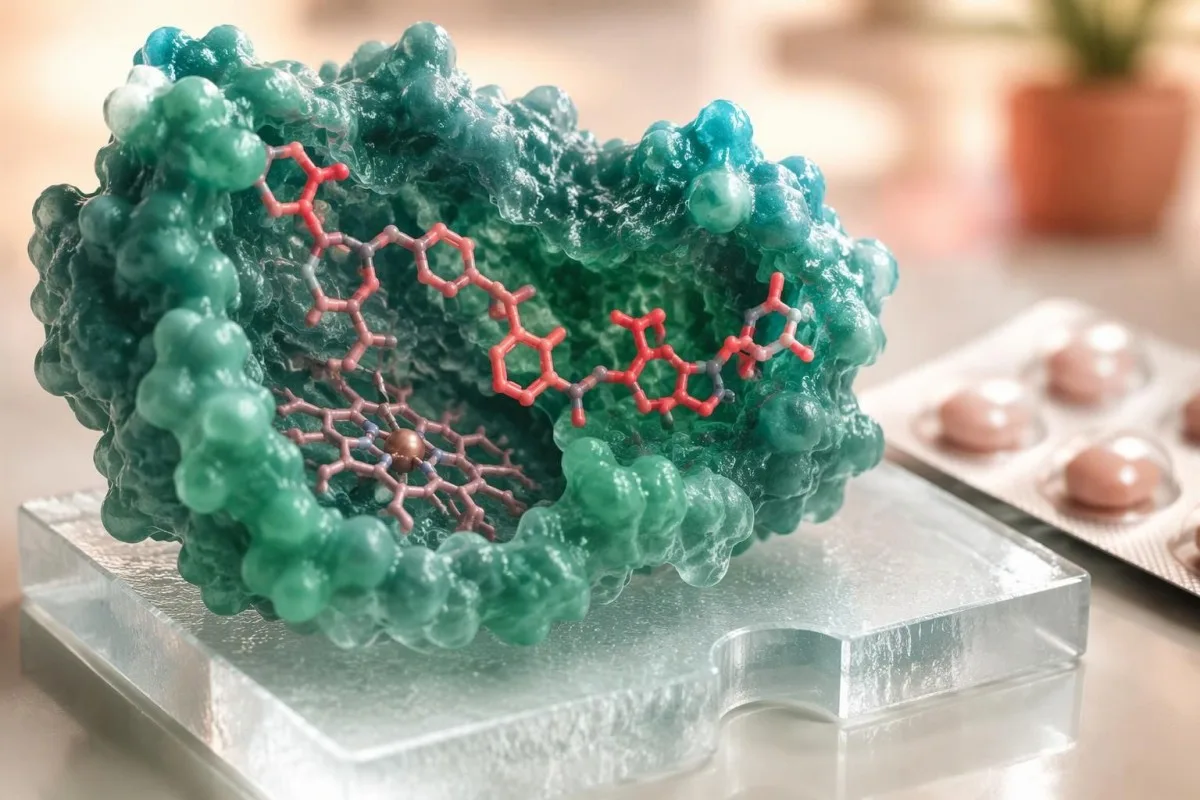
Posaconazole is a strong CYP3A4 inhibitor, but it is not predominantly eliminated through CYP metabolism itself. This distinction explains a two-way safety problem: an interacting drug can lower antifungal exposure, while posaconazole can simultaneously raise concentrations of another medicine; an apparently low 0.5 mg/L trough does not make every interaction harmless.
Transplant medicines need particular care. Posaconazole can substantially increase everolimus exposure, and some combinations are avoided or require specialist management; everolimus concentration monitoring illustrates why stopping or changing posaconazole may require follow-up of more than 1 drug level.
Kantesti is an AI blood test interpretation platform that can connect a 500 ng/mL result with interaction information when that history is supplied. Our AI interpretation technology cannot reconstruct an undisclosed prescription, so include start and stop dates for anticonvulsants, tuberculosis medicines and herbal products such as St John's wort.
Can vomiting, crushed tablets or feeding tubes cause low levels?
Vomiting, difficulty swallowing and feeding-tube administration can reduce delivered posaconazole exposure, even when every scheduled dose is attempted. Standard delayed-release tablets should be swallowed whole according to product instructions; crushing a 100 mg tablet changes the delivery system and requires a specialist, formulation-specific plan rather than an improvised substitution.
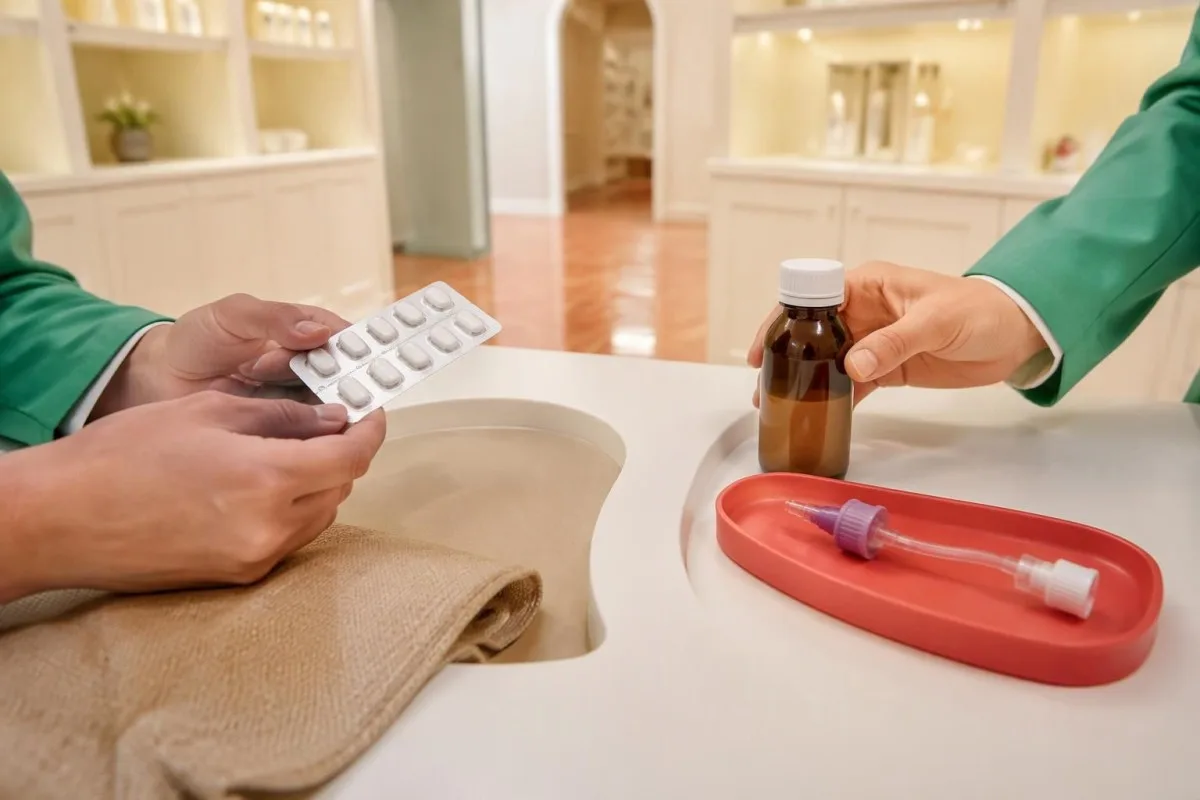
A dose swallowed and then vomited is not automatically a fully absorbed dose, but the amount lost cannot be calculated from timing alone. If vomiting occurs 15 minutes after administration, tell the treating team exactly what happened; do not automatically repeat the dose, because partial absorption and accidental double dosing are both possible.
Feeding-tube delivery introduces several variables: tube location, preparation compatibility, drug remaining in the equipment and the effect of feeds. Although specialist reports describe off-label tablet manipulation, a subsequent trough of 0.3 mg/L would require review of the entire delivery method rather than an assumption that the same milligrams reached the intestine.
Poor intake may coexist with a low concentration without proving malnutrition caused the absorption problem. Our discussion of nutrition markers and their limits explains why prealbumin cannot settle that question; document 24 hours of actual food, feeds, vomiting and medicine delivery to make the pharmacist's assessment more useful.
When should clinicians investigate absorption before raising the dose?
Clinicians should investigate absorption or medicine delivery before simply raising the dose when a low level accompanies gastrointestinal symptoms, a formulation change, food-dependent suspension use, feeding-tube delivery or a questionable sample. An unexplained 0.3 mg/L result is a troubleshooting signal, not a stand-alone dosing instruction.
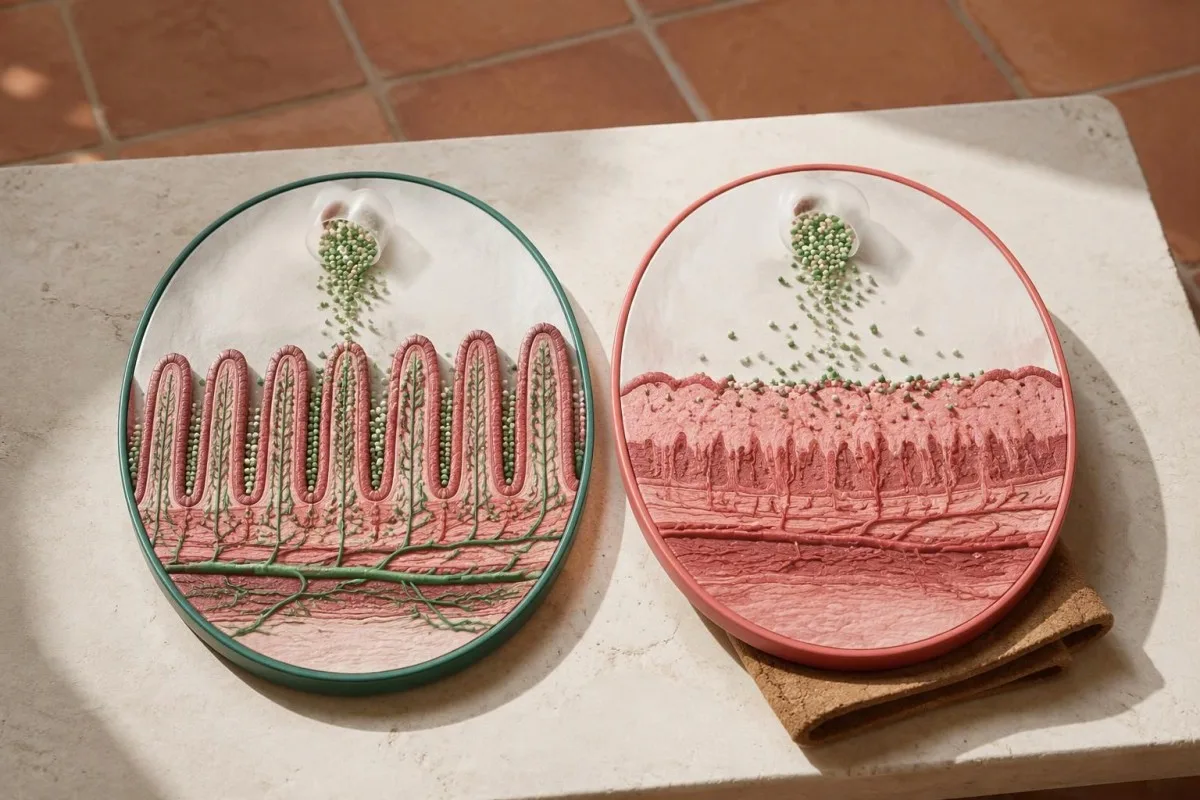
A useful review asks whether the preparation is correct, the dose was delivered, the sample was a trough and steady state was reached. For conventional suspension, increasing a daily total from 800 mg to 1,200 mg would not guarantee a proportional concentration increase because absorption is saturable; the specialist may instead change formulation or route.
Gastrointestinal recovery can reverse the problem that originally justified escalation. A hypothetical patient with 0.35 mg/L during severe diarrhea may absorb much more after symptoms settle, so a higher dose must have a follow-up plan; our digestive symptom assessment guide provides symptom context but cannot select an antifungal regimen.
A measured result below target does not always mean waiting for another sample is safe. In active invasive disease, the clinician may arrange intravenous therapy or another antifungal while checking the cause; our example interpretation workflows illustrate structured review, but a 0.2 mg/L result plus clinical deterioration needs direct specialist action rather than an AI-only explanation.
How the same low result changes prevention and treatment decisions
The same posaconazole level can lead to different decisions because prevention and active treatment have different exposure requirements and urgency. A 0.6 mg/L true trough is below a common prevention threshold of 0.7 mg/L, but it is more substantially below a treatment goal of 1.25 mg/L.
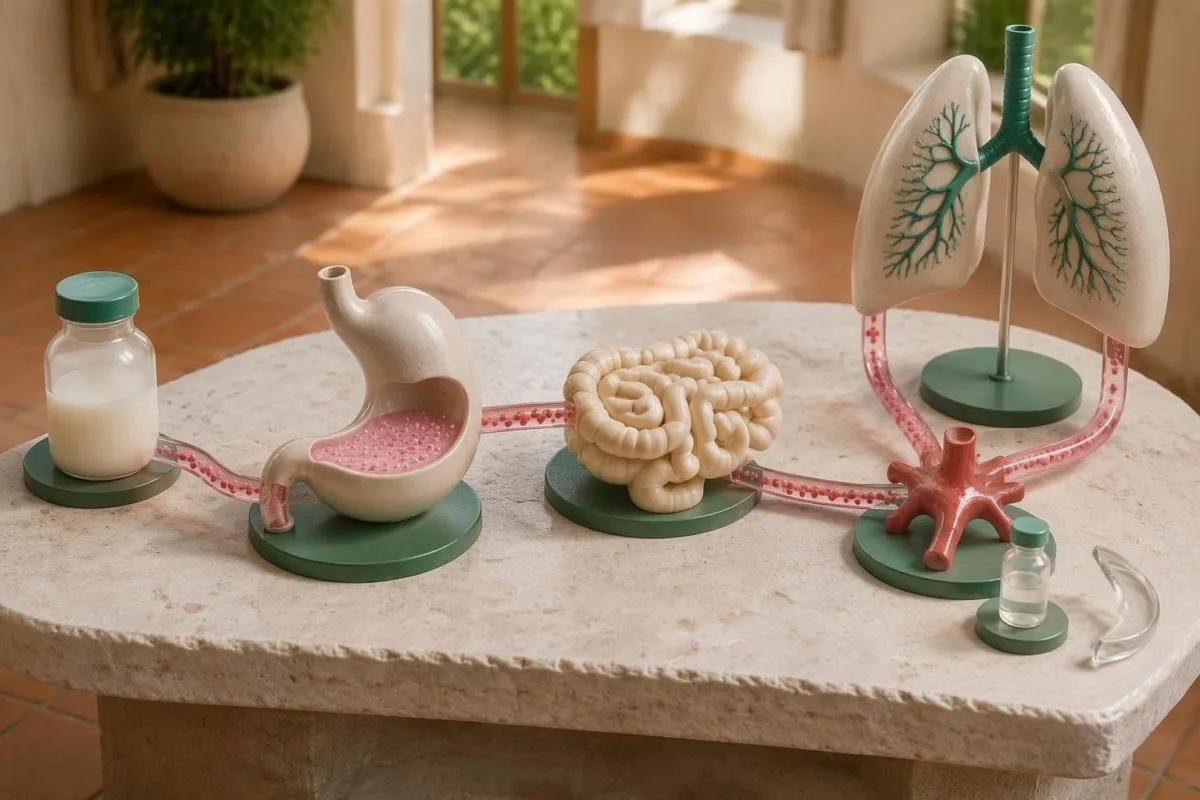
Consider a clearly hypothetical adult taking conventional suspension for prevention: the day-8 trough is 0.6 mg/L, doses are documented, and meals have been skipped because of nausea. The clinician checks administration conditions and the need for the current formulation, then arranges repeat monitoring; adding more suspension without addressing food dependence may not solve the underlying problem.
Now consider the same 0.6 mg/L result during treatment of invasive aspergillosis with worsening breathing symptoms. The response may include urgent reassessment, imaging, microbiology and a route or drug change; galactomannan result interpretation helps explain one diagnostic component, but a concentration target cannot substitute for assessing disease progression.
Clinical symptoms can outrank the laboratory timetable. In a person with neutropenia, a temperature of 38.3°C once, or 38.0°C sustained for an hour, meets commonly used febrile-neutropenia definitions; follow the oncology emergency plan immediately, and do not wait an hour or wait for a repeat level if the team has instructed earlier contact.
Could units, albumin or laboratory context explain the result?
Units and protein binding can change how a posaconazole result is interpreted without establishing poor absorption. 1 mg/L equals 1 µg/mL and 1,000 ng/mL; routine testing usually measures total drug, and posaconazole is more than 98% protein-bound, mainly to albumin.
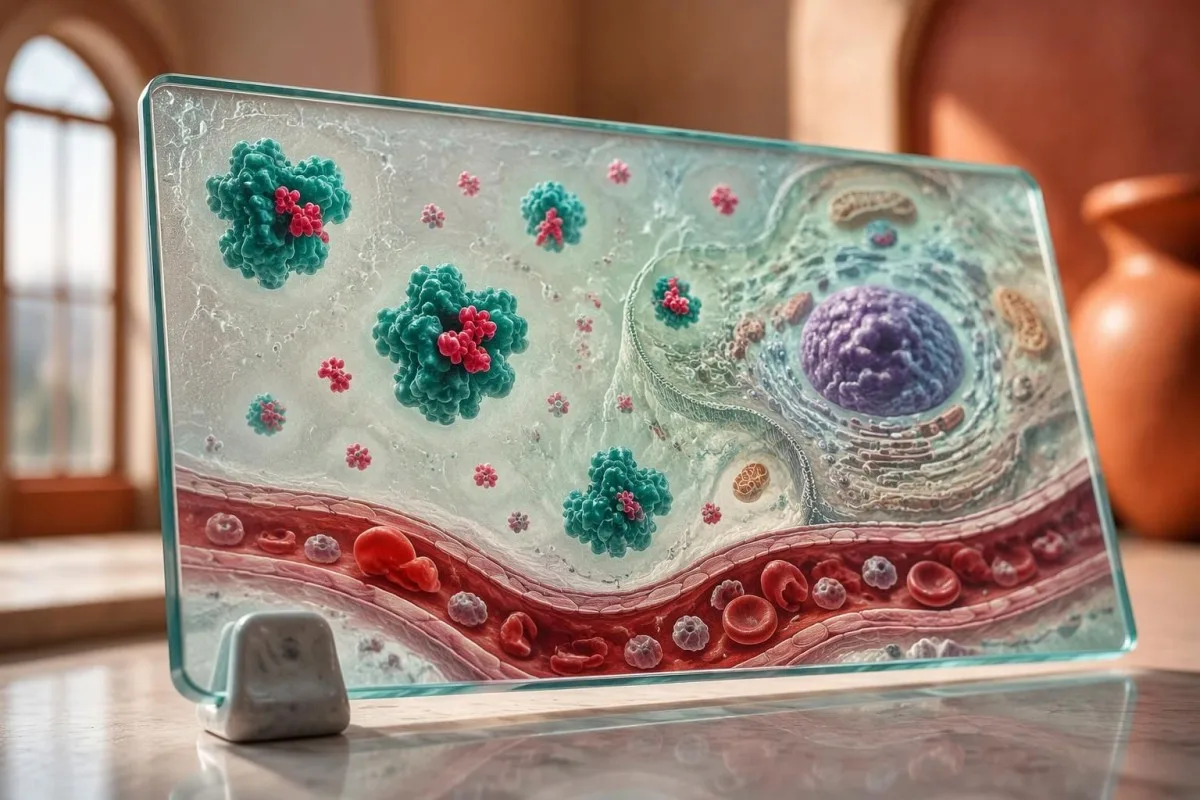
A report showing 650 ng/mL is equivalent to 0.65 mg/L, not 650 times a milligram-per-liter target. Laboratories can display a suggested therapeutic interval without knowing whether the prescription is for prevention or treatment, so the interpretation needs both the conversion and the clinical indication rather than the printed flag alone.
Marked hypoalbuminemia can lower measured total concentrations while the pharmacologically available unbound fraction behaves differently. A hypothetical albumin of 2.0 g/dL therefore adds uncertainty to a low total result; our albumin and serum protein guide explains the protein context, but clinicians should not dismiss underexposure on that basis.
There is no universally accepted bedside albumin-correction formula for posaconazole. Unlike the frameworks discussed in free-versus-total phenytoin results, applying another drug's correction to a 0.5 mg/L antifungal result is inappropriate; unexpected results may warrant laboratory consultation, verification of specimen instructions and specialist consideration of unbound exposure.
What safety checks matter after improving absorption or increasing the dose?
Liver tests, potassium, blood pressure and interacting-drug concentrations matter after posaconazole exposure increases. There is no universally validated toxicity ceiling; concentrations above 3.75 mg/L have been used as an upper exposure boundary in some development and monitoring discussions, but that number is not a reliable safe-versus-toxic dividing line.
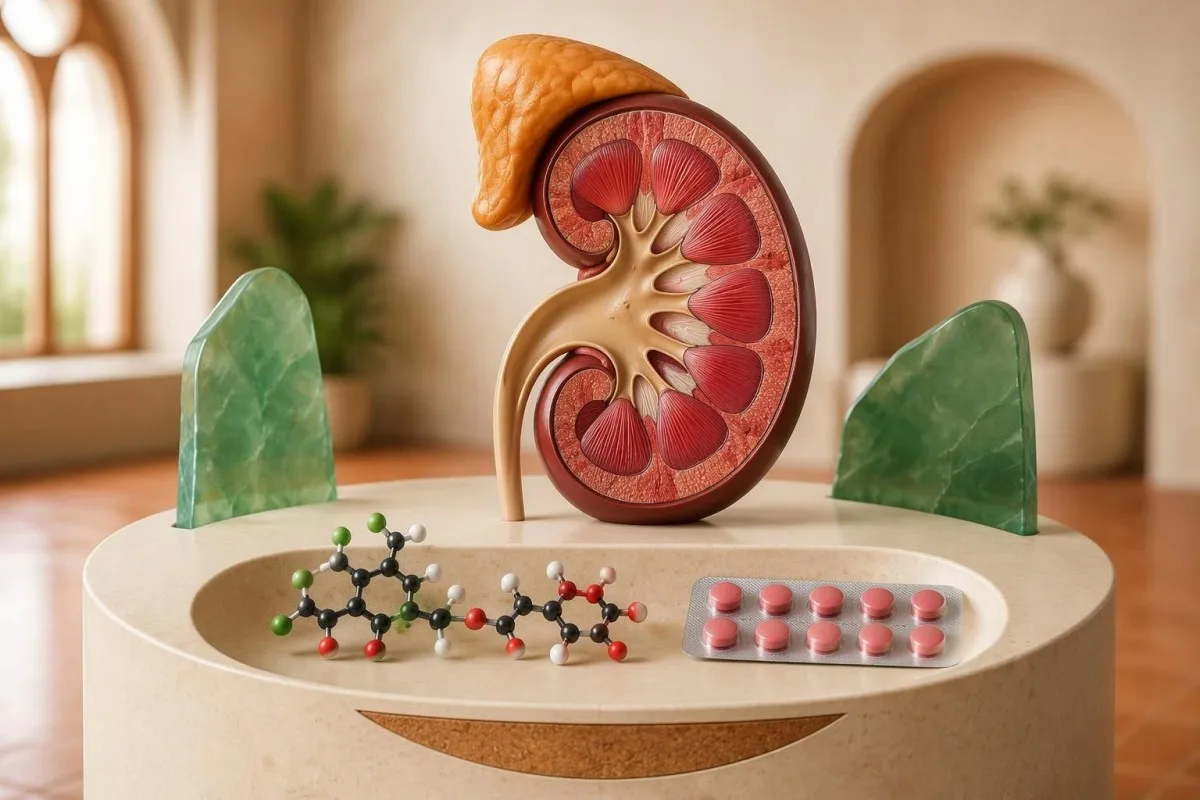
Posaconazole can cause a mineralocorticoid-like effect called pseudohyperaldosteronism, producing hypertension, low potassium and sometimes metabolic alkalosis. A hypothetical potassium of 3.0 mmol/L with newly high blood pressure deserves prompt assessment even if the drug concentration is below a laboratory's upper boundary; dose decisions depend on the whole pattern.
Antifungal-associated liver injury is another reason not to escalate blindly. If ALT rises from 30 to 150 U/L, the clinician compares the change with the laboratory upper limit, bilirubin, symptoms and other possible causes; our liver test interpretation guide explains why one enzyme value does not establish causation.
A corrected absorption problem can raise both posaconazole and the exposure of a companion medicine. For example, a trough increasing from 0.4 to 2.0 mg/L after diarrhea resolves may be desirable for the antifungal yet require transplant-drug reassessment; palpitations, fainting, jaundice or marked weakness require urgent clinical advice rather than waiting for routine monitoring.
What should you record for follow-up, and what supports this interpretation?
For follow-up, record the exact formulation, dose times, collection time, indication, gastrointestinal symptoms and medication changes beside the posaconazole result. Comparing 0.5 mg/L with a later value is only useful when the clinician knows what changed; the directly relevant evidence is antifungal guidance and pharmacokinetic research.
A practical follow-up record includes the previous 7 days of dosing, vomiting, diarrhea and relevant medicine changes, plus the actual laboratory collection time. Ask the clinician to write down the target and reason for choosing it; 'above 1.0 mg/L for treatment' is more useful than an unexplained instruction that the number should be higher.
Kantesti is an AI-powered blood test analysis tool that can organize a 700 ng/mL concentration alongside liver tests, albumin and supplied timing information. Kantesti's explanations support questions for your clinical team, not independent antifungal adjustments; our clinical interpretation standards describe the distinction between technical evaluation and individualized clinical judgment.
The direct references below include the 2014 British Society for Medical Mycology guideline, Krishna et al.'s 2009 suspension pharmacokinetic study and Dekkers et al.'s 2016 monitoring review. The 2 Figshare publications are broader educational guides on gastrointestinal symptoms and hematology, not posaconazole trials or evidence validating an AI dosing recommendation; their DOI registration does not establish peer review.
Frequently asked questions
Why is my posaconazole level low when I take every dose?
A low posaconazole level can occur despite full adherence because intestinal absorption, formulation, food intake, interacting medicines and sample timing all affect exposure. Conventional suspension is particularly sensitive to food and gastric conditions, while severe diarrhea can also lower delayed-release tablet exposure. A prevention trough below about 0.7 mg/L should prompt a clinician-led review of these factors. The result alone cannot distinguish poor absorption from faster drug clearance or an early, non-steady-state sample.
What is the target posaconazole trough concentration?
A commonly used posaconazole trough target is at least 0.7 mg/L for prevention and above 1.0–1.25 mg/L for treatment. A concentration of 0.7 mg/L equals 700 ng/mL, and 1.25 mg/L equals 1,250 ng/mL. Specialist teams may choose a higher treatment target according to fungal susceptibility, infection site and response. These values are therapeutic goals, not a universal normal range or a guarantee that treatment is working.
When should I have a posaconazole level checked?
A routine posaconazole trough is usually collected immediately before the next scheduled dose, often around day 7 after starting a consistent regimen. For once-daily tablets, the sample is normally approximately 24 hours after the previous dose. Clinicians may obtain earlier samples in high-risk illness or repeat testing approximately 5–7 days after a relevant change. Follow the clinic's scheduling instructions rather than withholding doses for an extended period on your own.
Does omeprazole or another proton-pump inhibitor lower posaconazole levels?
Proton-pump inhibitors can lower exposure from conventional posaconazole oral suspension, but they do not have the same established effect on delayed-release tablets. A healthy-volunteer study found approximately 32% lower suspension exposure with esomeprazole under the tested conditions. The effect in an individual depends on formulation, meals, illness and other medicines. Do not stop prescribed acid suppression without discussing both the antifungal and the reason for the reflux treatment with your clinician.
Should a low posaconazole level mean I increase the dose?
A low posaconazole level does not automatically mean the dose should be increased. A result such as 0.3 mg/L first needs checking against the intended target, collection time, treatment duration, formulation and possible absorption or interaction problems. Conventional suspension has saturable absorption, so a larger dose may not produce a proportional increase in exposure. Active invasive fungal disease may require an urgent route or treatment change while the cause is investigated; all prescription changes should be clinician-led.
Can diarrhea lower posaconazole levels even if I use tablets?
Diarrhea and intestinal disease can lower posaconazole exposure even with delayed-release tablets. Tablets are less dependent on food and gastric acidity than conventional suspension, but they still rely on intestinal delivery and uptake. A fall from 0.8 mg/L before diarrhea to 0.35 mg/L afterward is a useful clinical clue, not proof of a single cause. Contact the prescribing team about persistent symptoms, because gastrointestinal recovery can also increase exposure after a dose has been raised.
Get your blood test results explained
Upload your lab report and Kantesti's AI explains each biomarker in plain language within seconds. Used by more than 2 million people worldwide.
References
- Klein, T., Mitchell, S., & Weber, H. (2026). B Negative Blood Type, LDH Blood Test & Reticulocyte Count Guide. Kantesti AI Medical Research. DOI
- Klein, T., Mitchell, S., & Weber, H. (2026). Diarrhea After Fasting, Black Specks in Stool & GI Guide 2026. Kantesti AI Medical Research. DOI
- Ashbee HR et al. (2014). Therapeutic drug monitoring (TDM) of antifungal agents: guidelines from the British Society for Medical Mycology. Journal of Antimicrobial Chemotherapy. DOI PubMed
- Krishna G et al. (2009). Pharmacokinetics and absorption of posaconazole oral suspension under various gastric conditions in healthy volunteers. Antimicrobial Agents and Chemotherapy. DOI PubMed
- Dekkers BGJ et al. (2016). Therapeutic Drug Monitoring of Posaconazole: an Update. Current Fungal Infection Reports. DOI
- 2M+Tests analysed
- 127+Countries
- 100+Languages
About the medical team


E-E-A-T Trust Signals
Experience
Physician-led clinical review of lab interpretation workflows.
Expertise
Laboratory medicine focus on how biomarkers behave in clinical context.
Authoritativeness
Medically reviewed by Dr. Thomas Klein, with contributions from Dr. Sarah Mitchell and Prof. Dr. Hans Weber.
Trustworthiness
Evidence-based interpretation with clear follow-up pathways to reduce alarm.



Medical disclaimer
This article is for educational purposes only and does not constitute medical advice. Always consult a qualified healthcare provider for diagnosis and treatment decisions.
Published · Contact the editorial team
Published by Kantesti Ltd, registered in England & Wales, company no. 17090423, London, United Kingdom.
