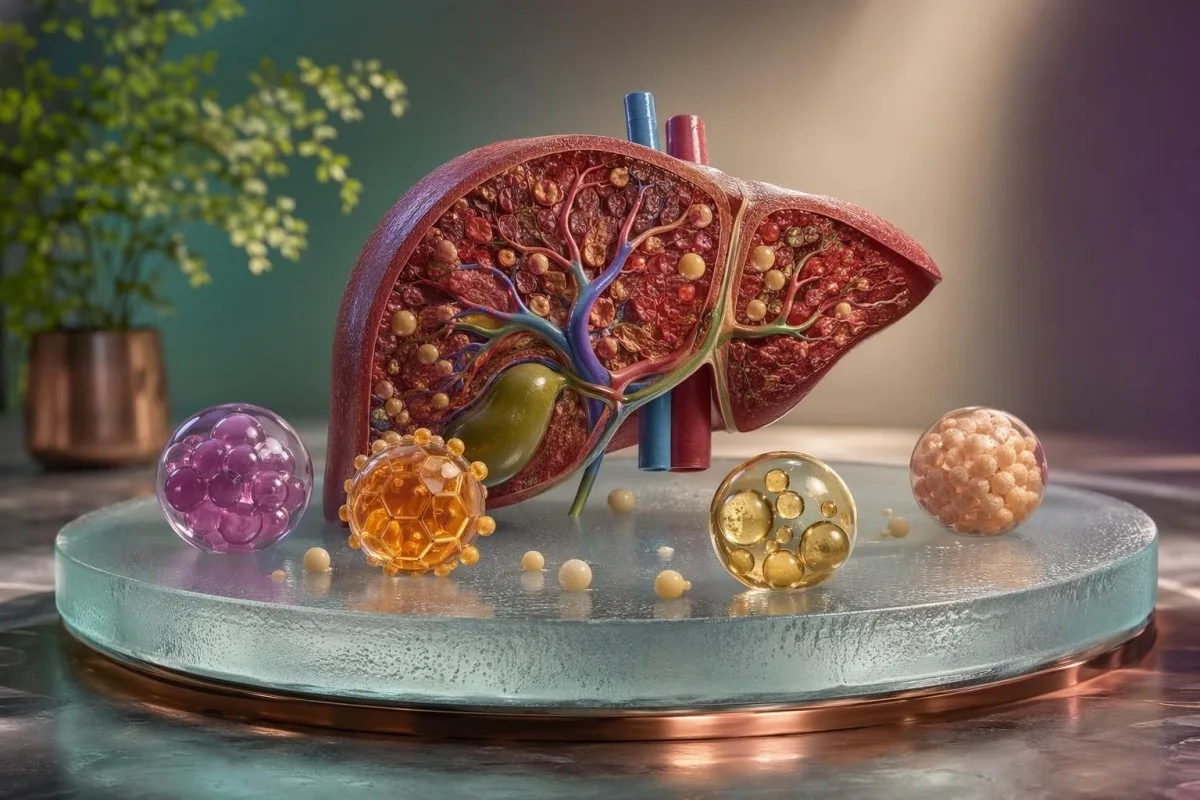
Fettløselige vitaminer A, D, E og K kan komme i underskudd ved malabsorpsjon eller bli høye etter måneder med overtilskudd. De tryggeste ledetrådene er vanligvis mønstre: vitaminnivå pluss kalsium, leverenzymer, INR, lipider, symptomer og doseshistorikk.


- Fettløselige vitaminer A, D, E og K løses i fett, så overskudd kan lagres i lever og fettvev i stedet for å tapes raskt i urinen.
- Vannløselige vitaminer som B-vitaminer og vitamin C klarer vanligvis å forsvinne raskere, selv om B6 og niacin fortsatt kan forårsake toksisitet ved høye doser.
- Vitamin D-toksisitet mistenkes vanligvis når 25-OH-vitamin D er over 150 ng/mL, særlig når kalsium er over 10.5 mg/dL.
- Vitamin A-mangel antydes av serumretinol under 20 µg/dL, men infeksjon og lav retinolbindende protein kan gjøre resultatene misvisende.
- Vitamin E-mangel er mer pålitelig når alfa-tokoferol tolkes opp mot kolesterol eller totale lipider, ikke som et ensomt tall.
- Vitamin K-mangel oppdages ofte indirekte gjennom forlenget PT/INR, fordi serum vitamin K-testing er ustabil og ikke bredt standardisert.
- Supplement timing viktige: A, D, E og K absorberes vanligvis bedre med et måltid som inneholder fett, ikke på tom mage med svart kaffe.
- Interaksjoner med kosttilskudd inkluderer warfarin med vitamin K, orlistat med alle fire fettløselige vitaminer, og høydose vitamin E med antikoagulantia.
- Før du endrer kosttilskudd, sammenlign dose, varighet, symptomer, nyrefunksjon, leverprøver, kalsium, INR, og minst én tidligere trend når tilgjengelig.
Hvordan fettløselige vitaminer skiller seg fra vannløselige vitaminer
Fettløselige vitaminer A, D, E og K løses opp i kostfett, transporteres med galle og lipoproteiner, og kan lagres i uker til måneder. Vannløselige vitaminer beveger seg vanligvis gjennom plasma og urin raskere, så lave nivåer kan oppstå raskere og overskudd tømmes ofte raskere. Den lagringsforskjellen er grunnen til at jeg aldri anbefaler å øke A, D, E eller K-doser kun basert på symptomer.
I vår analyse av 2M+ blodprøver ved Kantesti AI, det risikable mønsteret er ikke bare et lavt eller høyt vitaminresultat; det er vitaminresultatet pluss kalsium, INR, leverenzymer, nyrefunksjon, lipider og etiketten på kosttilskuddet. En 25-OH vitamin D på 82 ng/mL kan være akseptabelt hos én pasient under medisinsk tilsyn, mens 82 ng/mL med kalsium 11,2 mg/dL og kreatinin som stiger, er en helt annen samtale.
Fordøyelsestrinnet blir ofte oversett. A, D, E og K trenger gallesyrer, bukspyttkjertelenzymer og en absorberende tynntarm; hvis noen av disse er nedsatt, kan en person svelge 5000 IU daglig og likevel teste lavt. For en bredere oversikt over markører, vår veiledning for markører ved vitaminmangel forklarer hvilke næringsstoffer som kan måles direkte og hvilke som krever indirekte spor.
Fra og med 20. mai 2026 er det mest praktiske utgangspunktet enkelt: ikke endre fettløselige kosttilskudd før du vet om laboratoriene dine viser mangel, toksisitet, malabsorpsjon, medikamentinteraksjon eller bare normal variasjon. Dr. Thomas Kleins regel i klinikken er direkte, men nyttig: dose følger mønster, ikke panikk.
Hvorfor overskudd kan bygge seg opp før symptomer viser seg
Overskudd av fettløselige vitaminer kan hope seg opp fordi lagringsvev frigjør dem sakte og rutinemessig urinrensing ikke fjerner dem effektivt. Vitamin A lagres hovedsakelig i hepatiske stellatceller, vitamin D-metabolitter sirkulerer med bindende proteiner, vitamin E sitter i lipoproteiner og membraner, og vitamin K sykler gjennom leverens koaguleringsveier.
Poenget er at ventetiden kan være lang. Jeg har sett vitamin D-toksisitet oppstå etter 4 til 8 måneder med inntak av flere overlappende produkter: et multivitamin, en beinformel, dråper og en beriket shake. En pasient kan ærlig rapportere "ett kosttilskudd" mens den totale daglige dosen er 12 000 til 20 000 IE.
Vitamin A has a narrower safety margin than many people think. Penniston and Tanumihardjo described chronic vitamin A toxicity with long-term intakes above roughly 25,000 IU per day in susceptible adults, although liver disease, alcohol intake and low body weight can lower the threshold (Penniston & Tanumihardjo, 2006). If your lab flags look confusing, our normalområdeguide er en nyttig påminnelse om at "normal" ikke er det samme som "trygt i kontekst"."
Kantesti AI tolker resultater for fettløselige vitaminer ved å sammenligne vitaminverdien med tilhørende biomarkører i stedet for å behandle resultatet som en frittstående dom. Vår AI-drevet tolkning av blodprøver arbeidsflyt ser etter klynger som høyt vitamin D pluss høyt kalsium, lavt vitamin E pluss svært lavt kolesterol, eller forlenget INR pluss antibiotikabruk.
Vitamin A: retinol-ledetråder for mangel og toksisitet
Serum retinol under 20 µg/dL antyder vanligvis vitamin A-mangel, mens nivåer over ca. 80 til 100 µg/dL gir grunn til bekymring for overskudd når symptomene passer. Resultatet er ikke perfekt: retinol faller under akutt infeksjon fordi retinolbindende protein oppfører seg som en negativ akuttfase-reaktant.
Lavt vitamin A gir klassisk nedsatt mørkesyn, tørre øyne, ru hud og svekket barrierefunksjon i immunsystemet. I klinisk praksis ser jeg oftere grenseverdier for retinol hos personer med kolestase, inflammatorisk tarmsykdom, pankreasinsuffisiens, svært fettfattig diett, eller etter malabsorptiv fedmekirurgi.
Høyt vitamin A er ikke subtilt når det først manifesterer seg: hodepine, tørr, avflassende hud, håravfall, beinsmerter, kvalme, og noen ganger forhøyet AST eller ALT. Kronisk toksisitet kan også presse kalsium opp gjennom beinresorpsjon; det er derfor en vitamin A-blodprøve bør vurderes sammen med kalsium, alkalisk fosfatase og leverenzymer, ikke i en separat mental skuff.
Et serum retinol på 18 µg/dL med CRP 45 mg/L kan reflektere akutt inflammasjon mer enn reelt uttømte lagre. Hvis du vil ha en dypere diskusjon om retinol-området, vår veiledning for vitamin A-blodprøver dekker når retinol, retinylestrer og retinolbindende protein endrer tolkningen.
Vitamin D: 25-OH-nivå, kalsium og PTH-mønstre
Den beste rutinemessige testen for vitamin D-status er 25-hydroksyvitamin D, ikke 1,25-dihydroksyvitamin D. En 25-OH-vitamin D under 20 ng/mL kalles ofte mangel, 20 til 29 ng/mL kalles ofte insuffisiens, og nivåer over 150 ng/mL tyder sterkt på toksisitetsrisiko når kalsium er høyt.
Endocrine Society-retningslinjen til Holick et al. brukte 30 ng/mL som et praktisk mål for tilstrekkelighet, mens Institute of Medicine hevdet at 20 ng/mL dekker beinbehov hos de fleste voksne (Holick et al., 2011). Klinikere er fortsatt uenige her, og ærlig talt avhenger riktig mål av beinhelse, nyresykdom, graviditet, malabsorpsjon og grunnrisiko.
Mønsteret betyr mer enn tallet. Lav 25-OH-vitamin D med høy PTH, lav-normal kalsium og høy alkalisk fosfatase peker mot sekundær hyperparatyreoidisme og beinomsetning; høy 25-OH-vitamin D med høyt kalsium, lav PTH og stigende kreatinin peker mot toksisitet. Vår guide til vitamin D-blodprøve forklarer hvorfor aktivt vitamin D kan se normalt eller høyt ut selv når lagrene er lave.
Hva slags tilskudd man bruker endrer historien ved ny måling. Vitamin D3 øker vanligvis 25-OH-nivåene mer effektivt enn D2 i mange doseringsstudier, selv om etterlevelse og utgangsnivå kan veie tyngre enn formen; se vår D3 versus D2-sammenligning før du antar at en høyere dose er svaret.
Vitamin E: alfa-tokoferol avhenger av lipider
Mangel på vitamin E mistenkes vanligvis når alfa-tokoferol er under omtrent 5 mg/L, men tallet må tolkes opp mot kolesterol eller totale lipider. Siden vitamin E transporteres i lipoproteiner, kan en person med svært lav LDL-kolesterol se lav ut selv når vevstilstanden ikke er alvorlig uttømt.
Ekte mangel på vitamin E er uvanlig hos friske voksne som spiser varierte dietter. Når jeg ser det, har pasienten ofte cystisk fibrose, kolestatisk leversykdom, abetalipoproteinemi, alvorlig pankreasinsuffisiens eller tidligere kirurgi i tarmen; symptomer kan omfatte nevropati, dårlig balanse, tap av vibrasjonssans og hemolytisk anemi.
Høydose vitamin E er ikke ufarlig fordi det kan forstyrre vitamin K-avhengig koagulasjon. Miller et al. rapporterte at tilskudd med vitamin E i høy dose, ofte 400 IU per dag eller mer i studier, var assosiert med økt dødelighet av alle årsaker i en metaanalyse fra 2005, selv om senere diskusjoner om dose, populasjon og studiedesign fortsatt er rimelige (Miller et al., 2005).
Et praktisk laboratoriemønster er alfa-tokoferol pluss fastende lipidpanel pluss PT/INR hvis det finnes blødningsrisiko. Hvis triglyserider er høye eller LDL er svært lavt, sammenlign med vår tolkning av lipidprofilen før du kaller et vitamin E-resultat virkelig lavt eller høyt.
Vitamin K: INR er ofte den første nyttige ledetråden
Vitamin K-mangel oppdages ofte indirekte gjennom forlenget PT/INR, ikke et serum vitamin K-nivå. En INR over 1,2 hos noen som ikke tar warfarin kan tyde på redusert vitamin K-effekt, leverens syntetiske dysfunksjon, faktormangel eller laboratorieinterferens, så mønsteret må sorteres nøye.
Tegn på mangel inkluderer lett blåmerking, neseblødning, kraftige menstruasjonsblødninger, mørk avføring, eller langvarig blødning etter tannarbeid. Det mer spesifikke laboratorie-tegnet er PT forlenget mer enn aPTT fordi vitamin K-avhengige faktorer II, VII, IX og X påvirkes, og faktor VII har en kort halveringstid på ca. 4 til 6 timer.
Warfarin endrer hele tolkningen fordi det bevisst blokkerer vitamin K-resirkulering. En pasient på warfarin bør ikke plutselig starte eller stoppe vitamin K-tilskudd uten ordinerende lege; selv et konsekvent inntak på 100 µg daglig kan endre doseringsbehovet. Vår veiledning for vitamin K-blodprøve går dypere inn på PIVKA-II og underkarboksylert osteokalsin.
Jeg sjekker også levermarkører når INR er høy. En høy INR med lavt albumin, høy bilirubin og forhøyet AST/ALT peker bort fra enkel diettmessig vitamin K-mangel og mot nedsatt hepatisk syntese; vår Veiledning for PT/INR-område forklarer når et koagulasjonsresultat blir akutt.
Når flere fettløselige vitaminer er lave samtidig
Lav A, D, E og K sammen peker vanligvis mot fettmalabsorpsjon heller enn fire separate kostholdsfeil. De vanlige laboratorieledsagerne er lavt kolesterol, lavt albumin, forlenget INR, lavt kalsium eller fosfat, høy ALP, unormal bilirubin, eller avførings- og pankreasindikatorer avhengig av årsaken.
En 52 år gammel maratonløper kom en gang til klinikken med 25-OH vitamin D på 14 ng/mL, lav retinol, grenseverdi for vitamin E og INR 1,4. Det fristende svaret var "ta mer tilskudd", men hans høye ALP og lyse avføring presset oss mot gallegang- og tarmvurdering først.
Kolestase blokkerer gallelevering, så fettløselig vitaminabsorpsjon faller selv med et greit kosthold. Høy ALP og GGT med høy direkte bilirubin gjør den muligheten sterkere; vår guide til leverfunksjonstester forklarer det hepatobiliære mønsteret jeg ser etter før jeg legger skylden på tilskuddsmærket.
Cøliaki kan også manifestere seg gjennom næringsstofflaboratorier før klassisk diaré dukker opp. Hvis lavt fettløselige vitaminer ledsages av lav ferritin, lavt folat, lavt albumin eller uforklarlig vekttap, kan en cøliaki blodprøveresultat være mer informativt enn å legge til en ny kapsel.
Tilskuddstidspunkt: hvorfor måltidet betyr noe
Supplement timing påvirker A, D, E og K fordi absorpsjonen forbedres når de tas sammen med et måltid som inneholder fett. For de fleste pasienter fungerer det bedre å ta disse vitaminene sammen med det største blandingsmåltidet på dagen enn å ta dem fastende med kaffe eller sent på kvelden etter en diett med svært lite fett.
Fettmengden trenger ikke være ekstrem. I praksis er 10 til 15 gram fett i et måltid ofte nok til å forbedre absorpsjonen for mange mennesker, selv om pankreas- eller gallesykdom endrer ligningen. En teskje olivenolje alene er ikke en medisinsk behandling for malabsorpsjon, men å ta D3 sammen med mat er en rimelig startfiksing.
Re-testing for tidlig skaper støy. Vitamin D trenger vanligvis 8 til 12 uker etter en doseendring for å vise en stabil 25-OH respons, mens INR kan skifte innen dager etter vitamin K-endringer. Vår veiledning for tidspunkt for tilskudd dekker de praktiske tidsavstandsproblemene pasienter faktisk møter ved frokostbordet.
Fastende status kan forvirre tilstøtende laboratorieprøver selv om selve vitaminet er stabilt. Hvis du sjekker lipider med vitamin E eller kalsium med vitamin D, følg laboratoriets forberedelsesinstruksjoner; vår veiledning for faste kontra ikke-faste forklarer hvilke resultater som endres etter måltider.
Interaksjoner mellom tilskudd som endrer laboratoriemønsteret
Interaksjoner med kosttilskudd er vanlig med fettløselige vitaminer fordi den samme fettbanen brukes av flere medisiner. Orlistat, kolestyramin, kolestipol, mineralolje, noen antiepileptika, lange antibiotikakurer og warfarin kan alle endre vitamin-nivåer eller deres nedstrøms laboratorieeffekter.
Orlistat kan redusere absorpsjonen av A, D, E og K, så etiketter anbefaler ofte å skille multivitaminer med minst 2 timer eller ta dem ved sengetid. Gallesyrebindere kan gjøre det samme, og jeg pleier å skille dem fra fettløselige kosttilskudd med 4 timer når forskriveren er enig.
Warfarin er annerledes: målet er konsistens, ikke unngåelse. Et plutselig hopp fra 40 µg til 200 µg vitamin K daglig kan senke INR, mens plutselig stopp av grønnsaker eller K-tilskudd kan øke INR. Vår blodfortynnende testveiledning forklarer hvorfor antikoagulerte pasienter trenger et annet regelsett.
Høydose vitamin E fortjener respekt når det kombineres med antikoagulantia, blodplatehemmende midler eller en historie med lett blåmerker. Hvis endringer i tilskudd sammenfaller med nye medisiner, kan vår medikamentovervåkings-tidslinje bidra til å ramme inn hva som beveget seg først.
Symptomer som passer med mangel eller toksisitet
Symptomer er kun nyttige når de samsvarer med laboratoriemønsteret og tidslinjen. Nedsatt nattsyn passer med lavt vitamin A, beinsmerter og muskelsvakhet passer med lavt vitamin D, nevropati passer med alvorlig vitamin E-mangel, og lett blåmerker passer med vitamin K-effektproblemer; kvalme, hodepine og høyt kalsium passer med toksisitetsmønstre.
Tretthet alene er en dårlig veiledning. På vår plattform er tretthet oftere paret med anemi, skjoldbruskkjertelendringer, søvndeprivasjon, infeksjonsrestitusjon, lav ferritin eller blodsukkersvingninger enn med isolert mangel på fettløselige vitaminer. Vår sjekkliste for blodprøver ved tretthet er en bedre første gjennomgang enn å kjøpe fire nye flasker.
Noen symptomer peker på hastverk. Forvirring, alvorlig oppkast, dehydrering, nyresmerter, uttalt tørste og kalsium over 12 mg/dL hos en person som tar høydose vitamin D bør ikke vente på en oppfølging av velvære. Det mønsteret kan bli nyre-truende.
Hud- og hårsymptomer er spesielt unnvikende. Tørr hud kan oppstå med vitamin A-mangel, vitamin A-overskudd, skjoldbruskkjertelsykdom, jernmangel, eksem, vinterluft eller retinoide medisiner; dette er grunnen til at Dr. Thomas Klein vanligvis ber om bilde av flasken, dosen i IE eller mikrogram, og startdatoen før han tolker symptomet.
Ny testing: når en trend er mer nyttig enn ett enkelt resultat
Et enkelt resultat for fettløselige vitaminer er mindre pålitelig enn en trend etter en dokumentert dose- og tidendring. Vitamin D blir vanligvis re-testet etter 8 til 12 uker, INR kan re-testes innen dager når vitamin K eller warfarin endres, og re-testing av vitamin A eller E krever ofte 6 til 12 uker med mindre toksisitet er mistenkt.
Jeg liker å forankre trenden til tre fakta: den nøyaktige dosen, antall dager tatt, og om det ble tatt med fett. Uten disse kan en økning fra 19 til 24 ng/mL i vitamin D bety dårlig etterlevelse, dårlig absorpsjon, for lav dose, eller rett og slett vinter-til-vår-solendring.
Små endringer kan være analytisk variasjon. En 25-OH vitamin D-bevegelse fra 31 til 34 ng/mL har sjelden betydning, mens 31 til 78 ng/mL etter tillegg av 10 000 IE daglig har det. Vår lab-trendgraf-guide viser hvordan stigninger og svingninger kan forhindre overreaksjon.
Hvis du prøver å forbedre resultater før en re-test, hold intervensjonen kjedelig og målbar. Vår veiledning for retest-tidslinjer forklarer hvorfor det å endre kosthold, dose, søvn og trening alt på en gang gjør resultatet vanskeligere å tolke.
Grupper som trenger ekstra forsiktighet med A, D, E og K
Graviditet, spedbarnsalder, nyresykdom, leversykdom, bariatrisk kirurgi, malabsorpsjonslidelser og bruk av antikoagulantia endrer alle sikkerhetsmarginen for fettløselige vitaminer. Disse gruppene bør unngå høydose A, D, E eller K-endringer med mindre en kliniker sporer de relevante laboratorietallene.
Vitamin A er det jeg er mest forsiktig med før og under graviditet. Forhåndsdannet retinol kan være teratogent ved høyt inntak, mens betakaroten fra mat oppfører seg annerledes; ikke behandle hud-, fertilitets- eller immunproblemer med høydose retinol med mindre legen din har samtykket.
Etter bariatrisk kirurgi kan mangler være samlet og forsinket. Jeg har sett pasienter som ser bra ut etter 3 måneder og deretter viser lav D, lav A, lav ferritin og stigende INR etter 12 måneder fordi etterlevelsen sviktet. Vår veiledning for bariatrisk tilskudd legger ut den laboratoriebaserte tilnærmingen.
Barn trenger aldersspesifikk tenkning. En vitamin D-dose som er beskjeden for en voksen kan være overdreven for et lite barn, og pediatriske referanseområder er ikke nedskalerte voksenområder; vårt veiledning for vitamin D hos barn gir foreldre-vennlig 25-OH-tolkning.
Hvordan Kantesti leser mønstre for fettløselige vitaminer
Kantesti AI leser fettløselige vitaminresultater ved å kombinere direkte vitaminanalyser med indirekte organ- og pathwaysmarkører. For A, D, E og K, veier vårt nevrale nettverk dosahistorikk, timing, retestintervall, kalsium, fosfat, PTH, INR, leverenzymer, bilirubin, albumin, lipider, kreatinin og symptomklynger.
Dette er hvor mønsterbasert tolkning hjelper pasienter. En PDF som bare viser "vitamin D høyt" savner det viktigste kliniske spørsmålet: er kalsium høyt, er PTH undertrykt, endres nyrefunksjonen, og steg dosen nylig? Vår veiledning for blodmarkører viser hvordan vi strukturerer over 15 000 markører i kliniske pathways.
Våre kliniske standarder gjennomgås av leger og benchmarks mot anonymiserte tilfeller, inkludert bevisst vanskelige hyperdiagnostiske feller. Du kan lese mer om vår medisinsk validering og Kantesti AI-motoren benchmark på klinisk valideringsforskning.
Målet er ikke å erstatte din behandler. Målet er å gjøre neste avtale skarpere: nøyaktige doser, sannsynlige interaksjoner, bekymringsfulle mønstre og fornuftig retesttiming. Når jeg gjennomgår saker som Thomas Klein, MD, kommer de beste resultatene vanligvis fra pasienter som ankommer med organiserte trender snarere enn en pose med halv-husket kosttilskudd.
Før du endrer tilskudd: en sjekkliste fra kliniker
Før du endrer A, D, E eller K, sjekk dosen, enhetene, varigheten, måltidstiming, medikamentlisten, symptomer og labtestene som avslører skade. For vitamin D betyr det kalsium, fosfat, PTH og kreatinin; for vitamin K betyr det PT/INR; for vitamin A betyr det leverenzymer og kalsium; for vitamin E betyr det lipider og blødningsrisiko.
En fornuftig hjemmesjekkliste er overraskende kraftig: fotografer hver etikett, noter IU eller mikrogram, oppgi startdatoer, og list opp tapte doser. Hvis du bruker berikede drikker, tran, proteinpulver eller beinblandinger, inkluder disse også fordi de ofte dupliserer A og D.
Kantesti kan hjelpe deg med å organisere dette mønsteret raskt. Last opp din lab PDF eller bilde til Prøv gratis analyse av blodprøve med kunstig intelligens og vår AI kan flagge om et vitaminresultat passer til mangel, toksisitet, malabsorpsjon, medikamentinteraksjon eller gjentatt teststøy på omtrent 60 sekunder.
For styring, medisinsk gjennomgang og hvem vi er som organisasjon, se vår Medisinsk rådgivende styre og About Us. Hvis du har alvorlige symptomer, kalsium over 12 mg/dL, INR over 2,0 uten antikoagulasjon, forvirring, blødning eller nyreskade, ikke vent på en app-tolkning; oppsøk akutt medisinsk hjelp.
Forskningspublikasjoner og medisinske referanser
Kantesti sine forskningspublikasjoner fokuserer på klinisk beslutningsstøtte, flerspråklig tolkning og trygge triage-arbeidsflyter, heller enn å selge råd om én standardtilpasset kosttilskudd. Den samme forsiktigheten gjelder fettløselige vitaminer: KI kan organisere mønstre raskt, men doseringsbeslutninger må fortsatt ha klinisk kontekst, og i tilfeller med høyere risiko må en autorisert kliniker vurdere det.
Kantesti LTD. (2026). Flerspråklig KI-assistert klinisk beslutningsstøtte for tidlig triage av hantavirus: design, ingeniørmessig validering og utrulling i den virkelige verden på tvers av 50 000 tolket blodprøverapporter. Figshare. DOI: 10.6084/m9.figshare.32230290. ResearchGate. Academia.edu.
Kantesti LTD. (2026). Women's Health Guide: Ovulation, Menopause & Hormonal Symptoms. Figshare. DOI: 10.6084/m9.figshare.31830721. ResearchGate. Academia.edu.
For daglig læring, vår Kantesti-bloggen holder laboratorietolkning forankret i mønstre fremfor isolerte varsler. Kort sagt: med A, D, E og K betyr lave nivåer ofte problemer med absorpsjon eller inntak, mens høye nivåer ofte betyr doseakkumulering; det tryggeste neste steget er å matche symptomer med riktige prøver før du endrer kosttilskudd.
Ofte stilte spørsmål
Hvilke vitaminer er fettløselige og hvorfor kan de hope seg opp?
De fettløselige vitaminene er A, D, E og K, og de løses opp i kostfett fremfor vann. De absorberes med galle og kan lagres i leveren, fettvev, cellemembraner eller koagulasjonsveier i uker til måneder. Fordi de ikke raskt skilles ut i urinen slik mange vannløselige vitaminer gjør, kan høydose kosttilskudd hope seg opp. Toksisitetsrisikoen øker tydeligst når høye nivåer vises med organmarkører som kalsium over 10,5 mg/dL, unormale leverenzymer eller forlenget INR.
Hvilken laboratorietest er best for å vurdere vitamin D-status?
Den beste rutinemessige laboratorietesten for vitamin D-status er 25-hydroksyvitamin D, ofte skrevet som 25-OH vitamin D. Mange klinikere definerer mangel som under 20 ng/mL, utilstrekkelighet som 20 til 29 ng/mL og tilstrekkelighet som minst 30 ng/mL, selv om noen retningslinjer aksepterer 20 ng/mL for beinhelse hos mange voksne. Vitamin D-toksisitet mistenkes vanligvis over 150 ng/mL, særlig når kalsium er over 10,5 mg/dL og PTH er undertrykt. Testen for aktiv 1,25-dihydroksyvitamin D er ikke den vanlige screeningtesten for ernæringsmessige vitamin D-lagre.
Kan vitamin A-tilskudd forårsake unormale blodprøver?
Ja, høydose, ferdigformet vitamin A kan forårsake unormale blodprøver, spesielt forhøyet AST eller ALT, høyt kalsium og noen ganger høyt serumretinol over 80 til 100 µg/dL. Symptomer kan omfatte hodepine, tørr hud, hårtap, beinsmerter og kvalme. Serumretinol under 20 µg/dL tyder på mangel, men infeksjon og inflammasjon kan falskt senke retinol ved å redusere retinolbindende protein. Pasienter som bruker tran, retinolkapsler eller isotretinoin bør vurdere total vitamin A-eksponering før de legger til mer.
Hvorfor er INR knyttet til vitamin K-mangel?
INR er knyttet til vitamin K fordi vitamin K er nødvendig for å aktivere koagulasjonsfaktorene II, VII, IX og X. Når effekten av vitamin K er lav, forlenges ofte PT først, og INR kan stige over det vanlige området på 0,8 til 1,1 hos personer som ikke bruker antikoagulantia. En INR over 1,2 kan gjenspeile vitamin K-mangel, warfarin-effekt, leversyntetisk svikt eller faktor-mangel, så leverprøver og medikamenthistorikk er viktige. Alle som bruker warfarin bør holde inntaket av vitamin K konsistent i stedet for brått å stoppe eller starte tilskudd.
Bør fettløselige vitaminer tas sammen med mat?
Fettløselige vitaminer absorberes vanligvis bedre når de tas sammen med et måltid som inneholder fett. For mange voksne er et blandet måltid med omtrent 10 til 15 gram fett nok til å forbedre absorpsjonen, selv om leversykdom, bukspyttkjertel- eller tarmsykdom fortsatt kan blokkere opptaket. Å ta A, D, E eller K fastende med kaffe kan redusere absorpsjonen hos noen pasienter. Hvis en dose endres, kontrolleres vitamin D vanligvis igjen etter 8 til 12 uker, mens INR kan endre seg innen dager etter vitamin K-endringer.
Hvilke medisiner hemmer fettløselige vitaminer?
Orlistat, kolestyramin, kolestipol og mineralolje kan redusere absorpsjonen av fettløselige vitaminer A, D, E og K. Lange antibiotikakurer kan senke tilgjengeligheten av vitamin K hos noen pasienter, og antiepileptika kan endre vitamin D-metabolismen. Warfarin interagerer direkte med vitamin K fordi det blokkerer resirkulering av vitamin K, slik at brå endringer i inntaket av vitamin K kan påvirke INR. Høydose vitamin E kan øke blødningsrisikoen når det kombineres med antikoagulantia eller antiplatelet-legemidler.
Kan lave nivåer av A, D, E og K bety malabsorpsjon?
Ja, lav A, D, E og K sammen tyder sterkt på fettmalabsorpsjon heller enn fire uavhengige vitaminproblemer. Vanlige årsaker omfatter kolestatisk leversykdom, pankreasinsuffisiens, cøliaki, inflammatorisk tarmsykdom og malabsorptiv bariatrisk kirurgi. Laboratoriefunn kan omfatte høy ALP eller GGT, høy direkte bilirubin, lav albumin, forlenget INR, lavt kolesterol, lavt kalsium eller lavt fosfat. I dette mønsteret kan det å legge til tilskudd uten å lete etter årsaken overse hoveddiagnosen.
Er betakaroten det samme som ferdig dannet vitamin A i tilskudd?
Nei. Betakaroten omdannes til vitamin A etter behov og forårsaker generelt ikke samme toksisitet som ferdig dannet retinol, selv om store doser kan gi gul-oransje hud. Personer som røyker eller har røkt bør unngå tilskudd med høye doser betakaroten med mindre en kliniker anbefaler dem.
Kan jeg spise mat med mye vitamin K hvis jeg tar warfarin?
Ja—unngå ikke mat med mye vitamin K fullstendig hvis du tar warfarin. Hold ditt vanlige inntak av matvarer som bladgrønnsaker på et rimelig jevnt nivå, og gi beskjed til behandlende lege/antikoagulasjonsansvarlig før du gjør store endringer i kosthold eller tilskudd, slik at INR kan overvåkes.
Må jeg faste før blodprøver for fettløselige vitaminer?
Vanligvis ikke for 25-OH vitamin D eller INR, men vitamin A eller E kan kombineres med en lipidprofil som har spesifikke instruksjoner for prøvetaking. Følg veiledningen fra testsenteret og unngå å endre kosttilskudd rett før testing med mindre klinikeren din råder det.
Få AI-drevet analyse av blodprøver i dag
Bli med over 2 millioner brukere over hele verden som stoler på Kantesti for øyeblikkelig, nøyaktig analyse av laboratorietester. Last opp blodprøveresultatene dine og få omfattende tolkning av 15,000+-biomarkører på sekunder.
📚 Refererte forskningspublikasjoner
Klein, T., Mitchell, S., & Weber, H. (2026). Flerspråklig AI-assistert klinisk beslutningsstøtte for tidlig triage ved hantavirus: design, ingeniørmessig verifisering og utrulling i den virkelige verden på tvers av 50 000 tolket blodprøverapporter. Kantesti KI medisinsk forskning.
Klein, T., Mitchell, S., & Weber, H. (2026). Women's Health Guide: Ovulation, Menopause & Hormonal Symptoms. Kantesti KI medisinsk forskning.
📖 Eksterne medisinske referanser
⚕️ Medisinsk ansvarsfraskrivelse
Denne artikkelen er kun for informasjonsformål og utgjør ikke medisinsk rådgivning. Rådfør deg alltid med en kvalifisert helsepersonell for beslutninger om diagnose og behandling.
E-E-A-T tillitssignaler
Experience
Klinisk gjennomgang ledet av lege av arbeidsflyter for laboratorietolkning.
Expertise
Fagområde laboratoriemedisin med fokus på hvordan biomarkører oppfører seg i klinisk kontekst.
Authoritativeness
Skrevet av Dr. Thomas Klein med gjennomgang av Dr. Sarah Mitchell og Prof. Dr. Hans Weber.
Trustworthiness
Evidensbasert tolkning med tydelige oppfølgingsveier for å redusere uro.