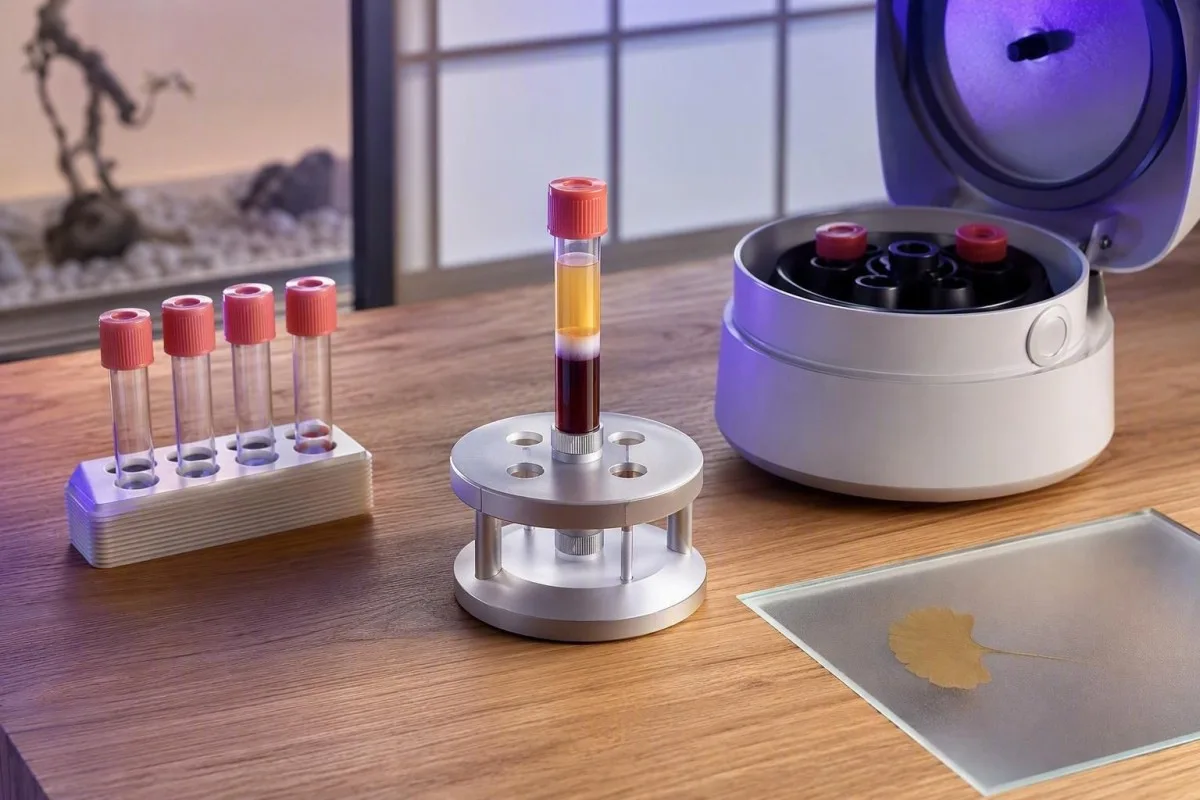
Faydalı ilk qan nümunəsi almaq, dünənki məşq, içkilər, pis yuxu və ya keçici virusun biokimyəvi əksini deyil, sizin adi fiziologiyanızı qeyd edir. Məqsəd illərlə istifadə edə biləcəyiniz təkrar edilə bilən kontekstdir.


- Başlanğıc vaxtı: oruc qlükoza, trigliseridlər, dəmir tədqiqatları və ya insulin daxil edildikdə 8-12 saat qidasız qaldıqdan sonra səhər nümunəsi götürülməsini sifariş edin.
- Məşq fasiləsi: adi başlanğıc testlərindən 24-48 saat əvvəl qeyri-adi dərəcədə ağır müqavimət məşqlərindən, intervallardan və ya davamlılıq tədbirlərindən çəkinin.
- Alkoqol pəncərəsi: trigliserid və qaraciyər-ferment testlərindən ən azı 48 saat əvvəl spirtli içkilərdən imtina edin; çox miqdarda içmək nəticələri daha uzun müddətə təhrif edə bilər.
- Xəstəlik qaydası: qızdırma və ya əhəmiyyətli tənəffüs və ya mədə-bağırsaq simptomları həll olduqdan sonra ən azı 2 həftə gözləməklə sağlamlıq başlanğıcını təxirə salın.
- Nəmləndirmə hədəfi: normalda əvvəlki gün içki qəbul edin və maye məhdudiyyəti yoxdursa, götürmədən 2 saat əvvəl 250-500 ml su için.
- Biotin ehtiyatı: bir çox immünoanalizdən 48-72 saat əvvəl təyin olunmamış yüksək dozalı biotini dayandırın, lakin təyin edən həkimlə danışmadan təyin edilmiş müalicəni heç vaxt dayandırmayın.
- Sikl konteksti: estradiol, progesteron, LH, FSH və bəzən lipidlər üçün sikl gününü qeyd edin; bu, bir çox insanın gözlədiyindən daha çox təfsirini dəyişir.
- Təkrarlanabilirlik: laboratoriaya nəticələri vaxtaşırı izləyərkən eyni laboratoriyanı, oxşar səhər vaxtını və eyni hazırlıq nümunəsini istifadə edin.
İlk qan nümunəsini həqiqi başlanğıc edən nədir?
A baza qan testi adi həftəni əhatə etdikdə ən faydalıdır: sabit yeməklər, adi nəmləndirmə, kəskin xəstəlik yoxdur və fövqəladə məşqlər və ya içki qəbulu yoxdur. Əksər böyüklər üçün, qlükoza, trigliseridlər, dəmir markerləri və ya insulin ölçüldüyü zaman 8-12 saatlıq orucdan sonra səhər nümunəsini tövsiyə edirəm.
Praktik məqsəd nəticələri daha yaxşı göstərmək deyil. Bu, azaltmaqdır pre-analitik dəyişiklik—analizator nümunəni görməzdən əvvəl baş verən dəyişikliklər. 96 mq/dl qlükoza və 105 mq/dl trigliserid səviyyəsi tamamilə adi ola bilər, lakin şəxs gec yemək yemiş, 10 km qaçmış və ya 3 saat yatmışsa, onların mənaları dəyişir.
Mənim klinik işimdə, xəstələrdən ilk götürməni istinad fotoşəkili kimi qəbul etməyi xahiş edirəm. Oyana vaxt, oruc müddəti, dərmanlar, əlavələr, əvvəlki 72 saatda spirt, əvvəlki 48 saatda idman, menstrual sikl günü və son infeksiya haqqında qısa qeyd aparın. Bu qeyd tez-tez ikinci testdə yalnız “normal” işarəsindən daha faydalı olur.
Kantesti bir AI qan testi analizatoru hər bir vurğulanmış dəyəri xəstəlik kimi qəbul etməkdənsə, nəticələri bu praktik kontekstlə yanaşı oxumaq üçün nəzərdə tutulmuşdur. Əhəmiyyətli test siyahısı üçün bizim illik qan işi təlimatından başlayın və tarixçənizi bilən bir klinisyən ilə əlavələri razılaşdırın.
Baza şəxsi, yalnız “aralıqda” deyil”
Laboratoriya istinad intervalı adətən seçilmiş bir populyasiyadan olan dəyərlərin mərkəzi 95%-ni əhatə edir; bu, sizin ən sağlam və ya ən təhlükəsiz şəxsi nömrənizi müəyyən etmir. Kreatinin nəticəsi laboratoriya diapazonunda qala bilər, lakin sizin öz təkrarlanan dəyərinizdən əhəmiyyətli dərəcədə artarsa, bu səbəbdən baza sənədləşməsi vacibdir.
Oruc və əvvəlki günün yeməkləri nəticələri necə formalaşdırır
üçün yalnız bir hissədir. 8-12 saat trigliseridlər, oruc qlükoza, insulin və serum dəmir üçün ən təmiz ilk müqayisəni təmin edir, baxmayaraq ki, bir çox lipid panelləri oruc olmadan təhlil edilə bilər. Su icazə verilir və adətən faydalıdır; qəhvə, şirə, saqqız və kalorili içkilər həqiqi oruc deyil.
100 mq/dl aşağı oruc plazma qlükoza ümumiyyətlə normaldır, 100-125 mq/dl pozulmuş oruc qlükozasını göstərir və 126 mq/dl və ya daha yuxarı, simptomlar və əhəmiyyətli hiperglikemiya olduqda başqa cür təsdiqləmə tələb olunur. HbA1c təxminən son 8-12 həftəni əks etdirir, buna görə bir səhər yeməyi onu əhəmiyyətli dərəcədə aşağı sala bilməz; ADA laboratoriya təlimatı, qlükoza və HbA1c-nin fərqli suallara cavab verdiyini izah edir (Sacks et al., 2023).
Trigliseridlər xüsusilə yeməklə həssasdır. 150 mq/dl aşağı bir dəyər adətən arzuolunandır, 500 mq/dl və ya daha yuxarı isə pankreatit riski üçün narahatlıq yaradır və təcili klinik qiymətləndirməyə layiqdir. Gecə qəbul edilən zəngin bir yemək və ya spirt, yanlış yüksək ilk nəticə yarada bilər, buna görə də bir trigliserid yenidən test planı istifadə edin, nəinki bir gün “mükəmməl yeməyə” çalışın.
Kantesti bir AI qan analizi nəticələrinin şərhi platforması bu, sonrakı müqayisələri daha az səhvə yol açan müddəti hər panelin yanında saxlamağa imkan verir. Bizim biomarker bələdçimiz hansı testlərin həqiqətən yeməklə həssas olduğunu və hansıların olmadığını izah edir.
Məşq qan və böyrək testlərini necə təqlid edə bilər
Güclü fiziki məşq kreatinini müvəqqəti olaraq yüksəldə bilər CK, AST, ALT, kreatinin, ağ qan hüceyrələri və bəzən kalium, buna görə də əsas panelə 24-48 saat qalmış tanımadığınız və ya yüksək intensivlikli məşqlərdən çəkinin. Yüngül gəzinti və normal gündəlik hərəkət yaxşıdır.
Mənə müraciət edən 52 yaşlı marafonçu uzun bir yarışdan sonra AST 89 IU/L, ALT 36 IU/L və CK 2000 IU/L-dən yuxarı idi. Bu nümunə qaraciyər zədələnməsindən çox, məşqdən çıxan əzələni göstərirdi, lakin bərpa edildikdən sonra təkrarlanması hələ də lazım idi; tək rəqəmlər nadir hallarda kifayətdir. Haqqında daha çox oxuyun məşqdən sonra AST qaraciyər problemi güman etməzdən əvvəl.
Kreatin kinazı istinad limitləri laboratoriya, cins, mənşə, əzələ kütləsi və məşq statusuna görə dəyişir, lakin bir çox laboratoriya təxminən 200-300 IU/L-dən yuxarı dəyərləri qeyd edir. Məşqdən sonra yuxarı istinad limitinin 5 qatından çox CK adi haldır; tünd sidik, şiddətli əzələ ağrısı və ya sidik axınının azalması ilə 5000 IU/L-dən yuxarı CK, məşq nəticəsində yaranan rabdomiyoliz üçün təcili qiymətləndirmə tələb edir.
Kreatinin, əzələ parçalanması və maye itkisindən böyrək qan axınının azalması səbəbindən intensiv fəaliyyətdən sonra yüksəlir. Yarışdan sonrakı nümunədən götürülmüş aşağı eGFR-i bərpa testləri olmadan xroniki böyrək xəstəliyi kimi yozmayın; bizim kreatinin məşq bələdçisi təhlükəsiz yenidən götürmə pəncərəsini izah edir.
48 saatlıq sıfırlama hər kəs üçün bir qayda deyil
Rekreasiya məşqi üçün 24 saat çox vaxt kifayətdir. Ultramarafon, CrossFit yarışması, ağır eksentrik qaldırma və ya istiyə məruz qaldıqdan sonra, hadisənin özünün qiymətləndirilməsi deyil, sabit baza xarakterizə olunması məqsədi ilə 48-72 saat gözləyirəm.
Niyə spirt 48 saatlıq başlanğıc fasiləsinə layiqdir
Ən azı spirtli içkilərdən çəkinmək 48 saat ərzində əsas qan testindən əvvəl trigliseridlər, qlükoza, GGT, AST, hidrasiya markerləri və yuxu ilə əlaqəli fiziologiyanın qısamüddətli pozulmasını azaldır. Bir axşam ağır içki bir çox xəstənin düşündüyündən daha çox əhəmiyyət kəşf edə bilər.
Spirt, xüsusilə yüksək karbohidratlı yeməklərdən sonra, qaraciyərin çox aşağı sıxlıqlı lipoprotein istehsalını artıraraq trigliseridləri yüksəldə bilər. Təsiri dəyişkəndir: bir insanın nəticəsi 24 saat ərzində əsas səviyyəyə qayıdır, digəri isə yağlı qaraciyər, diabet və ya daha çox miqdarda qəbul edənlər bir neçə gün ərzində dəyişikliklər göstərə bilər. Həftə sonu içkidən sonra 220 mq/dl-lik oruc trigliseridi, hər kəs bunu sabit bir metabolik problem kimi etiketləmədən əvvəl təkrarlanmalıdır.
GGT həssasdır, lakin qeyri-spesifikdir. Bir çox laboratoriyalar kişilər üçün təxminən 55-60 IU/L, qadınlar üçün isə 35-40 IU/L-lik yuxarı limitlərdən istifadə edirlər, lakin dərmanlar, xolestaz, yağlı qaraciyər və spirt hamısı onu yüksəldə bilər. Anlamlı nümunə, GGT-nin ALT, ALP, bilirubin, trombosit sayı və alkoqol tarixi ilə birlikdə olmasıdır; necə istifadə olunduğunu görmək üçün bizim qaraciyər paneli izahı baxın.
1 sentyabr 2026-cı il tarixinə qədər, qaraciyər nəticələrini yaxşılaşdırmaq üçün “detoksifikasiya” və ya həddindən artıq orucdan hələ də imtina edirəm. Normal qida, normal su, spirt olmaması və sənədləşdirilmiş bir fasilə daha təmiz elmdir. Bir neçə həftəlik fasilə ilə götürülmüş iki nümunədə laboratoriya yuxarı limitindən yuxarı davam edən ALT, internet təmizlənməsi deyil, tibbi baxış tələb edir.
Xəstəlik və ya peyvəndlənmə nə vaxt sağlamlıq qan nümunəsi almağı gecikdirməlidir
Qızılca, aktiv mədə-bağırsaq xəstəliyi, ciddi tənəffüs yolu infeksiyası və ya sağalma sonrası ilk 1-2 həftədə sağlamlıq göstəricilərinin normal vəziyyətini təxirə salın, çünki CRP, ferritin, ağ qan hüceyrələri, trombositlər, qlükoza və qalxanabənzər vəz testi müvəqqəti dəyişə bilər. Təcili diaqnostik test fərqlidir: xəstə olduqda onu təxirə salmayın.
C-reaktiv protein ümumiyyətlə iltihabi stimulyasiyadan 6-8 saat ərzində yüksəlir və tetikleyici aradan qaldırıldıqdan sonra tez aşağı düşə bilər. 3 mq/L-dən aşağı CRP, ürək-damar riski stratifikasiyası üçün yalnız o zaman istifadə olunur ki, şəxs klinik olaraq sağlamdır; soyuqdəymə zamanı 18 mq/L nəticə uzunmüddətli damar riski haqqında az məlumat verir. CRP və albümin nümunəsi hər bir nəticədən daha məlumatlıdır.
Ferritin həm dəmir-saxlayan zülal, həm də kəskin fazalı reaktantdır. Infeksiya zamanı 110 ng/ml ferritin dəmir anbarlarının tükənməsini gizlədə bilər, halbuki 15 ng/ml-dən aşağı ferritin, başqa cür sağlam yetkin insanda dəmir çatışmazlığı üçün yüksək spesifikdir. Buna görə də mən ferritini transferrin doyma, CRP, hemoglobin və klinik hekayə ilə birləşdirirəm.
Vaksinasiya, CRP və ağ qan hüceyrələrinin alt növlərində müvəqqəti dəyişikliklər daxil olmaqla, qısa müddətli immun cavab səbəb ola bilər. Sakit baza xəttini əldə etmək məqsədi ilə rutin test adətən peyvənddən 3-7 gün sonra gözləyə bilər, lakin dərman monitorinqi üçün planlaşdırılmış təhlükəsizlik paneli, təyin edən klinisyenin təlimatlarına uyğun olmalıdır. Bizim peyvənddən sonrakı laboratoriya bələdçimiz praktik fərqləri əhatə edir.
İki həftəlik qaydanın istisnaları var
Pnevmoniyadan, xəstəxanaya yerləşdirilmədən, yoluxucu mononukleozdan və ya xroniki xəstəliyin ciddi kəskinləşməsindən sonra iki həftə kifayət etməyə bilər. Bu hallarda, mən tez-tez yalnız bir təqvimdən deyil, simptomların bərpası, CRP tempi və klinisyenin mühakiməsindən istifadə edirəm.
Yuxu çatışmazlığı və vaxtı qan testini necə dəyişir
Bir pis gecə yuxusu, oruc tutma qlükozasını, kortizolu, qan təzyiqini və iltihab siqnallarını artıra bilər, vaxt isə testosteronu, kortizolu, dəmir və TSH-ı dəyişdirə bilər. İlk baza xətti üçün, hədəf 7-9 saat normal yuxu və mümkün olduqda təxminən 7-10 a.m. arasında nümunə götürməkdir.
Kortizol güclü gündəlik ritmi izləyir. Səhər serum kortizolu adətən səhər 8 radələrində ölçülür, lakin bir dəyər toplama vaxtı, simptomlar və tez-tez ACTH testi olmadan adrenal xəstəliyi diaqnoz qoya bilməz. Səhər 8 nümunəsi ilə müqayisə edilən bir günorta nümunəsi, eyni laboratoriya hər ikisini aparsa belə, etibarlı bir trend deyil.
4-5 saatlıq yuxu məhdudiyyəti, növbəti səhər insulinsensitivliyini pisləşdirə bilər və iştah hormonlarını dəyişdirə bilər; laboratoriya dəyişikliyinin ölçüsü insana görə xeyli dəyişir. Mən bunu ən çox növbəli işçilər, yeni valideynlər və tez-tez səyahət edənlərdə görürəm, burada “baza xətti” ideal olanından çox, onların faktiki cədvəlini əks etdirməlidir. Bizim pis yuxu laboratoriyası təlimatımız faydalı bir annotasiya siyahısı təklif edir.
Dr. Thomas Klein-ın praktik məsləhəti sadədir: pis yatdığınız üçün lazımi testi ləğv etməyin, lakin qeyd edin. Hər şeyi gecə-gündüz etdikdən sonra sərhədli oruc tutma qlükozasının 103 mq/dl olması, prediabet haqqında nəticə çıxarmadan əvvəl adi şəraitdə təkrarlayın.
Kofeinin hazırlanması həmişə zərərsiz deyil
Qara kofe bir çox panelə az təsir edə bilər, lakin bu, qlükoza, katexolaminlər, qan təzyiqi və bəzi xüsusi endokrin testlərinə təsir göstərə bilər. Oruc insulin, qlükoza, kortizol və ya metanefrinlər sifariş edildikdə, sadə su ən az qeyri-müəyyən seçimdir.
Hansı əlavələr və dərmanlar qeyd olunmalıdı
Əsas qan testi üçün təyin edilmiş dərmanları həkiminiz sizə demədiyi müddətcə dayandırmayın, lakin hər bir dərmanı və əlavəni doza və vaxtı ilə qeyd edin. Biotin, dəmir, B12, kreatin, yod, kortikosteroidlər və dekonjestanlar ya biologiyanı ya da test analizini dəyişə bilər.
Yüksək dozalı biotin, saç və dırnaq məhsullarında gündəlik 5000-10000 mikrokram, bəzi streptavidin-biotin immünoanalizlərinə mane ola bilər. Bu, analiz dizaynından asılı olaraq, TSH-ı yanlış aşağı və ya sərbəst T4, troponin və ya hormon nəticələrini yanlış yüksək göstərə bilər. Qeyri-təyin edilmiş biotin üçün adətən 48-72 saatlıq fasilə istifadə olunur, lakin tibbi vəziyyət üçün onu qəbul edən şəxslər əvvəlcə həkimlərindən soruşmalıdırlar.
Oral dəmir serum dəmirini müvəqqəti olaraq artıra bilər və kreatin əlavələri faktiki filtrasiyanı azaltmadan kreatinin artıra bilər. Kortikosteroidlər qlükoza və ağ qan hüceyrələrini artıra bilər; proton-pompa inhibitorları zamanla maqnezium və B12-yə təsir edə bilər. Doğru cavab kontekstdir, qəfil öz-özünə dayandırmaq deyil; bizim əlavə oruc bələdçimiz ümumi istisnaları izah edir.
Kantesti bir Süni intellektlə işləyən qan testi analizi aləti nəticələrin yanında bildirilən əlavələri qeyd edərək, beləliklə, görünən qalxanabənzər vəziyyət və ya böyrək dəyişikliyi onu izah edə biləcək məruz qalma ilə nəzərdən keçirilə bilər. Xəstələr də gözlənilməz bir işarəyə əsaslanmadan əvvəl bildirilən nəticələri bizim klinik dəqiqlik siyahımızla müqayisə edə bilərlər.
Dərman vaxtı reseptin bir hissəsi ola bilər
Qalxanabənzər əvəzedici terapiya, testosteron terapiyası, insulin, diuretiklər və antikoaqulyantlar hər birinin testə xas vaxt qaydaları var. Məsələn, qalxanabənzər vəziyyət testləri, davamlılığı izləyərkən, adətən günün levotiroksin dozasından əvvəl alınır, lakin resept verən həkimin protokoluna üstünlük verilməlidir.
Aybaşı vaxtı ilk hormon başlanğıcına necə təsir edir
Reproduktiv hormon testi üçün, tsikl günü nəticənin bir hissəsidir. FSH, LH, estradiol, progesteron, testosteron, prolaktin və bəzən lipidlər tsikl boyunca o qədər dəyişə bilər ki, qeyd olunmamış tarix yozumu zəiflədir.
Erkən-folikulyar test, adətən tsikl günləri 2-5, sonsuzluq qiymətləndirilməsində baza FSH, LH və estradiol üçün ümumidir. Progesteron adətən yumurtlamadan təxminən 7 gün sonra ölçülür — avtomatik olaraq “21-ci gün” deyil, çünki 35 günlük tsikl fərqli bir biologiyaya tabe olur. Progesteron dəyəri təxminən 3 ng/mL-dən yuxarı olması bir çox hallarda yaxın yumurtlamanı dəstəkləyə bilər, lakin dəqiq yozum analizə və vaxta bağlıdır.
Prolaktin stressə, son məşqlərə, cinsi aktivliyə və çətin nümunə toplamağa həssasdır. Yüngül yüksəlmələr adətən 20-30 dəqiqə sakit istirahətdən sonra, ideal olaraq səhər təkrar olunur; 100 ng/mL-dən yuxarı davamlı bir səviyyə təcili endokrin qiymətləndirməyə layiqdir, baxmayaraq ki, dərman təsirləri ümumi olaraq qalır. Sensörlü növbəti addımlar üçün bizim prolaktin təkrar test bələdçimizə baxın.
Tsikllə əlaqəli lipid dəyişiklikləri gerçəkdir, lakin adətən çəki, pəhriz, spirt, diabet və ya genetikadan olan dəyişikliklərdən daha kiçikdir. Əgər illər ərzində qan testləri ilə sağlamlığı izləmək niyyətindəsinizsə, lipid və hormon panellərini mümkün qədər tez-tez eyni tsikl mərhələsini seçin, xüsusən də simptomları və ya müalicəni qiymətləndirərkən.
Hormonal kontrasepsiya sualı dəyişir
Kombinə edilmiş hormonal kontrasepsiya endogen FSH, LH, estradiol və androgen ölçmələrini boğa bilər, buna görə də bu nəticələr müalicə olunmamış fizologiyanı təsvir etməyə bilər. Hamiləlik riskini və testin klinik səbəbini nəzərə almadan əsas götürmək üçün kontrasepsiya dayandırmayın.
Niyə nəmləndirmə, duruş və toplama texnikası əhəmiyyət kəsb edir
Normal hidrasiya və götürməzdən əvvəl 10-15 dəqiqə oturaraq istirahət təkrarlanan nəticələri yaxşılaşdırır, çünki susuzluq, uzun müddət ayaqüstə durmaq və çətin nümunə götürmə bir neçə nəticəni konsentrasiya edə və ya təhrif edə bilər. Əvvəlki gün normal qidalanın və əgər maye məhdudlaşdırılmırsa, 250-500 ml su görüşdən 2 saat əvvəl için.
Plazma həcminin azalması hemoqlobin, hematokrit, albumin, kalsium, ümumi zülal və kreatininin adi hidrasiya altında olacağından daha yüksək görünməsinə səbəb ola bilər. Əksinə, testdən dərhal əvvəl litrlərlə su içmək natrium və digər ölçümləri seyreldə bilər. Normal natrium diapazonu ümumiyyətlə 135-145 mmol/L-dir, lakin gözlənilməyən nəticə həmişə hidrasiya və qlükoza statusu ilə şərh edilməlidir.
Pozisiya, insanların düşündüyündən daha çox əhəmiyyət kəsb edir. Ayaqüstə durmaq maye dəyişiklikləri vasitəsilə albumin və zülalla bağlı analitləri artıra bilər, uzun müddət turniketdə qalmaq və burğu dəfələrlə sıxmaq isə potasyumu və laktatı həddindən artıq artıra bilər. Böyrək xəstəliyi, simptomlar və ya EKG dəyişiklikləri olmadan 5,5 mmol/L-dən yuxarı olan kalium, nümunə götürmə artefaktı ümumi olduğundan tez-tez yenidən yoxlanılır; bizim kalium nümunə səhvi təlimatı bunun səbəbini izah edir.
Aybaşı, diareyadan sonrakı maye itkisi, diuretiklər və sauna istifadəsi hamısı götürmə ilə əlaqəli qeydə alınmalıdır. Susuzluqdan sonra eGFR gözlənilmədən aşağı olarsa, normal qəbulu bərpa edin və təkrar testi müzakirə edin; baxın müvəqqəti eGFR dəyişiklikləri daimi böyrək zədəsindən əvvəl.
Qırmızı boru diaqnoz deyil
Borunun rəngi laboratoriya emalı üçün istifadə olunan əlavəni müəyyənləşdirir, testin ciddiliyini deyil. Kliniki olaraq əhəmiyyətli olan düzgün boru seçimi, nəqliyyat temperaturu, emal gecikməsi və laboratoriyanın hemoliz və ya qeyri-kafi nümunə barədə məlumat verib-verməməsidir.
Sonrakı nəticələri ilk qan nümunəsi ilə müqayisəli etmək necə
Laboratoriya nəticələrini vaxtaşırı izləyərkən həmişə eyni laboratoriyanı, oxşar götürmə vaxtını və oxşar hazırlıq rejimini istifadə edin. Həqiqi bioloji dəyişiklik, analiz metodu, aclıq statusu, məşq və adi gündəlik dəyişikliyin birləşmiş təsirindən daha kiçik ola bilər.
LDL xolesterol birbaşa ölçülməkdən çox hesablanmış ola bilər və trigliseridlər artdıqca hesablamanın etibarlılığı azalır. 2018 AHA/ACC xolesterol təlimatı bir çox insan üçün qeyri-açlıq skrininqini dəstəkləyir, lakin bəzi hallarda, o cümlədən çox yüksək trigliseridlər və diaqnostik qeyri-müəyyənlik olduqda açlıq qiymətləndirilməsini tövsiyə edir (Grundy və b., 2019). Əsas məqam mükəmməllik deyil, ardıcıllıqdır.
Referans dəyişiklik dəyəri və ya RCV, analitik qeyri-dəqiqliyi fərdin normal bioloji dəyişkənliyi ilə birləşdirir. Bir markerin 10% hərəkəti səs-küy ola bilər, digərində isə 30% dəyişiklik mənalıdır; hər bir testə tətbiq olunan universal faiz yoxdur. Bizim bu dəyişiklik real bələdçimiz göstərir ki, trendlər rəng kodlu oxlardan daha çox şey tələb edir.
Kantesti AI, sadəcə qeyri-adi bayraqları saymaq əvəzinə, analiz vahidlərini, istinad intervallarını, götürmə tarixlərini və əlaqəli biomarkerləri müqayisə edərək təkrarlanan panelləri təhlil edir. Bizim AI müqayisə iş axını bu uzunmüddətli sual üçün qurulmuşdur: diqqətə layiq dərəcədə nə dəyişdi?
Orijinal hesabatı saxlayın
PDF və ya aydın fotoşəkili saxlayın, yalnız yazılmış nəticəni deyil. Vahid çevirmələri, laboratoriya diapazonları, hemoliz haqqında şərhlər və LDL-nin hesablanıb-hesablanmadığı gələcək bir klinisyenin trendi necə oxuduğunu əhəmiyyətli dərəcədə dəyişə bilər.
Hər qan testi ilə birlikdə saxlanılacaq kontekst qeydi
Qısa kontekst qeydi izolyasiya edilmiş rəqəmləri istifadə edilə bilən uzunmüddətli məlumata çevirir. Yazın hər götürmədə tarix, vaxt, aclıq saatları, yuxu, məşq, alkoqol, xəstəlik, dərmanlar, əlavələr, dövr günü, çəki dəyişiklikləri və yeni simptomlar hər götürmədə.
Mənim minimum qeydimdə səkkiz maddə var: toplama vaxtı; oruc müddəti; son 48 saatda idman; son 72 saatda spirt; mövcud xəstəlik; resept dəyişiklikləri; əlavə qəbul dozası və son doza; və əlaqədar olduğu hallarda aybaşı və ya hamiləlik vəziyyəti. Səyahət, jet lag və yüksəkliyi əlavə edin, çünki hər biri hidrasiya, kortizol, hemoqlobin və yuxuya həssas göstəriciləri dəyişdirə bilər.
10 gün ərzində 1,5 kq çəki itkisi, yeni yüksək zülallı pəhriz və ya bir neçə gecə yuxusuzluq, zamanla mülayim qan testi dəyişikliklərini izah edə bilər. Bu, nəticəni əhəmiyyətsiz etmir — bu, onu yozulmağa imkan verir. Təkrar istifadə edilə bilən versiya üçün, bizim laboratoriya konteksti izləyicisi pasiyentlərin ən çox unutduğu detalları ehtiva edir.
Doktor Tomas KleyN, nəticələri gözləyərkən deyil, evdən çıxmazdan əvvəl qeyd aparmağı tövsiyə edir. Gözlənilməz bir həyəcan siqnalından sonra yaddaş etibarsız olur və insanlar başa düşülən şəkildə rəqəmi uyğunlaşdırmaq üçün əvvəlki həftəni yenidən qururlar.
Nəyi “düzəliş” kimi qeyd etməməli”
Daha cəlbedici ilk baza xəttini əldə etmək üçün pəhriz, su qəbulu, məşq və ya əlavələri manipulyasiya etməyin. Baza xətti sizin həyatınızı təmsil etməlidir; əks halda növbəti test sadəcə daha dürüst olduğu üçün daha pis görünə bilər.
Hansı sərhəd tapıntıları narahatlıqdan əvvəl təkrarlanmalıdır
Bir çox sərhəddə baza xətti nəticələri, xüsusilə də qaraciyər fermentləri, kreatinin, kalium, prolaktin, neytrofillər və trigliseridlərdəki təcrid olunmuş yüngül dəyişikliklər xəstəlik kimi qəbul edilmədən əvvəl sabit şəraitdə təkrarlanmalıdır. Təcili simptomlar və ya əhəmiyyətli dərəcədə anormal dəyərlər istisnadır.
Laboratoriyanın yuxarı həddindən 2 dəfə az olan ALT, normal bilirubin, ALP və simptomların olmaması halında, spirt, güclü məşq və ya müvəqqəti xəstəlik kimi müvəqqəti amillər aradan qaldırıldıqdan sonra tez-tez yenidən yoxlanılır. Sarılıq, tünd sidik, solğun nəcis, hərarət və ya qarın ağrısı ilə birlikdə 3 mq/dl-dən yuxarı bilirubin səviyyəsi fərqlidir və rutin baza xətti yenidən çəkilməsini gözləməməlidir.
Yüngül dərəcədə aşağı neytrofil sayı viral xəstəlikdən sonra gələ bilər və ya fərdin sabit normasını əks etdirə bilər. 1.0-1.5 × 10⁹/L mütləq neytrofil sayı ümumiyyətlə yüngül neytropeniya ikən, 0.5 × 10⁹/L-dən aşağıda infeksiya riski əhəmiyyətli dərəcədə yüksəkdir və xüsusilə hərarətlə birlikdə təcili tibbi rəhbərlik tələb edir. Bizim neytrofil təqib təlimatımız ümumi təkrar testləri qırmızı bayraqlardan ayırır.
Ən faydalı qoruyucu tədbirlərdən biri nümunələrin yoxlanmasıdır. Məsələn, yüksək kalsium ilə aşağı düşmüş paratiroid hormonu, yüksək kalsium, dehidrasiya və albumin yüksəlməsi ilə fərqli təciliyyətə malikdir; kombinasiyalar haqqında narahat olmağımızın səbəbi, biologiyanın nadir hallarda yalnız bir göstəricini dəyişdirməsidir.
Başlanğıc qan testi tibbi baxımı nə vaxt əvəz etməməlidir
Qırmızı bayraq simptomları, sürətlə pisləşən xəstəlik, hamiləliklə əlaqəli komplikasiyalar və ya kritik laboratoriya xəbərdarlığı olduqda baza protokolu uyğun deyil. Sinə ağrısı, şiddətli nəfəs darlığı, çaşqınlıq, huşunu itirmə, sarılıq, qara nəcis və ya şiddətli dehidrasiya təcili tibbi qiymətləndirmə tələb edir - daha yaxşı hazırlanmış təkrar test deyil.
Kalium 6,0 mmol/L və ya yuxarı, natrium 120 mmol/L aşağı, qusma və ya çaşqınlıqla müşayiət olunan 300 mq/dL-dən yuxarı qlükoza və ya 7 q/dL-ə yaxın hemoqlobin, tam klinik şərait nəzərə alınsa da, təcili tədbirlər tələb edə biləcək nəticələrə nümunədir. Laboratoriyalar ümumiyyətlə sifariş verən komandaya kritik dəyərlər barədə məlumat verir, lakin xəstələr zəng edilməməsinin nəticənin təhlükəsiz olduğu mənasına gəldiyini düşünməməlidirlər.
Əgər siz hamiləsinizsə, xroniki böyrək xəstəliyiniz varsa, insulin qəbul edirsinizsə, antikoaqulyantlardan istifadə edirsinizsə, kimyaterapiya alırsınızsa və ya məlum qaraciyər xəstəliyiniz varsa, hazırlıq təlimatları sağlamlıq şablonundan fərqlənə bilər. Bəzi diabet xəstələri üçün oruc tutmaq təhlükəli ola bilər və dərmanların qəbul vaxtı vacib ola bilər. Bizim nə qədər tez-tez test etmək barədə təlimat risk qrupunun planı niyə dəyişdirdiyini izah edir.
Kantesti bir AI laboratoriya testi şərh xidməti klinisistlər üçün sualları müəyyən etməyə kömək edən, təcili qiymətləndirmə və ya diaqnoz əvəz etməyən bir vasitədir. İşimizin arxasındakı klinik təhlükəsizliklər və tibbi icmal prinsipləri tərəfimizdən təsvir edilmişdir Tibbi Məsləhət Şurası.
İlk başlanğıc üçün praktik 72 saatlıq protokol
Faydalı ilk baza xətti üçün 72 saat ərzində rutininizi saxlayın, 48 saat spirtli içkilərdən imtina edin, 24-48 saat gərgin məşqlərdən çəkinin, normal yatın, lazım gələrsə 8-12 saat oruc tutun, su için və kontekstinizi qeyd edin. Tutarlılıq müdaxilədir.
Yetmiş iki ilə 48 saat əvvəl: yeni əlavə, sərt pəhriz, təmizləmə və ya təlim blokuna başlamayın. Əgər siz onsuz da əlavə qəbul edirsinizsə, dəqiq dozanı qeyd edin; əgər tərkibində yüksək dozada biotin varsa, sifariş verən klinisistdən və ya aptekdən 48-72 saatlıq dayandırmanın uyğun olub-olmadığını soruşun. 48 saat spirtli içkilərdən çəkinin və aktiv xəstəlik zamanı adi testləri təxirə salın.
Əvvəlki gün: adi yeməklərinizi yeyin, normal maye qəbul edin, sauna və ya dözümlülük tədbirlərindən çəkinin və yataqda 7-9 saat planlayın. Oruclu panellər üçün, təyinatdan 8-12 saat əvvəl yeməyi bitirin; su içmək olar. Qan götürmə səhəri, qlükoza, insulin, kortizol, katexolaminlər və ya xüsusi endokrin testlər planlaşdırılıbsa, qəhvə və nikotindən çəkinin.
Nəticə gəldikdən sonra, hər şeyi dəyişdirməzdən əvvəl orijinal hesabatı və onun kontekst qeydini saxlayın. Kantesti AI nəticələri uzununa baxışda təşkil edə bilər, lakin bizim texnologiya və klinik-metod təlimatımız simptomlar, əsas anormallıqlar və müalicə qərarları üçün nümunə tanıma hələ də insan tibbi izləmə tələb etdiyini izah edir.
Tez-tez verilən suallar
Əsas qan testi üçün necə hazırlaşmalıyam?
Qan analizi üçün hazırlıq adi rejiminizi davam etdirərək, 48 saat ərzində alkoqoldan çəkinərək, 24-48 saat ərzində gərgin məşqlərdən uzaq duraraq, normal yuxunu təmin edərək və dərmanlar ilə əlavələri qeyd edərək aparılır. Əgər analizə aclıq qlükozası, trigliseridlər, insulin və ya dəmir testləri daxildirsə 8-12 saatlıq oruc tutun; ümumiyyətlə su içməyə icazə verilir. Hormonlar və ya dəmir testləri daxil edildikdə normal içki qəbul edin, həddindən artıq su içməyin və təxminən səhər saat 7-10 arasında nümunə götürülməsini təyin edin. Kəskin xəstəlik zamanı, bu xəstəliyin qiymətləndirilməsi üçün lazım olmadıqca, sağlamlıq baza göstəricilərini təxirə salın.
İlk qan testim üçün oruc tutmalıyam?
Üç-12 saatlik oruc, trigliseridlər, ac qarın nahiyesi, insulin və ya serum dəmirini ehtiva edən ilk qan testi üçün ən faydalıdır, baxmayaraq ki, bir çox rutin lipid panelləri artıq oruc tutmağı tələb etmir. Sadə su orucu pozmur və çətin toplama və ya dehidrasiya ilə əlaqəli konsentrasiya effektlərinin qarşısını almağa kömək edir. Qəhvə, şirə, süd, spirt, saqqız və əlavələr seçilmiş nəticələri dəyişdirə və ya nəzərdə tutulan hazırlığı etibarsız edə bilər. Həkiminiz fərqli oruc müddəti verərsə, sifarişə uyğun təlimatlara əməl edin.
İdman növbəti gün qan analizinin nəticələrinə təsir edə bilərmi?
Bəli, gərgin məşqlər 24-72 saat ərzində kreatin kinaz, AST, ALT, kreatinin, ağ qan hüceyrələri və bəzən də kaliumun yüksəlməsi ilə qan analizinin nəticələrinə təsir edə bilər. Çətin müqavimət məşqləri, marafon qaçışı, yüksək intensivlikli interval məşqləri və istiyə məruz qalma adi gəzintidən daha böyük dəyişikliklərə səbəb olur. Davamlı sağlamlıq göstəriciləri üçün 24-48 saat ərzində qeyri-adi və ya gərgin məşqlərdən çəkinin; əsas dözümlülük tədbirindən sonra 48-72 saat daha realdır. Şiddətli əzələ ağrısı, qaranlıq sidik, zəiflik və ya sidik ifrazının azalması kimi əlamətlər üçün təcili testləri təxirə salmayın.
Qan analizindən əvvəl nə qədər müddət spirtli içkilərdən imtina etməliyəm?
Pəhriz, xüsusilə trigliseridlər, qlükoza, GGT, AST, ALT və ya su tələb edən markerlər qiymətləndirilərsə, əsas qan testi aparılmadan ən azı 48 saat əvvəl alkoqoldan çəkinin. Alkoqol hətta bir dəfəyə çox içdikdən sonra trigliseridləri artıra bilər və şəkərli diabet, piylənmə, yağlı qaraciyər və ya həmişə daha çox qəbul edənlərdə bu təsir bir neçə gün davam edə bilər. 500 mq/dl və ya daha yüksək trigliserid nəticəsi dərhal kliniki qiymətləndirmə tələb edir, çünki pankreatit riski əhəmiyyətli dərəcədə artır. Sonrasında təmizlənmə və ya ciddi oruc tutma cəhdləri etməyin; adi yeməklər və su qəbulu daha etibarlı təkrar nəticə verəcəkdir.
Pis yuxu qan analizinin nəticələrini dəyişə bilərmi?
Yuxusuzluq səhərin erkən saatlarında acqarına qlükoza, kortizol, qan təzyiqi və bəzi iltihabi siqnalları dəyişə bilər, xüsusən 4-5 saat yuxudan sonra və ya gecə növbəsindən sonra. Bu, təxminən 8-12 həftə ərzində orta qlikemiyanı əks etdirən HbA1c-ni əhəmiyyətli dərəcədə dəyişmir. Yuxusuz gecədən sonra təcili olmayan baza nəticəsi həddi-buludidirsə, yuxu itkisini qeyd edin və adi şəraitdə testi təkrarlamağı düşünün. Lazımi testlər hələ də aparılmalıdır, çünki simptomlar və aydın qanunsuzluqlar ideal hazırlıqdan daha əhəmiyyətlidir.
Menstrual dövrümün müəyyən bir günündə hormonları yoxlatdırmalımıyam?
Bəli, hormon testləri klinik suala uyğunlaşdırılmalı və menstrual tsikl günü həmişə qeyd olunmalıdır. FSH, LH və estradiol tez-tez tsiklin 2-5-ci günlərində erkən follikulyar baza kimi qiymətləndirilir, progesteron isə adətən 21-ci gün deyil, ovulyasiyadan təxminən 7 gün sonra yoxlanılır. Təxminən 3 ng/mL-dən yuxarı progesteron səviyyəsi son ovulyasiyanı dəstəkləyə bilər, lakin laboratoriyalar və klinik vəziyyətlər fərqlidir. Hormonal kontrasepsiya endogen hormon nəticələrini dəyişir, buna görə də tibbi məsləhət olmadan yalnız test üçün onu dayandırmayın.
Bu gün AI ilə gücləndirilmiş qan analizi nəticələrinin şərhini əldə edin
Ani və dəqiq laborator analiz şərhinə güvənən dünya üzrə 2 milyondan çox istifadəçiyə qoşulun. Qan analizinin nəticələrini yükləyin və bir neçə saniyəyə 15,000+ biomarkerlərinin hərtərəfli şərhini alın.
📚 İstinad edilən tədqiqat nəşrləri
Klein, T., Mitchell, S., & Weber, H. (2026). Kantesti LTD. (2026). C3 C4 Komplement Qan Testi və ANA Titr Bələdçisi. Zenodo.. Kantesti AI Tibbi Tədqiqatlar.
Klein, T., Mitchell, S., & Weber, H. (2026). Kantesti LTD. (2026). Nipah Virus Qan Testi: Erkən Aşkarlama və Diaqnostika Bələdçisi 2026. Zenodo.. Kantesti AI Tibbi Tədqiqatlar.
📖 Xarici Tibbi İstinadlar
⚕️ Tibbi Məsuliyyətdən İmtina
Bu məqalə yalnız təhsil məqsədlidir və tibbi məsləhət təşkil etmir. Diaqnoz və müalicə qərarları üçün həmişə ixtisaslı səhiyyə işçisi ilə məsləhətləşin.
E-E-A-T Etibar Siqnalları
Təcrübə
Həkim rəhbərliyi ilə laborator şərh iş axınlarının klinik icmalı.
Ekspertiza
Biomarkerlərin klinik kontekstdə necə davrandığına dair laboratoriya təbabəti diqqəti.
Səlahiyyətlilik
Dr. Thomas Klein tərəfindən yazılıb; Dr. Sarah Mitchell və Prof. Dr. Hans Weber tərəfindən nəzərdən keçirilib.
Etibarlılıq
Aydın izləmə yolları ilə həyəcanı azaltmağa yönəlmiş sübuta əsaslanan şərh.