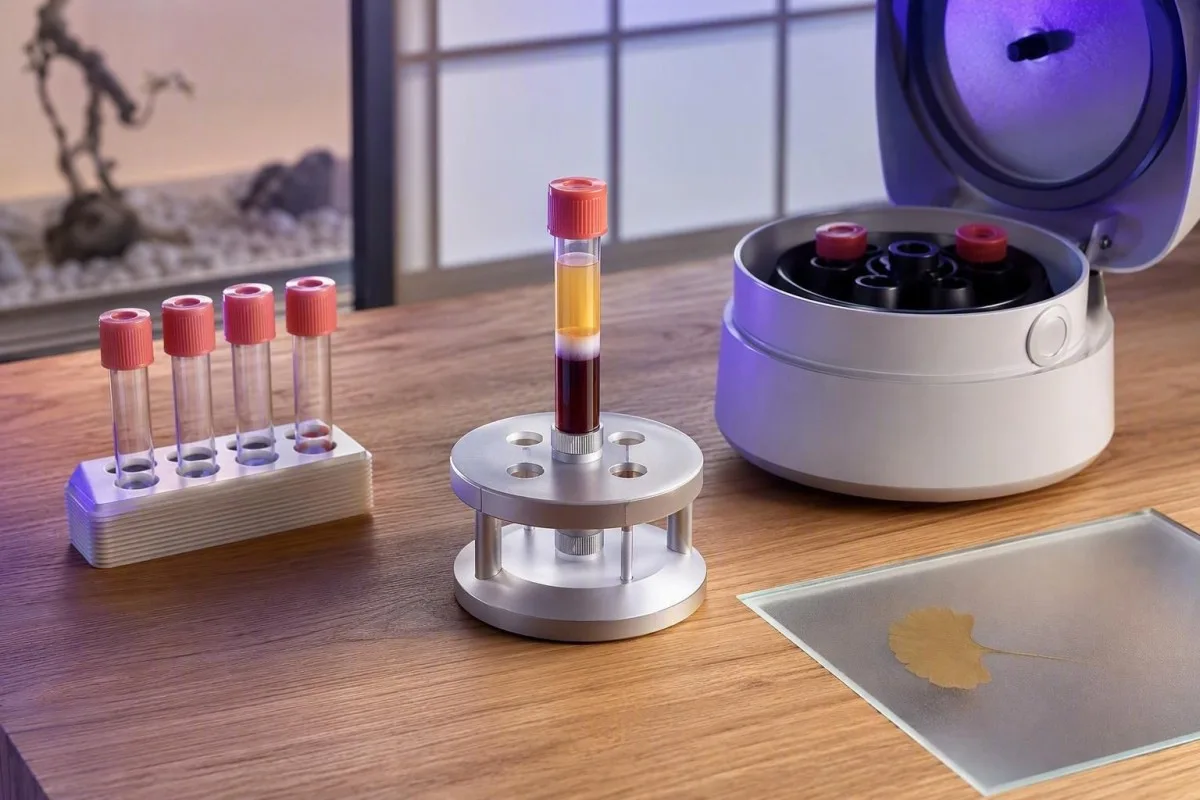
Первый информативный забор крови отражает вашу обычную физиологию, а не биохимический отголосок вчерашней тренировки, выпивки, плохого сна или мимолетного вируса. Цель – получение воспроизводимого контекста, который вы сможете использовать годами.


- Время проведения исходного тестирования: Запишитесь на утренний забор крови через 8-12 часов после последнего приема пищи, если включены показатели глюкозы натощак, триглицеридов, железа или инсулина.
- Пауза перед физическими нагрузками: избегайте необычно интенсивных силовых тренировок, интервальных или длительных нагрузок за 24-48 часов до планового исходного тестирования.
- Окно для алкоголя: воздержитесь от употребления алкоголя как минимум за 48 часов до сдачи анализов на триглицериды и печеночные ферменты; чрезмерное употребление алкоголя может искажать результаты дольше.
- Правило болезни: отложите плановое исходное тестирование до истечения как минимум 2 недель после исчезновения лихорадки или значительных респираторных или желудочно-кишечных симптомов.
- Цель гидратации: пить как обычно накануне и выпить 250-500 мл воды за 2 часа до сбора, если нет ограничений по жидкости.
- Предостережение по биотину: прекратите прием не предписанного биотина в высоких дозах за 48-72 часа до проведения многих иммуноанализов, но никогда не прекращайте предписанное лечение без консультации с врачом.
- Контекст цикла: укажите день цикла для определения эстрадиола, прогестерона, ЛГ, ФСГ и иногда липидов; это меняет интерпретацию больше, чем многие ожидают.
- Воспроизводимость: используйте ту же лабораторию, примерно в то же утреннее время и следуйте тому же плану подготовки при отслеживании результатов лабораторных исследований с течением времени.
Что делает первый забор крови истинным исходным показателем?
A исходный анализ крови наиболее полезен, когда он отражает обычную неделю: стабильное питание, обычное потребление жидкости, отсутствие острых заболеваний и отсутствие исключительных тренировок или употребления алкоголя. Для большинства взрослых я рекомендую утренний образец после 8-12-часового голодания, когда измеряются глюкоза, триглицериды, маркеры железа или инсулин.
Практическая цель — не улучшить результаты. А уменьшить преаналитическую вариабельность— изменения, происходящие до того, как анализатор увидит образец. Уровень глюкозы натощак 96 мг/дл и уровень триглицеридов 105 мг/дл могут быть совершенно обычными, но их значение меняется, если человек поел поздно, пробежал 10 км или спал 3 часа.
В своей клинической практике я прошу пациентов относиться к первому забору крови как к эталонной фотографии. Кратко записывайте время пробуждения, продолжительность голодания, принимаемые лекарства, добавки, употребление алкоголя за предыдущие 72 часа, физическую активность за предыдущие 48 часов, день менструального цикла и недавнюю инфекцию. Эта запись часто бывает более полезной при втором тесте, чем единичный “нормальный” показатель.
Кантести — это Анализатор анализа крови на основе искусственного интеллекта разработан, чтобы интерпретировать результаты с учетом этого практического контекста, а не считать каждое выделенное значение признаком болезни. Для разумного списка тестов начните с нашего руководства по ежегодным анализам крови и согласуйте дополнительные тесты с врачом, который знает вашу историю болезни.
Базовый уровень — индивидуален, а не просто “в пределах нормы”
Лабораторный референсный интервал обычно содержит центральные 95% значений из выбранной популяции; он не определяет ваш самый здоровый или самый безопасный индивидуальный показатель. Результат креатинина может оставаться в пределах лабораторного диапазона, но при этом заметно повышаться по сравнению с вашим собственным повторяющимся значением, поэтому документирование базовых показателей имеет значение.
Как пост и приемы пищи предыдущего дня влияют на результаты
Анализ крови натощак для 8–12 часов обеспечивает наиболее точное первичное сравнение для триглицеридов, глюкозы натощак, инсулина и сывороточного железа, хотя многие липидные панели могут быть интерпретированы без голодания. Вода разрешена и обычно полезна; кофе, сок, жвачка и калорийные напитки не являются истинным голоданием.
Уровень глюкозы в плазме натощак ниже 100 мг/дл обычно считается нормальным, 100-125 мг/дл указывает на нарушенную толерантность к глюкозе натощак, а 126 мг/дл или выше требует подтверждения, если только нет симптомов и выраженной гипергликемии. HbA1c отражает примерно предыдущие 8-12 недель, поэтому один завтрак не может его значительно снизить; руководство ADA по лабораторной диагностике объясняет, почему глюкоза и HbA1c отвечают на разные вопросы (Sacks et al., 2023).
Триглицериды особенно чувствительны к приему пищи. Показатель ниже 150 mg/dL считается общепринято желательным, в то время как 500 mg/dL или выше вызывает опасения по поводу риска панкреатита и требует немедленной клинической оценки. Обильный поздний ужин или алкоголь могут привести к вводяще-высокому первому результату, поэтому используйте план повторного анализа триглицеридов вместо того, чтобы пытаться “идеально питаться” один день.
Кантести — это Платформа для расшифровки анализа крови AI который сохраняет статус голодания рядом с каждой панелью, что делает последующие сравнения менее подверженными ошибкам. Наш руководство по биомаркерам объясняет, какие тесты действительно чувствительны к приему пищи, а какие нет.
Как физические нагрузки могут имитировать аномальные показатели печени и почек
Интенсивные физические нагрузки могут временно повысить Креатинкиназа (КК), АСТ, АЛТ, креатинин, лейкоциты и иногда калий, поэтому избегайте незнакомых или высокоинтенсивных тренировок за 24-48 часов до базовой панели. Легкая ходьба и обычная повседневная активность в порядке.
У 52-летнего марафонца, которого я осматривал, АСТ составил 89 Ед/л после длительного забега, АЛТ — 36 Ед/л, а КК — более 2000 Ед/л. Эта картина указывала скорее на повреждение мышц, вызванное физической нагрузкой, чем на повреждение печени, но все же требовала повторного анализа после выздоровления; изолированные показатели редко бывают достаточными. Подробнее о АСТ после физической нагрузки прежде чем предполагать проблему с печенью.
Референсные пределы креатинкиназы различаются в зависимости от лаборатории, пола, этнической принадлежности, мышечной массы и статуса тренированности, но многие лаборатории отмечают значения выше примерно 200-300 Ед/л. Превышение КК в 5 раз выше верхнего референсного предела после нагрузки является распространенным явлением; КК выше 5000 Ед/л с темной мочой, сильной мышечной болью или снижением оттока мочи требует срочной оценки на предмет рабдомиолиза, вызванного физической нагрузкой.
Креатинин повышается после интенсивной активности частично из-за распада мышц и снижения почечного кровотока из-за потери жидкости. Не интерпретируйте снижение eGFR по образцу после забега как хроническое заболевание почек без повторного тестирования после восстановления; наш руководство по креатинину при физической нагрузке объясняет более безопасный период для повторного взятия анализа.
48-часовая перезагрузка — это не правило для всех
Для рекреационной тренировки в спортзале 24 часов часто достаточно. После ультрамарафона, соревнований по кроссфиту, интенсивных эксцентрических нагрузок или воздействия тепла я обычно жду 48-72 часа, если цель — получить стабильные базовые показатели, а не оценку самого события.
Почему алкоголю следует дать 48-часовую паузу перед исходным тестированием
Воздержание от алкоголя в течение как минимум 48 часов перед базовым анализом крови снижает кратковременное искажение уровней триглицеридов, глюкозы, ГГТ, АСТ, маркеров гидратации и физиологии, связанной со сном. Одна сильная вечерняя выпивка может иметь большее значение, чем ожидают многие пациенты.
Алкоголь может повышать уровень триглицеридов за счет увеличения выработки печенью липопротеинов очень низкой плотности, особенно после приема пищи с высоким содержанием углеводов. Эффект варьируется: результат у одного человека возвращается к базовому уровню в течение 24 часов, в то время как у другого с жировой болезнью печени, диабетом или более тяжелым употреблением алкоголя изменения могут сохраняться несколько дней. Триглицериды натощак 220 мг/дл после выходных с употреблением алкоголя следует повторно проверить, прежде чем кто-либо будет считать это фиксированной метаболической проблемой.
ГГТ чувствителен, но неспецифичен. Многие лаборатории используют верхние пределы около 55-60 Ед/л для мужчин и 35-40 Ед/л для женщин, однако лекарства, холестаз, жировая болезнь печени и алкоголь могут повышать его. Значимым является сочетание ГГТ с АЛТ, ЩФ, билирубином, количеством тромбоцитов и анамнезом употребления алкоголя; см. наш объяснения печеночной панели , чтобы понять, как эти элементы связаны.
По состоянию на 1 сентября 2026 года я по-прежнему не рекомендую “детоксикацию” или чрезмерное голодание для улучшения показателей печени. Обычная еда, обычная вода, отсутствие алкоголя и документально подтверченный интервал — это более чистая наука. Постоянное повышение АЛТ выше верхнего лабораторного предела в двух образцах с интервалом в несколько недель требует медицинского осмотра, а не интернет-очищения.
Когда болезнь или вакцинация должны отложить плановый анализ
Отложите установление базовых показателей здоровья во время лихорадки, активного желудочно-кишечного заболевания, выраженной респираторной инфекции или в течение первых 1-2 недель после выздоровления, поскольку CRP, ферритин, лейкоциты, тромбоциты, глюкоза и анализы щитовидной железы могут временно измениться. Срочные диагностические тесты отличаются: не откладывайте их, когда вы плохо себя чувствуете.
С-реактивный белок обычно повышается в течение 6-8 часов после воспалительного стимула и может быстро снизиться, как только триггер исчезнет. Уровень CRP ниже 3 мг/л часто используется для стратификации сердечно-сосудистого риска только тогда, когда человек клинически здоров; результат 18 мг/л во время простуды мало что говорит о долгосрочном сосудистом риске. Соотношение CRP и альбумина более информативно, чем каждый результат по отдельности.
Ферритин является как белком, запасающим железо, так и белком острой фазы. Уровень ферритина 110 нг/мл во время инфекции может скрывать истощенные запасы железа, в то время как уровень ферритина ниже 15 нг/мл является высокоспецифичным для дефицита железа у в остальном здорового взрослого человека. Вот почему я сочетаю ферритин с насыщением трансферрина, CRP, гемоглобином и клинической картиной.
Вакцинация может вызвать кратковременный иммунный ответ, включая временные изменения CRP и субпопуляций лейкоцитов. Плановое тестирование обычно может подождать 3-7 дней после вакцинации, если целью является спокойный базовый уровень, но плановый панель безопасности для мониторинга лекарств должен соответствовать инструкциям лечащего врача. Наша поствакцинальное лабораторное руководство охватывает практические различия.
Двухнедельное правило имеет исключения
После пневмонии, госпитализации, инфекционного мононуклеоза или тяжелого обострения хронического заболевания двух недель может быть недостаточно. В этих случаях я часто использую восстановление симптомов, тенденцию CRP и суждение клинициста, а не только календарь.
Как потеря сна и время проведения влияют на анализ крови
Одна плохая ночь сна может повысить уровень глюкозы натощак, кортизола, артериального давления и воспалительных сигналов, в то время как время суток может изменить уровень тестостерона, кортизола, железа и TSH. Для первого базового уровня стремитесь к 7-9 часам обычного сна и, по возможности, сдавайте анализы примерно с 7 до 10 утра.
Кортизол имеет выраженный суточный ритм. Уровень кортизола в сыворотке крови утром обычно измеряется около 8 утра, но значение не может диагностировать заболевание надпочечников без времени забора, симптомов и частого тестирования на АКТГ. Образец, взятый днем, по сравнению с предыдущим образцом, взятым в 8 утра, не является достоверной тенденцией, даже если оба образца выполняются в одной лаборатории.
Ограничение сна до 4-5 часов может ухудшить чувствительность к инсулину на следующее утро и изменить аппетитные гормоны; величина лабораторного изменения значительно варьируется у каждого человека. Я чаще всего сталкиваюсь с этим у посменных работников, новоиспеченных родителей и частых путешественников, где “базовый уровень” должен отражать их фактический график, а не идеализированный. Наша руководство по исследованию качества сна предлагает полезный контрольный список для аннотаций.
Практический совет доктора Томаса Кляйна прост: не отменяйте необходимый тест из-за плохого сна, но запишите это. Если пограничный уровень глюкозы натощак составляет 103 мг/дл после бессонной ночи, повторите анализ в обычных условиях, прежде чем делать выводы о преддиабете.
Кофеин не всегда является безвредной подготовкой
Черный кофе может мало влиять на многие панели, но он может влиять на глюкозу, катехоламины, артериальное давление и некоторые специализированные эндокринные тесты. При назначении инсулина натощак, глюкозы, кортизола или метанефринов, простой водой является наименее двусмысленным выбором.
Какие добавки и лекарства необходимо указывать
Не прекращайте прием назначенных лекарств для базового анализа крови, если врач не посоветует вам этого сделать, но записывайте каждый препарат и добавку с указанием дозы и времени приема. Биотин, железо, B12, креатин, йод, кортикостероиды и противоотечные средства могут изменить либо биологию, либо метод анализа.
Высокие дозы биотина, часто 5000-10000 микрограммов в день в продуктах для волос и ногтей, могут мешать определенным стрептавидин-биотин иммуноанализам. Это может привести к ложно низкому TSH или ложно высокому уровню свободной Т4, тропонина или гормонов, в зависимости от конструкции анализа. Пауза в 48-72 часа обычно используется для неназначенного биотина, но люди, принимающие его по медицинским показаниям, должны сначала проконсультироваться со своим врачом.
Пероральное железо может временно повышать уровень железа в сыворотке крови, а добавки креатина могут увеличивать уровень креатинина без снижения фактической фильтрации. Кортикостероиды могут повышать уровень глюкозы и лейкоцитов; ингибиторы протонной помпы со временем могут влиять на магний и B12. Правильный ответ — контекст, а не резкое самопрекращение приема; наш руководство по приему добавок натощак объясняет распространенные исключения.
Кантести — это Инструмент анализа результатов анализа крови с ИИ который записывает сообщенные добавки рядом с результатами, чтобы видимое изменение щитовидной железы или почек можно было просмотреть с учетом воздействия, которое может его объяснить. Пациенты также могут сравнить сообщенные результаты с нашим контрольным списком клинической точности перед тем, как реагировать на неожиданный сигнал.
Время приема лекарств может быть частью рецепта
Заместительная терапия щитовидной железы, тестостероновая терапия, инсулин, диуретики и антикоагулянты — каждый имеет правила приема, специфичные для анализов. Например, анализы щитовидной железы часто проводят до дневной дозы левотироксина при мониторинге постоянства, но протокол назначающего врача должен иметь приоритет.
Как менструальный цикл влияет на исходные гормональные показатели
Для тестирования репродуктивных гормонов день цикла является частью результата. ФСГ, ЛГ, эстрадиол, прогестерон, тестостерон, пролактин и иногда липиды могут варьироваться в течение цикла настолько, что неотмеченная дата ослабляет интерпретацию.
Тестирование в раннюю фолликулярную фазу, часто дни цикла 2-5, обычно используется для базовых уровней ФСГ, ЛГ и эстрадиола при оценке фертильности. Прогестерон обычно измеряется примерно через 7 дней после овуляции — не автоматически “21-й день”, потому что 35-дневный цикл следует иной биологии. Значение прогестерона выше примерно 3 нг/мл может свидетельствовать о недавней овуляции во многих случаях, но точная интерпретация зависит от анализа и времени приема.
Пролактин чувствителен к стрессу, недавним физическим нагрузкам, сексуальной активности и сложному сбору образцов. Легкие повышения часто повторяют через 20-30 минут спокойного отдыха, в идеале утром; уровень, устойчиво превышающий 100 нг/мл, требует немедленной эндокринной оценки, хотя влияние лекарств остается распространенным. См. наше руководство по повторному анализу пролактина для разумных дальнейших шагов.
Циклические сдвиги липидов реальны, но обычно меньше, чем изменения, вызванные весом, диетой, алкоголем, диабетом или генетикой. Если вы намерены отслеживать состояние здоровья с помощью анализов крови в течение многих лет, выбирайте аналогичную фазу цикла для повторных анализов липидов и гормональных панелей, когда это возможно, особенно при оценке симптомов или лечения.
Гормональная контрацепция меняет вопрос
Комбинированная гормональная контрацепция может подавлять эндогенные уровни ФСГ, ЛГ, эстрадиола и андрогенов, поэтому эти результаты могут не описывать нелеченую физиологию. Не прекращайте прием контрацептивов просто для получения базовых данных, не учитывая риск беременности и клиническую причину тестирования.
Почему гидратация, поза и техника забора имеют значение
Нормальная гидратация и 10-15 минут отдыха в положении сидя перед взятием образца улучшают повторяемость, так как обезвоживание, длительное стояние и трудное взятие образца могут концентрировать или искажать несколько результатов. Пейте в обычном режиме за день до взятия образца и, если нет ограничений по потреблению жидкости, выпейте 250-500 мл воды за 2 часа до приема.
Сокращение объема плазмы может привести к тому, что гемоглобин, гематокрит, альбумин, кальций, общий белок и креатинин будут выглядеть выше, чем они были бы при обычной гидратации. И наоборот, агрессивное потребление литров воды непосредственно перед тестом может разбавить натрий и другие показатели. Нормальный диапазон натрия обычно составляет 135-145 ммоль/л, но неожиданный результат всегда следует интерпретировать с учетом статуса гидратации и уровня глюкозы.
Положение тела имеет большее значение, чем большинство людей осознают. Стояние может увеличить концентрацию альбумина и аналитов, связанных с белками, из-за перемещения жидкости, в то время как длительное время наложения жгута и многократное сжатие кулака могут ложно повысить уровень калия и лактата. Калий выше 5,5 ммоль/л без заболевания почек, симптомов или изменений на ЭКГ часто быстро перепроверяется, поскольку артефакты взятия образца распространены; наше руководство по ошибкам при взятии калия объясняет почему.
Менструация, недавняя потеря жидкости из-за диареи, диуретики и посещение сауны — все это следует указать в примечании к взятию образца. Если eGFR неожиданно низкий после обезвоживания, восстановите нормальное потребление и обсудите повторное тестирование; см. временным изменениям eGFR прежде чем предполагать необратимое повреждение почек.
Красная пробирка — это не диагноз
Цвет пробирки указывает на добавку, используемую для лабораторной обработки, а не на серьезность теста. Клинически важно правильный выбор пробирки, температура транспортировки, задержка обработки и наличие гемолиза или недостаточного образца, о которых сообщает лаборатория.
Как сделать последующие результаты сопоставимыми с первым забором крови
Используйте одну и ту же лабораторию, схожее время взятия образца и схожую процедуру подготовки всякий раз, когда вы отслеживаете лабораторные результаты с течением времени. Реальное биологическое изменение может быть меньше, чем совокупный эффект метода анализа, статуса голодания, физических упражнений и обычных ежедневных колебаний.
Холестерин LDL может быть рассчитан, а не измерен напрямую, и расчет становится менее надежным при повышении уровня триглицеридов. Руководство AHA/ACC 2018 года по холестерину поддерживает скрининг без голодания у многих людей, но рекомендует оценку натощак в определенных обстоятельствах, включая очень высокий уровень триглицеридов и диагностическую неопределенность (Grundy et al., 2019). Ключевым моментом является последовательность, а не совершенство.
Эталонное изменение значения, или RCV, объединяет аналитическую неточность с нормальной биологической вариацией индивида. Изменение на 10% одного маркера может быть шумом, в то время как изменение на 30% другого имеет значение; не существует универсального процента, применимого ко всем тестам. Наше руководство "Реально ли это изменение" показывает, почему для тенденций требуется больше, чем стрелки, выделенные цветом.
Kantesti AI интерпретирует повторяющиеся панели, сравнивая единицы анализа, эталонные интервалы, даты взятия образцов и связанные биомаркеры, а не просто подсчитывая аномальные флаги. Наше рабочий процесс сравнения AI создано для решения этого долгосрочного вопроса: что изменилось настолько, чтобы привлечь внимание?
Сохраняйте оригинальный отчет
Сохраните PDF-файл или четкую фотографию, а не только введенный вручную результат. Преобразование единиц измерения, лабораторные диапазоны, комментарии о гемолизе и то, был ли рассчитан LDL, могут существенно изменить то, как будущий клиницист интерпретирует тенденцию.
Примечание о контексте, которое следует сохранить для каждого анализа крови
Краткое контекстное примечание превращает изолированные числа в пригодные для использования долгосрочные данные. Записывайте дату, время, часы голодания, сон, физические упражнения, употребление алкоголя, болезни, прием лекарств, пищевые добавки, день цикла, изменения веса и новые симптомы при каждом взятии образца.
Моя минимальная заметка содержит восемь пунктов: время сбора; продолжительность голодания; физические нагрузки в течение 48 часов; алкоголь в течение 72 часов; текущее заболевание; изменения в приеме лекарств; доза и последнее принятие БАД; и статус менструации или беременности, где это применимо. Добавьте поездки, смену часовых поясов и высоту над уровнем моря, когда это применимо, поскольку каждый из этих факторов может влиять на показатели гидратации, кортизола, гемоглобина и чувствительные ко сну маркеры.
Потеря веса на 1,5 кг за 10 дней, новая диета с высоким содержанием белка или несколько ночей фрагментированного сна могут объяснить умеренные изменения в анализах крови с течением времени. Это не делает результат незначительным — это делает его интерпретируемым. Для версии для многократного использования, наш трекер контекста лабораторного исследования включает детали, которые пациенты чаще всего забывают.
Доктор Томас Кляйн рекомендует написать записку перед уходом из дома, а не во время ожидания результатов. Память становится ненадежной после неожиданного сигнала, и люди, естественно, реконструируют предыдущую неделю, чтобы подогнать число.
Что не следует записывать как “исправление”
Не меняйте диету, потребление воды, физические нагрузки или БАДы исключительно для получения более привлекательной первоначальной базовой линии. Базовая линия должна отражать вашу жизнь; в противном случае следующий тест может выглядеть хуже просто потому, что он более честный.
Какие пограничные результаты следует повторить перед тем, как беспокоиться
Многие пограничные базовые результаты следует повторить в стабильных условиях, прежде чем они будут трактованы как заболевание, особенно изолированные незначительные изменения в печеночных ферментах, креатинине, калии, пролактине, нейтрофилах и триглицеридах. Исключение составляют неотложные симптомы или заметно аномальные значения.
ALT менее чем в 2 раза превышающий верхний предел лаборатории при нормальном билирубине, ALP и отсутствии симптомов обычно повторно проверяется после устранения временных факторов, таких как алкоголь, интенсивные физические нагрузки или сопутствующее заболевание. Уровень билирубина выше 3 мг/дл с желтухой, темной мочой, бледным стулом, лихорадкой или болью в животе отличается и не должен ждать планового повторного взятия базового анализа.
Незначительное снижение количества нейтрофилов может быть следствием вирусного заболевания или отражать индивидуальную стабильную норму. Абсолютное количество нейтрофилов 1,0-1,5 × 10⁹/л обычно является легкой нейтропенией, тогда как значение ниже 0,5 × 10⁹/л несет существенно более высокий риск инфекции и требует срочного медицинского руководства, особенно при лихорадке. Наш руководство по последующему наблюдению за нейтрофилами разделяет распространенные повторные тесты от красных флажков.
Одним из наиболее полезных средств защиты является проверка закономерностей. Например, повышенный кальций при подавленном гормоне паращитовидной железы имеет другую срочность, чем повышенный кальций в сочетании с обезвоживанием и повышением уровня альбумина; причина, по которой нас беспокоят комбинации, заключается в том, что биология редко изменяет один маркер в одиночку.
Когда исходный анализ крови не должен заменять медицинскую помощь
Протокол базового анализа не подходит, если у вас есть симптомы красного флажка, быстро прогрессирующее заболевание, осложнения беременности или критическое лабораторное оповещение. Боль в груди, сильная одышка, спутанность сознания, обморок, желтуха, черный стул или сильное обезвоживание требуют немедленной клинической оценки — а не повторного теста после лучшей подготовки.
Уровень калия 6,0 ммоль/л или выше, натрия ниже 120 ммоль/л, глюкозы выше 300 мг/дл с рвотой или спутанностью сознания, или гемоглобин около 7 г/дл являются примерами результатов, которые могут потребовать неотложных мер, хотя полная клиническая картина имеет значение. Лаборатории обычно связываются с направившей командой по поводу критических значений, но пациенты не должны полагать, что пропущенный звонок означает, что результат безопасен.
Если вы беременны, страдаете хроническим заболеванием почек, принимаете инсулин, используете антикоагулянты, проходите химиотерапию или имеете известное заболевание печени, инструкции по подготовке могут отличаться от стандартных инструкций для здоровых людей. Период голодания может быть небезопасен для некоторых людей с диабетом, а время приема лекарств может иметь решающее значение. Наш руководство по частоте тестирования описывает, почему группа риска меняет план.
Кантести — это сервисе интерпретации тестов ИИ который помогает выявить вопросы для клиницистов, а не замену неотложной оценке или диагнозу. Клинические гарантии и принципы медицинского обзора, лежащие в основе нашей работы, описаны в нашем Медицинский консультативный совет.
Практический 72-часовой протокол для вашего первого исходного тестирования
Для полезного первого базового показателя придерживайтесь своего обычного режима в течение 72 часов, воздержитесь от алкоголя в течение 48 часов, избегайте интенсивных физических нагрузок в течение 24-48 часов, спите нормально, голодайте 8-12 часов, если это указано, пейте воду и записывайте свой контекст. Последовательность — это вмешательство.
За семьдесят два-сорок восемь часов до: не начинайте новый прием добавок, ограничительных диет, очищений или тренировочных блоков. Если вы уже принимаете добавку, запишите точную дозу; если она содержит высокие дозы биотина, спросите лечащего врача или фармацевта, является ли 48-72-часовая отмена подходящей. Избегайте алкоголя в течение 48 часов и отложите плановое тестирование, если болезнь активна.
За день до: ешьте обычную пищу, пейте воду в обычном режиме, избегайте сауны или соревнований на выносливость и планируйте 7-9 часов сна. Для панелей, требующих голодания, закончите прием пищи за 8-12 часов до приема; вода разрешена. Утром перед забором крови избегайте кофе и никотина, если планируется анализ глюкозы, инсулина, кортизола, катехоламинов или специализированное эндокринное тестирование.
После получения результата сохраните оригинальный отчет и примечание к контексту, прежде чем что-либо менять. Kantesti AI может упорядочивать результаты в продольном представлении, в то время как наше руководство по технологиям и клиническим методам объясняет, почему распознавание образов по-прежнему требует человеческого медицинского наблюдения за симптомами, серьезными отклонениями и решениями о лечении.
Часто задаваемые вопросы
Как подготовиться к базовому анализу крови?
Подготовьтесь к исходному анализу крови, придерживаясь обычного распорядка, избегая алкоголя за 48 часов, избегая интенсивных физических нагрузок за 24–48 часов, нормально высыпайтесь и документируйте принимаемые лекарства и добавки. Голодайте в течение 8–12 часов, если в назначении указаны глюкоза натощак, триглицериды, инсулин или исследования железа; воду обычно разрешается пить. Пейте в обычном режиме, а не чрезмерно, и запланируйте сдачу крови утром между 7 и 10 часами, если включены гормоны или железо. Отложите проведение исходного обследования состояния здоровья во время острого заболевания, если только тест не требуется для оценки этого заболевания.
Нужно ли мне голодать перед первым анализом крови?
8-12-часовое голодание наиболее полезно для первого анализа крови, включающего триглицериды, глюкозу натощак, инсулин или железо сыворотки крови, хотя многие стандартные липидные панели больше не требуют голодания. Чистая вода не нарушает голодание и помогает избежать затрудненного сбора или эффектов концентрации, связанных с обезвоживанием. Кофе, сок, молоко, алкоголь, жевательная резинка и добавки могут изменить выбранные результаты или сделать недействительной предполагаемую подготовку. Следуйте инструкциям, указанным в заказе, если ваш врач предоставил другое время голодания.
Может ли физическая активность повлиять на результаты анализа крови на следующий день?
Да, интенсивные физические нагрузки могут влиять на результаты анализа крови в течение 24-72 часов, повышая уровень креатинкиназы, AST, ALT, креатинина, лейкоцитов и, иногда, калия. Тяжелые силовые тренировки, марафонский бег, высокоинтенсивные интервалы и воздействие тепла вызывают более значительные изменения, чем обычная ходьба. Для стабильного базового уровня здоровья избегайте необычных или интенсивных физических нагрузок за 24-48 часов; после крупного соревнования на выносливость 48-72 часа часто являются более реалистичным сроком. Не откладывайте срочное тестирование при симптомах, таких как сильная мышечная боль, темная моча, слабость или уменьшение количества выделяемой мочи.
Как долго следует воздерживаться от алкоголя перед анализом крови?
Воздержитесь от употребления алкоголя как минимум за 48 часов до базового анализа крови, особенно при оценке уровня триглицеридов, глюкозы, ГГТ, AST, ALT или маркеров, чувствительных к гидратации. Алкоголь может повысить уровень триглицеридов даже после одного тяжелого вечера, и этот эффект может сохраняться несколько дней у людей с диабетом, жировой болезнью печени или более высоким обычным потреблением. Результат уровня триглицеридов 500 мг/дл или выше требует немедленной клинической оценки, поскольку риск панкреатита значительно возрастает. Не пытайтесь проводить очищение или строгую голодовку после этого; обычное питание и гидратация дают более достоверный повторный результат.
Могут ли проблемы со сном повлиять на результаты анализа крови?
Плохой сон может изменять утренние показатели глюкозы натощак, кортизола, артериального давления и некоторых воспалительных маркеров, особенно после 4-5 часов сна или при работе в ночную смену. Он не оказывает существенного влияния на HbA1c, который отражает средний уровень гликемии примерно за 8-12 недель. Если не требующий срочности базовый результат является пограничным после бессонной ночи, зафиксируйте потерю сна и рассмотрите возможность повторного проведения теста в обычных условиях. Необходимые анализы следует проводить, поскольку симптомы и явные отклонения имеют большее значение, чем идеальная подготовка.
Нужно ли сдавать анализы на гормоны в определенный день менструального цикла?
Да, гормональное тестирование следует приурочивать к клиническому вопросу, и день менструального цикла всегда следует записывать. ФСГ, ЛГ и эстрадиол часто оцениваются на 2-5 дни цикла для определения исходного уровня в раннюю фолликулярную фазу, тогда как прогестерон обычно проверяют примерно через 7 дней после овуляции, а не автоматически на 21-й день. Уровень прогестерона выше примерно 3 нг/мл может подтверждать недавнюю овуляцию, но лаборатории и клинические ситуации различаются. Гормональная контрацепция изменяет результаты эндогенных гормонов, поэтому не прекращайте ее только для тестирования без медицинского совета.
Получите анализ крови с помощью ИИ уже сегодня
Присоединяйтесь к более чем 2 миллионам пользователей по всему миру, которые доверяют Kantesti для мгновенного и точного анализа лабораторных тестов. Загрузите результаты анализа крови и получите комплексную интерпретацию биомаркеров 15,000+ за считанные секунды.
📚 Ссылки на научные публикации
Кляйн, Т., Митчелл, С., и Вебер, Х. (2026). Kantesti LTD. (2026). Руководство по анализу крови на комплемент C3 C4 и титр ANA. Zenodo.. Kantesti AI Medical Research.
Кляйн, Т., Митчелл, С., и Вебер, Х. (2026). Kantesti LTD. (2026). Анализ крови на вирус Нипах: руководство по раннему выявлению и диагностике 2026. Zenodo.. Kantesti AI Medical Research.
📖 Внешние медицинские источники
⚕️ Медицинское предупреждение
Эта статья предназначена только для образовательных целей и не является медицинской консультацией. Всегда консультируйтесь с квалифицированным специалистом здравоохранения по вопросам диагностики и решений по лечению.
Сигналы доверия E-E-A-T
Опыт
Клинический обзор рабочих процессов интерпретации лабораторных данных под руководством врача.
Экспертиза
Акцент на лабораторной медицине: как биомаркеры ведут себя в клиническом контексте.
Авторитетность
Написано доктором Томасом Кляйном при рецензировании доктором Сарой Митчелл и профессором доктором Хансом Вебером.
Доверие
Интерпретация на основе доказательств с понятными маршрутами дальнейших действий, чтобы снизить тревожность.