ინფლიქსიმაბის დონის ტესტი პრეპარატის კონცენტრაციას ანტისხეულების მაჩვენებელს უსადაგებს, რათა IBD-ის კონტროლის დაკარგვის მიზეზი ახსნას. ანტისხეულების მნიშვნელოვანი რაოდენობის გარეშე პრეპარატის დაბალი დონე არასაკმარის ექსპოზიციაზე მიუთითებს; დაბალი დონე და მუდმივად მაღალი ანტისხეულების მაჩვენებელი კი იმუნურ მექანიზმთან დაკავშირებულ კლირენსზე მიუთითებს. ადეკვატური ექსპოზიციის მიუხედავად მიმდინარე ანთება მექანიზმის შესაძლო უკმარისობაზე მიანიშნებს — თუმცა მხოლოდ მას შემდეგ, რაც დადასტურდება ანთება, სწორად არის აღებული ნიმუში და მკურნალობის მიზნისთვის შესაფერისი სამიზნე მაჩვენებელი გამოიყენება.

ძირითადი დასკვნები
- შეწყვილებული შედეგები განასხვავებს ინფლიქსიმაბის არასაკმარის ექსპოზიციას ანტისხეულებთან დაკავშირებული კლირენსისგან; არც ერთი შედეგი ცალკე არ ამტკიცებს, რატომ დაბრუნდა სიმპტომები.
- ინფუზიამდე ნიმუშის აღება ნიშნავს ლაბორატორიული ნიმუშის აღებას შემდეგი ინტრავენური ინფუზიის დაწყებამდე და არა 2 დღის შემდეგ.
- შემანარჩუნებელი თერაპიის საორიენტაციო მაჩვენებლები განსხვავდება: AGA-ის 2017 წლის გაიდლაინი რეაქტიული მონიტორინგისთვის სულ მცირე 5 µg/mL-ს გვთავაზობდა, ხოლო ექსპერტთა კონსენსუსი შემანარჩუნებელი თერაპიისთვის 5–10 µg/mL-ს აღწერს.
- ინფლიქსიმაბის დაბალი დონე ანტისხეულების არარსებობისას შეიძლება სწრაფ კლირენსს, ნაწლავიდან ცილის დაკარგვას, დოზის დაგვიანებას ან ზედმეტად ხანგრძლივ ინტერვალს უკავშირდებოდეს.
- ანტისხეულები ინფლიქსიმაბის მიმართ ყველაზე მნიშვნელოვანია, როდესაც ისინი მუდმივია, მოცემული ანალიზისთვის არსებითია და თან ახლავს პრეპარატის ძალიან დაბალი ან დაუდგენელი დონე.
- შესაძლო მექანისტური წარუმატებლობა მოითხოვს ობიექტურად აქტიურ ნაწლავის ანთებით დაავადებას ადეკვატური ექსპოზიციის მიუხედავად; დიარეა და მინიმალურ კონცენტრაციაზე 8 µg/mL-ის მაჩვენებელი ამას არ ადასტურებს.
- ანალიზის ერთეულები ურთიერთჩანაცვლებადი არ არის: ინფლიქსიმაბის 1 µg/mL უდრის 1 mg/L-ს, მაგრამ ანტისხეულების U/mL და AU/mL ერთეულები უნივერსალურად ვერ გარდაიქმნება.
- მკურნალობის ცვლილებები თქვენს ნაწლავის ანთებითი დაავადების მკურნალობის გუნდთან შეთანხმებით უნდა განხორციელდეს; პასუხის დაკარგვის ცალკეულ შემთხვევებში, შესაძლოა, ინფლიქსიმაბის შეწყვეტამდე ექსპოზიციის 10–15 µg/mL-მდე გაზრდა იყოს მიზანშეწონილი.
რას გვეუბნება სინამდვილეში ინფლიქსიმაბის დონის ტესტი?
ერთი ინფლიქსიმაბის დონის ანალიზი ზომავს სისხლის მიმოქცევაში არსებულ ინფლიქსიმაბს, ჩვეულებრივ, პარალელურად პრეპარატის საწინააღმდეგო ანტისხეულებთან, ერთად, არასაკმარისი ექსპოზიციის ან იმუნური მექანიზმით პრეპარატის გაწმენდის შესაფასებლად. 2 µg/mL-ის შედეგი, როდესაც ანტისხეულები არ გამოვლენილა, სხვა კითხვას სვამს, ვიდრე 2 µg/mL მუდმივად მაღალი ანტისხეულების ფონზე; არც ერთი მათგანი არ ნიშნავს ავტომატურად, რომ პრეპარატი უნდა შეწყდეს.
რეაქტიული თერაპიული წამლის მონიტორინგი არის ტესტირება, რომელსაც სიმპტომების გაუარესება ან აქტიური დაავადების ნიშნები განაპირობებს. ის განსხვავდება პრევენციული მონიტორინგისგან, რომელიც მოჩვენებითი რემისიის დროს ტარდება: გამწვავების დადასტურებისას 4 µg/mL-ის პირობითმა მინიმალურმა კონცენტრაციამ შესაძლოა გამოკვლევა გაამართლოს, თუმცა სხვა განხილვა იყოს საჭირო, როდესაც ენდოსკოპია და განავლის მარკერები ხანგრძლივ შეხორცებაზე მიუთითებს.
ინფლიქსიმაბი ბლოკავს სიმსივნის ნეკროზის ფაქტორს, რომელსაც ხშირად TNF-ად მოიხსენიებენ; კონცენტრაციის ანალიზი არ ზომავს, განეიტრალებულია თუ არა ნაწლავში TNF-ის ყველა სიგნალი. სისხლის შრატში 7 µg/mL-ის შედეგი სისხლის მიმოქცევაში არსებულ პრეპარატს ზომავს და არა მის აქტივობას ნაწლავის თითოეულ დაზიანებულ სეგმენტში ან ნაწლავის შეხორცების ხარისხს.
პრაქტიკული ინტერპრეტაცია სულ მცირე 3 მონაცემს ეყრდნობა: პრეპარატის კონცენტრაციას, ანტისხეულების მაჩვენებლებსა და დაავადების ობიექტურ აქტივობას. მნიშვნელოვანია წინა პასუხიც — სიმპტომების დაბრუნება კონტროლის 18-თვიანი პერიოდის შემდეგ პასუხის მეორეულ დაკარგვას წარმოადგენს, ხოლო საწყისი მკურნალობისას კონტროლის მიუღწევლობა ინდუქციური ექსპოზიციისა და მკურნალობის მექანიზმის შესახებ სხვა კითხვებს აჩენს.
კანტესტი არის AI სისხლის ტესტის ანალიზატორი , რომელიც მკითხველს ეხმარება, გაიგოს ინფლიქსიმაბის ერთობლივი მაჩვენებლები ისე, რომ ლაბორატორიული 1 რიცხვი დოზირების მითითებად არ მიიჩნიოს. ჩვენს პლატფორმას მართავს Kantesti LTD, გაერთიანებული სამეფოს კომპანიის No. 17090423; ინფორმაცია ორგანიზაციაში თერაპიული წამლის მონიტორინგის მხარდამჭერი კლინიკური მტკიცებულებებისგან დამოუკიდებელია.
როდის უნდა აიღონ ნიმუში ინფლიქსიმაბის მინიმალური კონცენტრაციის გასაზომად?
ინტრავენური ინფლიქსიმაბის მინიმალური კონცენტრაციის დონეები უნდა აიღოთ მომდევნო ინფუზიის დაწყებამდე უშუალოდ, როდესაც კონცენტრაცია დოზირების ინტერვალში ყველაზე დაბალ ნიშნულთანაა. ინფუზიიდან 2 დღის შემდეგ აღებული ნიმუში მინიმალურ კონცენტრაციას არ ასახავს და უშუალოდ ინფუზიამდე გაზომილ შემანარჩუნებელი თერაპიის სამიზნე მაჩვენებლებს არ უნდა შედარდეს.
აღების დროის მიხედვით შეიძლება შედეგის აღქმული მნიშვნელობა შეიცვალოს ისე, რომ მკურნალობის ეფექტიანობა არ შეცვლილა. მაგალითად, ინფუზიიდან მალევე აღებული პირობითი 18 µg/mL და მომდევნო ინფუზიამდე აღებული 3 µg/mL შეიძლება ერთსა და იმავე დოზირების ციკლს აღწერდეს და არა მკვეთრ გაუარესებას მკურნალობის 2 დამოუკიდებელ მდგომარეობას შორის.
ანგარიშის ინტერპრეტაციამდე ჩაიწერეთ წინა ინფუზიის თარიღი, ფაქტობრივი დოზა mg-ში, დაგეგმილი ინტერვალი და ნიმუშის აღების დრო. თუ 8-კვირიანი ინფუზია მე-10 კვირამდე გადაიდო, მიღებული კონცენტრაცია პრეპარატისგან თავისუფალი უფრო ხანგრძლივი ინტერვალის მაჩვენებელია; ის ზუსტად ვერ პასუხობს კითხვას, უზრუნველყოფდა თუ არა საწყისი 8-კვირიანი გრაფიკი საკმარის ექსპოზიციას.
Collection from a line recently used to administer infliximab can contaminate the specimen and produce a misleadingly high result. Ask the infusion service about its collection protocol, and tell it if sampling occurred after treatment started; the timing principles resemble other pre-dose medication tests, although their targets differ.
Fasting is generally not required for the infliximab concentration itself, but another test ordered during the same visit may have preparation requirements. Our პირველი ნიმუშის მომზადების სახელმძღვანელო explains how to document medication timing; for this test, an accurate infusion timeline usually matters more than an 8-hour fast.
ინფლიქსიმაბის რა დონე ითვლება ადეკვატურად?
არ არსებობს no universal adequate infliximab trough for every patient, disease phenotype, assay, and treatment phase. The 2017 AGA guideline suggested at least 5 µg/mL during reactive maintenance monitoring, while a 2021 expert consensus described maintenance concentrations of 5–10 µg/mL and higher exposure in selected loss-of-response situations.
The AGA benchmark of at least 5 µg/mL is a clinical decision aid, not a healthy-population reference range (Feuerstein et al., 2017). Infliximab is a prescribed biologic: an untreated person normally has no circulating infliximab, so a laboratory's therapeutic interval should never be read like the normal range for sodium.
The TAXIT trial enrolled 263 adults with stable responses and optimized intravenous infliximab toward 3–7 µg/mL before randomized follow-up. Its primary remission endpoint did not improve with concentration-based dosing, although some secondary outcomes favored that approach; this explains why the historical 3–7 µg/mL window is useful context rather than a universal modern target (Vande Casteele et al., 2015).
Cheifetz et al. (2021) recommended considering exposure of 10–15 µg/mL before discontinuing infliximab for secondary loss of response in selected patients. This is expert consensus, not proof that everyone should be escalated to 15 µg/mL; fistulas, endoscopic goals, disease severity, safety, and prior optimization affect whether that reasoning applies.
A concentration of 12 µg/mL is not automatically toxic, and a concentration of 4 µg/mL does not automatically require escalation in an asymptomatic patient with documented healing. Unlike the narrower toxicity discussions around some სხვა ტროფით მონიტორინგ მედიკამენტებს, infliximab has no single established serum toxicity cutoff that dictates action.
| დონე | დიაპაზონი | მნიშვნელობა |
|---|---|---|
| Historical TAXIT optimization window | 3–7 µg/mL | Studied in adults with stable responses; not a universal threshold for active disease or fistula healing. |
| AGA reactive maintenance benchmark | At least 5 µg/mL | Suggested in the 2017 guideline for reactive monitoring; interpret alongside objective activity and the assay. |
| Expert-consensus maintenance range | 5–10 µg/mL | Described by the 2021 consensus; the appropriate goal varies with disease phenotype and desired outcome. |
| Selected loss-of-response reassessment | 10–15 µg/mL | Exposure experts suggest considering before abandoning treatment in selected cases; not a routine target or toxicity range. |
რატომ არის ინფლიქსიმაბის დონე დაბალი ანტისხეულების გარეშე?
Low infliximab levels with no significant antibodies usually suggest pharmacokinetic underexposure: too little drug remains available over the dosing interval. A trough of 1.5 µg/mL can reflect faster clearance, intestinal protein loss, a delayed infusion, or insufficient dose or frequency—not necessarily failure of TNF blockade as a treatment mechanism.

Severe intestinal disease can increase infliximab clearance and allow protein, including therapeutic antibody, to be lost through the bowel. A hypothetical patient with albumin of 28 g/L and a trough of 1 µg/mL therefore needs assessment of disease burden and protein loss, not just a question about whether the infusion was attended.
Low albumin is associated with faster infliximab clearance, but it is not a direct measure of drug binding or an instruction to apply a free-drug correction. Albumin of 30 g/L and 40 g/L may provide different clearance context; our შრატის ცილის ინტერპრეტაციის სახელმძღვანელო explains why inflammation, liver synthesis, nutrition, and loss must be distinguished.
Infliximab is mainly broken down through protein-catabolic pathways rather than cleared unchanged by the kidneys. A creatinine of 90 µmol/L cannot predict the infliximab trough, and the medicine should not be interpreted using small-molecule renal dosing assumptions; body size, inflammatory burden, and treatment interruptions may be more informative.
Kantesti AI helps place a low trough alongside reported albumin, CRP, and infusion timing; 1 result cannot identify the clearance pathway by itself. Low albumin should not automatically trigger protein supplements, because inflammation also changes circulating proteins—as explained in our guide to inflammation and transferrin.
რაზე მიუთითებს პრეპარატის დაბალი დონე ანტისხეულებთან ერთად?
Low or undetectable infliximab with persistent high antibodies suggests immune-mediated pharmacokinetic failure: antibodies can accelerate clearance, neutralize drug activity, or both. A trough below an assay's 0.5 µg/mL quantification limit with a substantial antibody result is more concerning than a weak antibody signal alongside a maintained drug concentration.
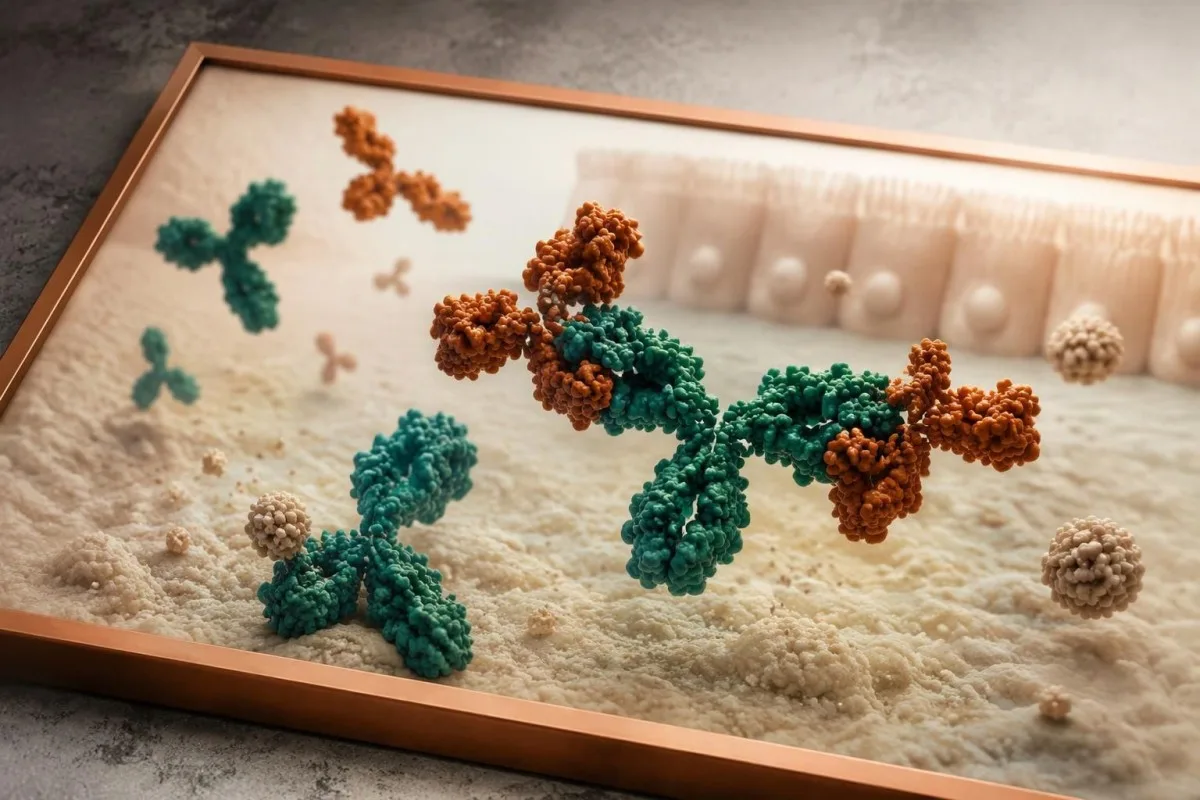
Anti-infliximab antibody tests usually detect binding antibodies; they do not all directly measure neutralizing activity. A positive result of 20 U/mL therefore identifies an assay-defined antibody signal, not a universal percentage of blocked infliximab or a precise prediction of how much benefit remains.
Antibody persistence and magnitude influence whether dose optimization is likely to recover exposure. Cheifetz et al. (2021) described low-titer antibodies as below 10 U/mL for the homogeneous mobility shift assay specifically; that threshold must not be transferred to an ELISA reporting AU/mL or to another laboratory's calibration.
A single low antibody result may be transient or become less clinically relevant after supervised treatment optimization. Repeating paired drug and antibody testing can distinguish a 1-time signal from a rising pattern, but severe disease or an infusion reaction may require action before a second result is available.
Antibodies to infliximab are not the same as antibodies against your own bowel, and they do not by themselves diagnose an immediate allergy. Our explanation of დადებითი ანტისხეულის შედეგების ტიპების შესახებ helps separate these concepts; breathlessness or faintness during an infusion still requires immediate attention regardless of the antibody number.
როდის მიანიშნებს ადეკვატური მინიმალური კონცენტრაცია მექანიზმის უკმარისობაზე?
შესაძლო მექანისტური წარუმატებლობა means objectively active IBD persists despite sufficient infliximab exposure for the treatment goal. A trough of 8 µg/mL with confirmed active colitis may raise this possibility, but selected patients need further exposure optimization before clinicians conclude that another inflammatory pathway should be targeted.

An adequate serum concentration cannot prove that TNF is the only pathway driving a person's current disease. Persistent endoscopic activity with a trough of 12 µg/mL is more supportive of a mechanism problem than the same concentration with normal objective testing and symptoms from bile acid diarrhea.
Calling treatment failure at exactly 5 µg/mL can be premature when the goal is fistula control or substantial endoscopic improvement. The 10–15 µg/mL reassessment discussed in the 2021 consensus provides a safeguard against abandoning an under-optimized treatment, but it is not a requirement to escalate every patient with symptoms.
Objective evidence also has limits: CRP of 3 mg/L does not exclude active IBD, especially in people whose CRP has remained low during previous flares. Borderline stool results need context and sometimes repetition; our guide to საზღვრულ ფეკალურ კალპროტექტინზე explains why an isolated intermediate value should not determine a biologic switch.
The strongest case for changing mechanism combines 3 findings: documented inflammation, adequate exposure on a correctly timed sample, and an inadequate clinical response despite appropriate optimization. Structural complications, such as a fixed Crohn's stricture, can also cause symptoms that neither more infliximab nor a different biologic will reliably reverse.
შეიძლება ანტისხეულების ტესტი დადებითი იყოს, როცა ინფლიქსიმაბის დონე ადეკვატურია?
Antibodies can be detected while infliximab remains measurable or adequate, particularly with drug-tolerant assays. A trough of 7 µg/mL and a weak positive antibody result do not automatically mean treatment failure; the assay, antibody trend, and evidence of disease activity determine how much weight that finding deserves.

Drug-tolerant methods can identify antibodies in samples containing infliximab that would interfere with some drug-sensitive methods. This greater analytical sensitivity may reveal early or low-level immunogenicity, but 1 newly detected signal does not necessarily establish clinically meaningful loss of response.
A qualitative positive result contains less information than a quantitative result with the assay's cutoff and units. A report reading only positive cannot distinguish a value just above a 10 AU/mL cutoff from a much larger signal; our guide to თვისებრივი და რაოდენობრივი ტესტები explains what each format can establish.
Compare antibody trajectories using the same laboratory method whenever feasible. Hypothetical results of 12, 15, and 13 AU/mL across 3 correctly timed visits may carry a different implication from 12, 80, and 200 AU/mL, although analytical variability and clinical findings still prevent interpretation from trend alone.
კანტესტი არის AI სისხლის ანალიზის განმარტების პლატფორმა that helps distinguish a reported antibody cutoff from a treatment target. When the report lacks the method or units, our interpretation should preserve that uncertainty rather than labeling 1 positive result as proof that infliximab has stopped working.
რატომ არის მნიშვნელოვანი ლაბორატორიული მეთოდები და ანტისხეულების საზომი ერთეულები?
Infliximab and antibody results are method-dependent, so values from different assays are not always interchangeable. Infliximab 1 µg/mL equals 1 mg/L, but antibody results in U/mL, AU/mL, or ng/mL do not have a universal conversion because laboratories use different standards, detection limits, and approaches to drug interference.
An assay may report free or functionally available drug differently from another method that detects a broader pool of circulating drug. Two laboratories can therefore produce somewhat different concentrations from similar specimens; a change from 6 to 8 µg/mL after switching methods may not represent a true gain in exposure.
Below the quantification limit means the assay cannot reliably assign a numerical concentration below its validated boundary. A report of less than 0.4 µg/mL is not proof of exactly 0 µg/mL, and greater than 100 U/mL cannot tell you whether the true antibody result is 110 or 1,000 U/mL.
Some laboratories use reflex antibody testing only when the drug concentration falls below a preset threshold. If antibodies were not tested because infliximab was 9 µg/mL, the result is not equivalent to antibodies negative; ask whether the antibody field says not performed, not detected, or below detection.
Kantesti's report interpretation should retain the assay name, units, and collection context instead of silently converting 20 AU/mL into another method's scale. Our კლინიკური მეთოდოლოგიის ინფორმაცია explains the distinction between technical interpretation and clinical decision-making; no AI explanation removes the need to confirm an unusual result with the reporting laboratory.
როგორ ადასტურებენ ექიმები, რომ სიმპტომების დაბრუნების მიზეზი IBD-ია?
Returning symptoms do not necessarily mean returning intestinal inflammation; clinicians combine stool markers, CRP, infection testing, endoscopy, and imaging as appropriate. Three loose stools daily with a trough of 6 µg/mL can arise from active IBD, an intestinal infection, bile acid diarrhea, or a functional bowel disorder.
Fecal calprotectin and lactoferrin assess intestinal inflammatory activity rather than infliximab exposure. A hypothetical calprotectin of 800 µg/g adds different information from a trough of 2 µg/mL; our stool inflammation marker comparison explains why paired disease and drug measurements answer separate clinical questions.
C. difficile testing can be necessary during new or worsening diarrhea, even without recent antibiotics. A positive screening test and negative toxin result require contextual interpretation, not automatic classification as an IBD flare; our guide to C. difficile-ის ურთიერთსაწინააღმდეგო შედეგების შესახებ describes why 2 test components can disagree.
Bile acid diarrhea is particularly relevant after ileal disease or resection and can persist despite controlled inflammation. A person with a trough of 10 µg/mL and reassuring objective IBD assessment may need a different evaluation; our explanation of SeHCAT retention results covers one diagnostic route where that test is available.
Bloating, gas, and altered stool frequency can also reflect bacterial overgrowth or carbohydrate malabsorption. At least 2 explanations can coexist with IBD, so a satisfactory trough should not end the assessment; our SIBO breath test guide explains preparation and limitations rather than treating breath testing as proof of every symptom's cause.
როგორ შეიძლება IBD-ის გუნდი რეაგირებდეს არასაკმარის ექსპოზიციაზე?
Low exposure without substantial persistent antibodies may lead an IBD team to increase the infliximab dose, shorten the dosing interval, or address a treatment interruption. A common adult intravenous maintenance schedule is 5 mg/kg every 8 weeks after induction, but any adjustment requires individualized prescribing and reassessment of disease activity.
For a hypothetical 70 kg adult, 5 mg/kg corresponds to 350 mg before local preparation or rounding rules. Shortening an unchanged dose from every 8 weeks to every 6 weeks increases average drug administered per unit time by about 33%; the trough increase cannot be predicted as exactly 33% because clearance is not constant.
Increasing the dose and shortening the interval are not pharmacokinetically identical strategies. A larger dose changes peak exposure, while a shorter interval reduces time for concentrations to decline; a hypothetical patient whose symptoms repeatedly return during week 7 may prompt a different discussion from someone symptomatic throughout all 8 weeks.
A useful reassessment checks both exposure and the treatment outcome rather than declaring success because the trough rose. If infliximab increases from 2 to 9 µg/mL but calprotectin remains 900 µg/g and endoscopic disease persists, the new result has narrowed the explanation without necessarily improving the underlying disease.
The timing of repeat testing depends on severity, the revised schedule, and the clinical question; waiting 3 months is not appropriate for every deteriorating patient. Our მედიკამენტების უსაფრთხოების ტრენდული სახელმძღვანელო explains why comparable dates and methods matter, but an app should never independently recommend extra infusions.
როდის განიხილავენ მკურნალობის შეცვლას ან კომბინირებულ თერაპიას?
Persistent high antibodies with low drug may favor changing treatment, while adequate exposure with confirmed active IBD may favor switching to a different mechanism. Low-level immunogenicity can sometimes be addressed through supervised optimization or an immunomodulator, but a result of 15 U/mL alone cannot determine which option offers the best benefit-risk balance.
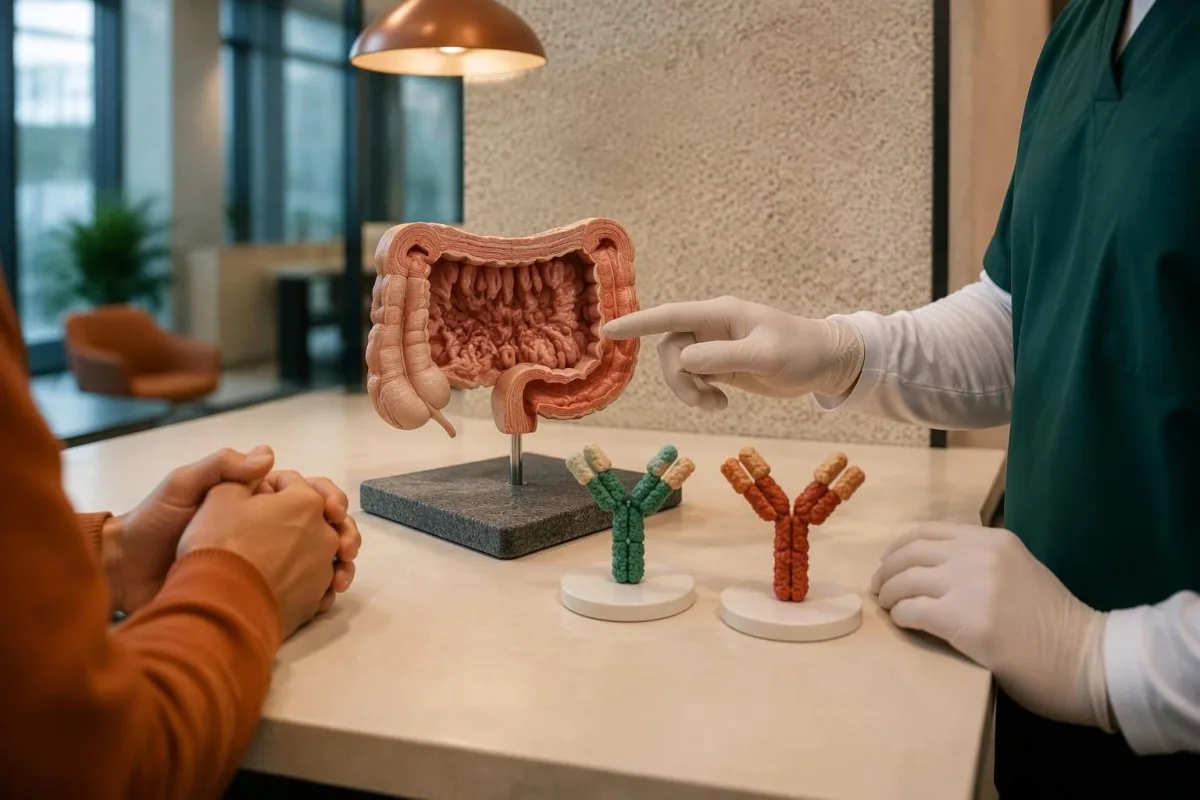
Switching within the anti-TNF class can make sense when infliximab previously controlled disease but antibody-associated clearance now prevents adequate exposure. Switching to another mechanism becomes more persuasive when inflammation persists with adequate exposure; these are 2 different failure patterns, not interchangeable reasons to choose the next medicine.
An immunomodulator such as azathioprine or methotrexate may reduce immunogenicity in selected circumstances, but adding one introduces additional monitoring and adverse-effect risks. Before azathioprine, TPMT testing and safety assessment can inform prescribing; TPMT and NUDT15 assessment do not replace ongoing CBC and liver monitoring, even when baseline results are normal.
If a person already takes a thiopurine, metabolite testing can help clarify exposure or a metabolism pattern before assuming combination therapy has failed. For example, 2 patients prescribed the same mg dose may have very different metabolite findings; our thiopurine treatment pattern guide explains why prescription dose alone is incomplete.
Restarting infliximab after a long interruption deserves a separate safety discussion because immunogenicity and infusion reactions can complicate re-exposure. A treatment gap of 6 months is not equivalent to a routine 1-week scheduling delay; never restart, add an immunomodulator, or stop an existing medicine based solely on an online interpretation.
ცვლის თუ არა ინდუქცია, ფისტულები, ბავშვთა ასაკი და ინექციები სამიზნე მაჩვენებლებს?
Treatment phase, disease phenotype, age, and formulation can change the relevant exposure goal; intravenous maintenance targets should not be copied into every setting. Standard adult intravenous induction commonly uses 5 mg/kg at weeks 0, 2, and 6, and those early concentrations are interpreted differently from an established 8-week maintenance trough.

The 2021 expert consensus described induction goals of approximately 20–25 µg/mL at week 2, 15–20 µg/mL at week 6, and 7–10 µg/mL at week 14 (Cheifetz et al., 2021). These are consensus exposure goals influenced by disease phenotype and outcome, not interchangeable minimums from one definitive randomized trial.
Perianal fistula outcomes may require higher exposure than symptom control in uncomplicated luminal disease, but observational associations do not establish a universal healing threshold. A fistula still draining at 10 µg/mL may also need imaging, drainage of an abscess, or procedural care; raising the trough cannot substitute for addressing an undrained collection.
Children can have different clearance and dosing requirements, particularly with lower body weight or severe disease. An adult maintenance benchmark of 5 µg/mL should not become a parent-directed dosing rule; our discussion of AI-ის ინტერპრეტაცია ბავშვებისთვის explains why pediatric specialist context and age-appropriate interpretation remain necessary.
Subcutaneous infliximab produces a different concentration-time profile from intermittent intravenous infusions, and availability and prescribing schedules vary internationally. A concentration of 15 µg/mL during injection treatment should not be labeled excessive merely because an intravenous report lists 3–7 µg/mL; the formulation, actual regimen, and sampling convention must be specified.
როგორ ცვლის შეწყვილებული შედეგები კლინიკურ მსჯელობას?
Paired results guide the next question rather than dictate a prescription: low drug without antibodies suggests underexposure, low drug with persistent antibodies suggests immunogenicity, and adequate drug with inflammation raises possible mechanism failure. The following 4 examples are entirely hypothetical; the concentrations are illustrative, not personalized treatment recommendations.
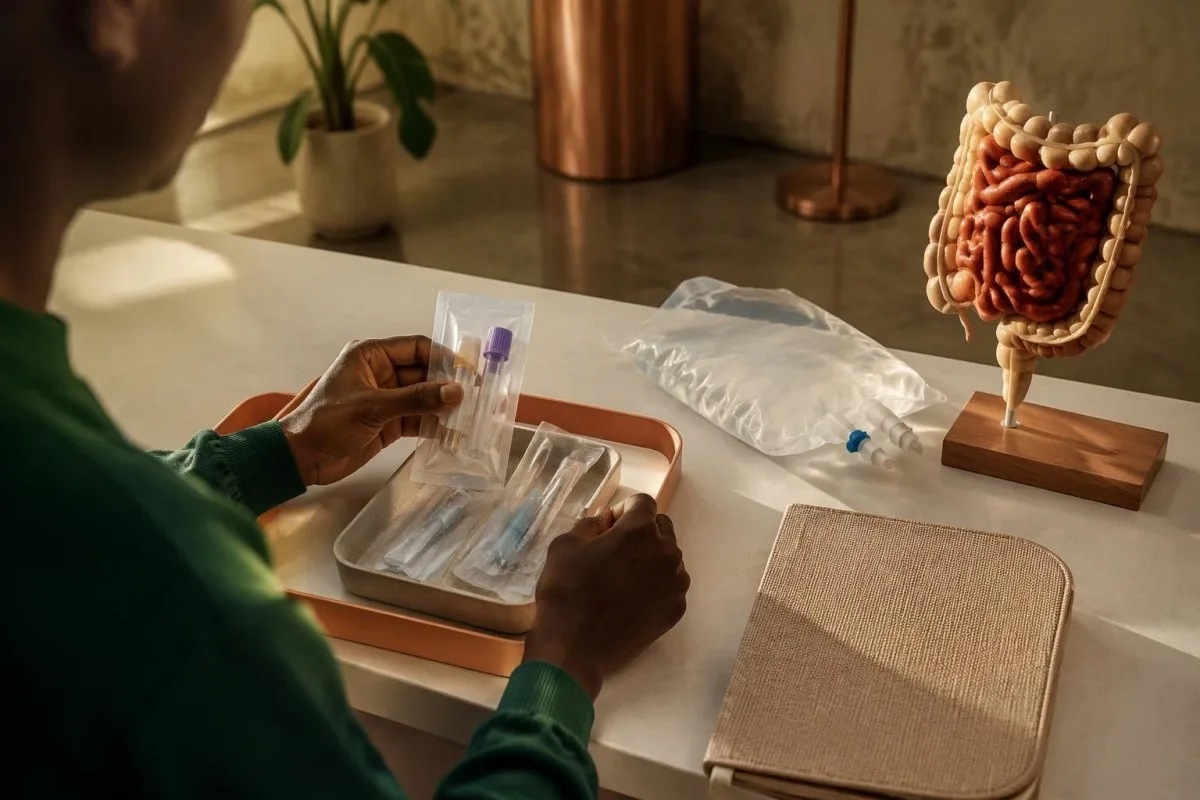
Example 1: a 34-year-old with Crohn's disease has a true trough of 1.8 µg/mL, no detected antibodies, albumin of 29 g/L, and calprotectin of 1,100 µg/g. This pattern supports underexposure in active disease; confirming the infusion schedule and considering supervised optimization are more logical than immediately declaring TNF blockade ineffective.
Example 2: a 46-year-old with ulcerative colitis has infliximab below 0.4 µg/mL and antibodies above the laboratory's 100 U/mL reporting limit on 2 visits. Assuming the assay defines that antibody signal as substantial, persistent immunogenicity is plausible; simply increasing the dose may be less successful than a clinician-directed treatment change.
Example 3: a 28-year-old has a trough of 11 µg/mL, no significant antibodies, and repeatedly active colitis on endoscopy despite appropriate optimization. Example 4: a 61-year-old has the same 11 µg/mL trough but reassuring endoscopy and diarrhea after ileal resection; the first pattern raises mechanism failure, whereas the second prompts investigation of non-inflammatory causes.
კანტესტი არის AI-ზე დაფუძნებული სისხლის ანალიზის (blood test analysis) ხელსაწყო that helps organize these distinctions when the report and treatment details are supplied. Our AI ტექნოლოგიის ახსნა describes how laboratory context informs interpretation; if a 2-week-old report lacks sampling timing, the missing information must stay visible rather than being guessed.
რა უნდა წაიღოთ შემდგომ ვიზიტზე და რომელი მტკიცებულება გამოიყენება?
Bring the complete report, infusion timeline, and objective disease results to your IBD review; these 3 evidence streams make paired drug-antibody testing actionable. Seek earlier care for severe deterioration rather than waiting for the next trough, and distinguish infliximab-specific clinical research from general educational publications about accompanying laboratory abnormalities.
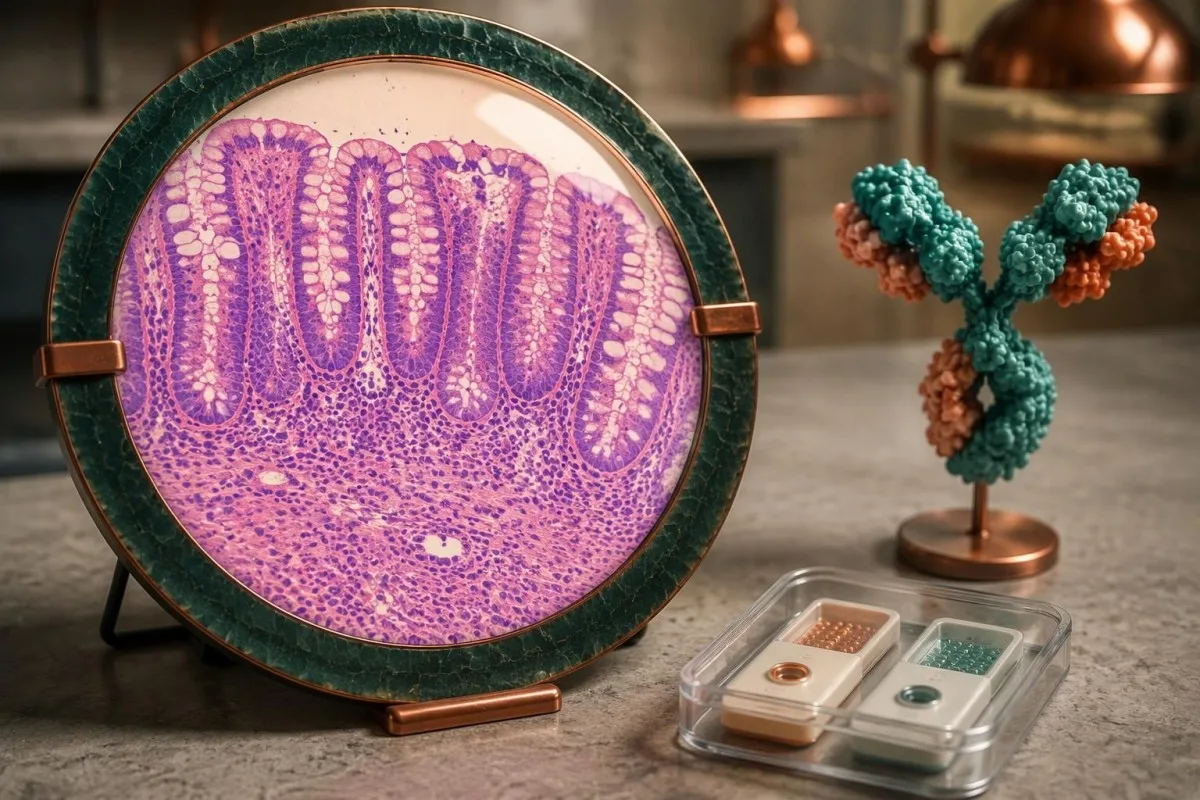
A useful review record includes the previous 2 infusion dates, actual dose, collection timing, assay name, antibody units, and recent CRP, albumin, and fecal calprotectin. Add symptom timing, steroid use, recent antibiotics, and missed doses; ask whether the proposed change addresses insufficient exposure, immunogenicity, active non-TNF disease, or a non-inflammatory explanation.
Contact your clinical team promptly for worsening diarrhea with dehydration, persistent vomiting, new significant bleeding, or fever of 38°C or higher while immunosuppressed. Severe abdominal pain with distension, fainting, or inability to keep fluids down may require emergency assessment; during an infusion, sudden breathing difficulty or collapse requires immediate staff attention, not interpretation of an antibody report.
Kantesti provides educational interpretation, not independent biologic prescribing, and our პასუხისმგებლიანი AI-ის პრინციპები explain that boundary. A reassuring trough of 10 µg/mL does not establish that an infusion is safe during an acute illness; the treating service must assess symptoms, examination findings, and any necessary investigations.
The 2 Zenodo publications listed below address accompanying laboratory interpretation, not infliximab target validation: our RDW და ერითროციტების სახელმძღვანელო concerns anemia patterns, while our BUN და კრეატინინის სახელმძღვანელო concerns renal and hydration context. These educational deposits are not evidence for anti-drug antibody cutoffs; the AGA guideline, TAXIT trial, and biologic-monitoring consensus supply the directly relevant clinical references.
ხშირად დასმული კითხვები
რას ნიშნავს ინფლიქსიმაბის დაბალი დონე?
ინლიქსიმაბის დაბალი დონე ნიშნავს, რომ სისხლში პრეპარატის ზემოქმედება ამ მკურნალობის ფაზისა და მიზნისთვის შერჩეულ საორიენტაციო მაჩვენებელზე დაბალია; ეს ავტომატურად არ ნიშნავს, რომ ინლიქსიმაბი უნდა შეწყდეს. შემანარჩუნებელი მკურნალობისას 2 µg/mL-ის ნამდვილი მინიმალური კონცენტრაცია მნიშვნელოვანი ანტისხეულების გარეშე შეიძლება ასახავდეს უფრო სწრაფ კლირენსს, ნაწლავებიდან ცილის დაკარგვას ან არასაკმარის დოზას თუ დოზებს შორის ინტერვალს. პრეპარატის დაბალი დონე, რომელსაც თან ახლავს ანტისხეულების მუდმივად მნიშვნელოვანი მაჩვენებელი, პირიქით, იმუნურად განპირობებულ კლირენსზე მიუთითებს. თქვენი ნაწლავის ანთებითი დაავადების გუნდის სპეციალისტებმა შედეგი დაავადების ობიექტურ აქტივობასთან, ინფუზიის ჩატარების დროსა და ანალიზის მეთოდთან ერთად უნდა შეაფასონ.
რა არის ინფლიქსიმაბის კარგი მინიმალური დონე ნაწლავის ანთებითი დაავადების დროს?
IBD-ის მქონე ყველა ადამიანისთვის ინფლიქსიმაბის მინიმალური კონცენტრაციის ერთიანი ოპტიმალური მაჩვენებელი არ არსებობს. 2017 წლის AGA-ის გაიდლაინი რეაქტიული შემანარჩუნებელი მონიტორინგისთვის სულ მცირე 5 µg/mL-ს გვთავაზობდა, ხოლო 2021 წლის ექსპერტთა კონსენსუსში შემანარჩუნებელი კონცენტრაციის მაჩვენებლად 5–10 µg/mL იყო აღწერილი. მეორეული პასუხის დაკარგვის მქონე შერჩეულ პაციენტებს შესაძლოა მკურნალობაზე უარის თქმამდე 10–15 µg/mL-ზე ხელახალი შეფასება დასჭირდეთ. ინდუქცია, ფისტულები და კანქვეშა მკურნალობა განსხვავებულ კონტექსტს მოითხოვს, ამიტომ ლაბორატორიული დიაპაზონი დოზირების უნივერსალურ სამიზნეს არ წარმოადგენს.
როდის უნდა გავიკეთო ინფლიქსიმაბის დონის ტესტი?
For intravenous infliximab, a trough sample should be collected immediately before the next infusion begins. A sample obtained 2 days after an infusion is not comparable with routine pre-infusion targets. Record the last infusion date, dose, scheduled interval, and actual collection time, especially if an 8-week appointment was delayed. Subcutaneous infliximab has a different exposure profile, so sampling should follow the prescribing team's and laboratory's instructions.
შეიძლება თუ არა ინფლიქსიმაბის საწინააღმდეგო ანტისხეულები გაქრეს?
ინფლიქსიმაბის მიმართ დაბალი დონის ანტისხეულები ზოგჯერ შეიძლება აღარ გამოვლინდეს ან კლინიკურად ნაკლებად მნიშვნელოვანი გახდეს, თუმცა მდგრადი, მაღალი დონის ანტისხეულების დაძლევა, როცა პრეპარატის დონე ძალიან დაბალია, უფრო რთულია. 2021 წლის ექსპერტთა კონსენსუსის თანახმად, დაბალი ტიტრის ანტისხეულებად ითვლება 10 U/mL-ზე ნაკლები მაჩვენებელი ერთი ჰომოგენური მობილობის ცვლის ანალიზისთვის; ამ ზღვრის გამოყენება ყველა ლაბორატორიული მეთოდისთვის არ შეიძლება. ექიმის მეთვალყურეობით დოზის ოპტიმიზაცია ან იმუნომოდულატორის გამოყენება შესაძლოა ზოგიერთ პაციენტს დაეხმაროს, სხვებს კი მკურნალობის შეცვლა დასჭირდეთ. განმეორებითი წყვილური ტესტირება შეიძლება ანტისხეულების მდგრადობის გარკვევაში დაგვეხმაროს, თუმცა პაციენტებმა მკურნალობა თავად არ უნდა შეცვალონ.
შეიძლება ინფლიქსიმაბმა შეწყვიტოს მოქმედება მაშინაც კი, თუ მისი დონე ნორმალურია?
ინფლიქსიმაბმა შესაძლოა ვერ გააკონტროლოს ობიექტურად აქტიური ნაწლავის ანთებითი დაავადება, მიუხედავად სისხლის მიმოქცევაში მისი ადეკვატური კონცენტრაციისა, რაც შესაძლო მექანისტურ წარუმატებლობაზე მიანიშნებს. 10 µg/mL-ის მინიმალური კონცენტრაცია არ იძლევა ნაწლავის შეხორცების გარანტიას და არც იმას ადასტურებს, რომ დაავადებას მხოლოდ TNF განაპირობებს. მოქმედების მექანიზმის შეცვლამდე კლინიცისტები ადასტურებენ ანთების არსებობას, აფასებენ სტრუქტურულ ან ინფექციურ გართულებებს და განიხილავენ, იყო თუ არა პრეპარატის ზემოქმედება საკმარისი მკურნალობის კონკრეტული მიზნის მისაღწევად. დამაიმედებელი ობიექტური შეფასების ფონზე დიარეას შესაძლოა არაინფლამატორული მიზეზი ჰქონდეს.
სახიფათოა თუ არა ინფლიქსიმაბის მაღალი დონე?
ინფლიქსიმაბის მაღალი კონცენტრაცია ავტომატურად საშიში არ არის და IBD-ის ყველა პაციენტისთვის შრატში ტოქსიკურობის ერთი დადგენილი ზღვარი არ არსებობს. 15 µg/mL-ის შედეგი შეიძლება განსხვავებულად შეფასდეს ინდუქციური მკურნალობის, ფისტულის მკურნალობის ან კანქვეშა თერაპიის დროს, ვიდრე რუტინული ინტრავენური შემანარჩუნებელი მკურნალობისას. უსაფრთხოება დამოკიდებულია მკურნალობის მთლიან სქემაზე, ინფექციებზე, ინფუზიურ რეაქციებსა და სხვა კლინიკურ მონაცემებზე და არა მხოლოდ კონცენტრაციაზე. არ გამოტოვოთ ინფუზია და არ შეამციროთ დოზა თქვენს მკურნალ ექიმებთან შედეგის განხილვის გარეშე.
რატომ შეიცვალა ჩემი ინფლიქსიმაბის ანტისხეულების ანალიზის შედეგები ლაბორატორიის შეცვლის შემდეგ?
ინფლიქსიმაბის მიმართ ანტისხეულების შედეგები ლაბორატორიის შეცვლის შემდეგ შეიძლება შეიცვალოს, რადგან ანალიზები განსხვავდება კალიბრაციით, ერთეულებით, გამოვლენის ზღვრებითა და მოცირკულირე პრეპარატის მიმართ ტოლერანტობით. 20 AU/mL-ის შედეგის უნივერსალურად გადაყვანა U/mL-ში ან ng/mL-ში შეუძლებელია. პრეპარატის მიმართ ტოლერანტულმა მეთოდმა შეიძლება გამოავლინოს ანტისხეულები, რომლებსაც პრეპარატის მიმართ მგრძნობიარე ანალიზი ვერ აფიქსირებს, როცა ინფლიქსიმაბი კვლავ გაზომვადია. შეძლებისდაგვარად, შედეგების დინამიკა ერთი და იმავე მეთოდით შეადარეთ და იკითხეთ, ჩატარდა თუ არა ანტისხეულების ტესტი რეალურად, ნაცვლად იმისა, რომ ის რეფლექსური ტესტირების წესით გამოტოვებულიყო.
მიიღეთ სისხლის ანალიზის შედეგების ახსნა
ატვირთეთ თქვენი ლაბორატორიული ანგარიში და Kantesti-ის AI რამდენიმე წამში თითოეულ ბიომარკერს მარტივი ენით აგიხსნით. მას მსოფლიოში 2 მილიონზე მეტი ადამიანი იყენებს.
ცნობები
- Klein, T., Mitchell, S., & Weber, H. (2026). RDW-ის სისხლის ტესტი: RDW-CV-ის, MCV-ისა და MCHC-ის სრული გზამკვლევი. Kantesti AI-ის სამედიცინო კვლევა. DOI
- Klein, T., Mitchell, S., & Weber, H. (2026). BUN/კრეატინინის თანაფარდობის ახსნა: თირკმლის ფუნქციის ანალიზის სახელმძღვანელო. Kantesti AI-ის სამედიცინო კვლევა. DOI
- Feuerstein JD et al. (2017). American Gastroenterological Association Institute Guideline on Therapeutic Drug Monitoring in Inflammatory Bowel Disease. გასტროენტეროლოგია. DOI
- Vande Casteele N et al. (2015). Trough concentrations of infliximab guide dosing for patients with inflammatory bowel disease. გასტროენტეროლოგია. DOI
- Cheifetz AS et al. (2021). A Comprehensive Literature Review and Expert Consensus Statement on Therapeutic Drug Monitoring of Biologics in Inflammatory Bowel Disease. The American Journal of Gastroenterology. DOI
- 2 მილიონი+გაანალიზებული ტესტები
- 127+ქვეყნები
- 100+ენები
სამედიცინო გუნდის შესახებ


E-E-A-T სანდოობის სიგნალები
გამოცდილება
ექიმის ხელმძღვანელობით კლინიკური მიმოხილვა ლაბორატორიული ინტერპრეტაციის სამუშაო პროცესებზე.
ექსპერტიზა
ლაბორატორიული მედიცინის აქცენტი იმაზე, როგორ იქცევიან ბიომარკერები კლინიკურ კონტექსტში.
ავტორიტეტულობა
სამედიცინო თვალსაზრისით რეცენზირებულია დოქტორ თომას კლაინის მიერ, დოქტორ სარა მიტჩელისა და პროფესორ ჰანს ვებერის მონაწილეობით.
სანდოობა
მტკიცებულებებზე დაფუძნებული ინტერპრეტაცია, მკაფიო შემდგომი ნაბიჯებით, რათა შემცირდეს განგაშის დონე.





სამედიცინო პასუხისმგებლობის შეზღუდვის განცხადება
ეს სტატია მხოლოდ საგანმანათლებლო მიზნებისთვისაა და არ წარმოადგენს სამედიცინო რჩევას. დიაგნოზისა და მკურნალობის გადაწყვეტილებებისთვის ყოველთვის მიმართეთ კვალიფიციურ ჯანდაცვის სპეციალისტს.
გამოქვეყნდა · დაუკავშირდით სარედაქციო გუნდს
გამოქვეყნებულია Kantesti Ltd-ის მიერ, რეგისტრირებულია ინგლისსა და უელსში, კომპანიის №. 17090423, ლონდონი, გაერთიანებული სამეფო.
