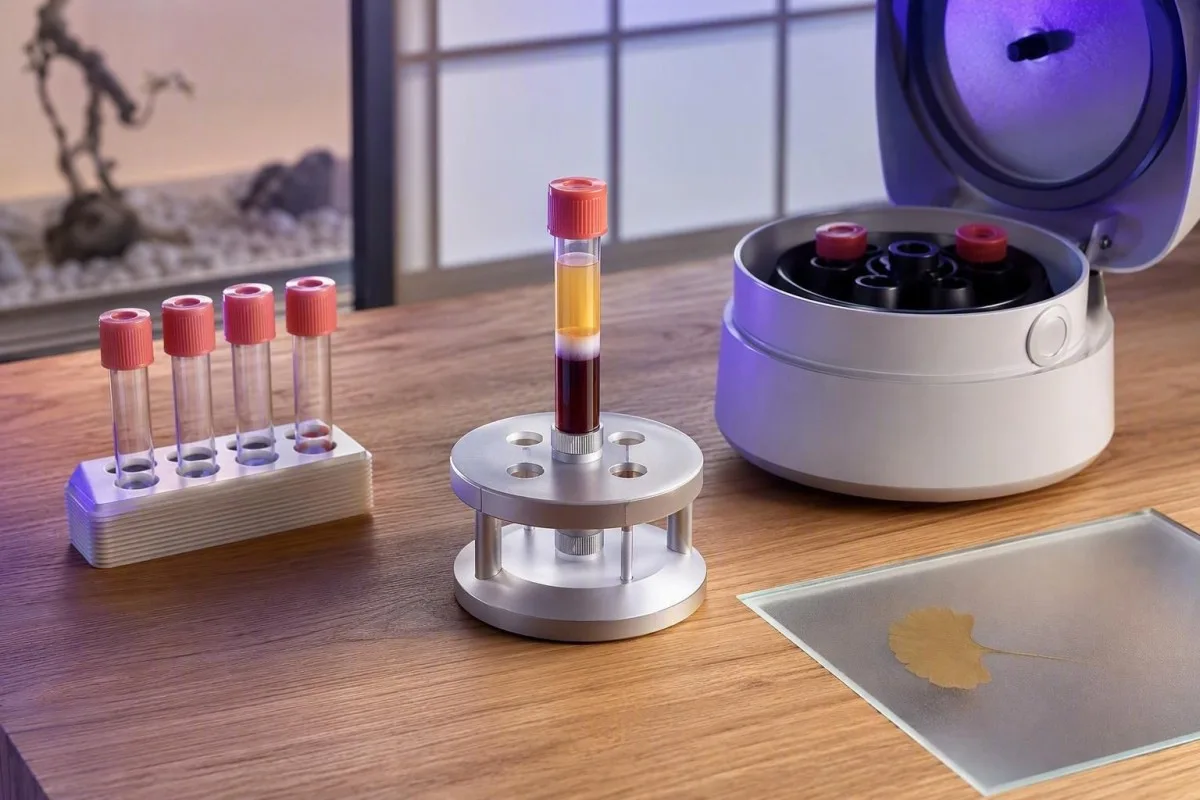
Tes dhisik sing migunani nyathet fisiologi biasa, dudu gema biokimia saka latihan wingi, ngombe, turu sing ala, utawa virus sing liwat. Tujuane yaiku konteks sing bisa bola-bali sing bisa digunakake kanggo taun-taun.


- Wektu Basis: pesen tes esuk sawise 8-12 jam tanpa panganan yen glukosa pasa, trigliserida, tes zat besi, utawa insulin kalebu.
- Olahraga Papat: nyingkiri latihan resistensi sing abot banget, interval, utawa acara ketahanan kanggo 24-48 jam sadurunge tes basis rutin.
- Jendhela Alkohol: skip alkohol paling sethithik 48 jam sadurunge tes trigliserida lan enzim ati; ngombe abot bisa ngrusak asil luwih suwe.
- Aturan Penyakit: nundha basis kesehatan nganti paling ora 2 minggu sawise demam utawa gejala pernapasan utawa gastrointestinal sing signifikan pulih.
- Target Hidrasi: ngombé kaya biyasa sadurungé dina lan ngombé 250-500 mL banyu ing 2 jam sadurungé dijupuk kajaba diwatesi cairan.
- Paringat Biotin: mandhegake biotin dosis dhuwur sing ora diresepake sajrone 48-72 jam sadurungé akeh immunoassay, nanging aja mandhegake perawatan sing diresepake tanpa takon sing nulis resep.
- Konteks siklus: cathet dina siklus kanggo estradiol, progesteron, LH, FSH, lan kadhangkala lipid; iku ngganti interpretasi luwih saka sing diarepake wong akeh.
- Pangulangan: gunakake laboratorium sing padha, wektu esuk sing padha, lan pola persiapan sing padha nalika sampeyan nglacak asil laboratorium saka wektu.
Apa sing ndadekake tes getih pisanan dadi basis sejati?
A tes getih dhasar paling migunani nalika njupuk minggu biasa: dhaharan stabil, hidrasi biasa, ora lara akut, lan ora ana latihan utawa ngombe sing luar biasa. Kanggo wong diwasa umume, aku nyaranake sampel esuk sawise ngaso 8-12 jam nalika glukosa, trigliserida, penanda wesi, utawa insulin diukur.
Tujuan praktis dudu kanggo nggawe asil katon luwih apik. Iki kanggo nyuda variasi pra-analitik—owah-owahan sing kedadeyan sadurunge analis ndeleng sampel. Glukosa puasa 96 mg/dL lan tingkat trigliserida 105 mg/dL loro-lorone bisa dadi biasa, nanging maknane owah yen wong mangan telat, mlayu 10 km, utawa turu 3 jam.
Ing karya klinisku, aku njaluk pasien supaya ngetrapake pengambilan kapisan kaya foto referensi. Simpen cathetan ringkes babagan wektu tangi, durasi puasa, obat-obatan, suplemen, alkohol ing 72 jam sadurunge, olahraga ing 48 jam sadurunge, dina siklus menstruasi, lan infèksi anyar. Cathetan kasebut asring luwih migunani nalika tes kapindho tinimbang siji tandha “normal”.
Kantesti iku sawijining Analisa tes getih AI dirancang kanggo maca asil bebarengan karo konteks praktis kasebut, tinimbang nganggep saben nilai sing disorot minangka penyakit. Kanggo dhaptar tes sing masuk akal, miwiti karo panduan tes getih taunan lan setuju tambahan karo dokter sing ngerti riwayat sampeyan.
Dhasar iku pribadi, ora mung “ing jangkauan”
Interval referensi laboratorium biasane ngemot 95% tengah nilai saka populasi sing dipilih; iku ora nemtokake nomer pribadi sing paling sehat utawa paling aman. Asil kreatinin bisa tetep ana ing jangkauan lab nalika mundhak kanthi signifikan saka nilai dhewe sing diulang, mula dokumentasi dhasar iku penting.
Kepiye pasa lan dhaharan sadurunge mbentuk asil
sing bener. 8-12 jam ngasilake perbandingan kapisan sing paling resik kanggo trigliserida, glukosa puasa, insulin, lan serum wesi, sanajan akeh panel lipid bisa ditafsirake tanpa puasa. Banyu diijini lan biasane mbiyantu; kopi, jus, permen karet, lan ombenan kalori dudu puasa sejati.
Glukosa plasma puasa ing ngisor 100 mg/dL umume normal, 100-125 mg/dL nuduhake glukosa puasa sing terganggu, lan 126 mg/dL utawa luwih mbutuhake konfirmasi kajaba ana gejala lan hiperglikemia sing katon. HbA1c nggambarake kira-kira 8-12 minggu sadurunge, mula sarapan siji ora bisa nyuda kanthi signifikan; panduan laboratorium ADA nerangake kenapa glukosa lan HbA1c njawab pitakonan sing beda (Sacks et al., 2023).
Trigliserida utamane sensitif kanggo dhaharan. Nilai ing ngisor 150 mg/dL biasane dikarepake, nalika 500 mg/dL utawa luwih menehi keprihatinan kanggo risiko pankreatitis lan mbutuhake evaluasi klinis sing cepet. Dhaharan telat sing sugih utawa alkohol bisa nyebabake asil kapisan sing misleadingly dhuwur, mula gunakake rencana tes ulang trigliserida tinimbang nyoba “mangan kanthi sampurna” sedina.
Kantesti iku sawijining platform interpretasi hasil tes getih AI sing nglestanteni status pasa ing saben panel, kang ndadekake mbandingake mengko luwih kurang luput. Panjenengan biomarker njelasake tes endi sing bener-bener sensitif marang dhaharan lan endi sing ora.
Kepiye olahraga bisa niru tes ati lan ginjel sing ora normal
Olahraga abot bisa nambah sementara CK, AST, ALT, kreatinin, sel putih, lan kadang kalium, mula hindari latihan sing ora dingerteni utawa intensitas dhuwur sajrone 24-48 jam sadurunge panel basis. Jalan santai lan gerakan saben dina biasane ora apa-apa.
Wong lanang umur 52 taun pelari maraton sing dak deleng duwe AST 89 IU/L sawise balapan dawa, kanthi ALT 36 IU/L lan CK luwih saka 2.000 IU/L. Pola kasebut luwih nuduhake otot sing luhur tinimbang ciloko ati, nanging isih mbutuhake tes ulang sawise pulih; nomer sing kapisah arang cukup. Waca liyane babagan AST sawise olahraga sadurunge nganggep masalah ati.
Watesan referensi kreatin kinase beda-beda gumantung saka laboratorium, jender, keturunan, massa otot, lan status latihan, nanging akeh laboratorium nandhani nilai sing luwih saka udakara 200-300 IU/L. CK sing ngluwihi 5 kaping wates referensi ndhuwur sawise strenuous umum; CK luwih saka 5.000 IU/L kanthi urin peteng, nyeri otot abot, utawa output urin sing suda mbutuhake penilaian mendesak kanggo rhabdomyolysis amarga strenuous.
Kreatinin mundhak sawise aktivitas abot sebagian liwat pemecahan otot lan suda aliran getih ginjel saka ilang cairan. Aja napsirake eGFR sing luwih murah saka sampel sawise balapan minangka penyakit ginjel kronis tanpa tes pemulihan; panjenengan pandhuan kreatinin nalika olahraga nerangake jendhela gambar ulang sing luwih aman.
Reset 48 jam ora minangka aturan kanggo kabeh wong
Kanggo sesi gym rekreasi, 24 jam asring cukup. Sawise ultramarathon, kompetisi CrossFit, angkat eksentrik abot, utawa paparan panas, aku biasane ngenteni 48-72 jam yen tujuane minangka basis sing stabil tinimbang evaluasi acara kasebut dhewe.
Napa alkohol pantes diendhegake basis 48 jam
Ngindhari alkohol paling ora 48 jam sadurunge tes getih basis nyuda distorsi trigliserida, glukosa, GGT, AST, tandha hidrasi, lan fisiologi sing ana gandhengane karo turu. Siji wayah wengi abot bisa luwih penting tinimbang sing dikira akeh pasien.
Alkohol bisa nambah trigliserida kanthi nambah produksi lipoprotein densitas banget ing ati, utamane sawise dhaharan berkarbohidrat tinggi. Efeke bervariasi: asile wong siji bali menyang basis ing 24 jam, dene wong liya kanthi ati lemak, diabetes, utawa konsumsi sing luwih abot bisa nuduhake owah-owahan nganti pirang-pirang dina. Trigliserida pasa 220 mg/dL sawise akhir minggu omben-omben kudu diulang sadurunge ana sing nyebatake masalah metabolisme sing tetep.
GGT sensitif nanging ora spesifik. Akeh laboratorium nggunakake wates ndhuwur udakara 55-60 IU/L kanggo wong lanang lan 35-40 IU/L kanggo wong wadon, nanging obat-obatan, kolestasis, ati lemak, lan alkohol kabeh bisa nambah. Pola sing migunani yaiku GGT karo ALT, ALP, bilirubin, jumlah trombosit, lan riwayat alkohol; deleng panjenengan penjelasan panel ati kanggo carane potongan-potongan kasebut cocog.
Wiwit 1 September 2026, aku isih menehi saran supaya ora “detoks” utawa pasa banget kanggo nambah asil ati. Panganan normal, banyu normal, tanpa alkohol, lan interval sing didokumentasikake luwih akeh sains sing resik. ALT sing terus-terusan luwih saka wates ndhuwur laboratorium ing rong sampel sing kapisah pirang-pirang minggu mbutuhake tinjauan medis, dudu pembersihan internet.
Kapan penyakit utawa vaksinasi kudu nundha tes kesehatan
Tunda penetapan baseline kesehatan saat demam, penyakit saluran pencernaan aktif, infeksi pernapasan yang signifikan, atau 1-2 minggu pertama setelah pemulihan karena CRP, feritin, sel darah putih, trombosit, glukosa, dan tes tiroid dapat bergeser sementara. Pengujian diagnostik segera berbeda: jangan menundanya saat Anda sakit.
Protein C-reaktif (CRP) umumnya meningkat dalam waktu 6-8 jam setelah rangsangan inflamasi dan dapat turun dengan cepat setelah pemicunya mereda. CRP di bawah 3 mg/L sering digunakan untuk stratifikasi risiko kardiovaskular hanya ketika seseorang sehat secara klinis; hasil 18 mg/L saat flu sedikit bicara tentang risiko vaskular jangka panjang. Pola CRP dan albumin lebih informatif daripada salah satu hasil saja.
Feritin adalah protein penyimpan zat besi dan reaktan fase akut. Feritin 110 ng/mL selama infeksi dapat menutupi cadangan zat besi yang habis, sedangkan feritin di bawah 15 ng/mL sangat spesifik untuk defisiensi zat besi pada orang dewasa yang sehat. Inilah sebabnya saya memasangkan feritin dengan saturasi transferin, CRP, hemoglobin, dan riwayat klinis.
Vaksinasi dapat menyebabkan respons kekebalan singkat, termasuk perubahan sementara pada CRP dan subset sel darah putih. Pengujian rutin biasanya dapat menunggu 3-7 hari setelah vaksinasi jika tujuannya adalah baseline yang tenang, tetapi panel keamanan yang dijadwalkan untuk pemantauan obat harus mengikuti instruksi dokter yang meresepkan. pandhuan lab sawise vaksinasi mencakup perbedaan praktis.
Aturan dua minggu memiliki pengecualian
Setelah pneumonia, rawat inap, mononukleosis infeksius, atau kekambuhan penyakit kronis yang parah, dua minggu mungkin tidak cukup. Dalam kasus tersebut, saya sering menggunakan pemulihan gejala, tren CRP, dan penilaian klinis daripada hanya kalender.
Kepiye ilang turu lan wektu ngganti tes getih
Satu malam tidur yang buruk dapat meningkatkan glukosa puasa, kortisol, tekanan darah, dan sinyal inflamasi, sementara waktu dapat mengubah testosteron, kortisol, zat besi, dan TSH. Untuk baseline pertama, targetkan 7-9 jam tidur biasa dan ambil sampel antara pukul 7 dan 10 pagi jika memungkinkan.
Kortisol mengikuti ritme harian yang kuat. Kortisol serum pagi umumnya diukur sekitar pukul 8 pagi, tetapi nilai tidak dapat mendiagnosis penyakit adrenal tanpa waktu pengambilan, gejala, dan seringkali pengujian ACTH. Sampel sore hari dibandingkan dengan sampel 8 pagi sebelumnya bukanlah tren yang valid, bahkan jika laboratorium yang sama melakukan keduanya.
Pembatasan tidur 4-5 jam dapat memperburuk sensitivitas insulin keesokan paginya dan mengubah hormon nafsu makan; ukuran perubahan laboratorium sangat bervariasi menurut orang. Saya paling sering melihat ini pada pekerja shift, orang tua baru, dan pelancong yang sering bepergian, di mana “baseline” perlu mewakili jadwal aktual mereka daripada jadwal yang diidealkan. pandhuan lab turu sing ala menawarkan daftar periksa anotasi yang berguna.
Nasihat praktis Dr. Thomas Klein sederhana: jangan batalkan tes yang diperlukan karena Anda kurang tidur, tetapi catatlah. Jika glukosa puasa yang mendekati normal adalah 103 mg/dL setelah begadang semalaman, ulangi dalam kondisi biasa sebelum menarik kesimpulan tentang prediabetes.
Kafein tidak selalu persiapan yang tidak berbahaya
Kopi ireng bisa duwe pengaruh sithik ing akeh panel, nanging bisa mengaruhi glukosa, katekolamin, tekanan darah, lan sawetara tes endokrin khusus. Nalika insulin puasa, glukosa, kortisol, utawa metanefrin dipesen, banyu bening minangka pilihan sing paling ora ambigu.
Suplemen lan obat apa sing kudu dicathet
Aja mandheg ngombe obat sing diresepake kanggo tes getih dhasar kajaba dokter nyritakake, nanging cathet kabeh obat lan suplemen kanthi dosis lan wektu. Biotin, wesi, B12, kreatin, yodium, kortikosteroid, lan dekongestan bisa ngganti biologi utawa tes assay.
Biotin dosis dhuwur, asring 5.000-10.000 mikrogram saben dina ing produk rambut lan kuku, bisa ngganggu sawetara immunoassay streptavidin-biotin. Bisa nyebabake TSH sing salah rendah utawa bebas T4, troponin, utawa asil hormon sing salah dhuwur gumantung saka desain assay. Jeda 48-72 jam biasane digunakake kanggo biotin sing ora diresepake, nanging wong sing njupuk kanggo kondisi medis kudu takon karo dokter.
Wesi oral bisa ngunggahake serum wesi kanthi cepet, lan suplemen kreatin bisa nambah kreatinin tanpa nyuda filtrasi nyata. Kortikosteroid bisa ngunggahake glukosa lan sel putih; inhibitor pompa proton bisa mengaruhi magnesium lan B12 saka wektu. Tanggapan sing bener yaiku konteks, dudu mandhegake awake dhewe; kita pandhuan puasa suplemen njlentrehake pangecualian umum.
Kantesti iku sawijining Piranti analisis tes getih berbasis AI sing nyathet suplemen sing dilaporake ing sisih asil supaya owah-owahan tiroid utawa ginjel sing katon bisa ditinjau kanthi paparan sing bisa njlentrehake. Pasien uga bisa mbandhingake asil sing dilaporake karo kita dhaptar cek akurasi klinis sadurunge tumindak amarga tandha sing ora dikarepake.
Wektu ngombe obat bisa dadi bagian saka resep
Penggantian tiroid, terapi testosteron, insulin, diuretik, lan antikoagulan saben duwe aturan wektu khusus tes. Contone, tes tiroid asring dijupuk sadurunge dosis levothyroxine dina nalika ngawasi konsistensi, nanging protokol dokter sing nulis kudu luwih diutamake.
Kepiye wektu menstruasi mengaruhi basis hormon pisanan
Kanggo tes hormon reproduksi, dina siklus minangka bagéan saka asil. FSH, LH, estradiol, progesteron, testosteron, prolaktin, lan kadang lipid bisa beda-beda ing saindhenging siklus supaya tanggal sing ora kacathet ngrusak interpretasi.
Tes folikuler awal, asring dina siklus 2-5, biasane digunakake kanggo baseline FSH, LH, lan estradiol ing panilaian kesuburan. Progesteron biasane diukur udakara 7 dina sawise ovulasi—ora kanthi otomatis “dina 21,” amarga siklus 35 dina nderek biologi sing beda. Nilai progesteron ndhuwur udakara 3 ngmL bisa ndhukung ovulasi anyar ing akeh kasus, nanging interpretasi sing tepat gumantung saka assay lan wektu.
Prolaktin sensitif marang stres, olahraga anyar, aktivitas seksual, lan njupuk sampel sing angel. Peningkatan ringan asring diulang sawise 20-30 menit ngaso tenang, luwih becik ing wayah esuk; tingkat sing terus-terusan luwih saka 100 ngmL pantes evaluasi endokrin cepet, sanajan efek obat tetep umum. Deleng kita pandhuan tes ulang prolaktin kanggo langkah sabanjure sing masuk akal.
Owah-owahan lipid sing ana gandhengane karo siklus iku nyata nanging biasane luwih cilik tinimbang owah-owahan saka bobot, diet, alkohol, diabetes, utawa genetika. Yen sampeyan pengin ngawasi kesehatan kanthi tes getih ing pirang-pirang taun, pilih fase siklus sing padha kanggo lipid lan panel hormon nalika bisa, utamane nalika ngevaluasi gejala utawa perawatan.
Kontrasepsi hormonal ngganti pitakonan
Kontrasepsi hormonal gabungan bisa ngasilake FSH, LH, estradiol, lan pangukuran androgen endogenous, mula asil kasebut bisa uga ora njlantarake fisiologi sing durung diobati. Aja mandheg kontrasepsi mung kanggo entuk baseline tanpa mikir risiko meteng lan alesan klinis kanggo tes.
Napa hidrasi, postur, lan teknik koleksi penting
Hidrasi normal lan istirahat lungguh 10-15 menit sadurunge njupuk sampel bisa nambah pangulangan amarga dehidrasi, ngadeg suwe, lan kesulitan njupuk bisa ngonsentrasike utawa ngrusak sawetara asil. Ngombe normal sadurunge lan, kajaba diwatesi cairan, ngonsumsi 250-500 mL banyu ing 2 jam sadurunge janjian.
Kontraksi volume plasma bisa nyebabake hemoglobin, hematokrit, albumin, kalsium, total protein, lan kreatinin katon luwih dhuwur tinimbang ing hidrasi biasa. Kosok baline, ngombe pirang-pirang liter banyu kanthi agresif sadurunge tes bisa ngencerake natrium lan pangukuran liyane. Kisaran natrium normal umume 135-145 mmol/L, nanging asil sing ora dikarepke kudu tansah diinterpretasikake kanthi status hidrasi lan glukosa.
Sikap luwih penting tinimbang sing dibayangke wong. Ngadeg bisa nambah albumin lan analit sing terikat protein liwat pergeseran cairan, nalika wektu tourniquet sing suwe lan kepalan tangan sing bola-bali bisa ngunggahake kalium lan laktat kanthi palsu. Kalium ing ndhuwur 5.5 mmol/L tanpa penyakit ginjel, gejala, utawa owah-owahan EKG asring diulang maneh kanthi cepet amarga kesalahan koleksi umum; pandhuan kesalahan njupuk kalium nerangaké sebabe.
Menstruasi, ilang cairan saka diare, diuretik, lan nggunakake sauna kabeh kudu dicathet ing cathetan sing dilampirake ing sampel. Yen eGFR ora dikarepke kurang sawise dehidrasi, pulihake asupan normal lan diskusikan tes ulang; delengen owah-owahan eGFR sementara sadurunge nyatakake karusakan ginjel permanen.
Tabung abang dudu diagnosis
Warna tabung nuduhake aditif sing digunakake kanggo pemrosesan laboratorium, dudu keseriusan tes. Sing penting sacara klinis yaiku pilihan tabung sing bener, suhu transportasi, penundaan pemrosesan, lan apa laboratorium nglaporke hemolisis utawa sampel sing ora cukup.
Kepiye carane nggawe asil mengko bisa dibandhingake karo tes pisanan
Gunakake laboratorium sing padha, wektu koleksi sing padha, lan rutinitas persiapan sing padha kapan wae sampeyan nglacak asil lab saka wektu ke wektu. Owah-owahan biologis sing nyata bisa luwih cilik tinimbang efek gabungan saka metode assay, status puasa, olahraga, lan variasi saben dina.
Kolesterol LDL bisa diitung tinimbang diukur langsung, lan perhitungan dadi kurang dipercaya nalika trigliserida mundhak. Pedoman kolesterol AHA/ACC 2018 ndhukung panyaringan non-puasa ing akeh wong nanging nyaranake penilaian puasa ing kahanan tartamtu, kalebu trigliserida sing dhuwur banget lan keraguan diagnostik (Grundy et al., 2019). Poin penting yaiku konsistensi, dudu kesempurnaan.
Nilai owah-owahan referensi, utawa RCV, nggabungake ketidakpresisian analitik karo variasi biologis normal individu. Owah-owahan 10% ing siji penanda bisa dadi gangguan nalika owah-owahan 30% ing liyane iku penting; ora ana persentase universal sing ditrapake kanggo saben tes. pandhuan owah-owahan iki nyata nuduhake kenapa tren mbutuhake luwih saka panah sing diwarnai.
Kantesti AI napsirake panel bola-bali kanthi mbandhingake unit assay, interval referensi, tanggal koleksi, lan biomarker sing gegandhengan tinimbang mung ngitung tandha abnormal. perbandingan AI kita dibangun kanggo pitakonan longitudinal iki: apa sing cukup owah kanggo nggawe perhatian?
Simpen laporan asli
Simpen PDF utawa foto sing cetha, ora mung asil sing diketik. Konversi unit, kisaran laboratorium, komentar babagan hemolisis, lan apa LDL diitung bisa sacara material ngganti cara dokter ing mangsa ngarep maca tren kasebut.
Cathetan konteks sing kudu disimpen karo saben tes getih
Cathetan konteks singkat ngowahi nomer terisolasi dadi data longitudinal sing bisa digunakake. Rekam tanggal, wektu, jam puasa, turu, olahraga, alkohol, lara, obat-obatan, suplemen, dina siklus, owah-owahan bobot, lan gejala anyar ing saben njupuk sampel.
Cathetan minimal kula wonten wolung prekawis: wekdal ngempalaken; durasi pasa; ulah raga salebeting 48 jam; alkohol salebeting 72 jam; nandhang sakit sakmenika; owah-owahaning resep; dosis suplementi saha dosis pungkasan; saha status menstruasi utawi ngandhut menawi prelu. Tambahaken lelungan, jet lag, saha inggil menawi prelu, amargi saben-saben saged ngowahi pratandha hidrasi, kortisol, hemoglobin, saha ingkang peka kalebet turu.
Bobot badan surut 1,5 kg salebeting 10 dinten, diet ingkang nembe kathah protein, utawi sawetawis dalu ingkang boten sae tileme saged njlentrehaken owah-owahan alit wonten ing tes getih nalika wekdal mlampah. Punika boten njalari asilipun dados boten wigati—njlentrehaken asilipun. Kangge versi ingkang saged dipun-ginakaken malih, kagungan kula pelacak konteks lab nglebokaken rinci ingkang asring dipunlalekaken pasien.
Dr. Thomas Klein nyaranaken nyerat cathetan sakderengipun panjenengan medal saking griya, sanes nalika nengga asil. Memori dados boten saged dipun-andelaken sasampunipun wonten tandha ingkang boten kasengaja, saha tiyang-tiyang pancen ngrakit malih minggu sakderengipun supados cocog kaliyan angka punika.
Punapa ingkang boten dipun-cathet minangka “perbaikan”
Aja ngowahi diet, asupan toya, ulah raga, utawi suplemen namung kangge pikantuk cathetan awal ingkang langkung narik. Cathetan awal kedah nggambaraken gesang panjenengan; sanesipun tes salajengipun saged katingal langkung awon namung amargi langkung jujur.
Temuan bunderan apa sing kudu diulang sadurunge kuwatir
Kathah asil cathetan awal ingkang winates kedah dipun-ulang malih wonten ing kaanan ingkang stabil sakderengipun dipunanggep penyakit, utamawi owah-owahan alit ingkang kapisah wonten ing enzim ati, kreatinin, kalium, prolaktin, neutrofil, saha trigliserida. Gejala mendesak utawi nilai ingkang boten normal sanget dados kajawi.
ALT kirang saking 2 ping wates paling inggil laboratorium kanthi bilirubin, ALP normal, saha tanpa gejala dipun-periksa malih sasampunipun ngilangi kontributor sementara kados ta alkohol, ulah raga ingkang abot, utawi penyakit ingkang selaras. Tingkat bilirubin ingkang langkung saking 3 mg/dL kanthi penyakit kuning, cipratan peteng, tai waras, demam, utawi nyeri weteng beda lan boten kedah nengga panyuwunan cathetan awal rutin.
Jumlah neutrofil ingkang rada andhap saged nyusul penyakit virus utawi nggambaraken normal individu ingkang stabil. Jumlah neutrofil absolut 1,0-1,5 × 10⁹/L limrahipun neutropenia ringan, nalika kirang saking 0,5 × 10⁹/L gadhah risiko infeksi ingkang langkung saking moderat saha mbetahaken pandhuan medis mendesak, utamawi nalika wonten demam. Kula pandhuan tindak lanjut neutrofil misahaken tes malih ingkang umum kaliyan tandha bahaya.
Salah satunggaling pangreksan ingkang paling migunani inggih menika madosi pola. Contonipun, kalsium inggil kanthi hormon paratiroid ingkang kaselaki gadhah mendesak ingkang beda kaliyan kalsium inggil ditambah dehidrasi saha albumin ingkang minggah; alesanipun kula kuwatir babagan kombinasi inggih menika biologi arang ngowahi pratandha tunggal.
Kapan tes getih basis ora kudu ngganti perawatan medis
Protokol cathetan awal boten trep menawi panjenengan gadhah gejala tandha bahaya, penyakit ingkang sansaya awon rikat, komplikasi ngandhut, utawi peringatan laboratorium kritis. Nyeri dhadha, sesak ambegan sanget, bingung, pingsan, penyakit kuning, tai ireng, utawi dehidrasi sanget mbetahaken evaluasi klinis sakmenika—sanès tes ulang ingkang langkung sae dipunsiapaken.
Kalium 6,0 mmol/L utawa luwih, natrium kurang saka 120 mmol/L, glukosa luwih saka 300 mg/dL kanthi mutah utawa bingung, utawa hemoglobin cedhak 7 g/dL minangka conto asil sing mbutuhake tindakan cepet, sanajan kahanan klinis lengkap iku penting. Laboratorium biasane ngubungi tim sing maringi resep babagan nilai kritis, nanging pasien ora kudu ngira yen telpon sing ora dijawab tegese asil kasebut aman.
Yen sampeyan lagi ngandheg, duwe penyakit ginjel kronis, ngombe insulin, nggunakake antikoagulan, nampa kemoterapi, utawa duwe penyakit ati sing dingerteni, instruksi persiapan bisa beda saka template wellness. Periode pasa bisa mbebayani kanggo sawetara wong sing nandhang diabetes, lan wektu obat bisa dadi penting. pituduh sepira kerepe nguji njlèntrèhaké kenapa klompok risiko ngganti rencana kasebut.
Kantesti iku sawijining layanan interpretasi tes lab AI sing mbantu ngenali pitakonan kanggo klinisi, dudu pengganti penilaian darurat utawa diagnosis. Pangayoman klinis lan prinsip tinjauan medis ing mburi pakaryan kita diterangake dening Dewan Penasehat Medis.
Protokol 72 jam praktis kanggo basis pisanan
Kanggo garis dasar pisanan sing migunani, pertahankan rutinitas sampeyan sajrone 72 jam, aja ngombe alkohol sajrone 48 jam, aja olahraga abot sajrone 24-48 jam, turu kanthi normal, pasa 8-12 jam nalika diwenehake, ngombe banyu, lan cathet kahanan sampeyan. Konsistensi iku intervensi.
Pitulikur nganti 48 jam sadurunge: aja miwiti suplemen anyar, diet ketat, pembersihan, utawa blok latihan. Yen sampeyan wis njupuk suplemen, cathet dosis sing pas; yen ngandhut biotin dosis dhuwur, takon clinician utawa apoteker sing maringi resep apa mandheg 48-72 jam cocog. Aja ngombe alkohol nganti 48 jam lan tunda pengujian rutin yen penyakit aktif.
Sedina sadurunge: mangan panganan biasa, ngombe kanthi normal, aja nganti sauna utawa acara ketahanan, lan rencanakake 7-9 jam ing amben. Kanggo panel pasa, rampungake mangan 8-12 jam sadurunge janjian; banyu iku apik. Esuk nalika njupuk sampel, aja ngombe kopi lan nikotin yen glukosa, insulin, kortisol, katekolamin, utawa pengujian endokrin khusus direncanakake.
Sawise asil teka, simpen laporan asli lan cathetan konteks sadurunge ngganti apa wae. Kantesti AI bisa ngatur asil kanthi tampilan longitudinal, nalika teknologi lan pituduh klinis-metode nerangake ngapa pengenalan pola isih mbutuhake tindak lanjut medis manungsa kanggo gejala, kelainan utama, lan keputusan perawatan.
Pitakonan sing Sering Ditakoni
Carane nyiapake tes getih dhasar kepiye?
Siapake tes getih dhasar kanthi njaga rutinitas biasane, ngindhari alkohol nganti 48 jam, ngindhari olahraga abot nganti 24-48 jam, turu kanthi normal, lan nyathet obat-obatan lan suplemen. Ngadhepi puasa 8-12 jam yen pesenan kalebu glukosa puasa, trigliserida, insulin, utawa studi zat besi; banyu umume diidini. Ngombe kanthi normal tinimbang ngombe akeh banget, lan atur koleksi esuk antarane jam 7 nganti 10 esuk nalika hormon utawa zat besi kalebu. Tundha dhasar kesehatan nalika lara akut kajaba tes kasebut dibutuhake kanggo ngevaluasi penyakit kasebut.
Apa aku kudu pasa kanggo tes getih sepisanan?
Puasa 8-12 jam paling migunani kanggo tes getih pisanan sing kalebu trigliserida, glukosa nalika ngaso, insulin, utawa zat besi serum, sanajan akeh panel lipid rutin ora mbutuhake ngaso. Banyu putih ora ngrusak puasa lan mbantu nyegah collection sing angel utawa efek konsentrasi sing gegandhengan karo dehidrasi. Kopi, jus, susu, alkohol, permen karet, lan suplemen bisa ngganti asil tartamtu utawa mbatalake persiapan sing dituju. Tindakake instruksi pesenan tartamtu yen dokter sampeyan menehi durasi puasa sing beda.
Apa olahraga bisa mengaruhi asil tes getih ing dina sabanjure?
Inggih, ulah raga abot saged mengaruhi asil tes getih sakwetawis 24-72 jam kanthi ningkataken creatine kinase, AST, ALT, creatinine, sel darah putih, lan sok-sok kalium. Latihan tahanan ingkang abot, marathon, interval intensitas inggil, lan paparan panas ngasilaken owah-owahan ingkang langkung ageng tinimbang mlampah limrah. Kangge dasar kasugengan ingkang stabil, hindari ulah raga ingkang boten lumrah utawi intensif sakwetawis 24-48 jam; sasampunipun acara endurance ingkang ageng, 48-72 jam langkung realistis. Aja nganti nundha tes ingkang mendesak kangge gejala kados ta nyeri otot ingkang parah, cipratan peteng, lemes, utawi panurunan produksi cipratan.
Pinten suwene kula kedah ngedohi alkohol sakderenge tes getih?
Aja ngombe alkohol paling ora 48 jam sadurunge tes getih dhasar, utamane nalika trigliserida, glukosa, GGT, AST, ALT, utawa penanda sensitif hidrasi lagi ditaksir. Alkohol bisa ngunggahake trigliserida sawise siji wengi sing abot, lan efek kasebut bisa tahan sawetara dina ing wong sing nandhang diabetes, ati lemak, utawa asupan biasane luwih abot. Asil trigliserida 500 mg/dL utawa luwih dhuwur mbutuhake evaluasi klinis cepet amarga risiko pankreatitis mundhak sacara signifikan. Aja nyoba ngresiki utawa puasa abot sawise; panganan lan hidrasi biasa ngasilake asil ulang sing luwih jujur.
Apa turu sing ala bisa ngganti asil tes getih?
Angguritan sing ala bisa ngganti glukosa pasa isuk-isuk, kortisol, tekanan getih, lan sawetara sinyal inflamasi, utamane sawise turu 4-5 jam utawa shift sewengi. Ora ana owah-owahan sing signifikan ing HbA1c, sing nggambarake rata-rata glikemia sajrone udakara 8-12 minggu. Yen asil garis dasar sing ora penting ana ing wates sawise wengi tanpa turu, cathet ilang turu lan pertimbangake mbaleni tes kasebut ing kahanan sing biasane. Tes sing perlu kudu tetep dilanjutake, amarga gejala lan kelainan sing katon luwih penting tinimbang persiapan sing ideal.
Kudu ngetes hormon ing dina tartamtu ing siklus menstruasi?
Inggih, tes hormon kedah dipasrahataken kaliyan pitaketan klinis lan dinten siklus menstruasi kedah tansah dicatet. FSH, LH, lan estradiol asring dipunendelaken nalika dinten siklus 2-5 kanggé pitunjuk awal ingkang wigati, wondéné progesteron asring dipunperiksa kirang langkung 7 dinten sasampunipun ovulasi tinimbang otomatis ing dinten 21. Tingkat progesteron langkung saking kirang langkung 3 ng/mL saged nyengkuyung ovulasi ingkang nembe kemawon, nanging laboratorium lan kaanan klinis beda-beda. Kontrasepsi hormon ngowahi asil hormon endogen, dados sampun ngantos dipunmandhegaken namung kanggé tes tanpa pitunjuk medis.
Entuk Analisis Tes Getih Berbasis AI Dina Iki
Gabung karo luwih saka 2 yuta pangguna ing saindenging jagad sing percaya Kantesti kanggo analisis tes lab sing instan lan akurat. Unggah asil tes getihmu lan tampa interpretasi lengkap saka 15,000+ biomarker sajrone sawetara detik.
📚 Publikasi Riset sing Dirujuk
Klein, T., Mitchell, S., & Weber, H. (2026). Kantesti LTD. (2026). C3 C4 Complement Blood Test & ANA Titer Guide. Zenodo.. Riset Medis AI Kantesti.
Klein, T., Mitchell, S., & Weber, H. (2026). Kantesti LTD. (2026). Pandhuan Tes Getih Virus Nipah: Deteksi Awal & Diagnosis 2026. Zenodo.. Riset Medis AI Kantesti.
📖 Referensi Medis Eksternal
⚕️ Penafian Medis
Artikel iki mung kanggo tujuan edukasi lan ora dadi saran medis. Tansah konsultasi karo panyedhiya layanan kesehatan sing mumpuni kanggo keputusan diagnosis lan perawatan.
Sinyal Kepercayaan E-E-A-T
Pengalaman
Tinjauan klinis sing dipimpin dokter babagan alur kerja interpretasi lab.
Keahlian
Fokus kedokteran laboratorium babagan carane biomarker tumindak ing konteks klinis.
Kewibawaan
Ditulis dening Dr. Thomas Klein kanthi ditinjau dening Dr. Sarah Mitchell lan Prof. Dr. Hans Weber.
Kapercayan
Interpretasi adhedhasar bukti kanthi tindak lanjut sing cetha kanggo nyuda rasa kaget.