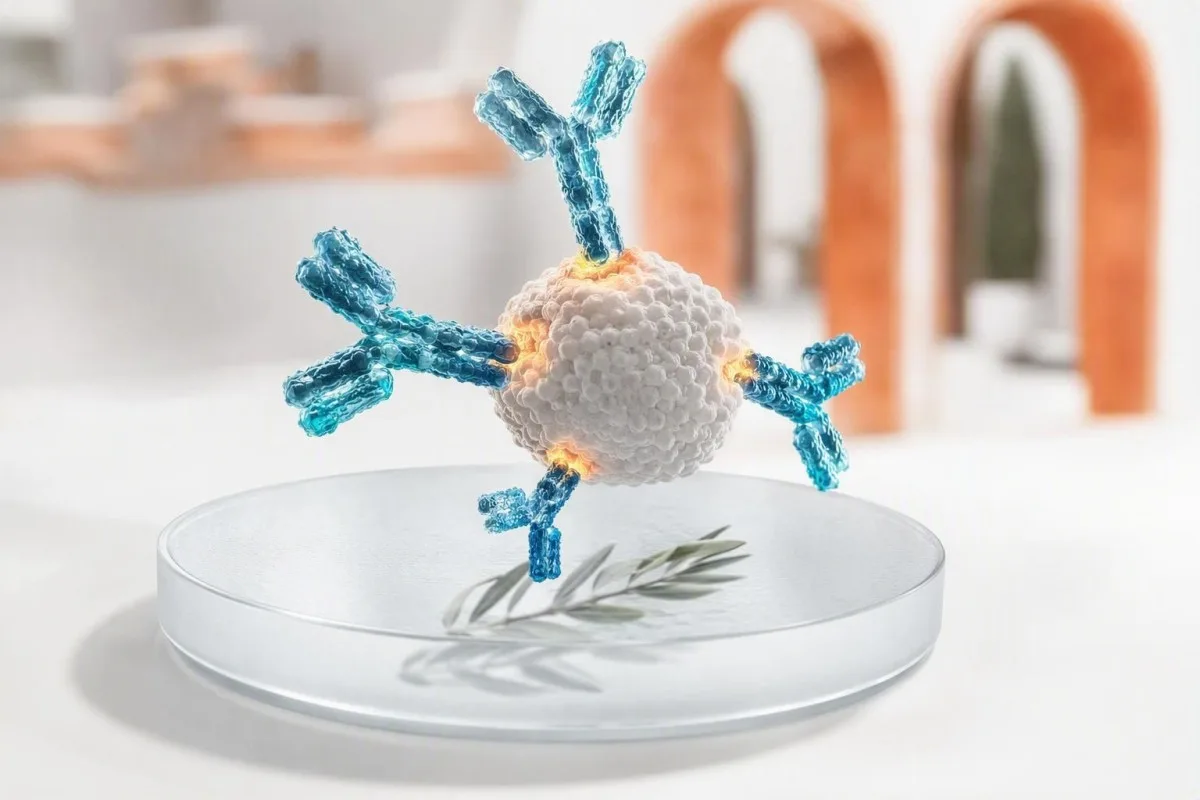
Jákvætt mótefni niðurstaða þýðir að ónæmiskerfið þitt þekkti sérstakt mark; það sönar ekki ein síns vegar virka sýkingu eða sjúkdóm. Mótefnasamband, prófunaraðferð, tímasetning, einkenni og meðfylgjandi próf ákvarða hvort þú þarft fullvissu, endurtekningu á prófi, staðfestingu eða skjóta klíníska umönnun.


- Jákvæð mótefnamæling sýnir venjulega ónæmisviðurkenningu, ekki endilega núverandi veikindi eða smitandi.
- IgM gegn IgG er vísbending um tímasetningu, ekki klukka: IgM getur varað í mánuði og IgG getur birst snemma.
- Mótefni úr bóluefni geta gert ónæmispróf jákvæð án þess að gefa til kynna náttúrulega sýkingu.
- Allergen-sérstakt IgE yfir 0.35 kUA/L bendir til næmingar, en einkenni eftir útsetningu staðfesta klínískt ofnæmi.
- ANA jákvætt kemur fram hjá allt að 20% heilbrigðra fullorðinna með lágt títer, sérstaklega með aldrinum; einkenni og sérstök mótefni skipta meira máli.
- HIV skimunarviðbrögð krefst alltaf staðfestingarreiknirannsóknarstofu áður en greining er gerð.
- Anti-tTG IgA er áreiðanlegt fyrir glúteinóþolsmat aðeins þegar viðkomandi er að borða glúten og hefur nægilegt heildar IgA.
- Bráð einkenni eins og öndunarerfiðleikar, rugl, gulusótt, brjóstverkur eða útbreiddur blöðruútbrot vega þyngra en venjulegur mótefnaniðurstaða.
Hvað jákvæð mótefnamæling segir þér í raun
A jákvæð mótefnapróf þýðir að prófið greindi ónæmisprótein sem binda ákveðið skotmark; það gerir ekki ekki sjálfkrafa þýða að þú ert með virkan sýking, sjálfsofnæmissjúkdóm, eða ofnæmi sem þarf meðferð. Næsta skref fer eftir mótefnatýpunni, styrk niðurstöðunnar, einkennum, tímasetningu útsetningar og tengdum mótefnagenum, PCR eða líffærastarfsemi prófum.
Mótefni eru B-frumu prótein sem myndast eftir bólusetningu, sýkingu, ofnæmisútsetningu, sjálfsofnæmi, eða stundum án klínískrar skaðlegra ástæðna. Jákvæð niðurstaða svarar einni þröngri greiningarspurningu – var binding greind yfir þessum rannsóknarstofuafskurði? – fremur en víðtækari klínískri spurningu um hvað er að gerast í líkamanum þínum í dag.
Á 15 ára klínískri starfsreynslu minni hefur algengasta mistök verið að lesa “jákvætt” sem greiningu. Hagnýta regla Dr. Thomas Klein er að bera fyrst kennsl á skotmarkið– vírus, bóluefnisantigen, fæðuprótein, skjaldkirtilsensím, kjarnaandgen eða lyf – og spyrja síðan hvort prófið greini fyrri útsetningu, núverandi lífveru, næmingu, eða ónæmisbeiningu.
Kantesti AI er AI blóðprufugreiningartæki sem les mótefnamerki við hlið dagsetninga, ónæmisglóbúlínflokks og tengdra niðurstaðna frekar en að meðhöndla eina jákvæða línu sem endanlega niðurstöðu. Sá samhengi er sérstaklega gagnlegur þegar sjúklingar bera saman skýrslur frá mismunandi rannsóknarstofum; eigindlegar og megindlegar niðurstöður eru ekki skiptanlegar jafnvel þegar báðar segja jákvætt.
IgG gegn IgM jákvætt: af hverju tímasetning er ekki eins einföld og hún hljómar
IgM jákvætt getur bent til nýlegrar ónæmissvörunar, á meðan IgG jákvætt oft bendir til fyrri útsetningar eða bólusetningarsvörunar; hvorugt mynstur dæmir áreiðanlega sjúkdóm á eigin spýtur. Sumar sýkingar framleiða IgG innan 7–14 daga, og IgM getur verið greinanlegt í 3–12 mánuði eða lengur.
IgM er stórt fimm-einingarmótefni sem oft greinist snemma, en stærð þess og víðtæk binding gera það líklegra til krossviðbragða. Epstein–Barr vírus, parvóvírus B19, gigtarþáttur og sum sjálfsofnæmissviðandi mótefni geta valdið villandi IgM viðbrögðum; einstök lággæða IgM niðurstaða á skili meiri efasemdum en skelfingu.
IgG varir venjulega eftir að ónæmisminni hefur þróast, stundum áratugi. Jákvæð IgG niðurstaða getur endurspeglað barnasýkingu, nýlega bólusetningu, stöðug mótefni frá bláæðarinnrennsli ónæmisglóbúlína, eða móðurflutning til ungbarns; það getur ekki sannað vernd nema viðkomandi próf hafi staðfest verndandi þröskuld.
Parprófin geta verið gagnlegri en ein dráttur: fjórföld hækkun á mótefnatítri milli sýna tekin með um það bil 2–4 vikna millibili styður nýlega sýkingu í völdum sjúkdómum. Ef skýrslan sýnir heildar IgG, IgA og IgM, skoðaðu mynstur frekar en eina tölu með okkar leiðbeiningar um ónæmismettunar túlkun.
Hvenær mótefni gegn sýkingum gera og gera ekki merki um virkan sjúkdóm
Sýkingar mótefni sýna venjulega útsetningu, en PCR, mótefnapróf, ræktun eða hækkandi títrun eru betri tæki til að greina margar virkar sýkingar. Jákvæð mótefni niðurstaða án einkenna er oft söguleg, en undantekningin veltur á lífveru og ónæmisstöðu þinni.
Fyrir lifrarbólgu C, hvarvirk mótefni þýðir útsetning á einhverjum tíma, en aðeins greinanleg HCV RNA staðfestir núverandi veiruálag. Fyrir lifrarbólgu B, samsetningin skiptir máli: yfirborðs mótefnavaka, yfirborð mótefni og kjarna mótefni aðskilja virka sýkingu, leysta sýkingu og bólusetningu ónæmi miklu betur en ein jákvæð vísbending.
HIV er annað tilfelli þar sem orðalag skiptir gríðarlega miklu máli. Hvarvirk fjórðu kynslóðar skimun er ekki greining; rannsóknarstofan fylgir með HIV-1/HIV-2 aðgreiningu ónæmismats og, þegar þörf krefur, kjarnsýruprófunum. Einstaklingur sem tekur eftirútsetningu profýlaxíu þarf tímasértprófun, eins og útskýrt er í okkar HIV prófun eftir PEP leiðbeiningar.
Ég hef séð heilbrigðan sjúkling hræddan við jákvæðan þreponemal sárasótt mótefni eftir meðferð 18 árum áður. Þreponemal próf verða almennt jákvæð ævilangt, en RPR eða VDRL títrun hjálpar til við að meta virkni og svörun núna; sárasótt prófunarmynstur gera þennan mun ljósari.
Hvernig mótefni úr bóluefni mismuna mótefnum eftir sýkingu
Bólusetningartengd mótefni sýna að ónæmiskerfið brást við bóluefni mótefnavaka; þau þýða ekki að bóluefnið hafi valdið virkri sýkingu. Jákvæð niðurstaða getur samt fallið undir þekktan verndandi tengsl, því bindandi mótefni og virk hlutleysandi mótefni eru ekki eins.
Lifrarbólga B yfirborð mótefni styrkur 10 mIU/mL eða hærra mælt 1–2 mánuðum eftir skjalfesta bólusetningaröð eru almennt talin verndandi hjá ónæmisbælum fólki. Anti-HBc, lifrarbólga B kjarna mótefni, er ekki framleitt með venjulegri lifrarbólgu B bólusetningu; nærvera þess bendir til náttúrulegrar útsetningar og ætti að hvetja til fullrar spjald túlkunar.
Rubella IgG er oft athugað fyrir meðgöngu vegna þess að það gefur til kynna fyrri ónæmi, ekki virkan rubella sjúkdóm. Rannsóknarstofur setja próf-sértæk þröskuld, og takmörkuð niðurstaða er venjulega meðhöndluð sem óónæm fyrir áætlun um getnaðarvörn fremur en túlkuð sem nýleg sýking; tímasetning er nánar útskýrð í okkar rubella prófunarleiðbeiningum.
Kantesti AI er AI blóðrannsóknartúlkunarvettvangur sem aðgreinir bóluefni-mynstur mótefni frá sýkingar-mynstur mótefnum þegar skýrslan inniheldur viðeigandi fylgibúnað. Praktíska spurningin er oft ekki “er ég jákvæður?” heldur “hvaða mótefnavaka var mældur, hvenær var ég bólusettur, og breytir þessi niðurstaða núverandi verndaráætlun?”
Af hverju jákvætt mótefni gegn ofnæmi merkir ekki endilega ofnæmi
Jákvæð ofnæmis-sértæk IgE próf gefur til kynna næmingu, sem þýðir að IgE greinir ofnæmisvaka; það greinir ekki klínískt ofnæmi án samhæfrar viðbragðssögu. Gildi yfir 0.35 kUA/L er algengur greiningar jákvæðni þröskuldur, ekki alhliða þröskuldur til að forðast mat eða lyf.
Forprófunar saga skiptir meira máli en margir gera sér grein fyrir. Ef einstaklingur borðar jarðhnetur vikulega án ofsakláða, hvæsingar, uppkasta eða hrun, ætti lágt jákvætt jarðhnetu IgE eitt sér ekki að leiða til forðunar; óþörf takmörkun á mat getur valdið næringarlega og félagslega skaða.
NIAID-styrktar leiðbeiningar um fæðuofnæmi segja að húðprufur og sértæk IgE próf greini hugsanlega ofnæmisvalda en geti ekki sjálfstætt greint fæðuofnæmi (Sampson o.fl., 2010). Í völdum tilfellum notar ofnæmislæknir próf sem byggja á íhlutaþætti eða læknisfræðilega eftirlitslausri inntöku matar, sem er áfram viðmiðunarstaðall til að leysa óvissu.
Heildar IgE er mæld í IU/mL og getur verið há í exem, sníkjudýra útsetningu, reykingum og nokkrum ónæmissjúkdómum; það getur ekki greint ábyrgan ofnæmisvaka. Íhluta prófun getur greint stöðugan geymslu prótein frá kross-viðbragðs frjó-tengdu próteini, munur sem rannsakaður er í okkar greinar um sameindarofnæmi.
Af hverju sjálfónæmissjúkdóma mótefni krefjast einkenna og líffæraleiða
Sjálfsofnæmisandi líffræðilegt getur komið áður en sjúkdómur lýkur, fylgt sjúkdómi eða komið fram hjá heilbrigðum einstaklingum; jákvæð niðurstaða ein og sér sjaldan staðfestir sjálfsofnæmisgreiningu. Læknar bregðast við þegar mótefnamynstrið passar við einkenni, rannsóknarniðurstöður, bólgumerki eða hlutlægar líffænabreytingar.
Mótefni gegn kjarnafrumum, eða ANA, eru jákvæðar í lágum styrk í um það bil 13% fólks við 1:80 og um það bil 20% við 1:40 í þýðisrannsóknum, með meiri tíðni hjá konum og eldri fullorðnum. Samhangandi eða flekkótt mynstur greinir ekki rauða úlfa; ANA er best notað sem inngöngupróf þegar klíníska myndin gerir sjúkdóma bandvefsins líklegan.
The 2019 EULAR/ACR lupus classification framework uses ANA at a titre of at least 1:80 as an entry criterion, then requires additional weighted clinical and immunological features (Aringer et al., 2019). Nýtt prótein í þvagi, lágt C3/C4, blóðkornafæði, bólga í liðum eða sannfærandi ljósnæm húðútbrot breyta bráðleika miklu meira en veikt ANA eitt og sér.
Anti-dsDNA verður merkjanlegra þegar það er parað við lágt fyllingarmagn og nýrnastarfsemi, þó að prófunaraðferðir skiljist verulega. Okkar leiðbeiningar um eftirlit með anti-dsDNA og yfirlit yfir fyllingarpróf útskýra hvers vegna sérfræðingur gæti endurtekið próf á annarri vettvangi.
Líffær specific mótefni: skjaldkirtill, glútenóþol og magadæmi
Líffærasértæk mótefni greina ónæmissvörun á vef, en þau sýna ekki alltaf hvort líffærið er skemmt núna eða þarfnast meðferðar. Mótefni gegn skjaldkirtilsperóxíðasa, mótefni gegn vefjastaðalbundið transglutamínasa og mótefni gegn innri þáttum krefjast hvert um sig mismunandi fylgiprófa.
TPO mótefni eru algeng í Hashimoto skjaldkirtilsbólgu og geta verið til staðar í mörg ár á meðan TSH og frjálst T4 eru eðlilegt. Hjá óþunguðum fullorðnum með eðlilega skjaldkirtilsstarfsemi styður niðurstaðan venjulega reglulegt TSH eftirlit frekar en skjaldkirtilshormónameðferð; meðganga, frjósemisáætlanir og einkenni geta breytt þeirri nálgun.
Jákvætt tTG-IgA bendir til glúteinóþols aðeins ef viðkomandi er enn að neyta glúteins og heildar IgA er nægileg. Sértæk IgA-skortur getur gert tTG-IgA að falskri neikvæðni, svo læknar nota IgG-basaðan deamíderaðan glíadín peptíð eða tTG próf þegar heildar IgA er lágt; sjá útskýringu okkar á gildrur með lágu IgA.
Innri þáttur mótefni eru tiltölulega sértæk en ekki mjög næm fyrir illkynja blóðleysi. Þegar það er jákvætt ásamt lágu B12, hækkuðu metýlmálóníni og stórkornafræði, er mynstur sannfærandi; án þess mynstrs forðast ég að meðhöndla rannsóknarheiti frekar en sjúklinginn. Blóðleysispróf sýnir venjulega staðfestingaröðina.
Hvað veldur falskt jákvæðri mótefnamælingu
Falskar jákvæðar mótefni niðurstöður koma fram þegar prófið greinir óviljandi bindingu, ekki þegar rannsóknarstofan einfaldlega “villir sig.” Víxlviðbrögð mótefni, iktsýkiþættir, nýleg ónæmisörvun, passív ónæmisglóbúlín og lágt forprófunarhlutfall eru algengar ástæður.
Sérhæfni er ekki fullkomnun. Próf með 99% sérhæfni gefur um það bil 10 falskar jákvæðar niðurstöður fyrir hverja 1.000 sannarlega neikvæða einstaklinga sem prófaðir eru; þegar sjúkdómurinn er sjaldgæfur geta þessar niðurstöður verið fleiri en sannar jákvæðar. Þess vegna skapar víðtæk skimun hjá þeim sem ekki hafa einkenni oft óvissu frekar en fullvissu.
Bíótín er frægt fyrir að trufla sumar hormóna- og hjartastarfsemi, á meðan fjölónæmisglóbúlín og iktsýrugildi geta truflað ákveðin ónæmispróf. Rannsóknarstofan getur stundum þynnt sýnið, notað hindrandi efni, endurtekið niðurstöðuna á öðrum prófkerfum eða framkvæmt sértækari staðfestingaraðferð.
Jákvæð niðurstaða sem stangast á við algerlega ómerkilega klíníska mynd er ekki eitthvað til að hunsa; það er ástæða til að staðfesta. Kantesti AI ber saman ósamrýmanleg merki og prófunardagsetningar, og okkar áreiðanleikakönnun fyrir rannsóknarniðurstöður getur hjálpað þér að skrá fæðubótarefni, nýlegar innrennslisgjafir og sjúkdóma áður en þú talar við pöntunarlækninn.
Mótefnamæling jákvæð en engin einkenni: hagnýt forgangsáætlun
Þegar mótefni próf er jákvætt en þér líður vel, þurfa flestir skýringar frekar en bráðaþjónustu. Öruggustu fyrstu skrefin eru að staðfesta nákvæma prófið, athuga útsetningar- og bólusetningardagsetningar og leita að pörunarprófinu sem staðfestir virkan sjúkdóm eða líffæraþátttöku.
Byrjið með skýrsluna sjálfa: skráið greinarnafn, mótefnaflokk, tölulegan vísitölu eða títra, viðmiðunarbil, rannsóknaraðferð og söfnunardag. “Einstakt” getur þýtt merki-til-skurðhlutfalla sem er rétt fyrir ofan 1,0 eða mun sterkari niðurstöðu; rannsóknarstofur nota ekki eins þröskulda og stærðin fylgir aðeins stundum klínískum líkindum.
Spyrjið næst hvort próf fyrir virkan sjúkdóm sé til. Dæmi eru PCR fyrir lifrarbólgu C, röð RPR fyrir sárasótt, hægðir eða öndunarrannsóknir fyrir virkan Helicobacter pylori, TSH/frjáls T4 fyrir mótefni gegn skjaldkirtli, og þvagrannsóknir auk kreatíníns fyrir nýrnastarfsemi tengda rauða úlfinum.
Frá og með 8. september 2026 myndi ég ekki mæla með því að byrja á sýklalyfjum, veirulyfjum, glútenlausri fæði, skjaldkirtilslyfjum eða matvælisfyrirkomulagi eingöngu út frá einangruðum mótefni. Vistaðu upprunalega PDF, skráðu þína grunnlínu með langtímasniði rannsóknarstofugagna, og skipuleggðu reglulega endurskoðun nema rauðir fánar séu til staðar.
Staðfestingarpróf sem breyta næstu skrefi
Besta staðfestingarprófið veltur á því hvað mótefnið miðar: sameindaskynjun staðfestir margar sýkingar, hagnýt greining útskýrir ofnæmi og líffærastarfsemi prófanir meta áhrif sjálfónæmis. Að endurtaka sama mótefnispróf er aðeins gagnlegt þegar væntanleg breyting með tímanum hefur klíníska merkingu.
Fyrir jákvæða HIV-skjáspróf er leiðin að staðfestingu með mismunaprófi, fylgt eftir með HIV-kjarnsýruprófi ef niðurstöður eru óákveðnar. Fyrir mótefni gegn lifrarbólgu C er HCV RNA afgerandi eftirfylgni; fyrir jákvæða mótefni gegn lifrarbólgu B, yfirborðsantigen, yfirborðsmótefni og stundum HBV DNA útskýra mynstrið.
Fyrir grun um meltingarfærasjúkdóm ætti að taka lífsýnisákvarðanir á meðan glútenútsetning er nægileg til prófunar. Fyrir mögulegt fæðuofnæmi metur ofnæmislæknir útsetningarsögu, sérstaka IgE-gildi, íhlutasnið og áhættu af útsetningu - ekki röð óskyldra lítilla jákvæða pantað án klínískrar spurningar.
Kantesti AI er AI-knúið blóðprófunargreiningartól sem getur skipulagt þessa tengdu merkja í spurningalista sem er tilbúinn fyrir lækni, en það kemur ekki í stað staðfestingarprófunar eða greiningar. Ef þú ert óviss um hversu mikið þú átt að treysta útlitandi niðurstöðu, okkar staðla fyrir læknisfræðilega staðfestingu lýsa því hvers vegna sannprófun og klínísk eftirlit skiptir máli.
Einkenni sem gera jákvæða mótefnamælingu meira aðkallandi
Jákvæð mótefnisniðurstaða kallar á bráða mats þegar hún fylgir öndunarerfiðleikum, bólgu í andliti eða hálsi, yfirliði, rugli, brjóstverkjum, gulu, hratt útbreiddu útbrotum, alvarlegri ofþornun eða nýrri taugaveiki. Einkenni - ekki mótefnistala ein - ákvarða aðkallandi.
Mögulegt ofnæmislost er neyðartilfelli: skyndileg almenn ofsakláði með hvæsandi öndun, þrengsli í hálsi, stöðugum uppköstum, svima eða lágum blóðþrýstingi eftir útsetningu þarf bráðaþjónustu og ávísað adrenalíni ef það er til. Jákvæð fæðu- eða eitur mótefni í IgE frá mánuðum að baki spáir hvorki né útilokar þá tafarlausu áhættu.
Ný gula með dökku þvagi, miklir kviðverkir, hiti eða rugl ættu að leiða til mats sama dag hvort mótefni gegn lifrarbólgu séu jákvæð eða ekki. Lifrarensím, bilirúbín, INR og bein sýkla prófun hjálpa til við að greina ónæmissögu frá virkum lifrar- og gallblöðrusjúkdómum; lifrarprófaþáttum eru gagnlegur samhengi.
Sjálfónæmissjúkdómar verða tímanæmir með blóðhósti, mæði, hratt hækkandi kreatínín, blóðugum niðurgangi, sjóntruflunum, krampum eða nýrri einhliða máttleysi. Ég hef lært að róa ekki einhvern út frá takmörkuðum mótefnistítra þegar einkennin hans versna greinilega.
Þýðir hærri mótefnatala meiri alvarlegan sjúkdóm?
Hærri mótefnastuðull eða títri eykur stundum líkurnar á að niðurstaða sé rétt, en hún mælir venjulega ekki alvarleika sjúkdóms. Greiningargildi eru aðferðarsértæk og ekki er hægt að bera niðurstöðu 80 AU/mL beint saman við 80 U/mL frá annarri rannsóknarstofu.
Í sjálfónæmissjúkdómum geta anti-dsDNA-breytingar stundum fylgt virkni rauða úlfsins, sérstaklega þegar þær eru mældar stöðugt með sömu aðferð og túlkaðar með viðbótarefni og þvagi próteini. ANA-títra er hins vegar léleg mælikvarði á alvarleika rauða úlfsins og ætti ekki að elta endurtekið hjá stöðugum einstaklingi.
Fyrir sýkingar getur sterk mótefnismerki stutt fyrri útsetningu en gefur sjaldan til kynna smitandi. Hlutleysandi mótefnapróf eru sérhæfð og verndandi mörkin geta verið mismunandi eftir sýkingarvaldi, aldri, bóluefni og ónæmisbælingu; einföld viðskiptaleg IgG-greining er ekki persónulegt ónæmispassi.
Þegar skýrslur eru bornar saman, hafðu rannsóknarstofuna, greiningu og einingar sýnilegar. Raunveruleg líffræðileg breyting ætti að fara fram úr venjulegri greiningar- og daglegri sveiflu, þess vegna okkar leiðarvísir um samanburð á blóðprufum leggur áherslu á dagsetningar og aðferðir frekar en litakóðaðar merkingar einar.
Meðganga, börn og ónæmisbæling breyta túlkun
Meðganga, ungbarnaeinkenni og ónæmisbælandi meðferð geta breytt bæði mótefnisframleiðslu og öryggi bið eftir staðfestingu. Í þessum hópum getur jákvæð niðurstaða endurspeglað mótefni frá móður, minni svörun við bóluefni, áhættu af virkjun eða þörf fyrir fyrri sérfræðiráðgjöf.
IgG móður gengur yfir fylgju og getur verið greinanlegt hjá ungbarni í nokkra mánuði, á meðan IgM móður gengur almennt ekki yfir. Þess vegna endurspeglar einangruð IgG jákvæðni ungbarns oft ónæmi móður, á meðan lífverusértækt IgM eða bein greining getur verið verðugra meiri áherslu, allt eftir sýkingunni og aldri.
Meðan á meðgöngu stendur eru niðurstöður mótefna gegn rauðum hundum eða parvóveiru túlkaðar með útsetningardagsetningum, prófun á áhuga og endurteknar sýnishorn frekar en einangrað IgM eingöngu. Röng jákvæðni IgM er viðurkennd vandamál, og forðast má hræðslu sem getur leitt til óþarfa ágengra rannsókna; ráðgjafar frá fæðingar- eða smitsjúkdómalæknum eru skynsamlegir þegar útsetning er trúverðug.
Fólk sem fær rituximab, sterahormón í háum skömmtum, krabbameinslyfjameðferð eða ígræðslulyf getur haft veikar eða engar mótefnasvörun þrátt fyrir sýkingu eða bólusetningu. Fyrir fjölskylduákvarðanir, takmarkanir á túlkun AI fyrir börn og Heilbrigðisráðgjafar Kantesti styrkja þörfina fyrir klíníska endurskoðun.
Hvernig á að undirbúa sig fyrir gagnlega klíníska úttekt á jákvæðri niðurstöðu
Komið með heildar rannsóknarskýrslu, ástæðu fyrir því að prófið var pantað, dagsetningar einkenna eða útsetningar, bólusetningarsögu, lyf og fyrri niðurstöður. Þessar upplýsingar geta breytt sýnilega óljósri jákvæðri mótefnisniðurstöðu í skýra næstu aðgerð innan eins tíma.
Skrifið niður fimm staðreyndir fyrir heimsóknina: fyrsti dagur einkenna, síðasta líklega útsetning, bólusetningardagsetningar, ónæmisbælandi lyf eða ónæmisglóbúlíninnrennslis og hvort einkenni eru að batna eða versna. Hiti sem byrjaði 3 dögum fyrir sýnatöku er túlkaður mjög öðruvísi en þreyta sem byrjaði fyrir 6 mánuðum.
Spyrjið þrjár markvissar spurningar: “Hvað greinir þetta próf?”, “Hvaða próf staðfestir virkan sjúkdóm eða áhrif á líffæri?” og “Hvaða niðurstaða myndi breyta meðferð?” Dr Thomas Klein finnur að þessar spurningar draga úr óþarfa endurteknum spjöldum og hjálpa sjúklingum að fara með skilgreindan tíma ramma – í dag, 1–2 vikur, eða venjubundið eftirlit.
Kantesti AI styður örugga skýrslurýni á meira en 75 tungumálum og getur birt upplýsingar um vantar samhliða próf úr ljósmynduðu eða upplátu PDF á um 60 sekúndum. Okkar leiðarvísir fyrir gervigreindartækni útskýrir aðferðina við að passa samhengi, á meðan okkar klíníska teymi veitir læknisfræðilegt eftirlit á bak við túlkun fyrir sjúklinga.
Algengar spurningar
Hvað þýðir jákvætt mótefni þegar ég er einkennalaus?
Jákvæð mótefni án einkenna bendir oftast til fyrri útsetningar, bólusetningar, ónæmisörvunar eða niðurstöðu sem þarfnast staðfestingar fremur en virks sjúkdóms. Næsta skref fer eftir því sem verið er að leita að: mótefni gegn lifrarbólgu C þarfnast HCV RNA, virkt HIV-skimun þarf staðfestingarkerfi rannsóknastofunnar og skjaldkirtilsmótefni þarfnast TSH og frjáls T4. Einangruð lág-jákvæð niðurstaða er minna sannfærandi þegar engin samhæf útsetning eða sjúkrasaga er til staðar. Leitaðu tafarlaust aðstoðar ef ný guluvitni, öndunarerfiðleikar, ruglingur, brjóstverkur eða hratt versnandi útbrot koma fram.
Þýðir IgM jákvætt og IgG neikvætt alltaf nýja sýkingu?
IgM jákvætt með IgG neikvætt getur komið fram snemma í sýkingu, en það sönar ekki alltaf nýja sýkingu. IgM getur krossviðbragð við óskyldum ónæmispróteinum og sum próf gefa fölsk-jákvæðar IgM niðurstöður oftar en IgG niðurstöður. Læknar geta endurtekið serology eftir 1–2 vikur, óskað eftir PCR eða antigen prófun eða notað sértækari staðfestingarpróf. Rétt túlkun veltur einnig á tímalínu sjúkdómsins og ákveðinni örveru sem prófuð er.
Getur bóluefni gefið jákvæða mótefnamælingu?
Já, bóluefni gera oft mótefnamælingar jákvæðar fyrir mótefninu sem er í bóluefninu. Fyrir lifrarbólgu B, sýnir styrkur anti-HBs að minnsta kosti 10 mIU/mL mældur 1–2 mánuðum eftir fullunna bólusetningarröð almennt verndandi bóluefnissvörun hjá ónæmisfræðilega hæfum einstaklingum. Hefðbundin lifrarbólgu B bólusetning framleiðir ekki anti-HBc, svo jákvæðni kjarnamótefna bendir til náttúrulegra áhrifa frekar en einni bólusetningu. Bóluefnatengd jákvæðni þýðir ekki að þú sért með virka sýkingu.
Getur maður verið með jákvætt sjálfónæmis mótefnavaka próf og vera heilbrigður?
Já, heilbrigðir einstaklingar geta verið með jákvæðar sjálfónæmandi mótefni, sérstaklega lágtitraðir ANA-niðurstöður. ANA greinist hjá um það bil 13% fólks við 1:80 titre og um 20% við 1:40, svo það er ekki sjálfstætt lupuspróf. Einkenni eins og bólgusvellir í liðum, munnsár, ljósnæmt útbrot, lágt ónæmiskerfi, prótein í þvagi eða óeðlilegt blóðkornatal ákvarðar hvort sérfræðingamat er þörf. Jákvæð niðurstaða ætti að túlka í samhengi við ástæðuna fyrir prófinu.
Þýðir jákvætt IgE blóðpróf að ég verði að forðast þann mat?
Nei, jákvætt matvælasértækt IgE-niðurstaða þýðir tilfinningu og sannar ekki að neysla fæðunnar valdi ofnæmisviðbrögðum. Mörg rannsóknarstofur kalla niðurstöður yfir 0,35 kUA/L jákvæðar, en þessi skurður er hannaður til greiningar frekar en alhliða forðastákvörðun. Einstaklingur sem neytir matarins reglulega án ofsakláða, hvæsingar, endurtekinna uppkasta eða yfirliðs ætti ekki sjálfkrafa að fjarlægja hann úr fæðunni. Ofnæmislæknir getur notað viðbrögðasögu, íhlutapróf og stundum ofvaktaða munnfæðisþolpróf til að skýra áhættu.
Hversu lengi eru mótefni jákvæð eftir sýkingu?
Mótefnavaka endingartími er mjög mismunandi eftir sýkingu og mótefnavakaflokki. IgM getur horfið innan vikna en getur varað í 3–12 mánuði eða lengur, á meðan IgG getur verið mælanlegt í mörg ár eða ævilangt. Treponema-syfilis mótefni eru oft jákvæð ævilangt eftir farsæla meðferð, á meðan RPR eða VDRL titrar eru notaðir til að fylgjast með virkni. Jákvæð mótefni getur því ekki með áreiðanleika sagt til um hvenær sýking átti sér stað án annarra klínískra og rannsóknarupplýsinga.
Fáðu AI-knúna greiningu á blóðprufum í dag
Vertu með yfir 2 milljónir notenda um allan heim sem treysta Kantesti fyrir tafarlausa og nákvæma greiningu á blóðprufum. Hladdu upp niðurstöðum blóðrannsókna þinna og fáðu yfirgripsmikla túlkun á 15,000+ lífmerkjum á sekúndum.
📚 Tilvísuð rannsóknarútgáfa
Klein, T., Mitchell, S., & Weber, H. (2026). Fjöltyngt AI aðstoðað klínískt ákvarðanatökustuðningur við snemma flokkun hantaveiru: hönnun, verkfræðileg staðfesting og raunveruleg dreifing á 50.000 túlkuðum blóðprófsniðurstöðum. Figshare. https://www.researchgate.net/. Kantesti AI Medical Research.
Klein, T., Mitchell, S., & Weber, H. (2026). Forskráð, með rúbrik byggð sjálfvirk tæknileg viðmiðun á Kantesti blóðprófs túlkunarvél á 100.000 tilbúnum próftilfellum. Figshare. https://www.academia.edu/. Kantesti AI Medical Research.
📖 Ytri læknisfræðilegar heimildir
⚕️ Fyrirvari vegna læknisfræðilegra mála
Þessi grein er eingöngu til fræðslu og felur ekki í sér læknisráðgjöf. Leitaðu alltaf til hæfs heilbrigðisstarfsmanns vegna ákvarðana um greiningu og meðferð.
E-E-A-T traustmerki
Reynsla
Læknastýrð klínísk yfirferð á vinnuferlum við túlkun rannsóknarniðurstaðna.
Sérþekking
Áhersla á rannsóknarstofulækningar: hvernig lífmarkarar hegða sér í klínísku samhengi.
Yfirvald
Skrifað af Dr. Thomas Klein með yfirferð Dr. Sarah Mitchell og próf. Dr. Hans Weber.
Traustleiki
Rökstudd túlkun byggð á gögnum með skýrum eftirfylgnileiðum til að draga úr ávörun.