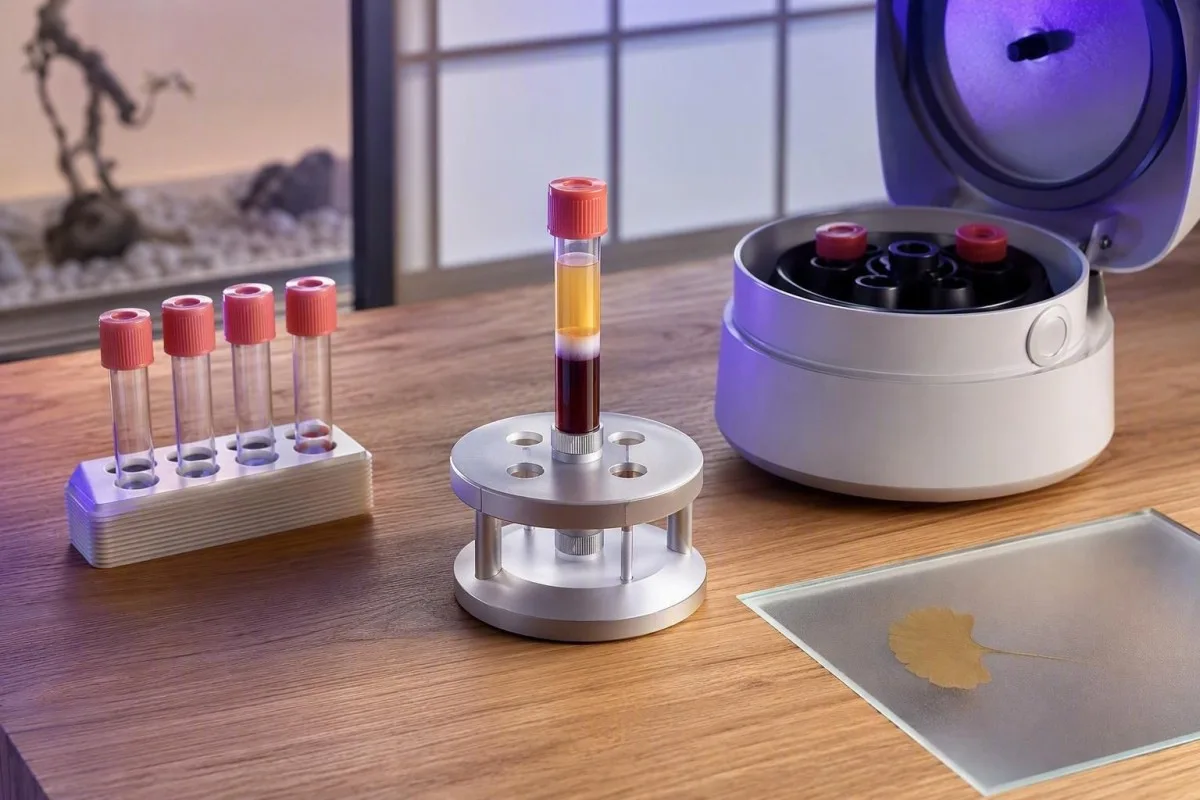
اولین نمونهگیری خون مفید، فیزیولوژی معمول شما را ثبت میکند، نه پژواک بیوشیمیایی تمرین دیروز، نوشیدنیها، خواب ضعیف، یا یک ویروس گذرا. هدف، ایجاد زمینه تکرارپذیر است که میتوانید سالها از آن استفاده کنید.


- زمانبندی پایه: نمونهگیری صبحگاهی را پس از 8 تا 12 ساعت عدم مصرف غذا رزرو کنید، زمانی که گلوکز ناشتا، تریگلیسیرید، مطالعات آهن، یا انسولین گنجانده شده باشند.
- توقف ورزش: از تمرینات مقاومتی بسیار سخت، فواصل، یا رویدادهای استقامتی به مدت 24 تا 48 ساعت قبل از آزمایش پایه روتین خودداری کنید.
- پنجره الکل: حداقل 48 ساعت قبل از آزمایش تریگلیسیرید و آنزیمهای کبدی، الکل مصرف نکنید؛ مصرف زیاد الکل میتواند نتایج را برای مدت طولانیتری تحریف کند.
- قانون بیماری: خط پایه سلامتی را تا حداقل 2 هفته پس از رفع تب یا علائم قابل توجه تنفسی یا گوارشی به تعویق بیندازید.
- هدف آبرسانی: روز قبل به طور معمول آب بنوشید و 250-500 میلی لیتر آب در 2 ساعت قبل از نمونهگیری مصرف کنید مگر اینکه محدودیت مایعات داشته باشید.
- احتیاط در مورد بیوتین: قبل از بسیاری از سنجشهای ایمنی، بیوتین با دوز بالا که تجویز نشده را به مدت 48-72 ساعت قطع کنید، اما هرگز درمان تجویز شده را بدون مشورت با پزشک تجویز کننده قطع نکنید.
- زمینه چرخه قاعدگی: روز چرخه قاعدگی را برای استروژن، پروژسترون، LH، FSH و گاهی اوقات چربیها ثبت کنید؛ این امر تفسیر را بیش از آنچه بسیاری از افراد انتظار دارند تغییر میدهد.
- تکرارپذیری: هنگام پیگیری نتایج آزمایشگاهی در طول زمان، از همان آزمایشگاه، زمان صبحگاهی مشابه و الگوی آمادهسازی یکسان استفاده کنید.
چه چیزی اولین نمونهگیری خون را به یک خط پایه واقعی تبدیل میکند؟
A تست خون پایه زمانی بیشترین سودمندی را دارد که یک هفته عادی را در بر گیرد: وعدههای غذایی پایدار، هیدراتاسیون معمول، عدم وجود بیماری حاد و عدم وجود تمرین یا نوشیدن استثنایی. برای اکثر بزرگسالان، من نمونه صبحگاهی را پس از 8 تا 12 ساعت ناشتایی توصیه میکنم، زمانی که گلوکز، تری گلیسیرید، نشانگرهای آهن یا انسولین اندازهگیری میشوند.
هدف عملی این نیست که نتایج بهتر به نظر برسند. بلکه کاهش تغییرات پیشتحلیلیاست — تغییراتی که قبل از اینکه آنالایزر نمونه را ببیند رخ میدهند. گلوکز ناشتا 96 میلیگرم در دسیلیتر و سطح تری گلیسیرید 105 میلیگرم در دسیلیتر هر دو کاملاً عادی هستند، اما معنای آنها زمانی تغییر میکند که فرد دیر غذا خورده باشد، 10 کیلومتر دویده باشد یا 3 ساعت خوابیده باشد.
در کار بالینی خود، من از بیماران میخواهم که اولین نمونهگیری را مانند یک عکس مرجع در نظر بگیرند. سابقه کوتاهی از زمان بیدار شدن، مدت ناشتایی، داروها، مکملها، الکل در 72 ساعت گذشته، ورزش در 48 ساعت گذشته، روز چرخه قاعدگی و عفونت اخیر را ثبت کنید. این سابقه اغلب در تست دوم مفیدتر از یک پرچم “نرمال” واحد است.
کانتستی یک آنالایزر آزمایش خون هوش مصنوعی طراحی شده است تا نتایج را در کنار آن زمینه عملی بخوانیم، به جای اینکه هر مقدار برجسته را بیماری در نظر بگیریم. برای یک لیست تست منطقی، با راهنمای آزمایش خون سالانه ما شروع کنید و موارد اضافی را با پزشک آشنا به سابقه شما توافق کنید.
پایه شخصی است، نه صرفاً “در محدوده”
یک بازه مرجع آزمایشگاهی معمولاً بخش مرکزی 95% از مقادیر یک جمعیت انتخاب شده را شامل میشود؛ این بازه شماره شخصی سالمترین یا ایمنترین شما را تعریف نمیکند. نتیجه کراتینین میتواند در محدوده آزمایشگاه باقی بماند در حالی که به طور معنیداری از مقدار تکراری شما افزایش یافته است، به همین دلیل مستندسازی پایه اهمیت دارد.
چگونه روزهداری و وعدههای غذایی روز قبل نتایج را شکل میدهند
است. 8-12 ساعت تمیزترین مقایسه اولیه را برای تری گلیسیرید، گلوکز ناشتا، انسولین و آهن سرم تولید میکند، اگرچه بسیاری از پنلهای چربی را میتوان بدون ناشتایی تفسیر کرد. مصرف آب مجاز و معمولاً مفید است؛ قهوه، آب میوه، آدامس و نوشیدنیهای کالریدار ناشتایی واقعی محسوب نمیشوند.
قند خون ناشتا پلاسما کمتر از 100 میلیگرم در دسیلیتر به طور کلی طبیعی است، 100-125 میلیگرم در دسیلیتر نشاندهنده اختلال در قند خون ناشتا است و 126 میلیگرم در دسیلیتر یا بالاتر نیاز به تأیید دارد مگر اینکه علائم و هیپرگلیسمی شدید وجود داشته باشد. HbA1c تقریباً 8-12 هفته گذشته را منعکس میکند، بنابراین یک صبحانه نمیتواند آن را به طور معنیداری کاهش دهد؛ راهنمایی آزمایشگاهی ADA توضیح میدهد که چرا گلوکز و HbA1c به سوالات متفاوتی پاسخ میدهند (Sacks et al., 2023).
تری گلیسیرید به ویژه به وعدههای غذایی حساس است. مقدار کمتر از 150 میلیگرم در دسیلیتر به طور سنتی مطلوب است، در حالی که 500 میلیگرم در دسیلیتر یا بالاتر نگرانی در مورد خطر پانکراتیت را افزایش میدهد و نیاز به ارزیابی بالینی فوری دارد. یک وعده غذایی سنگین دیروقت یا الکل میتواند یک نتیجه اولیه گمراهکننده ایجاد کند، بنابراین از برنامه آزمایش مجدد تری گلیسیرید به جای تلاش برای “خوردن عالی” برای یک روز استفاده کنید.
کانتستی یک پلتفرم تفسیر آزمایش خون AI که وضعیت روزهداری را در کنار هر پانل حفظ میکند، که مقایسههای بعدی را کمتر مستعد خطا میکند. بیومارکر ما مشخص میکند که کدام آزمایشها واقعاً به وعده غذایی حساس هستند و کدام نیستند.
چگونه ورزش میتواند تستهای غیرطبیعی کبد و کلیه را تقلید کند
ورزش سخت میتواند بهطور موقت افزایش دهد CK، AST، ALT، کراتینین، گلبولهای سفید و گاهی پتاسیم, ، بنابراین از تمرینات ناآشنا یا با شدت بالا برای 24-48 ساعت قبل از یک پانل پایه خودداری کنید. پیادهروی ملایم و حرکات عادی روزمره مشکلی ندارد.
یک دونده ماراتن 52 ساله که من بررسی کردم، پس از یک مسابقه طولانی، AST 89 IU/L، با ALT 36 IU/L و CK بالاتر از 2000 IU/L داشت. این الگو بیشتر به سمت عضله ورزشکرده تا آسیب کبدی اشاره داشت، اما همچنان نیاز به تکرار پس از بهبودی داشت؛ اعداد تنها به ندرت کافی هستند. درباره AST پس از ورزش بیشتر بخوانید قبل از اینکه فرض کنید مشکل کبدی وجود دارد.
حدود مرجع کراتین کیناز بسته به آزمایشگاه، جنسیت، تبار، توده عضلانی و وضعیت تمرین متفاوت است، اما بسیاری از آزمایشگاهها مقادیر بالای حدود 200-300 IU/L را علامتگذاری میکنند. افزایش CK به بیش از 5 برابر حد بالای مرجع پس از فعالیت بدنی رایج است؛ CK بالاتر از 5000 IU/L همراه با ادرار تیره، درد شدید عضلانی یا کاهش خروجی ادرار، نیاز به ارزیابی فوری برای رابدومیولیز ناشی از فعالیت دارد.
کراتینین پس از فعالیت شدید تا حدی از طریق تجزیه عضلات و کاهش جریان خون کلیوی ناشی از از دست دادن مایعات افزایش مییابد. eGFR پایینتر از نمونه پس از مسابقه را بدون آزمایش بهبودی به عنوان بیماری مزمن کلیه تفسیر نکنید؛ راهنمای کراتینینِ ناشی از ورزش پنجره ایمنتر بازکشی را توضیح میدهد.
دوره 48 ساعته برای همه یک قانون نیست
برای یک جلسه تفریحی در باشگاه، 24 ساعت اغلب کافی است. پس از یک اولتراماراتن، مسابقه CrossFit، وزنه زدن سنگین با انقباض خارج از مرکز، یا قرار گرفتن در معرض گرما، من اغلب 48-72 ساعت صبر میکنم اگر هدف ایجاد یک خط پایه پایدار باشد تا ارزیابی خود رویداد.
چرا الکل سزاوار 48 ساعت توقف قبل از آزمایش پایه است
خودداری از مصرف الکل برای حداقل 48 ساعت قبل از آزمایش خون پایه، باعث کاهش اعوجاج کوتاه مدت تری گلیسیریدها، گلوکز، GGT، AST، نشانگرهای هیدراتاسیون و فیزیولوژی مرتبط با خواب میشود. یک شب سنگین میتواند بیشتر از آنچه بیماران انتظار دارند، اهمیت داشته باشد.
الکل میتواند با افزایش تولید لیپوپروتئین با چگالی بسیار کم کبدی، به ویژه پس از وعدههای غذایی با کربوهیدرات بالا، تری گلیسیریدها را افزایش دهد. این اثر متغیر است: نتیجه یک فرد در 24 ساعت به حالت پایه باز میگردد، در حالی که فرد دیگری با کبد چرب، دیابت یا مصرف بیشتر ممکن است تغییراتی را برای چندین روز نشان دهد. تری گلیسیرید ناشتا 220 میلیگرم در دسیلیتر پس از یک آخر هفته نوشیدن باید قبل از اینکه کسی آن را یک مشکل متابولیک ثابت بنامد، تکرار شود.
GGT حساس است اما غیر اختصاصی. بسیاری از آزمایشگاهها از حدود 55-60 IU/L برای مردان و 35-40 IU/L برای زنان استفاده میکنند، اما داروها، کلستاز، کبد چرب و الکل همگی میتوانند آن را افزایش دهند. الگوی معنیدار GGT با ALT، ALP، بیلی روبین، تعداد پلاکتها و سابقه مصرف الکل است؛ توضیح پنل کبدی نحوه قرارگیری این قطعات را ببینید.
از اول سپتامبر 2026، من همچنان با “سمزدایی” یا روزهداری بیش از حد برای بهبود نتایج کبد مخالفم. غذای معمولی، آب معمولی، عدم مصرف الکل و یک دوره مستند، علم پاکتری هستند. ALT پایدار بالاتر از حد بالای آزمایشگاه در دو نمونه با فاصله چند هفته، نیاز به بررسی پزشکی دارد، نه یک پاکسازی اینترنتی.
چه زمانی بیماری یا واکسیناسیون باید نمونهگیری سلامتی را به تعویق بیندازد
غربالگری سلامتی را در زمان تب، بیماری فعال دستگاه گوارش، عفونت تنفسی قابل توجه، یا 1-2 هفته اول پس از بهبودی به تعویق بیندازید زیرا CRP، فریتین، گلبولهای سفید، پلاکتها، گلوکز و آزمایش تیروئید میتوانند به طور موقت تغییر کنند. تست تشخیصی فوری متفاوت است: هنگامی که بیمار هستید آن را به تأخیر نیندازید.
پروتئین واکنشگر C معمولاً طی 6-8 ساعت پس از یک محرک التهابی افزایش مییابد و به محض رفع محرک میتواند به سرعت کاهش یابد. CRP کمتر از 3 میلیگرم در لیتر اغلب برای طبقهبندی خطر قلبی عروقی فقط زمانی استفاده میشود که فرد از نظر بالینی سالم باشد. نتیجه 18 میلیگرم در لیتر در طول سرماخوردگی اطلاعات کمی در مورد خطر عروقی بلندمدت ارائه میدهد. الگوی CRP و آلبومین نسبت به هر کدام به تنهایی اطلاعات بیشتری ارائه میدهد.
فریتین هم پروتئین ذخیره آهن و هم واکنشگر فاز حاد است. فریتین 110 نانوگرم در میلیلیتر در طول عفونت میتواند ذخایر depleted آهن را پنهان کند، در حالی که فریتین کمتر از 15 نانوگرم در میلیلیتر در یک فرد بزرگسال سالم به طور خاص نشاندهنده کمبود آهن است. به همین دلیل من فریتین را با اشباع ترانسفرین، CRP، هموگلوبین و شرح حال بالینی همراه میکنم.
واکسیناسیون میتواند باعث پاسخ ایمنی کوتاهی شود، از جمله تغییرات گذرا در CRP و زیرمجموعههای گلبول سفید. آزمایشهای روتین معمولاً 3-7 روز پس از واکسیناسیون میتوانند منتظر بمانند اگر هدف یک خط پایه آرام باشد، اما یک پنل ایمنی برنامهریزی شده برای نظارت بر دارو باید از دستورالعملهای پزشک تجویزکننده پیروی کند. آزمایشگاهی پس از واکسیناسیون ما تفاوتهای عملی را پوشش میدهد.
قانون دو هفتهای استثنائاتی دارد
پس از ذاتالریه، بستری شدن در بیمارستان، مونونوکلئوز عفونی، یا شعلهور شدن شدید بیماری مزمن، دو هفته ممکن است کافی نباشد. در آن موارد، من اغلب به جای تقویم به تنهایی، از بهبودی علائم، روند CRP و قضاوت بالینی استفاده میکنم.
چگونه از دست دادن خواب و زمانبندی، آزمایش خون را تغییر میدهد
یک شب خواب ضعیف میتواند قند خون ناشتا، کورتیزول، فشار خون و سیگنالهای التهابی را افزایش دهد، در حالی که زمانبندی میتواند تستوسترون، کورتیزول، آهن و TSH را تغییر دهد. برای یک خط پایه اولیه، هدفگذاری کنید 7-9 ساعت خواب معمول و در صورت امکان بین ساعت 7 تا 10 صبح نمونهگیری کنید.
کورتیزول از ریتم روزانه قوی پیروی میکند. کورتیزول سرم صبحگاهی معمولاً حدود ساعت 8 صبح اندازهگیری میشود، اما یک مقدار بدون زمان نمونهگیری، علائم و اغلب تست ACTH نمیتواند بیماری آدرنال را تشخیص دهد. نمونه بعد از ظهر در مقایسه با نمونه قبلی ساعت 8 صبح، یک روند معتبر نیست، حتی اگر همان آزمایشگاه هر دو را انجام دهد.
محدودیت خواب 4-5 ساعته میتواند حساسیت به انسولین صبحگاهی را بدتر کند و هورمونهای اشتها را تغییر دهد؛ اندازه تغییر آزمایشگاهی بسته به فرد بسیار متفاوت است. من این را بیشتر در کارگران شیفت، والدین تازه، و مسافران مکرر میبینم، جایی که “خط پایه” باید برنامه واقعی آنها را نشان دهد تا یک برنامه ایدهآل. راهنمای آزمایشگاه خواب نامناسب یک چک لیست حاشیهنویسی مفید را ارائه میدهد.
توصیه عملی دکتر توماس کلین ساده است: یک آزمایش ضروری را به دلیل بد خوابیدن لغو نکنید، بلکه آن را ثبت کنید. اگر قند خون ناشتای مرزی بعد از یک شب بیداری 103 میلیگرم در دسیلیتر باشد، قبل از نتیجهگیری در مورد پیشدیابت، تحت شرایط عادی تکرار کنید.
کافئین همیشه آمادگی بیضرر نیست
قهوه سیاه ممکن است تأثیر کمی بر روی بسیاری از پنل ها داشته باشد، اما می تواند بر قند خون، کاتکول آمین ها، فشار خون و برخی آزمایش های تخصصی غدد درون ریز تأثیر بگذارد. هنگامی که سطح انسولین ناشتا، قند خون، کورتیزول، یا متانفرین ها درخواست می شود، آب ساده بهترین گزینه است.
کدام مکملها و داروها باید ثبت شوند
داروهای تجویز شده را برای آزمایش خون پایه قطع نکنید مگر اینکه پزشک تجویز کننده به شما بگوید، اما هر دارو و مکملی را همراه با دوز و زمان مصرف آن ثبت کنید. بیوتین، آهن، B12، کراتین، ید، کورتیکواستروئیدها و ضداحتقان ها می توانند زیست شناسی یا سنجش آزمایش را تغییر دهند.
بیوتین با دوز بالا، که اغلب 5000-10000 میکروگرم در روز در محصولات مو و ناخن مصرف می شود، می تواند با برخی از سنجش های ایمونواسی استرپتیدین-بیوتین تداخل داشته باشد. بسته به طراحی سنجش، ممکن است TSH کاذب پایین یا T4 آزاد، تروپونین، یا نتایج هورمونی کاذب بالا ایجاد کند. معمولاً برای بیوتین غیرتجویزی، توقف 48-72 ساعته استفاده می شود، اما افرادی که آن را برای یک وضعیت پزشکی مصرف می کنند، باید ابتدا از پزشک خود سؤال کنند.
آهن خوراکی می تواند به طور موقت سطح آهن سرم را افزایش دهد، و مکمل های کراتین ممکن است کراتینین را بدون کاهش فیلتراسیون واقعی افزایش دهند. کورتیکواستروئیدها می توانند قند خون و گلبول های سفید را بالا ببرند؛ مهارکننده های پمپ پروتون می توانند به مرور زمان بر منیزیم و B12 تأثیر بگذارند. پاسخ صحیح، زمینه است، نه قطع خودسرانه ناگهانی؛ راهنمای ما برای روزه داری مکمل ها استثنائات رایج را توضیح می دهد.
کانتستی یک ابزار تحلیل آزمایش خون مبتنی بر AI که مکمل های گزارش شده را در کنار نتایج ثبت می کند، بنابراین یک تغییر ظاهری در تیروئید یا کلیه می تواند با مواجهه ای که ممکن است آن را توضیح دهد، بررسی شود. بیماران همچنین می توانند نتایج گزارش شده را با چک لیست دقت بالینی ما مقایسه کنند قبل از اقدام بر اساس یک پرچم غیرمنتظره.
زمان بندی مصرف دارو می تواند بخشی از نسخه باشد
جایگزینی تیروئید، تستوسترون درمانی، انسولین، دیورتیک ها و ضد انعقادها هر کدام قوانین زمان بندی خاص آزمایش را دارند. به عنوان مثال، آزمایش های تیروئید اغلب قبل از دوز لووتیروکسین روزانه برای نظارت بر ثبات انجام می شوند، اما پروتکل پزشک تجویز کننده باید اولویت داشته باشد.
چگونه زمانبندی قاعدگی بر اولین خط پایه هورمونی تأثیر میگذارد
برای آزمایش هورمون های تولید مثل، روز چرخه بخشی از نتیجه است. FSH، LH، استرادیول، پروژسترون، تستوسترون، پرولاکتین، و گاهی اوقات لیپیدها می توانند به اندازه کافی در طول چرخه متفاوت باشند که یک تاریخ ثبت نشده تفسیر را ضعیف می کند.
تست اوایل فولیکول، که اغلب روزهای 2-5 چرخه است، معمولاً برای FSH، LH و استرادیول پایه در ارزیابی باروری استفاده می شود. پروژسترون معمولاً حدود 7 روز پس از تخمک گذاری اندازه گیری می شود - نه به طور خودکار “روز 21”، زیرا یک چرخه 35 روزه از بیولوژی متفاوتی پیروی می کند. یک مقدار پروژسترون بالای حدود 3 نانوگرم در میلی لیتر می تواند در بسیاری از شرایط، تخمک گذاری اخیر را تأیید کند، اما تفسیر دقیق به سنجش و زمان بندی بستگی دارد.
پرولاکتین به استرس، ورزش اخیر، فعالیت جنسی و جمع آوری دشوار نمونه حساس است. افزایش های خفیف اغلب پس از 20-30 دقیقه استراحت آرام، ترجیحاً در صبح، تکرار می شوند؛ سطحی که به طور مداوم بالای 100 نانوگرم در میلی لیتر باشد، شایسته ارزیابی فوری غدد درون ریز است، اگرچه اثرات دارویی همچنان رایج هستند. برای مراحل منطقی بعدی به راهنمای مجدد تست پرولاکتین ما مراجعه کنید.
تغییرات لیپیدی مرتبط با چرخه واقعی هستند اما معمولاً کوچکتر از تغییرات ناشی از وزن، رژیم غذایی، الکل، دیابت یا ژنتیک هستند. اگر قصد دارید سلامت را با آزمایش خون در طول سال ها نظارت کنید، در صورت امکان، فاز مشابه چرخه را برای تکرار پنل های لیپید و هورمون انتخاب کنید، به خصوص هنگام ارزیابی علائم یا درمان.
پیشگیری از بارداری هورمونی پرسش را تغییر می دهد
پیشگیری از بارداری هورمونی ترکیبی می تواند FSH، LH، استرادیول و اندازه گیری های آندروژن درون زا را سرکوب کند، بنابراین این نتایج ممکن است فیزیولوژی درمان نشده را توصیف نکنند. برای به دست آوردن یک پایه بدون در نظر گرفتن خطر بارداری و دلیل بالینی آزمایش، پیشگیری از بارداری را متوقف نکنید.
چرا آبرسانی، وضعیت بدن و تکنیک جمعآوری اهمیت دارند
نوشیدن مایعات به طور معمول و 10-15 دقیقه استراحت در حالت نشسته قبل از نمونهگیری، تکرارپذیری را بهبود میبخشد، زیرا کمآبی، ایستادن طولانیمدت و نمونهگیری دشوار میتواند نتایج متعددی را غلیظ یا تحریف کند. روز قبل به طور معمول آب بنوشید و مگر اینکه محدودیت مایعات وجود داشته باشد، 250-500 میلیلیتر آب 2 ساعت قبل از قرار ملاقات بنوشید.
انقباض حجم پلاسما میتواند هموگلوبین، هماتوکریت، آلبومین، کلسیم، پروتئین کل و کراتینین را بالاتر از آنچه در حالت هیدراتاسیون معمولی است، نشان دهد. برعکس، نوشیدن زیاد آب در لیترها درست قبل از آزمایش میتواند سدیم و سایر اندازهگیریها را رقیق کند. محدوده طبیعی سدیم به طور کلی 135-145 میلیمول بر لیتر است، اما یک نتیجه غیرمنتظره همیشه باید با در نظر گرفتن وضعیت هیدراتاسیون و گلوکز تفسیر شود.
وضعیت بدن بیش از آنچه بیشتر مردم تصور میکنند اهمیت دارد. ایستادن میتواند آلبومین و آنالیتهای متصل به پروتئین را از طریق جابجایی مایعات افزایش دهد، در حالی که زمان طولانی مدت تورنیکه و مشت کردن مکرر دست میتواند پتاسیم و لاکتات را به طور کاذب افزایش دهد. پتاسیم بالای 5.5 میلیمول بر لیتر بدون بیماری کلیوی، علائم یا تغییرات ECG اغلب به سرعت مجدداً بررسی میشود، زیرا خطای نمونهگیری رایج است؛ راهنمای خطای نمونهگیری پتاسیم ما توضیح میدهد چرا.
قاعدگی، از دست دادن اخیر مایعات ناشی از اسهال، دیورتیکها و استفاده از سونا همگی باید در یادداشت پیوست به نمونه ذکر شوند. اگر eGFR پس از کمآبی به طور غیرمنتظرهای پایین بود، مصرف طبیعی را بازیابی کرده و آزمایش تکراری را بررسی کنید؛ ببینید تغییرات موقت eGFR قبل از اینکه آسیب دائمی کلیه را فرض کنید.
لوله قرمز یک تشخیص نیست
رنگ لوله، افزودنی مورد استفاده برای پردازش آزمایشگاهی را مشخص میکند، نه جدی بودن آزمایش. آنچه از نظر بالینی مهم است، انتخاب صحیح لوله، دمای حمل و نقل، تاخیر در پردازش، و اینکه آیا آزمایشگاه همولیز یا نمونه ناکافی را گزارش میدهد.
چگونه نتایج بعدی را با اولین نمونهگیری خون قابل مقایسه کنیم
برای پیگیری نتایج آزمایشگاهی در طول زمان، از همین آزمایشگاه، زمان نمونهگیری مشابه و روال آمادهسازی مشابه استفاده کنید. یک تغییر بیولوژیکی واقعی میتواند کوچکتر از اثر ترکیبی روش سنجش، وضعیت ناشتایی، ورزش و تغییرات روزمره معمولی باشد.
کلسترول LDL ممکن است به جای اندازهگیری مستقیم، محاسبه شود و با افزایش تریگلیسیریدها، محاسبه کمتر قابل اعتماد میشود. دستورالعمل کلسترول AHA/ACC 2018 از غربالگری غیر ناشتا در بسیاری از افراد حمایت میکند اما در شرایط منتخب، از جمله تریگلیسیریدهای بسیار بالا و عدم قطعیت تشخیصی، ارزیابی ناشتا را توصیه میکند (Grundy et al., 2019). نکته مهم سازگاری است، نه کمال.
مقدار تغییر مرجع، یا RCV، عدم دقت تحلیلی را با تغییرات بیولوژیکی طبیعی فرد ترکیب میکند. حرکت 10% در یک شاخص ممکن است نویز باشد در حالی که تغییر 30% در دیگری معنادار است؛ هیچ درصد جهانی برای هر آزمایش وجود ندارد. راهنمای "آیا این تغییر واقعی است" ما نشان میدهد که چرا روندها به بیش از فلشهای رنگی نیاز دارند.
هوش مصنوعی Kantesti پنلهای تکراری را با مقایسه واحدهای سنجش، فواصل مرجع، تاریخهای نمونهگیری و بیومارکرهای مرتبط تفسیر میکند، نه صرفاً شمارش پرچمهای غیرطبیعی. مقایسهی AI ما ما برای این سوال طولی ساخته شدهایم: چه چیزی به اندازه کافی تغییر کرده است که شایسته توجه باشد؟
گزارش اصلی را نگه دارید
PDF یا عکس واضح را ذخیره کنید، نه فقط یک نتیجه تایپ شده. تبدیل واحدها، محدودههای آزمایشگاهی، نظرات مربوط به همولیز، و اینکه آیا LDL محاسبه شده است، میتواند نحوه خواندن روند توسط پزشک آینده را به طور قابل توجهی تغییر دهد.
یادداشت زمینهای برای ذخیره با هر آزمایش خون
یک یادداشت زمینه کوتاه، اعداد ایزوله را به دادههای طولی قابل استفاده تبدیل میکند. ثبت کنید تاریخ، زمان، ساعات ناشتایی، خواب، ورزش، الکل، بیماری، داروها، مکملها، روز چرخه، تغییرات وزن، و علائم جدید در هر نمونهگیری.
یادداشت حداقل من دارای هشت مورد است: زمان نمونهگیری؛ مدت زمان ناشتایی؛ ورزش در ۴۸ ساعت گذشته؛ الکل در ۷۲ ساعت گذشته؛ بیماری فعلی؛ تغییرات دارویی؛ دوز و آخرین دوز مکمل؛ و وضعیت قاعدگی یا بارداری در صورت لزوم. سفر، جت لگ و ارتفاع را اضافه کنید، زیرا هر کدام میتوانند آبرسانی، کورتیزول، هموگلوبین و نشانگرهای حساس به خواب را جابجا کنند.
کاهش وزن ۱.۵ کیلوگرمی در ۱۰ روز، یک رژیم غذایی جدید با پروتئین بالا، یا چندین شب خواب منقطع ممکن است تغییرات جزئی در آزمایش خون را در طول زمان توضیح دهد. این امر نتیجه را بیاهمیت نمیکند - بلکه قابل تفسیر میکند. برای نسخه قابل استفاده مجدد، ردیاب زمینه آزمایشگاه جزئیاتی را که بیماران بیشتر فراموش میکنند، شامل میشود.
دکتر توماس کلین توصیه میکند قبل از خروج از خانه یادداشت بردارید، نه هنگام انتظار برای نتایج. حافظه پس از یک پرچم هشدار غیرمنتظره قابل اعتماد نیست، و افراد به طور قابل درک هفته قبل را بازسازی میکنند تا با عدد مطابقت داشته باشد.
چه مواردی را نباید به عنوان “اصلاح” ثبت کرد”
رژیم غذایی، مصرف آب، ورزش یا مکملها را صرفاً برای دستیابی به یک خط پایه جذابتر دستکاری نکنید. خط پایه باید نمایانگر زندگی شما باشد؛ در غیر این صورت، آزمایش بعدی صرفاً به دلیل صادقانهتر بودن، ممکن است بدتر به نظر برسد.
کدام یافتههای مرزی قبل از نگرانی باید تکرار شوند
بسیاری از نتایج خط پایه مرزی باید تحت شرایط پایدار تکرار شوند تا به عنوان بیماری تلقی شوند، به ویژه تغییرات خفیف منفرد در آنزیمهای کبدی، کراتینین، پتاسیم، پرولاکتین، نوتروفیلها و تریگلیسیریدها. علائم فوری یا مقادیر به شدت غیرطبیعی استثنا هستند.
سطح ALT کمتر از ۲ برابر حد بالای آزمایشگاه با بیلی روبین، ALP طبیعی و عدم وجود علائم، معمولاً پس از حذف عوامل موقتی مانند الکل، ورزش شدید یا بیماری همزمان، مجدداً بررسی میشود. سطح بیلی روبین بالاتر از ۳ میلیگرم در دسیلیتر با زردی، ادرار تیره، مدفوع کمرنگ، تب یا درد شکم متفاوت است و نباید منتظر تکرار روتین خط پایه باشد.
کاهش خفیف تعداد نوتروفیلها میتواند پس از یک بیماری ویروسی رخ دهد یا نشاندهنده نرمال پایدار فرد باشد. تعداد مطلق نوتروفیل ۱.۰-۱.۵ × ۱۰⁹/L معمولاً نوتروپنی خفیف است، در حالی که کمتر از ۰.۵ × ۱۰⁹/L خطر عفونت را به طور قابل توجهی بالاتر میبرد و نیازمند راهنمایی پزشکی فوری است، به خصوص با تب. راهنمای پیگیری نوتروفیل ما تستهای معمول را از پرچمهای قرمز جدا میکند.
یکی از مفیدترین حفاظتها، بررسی الگو است. به عنوان مثال، کلسیم بالا با هورمون پاراتیروئید سرکوب شده، فوریت متفاوتی نسبت به کلسیم بالا به همراه کمآبی و افزایش آلبومین دارد؛ دلیل نگرانی ما در مورد ترکیبات این است که بیولوژی به ندرت یک نشانگر را به تنهایی تغییر میدهد.
چه زمانی آزمایش خون پایه نباید جایگزین مراقبتهای پزشکی شود
پروتکل خط پایه در صورت داشتن علائم پرچم قرمز، بیماری که به سرعت بدتر میشود، عوارض بارداری یا هشدار بحرانی آزمایشگاهی مناسب نیست. درد قفسه سینه، تنگی نفس شدید، گیجی، غش، زردی، مدفوع سیاه یا کمآبی شدید نیاز به ارزیابی بالینی فوری دارد - نه یک تست تکراری با آمادگی بهتر.
پتاسیم 6.0 میلی مول در لیتر یا بالاتر، سدیم زیر 120 میلی مول در لیتر، گلوکز بالای 300 میلی گرم در دسی لیتر همراه با استفراغ یا گیجی، یا هموگلوبین نزدیک به 7 گرم در دسی لیتر نمونههایی از نتایجی هستند که ممکن است نیاز به اقدام فوری داشته باشند، اگرچه وضعیت بالینی کامل اهمیت دارد. آزمایشگاهها معمولاً در مورد مقادیر حیاتی با تیم درخواستکننده تماس میگیرند، اما بیماران نباید فرض کنند که عدم دریافت تماس به معنای ایمن بودن نتیجه است.
اگر باردار هستید، بیماری مزمن کلیوی دارید، انسولین مصرف میکنید، از داروهای ضد انعقاد استفاده میکنید، شیمی درمانی دریافت میکنید، یا بیماری کبدی شناخته شده دارید، دستورالعملهای آمادهسازی ممکن است با الگوی سلامتی متفاوت باشد. دوره ناشتایی میتواند برای برخی از افراد دیابتی ناامن باشد و زمانبندی داروها ممکن است ضروری باشد. راهنمای چند وقت یکبار آزمایش کنید توضیح میدهد که چرا گروههای پرخطر برنامه را تغییر میدهند.
کانتستی یک سرویس تفسیر آزمایشهای آزمایشگاه AI منتشر میشوند که به شناسایی سؤالات برای پزشکان کمک میکند، جایگزین ارزیابی فوری یا تشخیص نیست. ملاحظات ایمنی بالینی و اصول بررسی پزشکی که در پشت کار ما قرار دارد توسط ما توضیح داده شده است هیئت مشاوره پزشکی.
پروتکل عملی 72 ساعته برای اولین خط پایه شما
برای یک خط پایه مفید اولیه، روال خود را به مدت 72 ساعت حفظ کنید، الکل را به مدت 48 ساعت کنار بگذارید، از ورزش شدید به مدت 24-48 ساعت اجتناب کنید، به طور معمول بخوابید، در صورت لزوم 8-12 ساعت ناشتا باشید، آب بنوشید و زمینه خود را ثبت کنید. ثبات، مداخله است.
هفتاد و دو تا 48 ساعت قبل: مکمل جدید، رژیم غذایی سختگیرانه، پاکسازی یا دوره تمرینی را شروع نکنید. اگر در حال حاضر مکملی مصرف میکنید، دوز دقیق را ثبت کنید؛ اگر حاوی دوز بالای بیوتین است، از پزشک یا داروساز درخواستکننده بپرسید که آیا قطع 48-72 ساعته مناسب است. از الکل به مدت 48 ساعت خودداری کنید و در صورت فعال بودن بیماری، آزمایش روتین را به تعویق بیندازید.
روز قبل: وعدههای غذایی معمولی خود را بخورید، به طور معمول مایعات بنوشید، از سونا یا رویدادهای استقامتی اجتناب کنید و 7-9 ساعت خواب را برنامهریزی کنید. برای پنلهای ناشتا، 8-12 ساعت قبل از قرار ملاقات غذا را تمام کنید؛ آب مانعی ندارد. صبح روز نمونهگیری، در صورت برنامهریزی برای آزمایش گلوکز، انسولین، کورتیزول، کاتکول آمینها یا تستهای تخصصی غدد درونریز، از قهوه و نیکوتین خودداری کنید.
پس از دریافت نتیجه، گزارش اصلی و یادداشت زمینه آن را قبل از هر تغییری ذخیره کنید. Kantesti AI میتواند نتایج را در نمای طولی سازماندهی کند، در حالی که راهنمای فناوری و روش بالینی ما توضیح میدهد که چرا تشخیص الگو هنوز نیاز به پیگیری پزشکی انسانی برای علائم، ناهنجاریهای عمده و تصمیمات درمانی دارد.
سوالات متداول
چگونه برای آزمایش خون پایه آماده شوم؟
برای انجام آزمایش خون پایه، روتین معمول خود را حفظ کنید، 48 ساعت قبل از آزمایش الکل ننوشید، 24 تا 48 ساعت قبل از آزمایش از ورزش شدید خودداری کنید، به طور معمول بخوابید و داروها و مکملها را مستند کنید. اگر آزمایش شامل گلوکز ناشتا، تریگلیسیرید، انسولین یا مطالعات آهن باشد، 8 تا 12 ساعت ناشتا باشید؛ آب به طور کلی مجاز است. به جای پرنوشی، به طور عادی مایعات بنوشید و جمعآوری نمونه را بین 7 تا 10 صبح تنظیم کنید، بهویژه اگر هورمونها یا آهن در آزمایش گنجانده شده باشند. آزمایش خون پایه سلامتی را در طول بیماری حاد به تعویق بیندازید، مگر اینکه آزمایش برای ارزیابی آن بیماری لازم باشد.
آیا باید برای اولین آزمایش خون ناشتا باشم؟
ناشتایی ۸ تا ۱۲ ساعته برای اولین آزمایش خون که شامل تریگلیسیرید، قند خون ناشتا، انسولین یا آهن سرم باشد، بیشترین سودمندی را دارد، اگرچه بسیاری از پنلهای لیپید روتین دیگر نیازی به ناشتایی ندارند. آب ساده ناشتایی را باطل نمیکند و به جلوگیری از دشواری نمونهگیری یا اثرات غلظت ناشی از کمآبی کمک میکند. قهوه، آبمیوه، شیر، الکل، آدامس و مکملها میتوانند نتایج انتخابی را تغییر داده یا آمادگی مورد نظر را نامعتبر سازند. در صورت ارائه مدت زمان ناشتایی متفاوت توسط پزشک، دستورالعملهای خاص سفارش را دنبال کنید.
آیا ورزش میتواند نتایج آزمایش خون را در روز بعد تحت تأثیر قرار دهد؟
بله، ورزش شدید میتواند نتایج آزمایش خون را تا ۲۴-۷۲ ساعت تحت تأثیر قرار دهد و باعث افزایش کراتین کیناز، AST، ALT، کراتینین، گلبولهای سفید و گاهی پتاسیم شود. تمرین مقاومتی شدید، دویدن ماراتن، تمرینات با شدت بالا و قرار گرفتن در معرض گرما نسبت به پیادهروی معمولی تغییرات بیشتری ایجاد میکنند. برای دستیابی به یک خط پایه پایدار از نظر سلامتی، از انجام ورزش غیرمعمول یا شدید به مدت ۲۴-۴۸ ساعت خودداری کنید؛ پس از یک رویداد استقامتی بزرگ، ۴۸-۷۲ ساعت اغلب واقعبینانهتر است. آزمایشهای فوری برای علائمی مانند درد شدید عضلانی، ادرار تیره، ضعف یا کاهش حجم ادرار را به تأخیر نیندازید.
تا چه مدت قبل از آزمایش خون باید از مصرف الکل خودداری کنم؟
حداقل ۴۸ ساعت قبل از آزمایش خون پایه از مصرف الکل خودداری کنید، به خصوص زمانی که تریگلیسیرید، گلوکز، GGT، AST، ALT، یا نشانگرهای حساس به هیدراتاسیون در حال ارزیابی هستند. الکل حتی پس از یک شب سنگین نیز میتواند تریگلیسیرید را افزایش دهد و این اثر ممکن است تا چندین روز در افراد مبتلا به دیابت، کبد چرب، یا کسانی که معمولاً بیشتر مصرف میکنند، باقی بماند. نتیجه تریگلیسیرید ۵۰۰ میلیگرم در دسیلیتر یا بالاتر نیازمند ارزیابی بالینی فوری است زیرا خطر پانکراتیت به طور قابل توجهی افزایش مییابد. بعد از آن تلاش برای پاکسازی یا روزهداری شدید نکنید؛ وعدههای غذایی معمولی و آبرسانی نتیجه تکراری صادقانهتری را به دست میدهد.
آیا خواب نامناسب میتواند نتایج آزمایش خون را تغییر دهد؟
خواب نامناسب میتواند گلوکز ناشتا، کورتیزول، فشار خون و برخی نشانگرهای التهابی صبح روز بعد را تغییر دهد، بهویژه پس از ۴-۵ ساعت خواب یا شیفت شبانه. HbA1c را که میانگین قند خون را در حدود ۸-۱۲ هفته منعکس میکند، بهطور معنیداری تغییر نمیدهد. اگر نتیجه پایه غیرفوری پس از یک شب بیخوابی مرزی است، کمبود خواب را ثبت کنید و در نظر بگیرید که آزمایش را تحت شرایط عادی تکرار کنید. آزمایشهای ضروری باید همچنان انجام شود، زیرا علائم و ناهنجاریهای مشخص مهمتر از آمادگی ایدهآل هستند.
آیا باید تست هورمون را در روز خاصی از چرخه قاعدگی خود انجام دهم؟
بله، زمانبندی آزمایش هورمون باید متناسب با سوال بالینی باشد و روز چرخه قاعدگی همیشه باید ثبت شود. FSH، LH و استرادیول اغلب در روزهای 2-5 چرخه برای ارزیابی اولیه فولیکولی سنجیده میشوند، در حالی که پروژسترون معمولاً حدود 7 روز پس از تخمکگذاری بررسی میشود تا اینکه به طور خودکار در روز 21 انجام شود. سطح پروژسترون بالاتر از حدود 3 نانوگرم در میلیلیتر میتواند از تخمکگذاری اخیر پشتیبانی کند، اما آزمایشگاهها و شرایط بالینی متفاوت هستند. پیشگیری از بارداری هورمونی نتایج هورمونهای درونزاد را تغییر میدهد، بنابراین بدون مشورت پزشکی، آن را صرفاً برای آزمایش قطع نکنید.
همین امروز آنالیز آزمایش خون با هوش مصنوعی را دریافت کنید
به بیش از 2 میلیون کاربر در سراسر جهان بپیوندید که Kantesti را برای تحلیل فوری و دقیق آزمایشهای آزمایشگاهی مورد اعتماد قرار میدهند. نتایج آزمایش خون خود را بارگذاری کنید و در عرض چند ثانیه، تفسیر جامع 15,000+ از نشانگرهای زیستی را دریافت کنید.
📚 انتشارات پژوهشی ارجاعشده
کلاین، تی.، میچل، اس.، و وبر، اچ. (۲۰۲۶). Kantesti LTD. (2026). راهنمای آزمایش خون مکمل C3 C4 و تیتر ANA. Zenodo.. پژوهش پزشکی مبتنی بر هوش مصنوعی Kantesti.
کلاین، تی.، میچل، اس.، و وبر، اچ. (۲۰۲۶). Kantesti LTD. (2026). راهنمای آزمایش خون ویروس نیپا: تشخیص زودهنگام و تشخیص 2026. Zenodo.. پژوهش پزشکی مبتنی بر هوش مصنوعی Kantesti.
📖 منابع پزشکی خارجی
⚕️ سلب مسئولیت پزشکی
این مقاله فقط برای اهداف آموزشی است و توصیه پزشکی محسوب نمیشود. برای تصمیمهای مربوط به تشخیص و درمان، همیشه با یک ارائهدهنده مراقبتهای بهداشتی واجد شرایط مشورت کنید.
سیگنالهای اعتماد E-E-A-T
تجربه
بازبینی بالینی مبتنی بر نظر پزشک از فرایندهای تفسیر آزمایشگاه.
تخصص
تمرکز بر پزشکی آزمایشگاهی و اینکه نشانگرهای زیستی در زمینه بالینی چگونه رفتار میکنند.
اقتدارگرایی
نوشتهشده توسط دکتر توماس کلاین، با بازبینی توسط دکتر سارا میچل و پروفسور دکتر هانس وبر.
قابل اعتماد بودن
تفسیر مبتنی بر شواهد با مسیرهای پیگیری روشن برای کاهش هشدارها.