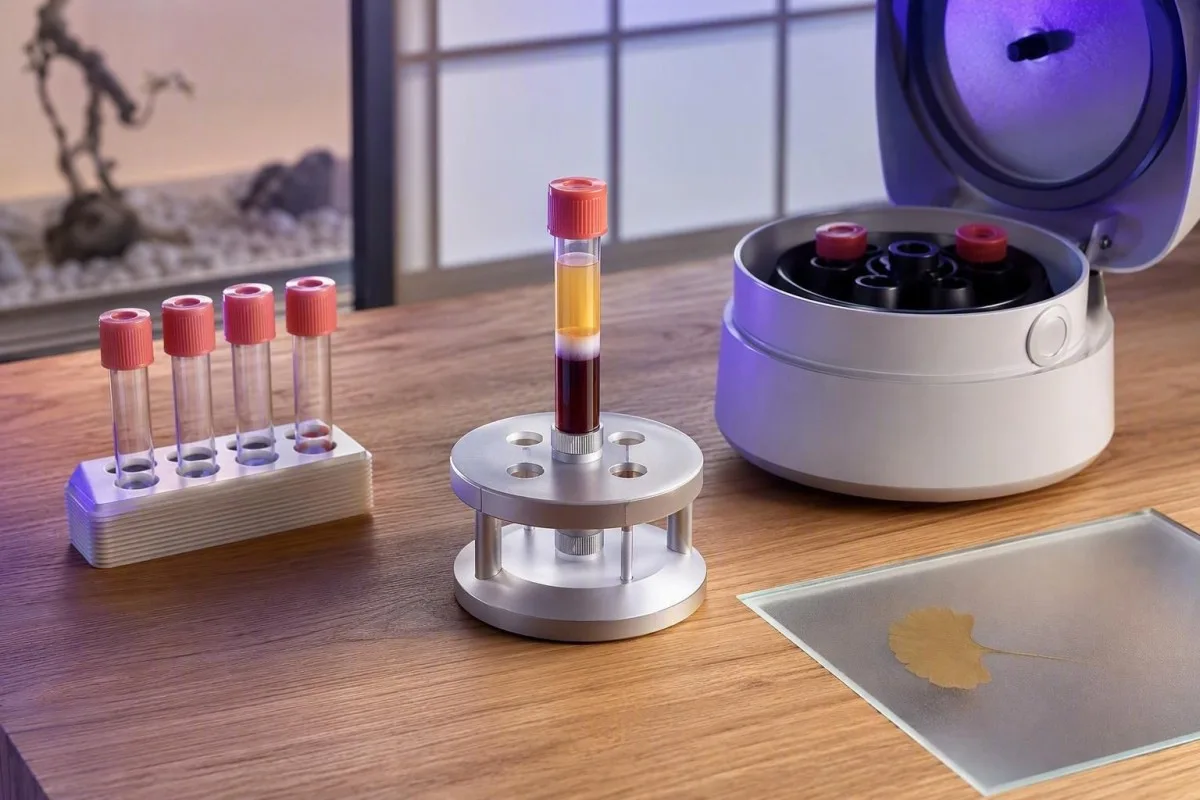
يساعد الرسم الأول المفيد على تسجيل فسيولوجيتك المعتادة، وليس الصدى الكيميائي الحيوي لتمرين الأمس، أو المشروبات، أو قلة النوم، أو فيروس عابر. الهدف هو سياق قابل للتكرار يمكنك استخدامه لسنوات.


- توقيت خط الأساس: احجز سحبًا صباحيًا بعد 8-12 ساعة بدون طعام إذا تم تضمين الجلوكوز أثناء الصيام، أو الدهون الثلاثية، أو دراسات الحديد، أو الأنسولين.
- فترة راحة التمارين: تجنب التدريب المتقطع الشاق بشكل غير عادي، أو التدريب المتقطع، أو أحداث التحمل لمدة 24-48 ساعة قبل إجراء اختبارات خط الأساس الروتينية.
- نافذة الكحول: تجنب الكحول لمدة 48 ساعة على الأقل قبل اختبار الدهون الثلاثية واختبارات إنزيمات الكبد؛ يمكن أن يؤدي الإفراط في الشرب إلى تشويه النتائج لفترة أطول.
- قاعدة المرض: قم بتأجيل خط الأساس للصحة حتى بعد أسبوعين على الأقل من زوال الحمى أو أعراض الجهاز التنفسي أو الجهاز الهضمي الهامة.
- هدف الترطيب: اشرب بشكل طبيعي في اليوم السابق واشرب 250-500 مل من الماء في الساعتين اللتين تسبقان الجمع ما لم تكن مقيداً بالسوائل.
- تحذير البيوتين: توقف عن تناول البيوتين بجرعة عالية غير موصوفة طبياً لمدة 48-72 ساعة قبل العديد من المقايسات المناعية، ولكن لا تتوقف أبداً عن العلاج الموصوف دون استشارة الطبيب.
- سياق الدورة الشهرية: سجل يوم الدورة الشهرية لهرمون الاستروجين، والبروجسترون، والهرمون اللوتيني، والهرمون المنبه للجريب، وأحياناً الدهون؛ فهو يغير التفسير أكثر مما يتوقع الكثير من الناس.
- قابلية التكرار: استخدم نفس المختبر، ووقت الصباح المشابه، ونمط التحضير نفسه عند تتبع نتائج المختبر بمرور الوقت.
ما الذي يجعل سحب الدم الأول خط الأساس الحقيقي؟
A اختبار الدم الأساسي يكون أكثر فائدة عندما يلتقط أسبوعاً عادياً: وجبات مستقرة، وترطيب معتاد، وعدم وجود مرض حاد، وعدم وجود تدريب أو شرب استثنائي. بالنسبة لمعظم البالغين، أوصي بعينة صباحية بعد صيام لمدة 8-12 ساعة عند قياس الجلوكوز، والدهون الثلاثية، وعلامات الحديد، أو الأنسولين.
الهدف العملي ليس جعل النتائج تبدو أفضل. إنه لتقليل التباين قبل التحليلي—التغييرات التي تحدث قبل أن يرى المحلل العينة أبداً. يمكن أن يكون مستوى الجلوكوز الصائم 96 ملغ/ديسيلتر ومستوى الدهون الثلاثية 105 ملغ/ديسيلتر طبيعيين تماماً، ومع ذلك يتغير معناهما إذا كان الشخص قد تناول طعاماً متأخراً، أو ركض 10 كيلومترات، أو نام 3 ساعات.
في عملي السريري، أطلب من المرضى التعامل مع السحب الأول كصورة مرجعية. احتفظ بسجل موجز لوقت الاستيقاظ، ومدة الصيام، والأدوية، والمكملات الغذائية، والكحول في الساعات الـ 72 السابقة، والتمارين الرياضية في الـ 48 ساعة السابقة، ويوم الدورة الشهرية، والعدوى الأخيرة. غالباً ما يكون هذا السجل أكثر فائدة في الاختبار الثاني من مجرد علامة “طبيعية” واحدة.
كانتيستي هو محلل تحليل الدم بالذكاء الاصطناعي مصممة لقراءة النتائج جنباً إلى جنب مع هذا السياق العملي، بدلاً من معاملة كل قيمة مميزة على أنها مرض. للحصول على قائمة اختبارات معقولة، ابدأ بـ دليل فحص الدم السنوي ووافق على الإضافات مع طبيب يعرف تاريخك.
الأساس شخصي، وليس مجرد “ضمن النطاق”
عادةً ما تحتوي الفترة المرجعية للمختبر على الجزء المركزي من القيم من مجموعة مختارة من السكان؛ فهي لا تحدد رقمك الشخصي الأكثر صحة أو أماناً. يمكن أن تظل نتيجة الكرياتينين ضمن نطاق المختبر مع ارتفاعها بشكل ملحوظ عن قيمتك المتكررة، وهذا هو سبب أهمية توثيق الأساس.
كيف يؤثر الصيام ووجبات اليوم السابق على النتائج
Fasting for 8-12 ساعة ينتج أول مقارنة أنظف للدهون الثلاثية، والجلوكوز الصائم، والأنسولين، والحديد في المصل، على الرغم من أنه يمكن تفسير العديد من لوحات الدهون دون صيام. يُسمح بالماء وعادة ما يكون مفيداً؛ أما القهوة والعصير والعلكة والمشروبات السعرية فلا تعتبر صياماً حقيقياً.
يعتبر مستوى الجلوكوز الصائم أقل من 100 ملغ/ديسيلتر طبيعياً بشكل عام، بينما يشير مستوى 100-125 ملغ/ديسيلتر إلى ضعف الجلوكوز الصائم، ويتطلب مستوى 126 ملغ/ديسيلتر أو أعلى تأكيداً ما لم تكن هناك أعراض وارتفاع ملحوظ في نسبة الجلوكوز في الدم. يعكس HbA1c تقريباً الفترة من 8 إلى 12 أسبوعاً السابقة، لذلك لا يمكن لوجبة إفطار واحدة أن تخفضه بشكل كبير؛ يشرح دليل المختبر الخاص بـ ADA سبب إجابة الجلوكوز و HbA1c عن أسئلة مختلفة (Sacks et al., 2023).
تعتبر الدهون الثلاثية حساسة بشكل خاص للوجبات. يعتبر مستوى أقل من 150 ملغ/ديسيلتر مرغوباً من الناحية تقليدية، بينما يثير مستوى 500 ملغ/ديسيلتر أو أعلى مخاوف بشأن خطر التهاب البنكرياس ويستحق تقييماً سريرياً فورياً. يمكن أن يؤدي تناول وجبة دسمة متأخرة أو الكحول إلى نتيجة أولية مرتفعة مضللة، لذا استخدم خطة إعادة فحص الدهون الثلاثية بدلاً من محاولة “الأكل المثالي” ليوم واحد.
كانتيستي هو منصة تفسير تحليل الدم الخاصة بالذكاء الاصطناعي مما يمكن أن يحافظ على حالة الصيام بجانب كل لوحة، مما يجعل المقارنات اللاحقة أقل عرضة للخطأ. للمؤشرات الحيوية يوضح أي الفحوصات حساسة للوجبات بالفعل وأيها ليست كذلك.
كيف يمكن للتمارين الرياضية أن تحاكي اختبارات الكبد والكلى غير الطبيعية
قد يرفع التمرين الشاق مؤقتًا CK، AST، ALT، الكرياتينين، خلايا الدم البيضاء، وأحيانًا البوتاسيوم, ، لذا تجنب التدريب غير المألوف أو عالي الكثافة لمدة 24-48 ساعة قبل إجراء لوحة أساسية. المشي الخفيف والحركة اليومية العادية لا بأس بها.
رياضي ماراثون يبلغ من العمر 52 عامًا راجعته كان لديه AST 89 وحدة دولية / لتر بعد سباق طويل، مع ALT 36 وحدة دولية / لتر و CK فوق 2000 وحدة دولية / لتر. يشير هذا النمط بقوة أكبر إلى العضلات المجهدة بدلاً من إصابة الكبد، ولكنه لا يزال بحاجة إلى تكرار بعد التعافي؛ الأرقام المعزولة نادراً ما تكون كافية. اقرأ المزيد عن AST بعد التمرين قبل افتراض وجود مشكلة في الكبد.
تختلف حدود مرجع الكرياتين كيناز حسب المختبر والجنس والأصل العرقي وكتلة العضلات وحالة التدريب، لكن العديد من المختبرات تضع علامة على القيم التي تزيد عن حوالي 200-300 وحدة دولية / لتر. غالبًا ما يتجاوز CK 5 أضعاف الحد العلوي المرجعي بعد الجهد؛ يحتاج CK الذي يزيد عن 5000 وحدة دولية / لتر مع بول داكن، أو ألم عضلي شديد، أو انخفاض إخراج البول إلى تقييم عاجل للانحلال الرباعي العضلي الناتج عن المجهود.
يرتفع الكرياتينين بعد النشاط المكثف جزئيًا بسبب تحلل العضلات وانخفاض تدفق الدم الكلوي من فقدان السوائل. لا تفسر انخفاض eGFR من عينة ما بعد السباق على أنه مرض كلوي مزمن دون اختبار الاسترداد؛ دليل التمرين للكرياتينين يوضح فترة إعادة السحب الأكثر أمانًا.
إعادة الضبط لمدة 48 ساعة ليست قاعدة للجميع
بالنسبة لجلسة رياضية ترفيهية، غالبًا ما تكون 24 ساعة كافية. بعد سباق ألترا ماراثون، أو مسابقة CrossFit، أو رفع أثقال ثقيلة بطريقة لا مركزية، أو التعرض للحرارة، غالبًا ما أنتظر 48-72 ساعة إذا كان الهدف هو خط أساس مستقر بدلاً من تقييم الحدث نفسه.
لماذا يستحق الكحول فترة راحة أساسية لمدة 48 ساعة
تجنب الكحول لمدة لا تقل عن 48 ساعة قبل إجراء اختبار دم أساسي يقلل من التشوه قصير المدى للدهون الثلاثية والجلوكوز و GGT و AST وعلامات الترطيب وعلم وظائف الأعضاء المتعلق بالنوم. يمكن أن يكون لمساء واحد ثقيل تأثير أكبر مما يتوقعه العديد من المرضى.
يمكن أن يرفع الكحول الدهون الثلاثية عن طريق زيادة إنتاج الكبد للبروتينات الدهنية منخفضة الكثافة جدًا، خاصة بعد الوجبات عالية الكربوهيدرات. التأثير متغير: تعود نتيجة شخص ما إلى خط الأساس في غضون 24 ساعة، بينما قد يُظهر شخص آخر يعاني من الكبد الدهني أو مرض السكري أو الاستهلاك الأكثر ثقلاً تغيرات لعدة أيام. يجب تكرار الدهون الثلاثية الصيام عند 220 ملغ / ديسيلتر بعد عطلة نهاية الأسبوع من المشروبات قبل أن يصفها أي شخص بأنها مشكلة أيضية ثابتة.
GGT حساس ولكنه غير محدد. تستخدم العديد من المختبرات حدودًا عليا حول 55-60 وحدة دولية / لتر للرجال و 35-40 وحدة دولية / لتر للنساء، ومع ذلك يمكن للأدوية أو الركود الصفراوي أو الكبد الدهني أو الكحول أن ترفعها جميعًا. النمط الهادف هو GGT مع ALT و ALP والبيليروبين وعدد الصفائح الدموية وتاريخ الكحول؛ راجع شرح لوحة وظائف الكبد لمعرفة كيفية تجميع هذه القطع معًا.
اعتبارًا من 1 سبتمبر 2026، لا أزال أنصح بعدم “إزالة السموم” أو الصيام المفرط لتحسين نتائج الكبد. الطعام الطبيعي والماء العادي وعدم شرب الكحول وفترة زمنية موثقة هي علوم أنظف. ارتفاع ALT المستمر فوق الحد الأعلى للمختبر في عينتين تفصل بينهما عدة أسابيع يستدعي مراجعة طبية، وليس تنظيفًا عبر الإنترنت.
متى يجب أن يؤجل المرض أو التطعيم سحب الدم للصحة
قم بتأجيل خط الأساس الصحي خلال الحمى، أو مرض الجهاز الهضمي النشط، أو عدوى الجهاز التنفسي الشديدة، أو الأسابيع 1-2 الأولى بعد التعافي لأن CRP، الفيريتين، خلايا الدم البيضاء، الصفائح الدموية، الجلوكوز، واختبارات الغدة الدرقية يمكن أن تتغير مؤقتاً. الاختبارات التشخيصية العاجلة مختلفة: لا تؤخرها عندما تكون مريضاً.
يرتفع بروتين سي التفاعلي (CRP) بشكل شائع في غضون 6-8 ساعات من التحفيز الالتهابي ويمكن أن ينخفض بسرعة بمجرد زوال المحفز. غالباً ما يستخدم مستوى CRP أقل من 3 ملغم/لتر لتصنيف مخاطر القلب والأوعية الدموية فقط عندما يكون الشخص بصحة جيدة سريرياً؛ نتيجة 18 ملغم/لتر أثناء نزلة برد لا تقول الكثير عن مخاطر الأوعية الدموية طويلة الأجل. نمط CRP والألبومين أكثر إفادة من أي نتيجة بمفردها.
الفيريتين هو بروتين تخزين الحديد وكاشف طور حاد. يمكن أن يخفي مستوى الفيريتين البالغ 110 نانوغرام/مل أثناء العدوى مخزون الحديد المستنفد، في حين أن الفيريتين الأقل من 15 نانوغرام/مل محدد للغاية لنقص الحديد لدى شخص بالغ بصحة جيدة. لهذا السبب أربط الفيريتين مع تشبع الترانسفيرين، و CRP، والهيموغلوبين، والقصة السريرية.
يمكن أن يسبب التطعيم استجابة مناعية قصيرة، بما في ذلك تغيرات عابرة في CRP ومجموعات فرعية من خلايا الدم البيضاء. عادةً ما يمكن الانتظار 3-7 أيام بعد التطعيم للاختبارات الروتينية إذا كان الهدف هو خط أساس هادئ، ولكن يجب أن تتبع لوحة السلامة المقررة لمراقبة الأدوية تعليمات الطبيب المعالج. دليل المختبر بعد التطعيم يغطي الفروق العملية.
هناك استثناءات لقاعدة الأسبوعين
بعد الالتهاب الرئوي، أو دخول المستشفى، أو كثرة الوحيدات العدوائية، أو تفاقم شديد لمرض مزمن، قد لا يكون أسبوعين كافيين. في هذه الحالات، غالباً ما أستخدم تعافي الأعراض، واتجاه CRP، وحكم الطبيب بدلاً من التقويم وحده.
كيف يغير فقدان النوم والتوقيت اختبار الدم
ليلة واحدة سيئة من النوم يمكن أن ترفع نسبة الجلوكوز أثناء الصيام، والكورتيزول، وضغط الدم، والإشارات الالتهابية، في حين أن التوقيت يمكن أن يغير هرمونات التستوستيرون، والكورتيزول، والحديد، و TSH. للحصول على خط أساس أولي، استهدف 7-9 ساعات من النوم المعتاد وخذ العينة بين حوالي 7 و 10 صباحاً قدر الإمكان.
يتبع الكورتيزول إيقاعاً يومياً قوياً. غالباً ما يتم قياس الكورتيزول في الدم في الصباح حوالي الساعة 8 صباحاً، ولكن لا يمكن للقيمة تشخيص مرض الغدة الكظرية بدون وقت الجمع، والأعراض، وغالباً اختبار ACTH. عينة بعد الظهر مقارنة بعينة سابقة في الساعة 8 صباحاً ليست اتجاهاً صالحاً، حتى لو قام نفس المختبر بإجراء كليهما.
يمكن أن يؤدي تقييد النوم لمدة 4-5 ساعات إلى تفاقم حساسية الأنسولين في صباح اليوم التالي وتغيير هرمونات الشهية؛ يختلف حجم التغيير المخبري بشكل كبير حسب الشخص. أرى هذا في أغلب الأحيان لدى العاملين بنظام الورديات، والآباء الجدد، والمسافرين المتكررين، حيث يحتاج “خط الأساس” إلى تمثيل جدولهم الزمني الفعلي بدلاً من جدول مثالي. دليل مختبر النوم الرديء تقدم قائمة مرجعية مفيدة للتعليقات.
نصيحة الدكتور توماس كلاين العملية بسيطة: لا تلغِ اختباراً ضرورياً لأنك نمت بشكل سيئ، ولكن سجله. إذا كان مستوى جلوكوز الصيام الحدودي 103 ملغم/ديسيلتر بعد سهرة طويلة، كرر الاختبار في ظل ظروف عادية قبل استخلاص استنتاجات حول مقدمات السكري.
الكافيين ليس دائماً تحضيراً غير ضار
قد يكون للقهوة السوداء تأثير ضئيل على العديد من الألواح، ولكنها يمكن أن تؤثر على الجلوكوز، والكاتيكولامينات، وضغط الدم، وبعض الاختبارات المتخصصة للغدد الصماء. عند طلب تحليل الأنسولين وقت الصيام، والجلوكوز، والكورتيزول، أو الميتانفرينات، فإن الماء العادي هو الخيار الأقل غموضًا.
أي المكملات والأدوية تحتاج إلى تسجيل
لا تتوقف عن تناول الأدوية الموصوفة لإجراء فحص دم أساسي ما لم يخبرك الطبيب بذلك، ولكن سجل كل دواء ومكمل غذائي مع الجرعة والتوقيت. البيوتين، والحديد، وفيتامين B12، والكرياتين، واليود، والكورتيكوستيرويدات، ومزيلات الاحتقان يمكن أن تغير البيولوجيا أو طريقة فحص الاختبار.
قد يتداخل البيوتين عالي الجرعة، وغالبًا 5000-10000 ميكروجرام يوميًا في منتجات الشعر والأظافر، مع بعض الفحوصات المناعية باستخدام الستربتافيدين-البيوتين. قد ينتج عنه TSH منخفض بشكل خاطئ أو نتائج T4 مجانية، أو تروبونين، أو هرمون مرتفعة بشكل خاطئ اعتمادًا على تصميم الفحص. غالبًا ما يتم استخدام فترة توقف تتراوح بين 48-72 ساعة للبيوتين غير الموصوف، ولكن يجب على الأشخاص الذين يتناولونه لحالة طبية أن يسألوا طبيبهم أولاً.
يمكن أن يزيد الحديد الفموي من الحديد في المصل بشكل مؤقت، وقد تزيد مكملات الكرياتين من الكرياتينين دون تقليل الترشيح الفعلي. يمكن للكورتيكوستيرويدات رفع مستويات الجلوكوز وخلايا الدم البيضاء؛ ويمكن لمثبطات مضخة البروتون أن تؤثر على المغنيسيوم وفيتامين B12 بمرور الوقت. الاستجابة الصحيحة هي السياق، وليس الانقطاع الذاتي المفاجئ؛ دليلنا لدليل الصيام للمكملات يوضح الاستثناءات الشائعة.
كانتيستي هو أداة تحليل فحوصات الدم المدعومة بالذكاء الاصطناعي التي تسجل المكملات المبلغ عنها بجانب النتائج بحيث يمكن مراجعة التغيير الظاهري في الغدة الدرقية أو الكلى مع التعرض الذي قد يفسره. يمكن للمرضى أيضًا مقارنة النتائج المبلغ عنها مع قائمة التحقق من الدقة السريرية قبل التصرف بناءً على علامة غير متوقعة.
يمكن أن يكون توقيت الدواء جزءًا من الوصفة الطبية
استبدال الغدة الدرقية، والعلاج بالتيستوستيرون، والأنسولين، ومدرات البول، ومضادات التخثر، لكل منها قواعد توقيت خاصة بالاختبار. على سبيل المثال، غالبًا ما يتم سحب تحاليل الغدة الدرقية قبل جرعة الليفوثيروكسين اليومية عند مراقبة الاتساق، ولكن يجب أن تكون بروتوكول الطبيب المعالج له الأولوية.
كيف يؤثر توقيت الدورة الشهرية على خط الأساس الهرموني الأول
بالنسبة لاختبار الهرمونات التناسلية، فإن يوم الدورة هو جزء من النتيجة. FSH، LH، الإستروجين، البروجسترون، التستوستيرون، البرولاكتين، وأحيانًا الدهون يمكن أن تختلف بما يكفي عبر الدورة بحيث يضعف تاريخ غير مسجل التفسير.
غالبًا ما يستخدم الاختبار المبكر في الطور الجريبي، والذي يتراوح غالبًا بين اليوم الثاني والخامس من الدورة، لتقييم FSH وLH والإستروجين الأساسيين في تقييم الخصوبة. يُقاس البروجسترون عادةً بعد حوالي 7 أيام من الإباضة - وليس تلقائيًا “اليوم 21”، لأن دورة مدتها 35 يومًا تتبع بيولوجيا مختلفة. يمكن لقيمة البروجسترون التي تزيد عن حوالي 3 نانوغرام/مل أن تدعم الإباضة الحديثة في العديد من الحالات، ولكن التفسير الدقيق يعتمد على الفحص والتوقيت.
البرولاكتين حساس للتوتر، والتمارين الرياضية الحديثة، والنشاط الجنسي، وصعوبة جمع العينات. غالبًا ما يتم تكرار الارتفاعات الطفيفة بعد 20-30 دقيقة من الراحة الهادئة، ويفضل في الصباح؛ المستوى الذي يتجاوز 100 نانوغرام/مل بشكل مستمر يستحق تقييمًا سريعًا للغدد الصماء، على الرغم من أن آثار الأدوية لا تزال شائعة. انظر دليل إعادة فحص البرولاكتين للخطوات التالية المنطقية.
التحولات الدهنية المتعلقة بالدورة حقيقية ولكنها عادة ما تكون أصغر من التغيرات الناتجة عن الوزن أو النظام الغذائي أو الكحول أو مرض السكري أو الوراثة. إذا كنت تنوي مراقبة الصحة عن طريق فحوصات الدم على مدى سنوات، فاختر مرحلة دورة مماثلة لتكرار لوحات الدهون والهرمونات كلما أمكن ذلك، خاصة أثناء تقييم الأعراض أو العلاج.
منع الحمل الهرموني يغير السؤال
يمكن أن يؤدي منع الحمل الهرموني المشترك إلى قمع قياسات FSH وLH والإستروجين والأندروجين الداخلية، لذا قد لا تصف هذه النتائج الفسيولوجيا غير المعالجة. لا تتوقف عن منع الحمل ببساطة للحصول على خط أساس دون مراعاة خطر الحمل والسبب السريري للاختبار.
لماذا تعتبر الترطيب والوضعية وتقنية الجمع مهمة
يحسن الترطيب العادي و10-15 دقيقة من الراحة في وضع الجلوس قبل جمع العينات من قابلية التكرار لأن الجفاف والوقوف لفترات طويلة وسحب الدم الصعب يمكن أن يركز أو يشوه العديد من النتائج. اشرب بشكل طبيعي في اليوم السابق، وما لم تكن مقيدًا بالسوائل، تناول 250-500 مل من الماء في الساعتين قبل الموعد.
يمكن أن يؤدي تقلص حجم البلازما إلى ظهور الهيموغلوبين والهيماتوكريت والألبومين والكالسيوم والبروتين الكلي والكرياتينين أعلى مما ستكون عليه في ظل الترطيب العادي. وعلى العكس من ذلك، فإن شرب كميات كبيرة من الماء قبل الاختبار مباشرة يمكن أن يخفف من الصوديوم وقياسات أخرى. يتراوح المدى الطبيعي للصوديوم بشكل عام بين 135 و145 ملي مول/لتر، ولكن يجب دائمًا تفسير النتيجة غير المتوقعة بالنظر إلى حالة الترطيب والجلوكوز.
الوضعية مهمة أكثر مما يدرك معظم الناس. يمكن أن يزيد الوقوف من الألبومين والمواد القابلة للتحليل المرتبطة بالبروتين من خلال تحولات السوائل، في حين أن وقت الربط المطول وشد القبضة المتكرر يمكن أن يرفع بشكل خاطئ من البوتاسيوم واللاكتات. غالبًا ما يتم إعادة فحص البوتاسيوم الذي يزيد عن 5.5 ملي مول/لتر دون وجود مرض كلوي أو أعراض أو تغيرات في تخطيط القلب بسرعة لأن خطأ جمع العينات شائع؛ دليلنا الخاص بخطأ سحب البوتاسيوم لماذا.
يجب تسجيل الحيض، وفقدان السوائل الحديث بسبب الإسهال، ومدرات البول، واستخدام الساونا في الملاحظة المرفقة بالسحب. إذا كان eGFR منخفضًا بشكل غير متوقع بعد الجفاف، فاستعد تناول الطعام الطبيعي وناقش إعادة الاختبار؛ انظر تغيرات eGFR المؤقتة قبل افتراض تلف دائم في الكلى.
أنبوب أحمر ليس تشخيصًا
يشير لون الأنبوب إلى المادة المضافة المستخدمة للمعالجة المخبرية، وليس خطورة الاختبار. ما يهم سريريًا هو اختيار الأنبوب الصحيح، ودرجة حرارة النقل، وتأخير المعالجة، وما إذا كان المختبر يبلغ عن انحلال الدم أو عينة غير كافية.
كيف تجعل النتائج اللاحقة قابلة للمقارنة مع السحب الأول
استخدم نفس المختبر، ووقت جمع مماثل، وروتين تحضير مماثل كلما قمت بتتبع نتائج المختبر بمرور الوقت. يمكن أن يكون التغيير البيولوجي الحقيقي أصغر من التأثير المشترك لطريقة الفحص، وحالة الصيام، وممارسة الرياضة، والتباين العادي اليومي.
قد يتم حساب LDL cholesterol بدلاً من قياسه مباشرة، ويصبح الحساب أقل موثوقية مع ارتفاع الدهون الثلاثية. تدعم إرشادات AHA/ACC لعام 2018 بشأن الكوليسترول الفحص غير الصومي للعديد من الأشخاص ولكنها توصي بالتقييم الصومي في ظروف مختارة، بما في ذلك الدهون الثلاثية العالية جدًا وعدم اليقين التشخيصي (Grundy et al., 2019). النقطة الحاسمة هي الاتساق، وليس الكمال.
القيمة المرجعية للتغيير، أو RCV، تجمع بين عدم الدقة التحليلية والتباين البيولوجي الطبيعي للفرد. قد يكون التحرك 10% في علامة واحدة ضوضاء بينما التغيير 30% في علامة أخرى ذو معنى؛ لا توجد نسبة مئوية عالمية تنطبق على كل اختبار. دليلنا الخاص بـ "هل هذا التغيير حقيقي" يوضح لماذا تتطلب الاتجاهات أكثر من مجرد سهام ملونة.
يقوم Kantesti AI بتفسير اللوحات المتكررة عن طريق مقارنة وحدات الفحص، والفواصل المرجعية، وتواريخ الجمع، والعلامات البيولوجية ذات الصلة بدلاً من مجرد عد العلامات غير الطبيعية. تم بناء مقارنة AI لدينا الخاص بنا لهذا السؤال الطولي: ما الذي تغير بما يكفي ليستحق الاهتمام؟
احتفظ بالتقرير الأصلي
احفظ ملف PDF أو صورة واضحة، وليس فقط نتيجة مكتوبة. تحويلات الوحدات، ونطاقات المختبر، والتعليقات حول انحلال الدم، وما إذا كان LDL قد تم حسابه يمكن أن يغير بشكل كبير كيف يقرأ طبيب مستقبلي الاتجاه.
ملاحظة السياق التي يجب حفظها مع كل اختبار دم
تجعل ملاحظة السياق القصيرة الأرقام المعزولة بيانات طولية قابلة للاستخدام. سجل التاريخ، الوقت، ساعات الصيام، النوم، التمرين، الكحول، المرض، الأدوية، المكملات الغذائية، يوم الدورة الشهرية، تغيرات الوزن، والأعراض الجديدة عند كل سحب.
ملاحظتي الدنيا تتكون من ثمانية عناصر: وقت الجمع؛ مدة الصيام؛ ممارسة الرياضة خلال 48 ساعة؛ استهلاك الكحول خلال 72 ساعة؛ المرض الحالي؛ تغييرات الوصفات الطبية؛ جرعة المكملات وآخر جرعة؛ وحالة الدورة الشهرية أو الحمل حيثما ينطبق. أضف السفر، واضطراب الرحلات الجوية، وارتفاع الارتفاع عندما تنطبق، لأن كل منها يمكن أن يؤثر على الترطيب، والكورتيزول، والهيموجلوبين، والعلامات الحساسة للنوم.
فقدان 1.5 كجم من الوزن في 10 أيام، أو نظام غذائي جديد عالي البروتين، أو عدة ليالٍ من النوم المتقطع قد يفسر التغيرات الطفيفة في اختبارات الدم بمرور الوقت. هذا لا يجعل النتيجة غير مهمة - بل يجعلها قابلة للتفسير. لنسخة قابلة لإعادة الاستخدام، فإن متتبّع سياق المختبر لدينا يتضمن التفاصيل التي ينسها المرضى غالبًا.
يوصي الدكتور توماس كلاين بكتابة الملاحظة قبل مغادرة المنزل، وليس أثناء انتظار النتائج. تصبح الذاكرة غير موثوقة بعد علامة غير متوقعة، ويعيد الأشخاص بناء الأسبوع السابق بشكل مفهوم ليتناسب مع الرقم.
ما لا يجب تسجيله كـ “إصلاح”
لا تتلاعب بالنظام الغذائي، أو استهلاك الماء، أو التمارين، أو المكملات فقط للحصول على خط أساس أكثر جاذبية. يجب أن يمثل خط الأساس حياتك؛ وإلا فقد تبدو النتيجة التالية أسوأ لمجرد أنها أكثر صدقًا.
ما هي النتائج الحدودية التي يجب تكرارها قبل القلق
يجب تكرار العديد من نتائج خط الأساس الحدودية في ظل ظروف مستقرة قبل اعتبارها مرضًا، خاصة التغيرات الطفيفة المعزولة في إنزيمات الكبد، والكرياتينين، والبوتاسيوم، والبرولاكتين، والعدلات، والدهون الثلاثية. الأعراض العاجلة أو القيم الشاذة بشكل ملحوظ هي الاستثناء.
يعتبر ALT أقل من مرتين الحد الأعلى للمختبر مع وجود بيليروبين طبيعي، و ALP، وغياب الأعراض، عادةً ما يتم إعادة فحصه بعد إزالة العوامل المساهمة المؤقتة مثل الكحول، أو التمارين الشاقة، أو المرض المشترك. مستوى البيليروبين أعلى من 3 ملغم/ديسيلتر مع اليرقان، أو البول الداكن، أو البراز الباهت، أو الحمى، أو ألم البطن يختلف ولا ينبغي أن ينتظر إعادة رسم خط الأساس الروتيني.
يمكن أن يتبع انخفاض طفيف في عدد العدلات مرض فيروسي أو يعكس استقرار الفرد الطبيعي. عادة ما يكون عدد العدلات المطلق 1.0-1.5 × 10⁹/لتر هو قلة العدلات الطفيفة، بينما يحمل انخفاض أقل من 0.5 × 10⁹/لتر خطر عدوى أعلى بكثير ويتطلب إرشادات طبية عاجلة، خاصة مع الحمى. دليل متابعة العدلات لدينا يفصل بين إعادة الفحص الشائعة والإشارات الحمراء.
أحد أكثر الضمانات فائدة هو التحقق من النمط. على سبيل المثال، الكالسيوم المرتفع مع هرمون الغدة الجار درقية المثبط له إلحاح مختلف عن الكالسيوم المرتفع بالإضافة إلى الجفاف وارتفاع الألبومين؛ السبب الذي يجعلنا نقلق بشأن التركيبات هو أن علم الأحياء نادرًا ما يغير علامة واحدة فقط.
متى لا ينبغي أن يحل اختبار الدم الأساسي محل الرعاية الطبية
بروتوكول خط الأساس غير مناسب عندما يكون لديك أعراض خطرة، أو مرض يتدهور بسرعة، أو مضاعفات الحمل، أو تنبيه مخبري حرج. آلام الصدر، ضيق التنفس الشديد، الارتباك، الإغماء، اليرقان، البراز الأسود، أو الجفاف الشديد تتطلب تقييمًا سريريًا الآن - وليس اختبار إعادة فحص محسّن.
البوتاسيوم بمقدار 6.0 مليمول/لتر أو أعلى، الصوديوم أقل من 120 مليمول/لتر، الجلوكوز أعلى من 300 مجم/ديسيلتر مع قيء أو ارتباك، أو الهيموجلوبين حوالي 7 جم/ديسيلتر هي أمثلة لنتائج قد تحتاج إلى تدخل عاجل، على الرغم من أن السياق السريري الكامل مهم. تتصل المختبرات عادةً بالفريق طالب الفحص بشأن القيم الحرجة، ولكن لا ينبغي للمرضى افتراض أن عدم تلقي مكالمة يعني أن النتيجة آمنة.
إذا كنتِ حاملاً، أو لديكِ مرض مزمن في الكلى، أو تتناولين الأنسولين، أو تستخدمين مضادات التخثر، أو تتلقين العلاج الكيميائي، أو لديكِ مرض كبدي معروف، فقد تختلف تعليمات التحضير عن القالب الصحي. قد تكون فترة الصيام غير آمنة لبعض مرضى السكري، وقد يكون توقيت الدواء ضروريًا. دليل تواتر إجراء الفحوصات يوضح لماذا يغير فئات المخاطر الخطة.
كانتيستي هو خدمة تفسير اختبارات مختبر الذكاء الاصطناعي الذي يساعد في تحديد الأسئلة للأطباء، وليس بديلاً عن التقييم العاجل أو التشخيص. يتم وصف الضمانات السريرية ومبادئ المراجعة الطبية وراء عملنا من خلال المجلس الاستشاري الطبي.
بروتوكول عملي لمدة 72 ساعة لخط الأساس الأول الخاص بك
للحصول على خط أساس مفيد لأول مرة، حافظ على روتينك لمدة 72 ساعة، وتجنب الكحول لمدة 48 ساعة، وتجنب التمارين الرياضية الشاقة لمدة 24-48 ساعة، ونم بشكل طبيعي، وصم لمدة 8-12 ساعة عند الضرورة، واشرب الماء، وسجل سياقك. الثبات هو التدخل.
قبل سبعين إلى 48 ساعة: لا تبدأ مكملاً جديدًا، أو حمية قاسية، أو تنظيفًا، أو فترة تدريب. إذا كنت تتناول مكملاً بالفعل، فسجل الجرعة الدقيقة؛ إذا كان يحتوي على جرعة عالية من البيوتين، فاسأل الطبيب المعالج أو الصيدلي عما إذا كان الإيقاف لمدة 48-72 ساعة مناسبًا. تجنب الكحول لمدة 48 ساعة وأجل الفحص الروتيني إذا كان المرض نشطًا.
في اليوم السابق: تناول وجباتك العادية، ورطب جسمك بشكل طبيعي، وتجنب الساونا أو أحداث التحمل، وخطط لـ 7-9 ساعات في السرير. بالنسبة للألواح الصيام، أنهِ الطعام قبل 8-12 ساعة من الموعد؛ الماء جيد. في صباح سحب العينة، تجنب القهوة والنيكوتين إذا كان مخططًا لفحص الجلوكوز أو الأنسولين أو الكورتيزول أو الكاتيكولامينات أو الفحوصات الهرمونية المتخصصة.
بعد وصول النتيجة، احتفظ بالتقرير الأصلي وملاحظة سياقه قبل تغيير أي شيء. يمكن لـ Kantesti AI تنظيم النتائج في عرض طولي، بينما دليل التكنولوجيا والمنهج السريري يوضح لماذا لا يزال التعرف على الأنماط يحتاج إلى متابعة طبية بشرية للأعراض، والتشوهات الرئيسية، وقرارات العلاج.
الأسئلة الشائعة
كيف أستعد لاختبار دم أساسي؟
استعد لاختبار دم أساسي بالحفاظ على روتينك المعتاد، وتجنب الكحول لمدة 48 ساعة، وتجنب التمارين الشاقة لمدة 24-48 ساعة، والنوم بشكل طبيعي، وتوثيق الأدوية والمكملات الغذائية. صم عن الطعام لمدة 8-12 ساعة إذا كان الطلب يشمل جلوكوز الصيام، والدهون الثلاثية، والأنسولين، أو دراسات الحديد؛ الماء مسموح به بشكل عام. اشرب بشكل طبيعي بدلاً من الإفراط في الترطيب، وحدد موعدًا لجمع العينات في الصباح بين حوالي 7 و 10 صباحًا عند تضمين الهرمونات أو الحديد. أجل الاختبار الأساسي للصحة أثناء المرض الحاد ما لم يكن الاختبار ضروريًا لتقييم هذا المرض.
هل يجب أن أصوم قبل أول فحص دم لي؟
الصيام لمدة 8-12 ساعة هو الأكثر فائدة لأول فحص دم يشمل الدهون الثلاثية، والجلوكوز أثناء الصيام، والأنسولين، أو الحديد في المصل، على الرغم من أن العديد من لوحات الدهون الروتينية لم تعد تتطلب الصيام. الماء العادي لا يكسر الصيام ويساعد على منع صعوبة الجمع أو التأثيرات المركزة المتعلقة بالجفاف. يمكن للقهوة والعصير والحليب والكحول والعلكة والمكملات الغذائية أن تغير النتائج المختارة أو تبطل التحضير المقصود. اتبع التعليمات الخاصة بالطلب إذا قدم طبيبك مدة صيام مختلفة.
هل يمكن أن يؤثر التمرين على نتائج تحليل الدم في اليوم التالي؟
نعم، يمكن أن تؤثر التمارين الرياضية الشاقة على نتائج تحليل الدم لمدة 24-72 ساعة عن طريق رفع الكرياتين كيناز، و AST، و ALT، والكرياتينين، وخلايا الدم البيضاء، وفي بعض الأحيان البوتاسيوم. التمارين المقاومة الشاقة، والجري الماراثوني، والتمارين عالية الكثافة، والتعرض للحرارة ينتج عنها تغيرات أكبر من المشي العادي. للحصول على خط أساس صحي مستقر، تجنب التمارين غير العادية أو المكثفة لمدة 24-48 ساعة؛ بعد حدث تحمّل كبير، غالباً ما تكون 48-72 ساعة أكثر واقعية. لا تؤجل الاختبارات العاجلة للأعراض مثل آلام العضلات الشديدة، أو البول الداكن، أو الضعف، أو انخفاض إنتاج البول.
ما المدة التي يجب أن أتجنب فيها الكحول قبل إجراء فحص الدم؟
تجنب الكحول لمدة 48 ساعة على الأقل قبل إجراء اختبار دم أساسي، خاصة عند تقييم الدهون الثلاثية، أو الجلوكوز، أو GGT، أو AST، أو ALT، أو العلامات الحساسة للترطيب. يمكن للكحول أن يرفع الدهون الثلاثية بعد أمسية واحدة ثقيلة، وقد تستمر التأثيرات لعدة أيام لدى الأشخاص المصابين بالسكري، أو الكبد الدهني، أو الذين يتناولون كميات أكبر عادة. تتطلب نتيجة الدهون الثلاثية 500 ملغ/ديسيلتر أو أعلى تقييمًا سريريًا فوريًا لأن خطر التهاب البنكرياس يزداد بشكل كبير. لا تحاول القيام بحمية تطهير أو صيام شديد بعد ذلك؛ فالوجبات العادية والترطيب ينتجان نتيجة متكررة أكثر صدقًا.
هل يمكن أن يؤثر النوم السيئ على نتائج تحليل الدم؟
يمكن أن يؤدي سوء النوم إلى تغيير مستويات الجلوكوز الصائم في صباح اليوم التالي، والكورتيزول، وضغط الدم، وبعض الإشارات الالتهابية، خاصة بعد 4-5 ساعات من النوم أو العمل الليلي. لا يؤدي إلى تغيير ذي مغزى في HbA1c، الذي يعكس متوسط مستويات الجلوكوز على مدى 8-12 أسبوعًا تقريبًا. إذا كانت نتيجة خط الأساس غير العاجلة على وشك أن تكون حدية بعد ليلة بلا نوم، سجل فقدان النوم وفكر في تكرار الاختبار في ظروف عادية. يجب أن تستمر الاختبارات الضرورية، لأن الأعراض التشوهات الواضحة أكثر أهمية من التحضير المثالي.
هل يجب أن أُجري فحص الهرمونات في يوم محدد من دورتي الشهرية؟
نعم، يجب توقيت اختبار الهرمونات للإجابة على السؤال السريري، ويجب دائمًا تسجيل يوم الدورة الشهرية. غالبًا ما يتم تقييم FSH وLH والإستراديول في أيام الدورة 2-5 لخط الأساس المبكر في المرحلة الجريبية، بينما يتم فحص البروجسترون بشكل شائع بعد حوالي 7 أيام من الإباضة بدلاً من فحصه تلقائيًا في اليوم 21. يمكن أن يدعم مستوى البروجسترون الأعلى من حوالي 3 نانوغرام/مل الإباضة الحديثة، ولكن المختبرات والحالات السريرية تختلف. يغير تحديد النسل الهرموني نتائج الهرمونات الداخلية، لذا لا تتوقف عنه فقط للاختبار دون استشارة طبية.
احصل على تحليل الدم بالذكاء الاصطناعي اليوم
انضم إلى أكثر من 2 مليون مستخدم حول العالم يثقون في Kantesti لتحليل فوري ودقيق لفحوصات المختبر. ارفع نتائج تحليل الدم واحصل على تفسير شامل لمؤشرات 15,000+ الحيوية خلال ثوانٍ.
📚 منشورات بحثية مُشار إليها
كلاين، تي.، ميتشل، إس.، & ويبر، إتش. (2026). Kantesti LTD. (2026). دليل تحليل دم مكمّلات C3 وC4 واختبار ANA ومعايرة العيار. Zenodo.. Kantesti أبحاث طبية بالذكاء الاصطناعي.
كلاين، تي.، ميتشل، إس.، & ويبر، إتش. (2026). Kantesti LTD. (2026). دليل اختبار دم فيروس نيباه: الكشف المبكر والتشخيص 2026. Zenodo.. Kantesti أبحاث طبية بالذكاء الاصطناعي.
📖 مراجع طبية خارجية
⚕️ إخلاء مسؤولية طبية
هذه المقالة لأغراض تعليمية فقط ولا تشكل نصيحة طبية. استشر دائمًا مقدم رعاية صحية مؤهلًا لاتخاذ قرارات التشخيص والعلاج.
إشارات الثقة E-E-A-T
خبرة
مراجعة سريرية تقودها طبيبة/طبيب لخطوات تفسير نتائج المختبر.
خبرة
تركيز طب المختبر على كيفية سلوك المؤشرات الحيوية في السياق السريري.
السلطة
تمّت الكتابة بواسطة الدكتور توماس كلاين مع مراجعة من الدكتور سارة ميتشل والأستاذ الدكتور هانس فيبر.
الجدارة بالثقة
تفسير قائم على الأدلة مع مسارات متابعة واضحة لتقليل حالة الإنذار.