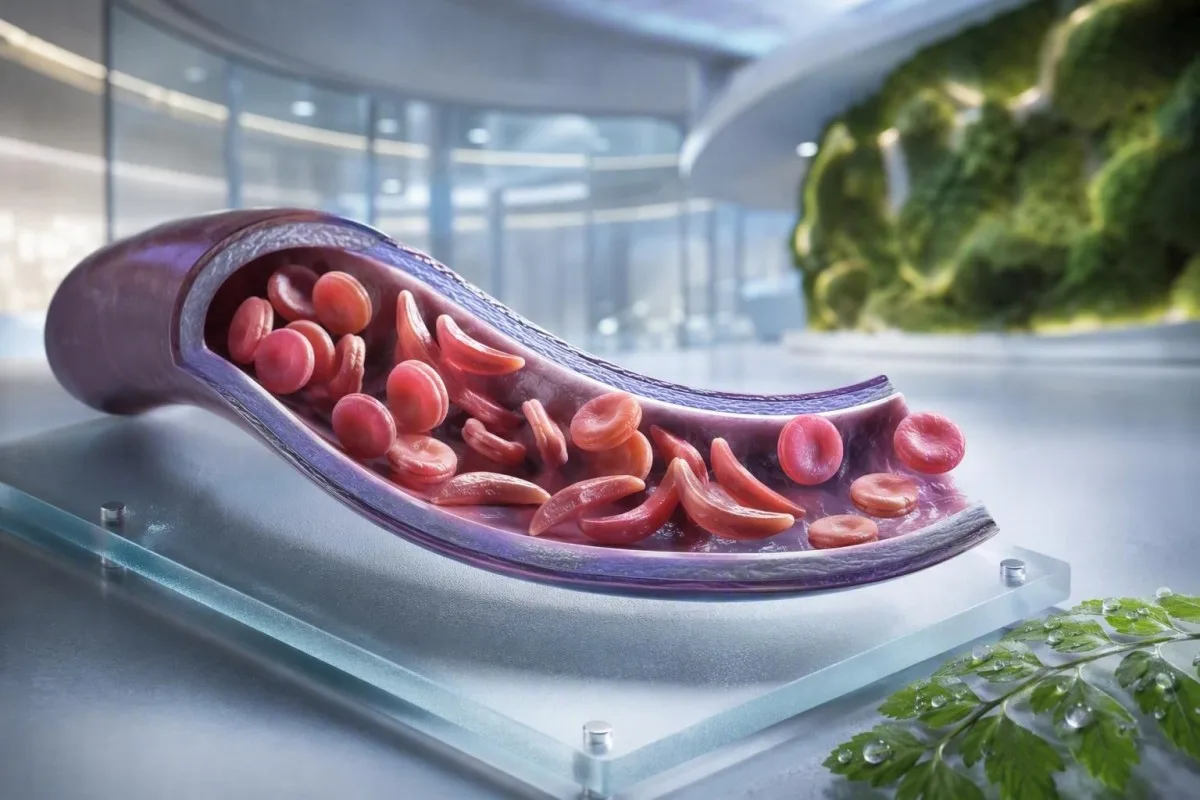
O'roq hujayrali anemiya bir test, bir alomat yoki bir shoshilinchlik darajasi emas. Ushbu bemorga yo'naltirilgan qo'llanma tashuvchi holat, tasdiqlangan kasallik, muntazam monitoring va favqulodda parvarishni talab qiladigan vaziyatlarni ajratadi.


- O'roq hujayrali tashuvchi bir HbS geni borligini bildiradi; odatda surunkali anemiya yoki takrorlanuvchi og'riq qisishlariga olib kelmaydi.
- Yangi tug'ilgan chaqaloqlarni skrining qilish belgilari boshlanishidan oldin ko'pchilik zararlangan chaqaloqlarni aniqlaydi, bu penitsillin va mutaxassis nazoratini erta boshlash imkonini beradi.
- Gemoglobin elektroforezi gemoglobin turlarini ajratadi va HbSS, HbSC, HbS-beta talassemiya yoki tashuvchi holatini tasdiqlashga yordam beradi.
- O'tkir ko'krak qafasi og'rig'i, nafas qisishi, 38,5°C yoki undan yuqori tana harorati, xiralashish yoki yangi paydo bo'lgan zaiflik o'roq hujayrali anemiya bilan og'rigan bemorda zudlik bilan shoshilinch baholashni talab qiladi.
- O'tkir ko'krak sindromi Yo'tal, isitma, ko'krak qafasi og'rig'i yoki kislorodning kamayishi bilan boshlanishi mumkin va bir necha kun o'rniga soat ichida yomonlashishi mumkin.
- Gemoglobinning birdaniga 2 g/dL yoki undan ko'pga tushishi shaxsning odatdagi darajasidan pasayishi aplastik inqiroz, sekvestratsiya, qon ketishi yoki gemolizning tezlashishini ko'rsatishi mumkin.
- Retikulotsitlar soni aplastik inqirozdan faol suyak iligi javobini ajratishga yordam beradi; kamayib borayotgan kamqonlik paytida past hisoblash xavfli namunadir.
- Gidroksiurea kasallikni o'zgartiruvchi dori, shunchaki og'riq qoldiruvchi vosita emas; dozani sozlash vaqtida odatda har 4 haftada to'liq qon hisobini nazorat qilishni o'z ichiga oladi.
O'roq hujayrali anemiya nimani anglatadi va nimani anglatmaydi
O'roq hujayrali kamqonlik odatda HbSS kasalligini anglatadi, bu erda shaxs gemoglobin S ishlab chiqaradigan ikkita genni meros qilib oladi; qizil qon hujayralari qattiq bo'lib, erta parchalanishi va mayda tomirlarni to'sib qo'yishi mumkin. O'roq hujayrali trait (xususiyati) farq qiladi: bitta HbS geni odatda genetik jihatdan o'tkazish uchun etarli, ammo HbSS da ko'rilgan surunkali kamqonlik va takrorlanuvchi qon tomir okklyuziv epizodlarni keltirib chiqarish uchun etarli emas.
O'roq hujayrali kasallik - bu HbSS, HbSC, HbS-beta-nol talassemiya va HbS-beta-plyus talassemiyani o'z ichiga olgan umumiy atama. HbSS ko'pincha eng aniq kamqonlikni keltirib chiqaradi, ammo og'irlik bir oilada ham katta farq qiladi; 7,5 g/dl gemoglobin darajasi bir kattalar uchun barqaror bo'lishi mumkin va agar u tez tushgan bo'lsa, boshqasi uchun xavfli bo'lishi mumkin.
Gemoglobin S mutatsiyasi beta-globindagi bitta aminokislotani o'zgartiradi: valin 6-pozitsiyada glyutamin kislotasini almashtiradi. Kam kislorod, suvsizlanish, atsidoz yoki isitma ostida HbS molekulalari hujayra ichida polimerlanishi mumkin. Ushbu jismoniy o'zgarish uzoq parvoz, oshqozon-ichak kasalliklari yoki yomon suyuqlik qabul qilingan kechadan keyin inqiroz nima uchun rivojlanishi mumkinligini tushuntiradi.
Kantesti AI bu AI qon testi analizatori bu CBC, bilirubin, LDH, retikulotsit, kreatinin va oldingi natijalarni bitta uzluksiz ko'rinishga qo'yadi; u faqat CBC dan o'roq hujayrali kasallikni tashxis qilmaydi. Gemoglobinni hisobotlash bo'yicha amaliy qisqacha ma'lumot uchun quyidagilarni ko'ring HGB nimani anglatadi.
2026-yil 4-sentabr holatiga ko'ra, men hali ham noto'g'ri ravishda trait va kasallik almashtirilishi mumkin deb aytilgan bemorlarni ko'raman. Ular bunday emas. Doktor Tomas Klaynning klinik qoidasi oddiy: aniq gemoglobin genotipini so'rang, “musbat” test bo'lgani haqida noaniq bayonotni emas.”
Genotip parvarishni qanday o'zgartiradi
HbSC HbSS dan yuqori gemoglobinni ushlab turishi mumkin, ammo baribir ko'z kasalliklari, og'riq yoki avaskulyar nekrozga olib kelishi mumkin. HbS-beta talassemiya beta-globin ishlab chiqarish qisman mavjudligiga qarab, trait yoki HbSS ga o'xshash bo'lishi mumkin, shuning uchun molekulyar testlash ba'zan nomuvofiq elektroforez naqshini aniqlaydi.
Yoshi va bazal holatiga ko'ra o'roq hujayrali anemiya belgilari
O'roq hujayrali kasallikning belgilari odatda vaqti-vaqti bilan suyak yoki ko'krak qafasi og'rig'i, charchoq, sarg'ayish, nafas qisilishi, o'sishning sekinlashishi va tez-tez infeksiyalarni o'z ichiga oladi., lekin hech qanday ikkita odam bir xil naqshni boshdan kechirmaydi. Belgilar odatda 4-6 oylik yoshdan keyin paydo bo'ladi, chunki homilalik gemoglobin dastlab chaqaloqlarni HbS polimerlanishidan himoya qiladi.
Daktilit - qo'llar yoki oyoqlarning og'riqli shishishi - chaqaloqlarda birinchi ko'rinadigan belgisi bo'lishi mumkin. Maktab yoshidagi bolalarda qorin og'rig'i alohida e'tiborga loyiqdir, chunki ich qotishi, o't pufagi kasalligi, taloqning kattalashishi va qon tomirlarining to'silishi uyda ajablanarli darajada o'xshash bo'lishi mumkin.
O'roq hujayrali kasallikdagi sarg'ayish qizil qon hujayralarining doimiy parchalanishi va bil Rubensning ko'payishini aks ettiradi; bu avtomatik ravishda gepatit degani emas. To'q rangli siydik, oqar axlat, qichima, isitma yoki o'ng yuqori qorin og'rig'i bu baholashni o'zgartiradi va jigar va o't yo'llarining sabablarini tekshirishga arziydi; yo'nalishimiz to'g'ridan-to'g'ri bilirubin naqshlari farqni tushuntiradi.
Kattalar asta-sekin tezlashib borayotgan og'riqni normal holga keltirishlari mumkin. Mening tajribamda, yilda ikki marta uyda boshqariladigan epizodlardan oyiga ikki marta epizodlarga o'tish, hatto shoshilinch tashriflar ko'paymagan bo'lsa ham, klinik jihatdan ahamiyatli. Uyqu buzilishi, ishdan qolish, erektil alomatlar, past kayfiyat va jismoniy mashqlar tolerantligining pasayishi hujjatlashtirilishi kerak, chunki ular ko'pincha davolanishning rasmiy o'zgarishidan oldin sodir bo'ladi.
6 dan 9 g/dl gacha bo'lgan gemoglobin kontsentratsiyasi HbSS da odatdagi barqaror holat oralig'i bo'lishi mumkin, shu bilan birga 10 g/dl dan past qiymat kasalligi bo'lmagan aksariyat odamlarda kutilmagan bo'ladi. Raqam muhim, ammo shaxsiy bazadan o'zgarish ko'proq ahamiyatga ega.
Kim o'roq hujayrali tashuvchi skriningini ko'rib chiqishi kerak
Homiladorlikdan oldin yoki homiladorlikning boshida tashuvchi statusi noma'lum bo'lgan har qanday kishi uchun o'roq hujayrali skrining qilish maqsadga muvofiqdir., ko'rinishidan, familiyasidan yoki taxmin qilingan ajdodidan qat'i nazar. Tashuvchi statusi meros bo'lib o'tadi va ko'pincha yangi tug'ilgan chaqaloq skriningi yoki kutilmagan darajada g'ayritabiiy gemoglobin testi o'tkazilguncha noma'lum qoladi.
Agar ikkala biologik ota-ona ham HbS bilan bog'liq yoki beta-talassemiya varianti tashuvchisi bo'lsa, har bir homiladorlikda klinik jihatdan muhim gemoglobin holatini meros qilib olish ehtimoli 25% ni tashkil qilishi mumkin, bu tegishli variantlarga bog'liq. Tashuvchi normal energiya, normal CBC natijalari va og'riq epizodlari tarixiga ega bo'lmasligi mumkin.
Skrining ayniqsa foydalidir, qachonki bitta sherikda HbAS, HbC belgisi, beta-talassemiya belgisi, tushunilmagan mikrositoz yoki **sickle cell disease** oilaviy tarixi bo'lsa. Pastki o'rtacha korpuskulyar hajmni ferritinni tekshirmasdan va talassemiyani hisobga olmasdan temir tanqisligiga ayblash kerak emas; solishtiring MCV va MCH maslahatlari.
Jahon sog'liqni saqlash tashkilotining 2022-yildagi global hisobotiga ko'ra, gemoglobin kasalliklari asosiy irsiy kasallik yukini tashkil etmoqda, ayniqsa yangi tug'ilgan chaqaloqlarni skriningdan o'tkazish imkoniyati teng bo'lmagan joylarda. Eng hurmatli yondashuv - bu irqni darvozabon sifatida ishlatishdan ko'ra, ma'lumotli skriningga universal kirishdir.
Kantesti - bu AI qon tahlili natijalari platformasi oddiy tilda HbS natijasini tushuntirib beradigan, ammo tashuvchi tasdiqlash va reproduktiv maslahatlashuv uchun akkreditatsiyalangan laboratoriya va shifokor talab qilinadi. Agar juftlik homiladorlikni rejalashtirayotgan bo'lsa, homiladorlikdan oldin sheriklikni tekshirish va genetik maslahatlashuvni amalga oshirish mumkinmi, degan savolni natija vaqtga bog'liq bo'lib qolmasdan oldin so'rang.
Gemoglobin elektroforezi qanday qilib tashxisni tasdiqlaydi
Gemoglobin elektroforezi gemoglobin fraktsiyalarini ajratadi va **sickle cell anemia** yoki belgini tasdiqlash uchun asosiy testdir, ko'pincha yuqori samarali suyuq xromatografiya va zarur bo'lganda genetik testlar bilan birga. Muntazam CBC HbSS yoki belgisini tasdiqlay olmaydi, chunki temir tanqisligi va talassemiya qizil qon hujayralari indekslarining o'zaro mos kelishiga olib kelishi mumkin.
Davolanmagan HbSS holatida elektroforez odatda HbA bo'lmagan holda, asosan HbSni ko'rsatadi, ammo HbF foizi o'zgarib turadi. HbAS odatda HbA va HbSni ham ko'rsatadi, ko'pincha HbA HbSdan yuqori bo'ladi; aniq foizlar birgalikda meros bo'lib o'tgan alfa-talassemiya yoki yaqinda qon quyish bilan o'zgarishi mumkin.
Yaqinda qon quyish elektroforez natijasini taxminan 3 oy davomida chalg'itishi mumkin, chunki donor HbA hali ham aylanmoqda. Shuning uchun ham HbA1c qon quyishdan keyin yoki yuqori aylanishli gemoliz holatlarida o'rtacha glyukozani kamaytirishi mumkin; qarang HbA1c chalg'itganda.
Periferik surtma maqsadli hujayralar, polixromaziya va shakllangan shakllarni ko'rsatishi mumkin, ammo mikroskopiya fraktsiya testini qo'llab-quvvatlaydi, almashtirmaydi. Doktor Klayn bemor bir necha hafta oldin qon quyilganda “normal” favqulodda surtmalarni ko'rgan - har doim laboratoriya va gematologiya jamoasiga qon quyish haqida xabar bering.
Yangi tug'ilgan chaqaloqlarni skriningdan o'tkazish usullari klinik kasallikdan oldin HbSni aniqlaydi, ammo natija hali ham o'z vaqtida tasdiqlash testini talab qiladi. Yawn va boshqalar tomonidan 2014-yildagi dalillarga asoslangan qo'llanma, birinchi yirik asoratdan oldin (Yawn et al., 2014) profilaktik choralarni boshlash bilan birga, hayotning dastlabki bosqichida mutaxassis ishtirokini tavsiya etadi.
Muntazam qon monitoringi: klinisyennlar haqiqatda nimani kuzatib borishadi
Haddal kasalligida muntazam monitoring odatda gemoglobin, retikulotsitlar, oq qon hujayralari, trombotsitlar, bilirubin, LDH, buyrak faoliyati va siydik oqsili ko'rsatkichlariga qaratiladi - bitta ajratilgan natijaga emas. Eng ishonchli solishtirish bemorning o'zining barqaror bazal ko'rsatkichlari bilan bo'lib, ideal holda ular yaxshi holatda va yaqinda qon quyilmagan paytda olingan.
Gemoliz ko'pincha yuqori LDH, bilvosita bilirubin va pastaptoglobinli retikulotsitlarga olib keladi. Aptoglobin boshqa sabablarga ko'ra, shu jumladan jigar kasalligiga ko'ra past bo'lishi mumkin, shuning uchun birlashgan naqsh bitta markerdan ko'ra kuchliroqdir; bizning haptoglobin talqinini o‘qing buni nima uchun ekanini ko‘rsatadi.
Retikulotsit foizi yolg'iz anamiyada suyak iligining javobini haddan tashqari baholashi mumkin. Klinisyenerlar ko'pincha mutlaq retikulotsit sonini yoki tuzatilgan retikulotsit javobini hisoblaydilar; yomonlashayotgan anamiyada pasayib borayotgan mutlaq son parvovirus B19 bilan bog'liq aplastik inqirozni ko'rsatadi.
Kantesti - bu AI asosidagi qon tahlili analiz vositasi bu esa yolg'iz LDHni yuqori deb hisoblash o'rniga takroriy gematologiya natijalarini solishtiradi. Naychada gemolizlangan deb belgilangan namunalar potentsial kaliy va LDHni yolg'on ko'rsatishi mumkin, shuning uchun ajablanarli natija qayta tekshiruvni talab qilishi mumkin; ko'rib chiqing gemolizdan keyin takroriy testlash.
Gidroksiurea odatda vaqt o'tishi bilan MCV va HbFni oshiradi, shu bilan birga samarali dozada neytrofillarni biroz kamaytiradi. Bu o'zgarishlar kutilishi mumkin, ammo individual davolash chegarasidan past bo'lgan mutlaq neytrofil soni yoki tez pasayib borayotgan trombotsit soni preparatni o'z-o'zidan sozlash o'rniga vrachning ko'rigini talab qiladi.
Qachon og'riq vaso-okklyuziv epizod bo'ladi va qachon bo'lmaydi
Vazo-okkluziv og'riq ko'pincha chuqur, kuchli va orqa, ko'krak qafasi, kestirib, oyoq-qo'llar yoki qorin bo'shlig'ida joylashgan bo'ladi, ammo yangi og'riq avtomatik ravishda sil inqirozi deb nomlanmasligi kerak. Isitma, mahalliy shish, jarohat, qorinni ushlab turish yoki bir tomonlama nevrologik alomatlar boshqa tekshiruvni talab qiladigan muammolarga olib keladi.
Uyda og'riqni boshqarish rejasi odatda erta hidratsiya, issiqlik, buyurilgan og'riq qoldiruvchi vositalar, dam olish va sil jamoasi bilan kelishilgan shaxsiy eskalatsiya chegarasini o'z ichiga oladi. Haddan tashqari suyuqlik ichish xavfsiz emas: buyrak yetishmovchiligi yoki yurak kasalligi bo'lgan odamlarda, ayniqsa o'tkir kasallik paytida suyuqlik ortib ketishi mumkin.
Odatdagi yordam rejasi keyin ham nazorat qilinmaydigan, suyuqlik yoki dori-darmonlarni qabul qila olmaydigan yoki sifati yoki joylashuvi bo'yicha farq qiladigan og'riq, zudlik bilan shifokor maslahatini talab qilishi kerak. Shishgan, issiq bo'g'im oddiy vazo-okkluziyadan ko'ra septik artrit yoki suyak infektsiyasini, balki oddiy vazo-okkluziyani bildirmasligi mumkin; bizning sababsiz og'riqni tekshirish qo'llanmasi foydali birinchi tekshiruvlarni tavsiflaydi.
Shoshilinch yordamda, og'riqni laboratoriya raqami orqali isbotlashdan ko'ra, o'z vaqtida og'riq qoldiruvchi vositalar va qayta baholash muhimdir. O'tkir og'riqli sil epizodlari bo'yicha NICE yo'riqnomasi tezkor og'riq qoldiruvchi vositalarni baholash va tez-tez ko'rib chiqishni tavsiya etadi, chunki yetarli darajada davolanmaslik o'zi uzoq davom etadigan azob va sekin tiklanishga olib keladi (NICE, 2012).
Vazo-okkluziv og'riq joyiga to'g'ridan-to'g'ri sovuq paketlardan foydalanmang, agar sizning jamoangiz ularni maxsus tavsiya etmasa; sovuq perifer tomirlarni toraytirishi mumkin. Bu amaliy detal ahamiyatsiz ko'rinadi, ammo ko'plab bemorlar menga bir nechta qiyin epizodlardan keyin hech kim tushuntirib bermagani haqida aytishadi.
O'tkir ko'krak sindromi: ko'pchilik e'tibordan chetda qoldiradigan favqulodda holat
O'tkir ko'krak sindromi - bu sil kasalligi bo'lgan odamda ko'krak qafasidagi rentgen tasvirida yangi infiltrate va respirator belgilar, isitma, ko'krak qafasi og'rig'i yoki past kislorod darajasi, va bu shoshilinch holatdir. U tezda yomonlashishi mumkin, ba'zan esa ko'krak qafasi belgilari boshlangan paytda emas, balki og'riq epizodi uchun qabul qilingandan keyin.
Nafas qisishi, uyquchanlik, ko'krak qafasi og'rig'i, ko'krak qafasining ko'k-kulrang lablari, hushidan ketish, isitma bilan davomiy yo'tal yoki shaxsiy belgilangan maqsadidan past bo'lgan kislorod saturatsiyasi uchun favqulodda xizmatlarga qo'ng'iroq qiling yoki favqulodda yordamga boring. 92% saturatsiyasi odatda 98% bo'lgan odam uchun katta pasayish bo'lishi mumkin, ba'zi bemorlar esa pastroq hujjatlashtirilgan bazal qiymatga ega; mutlaq qiymat ham, o'zgarish ham muhimdir.
O'tkir ko'krak sindromi infektsiya, suyak ilig'idan yog' emboliyasi, o'pka tomirlarining tiqilishi, atelektaz yoki bir vaqtning o'zida bir nechta jarayonlarni o'z ichiga olishi mumkin. Klinisyenerlar odatda oksigenatsiyani, CBC, retikulotsitlarni, isitma bo'lganda kulturalarni, ko'krak qafasini tasvirlashni va ba'zan qon gazlarini baholaydilar; hansirash uchun qon tekshiruvlari ushbu natijalarga kontekst qo'shadi.
Kattalarda opiatlardan haddan tashqari sedatsiya, og'riqdan sayoz nafas olish va ortiqcha tomir ichiga suyuqlik nafas olish holatini yomonlashtirishi mumkin. Kasalxonada yotgan paytda rag'batlantiruvchi spirometriya tanlangan og'riqli epizodlarda o'pka asoratlarini kamaytiradi, ammo belgilar allaqachon boshlangan bo'lsa, zudlik bilan baholashning o'rnini bosmaydi.
Kato va hamkasblarining 2018 yildagi sharhida o'tkir ko'krak sindromi hayot davomida yuqori kasallanish va o'limning asosiy sababi sifatida tasvirlangan (Kato et al., 2018). Agar nafas qisishi, uyquchanlik yoki ko'krak qafasidagi bosim sezilarli bo'lsa, o'zingiz mashina haydashdan saqlaning.
Yuqori tana harorati, infeksiya va taloq bilan bog'liq favqulodda vaziyatlar
Sickle hujayrali kasalligi bo'lgan bolada yoki kattada 38,5°C (101,3°F) yoki undan yuqori harorat, agar ularning mutaxassis jamoasi boshqa reja bermagan bo'lsa, shoshilinch kun davomida tibbiy tekshiruvni talab qiladi. Suyak iligi immun funksiyasining funksional yo'qolishi ba'zi bakterial infektsiyalarning oddiy virusli isitmadan ancha tez rivojlanishiga olib kelishi mumkin.
Isitma, letargiya, toshma, past qon bosimi, tushkunlik yoki siydik ajralishining kamayishi favqulodda yordamni talab qiladi. Oddiy ko'rinishdagi oq qon hujayralari soni sickle hujayrali kasalligida jiddiy infektsiyani, ayniqsa kasallikning dastlabki bosqichida yoki gidroksiurea davolash paytida ishonchli ravishda istisno qilmaydi.
Splenik sekvestratsiya ko'pincha yosh bolalarda uchraydi va bu splenik to'satdan kattalashishi, rangi o'chishi, qorin bo'shlig'ining to'lishi, tez nafas olish va gemoglobinning tez pasayishiga olib keladi. Ota-onalarga ba'zan bolalarining suyak iligini qanday his qilish o'rgatiladi, ammo kasallik bilan bog'liq har qanday yangi kattalashish uy sharoitida takroriy tekshiruvlardan ko'ra, shoshilinch tekshiruvni talab qilishi kerak.
Kattalashgan suyak iligi bilan odatdagidan 2 g/dL yoki undan ko'proq gemoglobinning pasayishi sekvestratsiya uchun tashvishlidir. Bundan farqli o'laroq, juda past retikulotsitlar soni bilan og'ir anemiya aplastik krizni ko'rsatishi mumkin, ko'pincha parvovirus B19 bilan bog'liq; retikulotsitlar sonini talqin qilish suyak iligi signalini tushuntiradi.
Sepsis laboratoriya tekshiruvlariga laktat, kulturalar, CBC, buyrak testlari va yallig'lanish markerlari kirishi mumkin, ammo davolash qarorlari hech qachon har bir qiymat qaytguncha kutilmasligi kerak. Shoshilinch naqshlar haqida ma'lumot olish uchun o'qing sepsis markerining maslahatlari.
Vaktsinalar va profilaktik antibiotiklar
Vaktsinalar va bolalikdagi penitsillin profilaktikasi xavfni kamaytiradi, ammo isitmani kam xavfli qilmaydi. Individual rejangizni gematologiya yoki pediatriya jamoasi bilan, ayniqsa splenektomiyadan, sayohatdan, yangi chaqaloqdan yoki mahalliy emlash jadvalidagi o'zgarishdan keyin tasdiqlang.
Insult va nevrologik ogohlantirish belgilari darhol chora ko'rishni talab qiladi
Sickle hujayrali kasalligida yuzning to'satdan qiyshayishi, qo'l yoki oyoqning zaiflashishi, nutqning buzilishi, tirishish, kuchli g'ayritabiiy bosh og'rig'i, tushkunlik yoki muvozanatni yo'qotish har qanday holatda ham mumkin bo'lgan zarba favqulodda holati sifatida davolanishi kerak. Muayyan favqulodda xizmatlarga darhol qo'ng'iroq qiling; alomatlar o'tib ketishini kutmang yoki avval og'riq qoldiruvchi vositalarni bermang.
HbSS yoki HbS-beta-zero talassemiyasi bo'lgan bolalarga odatda 2 yoshdan 16 yoshgacha bo'lgan transkranial Doppler ultratovush skrining taklif etiladi. 200 sm/soniya yoki undan yuqori bo'lgan anormal vaqt-o'rtacha maksimal tezlik zarba xavfining sezilarli darajada oshganligini ko'rsatadi va zudlik bilan mutaxassis aralashuvini talab qiladi.
Xronik transfüzyon terapiyasi Dopplerdan abnormal topilmalarga ega bolalarda birinchi zarba xavfini kamaytirishi mumkin, ammo bu qo'shimcha ehtiyojlarni yaratadi: temirni ortiqcha yuklanishini kuzatish, antitelani tekshirish va donor hujayralarini ehtiyotkorlik bilan moslashtirish. Bu ilova orqali boshqariladigan natija emas, balki maxsus parvarishdir.
Kattalar klassik dramatik zarba bo'lmagan holda ham vaqtinchalik nevrologik alomatlar, kognitiv o'zgarishlar yoki jim miya shikastlanishiga ega bo'lishi mumkin. So'z topish qiyinligining 10 daqiqalik epizodi hali ham favqulodda tekshiruvni talab qiladi, chunki vaqtinchalik ishemik alomatlar ogohlantirish bo'lishi mumkin, tasalli emas.
Doktor Tomas Keyn oilalarga mahalliy sickle favqulodda aloqa raqamini odatdagi og'riq rejasi yoniga saqlashni maslahat beradi. Bu bola yoki kattalar gapirishga qiynalayotgan paytdagi bir necha daqiqada bitta qarorni yo'q qiladi.
Qisishlar orasida buyraklar, ko'zlar va o'pkalarni himoya qilish
Sickle hujayrali kasalligi og'riq kam bo'lsa ham buyraklar, retina, o'pka va yurakka zarar yetkazishi mumkin, shuning uchun organlarni muntazam kuzatish davolashning bir qismidir, ixtiyoriy qo'shimcha emas. Siydik albuminini tekshirish, qon bosimini nazorat qilish, ko'z tekshiruvlari va simptomga asoslangan o'pka tekshiruvi asoratlarni ular aniq bo'lmasdan oldin aniqlaydi.
Albuminuriya sickle nefropatiyasining erta belgisi bo'lishi mumkin. Ko'pchilik kattalarda siydik albumin-kreatinin nisbati 30 mg/g yoki undan yuqori bo'lsa, bu g'ayritabiiy hisoblanadi va takroriy tekshiruvlar bilan tasdiqlanishi kerak, chunki isitma, jismoniy mashqlar, hayz ko'rish va suvsizlanish vaqtinchalik oshirishi mumkin.
Kreatinin sickle hujayrali kasalligida aldamchi ravishda normal ko'rinishi mumkin, chunki kanalchalar sekretsiyasining ko'payishi va mushak massasining kamayishi filtrlashning kamayishini yashirishi mumkin. Sistatin C yoki kombinatsiyalangan tenglamalar foydali kontekstni qo'shishi mumkin, shu bilan birga doimiy ko'pikli siydik tekshiruvni talab qiladi; qarang siydikdagi oqsil bo'yicha qo'llanma.
Retinopatiya, ayniqsa, HbSC kasalligida muhim ahamiyatga ega, bu esa boshqa jihatlarda klinik jihatdan sokinroq bo'lishi mumkin. Yangi suzuvchi dog'lar, chaqnashlar, parda kabi ko'rinishning o'zgarishi yoki to'satdan xiralashgan ko'rish asta-sekin emas, balki shoshilinch oftalmologik ko'rikni talab qiladi.
Homiladorlik fiziologik giperfiltratsiya va yuqori onalik-fetal xavfni oshiradi, shuning uchun buyrak va siydikning asosiy baholanishi erta o'tkazilishi kerak. Bizning izohimiz homiladorlik GFR o'zgarishlari kutilgan o'zgarishni tashvishli tendentsiyadan ajratishga yordam beradi.
Davolash usullari, gidroksiureya va qon quyish xavfsizligi
Gidroksiureya ko'p odamlarda HbSS yoki HbS-beta-nol talassemiyali og'riqli epizodlar va o'tkir ko'krak qafasi sindromini ko'paytiradi, chunki u fetal gemoglobinni oshiradi, lekin buning uchun tizimli monitoring talab qilinadi. Transfuziya tanlangan asoratlarda hayotni saqlab qolishi mumkin, ammo takroriy transfuziyalar temir yuklanishi va qizil qon hujayralari antitelari xavfini keltiradi.
Gidroksiureya odatda har 4 haftada bir marta CBC va retikulotsitlar soni bilan doimiy dozaga erishguncha titrlanadi, keyin davolash jamoasi tomonidan belgilangan uzoqroq intervalda. Yuqori MCV ko'pincha kutilgan davolash ta'siridir, shu bilan birga jiddiy sitopeniya dori-darmonlarni ko'rib chiqishni va ba'zan vaqtinchalik to'xtatib turishni talab qiladi.
Oddiy transfuziya kislorod tashish qobiliyatini oshiradi, ammo ortiqcha gemoglobin kontsentratsiyasi HbSSda viskozni oshirishi mumkin. Ko'pgina o'tkir protokollar, mutaxassis boshqa maqsadni belgilamasa, transfuziyadan keyingi gemoglobinni 10 g/dl dan oshmasligini ta'minlaydi; almashinuvli transfuziya tanlangan jiddiy asoratlar uchun ishlatiladi.
Takroriy transfuziyadan keyin temirning ortiqcha yuklanishi ehtimoli ortadi va jigar yoki yurak MRI bilan birga ferritin tendentsiyalari bilan baholanadi. Yallig'lanish bilan ferritin ko'tariladi, shuning uchun bitta yuqori daraja to'qimalardagi temir yukining dalili emas; bizning temir tadqiqotlari bo'yicha qo'llanma cheklovlarni tushuntiradi.
Eng kuchli dalillar HbSS va HbS-beta-nol kasalligida gidroksiureya uchun mavjud; HbSCda foydasi kamroq aniqlik va ko'proq individual qaror qabul qilish joyi bo'lib qolmoqda. Dori-darmonlar rejasiga homiladorlik va kontratseptsiya bo'yicha tegishli muhokamalar, rioya qilishdagi to'siqlar va o'tkazib yuborilgan dozalar uchun yozma reja kirishi kerak.
Homiladorlik, tug'ish qobiliyati va HbS bilan oilani rejalashtirish
Sickle hujayrali kasallik bilan homiladorlikda og'riq epizodlari, kamqonlik, tromboz, infektsiya, preeklampsiya, platsentaning o'sishining sekinlashishi va muddatidan oldin tug'ish xavfi yuqori bo'lganligi sababli, akusherlik va gematologiyaning erta qo'shma parvarishi talab qilinadi. Genetik xavf ikkala biologik ota-onaga bog'liq bo'lganligi sababli, homiladorlikdan oldin tashuvchi skrining muhim ahamiyatga ega.
Homiladorlikdan oldin tashrif buyurish genotipni, asosiy gemoglobinni, buyrak faoliyatini, siydik albuminini, qon bosimini, transfuziya tarixini, qizil qon hujayralari antitelalarini, emlashlarni va dori-darmonlarni ko'rib chiqishi kerak. Homiladorlikda gidroksiureya to'g'risidagi qarorlar individual asosda qabul qilinadi va mutaxassislar bilan birga qabul qilinishi kerak; faqat internet maslahatiga asoslanib uni to'xtatmang yoki qayta boshlamang.
HbSSda kam gemoglobin uchun temir avtomatik ravishda buyurilmasligi kerak. Temir tanqisligi, ayniqsa homiladorlik yoki ko'p hayz ko'rish qon ketishi bilan birga bo'lishi mumkin, ammo ferritin va transferrinning to'yinganligi davolashni yo'naltirish kerak, chunki surunkali gemoliz o'zi temir tanqisligini anglatmaydi.
Har ikki ota-ona tegishli gemoglobin variantlarini tashuvchi bo'lsa, genetik maslahat tabiiy kontseptsiya, prenatal diagnostika variantlari, donor variantlari va oilani bir qarorga undamasdan implantatsiyadan oldingi genetik testlarni tushuntirib berishi mumkin. Maqsad qo'rqitish emas, balki xabardor tanlovdir.
Boshqa amaliy homiladorlik laboratoriya qizil bayroqlari uchun qarang bir kunlik homiladorlik laboratoriya tashvishlari. Homiladorlikni topshirishda bemorning ma'lum bo'lgan asosiy ko'rsatkichlari kiritilishi kerak; bu gemoglobin natijasini talqin qilish usulini o'zgartiradi.
Laboratoriya natijalarini uchrashuvlar orasida xavfsiz ishlatish
Sickle hujayrali laboratoriya natijasi sizning genotipingiz, barqaror asosiy ko'rsatkichingiz, simptomlaringiz, davolash usullaringiz va yaqinda o'tkazilgan transfuziyalar bilan solishtirilganda eng foydali bo'ladi. Yuqori bilirubin yoki kam gemoglobin HbSSli bir kishi uchun kutilgan bo'lishi mumkin, ammo natija birdan o'zgarsa, xuddi shu kishi uchun bu shoshilinch bo'ladi.
Genotip, odatdagi gemoglobin, odatdagi kislorod to'yinganligi (agar ma'lum bo'lsa), qon guruhi va antitelalar, joriy dori-darmonlar, transfuziya sanalari va favqulodda kontaktlar haqida bir sahifali yozuvni saqlang. Bu notanish favqulodda bo'limlarda vaqtni tejaydi va HbSS asosiy ko'rsatkichi yangi aniqlangan kamqonlik uchun noto'g'ri talqin qilinish ehtimolini kamaytiradi.
Kantesti - bu AI lab test interpretatsiya xizmati gemoliz markerlari, buyrak tendentsiyalari va dori-darmonlarni monitoring qilishni o'z ichiga olgan holda, yuklangan laboratoriya hisobotlarini tartibga solishi va muhokama uchun namunaviy tartibni belgilashi mumkin bo'lgan. U ko'kragingizni ko'ra olmaydi, kislorod darajasini o'lchay olmaydi yoki ko'krak qafasi sindromi, sepsis yoki insultga olib keladigan simptomlar paydo bo'lganda shoshilinch yordamni almashtira olmaydi.
Laboratoriya maʼlumotlaridan tashqari natija avtomatik ravishda xavfli emas va agar u keskin o'zgargan bo'lsa, undagi natija hali ham xavfli bo'lishi mumkin. Hisobot bayroqlari va maʼlumotlar diapazonlarini tushunish uchun o'qing diapazondan tashqari natijaning maʼnosi.
Kantesti ning klinik yondashuvi aniqlangan usullar va cheklovlarga qarshi ko'rib chiqiladi; bizning himoya choralarimizni tushunmoqchi bo'lgan o'quvchilar ko'rib chiqishlari mumkin klinik validatsiya standartlarimizga. Gemotologiya uchrashuviga asl PDF-ni olib keling — OCR foydali, ammo asosiy hisobot yozuv bo'lib qoladi.
O'roq hujayrali anemiya uchun aniq favqulodda harakat rejalari
Ko'krak qafasi og'rig'i yoki hansirash, 38,5°C yoki undan yuqori isitma, yangi nevrologik belgilar, hushidan ketish, kuchli rangsizlanish, nazorat qilinmaydigan og'riq, qorinning tez kattalashishi yoki ichish va dori-darmonlarni qabul qilishning imkonsizligi uchun hozir favqulodda yordamga murojaat qiling. Bu ogohlantirish belgilari o'tkir ko'krak qafasi sindromi, sepsis, insult, jiddiy kamqonlik yoki taloqni o'rab olishni ko'rsatishi mumkin.
Favqulodda xodimlarga o'roqsimon hujayrali kasalligingiz borligini ayting, agar ma'lum bo'lsa, genotipni ayting va odatdagidan nima farq qilishini tasvirlab bering. Yaqinda qon quyish, bazal gemoglobin, dozalari va vaqtlari bilan allaqachon qabul qilingan og'riq qoldiruvchi vositalar, allergiyalar, homiladorlik va o'tmishdagi o'tkir ko'krak qafasi sindromi yoki insult haqida gapiring.
Ko'krak qafasi belgilari yomonlashsa, uy puls oksimetri abnormal bo'lishini kutmang. Isteʼmolchi qurilmalari sovuq barmoqlar, tirnoq mahsulotlari, harakat, yomon qon aylanishi va baʼzi teri ranglari bilan noto'g'ri o'qishi mumkin; belgilar va klinik baholash bitta tasalli beruvchi displeydan ustun turadi.
Agar siz bolaga g'amxo'rlik qilsangiz, ularning jamoasidan yozma isitma chegarasi, analjezik reja va taloq tekshiruvi bo'yicha ko'rsatmalarni so'rang. Agar siz kattalar bo'lsangiz, telefoningizda nusxasini saqlang va uni bir ishonchli odam bilan baham ko'ring; oilaviy sog'liqni saqlash rekordini rejalashtirish buni osonlashtirishi mumkin.
Kantesti ning tibbiy jamoasi, shu jumladan bizning Tibbiy maslahat kengashi, laboratoriya talqinlari bo'yicha ta'limni qo'llab-quvvatlaydi, favqulodda qarorlar esa shaxsan ko'rish mumkin bo'lgan klinik xizmatlarga tegishli. Bizning tashkilotimiz va klinik missiyamiz haqida ko'proq ma'lumot olish uchun quyidagi manzillarga qarang bizning jamoamiz va yondashuvimiz.
Tez-tez so'raladigan savollar
Chashmaning birinchi belgilari qanday?
O‘roq hujayrali anemiya belgilari odatda bola tug‘ilgandan 4-6 oy o‘tgach, platsentar gemoglobin tabiiy ravishda kamayganda paydo bo‘ladi. Qo‘l va oyoqlarning og‘riqli shishishi (daklitit), isitma, odatdagidan ko‘proq bezovtalik, rangparlik, sarg‘ayish, ovqatlanishning buzilishi va qorinning kattalashishi keng tarqalgan dastlabki belgilaridir. O‘roq hujayrali kasallikka chalingan chaqaloqlarda 38,5°C (101,3°F) yoki undan yuqori isitma jiddiy infeksiya tezda rivojlanishi mumkinligi sababli, zudlik bilan bir kun ichida tibbiy tekshiruvni talab qiladi. Yangi tug‘ilgan chaqaloqlarni skrining qilish kasallikka chalingan chaqaloqlarni belgilari paydo bo‘lishidan oldin aniqlaydi, ammo tasdiqlovchi testlar va mutaxassis nazorati zarur bo‘lib qoladi.
Sickle cell trait bo'lgan taqdirda ham belgilarga ega bo'lishingiz mumkinmi?
Ko'pchilik rekord hujayrali kasalligi bo'lgan odamlarda surunkali kamqonlik, takrorlanuvchi og'riq inqirozlari va normal kundalik mashq tolerantligi bo'lmaydi. Kamdan-kam hollarda, haddan tashqari suvsizlanish, kuchli issiqlik ta'sirida bo'lish, baland joylar, juda kuchli zo'riqish yoki kislorod kam bo'lgan muhitlarda asoratlar yuzaga kelishi mumkin va siydikdagi qon yaxshi deb taxmin qilinmasdan baholanishi kerak. Belgisi bitta HbS geni degani, rekord hujayrali kamqonlik esa odatda ikkita ta'sirlangan beta-globin genlari bilan HbSS kasalligini bildiradi. Gemoglobin elektroforezi yoki unga teng fraktsiyalash testi farqni aniqlashi mumkin.
O'roq hujayrali anemiya kasalligini tasdiqlaydigan qanday test mavjud?
Gemoglobin elektroforezi, yuksak samarali suyuqlik xromatografiyasi yoki kapillyar elektroforezi mavjud gemoglobin fraktsiyalarini tasdiqlaydi va o'roq hujayrali anemiya tashxisida markaziy o'rin tutadi. Davolanmagan HbSS ko'pincha gemoglobin A bo'lmagan holda, asosan gemoglobin S ni ko'rsatadi, holbuki tashuvchilikda odatda ham gemoglobin A, ham gemoglobin S mavjud bo'ladi. CBC anemiyani yoki kichik qizil hujayralarni aniqlashi mumkin, ammo HbSS, HbSC yoki tashuvchilikni mustaqil ravishda tashxislashi mumkin emas. Yaqinda qon quyish taxminan 3 oy davomida fraktsiya natijalarini buzishi mumkin, shuning uchun aniq bo'lmagan holatlarda molekulyar testlash zarur bo'lishi mumkin.
Gelgali hujayrali kasalligi bo'lgan odam qachon shoshilinch yordam bo'limiga borishi kerak?
Sickle hujayrali kasalligi bo'lgan shaxs isitmasi 38,5°C (101,3°F) yoki undan yuqori bo'lsa, ko'krak qafasi og'rig'i, nafas qisishi, kislorod kamligi, to'satdan bo'shashish, nutq buzilishi, tutqanoq, hushdan ketish, tezlashib borayotgan rangparlik, qorinning kuchli shishishi yoki belgilangan reja bo'yicha nazorat qilinmaydigan og'riqlar uchun favqulodda tekshiruvdan o'tishi kerak. Bu alomatlar o'tkir ko'krak sindromi, infeksiya, insult, taloqning sekvestratsiyasi yoki gemoglobinning to'satdan pasayishini ko'rsatishi mumkin. Suyak infektsiyasi, o't pufagi kasalligi, appenditsit va qon quyqalarining vazo-okkluziv og'riqqa o'xshashligi sababli yangi yoki boshqacha og'riq ham tekshiruvni talab qiladi. Neyrologik yoki respirator alomatlar sezilarli bo'lsa, mashina haydamang.
O'roq hujayrali kasallikda gemoglobinning qanday darajasi xavfli hisoblanadi?
Sickle hujayrali kasallikda yagona xavfli gemoglobin raqami mavjud emas, chunki ko'pgina HbSS bilan kasallangan bemorlarda odatda taxminan 6 dan 9 g/dL gacha bo'lgan barqaror ko'rsatkich mavjud. Shaxsning odatdagi gemoglobinidan 2 g/dL yoki undan ko'pga kamayishi ko'pincha mutlaq qiymatdan ko'ra tashvishliroqdir va aplastik krizis, taloq sekvestratsiyasi, qon ketishi yoki gemolizning tezlashishi haqida signal berishi mumkin. Nafas qisilishi, hushidan ketish, ko'krak qafasida og'riq, yurak urishining tezlashishi yoki ongning chalkashishi kabi jiddiy simptomlar har qanday gemoglobin darajasida shoshilinch tekshiruvni talab qiladi. Transfuziya qarorlari simptomlar, odatdagi ko'rsatkich, anemiya sababi, oksigenatsiya va giperviskozlik xavfiga bog'liq.
Gidroksiurea o'roq hujayrali anemiyani davolaydimi?
Gidroksiureya o'roq hujayrali anemiyani davolamaydi, lekin u ko'p odamlarda HbSS yoki HbS-beta-nol talassemiyasi bilan og'rigan bemorlarda og'riq epizodlari, o'tkir ko'krak sindromi, qon quyish ehtiyojlari va kasalxonaga yotqizishni kamaytirishi mumkin. U qisman homila gemoglobinini ko'paytirish orqali ishlaydi va odatda dozani sozlash paytida har 4 haftada bir marta qon tahlili (CBC) va retikulotsitlarni kuzatishni talab qiladi. MCV va HbF darajasining ko'tarilishi biologik ta'sirni ko'rsatishi mumkin, garchi natijalardan hech biri mukammal rioya qilishni isbotlamaydi. Ildiz hujayralari transplantatsiyasi va ba'zi gen asosidagi terapiyalar kabi davolash usullari juda ixtisoslashtirilgan malaka baholash va uzoq muddatli kuzatuvni talab qiladi.
Bugun AI asosidagi qon tahlilini tahlil qilishni oling
Kantesti’ga tezkor va aniq laboratoriya tahlili uchun ishonadigan butun dunyo bo‘ylab 2 milliondan ortiq foydalanuvchiga qo‘shiling. Qon tahlili natijalaringizni yuklang va soniyalar ichida 15,000+ biomarkerlarining to‘liq talqinini oling.
📚 Havola qilingan ilmiy tadqiqot nashrlari
Klein, T., Mitchell, S., & Weber, H. (2026). C3 C4 komplement qon tahlili va ANA titr bo‘yicha qo‘llanma. Kantesti AI tibbiy tadqiqoti.
Klein, T., Mitchell, S., & Weber, H. (2026). Nipah virusi qon tahlili: 2026-yilda erta aniqlash va tashxis qo'yish bo'yicha qo'llanma. Kantesti AI tibbiy tadqiqoti.
📖 Tashqi tibbiy manbalar
⚕️ Tibbiy ogohlantirish
Ushbu maqola faqat ta’lim maqsadlari uchun mo‘ljallangan va tibbiy maslahatni anglatmaydi. Tashxis va davolash bo‘yicha qarorlar uchun har doim malakali sog‘liqni saqlash mutaxassisiga murojaat qiling.
E-E-A-T ishonch signallari
Tajriba
Shifokor boshchiligidagi laboratoriya talqin qilish ish jarayonlarini klinik ko‘rib chiqish.
Tajriba
Laboratoriya tibbiyoti biomarkerlarning klinik kontekstda qanday o‘zini tutishini yoritadi.
Vakolatlilik
Dr. Tomas Klein tomonidan yozilgan, Dr. Sarah Mitchell va Prof. Dr. Hans Weber tomonidan ko‘rib chiqilgan.
Ishonchlilik
Xavotirni kamaytirish uchun aniq keyingi qadamlar yo‘nalishlari bilan dalillarga asoslangan talqin.