Düşük bir TIBC sonucu nadiren tek başına semptomlara neden olur. Semptomlar, transferrin üretimini, demir kullanımını veya protein dengesini değiştiren durumdan kaynaklanır.



- Düşük TIBC genellikle demiri taşımak için daha az transferrinin mevcut olduğu anlamına gelir; birçok yetişkin laboratuvarı yaklaşık 250–450 µg/dL (45–80 µmol/L) referans aralığı olarak kullanır.
- Belirtiler dolaylıdır: yorgunluk, ateş, eklem ağrısı, şişlik, sarılık veya kilo kaybı, düşük TIBC'nin kendisinden ziyade altta yatan hastalığa işaret eder.
- İnflamasyon paterni genellikle düşük serum demiri, düşük TIBC, 'ın altında transferrin satürasyonu ve normal veya yüksek ferritin gösterir.
- Demir eksikliği paterni genellikle düşük ferritin ve yüksek - düşük değil - TIBC üretir, ancak aynı zamanda inflamasyon veya karaciğer hastalığı mevcutsa.
- Transferrin satürasyonu serum demirinin TIBC'ye bölünmesiyle çarpı 100 olarak hesaplanır; 'ın üzerindeki bir değer, devam ederse demir yüklenmesi açısından değerlendirmeyi gerektirir.
- Albümin önemlidir transferrin karaciğer yapımı bir protein olduğu için; düşük albümin ve düşük TIBC, azalmış sentezi, yetersiz alımı, protein kaybını veya sistemik hastalığı gösterebilir.
- Acil değerlendirme kafa karışıklığı, sarılık, siyah dışkı, istirahatte nefes darlığı, hızla artan şişlik veya şiddetli zayıflıkla birlikte ateş için uygundur.
- Bilge yeniden test etme doktorunuzun onayladığı durumlarda demir paneli öncesinde 24 saat boyunca demir haplarından kaçınmak ve mümkün olduğunda akut ateşli hastalık sırasında rutin testleri ertelemek anlamına gelir.
Düşük bir TIBC sonucu aslında ne anlama gelir
Düşük toplam demir bağlama kapasitesi, kan dolaşımının demiri bağlamak için daha az transferrin kapasitesine sahip olduğu anlamına gelir. TIBC, esas olarak karaciğer tarafından üretilen bir protein olan transferrinin dolaylı bir ölçüsüdür; vücudunuzun ne kadar demir depoladığının doğrudan bir ölçüsü değildir.
Çoğu laboratuvar yetişkin TIBC değerini yaklaşık olarak raporlar 250–450 µg/dL veya 45–80 µmol/L, ancak sonucunuzun yanında basılan aralık, test kalibrasyonları farklı olduğu için geçerlidir. 210 µg/dL'lik bir değer otomatik olarak tehlikeli değildir; serum demiri, ferritin, transferrin doygunluğu, C-reaktif protein, albümin ve tam kan sayımı ile birlikte yorumlarım. Detaylı demir çalışmaları kılavuzu tek bir demir belirtecinin her soruyu yanıtlayamayacağını açıklar.
TIBC ve transferrin yakından ilişkilidir ancak aynı testler değildir. Transferrin bir protein konsantrasyonu olarak, genellikle g/L veya mg/dL cinsinden ölçülürken, TIBC dolaşan transferrinin maksimum demir bağlama kapasitesini tahmin eder; bazı laboratuvarlar birini diğerinden hesaplar. TIBC, tek bir işareti tanı olarak kabul etmek yerine, bir demir panelinin geri kalanına göre düşük TIBC'yi okuyan bir AI kan testi analizörü göstergesidir.
Hastaların sıklıkla kaçırdığı pratik bir ayrıntı: aynı kişi, bir viral hastalık sırasında düşük TIBC'ye sahip olabilir ve birkaç hafta sonra herhangi bir takviye olmadan daha yüksek bir değere sahip olabilir. Dr. Thomas Klein'ın yaklaşımı, öncelikle örneğin enfeksiyon sırasında mı, hastanede tedavi sonrasında mı yoksa yeni bir inflamatuar alevlenme sırasında mı alındığını sormaktır; bu zaman çizelgesi genellikle gereksiz bir demir reçetesini önler.
Transferrin doygunluğunun arkasındaki hesaplama
Transferrin doygunluğu eşittir serum demiri ÷ TIBC × 100. 250 µg/dL TIBC ile 50 µg/dL serum demiri, doygunluk verirken, 125 µg/dL TIBC ile aynı serum demiri verir; düşük bir payda, doygunluğun yanıltıcı bir şekilde rahatlatıcı veya yüksek görünmesine neden olabilir.
Düşük TIBC belirtileri: neler hissedebilirsiniz ve neler hissetmezsiniz
Düşük TIBC'nin kendisi genellikle belirgin bir belirtiye neden olmaz. Yorgunluk, egzersiz toleransında azalma, ateş, karın şişliği, eklem rahatsızlığı veya gözlerin sararması anemi, inflamasyon, karaciğer disfonksiyonu, yetersiz beslenme veya demir fazlalığından kaynaklanır; yalnızca TIBC sayısından değil.
Düşük TIBC'ye hemoglobinin altında olması eşlik ettiğinde gebe olmayan kadınlarda 120 g/L veya erkeklerde 130 g/L’nin altında, yorgunluk, merdivenlerde nefes darlığı, çarpıntı, baş ağrısı ve hafif baş dönmesi anemi yansıtabilir. Ancak inflamasyon anemisi hafif olabilir ve sitokinler demirin kemik iliğine iletimini değiştirdiği için hastayı yine de bitkin bırakabilir. Bunu düşük kırmızı kan hücresi semptomları ile karşılaştırın, eğer CBC'niz de işaretlenmişse.
Endişemi karaciğer veya proteinle ilgili nedenlere kaydıran semptomlar arasında ayak bileği şişliği, yeni karın dolgunluğu, kolay morarma, kaşıntı, koyu idrar, soluk dışkı veya iştahsızlık yer alır. Sarılık artı kafa karışıklığı, kan kusma, siyah katranlı dışkı, şiddetli nefes darlığı veya hızla genişleyen şişlik aynı gün değerlendirme gerektirir. Düşük TIBC aciliyet değildir; bu klinik belirtiler olabilir.
Pratikte, insanların “düşük demir bağlama kapasitesi belirtileri” aradıktan sonra endişelendiğini ve hemen demir kullanmaya başladığını görüyorum. Transferrin doygunluğu zaten yukarıdaysa bu yanlış bir hareket olabilir 45% veya ferritin yüksekse. Demir, eksiklik belirlendiğinde faydalıdır, ancak genel bir tonik değildir ve tanısal deseni karmaşıklaştırabilir.
İnflamasyon düşük TIBC ve düşük serum demiri nasıl oluşturur
İnflamasyon, düşük serum demiri ile birlikte düşük TIBC'nin en yaygın açıklamasıdır. Karaciğer, akut faz yanıtı sırasında daha az transferrin üretirken, hepcidin makrofajlardan ve bağırsak emiliminden demir salınımını sınırlar.
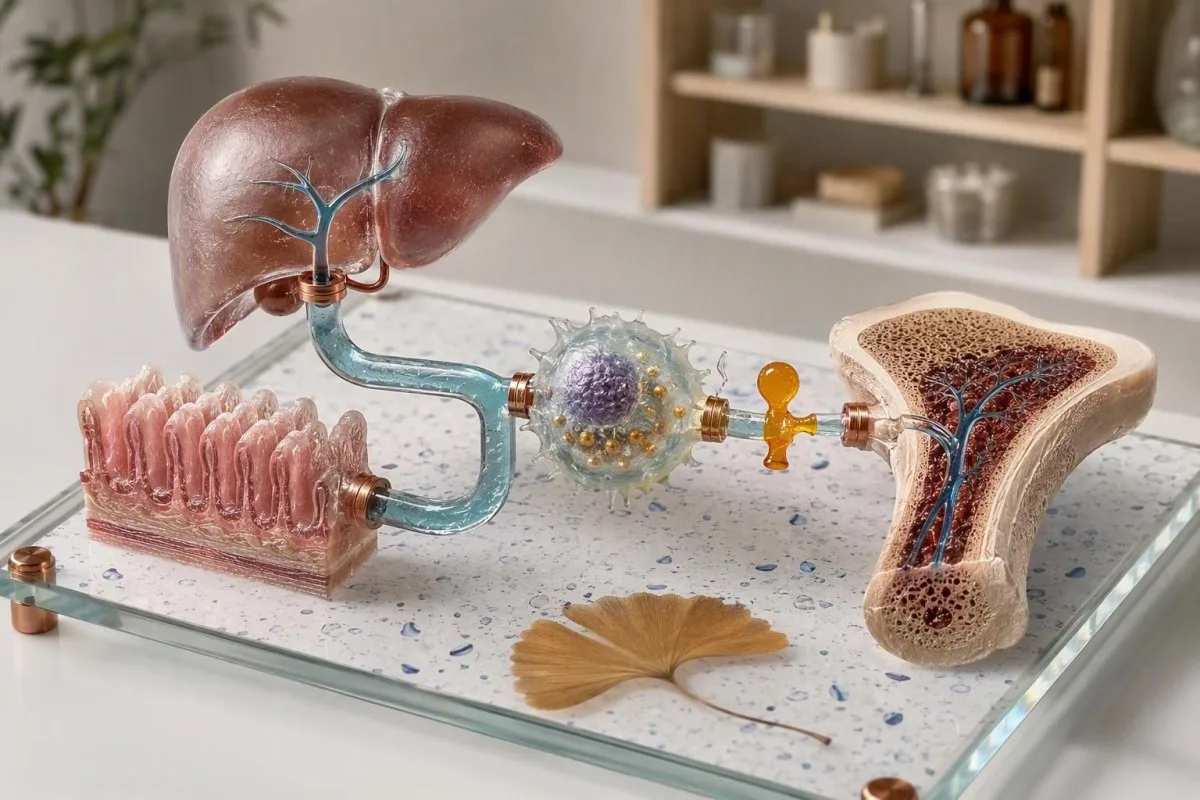
Tipik bir inflamasyonla ilişkili desen şudur: serum demiri 50 µg/dL'nin altında, TIBC 250 µg/dL'nin altında, doygunluk 20%'nin altında ve ferritin 100 ng/mL'nin üzerinde, ancak bu kesme noktalarının hiçbiri tek başına bir hastalığı teşhis etmez. Ferritin inflamatuar sinyalle artar, bu nedenle CRP yükseldiğinde “normal” ferritin demir eksikliğini güvenilir bir şekilde dışlamaz. Weiss ve ark. (2019) tarafından tanımlanan klinik çerçeve, yalnızca ferritin yerine bu kombinasyonu kullanarak mutlak demir eksikliğini fonksiyonel demir kısıtlamasından ayırır.
Akut enfeksiyonlar, otoimmün hastalıklar, kronik böbrek hastalığı, obeziteyle ilişkili inflamasyon, yakın zamanda geçirilen ameliyatlar ve kanser, hepsi transferini düşürebilir. 10 mg/L’nin üzerindeki CRP Düşük bir TIBC'nin reaktif olma olasılığını artırır, oysa eritrosit sedimantasyon hızı CRP düştükten haftalarca yüksek kalabilir. Bu daha yavaş işaretçi hakkında bağlam için, rehberimize bakın neden ESR yavaş değişir.
Mantığa aykırı yanı, depolanmış demirin mevcut olabilmesi ancak kemik iliği tarafından erişilemez olmasıdır. Kantesti AI, bir Yapay zekâ biyobelirteç yorumlama platformu, bu uyumsuz düşük demir/düşük TIBC desenini tanımlar ve aktif hastalık, böbrek fonksiyonu ve inflamatuar belirteçler hakkında soruları tetikler; tek başına laboratuvar verilerinden nedeni teşhis etmez.
Çözünür transferrin reseptörü yardımcı olduğunda
Çözünür transferrin reseptörü genellikle enflamasyondan ferritin kadar etkilenmez. Yükselmiş bir sonuç, ferritin 50–300 ng/mL ve CRP yükselmiş olduğunda gerçek demir kısıtlı kırmızı kan hücresi üretimini destekleyebilir, ancak test özel aralıkları, bunun bir klinisyen tarafından sipariş edilmesi ve yorumlanması gerektiğini gösterir.
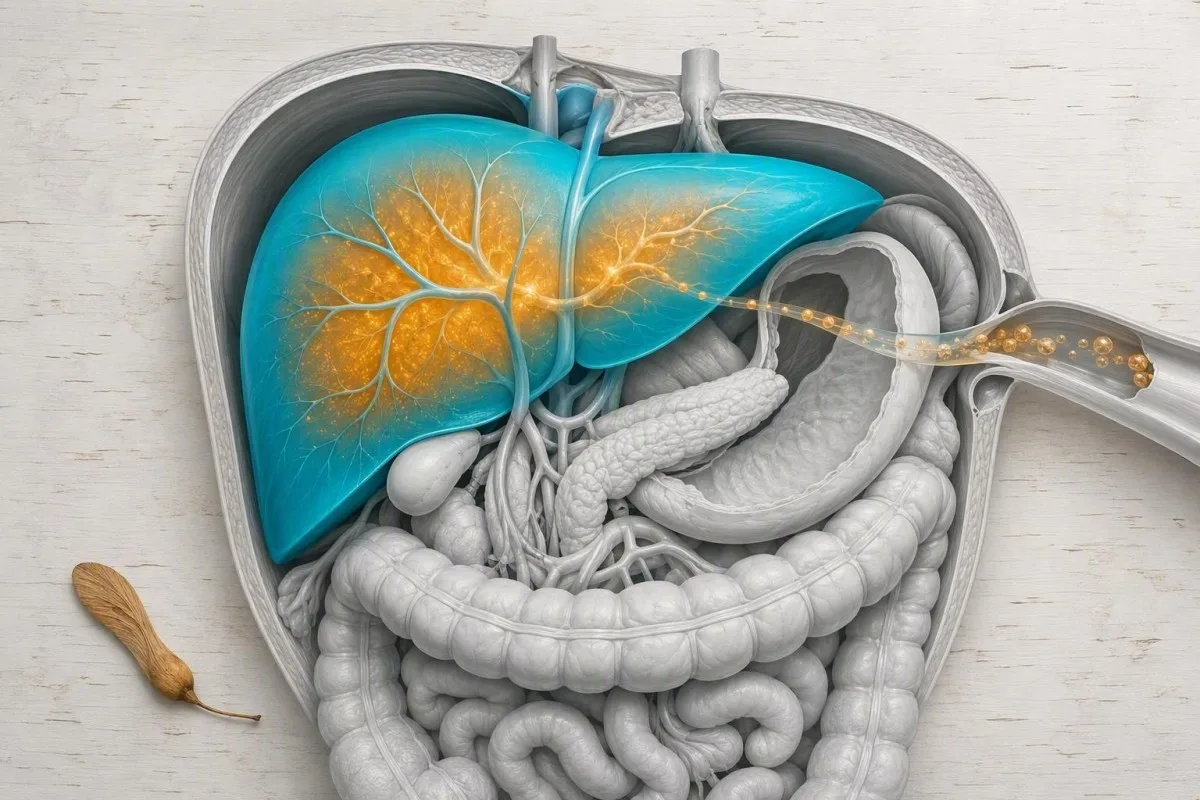
Karaciğer rahatsızlıkları neden demir bağlama kapasitesini düşürebilir
Hepatositler transferrin sentezlediği için karaciğer hastalığı TIBC'yi düşürebilir. Düşük TIBC, düşük albümin, uzamış INR, yükselmiş bilirubin veya anormal AST ve ALT ile birlikte, dikkatleri demir alımından karaciğer üretimine ve hastalık ciddiyetine kaydırmalıdır.
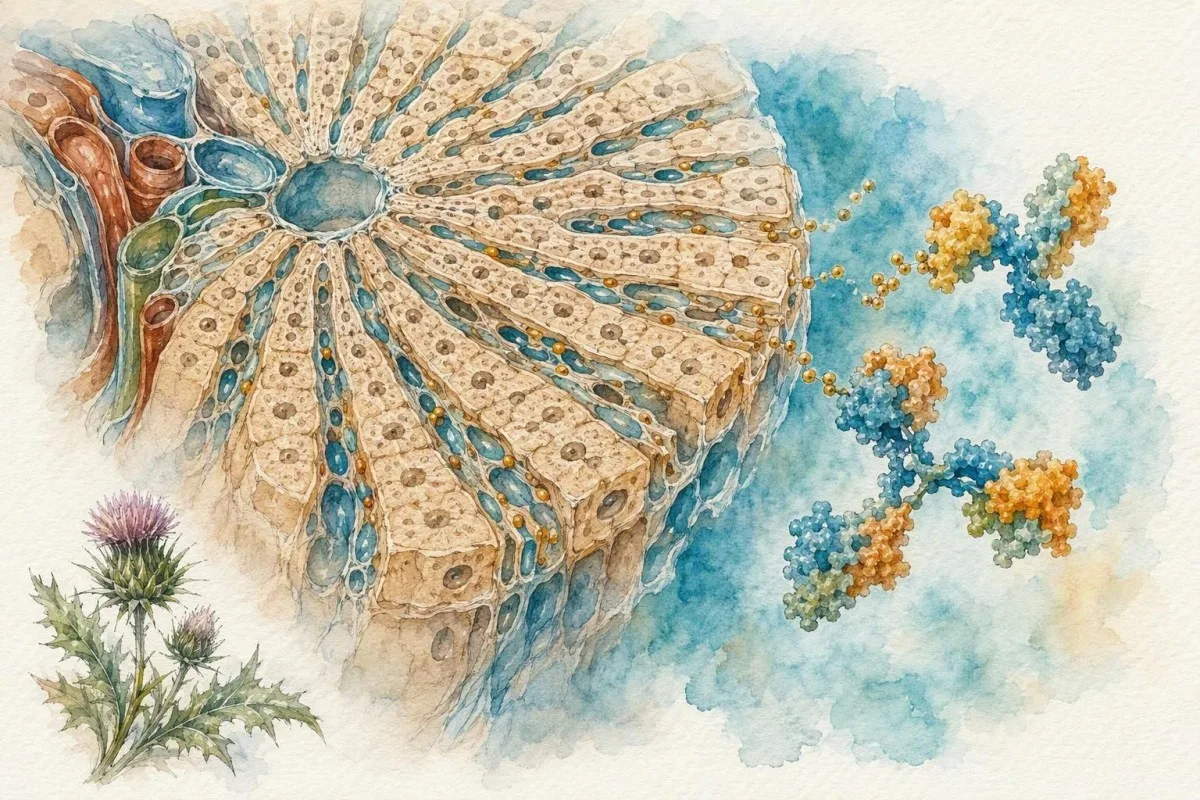
Düşük bir transferrin sonucu yağlı karaciğer hastalığında, viral hepatitte, alkolle ilişkili karaciğer hasarında, ileri fibrozda ve sirozda ortaya çıkabilir, ancak bunların herhangi birini evrelemek için yeterince spesifik değildir. Albümin 35 g/L’nin altında sürekli düşük TIBC ile birlikte, özellikle ödem veya kilo kaybı varsa, uygun bir klinik incelemeyi hak ediyor. Daha geniş deseni bizim karaciğer paneli genel bakışı.
rehberimizde inceleyin. Yakın zamanda koşucu AST'li bir hastayı inceledim 89 IU/L uzun bir yarıştan sonra ve düşük-normal TIBC; AST iyileşme sonrası normale döndü, albumin ve bilirubin normal kaldı. Egzersiz birkaç sonucu geçici olarak değiştirebilirken, düşük TIBC artı sarılık ve azalmış albümin çok farklı bir klinik tablodur. Bir sonraki adımı değiştiren şey, tekil bir AST veya TIBC değil, kombinasyondur.
Karaciğer hastalığında sürekli yüksek transferrin saturasyonu dikkat gerektirir çünkü düşük transferrin yüzdeyi şişirebilir. 2022 EASL hemokromatozis kılavuzu, transferrin saturasyonunu kullanır kadınlarda 'in ve erkeklerde 'nin üzerinde, tek başına herhangi bir belirtece güvenmek yerine, daha ileri değerlendirme tetikleyicisi olarak yüksek ferritin ile birlikte kullanır (European Association for the Study of the Liver, 2022).
Karaciğer belirtileri acil bakım gerektirdiğinde
Yeni sarılık, kafa karışıklığı, kan kusma, siyah dışkı veya belirgin karın şişliği, TIBC seviyesinden bağımsız olarak acil tıbbi değerlendirme gerektirir. Bu belirtiler safra akışının bozulduğunu, gastrointestinal kanamayı veya dekompanse karaciğer hastalığını gösterebilir; incelememize bakın erken siroz ipuçları.
Yetersiz protein durumu veya protein kaybından kaynaklanan düşük TIBC
Düşük TIBC, yetersiz protein mevcudiyeti, azalmış hepatik sentez veya böbrekler veya bağırsak yoluyla protein kaybından kaynaklanabilir. Transferrin yaklaşık 8 günlük yarı ömre sahip olduğundan, akut hastalıkta albüminden daha erken düşebilir ancak yine de zayıf bir beslenme testidir.
Düşük alım, şiddetli bulantı, malabsorpsiyon, kronik ishal, ciddi yanıklar ve ileri sistemik hastalık transferrini düşürebilir. Albümin 30 g/L'nin altında ise klinik olarak anlamlı protein tükenmesi veya kaybı olasılığını artırır, ancak inflamasyon da albümini düşürebilir. Bu nedenle her düşük TIBC sonucu için yüksek doz demir reçete etmek altta yatan sorunu gözden kaçırır.
Böbrek protein kaybı, özellikle idrar albümin-kreatinin oranı belirgin şekilde yükselmişse veya idrar proteini kalıcıysa dolaşımdaki proteinleri azaltabilir. Köpüklü idrar, göz kapağı şişliği, ayak bileği ödemi ve kilo alımı yararlı ipuçlarıdır, ancak proteinürisi olan birçok kişi kendini iyi hisseder. Makalemiz kalıcı köpüklü idrar hakkında bu olasılığı nasıl açıklığa kavuşturduğumuzu anlatır.
Beslenme değerlendirmesi, sadece albümin değil, kilo değişikliği, kas gücü, gıda toleransı, diş veya yutma sorunları ve gastrointestinal belirtileri içermelidir. Deneyimlerime göre, istenmeyen bir kilo kaybı vücut ağırlığının 6-12 ay içinde 5%'si demir paneli sadece hafif anormal görünse bile bir hekim tarafından değerlendirilmelidir.
Düşük TIBC ne zaman demir yüklenmesine işaret eder
Yüksek serum demiri ve yüksek transferrin saturasyonu ile düşük TIBC, özellikle saturasyon tekrarlanan açlık sabah örneğinde 'in üzerinde kalıyorsa, demir yüklenmesini düşündürebilir. Bu, TIBC'nin genellikle yükseldiği uncomplicated demir eksikliğinin tam tersidir.
Kalıtsal hemokromatoz, tekrarlanan transfüzyonlar, aşırı demir kullanımı, etkisiz eritropoez ve bazı karaciğer hastalıkları bu deseni üretebilir. Erkeklerde 300 ng/mL’nin, kadınlarda 200 ng/mL’nin üzerindeki ferritin değerlendirme için yaygın olarak pratik bir eşik olarak kullanılır, ancak ferritin alkol kullanımı, metabolik hastalık ve doku tepkisi ile de yükselebilir. Bizim hemokromatoz semptom rehberimiz bu sonuçları klinik bağlamına oturtur.
Anemikseniz, hamileyseniz, hasta iseniz veya değerlendirilmediyseniz, kan bağışı ile “demiri düşürmeye” çalışmayın. Bir hekim, desen kalıcı olduğunda aç karnına demir çalışmalarını tekrarlayabilir, takviyeleri ve alkolü gözden geçirebilir, karaciğer enzimlerini kontrol edebilir ve HFE genetik testini düşünebilir. Tek bir açlık olmayan serum demir değeri bir ipucudur, bir karar değildir.
Kantesti bir Yapay zekâ destekli kan testi analiz aracı TIBC, ferritin, demir, saturasyon, hemoglobin ve karaciğer belirteçlerini birlikte haritalamak için 30 ülkede kullanılır. Yapay zekamız, klinik tartışma için bir saturasyon paterni işaretler; tanı hala öykü, tekrarlanan testler ve bazen genetik veya görüntüleme gerektirir.
Düşük TIBC ile demir eksikliği olabilir mi?
Evet—inflamasyon, karaciğer hastalığı veya protein tükenmesi transferini baskıladığında, düşük TIBC ile birlikte demir eksikliği de görülebilir. Ancak, komplikasyonsuz demir eksikliğinde ferritin düşer ve TIBC laboratuvar aralığının üzerine çıkar.
Ferritin 15 ng/mL başka türlü sağlıklı yetişkinlerde tükenmiş demir depoları için oldukça özgündür, birçok klinisyen ise 30 ng/mL’nin altında hassasiyeti artırmak için kullanır. İnflamasyon sırasında, altına düşen ferritin 100 ng/mL transferrin satürasyonu ise 20% özellikle kronik böbrek hastalığı veya kalp yetmezliği durumlarında hala demir eksikliğini destekleyebilir. Açıklamamızda anemi öncesi düşük ferritin semptom örüntüleri için bakın.
CBC'nin yerini aldığı yer burasıdır. Düşük MCV, yüksek RDW, azalmış retikülosit hemoglobin ve düşük ferritin gerçek demir eksikliğini destekler; normal veya hafif düşük MCV, yüksek CRP ve düşük TIBC inflamasyonu destekler. Ayrım kusursuz değildir - talasemi taşıyıcılığı, B12 eksikliği, böbrek hastalığı ve yakın zamanda transfüzyon bunu bulanıklaştırabilir. Bizim düşük MCV triyaj kılavuzumuz bu rekabetçi açıklamaları kapsar.
Dr. Thomas Klein, hastalara demir tedavisini yalnızca serum demirine göre yargılamamalarını tavsiye ediyor. Serum demiri bir gün içinde 'a varan oranlarda veya daha fazla ve yemeklerden sonra değişebilir; hemoglobin yanıtı, ferritin eğilimi, semptomlar ve eksikliğin nedeni çok daha önemlidir.
İlaçlar, hamilelik ve zamanlamanın TIBC üzerindeki etkileri
Östrojen maruziyeti ve gebelik genellikle transferini ve TIBC'yi artırırken, akut hastalık, kortikosteroidler ve şiddetli sistemik stres bunu düşürebilir. İlaç ve yaşam evresi geçmişi, nadir bir teşhis düşünülmeden önce beklenmeyen bir sonucu açıklayabilir.
Oral kontraseptifler ve gebelik genellikle transferin üretimini artırır, bu nedenle gebelik sırasında düşük TIBC, düşük albümin, inflamasyon veya karaciğer anormallikleri ile eşleştiğinde daha dikkate değerdir. Gebeliğe özgü ferritin yorumu farklıdır: altına düşen bir seviye 30 µg/L gebelikte demir eksikliğini belirlemek için yaygın olarak kullanılır. Hamile olmayan aralıkları uygulamak yerine gebelikte trimester ferritin kılavuzumuzu okuyun.
Demir tabletleri birkaç saat boyunca serum demirini ve doygunluğunu geçici olarak yükseltebilir, bu da düşük TIBC'nin demir yüklenmesi gibi görünmesine neden olabilir. İsteyen klinisyen de hemfikirse, numunenin alınmasından 24 saat önce oral demir alımını kesmek ve sabah numunesi toplamak daha temiz bir panel oluşturabilir. Pratik detaylar Demir paneli hazırlama kılavuzu.
İlaç incelemesi, antikonvülsanları, kemoterapiyi, immünosupresanları, testosteron veya östrojen tedavisini ve intravenöz demiri içermelidir - her biri doğrudan düşük TIBC'ye neden olduğu için değil, karaciğer testlerini, inflamasyonu, kırmızı kan hücresi üretimini veya demir dağılımını değiştirebildikleri için. Bir laboratuvar sonucunu iyileştirmek için asla reçeteli bir ilacı kesmeyin.
Düşük TIBC sonucu geçici veya yanlış olabilir mi?
Düşük bir TIBC sonucu, akut hastalık sırasında, intravenöz sıvılardan sonra veya serum demiri zamanlamaya göre değiştiğinde geçici olabilir, ancak düzgün işlenmiş bir TIBC deneyi genellikle analitik olarak güvenilirdir. Asıl bir sonucun klinik ortamı dışında yanlış yorumlanması daha büyük risktir.
TIBC, genellikle demir serumuna eklenerek, bağlanmamış demir çıkarılarak ve kalanın miktarı belirlenerek ölçülür; doğrudan transferrin immün tayinleri farklı bir yöntem kullanır. Hemoliz, şiddetli lipemi ve nadir paraproteinler bazı laboratuvar tahlillerini etkileyebilir. Önceden var olan eğilimlerle çelişen ani bir değişim, panik yerine tekrarlanmayı gerektirir; bizim delta-check açıklaması ani değişimleri klinisyenlerin nasıl düşündüğünü özetlemektedir.
Tekrar test yapmak, sonucun yönetimi değiştirebileceği durumlarda en faydalıdır. Soğuk algınlığı veya otoimmün bir alevlenme sırasında düşük TIBC'si olan stabil bir kişi için genellikle tekrar demir çalışmaları yapmayı tercih ederim. 4–8 hafta iyileşme sonrası, CBC, ferritin, CRP, karaciğer paneli ve albümin ile birlikte. Sarılık, şiddetli anemi veya doygunluğun 45%'nin üzerinde olduğu kişilerde süre daha kısadır.
Kantesti AI, yüklenen raporları yaklaşık 60 saniyede analiz eder ve tarihleri, birimleri ve referans aralıklarını karşılaştırmanıza yardımcı olabilir, ancak OCR kusursuz değildir. Serum demirinin ferritin ile karıştırılmadığından ve µmol/L'nin µg/dL olarak okunmadığından emin olun; bizim PDF yükleme kontrol listemiz dijital bir özete güvenmeden önce kullanın.
Düşük TIBC sonrası doktorların kullandığı sonraki testler
Düşük TIBC'den sonraki bir sonraki adım genellikle bir desene dayalı paneldir: CBC, ferritin, serum demiri, transferrin doygunluğu, CRP veya ESR, albümin ve karaciğer enzimleri. İdrar proteini testi, böbrek fonksiyonu, çözünür transferrin reseptörü veya genetik testler yalnızca başlangıç deseni oraya işaret ettiğinde eklenir.
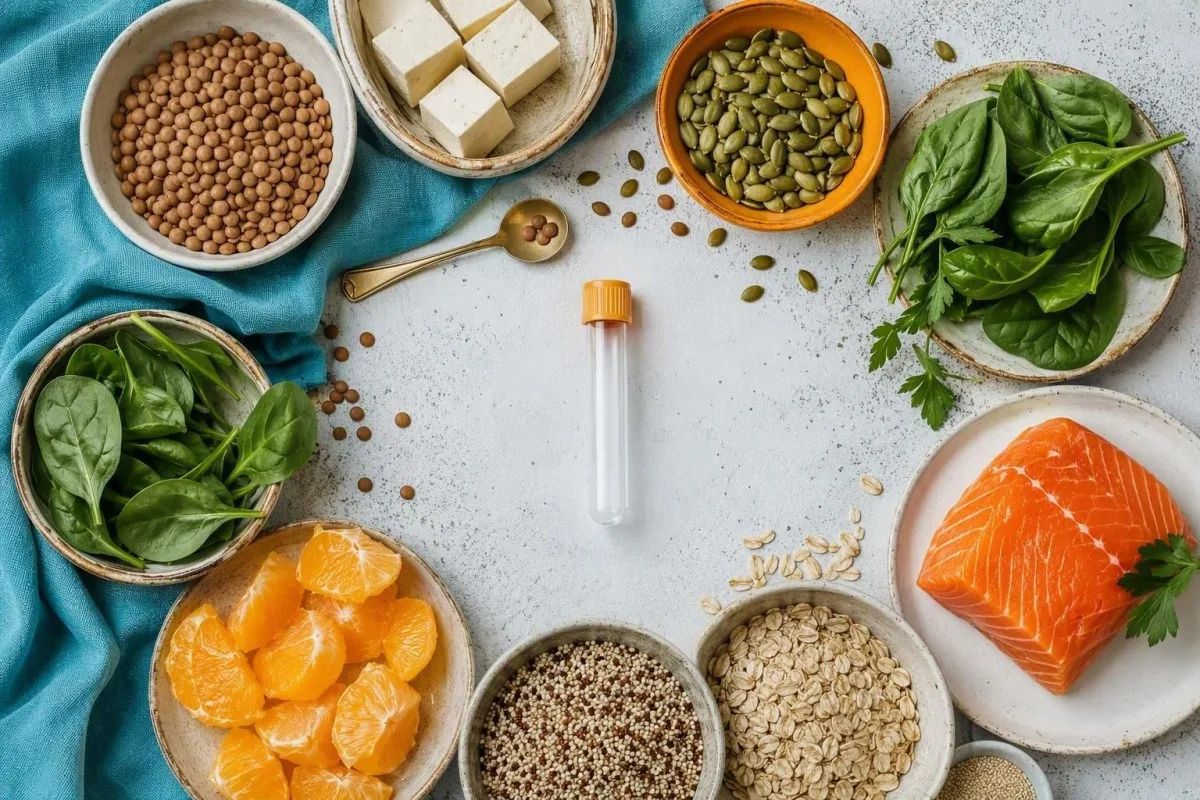
Makul bir ilk tarama seti şunları içerir: hemoglobin, MCV, RDW, ferritin, demir, TIBC veya transferrin, doygunluk, CRP, ALT, AST, ALP, bilirubin, albümin, kreatinin ve eGFR. Transferrin satürasyonu 20%’nin altında demir mevcudiyetinin kısıtlı olduğunu gösterirken, devam eden değerlerin üzerinde 45% demir yükleme değerlendirmesi gerektirir. Cevap, her uzmanlık testini aynı anda istemekte değil, bu değerler arasındaki ilişkide yatmaktadır.
İnflamasyon varsa ve ferritin belirsizse, çözünür transferrin reseptörü veya retikülosit hemoglobin tedavi edilebilir demir eksikliğini belirlemeye yardımcı olabilir. Albümin düşükse, idrar tahlili ve idrar ACR böbrek protein kaybını kontrol edebilir; karaciğer bulguları anormal ise, hepatit testi ve ultrason uygun olabilir. Düşük transferrin satürasyonu düşük TIBC'den farklı bir anlama sahiptir, ancak genellikle birlikte seyrederler.
Kantesti'nin sinir ağı, tek bir anlık görüntü yerine sonuç yörüngelerini karşılaştırır, bu önemlidir çünkü ferritin ve CRP birkaç hafta boyunca zıt yönlerde hareket edebilir. Metodoloji ve klinik sınırlar bizim tıbbi doğrulama genel bakışımızın merkezinde yer alır ve tek bir; açıklanmaktadır; bir sonucun yorumlanması, bir klinisyen görüşmesine hazırlıktır, onun yerine geçmez.
Tanıyı değiştiren dört düşük TIBC paterni
Düşük TIBC, dört örüntüden biri olarak okunduğunda kullanışlı hale gelir: inflamasyon, karaciğer veya protein bozukluğu, demir yüklenmesi veya karışık demir eksikliği artı inflamasyon. Her örüntünün farklı bir tedavi yolu ve farklı güvenlik endişeleri vardır.
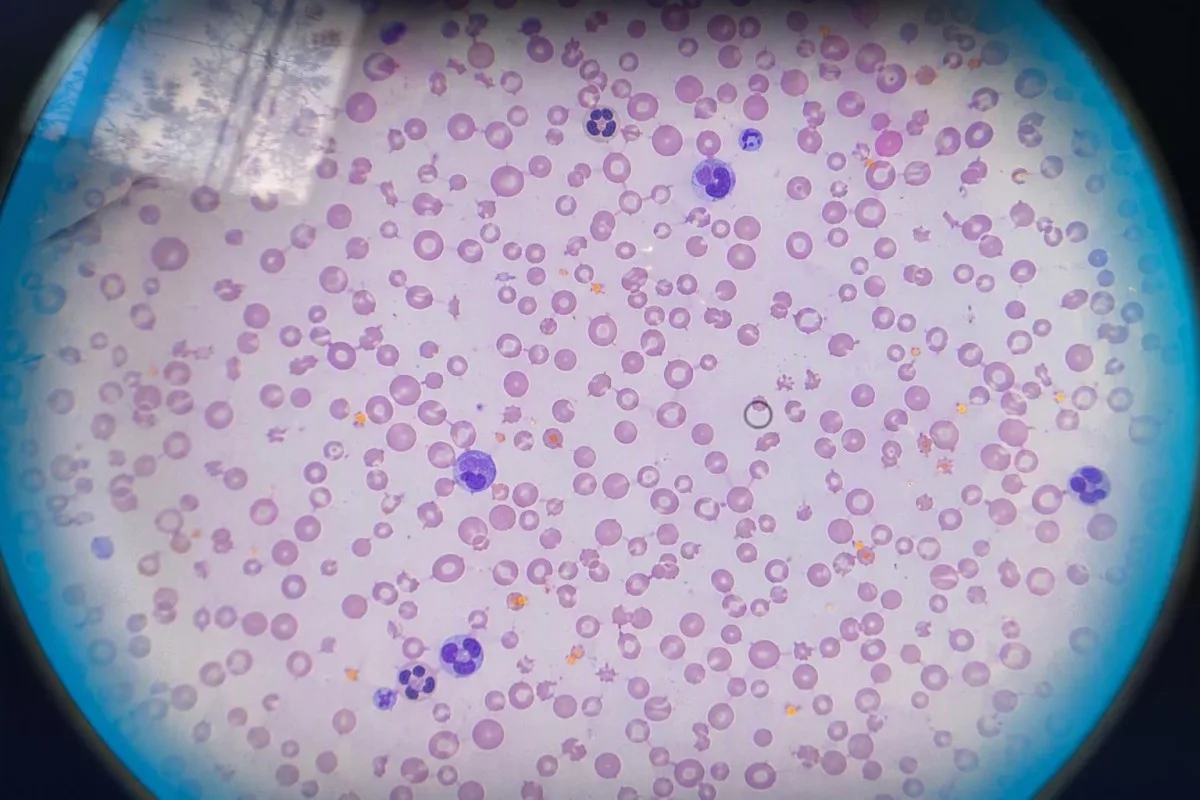
İnflamasyon: düşük demir, düşük TIBC, doygunluk genellikle 20%'nin altında, ferritin normal veya yüksek, CRP yüksek. Karaciğer/protein örüntüsü: düşük TIBC, düşük albümin ve muhtemelen anormal bilirubin, INR veya karaciğer enzimleri ile birlikte. Demir yüklenme paterni: düşük veya normal TIBC, demir satürasyonu %1'in üzerinde ve ferritin yüksekliği. Bunlar katı kutular değil, başlangıç noktalarıdır.
Karışık eksiklik: ferritin 30–100 ng/mL, satürasyon %1'in altında, TIBC düşük veya normal ve CRP yüksek olabilir. Bu durumda, enflamatuar hastalığın tedavisi ve kan kaybı veya malabsorpsiyonun değerlendirilmesi gerekli olabilir. Gastrointestinal semptomlar, yoğun adet kanaması ve anti-enflamatuar ilaç kullanımı doğrudan sorgulanmaya değerdir - hastalar sorulmadıkça genellikle bunları kendiliğinden açıklamazlar.
Hastalar için faydalı soru “TIBC'yi nasıl yükseltirim?” değil, “Transferini ne düşürdü veya demir dağılımını ne değiştirdi?” şeklindedir. Bizim ferritin ve CRP’yi yönlendirir bir takviye seçmeden önce bu ayrımı yapmamıza yardımcı olur.
Düşük TIBC bayrağını gördükten sonra yapmamanız gerekenler
Ferritin, satürasyon, hemoglobin ve klinik bağlam gözden geçirilene kadar düşük TIBC'yi demirle kendi kendinize tedavi etmeyin. Düşük bir sonuç kanınızda demir eksikliği olduğu anlamına gelmez ve demir yüklenme veya karaciğerle ilgili paterlerde ekstra demir uygun olmayabilir.

Bir rapor “düşük demir bağlama kapasitesi” dediği için yüksek doz demir almaktan kaçının. Yaygın terapötik demir dozları şunları içerir: 45–65 mg elementel demir tablet başına, mide bulantısı, kabızlık ve koyu dışkıya neden olacak kadar; yanlış kişide, inflamasyonu veya karaciğer hastalığını ele almadan demir depolarını artırabilirler. Besin odaklı yaklaşımlar çoğu insan için makuldür, ancak anemi değerlendirmesinin yerini tutmazlar.
Enfeksiyon, obezite, otoimmün hastalık veya yakın zamanda yapılan bir ameliyat sırasında eksikliği dışlamak için tek başına bir ferritin sonucu kullanmayın. Ve hemoglobin, ferritin, tiroid, uyku, ruh hali, ilaçlar ve böbrek fonksiyonu göz önünde bulundurulmamışsa yorgunluğun demirle ilgili olduğunu varsaymayın. Bizim yorgunluk takviyesi rehberi laboratuvar güdümlü seçimlerin neden daha güvenli olduğunu açıklar.
Son olarak, mükemmel bir TIBC sayısının peşine düşmeyin. Klinik deneyimlerime göre, kronik inflamasyonu düzeltmek, çölyak hastalığını tedavi etmek, böbrek hastalığını kontrol altına almak, önlenebilir kan kaybını durdurmak veya beslenmeyi iyileştirmek, transferini doğrudan yükseltmeye çalışmaktan daha anlamlı bir şekilde demir panelini değiştirir.
Gıda, iyileşme ve altta yatan nedeni desteklemenin gerçekçi yolları
Gıda, demir alımını ve protein durumunu destekleyebilir, ancak diyet tek başına aktif inflamasyon, önemli karaciğer hastalığı, nefrotik protein kaybı veya demir aşırı yüklenmesinden kaynaklanan düşük TIBC'yi düzeltemez. Beslenme planı laboratuvar paterniyle eşleşmelidir.
Demir eksikliği onaylanırsa, balık, kümes hayvanları ve etten elde edilen hem demiri, baklagiller, tofu, mercimek, tohumlar ve tahıllardan elde edilen hem olmayan demirden daha verimli emilir. C vitamini içeren ürünler hem olmayan demir emilimini artırabilirken, öğünlerle birlikte alınan çay ve kahve bunu azaltabilir. pratik rehberimiz Hem ve non-hem demir gıdaları öğün bazında seçenekler sunar.
Protein alımı yetersizse, düzensiz “transferrin güçlendiricileri” eklemek yerine protein kaynağı içeren düzenli öğünler hedefleyin. Yetişkinler için genel protein hedefleri genellikle civarındadır 0.8 g/kg/gün, yaşlı yetişkinler, akut hastalık, atletik antrenman ve böbrek hastalığı bireyselleştirilmiş tavsiye gerektirir. Kronik böbrek hastalığı olan kişiler, böbrek ekibiyle planı görüşmeden protein alımını artırmamalıdır.
İyileşme aynı zamanda doğru yeniden test penceresini seçmek anlamına da gelir. Hemoglobin genellikle düz demir eksikliğinde etkili demir tedavisinden sonra kabaca 2–4 hafta boyunca 10–20 g/L kadar yükselir, ancak inflamasyon veya karaciğer sentezi ana itici güç olmaya devam ederse TIBC bu programa göre normalleşmeyebilir.
Düşük TIBC sonucunun acil tıbbi değerlendirme gerektirdiği durumlar
Persistan düşük TIBC için rutin klinisyen değerlendirmesi ayarlayın ve sarılık, kafa karışıklığı, göğüs ağrısı, istirahatte nefes darlığı, bayılma veya gastrointestinal kanama gibi şiddetli semptomlar eşlik ettiğinde acil yardım alın. Aciliyet, TIBC değerinin kendisinden ziyade kişiye ve eşlik eden sonuçlara bağlıdır.

Tekrarlayan testlerde TIBC aralığın altında kalırsa, ferritin beklenenden yüksekse, satürasyon 45%, üzerindeyse, hemoglobin düşüyorsa, albümin 35 g/L, altındaysa veya karaciğer testleri anormal ise zamanında randevu alın. Önceki sonuçları, ilaç ve takviye listelerini, son hastalık geçmişini, ilgili durumlarda menstrüel geçmişi, alkol alımını, diyet değişikliklerini ve demir yüklenmesi veya karaciğer hastalığı aile öyküsünü yanınızda getirin. İyi organize edilmiş bir zaman çizelgesi ikinci bir randevudan tasarruf sağlayabilir.
Siyah dışkı, kan kusma, uykululukla birlikte sarı cilt, derin halsizlikle birlikte yüksek ateş veya konuşmayı engelleyen nefes darlığı için aynı gün bakım mantıklıdır. Bu semptomlar kanama, enfeksiyon, şiddetli anemi veya karaciğer dekompansasyonunu işaret edebilir ve başka bir demir panelini beklemek güvenli değildir. Yapılandırılmış bir hazırlık için lütfen doktor muayenesi laboratuvar kontrol listesi.
10 Eylül 2026 itibarıyla en güvenli mesaj basittir: düşük TIBC, transferrin biyolojisi hakkında bir ipucudur, bir tanı değil ve otomatik olarak demir nedeni değildir. Tıbbi içeriğimiz Tıbbi Danışma Kurulu, ile gözden geçirilmektedir, ancak kendi klinisyeniniz muayene bulgularını, semptomları, ilaçları ve yerel laboratuvar yöntemlerini entegre edebilir.
Aşırı tepki vermeden düşük TIBC sonucunu nasıl takip edersiniz
Düşük TIBC'yi tarih, hastalık durumu, ferritin, satürasyon, CRP, albümin, hemoglobin ve tedavi değişiklikleriyle birlikte izleyin. Genellikle iki veya üç karşılaştırılabilir numunenin eğilimi, bir aralık dışı ölçümden daha bilgilendiricidir.
Her numunenin aç karnına olup olmadığını, 24 saat içinde demir alıp almadığınızı, ateşiniz olup olmadığını veya ağır egzersiz yapıp yapmadığınızı ve aynı laboratuvarın kullanılıp kullanılmadığını kaydedin. TIBC'deki bir değişiklik 225 ila 245 µg/dL sıradan biyolojik ve analitik varyasyon olabilirken, zatürre sonrası 225 ila 340 µg/dL klinik olarak anlamlı olabilir. kan testi karşılaştırma rehberimiz hangi bağlamsal ayrıntıların korunacağını gösterir.
Kantesti, AI laboratuvar testi yorumlama hizmetinde yayımlanır., uzunlamasına raporları organize edebilir ve düşük TIBC, ferritin, CRP ve albümin neden birlikte hareket edebileceğini veya farklılaşabileceğini açıklayabilir. Sorularınızı daha kesin hale getirmek için tasarlanmıştır: “Bu inflamatuar demir kısıtlaması olabilir mi?” “Demirim düşük mü?” sorusundan daha kullanışlıdır.”
Güven veren nokta, TIBC düşüklüğünün çoğunun geçici bir inflamatuar durumu veya geri dönüşümlü bir beslenme ve iyileşme sorununu yansıtmasıdır. Temkinli nokta ise eşit derecede gerçektir: anemi, anormal karaciğer testleri, ödem veya yüksek doygunluk ile birlikte devam eden sonuçlar, internetteki tahminlerden ziyade uygun klinik takip gerektirir.
Sıkça Sorulan Sorular
Düşük TIBC'nin belirtileri nelerdir?
Düşük TIBC kendi başına genellikle semptomlara neden olmaz çünkü doğrudan hissedebileceğiniz bir vücut fonksiyonundan ziyade demir bağlama kapasitesini ölçer. Anemi, inflamasyon, karaciğer hastalığı, protein kaybı veya demir yüklenmesi gibi altta yatan nedenlerden dolayı yorgunluk, halsizlik, nefes darlığı, ateş, ayak bileği şişmesi, sarılık veya eklem ağrısı gibi belirtiler ortaya çıkar. Gebelikte olmayan kadınlarda 120 g/L veya erkeklerde 130 g/L'nin altındaki hemoglobin, anemiyle ilişkili semptomların daha olası hale gelmesine neden olur. Göğüs ağrısı, bayılma, kafa karışıklığı, siyah dışkı, şiddetli nefes darlığı veya uyuşuklukla birlikte sarı cilt için acil değerlendirme uygundur.
Düşük TIBC, düşük transferrin ile aynı mı?
Düşük TIBC genellikle düşük transferini yansıtır, ancak iki test teknik olarak aynı değildir. Transferin, g/L veya mg/dL olarak doğrudan ölçülen, karaciğer tarafından üretilen bir taşıyıcı proteindir, TIBC ise transferin havuzunun ne kadar demiri bağlayabileceğini tahmin eder ve yaygın olarak µg/dL veya µmol/L olarak raporlanır. Tipik yetişkin TIBC, laboratuvar referans aralıkları farklı olsa da yaklaşık 250–450 µg/dL'dir. Her ikisi için de düşük sonuçlar inflamasyon sırasında ve azalan karaciğer protein sentezi sırasında yaygındır.
Düşük TIBC demir eksikliği anlamına mı gelir?
Düşük TIBC genellikle komplike olmayan demir eksikliği anlamına gelmez; klasik demir eksikliği daha çok düşük ferritin ve yüksek TIBC'ye neden olur. Demir eksikliği, TIBC'yi baskılayan inflamasyon, karaciğer hastalığı veya yetersiz protein durumu ile birlikte ortaya çıktığında karışık bir tablo oluşabilir. 15 ng/mL altındaki ferritin, sağlıklı bir yetişkinde tükenmiş demir depolarını kuvvetle desteklerken, 100 ng/mL altındaki ferritin artı 20% altındaki transferrin satürasyonu, inflamasyon sırasında yine de eksikliği düşündürebilir. Demir tedavisine başlamadan önce CBC, ferritin, CRP ve satürasyon gereklidir.
Düşük demir ile düşük TIBC'ye ne neden olur?
Düşük TIBC ve düşük serum demiri en sık inflamasyonla ilişkili demir kısıtlamasını yansıtır. Bu örüntüde, hepcidin dolaşıma demir salınımını azaltırken, karaciğer daha az transferrin üretir ve bu da düşük demir, düşük TIBC, genellikle 20%'nin altında doygunluk ve normal veya yüksek olabilen ferritin ile sonuçlanır. Kronik böbrek hastalığı, enfeksiyon, otoimmün hastalık, obeziteyle ilişkili inflamasyon, yakın zamanda ameliyat ve kanser bu örüntüyü oluşturabilir. 10 mg/L üzerindeki CRP aktif inflamasyonu destekler ancak kaynağını belirlemez.
Düşük TIBC ve yüksek ferritin ne anlama gelir?
Düşük TIBC ve yüksek ferritin, yaygın olarak inflamasyon, karaciğer hastalığı, metabolik disfonksiyon, alkolle ilişkili karaciğer hasarı veya demir yüklenmesi sırasında ortaya çıkar. Ferritin hem bir demir depolama belirteci hem de akut faz reaktanıdır, bu nedenle yüksek bir değer otomatik olarak aşırı depolanmış demir anlamına gelmez. Transferrin satürasyonunun %TP43T'nin üzerinde kalıcı olması ve artmış ferritin, demir yüklenmesi açısından daha endişe vericidir ve hekim liderliğinde bir değerlendirme gerektirir. Albümin, CRP, ALT, AST, bilirubin ve tam kan sayımı nedenleri ayırt etmeye yardımcı olur.
TIBC'im düşükse demir takviyesi almalı mıyım?
TIBC düşük olduğu için demir kullanmayınız. Oral demir, demir eksikliğinin genel örüntü ile gösterildiği, genellikle düşük ferritin, düşük satürasyon ve uyumlu CBC bulguları içerdiği durumlarda uygundur; birçok terapötik ürün tablet başına 45-65 mg elementel demir içerir. Düşük TIBC'nin inflamasyon, karaciğer bozukluğu, protein kaybı veya demir yüklenmesinden kaynaklandığı durumlarda demir faydalı olmayabilir veya uygun olmayabilir. Öncelikle ferritin, transferrin satürasyonu, hemoglobin, CRP ve karaciğer testlerini gözden geçirmesi için bir klinisyene danışın.
Bugün Yapay Zekâ Destekli Kan Tahlili Analizini Alın
Anlık ve doğru laboratuvar testi analizi için Kantesti’ye güvenen dünya genelindeki 2 milyondan fazla kullanıcıya katılın. Kan testi sonuçlarınızı yükleyin ve saniyeler içinde 15,000+ biyobelirteçlerinin kapsamlı yorumunu alın.
📚 Kaynak Gösterilen Araştırma Yayınları
Klein, T., Mitchell, S., & Weber, H. (2026). İdrarda Ürobilinojen Testi: Tam İdrar Analizi Rehberi 2026. Zenodo. https://doi.org/10.5281/zenodo.18226379. Araştırma Kapısı ve Academia.edu kayıt bağlantıları, yayın DOI'si aracılığıyla mevcuttur.. Kantesti Yapay Zeka Tıbbi Araştırma.
Klein, T., Mitchell, S., & Weber, H. (2026). Demir Çalışmaları Rehberi: TIBC, Demir Doygunluğu ve Bağlama Kapasitesi. Zenodo. https://doi.org/10.5281/zenodo.18248745. Araştırma Kapısı ve Academia.edu kayıt bağlantıları, yayın DOI'si aracılığıyla mevcuttur.. Kantesti Yapay Zeka Tıbbi Araştırma.
📖 Harici Tıbbi Kaynaklar
⚕️ Tıbbi Uyarı
Bu makale yalnızca eğitim amaçlıdır ve tıbbi tavsiye niteliği taşımaz. Tanı ve tedavi kararları için her zaman yetkin bir sağlık hizmeti sağlayıcısına danışın.
E-E-A-T Güven Sinyalleri
Deneyim
Hekim liderliğinde laboratuvar yorumlama iş akışlarının klinik incelemesi.
Uzmanlık
Klinik bağlamda biyobelirteçlerin nasıl davrandığına odaklanan laboratuvar tıbbı.
Otorite
Dr. Thomas Klein tarafından yazılmış; Dr. Sarah Mitchell ve Prof. Dr. Hans Weber tarafından gözden geçirilmiştir.
Güvenilirlik
Alarmı azaltmaya yönelik net takip yollarıyla kanıta dayalı yorumlama.