Nízky výsledok TIBC zriedka spôsobuje symptómy sám o sebe. Symptómy pochádzajú zo stavu, ktorý mení produkciu transferínu, spracovanie železa alebo rovnováhu bielkovín.



- Nízke TIBC zvyčajne znamená menej dostupného transferínu na prenos železa; mnohé laboratóriá pre dospelých používajú ako referenčný interval približne 250 – 450 µg/dL (45 – 80 µmol/L).
- Príznaky sú nepriame: únava, horúčka, bolesť kĺbov, opuch, žltačka alebo strata hmotnosti poukazujú skôr na základné ochorenie ako na samotné nízke TIBC.
- Vzor zápalu zvyčajne ukazuje nízke sérové železo, nízke TIBC, saturáciu transferínu pod 20% a feritín, ktorý je normálny alebo zvýšený.
- Vzor nedostatku železa zvyčajne produkuje nízky feritín a vysoké – nie nízke – TIBC, pokiaľ sa súčasne nevyskytuje zápal alebo ochorenie pečene.
- Saturácia transferínu sa vypočítava ako sérové železo delené TIBC × 100; hodnota nad 45% si vyžaduje posúdenie nahromadenia železa, ak je pretrvávajúce.
- Albumín je dôležitý pretože transferín je bielkovina produkovaná pečeňou; nízky albumín s nízkym TIBC môže naznačovať zníženú syntézu, nedostatočný príjem, stratu bielkovín alebo systémové ochorenie.
- Urýchlené posúdenie je vhodná pri zmätenosti, žltačke, čiernych stoliciach, dýchavičnosti v pokoji, rýchlo sa zhoršujúcom opuchu alebo horúčke so silnou slabosťou.
- Premyslené opakované testovanie znamená vyhnúť sa tabletám železa 24 hodín pred železitým panelom, ak s tým váš lekár súhlasí, a ak je to možné, odložiť bežné testovanie počas akútneho horúčkovitého ochorenia.
Čo nízky výsledok TIBC vlastne znamená
Nízka celková väzbová kapacita železa znamená, že krvný obeh má menšiu dostupnú kapacitu transferínu na viazanie železa. TIBC je nepriame meranie transferínu, proteínu produkovaného hlavne v pečeni; nie je to priame meranie toho, koľko železa vaše telo ukladá.
Väčšina laboratórií uvádza TIBC pre dospelých okolo 250–450 µg/dL alebo 45–80 µmol/L, ale rozhodujúci je interval uvedený pri vašom výsledku, pretože kalibrácia testov sa líši. Hodnota 210 µg/dL nie je automaticky nebezpečná; interpretujem ju spolu so sérovým železom, feritínom, saturáciou transferínu, C-reaktívnym proteínom, albumínom a kompletným krvným obrazom. Naše podrobné sprievodca štúdiami železa vysvetľujú, prečo žiadny jednotlivý marker železa nemôže zodpovedať každej otázke.
TIBC a transferín sú úzko prepojené, ale nie sú to identické testy. Transferín sa meria ako koncentrácia proteínu, často v g/L alebo mg/dL, zatiaľ čo TIBC odhaduje maximálnu väzbovú kapacitu cirkulujúceho transferínu; niektoré laboratóriá vypočítavajú jedno z druhého. ALT je Analyzátor krvných testov s umelou inteligenciou , ktorá interpretuje nízku TIBC v kontexte zvyšku železitého panelu namiesto toho, aby považovala jeden výsledok za diagnózu.
Praktický detail, ktorý pacienti často prehliadajú: ten istý človek môže mať nízku TIBC počas vírusového ochorenia a o niekoľko týždňov neskôr vyššiu hodnotu bez akýchkoľvek doplnkov, ktoré by ju zmenili. Prístup Dr. Thomasa Kleina spočíva v tom, že sa najprv opýta, či bol vzorka odobratá počas infekcie, po nemocničnej liečbe alebo počas nového zápalového vzplanutia; táto časová os často zabráni zbytočnému predpisu železa.
Výpočet saturácie transferínu
Saturácia transferínu sa rovná sérovému železu ÷ TIBC × 100. Sérové železo 50 µg/dL s TIBC 250 µg/dL dáva saturáciu 20%, zatiaľ čo rovnaké sérové železo s TIBC 125 µg/dL dáva 40%; nízky menovateľ môže spôsobiť, že sa saturácia bude javiť klamlivo upokojujúca alebo vysoká.
Nízke symptómy TIBC: čo môžete cítiť a čo nebudete
Nízka TIBC sama osebe zvyčajne nespôsobuje žiadny špecifický príznak. Únava, znížená tolerancia cvičenia, horúčka, opuch brucha, bolesti kĺbov alebo zožltnutie očí vyplývajú z anémie, zápalu, dysfunkcie pečene, podvýživy alebo nadbytku železa – nie zo samotnej hodnoty TIBC.

Keď nízka TIBC sprevádza hemoglobín pod 120 g/L u nepregnantných žien alebo 130 g/l u mužov, únava, dýchavičnosť na schodoch, búšenie srdca, bolesti hlavy a závraty môžu odrážať anémiu. Avšak anémia zo zápalu môže byť mierna a stále pacienta vyčerpáva, pretože cytokíny menia dodávku železa do kostnej drene. Porovnajte to s príznakom nízkych červených krviniek , ak je aj vaša CBC označená.
Príznaky, ktoré posúvajú moju pozornosť smerom k problémom s pečeňou alebo proteínmi, zahŕňajú opuch členkov, nový pocit plnosti brucha, ľahké tvorba modrín, svrbenie, tmavý moč, bledá stolica alebo zlá chuť do jedla. Žltačka s dezorientáciou, vracanie krvi, čierna dechtovitá stolica, vážna dýchavičnosť alebo rýchlo sa zväčšujúci opuch si vyžadujú posúdenie v ten istý deň. Nízka TIBC nie je núdzová situácia; tie klinické príznaky môžu byť.
V praxi vidím, ako sa ľudia znepokojia po zadaní “príznaky nízkej väzbovej kapacity železa” a okamžite začnú užívať železo. To môže byť nesprávny krok, ak je saturácia transferínu už nad 45% alebo je feritín vysoký. Železo je užitočné pri preukázanom deficite, ale nie je to všeobecný tonikum a môže zatemniť diagnostický obraz.
Ako zápal vytvára nízke TIBC a nízke sérové železo
Najčastejším vysvetlením nízkej TIBC s nízkym sérovým železom je zápal. Pečeň produkuje menej transferínu počas akútnej fázy reakcie, zatiaľ čo hepcidín obmedzuje uvoľňovanie železa z makrofágov a absorpciu v črevách.
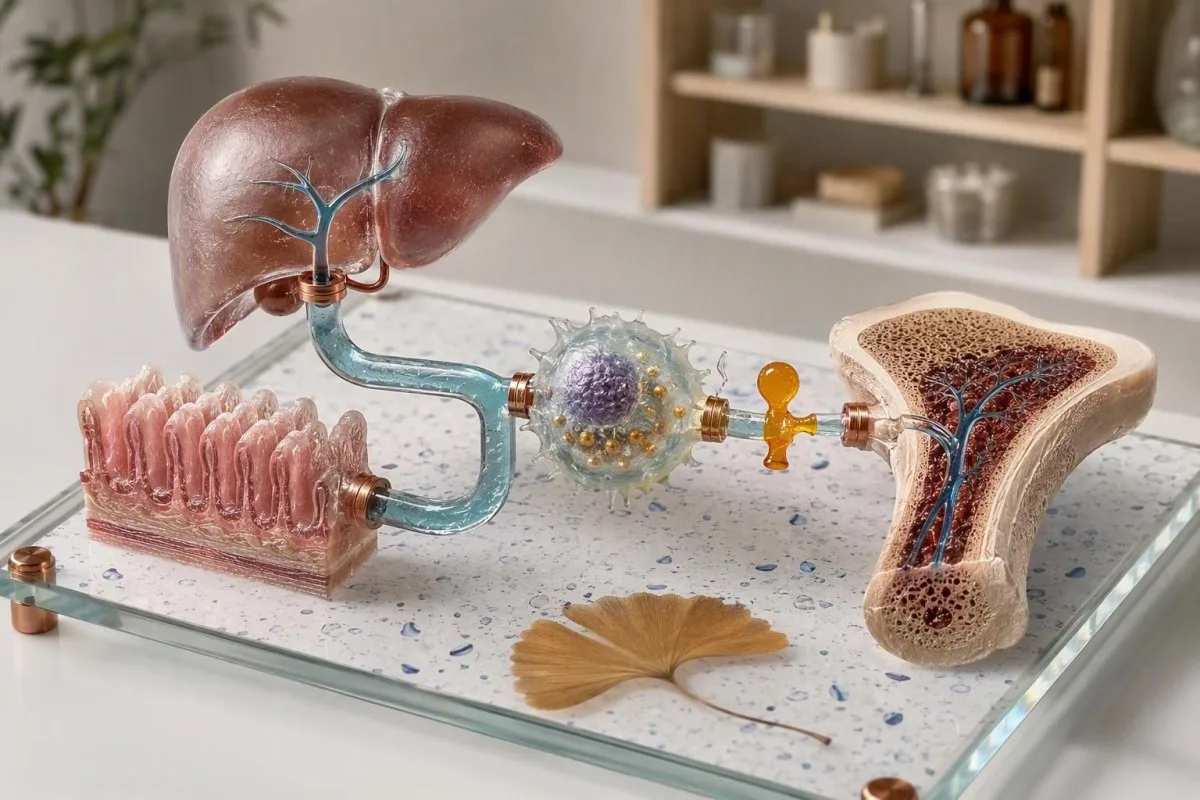
Typický vzor súvisiaci so zápalom je sérové železo pod 50 µg/dL, TIBC pod 250 µg/dL, saturácia pod 20% a feritín nad 100 ng/mL, hoci žiadny z týchto hraničných bodov sám o sebe nediagnostikuje chorobu. Feritín stúpa so zápalovou signalizáciou, takže “normálny” feritín spoľahlivo nevylučuje deficit železa, keď je CRP zvýšené. Klinický rámec opísaný Weissom et al. (2019) oddeľuje absolútny deficit železa od funkčného obmedzenia železa pomocou tejto kombinácie, nie samotného feritínu.
Akútne infekcie, autoimunitné ochorenia, chronické ochorenie obličiek, zápal súvisiaci s obezitou, nedávna operácia a rakovina môžu znížiť transferín. CRP nad 10 mg/l zvyšuje pravdepodobnosť, že nízka TIBC je reaktívna, zatiaľ čo rýchlosť sedimentácie erytrocytov môže zostať vysoká týždne po poklese CRP. Pre kontext o tomto pomalšom ukazovateli si pozrite náš sprievodca prečo sa ESR mení pomaly.
Kontraintuitívna časť je, že uložené železo môže byť prítomné, ale nedostupné pre kostnú dreň. Kantesti AI, platforma na interpretáciu biomarkerov pomocou AI, identifikuje tento neprispôsobivý vzor nízkeho železa/nízkej TIBC a vyvoláva otázky o aktívnom ochorení, funkcii obličiek a zápalových ukazovateľoch; samotné laboratórne údaje príčinu nediagnostikujú.
Keď rozpustný receptor transferínu pomáha
Rozpustný receptor transferínu je zvyčajne menej skreslený zápalom ako feritín. Zvýšený výsledok môže podporiť skutočnú produkciu erytrocytov obmedzenú železom, keď je feritín 50 – 300 ng/mL a CRP je zvýšené, hoci rozsahy špecifické pre daný test znamenajú, že by mal byť objednaný a interpretovaný lekárom.
Prečo ochorenia pečene môžu znížiť väzobnú kapacitu železa
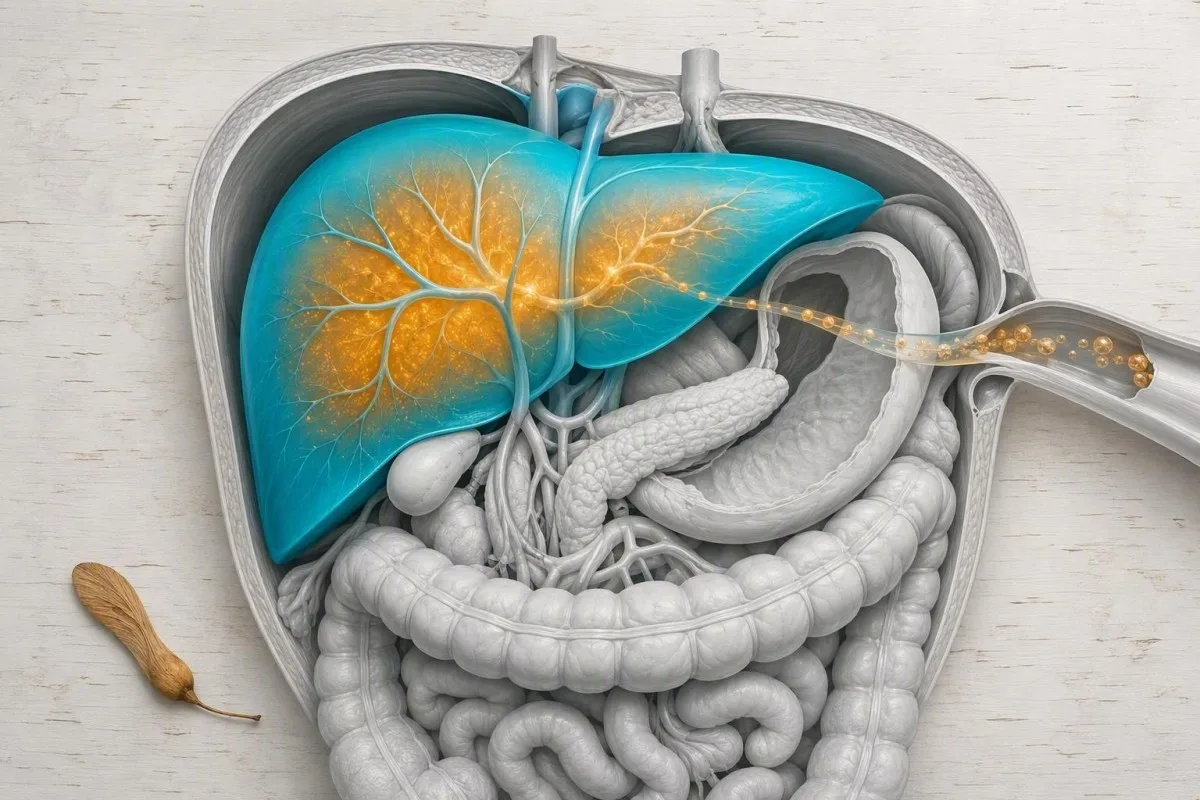
Ochorenie pečene môže znížiť TIBC, pretože hepatocyty syntetizujú transferín. Nízka TIBC spolu s nízkym albumínom, predĺženým INR, zvýšeným bilirubínom alebo abnormálnymi AST a ALT by mali presunúť pozornosť z príjmu železa smerom k pečeňovej produkcii a závažnosti ochorenia.
Nízky výsledok transferínu sa môže vyskytnúť pri steatóze pečene, vírusovej hepatitíde, poškodení pečene spôsobenom alkoholom, pokročilej fibróze a cirhóze, ale nie je dostatočne špecifický na ich odstupňovanie. Albumín pod 35 g/l spolu s pretrvávajúcou nízkou TIBC si zaslúži riadne klinické preskúmanie, najmä ak sa vyskytne edém alebo strata hmotnosti. Pozrite si širší obraz v našej prehľad pečeňového panelu.
Nedávno som mal prehľad bežca s AST 89 IU/L po dlhom preteku a nízkej-normálnej TIBC; AST sa po zotavení normalizovala, zatiaľ čo albumín a bilirubín zostali normálne. Cvičenie môže prechodne ovplyvniť niekoľko výsledkov, zatiaľ čo nízka TIBC spolu so žltačkou a zníženým albumínom je veľmi odlišný klinický obraz. Je to kombinácia – nie izolované AST alebo TIBC – ktorá mení ďalší krok.
Pretrvávajúca vysoká saturácia transferínu si vyžaduje pozornosť pri ochorení pečene, pretože nízky transferín môže zvýšiť percento. Sprievodca EASL 2022 pre hemochromatózu používa saturáciu transferínu nad 45% u žien a nad 50% u mužov, spolu so zvýšeným feritínom ako spúšťač ďalšieho posúdenia, namiesto toho, aby sa spoliehal len na jeden z markerov (European Association for the Study of the Liver, 2022).
Keď si symptómy pečene vyžadujú urgentnú starostlivosť
Nová žltačka, zmätenosť, vracanie krvi, čierna stolica alebo výrazné brušné opuchy si vyžadujú urgentné lekárske posúdenie bez ohľadu na úroveň TIBC. Tieto príznaky môžu naznačovať narušený odtok žlče, gastrointestinálne krvácanie alebo dekompenzované ochorenie pečene; pozri našu recenziu skorých príznakoch cirhózy.
Nízke TIBC z dôvodu zlého stavu bielkovín alebo straty bielkovín
Nízka TIBC môže byť výsledkom nedostatočnej dostupnosti bielkovín, zníženej syntézy v pečeni alebo straty bielkovín cez obličky alebo črevá. Pretože transferín má polčas rozpadu približne 8 dní, môže klesnúť skôr ako albumín pri akútnej chorobe, ale stále je slabým samostatným testom výživy.

Nízky príjem, silná nevoľnosť, malabsorpcia, chronický hnačka, rozsiahle popáleniny a pokročilé systémové ochorenie môžu znížiť transferín. Albumín pod 30 g/L zvyšuje pravdepodobnosť klinicky významného vyčerpania alebo straty bielkovín, ale zápal môže tiež znížiť albumín. Preto predpisovanie vysokých dávok železa pri každom výsledku nízkej TIBC prehliada základný problém.
Strata bielkovín obličkami môže znížiť cirkulujúce bielkoviny, najmä keď je pomer albumín-kreatinín v moči výrazne zvýšený alebo bielkoviny v moči pretrvávajú. Penivá moč, opuch očných viečok, opuch členkov a zvýšenie hmotnosti sú užitočné náznaky, ale mnoho ľudí s proteinúriou sa cíti dobre. Náš článok o pretrvávajúcej penivej moči vysvetľuje, ako vzorka moču objasňuje túto možnosť.
Nutričné hodnotenie by malo zahŕňať zmenu hmotnosti, svalovú silu, toleranciu jedla, problémy so zubami alebo prehĺtaním a gastrointestinálne príznaky - nielen albumín. Podľa mojich skúseností neúmyselná strata 5% telesnej hmotnosti za 6–12 mesiacov si zaslúži lekárske posúdenie, aj keď panel železa vyzerá len mierne abnormálne.
Keď nízke TIBC poukazuje skôr na predávkovanie železom
Nízka TIBC s vysokým sérovým železom a vysokou saturáciou transferínu môže naznačovať nahromadenie železa, najmä keď saturácia zostáva nad 45% pri opakovanom pôstnom rannom vzorke. Toto je opak nekomplikovanej anémie z nedostatku železa, kde sa TIBC zvyčajne zvyšuje.
Dedičná hemochromatóza, opakované transfúzie, nadmerné užívanie železa, neefektívna erytropoéza a niektoré ochorenia pečene môžu spôsobiť tento vzor. Feritín nad 300 ng/ml u mužov alebo 200 ng/ml u žien sa bežne používa ako praktický prah na vyhodnotenie, ale feritín sa môže zvýšiť aj pri konzumácii alkoholu, metabolických chorobách a reakcii tkanív. Naša sprievodca príznakmi hemochromatózy uvádza tieto výsledky v klinickom kontexte.
Nepokúšajte sa “znižovať železo” darovaním krvi, ak ste anemickí, tehotná, chorá alebo neboli ste vyšetrení. Lekár môže opakovať štúdie železa po nočnom pôste, skontrolovať doplnky a alkohol, skontrolovať pečeňové enzýmy a zvážiť genetické testovanie HFE, keď je vzor pretrvávajúci. Jedna hodnota sérového železa mimo pôstu je náznak, nie verdikt.
Kantesti je Nástroj na analýzu krvných testov poháňaný AI používaný v 127+ krajinách na mapovanie TIBC, feritínu, železa, saturácie, hemoglobínu a pečeňových markerov. Naše AI označuje vzor saturácie na klinickú diskusiu; diagnóza si stále vyžaduje anamnézu, opakované testovanie a niekedy genetiku alebo zobrazovacie metódy.
Môže mať človek nedostatok železa s nízkym TIBC?
Áno – nedostatok železa môže existovať spolu s nízkou TIBC, keď zápal, ochorenie pečene alebo deplecia bielkovín potláčajú transferín. Pri nekomplikovanom nedostatku železa sa však feritín znižuje a TIBC sa častejšie zvyšuje nad laboratórny rozsah.
Feritín nižší než 15 ng/mL je vysoko špecifické pre vyčerpané zásoby železa u inak zdravých dospelých, zatiaľ čo mnohí lekári používajú pod 30 ng/mL na zlepšenie citlivosti. Počas zápalu feritín pod 100 ng/mL pri saturácii transferínu nižšej než 20% môže stále podporovať nedostatok železa, najmä pri chronickom ochorení obličiek alebo zlyhaní srdca. Pozrite si naše vysvetlenie nízkeho feritínu pred anémiou pre vzory symptómov.
Tu si CBC zarobí svoje miesto. Nízke MCV, zvýšené RDW, znížený hemoglobín retikulocytov a nízky feritín naznačujú skutočný nedostatok železa; normálne alebo mierne nízke MCV so zvýšeným CRP a nízkou TIBC naznačuje zápal. Rozlíšenie nie je dokonalé – lézia talasémie, nedostatok B12, ochorenie obličiek a nedávna transfúzia ho môžu zatieniť. Náš sprievodca triedením nízkeho MCV pokrýva tieto konkurenčné vysvetlenia.
Dr. Thomas Klein radí pacientom, aby neliečili železo len podľa sérového železa. Sérové železo sa môže meniť o 30% alebo viac počas dňa a po jedle; reakcia hemoglobínu, trend feritínu, symptómy a príčina nedostatku sú oveľa dôležitejšie.
Lieky, tehotenstvo a vplyvy načasovania na TIBC
Expozícia estrogénu a tehotenstvo často zvyšujú transferín a TIBC, zatiaľ čo akútne ochorenie, kortikosteroidy a vážny systémový stres ho môžu znížiť. Anamnéza liekov a životnej fázy môže vysvetliť neočakávaný výsledok pred zvážením zriedkavej diagnózy.
Orálne kontraceptíva a tehotenstvo bežne zvyšujú produkciu transferínu, takže nízka TIBC počas tehotenstva je výraznejšia, keď je spojená s nízkym albumínom, zápalom alebo abnormalitami pečene. Interpretácia feritínu špecifická pre tehotenstvo je iná: hladina pod 30 µg/l sa široko používa na identifikáciu nedostatku železa v tehotenstve. Prečítajte si náš sprievodca feritínom v trimestri namiesto použitia rozsahu pre netehotné ženy.
Železné tablety môžu prechodne zvýšiť sérové železo a saturáciu na niekoľko hodín, čo môže spôsobiť, že nízka TIBC bude vyzerať ako preťaženie železom. Ak objednávajúci lekár súhlasí, neužívanie perorálneho železa po dobu , prestaňte užívať vysoké dávky pred odberom a odber ranného vzorky môže poskytnúť čistejší panel. Praktické detaily sú v našom Príručka prípravy pre TIBC.
Lieková anamnéza by mala zahŕňať antikonvulzíva, chemoterapiu, imunosupresíva, estrogénovú alebo testosterónovú terapiu a intravenózne železo – nie preto, že každé priamo spôsobuje nízku TIBC, ale preto, že môžu zmeniť testy pečene, zápal, produkciu červených krviniek alebo distribúciu železa. Nikdy nevysadzujte predpísaný liek len preto, aby ste zlepšili laboratórny výsledok.
Mohol by byť nízky výsledok TIBC dočasný alebo nepresný?
Nízky výsledok TIBC môže byť dočasný počas akútneho ochorenia, po intravenóznej infúzii tekutín alebo keď sa sérové železo mení v závislosti od načasovania, ale správne spracované stanovenie TIBC je zvyčajne analyticky spoľahlivé. Najväčším rizikom je nesprávna interpretácia skutočného výsledku mimo jeho klinického prostredia.
TIBC sa bežne meria pridaním železa do séra, odstránením nezviazaného železa a kvantifikáciou toho, čo zostalo viazané; priame transferínové imunoanalýzy používajú inú metódu. Hemolýza, silná lipémia a zriedkavé paraproteíny môžu interferovať s niektorými laboratórnymi testami. Náhla zmena, ktorá je v rozpore s predchádzajúcimi trendmi, si vyžaduje opakovanie skôr ako paniku; naše vysvetlenie delta-check načrtáva, ako lekári premýšľajú o náhlych posunoch.
Opakované testovanie je najužitočnejšie, keď výsledok môže zmeniť liečbu. U stabilného človeka s nízkym TIBC počas prechladnutia alebo autoimunitného vzplanutia zvyčajne uprednostňujem opakované štúdie železa 4–8 týždňov po zotavení, spolu s CBC, feritínom, CRP, pečeňovým panelom a albumínom. U niekoho so žltačkou, vážnou anémiou alebo saturáciou nad 45% je časový rámec kratší.
Kantesti AI analyzuje nahrané správy približne za 60 sekúnd a môže vám pomôcť porovnať dátumy, jednotky a referenčné rozsahy, ale OCR nie je neomylná. Skontrolujte, či sa sérové železo nezamieňalo s feritínom a či sa µmol/L nečítalo ako µg/dL; použite naše kontrolný zoznam pre nahrávanie PDF pred dôverou v digitálny súhrn.
Ďalšie testy, ktoré lekári používajú po nízkom TIBC
Ďalším krokom po nízkom TIBC je zvyčajne panel založený na vzore: CBC, feritín, sérové železo, saturácia transferínu, CRP alebo ESR, albumín a pečeňové enzýmy. Testovanie bielkovín v moči, funkcia obličiek, rozpustný transferínový receptor alebo genetické testovanie sa pridávajú iba vtedy, keď na ne ukazuje počiatočný vzor.
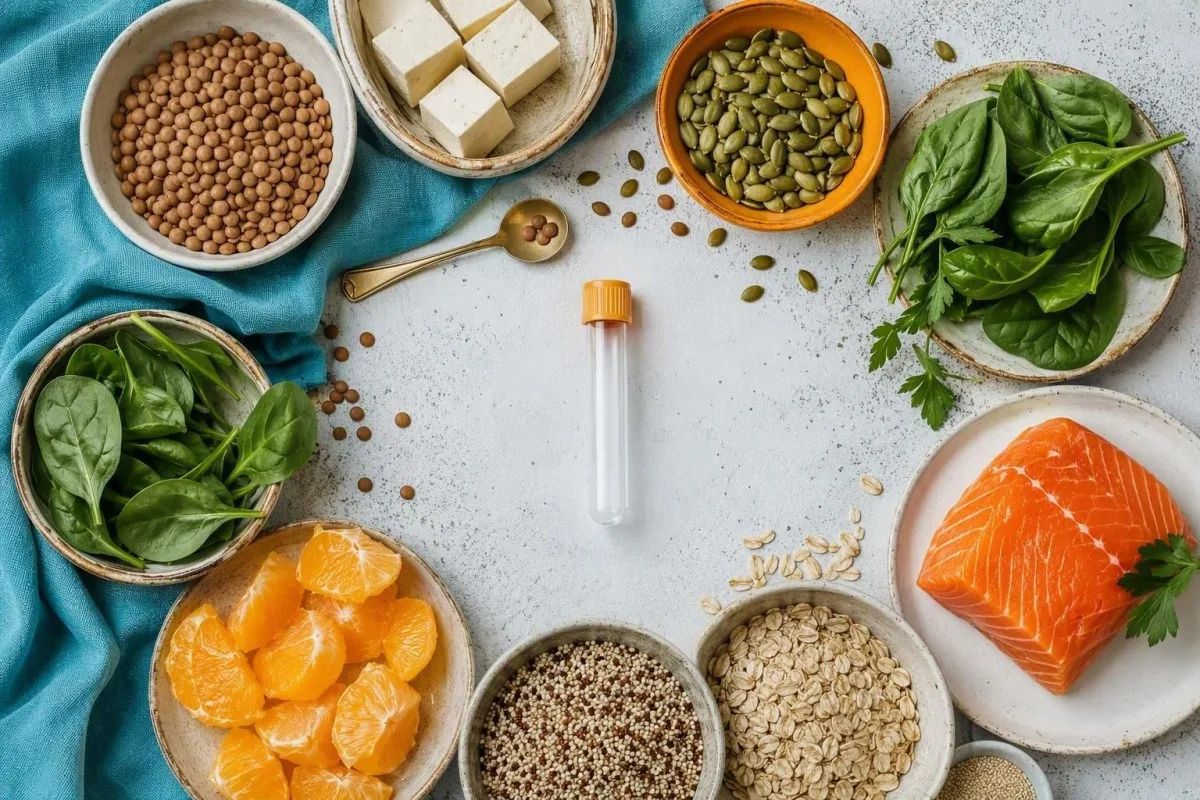
Rozumná počiatočná sada zahŕňa hemoglobín, MCV, RDW, feritín, železo, TIBC alebo transferín, saturáciu, CRP, ALT, AST, ALP, bilirubín, albumín, kreatinín a eGFR. Saturácia transferínu pod 20% naznačuje obmedzenú dostupnosť železa, zatiaľ čo pretrvávajúce hodnoty nad 45% vyžadujú posúdenie naloženia železom. Odpoveď spočíva vo vzťahu medzi týmito hodnotami, nie v objednávaní všetkých špecializovaných testov naraz.
Ak je prítomný zápal a feritín je nejednoznačný, rozpustný transferínový receptor alebo hemoglobín retikulocytov môže pomôcť identifikovať liečiteľný nedostatok železa. Ak je albumín nízky, analýza moču a ACR moču môžu skontrolovať stratu bielkovín obličkami; ak sú pečeňové nálezy abnormálne, testovanie hepatitídy a ultrazvuk môžu byť vhodné. Nízka saturácia transferínu má iný význam ako nízky TIBC, hoci sa často vyskytujú spolu.
Neurónová sieť Kantesti porovnáva trajektórie výsledkov skôr ako jediný moment, čo je dôležité, pretože feritín a CRP sa môžu počas niekoľkých týždňov pohybovať opačnými smermi. Metodika a klinické limity sú popísané v našich prehľad lekárskej validácie; interpretácia výsledkov je prípravou na rozhovor s lekárom, nie jeho náhradou.
Štyri vzory nízkeho TIBC, ktoré menia diagnózu
Nízky TIBC sa stáva užitočným, keď sa interpretuje ako jeden zo štyroch vzorov: zápal, poškodenie pečene alebo bielkovín, naloženie železom alebo zmiešaný nedostatok železa plus zápal. Každý vzor má inú liečebnú cestu a iné bezpečnostné obavy.
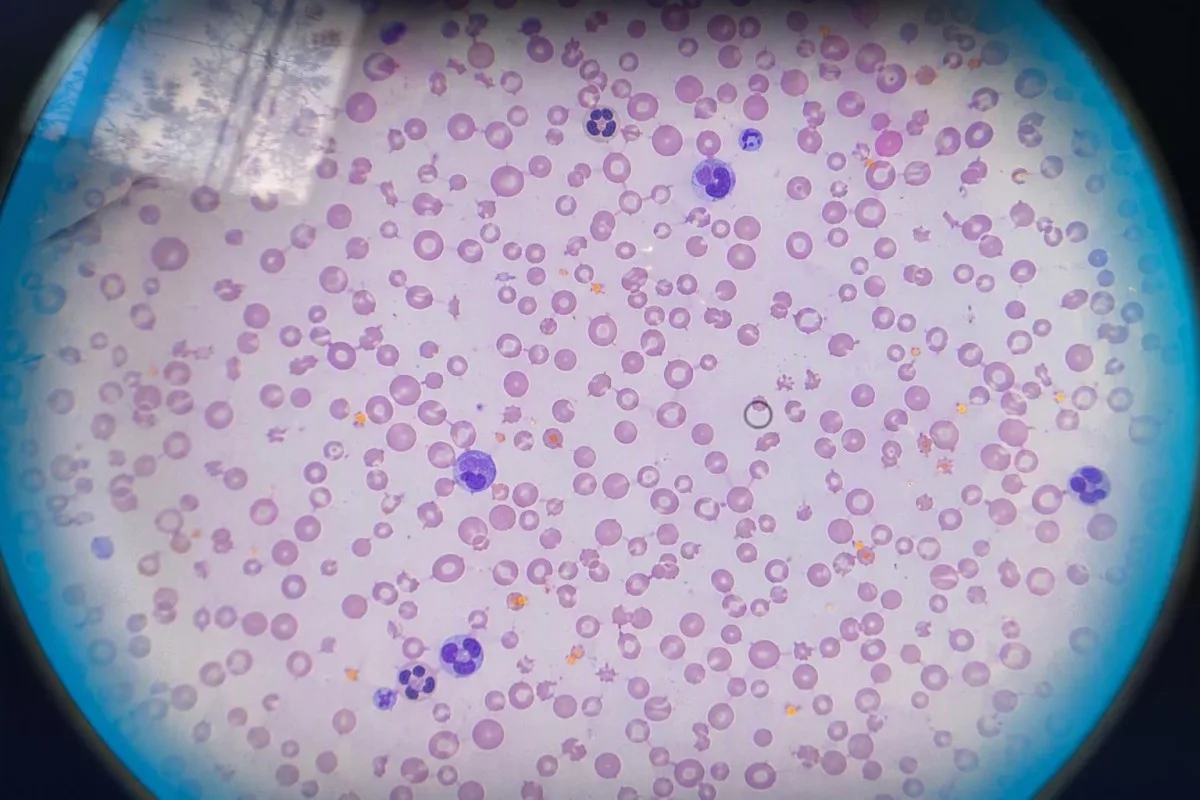
Zápal: nízke železo, nízky TIBC, saturácia často pod 20%, feritín normálny alebo vysoký, CRP zvýšené. Pečeňový/bielkovinový vzor: nízky TIBC s nízkym albumínom a prípadne abnormálnym bilirubínom, INR alebo pečeňovými enzýmami. Vzor nadmerného ukladania železa: nízka alebo normálna TIBC so saturáciou železa nad 45% a zvýšeným feritínom. Toto sú východiskové body, nie pevné pravidlá.
Zmiešaný deficit: feritín môže byť 30–100 ng/mL, saturácia pod 20%, TIBC nízka alebo normálna a CRP zvýšené. V tejto situácii môže byť potrebné liečiť zápalové ochorenie a hodnotiť stratu krvi alebo malabsorpciu. Gastrointestinálne príznaky, silné menštruačné krvácanie a užívanie protizápalových liekov si zaslúžia priame otázky – pacienti ich často neuvedú, pokiaľ sa na ne nepýtate.
Pre pacientov je užitočná otázka nie “Ako zvýšim TIBC?”, ale “Čo znížilo transferín alebo zmenilo distribúciu železa?” Naše feritín a CRP usmerňujú pomáha rozlíšiť to pred výberom doplnku.
Čo nerobiť po zistení nízkej vlajky TIBC
Neliečte si nízku TIBC železom sami, kým sa neskontroluje feritín, saturácia, hemoglobín a klinický kontext. Nízky výsledok neznamená, že vaša krv nemá železo, a nadbytočné železo môže byť nevhodné pri vzoroch nadmerného ukladania železa alebo vzťahujúcich sa k pečeni.

Vyhnite sa nákupu železa vo vysokých dávkach len preto, že správa uvádza “nízku kapacitu viazania železa”. Bežné terapeutické dávky železa obsahujú 45–65 mg elementárneho železa na tabletu, čo stačí na spôsobenie nevoľnosti, zápchy a tmavých stolíc; u nesprávnej osoby môžu zvýšiť zásoby železa bez riešenia zápalu alebo ochorenia pečene. Prístupy založené na strave sú pre väčšinu ľudí rozumné, ale nenahrádzajú posúdenie anémie.
Nepoužívajte výsledok feritínu samostatne na vylúčenie deficitu počas infekcie, obezity, autoimunitného ochorenia alebo nedávnej operácie. A nepredpokladajte, že únava súvisí so železom, ak neboli zohľadnené hemoglobín, feritín, štítna žľaza, spánok, nálada, lieky a funkcia obličiek. Naše sprievodca doplnkami pri únave vysvetľuje, prečo sú voľby založené na laboratórnych výsledkoch bezpečnejšie.
Nakoniec, nehoňte sa za dokonalým číslom TIBC. Podľa mojej klinickej skúsenosti korekcia chronického zápalu, liečba celiakie, kontrola ochorenia obličiek, zastavenie zbytočnej straty krvi alebo zlepšenie výživy menia železitý panel zmysluplnejšie, než priame pokusy o zvýšenie transferínu.
Strava, zotavenie a realistické spôsoby podpory základnej príčiny
Potraviny môžu podporovať príjem železa a stav proteínov, ale samotná strava nedokáže korigovať nízku TIBC spôsobenú aktívnym zápalom, významným ochorením pečene, nefrózovou stratou proteínov alebo nadbytkom železa. Výživový plán musí zodpovedať laboratórnemu vzoru.
Ak sa potvrdí nedostatok železa, hémové železo z rýb, hydiny a mäsa sa zvyčajne vstrebáva efektívnejšie ako nehémové železo z strukovín, tofu, šošovice, semien a obohatených obilnín. Produkty obsahujúce vitamín C môžu zlepšiť vstrebávanie nehémového železa, zatiaľ čo čaj a káva konzumované s jedlom ho môžu znížiť. Náš praktický sprievodca po o potravinách s hemovým a nehemovým železom poskytuje možnosti na úrovni jedla.
Ak bol príjem bielkovín nízky, zamerajte sa na pravidelné jedlá obsahujúce zdroj bielkovín namiesto pridávania neregulovaných “posilňovačov transferínu”. Bežné ciele pre dospelých často dosahujú okolo 0.8 g/kg/deň, zatiaľ čo starší dospelí, akútne ochorenia, atletický tréning a ochorenie obličiek vyžadujú individuálne poradenstvo. Ľudia s chronickým ochorením obličiek by nemali zvyšovať príjem bielkovín bez konzultácie s ich renálnym tímom.
Zotavenie tiež znamená výber správneho okna na opätovné testovanie. Hemoglobín zvyčajne stúpne približne o 10–20 g/L počas 2–4 týždňov po účinnej liečbe železom pri jednoduchom deficite, ale TIBC sa nemusí normalizovať podľa tohto plánu, ak je hlavným faktorom naďalej zápal alebo syntéza v pečeni.
Kedy nízky výsledok TIBC vyžaduje okamžité lekárske vyšetrenie
Dohodnite si bežnú lekársku kontrolu pri pretrvávajúcom nízkom TIBC a vyhľadajte urgentnú starostlivosť, keď sprevádza závažné príznaky, ako je žltačka, zmätenosť, bolesť na hrudi, dýchavičnosť v pokoji, mdloby alebo gastrointestinálne krvácanie. Urgenciu závisí od osoby a sprievodných výsledkov, nie od samotnej hodnoty TIBC.

Rezervujte si včasný termín, ak TIBC zostáva pod rozsahom pri opakovanom testovaní, feritín je neočakávane vysoký, saturácia je nad 45%, hemoglobín klesá, albumín je pod 35 g/L, alebo sú testy pečene abnormálne. Prineste predchádzajúce výsledky, zoznamy liekov a doplnkov, nedávnu anamnézu ochorení, menštruačnú anamnézu, ak je relevantná, príjem alkoholu, zmeny stravy a rodinnú anamnézu preťaženia železom alebo ochorenia pečene. Dobre organizovaná časová os môže ušetriť druhé stretnutie.
Starostlivosť v ten istý deň je rozumná pri čiernej stolici, vracaní krvi, žltej koži so spavosťou, vysokej horúčke s hlbokou slabosťou alebo dýchavičnosti, ktorá obmedzuje reč. Tieto príznaky môžu signalizovať krvácanie, infekciu, ťažkú anémiu alebo dekompenzáciu pečene a čakať na ďalší panel železa nie je bezpečné. Pre štruktúrovanú prípravu použite náš kontrolný zoznam pre laboratórne vyšetrenia pri návšteve lekára.
K 10. septembru 2026 zostáva najbezpečnejším posolstvom jednoduché: nízke TIBC je indíciou o biológii transferínu, nie diagnózou a nie automatickým dôvodom pre železo. Klinický obsah Kantesti je recenzovaný s našimi Lekárska poradná rada, ale váš lekár môže integrovať nálezy z vyšetrenia, príznaky, lieky a miestne laboratórne metódy.
Ako sledovať nízky výsledok TIBC bez prehnaných reakcií
Sledujte nízke TIBC spolu s dátumom, stavom choroby, feritínom, saturáciou, CRP, albumínom, hemoglobínom a zmenami liečby. Trend naprieč dvoma alebo tromi porovnateľnými vzorkami je zvyčajne informatívnejší ako jedno meranie mimo rozsahu.
Zaznamenajte, či bola každá vzorka nalačno, či ste užili železo do 24 hodín, či ste mali horúčku alebo ste podstúpili namáhavé cvičenie, a či bola použitá rovnaká laboratória. Zmena TIBC 225 až 245 µg/dL môže byť bežná biologická a analytická variácia, zatiaľ čo 225 až 340 µg/dL po zotavení z pneumónie môže byť klinicky významné. Naše sprievodca porovnávaním krvných testov ukazuje, ktoré kontextuálne detaily zachovať.
Kantesti, službe na interpretáciu výsledkov AI laboratórnych testov, dokáže organizovať longitudinálne správy a vysvetliť, prečo sa nízke TIBC, feritín, CRP a albumín môžu pohybovať spoločne alebo sa líšiť. Je navrhnutý tak, aby vaše otázky boli presnejšie: “Mohlo by ísť o obmedzenie železa v dôsledku zápalu?” je užitočnejšie ako “Mám nízke železo?”
Ubezpečujúci bod je, že mnohé nízke výsledky TIBC odrážajú dočasný zápalový stav alebo reverzibilný problém s výživou a zotavením. Opatrný bod je rovnako reálny: pretrvávajúce výsledky s anémiou, abnormálnymi pečeňovými testami, edémom alebo vysokou saturáciou si zaslúžia náležité klinické sledovanie skôr ako internetové hádanie.
Často kladené otázky
Aké príznaky spôsobuje nízka TIBC?
Nízka TIBC zvyčajne nespôsobuje sama o sebe príznaky, pretože meria kapacitu viazať železo, nie telesnú funkciu, ktorú možno priamo cítiť. Príznaky ako únava, slabosť, dýchavičnosť, horúčka, opuch členkov, žltačka alebo bolesť kĺbov pochádzajú z základnej príčiny, ako je anémia, zápal, ochorenie pečene, strata bielkovín alebo nadbytok železa. Hemoglobín nižší ako 120 g/l u netehotných žien alebo 130 g/l u mužov zvyšuje pravdepodobnosť príznakov súvisiacich s anémiou. Urgentné posúdenie je vhodné pri bolestiach na hrudi, mdlobách, zmätenosti, čiernej stolici, silnej dýchavičnosti alebo žltej koži so spavosťou.
Je nízka TIBC to isté ako nízky transferín?
Nízka TIBC zvyčajne odráža nízky transferín, ale tieto dva testy nie sú technicky totožné. Transferín je pečeňou produkovaný nosný proteín meraný priamo v g/L alebo mg/dL, zatiaľ čo TIBC odhaduje, koľko železa môže transferínový fond viazať, a bežne sa uvádza v µg/dL alebo µmol/L. Typická TIBC u dospelých je približne 250–450 µg/dL, aj keď referenčné rozmedzia laboratórií sa líšia. Nízke výsledky oboch sú bežné počas zápalu a pri zníženej syntéze pečeňových proteínov.
Znamená nízka TIBC nedostatok železa?
Nízka TIBC zvyčajne neznamená nekomplikovaný nedostatok železa; klasický nedostatok železa častejšie spôsobuje nízky feritín a vysokú TIBC. Zmiešaný vzor sa môže vyskytnúť, keď nedostatok železa existuje spolu so zápalom, ochorením pečene alebo zlým stavom bielkovín, čo potláča TIBC. Feritín pod 15 ng/mL silne podporuje vyčerpané zásoby železa u zdravého dospelého, zatiaľ čo feritín pod 100 ng/mL plus saturácia transferínu pod 20% môže stále naznačovať nedostatok počas zápalu. Pred podaním železa je potrebná CBC, feritín, CRP a saturácia.
Čo spôsobuje nízku TIBC s nízkym železom?
Nízka TIBC s nízkym sérovým železom najčastejšie odráža obmedzenie železa súvisiace so zápalom. V tomto vzore hepcidín znižuje uvoľňovanie železa do obehu, zatiaľ čo pečeň produkuje menej transferínu, čo vedie k nízkemu železu, nízkej TIBC, nasýteniu často pod 20% a feritínu, ktorý môže byť normálny alebo zvýšený. Chronické ochorenie obličiek, infekcia, autoimunitné ochorenie, zápal súvisiaci s obezitou, nedávna operácia a rakovina môžu tento vzor vytvoriť. CRP nad 10 mg/l podporuje aktívny zápal, ale neidentifikuje jeho zdroj.
Čo znamená nízka TIBC s vysokým feritínom?
Nízka TIBC s vysokým feritínom sa bežne vyskytuje pri zápale, ochorení pečene, metabolických poruchách, poškodení pečene spôsobenom alkoholom alebo pri nadmernom ukladaní železa. Feritín je markerom ukladania železa aj proteínom akútnej fázy, takže vysoká hodnota nemusí automaticky znamenať nadbytok uloženého železa. Pretrvávajúca saturácia transferínu nad 45% spolu so zvýšeným feritínom je znepokojujúcejšia pri nadmernom ukladaní železa a vyžaduje posúdenie pod vedením lekára. Albumin, CRP, ALT, AST, bilirubín a kompletný krvný obraz pomáhajú rozlíšiť príčiny.
Mám užívať železo, ak je moja TIBC nízka?
Neužívať železo len preto, že je nízka TIBC. Perorálne železo je vhodné, ak je nedostatok železa preukázaný celkovým obrazom, často vrátane nízkeho feritínu, nízkej saturácie a zodpovedajúcich výsledkov CBC; mnohé terapeutické prípravky obsahujú 45 – 65 mg elementárneho železa na tabletu. Železo môže byť neúčinné alebo nevhodné, keď nízka TIBC vyplýva zo zápalu, poškodenia pečene, straty bielkovín alebo nadmerného množstva železa. Požiadajte lekára, aby najprv skontroloval feritín, nasýtenie transferínu, hemoglobín, CRP a testy pečene.
Získajte analýzu krvných testov s podporou AI už dnes
Pridajte sa k viac než 2 miliónom používateľov na celom svete, ktorí dôverujú Kantesti pri okamžitej a presnej analýze laboratórnych testov. Nahrajte svoje výsledky krvných testov a získajte komplexnú interpretáciu biomarkerov 15,000+ v priebehu sekúnd.
📚 Citované publikácie výskumu
Klein, T., Mitchell, S., & Weber, H. (2026). Urobilinogén v moči: Kompletný sprievodca analýzou moču 2026. Zenodo. https://doi.org/10.5281/zenodo.18226379. Odkazy na záznamy ResearchGate a Academia.edu sú k dispozícii prostredníctvom DOI publikácie.. Kantesti AI Medical Research.
Klein, T., Mitchell, S., & Weber, H. (2026). Sprievodca štúdiami železa: TIBC, saturácia železa a väzbová kapacita. Zenodo. https://doi.org/10.5281/zenodo.18248745. Odkazy na záznamy ResearchGate a Academia.edu sú k dispozícii prostredníctvom DOI publikácie.. Kantesti AI Medical Research.
📖 Externé lekárske referencie
⚕️ Vyhlásenie o lekárskej starostlivosti
Tento článok je určený len na vzdelávacie účely a nepredstavuje lekárske poradenstvo. Pri rozhodnutiach o diagnostike a liečbe sa vždy poraďte s kvalifikovaným poskytovateľom zdravotnej starostlivosti.
Signály dôvery E-E-A-T Trust Signals
Skúsenosti
Klinické hodnotenie vedené lekárom pracovných postupov interpretácie laboratórnych výsledkov.
Odbornosť
Laboratórna medicína so zameraním na to, ako sa biomarkery správajú v klinickom kontexte.
Autoritatívnosť
Napísané Dr. Thomasom Kleinom, recenzia Dr. Sarah Mitchell a prof. Dr. Hans Weber.
Dôveryhodnosť
Interpretácia založená na dôkazoch s jasnými následnými krokmi na zníženie poplachu.