تۆۋەن TIBC نەتىجىسىنىڭ ئۆزىلا ناھايىتى ئاز سىملىق پەيدا قىلىدۇ. سىملىقلار تىرانسفېرىن ئىشلەپچىقىرىش, تۆمۈر بىر تەرەپ قىلىش ياكى ئاقسىل تەڭپۇڭلۇقىنى ئۆزگەرتىدىغان ئەھۋالدىن كېلىدۇ.



- تۆۋەن TIBC ئادەتتە تۆمۈر توشۇش ئۈچۈن تىرانسفېرېر تېخىمۇ كۆپ بولمىغانلىقىنى كۆرسىتىدۇ, نۇرغۇن قۇرامىغا يەتكەن كىشىلەرنىڭ لاۋراتورىيەسى تەخمىنەن 250–450 مىكروگىرام / dL (45–80 مىكرو مېتىر / L) نى پايدىلىنىدۇ.
- سىملىقلىرى بىۋاسىتە: چارچاش, ئىسسىق, بوغۇم ئاغرىقى, ئىششىق, سېرىق تەن ياكى ئورۇقلاش كېسەللىكىنى تۆۋەن TIBC نىڭ ئۆزىدىن كېيىنكى كېسەللىككە قارىتىدۇ.
- ياللۇغلىنىش ئەندىزىسى ئادەتتە تۆۋەن تۆمۈر, تۆۋەن TIBC, تىرانسفېرېر تويغۇسى 20% دىن تۆۋەن, ۋە تۆمۈر ياكى يۇقىرىدا تۇرغان فېررىتىنى كۆرسىتىدۇ.
- تۆمۈر يېتىشمەسلىك ئەندىزىسى ئادەتتە تۆۋەن فېررىتىنى ھەمدە يۇقىرى - تۆۋەن ئەمەس - TIBC نى ھاسىل قىلىدۇ, ھازىر ياللۇغ ياكى جىگەر كېسەللىكى بىلەن بىرلا ۋاقىتتا بولمىسا.
- ترانسفېررىن تويۇنۇشى تۆمۈر بىلەن TIBC نى 100 گە بۆلۈش ئارقىلىق ھېسابلىنىدۇ; 45% دىن يۇقىرى بولغان قىممەت ئۇزۇن داۋاملاشقاندا تۆمۈر يۈكلىنىشنى باھالاشقا ئەرزىيدۇ.
- ئالبۇمىن مۇھىم چۈنكى تىرانسفېرېر جىگەر تەرىپىدىن ئىشلەپچىقىرىلغان ئاقسىل; تۆۋەن بىلەن تۆۋەن TIBC ئىشلەپچىقىرىشنى ئازايتىش, ناچار قوبۇل قىلىش, ئاقسىل يوقىتىش ياكى تۇرمۇش كېسەللىكىنى كۆرسىتىدۇ.
- جىددىي تەكشۈرۈش كاللاشقانلىق, سېرىق تەن, قارا تۈكۈرۈك, دەم ئېلىشتا نەپەس سىقىلىش, تېز ئىششىق كۆپىيىش ياكى قاتتىق چارچاش بىلەن ئىسسىق قىزىش ئۈچۈن ماس كېلىدۇ.
- ئەقىللىقچە قايتا तपास يەنى سىزنىڭ كىلىنىستىڭىز قوشۇلغاندا تۆمۈر پارامېتىرى ئۈچۈن 24 سائەت ئىچىدە تۆمۈر ھابىقىسىدىن ساقلىنىش، ۋە مۇمكىن بولغاندا يۇقۇملۇق قىزىتما كېسەللىكىدە نورمال تەكشۈرۈشنى كېچىكتۈرۈش.
تۆۋەن TIBC نەتىجىسىنىڭ ھەقىقىي مەنىسى
تۆمۈرنى باغلاش ئىقتىدارىنىڭ تۆۋەنلىكى قان تومۇرلىرىنىڭ تۆمۈرنى باغلاش ئۈچۈن تىرانسفېررېن ئىقتىدارىنىڭ ئاز ئىكەنلىكىنى بىلدۈرىدۇ. TIBC بولسا جىگەر تەرىپىدىن ئىشلەپچىقىرىلغان ئاقسىل بولغان تىرانسفېررېننى تەتۈر يوسىندا ئۆلچەش؛ ئۇ بەدىنىڭىزنىڭ قانچىلىك تۆمۈر ساقلىنىدىغانلىقىنى بىۋاسىتە ئۆلچەش ئەمەس.

كۆپىنچە تەجرىبىخانا ياشانغانلارنىڭ TIBC نى ئەتراپىدا دوكلات قىلىدۇ 250–450 µg/dL ياكى 45–80 µmol/L, ، ئەمما سىزنىڭ نەتىجىڭىز يېنىدىكى ئارىلىق ئۆزگىرىشى مەنبە بولىدۇ، چۈنكى ئانالىز تەڭشەش پەرقلىنىدۇ. 210 µg/dL گە باراۋەر قىممەت ئۆزلۈكىدىن خەتەرلىك ئەمەس؛ مەن ئۇنى قان سېرىمى، فېررېتىن، تىرانسفېررېن تويۇنۇش، C رېئاكتىپلىق ئاقسىل، ئالبۇمىن ۋە پۈتۈن قان تومۇر سانىغا قېتىپ چۈشەندۈرىمەن. بىزنىڭ تەپسىلىي تۆمۈر تەتقىقاتى قوللانمىسى نېمە ئۈچۈن بىرلا تۆمۈر بەلگىسى ھەر قانداق سوئالغا جاۋاب بېرەلمەيدىغانلىقىنى چۈشەندۈرىدۇ.
TIBC ۋە تىرانسفېررېن زىچ مۇناسىۋەتلىك، ئەمما ئوخشىمىغان تەكشۈرۈشلەر ئەمەس. تىرانسفېررېن ئاقسىل قويۇقلۇقى سۈپىتىدە ئۆلچىنىدۇ، كۆپىنچە g/L ياكى mg/dL دە، TIBC بولسا قان تومۇر تىرانسفېررېننىڭ ئەڭ يۇقىرى تۆمۈرنى باغلاش ئىقتىدارىنى مۆلچەرلەيدۇ؛ بەزى تەجرىبىخانىلار بىرىنى يەنە بىرىدىن ھېسابلايدۇ. Kantesti بىر AI قان تەكشۈرۈش ئانالىزچىسى بولۇپ، TIBC نى تۆۋەن دەپ ھېسابلايدىغان بىر تومۇرنى ئايرىم-ئايرىم دىياگنوز قويۇشقا قارشى تۇرىدۇ.
ئەمەلىي تەپسىلاتلارنى كۆپ سېتىۋېلىش: بىر ئادەم ۋۇسۇس كېسەللىكىدە تۆۋەن TIBC گە ئىگە بولۇپ، نەچچە ھەپتىدىن كېيىن ھەر قانداق تولۇقلاشنىڭ ئۆزگەرتىلمەي يۇقىرى قىممەتكە ئىگە بولۇشى مۇمكىن. دوكتور توماس كېيننىڭ ئۇسۇلى بىرىنچىدىن بولسا، ئەۋرەكنى يۇقۇم جەريانىدا، دوختۇرخانىدىن كېيىن ياكى يېڭى يۇقۇملىنىش باشلانغاندا ئالدىمۇ دەپ سوراش؛ بۇ ۋاقىت جەدۋىلى كۆپىنچە كېركسىز تۆمۈر يېزىشنى توسىدۇ.
تىرانسفېررېن تويۇنۇشىنى ھېسابلاش
تىرانسفېررېن تويۇنۇشى = قان سېرىمى ÷ TIBC × 100. 50 µg/dL بىلەن 250 µg/dL TIBC نىڭ قان سېرىمى 20% تويۇنۇشنى بېرىدۇ، شۇنىڭ بىلەن 125 µg/dL TIBC بىلەن ئوخشاش قان سېرىمى 40% بېرىدۇ؛ تۆۋەن denominator تويۇنۇشنى ئالدامچىلىق بىلەن راھەتلەندۈرۈش ياكى يۇقىرى قىلىپ كۆرسىتىشى مۇمكىن.
تۆۋەن TIBC سىملىقلىرى: سىز نېمىلەرنى ھېس قىلالايسىز ۋە سىز نېمىلەرنى ھېس قىلالمايسىز
تۆۋەن TIBC ئۆزى ئادەتتە ئالاھىدە سىستېمىسىز. چارچاش، پىدائىيلىق پائالىيىتىنى تۆۋەنلىتىش، ئىمىنىت، قورساقنى يۇمشىتىش، بوغۇم ئاغرىقى ياكى كۆزنىڭ سېرىيىشى قاندىكى كەمچىللىك، يۇقۇملىنىش، جىگەرنىڭ نورمالسىزلىقى، ئوزۇقلۇق يېتىشمەسلىك ياكى تۆمۈرنىڭ كۆپىيىشىدىن بولىدۇ - TIBC سانىدىنلا ئەمەس.

تۆۋەن TIBC ھېموگلوبىننىڭ تۆۋەن بولۇشى بىلەن بىرلىكتە بولغاندا ھامىلدار بولمىغان ئاياللاردا 120 g/L ياكى ئەرلەردە 130 g/L, ، چارچاش، پەلەمپەيدە نەپەس سىقىلىش، يۈرەك سوقۇشى، باش ئاغرىش ۋە ئازادە ھېس قىلىش قاندىكى كەمچىللىكنى ئەكس ئەتتۈرۈشى مۇمكىن. يەنە يۇقۇملىنىش سەۋەبىدىن قاندىكى كەمچىللىك يېنىك بولۇپ، cytokines تۆمۈرنىڭ مېڭىگە يەتكۈزۈشىنى ئۆزگەرتكەنلىكتىن، بىمارنى ھېرىپ قېلىشى مۇمكىن. بۇنى بىلەن سېلىشتۇرۇڭ تۆۋەن قىزىل قان ھۈجەيرىسى ئالامەتلىرى ئەگەر سىزنىڭ CBC نىمۇ بايراق قىلىنسا.
جىگەر ياكى ئاقسىل بىلەن مۇناسىۋەتلىك سەۋەبلەرگە قاراپ مېنى خۇشال قىلىدىغان سىستېملارغا پۇتنى يۇمشىتىش، يېڭى قورساقنى تولۇقلاش، ئاسانلا يارىلاش، قىچىشىش، قارا سۈيدۈك، ئاق رەڭلىك تۈكۈرۈك ياكى ئاشقازاننى تالىشىش بار. سېرىقما، چۈشەنچە، قان قۇسۇش، قارا تىتىرەپ تۇرغان تەرەت، ئېغىر نەپەس قىيىنچىلىقى ياكى تېز سۈرئەتتە كۆپىيىۋاتقان ئىششىققا دەرھال دىياگنوز قويۇش كېرەك. تۆۋەن TIBC جىددىي ئەھۋال ئەمەس؛ ئۇ خاراكتېرىستىكىلىق ئالامەتلەر بولىدۇ.
ئەمەلىيەتتە، مەن كىشىلەرنىڭ “تۆۋەن تۆمۈر باغلاش سىغىمى ئالامەتلىرى” نى ئىزدەپ، دەرھال تۆمۈر ئىستېمال قىلىشقا باشلىغاندىن كېيىن ئەندىشىگە چۈشكەنلىكىنى كۆرىمەن. ترانسفېررېن كەڭلىكى سىغىمى سىفىرنىڭ% 20 ىدىن يۇقىرى بولسا ياكى فېررېتىن يۇقىرى بولسا بۇ خاتا ھەرىكەت بولىشى مۇمكىن. 45% ياكى فېررېتىن يۇقىرى. تۆمۈر كەملىك ئىسپاتلانغاندا پايدىلىق، ئەمما ئۇ ئادەتتىكى دورا ئەمەس ۋە دىياگنوز قويۇش ئەندىزىسىنى چەكلەپ قويىدۇ.
ياللۇغ ياللۇغنى قانداق ياللۇغلايدۇ ۋە تۆمۈرنى تۆۋەنلەيدۇ
ياللۇغ يۇقۇملىنىش تۆۋەن TIBC ۋە تۆۋەن قان سېرۇمىنىڭ ئەڭ كۆپ ئۇچرايدىغان چۈشەندۈرۈشى. جىگەر ئۆتكۈر باسقۇچتىكى پروگراممىدا ترانسفېررېن ئىشلەپچىقىرىشنى ئازايتىدۇ، ھەمدە ھېپسىدىن تۆمۈرنى ماكروفاج ۋە ئۈچەي سۈمۈرۈلۈشىدىن چىقىرىشنى چەكلەيدۇ.
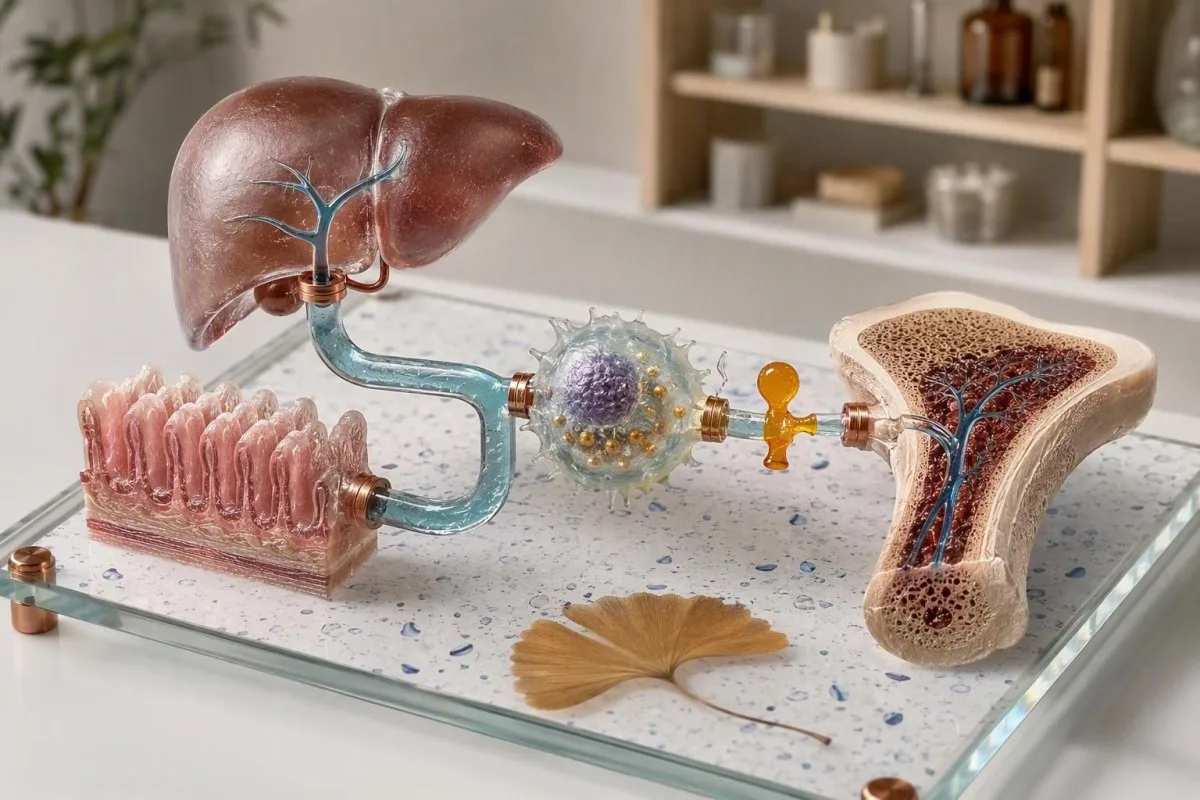
ئۆتكۈر ياللۇغ بىلەن مۇناسىۋەتلىك ئادەتتىكى ئەندىزە قان سېرۇمى تۆمۈر 50 مىكروگىرامم/دىئوللىيىدىن تۆۋەن، TIBC 250 مىكروگىرامم/دىئوللىيىدىن تۆۋەن، كەڭلىكى% 15 تىن تۆۋەن، فېررېتىن 100 نانوگرامم/مىللېلىتىردىن يۇقىرى., ، گەرچە بۇ كەسەللىكلەرنىڭ ھېچقايسىسى يەككە كېسەلنى دىياگنوز قىلالمايدۇ. فېررېتىن ياللۇغ سىگنالى بىلەن ئۆرلەيدۇ، شۇڭا “نورمال” فېررېتىن CRP ئۆرلەپ كەتكەن ۋاقىتتا تۆمۈر كەملىكنى ئىشەنچلىك ھالدا چىقىرىپ تاشلىمايدۇ. Weiss قاتارلىقلار (2019) تەسۋىرلىگەن خاراكتېرىستىكىلىق رامكا يەككە فېررېتىننى ئەمەس، بەلكى بۇ كومبىناتسىيەنى ئىشلىتىپ، مۇتلەق تۆمۈر كەملىكى بىلەن فۇنكىسىيونال تۆمۈر چەكلىنىشىنى ئايرىيدۇ.
ئۆتكۈر يۇقۇملىنىش، ئۆزلۈكىدىن قان تومۇر كېسەللىكى، ئۆتكۈر بۆرەك كېسەللىكى، سېمىزلىك بىلەن مۇناسىۋەتلىك ياللۇغ، يېقىنقى ئوپېراتسىيە ۋە راك كېسەللىكى ھەممىسى ترانسفېررېننى تۆۋەنلىتىشى مۇمكىن. CRP 10 mg/L دىن يۇقىرى تۆۋەن TIBC نى بىۋاسىتە ئىسپاتلاشقا مايىل قىلىدۇ، شۇنىڭغا ئوخشاش قىزىل قان تومۇرلارنىڭ چۆكۈش سۈرئىتى CRP تۆۋەنلىگەندىن كېيىن بىر نەچچە ھەپتە يۇقىرى تۇرسا بولىدۇ. بۇ ئاستا ھەرىكەت قىلىدىغان بەلگە ھەققىدە پايدىلىنىش ئۈچۈن، بىزنىڭ رەھبەرلىك قورالىمىزنى كۆرۈڭ نېمىشقا ESR ئاستا ئۆزگىرىدۇ.
قارشى تۇرغۇچى قىسىمى شۇكى، ساقلانغان تۆمۈر بولسا، لېكىن سۆڭەك مېڭىسىگە قىيىن بولىدۇ. Kantesti AI، AI بىئوماركر ئىزاھلاش سۇپىسى, ، بۇ خاتا تۆمۈر/تۆۋەن TIBC ئەندىزىسىنى بايقاپ، ئاكتىپ كېسەل، بۆرەك فۇنكىسيىسى ۋە ياللۇغ ئۆلچىمى ھەققىدە سوئاللارنى قوزغايدۇ؛ ئۇ پەقەت لაბوراتورىيە سانلىق مەلۇماتلىرىدىن سەۋەبىنى دىياگنوز قىلالمايدۇ.
سۆلۈنىدىغان ترانسفېررېن قوبۇللىغۇچى ياردەم بەرگەندە
سۆلۈنىدىغان ترانسفېررېن قوبۇللىغۇچى فېررېتىندىن ياللۇغ تەرىپىدىن ئازراق بۇزۇلغان. ئۆرلەنگەن نەتىجە فېررېتىن 50–300 نانوگرامم/مىللېلىتىر ۋە CRP ئۆرلەپ كەتكەن ۋاقىتتا ھەقىقىي تۆمۈر چەكلىنىشلىك قىزىل قان ھۈجەيرە ئىشلەپچىقىرىشقا ياردەم بېرەلەيدۇ، گەرچە سىناققا خاس دائىرىلەر بارلىقىنى كۆرسىتىدۇ، ئۇنى كلىنىك خادىملىرى زاكاز قىلىپ، باھالاش كېرەك.
جىگەر كېسەللىكلىرى نېمىشقا تۆمۈر بېغلاش ئىقتىدارىنى تۆۋەنلىتىشى مۇمكىن
جىگەر كېسەللىكى TIBC نى تۆۋەنلىتىشى مۇمكىن، چۈنكى جىگەر ھۈجەيرىسى ترانسفېررېننى سىنتېز قىلىدۇ. تۆۋەن TIBC بىلەن تۆۋەن ئالبۇمىن، ئۇزۇنغا سوزۇلغان INR، ئۆرلەپ كەتكەن بىيلىرۇبىن، ياكى نورمال بولمىغان AST ۋە ALT قاتارلىقلار تۆمۈر ئىستېمالىدىن جىگەر ئىشلەپچىقىرىش ۋە كېسەللىك ئېغىرلىقىغا قارىتىلىدۇ.
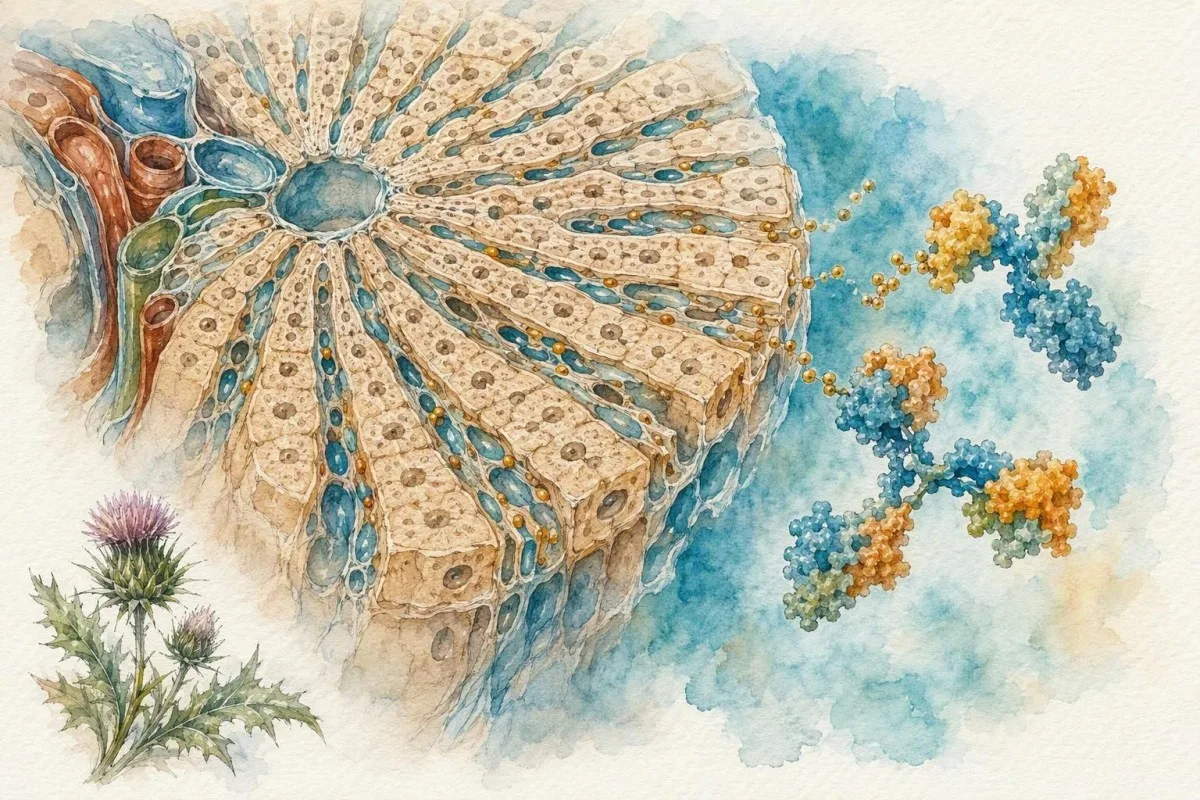
تۆۋەن ترانسفېررېن نەتىجىسى مايلىق جىگەر كېسەللىكى، ۋىرۇسلۇق جىگەر ياللۇغى، ھاراق بىلەن مۇناسىۋەتلىك جىگەر زەخملىنىشى، ئىلغار فىبروز ۋە سىروزدا كۆرۈلىدۇ، ئەمما ئۇلارنى ئۆلچەملىك ھالەتتە باھالاشقا يېتەرلىك ئەمەس. ئالبۇمىن 35 g/L دىن تۆۋەن بىلەن بىرلىشىپ، دائىملىق تۆۋەن TIBC، بولۇپمۇ ئىششىق ياكى تۇخۇم ئۆلچىمى تۆۋەنلەش بولسا، توغرا كلىنىك تەكشۈرۈشنى تەلەپ قىلىدۇ. بىزنىڭ كۆز قاراشلىرىمىزدا كەڭ دائىرىنى تەكشۈرۈڭ جىگەر پانېلىغا ئومۇمىي چۈشەنچە.
مەن يېقىندا بىر يۈگۈرگۈچىنىڭ AST نى تەكشۈرۈپ چىقتىم 89 IU/L ئۇزۇن مۇساپىدىن كېيىن ۋە تۆۋەن-نورمال TIBC؛ AST ئەسلىگە كەلگەندىن كېيىن نورمال ھالەتكە كەلدى، ئالبۇمىن ۋە بىيلىرۇبىن نورمال ھالەتتە ساقلاندى. چېنىقىش بىر نەچچە نەتىجىنى ۋاقىتلىق ئۆزگەرتەلەيدۇ، شۇنىڭغا ئوخشاش تۆۋەن TIBC، سېرىقما ۋە تۆۋەن ئالبۇمىن بىر خىل ئىخچام خاراكتېرىستىكىلىق رەسىم. بۇ كومبىناتسىيە - يەككە AST ياكى TIBC ئەمەس - كېيىنكى قەدەمنى ئۆزگەرتىدۇ.
جىگەر كېسىلىدە دائىملىق يۇقىرى بولغان ترانسفېررېن ساغلىقىغا دىققەت قىلىش كېرەك، چۈنكى تۆۋەن ترانسفېررېن نىسبەتنى سۈنئىي ھەمراھ قىلىشى مۇمكىن. 2022-يىللىق EASL گېموخروما توغرىسىدىكى يېتەكچى پرىنسىپ ترانسفېررېن ساغلىقىنى ئىشلەتكەن ئاياللاردا 45%تىن، ئەرلەردە 50%تىن, يۇقىرى بولغاندا، يۇقىرى فېررېنتىن بىلەن بىللە، ئۇنىۋېرسال باھالاشنى قوزغىتىدۇ، پەقەت ئۆزىگە تايىنىشتىن ياخشىراق (ياۋروپا جىگەرنى تەتقىق قىلىش جەمئىيىتى، 2022).
جىگەر كېسەللىكى سىمپტომلىرى خۇدرەتلىك چارىسىنى تەلەپ قىلغاندا
يېڭى سېرىق تەرەت، چۈشەنچە، قان تالاش، قارا تەرەت، ياكى ئاشقازاننى زورايتىش TIBC سەۋىيىسىگە قارىماي، خۇددى جىددىي داۋالاشنى تەلەپ قىلىدۇ. بۇ سىمپტომلار ئۆتتىن ئۆتكەن ئىقتىدارسىزلىق، ئاشقازان قاناش، ياكى جىگەر كېسىلىنىڭ چېكىنىشكە ئەجەللىك بولۇشىنى كۆرسىتىدۇ؛ بىزنىڭ بايانىمىزنى كۆرۈڭ دەسلەپكى سىروىزنى تەكشۈرۈش.
ئاقسىل ياخشى بولماسلىق ياكى ئاقسىل يوقىتىشدىن تۆۋەن TIBC
تۆۋەن TIBC يېتەرسىزلىك ياكى ئاقسىل، جىگەرنىڭ سۈنئىي ئىشلەپچىقىرىشىنىڭ ئازىيىشى، ياكى بۆرەك ياكى ئۈچەينى يوقىتىش ئارقىلىق ئاقسىل يوقىتىش سەۋەبىدىن بولىدۇ. ترانسفېررېننىڭ يېرىمى 8 كۈن ئەتراپىدا بولغاچقا، ئۇ يېڭى كېسەللىكتە ئالبۇمىندىن بۇرۇن چۈشەلەيدۇ، ئەمما يەنىلا يېتەرسىز يېمەك-ئىچمەك تېستى.

تۆۋەن ئېلىش، قاتتىق قۇسۇش، سۈمۈرۈلۈش، دائىملىق ئىچ كېتىش، چوڭ كۆيگەن، ۋە يۇقىرى سىستېمىلىق كېسەللىك ترانسفېررېننى تۆۋەنلىتىدۇ. ئالبۇمىن 30 گ / ل يەك كېسەللىك ئەھمىيەتلىك ئاقسىل كەمچىلىكى ياكى يوقىلىش خەۋپىنى ئاشۇرىدۇ، ئەمما ياللۇغ يەنە ئالبومىننى تۆۋەنلىتىشى مۇمكىن. شۇڭا ھەر بىر تۆۋەن TIBC نەتىجىسىگە يۇقىرى.
بۆرەكنىڭ ئاقسىل كەمچىل بولۇشى قان سۇيىدىكى ئاقسىللارنى ئازايتىشى مۇمكىن، بولۇپمۇ سۈيدۈك ئالبۇمىن-كرېئىياتىن نىسبىتى زور دەرىجىدە ئاشقان ياكى سۈيدۈكتىكى ئاقسىل داۋاملىق بولغاندا. كۆپۈكلۈك سۈيدۈك، قاپاقتىكى ئىششىق، بوغۇم ئىششىقى ۋە ئېغىرلىقنىڭ ئېشىشى پايدىلىق ئامىللار، ئەمما ئاقسىل سۈيدۈك بار كىشىلەرنىڭ كۆپلىگەنلىرى ياخشى ھېس قىلىدۇ. بىزنىڭ ماقالىمىز داۋاملىق كۆپۈكلۈك سۈيدۈك بۇ ئىمكانىيەتلىك قىياسنى سۈيدۈك ئەۋرونكىسى بىلەن قانداق روشەنلەشتۈرگەنلىكىنى چۈشەندۈرىدۇ.
ئوزۇقلۇق باھاسىغا ئېغىرلىق ئۆزگىرىشى، مۇسكۇل كۈچى، يېمەكلىك قوبۇل قىلىش، چىش ياكى يۇتۇش مەسىلىلىرى ۋە ئاشقازان-ئىچەك كېسەللىكلىرى كۆزگە ئېلىنىشى كېرەك - پەقەت ئالبۇمىنىلا ئەمەس. مېنىڭ تەجرىبەم بويىچە، 5% بەدەن ئېغىرلىقى تۆمۈر تەكشۈرۈشى سەل ئۆزگەرگەندە ياكى ئاز كۆرۈنسىمۇ، بىمارلارنى قىياس قىلىشقا ئەرزىيدۇ.
تۆۋەن TIBC قاچان تۆمۈر ھەددىدىن زىيادە كۆپ بولۇشنى كۆرسىتىدۇ
تۆۋەن TIBC بىلەن يۇقىرى قان سېرۇمىدىكى تۆمۈر ۋە يۇقىرى تىرانسفېرېس سىتىرلىرى تۆمۈر يىغىلىشىنى كۆرسىتىشى مۇمكىن، بولۇپمۇ قايتا تەكشۈرگەندە سىتىرلىرى 45% تىن يۇقىرى بولغاندا. بۇ نورمال تۆمۈر كەمچىللىكىگە قارشى بولۇپ، TIBC كۆپىنچە ئاشىدۇ.

ئائىلىۋىي يىرىڭلىق خىرونوسى، قايتا قاندۇز قۇيۇش، تۆمۈرنى زىيادە ئىشلىتىش، نېمىە قاندىكى ھۈجەيرە ھاسىل بولماسلىق ۋە بەزى جىگەر كېسەللىكلىرى بۇ خىل ئەھۋالنى پەيدا قىلالايدۇ. ئەرلەردە 300 ng/mL دىن يۇقىرى ياكى ئاياللاردا 200 ng/mL دىن يۇقىرى فېررىتىن قىياس قىلىش ئۈچۈن دائىم قوللىنىلىدىغان ئەمەلىي سۇيۇق نۇقتا، ئەمما فېررىتىن ئىسپىرت ئىچىش، مېتابولىزم كېسەللىكى ۋە توقۇلمىلارنىڭ جاۋابى بىلەن ئاشىدۇ. بىزنىڭ گېموخىروماتوز كېسەللىك ئالامەتلىرى يېتەكچىسى بۇ نەتىجىلەرنى كلىنىكىلىق شارائىتقا سېلىپ بېرىدۇ.
قان بېرىش ئارقىلىق “تۆمۈرنى تۆۋەنلىتىشكە” ئۇرۇنماسلىقىڭىز كېرەك، ئەگەر سىز قان كەمچىل، ھامىلدار، بىمار ياكى تەكشۈرۈلمىگەن بولسىڭىز. دوختۇر تەكشۈرۈشنى قايتا قىلىپ، مىقدارىنى، ئىسپىرتنى، جىگەر ئەنزىملىرىنى تەكشۈرۈپ، ئەھۋالى داۋاملىق بولسا HFE گېن تەكشۈرۈشىنى ئويلىشىدۇ. بىر قېتىملىق تەكشۈرۈش نەتىجىسى بىر ئەمىنىيەت ئەمەس، بەلكى بىر ئىشا شاردور.
كانتېستى بىر AI ئارقىلىق قوزغىتىلغان قان تەكشۈرۈش تەھلىل قورالى 127+ دۆلەتلىرىدە TIBC، فېررىتىن، تۆمۈر، سىتىرلىرى، ھېمەگلوبىن ۋە جىگەر ماركىلىرىنى بىرگە تىزىش ئۈچۈن قوللىنىلىدۇ. بىزنىڭ سۈنئىي ئىدراكىمىز سىتىرلىرىنى كلىنىكىلىق مۇزاكىرە ئۈچۈن بەلگىلەيدۇ؛ دىئاگنوز قويۇش ئۈچۈن يەنىلا تارىخ، قايتا تەكشۈرۈش، گېن ياكى تەسۋىرلەش كېرەك.
تۆۋەن TIBC بىلەن تۆمۈر يېتىشمەسلىك بولامدۇ؟
شۇنداق — ياللۇغ، جىگەر كېسەللىكى ياكى ئاقسىل كەمچىللىكى تىرانسفېرېسنى چەكسە، تۆمۈر كەمچىللىكى تۆۋەن TIBC بىلەن بىللە بولىدۇ. بىراق، نورمال تۆمۈر كەمچىللىكىدە، فېررىتىن تۆۋەنلەيدۇ ۋە TIBC كۆپىنچە لاباتورىيە دائىرىسىدىن ئاشىدۇ.
فېررىتىن تۆۋەن بولسا 15 ng/mL باشقا ساغلام قۇراما ياشلىرىدا توقۇلمىدىكى تۆمۈرنى زاپىسىنى تولۇق كۆرسىتىدۇ، نۇرغۇن كلىنىكلار قوللىنىدۇ 30 ng/mL دىن تۆۋەن سەزگۈرلۈكنى ئاشۇرۇش ئۈچۈن. ياللۇغ جەريانىدا، فېررىتىن تۆۋەندىكى 100 ng/mL بولغاندا transferrin saturation تۆۋەن 20% يەنىلا تۆمۈر كەمچىللىكىنى قوللىشى مۇمكىن، بولۇپمۇ سوزۇلما خاراكتېرلىك بۆرەك كېسەللىكى ياكى يۈرەك ناچارلىشىش ئەھۋالىدا. بىزنىڭ چۈشەندۈرۈشىمىزنى كۆرۈڭ قان كەمچىللىكىدىن بۇرۇن تۆۋەن فېررىتىن يېنىك ئەھۋال ئۈچۈن.
بۇ يەردە CBC ئۆزىنىڭ ئورنىغا ئېرىشىدۇ. تۆۋەن MCV، يۇقىرى RDW، تۆۋەن رىتېكۇلوسىت ھېمەگلوبىن، ۋە تۆۋەن فېررىتىن ھەقىقىي تۆمۈر كەمچىللىكىنى كۆرسىتىدۇ؛ نورمال ياكى سەل تۆۋەن MCV يۇقىرى CRP ۋە تۆۋەن TIBC بىلەن ياللۇغنى كۆرسىتىدۇ. پەرقى تولۇق ئەمەس - تالاسېمىيە تىپى، B12 كەمچىللىكى، بۆرەك كېسەللىكى ۋە يېقىنقى قاندۇز قۇيۇش ئۇنى چاتماي تاشلىشى مۇمكىن. بىزنىڭ تۆۋەن MCVنى تەكشۈرۈش قوللانمىسى بۇ رىقابەتچى چۈشەندۈرۈشلەرنى ئۆز ئىچىگە ئالىدۇ.
Dr. Thomas Klein بىر يۈرۈش تۆمۈرنى پەقەت قان سۇيۇقلۇقىدىكى تۆمۈر بىلەنلا ھۆكۈم قىلىشنى تەۋسىيە قىلمايدۇ. قان سۇيۇقلۇقىدىكى تۆمۈر بىر كۈندە 30% or more or more ۋە تاماقتىن كېيىن ئۆزگىرىشى مۇمكىن؛ ھېمໄປلوبىن تۈزەش، فېررېنتىن يۈزلىنىشى، ئالامەتلەر ۋە كەملىكنىڭ سەۋەبى تېخىمۇ مۇھىم.
دورا, ھامىلدارلىق ۋە ۋاقىتنىڭ TIBC غا تەسىرى
ئېستروگېننىڭ تەسىرى ۋە ھامىلدارلىق كۆپىنچە ترانسفېررىن ۋە TIBC نى ئاشۇرىدۇ، شۇنىڭ بىلەن بىر ۋاقىتتا ئاكتىپ كېسەللىك، كورتىكوستېروئىدلار ۋە ئېغىر سىستېمىلىق بېسىم ئۇنى تۆۋەنلەتكىلى بولىدۇ. دورا ۋە ھاياتتىكى ئۆزگىرىش تارىخى بىر نادىر دىئاگنوزنى ئويلىنىشتىن بۇرۇنلا تۇيۇلمايدىغان نەتىجىنى چۈشەندۈرۈپ بېرەلەيدۇ.
ئېغىزدىن ئىستېمال قىلىنىدىغان كونتېراتىپلار ۋە ھامىلدارلىق كۆپىنچە ترانسفېررىن ئىشلەپچىقىرىشنى كۆپەيتىدۇ، شۇڭا ھامىلدارلىق مەزگىلىدىكى تۆۋەن TIBC ئاقسىل، ياللۇغ ياكى جىگەر نورمالسىزلىق بىلەن جۈپلەشكەندە تېخىمۇ كۆزگە كۆرۈنەرلىك بولىدۇ. ھامىلدارلىققا خاس فېررېنتىن يورۇتۇش ئوخشىمايدۇ: بىر سەۋىيە تۆۋەندە نى توغرىدىغان نۇقتىدا ئىشلىتىدۇ، باشقىلار بولسا 15 µg/L ھامىلدارلىق مەزگىلىدە تۆمۈر كەمچىللىكىنى بايقاش ئۈچۈن كەڭ قوللىنىلىدۇ. بىزنىڭ trimester ferritin guide نى قوللىنىش ئورنىغا.
تۆمۈر ھەبلىرى بىر نەچچە سائەت داۋامىدا ۋاقىتلىق ھالدا قان سۇيۇقلۇقىدىكى تۆمۈر ۋە تويۇنۇشنى ئاشۇرالايدۇ، بۇ تۆۋەن TIBC نى تۆمۈرنىڭ كۆپلەپ كەتكەندەك قىلدۇرۇشى مۇمكىن. ئەگەر زاكاز قىلغان كىلىنىكچى قوشۇلسا، ئېلىشتىن 24 سائەت توڭقۇزۇش ۋە ئەتىگەنلىك ئەۋرۇنە يىغىشتىن بۇرۇن پاكىز تەكشۈرۈش ئېلىپ بارسا بولىدۇ. ئەمەلىي تەپسىلاتلار بىزنىڭ TIBC تەييارلىق يېتەكچىسى.
دورىگەرلىك ئىنكاسىغا ئۆز-ئۆزىگە قارشى تۇرىدىغان دورىلار، خىمو-تېراپىيە، ئىممۇنىتېتنى تىزگىنلەيدىغان دورىلار، تېستوستېرون ياكى ئېستروگېن داۋاسى، ۋە ئىچكى ۋېنا تۆمۈر-بۇ ھەر بىرى بىۋاستە تۆۋەن TIBC كەلتۈرۈپ چىقارمىغاچقا، ئەمما جىگەر سىنىقى، ياللۇغ، قىزىل قان ھۈجەيرە ئىشلەپچىقىرىش ياكى تۆمۈرنىڭ تەقسىملىنىشىنى ئۆزگەرتەلەيدىغانلىقى ئۈچۈن. پەقەت بىر تەجرىبىخانا نەتىجىسىنى ياخشىلىماق ئۈچۈن مەلۇم بىر دورىنى توختىتىپ قويماڭ.
تۆۋەن TIBC نەتىجىسى ۋاقىتلىق ياكى خاتالىق بولامدۇ؟
تۆۋەن TIBC نەتىجىسى ئاكتىپ كېسەللىك مەزگىلىدە، ئىچكى ۋېنا سۇيۇقلۇقىدىن كېيىن، ياكى قان سۇيۇقلۇقىدىكى تۆمۈر ۋاقتىغا قاراپ ئۆزگەرسە ۋاقىتلىق بولۇشى مۇمكىن، ئەمما توغرا بىر تەرەپ قىلىنغان TIBC ئانالىزى ئادەتتە ئانالىتىك جەھەتتە ئىشەنچلىك. تېخىمۇ چوڭ خەتەر، توغرا نەتىجىنى ئۇنىڭ كىلىنىكىلىق ئورنىدىن سىرتتىن خاتالىق بىلەن چۈشەندۈرۈش.
TIBC نى كۆپىنچە تۆمۈرنى قان سۇيۇقلۇقىغا قوشۇش، باغلىمىغان تۆمۈرنى چىقىرىۋېتىش، ۋە قالغان بىرىكتۈرۈلگەننى مىقدارىنى ئۆلچەش ئارقىلىق ئۆلچىنىدۇ؛ بىۋاسىتە ترانسفېررىن ئىممۇنىتېت ئانالىزلىرى ئوخشىمىغان ئۇسۇلنى ئىشلىتىدۇ. گېمىلىز، ئېغىر لىپېمىيە، ۋە نادېر پاراپروتىنلار بەزى تەجرىبىخانا ئانالىزلىرىغا تەسىر قىلالايدۇ. ئىلگىرىكى يۈزلىنىشلەرگە زىت كېلىدىغان تۇيۇقسىز ئۆزگىرىش، قورقۇنچتىن كۆرە تەكرار تەكشۈرۈشنى تەلەپ قىلىدۇ؛ بىزنىڭ delta-check چۈشەندۈرۈشى كانايشۇناسلىقنىڭ تۇيۇقسىز ئۆزگىرىشلەرنى قانداق ئويلىدىغانلىقىنى چۈشەندۈرىدۇ.
نەتىجە داۋالاشنى ئۆزگەرتەلەيدىغان بولسا، تەكرار تەكشۈرۈش ئەڭ پايدىلىق. سوغۇق ياكى ئۆزلۈكىدىن ياللۇغ كېسىلىگە گىرىپتار بولغان مۇقىم ئادەم ئۈچۈن، مەن ئادەتتە تەكرار تۆمۈر تەتقىقاتىنى ياخشى كۆرىمەن 4–8 ھەپتە ساغلاملاشقاندىن كېيىن، CBC، فېرىتىن، CRP، جىگەرنى تەكشۈرۈش، ۋە ئالبۇمىن بىلەن بىللە. سېرىق تاش، ئېغىر قان ئازلىق ياكى تويۇنۇش% 50 تىن ئاشسا، ۋاقىت تېز بولىدۇ.
Kantesti AI ئانالىزىنى ئۆز-ئۆزىگە قارشى تۇرىدىغان سىستېمىلىق، ئىممۇنىتېتنى تىزگىنلەيدىغان دورىلار، تېستوستېرون ياكى ئېستروگېن داۋاسى، ۋە ئىچكى ۋېنا تۆمۈر-بۇ ھەر بىرى بىۋاستە تۆۋەن TIBC كەلتۈرۈپ چىقارمىغاچقا، ئەمما جىگەر سىنىقى، ياللۇغ، قىزىل قان ھۈجەيرە ئىشلەپچىقىرىش ياكى تۆمۈرنىڭ تەقسىملىنىشىنى ئۆزگەرتەلەيدىغانلىقى ئۈچۈن. پەقەت بىر تەجرىبىخانا نەتىجىسىنى ياخشىلىماق ئۈچۈن مەلۇم بىر دورىنى توختىتىپ قويماڭ. PDF يۈكلەش تەكشۈرۈش تىزىملىكى رەقەملىك خۇلاسىغا ئىشىنىشتىن بۇرۇن.
تۆۋەن TIBC دىن كېيىن دوختۇرلار ئىشلىتىدىغان كېيىنكى تەكشۈرۈشلەر
تۆۋەن TIBC دىن كېيىنكى كېيىنكى قەدەم، ئادەتتە بىر خىل گۇرۇپپا: CBC، فېررېنتىن، قان سۇيۇقلۇقىدىكى تۆمۈر، ترانسفېررىن تويۇنۇشى، CRP ياكى ESR، ئاقسىل، ۋە جىگەر ئېنزىملىرى. سۈيدۈك ئاقسىل تەكشۈرۈشى، بۆرەك ئىقتىدارى، سۇيۇقلۇق ترانسفېررىن رېتسېپتورى، ياكى گېن تەكشۈرۈشى پەقەت باشلانغۇچ گۇرۇپپا شۇ يەرگە ئىشارەت قىلغاندا ئاندرېي ئىلتىماس قىلىدۇ.
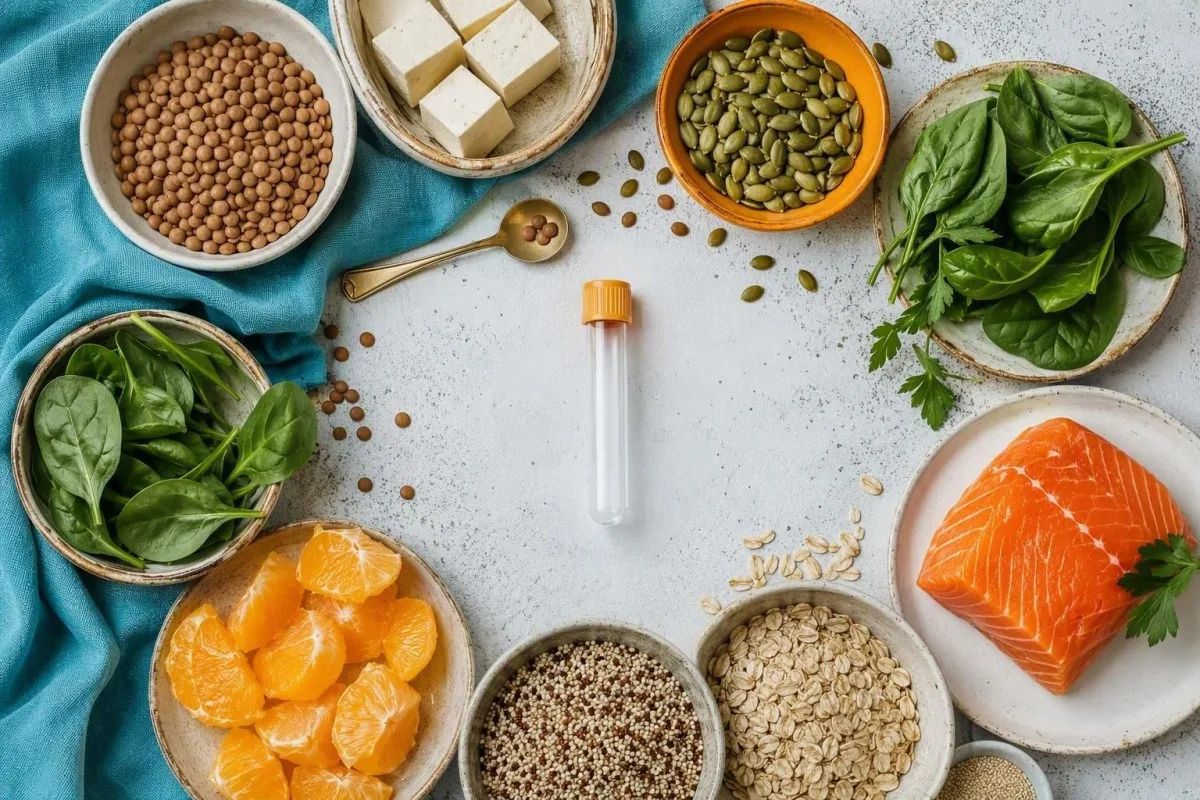
بىر سۈپۈرگۈچى تۇنجى قېتىم قاتلىمىسىغا ھېم، MCV، RDW، فېرىتىن، تۆمۈر، TIBC ياكى تىرانسفېر، تويۇنۇش، CRP، ALT، AST، ALP، بىلىرۇبىن، ئالبۇمىن، كرېئا، ۋە eGFR. ترانسفېررىن تويۇنۇش نىسبىتى 20% دىن تۆۋەن تۆمۈرنىڭ چەكلىك بولىدىغانلىقىنى كۆرسىتىدۇ، شۇنىڭ بىلەن بىللە% 15 تىن يۇقىرى تۇراقلىق قىممەتلەر 45% تۆمۈر يۈكلىنىش تەھلىلىنى تەلەپ قىلىدۇ. جاۋاب ھەر بىر مۇتەخەسسىسلىك تەكشۈرۈشنى بىرلا ۋاقىتتا تەرتىپكە سېلىش ئەمەس، بەلكى بۇ قىممەتلەر ئارا مۇناسىۋەتتە.
ياللۇغ بولسا ۋە فېرىتىن گۇمانلىق بولسا، سولو تىرانسفېر قوبۇل قىلغۇچى ياكى رېتىكولوسىت ھېم جىددىي تۆمۈر كەمچىلىكىنى پەرقلەندۈرۈشكە ياردەم بېرىدۇ. ئالبۇمىن تۆۋەن بولسا، سۈيدۈك تەكشۈرۈش ۋە سۈيدۈك ACR بۆرەك ئاقسىل يوقىتىشنى تەكشۈرەلەيدۇ؛ جىگەرنى تەكشۈرۈش نورمالسىز بولسا، جىگەر ياللۇغىنى تەكشۈرۈش ۋە ئالترا-تەكشۈرۈش كېرەك بولۇشى مۇمكىن. Transferrin saturation نىڭ تۆۋەن بولۇشى تۆۋەن TIBC دىن باشقا مەنىسى بار، گەرچە ئۇلار دائىم بىللە بولسىمۇ.
Kantesti نىڭ نېرۋا تورى نەتىجە يۆنىلىشىنى يەككە سۈرەتتىن تېز تەكشۈرىدۇ، بۇ مۇھىم، چۈنكى فېرىتىن بىلەن CRP ھەپتىلەر ئىچىدە تەتۈر يۆنىلىشتە ئىلگىرىلەيدۇ. مېتودولوگىيە ۋە كلىنىكىلىق چەكلىمىلەر بىزنىڭ داۋالاش دەلىللەش ئومۇمىي كۆرۈنۈشى; نەتىجىنى چۈشەندۈرۈش كانايشۇناس بىلەن پاراڭلىشىشقا تەييارلىق، ئۇنىڭ ئورنىغا تۇرمىدۇ.
دىئاگنوزنى ئۆزگەرتىدىغان تۆت تۆۋەن-TIBC ئەندىزىسى
تۆۋەن TIBC تۆت خىل ئەندىزىنىڭ بىرى سۈپىتىدە ئوقۇلغاندا پايدىلىق بولىدۇ: ياللۇغ، جىگەر ياكى ئاقسىل قېلىپلىشىشى، تۆمۈر يۈكلىنىشى، ياكى ئارىلاشما تۆمۈر كەمچىلىكى ۋە ياللۇغ. ھەر بىر ئەندىزىنىڭ ئوخشىمىغان داۋالاش يولى ۋە ئوخشىمىغان بىخەتەرلىك ئەندىشىسى بار.
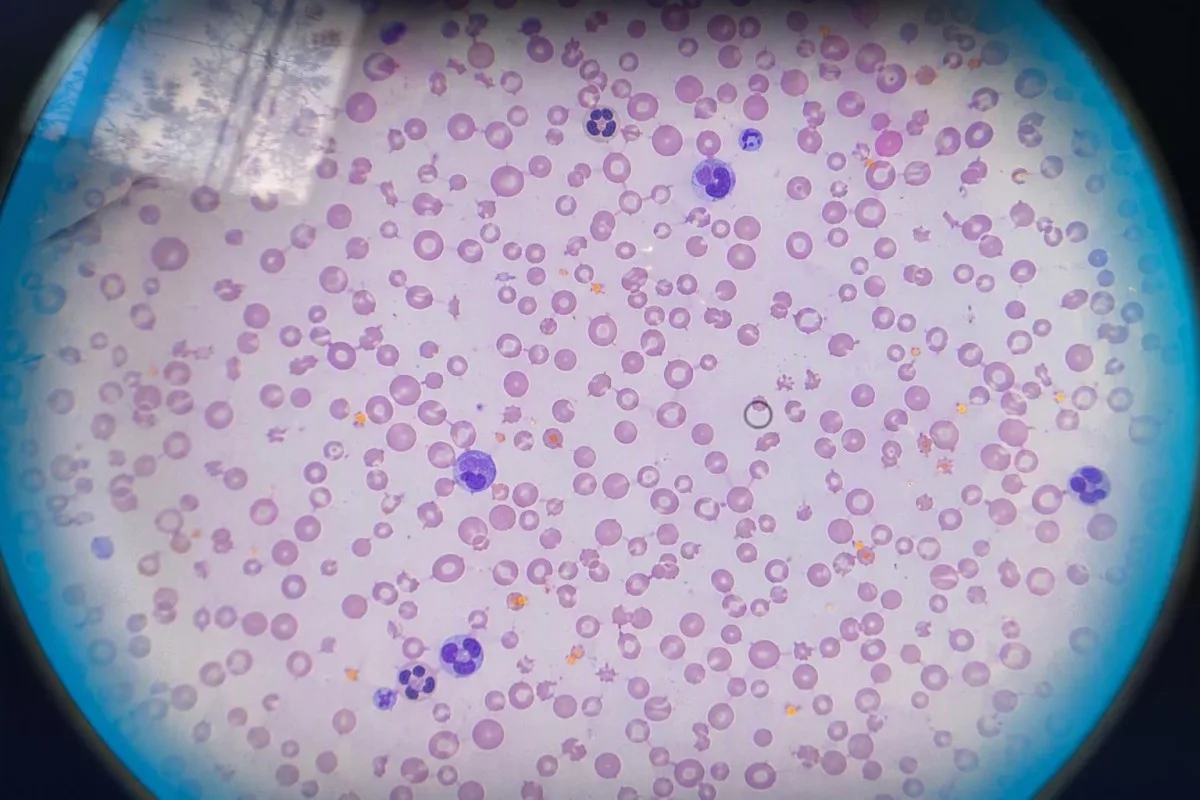
ياللۇغ: تۆمۈر تۆۋەن، TIBC تۆۋەن، تويۇنۇش دائىم% 15 تىن تۆۋەن، فېرىتىن نورمال ياكى يۇقىرى، CRP كۆتۈرۈلگەن. جىگەر/ئاقسىل ئەندىزىسى: تۆۋەن TIBC تۆۋەن ئالبۇمىن ۋە مۇمكىن بولغان نورمالسىز بىلىرۇبىن، INR، ياكى جىگەر ئېنزىملىرى بىلەن. تۆمۈر يۈكلىنىش ئەندىزىسى: تۆۋەن ياكى نورمال TIBC تۆمۈر تويۇنۇشى% 50 تىن يۇقىرى ۋە فېرىتىن كۆتۈرۈلگەن. بۇلار باشلىنىش نۇقتىسى، قاتتىق رامكا ئەمەس.
ئارىلاشما كەمچىلىك: فېرىتىن 30–100 ng/mL، تويۇنۇش% 15 تىن تۆۋەن، TIBC تۆۋەن ياكى نورمال، ۋە CRP كۆتۈرۈلگەن بولۇشى مۇمكىن. بۇ ئەھۋالدا، ياللۇغ كېسەللىكىنى داۋالاش ۋە قان يوقىتىش ياكى سۈمۈرۈلۈشنى باھالاش ئىككىسىمۇ زۆرۈر بولۇشى مۇمكىن. ئاشقازان-ئۈچەي كېسەللىكى، ھەيز ئېغىر قېنى، ۋە ياللۇغقا قارشى تۇرغۇچى دورا ئىستىمالىنى تەكشۈرۈش كېرەك - كېسەللەر ھەرى بىلەن سوراۋالمىسا، ئۇنى ئۆزلۈكىدىن ئېيتمايدۇ.
بىمارلار ئۈچۈن، پايدىلىق سوئال “مەن TIBC نى قانداق كۆتۈرىمەن؟” ئەمەس، بەلكى “قانداق تىرانسفېر تۆۋەنلىدى ياكى تۆمۈر تارقىلىشىنى ئۆزگەرتتى؟” بىزنىڭ فېررىتىن ۋە CRP يېتەكچىلىك قىلىدۇ قوشۇمچە تاللىشتىن بۇرۇن بۇ پەرقنى چۈشەندۈرۈشكە ياردەم بېرىدۇ.
تۆۋەن TIBC نىشانىنى كۆرگەندىن كېيىن نېمە قىلماسلىق كېرەك
ferritin، saturation، hemoglobin ۋە كلينىكىلىق ئەھۋال كۆزدىن كەچۈرۈلمىگىچە تۆۋەن TIBC نى تۆمۈر بىلەن ئۆزىڭىز داۋالىماڭ. تۆۋەن نەتىجە قانىڭىزدا تۆمۈر يېتىشمەيدۇ دېگەنلىك ئەمەس، ۋە تۆمۈرنى كۆپ توشۇش ياكى جىگەر بىلەن مۇناسىۋەتلىك ئەندىزىلەردە قوشۇمچە تۆمۈر نامۇۋاپىق بولۇشى مۇمكىن.

“تۆمۈرنى باغلاش ئىقتىدارى تۆۋەن” دېگەن دوكلات سەۋەبىدىن يۇقىرى مىقداردا تۆمۈر سېتىۋېلىشتىن ساقلىنىڭ. كۆپ ئۇچرايدىغان داۋالاش تۆمۈر مىقدارىغا ئىگە ھەر زەررىسىدە 45–65 mg ئېلىمېنتلىق تۆمۈر كۆڭلىنى ئاغرىتىش، ئىچ قېتىش ۋە قارا تۈككە ئامال بار. خاتا ئادەم، ئۇلار ياللۇغ ياكى جىگەر كېسىلىنى تاشلاپ قويماي تۆمۈر زاپاسلىرىنى ئاشۇرالايدۇ. تاماق بىلەن بېشىتىش ئۇسۇلى كۆپىنچە كىشىلەر ئۈچۈن ئەقىللىق، ئەمما ئۇلار ئانالىزنى كەمقۇنلۇقنى باھالاشنى ئالماشتۇرمايدۇ.
يۇقۇم، تويۇنۇش، ئۆزلۈكىدىن ياللۇغ كېسىلى ياكى يېقىنقى مەشغۇلات جەريانىدا كەملىكنى رەت قىلىش ئۈچۈن ferritin نەتىجىسىنى يالغۇز ئىشلەتمەڭ. شۇنداقلا, hemoglobin, ferritin, قەلبى، روھىي ھالىتى، دورا ۋە بۆرەك فۇنكسىيەسىنى ھېسابقا ئالمىغاندا، ھورۇنلۇق تۆمۈر بىلەن مۇناسىۋەتلىك دەپ پەرەز قىلماڭ. بىزنىڭ ھارغىنلىق قوشۇمچە يېمەكلىك قوللانمىسى تەجرىبىخانا تاللاشلىرىنىڭ نېمىشقا بىخەتەر ئىكەنلىكىنى چۈشەندۈرىدۇ.
ئاخىرىدا، مۇكەممەل TIBC رەقەمنى قوغلىماڭ. مېنىڭ كلېنىكىلىق تەجرىبەم بويىچە، يۇقۇمىنى داۋالاش، چەكلەش كېسىلىنى داۋالاش، بۆرەك كېسىلىنى كونترول قىلىش، ساقلانغىلى بولىدىغان قان كېتىشنى توختىتىش، ياكى ئوزۇقلۇقنى ياخشىلاش تومۇرنى بىۋاسىتە ئاشۇرۇشقا ئامال بار تومۇر تاختىسىنى تېخىمۇ مەنىلىك ئۆزگەرتىدۇ.
يوشۇرۇن سەۋەبنى قوللاش ئۈچۈن يېمەكلىك, ئەسلىگە كېلىش ۋە ئەمەلىي يوللار
يېمەكلىكلەر تۆمۈر قوبۇل قىلىش ۋە ئاقسىل ھالىتىنى قوللايدىغان بولسىمۇ، يېمەكلىك يالغۇز يۇقۇملۇق ياللۇغ، زور جىگەر كېسىلى، نېفروتىك ئاقسىل يوقىتىش ياكى تۆمۈر ھەددىدىن زىيادە كۆپ بولۇشىدىن كېلىپ چىققان تۆۋەن TIBC نى تۈزەلمەيدۇ. ئوزۇقلۇق پىلانى تەجرىبىخانا ئەندىزىسىگە ماس كېلىشى كېرەك.
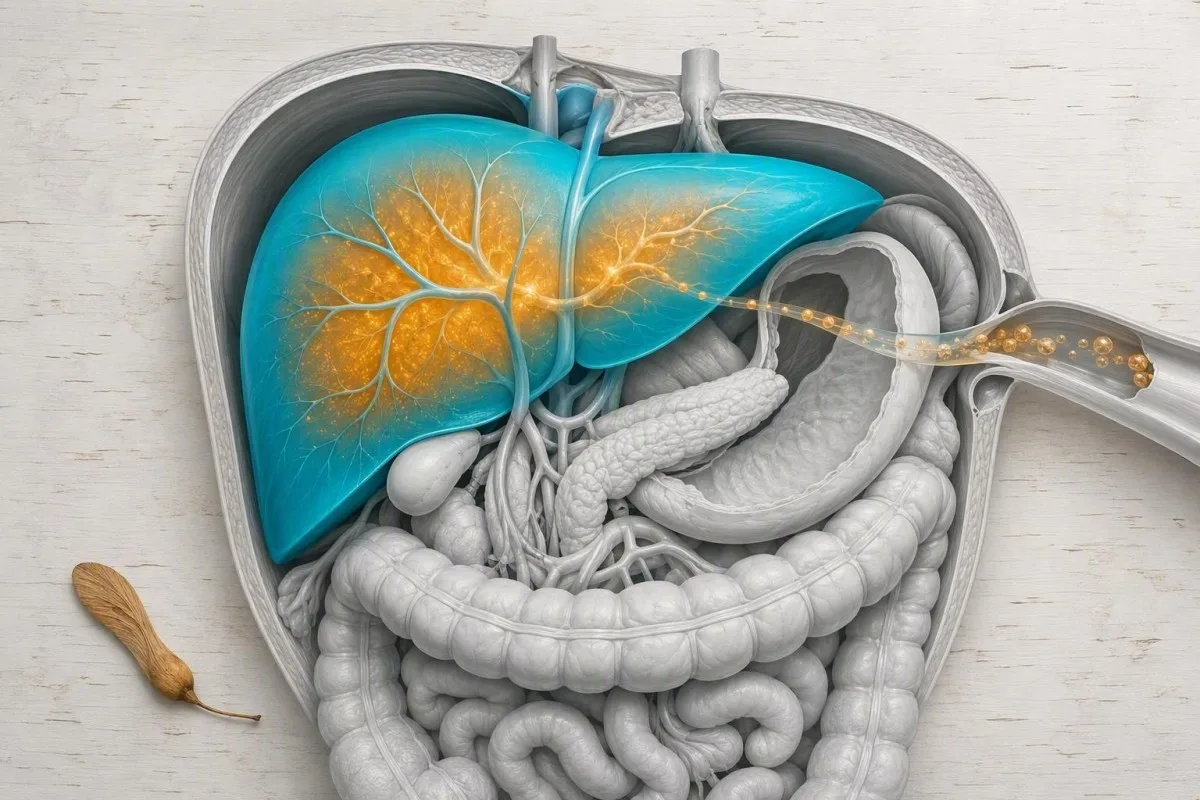
ئەگەر تۆمۈر كەملىكى ئىسپاتلانسا، بېلىق، قۇش، گۆشتتىن كەلگەن ھېم تۆمۈر، لېگۇم، توفۇ، لېنتىنا، ئۇرۇق ۋە قورۇلغان دانلاردىن كەلگەن ھېم بولمىغان تۆمۈردىن سىستېمىلىق سۈمۈرۈلىدۇ. ۋىتامىن C نى ئۆز ئىچىگە ئالغان مەھسۇلاتلار ھېم بولمىغان تۆمۈر سۈمۈرۈلۈشىنى ياخشىلىيالايدۇ، چۈش ۋە قاھۋەنى يېمەكلىك بىلەن ئىستېمال قىلىش ئۇنى ئازايتالايدۇ. بىزنىڭ ئەمەلىي قوللىنىشىمىز گېم ۋە گېمىسە تەمىنلىگۈچى تەمىناتلارنىڭ يېمەكلىك قاتلىمى تاللاشلىرىنى بېرىدۇ.
ئەگەر ئاقسىل قوبۇل قىلىش ناچار بولسا، رېگولىيەسىز “تەڭشەش كۈچەيتكۈچلىرى” نى قوشماي، ئاقسىل مەنبەسىنى ئۆز ئىچىگە ئالغان دائىملىق يېمەكلىكلەرنى تاماملاشنى مەقسەت قىلىڭ. ئادەتتىكى چوڭلارنىڭ ئاقسىل نىشانى كۆپىنچە 0.8 g/kg/كۈنى, ، ياشانغانلار، ئاغرىش، چېنىقىش ۋە بۆرەك كېسىلى ئالاھىدە تەكلىپنى تەلەپ قىلىدۇ. مۇنۇ خاراكتېرلىك بۆرەك كېسىلى بار كىشىلەر پىلاننى ئۇلارنىڭ بۆرەك خىزمەتچىلىرى بىلەن مۇزاكىرە قىلماي ئاقسىلنى كۆپەيتىشى كېرەك.
ئەسلىگە كېلىش يەنە توغرا قايتا سىناش كۆزنىكىنى تاللاشنىمۇ كۆرسىتىدۇ. تۆمۈرنى ئۈنۈملۈك داۋالىغاندىن كېيىن، تومۇر ئادەتتە% ... ئەتراپىدا كۆتۈرۈلىدۇ، ئەمما ياللۇغ ياكى جىگەر ئىشلەپچىقىرىش ئاساسلىق ھەيدىگۈچى بولسا، TIBC بۇ جەدۋەل بويىچە نورماللاشماي قالىدۇ. 2–4 ھەپتە ئىچىدە 10–20 g/L كىچىك مىقداردا كۆتۈرۈلىدۇ.
تۆۋەن TIBC نەتىجىسى قاچان جىددىي تېببىي تەكشۈرۈشنى تەلەپ قىلىدۇ
داۋاملىق تۆۋەن TIBC ئۈچۈن دائىملىق دوختۇرنى تەكشۈرۈشنى تەرتىپكە سېلىڭ، سېرىق تاش، چۈشىنىش تەسلىم بولۇش، بوغۇم ئاغرىقى، دەم ئېلىشتا نەپەس سىقىلىش، ھوشتىن كېتىش ياكى كېچىكىپ قاناش قاتارلىق ئېغىر ئەملەر بىلەن بىللە بولغاندا جىددىي داۋالاشقا ئېرىشىڭ. جىددىي ئەھۋال ئادەمگە ۋە بىللە كېلىدىغان نەتىجىلەرگە باغلىق، پەقەت TIBC قىممىتىگە ئەمەس.

TIBC تەكرار تەكشۈرۈشتە دائىملىق دائىملىق دائىملىق دائىملىق بولۇپ قالسا، فېرىتىن كۈتۈلمىگەن يۇقىرى بولسا، تويۇنۇش% 45%, ، ھېم został falling، ئالبوغا تۆۋەن 35 g/L, ، ياكى جىگەر تەكشۈرۈشى نورمال بولمىسا، ۋاقتىدا ئېرىشىڭ. ئىلگىرىكى نەتىجىلەر، دورا ۋە قوشۇمچە تىزىملىكى، يېقىنقى كېسەللەر تارىخى، زۆرۈر تېپىلغاندا ھەيز تارىخى، ئىسپىرت ئىستېمالى، يېمەك-ئىچمەك ئۆزگىرىشلىرى، تۆمۈر ھەددىدىن زىيادە كۆپىيىش ياكى جىگەر كېسەللىكلىرى تارىخىنى ئېلىپ كېلىڭ. ياخشى تەرتىپكە سېلىنغان ۋاقىت جەدۋىلى ئىككىنچى قېتىملىق ئېرىشىشنى تېجەپ قالالايدۇ.
قارا تاش، قان قۇسۇش، سېرىق تاش بىلەن ھوشيارلىق، يۇقىرى قىزىتما بىلەن ئېغىر گەپ، ياكى سۆزلەشنى چەكلەيدىغان نەپەس سىقىلىش قاتارلىقلار ئۈچۈن شۇ كۈنىلا داۋالاش ئەقىللىق. بۇ ئەملەر قاناش، يۇقۇملىنىش، ئېغىر قان ئازلىق ياكى جىگەرنى ياخشىلاشقا سىگنال بېرىشى مۇمكىن، باشقا تۆمۈر گۇرۇپپىسىنى ساقلاش بىخەتەر ئەمەس. قۇرۇلما تەييارلىقى ئۈچۈن، بىزنىڭ دوختۇر قېتىملىق تەكشۈرۈش لابوراتورىيە تەكشۈرۈش تىزىملىكى.
2026-يىلى 9-ئاينىڭ 10-كۈنىدىن باشلاپ، ئەڭ بىخەتەر خەۋەر ئاددىي: تۆۋەن TIBC يۆتكەش بىئولوگىيىسىنىڭ بىر ئالاھىدىلىكى، دىئاگنوز قويۇش ۋە تۆمۈرنىڭ ئاپتوماتىك سەۋەبى ئەمەس. Kantesti نىڭ سىياسىي مەزمۇنىنى بىزنىڭ داۋالاش مەسلىھەتچىلەر كومىتېتى, ، ئەمما ئۆزىڭىزنىڭ دوختۇرڭىز تەكشۈرۈش نەتىجىلىرىنى، ئەملەرنى، دورىلارنى ۋە يەرلىكلاشقان لابوراتورىيە ئۇسۇللىرىنى بىرلەشتۈرەلەيدۇ.
ھەددىدىن زىيادە ئىنكاس قايتۇرماي تۆۋەن TIBC نەتىجىسىنى قانداق تەكشۈرۈش كېرەك
تۆۋەن TIBC نى ۋاقتى، كېسەللىك ئەھۋالى، فېرىتىن، تويۇنۇش، CRP، ئالبو، ھېمglobin ۋە داۋالاش ئۆزگىرىشلىرى بىلەن بىللە ئىزلاڭ. ئىككى ياكى ئۈچ سېلىشتۇرۇشقا بولىدىغان ئەۋلاد تەكشۈرۈش ئادەتتىكى دائىملىق قىممەتتىن كۆپرەك ئۇچۇر بېرىدۇ.
ھەر بىر ئەۋلادنىڭ تاماق يېمەي تۇرۇپ تەكشۈرۈلگەنلىكىنى، 24 سائەت ئىچىدە تۆمۈر ئىستېمال قىلغانلىقىڭىزنى، قىزىتما ياكى جىددىي چېنىقىش بار-يوقلۇقىنى، ۋە شۇ laboratoriya ئىشلىتىلگەن-يوقلۇقىنى خاتىرىلەڭ. TIBC نى ئۆزگەرتىش 225 دىن 245 µg/dL غا نورمال بىئولوگىيىلىك ۋە ئانالىتىك خۇسۇسىيەتكە ئىگە بولۇشى مۇمكىن، ئەمما ئۆپكە ياللۇغىدىن ساقايغاندىن كېيىن 225 دىن 340 µg/dL غىچە بولسا سىياسىي جەھەتتە ئەھمىيەتلىك بولۇشى مۇمكىن. بىزنىڭ okuyimiriza okw'ebivuganya قايسى مەزمۇن تەپسىلاتلىرىنى ساقلاش كېرەكلىكىنى كۆرسىتىدۇ.
Kantesti، دوختۇرلارنىڭ نازارىتىدە تۈزۈلگەن بىر AI لابراتورىيە سىنىقىنى چۈشەندۈرۈش مۇلازىمىتىدە ئېلان قىلىنىدۇ, ، ئۇزۇن مۇددەتلىك دوكلاتلارنى تەرتىپكە سېلىپ، تۆۋەن TIBC، فېرىتىن، CRP، ۋە ئالبو نېمىشقا بىرلىكتە ھەرىكەت قىلالايدىغان ياكى ئايرىلىپ كېتىدىغانلىقىنى چۈشەندۈرۈپ بېرەلەيدۇ. ئۇ سوئاللىرىڭىزنى تېخىمۇ ئېنىق قىلىش ئۈچۈن لايىھەلەنگەن: “بۇ ياللۇغ تۆمۈر چەكلىمىسى بولۇشى مۇمكىنمۇ؟” “مېنىڭ تۆمۈرۈم تۆۋەنمۇ؟” دىن ئەستايىدىل.”
خاتىرجەم قىلىدىغان نۇقتا شۇكى، نۇرغۇن تۆۋەن TIBC نەتىجىلىرى ۋاقىتلىق ياللۇغلىنىش ئەھۋالىنى ياكى ئەسلىگە كېلىدىغان يېمەك-ئىچمەك ۋە ئەسلىگە كېلىش مەسىلىسىنى ئەكس ئەتتۈرىدۇ. ئەپسۇسلىنارلىق نۇقتا باراۋەر ئەمەلىي: قان ئازلىق، جىگەر تەكشۈرۈش نورمال بولمىسا، ئىششىق، ياكى يۇقىرى تويۇنۇش بىلەن داۋاملاشقان نەتىجىلەر توردا گۇماندىن كۆپ ئەستايىدىل كىلىنىك تەكشۈرۈشنى تەلەپ قىلىدۇ.
دائىم سورايدىغان سوئاللار
تۆۋەن TIBC نىڭ قانداق ئالامەتلىرى بار؟
تۆۋەن TIBC ئۆزىلا غىدىق تۇغدۇرمايدۇ، چۈنكى ئۇ تېخى ئاشكارا ھېس قىلغىلى بولىدىغان بەدەننىڭ فۇنكسىيەسىنى ئەمەس، بەلكى تۆمۈرنى باغلاش ئىقتىدارىنى ئۆلچەيدۇ. ئانالىتىك، ئاجىزلىق، نەپەس پالاق، زۇكام، توقۇنۇش، سېرىق تەرەپ ياكى بوغۇم ئاغرىقى قاتارلىق غىدىقلانغۇچىلار ئاساسىي سەۋەبتىن كېلىدۇ، مەسىلەن قان ئازلىق، ياللۇغ، جىگەر كېسىلى، ئاقسىل يوقىلىشى ياكى تۆمۈرنىڭ كۆپىيىشى. ھەملى بولمىغان ئاياللاردا 120 گ/ل، ئەرلەردە 130 گ/ل تۆۋەن ھېمoglobىن قان ئازلىقتىن كېلىدىغان غىدىقلانغۇچىلارنى پەيدا قىلىش ئېھتىمالىنى ئاشۇرىدۇ. جىددىي باھالاش كۆكرەك ئاغرىقى، يىقىلىش، چۈشىنىش، قارا تەرەپ، ئېغىر نەپەس پالاق ياكى سېرىق تېرە بىلەن ئاڭسىزلىق ئۈچۈن ماس كېلىدۇ.
تۆۋەن TIBC تۆۋەن ترانسفېررىن بىلەن ئوخشاشمۇ؟
تۆۋەن TIBC ئادەتتە تۆۋەن سىيرىتقۇچىنى ئەكس ئەتتۈرىدۇ، ئەمما بۇ ئىككى سىنىقى تېخنىكىلىق جەھەتتىن ئوخشاش ئەمەس. سىيرىتقۇچى جىگەر ئىشلەپچىقارغان توشۇغۇچى ئاقسىمى بولۇپ، ئۇنى گىراممىدا ياكى مىللىگرامدا ئۆلچەيدۇ، TIBC بولسا سىيرىتقۇچى كۆلچىكىنىڭ قانچىلىك تۆمۈرنى باغلىيالايدىغانلىقىنى مۆلچەرلەيدۇ ھەمدە دائىم مىكرو گىراممىدا ياكى مىكرو مولدا دوكلات قىلىنىدۇ. ئادەتتىكى چوڭلارنىڭ TIBC تەخمىنەن 250-450 مىكرو گىراممىغا باراۋەر، گەرچە تەجرىبىخانا پايدىلىنىش دائىرىسى ئوخشاش بولمىسىمۇ. ياللۇغىدا ۋە جىگەر ئاقسىل ئىشلەپچىقىرىش ئازلاشقان ئەھۋالدا ئىككىسىنىڭمۇ تۆۋەن نەتىجىسى دائىم كۆرۈلىدۇ.
تۆۋەن TIBC تۆمۈر كەملىكنى بىلدۈرەمدۇ؟
تۆۋەن TIBC ئادەتتىكى تۆمۈر كەملىكنى كۆرسەتمەيدۇ؛ كلاسسىك تۆمۈر كەملىك كۆپىنچە تۆۋەن فېرىتىن ۋە يۇقىرى TIBC نى كەلتۈرۈپ چىقىرىدۇ. تۇراقسىزلىق, جىگەر كېسەللىكى ياكى ئاقسىل كەملىكى بىلەن بىللە تۆمۈر كەملىكى بولغاندا ئارىلاشما سېزىم پەيدا بولىدۇ, بۇ TIBC نى چەكلەيدۇ. ساغلام ئۆسمە ياشتىكى بىر كىشىدە فېرىتىن 15 ng/mL دىن تۆۋەن بولسا تۆمۈر زاپىسىنىڭ تۈگىگەنلىكىنى كۈچلۈك كۆرسىتىدۇ, فېرىتىن 100 ng/mL دىن تۆۋەن بولسا, تۇراقسىزلىق مەۋجۇت بولغاندا تۆمۈر كەملىكىنى كۆرسىتىشى مۇمكىن. تۆمۈرنى باشلاشتىن بۇرۇن CBC, فېرىتىن, CRP ۋە تويۇنۇش كېرەك.
تۆۋەن تۆمۈر بىلەن تۆۋەن TIBC نىڭ سەۋەبى نېمە؟
تۆۋەن TIBC ۋە تۆۋەن سېرۇم تېمىر كۆپىنچە ياللۇغ بىلەن مۇناسىۋەتلىك تۆمۈر چەكلىنىشىنى ئەكس ئەتتۈرىدۇ. بۇ ئەندىزىدە، ھېپسىدىن تۆمۈرنىڭ قان ئايلىنىشىغا چىقىشىنى ئازايتىدۇ، جىگەر ترانسفېررىننى ئاز ھاسىل قىلىدۇ، تۆمۈر، TIBC، تويۇنۇشنى% تىن تۆۋەن، ۋە فېررېتىننى نورمال ياكى يۇقىرى قىلىدۇ. سوزۇلما خاراكتېرلىك بۆرەك كېسەللىكى، يۇقۇملىنىش، ئاپتوماتىك كېسەللىك، سېمizlik بىلەن مۇناسىۋەتلىك ياللۇغ، يېقىنقى ოپېراتسىيە، ۋە راك بۇ ئەندىزىنى ھاسىل قىلالايدۇ. CRP 10 mg/L دىن يۇقىرى بولسا ئاكتىپ ياللۇغنى قوللايدۇ، ئەمما ئۇنىڭ مەنبەسىنى تېپىپ بېرەلمەيدۇ.
تۆۋەن TIBC بىلەن يۇقىرى فېررېتىن نېمىنى بىلدۈرىدۇ؟
تۆۋەن TIBC ۋە يۇقىرى فېرىتىن ياللItaly, جىگەر كېسىلى, مېتابولىزم ئىقتىدارسىزلىقى, ئىسپىرت بىلەن مۇناسىۋەتلىك جىگەر زەخملىنىشى ياكى تۆمۈر ھەددىدىن زىيادە كۆپىيىش جەريانىدا دائىملىق كۆرۈلىدۇ. فېرىتىن ھەم تۆمۈر ساقلاش ماركېر, ھەم ئۆتكۈر باسقۇچلۇق ئاقسىل, شۇڭا يۇقىرى قىممەتنى ساقلانغان تۆمۈرنىڭ ھەددىدىن زىيادە كۆپ بولغانلىقىنى بىۋاسىتە بىلدۈرمەيدۇ. دائىملىق تىرانسفېرىن تويۇنۇشى% 45 تىن ئېشىپ, فېرىتىننىڭ كۆپىيىشى تۆمۈر يۈكلىنىشكە تېخىمۇ ئەندىشىلىنىشلىك بولۇپ, دوختۇر باشچىلىقىدىكى باھالاشنى تەلەپ قىلىدۇ. ئالبۇمىن, CRP, ALT, AST, بىلىرۇبىن ۋە تولۇق قان تەكشۈرۈش سەۋەبلىرىنى پەرقلەندۈرۈشكە ياردەم بېرىدۇ.
مېنىڭ TIBC تۆۋەن بولسا، تۆمۈر قوبۇل قىلسام بولامدۇ؟
پەقەت TIBC تۆۋەن بولغانلىقتىن تۆمۈر قوبۇل قىلماڭ. ئېنىق تۆمۈر كەملىك (ferritin, transferrin saturation تۆۋەن، CBC نەتىجىسى ماس كېلىدىغان) بارلىقى ئىسپاتلانغاندا، ئېغىزدىن قوبۇل قىلىدىغان تۆمۈر مۇۋاپىق كېلىدۇ؛ نۇرغۇن داۋالاش مەھسۇلاتلىرىدا ھەر تაბېلچىدا 45–65 مىللىگىرامدىن تۆمۈر بار. ياللۇغ، جىگەر نورمادىن سىرتىدا بولۇش، ئاقسىل يوقىلىش ياكى تۆمۈرنىڭ كۆپىيىشى سەۋەبىدىن TIBC تۆۋەن بولسا، تۆمۈر پايدىسىز ياكى مۇۋاپىق بولماسلىقى مۇمكىن. ئالدى بىلەن ferritin, transferrin saturation, hemoglobin, CRP ۋە جىگەر سىناقلىرىنى تەكشۈرۈش ئۈچۈن دوختۇرغا مۇراجىيەت قىلىڭ.
بۈگۈنلا AI بىلەن قان تەكشۈرۈش تەھلىلى ئېلىڭ
دۇنيادىكى 2 مىليوندىن ئارتۇق ئىشلەتكۈچى Kantesti نى دەرھال، توغرا تەجرىبىخانا تەھلىلى ئۈچۈن ئىشەنچ قىلىدۇ. قان تەكشۈرۈش نەتىجىڭىزنى يوللاپ، 15,000+ بىئوماركىرلىرىنىڭ تولۇق چۈشەندۈرۈشىنى بىر نەچچە سېكۇنتتا ئېلىڭ.
📚 پايدىلىنىلغان تەتقىقات ئېلانلىرى
Klein, T., Mitchell, S., & Weber, H. (2026). تومۇردىكى ئۇروگېنو تەكشۈرۈشى: 2026-يىللىق تولۇق سۈيدۈك تەكشۈرۈش قوللانمىسى. Zenodo. https://doi.org/10.5281/zenodo.18226379. ResearchGate ۋە Academia.edu خاتىرىلەش ئۇلىنىشى نەشر قىلىنغان DOI ئارقىلىق بار.. Kantesti AI Medical Research.
Klein, T., Mitchell, S., & Weber, H. (2026). تۆمۈر تەتقىقات قوللانمىسى: TIBC، تۆمۈر تويۇنۇش ۋە باغلاش ئىقتىدارى. Zenodo. https://doi.org/10.5281/zenodo.18248745. ResearchGate ۋە Academia.edu خاتىرىلەش ئۇلىنىشى نەشر قىلىنغان DOI ئارقىلىق بار.. Kantesti AI Medical Research.
📖 تاشقى داۋالاش پايدىلىنىش ماتېرىياللىرى

⚕️ تېببىي ئەسكەرتىش
بۇ ماقالە پەقەت تەربىيە-ئوقۇتۇش مەقسىتى ئۈچۈن بولۇپ، داۋالاش مەسلىھەتىنى تەشكىل قىلمايدۇ. دىئاگنوز قويۇش ۋە داۋالاش قارارلىرى ئۈچۈن ھەمىشە لاياقەتلىك ساغلاملىق مۇلازىمىتى تەمىنلىگۈچى بىلەن مەسلىھەتلىشىڭ.
E-E-A-T ئىشەنچ سىگناللىرى
تەجرىبە
دوختۇر رەھبەرلىكىدىكى لابوراتورىيە تەبىرىنى چۈشەندۈرۈش خىزمەت ئېقىملىرىنى بالىياتقۇچلۇق تەكشۈرۈش.
مۇتەخەسسىسلىك
بىئوماركىرلارنىڭ كىلىنىكىلىق مۇھىتتا قانداق ھەرىكەت قىلىدىغانلىقىغا مەركەزلەشكەن لابوراتورىيە تېبابىتى.
ھوقۇقدارلىق
دوكتور توماس كلېين تەرىپىدىن يېزىلغان، دوكتور سارا ميتچېل ۋە پروف. دوكتور ھانس ۋېبېر تەرىپىدىن تەكشۈرۈلگەن.
ئىشەنچلىكلىك
ئاگاھلاندۇرۇشنى ئازايتىش ئۈچۈن ئېنىق كېيىنكى قەدەملەر بىلەن ئىسپات-ئاساسلىق تەبىر.