کم TIBC کا نتیجہ شاذ و نادر ہی خود علامات کا سبب بنتا ہے۔ یہ نتائج اس حالت کی وجہ سے ہوتے ہیں جو ٹرانسفررن کی پیداوار، آئرن کے ہینڈلنگ، یا پروٹین کے توازن کو متاثر کرتی ہیں۔.



- لو TIBC عام طور پر اس کا مطلب ہے کہ آئرن لے جانے کے لیے کم ٹرانسفررن دستیاب ہے؛ بہت سی بالغ لیبارٹریز تقریباً 250–450 µg/dL (45–80 µmol/L) کو حوالہ وقفے کے طور پر استعمال کرتی ہیں۔.
- علامات بالواسطہ ہوتی ہیں: تھکاوٹ، بخار، جوڑوں کا درد، سوجن، یرقان، یا وزن میں کمی کم TIBC کے بجائے بنیادی بیماری کی نشاندہی کرتی ہے۔.
- سوزش کا پیٹرن عام طور پر کم سیرم آئرن، کم TIBC، 20% سے کم ٹرانسفررن سیچوریشن، اور نارمل یا بلند فیریٹن دکھاتا ہے۔.
- آئرن کی کمی کا نمونہ عام طور پر کم فیریٹن اور بلند — کم نہیں — TIBC پیدا کرتا ہے، جب تک کہ سوزش یا جگر کی بیماری ایک ہی وقت میں موجود نہ ہو۔.
- ٹرانسفرین سیچوریشن سیرم آئرن کو TIBC سے 100 سے ضرب کرکے شمار کیا جاتا ہے؛ 45% سے زیادہ قدر مستقل رہنے پر آئرن اوورلوڈ کا جائزہ لینے کے قابل ہے۔.
- البومن اہمیت رکھتا ہے کیونکہ ٹرانسفرین ایک جگر سے بننے والا پروٹین ہے؛ کم البومن کے ساتھ کم TIBC کم ترکیب، ناقص استعمال، پروٹین کی کمی، یا نظام کی بیماری کی نشاندہی کر سکتا ہے۔.
- فوری جائزہ کیونکہ ٹرانسفررن جگر کے ذریعے تیار کردہ پروٹین ہے؛ کم البومین کے ساتھ کم TIBC کم ترکیب، ناقص خوراک، پروٹین کے نقصان، یا نظامی بیماری کی نشاندہی کر سکتا ہے۔.
- عقلمندی سے دوبارہ جانچنا کا مطلب ہے کہ آپ کے معالج کی رضامندی سے، لوہے کے پینل سے 24 گھنٹے پہلے آئرن کی گولیاں لینے سے گریز کرنا، اور جب ممکن ہو تو شدید بخار کی بیماری کے دوران معمول کی جانچ کو ملتوی کرنا۔.
کم TIBC کے نتائج کا اصل مطلب کیا ہے
لو ٹوٹل آئرن بائنڈنگ کیپیسٹی کا مطلب ہے کہ خون میں لوہے کو باندھنے کی ٹرانسفیرن کی صلاحیت کم دستیاب ہے۔. TIBC ٹرانسفیرن کا ایک بالواسطہ پیمانہ ہے، جو کہ جگر میں بننے والا ایک پروٹین ہے؛ یہ اس بات کا براہ راست پیمانہ نہیں ہے کہ آپ کا جسم کتنا آئرن ذخیرہ کرتا ہے۔.

زیادہ تر لیبارٹریز بالغ TIBC کے ارد گرد رپورٹ کرتی ہیں 250–450 µg/dL یا 45–80 µmol/L, ، لیکن آپ کے نتائج کے ساتھ پرنٹ شدہ وقفہ جیت جاتا ہے کیونکہ اسای کیلیبریشن مختلف ہوتی ہے۔ 210 µg/dL کا قدر خود بخود خطرناک نہیں ہوتا؛ میں اسے سیرم آئرن، فیرٹین، ٹرانسفیرن سیچوریشن، سی-ری ایکٹو پروٹین، البومین، اور مکمل خون کی گنتی کے ساتھ بیان کرتا ہوں۔ ہماری تفصیلی آئرن اسٹڈیز گائیڈ وضاحت کرتی ہے کہ کیوں کوئی ایک آئرن مارکر ہر سوال کا جواب نہیں دے سکتا۔.
TIBC اور ٹرانسفیرن کا گہرا تعلق ہے لیکن وہ ایک جیسے ٹیسٹ نہیں ہیں۔. ٹرانسفیرن کو پروٹین کی ساardت کے طور پر ماپا جاتا ہے، جو اکثر g/L یا mg/dL میں ہوتا ہے، جبکہ TIBC گردش کرنے والے ٹرانسفیرن کی زیادہ سے زیادہ آئرن بائنڈنگ کیپیسٹی کا تخمینہ لگاتا ہے؛ کچھ لیبارٹریز ایک سے دوسرا شمار کرتی ہیں۔ Kantesti ایک اے آئی بلڈ ٹیسٹ تجزیہ کار ہے جو لو TIBC کو لوہے کے پینل کے باقی حصوں کے مقابلے میں پڑھتا ہے بجائے اس کے کہ ایک اکیلے فلیگ کو تشخیص کے طور پر علاج کیا جائے۔.
ایک عملی تفصیل جو مریض اکثر نظر انداز کرتے ہیں: وہی شخص وائرل بیماری کے دوران کم TIBC اور کچھ ہفتوں بعد سپلیمنٹ میں تبدیلی کے بغیر زیادہ قدر رکھ سکتا ہے۔ ڈاکٹر تھامس کلائن کا طریقہ کار یہ پوچھنا ہے کہ آیا نمونہ انفیکشن کے دوران، ہسپتال کے علاج کے بعد، یا سوزش کے نئے دور کے دوران لیا گیا تھا؛ وہ ٹائم لائن اکثر غیر ضروری لوہے کے نسخے کو روکتی ہے۔.
ٹرانسفیرن سیچوریشن کے پیچھے حساب
ٹرانسفیرن سیچوریشن برابر ہے سیرم آئرن ÷ TIBC × 100۔. 50 µg/dL کا سیرم آئرن 250 µg/dL کے TIBC کے ساتھ 20% کی سیچوریشن دیتا ہے، جبکہ 125 µg/dL کے TIBC کے ساتھ وہی سیرم آئرن 40% دیتا ہے؛ ایک کم ڈینومینیٹر سیچوریشن کو دھوکے سے اطمینان بخش یا زیادہ دکھا سکتا ہے۔.
کم TIBC کی علامات: آپ کیا محسوس کر سکتے ہیں اور کیا نہیں
لو TIBC خود عام طور پر کوئی مخصوص علامت پیدا نہیں کرتا ہے۔. تھکاوٹ، ورزش کی برداشت میں کمی، بخار، پیٹ کا پھولنا، جوڑوں میں تکلیف، یا آنکھوں کا پیلا ہونا انیمیا، سوزش، جگر کی خرابی، غذائیت کی کمی، یا لوہے کی زیادتی سے پیدا ہوتے ہیں — صرف TIBC نمبر سے نہیں۔.

جب لو TIBC ہیموگلوبن سے نیچے 120 g/L پر غیر حاملہ خواتین میں 120 g/L سے کم ہوتا ہے یا مردوں میں 130 g/L سے کم ہو, ، تھکاوٹ، سیڑھیوں پر سانس پھولنا، دل کی دھڑکن، سر درد، اور سر کا ہلکا پن انیمیا کی عکاسی کر سکتے ہیں۔ پھر بھی، سوزش کا انیمیا ہلکا ہو سکتا ہے اور مریض کو تھکا ہوا چھوڑ سکتا ہے کیونکہ سائٹوکائنز بون میرو تک لوہے کی ترسیل کو متاثر کرتے ہیں۔ اس کا موازنہ کم سرخ خون کے خلیوں کی علامات سے کریں اگر آپ کا CBC بھی فلیگ کیا گیا ہے۔.
وہ علامات جو میری تشویش کو جگر یا پروٹین سے متعلق وجوہات کی طرف موڑتی ہیں ان میں ٹخنوں کا پھولنا، پیٹ کا نیا اپھارا، آسانی سے زخم، خارش، پیشاب کا گہرا رنگ، پاخانہ کا ہلکا رنگ، یا بھوک کی کمی شامل ہیں۔. پیلیا کے ساتھ الجھن، الٹیاں، سیاہ تارکول جیسا پاخانہ، شدید سانس کی قلت، یا تیزی سے پھیلنے والی سوجن کو اسی دن جانچ کی ضرورت ہوتی ہے۔. ایک کم TIBC کوئی ایمرجنسی نہیں ہے؛ وہ کلینیکل علامات ہو سکتی ہیں۔.
عملی طور پر، میں لوگوں کو “کم آئرن بائنڈنگ کیپیسٹی کی علامات” تلاش کرنے کے بعد پریشان ہوتے اور فوری طور پر آئرن شروع کرتے دیکھتا ہوں۔ یہ غلط اقدام ہو سکتا ہے اگر ٹرانسفرین سنترپتی پہلے سے ہی 45% سے زیادہ ہو یا فیریٹن زیادہ ہو۔ آئرن اس وقت مفید ہے جب کمی قائم ہو، لیکن یہ عام ٹانک نہیں ہے اور تشخیصی نمونے کو دھندلا سکتا ہے۔.
سوزش کس طرح کم TIBC اور کم سیرم آئرن کا سبب بنتی ہے
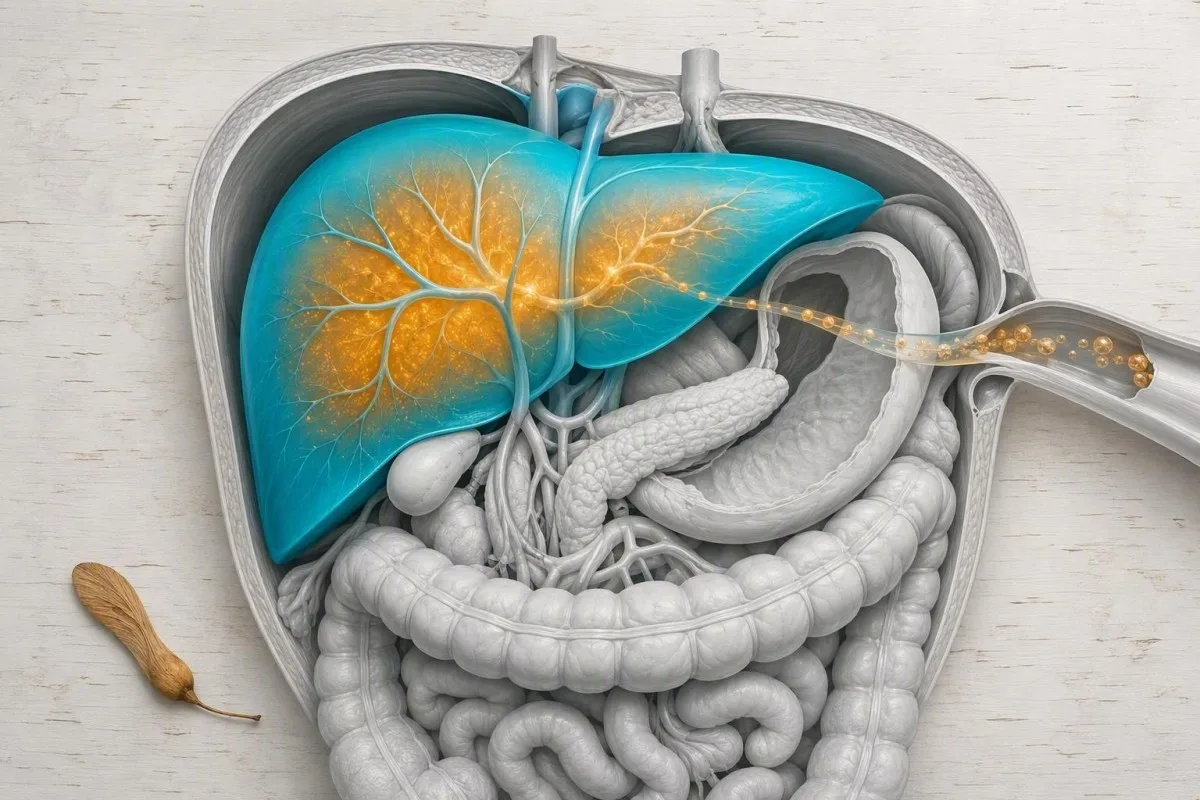
سوزش کم TIBC کے ساتھ کم سیرم آئرن کی سب سے عام وضاحت ہے۔. جگر ایکوtfe-فیز رسپانس کے دوران کم ٹرانسفرین بناتا ہے، جبکہ ہیپسڈِن میکروفیجز اور آنتوں کے جذب سے آئرن کے اخراج کو محدود کرتا ہے۔.
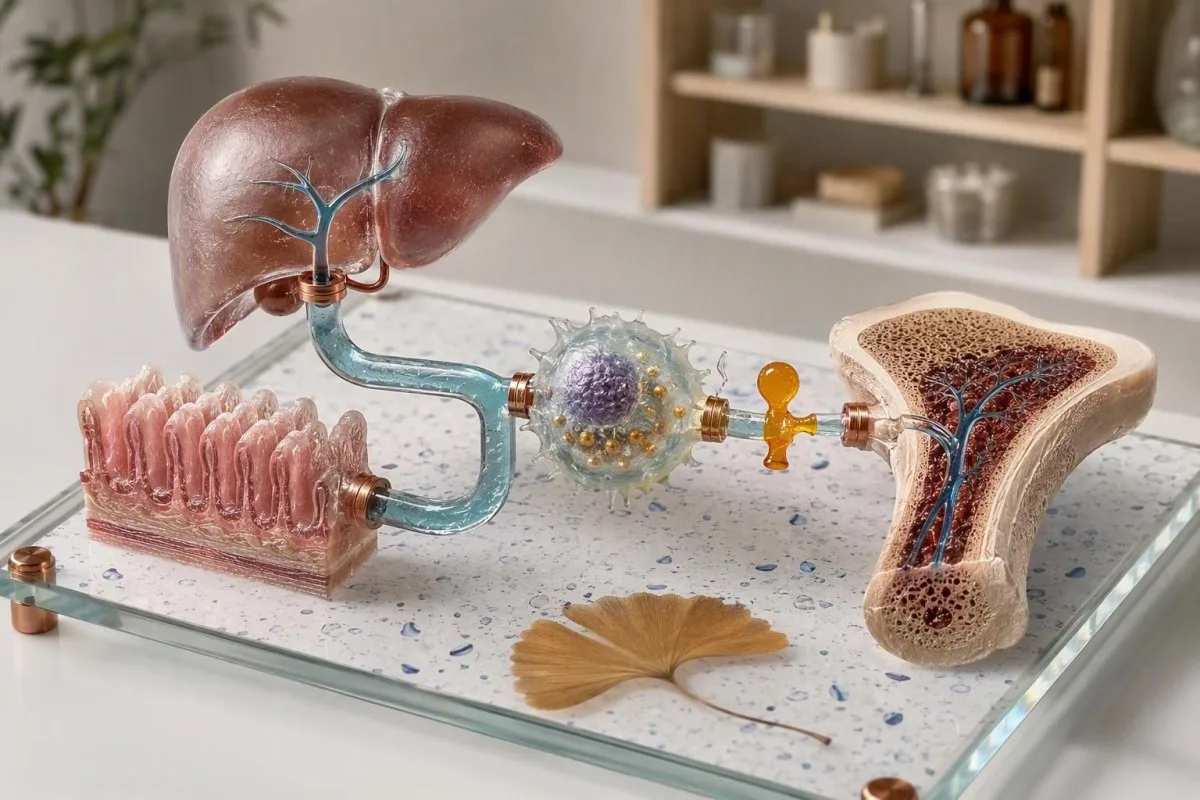
سوزش سے متعلق ایک عام نمونہ ہے سیرم آئرن 50 µg/dL سے کم، TIBC 250 µg/dL سے کم، سنترپتی 20% سے کم، اور فیریٹن 100 ng/mL سے زیادہ, ، حالانکہ ان میں سے کوئی بھی حد اکیلے کسی بیماری کی تشخیص نہیں کرتی۔ فیریٹن سوزش کے سگنلنگ کے ساتھ بڑھتی ہے، لہذا CRP زیادہ ہونے پر “عام” فیریٹن قابل اعتماد طریقے سے آئرن کی کمی کو خارج نہیں کرتی۔ وائس وغیرہ (2019) کے بیان کردہ کلینیکل فریم ورک کے مطابق، صرف فیریٹن کے برعکس، اس امتزاج کا استعمال کرتے ہوئے مطلق آئرن کی کمی کو فعال آئرن کی پابندی سے الگ کیا جاتا ہے۔.
شدید انفیکشن، آٹومیمون بیماری، دائمی گردے کی بیماری، موٹاپے سے متعلق سوزش، حالیہ سرجری، اور کینسر سبھی ٹرانسفرین کو کم کر سکتے ہیں۔. 10 mg/L سے زیادہ CRP کم TIBC کے رد عمل کا زیادہ امکان بناتا ہے، جبکہ erythrocyte sedimentation rate CRP گرنے کے بعد بھی ہفتوں تک بلند رہ سکتا ہے۔ اس سست مارکر کے تناظر میں، ہماری گائیڈ دیکھیں کہ ESR آہستہ آہستہ کیوں بدلتا ہے.
متضاد حصہ یہ ہے کہ ذخیرہ شدہ آئرن موجود ہو سکتا ہے لیکن مغز کے لیے ناقابل رسائی ہے۔ Kantesti AI، ایک AI بایومارکر تشریح پلیٹ فارم, ، اس متضاد کم-آئرن/کم-TIBC نمونے کی نشاندہی کرتا ہے اور فعال بیماری، گردے کے فعل، اور سوزش کے مارکر کے بارے میں سوالات اٹھاتا ہے۔ یہ اکیلے لیبارٹری ڈیٹا سے وجہ کی تشخیص نہیں کرتا۔.
جب soluble transferrin receptor مدد کرتا ہے
Soluble transferrin receptor عام طور پر فیریٹن کی نسبت سوزش سے کم مسخ ہوتا ہے۔. جب فیریٹن 50–300 ng/mL ہو اور CRP زیادہ ہو تو ایک بلند نتیجہ حقیقی آئرن سے محدود سرخ خون کے خلیوں کی پیداوار کی حمایت کر سکتا ہے، حالانکہ ایس assay-specific رینجز کا مطلب ہے کہ اسے ڈاکٹر کے ذریعہ آرڈر اور تشریح کیا جانا چاہئے۔.
جگر کے امراض آئرن کی بائنڈنگ کی صلاحیت کو کیوں کم کر سکتے ہیں
جگر کی بیماری TIBC کو کم کر سکتی ہے کیونکہ ہیپاٹوسائٹس ٹرانسفرین کا ترکیب کرتے ہیں۔. کم TIBC کے ساتھ کم البومن، طویل INR، بلند بلیروبن، یا غیر معمولی AST اور ALT، توجہ کو آئرن کی مقدار سے جگر کی پیداوار اور بیماری کی شدت کی طرف منتقل کرنا چاہئے۔.
کم ٹرانسفرین کا نتیجہ فیٹی لیور ڈیزیز، وائرل ہیپاٹائٹس، الکحل سے متعلق جگر کی چوٹ، ایڈوانسڈ فائبروسس، اور سیروسس میں ہو سکتا ہے، لیکن یہ ان میں سے کسی کو بھی سٹیج کرنے کے لیے کافی مخصوص نہیں ہے۔. البومین 35 g/L سے کم کے ساتھ مل کر مستقل طور پر کم TIBC، خاص طور پر اگر ایڈیما یا وزن میں کمی ہو تو، مناسب کلینیکل جائزے کا مستحق ہے۔ ہمارے میں وسیع تر نمونے کا جائزہ لیں liver panel کا خلاصہ.
میں نے حال ہی میں ایک رنر کا AST کا جائزہ لیا 89 IU/L ایک طویل دوڑ کے بعد اور کم-نارمل TIBC؛ بحالی کے بعد AST نارمل ہو گیا، جبکہ البومین اور بلیروبن نارمل رہے۔ ورزش عارضی طور پر کئی نتائج کو تبدیل کر سکتی ہے، جبکہ کم TIBC کے ساتھ پیلیا اور البومین میں کمی ایک بہت مختلف کلینیکل تصویر ہے۔ یہ مجموعہ ہے — نہ کہ تنہا AST یا TIBC — جو اگلے قدم کو بدلتا ہے۔.
جگر کی بیماری میں مستقل طور پر زیادہ ٹرانسفرین سنترپتی کو توجہ کی ضرورت ہوتی ہے کیونکہ کم ٹرانسفرین فیصد کو بڑھا سکتا ہے۔ 2022 EASL ہیموکروماٹوسس رہنما اصول ٹرانسفرین سنترپتی کا استعمال کرتا ہے خواتین میں 45% سے اوپر اور مردوں میں 50% سے اوپر, ، بڑھتے ہوئے فیریٹن کے ساتھ، صرف ایک مارکر پر انحصار کرنے کے بجائے مزید جانچ کے محرک کے طور پر (یورپی ایسوسی ایشن فار دی اسٹڈی آف دی لیور، 2022)۔.
جب جگر کی علامات کے لیے فوری دیکھ بھال کی ضرورت ہو
نئی پیلیا، الجھن، خون کی الٹی، سیاہ پاخانہ، یا نمایاں پیٹ کا پھولنا TIBC کی سطح سے قطع نظر فوری طبی جانچ کی ضرورت ہے۔. یہ علامات خراب بائل بہاؤ، معدے کی نالی میں خون بہنا، یا غیر معاوضہ جگر کی بیماری کی نشاندہی کر سکتی ہیں۔ ہمارے جائزے کا حوالہ دیں ابتدائی سیروسس کے سراغ.
پروٹین کی کم حیثیت یا پروٹین کے نقصان سے کم TIBC
کم TIBC ناکافی پروٹین کی دستیابی، جگر کی ترکیب میں کمی، یا گردوں یا آنتوں کے ذریعے پروٹین کے نقصان کا نتیجہ ہو سکتا ہے۔. کیونکہ ٹرانسفرین کی نصف زندگی تقریباً 8 دن ہوتی ہے، یہ شدید بیماری میں البومین سے پہلے گر سکتا ہے لیکن پھر بھی یہ ایک کمزور الگ غذائیت کا ٹیسٹ ہے۔.

کم ان پٹ، شدید متلی، مالابسورپشن، دائمی اسہال، شدید جلنے، اور شدید نظامی بیماری ٹرانسفرین کو کم کر سکتی ہے۔. 30 g/L سے کم البومین کلینیکلی بامعنی پروٹین کی کمی یا نقصان کے امکانات کو بڑھاتا ہے، لیکن سوزش بھی البومین کو کم کر سکتی ہے۔ یہی وجہ ہے کہ ہر کم TIBC کے نتیجے کے لیے زیادہ مقدار میں آئرن کا نسخہ دینا بنیادی مسئلے سے محروم ہو جاتا ہے۔.
گردوں کی پروٹین کا نقصان گردش کرنے والے پروٹین کو کم کر سکتا ہے، خاص طور پر جب پیشاب کے البومین-کریٹینین تناسب میں نمایاں اضافہ ہو یا پیشاب کا پروٹین مستقل ہو۔ جھاگ دار پیشاب، پلکوں کی سوجن، ٹخنوں کی سوجن، اور وزن میں اضافہ مفید اشارے ہیں، لیکن پروٹینوریا والے بہت سے لوگ اچھا محسوس کرتے ہیں۔ ہمارا مضمون مستقل جھاگ دار پیشاب واضح کرتا ہے کہ پیشاب کا نمونہ اس امکان کو کیسے واضح کرتا ہے۔.
غذائیت کی تشخیص میں وزن میں تبدیلی، پٹھوں کی مضبوطی، کھانے کی برداشت، دانتوں یا نگلنے کے مسائل، اور معدے کی علامات شامل ہونی چاہئیں — صرف البومین نہیں۔ میرے تجربے میں، غیر ارادی طور پر 5% جسمانی وزن کا یہاں تک کہ جب آئرن پینل صرف معمولی طور پر غیر معمولی نظر آتا ہے تو بھی ایک کلینیشین کی زیر قیادت تشخیص کے مستحق ہے۔.
جب کم TIBC آئرن کے زیادہ ہونے کی نشاندہی کرتا ہے
کم TIBC کے ساتھ زیادہ سیرم آئرن اور زیادہ ٹرانسفرین سنترپتی آئرن اوورلوڈ کی تجویز کر سکتی ہے، خاص طور پر جب سنترپتی دوبارہ فاسٹنگ والی صبح کے نمونے پر 45% سے اوپر رہے۔. یہ سادہ آئرن کی کمی کا الٹ ہے، جس میں TIBC عام طور پر بڑھ جاتا ہے۔.

وراثتی ہیموکروماٹوسس، بار بار ٹرانسفیوژن، ضرورت سے زیادہ آئرن کا استعمال، ناکارہ اریتھروپوائسز، اور کچھ جگر کے عوارض اس نمونے کو پیدا کر سکتے ہیں۔. مردوں میں 300 ng/mL سے زیادہ فیرٹِن یا عورتوں میں 200 ng/mL سے زیادہ عام طور پر جانچ کے لیے ایک عملی حد کے طور پر استعمال کیا جاتا ہے، لیکن فیریٹن الکحل کے استعمال، میٹابولک بیماری، اور ٹشو کے ردعمل کے ساتھ بھی بڑھ سکتا ہے۔ ہمارا ہیموکرومیٹوسس علامتی رہنمائی ان نتائج کو کلینیکل تناظر میں رکھتا ہے۔.
اگر آپ کو خون کی کمی، حاملہ، بیمار، یا جانچ نہیں ہوئی ہے تو خون کے عطیہ سے “آئرن کم” کرنے کی کوشش نہ کریں۔ جب نمونہ مستقل ہو تو ایک کلینیشین رات بھر فاسٹنگ کے بعد آئرن کے مطالعہ کو دہرا سکتا ہے، سپلیمنٹس اور الکحل کا جائزہ لے سکتا ہے، جگر کے انزائمز کی جانچ کر سکتا ہے، اور HFE جینیاتی جانچ پر غور کر سکتا ہے۔ ایک غیر فاسٹنگ سیرم آئرن کی قدر ایک اشارہ ہے، فیصلہ نہیں۔.
کنٹیسٹی ایک ہے۔ اے آئی سے چلنے والا خون کے ٹیسٹ کا تجزیہ کا آلہ 127+ ممالک میں استعمال کیا جاتا ہے تاکہ TIBC، فیریٹین، آئرن، سیچوریشن، ہیموگلوبن، اور جگر کے مارکر کو ایک ساتھ نقشہ بنایا جا سکے۔ ہمارا AI کلینیکل بحث کے لیے سیچوریشن پیٹرن کو جھنڈا کرتا ہے۔ تشخیص کے لیے اب بھی تاریخ، دہرائے جانے والے ٹیسٹ، اور کبھی کبھی جینیات یا امیجنگ کی ضرورت ہوتی ہے۔.
کیا آپ میں کم TIBC کے ساتھ آئرن کی کمی ہوسکتی ہے؟
ہاں - سوزش، جگر کی بیماری، یا پروٹین کی کمی ٹرانسفررن کو دبانے پر TIBC کم ہونے کے ساتھ آئرن کی کمی موجود ہو سکتی ہے۔. تاہم، غیر پیچیدہ آئرن کی کمی میں، فیریٹین گر جاتا ہے اور TIBC اکثر لیبارٹری رینج سے اوپر چلا جاتا ہے۔.
فیرِٹِن اگر 15 ng/mL ورنہ صحت مند بالغوں میں depleted iron stores کے لیے بہت مخصوص ہے، جبکہ بہت سے معالج استعمال کرتے ہیں۔ 30 ng/mL سے کم سنویدنشیلتا کو بہتر بنانے کے لیے۔ سوزش کے دوران، فیریٹین ذیل میں 100 این جی/ملی لیٹر اگر ٹرانسفرین سیچوریشن (transferrin saturation) بھی 20% اب بھی آئرن کی کمی کی حمایت کر سکتا ہے، خاص طور پر دائمی گردے کی بیماری یا دل کی ناکامی کی صورتوں میں۔ ہمارے وضاحتیات دیکھیں انیمیا سے پہلے کم فیریٹین علامات کے پیٹرن کے لیے۔.
یہ وہ جگہ ہے جہاں CBC اپنی جگہ بناتا ہے۔ کم MCV، بڑھا ہوا RDW، کم ریٹیکولوسائٹ ہیموگلوبن، اور کم فیریٹین حقیقی آئرن کی کمی کے حق میں ہیں؛ عام یا قدرے کم MCV کے ساتھ بڑھا ہوا CRP اور کم TIBC سوزش کے حق میں ہیں۔ فرق کامل نہیں ہے - تھیلیسیمیا ٹریٹ، B12 کی کمی، گردے کی بیماری، اور حالیہ ٹرانسفیوژن اسے گندا کر سکتے ہیں۔ ہمارا کم MCV ٹریاج گائیڈ ان مسابقتی وضاحتوں کا احاطہ کرتا ہے۔.
ڈاکٹر تھامس کلائن مریضوں کو مشورہ دیتے ہیں کہ وہ صرف سیرم آئرن سے آئرن کے علاج کا فیصلہ نہ کریں۔ سیرم آئرن شفٹ ہو سکتا ہے 30% یا اس سے زیادہ ایک دن میں اور کھانے کے بعد؛ ہیموگلوبن کا ردعمل، فیریٹین کا رجحان، علامات، اور کمی کی وجہ بہت زیادہ اہمیت رکھتی ہے۔.
ادویات، حمل، اور ٹائمنگ کا TIBC پر اثر
ایسٹروجن کی نمائش اور حمل اکثر ٹرانسفررن اور TIBC کو بڑھاتے ہیں، جبکہ شدید بیماری، کورٹیکوسٹیرائڈز، اور شدید نظامی تناؤ اسے کم کر سکتے ہیں۔. دوا اور زندگی کے مرحلے کی تاریخ ایک غیر متوقع نتیجہ کی وضاحت کر سکتی ہے اس سے پہلے کہ ایک نادر تشخیص پر غور کیا جائے۔.
اورل کانٹراسیپٹوز اور حمل عام طور پر ٹرانسفررن کی پیداوار میں اضافہ کرتے ہیں، لہذا حمل کے دوران کم TIBC اس وقت زیادہ قابل ذکر ہوتا ہے جب کم البومن، سوزش، یا جگر کی غیر معمولیات کے ساتھ جوڑا جاتا ہے۔ حمل کی مخصوص فیریٹین کی تشریح مختلف ہوتی ہے: ایک سطح کے نیچے 30 µg/L حمل میں آئرن کی کمی کی شناخت کے لیے وسیع پیمانے پر استعمال کیا جاتا ہے۔ ہمارا پڑھیں سہ ماہی فیریٹین گائیڈ غیر حاملہ رینجز کو لاگو کرنے کے بجائے۔.
آئرن گولیاں کئی گھنٹوں تک عارضی طور پر سیرم آئرن اور سیچوریشن کو بڑھا سکتی ہیں، جو کم TIBC کو آئرن اوورلوڈ کی طرح دکھا سکتی ہیں۔ اگر آرڈر کرنے والا معالج متفق ہو، تو زبانی آئرن کو 24 گھنٹے ڈرا سے پہلے روکنا اور صبح کا نمونہ جمع کرنا ایک صاف پینل پیدا کر سکتا ہے۔ عملی تفصیلات ہمارے TIBC تیاری گائیڈ.
دوا کے جائزے میں اینٹی کنولسنٹس، کیموتھراپی، امیونوسپریسنٹس، ٹیسٹوسٹیرون یا ایسٹروجن تھراپی، اور نس میں آئرن شامل ہونا چاہئے — اس لیے نہیں کہ ہر ایک براہ راست کم TIBC کا سبب بنتا ہے، بلکہ اس لیے کہ وہ جگر کے ٹیسٹ، سوزش، سرخ خون کے خلیات کی پیداوار، یا آئرن کی تقسیم کو تبدیل کر سکتے ہیں۔ لیبارٹری کے نتائج کو بہتر بنانے کے لیے کبھی بھی تجویز کردہ دوا کو بند نہ کریں۔.
کیا کم TIBC کا نتیجہ عارضی یا غلط ہوسکتا ہے؟
کم TIBC کا نتیجہ شدید بیماری کے دوران، نس کے ذریعے سیال دینے کے بعد، یا سیرم آئرن کے وقت کے ساتھ مختلف ہونے پر عارضی ہو سکتا ہے، لیکن مناسب طریقے سے پراسیس شدہ TIBC کا تجزیہ عام طور پر تجزیاتی طور پر قابل اعتماد ہوتا ہے۔. بڑا خطرہ اصل نتائج کی غلط تشریح ہے جب وہ اس کے طبی دائرے سے باہر ہو۔.
TIBC عام طور پر سیرم میں آئرن شامل کرکے، غیر بندھے ہوئے آئرن کو ہٹا کر، اور باقی ماندہ کو ناپ کر ماپا جاتا ہے؛ براہ راست ٹرانسفرین امیونوایسز ایک مختلف طریقہ استعمال کرتے ہیں۔ ہیمولیسز، شدید لیپیمیا، اور نادر پیراپروٹین کچھ لیبارٹری تجزیوں میں خلل ڈال سکتے ہیں۔ ایک اچانک تبدیلی جو پچھلے رجحانات کے ساتھ متصادم ہے، گھبراہٹ کے بجائے دہرانے کا باعث بنتی ہے؛ ہمارا delta-check explanation بیان کرتا ہے کہ معالج اچانک تبدیلیوں کے بارے میں کیسے سوچتے ہیں۔.
اگر نتیجہ انتظام کو تبدیل کر سکتا ہے تو دوبارہ جانچ سب سے زیادہ مفید ہے۔ نزلہ زکام یا آٹو امیون فلئیر کے دوران کم TIBC والے مستحکم شخص کے لیے، میں عام طور پر دوبارہ آئرن اسٹڈیز کو ترجیح دیتا ہوں۔ 4–8 ہفتے صحت یابی کے بعد، ساتھ میں CBC، فیریٹن، CRP، لیور پینل، اور البومن۔ یرقان، شدید انیمیا، یا 45% سے اوپر سنترپتی والے شخص کے لیے، وقت کی حد کم ہوتی ہے۔.
Kantesti AI تقریباً 60 سیکنڈ میں اپلوڈ شدہ رپورٹس کا تجزیہ کرتا ہے اور تاریخوں، اکائیوں، اور حوالہ حدود کا موازنہ کرنے میں آپ کی مدد کر سکتا ہے، لیکن OCR غلطی سے پاک نہیں ہے۔ جانچیں کہ سیرم آئرن کو فیریٹن کے ساتھ غلطی سے نہ سمجھا گیا ہو اور یہ کہ µmol/L کو µg/dL کے طور پر نہ پڑھا گیا ہو؛ ہمارا استعمال کریں۔ PDF اپلوڈ چیک لسٹ ڈیجیٹل سمری پر انحصار کرنے سے پہلے۔.
کم TIBC کے بعد ڈاکٹروں کے استعمال کے اگلے ٹیسٹ
کم TIBC کے بعد اگلا قدم عام طور پر ایک پیٹرن پر مبنی پینل ہوتا ہے: CBC، فیریٹن، سیرم آئرن، ٹرانسفرین سنترپتی، CRP یا ESR، البومن، اور لیور انزائمز۔. پیشاب پروٹین کی جانچ، گردے کی فعاليت، سولیبل ٹرانسفرین ریسیپٹر، یا جینیاتی جانچ صرف تب شامل کی جاتی ہے جب ابتدائی پیٹرن وہاں کی نشاندہی کرے۔.
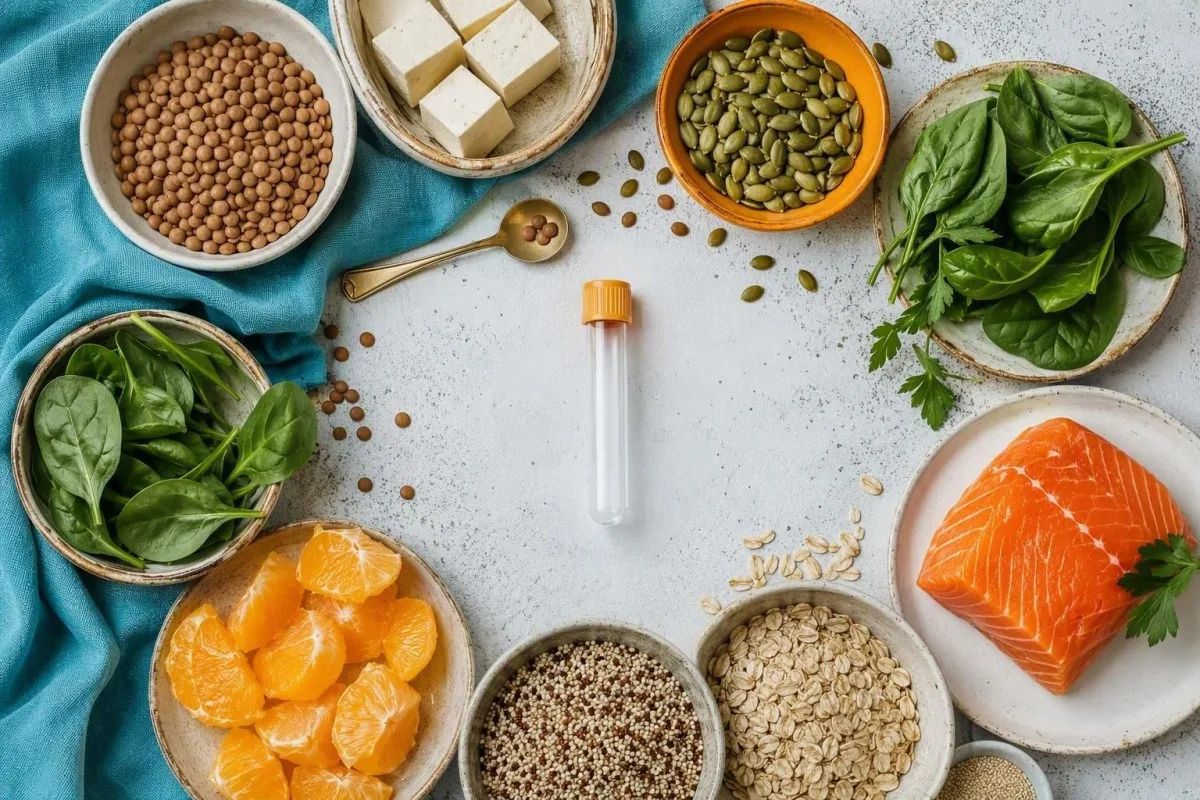
ایک سمجھدار فرسٹ پاس سیٹ میں ہیموگلوبن، MCV، RDW، فیریٹن، آئرن، TIBC یا ٹرانسفرین، سنترپتی، CRP، ALT، AST، ALP، بلیروبن، البومن، کریٹینائن، اور eGFR شامل ہیں۔. ٹرانسفرن سیچوریشن 20% سے کم آئرن کی دستیابی میں کمی کی نشاندہی کرتا ہے، جبکہ مستقل قدریں اوپر 45% کو آئرن اوورلوڈنگ کا اندازہ لگانے کی ضرورت ہے۔ جواب ان اقدار کے درمیان تعلق میں ہے، نہ کہ ہر ماہرانہ جانچ کو ایک ساتھ آرڈر کرنے میں۔.
اگر سوزش موجود ہے اور فیریٹن مبہم ہے، تو سولیبل ٹرانسفرین ریسیپٹر یا ریٹیکولوسائٹ ہیموگلوبن قابل علاج آئرن کی کمی کی نشاندہی کرنے میں مدد کر سکتے ہیں۔ اگر البومن کم ہے، تو پیشاب کا تجزیہ اور پیشاب کا ACR گردے کے پروٹین کے نقصان کی جانچ کر سکتا ہے۔ اگر جگر کے نتائج غیر معمولی ہیں، تو ہیپاٹائٹس کی جانچ اور الٹراساؤنڈ مناسب ہو سکتا ہے۔. کم transferrin saturation کا کم TIBC سے مختلف مطلب ہے، حالانکہ وہ اکثر ایک ساتھ چلتے ہیں۔.
Kantesti کا نیورل نیٹ ورک ایک اکیلی سنیپ شاٹ کے بجائے رزلٹ ٹریجیکٹری کا موازنہ کرتا ہے، جو اہم ہے کیونکہ فیریٹن اور CRP کئی ہفتوں میں مخالف سمتوں میں حرکت کر سکتے ہیں۔ طریقہ کار اور طبی حدود ہماری طبی توثیق کا خلاصہ; میں بیان کی گئی ہیں؛ نتیجہ تشریح ایک معالج کی بات چیت کی تیاری ہے، نہ کہ اس کا متبادل۔.
کم TIBC کے چار نمونے جو تشخیص کو بدل دیتے ہیں
کم TIBC اس وقت مفید ہو جاتا ہے جب اسے چار پیٹرن میں سے ایک کے طور پر پڑھا جاتا ہے: سوزش، جگر یا پروٹین کی خرابی، آئرن اوورلوڈنگ، یا مخلوط آئرن کی کمی کے ساتھ سوزش۔. ہر پیٹرن کا ایک مختلف علاج کا راستہ اور مختلف حفاظتی خدشات ہوتے ہیں۔.
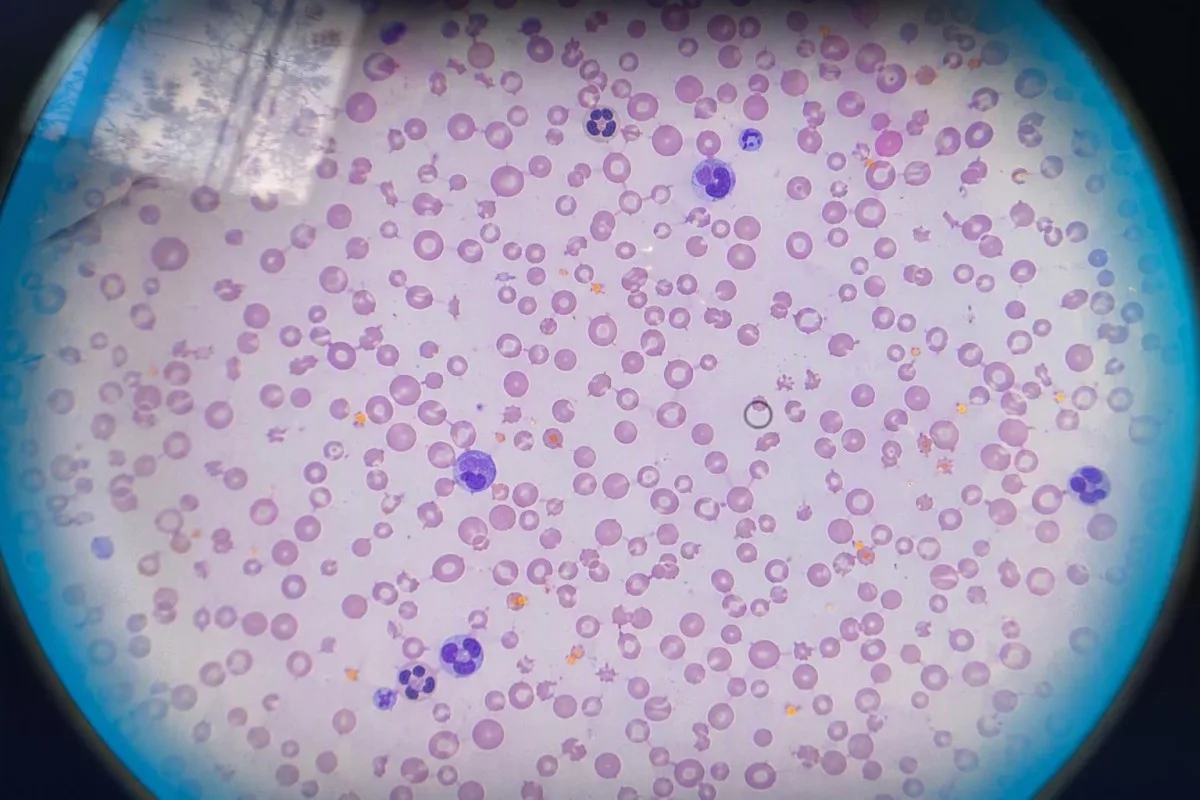
سوزش: کم آئرن، کم TIBC، سنترپتی اکثر 20% سے کم، فیریٹن معمول یا زیادہ، CRP بلند۔. جگر/پروٹین پیٹرن: کم TIBC کم البومن اور ممکنہ طور پر غیر معمولی بلیروبن، INR، یا جگر کے انزائمز کے ساتھ۔. آئرن اوورلوڈ پیٹرن: کم یا نارمل TIBC، 45% سے زیادہ آئرن سیچوریشن اور فیریٹین میں اضافہ۔ یہ ابتدائی نکات ہیں، سخت ضابطے نہیں۔.
مکسڈ ڈیفیشینسی: فیریٹین 30–100 ng/mL، سیچوریشن 20% سے کم، TIBC کم یا نارمل، اور CRP بلند ہو سکتا ہے۔ اس صورتحال میں، سوزش کی بیماری کا علاج اور خون کے ضیاع یا مالابسورپشن کا اندازہ لگانا دونوں ضروری ہو سکتے ہیں۔ معدے کے علامات، بھاری ماہواری کا خون بہنا، اور سوزش مخالف ادویات کا استعمال براہ راست سوالات کے قابل ہیں—مریض اکثر تب تک نہیں بتاتے جب تک پوچھا نہ جائے۔.
مریضوں کے لیے، مفید سوال یہ نہیں ہے کہ “میں TIBC کیسے بڑھاؤں؟” بلکہ “کون سا ٹرانسفرین کم ہوا یا آئرن کی تقسیم میں تبدیلی آئی؟” ہمارا فیرِٹِن اور CRP کی رہنمائی سپلیمنٹ منتخب کرنے سے پہلے اس فرق کو واضح کرنے میں مدد کرتا ہے۔.
کم TIBC کا پتہ چلنے کے بعد کیا نہیں کرنا چاہئے
جب تک فیریٹین، سیچوریشن، ہیموگلوبن، اور کلینیکل سیاق و سباق کا جائزہ نہ لیا جائے، کم TIBC کا علاج خود سے آئرن سے نہ کریں۔. کم نتیجہ کا مطلب یہ نہیں ہے کہ آپ کے خون میں آئرن کی کمی ہے، اور آئرن اوورلوڈ یا جگر سے متعلقہ پیٹرن میں اضافی آئرن نامناسب ہو سکتا ہے۔.

زیادہ خوراک والے آئرن خریدنے سے گریز کریں کیونکہ رپورٹ میں “کم آئرن بائنڈنگ کیپیسٹی” کہا گیا ہے۔ عام تھراپیوٹک آئرن کی خوراکوں میں شامل ہیں 45–65 ملی گرام ایلیمنٹل آئرن فی ٹیبلٹ، جو متلی، قبض، اور سیاہ پاخانہ کا سبب بننے کے لیے کافی ہے؛ غلط شخص میں، وہ سوزش یا جگر کی بیماری کو حل کیے بغیر آئرن کے ذخائر میں اضافہ کر سکتے ہیں۔ خوراک سے متعلقہ طریقے زیادہ تر لوگوں کے لیے مناسب ہیں، لیکن وہ انیمیا کی تشخیص کی جگہ نہیں لیتے۔.
انفیکشن، موٹاپا، آٹو امیون بیماری، یا حالیہ آپریشن کے دوران کمی کو مسترد کرنے کے لیے صرف فیریٹین کے نتائج کا استعمال نہ کریں۔ اور تھکاوٹ کو آئرن سے متعلقہ نہ سمجھیں اگر ہیموگلوبن، فیریٹین، تھائیرائیڈ، نیند، موڈ، ادویات، اور گردے کے فعل پر غور نہیں کیا گیا ہے۔ ہمارا تھکاوٹ سپلیمنٹ گائیڈ بتاتا ہے کہ لیب کی رہنمائی میں انتخاب کیوں محفوظ ہیں۔.
آخر میں، ایک کامل TIBC نمبر کا پیچھا نہ کریں۔ میرے کلینیکل تجربے میں، دائمی سوزش کو ٹھیک کرنا، سیلیک کی بیماری کا علاج کرنا، گردوں کی بیماری کو کنٹرول کرنا، قابل گریز خون کے ضیاع کو روکنا، یا غذائیت کو بہتر بنانا ٹرانسفرین کو براہ راست بڑھانے کی کوشش کرنے سے زیادہ بامعنی طریقے سے آئرن پینل کو تبدیل کرتا ہے۔.
خوراک، صحت یابی، اور بنیادی وجہ کی مدد کے لیے حقیقت پسندانہ طریقے
خوراک آئرن کی مقدار اور پروٹین کی حیثیت کو سپورٹ کر سکتی ہے، لیکن صرف خوراک فعال سوزش، نمایاں جگر کی بیماری، نیفروٹک پروٹین کے ضیاع، یا آئرن اوورلوڈ کی وجہ سے کم TIBC کو درست نہیں کر سکتی۔. غذائی منصوبہ لیبارٹری کے نمونے سے میل کھاتا ہونا چاہیے۔.
اگر آئرن کی کمی کی تصدیق ہو جائے، تو مچھلی، مرغی اور گوشت سے حاصل ہونے والا ہیم آئرن عام طور پر پھلیوں، توفو، مسور، بیجوں اور مضبوط اناج سے حاصل ہونے والے نان ہیم آئرن کے مقابلے میں زیادہ مؤثر طریقے سے جذب ہوتا ہے۔ وٹامن سی پر مشتمل پیداوار نان ہیم آئرن کے جذب کو بہتر بنا سکتی ہے، جبکہ چائے اور کافی جو کھانوں کے ساتھ لی جاتی ہیں وہ اسے کم کر سکتی ہیں۔ ہمارا عملی رہنما ہیم اور غیر ہیم آئرن والی خوراکوں کا کھانے کی سطح کے اختیارات فراہم کرتا ہے۔.
اگر پروٹین کی مقدار کم رہی ہے، تو غیر منظم “ٹرانسفرین بوسٹر” شامل کرنے کے بجائے پروٹین کے ذرائع پر مشتمل باقاعدہ کھانے کا مقصد رکھیں۔ عام بالغ پروٹین کے اہداف اکثر 0.8 g/kg/day, کے آس پاس ہوتے ہیں، جبکہ زیادہ عمر کے افراد، شدید بیماری، ایتھلیٹک تربیت، اور گردے کی بیماری میں انفرادی مشورے کی ضرورت ہوتی ہے۔ دائمی گردے کی بیماری والے افراد کو اپنی رینل ٹیم کے ساتھ منصوبہ پر تبادلہ خیال کیے بغیر پروٹین میں اضافہ نہیں کرنا چاہیے۔.
صحت یابی کا مطلب صحیح دوبارہ جانچ کی مدت کا انتخاب کرنا بھی ہے۔ سادہ آئرن کی کمی میں مؤثر آئرن کے علاج کے بعد ہیموگلوبن عام طور پر تقریباً 2–4 ہفتوں میں 10–20 g/L بڑھ جاتا ہے، لیکن اگر سوزش یا جگر کی ترکیب اہم محرک بنی رہے تو TIBC اس شیڈول پر نارمل نہیں ہو سکتا ہے۔.
جب کم TIBC کے نتائج کو فوری طبی جائزے کی ضرورت ہو
مستقل طور پر کم TIBC کے لیے معمول کے مطابق معالج کا جائزہ ترتیب دیں، اور جب یہ شدید علامات جیسے کہ یرقان، الجھن، سینے میں درد، آرام کے وقت سانس لینے میں دشواری، بے ہوشی، یا معدے سے خون بہنے کے ساتھ ہو تو فوری طبی امداد حاصل کریں۔. فوری پن فرد اور اس کے ساتھ موجود نتائج پر منحصر ہے، نہ کہ صرف TIBC کی قدر پر۔.

اگر بار بار جانچ کرنے پر TIBC رینج سے نیچے رہے، فیرٹین غیر متوقع طور پر زیادہ ہو، سیچوریشن 45%, سے زیادہ ہو، ہیموگلوبن گر رہا ہو، البومین 35 g/L, سے کم ہو، یا جگر کے ٹیسٹ غیر معمولی ہوں تو بروقت ملاقات کا وقت مقرر کریں۔ پچھلے نتائج، ادویات اور سپلیمنٹس کی فہرستیں، حال ہی میں بیماری کی تاریخ، متعلقہ ہونے پر ماہواری کی تاریخ، شراب نوشی، خوراک میں تبدیلی، اور آئرن کی زیادہ مقدار یا جگر کی بیماری کی خاندانی تاریخ ساتھ لائیں۔ ایک اچھی طرح سے منظم ٹائم لائن دوسری ملاقات کو بچا سکتی ہے۔.
سیاہ پاخانہ، خون کی الٹی، پیلی جلد کے ساتھ غنودگی، شدید کمزوری کے ساتھ تیز بخار، یا بولنے کو محدود کرنے والی سانس لینے میں دشواری کے لیے اسی دن کی دیکھ بھال سمجھدار ہے۔ وہ علامات خون بہنے، انفیکشن، شدید انیمیا، یا جگر کی خرابی کا اشارہ دے سکتی ہیں، اور ایک اور آئرن پینل کا انتظار کرنا محفوظ نہیں ہے۔ ایک منظم تیاری کے لیے، ہماری ڈاکٹر-وزٹ لیب چیک لسٹ.
کا استعمال کریں۔ 10 ستمبر 2026 تک، سب سے محفوظ پیغام سادہ ہے: کم TIBC ٹرانسفرین کی حیاتیات کے بارے میں ایک اشارہ ہے، نہ کہ کوئی تشخیص اور نہ ہی آئرن کے لیے خودکار وجہ۔. Kantesti کا کلینیکل مواد ہمارے میڈیکل ایڈوائزری بورڈ, کے ساتھ جائزہ لیا جاتا ہے، لیکن آپ کا اپنا معالج امتحانی نتائج، علامات، ادویات، اور مقامی لیبارٹری کے طریقوں کو مربوط کر سکتا ہے۔.
زیادہ ردعمل کے بغیر کم TIBC کے نتائج کو کیسے ٹریک کیا جائے
کم TIBC کو تاریخ، بیماری کی حالت، فیرٹین، سیچوریشن، CRP، البومین، ہیموگلوبن، اور علاج میں تبدیلیوں کے ساتھ ٹریک کریں۔. دو یا تین قابل موازنہ نمونوں کے درمیان رجحان عام طور پر ایک آؤٹ آف رینج پیمائش سے زیادہ معلوماتی ہوتا ہے۔.
ریکارڈ کریں کہ آیا ہر نمونہ فاسٹنگ تھا، چاہے آپ نے 24 گھنٹوں کے اندر آئرن لیا ہو، چاہے آپ کو بخار یا سخت ورزش ہوئی ہو، اور چاہے وہی لیبارٹری استعمال کی گئی ہو۔ TIBC 225 سے 245 µg/dL میں تبدیلی معمولی حیاتیاتی اور تجزیاتی تغیر ہو سکتی ہے، جبکہ نمونیا سے صحت یابی کے بعد 225 سے 340 µg/dL طبی لحاظ سے بامعنی ہو سکتی ہے۔ ہماری بلڈ ٹیسٹ موازنہ گائیڈ دکھاتی ہے کہ کن سیاق و سباق کی تفصیلات کو محفوظ رکھا جائے۔.
Kantesti، ایک اے آئی لیب ٹیسٹ کی تشریح کی خدمت, ، طولانیاتی رپورٹس کا اہتمام کرسکتا ہے اور وضاحت کرسکتا ہے کہ کم TIBC، فیریٹن، CRP، اور البومن ایک ساتھ کیسے حرکت کرسکتے ہیں یا مختلف ہوسکتے ہیں۔ یہ آپ کے سوالات کو زیادہ درست بنانے کے لیے ڈیزائن کیا گیا ہے: “کیا یہ سوزشی آئرن کی رکاوٹ ہوسکتی ہے؟” “کیا میرا آئرن کم ہے؟” سے زیادہ مفید ہے۔”
اطمینان بخش نکتہ یہ ہے کہ بہت سے کم TIBC کے نتائج عارضی سوزشی حالت یا غذائیت اور صحت یابی کے قابلِ بازیافت مسئلے کی عکاسی کرتے ہیں۔ محتاط نکتہ اتنا ہی حقیقی ہے: انیمیا، جگر کے غیر معمولی ٹیسٹ، ورم، یا زیادہ سنترپتی کے ساتھ مستقل نتائج انٹرنیٹ کے قیاس آرائیوں کے بجائے مناسب طبی پیروی کے مستحق ہیں۔.
اکثر پوچھے گئے سوالات
کم TIBC کی علامات کیا ہیں؟
کم TIBC خود سے علامات پیدا نہیں کرتا ہے کیونکہ یہ جسمانی فعل کے بجائے آئرن بائنڈنگ کی صلاحیت کی پیمائش کرتا ہے جسے آپ براہ راست محسوس کر سکتے ہیں۔ تھکاوٹ، کمزوری، سانس کی قلت، بخار، ٹخنوں کا سوجنا، پیلیا، یا جوڑوں کا درد جیسی علامات بنیادی وجہ سے آتی ہیں، جیسے کہ خون کی کمی، سوزش، جگر کی بیماری، پروٹین کا نقصان، یا آئرن کا زیادہ ہونا۔ غیر حاملہ خواتین میں 120 g/L سے کم یا مردوں میں 130 g/L سے کم ہیموگلوبن، خون کی کمی سے متعلقہ علامات کے زیادہ امکان کا باعث بنتا ہے۔ سینے میں درد، بے ہوشی، الجھن، سیاہ پاخانہ، شدید سانس کی قلت، یا پیلی جلد کے ساتھ غنودگی کے لیے فوری تشخیص مناسب ہے۔.
کیا کم TIBC کم ٹرانسفرین کے برابر ہے؟
کم TIBC عام طور پر کم ٹرانسفرین کی عکاسی کرتا ہے، لیکن یہ دو ٹیسٹ تکنیکی طور پر ایک جیسے نہیں ہیں۔ ٹرانسفرین جگر سے بننے والا ایک کیریئر پروٹین ہے جو براہ راست g/L یا mg/dL میں ناپا جاتا ہے، جبکہ TIBC کا تخمینہ لگاتا ہے کہ ٹرانسفرین پول کتنا آئرن باندھ سکتا ہے اور اسے عام طور پر µg/dL یا µmol/L میں رپورٹ کیا جاتا ہے۔ بالغوں کا عام TIBC تقریباً 250–450 µg/dL ہوتا ہے، حالانکہ لیبارٹری کے حوالہ رینجز مختلف ہوتی ہیں۔ دونوں کے لیے کم نتائج سوزش اور جگر کے پروٹین کی ترکیب میں کمی کے دوران عام ہیں۔.
کیا کم TIBC کا مطلب ہے آئرن کی کمی؟
کم TIBC کا مطلب عام طور پر غیر پیچیدہ آئرن کی کمی نہیں ہوتا؛ کلاسیکی آئرن کی کمی زیادہ تر کم فیریٹن اور زیادہ TIBC کا سبب بنتی ہے۔ آئرن کی کمی کے ساتھ سوزش، جگر کی بیماری، یا خراب پروٹین کی حالت، جو TIBC کو دباتی ہے، جب بیک وقت موجود ہوں تو ایک مخلوط پیٹرن ہوسکتا ہے۔ صحت مند بالغ میں 15 ng/mL سے کم فیریٹن آئرن کے ذخائر کی کمی کو مضبوطی سے سپورٹ کرتا ہے، جبکہ سوزش کے دوران 100 ng/mL سے کم فیریٹن کے ساتھ 20% سے کم ٹرانسفرین سیچوریشن اب بھی کمی کا مشورہ دے سکتا ہے۔ آئرن شروع کرنے سے پہلے CBC، فیریٹن، CRP، اور سیچوریشن کی ضرورت ہوتی ہے۔.
کم TIBC کی کم آئرن کے ساتھ کیا وجہ ہے؟
کم TIBC کے ساتھ کم سیرم آئرن اکثر سوزش سے متعلق آئرن کی رکاوٹ کو ظاہر کرتا ہے۔ اس پیٹرن میں، ہیپسیڈین گردش میں آئرن کے اخراج کو کم کرتا ہے جبکہ جگر ٹرانسفررن کم بناتا ہے، جس سے کم آئرن، کم TIBC، سیچوریشن اکثر 20% سے نیچے، اور فیریٹن جو عام یا زیادہ ہو سکتا ہے۔ دائمی گردے کی بیماری، انفیکشن، خود کار بیماری، موٹاپا سے متعلق سوزش، حالیہ سرجری، اور کینسر اس پیٹرن کو پیدا کر سکتے ہیں۔ CRP 10 mg/L سے اوپر فعال سوزش کی حمایت کرتا ہے لیکن اس کا ذریعہ نہیں بتاتا ہے۔.
کم TIBC کے ساتھ زیادہ فیریٹن کا کیا مطلب ہے؟
کم TIBC کے ساتھ زیادہ Ferritin عام طور پر سوزش، جگر کی بیماری، میٹابولک خرابی، الکحل سے متعلق جگر کی چوٹ، یا آئرن کے زیادہ ہونے کے دوران ہوتا ہے۔ Ferritin آئرن ذخیرہ کرنے والے مارکر اور ایک aguda-phase protein دونوں ہے، لہذا بلند قدر کا مطلب خود بخود آئرن کے زیادہ ذخیرہ ہونے کا مطلب نہیں ہے۔ 45% سے زیادہ مستقل ٹرانسفرین سنترپتی اور بلند Ferritin آئرن اوورلوڈ کے لیے زیادہ تشویشناک ہے اور اس کا طبیب کی زیرِ قیادت تشخیص کی ضرورت ہے۔ البومن، CRP، ALT، AST، بلیروبن، اور مکمل خون کی گنتی اسباب کو ممتاز کرنے میں مدد کرتی ہے۔.
کیا مجھے آئرن لینا چاہئے اگر میرا TIBC کم ہو؟
صرف اس لیے کہ TIBC کم ہو، لوہا نہ لیں۔ زبانی لوہا اس وقت مناسب ہے جب مجموعی نمونہ سے آئرن کی کمی ظاہر ہو، جس میں اکثر کم فیرٹین، کم سنترپتی، اور مطابقت پذیر CBC نتائج شامل ہوتے ہیں؛ بہت سی علاجیہ مصنوعات میں فی گولی 45-65 ملی گرام ایلیمنٹل آئرن ہوتا ہے۔ جب کم TIBC سوزش، جگر کی خرابی، پروٹین کا نقصان، یا آئرن اوورلوڈ کے نتیجے میں ہو تو لوہا غیر مددگار یا نامناسب ہو سکتا ہے۔ پہلے فیرٹین، ٹرانسفرین سنترپتی، ہیموگلوبن، CRP، اور جگر کے ٹیسٹ کا جائزہ لینے کے لیے ایک معالج سے پوچھیں۔.
آج ہی اے آئی سے طاقتور خون کے ٹیسٹ کا تجزیہ حاصل کریں
دنیا بھر میں 2M+ صارفین میں شامل ہوں جو فوری اور درست لیب ٹیسٹ تجزیے کے لیے Kantesti پر بھروسہ کرتے ہیں۔ اپنے خون کے ٹیسٹ کے نتائج اپلوڈ کریں اور چند سیکنڈ میں 15,000+ بایومارکرز کی جامع تشریح حاصل کریں۔.
📚 حوالہ دی گئی تحقیقی اشاعتیں
کلائن، ٹی.، مچل، ایس.، اور ویبر، ایچ. (2026). پیشاب میں یوروبلینوجین ٹیسٹ: مکمل پیشاب کا تجزیہ گائیڈ 2026۔ Zenodo۔ https://doi.org/10.5281/zenodo.18226379۔ اشاعت DOI کے ذریعے ResearchGate اور Academia.edu ریکارڈ لنکس دستیاب ہیں۔..۔ Kantesti اے آئی میڈیکل ریسرچ۔.
کلائن، ٹی.، مچل، ایس.، اور ویبر، ایچ. (2026). آئرن اسٹڈیز گائیڈ: TIBC، آئرن سیچوریشن اور بائنڈنگ کیپیسٹی۔ Zenodo۔ https://doi.org/10.5281/zenodo.18248745۔ اشاعت DOI کے ذریعے ResearchGate اور Academia.edu ریکارڈ لنکس دستیاب ہیں۔..۔ Kantesti اے آئی میڈیکل ریسرچ۔.
📖 بیرونی طبی حوالہ جات

⚕️ میڈیکل ڈس کلیمر
یہ مضمون صرف تعلیمی مقاصد کے لیے ہے اور طبی مشورہ نہیں ہے۔ تشخیص اور علاج کے فیصلوں کے لیے ہمیشہ کسی مستند صحت کے ماہر سے رجوع کریں۔.
E-E-A-T اعتماد کے اشارے
تجربہ
معالج کی قیادت میں لیب تشریح کے ورک فلو کا کلینیکل جائزہ۔.
مہارت
لیبارٹری میڈیسن کا فوکس یہ کہ بایومارکرز کلینیکل سیاق میں کیسے برتاؤ کرتے ہیں۔.
مستندیت
ڈاکٹر تھامس کلائن نے لکھا، ڈاکٹر سارہ مچل اور پروف. ڈاکٹر ہانس ویبر نے نظرثانی کی۔.
امانت داری
شواہد پر مبنی تشریح واضح فالو اپ راستوں کے ساتھ تاکہ گھبراہٹ کم ہو۔.