Төмөнкү TIBC натыйжасы сейрек кездешет, өзүнчө симптомдорду жаратат. Симптомдор трансферрин өндүрүүнү, темирди иштетүүнү же белоктордун балансын өзгөрткөн шарттардан келип чыгат.



- Төмөн TIBC көбүнчө темирди ташууга аз трансферрин бар экендигин билдирет; көпчүлүк чоңдордун лабораториялары болжол менен 250–450 мкг/дл (45–80 мкмоль/л) шилтеме интервалы катары колдонушат.
- Симптомдор индиректүү: чарчоо, ысытма, муун ооруу, шишик, сарык же салмак жоготуу төмөнкү TIBC өзүнөн эмес, негизги ооруну көрсөтөт.
- Сезгенүү үлгүсү көбүнчө селейме темирдин төмөндүгүн, TIBCнин төмөндүгүн, трансферриндин каныккандыгын 20% дан төмөн, жана ферритиндин нормалдуу же жогорулашын көрсөтөт.
- Темирдин жетишсиздик үлгүсү көбүнчө ферритиндин төмөндүгүн жана TIBCнин жогорулашын, төмөндөшүн эмес, жаратат, эгерде бир эле учурда селейме же боор оорусу жок болсо.
- Трансферриндин каныккандыгы селейме темирди TIBCге бөлүү × 100 катары эсептелет; 45% дан жогору турган маани туруктуу болгондо темирдин жүктөлүшүн баалоого арзыйт.
- Альбумин маанилүү трансферрин боордо жасалган белок болгондуктан; төмөнкү альбумин менен төмөнкү TIBC синтездин азайышын, начар алууну, белоктордун жоголушун же системалык ооруну көрсөтүшү мүмкүн.
- шашылыш кароо баш аламандык, сарык, кара заң, эс алууда дем алуунун жетишсиздиги, тез шишиктин көбөйүшү же катуу алсыздык менен коштолгон ысытма үчүн ылайыктуу.
- Акылдуулук менен кайра текшерүү клиницистиңиз макул болгондо, темирди текшерүүдөн 24 саат мурун темир таблеткаларын ичүүдөн баш тартууну жана мүмкүн болсо, катуу ысытма оорусу учурунда кадимки текшерүүлөрдү кийинкиге калтырууну билдирет.
Төмөнкү TIBC натыйжасы чындыгында эмнени билдирет
Темирди байланыштыруунун жалпы сыйымдуулугунун аздыгы кан айлануу системасында темирди байланыштыруучу трансферриндин сыйымдуулугу аз экенин билдирет. TIBC - бул негизинен боордо пайда болгон протеин болгон трансферриндин кыйыр өлчөмү; ал денеңиздеги темирдин сакталышынын көлөмүнүн түз өлчөмү эмес.
Көпчүлүк лабораториялар чоңдор үчүн TIBCди болжол менен көрсөтөт 250–450 мкг/дл же 45–80 мкмоль/л, бирок сиздин натыйжаңыздын жанында жазылган интервал артыкчылыкка ээ, анткени анализдин калибровкасы ар кандай. 210 мкг/дл мааниси автоматтык түрдө коркунучтуу эмес; мен аны кан сывороткасынын темир, ферритин, трансферриндин каныккандыгы, С-реактивдүү протеин, альбумин жана толук кан эсептөө менен бирге чечмелейм. Биздин деталдуу темирди изилдөө боюнча колдонмо эч бир темир маркери бардык суроолорго жооп бере албастыгын түшүндүрөт.
TIBC жана трансферрин бири-бирине тыгыз байланыштуу, бирок бирдей эмес тесттер. Трансферрин протеиндин концентрациясы катары өлчөнөт, көбүнчө г/л же мг/дл менен, ал эми TIBC айлануудагы трансферриндин темирди байланыштыруучу максималдуу сыйымдуулугун баалайт; кээ бир лабораториялар бирин экинчисинен эсептеп чыгат. Kantesti - бул AI кан анализи анализатору жалгыз белгини диагноз катары кароодон көрө, темир панелинин калган бөлүгүнө салыштырмалуу төмөн TIBCди окуган.
Бемонттар көп учурда байкабай калган практикалык деталь: бир эле адам вирустук оору учурунда төмөн TIBCге жана бир нече жумадан кийин эч кандай кошумча каражатсыз жогорулаган мааниге ээ болушу мүмкүн. Доктор Томас Клейдин ыкмасы, биринчи кезекте, үлгү инфекция учурунда, ооруканадагы дарылоодон кийин, же жаңы сезгенүү күчөгөндө алынганбы деп сурап, ошол убакыт тилкеси көбүнчө керексиз темир дарылоодон сактайт.
Трансферриндин каныккандыгын эсептөө
Трансферриндин каныккандыгы = кан сывороткасынын темир ÷ TIBC × 100. 50 мкг/дл сыворотка темир жана 250 мкг/дл TIBC 20% каныккандыгын берет, ал эми 125 мкг/дл TIBC менен ошол эле сыворотка темир 40% берет; кичинекей бөлүм каныккандыгын алдамчылык менен ишенимдүү же жогору кылып көрсөтүшү мүмкүн.
Төмөнкү TIBC симптомдору: эмнени сезишиңиз мүмкүн жана эмнени сезбейсиз
Төмөн TIBC өзү адатта эч кандай өзгөчө симптомду жаратпайт. Чарчоо, көнүгүү жасоо толеранттуулугунун төмөндөшү, ысытма, ичтин шишиши, муундардын оорушу же көздүн саргайышы анемиядан, сезгенүүдөн, боордун дисфункциясынан, тамактануунун жетишсиздигинен же темирдин ашыкча болушунан келип чыгат - TIBC санынан гана эмес.
Төмөн TIBC гемоглобиндин төмөндөшү менен коштолгондо кош бойлуу эмес аялдарда 120 г/л же эркектерде 130 г/л, чарчоо, тепкичтен дем алуу, жүрөк согуу, баш оору, жана баш айлануу анемияны чагылдырышы мүмкүн. Бирок сезгенүү анемиясы жеңил болуп, пациентти чарчатса болот, анткени цитокиндер сөөк чучугуна темирдин жеткирилишин өзгөртөт. Бул менен салыштырыңыз төмөн эритроцит белгилери эгер сиздин CBC да белгиленсе.
Менин тынчсыздануумду боорго же белокко байланыштуу себептерге бурган симптомдорго буттун шишиши, жаңы ичтин толушу, оңой эле көгөрүү, кычышуу, кара заара, агыш заң же табиттин начарлашы кирет. Сарык, башаламандык, кан кусуу, кара чайыр сыяктуу заъ, катуу дем алуу же шишиктин тез чоңоюшу бир күндө бааланышын талап кылат. Төмөн TIBC шашылыш эмес; клиникалык белгилер болушу мүмкүн.
Иш жүзүндө, мен адамдар “төмөн темир байланыштыруучу сыйымдуулук симптомдору” издөөдөн кийин тынчсызданып, дароо темирди баштаганын көрөм. Эгерде трансферриндин каныккандыгы буга чейин жогору болсо, бул туура эмес кадам болушу мүмкүн 45% же ферритин жогору болсо. Темирдин жетишсиздиги аныкталганда темир пайдалуу, бирок ал жалпы тоник эмес жана диагностикалык үлгүсүн бүдөмүктөй алат.
Селейме жаракаттын төмөндүгүн жана селейме темирдин төмөндүгүн кантип жаратат
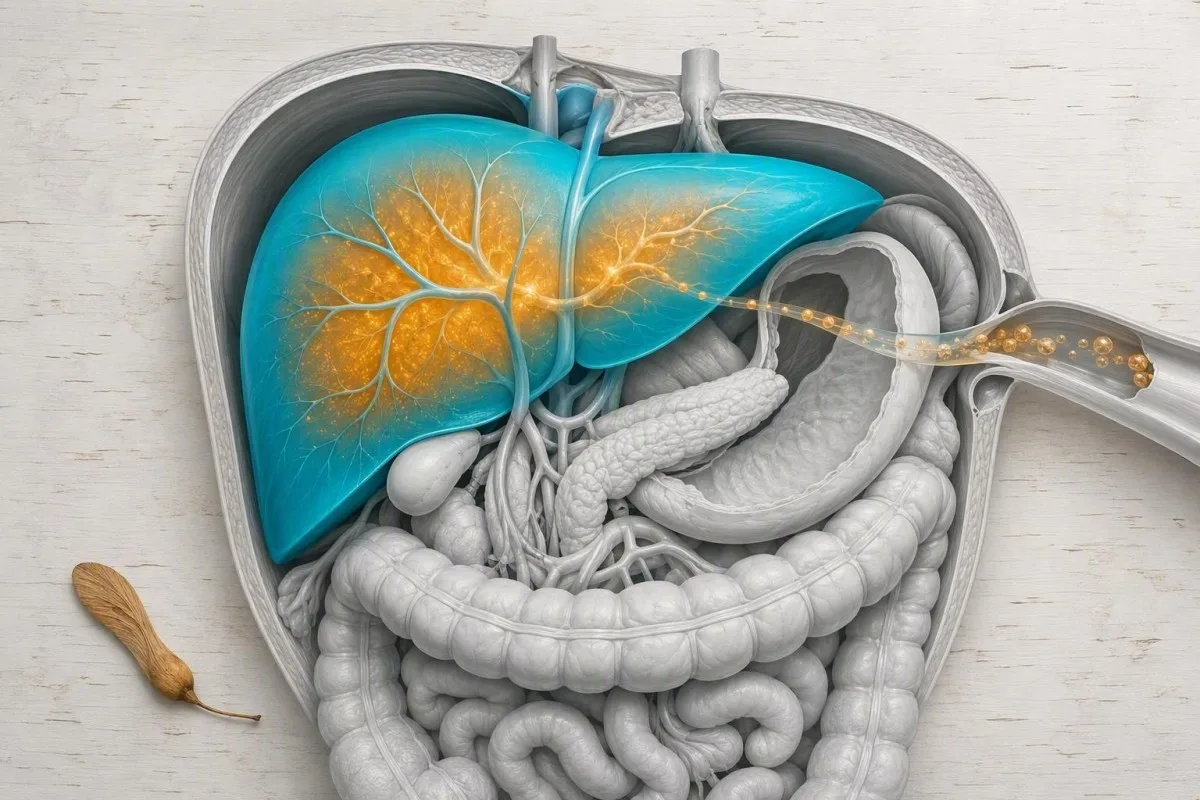
Семирүү - бул төмөн TIBC жана төмөн кан сывороткасындагы темирдин эң кеңири таралган түшүндүрмөсү. Боор сезгенүүнүн курч фазасында трансферринди азыраак өндүрөт, ал эми гепсидин макрофагтардан темирдин бөлүнүп чыгышын жана ичегиге сиңүүсүн чектейт.
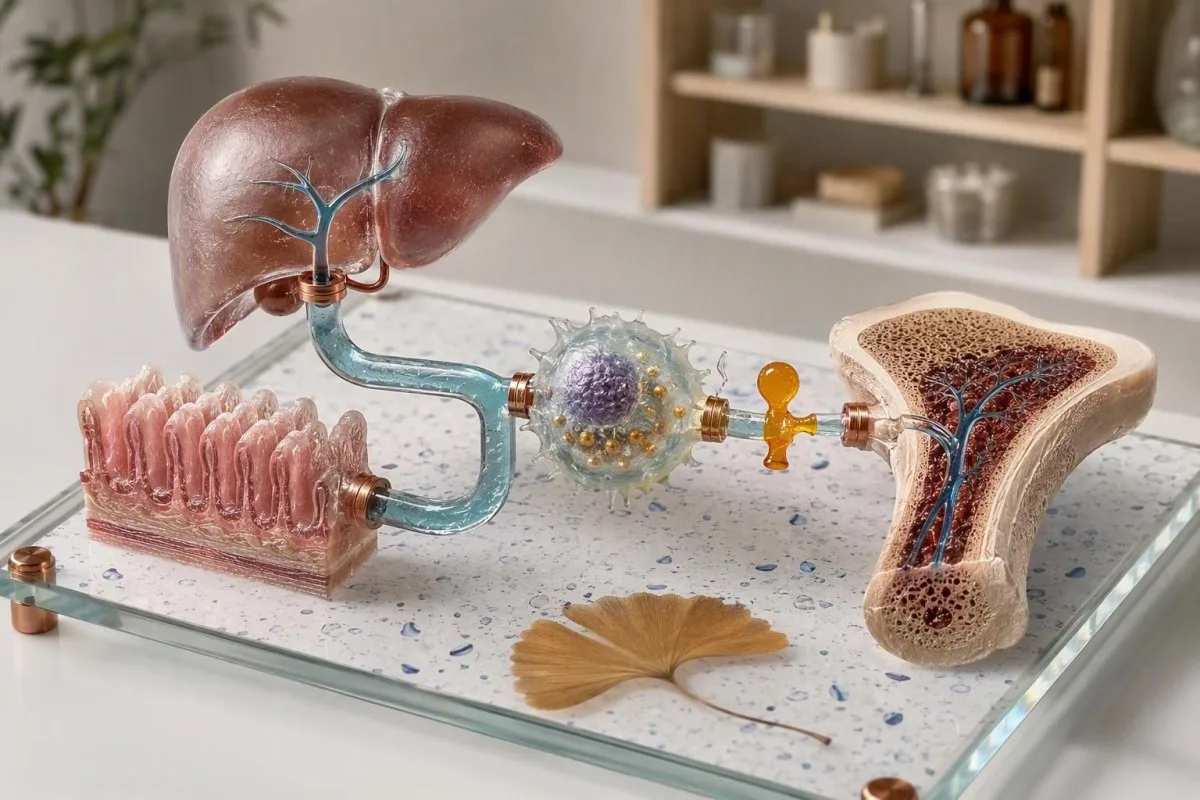
Семирүүгө байланыштуу типикалдуу үлгү кан сывороткасындагы темир 50 мкг/дл төмөн, TIBC 250 мкг/дл төмөн, каныккандык 20% төмөн, жана ферритин 100 нг/мл жогору, бирок бул чектердин бири дагы өз алдынча ооруну аныктабайт. Ферритин сезгенүү сигналы менен жогорулайт, ошондуктан “нормалдуу” ферритин CRP жогорулаганда темирдин жетишсиздигин ишенимдүү түрдө жокко чыгарбайт. Вайс жана башкалар (2019) тарабынан сүрөттөлгөн клиникалык алкак бул айкалышты колдонуу менен абсолюттук темирдин жетишсиздигин функционалдык темирдин чектөөсүнөн айырмалайт, ферритинин өзүнчө эмес.
Курч инфекциялар, аутоиммундук оорулар, өнөкөт бөйрөк оорулары, семиздикке байланыштуу сезгенүү, жакында болгон операция жана рак трансферринди азайтышы мүмкүн. CRP 10 мг/лден жогору Төмөн TIBC реактивдүү болушу ыктымалдуулугун жогорулатат, ал эми эритроциттердин чөгүш ылдамдыгы CRP төмөндөгөндөн кийин жумалап жогору бойдон калышы мүмкүн. Бул жайыраак маркердин контексти үчүн биздин колдонмону караңыз эмне үчүн ESR жай өзгөрөт.
Карама-каршылыктуу жагы - сакталган темир болушу мүмкүн, бирок сөөк чучугуна жеткиликтүү эмес. Kantesti AI, бир AI биомаркер чечмелөө платформасы, бул шайкеш эмес төмөн-темир/төмөн-TIBC үлгүсүн аныктайт жана активдүү оору, бөйрөк функциясы жана сезгенүү маркерлери жөнүндө суроолорду жаратат; ал лабораториялык маалыматтардан гана себебин аныктабайт.
Эрүүчү трансферрин рецептору жардам бергенде
Эрүүчү трансферрин рецептору, адатта, ферритинге караганда сезгенүүдөн аз бурмаланат. Жогорулаган натыйжа ферритин 50–300 нг/мл жана CRP жогорулаганда чыныгы темир-чектүү эритроцит өндүрүшүн колдошу мүмкүн, бирок анализге тиешелүү диапазону аны клиникалык кызматкер тарабынан буйрутмалап, чечмелөө керектигин билдирет.
Боор оорулары эмне үчүн темирди байланыштыруучу кубаттуулукту төмөндөтөт
Боор оорусу TIBCди төмөндөтүшү мүмкүн, анткени гепатоциттер трансферринди синтездейт. Төмөн TIBC, төмөн альбумин, узакка созулган INR, жогорулаган билирубин же анормалдуу AST жана ALT менен бирге темирдин сиңирүүсүнөн боордун өндүрүшүнө жана оорунун оордугуна көңүл бурууну өзгөртүшү керек.
Төмөн трансферрин натыйжасы майлуу боор оорусунда, вирустук гепатитте, алкоголго байланыштуу боордун жабыркашында, өнүккөн фиброздо жана цирроздо пайда болушу мүмкүн, бирок алардын бирин да баскычтоо үчүн жетиштүү эмес. Альбумин 35 г/лден төмөн туруктуу төмөн TIBC менен бирге, айрыкча шишик же салмак жоготуу болсо, туура клиникалык кароону талап кылат. Биздин колдонмодо кеңири үлгүсүн карап чыгыңыз боор панелинин жалпы көрүнүшү.
Мен жакында AST менен чуркоочуну карап чыктым 89 IU/L узун жарыштан кийин жана төмөн-нормалдуу TIBC; AST калыбына келгенден кийин нормалдашты, ал эми альбумин жана билирубин нормалдуу бойдон калды. Көнүгүү бир нече натыйжаларды убактылуу өзгөртүшү мүмкүн, ал эми төмөн TIBC, сарык жана азайган альбумин абдан башка клиникалык көрүнүштү жаратат. Кийинки кадамды өзгөрткөн нерсе - бул айкалышы, жеке AST же TIBC эмес.
Боор оорусунда трансферриндин жогорку каныккандыгы көңүл бурууну талап кылат, анткени трансферриндин төмөндүгү пайызды жасалма түрдө жогорулатышы мүмкүн. 2022-жылы EASL гемохроматоз боюнча көрсөтмөсүндө трансферриндин каныккандыгы аялдарда 43%дан жогору жана эркектерде 50%дан жогору, ошондой эле ферритиндин жогорулашы менен бирге, бир маркерге гана таянгандан көрө, кошумча баалоонун триггери катары колдонулат (European Association for the Study of the Liver, 2022).
Боордун симптомдору тез жардамды талап кылганда
Жаңы сарык, башаламандык, кан кусуу, кара заң же курсактын көрүнүктүү шишиши TIBC деңгээлине карабастан, тез медициналык баалоону талап кылат. Бул симптомдор өт агымынын бузулушун, ичеги-карындын кан кетишин же боордун декомпенсацияланган оорусун көрсөтүшү мүмкүн; биздин карообузду караңыз цирроздун алгачкы белгилери.
Төмөнкү белоктордун статусу же белок жоготуудан улам TIBC төмөндөйт
TIBCнин төмөндүгү белоктордун жетишсиздигинен, боордун синтезинин азайышынан же бөйрөк же ичеги аркылуу белоктордун жоголушунан келип чыгышы мүмкүн. Трансферриндин жарым ажыроо мезгили болжол менен 8 күнгө созулгандыктан, ал курч ооруда альбуминге караганда эрте төмөндөшү мүмкүн, бирок ал дагы деле тамактануунун начар көрсөткүчү.
Төмөн алуу, катуу жүрөк айлануу, сиңирүүнүн бузулушу, өнөкөт диарея, олуттуу күйүктөр жана системалык оорулардын өнүккөн стадиялары трансферринди төмөндөтүшү мүмкүн. Альбумин 30 г/л дан төмөн клиникалык жактан маанилүү белоктордун жетишсиздигин же жоготууну көбөйтөт, бирок сезгенүү да альбуминди төмөндөтүшү мүмкүн. Ушул себептен улам, ар бир төмөн TIBC натыйжасы үчүн жогорку дозадагы темирди жазып берүү негизги көйгөйдү жашырат.
Бөйрөк аркылуу белоктордун жоголушу айлануучу белокторду азайтышы мүмкүн, айрыкча заарадагы альбумин-креатинин катышы көрүнүктүү көтөрүлгөндө же заарадагы белок туруктуу болгондо. Көбүктүү заара, кабактын шишиши, тамандын шишиши жана салмактын көбөйүшү пайдалуу белгилер, бирок протеинуриясы бар көптөгөн адамдар жакшы сезишет. Биздин макала туруктуу көбүктүү заара жөнүндө бул мүмкүнчүлүктү зааранын үлгүсү кантип тактай тургандыгын түшүндүрөт.
Тамактанууну баалоо салмактын өзгөрүшүн, булчуңдардын күчүн, тамакка чыдамдуулукту, тиш же жутуу көйгөйлөрүн жана ичеги-карын симптомдорун камтышы керек — альбуминди гана эмес. Менин тажрыйбамда, байкалбаган жоготуу 5% дене салмагы 6–12 айдын ичинде темир панели бир аз гана анормалдуу көрүнгөндө да, клиницист тарабынан баалоону талап кылат.
Төмөнкү TIBC темирдин ашыкча жүктөлүшүнө качан көрсөтөт
Жогорку кан сарысуу темир жана жогорку трансферрин каныккандыгы менен төмөн TIBC темирдин топтолушун сунуш кылышы мүмкүн, айрыкча каныккандык кайталап ачкарын эртең мененки үлгүдө 43%дан жогору болсо. Бул жөнөкөй темир жетишсиздигине карама-каршы келет, мында TIBC адатта жогорулайт.
Тукум куума гемохроматоз, кайталап куюу, ашыкча темирди колдонуу, натыйжасыз эритропоез жана кээ бир боор оорулары бул үлгүгө алып келиши мүмкүн. Эркектерде 300 нг/млден жогору же аялдарда 200 нг/млден жогору ферритин көбүнчө баалоо үчүн практикалык чек катары колдонулат, бирок ферритин спирт ичимдиктерин колдонуу, метаболизм оорулары жана ткандардын реакциясы менен да көбөйүшү мүмкүн. Биздин гемохроматоз симптомдор боюнча колдонмо бул натыйжаларды клиникалык контекстке коёт.
Эгерде сиз анемия болсоңуз, кош бойлуу болсоңуз, ооруп жатсаңыз же текшерилбесеңиз, кан куюу менен “темирди азайтууга” аракет кылбаңыз. Клиницист ачкандан кийин темирди изилдөөлөрдү кайталап, кошумчаларды жана спирт ичимдиктерин карап чыгып, боор ферменттерин текшерип, HFE генетикалык тестирлөөнү эске алышы мүмкүн, эгерде үлгү туруктуу болсо. Бир жолу ачпай алынган кан сарысуу темирдин мааниси бир белги, бирок вердикт эмес.
Кантести - бул AI менен иштеген кан анализин талдоо куралы TIBC, ферритин, темир, каныккандык, гемоглобин жана боор маркерлерин бирге картага түшүрүү үчүн 30 өлкөдө колдонулат. Биздин AI клиникалык талкуу үчүн каныккандык үлгүсүн белгилейт; диагноз коюу үчүн дагы эле тарых, кайталап текшерүү жана кээде генетика же сүрөттөө талап кылынат.
Төмөнкү TIBC менен темирдин жетишсиздиги болушу мүмкүнбү?
Ооба — темирдин жетишсиздиги сезгенүү, боор оорусу же протеиндин жетишсиздиги трансферринди басаңдаткан учурларда төмөн TIBC менен бирге пайда болушу мүмкүн. Бирок, жөнөкөй темирдин жетишсиздигинде, ферритин төмөндөйт жана TIBC көбүнчө лабораториялык диапазондон жогорулайт.
Ферритин төмөн 15 нг/мл ден соолугу чың чоңдордо темирдин запасы аз экенинин жогорку спецификалык көрсөткүчү болуп саналат, ал эми көптөгөн клиницисттер колдонушат 30 нг/млден төмөн сезгичтикти жогорулатуу үчүн. Сезгенүү учурунда, ферритин төмөндө 100 нг/мл трансферриндин каныккандыгы төмөн болгондо 20% дагы деле темирдин жетишсиздигин колдой алат, айрыкча өнөкөт бөйрөк оорусу же жүрөк жетишсиздиги учурларында. Биздин түшүндүрмөбүздү караңыз анемияга чейинки төмөнкү ферритин симптомдордун үлгүлөрү үчүн.
Мына ошондо CBC өзүнүн ордун табат. Төмөнкү MCV, жогорулаган RDW, азайган ретикулоцит гемоглобини жана төмөнкү ферритин чындап темирдин жетишсиздигин колдойт; нормалдуу же бир аз төмөнкү MCV жогорулаган CRP жана төмөнкү TIBC менен сезгенүүнү көрсөтөт. Айрым учурларда так эместик бар — талассемия trait, B12 жетишсиздиги, бөйрөк оорусу жана жакында куюлган кан муну башаламан кыла алат. Биздин MCV төмөндөө триаж боюнча колдонмо бул атаандаш түшүндүрмөлөрдү камтыйт.
Доктор Томас Клейн бейтаптарга темир менен дарылоону сывороткадагы темирге гана карап баа бербөөнү сунуштайт. Сывороткадагы темир бир күндө 30% же андан көп өзгөрүшү мүмкүн жана тамактангандан кийин; гемоглобиндин реакциясы, ферритиндин тенденциясы, симптомдору жана жетишсиздиктин себеби көбүрөөк мааниге ээ.
Дары-дармектер, кош бойлуулук жана TIBCге убакыттын таасири
Эстрогендин таасири жана кош бойлуулук көбүнчө трансферринди жана TIBCти жогорулатат, ал эми курч оору, кортикостероиддер жана оор системалык стресс аны төмөндөтүшү мүмкүн. Дары-дармектердин тарыхы жана жашоо этабы сейрек кездешүүчү диагноз каралаардан мурун күтүлбөгөн натыйжаны түшүндүрүп бере алат.
Оозеки контрацептивдер жана кош бойлуулук көбүнчө трансферриндин өндүрүшүн көбөйтөт, андыктан кош бойлуулук учурундагы төмөн TIBC төмөн альбумин, сезгенүү же боордун аномалиялары менен айкалышканда көбүрөөк байкалат. Кош бойлуулукка байланыштуу ферритинди чечмелөө башкача: деңгээл төмөндө 30 мкг/л кош бойлуулук учурунда темирдин жетишсиздигин аныктоо үчүн кеңири колдонулат. Биздин триместр боюнча ферритин боюнча колдонмону караңыз, кош бойлуу эмес диапазондорду колдонбоңуз.
Темир таблеткалары бир нече саат бою сывороткадагы темирди жана каныккандыгын убактылуу көбөйтүшү мүмкүн, бул төмөн TIBCти темирдин ашыкча болушу сыяктуу кылып көрсөтүшү мүмкүн. Эгерде буйрутма берген клиницист макул болсо, анда оозеки темирди 24 hours анализдөө алдында токтотуп, эртең мененки үлгү чогултуу таза панелди берет. Практикалык деталдары биздин TIBC даярдоо боюнча колдонмо.
Дары-дармектерди кароого кубатсыздандыруучу каражаттарды, химиотерапияны, иммуносупрессанттарды, тестостерон же эстроген терапиясын жана венага темирди киргизүү керек — ар бири түздөн-түз төмөнкү TIBC себепкер болбогондуктан, алар боордун тесттерин, сезгенүүнү, кызыл кан клеткасынын өндүрүшүн же темирдин бөлүштүрүлүшүн өзгөртө алышат. Лабораториялык натыйжаны жакшыртуу үчүн эч качан дайындалган дарыны токтотпоңуз.
Төмөнкү TIBC натыйжасы убактылуу же туура эмес болушу мүмкүнбү?
Төмөнкү TIBC натыйжасы курч оору учурунда, вена ичине суюктук куюлгандан кийин же сывороткадагы темир убакытка жараша өзгөргөндө убактылуу болушу мүмкүн, бирок туура иштетилген TIBC анализи, адатта, аналитикалык жактан ишенимдүү. Чыныгы натыйжаны клиникалык контекстинен тышкары чечмелөө чоң тобокелчилик болуп саналат.
TIBC көбүнчө темирди сывороткага кошуп, байланышпаган темирди кетирип, калганын санын аныктоо менен өлчөнөт; түз трансферрин иммундук анализдөө башка ыкманы колдонот. Гемолиз, катуу липемия жана сейрек кездешүүчү парапротеиндер кээ бир лабораториялык анализдерге тоскоолдук кылышы мүмкүн. Мурунку тенденцияларга карама-каршы келген күтүлбөгөн өзгөрүү, коркуунун ордуна кайталап текшерүүнү талап кылат; биздин delta-check түшүндүрмөсү клиницисттердин күтүлбөгөн өзгөрүүлөргө кандайча ой жүгүртөөрүн көрсөтөт.
Дарылоону өзгөртө турган натыйжа болгондо, кайталап текшерүү эң пайдалуу. Суук тийгенде же аутоиммундук жанданууда TIBC төмөн болгон туруктуу адам үчүн, мен адатта кайталап темир изилдөөлөрүн favors 4–8 жума айыккандан кийин, CBC, ферритин, CRP, боор панелин жана альбумин менен бирге. Сарык, катуу анемия же 45% жогору болгон насыктануу үчүн, убакыт чеги кыскараак.
Kantesti AI болжол менен 60 секунддун ичинде жүктөлгөн отчетторду талдайт жана даталарды, бирдиктерди жана эталондук диапазондорду салыштырууга жардам берет, бирок OCR кемчиликсиз эмес. Сыворотка темир ферритин менен чаташтырылбаганын жана µmol/L µg/dL катары окулбаганын текшериңиз; бизди колдонуңуз PDF жүктөө боюнча текшерүү тизмеси санариптик кыскача маалыматка ишенээр алдында.
Төмөнкү TIBC кийин дарыгерлер колдонгон кийинки тесттер
Төмөн TIBCден кийинки кийинки кадам, адатта, үлгүгө негизделген панел болуп саналат: CBC, ферритин, сыворотка темир, трансферрин каныккандыгы, CRP же ESR, альбумин жана боор ферменттери. Заарадагы белокту текшерүү, бөйрөк функциясы, эриген трансферрин рецептору же генетикалык текшерүү баштапкы үлгү ошол жакка багытталганда гана кошулат.
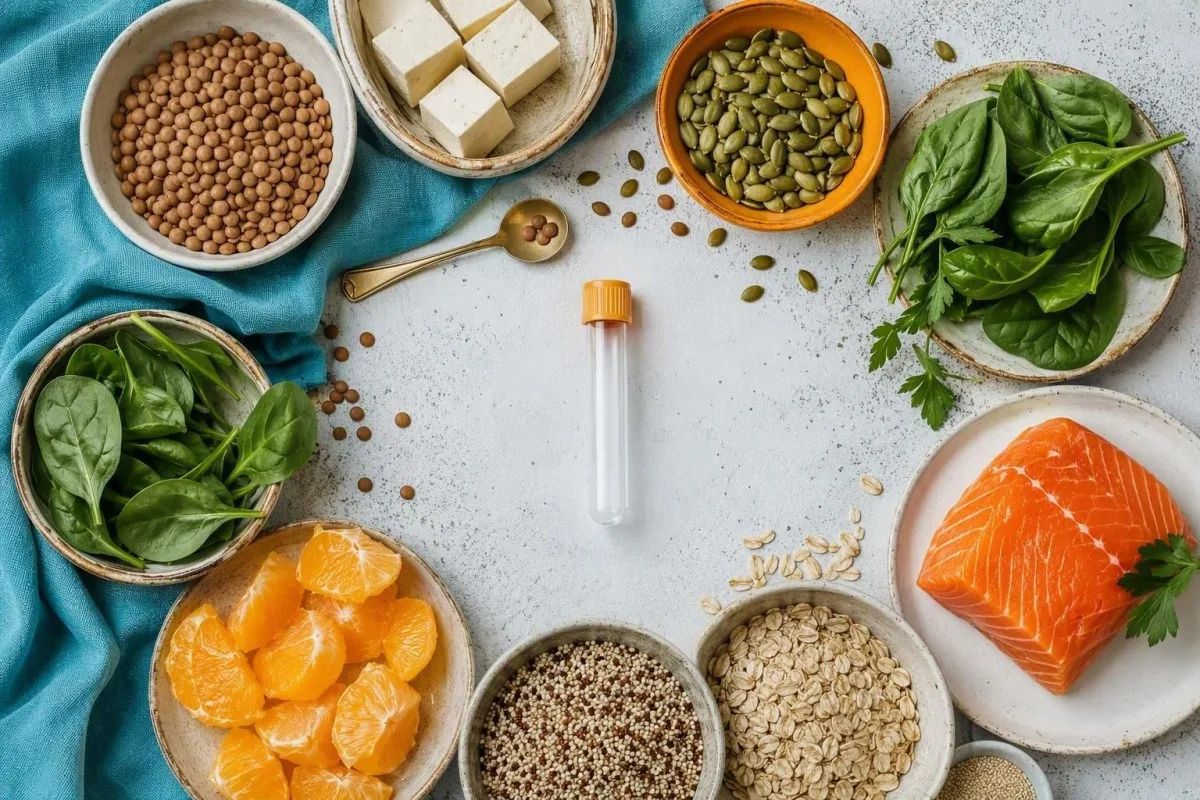
Акылга сыярлык биринчи өтүүчү топтомго гемоглобин, MCV, RDW, ферритин, темир, TIBC же трансферрин, каныккандыгы, CRP, ALT, AST, ALP, билирубин, альбумин, креатинин жана eGFR кирет. Трансферриндин каныккандыгы 20%ден төмөн темирдин жетишсиздигин билдирет, ал эми туруктуу маанилер жогору 45% темирди ашыкча жүктөө боюнча баалоону талап кылат. Жооп бул баалуулуктардын ортосундагы мамиледе, бир эле учурда ар бир адистик тестти заказ кылууда эмес.
Инфламация бар жана ферритин ambiguous болсо, эриген трансферрин рецептору же ретикулоцит гемоглобини дарылоого мүмкүн болгон темирдин жетишсиздигин аныктоого жардам берет. Альбумин төмөн болсо, заара анализи жана заара ACR бөйрөк белок жоготуусун текшере алат; боордун көрсөткүчтөрү анормалдуу болсо, гепатитти текшерүү жана УЗИ ылайыктуу болушу мүмкүн. Трансферрин каныккандыгынын төмөн болушу төмөн TIBCден башка мааниге ээ, бирок алар көбүнчө чогуу жүрөт.
Kantesti’тин нейрондук тармагы бир эле сүрөттү эмес, натыйжалардын траекторияларын салыштырат, бул маанилүү, анткени ферритин жана CRP бир нече жума бою карама-каршы багыттарда жылышы мүмкүн. Методология жана клиникалык чектөөлөр биздин медициналык тастыктоо боюнча сереп; натыйжаны чечмелөө - бул клиницист менен болгон сүйлөшүүгө даярдык, анын ордуна эмес.
Диагнозду өзгөртө турган төрт төмөнкү TIBC үлгүсү
Төмөн TIBC төрт үлгү катары окулганда пайдалуу болот: сезгенүү, боор же белоктун бузулушу, темирдин ашыкча жүктөлүшү же аралаш темирдин жетишсиздиги жана сезгенүү. Ар бир үлгү ар кандай дарылоо жолуна жана ар кандай коопсуздук көйгөйлөрүнө ээ.
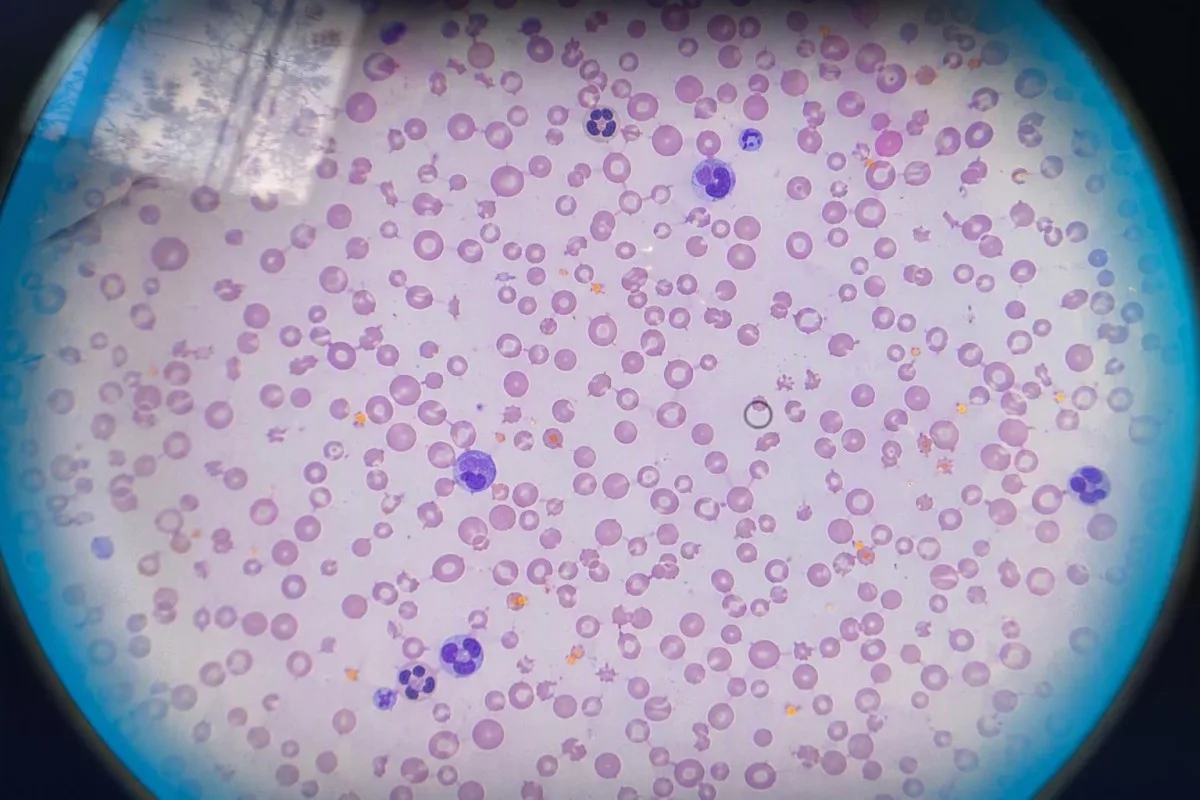
Сезимталдык: темирдин аздыгы, TIBC аз, каныккандыгы көбүнчө 20% төмөн, ферритин нормалдуу же жогору, CRP көтөрүлгөн. Боор/белок үлгүсү: төмөн TIBC альбуминдин аздыгы жана мүмкүн болгон анормалдуу билирубин, INR же боор ферменттери менен. Темирдин топтолушунун үлгүсү: TIBCнин төмөндүгү же нормалдуулугу, темирдин каныккандыгы 45% жогору жана ферритиндин көбөйүшү. Булар баштапкы чекиттер, катаал кутучалар эмес.
Аралаш жетишсиздик: ферритин 30–100 нг/мл, каныккандык 20% төмөн, TIBC төмөн же нормалдуу, жана CRP жогорулашы мүмкүн. Бул жагдайда, сезгенүү оорусун дарылоо жана кан жоготуу же сиңирбөө маселесин баалоо экөө тең зарыл болушу мүмкүн. Ашказан-ичеги симптомдору, оор этек кир, жана сезгенүүгө каршы дары-дармектерди колдонуу жөнүндө түз суроолорду берүү керек — бейтаптар көбүнчө суралмайынча, аларды ыктыярдуу түрдө айтышпайт.
Бейтаптар үчүн, пайдалуу суроо “Мен TIBCни кантип көбөйтөм?” эмес, “Трансферринди эмне азайтты же темирдин бөлүштүрүлүшүн өзгөрттү?” Биздин ферритин жана CRP жетекчилик кылат кошумчаны тандоодон мурун бул айырмачылыкты жасоого жардам берет.
Төмөнкү TIBC белгисин көргөндөн кийин эмне кылбоо керек
Ферритин, каныккандык, гемоглобин жана клиникалык контекст текшерилмейинче, төмөн TIBCни темир менен өз алдынча дарылабаңыз. Төмөн натыйжа кандын темирге жетпей турганын билдирбейт, жана темирдин ашыкча болушу темирдин топтолушу же боорго байланыштуу үлгүлөрдө туура эмес болушу мүмкүн.

“Темир байланыштыруучу жөндөмдүүлүк төмөн” деген отчеттун негизинде жогорку дозадагы темирди сатып алуудан алыс болуңуз. Кадимки терапевттик темир дозалары камтыйт 45–65 мг элементтүү темир таблеткасына, жүрөк айлануу, ич катуу жана кара табуретке алып келүү үчүн жетиштүү; туура эмес адамда, алар сезгенүүнү же боор оорусун чечпестен темирдин кампасын көбөйтүшү мүмкүн. Көпчүлүк адамдар үчүн тамак-аш биринчи ыкмалары акылга сыярлык, бирок алар анемияны баалоону алмаштыра алышпайт.
Инфекция, семирүү, аутоиммундук оору, же жакында операция болгон учурда жетишсиздикти жокко чыгаруу үчүн жалгыз ферритин натыйжасын колдонбоңуз. Ал эми гемоглобин, ферритин, калкан бези, уйку, маанай, дары-дармектер жана бөйрөк функциясы эске алынбаса, чарчоону темирге байланыштырууга болбойт. Биздин чарчоо үчүн кошумча колдонмо лабораториялык жетекчиликке алынган тандоолор эмне үчүн коопсуз экенин түшүндүрөт.
Акырында, кемчиликсиз TIBC санын куубаңыз. Менин клиникалык тажрыйбамда, өнөкөт сезгенүүнү жоюу, целиак оорусун дарылоо, бөйрөк оорусун көзөмөлдөө, кан жоготууну токтотуу, же тамактанууну жакшыртуу трансферринди түздөн-түз көбөйтүүгө аракет кылуудан алда канча маанилүү темир панелин өзгөртөт.
Тамак-аш, калыбына келтирүү жана негизги себепти колдоонун реалдуу жолдору
Тамак-аш темирди алууну жана белоктордун абалын колдой алат, бирок диета гана активдүү сезгенүү, олуттуу боор оорусу, нефроттик протеин жоготуу, же темирдин ашыкча болушунан улам пайда болгон төмөн TIBCни оңдой албайт. Тамактануу планы лабораториялык үлгүгө дал келиши керек.
Эгерде темирдин жетишсиздиги ырасталган болсо, балык, канаттуулар жана эттеги гемоглобин темир, буурчак өсүмдүктөрү, тофу, жасмык, уруктар жана бекемделген дан азыктарындагы гемоглобин эмес темирге караганда эффективдүү сиңет. Курамында С витамини бар жемиштер гемоглобин эмес темирдин сиңүүсүн жакшыртат, ал эми тамак менен бирге ичилген чай жана кофе аны азайтышы мүмкүн. Биздин практикалык колдонмо гем жана гем эмес темир азыктары тамак-аш деңгээлиндеги варианттарды берет.
Эгерде белоктун сиңүүсү начар болсо, жөнгө салынбаган “трансферрин стимуляторлорун” кошкондон көрө, белок булагы бар үзгүлтүксүз тамактарды жегенге аракет кылыңыз. Чоңдор үчүн белоктун жалпы максаттары көбүнчө күнүнө 0.8 г/кг, тегерегинде болот, ал эми улгайган адамдар, курч оорулар, спорттук машыгуулар жана бөйрөк оорулары жекече кеңештерди талап кылат. Өнөкөт бөйрөк оорусу бар адамдар реналдык тобу менен кеңешпей туруп, белокту көбөйтпөшү керек.
Калыбына келтирүү туура ретест терезесин тандоону да билдирет. Жөнөкөй жетишсиздикте эффективдүү темир менен дарылоодон кийин гемоглобин, адатта, болжол менен 2–4 жума ичинде 10–20 г/л көтөрүлөт, бирок сезгенүү же боордун синтези негизги фактор бойдон калса, TIBC ошол графикте нормалдашпай калышы мүмкүн.
Төмөнкү TIBC натыйжасы качан тезинен медициналык кароону талап кылат
Узакка созулган төмөн TIBC үчүн дайыма клиницисттин кароосун уюштуруңуз жана эгерде ал сарык, башаламандык, көкүрөк оорусу, эс алуу учурунда дем алуу, эстен тандоо же ичеги-карындын кан кетиши сыяктуу олуттуу симптомдор менен коштолсо, тез жардамга кайрылыңыз. Шашылыш түрдө иш-аракет кылуу, TIBC маанисине гана эмес, адамга жана коштолгон натыйжаларга жараша болот.

TIBC кайталап текшерүүдө диапазондон төмөн бойдон калса, ферритин күтүүсүз жогору болсо, каныккандык 45%, гемоглобин төмөндөп жатса, альбумин 35 г/л, төмөн болсо, же боордун тесттери анормалдуу болсо, өз убагында жолугушууга жазылыңыз. Мурунку жыйынтыктарды, дары-дармектерди жана кошумча тизмелерди, жакында болгон оору тарыхын, этек кир тарыхын, алкоголдук ичимдиктерди ичүүнү, диетадагы өзгөрүүлөрдү жана темирдин ашыкча болушу же боор оорусунун үй-бүлөлүк тарыхын алып келиңиз. Жакшы уюштурулган убакыт тилкеси экинчи жолугушууну үнөмдөй алат.
Бир күндөгү жардам кара, табуретка, кусуп кан, уйкусураган сары тери, катуу алсыздык менен коштолгон жогорку ысытма, же сүйлөөгө тоскоол болгон дем алуу үчүн акылга сыярлык. Бул симптомдор кан кетүү, инфекция, оор анемия же боордун компенсациясы болушу мүмкүн, жана башка темир панелинин күтүү кооптуу эмес. Структураланган даярдык үчүн биздин дарыгерге баруу үчүн лабораториялык текшерүү тизмеси.
10-сентябрь, 2026-жылга карата эң коопсуз билдирүү жөнөкөй бойдон калууда: Төмөн TIBC трансферрин биологиясы жөнүндө түшүнүк, диагноз эмес жана темир үчүн автоматтык себеп эмес. Kantestiтин клиникалык мазмуну биздин Медициналык кеңеш, менен каралат, бирок сиздин клиницистиңиз физикалык кароо, симптомдор, дары-дармектер жана жергиликтүү лабораториялык ыкмаларды интеграциялай алат.
Ашыкча реакция кылбастан төмөнкү TIBC натыйжасын кантип байкоо керек
Төмөн TIBCди дата, оорунун абалы, ферритин, каныккандык, CRP, альбумин, гемоглобин жана дарылоо өзгөрүүлөрү менен бирге байкап туруңуз. Эки же үч салыштырмалуу үлгүнүн тренди, адатта, бир диапазондон тышкары өлчөөгө караганда көбүрөөк маалымат берет.
Ар бир үлгү ач карын болгонбу, 24 сааттын ичинде темир алдыңызбы, ысытма же оор көнүгүү болгонбу, жана бир эле лаборатория колдонулганбы, жазып коюңуз. TIBCден өзгөрүү 225ден 245 мкг/длге чейин кадимки биологиялык жана аналитикалык вариация болушу мүмкүн, ал эми пневмониядан айыккандан кийин 225тен 340 мкг/длге чейин клиникалык жактан маанилүү болушу мүмкүн. Биздин кан анализин салыштыруу боюнча колдонмо сакталуучу контексттик деталдарды көрсөтөт.
Kantesti — дарыгерлердин AI лабораториялык тест чечмелөө кызматы аркылуу жарыяланат, узак мөөнөттүү отчетторду уюштура алат жана эмне үчүн төмөн TIBC, ферритин, CRP жана альбумин чогуу жылышы же айырмаланышы мүмкүн экендигин түшүндүрө алат. Ал сиздин суроолоруңузду такыраак кылуу үчүн иштелип чыккан: “Бул сезгенүү темирдин чектөөсү болушу мүмкүнбү?” “Менин темир азбы?” дегенге караганда пайдалуураак.”
Жылуу жагы - көптөгөн ТИБКнын төмөн көрсөткүчтөрү убактылуу сезгенүү абалын же калыбына келүүчү тамактануу жана калыбына келтирүү маселесин чагылдырат. Этият болуу жагы дагы реалдуу: анемия, боордун анормалдуу тесттери, шишик же жогорку каныккандык менен коштолгон туруктуу натыйжалар интернеттеги божомолдоолорго караганда тийиштүү клиникалык байкоону талап кылат.
Көп берилүүчү суроолор
Төмөнкү TIBC кандай симптомдорду пайда кылат?
Төмөнкү TIBC өз алдынча симптомдорду жаратпайт, анткени ал темирди байланыштыруучу сыйымдуулукту ченеп, түз сезе турган дене функциясын эмес. Чарасыздык, алсыздык, дем алуу, ысытма, шишиген буттар, сарык же муундардагы оору сыяктуу симптомдор анемия, сезгенүү, боор оорусу, белоктордун жоголушу же ашыкча темир сыяктуу себептерден келип чыгат. Кош бойлуу эмес аялдарда 120 г/л же эркектерде 130 г/л төмөнкү гемоглобин анемияга байланыштуу симптомдорду жаратышы мүмкүн. Көкүрөк оорусу, эс-учун жоготуу, баш аламандык, кара заң, катуу дем алуу же уйкусуроо менен сарык үчүн шашылыш баалоо талап кылынат.
Төмөнкү TIBC төмөнкү трансферринге барабарбы?
Төмөнкү TIBC, адатта, төмөнкү трансферринди чагылдырат, бирок эки тест техникалык жактан бирдей эмес. Трансферрин - бул боордо жасалган алып жүрүүчү белок, ал g/L же mg/dL боюнча түздөн-түз өлчөнөт, ал эми TIBC трансферриндин пулу канча темирди байланыштыра аларын баалайт жана көбүнчө µg/dL же µmol/L боюнча билдирилет. Кадимки чоңдордо TIBC болжол менен 250–450 µg/dL, бирок лабораториялык шилтеме диапазондору айырмаланат. Экөөнүн тең төмөнкү натыйжалары сезгенүү учурунда жана боордогу белок синтезинин төмөндөшү менен кеңири таралган.
TIBCнин аздыгы темирдин жетишсиздигин билдиреби?
Төмөнкү TIBC, адатта, жөнөкөй темир жетишсиздигин билдирбейт; классикалык темир жетишсиздиги көбүнчө төмөнкү ферритинди жана жогорку TIBCди шарттайт. Темир жетишсиздиги сезгенүү, боор оорусу же белоктун жетишсиздиги менен коштолгондо аралаш үлгү пайда болушу мүмкүн, бул TIBCди басат. Ферритиндин 15 нг/млден төмөн болушу дени сак чоң кишилерде темирдин жетишсиздигин күчтүү колдойт, ал эми ферритиндин 100 нг/млден төмөн жана трансферрин каныккандыгынын 20%ден төмөн болушу сезгенүү учурунда жетишсиздикти көрсөтө алат. Темирди баштоодон мурун CBC, ферритин, CRP жана каныккандык керек.
Темирдин аздыгы менен бирге ТБКнын (жалпы темир байланыштыруучу сыйымдуулугунун) аз болушуна эмне себеп болот?
Төмөнкү TIBC жана төмөнкү кан сары суусундагы темир көбүнчө сезгенүүгө байланыштуу темирдин чектөөсүн чагылдырат. Бул үлгүдө, гепсидин темирдин канга чыгышын азайтат, ал эми боор трансферринди азыраак өндүрөт, бул темирдин аздыгын, TIBCнин аздыгын, каныккандыгын көбүнчө 20%ден төмөн жана нормалдуу же жогору болушу мүмкүн болгон ферритинди пайда кылат. Өнөкөт бөйрөк оорусу, инфекция, аутоиммундук оору, семирүүгө байланыштуу сезгенүү, жакында операция, жана рак бул үлгүсүн жаратышы мүмкүн. 10 мг/л жогору болгон CRP активдүү сезгенүүнү колдойт, бирок анын булагын аныктай албайт.
Төмөн TIBC жана жогорку ферритин эмнени билдирет?
Төмөнкү TIBC жана жогорку ферритин көбүнчө сезгенүү, боор оорусу, метаболизмдин бузулушу, алкоголго байланыштуу боордун жабыркашы же ашыкча темир менен коштолот. Ферритин темирди сактоочу маркер жана курч фазадагы белок болуп саналат, андыктан жогорку маани ашыкча сакталган темирди билдирбейт. Төмөнкү 45% жогорулаган ферритин менен бирге трансферриндин каныккандыгы темир жүктөлгөндүгүнө тынчсызданууну жаратат жана клиницист жетектеген баалоону талап кылат. Альбумин, CRP, ALT, AST, билирубин жана толук кандын саны себептерин айырмалоого жардам берет.
Эгер менин TIBCм төмөн болсо, темир ичишим керекпи?
Төмөнкү TIBC боюнча темирди гана ичпеңиз. Темир жетишсиздиги жалпы көрүнүшү менен далилденгенде, көбүнчө төмөн ферритин, төмөн каныккандык жана шайкеш келген CBC жыйынтыктарын камтыганда, оозеки темир туура келет; көптөгөн терапевттик продуктулар таблеткасына 45–65 мг элементтик темирди камтыйт. TIBCнин төмөндөшү сезгенүү, боордун бузулушу, белоктун жоголушу же темирдин ашыкча болушунан келип чыкса, темир пайдасыз же туура эмес болушу мүмкүн. Алгач ферритин, трансферрин каныккандыгы, гемоглобин, CRP жана боордун тесттерин карап чыгуу үчүн клиницисттен сураңыз.
Бүгүн AI менен күчөтүлгөн кан анализин талдоону алыңыз
Дүйнө жүзү боюнча 2 миллиондон ашык колдонуучу Kantestiти заматта, так лабораториялык анализ талдоосу үчүн ишенет. Кан анализиңизди жүктөп, бир нече секунд ичинде 15,000+ биомаркерлеринин комплекстүү чечмелөөсүн алыңыз.
📚 Шилтемеленген изилдөө басылмалары
Кляйн, Т., Митчелл, С., & Вебер, Х. (2026). Заарадагы уробилин: Толук заара анализинин колдонмосу 2026. Zenodo. https://doi.org/10.5281/zenodo.18226379. ResearchGate жана Academia.edu жазуу шилтемелери жарыяланган DOI аркылуу жеткиликтүү.. Kantesti AI медициналык изилдөө.
Кляйн, Т., Митчелл, С., & Вебер, Х. (2026). Темирди изилдөө боюнча колдонмо: TIBC, темирдин каныккандыгы жана байланыш жөндөмдүүлүгү. Zenodo. https://doi.org/10.5281/zenodo.18248745. ResearchGate жана Academia.edu жазуу шилтемелери жарыяланган DOI аркылуу жеткиликтүү.. Kantesti AI медициналык изилдөө.
📖 Тышкы медициналык шилтемелер
⚕️ Медициналык эскертүү
Бул макала билим берүү максатында гана жана медициналык кеңеш болуп саналбайт. Диагноз коюу жана дарылоо чечимдери үчүн дайыма квалификациялуу саламаттыкты сактоо адисине кайрылыңыз.
E-E-A-T ишеним сигналдары
Тажрыйба
Дарыгер жетектеген лабораториялык чечмелөө иш процесстерин клиникалык кароо.
Экспертиза
Биомаркерлер клиникалык контекстте кандай жүрөрүнө лабораториялык медицина багыты.
Авторитеттүүлүк
Доктор Томас Клейн жазган, доктор Сара Митчелл жана профессор доктор Ханс Вебер тарабынан каралган.
Ишенимдүүлүк
Тынчсызданууну азайтуу үчүн так кийинки кадамдар менен далилге негизделген чечмелөө.