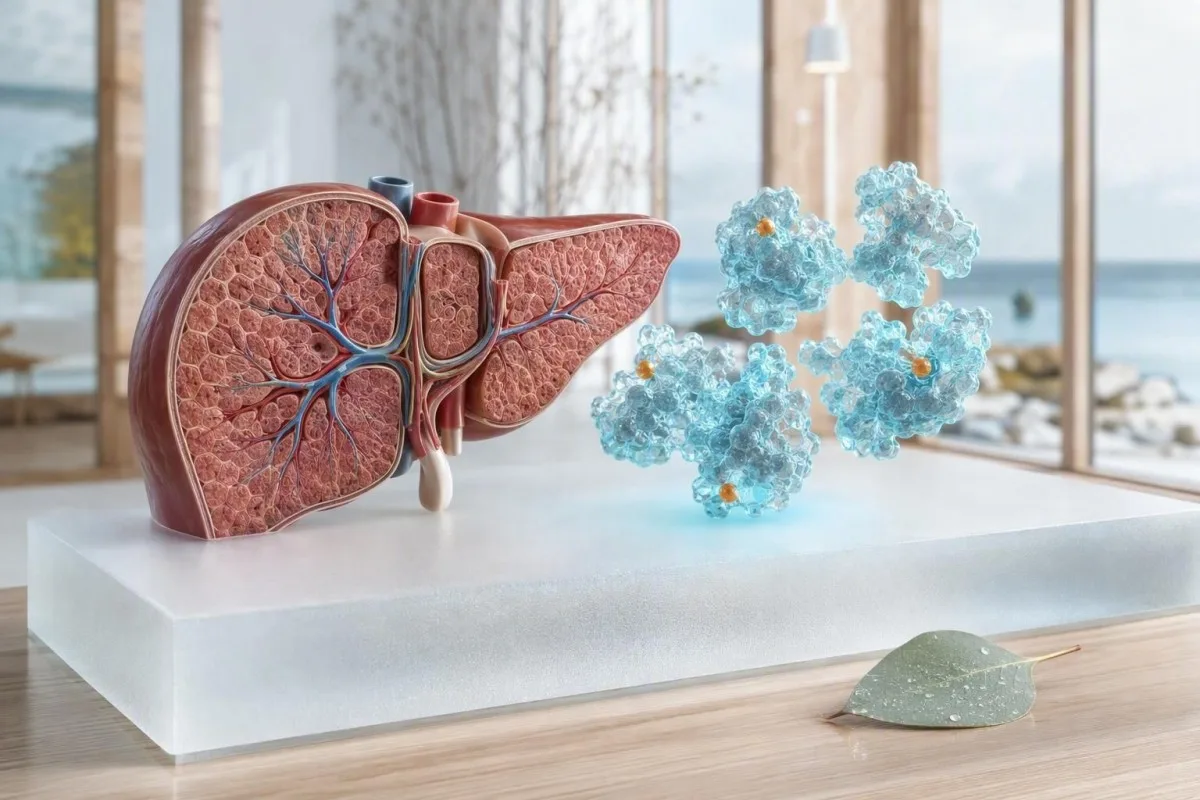
Asil TIBC sing cendhèké jarang nyebabaké gejala kanthi dhéwé. Gejala kasebut asale saka kondisi sing ngowahi produksi transferrin, penanganan zat besi, utawa keseimbangan protein.



- TIBC kurang biasane tegese transferrin luwih sithik sing kasedhiya kanggo nggawa zat besi; akeh laboratorium diwasa nggunakake kira-kira 250–450 µg/dL (45–80 µmol/L) minangka interval referensi.
- Gejala ora langsung: fatigue, demam, nyeri sendi, bengkak, penyakit kuning, utawa mundhut bobot nuduhake penyakit dhasar tinimbang TIBC cendhèk iku dhewe.
- Pola inflamasi biasane nuduhake zat besi serum cendhèk, TIBC cendhèk, saturasi transferrin kurang saka 20%, lan ferritin sing normal utawa mundhak.
- Pola kekurangan zat besi biasane ngasilake ferritin cendhèk lan TIBC sing dhuwur—dudu cendhèk—yen inflamasi utawa penyakit ati ana ing wektu sing padha.
- Saturasi transferrin diétung minangka zat besi serum dibagi TIBC × 100; nilai sing luwih saka 45% mbutuhake penilaian kanggo pemuatan zat besi nalika terus-terusan.
- Albumin penting amarga transferrin minangka protein sing digawe ati; albumin cendhèk kanthi TIBC cendhèk bisa nuduhake sintesis sing suda, asupan sing kurang, kelangan protein, utawa penyakit sistemik.
- Tinjauan mendesak cocok kanggo kebingungan, penyakit kuning, tinja ireng, sesak ambegan nalika ngaso, bengkak sing cepet mundhak, utawa demam kanthi kelemahan parah.
- Coba maneh kanthi cerdas tegese ngindhari tablet zat besi sadurunge panel zat besi sajrone 24 jam, yen disetujoni dening dokter, lan ngundhangake tes rutin sajrone penyakit demam akut yen bisa.
Apa tegesé asil TIBC cendhèk
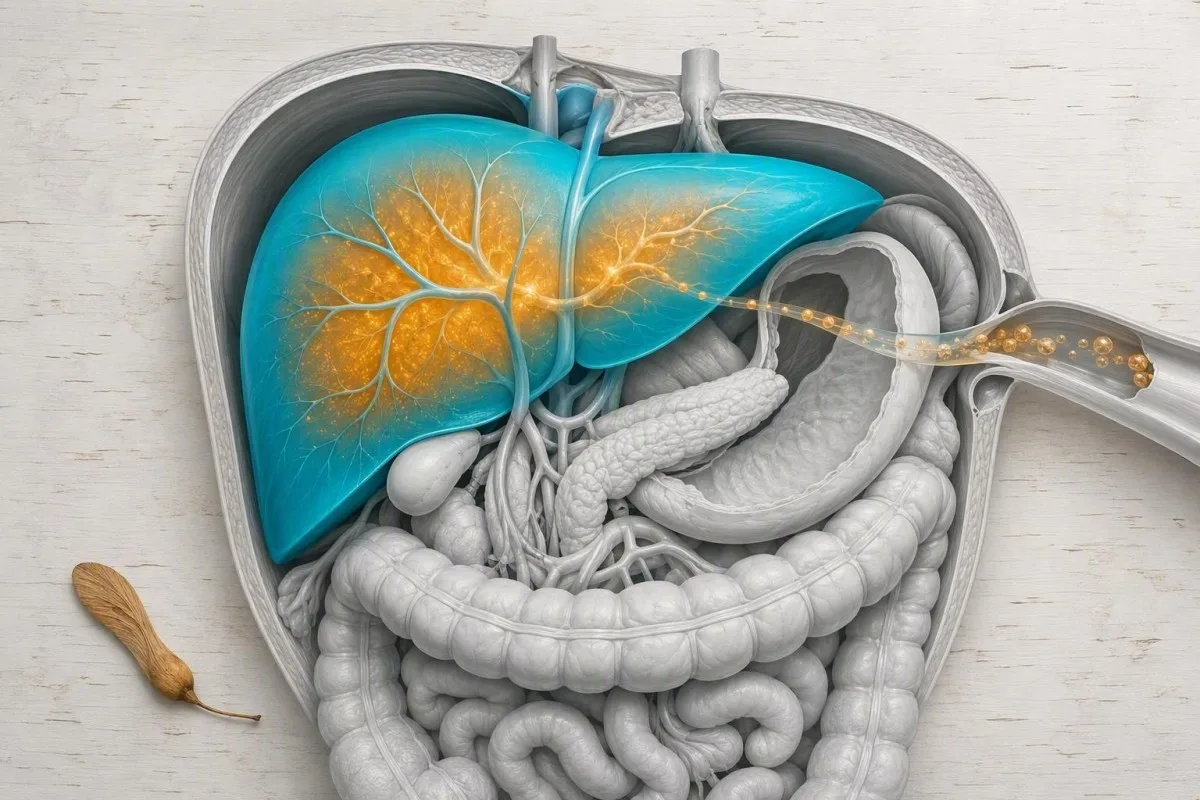
Kapasitas ngiket zat besi total sing sithik tegese getih duwe kapasitas transferrin sing luwih sithik kanggo ngiket zat besi. TIBC minangka ukurane transferrin, protein sing biasane digawe dening ati; iki dudu ukurane langsung babagan sejatine pirang-pirang zat besi sing disimpen dening awakmu.

Umume laboratorium nglapurake TIBC diwasa watara 250–450 µg/dL utawa 45–80 µmol/L, nanging interval sing dicithak ing jejere asilmu luwih penting amarga kalibrasi tes beda. Nilai 210 µg/dL ora mbebayani kanthi otomatis; Aku interpretasi ing jejere serum iron, ferritin, transferrin saturation, C-reactive protein, albumin, lan hitungan getih lengkap. Kita rinci pandhuan sinau wesi nerangake kenapa ora ana siji penanda zat besi sing bisa njawab kabeh pitakonan.
TIBC lan transferrin gegandhengan cedhak nanging ora padha tes. Transferrin diukur minangka konsentrasi protein, asring ing g/L utawa mg/dL, dene TIBC ngira-ira kapasitas ngiket zat besi maksimum saka transferrin sing sirkulasi; sawetara laboratorium ngitung siji saka liyane. Analisa tes getih AI menehi interpretasi TIBC sing sithik ana hubungane karo liyane saka panel zat besi tinimbang nganggep tandha tunggal minangka diagnosis.
Rincian praktis sing asring dilewati pasien: wong sing padha bisa duwe TIBC sing sithik nalika penyakit virus lan nilai sing luwih dhuwur sawetara minggu sabanjure tanpa suplemen apa wae sing ngganti. Pendekatan Dr. Thomas Klein yaiku takon dhisik apa sampel dijupuk nalika infeksi, sawise perawatan rumah sakit, utawa nalika kembange inflamasi anyar; wektu iku asring nyegah resep zat besi sing ora perlu.
Kalkulasi ing mburi transferrin saturation
Transferrin saturation padha karo serum iron ÷ TIBC × 100. Serum iron 50 µg/dL karo TIBC 250 µg/dL menehi saturasi saka 20%, nalika serum iron padha karo TIBC 125 µg/dL menehi 40%; nomer cilik bisa nggawe saturasi katon deceptively nggawe lega utawa dhuwur.
Gejala TIBC cendhèk: apa sing bisa dirasakake lan apa sing ora bisa dirasakake
TIBC sing sithik dhewe biasane ora nyebabake gejala sing khas. Fatigue, toleransi olahraga sing suda, demam, kembung weteng, nyeri sendi, utawa kuning ing mata muncul saka anemia, inflamasi, disfungsi ati, malnutrisi, utawa kelebihan zat besi—dudu saka nomer TIBC wae.

Nalika TIBC sing sithik ngiringi hemoglobin ing ngisor 120 g/L ing wanita sing ora ngandheg utawa 130 g/L ing wong lanang, kesel, sesak ambegan nalika munggah tangga, palpitasi, lara kepala, lan rasa entheng bisa uga nuduhake anemia. Nanging anemia inflamasi bisa entheng lan isih nggawe pasien kesel amarga sitokin ngowahi pangiriman zat besi menyang sumsum. Bandhingake iki karo gejala sel darah abang sing endhek yen CBC-mu uga ditandhani.
Gejala sing nggawe aku luwih prihatin babagan panyebab sing ana gandhengane karo ati utawa protein kalebu bengkak sikil, rasa kebak weteng anyar, bruising gampang, gatal, urin peteng, bangku pucet, utawa kurang napsu. Jaundice ditambah bingung, muntah getih, tai ireng, sesak napas banget, utawa bengkak sing cepet gedhe mbutuhake pemeriksaan dina sing padha. TIBC sing kurang dudu darurat; pratandha klinis kasebut bisa dadi.
Ing laku, aku weruh wong dadi kuwatir sawise nggoleki “gejala kapasitas ikatan zat besi sing sithik” lan langsung ngombe zat besi. Iku bisa dadi langkah sing salah yen saturasi transferrin wis luwih saka 45% utawa ferritin dhuwur. Zat besi migunani nalika kekurangan wis ditemtokake, nanging ora minangka tonik umum lan bisa nyamar pola diagnostik.
Carane inflamasi nggawe TIBC cendhèk lan zat besi serum cendhèk
Peradangan minangka panjelasan paling umum kanggo TIBC sing kurang kanthi serum zat besi sing kurang. Ati ngasilake transferrin kurang nalika ana respon fase akut, nalika hepcidin mbatesi pelepasan zat besi saka makrofag lan penyerapan usus.
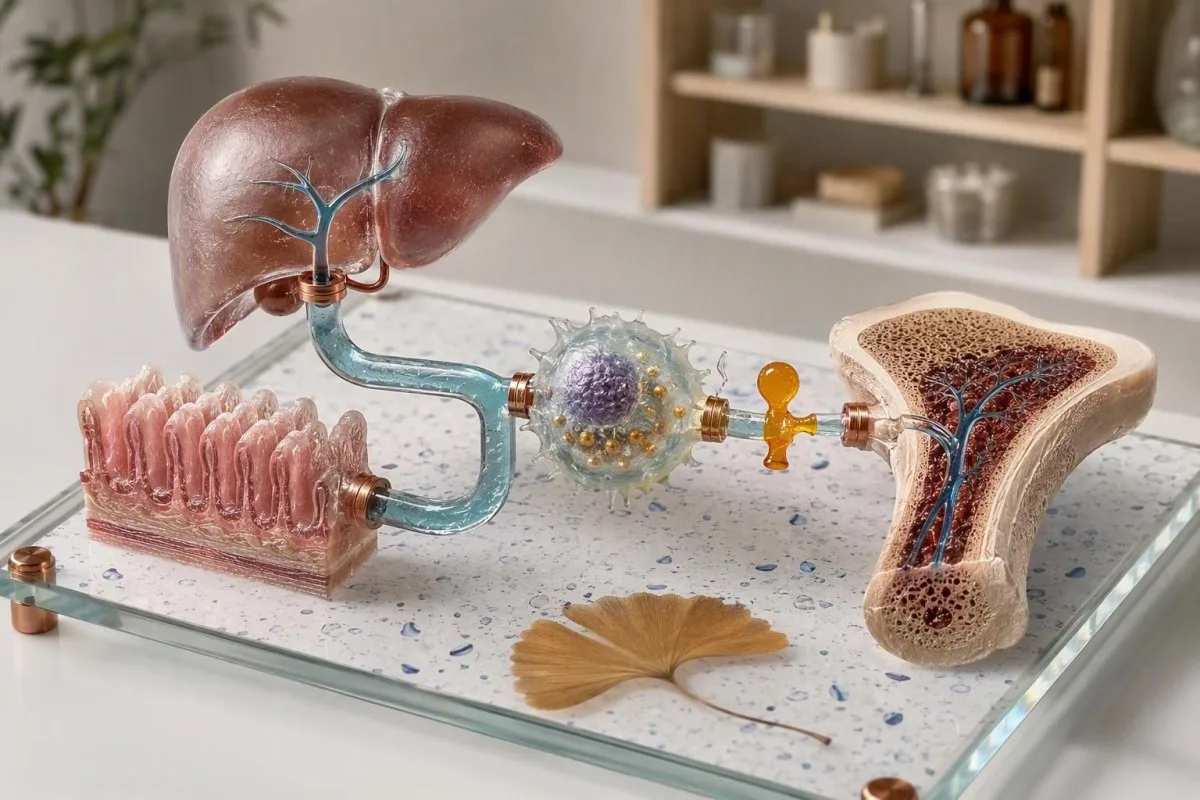
Pola khas sing ana gandhengane karo peradangan yaiku serum zat besi ing ngisor 50 µg/dL, TIBC ing ngisor 250 µg/dL, saturasi ing ngisor 20%, lan ferritin ing ndhuwur 100 ng/mL, sanajan ora ana watesan kasebut sing mediagnosis penyakit dhewe. Ferritin mundhak kanthi sinyal inflamasi, mula ferritin “normal” ora bisa ngilangi kekurangan zat besi nalika CRP saya tambah. Kerangka kerja klinis sing diterangake dening Weiss et al. (2019) misahake kekurangan zat besi absolut saka watesan zat besi fungsional nggunakake kombinasi iki, dudu ferritin dhewe.
Infeksi akut, penyakit autoimun, penyakit ginjal kronis, peradangan sing ana gandhengane karo obesitas, operasi anyar, lan kanker bisa nyuda transferrin. CRP luwih saka 10 mg/L ndadekake TIBC sing kurang luwih kamungkinan reaktif, nalika tingkat sedimentasi eritrosit bisa tetep dhuwur nganti pirang-pirang minggu sawise CRP mudhun. Kanggo konteks babagan penanda sing luwih alon iki, waca pandhuan kita babagan kenapa ESR owah alon.
Bagian sing ora intuitif yaiku zat besi sing disimpen bisa ana nanging ora bisa diakses ing sumsum. Kantesti AI, sawijining platform interpretasi biomarker AI, ngenali pola low-iron/low-TIBC sing ora konsisten iki lan nyebabake pitakonan babagan penyakit aktif, fungsi ginjel, lan penanda inflamasi; ora mediagnosis panyebab saka data laboratorium dhewe.
Nalika reseptor transferrin larut mbantu
Reseptor transferrin larut biasane kurang terdistorsi dening peradangan tinimbang ferritin. Asil sing mundhak bisa ndhukung produksi sel abang sing bener-watesan zat besi nalika ferritin 50–300 ng/mL lan CRP saya tambah, sanajan kisaran spesifik assay tegese kudu dipesen lan ditafsirake dening dokter.
Kenapa kondisi ati bisa nurunake kapasitas ngiket zat besi
Penyakit ati bisa nyuda TIBC amarga hepatosit nyintesis transferrin. TIBC sing kurang bebarengan karo albumin sing kurang, INR sing suwe, bilirubin sing mundhak, utawa AST lan ALT sing abnormal kudu ngalihake perhatian saka asupan zat besi menyang produksi ati lan tingkat keparahan penyakit.
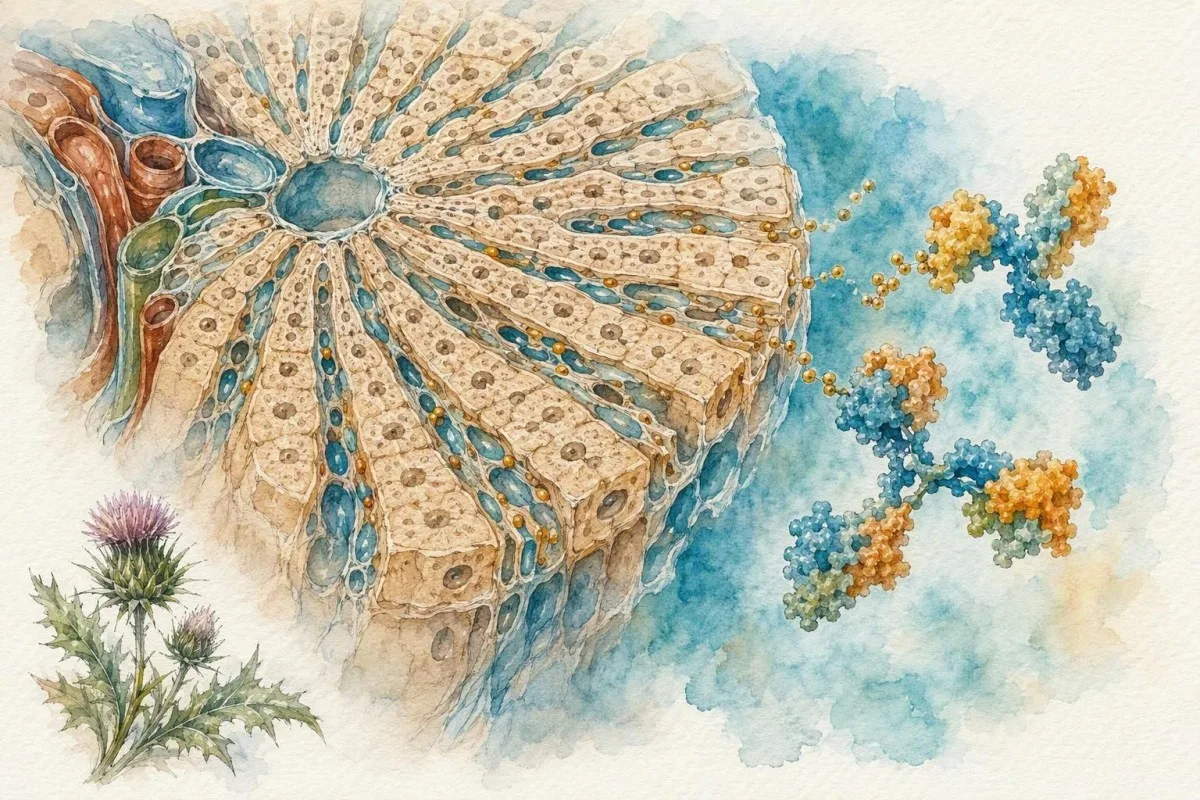
Asil transferrin sing kurang bisa kedadeyan ing penyakit ati lemak, hepatitis virus, cilaka ati sing ana gandhengane karo alkohol, fibrosis lanjut, lan sirosis, nanging ora cukup spesifik kanggo ngukur salah sijine. Albumin ngisor 35 g/L bebarengan karo TIBC sing terus-terusan kurang pantes ditinjau klinis, utamane yen ana edema utawa mundhut bobot. Tinjau pola sing luwih amba ing kita ringkesan panel ati.
Aku bubar mriksa pelari kanthi AST 89 IU/L sawise balapan dawa lan TIBC kurang-normal; AST normal sawise pulih, nalika albumin lan bilirubin normal. Olahraga bisa ngganti sawetara asil kanthi sementara, nalika TIBC sing kurang ditambahake penyakit kuning lan albumin sing suda minangka gambaran klinis sing beda banget. Iki kombinasi—dudu AST utawa TIBC sing terisolasi—sing ngganti langkah sabanjure.
Saturation transferrin sing dhuwur terus-terusan mbutuhake perhatian ing penyakit ati amarga transferrin sing kurang bisa nggawe persentase kasebut katon luwih dhuwur. Pedoman haemochromatosis EASL 2022 nggunakake saturasi transferrin luwih saka 45% ing wanita lan luwih saka 50% ing pria, bebarengan karo ferritin sing dhuwur, minangka pemicu kanggo evaluasi luwih lanjut tinimbang mung gumantung marang siji tandha wae (European Association for the Study of the Liver, 2022).
Nalika gejala ati mbutuhake perawatan darurat
Jaundice anyar, bingung, muntah getih, najis ireng, utawa bengkak weteng sing katon cetha mbutuhake evaluasi medis darurat tanpa preduli saka tingkat TIBC. Gejala kasebut bisa nuduhake alangan aliran empedu, pendarahan gastrointestinal, utawa penyakit ati sing dekompensasi; waca tinjauan kita babagan pitunjuk sirosis awal.
TIBC cendhèk saka status protein sing kurang utawa kelangan protein
TIBC sing kurang bisa kedadeyan amarga kekurangan protein sing ora cukup, sintesis hepatik sing suda, utawa mundhut protein liwat ginjel utawa usus. Amarga transferrin duwe wektu paruh kira-kira 8 dina, bisa mudhun luwih dhisik tinimbang albumin ing penyakit akut nanging isih minangka tes nutrisi sing ora efektif yen digunakake dhewe.

Asupan sing kurang, mual sing parah, malabsorpsi, diare kronis, luka bakar sing gedhe, lan penyakit sistemik sing maju bisa nyuda transferrin. Albumin ing ngisor 30 g/L nambah kemungkinan deplesi utawa mundhut protein sing signifikan sacara klinis, nanging inflamasi uga bisa nyuda albumin. Mulane resep zat besi dosis dhuwur kanggo saben asil TIBC sing kurang bakal ngliwati masalah sing mendasari.
Mundhut protein ginjal bisa nyuda protein sing sirkulasi, utamane nalika rasio albumin-kreatinin urin mundhak banget utawa protein urin terus-terusan. Pipis umpluk, bengkak kalopak mata, edema pergelangan kaki, lan bobot mundhak minangka pitunjuk sing migunani, nanging akeh wong kanthi proteinuria ora rumangsa lara. Artikel kita babagan pipis umpluk terus-terusan nerangake carane sampel urin ngclarifikasi kemungkinan iki.
Penilaian nutrisi kudu kalebu owah-owahan bobot, kekuwatan otot, toleransi panganan, masalah untu utawa ngulu, lan gejala gastrointestinal—ora mung albumin. Miturut pengalamanku, mundhut sing ora disengaja 5% saka bobot awak ing 6-12 wulan mbutuhake evaluasi sing dipimpin klinisi sanajan panel zat besi katon mung rada abnormal.
Kapan TIBC cendhèk nuduhake kelebihan zat besi
TIBC sing kurang kanthi zat besi serum sing dhuwur lan saturasi transferrin sing dhuwur bisa nuduhake penumpukan zat besi, utamane nalika saturasi tetep luwih saka 45% ing sampel esuk nalika pasa. Iki minangka kebalikan saka kekurangan zat besi sing ora rumit, ing ngendi TIBC biasane mundhak.
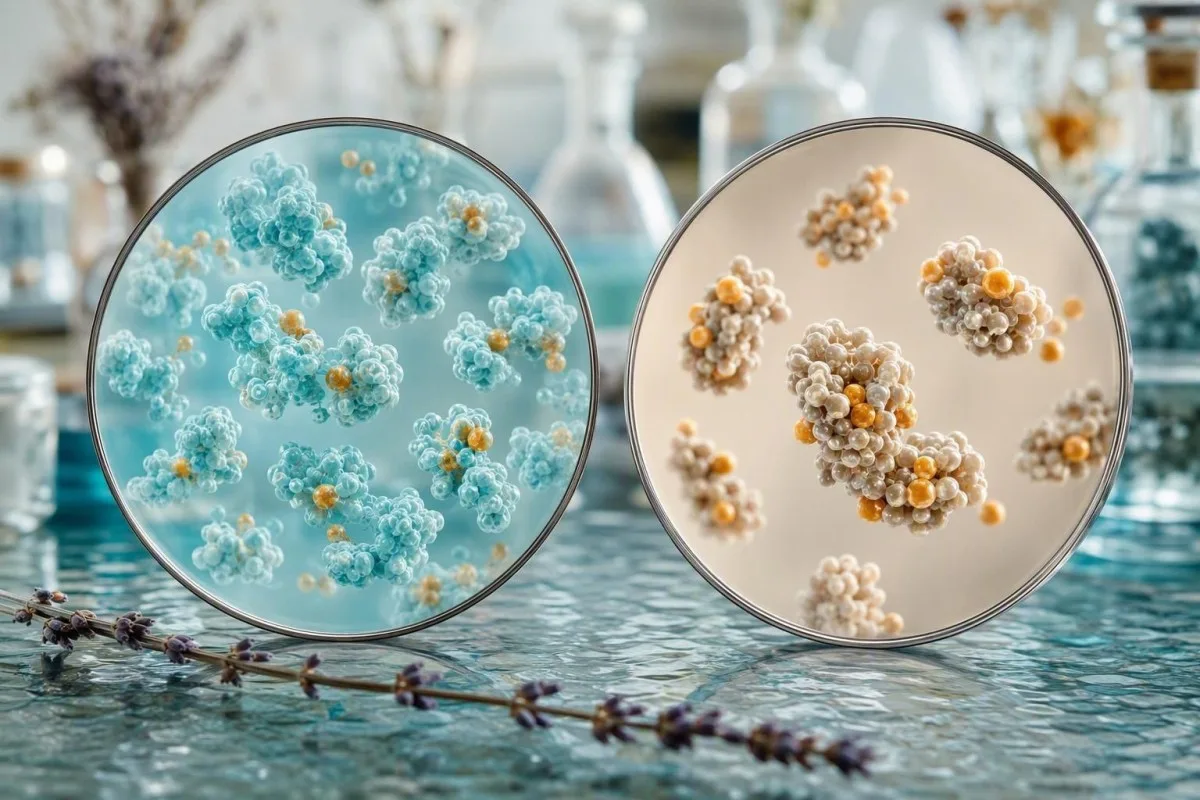
Hereditary haemochromatosis, transfusi bola-bali, panggunaan zat besi sing berlebihan, erythropoiesis sing ora efektif, lan sawetara kelainan ati bisa ngasilake pola kasebut. Ferritin luwih saka 300 ng/mL ing wong lanang utawa 200 ng/mL ing wong wadon biasane digunakake minangka ambang praktis kanggo evaluasi, nanging ferritin uga bisa mundhak kanthi konsumsi alkohol, penyakit metabolik, lan respon jaringan. pandhuan gejala haemochromatosis menehi konteks klinis kanggo asil kasebut.
Aja nyoba “ngirangi zat besi” kanthi nyumbang getih yen sampeyan anemi, ngandhut, lara, utawa durung dievaluasi. Dokter bisa mbaleni studi zat besi sawise pasa semalam, mriksa suplemen lan alkohol, mriksa enzim ati, lan nimbang tes genetik HFE nalika pola kasebut terus-terusan. Siji nilai zat besi serum non-fasting minangka petunjuk, dudu putusan.
Kantesti iku sawijining Piranti analisis tes getih berbasis AI digunakake ing 127+ negara kanggo ngukur TIBC, ferritin, zat besi, saturasi, hemoglobin, lan penanda ati bebarengan. AI kita menehi tandha pola saturasi kanggo diskusi klinis; diagnosis kasebut isih mbutuhake riwayat, tes ulang, lan kadang genetika utawa pencitraan.
Apa bisa sampeyan kekurangan zat besi kanthi TIBC cendhèk?
Inggih—kekurangan zat besi saged wonten sesarengan kaliyan TIBC ingkang andhap nalika inflamasi, lelara ati, utawi kurang protein ngasoraken transferrin. Ananging, wonten ing kekurangan zat besi ingkang tanpa komplikasi, ferritin mudhun lan TIBC langkung asring minggah nglangkungi wates laboratorium.
Ferritin ing ngisor 15 ng/mL banget spesifik kangge simpenan zat besi ingkang entek wonten ing tiyang diwasa ingkang sehat, wondene kathah klinisi ngginakaken ngisor 30 ng/mL kangge ningkataken sensitivitas. Wonten ing inflamasi, ferritin ing ngandhap 100 ng/mL kanthi saturasi transferrin ngisor 20% taksih saged nyengkuyung kekurangan zat besi, utaminipun wonten ing penyakit ginjel kronis utawi gagal jantung. Mangga mirsani katrangan kita babagan ferritin andhap sakderengipun anemia kangge pola gejala.
Punika ing pundi CBC ndarbeni papanipun. MCV andhap, RDW inggil, hemoglobin retikulosit suda, lan ferritin andhap nyengkuyung kekurangan zat besi sejati; MCV normal utawi rada andhap kaliyan CRP inggil lan TIBC andhap nyengkuyung inflamasi. Pambédanipun mboten sampurna—sifat thalassemia, kekurangan B12, lelara ginjel, lan transfusi mentas saged ngrugèkaken. Papan panduan triase MCV andhap ngrembag panjelasan-panjelasan ingkang sami bersaing.
Dr. Thomas Klein maringi pitutur dhumateng pasien supados mboten nimbang perawatan zat besi namung saking serum iron. Serum iron saged ganti ngantos 30% utawi langkung saklebeting dinten lan sasampunipun dhahar; respon hemoglobin, tren ferritin, gejala, lan sababipun kekurangan langkung wigatos.
Obat-obatan, meteng, lan pengaruh wektu ing TIBC
Paparan estrogen lan ngandheg asring mundhakaken transferrin lan TIBC, wondene gerah akut, kortikosteroid, lan stres sistemik ingkang abot saged ngasoraken. Riwayat obat lan tahap gesang saged njlentrehaken asil ingkang mboten dikarepake sakderengipun diagnosis ingkang langka dipunpertimbangkan.
Kontrasepsi oral lan ngandheg lumrahe nambah produksi transferrin, mila TIBC ingkang andhap nalika ngandheg langkung narik kawigaten nalika dipunpasangaken kaliyan albumin ingkang andhap, inflamasi, utawi kelainan ati. Interpretasi ferritin ingkang spesifik nalika ngandheg beda: tingkat ing ngandhap 30 µg/L dipunagem umum kangge ngenali kekurangan zat besi nalika ngandheg. Waos papan panduan ferritin trimester tinimbang ngginakaken rentang nalika mboten ngandheg.
Tablet zat besi saged nambah serum iron lan saturasi kanthi sauntara ngantos pirang-pirang jam, ingkang saged damel TIBC ingkang andhap kados kelebihan zat besi. Menawi dokter ingkang mesen setuju, ngempet zat besi oral kirang langkung 24 jam sakderengipun cek, lan njupuk conto enjing saged ngasilaken panel ingkang langkung resik. Rincian praktis wonten ing papan pandhuan persiapan TIBC.
Tinjauan obat kedah kalebet anticonvulsan, kemoterapi, imunosupresan, terapi testosteron utawi estrogen, lan zat besi intravena—boten amargi saben-sabenipun langsung nyebabaken TIBC andhap, nanging amargi saged ngowahi tes ati, inflamasi, produksi sel abang, utawi distribusi zat besi. Aja nate mandhegaken obat ingkang dipunresêpaken namung kangge ningkataken asil laboratorium.
Apa asil TIBC cendhèk bisa sementara utawa ora akurat?
Asil TIBC ingkang andhap saged ujug-ujug nalika gerah akut, sasampunipun cairan intravena, utawi nalika serum iron bervariasi gumantung wektu, nanging uji TIBC ingkang diproses kanthi saestu biasane akurat kanthi analitis. Resiko kang luwih gedhe yaiku salah ngetrapake asil sing asli ing njaba konteks klinise.
TIBC lumrahe diukur kanthi nambahake wesi ing serum, mbusak wesi sing ora keiket, lan ngukur apa sing isih keiket; immunoassay transferrin langsung nggunakake cara sing beda. Hemolisis, lipemia abot, lan paraprotein langka bisa ngganggu sawetara assay laboratorium. Owah-owahan mendadak sing konflik karo tren sadurunge mbutuhake mbaleni tinimbang panik; kita panjelasan delta-check njlentrehake kepiye para klinisi mikir babagan pergeseran sing dumadakan.
Tes mbaleni paling migunani nalika asil bisa ngganti perawatan. Kanggo wong sing stabil kanthi TIBC kurang nalika adhem utawa peradangan otoimun, aku biasane milih studi wesi mbaleni 4–8 minggu sawise pulih, bebarengan karo CBC, ferritin, CRP, panel ati, lan albumin. Kanggo wong sing jaundis, anemia abot, utawa saturasi ndhuwur 45%, wektu luwih cendhak.
Kantesti AI nganalisis laporan sing diunggah ing udakara 60 detik lan bisa mbantu sampeyan mbandhingake tanggal, unit, lan kisaran referensi, nanging OCR ora sampurna. Priksa manawa wesi serum ora disalahake minangka ferritin lan µmol/L ora diwaca minangka µg/dL; gunakake kita unggah PDF sadurunge ngandelake ringkesan digital.
Tes sabanjuré sing digunakake dhokter sawise TIBC cendhèk
Langkah sabanjure sawise TIBC kurang biasane panel adhedhasar pola: CBC, ferritin, wesi serum, saturasi transferrin, CRP utawa ESR, albumin, lan enzim ati. Tes protein urin, fungsi ginjel, reseptor transferrin larut, utawa tes genetik mung ditambahake nalika pola awal nuduhake menyang kana.
Set pass pisanan sing masuk akal kalebu hemoglobin, MCV, RDW, ferritin, wesi, TIBC utawa transferrin, saturasi, CRP, ALT, AST, ALP, bilirubin, albumin, kreatinin, lan eGFR. saturasi transferrin ngisor 20% nuduhake kasedhiyan wesi sing winates, dene nilai sing terus-terusan ndhuwur 45% mbutuhake penilaian pemuatan wesi. Jawaban kasebut ana ing hubungane antarane nilai-nilai kasebut, ora ing pemesanan saben tes spesialis sekaligus.
Yen ana peradangan lan ferritin ora jelas, reseptor transferrin larut utawa hemoglobin retikulosit bisa mbantu nemtokake kekurangan wesi sing bisa diobati. Yen albumin kurang, urinalisis lan ACR urin bisa mriksa mundhut protein ginjel; yen temuan ati ora normal, tes hepatitis lan ultrasonik bisa uga cocog. Saturasi transferrin sing kurang duwe makna sing beda saka TIBC kurang, sanajan asring bebarengan.
Jaringan saraf Kantesti mbandhingake lintasan asil tinimbang siji potret, sing penting amarga ferritin lan CRP bisa obah ing arah sing ngelawanan sajrone sawetara minggu. Metodologi lan watesan klinis diterangake ing kita ringkesan validasi medis; interpretasi asil minangka persiapan kanggo obrolan klinisi, ora minangka pengganti.
Papat pola TIBC cendhèk sing ngowahi diagnosis
TIBC kurang dadi migunani nalika diwaca minangka salah siji saka patang pola: peradangan, gangguan ati utawa protein, pemuatan wesi, utawa kekurangan wesi campuran ditambah peradangan. Saben pola duwe jalur perawatan sing beda lan masalah keamanan sing beda.
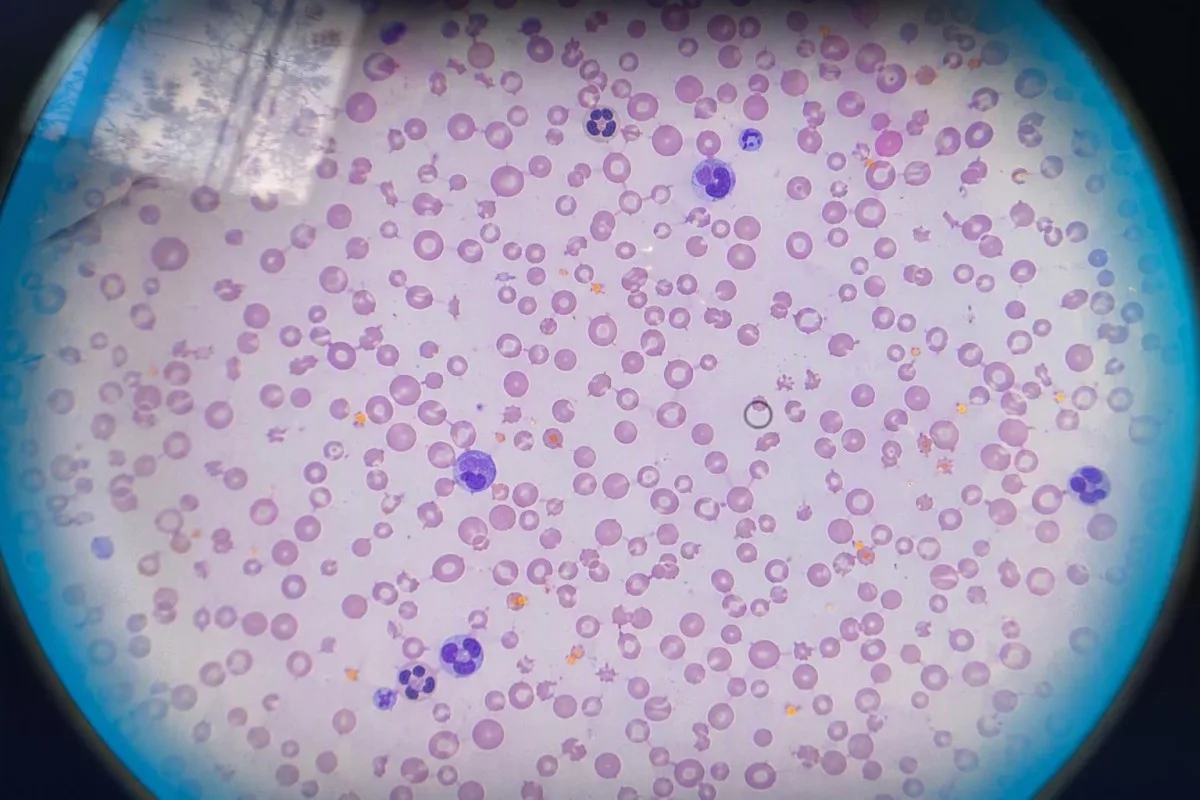
Peradangan: wesi kurang, TIBC kurang, saturasi asring ngisor 20%, ferritin normal utawa dhuwur, CRP mundhak. Pola ati/protein: TIBC kurang karo albumin kurang lan bisa uga bilirubin, INR, utawa enzim ati sing ora normal. Pola penimbunan zat besi: TIBC kurang utawa normal kanthi saturasi zat besi luwih saka 45% lan elevasi feritin. Iki minangka titik wiwitan, dudu kothak sing kaku.
Kekurangan campuran: feritin bisa 30–100 ng/mL, saturasi ing ngisor 20%, TIBC kurang utawa normal, lan CRP mundhak. Ing kahanan iki, ngobati penyakit radhang lan ngevaluasi getihen utawa malabsorpsi bisa uga perlu. Gejala gastrointestinal, getihen menstruasi sing abot, lan panggunaan obat anti-inflamasi kudu ditakoni kanthi langsung—pasien asring ora menehi dheweke kajaba ditakoni.
Kanggo pasien, pitakonan sing migunani dudu “Kepiye carane nambah TIBC?” nanging “Apa sing nyebabake transferrin mudhun utawa ngowahi distribusi zat besi?” Awake ferritin lan CRP nuntun mbantu mbedakake sadurunge milih suplemen.
Apa sing ora kudu dilakoni sawise ndeleng tandha TIBC cendhèk
Aja ngobati TIBC sing kurang kanthi zat besi nganti feritin, saturasi, hemoglobin, lan konteks klinis wis ditinjau. Asil sing kurang ora ateges getih sampeyan kekurangan zat besi, lan zat besi ekstra bisa uga ora cocog ing pola penimbunan zat besi utawa pola sing ana gandhengane karo ati.

Aja tuku zat besi dosis dhuwur amarga laporan ujar “kapasitas ikatan zat besi sing kurang.” Dosis zat besi terapeutik umum ngemot 45–65 mg zat besi elemental saben tablet, cukup kanggo nyebabake mual, konstipasi, lan bangku peteng; ing wong sing salah, bisa nambah simpenan zat besi tanpa ngatasi radhang utawa penyakit ati. Pendekatan panganan dhisik minangka wajar kanggo wong akeh, nanging ora ngganti evaluasi anemia.
Aja nggunakake asil feritin dhewe kanggo ngilangi kekurangan nalika infeksi, obesitas, penyakit autoimun, utawa operasi anyar. Lan aja nganggep kesel ana gandhengane karo zat besi yen hemoglobin, feritin, tiroid, turu, swasana ati, obat-obatan, lan fungsi ginjel durung dianggep. Awake pandhuan suplemen fatigue nerangake kenapa pilihan sing dipandu lab luwih aman.
Pungkasan, aja ngoyak nomer TIBC sing sampurna. Ing pengalaman klinisku, ngatasi radhang kronis, ngobati penyakit celiac, ngontrol penyakit ginjel, ngendhegake getihen sing bisa dicegah, utawa ningkatake nutrisi ngowahi panel zat besi luwih migunani tinimbang nyoba ngunggahake transferrin langsung.
Panganan, pemulihan, lan cara realistis kanggo ndhukung panyebab dhasar
Panganan bisa ndhukung asupan zat besi lan status protein, nanging diet mung ora bisa ngatasi TIBC sing kurang amarga radhang aktif, penyakit ati sing signifikan, mundhut protein nefrotik, utawa kelebihan zat besi. Rencana nutrisi kudu cocog karo pola laboratorium.
Yen kurang wesi wis dikonfirmasi, heme iron saka iwak, unggas, lan daging umume luwih efisien diserep tinimbang non-heme iron saka kacang-kacangan, tahu, lentil, wiji, lan biji-bijian sing difortifikasi. Woh-wohan sing ngemot Vitamin C bisa nambah panyerepan non-heme iron, dene teh lan kopi sing diombe nalika mangan bisa nyuda. Pituduh praktis kita panganan zat besi heme lan non-heme menehi pilihan tingkat dhaharan.
Yen asupan protein kurang, tujuane mangan teratur sing ngemot sumber protein tinimbang nambahake “transferrin booster” sing ora diatur. Target protein umum wong diwasa biasane kira-kira 0.8 g/kg/saben dina, nalika wong tuwa, lara akut, latihan atletik, lan penyakit ginjel mbutuhake saran individu. Wong sing duwe penyakit ginjel kronis kudu ora nambah protein tanpa ngrembug rencana karo tim ginjel.
Pemulihan uga tegese milih jendhela tes ulang sing bener. Hemoglobin biasane munggah udakara 10–20 g/L sajrone 2–4 minggu sawise perawatan wesi sing efektif ing kekurangan sing lugas, nanging TIBC bisa uga ora normal ing jadwal kasebut yen peradangan utawa sintesis ati tetep dadi panyebab utama.
Kapan asil TIBC cendhèk mbutuhake tinjauan medis sing cepet
Atur tinjauan dokter rutin kanggo TIBC sing terus-terusan, lan golek perawatan darurat nalika ngiringi gejala abot kayata penyakit kuning, bingung, nyeri dada, sesak nalika istirahat, pingsan, utawa pendarahan gastrointestinal. Urgensi gumantung saka wong lan asil sing ngiringi, ora saka nilai TIBC dhewe.

Pesan janji nalika wektune yen TIBC tetep ing ngisor rentang ing tes ulang, ferritin dhuwur banget, saturasi luwih saka 45%, hemoglobin mudhun, albumin ing ngisor 35 g/L, utawa tes ati ora normal. Gawa asil sadurunge, dhaptar obat lan suplemen, riwayat penyakit anyar, riwayat menstruasi yen relevan, asupan alkohol, owah-owahan diet, lan riwayat kulawarga kelebihan wesi utawa penyakit ati. Garis wektu sing teratur bisa ngirit janjian kapindho.
Perawatan dina sing padha masuk akal kanggo bangku ireng, muntah getih, kulit kuning kanthi ngantuk, demam dhuwur kanthi kelemahan jero, utawa sesak ambegan sing mbatesi omongan. Gejala kasebut bisa nuduhake pendarahan, infeksi, anemia abot, utawa dekompensasi ati, lan ngenteni panel wesi liyane ora aman. Kanggo persiapan sing terstruktur, gunakake lembar priksa lab nalika janjian dhokter.
Wiwit 10 September 2026, pesen paling aman tetep prasaja: TIBC rendah minangka tandha babagan biologi transferrin, dudu diagnosis lan dudu alesan otomatis kanggo wesi. Konten klinis Kantesti ditinjau karo Dewan Penasehat Medis, nanging dokter sampeyan dhewe bisa nggabungake temuan pemeriksaan, gejala, obat-obatan, lan metode laboratorium lokal.
Carane nelusuri asil TIBC cendhèk tanpa kakehan reaksi
Lacak TIBC sing mudhun bebarengan karo tanggal, status penyakit, ferritin, saturasi, CRP, albumin, hemoglobin, lan owah-owahan perawatan. Tren ing rong utawa telung sampel sing bisa dibandhingake biasane luwih informatif tinimbang siji pangukuran sing metu saka rentang.
Cathet yen saben sampel kasebut wis ngemil, apa sampeyan wis mangan wesi sajrone 24 jam, apa sampeyan demam utawa olahraga abot, lan apa laboratorium sing padha digunakake. Owah-owahan saka TIBC 225 nganti 245 µg/dL bisa uga variasi biologis lan analitik sing umum, nalika 225 nganti 340 µg/dL sawise pulih saka pneumonia bisa uga penting sacara klinis. pandhuan perbandingan tes getih nuduhake detail kontekstual sing kudu disimpen.
Kantesti, sawijining layanan interpretasi tes lab AI, bisa ngatur laporan longitudinal lan nerangake kenapa TIBC, ferritin, CRP, lan albumin sing mudhun bisa obah bebarengan utawa beda. Iki dirancang kanggo nggawe pitakonan sampeyan luwih tepat: “Apa iki bisa dadi watesan wesi inflamasi?” luwih migunani tinimbang “Apa wesi kula kurang?”
Titik sing njalari ayem iku akeh asil TIBC kang cendhek nggambarake kahanan inflamasi sawetara utawa masalah nutrisi lan pemulihan kang bisa dibaleni. Titik kang ngati-ati iku nyata banget: asil kang tetep karo anemia, tes ati kang ora normal, edema, utawa jenuh dhuwur pantes tindak lanjut klinis kang bener tinimbang ngira-ira internet.
Pitakonan sing Sering Ditakoni
Gejala apa sing disebabake dening TIBC sing kurang?
TIBC sing dhuwur biasane ora nyebabake gejala dhewe amarga ngukur kapasitas ngiket zat besi tinimbang fungsi awak sing bisa dirasakake langsung. Gejala kayata kesel, lemes, sesak napas, demam, bengkak ing sikil, penyakit kuning, utawa lara sendi asale saka panyebab dhasar, kayata anemia, radhang, penyakit ati, ilang protein, utawa kelebihan zat besi. Hemoglobin ngisor 120 g/L ing wanita ora ngandhut utawa 130 g/L ing pria ndadekake gejala sing gegandhengan karo anemia luwih mungkin. Evaluasi cepet iku cocog kanggo nyeri dada, pingsan, bingung, bangkekan ireng, sesak napas nemen, utawa kulit kuning kanthi ngantuk.
Apa TIBC endah padha karo transferrin endah?
TIBC kang kurang biasane nuduhake transferrin kang kurang, nanging kaloro tes kasebut ora padha sacara teknis. Transferrin minangka protein pembawa kang digawe ing ati kang diukur langsung ing g/L utawa mg/dL, dene TIBC ngira-ngira pirang-pirang zat besi kang bisa diikat dening transferrin lan umume dilapurake ing µg/dL utawa µmol/L. TIBC diwasa biasane kira-kira 250–450 µg/dL, sanajan kisaran referensi laboratorium beda. Asil kang kurang kanggo loro-lorone umum nalika ana peradangan lan sintesis protein ati kang mudhun.
Apa TIBC sing kurang tegese kurang zat besi?
TIBC sing cendhèk biasane ora tegesé kekurangan zat besi sing prasaja; kekurangan zat besi klasik luwih kerep nyebabaké ferrtin cendhèk lan TIBC dhuwur. Pola campuran bisa kedadéan nalika ana kekurangan zat besi ing sacedhake peradangan, penyakit ati, utawa status protein sing kurang, sing nahan TIBC. Ferritin ing ngisor 15 ng/mL kuwat nyengkuyung stok zat besi sing entek ing wong diwasa sing sehat, nalika ferritin ing ngisor 100 ng/mL ditambah saturasi transferrin ing ngisor 20% isih bisa nuduhaké kekurangan nalika ana peradangan. CBC, ferritin, CRP, lan saturasi dibutuhaké sadurungé miwiti wesi.
Apa sing nyebabake TIBC kurang kanthi zat besi kurang?
TIBC kang cendhek kanthi zat besi serum kang cendhek paling kerep nuduhake watesan zat besi sing gegandhengan karo peradangan. Ing pola iki, hepcidin nyuda pelepasan zat besi menyang sirkulasi nalika ati nggawe transferrin luwih sithik, ngasilake zat besi sing cendhek, TIBC sing cendhek, saturasi asring ing ngisor 20%, lan ferritin sing bisa normal utawa dhuwur. Penyakit ginjel kronis, infeksi, penyakit autoimun, peradangan sing gegandhengan karo obesitas, operasi anyar, lan kanker bisa nggawe pola iki. CRP ing ndhuwur 10 mg/L ndhukung peradangan aktif nanging ora ngenali sumberé.
Apa tegese TIBC kurang kanthi ferritin dhuwur?
TIBC sing cendhek lan ferritin sing dhuwur asring kedadeyan nalika ana peradangan, penyakit ati, disfungsi metabolisme, ciloko ati sing ana gandhengane karo alkohol, utawa kelebihan zat besi. Ferritin minangka penanda panyimpenan zat besi lan protein fase akut, mula nilai sing dhuwur ora ateges yen zat besi sing disimpen akeh. Saturasi transferrin sing terus-terusan luwih saka 45% lan ferritin sing mundhak luwih kuwatir babagan beban zat besi lan mbutuhake penilaian sing dipimpin dokter. Albumin, CRP, ALT, AST, bilirubin, lan jumlah getih lengkap mbantu mbedakake sababe.
Apa aku kudu ngombe zat besi yen TIBC-ku kurang?
Aja njupuk wesi mung amarga TIBC kurang. Wesi oral cocog nalika kekurangan wesi ditampilake kanthi pola sakabèhé, asring kalebu ferritin kurang, jenuh kurang, lan temuan CBC sing kompatibel; akeh produk terapeutik ngemot 45-65 mg wesi unsur saben tablet. Wesi bisa uga ora mbiyantu utawa ora cocog nalika TIBC kurang amarga peradangan, gangguan ati, mundhut protein, utawa kelebihan wesi. Takon dokter supaya mriksa ferritin, saturasi transferrin, hemoglobin, CRP, lan tes ati dhisik.
Entuk Analisis Tes Getih Berbasis AI Dina Iki
Gabung karo luwih saka 2 yuta pangguna ing saindenging jagad sing percaya Kantesti kanggo analisis tes lab sing instan lan akurat. Unggah asil tes getihmu lan tampa interpretasi lengkap saka 15,000+ biomarker sajrone sawetara detik.
📚 Publikasi Riset sing Dirujuk
Klein, T., Mitchell, S., & Weber, H. (2026). Urobilinogen ing Tes Urine: Pandhuan Analisis Urin Lengkap 2026. Zenodo. https://doi.org/10.5281/zenodo.18226379. Link cathetan ResearchGate lan Academia.edu kasedhiya liwat DOI publikasi.. Riset Medis AI Kantesti.
Klein, T., Mitchell, S., & Weber, H. (2026). Pandhuan Studi Besi: TIBC, Saturasi Besi & Kapasitas Pengikatan. Zenodo. https://doi.org/10.5281/zenodo.18248745. Link cathetan ResearchGate lan Academia.edu kasedhiya liwat DOI publikasi.. Riset Medis AI Kantesti.
📖 Referensi Medis Eksternal
⚕️ Penafian Medis
Artikel iki mung kanggo tujuan edukasi lan ora dadi saran medis. Tansah konsultasi karo panyedhiya layanan kesehatan sing mumpuni kanggo keputusan diagnosis lan perawatan.
Sinyal Kepercayaan E-E-A-T
Pengalaman
Tinjauan klinis sing dipimpin dokter babagan alur kerja interpretasi lab.
Keahlian
Fokus kedokteran laboratorium babagan carane biomarker tumindak ing konteks klinis.
Kewibawaan
Ditulis dening Dr. Thomas Klein kanthi ditinjau dening Dr. Sarah Mitchell lan Prof. Dr. Hans Weber.
Kapercayan
Interpretasi adhedhasar bukti kanthi tindak lanjut sing cetha kanggo nyuda rasa kaget.