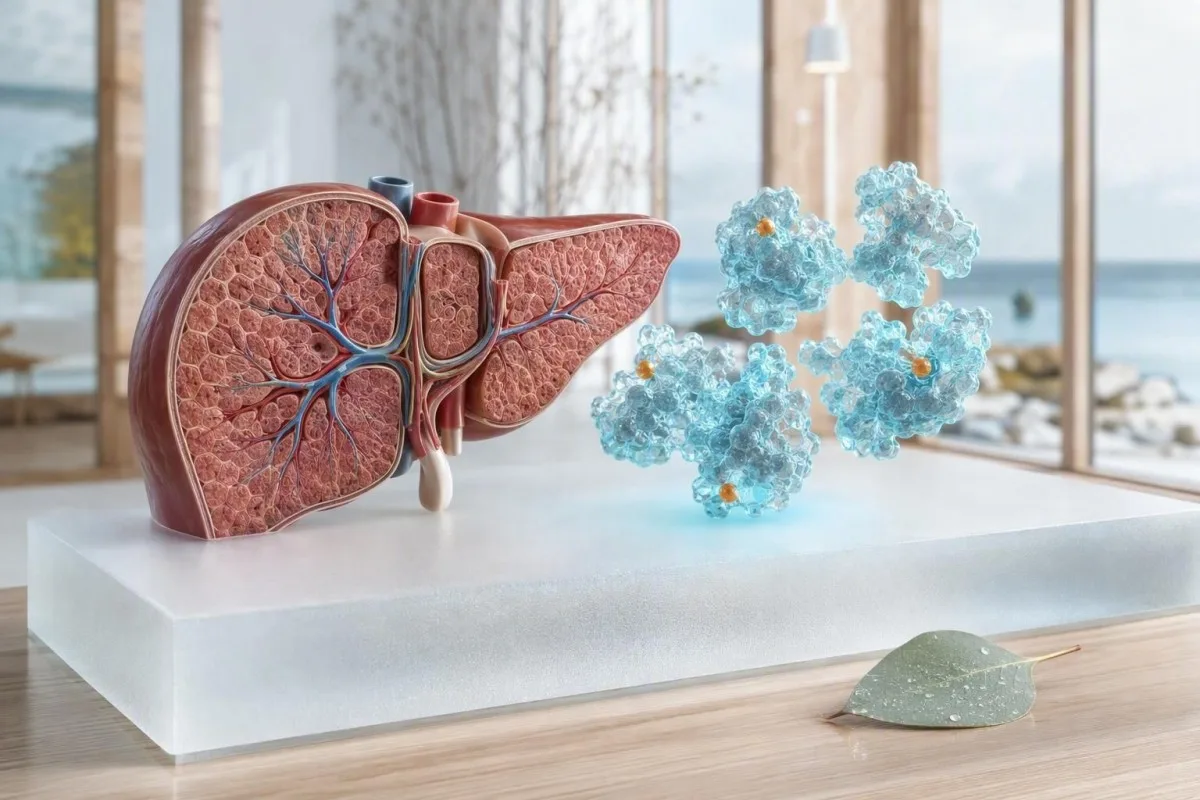
Ниският резултат от TIBC рядко причинява симптоми сам по себе си. Симптомите идват от състоянието, което променя производството на трансферин, усвояването на желязо или протеиновия баланс.



- Нисък TIBC обикновено означава, че по-малко трансферин е наличен за пренос на желязо; много лаборатории за възрастни използват приблизително 250–450 µg/dL (45–80 µmol/L) като референтен интервал.
- Симптомите са непряки: умора, треска, ставни болки, подуване, жълтеница или загуба на тегло сочат към основното заболяване, а не към самия нисък TIBC.
- Модел на възпаление обикновено показва ниско серумно желязо, нисък TIBC, насищане на трансферина под 20% и феритин, който е нормален или повишен.
- Модел на желязодефицитна анемия обикновено произвежда нисък феритин и висок — а не нисък — TIBC, освен ако едновременно не присъстват възпаление или чернодробно заболяване.
- Сатурация на трансферин се изчислява като серумно желязо, разделено на TIBC × 100; стойност над 45% налага оценка за натоварване с желязо, когато е постоянна.
- Албуминът има значение тъй като трансферинът е протеин, произведен от черния дроб; ниският албумин с нисък TIBC може да показва намален синтез, лош прием, загуба на протеин или системно заболяване.
- Спешен преглед е подходяща при объркване, жълтеница, черни изпражнения, задух в покой, бързо увеличаващо се подуване или треска с тежка слабост.
- Мъдро повторно тестване означава да избягвате железни таблетки 24 часа преди железен панел, когато вашият лекар е съгласен, и да отложите рутинното тестване по време на остро фебрилно заболяване, когато е възможно.
Какво всъщност означава нисък резултат от TIBC
Ниският общ капацитет за свързване на желязо означава, че кръвоносната система има по-малък наличен капацитет на трансферин за свързване на желязо. TIBC е косвена мярка за трансферин, протеин, произведен предимно от черния дроб; това не е пряка мярка за това колко желязо съхранява тялото ви.
Повечето лаборатории докладват TIBC при възрастни около 250–450 µg/dL или 45–80 µmol/L, но интервалът, отпечатан до вашия резултат, е от значение, тъй като калибрирането на анализатора е различно. Стойност от 210 µg/dL не е автоматично опасна; интерпретирам я заедно със серумно желязо, феритин, сатурация на трансферин, C-реактивен протеин, албумин и пълната кръвна картина. Нашият подробен ръководство за изследвания на желязото обяснява защо нито един железен маркер не може да отговори на всеки въпрос.
TIBC и трансферин са тясно свързани, но не са идентични тестове. Трансферинът се измерва като концентрация на протеин, често в g/L или mg/dL, докато TIBC оценява максималния капацитет за свързване на желязо на циркулиращия трансферин; някои лаборатории изчисляват едното от другото. TIBC е AI кръвен анализатор която отчита нисък TIBC във връзка с останалата част от железен панел, вместо да третира единичен флаг като диагноза.
Практически детайл, който пациентите често пропускат: един и същ човек може да има нисък TIBC по време на вирусна инфекция и по-висока стойност няколко седмици по-късно, без никакви добавки да го променят. Подходът на д-р Томас Клайн е първо да попита дали пробата е взета по време на инфекция, след болнично лечение или по време на нова възпалителна криза; тази времева линия често предотвратява ненужно предписване на желязо.
Изчислението зад сатурацията на трансферина
Сатурацията на трансферина е равна на серумно желязо ÷ TIBC × 100. Серумно желязо от 50 µg/dL с TIBC от 250 µg/dL дава сатурация от 20%, докато същото серумно желязо с TIBC от 125 µg/dL дава 40%; нисък знаменател може да накара сатурацията да изглежда заблуждаващо успокояваща или висока.
Симптоми при нисък TIBC: какво може да почувствате и какво няма да почувствате
Ниският TIBC сам по себе си обикновено не причинява отличителни симптоми. Умора, намалена толерантност към упражнения, треска, подуване на корема, дискомфорт в ставите или пожълтяване на очите възникват от анемия, възпаление, чернодробна дисфункция, недохранване или излишък на желязо — не само от числото на TIBC.
Когато нисък TIBC съпътства хемоглобин под 120 g/L при небременни жени или 130 g/L при мъжете, умора, задъхване по стълби, сърцебиене, главоболие и световъртеж могат да отразяват анемия. Въпреки това, анемията от възпаление може да бъде лека и все пак да остави пациента изтощен, тъй като цитокините променят доставката на желязо до костния мозък. Сравнете това с симптоми с ниски еритроцити ако вашата CBC също е маркирана.
Симптомите, които насочват загрижеността ми към чернодробни или свързани с протеини причини, включват подуване на глезените, ново усещане за пълнота в корема, лесно образуване на синини, сърбеж, тъмна урина, бледи изпражнения или лош апетит. Жълтеница плюс объркване, повръщане на кръв, черни катранени изпражнения, силна задух или бързо разширяващ се оток изискват оценка в същия ден. Ниският TIBC не е спешен случай; тези клинични признаци могат да бъдат.
На практика виждам как хората се тревожат, след като потърсят “симптоми на нисък капацитет за свързване на желязо” и започват незабавно прием на желязо. Това може да е грешен ход, ако сатурацията на трансферина вече е над 45% или феритинът е висок. Желязото е полезно, когато дефицитът е установен, но не е общ тоник и може да замъгли диагностичната картина.
Как възпалението създава нисък TIBC и ниско серумно желязо
Възпалението е най-честата причина за нисък TIBC с ниско серумно желязо. Черният дроб произвежда по-малко трансферин по време на реакция на острата фаза, докато хепсидинът ограничава освобождаването на желязо от макрофагите и абсорбцията в червата.
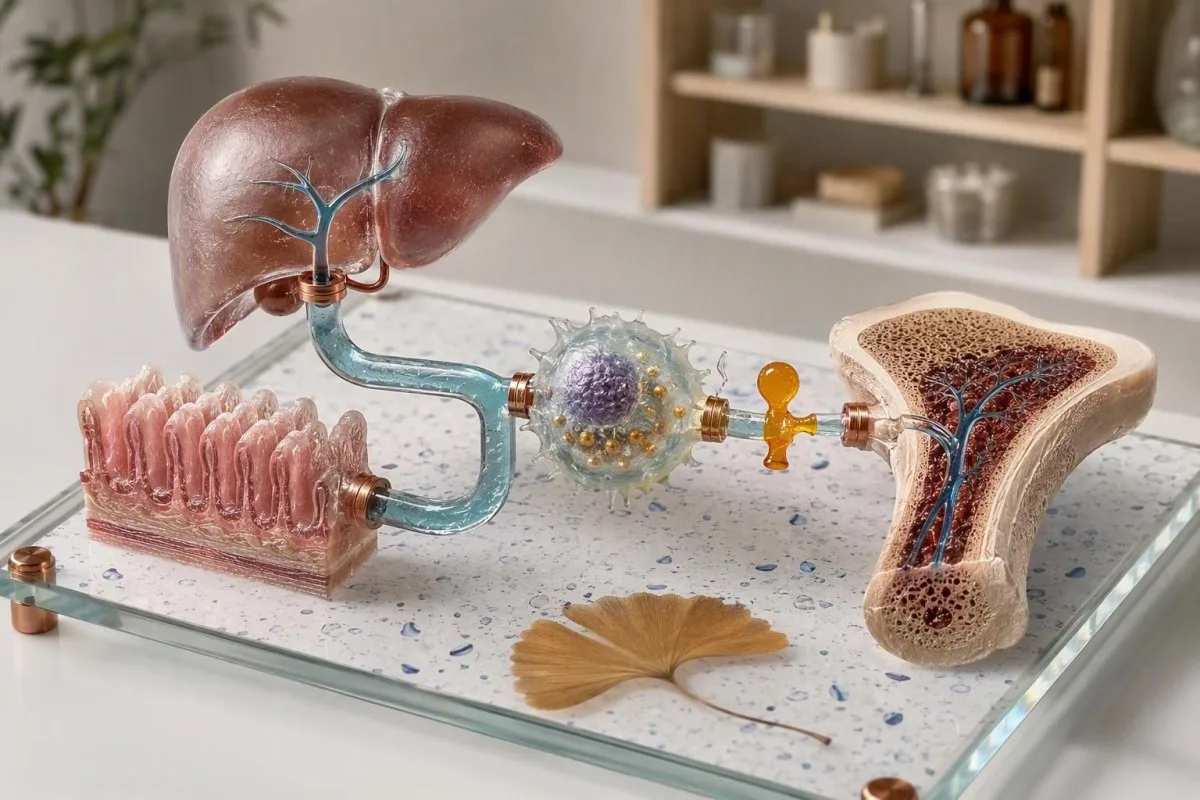
Типична картина, свързана с възпаление, е серумно желязо под 50 µg/dL, TIBC под 250 µg/dL, сатурация под 20% и феритин над 100 ng/mL, въпреки че никой от тези прагове сам по себе си не поставя диагноза. Феритинът се повишава при възпалителна сигнализация, така че “нормален” феритин не изключва надеждно желязодефицитна анемия, когато CRP е повишен. Клиничната рамка, описана от Weiss et al. (2019), разделя абсолютния железен дефицит от функционалното ограничение на желязото, използвайки тази комбинация, а не само феритина.
Остри инфекции, автоимунни заболявания, хронична бъбречна недостатъчност, възпаление, свързано със затлъстяването, скорошна операция и рак могат да понижат трансферина. CRP над 10 mg/L прави ниския TIBC по-вероятно да бъде реактивен, докато скоростта на утаяване на еритроцитите може да остане висока в продължение на седмици, след като CRP спадне. За контекст относно този по-бавен маркер, вижте нашето ръководство за защо ESR се променя бавно.
Контринтуитивната част е, че съхраненото желязо може да присъства, но да е недостъпно за костния мозък. Kantesti AI, an Платформа за интерпретация на биомаркери с AI, идентифицира тази несъответстваща картина на ниско желязо/нисък TIBC и поражда въпроси относно активно заболяване, бъбречна функция и възпалителни маркери; той не поставя диагноза на причината само от лабораторни данни.
Когато разтворимият трансферинов рецептор помага
Разтворимият трансферинов рецептор обикновено е по-малко изкривен от възпалението, отколкото феритинът. Повишен резултат може да подкрепи истинско производство на еритроцити, ограничено от желязо, когато феритинът е 50–300 ng/mL и CRP е повишен, въпреки че диапазоните, специфични за анализа, означават, че той трябва да бъде назначен и интерпретиран от клиницист.
Защо чернодробните състояния могат да понижат капацитета за свързване на желязо
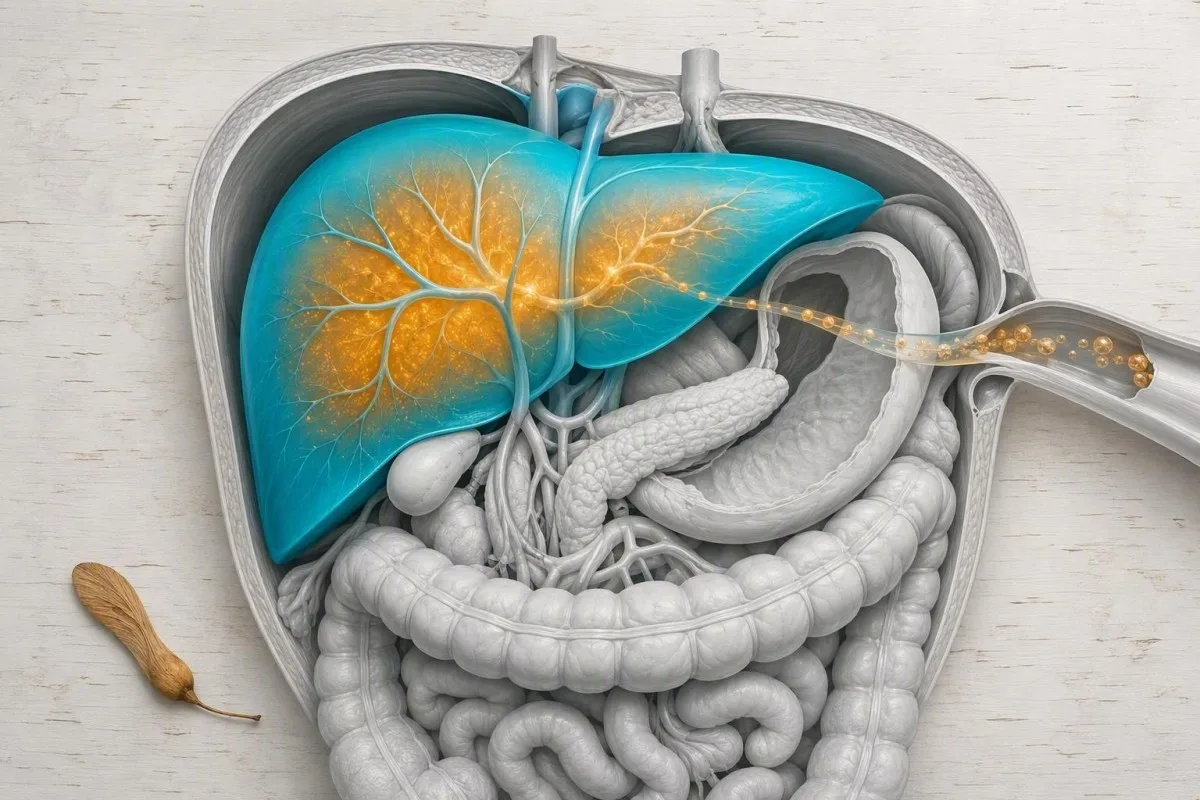
Чернодробните заболявания могат да понижат TIBC, тъй като хепатоцитите синтезират трансферин. Ниският TIBC заедно с нисък албумин, продължително INR, повишен билирубин или абнормни AST и ALT трябва да насочат вниманието от прием на желязо към чернодробната продукция и тежестта на заболяването.
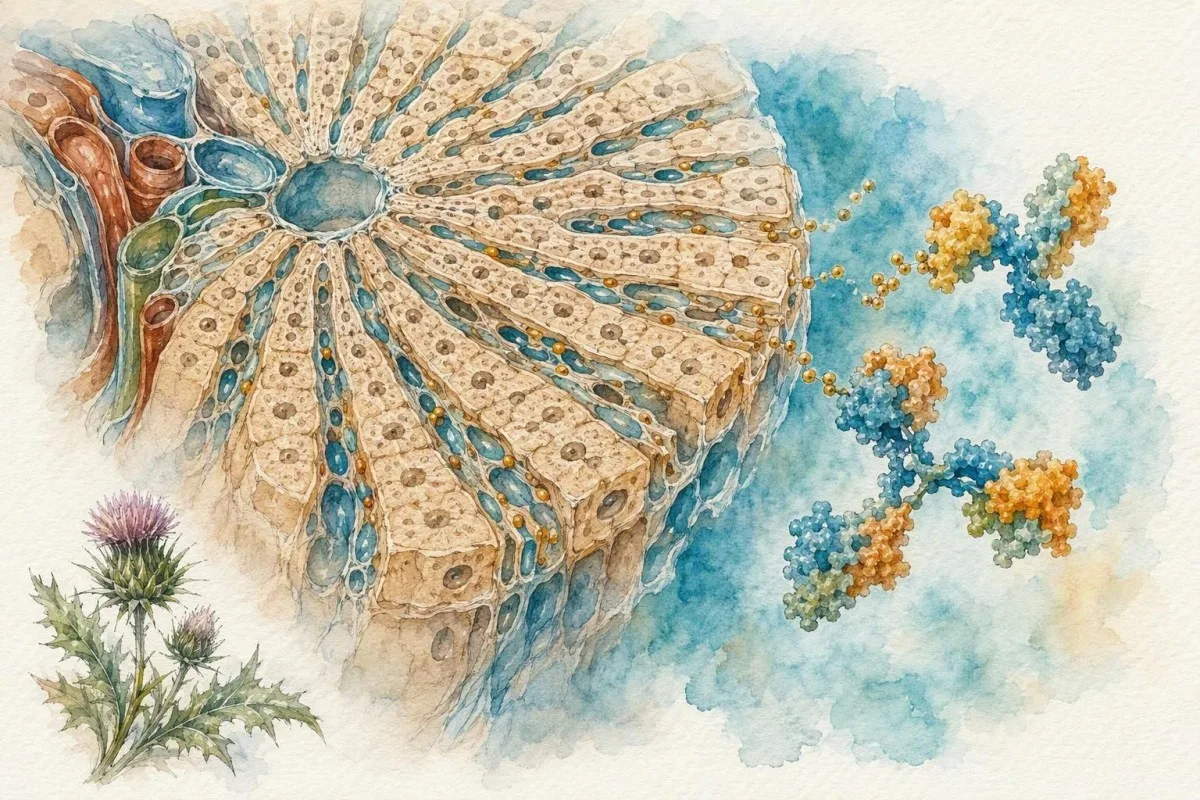
Ниският резултат на трансферин може да се появи при чернодробна стеатоза, вирусен хепатит, увреждане на черния дроб, свързано с алкохол, напреднала фиброза и цироза, но не е достатъчно специфичен, за да определи стадия на някое от тях. Албумин под 35 g/L заедно с постоянно нисък TIBC заслужава подходящ клиничен преглед, особено ако има оток или загуба на тегло. Прегледайте по-широката картина в нашия Обзор на чернодробния панел.
Наскоро прегледах бегач с AST 89 IU/L след дълго състезание и нисък-нормален TIBC; AST се нормализира след възстановяването, докато албуминът и билирубинът останаха нормални. Физическата активност може временно да промени няколко резултата, докато ниският TIBC плюс жълтеница и намален албумин представляват много различна клинична картина. Именно комбинацията — а не изолиран AST или TIBC — променя следващата стъпка.
Устойчиво високата сатурация на трансферина изисква внимание при чернодробно заболяване, тъй като ниският трансферин може да завиши процента. Насоките на EASL от 2022 г. за хемохроматоза използват сатурация на трансферина над 45% при жени и над 50% при мъже, заедно с повишен феритин, като тригер за допълнителна оценка, вместо да се разчита само на един от маркерите (European Association for the Study of the Liver, 2022).
Когато чернодробните симптоми изискват спешна помощ
Нова жълтеница, объркване, повръщане на кръв, черни изпражнения или видимо подуване на корема изискват спешна медицинска оценка, независимо от нивото на TIBC. Тези симптоми могат да показват нарушен приток на жлъчка, стомашно-чревно кървене или декомпенсирано чернодробно заболяване; вижте нашия преглед на ранни признаци на цироза.
Нисък TIBC поради лош протеинов статус или загуба на протеин
Ниският TIBC може да бъде резултат от недостатъчно наличие на протеин, намален чернодробен синтез или загуба на протеин чрез бъбреците или червата. Тъй като трансферинът има полуживот от около 8 дни, той може да спадне по-рано от албумина при остро заболяване, но все още е лош самостоятелен тест за хранене.

Ниският прием, тежкото гадене, малабсорбцията, хроничната диария, тежките изгаряния и напредналото системно заболяване могат да понижат трансферина. Албумин под 30 g/L увеличава вероятността от клинично значимо изчерпване или загуба на протеини, но възпалението също може да понижи албумина. Ето защо предписването на високи дози желязо при всеки нисък резултат от TIBC пропуска основния проблем.
Загубата на протеини чрез бъбреците може да намали циркулиращите протеини, особено когато съотношението албумин-креатинин в урината е значително повишено или протеинът в урината е постоянен. Пяна в урината, подпухналост на клепачите, оток на глезените и повишено тегло са полезни улики, но много хора с протеинурия се чувстват добре. Нашата статия за постоянна пяна в урината обяснява как проба от урина изяснява тази възможност.
Оценката на храненето трябва да включва промяна в теглото, мускулна сила, поносимост към храна, проблеми със зъбите или преглъщането и стомашно-чревни симптоми — не само албумин. По мои наблюдения, неволна загуба на 5% от телесното тегло за 6–12 месеца заслужава оценка от лекар, дори когато панелът за желязо изглежда само леко абнормален.
Кога ниският TIBC сочи към претоварване с желязо вместо това
Ниският TIBC с високо серумно желязо и висока трансферинова сатурация може да предполага натрупване на желязо, особено когато сатурацията остава над 45% при повторна проба на гладно сутрин. Това е обратното на неусложнената желязна недостатъчност, при която TIBC обикновено се повишава.
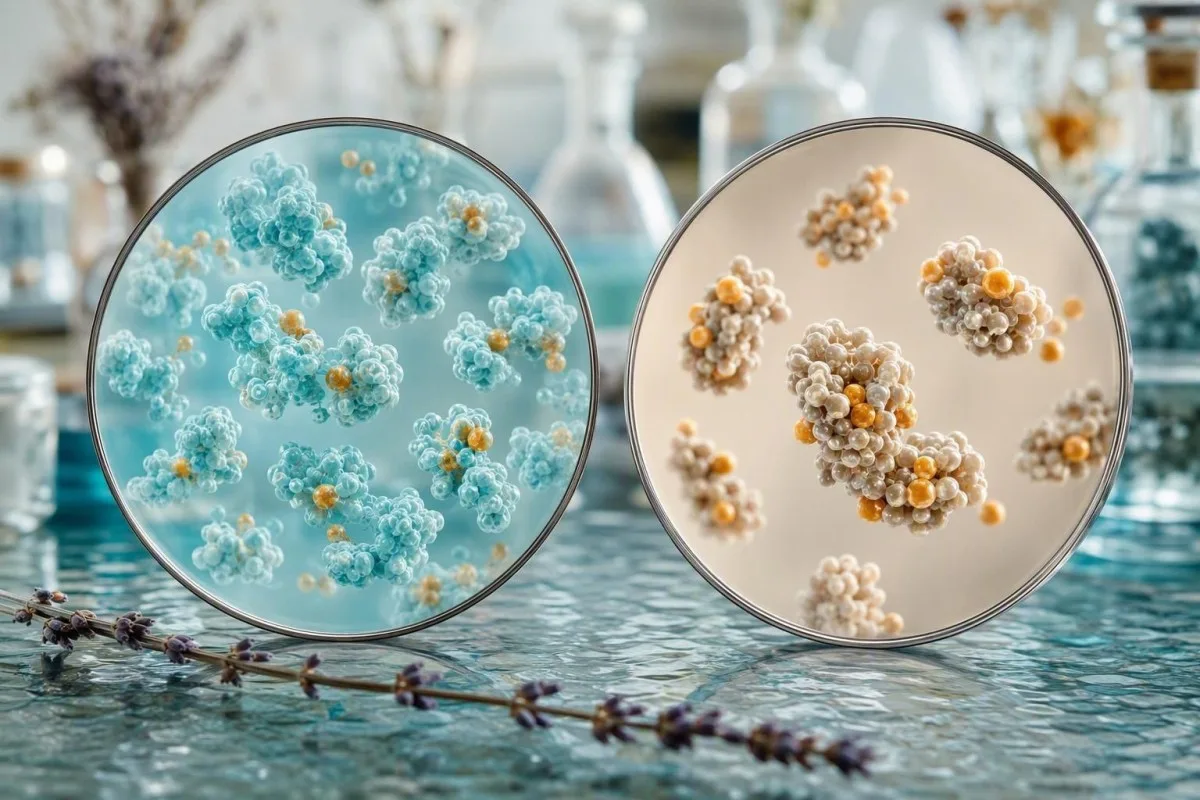
Наследствена хемохроматоза, повтарящи се трансфузии, прекомерна употреба на желязо, неефективна еритропоеза и някои чернодробни заболявания могат да причинят тази картина. Феритин над 300 ng/mL при мъже или 200 ng/mL при жени често се използва като практичен праг за оценка, но феритинът може да се повиши и при употреба на алкохол, метаболитни заболявания и реакция на тъканите. Нашият ръководство за симптомите при хемохроматоза поставя тези резултати в клиничен контекст.
Не се опитвайте да “намаляте желязото” чрез кръводаряване, ако сте анемични, бременни, неразположени или не сте били оценени. Лекар може да повтори изследванията на желязото след нощно гладуване, да прегледа добавките и алкохола, да провери чернодробните ензими и да обмисли HFE генетично тестване, когато картината е постоянна. Една негладна стойност на серумното желязо е улика, а не присъда.
Кантести е един Инструмент за анализ на кръвни изследвания с AI използвани в 30 страни за проследяване на TIBC, феритин, желязо, сатурация, хемоглобин и чернодробни маркери заедно. Нашият AI маркира модел на сатурация за клинично обсъждане; диагнозата все още изисква анамнеза, повторно тестване и понякога генетика или образни изследвания.
Може ли да имате желязодефицитна анемия при нисък TIBC?
Да — желязната недостатъчност може да съществува заедно с нисък TIBC, когато възпаление, чернодробно заболяване или протеинов недостиг потискат трансферина. При неусложнена желязна недостатъчност обаче феритинът намалява, а TIBC по-често се повишава над лабораторната норма.
Феритин под 15 ng/mL е с висока специфичност за изчерпани запаси от желязо при иначе здрави възрастни, докато много клиницисти използват под 30 ng/mL за подобряване на чувствителността. По време на възпаление феритин под 100 ng/mL при насищане с трансферин под 20% все още може да поддържа желязна недостатъчност, особено при хронично бъбречно заболяване или сърдечна недостатъчност. Вижте нашето обяснение на нисък феритин преди анемия за образци на симптомите.
Тук CBC си заслужава. Ниска MCV, повишена RDW, намален хемоглобин в ретикулоцитите и нисък феритин показват истинска желязна недостатъчност; нормална или леко ниска MCV с повишен CRP и нисък TIBC показва възпаление. Разграничението не е перфектно — таласемия trait, B12 недостатъчност, бъбречно заболяване и скорошна трансфузия могат да го замъглят. Нашето ръководство за триаж при ниска MCV обхваща тези конкуриращи се обяснения.
Д-р Томас Клайн съветва пациентите да не оценяват лечението с желязо само по серумното желязо. Серумното желязо може да варира с 30% или повече през деня и след хранене; отговорът на хемоглобина, тенденцията на феритина, симптомите и причината за недостатъчност имат много по-голямо значение.
Ефекти на лекарства, бременност и времето върху TIBC
Естрогенното излагане и бременността често повишават трансферина и TIBC, докато острото заболяване, кортикостероидите и тежкият системен стрес могат да го понижат. Историята на медикаментите и етапа на живота могат да обяснят неочакван резултат, преди да се обмисли рядка диагноза.
Оралните контрацептиви и бременността обикновено увеличават производството на трансферин, така че нисък TIBC по време на бременност е по-забележим, когато е съчетан с нисък албумин, възпаление или чернодробни аномалии. Тълкуването на феритина, специфично за бременност, е различно: ниво под 30 µg/L се използва широко за идентифициране на желязна недостатъчност при бременност. Прочетете нашето ръководство за феритин по триместри вместо да прилагате норми за небременни.
Таблетките с желязо могат временно да повишат серумното желязо и сатурацията за няколко часа, което може да накара нисък TIBC да изглежда като претоварване с желязо. Ако лекарят, назначил изследването, е съгласен, спирането на пероралното желязо за 24 часа преди вземането на пробата и събирането на сутрешна проба може да даде по-ясен панел. Практическите подробности са в нашето Ръководство за подготовка за TIBC.
Прегледът на медикаментите трябва да включва антиконвулумсанти, химиотерапия, имуносупресори, тестостеронова или естрогенова терапия и интравенозно желязо — не защото всеки директно причинява нисък TIBC, а защото те могат да променят чернодробните тестове, възпалението, продукцията на червени кръвни клетки или разпределението на желязото. Никога не спирайте предписано лекарство само за да подобрите лабораторния резултат.
Възможно ли е резултатът от нисък TIBC да е временен или неточен?
Резултатът за нисък TIBC може да бъде временен по време на остро заболяване, след интравенозни течности или когато серумното желязо варира според времето, но правилно обработеният TIBC тест обикновено е аналитично надежден. По-големият риск е погрешното тълкуване на достоверен резултат извън неговия клиничен контекст.
TIBC обикновено се измерва чрез добавяне на желязо към серума, отстраняване на несвързаното желязо и количествено определяне на останалото свързано; директните имуноанализи на трансферин използват различен метод. Хемолизата, тежката липемия и редките парапротеини могат да повлияят на някои лабораторни анализи. Внезапна промяна, която противоречи на предишни тенденции, изисква повторение, а не паника; нашият обяснение за delta-check очертава как клиницистите мислят за резките промени.
Повторното тестване е най-полезно, когато резултатът може да промени лечението. При стабилен човек с нисък TIBC по време на настинка или автоимунно обостряне, обикновено предпочитам повторни изследвания на желязото 4–8 седмици след възстановяване, заедно с CBC, феритин, CRP, чернодробен панел и албумин. При някой с жълтеница, тежка анемия или насищане над 45%, времевата рамка е по-кратка.
Kantesti AI анализира качените отчети за около 60 секунди и може да ви помогне да сравните дати, единици и референтни диапазони, но OCR не е безгрешен. Уверете се, че серумното желязо не е било объркано с феритин и че µmol/L не е прочетено като µg/dL; използвайте нашия чеклист за качване на PDF преди да разчитате на цифрово резюме.
Следващите тестове, които лекарите използват след нисък TIBC
Следващата стъпка след нисък TIBC обикновено е панел, базиран на модел: CBC, феритин, серумно желязо, насищане на трансферина, CRP или ESR, албумин и чернодробни ензими. Тестване за протеин в урината, бъбречна функция, разтворим трансферинов рецептор или генетични тестове се добавят само когато първоначалният модел сочи натам.
Разумен първоначален набор включва хемоглобин, MCV, RDW, феритин, желязо, TIBC или трансферин, насищане, CRP, ALT, AST, ALP, билирубин, албумин, креатинин и eGFR. трансфериново насищане под 20% показва ограничена наличност на желязо, докато постоянните стойности над 45% изискват оценка на натоварването с желязо. Отговорът се крие във връзката между тези стойности, а не в назначаването на всички специализирани тестове наведнъж.
Ако присъства възпаление и феритинът е двусмислен, разтворимият трансферинов рецептор или хемоглобинът на ретикулоцитите могат да помогнат за идентифициране на лечима желязна недостатъчност. Ако албуминът е нисък, анализ на урината и ACR на урината могат да проверят за загуба на протеин в бъбреците; ако чернодробните находки са абнормални, тестването за хепатит и ултразвук могат да бъдат подходящи. Ниска трансферинова сатурация има различно значение от нисък TIBC, въпреки че често вървят заедно.
Невронната мрежа на Kantesti сравнява траекториите на резултатите, а не единичен моментен отпечатък, което е важно, тъй като феритинът и CRP могат да се движат в противоположни посоки в продължение на няколко седмици. Методологията и клиничните граници са описани в нашия медицинско валидиране; интерпретацията на резултатите е подготовка за лекарска консултация, а не неин заместител.
Четири модела на нисък TIBC, които променят диагнозата
Ниският TIBC става полезен, когато се разглежда като един от четири модела: възпаление, чернодробно или протеиново увреждане, натоварване с желязо или смесена желязна недостатъчност плюс възпаление. Всеки модел има различен път на лечение и различни рискове за безопасността.
Възпаление: ниско желязо, нисък TIBC, насищане често под 20%, феритин нормален или висок, повишен CRP. Чернодробен/протеинов модел: нисък TIBC с нисък албумин и евентуално абнормален билирубин, INR или чернодробни ензими. Модел на натоварване с желязо: нисък или нормален TIBC с насищане на желязо над 45% и повишен феритин. Това са отправни точки, а не твърди рамки.
Смесен дефицит: феритинът може да бъде 30–100 ng/mL, насищането под 20%, TIBC нисък или нормален, а CRP повишен. В тази ситуация може да се наложи както лечение на възпалителното заболяване, така и оценка на загуба на кръв или малабсорбция. Стомашно-чревни симптоми, тежко менструално кървене и прием на противовъзпалителни лекарства заслужават директни въпроси — пациентите често не ги съобщават, освен ако не бъдат попитани.
За пациентите полезният въпрос не е “Как да повиша TIBC?”, а “Какво намали трансферина или промени разпределението на желязото?” Нашият феритинът и CRP насочват помага да се направи това разграничение, преди да се избере добавка.
Какво да не правите, след като видите сигнал за нисък TIBC
Не се самолекувайте при нисък TIBC с желязо, докато феритинът, насищането, хемоглобинът и клиничният контекст не бъдат прегледани. Ниският резултат не означава, че кръвта ви няма желязо, а допълнителното желязо може да бъде неуместно при модели на натоварване с желязо или свързани с черния дроб.

Избягвайте да купувате желязо във високи дози, защото докладът гласи “нисък капацитет за свързване на желязо”. Обичайните терапевтични дози желязо съдържат 45–65 mg елементарно желязо на таблетка, достатъчно, за да причинят гадене, запек и тъмни изпражнения; при грешния човек те могат да увеличат запасите от желязо, без да се справи с възпалението или чернодробното заболяване. Подходите „първо храна“ са разумни за повечето хора, но те не заместват оценката на анемията.
Не използвайте само феритинов резултат, за да изключите дефицит по време на инфекция, затлъстяване, автоимунно заболяване или скорошна операция. И не предполагайте, че умората е свързана с желязо, ако хемоглобинът, феритинът, щитовидната жлеза, сънят, настроението, медикаментите и бъбречната функция не са взети предвид. Нашият ръководство за добавки при умора обяснява защо лабораторно-ръководените избори са по-безопасни.
И накрая, не търсете перфектен TIBC номер. Според моя клиничен опит, коригирането на хронично възпаление, лечението на цьолиакия, контролирането на бъбречното заболяване, спирането на избегнатата загуба на кръв или подобряването на храненето променят панела на желязото по-смислено, отколкото опитът за директно повишаване на трансферина.
Храна, възстановяване и реалистични начини за подкрепа на основната причина
Храната може да подпомогне приема на желязо и белтъчния статус, но само диетата не може да коригира нисък TIBC, причинен от активно възпаление, значително чернодробно заболяване, нефротична загуба на протеини или претоварване с желязо. Планът за хранене трябва да съответства на лабораторния модел.
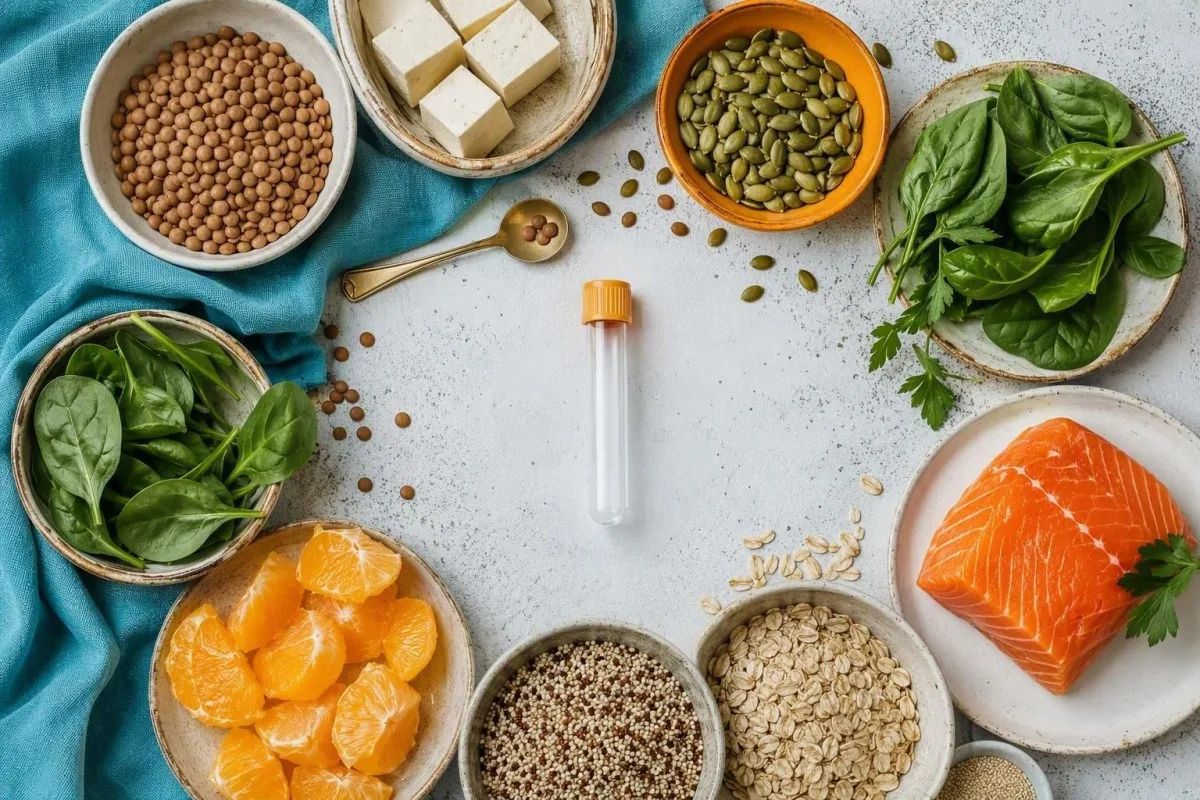
Ако желязната недостатъчност е потвърдена, хем желязо от риба, птиче месо и месо обикновено се абсорбира по-ефективно от нехем желязо от бобови растения, тофу, леща, семена и обогатени зърнени храни. Плодове и зеленчуци, съдържащи витамин С, могат да подобрят абсорбцията на нехем желязо, докато чай и кафе, приемани с храна, могат да я намалят. Нашето практическо ръководство за хемово и нехемово желязо в храните предоставя опции на ниво хранене.
Ако приемът на протеин е бил нисък, стремете се към редовни хранения, съдържащи източник на протеин, вместо да добавяте нерегулирани “бустери на трансферин”. Обичайните цели за протеин при възрастни често са около 0.8 g/kg/ден, докато по-възрастните хора, острите заболявания, спортните тренировки и бъбречните заболявания изискват индивидуални съвети. Хората с хронично бъбречно заболяване не трябва да увеличават протеина, без да обсъдят плана с екипа си по бъбречни заболявания.
Възстановяването означава също и избор на правилния прозорец за повторно тестване. Хемоглобинът обикновено се повишава с приблизително 10–20 g/L за 2–4 седмици след ефективно желязно лечение при обикновена недостатъчност, но TIBC може да не се нормализира в този график, ако възпалението или чернодробният синтез остават основен двигател.
Кога ниският резултат от TIBC се нуждае от незабавна медицинска оценка
Организирайте рутинен преглед при клиницист за упорито нисък TIBC и потърсете спешна помощ, когато той придружава тежки симптоми като жълтеница, объркване, болка в гърдите, задух в покой, припадък или стомашно-чревно кървене. Спешността зависи от човека и придружаващите резултати, а не само от стойността на TIBC.

Резервирайте навременен час, ако TIBC остава под нормата при повторно тестване, феритинът е неочаквано висок, сатурацията е над 45%, хемоглобинът пада, албуминът е под 35 g/L, или чернодробните тестове са абнормални. Носете предишни резултати, списъци с лекарства и добавки, история на скорошни заболявания, менструална история, ако е приложимо, прием на алкохол, промени в диетата и семейна история на претоварване с желязо или чернодробно заболяване. Добре организиран времеви график може да спести втора среща.
Грижа в същия ден е разумна при черни изпражнения, повръщане на кръв, пожълтяване на кожата със сънливост, висока температура с дълбока слабост или задух, който ограничава говоренето. Тези симптоми могат да сигнализират за кървене, инфекция, тежка анемия или чернодробна декомпенсация и изчакването за друг панел за желязо не е безопасно. За структурирана подготовка използвайте нашия контролен списък за лабораторни изследвания при лекарски преглед.
Към 10 септември 2026 г. най-безопасното послание остава просто: нисък TIBC е подсказка за биологията на трансферина, а не диагноза и не автоматична причина за желязо. Клиничното съдържание на Kantesti се преглежда с нашите Медицински консултативен съвет, но вашият собствен клиницист може да интегрира находки от преглед, симптоми, лекарства и местни лабораторни методи.
Как да проследите резултат от нисък TIBC, без да се прекалява
Проследявайте нисък TIBC заедно с датата, статуса на заболяването, феритина, сатурацията, CRP, албумина, хемоглобина и промените в лечението. Тенденция през две или три сравними проби обикновено е по-информативна от едно извън нормата измерване.
Запишете дали всяка проба е била на гладно, дали сте приемали желязо в рамките на 24 часа, дали сте имали треска или интензивни упражнения, и дали е използвана същата лаборатория. Промяна от TIBC 225 към 245 µg/dL може да е обичайна биологична и аналитична вариация, докато 225 до 340 µg/dL след възстановяване от пневмония може да бъде клинично значима. Нашият ръководство за сравняване на кръвни тестове показва кои контекстуални детайли да се запазят.
Kantesti, едно услугата за интерпретация на AI лабораторни тестове, може да организира надлъжни доклади и да обясни защо нисък TIBC, феритин, CRP и албумин могат да се движат заедно или да се отклоняват. Той е предназначен да направи въпросите ви по-прецизни: “Може ли това да е възпалително ограничение на желязото?” е по-полезно от “Ниското ми ли е желязото?”
Утешителното е, че много ниски резултати за TIBC отразяват временно възпалително състояние или обратим проблем с храненето и възстановяването. Предпазливото е също толкова реално: постоянни резултати с анемия, абнормални чернодробни тестове, отоци или висока сатурация заслужават подходящо клинично проследяване, а не интернет предположения.
Често задавани въпроси
Какви симптоми причинява ниската TIBC?
Ниският TIBC обикновено не причинява симптоми сам по себе си, тъй като той измерва капацитета за свързване на желязо, а не телесна функция, която можете да почувствате директно. Симптоми като умора, слабост, задух, треска, подути глезени, жълтеница или болки в ставите идват от основната причина, като анемия, възпаление, чернодробно заболяване, загуба на протеин или претоварване с желязо. Хемоглобин под 120 g/L при небременни жени или 130 g/L при мъже прави симптомите, свързани с анемия, по-вероятни. Спешна оценка е подходяща при болка в гърдите, припадък, объркване, черни изпражнения, силен задух или пожълтяване на кожата със сънливост.
Ниската TIBC едно и също ли е като нисък трансферин?
Ниският TIBC обикновено отразява нисък трансферин, но двата теста не са технически идентични. Трансферинът е чернодробен протеин-носител, измерван директно в g/L или mg/dL, докато TIBC оценява колко желязо може да свърже трансфериновият пул и обикновено се докладва в µg/dL или µmol/L. Типичният TIBC при възрастни е приблизително 250–450 µg/dL, въпреки че референтните граници на лабораториите се различават. Ниските резултати и за двете са чести по време на възпаление и намален чернодробен синтез на протеини.
Ниският TIBC означава ли желязодефицитна анемия?
Ниският TIBC обикновено не означава неусложнена желязна недостатъчност; класическата желязна недостатъчност по-често причинява нисък феритин и висок TIBC. Може да се появи смесен модел, когато желязната недостатъчност съществува заедно с възпаление, чернодробно заболяване или лош протеинов статус, което потиска TIBC. Феритин под 15 ng/mL силно подкрепя изчерпаните запаси от желязо при здрав възрастен, докато феритин под 100 ng/mL плюс сатурация на трансферина под 20% все още може да предполага дефицит по време на възпаление. Преди започване на желязо са необходими CBC, феритин, CRP и сатурация.
Какво причинява нисък TIBC при ниско съдържание на желязо?
Ниският TIBC с ниско серумно желязо най-често отразява свързаното с възпаление ограничение на желязото. При този модел хепсидинът намалява отделянето на желязо в кръвообращението, докато черният дроб произвежда по-малко трансферин, което води до ниско желязо, нисък TIBC, сатурация често под 20% и феритин, който може да бъде нормален или повишен. Хронично бъбречно заболяване, инфекция, автоимунно заболяване, възпаление, свързано със затлъстяването, скорошна операция и рак могат да създадат този модел. CRP над 10 mg/L подкрепя активно възпаление, но не идентифицира неговия източник.
Какво означава нисък TIBC с висока феритин?
Ниският TIBC с висок феритин често се среща при възпаление, чернодробно заболяване, метаболитна дисфункция, увреждане на черния дроб, свързано с алкохол, или претоварване с желязо. Феритинът е както маркер за съхранение на желязо, така и протеин на острата фаза, така че високата стойност не означава автоматично излишък от съхранено желязо. Устойчивата сатурация на трансферина над 45% плюс повишен феритин е по-обезпокоителна за натоварване с желязо и налага оценка от лекар. Албумин, CRP, ALT, AST, билирубин и пълната кръвна картина помагат да се разграничат причините.
Трябва ли да приемам желязо, ако моя TIBC е нисък?
Не приемайте желязо само защото TIBC е нисък. Пероралното желязо е подходящо, когато желязодефицитът е доказан от общата картина, често включваща нисък феритин, ниска сатурация и съвместими находки от CBC; много терапевтични продукти съдържат 45–65 mg елементарно желязо на таблетка. Желязото може да е безполезно или неподходящо, когато ниският TIBC е резултат от възпаление, чернодробно увреждане, загуба на протеин или претоварване с желязо. Помолете клиницист първо да прегледа феритина, сатурацията на трансферина, хемоглобина, CRP и чернодробните тестове.
Вземете анализ на кръвен тест с ИИ още днес
Присъединете се към над 2M+ потребители по целия свят, които се доверяват на Kantesti за моментален и точен анализ на лабораторни тестове. Качете резултатите от вашия кръвен тест и получете цялостно тълкуване на биомаркерите 15,000+ за секунди.
📚 Публикации от изследвания с препратки
Klein, T., Mitchell, S., & Weber, H. (2026). Уробилиноген в урината: Пълно ръководство за анализ на урина 2026. Zenodo. https://doi.org/10.5281/zenodo.18226379. Връзки към записи в ResearchGate и Academia.edu са налични чрез DOI на публикацията.. Kantesti AI Medical Research.
Klein, T., Mitchell, S., & Weber, H. (2026). Ръководство за изследване на желязото: TIBC, сатурация на желязото и свързващ капацитет. Zenodo. https://doi.org/10.5281/zenodo.18248745. Връзки към записи в ResearchGate и Academia.edu са налични чрез DOI на публикацията.. Kantesti AI Medical Research.
📖 Външни медицински източници
⚕️ Медицинска декларация
Тази статия е само с образователна цел и не представлява медицински съвет. Винаги се консултирайте с квалифициран медицински специалист за решения относно диагностика и лечение.
Сигнали за доверие E-E-A-T
Опит
Медицински преглед, воден от лекар, на работните процеси за интерпретация на лабораторни резултати.
Експертиза
Фокус в лабораторната медицина върху това как се държат биомаркерите в клиничен контекст.
Авторитетност
Написано от д-р Томас Клайн, с преглед от д-р Сара Мичъл и проф. д-р Ханс Вебер.
Надеждност
Интерпретация, основана на доказателства, с ясни последващи стъпки за намаляване на тревогата.