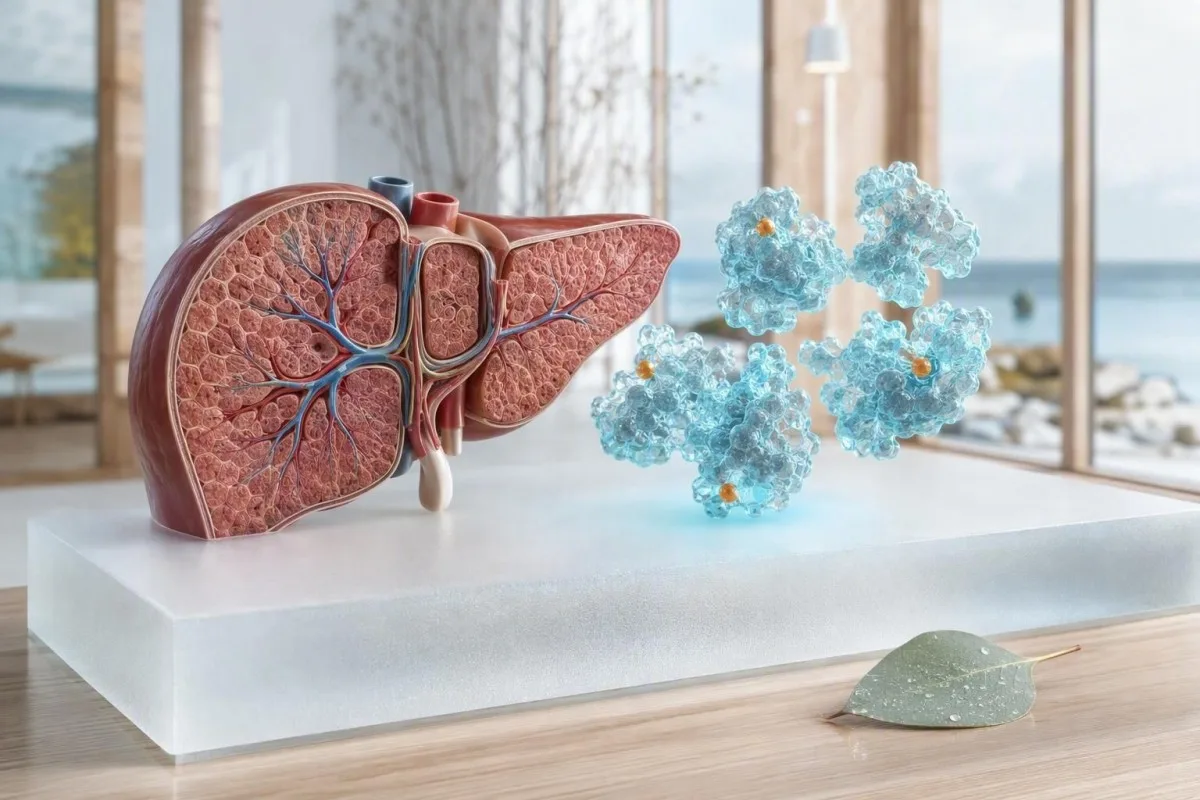
ผล TIBC ต่ำมักไม่ค่อยก่อให้เกิดอาการด้วยตัวมันเอง อาการต่างๆ เกิดจากภาวะที่ทำให้การผลิต transferrin การจัดการธาตุเหล็ก หรือสมดุลโปรตีนเปลี่ยนแปลงไป.



- TIBC ຕໍ່າ มักหมายถึงมี transferrin น้อยลงสำหรับการขนส่งธาตุเหล็ก ห้องปฏิบัติการสำหรับผู้ใหญ่หลายแห่งใช้ค่าประมาณ 250–450 µg/dL (45–80 µmol/L) เป็นช่วงอ้างอิง.
- อาการทางอ้อม: ความเหนื่อยล้า มีไข้ ปวดข้อ บวม ดีซ่าน หรือน้ำหนักลด ชี้ไปที่อาการป่วยที่ซ่อนอยู่มากกว่าตัว TIBC ต่ำเอง.
- ແບບອັກເສບ มักแสดงธาตุเหล็กในซีรั่มต่ำ, TIBC ต่ำ, ความอิ่มตัวของ transferrin ต่ำกว่า 20%, และ ferritin ปกติหรือสูงขึ้น.
- รูปแบบการขาดธาตุเหล็ก มักทำให้เกิด ferritin ต่ำและ TIBC สูง ไม่ใช่ต่ำ เว้นแต่จะมีการอักเสบหรือโรคตับเกิดขึ้นในเวลาเดียวกัน.
- Transferrin saturation คำนวณจากธาตุเหล็กในซีรั่มหารด้วย TIBC × 100; ค่าที่สูงกว่า 45% สมควรได้รับการประเมินสำหรับการสะสมธาตุเหล็กเมื่อเกิดขึ้นอย่างต่อเนื่อง.
- Albumin matters เนื่องจาก transferrin เป็นโปรตีนที่สร้างจากตับ; ค่า albumin ต่ำร่วมกับ TIBC ต่ำอาจบ่งชี้ถึงการสังเคราะห์ที่ลดลง การได้รับสารอาหารไม่เพียงพอ การสูญเสียโปรตีน หรือภาวะเจ็บป่วยทั่วร่างกาย.
- ກວດທົບທວນດ່ວນ เหมาะสมสำหรับอาการสับสน ดีซ่าน อุจจาระสีดำ หายใจลำบากขณะพัก อาการบวมที่เพิ่มขึ้นอย่างรวดเร็ว หรือมีไข้ร่วมกับอาการอ่อนแรงอย่างรุนแรง.
- ການກວດຄືນຢ່າງມີເຫດຜົນ ໝາຍເຖິງການຫຼີກລ້ຽງເມັດເຫຼັກເປັນເວລາ 24 ຊົ່ວໂມງກ່ອນການກວດລະດັບທາດເຫຼັກເມື່ອທ່ານໝໍຂອງທ່ານເຫັນດີ, ແລະການເລື່ອນເວລາການກວດປົກກະຕິໃນລະຫວ່າງການເຈັບປ່ວຍດ້ວຍໄຂ້ສ້ວຍແຫຼມຖ້າເປັນໄປໄດ້.
ความหมายที่แท้จริงของผล TIBC ต่ำ
ຄວາມອາດສາມາດໃນການຈັບທາດເຫຼັກທັງໝົດຕໍ່າ ໝາຍຄວາມວ່າເລືອດມີຄວາມອາດສາມາດຂອງທຣານສ໌ເຟຣິນໜ້ອຍລົງໃນການຈັບທາດເຫຼັກ. TIBC ເປັນການວັດແທກທາງອ້ອມຂອງທຣານສ໌ເຟຣິນ, ເປັນໂປຣຕີນທີ່ຜະລິດໂດຍຕັບເປັນຫຼັກ; ມັນບໍ່ແມ່ນການວັດແທກໂດຍກົງຂອງປະລິมาณທາດເຫຼັກທີ່ຮ່າງກາຍຂອງທ່ານເກັບຮັກສາໄວ້.

ຫ້ອງທົດລອງສ່ວນໃຫຍ່ລາຍງານ TIBC ຂອງຜູ້ໃຫຍ່ປະມານ 250–450 µg/dL ຫຼື 45–80 µmol/L, ແຕ່ໄລຍະເວລາທີ່ພິມຢູ່ຂ້າງຜົນການກວດຂອງທ່ານມີຄ່າເພາະວ່າການປັບທຽບການວິເຄາະແຕກຕ່າງກັນ. ຄ່າ 210 µg/dL ບໍ່ໄດ້ເປັນອັນຕະລາຍໂດຍອັດຕະໂນມັດ; ຂ້ອຍຕີຄວາມໝາຍມັນຢູ່ຂ້າງທາດເຫຼັກໃນເລືອດ, ຟີຣຣິດິນ, ການອີ່ມຕົວຂອງທຣານສ໌ເຟຣິນ, C-reactive protein, ອາລບູມິນ, ແລະການນັບຈໍານວນເລືອດເຕັມ. ລາຍລະອຽດຂອງພວກເຮົາ ຄູ່ມືການສຶກສາກ່ຽວກັບທາດເຫຼັກ ອະທິບາຍວ່າເປັນຫຍັງເຄື່ອງໝາຍທາດເຫຼັກໜຶ່ງບໍ່ສາມາດຕອບທຸກຄຳຖາມໄດ້.
TIBC ແລະທຣານສ໌ເຟຣິນມີຄວາມກ່ຽວຂ້ອງກັນຢ່າງໃກ້ຊິດແຕ່ບໍ່ແມ່ນການກວດທີ່ຄືກັນ. ທຣານສ໌ເຟຣິນຖືກວັດແທກເປັນຄວາມເຂັ້ມຂຸ້ນຂອງໂປຣຕີນ, ມັກຈະເປັນ g/L ຫຼື mg/dL, ໃນຂະນະທີ່ TIBC ປະເມີນຄວາມອາດສາມາດສູງສຸດໃນການຈັບທາດເຫຼັກຂອງທຣານສ໌ເຟຣິນທີ່ໄຫຼວຽນ; ຫ້ອງທົດລອງບາງແຫ່ງຄິດໄລ່ອັນໜຶ່ງຈາກອີກອັນໜຶ່ງ. TIBC ເປັນ AI ເຄື່ອງວິເຄາະເລືອດ ທີ່ອ່ານຄ່າ TIBC ຕໍ່າເມື່ອທຽບກັບສ່ວນທີ່ເຫຼືອຂອງການກວດທາດເຫຼັກ ແທນທີ່ຈະຖືເອົາສັນຍານດຽວເປັນການວິນິດໄສ.
ລາຍລະອຽດທີ່ໃຊ້ໄດ້ຈິງທີ່ຄົນເຈັບມັກພາດ: ຄົນດຽວກັນສາມາດມີ TIBC ຕໍ່າໃນລະຫວ່າງການເຈັບປ່ວຍດ້ວຍໄວຣັດ ແລະຄ່າທີ່ສູງກວ່າຫຼາຍອາທິດຕໍ່ມາ ໂດຍບໍ່ມີອາຫານເສີມໃດໆມາປ່ຽນແປງ. ວິທີການຂອງທ່ານດຣ. Thomas Klein ຄືການຖາມກ່ອນວ່າມີການເກັບຕົວຢ່າງໃນລະຫວ່າງການຕິດເຊື້ອ, ຫຼັງຈາກການປິ່ນປົວໃນໂຮງໝໍ, ຫຼືໃນລະຫວ່າງການອັກເສບຮ້າຍແຮງຄັ້ງໃໝ່; ໄລຍະເວລານັ້ນມັກຈະປ້ອງກັນການສັ່ງຢາທາດເຫຼັກທີ່ບໍ່ຈຳເປັນ.
ການຄິດໄລ່ເບື້ອງຫຼັງການອີ່ມຕົວຂອງທຣານສ໌ເຟຣິນ
ການອີ່ມຕົວຂອງທຣານສ໌ເຟຣິນເທົ່າກັບທາດເຫຼັກໃນເລືອດ ÷ TIBC × 100. ທາດເຫຼັກໃນເລືອດ 50 µg/dL ດ້ວຍ TIBC 250 µg/dL ໃຫ້ການອີ່ມຕົວ 20%, ໃນຂະນະທີ່ທາດເຫຼັກໃນເລືອດດຽວກັນ ດ້ວຍ TIBC 125 µg/dL ໃຫ້ 40%; ຕົວຫານທີ່ຕໍ່າສາມາດເຮັດໃຫ້ການອີ່ມຕົວເບິ່ງຄືວ່າໜ້າເຊື່ອຖືຫຼາຍເກີນໄປ ຫຼືສູງ.
อาการของ TIBC ต่ำ: สิ่งที่คุณอาจรู้สึกและสิ่งที่คุณจะไม่รู้สึก
TIBC ຕໍ່າດ້ວຍຕົວມັນເອງ ໂດຍທົ່ວໄປແລ້ວບໍ່ເຮັດໃຫ້ມີອາການສະເພາະ. ຄວາມເມື່ອຍລ້າ, ຄວາມອົດທົນໃນການອອກກໍາລັງກາຍຫຼຸດລົງ, ໄຂ້, ທ້ອງບວມ, ປວດຂໍ້, ຫຼືຕາເຫຼືອງ ເກີດຈາກໂລກເລືອດຈາງ, ການອັກເສບ, ການເຮັດວຽກຂອງຕັບຜິດປົກກະຕິ, ການຂາດສານອາຫານ, ຫຼືທາດເຫຼັກເກີນ - ບໍ່ແມ່ນຈາກຄ່າ TIBC ຢ່າງດຽວ.

ເມື່ອ TIBC ຕໍ່າ ປະກອບດ້ວຍ hemoglobin ຕ່ຳກວ່າ 120 g/L ໃນແມ່ຍິງທີ່ບໍ່ໄດ້ຖືພາ ຫຼື 130 กรัม/ลิตร ในผู้ชาย, ຄວາມອິດເມື່ອຍ, ຫາຍໃຈບໍ່ອອກເມື່ອຂຶ້ນບັນໄດ, ຫົວໃຈເຕັ້ນແຮງ, ເຈັບຫົວ, ແລະວິນຫົວ ອາດສະທ້ອນເຖິງໂລກເລືອດຈາງ. ແຕ່ໂລກເລືອດຈາງຈາກການອັກເສບອາດຈະບໍ່ຮຸນແຮງ ແລະຍັງເຮັດໃຫ້ຄົນເຈັບອິດເມື່ອຍເພາະວ່າ cytokines ປ່ຽນການສົ່ງທາດເຫຼັກໄປຫາໄຂກະດູກ. ປຽບທຽບກັບ ອາການຂອງເມັດເລືອດແດງຕ່ຳ ຖ້າ CBC ຂອງທ່ານກໍ່ມີການຕິດທຸງຄືກັນ.
ອາການທີ່ເຮັດໃຫ້ຂ້ອຍກັງວົນໄປຫາສາເຫດທີ່ກ່ຽວຂ້ອງກັບຕັບ ຫຼືໂປຣຕີນ ລວມມີອາການບວມຂໍ້ຕີນ, ທ້ອງເຕັມໃໝ່, ເລືອດອອກງ່າຍ, ຄັນ, ປັດສະວະສີເຂັ້ມ, ອາຈົມສີຈາງ, ຫຼືຢາກອາຫານໜ້ອຍ. ดีซ่านร่วมกับอาการสับสน อาเจียนเป็นเลือด อุจจาระสีดำคล้ายยางมะตอย หายใจลำบากอย่างรุนแรง หรืออาการบวมที่ขยายตัวอย่างรวดเร็ว จำเป็นต้องได้รับการประเมินภายในวันเดียวกัน. TIBC ต่ำไม่ใช่ภาวะฉุกเฉิน อาการทางคลินิกเหล่านั้นต่างหากที่เป็น.
ในทางปฏิบัติ ฉันเห็นผู้คนวิตกกังวลหลังจากค้นหา “อาการความสามารถในการจับธาตุเหล็กต่ำ” และเริ่มรับประทานธาตุเหล็กทันที นั่นอาจเป็นการกระทำที่ผิดพลาดหากค่าความอิ่มตัวของทรานสเฟอร์รินสูงอยู่แล้ว 45% หรือเฟอร์ริตินสูง ธาตุเหล็กมีประโยชน์เมื่อพบว่าขาดแคลนแล้ว แต่ก็ไม่ใช่ยาบำรุงทั่วไปและอาจบดบังรูปแบบการวินิจฉัยได้.
การอักเสบทำให้เกิด TIBC ต่ำและธาตุเหล็กในซีรั่มต่ำได้อย่างไร
การอักเสบเป็นคำอธิบายที่พบบ่อยที่สุดสำหรับ TIBC ต่ำร่วมกับธาตุเหล็กในซีรัมต่ำ. ตับสร้างทรานสเฟอร์รินน้อยลงระหว่างการตอบสนองระยะเฉียบพลัน ในขณะที่ฮีพซิดินจำกัดการปลดปล่อยธาตุเหล็กจากแมคโครฟาจและการดูดซึมในลำไส้.
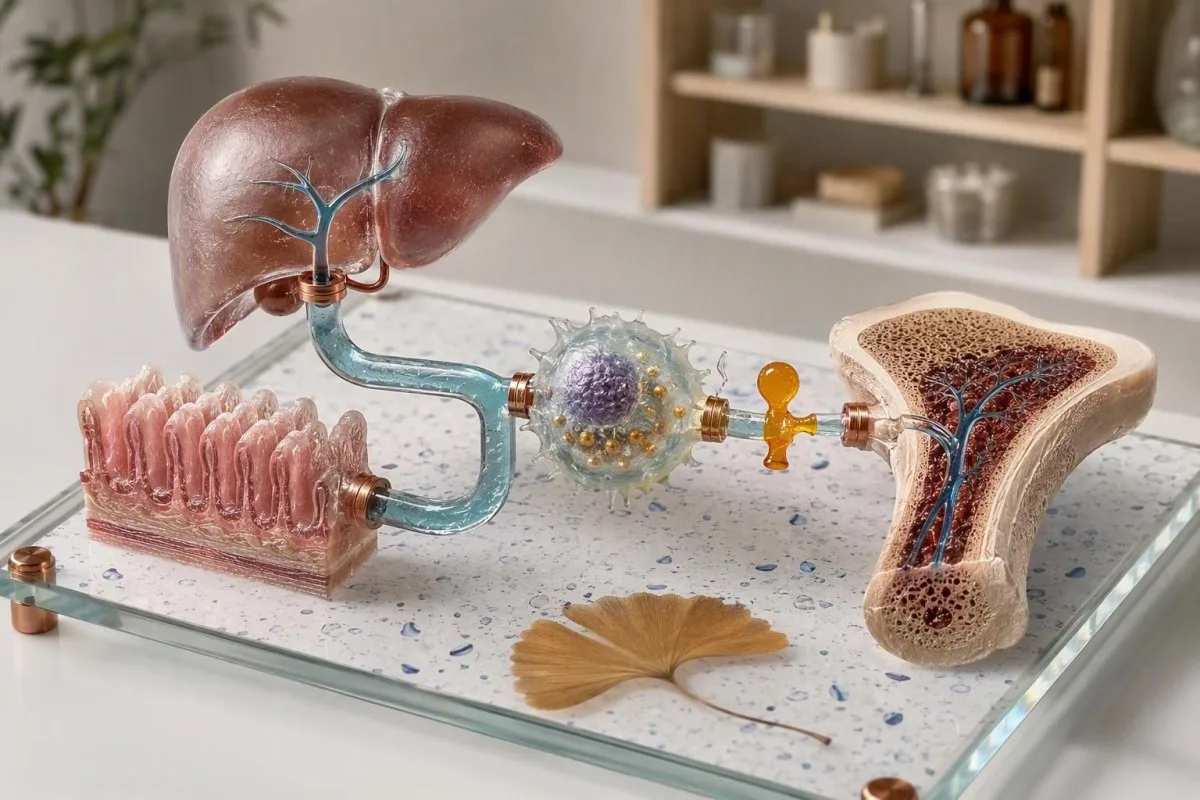
รูปแบบทั่วไปที่เกี่ยวข้องกับการอักเสบคือ ธาตุเหล็กในซีรัมต่ำกว่า 50 µg/dL, TIBC ต่ำกว่า 250 µg/dL, ความอิ่มตัวต่ำกว่า 20% และเฟอร์ริตินสูงกว่า 100 ng/mL, แม้ว่าจะไม่มีค่าตัดเหล่านี้สามารถวินิจฉัยโรคได้เพียงอย่างเดียว เฟอร์ริตินจะสูงขึ้นตามสัญญาณการอักเสบ ดังนั้นเฟอร์ริติน “ปกติ” จึงไม่สามารถตัดภาวะขาดธาตุเหล็กได้อย่างน่าเชื่อถือเมื่อ CRP สูง กรอบการทำงานทางคลินิกที่อธิบายโดย Weiss และคณะ (2019) แยกภาวะขาดธาตุเหล็กสัมบูรณ์ออกจากภาวะจำกัดธาตุเหล็กเชิงหน้าที่โดยใช้การรวมกันนี้ ไม่ใช่เพียงเฟอร์ริติน.
การติดเชื้อเฉียบพลัน โรคแพ้ภูมิตนเอง โรคไตเรื้อรัง การอักเสบที่เกี่ยวข้องกับโรคอ้วน การผ่าตัดล่าสุด และมะเร็ง ล้วนสามารถทำให้ทรานสเฟอร์รินต่ำลงได้. CRP ສູງກວ່າ 10 mg/L ทำให้ TIBC ต่ำมีแนวโน้มที่จะเป็นผลมาจากการตอบสนองมากกว่า ในขณะที่อัตราการตกตะกอนของเม็ดเลือดแดงอาจยังคงสูงอยู่เป็นเวลาหลายสัปดาห์หลังจาก CRP ลดลง สำหรับบริบทของตัวบ่งชี้ที่ช้ากว่านี้ โปรดดูคู่มือของเราเกี่ยวกับ เหตุใด ESR จึงเปลี่ยนแปลงช้า.
ส่วนที่ขัดแย้งกันคือธาตุเหล็กที่เก็บสะสมไว้อาจมีอยู่แต่ไม่สามารถเข้าถึงได้สำหรับไขกระดูก Kantesti AI ซึ่งเป็น ແພລດຟອມການຕີຄວາມໝາຍ biomarker ຂອງ AI, ระบุรูปแบบที่ขัดแย้งกันของธาตุเหล็กต่ำ/TIBC ต่ำ และกระตุ้นคำถามเกี่ยวกับอาการป่วยที่กำลังดำเนินอยู่ การทำงานของไต และตัวบ่งชี้การอักเสบ ไม่ได้วินิจฉัยสาเหตุจากข้อมูลในห้องปฏิบัติการเพียงอย่างเดียว.
เมื่อตัวรับทรานสเฟอร์รินที่ละลายน้ำได้ช่วย
ตัวรับทรานสเฟอร์รินที่ละลายน้ำได้มักจะบิดเบือนน้อยกว่าเฟอร์ริติน เนื่องจากการอักเสบ. ผลลัพธ์ที่สูงขึ้นสามารถสนับสนุนการผลิตเซลล์เม็ดเลือดแดงที่จำกัดธาตุเหล็กอย่างแท้จริงได้ เมื่อเฟอร์ริตินอยู่ที่ 50–300 ng/mL และ CRP สูง แม้ว่าช่วงค่าอ้างอิงเฉพาะของการทดสอบหมายความว่าควรสั่งและตีความโดยแพทย์.
เหตุใดภาวะตับจึงสามารถลดความสามารถในการจับธาตุเหล็กได้
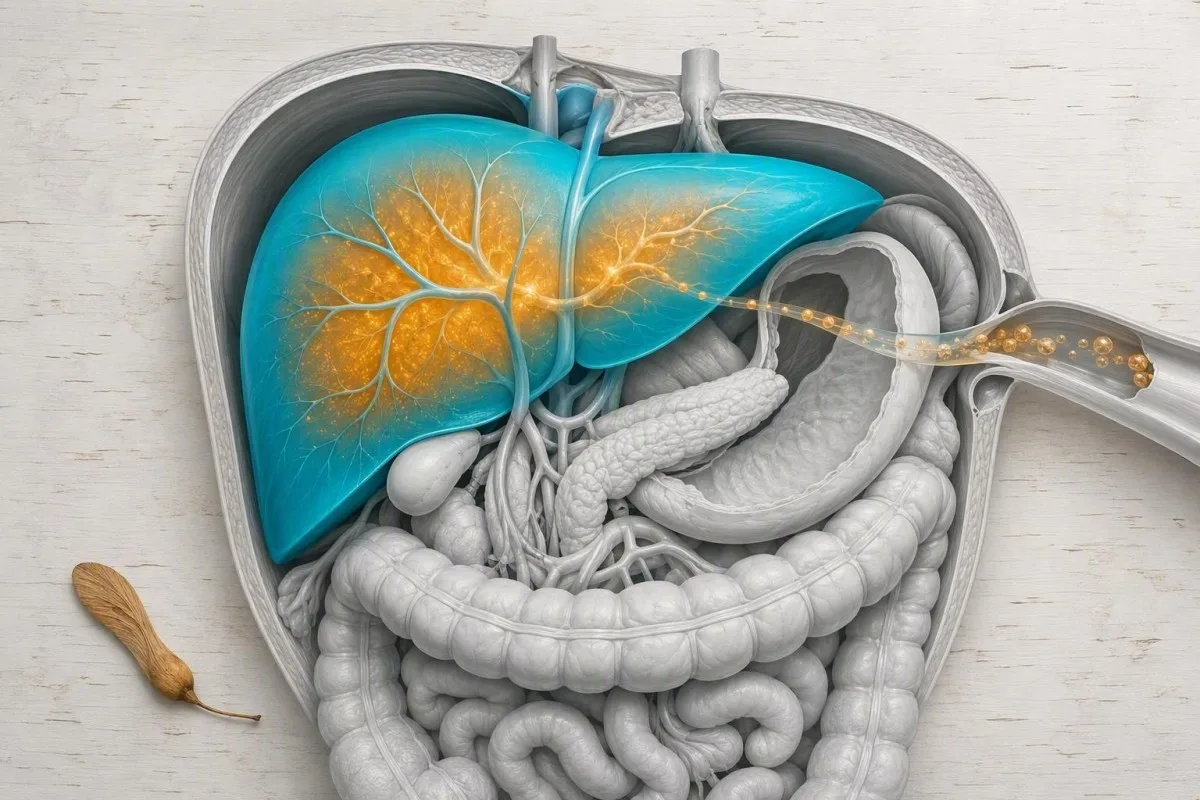
โรคตับสามารถทำให้ TIBC ลดลงได้ เนื่องจากเซลล์ตับสังเคราะห์ทรานสเฟอร์ริน. TIBC ต่ำร่วมกับอัลบูมินต่ำ, INR ที่ยืดเยื้อ, บิลิรูบินสูง, หรือ AST และ ALT ที่ผิดปกติ ควรเปลี่ยนความสนใจจากการรับประทานธาตุเหล็กไปสู่การผลิตของตับและความรุนแรงของโรค.
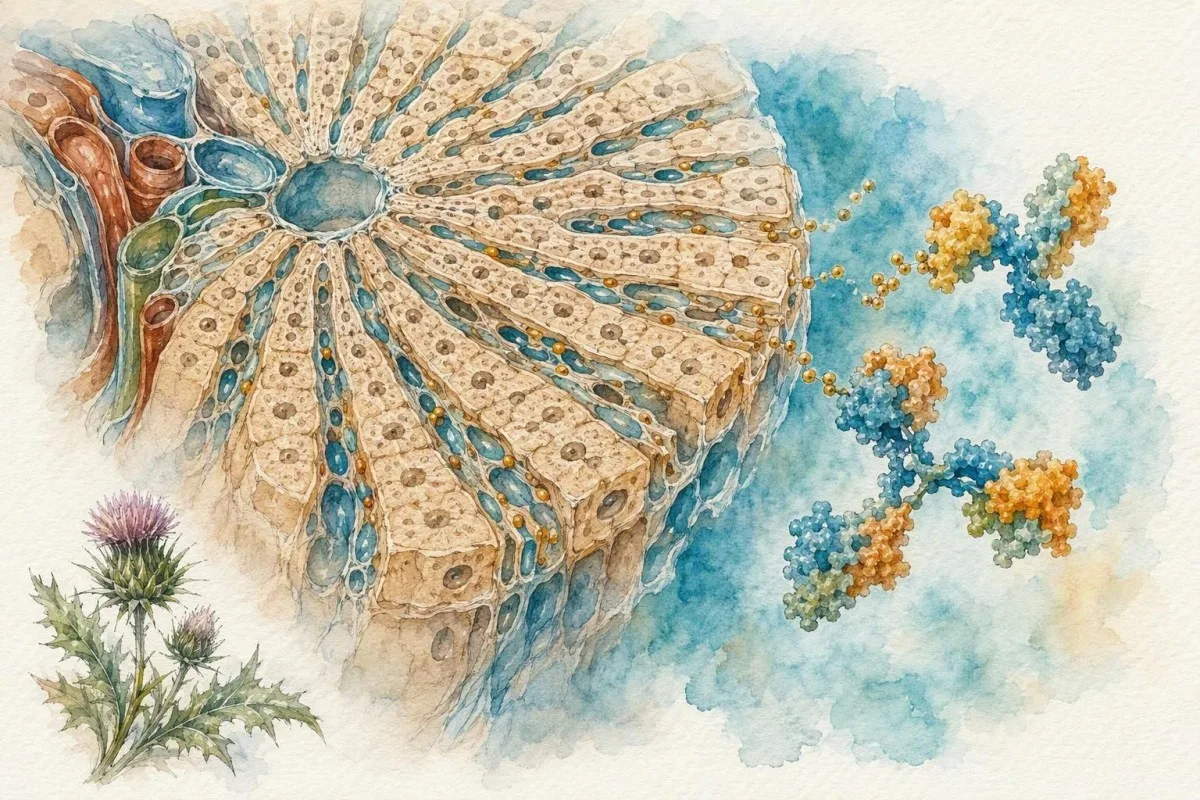
ผลลัพธ์ทรานสเฟอร์รินต่ำอาจเกิดขึ้นในโรคตับไขมัน, ไวรัสตับอักเสบ, การบาดเจ็บที่ตับจากแอลกอฮอล์, ภาวะพังผืดขั้นสูง และภาวะตับแข็ง แต่ก็ไม่จำเพาะเพียงพอที่จะระบุระยะของโรคเหล่านี้. Albumin ក្រោម 35 g/L ร่วมกับ TIBC ที่ต่ำอย่างต่อเนื่อง สมควรได้รับการทบทวนทางคลินิกที่เหมาะสม โดยเฉพาะอย่างยิ่งหากมีอาการบวมน้ำหรือน้ำหนักลด ทบทวนรูปแบบที่กว้างขึ้นใน ภาพรวมการตรวจตับ.
ฉันเพิ่งทบทวนนักวิ่งคนหนึ่งที่มี AST 89 IU/L หลังจากการแข่งขันที่ยาวนานและ TIBC ปกติในระดับต่ำ AST กลับมาเป็นปกติหลังจากการพักฟื้น ในขณะที่อัลบูมินและบิลิรูบินยังคงปกติ การออกกำลังกายสามารถเปลี่ยนแปลงผลลัพธ์หลายอย่างชั่วคราว ในขณะที่ TIBC ต่ำร่วมกับดีซ่านและอัลบูมินลดลงเป็นภาพทางคลินิกที่แตกต่างกันมาก เป็นการรวมกันนี้—ไม่ใช่ AST หรือ TIBC เพียงอย่างเดียว—ที่เปลี่ยนแปลงขั้นตอนต่อไป.
ຄວາມອີ່ມຕົວຂອງທາດເຫຼັກສູງຢ່າງຕໍ່ເນື່ອງຕ້ອງການການເອົາໃຈໃສ່ໃນພະຍາດຕັບເນື່ອງຈາກທາດໂອນເຫຼັກຕ່ໍາສາມາດເພີ່ມເປີເຊັນໄດ້. แนวทางปฏิบัติเกี่ยวกับ hemochromatosis ປີ 2022 ຂອງ EASL ໃຊ້ຄວາມອີ່ມຕົວຂອງທາດໂອນເຫຼັກ ສູງກວ່າ 45% ໃນແມ່ຍິງ ແລະສູງກວ່າ 50% ໃນຜູ້ຊາຍ, ຮ່ວມກັບລະດັບ ferritin ສູງ, ເປັນຕົວເລັ່ງໃນການປະເມີນຕື່ມອີກແທນທີ່ຈະອີງໃສ່ຕົວຊີ້ວັດໃດນຶ່ງເທົ່ານັ້ນ (European Association for the Study of the Liver, 2022).
ເມື່ອອາການຂອງຕັບຕ້ອງການການດູແລສຸກເສີນ
ອາການເຫຼືອງ, ສະຕິຊົ່ວຄາວ, ຮາກເລືອດ, ອາຈົມດຳ, ຫຼືທ້ອງບວມຢ່າງຫຼວງຫຼາຍ ຕ້ອງການການປະເມີນທາງການແພດຢ່າງຮີບດ່ວນໂດຍບໍ່ຄຳນຶງເຖິງລະດັບ TIBC. ອາການເຫຼົ່ານີ້ສາມາດຊີ້ບອກເຖິງການລະບາຍນ້ຳດີທີ່ບົກຜ່ອງ, ການມີເລືອດອອກໃນລະບົບຍ່ອຍອາຫານ, ຫຼືພະຍາດຕັບທີ່ບໍ່ສາມາດຊົດເຊີຍໄດ້; ເບິ່ງການທົບທວນຂອງພວກເຮົາກ່ຽວກັບ les signes précoces de cirrhose.
TIBC ต่ำจากภาวะโปรตีนไม่ดีหรือการสูญเสียโปรตีน
TIBC ຕ່ຳສາມາດເປັນຜົນມາຈາກການຂາດທາດໂປຼຕີນທີ່ພຽງພໍ, ການສ້າງຂອງຕັບຫຼຸດລົງ, ຫຼືການສູນເສຍທາດໂປຼຕີນຜ່ານไต ຫຼື ລຳໄສ້. ເນື່ອງຈາກທາດໂອນເຫຼັກມີເຄິ່ງຊີວິດປະມານ 8 ມື້, ມັນສາມາດຫຼຸດລົງກ່ອນອາລບູມິນໃນການເຈັບປ່ວຍຢ່າງກະທັນຫັນແຕ່ຍັງຄົງເປັນການທົດສອບໂພຊະນາການທີ່ບໍ່ດີ.

ການຮັບປະທານໜ້ອຍ, ຄື່ນໄສ້ຮຸນແຮງ, ການດູດຊຶມບໍ່ໄດ້, ຖອກທ້ອງຊໍາເຮື້ອ, ບາດແຜໃຫຍ່, ແລະພະຍາດລະບົບຂັ້ນສູງອາດເຮັດໃຫ້ທາດໂອນເຫຼັກຫຼຸດລົງ. Albumin ຕ່ຳກວ່າ 30 g/L ເພີ່ມຄວາມເປັນໄປໄດ້ຂອງການ depletion ຂອງທາດໂປຼຕີນທີ່ມີຄວາມສໍາຄັນທາງຄລີນິກຫຼືການສູນເສຍ, ແຕ່ການອັກເສບກໍ່ສາມາດຫຼຸດອາລບູມິນໄດ້ເຊັ່ນກັນ. ນັ້ນຄືເຫດຜົນທີ່ການສັ່ງຢາທາດເຫຼັກໃນປະລິมาณສູງສໍາລັບທຸກຜົນ TIBC ຕ່ໍາພາດບັນຫາທີ່ຢູ່ພາຍໃຕ້.
ການສູນເສຍທາດໂປຼຕີນຂອງไตສາມາດຫຼຸດລົງທາດໂປຼຕີນໃນເລືອດ, ໂດຍສະເພາະເມື່ອອັດຕາສ່ວນ albumin-creatinine ຂອງປັດສະວະເພີ່ມຂຶ້ນຢ່າງຫຼວງຫຼາຍຫຼືທາດໂປຼຕີນຂອງປັດສະວະມີຄວາມຕໍ່ເນື່ອງ. ປັດສະວະເປັນຟອງ, ໃຄ່ຂຶ້ນ, ບວມຂໍ້ຕີນ, ແລະນ້ຳໜັກເພີ່ມຂຶ້ນແມ່ນສັນຍານທີ່ເປັນປະໂຫຍດ, ແຕ່ຫຼາຍຄົນທີ່ມີໂປຼຕີນໃນປັດສະວະຮູ້ສຶກດີ. ບົດຄວາມຂອງພວກເຮົາກ່ຽວກັບ ປັດສະວະເປັນຟອງຢ່າງຕໍ່ເນື່ອງ ອະທິບາຍວ່າຕົວຢ່າງປັດສະວະຈະຊີ້ແຈງຄວາມເປັນໄປໄດ້ນີ້ແນວໃດ.
ການປະເມີນໂພຊະນາການຄວນລວມມີການປ່ຽນແປງນ້ຳໜັກ, ຄວາມແຂງແຮງຂອງກ້າມເນື້ອ, ຄວາມທົນທານຕໍ່ອາຫານ, ບັນຫາແຂ້ວຫຼືການກືນ, ແລະອາການລະບົບຍ່ອຍອາຫານ - ບໍ່ພຽງແຕ່ອາລບູມິນ. ຈາກປະສົບການຂອງຂ້ອຍ, ການສູນເສຍທີ່ບໍ່ໄດ້ຕັ້ງໃຈ 5% ຂອງນ້ຳໜັກຕົວໃນ 6–12 ເດືອນ ສົມຄວນໄດ້ຮັບການປະເມີນໂດຍທ່ານໝໍ ເຖິງແມ່ນວ່າແຜງທາດເຫຼັກເບິ່ງຄືວ່າຜິດປົກກະຕິພຽງເລັກນ້ອຍ.
เมื่อ TIBC ต่ำชี้ไปทางการมีธาตุเหล็กมากเกินไปแทน
TIBC ຕ່ຳດ້ວຍທາດເຫຼັກໃນເລືອດສູງ ແລະ ຄວາມອີ່ມຕົວຂອງທາດໂອນເຫຼັກສູງສາມາດຊີ້ບອກເຖິງການສະສົມທາດເຫຼັກ, ໂດຍສະເພາະເມື່ອຄວາມອີ່ມຕົວຍັງຄົງຢູ່ສູງກວ່າ 45% ໃນຕົວຢ່າງຕອນເຊົ້າທີ່ອົດອາຫານຊ້ຳ. ນີ້ແມ່ນກົງກັນຂ້າມກັບການຂາດທາດເຫຼັກທີ່ບໍ່ຊັບຊ້ອນ, ເຊິ່ງ TIBC ໂດຍທົ່ວໄປຈະເພີ່ມຂຶ້ນ.

Hemochromatosis ທາງພັນທຸກໍາ, ການຖ່າຍເລືອດຊ້ຳ, ການໃຊ້ທາດເຫຼັກຫຼາຍເກີນໄປ, ການຜະລິດເມັດເລືອດແດງທີ່ບໍ່ມີປະສິດທິພາບ, ແລະຄວາມຜິດປົກກະຕິຂອງຕັບບາງຢ່າງສາມາດສ້າງຮູບແບບນີ້ໄດ້. Ferritin ສູງກວ່າ 300 ng/mL ໃນຜູ້ຊາຍ ຫຼື 200 ng/mL ໃນຜູ້ຍິງ ຖືກນຳໃຊ້ທົ່ວໄປເປັນເກณฑ์ການປະເມີນການປະຕິບັດ, ແຕ່ ferritin ກໍ່ສາມາດເພີ່ມຂຶ້ນໄດ້ດ້ວຍການດື່ມເຫຼົ້າ, ພະຍາດທາງເດີນອາຫານ, ແລະການຕອບສະໜອງຂອງເນື້ອເຍື່ອ. ຂອງພວກເຮົາ មគ្គុទេសក៍រោគសញ្ញា haemochromatosis ວາງຜົນໄດ້ຮັບເຫຼົ່ານັ້ນໄວ້ໃນບໍລິບົດທາງຄລີນິກ.
ຢ່າພະຍາຍາມ “ຫຼຸດທາດເຫຼັກ” ດ້ວຍການບໍລິຈາກເລືອດ ຖ້າເຈົ້າເປັນໂລກເລືອດຈາງ, ຖືພາ, ບໍ່ສະບາຍ, ຫຼືບໍ່ໄດ້ຮັບການປະເມີນ. ທ່ານໝໍອາດຈະເຮັດການສຶກສາທາດເຫຼັກຄືນໃຫມ່ຫຼັງຈາກອົດອາຫານຂ້າມຄືນ, ທົບທວນອາຫານເສີມແລະເຫຼົ້າ, ກວດຫາເອນໄຊມຕັບ, ແລະພິຈາລະນາການທົດສອບພັນທຸກໍາ HFE ເມື່ອຮູບແບບມີຄວາມຕໍ່ເນື່ອງ. ຄ່າທາດເຫຼັກໃນເລືອດທີ່ບໍ່ໄດ້ອົດອາຫານຄັ້ງດຽວແມ່ນສັນຍານ, ບໍ່ແມ່ນຄຳຕັດສິນ.
ແຄນເທສຕີ ເປັນ ឧបករណ៍វិភាគតេស្តឈាមដែលដំណើរការដោយ AI ໃຊ້ໃນທົ່ວ 127+ ປະເທດເພື່ອວາງແຜນ TIBC, ferritin, ທາດເຫຼັກ, ຄວາມອີ່ມຕົວ, hemoglobin, ແລະ markers ຕັບຮ່ວມກັນ. AI ຂອງພວກເຮົາຊີ້ບອກຮູບແບບຄວາມອີ່ມຕົວສໍາລັບການສົນທະນາທາງຄລີນິກ; ການວິນິດໄສຍັງຕ້ອງການປະຫວັດ, ການທົດສອບຄືນ, ແລະບາງຄັ້ງພັນທຸກໍາຫຼືການຖ່າຍຮູບ.
คุณสามารถมีภาวะขาดธาตุเหล็กที่มี TIBC ต่ำได้หรือไม่?
ແມ່ນແລ້ວ — ການຂາດທາດເຫຼັກສາມາດເກີດຂື້ນຮ່ວມກັບ TIBC ຕ່ໍາເມື່ອມີການອັກເສບ, ພະຍາດຕັບ, ຫຼືການຫຼຸດລົງຂອງທາດໂປຼຕີນ ເຊິ່ງສະກັດກັ້ນ transferrin. ແນວໃດກໍ່ຕາມ, ໃນການຂາດທາດເຫຼັກທີ່ບໍ່ມີອາການແຊກຊ້ອນ, ferritin ຫຼຸດລົງ ແລະ TIBC ມັກຈະສູງກວ່າລະດັບຫ້ອງທົດລອງ.
ferritin ຕ່ຳກວ່າ 15 ng/mL ມີຄວາມຈໍາເພາະສູງສໍາລັບການສະສົມທາດເຫຼັກທີ່ຖືກ depleted ໃນຜູ້ໃຫຍ່ທີ່ບໍ່ມີສຸຂະພາບດີ, ໃນຂະນະທີ່ແພດຫຼາຍຄົນໃຊ້ ຕໍ່າກວ່າ 30 ng/mL ເພື່ອປັບປຸງຄວາມອ່ອນໄຫວ. ໃນລະຫວ່າງການອັກເສບ, ferritin ຕ່ໍາກວ່າ 100 ng/mL ພ້ອມກັບ transferrin saturation ຕ່ຳກວ່າ 20% ຍັງສາມາດສະໜັບສະໜູນການຂາດທາດເຫຼັກ, ໂດຍສະເພາະໃນສະພາບຂອງພະຍາດไตຊໍາເຮື້ອຫຼືຫົວໃຈລົ້ມເຫຼວ. ເບິ່ງຄໍາອະທິບາຍຂອງພວກເຮົາກ່ຽວກັບ ferritin ຕ່ໍາກ່ອນເປັນໂລກເລືອດຈາງ ສໍາລັບຮູບແບບອາການ.
ນີ້ແມ່ນບ່ອນທີ່ CBC ມີບົດບາດ. MCV ຕ່ໍາ, RDW ສູງ, hemoglobin reticulocyte ຫຼຸດລົງ, ແລະ ferritin ຕ່ໍາ favor ການຂາດທາດເຫຼັກທີ່ແທ້ຈິງ; MCV ປົກກະຕິຫຼືຕ່ໍາເລັກນ້ອຍກັບ CRP ສູງແລະ TIBC ຕ່ໍາ favor ການອັກເສບ. ຄວາມແຕກຕ່າງບໍ່ສົມບູນແບບ - ພະຍາດ Thalassemia, ການຂາດ B12, ພະຍາດไต, ແລະການຖ່າຍເລືອດເມື່ອບໍ່ດົນມານີ້ສາມາດເຮັດໃຫ້ມັນສັບສົນ. ຄູ່ມືການຄັດແຍກ MCV ຕ່ໍາ ກວມເອົາຄໍາອະທິບາຍທີ່ແຂ່ງຂັນເຫຼົ່ານັ້ນ.
ດຣ. Thomas Klein ແນະນໍາໃຫ້ຄົນເຈັບບໍ່ໃຫ້ຕັດສິນການປິ່ນປົວທາດເຫຼັກໂດຍ serum iron ຢ່າງດຽວ. Serum iron ສາມາດປ່ຽນແປງໄດ້ 30% ຫຼືຫຼາຍກວ່ານັ້ນໃນລະຫວ່າງມື້ ແລະຫຼັງຈາກກິນອາຫານ; ການຕອບສະໜອງຂອງ hemoglobin, ແນວໂນ້ມຂອງ ferritin, ອາການ, ແລະສາເຫດຂອງການຂາດສານອາຫານມີຄວາມສໍາຄັນຫຼາຍກວ່າ.
ผลของยา การตั้งครรภ์ และเวลาต่อ TIBC
ການສໍາຜັດກັບ estrogen ແລະການຖືພາ ມັກຈະເພີ່ມ transferrin ແລະ TIBC, ໃນຂະນະທີ່ພະຍາດສ້ວຍແຫຼມ, corticosteroids, ແລະຄວາມກົດດັນຂອງລະບົບຮ້າຍແຮງສາມາດຫຼຸດລົງໄດ້. ປະຫວັດການໃຊ້ຢາ ແລະ ຂັ້ນຕອນການດໍາລົງຊີວິດສາມາດອະທິບາຍຜົນໄດ້ຮັບທີ່ບໍ່ຄາດຄິດ ກ່ອນທີ່ຈະພິຈາລະນາການວິນິດໄສທີ່ຫາຍາກ.
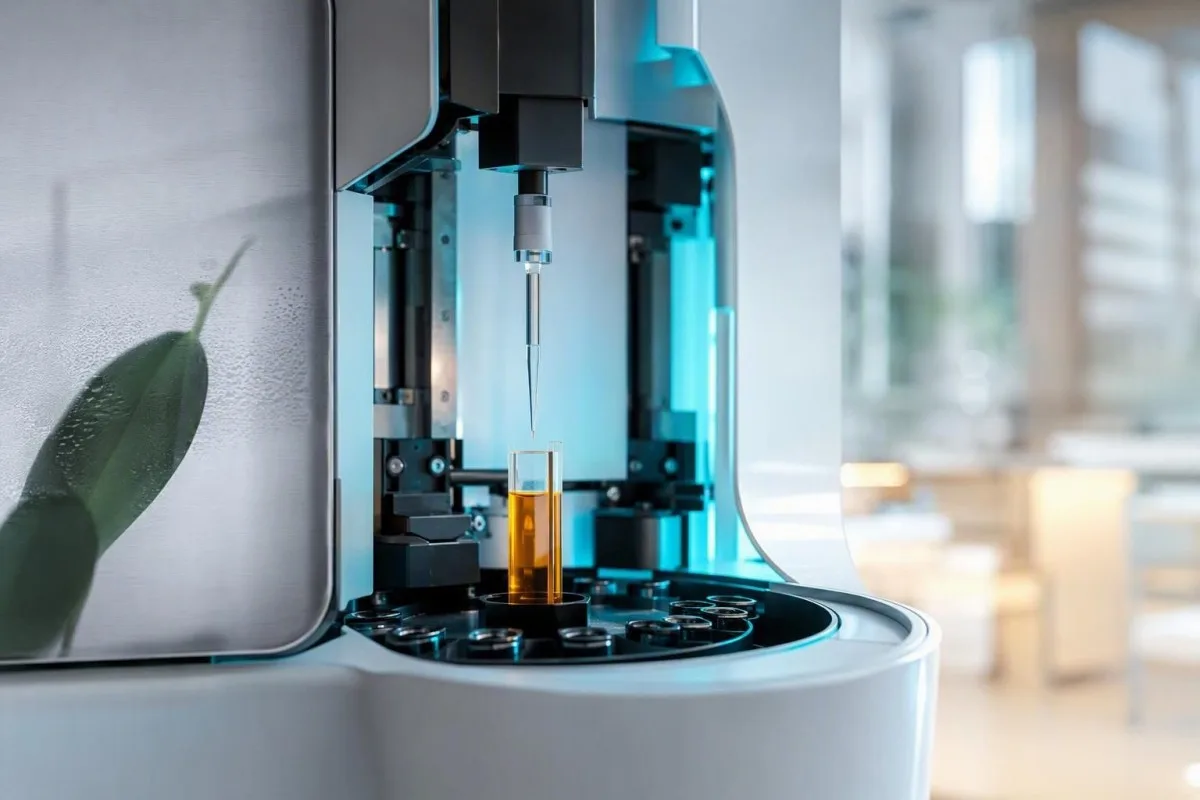
ຢາຄຸມກໍາເນີດທາງປາກ ແລະ ການຖືພາ ມັກຈະເພີ່ມການຜະລິດ transferrin, ດັ່ງນັ້ນ TIBC ຕ່ໍາໃນລະຫວ່າງການຖືພາ ຈະສັງເກດເຫັນໄດ້ຫຼາຍຂຶ້ນເມື່ອຈັບຄູ່ກັບ albumin ຕ່ໍາ, ການອັກເສບ, ຫຼືຄວາມຜິດປົກກະຕິຂອງຕັບ. ການຕີຄວາມຫມາຍຂອງ ferritin ສະເພາະການຖືພາແມ່ນແຕກຕ່າງກັນ: ລະດັບຕ່ໍາກວ່າ 30 µg/L ຖືກນໍາໃຊ້ຢ່າງກວ້າງຂວາງເພື່ອລະບຸການຂາດທາດເຫຼັກໃນລະຫວ່າງການຖືພາ. ອ່ານ ຄູ່ມື ferritin ໄຕມາດ ແທນທີ່ຈະນໍາໃຊ້ລະດັບທີ່ບໍ່ໄດ້ຖືພາ.
ຢາເມັດທາດເຫຼັກ ສາມາດເພີ່ມ serum iron ແລະ saturation ໄດ້ຊົ່ວຄາວເປັນເວລາຫຼາຍຊົ່ວໂມງ, ເຊິ່ງສາມາດເຮັດໃຫ້ TIBC ຕ່ໍາເບິ່ງຄືວ່າເປັນການໂຫຼດທາດເຫຼັກເກີນ. ຖ້າທ່ານຫມໍທີ່ສັ່ງເຫັນດີ, ການຢຸດຢາທາດເຫຼັກທາງປາກເປັນເວລາ 24 ຊົ່ວໂມງ ກ່ອນການເກັບຕົວຢ່າງ ແລະການເກັບຕົວຢ່າງຕອນເຊົ້າສາມາດຜະລິດແຜງທີ່ສະອາດກວ່າ. ລາຍລະອຽດໃນການປະຕິບັດແມ່ນຢູ່ໃນ មគ្គុទេសក៍ការរៀបចំ TIBC.
ການກວດສອບຢາຄວນລວມເອົາຢາປ້ອງກັນການຊັກ, ຢາເຄມີບຳບັດ, ຢາກົດລະບົບພູມຄຸ້ມກັນ, ການປິ່ນປົວ testosterone ຫຼື estrogen, ແລະທາດເຫຼັກທາງເສັ້ນເລືອດ - ບໍ່ແມ່ນຍ້ອນວ່າແຕ່ລະອັນເຮັດໃຫ້ TIBC ຕ່ໍາໂດຍກົງ, ແຕ່ຍ້ອນວ່າມັນສາມາດປ່ຽນແປງການທົດສອບຕັບ, ການອັກເສບ, ການຜະລິດເມັດເລືອດແດງ, ຫຼືການແຈກຢາຍທາດເຫຼັກ. ຢ່າຢຸດຢາຕາມໃບສັ່ງແພດພຽງແຕ່ເພື່ອປັບປຸງຜົນການທົດລອງໃນຫ້ອງທົດລອງ.
ผล TIBC ต่ำอาจเป็นชั่วคราวหรือไม่ถูกต้องหรือไม่?
ຜົນ TIBC ຕ່ໍາ ອາດຈະເປັນຊົ່ວຄາວໃນລະຫວ່າງການເຈັບປ່ວຍສ້ວຍແຫຼມ, ຫຼັງຈາກສັກນ້ຳເກືອທາງເສັ້ນເລືອດ, ຫຼືເມື່ອ serum iron ປ່ຽນແປງຕາມເວລາ, ແຕ່ການວິເຄາະ TIBC ທີ່ປະມວນຜົນຢ່າງຖືກຕ້ອງ ໂດຍທົ່ວໄປແລ້ວແມ່ນເຊື່ອຖືໄດ້ໃນດ້ານການວິເຄາະ. ຄວາມສ່ຽງທີ່ໃຫຍ່ກວ່າແມ່ນການຕີຄວາມຜິດຂອງຜົນລັບທີ່ແທ້ຈິງນອກເຫນືອສະພາບຄລີນິກຂອງມັນ.
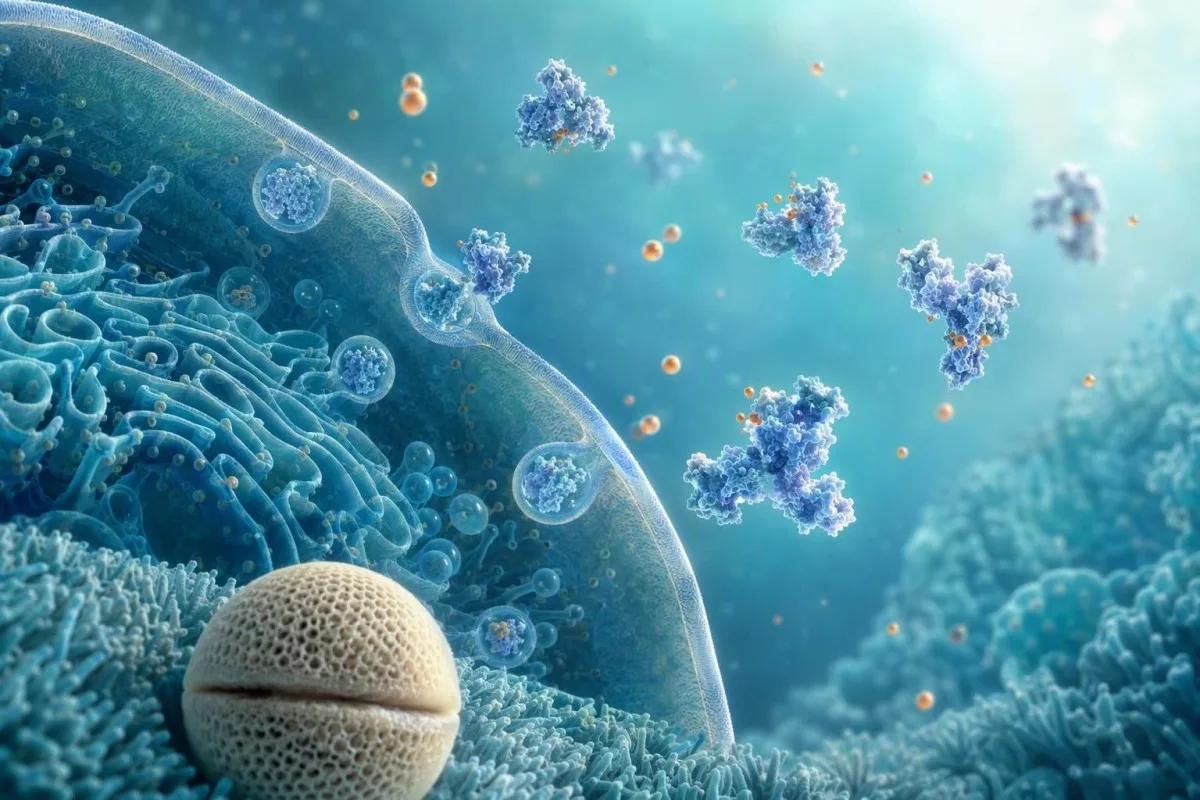
TIBC ຖືກວັດແທກໂດຍທົ່ວໄປໂດຍການເພີ່ມທາດເຫຼັກໃສ່ serum, ເອົາທາດເຫຼັກທີ່ບໍ່ໄດ້ຜູກມັດອອກ, ແລະປະລິມານສິ່ງທີ່ຍັງຄົງຜູກມັດ; immunoassays transferrin ໂດຍກົງໃຊ້ວິທີການທີ່ແຕກຕ່າງກັນ. Hemolysis, lipemia ຮ້າຍແຮງ, ແລະ paraproteins ທີ່ຫາຍາກສາມາດແຊກແຊງການວິເຄາະໃນຫ້ອງທົດລອງບາງຢ່າງ. ການປ່ຽນແປງຢ່າງກະທັນຫັນທີ່ຂັດກັບແນວໂນ້ມກ່ອນຫນ້ານີ້ແມ່ນສົມຄວນໄດ້ຮັບການເຮັດຊ້ໍາແທນທີ່ຈະຕົກໃຈ; ຂອງພວກເຮົາ ຄຳອະທິບາຍ delta-check ສະແດງໃຫ້ເຫັນວ່າທ່ານຫມໍຄິດແນວໃດກ່ຽວກັບການປ່ຽນແປງຢ່າງກະທັນຫັນ.
ການທົດສອບຊ້ໍາແມ່ນມີປະໂຫຍດຫຼາຍທີ່ສຸດເມື່ອຜົນລັບສາມາດປ່ຽນການຈັດການ. ສໍາລັບຄົນທີ່ສະຖຽນລະພາບທີ່ມີ TIBC ຕ່ໍາໃນລະຫວ່າງການເປັນຫວັດຫຼືການອັກເສບ autoimmune, ຂ້ອຍມັກຈະ favor ການສຶກສາທາດເຫຼັກຊ້ໍາ 4–8 ອາທິດ ຫຼັງຈາກການຟື້ນຕົວ, ພ້ອມກັບ CBC, ferritin, CRP, ອາຫານເສີມຕັບ, ແລະ albumin. ສໍາລັບຄົນທີ່ມີອາການເຫຼືອງ, ໂລກເລືອດຈາງຮ້າຍແຮງ, ຫຼື saturation ສູງກວ່າ 45%, ໄລຍະເວລາແມ່ນສັ້ນກວ່າ.
Kantesti AI ວິເຄາະລາຍງານທີ່ອັບໂຫຼດໃນເວລາປະມານ 60 ວິນາທີ ແລະສາມາດຊ່ວຍໃຫ້ທ່ານປຽບທຽບວັນທີ, ຫນ່ວຍ, ແລະລະດັບການອ້າງອິງ, ແຕ່ OCR ບໍ່ແມ່ນຄວາມຜິດພາດ. ກວດເບິ່ງວ່າທາດເຫຼັກໃນ serum ບໍ່ໄດ້ຖືກເຂົ້າໃຈຜິດວ່າເປັນ ferritin ແລະວ່າ µmol/L ບໍ່ໄດ້ອ່ານວ່າເປັນ µg/dL; ໃຊ້ຂອງພວກເຮົາ បញ្ជីត្រួតពិនិត្យការផ្ទុកឡើង PDF ກ່ອນທີ່ຈະອີງໃສ່ບົດສະຫຼຸບດິຈິຕອນ.
การทดสอบต่อไปที่แพทย์ใช้หลังจากผล TIBC ต่ำ
ຂັ້ນຕອນຕໍ່ໄປຫຼັງຈາກ TIBC ຕ່ໍາແມ່ນປົກກະຕິແລ້ວເປັນຊຸດການວິເຄາະຮູບແບບ: CBC, ferritin, serum iron, transferrin saturation, CRP ຫຼື ESR, albumin, ແລະ liver enzymes. ການທົດສອບທາດໂປຼຕີນໃນປັດສະວະ, ການເຮັດວຽກຂອງຫມາກໄຂ່ຫຼັງ, soluble transferrin receptor, ຫຼືການທົດສອບພັນທຸກໍາແມ່ນຖືກເພີ່ມເມື່ອຮູບແບບເບື້ອງຕົ້ນຊີ້ໄປທີ່ນັ້ນ.
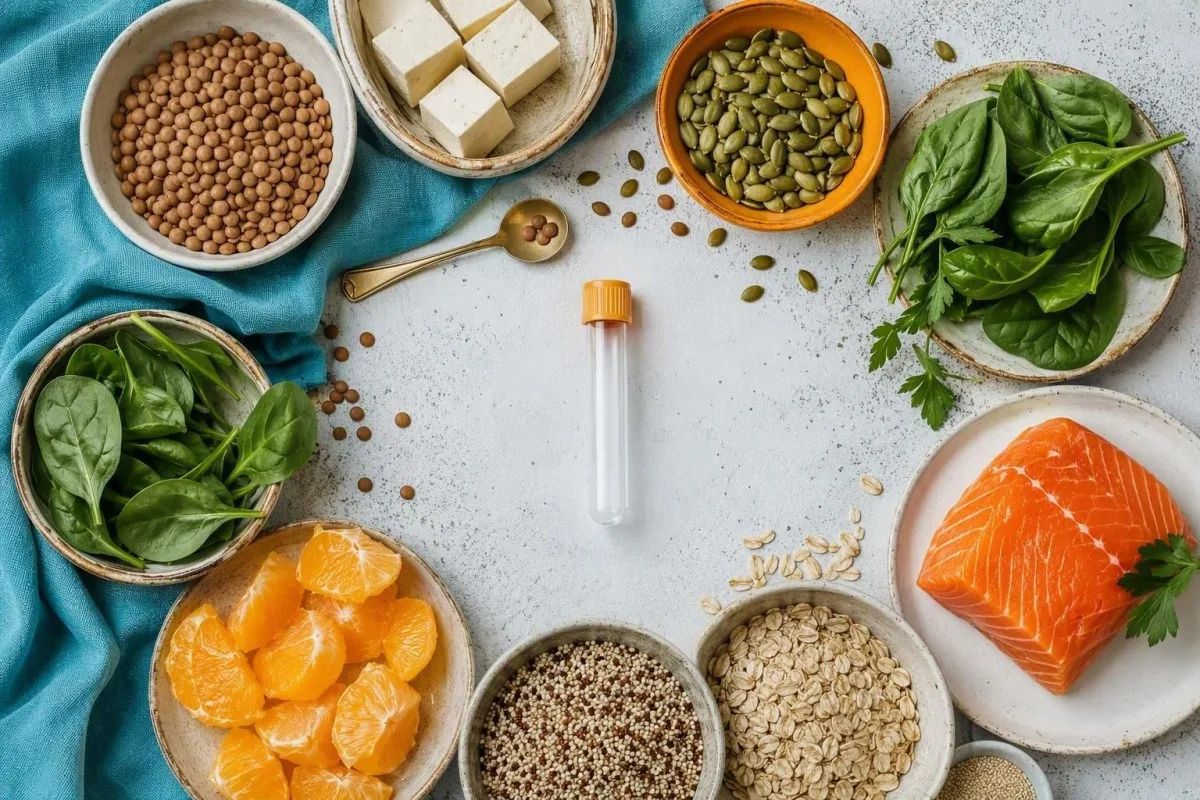
ຊຸດທໍາອິດທີ່ສົມເຫດສົມຜົນປະກອບມີ hemoglobin, MCV, RDW, ferritin, iron, TIBC ຫຼື transferrin, saturation, CRP, ALT, AST, ALP, bilirubin, albumin, creatinine, ແລະ eGFR. ຄວາມອີ່ມຕົວຂອງ Transferrin ຕ່ຳກວ່າ 20% ສະແດງເຖິງຄວາມພ້ອມຂອງທາດເຫຼັກທີ່ຈໍາກັດ, ໃນຂະນະທີ່ຄົງທີ່ສູງກວ່າ 45% ຕ້ອງການການປະເມີນທາດເຫຼັກ. ຄໍາຕອບແມ່ນຢູ່ໃນຄວາມສໍາພັນລະຫວ່າງຄ່ານີ້, ບໍ່ແມ່ນໃນການສັ່ງການທົດສອບພິເສດທັງຫມົດໃນຄັ້ງດຽວ.
ຖ້າມີການອັກເສບແລະ ferritin ບໍ່ຊັດເຈນ, soluble transferrin receptor ຫຼື reticulocyte hemoglobin ສາມາດຊ່ວຍກໍານົດການຂາດທາດເຫຼັກທີ່ສາມາດປິ່ນປົວໄດ້. ຖ້າ albumin ຕ່ໍາ, urinalysis ແລະ urine ACR ສາມາດກວດເບິ່ງການສູນເສຍທາດໂປຼຕີນຂອງຫມາກໄຂ່ຫຼັງ; ຖ້າຜົນການກວດຕັບຜິດປົກກະຕິ, ການທົດສອບພະຍາດຕັບອັກເສບແລະ ultrasound ອາດຈະເຫມາະສົມ. Transferrin saturation ຕ່ຳ ມີຄວາມຫມາຍທີ່ແຕກຕ່າງຈາກ TIBC ຕ່ໍາ, ເຖິງແມ່ນວ່າພວກເຂົາເຈົ້າມັກຈະໄປນໍາກັນ.
Kantesti’s neural network ປຽບທຽບ trajectory ຂອງຜົນໄດ້ຮັບແທນທີ່ຈະເປັນ snapshot ດຽວ, ເຊິ່ງມີຄວາມສໍາຄັນເພາະວ່າ ferritin ແລະ CRP ສາມາດເຄື່ອນທີ່ໃນທິດທາງກົງກັນຂ້າມໃນໄລຍະເວລາຫຼາຍອາທິດ. ວິທີການແລະຂໍ້ຈໍາກັດທາງຄລີນິກແມ່ນອະທິບາຍໄວ້ໃນຂອງພວກເຮົາ ພາບລວມການຢືນຢັນທາງການແພດ; ການຕີຄວາມຜົນລັບແມ່ນການກະກຽມສໍາລັບການສົນທະນາກັບທ່ານຫມໍ, ບໍ່ແມ່ນການທົດແທນມັນ.
รูปแบบ TIBC ต่ำสี่แบบที่เปลี่ยนแปลงการวินิจฉัย
TIBC ຕ່ໍາກາຍເປັນປະໂຫຍດເມື່ອມັນຖືກອ່ານວ່າເປັນຫນຶ່ງໃນສີ່ຮູບແບບ: ການອັກເສບ, ຄວາມບົກຜ່ອງຂອງຕັບຫຼືທາດໂປຼຕີນ, ການໂຫຼດທາດເຫຼັກ, ຫຼືການຂາດທາດເຫຼັກປະສົມບວກກັບການອັກເສບ. ແຕ່ລະຮູບແບບມີເສັ້ນທາງການປິ່ນປົວທີ່ແຕກຕ່າງກັນແລະຄວາມກັງວົນດ້ານຄວາມປອດໄພທີ່ແຕກຕ່າງກັນ.
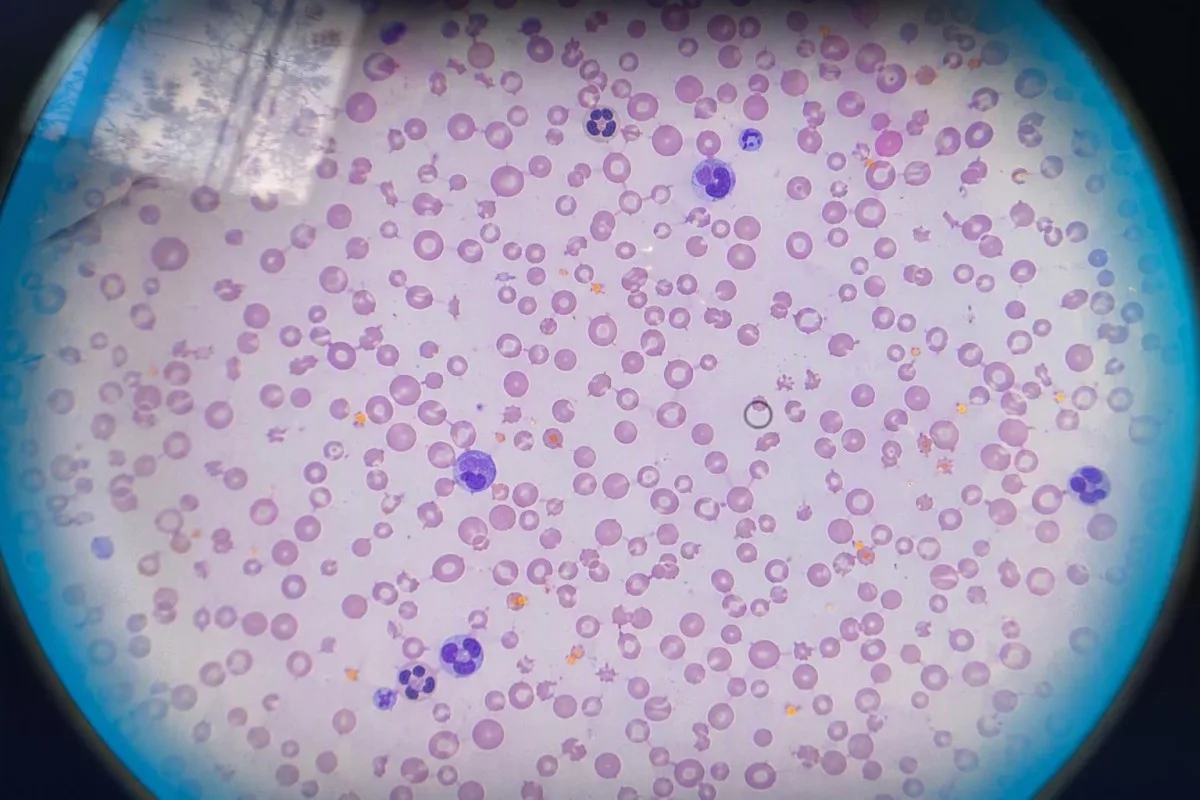
ການອັກເສບ: ທາດເຫຼັກຕ່ໍາ, TIBC ຕ່ໍາ, saturation ມັກຈະຕໍ່າກວ່າ 20%, ferritin ປົກກະຕິຫຼືສູງ, CRP ສູງ. ຮູບແບບຕັບ/ທາດໂປຼຕີນ: TIBC ຕ່ໍາດ້ວຍ albumin ຕ່ໍາແລະອາດຈະມີ bilirubin, INR, ຫຼື liver enzymes ຜິດປົກກະຕິ. รูปแบบการสะสมธาตุเหล็ก: TIBC ต่ำหรือปกติ โดยมีค่าความอิ่มตัวของเหล็กสูงกว่า 45% และเฟอร์ริตินสูงขึ้น นี่คือจุดเริ่มต้น ไม่ใช่ข้อจำกัดที่ตายตัว.
ภาวะขาดสารอาหารผสม: เฟอร์ริตินอาจอยู่ที่ 30–100 ng/mL, ค่าความอิ่มตัวต่ำกว่า 20%, TIBC ต่ำหรือปกติ และ CRP สูง ในสถานการณ์นี้ อาจจำเป็นต้องรักษาโรคอักเสบและประเมินการสูญเสียเลือดหรือภาวะดูดซึมผิดปกติ อาการเกี่ยวกับระบบทางเดินอาหาร การมีประจำเดือนมาก และการใช้ยาแก้อักเสบ สมควรได้รับการซักถามโดยตรง ผู้ป่วยมักไม่บอกหากไม่ถูกถาม.
สำหรับผู้ป่วย คำถามที่มีประโยชน์ไม่ใช่ “จะเพิ่ม TIBC ได้อย่างไร” แต่ “อะไรที่ทำให้ transferrin ลดลงหรือการกระจายธาตุเหล็กผิดปกติ” ferritin ແລະ CRP ຊີ້ນຳ ของเรา ช่วยให้แยกแยะความแตกต่างก่อนเลือกอาหารเสริม.
สิ่งที่ไม่ควรทำหลังจากเห็นสัญญาณ TIBC ต่ำ
อย่ารักษา TIBC ต่ำด้วยธาตุเหล็กด้วยตนเองจนกว่าจะมีการตรวจสอบเฟอร์ริติน ค่าความอิ่มตัว ฮีโมโกลบิน และบริบททางคลินิก. ผลลัพธ์ที่ต่ำไม่ได้หมายความว่าเลือดของคุณขาดธาตุเหล็ก และธาตุเหล็กส่วนเกินอาจไม่เหมาะสมในรูปแบบการสะสมธาตุเหล็กหรือที่เกี่ยวกับตับ.

หลีกเลี่ยงการซื้อธาตุเหล็กปริมาณสูงเพราะรายงานระบุว่า “ความสามารถในการจับธาตุเหล็กต่ำ” ยาธาตุเหล็กทั่วไปประกอบด้วย ธาตุเหล็ก 45–65 มก. ต่อเม็ด ซึ่งเพียงพอที่จะทำให้เกิดอาการคลื่นไส้ ท้องผูก และอุจจาระสีดำ สำหรับบุคคลที่ไม่เหมาะสม อาจเพิ่มปริมาณธาตุเหล็กได้โดยไม่แก้ไขการอักเสบหรือโรคตับ วิธีการเริ่มจากอาหารเป็นสิ่งที่สมเหตุสมผลสำหรับคนส่วนใหญ่ แต่ก็ไม่สามารถทดแทนการประเมินภาวะโลหิตจางได้.
อย่าใช้ผลเฟอร์ริตินเพียงอย่างเดียวเพื่อตัดภาวะขาดสารอาหารออกระหว่างการติดเชื้อ โรคอ้วน โรคภูมิต้านตนเอง หรือการผ่าตัดล่าสุด และอย่าสันนิษฐานว่าความเหนื่อยล้าเกี่ยวข้องกับธาตุเหล็กหากยังไม่ได้พิจารณาฮีโมโกลบิน เฟอร์ริติน ไทรอยด์ การนอนหลับ อารมณ์ ยา และการทำงานของไต ຄູ່ມືອາຫານເສີມເມື່ອຍລ້າ ของเรา อธิบายว่าเหตุใดการเลือกที่อิงตามผลแล็บจึงปลอดภัยกว่า.
สุดท้าย อย่าไล่ตามตัวเลข TIBC ที่สมบูรณ์แบบ จากประสบการณ์ทางคลินิกของฉัน การแก้ไขการอักเสบเรื้อรัง การรักษาโรคเซลิแอค การควบคุมโรคไต การหยุดการสูญเสียเลือดที่หลีกเลี่ยงได้ หรือการปรับปรุงโภชนาการ ช่วยเปลี่ยนแปลงแผงธาตุเหล็กได้อย่างมีความหมายมากกว่าการพยายามเพิ่ม transferrin โดยตรง.
อาหาร การฟื้นตัว และวิธีที่สมเหตุสมผลในการสนับสนุนสาเหตุที่ซ่อนอยู่
อาหารสามารถสนับสนุนการบริโภคธาตุเหล็กและสภาวะโปรตีนได้ แต่การควบคุมอาหารเพียงอย่างเดียวไม่สามารถแก้ไข TIBC ต่ำที่เกิดจากการอักเสบเฉียบพลัน โรคตับรุนแรง การสูญเสียโปรตีนจากโรคไตเนฟโฟรติก หรือภาวะธาตุเหล็กเกินได้. แผนโภชนาการต้องตรงกับรูปแบบของห้องปฏิบัติการ.
หากยืนยันว่าขาดธาตุเหล็ก ธาตุเหล็กฮีมจากปลา สัตว์ปีก และเนื้อสัตว์ โดยทั่วไปจะถูกดูดซึมได้ดีกว่าธาตุเหล็กที่ไม่ใช่ฮีมจากพืชตระกูลถั่ว เต้าหู้ ถั่วเลนทิล เมล็ดพืช และธัญพืชเสริมวิตามินซีที่มีส่วนผสมของผลไม้และผัก สามารถช่วยเพิ่มการดูดซึมธาตุเหล็กที่ไม่ใช่ฮีมได้ ขณะที่ชาและกาแฟที่ดื่มพร้อมมื้ออาหารสามารถลดการดูดซึมได้ คู่มือปฏิบัติของเราสำหรับ ອາຫານທີ່ມີທາດເຫຼັກແບບເມັດ ແລະ ບໍ່ແມ່ນເມັດ มีตัวเลือกในระดับมื้ออาหาร.
หากได้รับโปรตีนไม่เพียงพอ ให้ตั้งเป้าหมายในการรับประทานอาหารที่มีโปรตีนเป็นประจำ แทนที่จะเพิ่ม “ตัวกระตุ้นทรานสเฟอร์ริน” ที่ไม่ได้ควบคุม เป้าหมายโปรตีนทั่วไปสำหรับผู้ใหญ่ มักจะอยู่ที่ประมาณ 0.8 g/kg/day, ในขณะที่ผู้สูงอายุ การเจ็บป่วยเฉียบพลัน การฝึกซ้อมกีฬา และโรคไต จำเป็นต้องได้รับคำแนะนำเฉพาะบุคคล ผู้ที่เป็นโรคไตเรื้อรังไม่ควรเพิ่มโปรตีนโดยไม่ได้ปรึกษาแผนการรักษากับทีมแพทย์โรคไต.
การฟื้นฟูยังหมายถึงการเลือกช่วงเวลาการตรวจซ้ำที่เหมาะสม ฮีโมโกลบินมักจะเพิ่มขึ้นประมาณ 10–20 g/L ໃນໄລຍະ 2–4 ອາທິດ หลังจากการรักษาธาตุเหล็กอย่างมีประสิทธิภาพในการขาดธาตุเหล็กแบบตรงไปตรงมา แต่ TIBC อาจไม่กลับสู่ภาวะปกติในช่วงเวลาดังกล่าว หากการอักเสบหรือการสังเคราะห์ของตับยังคงเป็นปัจจัยหลัก.
เมื่อผล TIBC ต่ำต้องการการประเมินทางการแพทย์อย่างเร่งด่วน
จัดให้มีการทบทวนโดยแพทย์ตามปกติสำหรับ TIBC ที่ต่ำอย่างต่อเนื่อง และเข้ารับการรักษาพยาบาลเร่งด่วนเมื่อมีอาการรุนแรง เช่น ดีซ่าน สับสน เจ็บหน้าอก หายใจลำบากขณะพัก เป็นลม หรือเลือดออกในทางเดินอาหาร. ความเร่งด่วนขึ้นอยู่กับบุคคลและผลลัพธ์ที่เกี่ยวข้อง ไม่ใช่ค่า TIBC เพียงอย่างเดียว.

นัดหมายทันเวลาหาก TIBC ยังคงต่ำกว่าช่วงปกติในการตรวจซ้ำ ferritin สูงผิดปกติ saturation เกิน 45%, ฮีโมโกลบินลดลง, albumin ต่ำกว่า 35 ក្រាម/លីត្រ, หรือผลการตรวจตับผิดปกติ นำผลการตรวจก่อนหน้านี้ รายการยาและอาหารเสริม ประวัติการเจ็บป่วยล่าสุด ประวัติประจำเดือน (ถ้าเกี่ยวข้อง) ปริมาณแอลกอฮอล์ การเปลี่ยนแปลงอาหาร และประวัติครอบครัวเกี่ยวกับภาวะธาตุเหล็กเกินหรือโรคตับมาด้วย ไทม์ไลน์ที่จัดระเบียบอย่างดีสามารถช่วยประหยัดการนัดหมายครั้งที่สองได้.
การดูแลภายในวันเดียวกันมีความสมเหตุสมผลสำหรับอุจจาระสีดำ อาเจียนเป็นเลือด ผิวเหลืองพร้อมอาการง่วงนอน มีไข้สูงพร้อมอาการอ่อนเพลียอย่างรุนแรง หรือหายใจลำบากจนพูดไม่ได้ อาการเหล่านี้อาจบ่งชี้ถึงการตกเลือด การติดเชื้อ ภาวะโลหิตจางรุนแรง หรือภาวะตับล้มเหลว และการรอผลตรวจธาตุเหล็กอีกครั้งนั้นไม่ปลอดภัย สำหรับการเตรียมตัวที่เป็นระบบ ให้ใช้ ບັນຊີກວດລາຍການກ່ອນໄປພົບແພດ.
ณ วันที่ 10 กันยายน 2026 ข้อความที่ปลอดภัยที่สุดยังคงเรียบง่าย: TIBC ต่ำ เป็นเบาะแสเกี่ยวกับชีววิทยาของทรานสเฟอร์ริน ไม่ใช่การวินิจฉัยและไม่ใช่เหตุผลอัตโนมัติในการให้ธาตุเหล็ก. เนื้อหาทางคลินิกของ Kantesti ได้รับการตรวจสอบร่วมกับ ຄະນະທີ່ປຶກສາທາງການແພດ, ของเรา แต่แพทย์ของคุณสามารถบูรณาการผลการตรวจร่างกาย อาการ ยา และวิธีการตรวจทางห้องปฏิบัติการในท้องถิ่นได้.
วิธีติดตามผล TIBC ต่ำโดยไม่ตื่นตระหนกเกินไป
ติดตาม TIBC ต่ำ ควบคู่ไปกับวันที่ สถานะการเจ็บป่วย ferritin saturation CRP albumin hemoglobin และการเปลี่ยนแปลงการรักษา. แนวโน้มจากตัวอย่างที่เปรียบเทียบได้สองหรือสามตัวอย่าง มักจะให้ข้อมูลมากกว่าการวัดค่าที่ผิดปกติเพียงครั้งเดียว.
บันทึกว่าแต่ละตัวอย่างเป็นการอดอาหารหรือไม่ คุณได้รับประทานธาตุเหล็กภายใน 24 ชั่วโมงหรือไม่ คุณมีไข้หรือออกกำลังกายหนักหรือไม่ และใช้ห้องปฏิบัติการเดียวกันหรือไม่ การเปลี่ยนแปลงจาก TIBC 225 ถึง 245 µg/dL อาจเป็นการแปรผันทางชีวภาพและการวิเคราะห์ทั่วไป ในขณะที่ 225 ถึง 340 µg/dL หลังจากการฟื้นตัวจากปอดอักเสบ อาจมีความหมายทางคลินิก คู่มือ ຄູ່ມືປຽບທຽບການກວດເລືອດ ของเราแสดงให้เห็นว่ารายละเอียดบริบทใดที่ควรรักษาไว้.
Kantesti, ເຊິ່ງເປັນ ບໍລິການຕີຄວາມຜົນການກວດຂອງ AI, สามารถจัดระเบียบรายงานตามระยะเวลาและอธิบายว่าเหตุใด TIBC, ferritin, CRP และ albumin ที่ต่ำจึงอาจเคลื่อนไหวไปพร้อมกันหรือแยกจากกัน ได้รับการออกแบบมาเพื่อให้คำถามของคุณแม่นยำยิ่งขึ้น: “นี่อาจเป็นการจำกัดธาตุเหล็กเนื่องจากการอักเสบหรือไม่” มีประโยชน์มากกว่า “ธาตุเหล็กของฉันต่ำหรือไม่”
จุดที่น่าโล่งใจคือผล TIBC ต่ำหลายอย่างสะท้อนถึงสภาวะการอักเสบชั่วคราว หรือปัญหาด้านโภชนาการและการฟื้นตัวที่สามารถแก้ไขได้ จุดที่ควรระวังก็มีความสำคัญเช่นกัน: ผลที่คงอยู่ร่วมกับการเป็นโรคโลหิตจาง, ผลการตรวจตับที่ผิดปกติ, อาการบวมน้ำ หรือความอิ่มตัวสูง ควรได้รับการติดตามทางคลินิกอย่างเหมาะสม แทนที่จะคาดเดาจากอินเทอร์เน็ต.
ຄໍາຖາມທີ່ຖາມເລື້ອຍໆ
ອາການຂອງ TIBC ຕ່ຳແມ່ນຫຍັງ?
ຕ່TIBC ໂດຍທົ່ວໄປແລ້ວບໍ່ໄດ້ເຮັດໃຫ້ເກີດອາການໂດຍກົງເພາະວ່າມັນວັດແທກຄວາມສາມາດໃນການຈັບທາດເຫຼັກແທນທີ່ຈະເປັນການເຮັດວຽກຂອງຮ່າງກາຍທີ່ທ່ານຮູ້ສຶກໄດ້ໂດຍກົງ. ອາການຕ່າງໆເຊັ່ນ: ຄວາມອິດເມື່ອຍ, ຄວາມອ່ອນເພຍ, ຫາຍໃຈສັ້ນ, ໄຂ້, ຂໍ້ຕີນບວມ, ດີຊ່ານ, ຫລື ປວດຂໍ້ຕໍ່ ມາຈາກສາເຫດພື້ນຖານ, ເຊັ່ນ: ໂລກເລືອດຈາງ, ການອັກເສບ, ພະຍາດຕັບ, ການສູນເສຍທາດໂປຼຕີນ, ຫລື ທາດເຫຼັກເກີນ. Hemoglobin ຕ່ຳກວ່າ 120 g/L ໃນແມ່ຍິງຖືພາຫລື 130 g/L ໃນຜູ້ຊາຍເຮັດໃຫ້ອາການທີ່ກ່ຽວຂ້ອງກັບໂລກເລືອດຈາງມີແນວໂນ້ມທີ່ຈະເກີດຂຶ້ນ. ການປະເມີນຢ່າງຮີບດ່ວນແມ່ນ ເໝາະສົມສຳລັບອາການເຈັບໜ້າເອິກ, ເປັນລົມ, ສັບສົນ, ອາຈົມເປັນສີດຳ, ຫາຍໃຈສັ້ນຮຸນແຮງ, ຫລື ຜິວໜັງເຫຼືອງຮ່ວມກັບອາການງ້ວງຊຶມ.
ภาวะ TIBC ต่ำ เหมือนกับภาวะ transferrin ต่ำ หรือไม่?
TIBC ຕ່은 일반적으로 트랜스페린이 ຕ່다는 것을 반영하지만, 두 검사는 기술적으로 동일하지 않습니다. 트랜스페린은 g/L 또는 mg/dL로 직접 측정되는 간에서 만들어진 운반 단백질이며, TIBC는 트랜스페린 풀이 얼마나 많은 철을 결합할 수 있는지 추정하며 일반적으로 µg/dL 또는 µmol/L로 보고됩니다. 일반적인 성인의 TIBC는 약 250–450 µg/dL이지만, 실험실 참고 범위는 다릅니다. 염증 및 간 단백질 합성 감소 시 두 검사 모두 낮은 결과가 흔합니다.
TIBC ต่ำ หมายถึง ภาวะขาดธาตุเหล็กหรือไม่?
ຄວາມອີ່ມຕົວຂອງ TIBC ຕ່ຳ ປົກກະຕິແລ້ວບໍ່ໄດ້ໝາຍຄວາມວ່າຂາດທາດເຫຼັກແບບງ່າຍໆ; ການຂາດທາດເຫຼັກແບບຄລາສສິກມັກຈະເຮັດໃຫ້ລະດັບ ferritin ຕ່ຳ ແລະ TIBC ສູງ. ຮູບແບບທີ່ປະສົມປະສານສາມາດເກີດຂື້ນໄດ້ເມື່ອການຂາດທາດເຫຼັກມີຢູ່ຮ່ວມກັບການອັກເສບ, ພະຍາດຕັບ, ຫຼືສະຖານະທາດໂປຼຕີນທີ່ບໍ່ດີ, ເຊິ່ງເຮັດໃຫ້ TIBC ຫຼຸດລົງ. Ferritin ຕ່ຳກວ່າ 15 ng/mL ສະໜັບສະໜູນການ depletion ຂອງທາດເຫຼັກຢ່າງແຂງແຮງໃນຜູ້ໃຫຍ່ທີ່ມີສຸຂະພາບດີ, ໃນຂະນະທີ່ ferritin ຕ່ຳກວ່າ 100 ng/mL ບວກກັບ transferrin saturation ຕ່ຳກວ່າ 20% ຍັງສາມາດຊີ້ບອກເຖິງການຂາດສານອາຫານໃນລະຫວ່າງການອັກເສບ. ຕ້ອງມີ CBC, ferritin, CRP, ແລະ saturation ກ່ອນເລີ່ມກິນທາດເຫຼັກ.
ຫຍັງເປັນສາເຫດຂອງ TIBC ຕ່ຳ ພ້ອມກັບທາດເຫຼັກຕ່ຳ?
TIBC ຕໍ່າ ພ້ອມກັບລະດັບທາດເຫຼັກໃນເລືອດຕໍ່າ ສ່ວນຫຼາຍສະທ້ອນເຖິງການຈຳກັດທາດເຫຼັກທີ່ກ່ຽວຂ້ອງກັບການອັກເສບ. ໃນຮູບແບບນີ້, hepcidin ຫຼຸດຜ່ອນການປ່ອຍທາດເຫຼັກເຂົ້າສູ່ການໄຫຼວຽນ, ໃນຂະນະທີ່ຕັບຜະລິດ transferrin ຫຼຸດລົງ, ເຮັດໃຫ້ເກີດທາດເຫຼັກຕໍ່າ, TIBC ຕໍ່າ, saturation ມັກຈະຕໍ່າກວ່າ 20%, ແລະ ferritin ທີ່ອາດຈະເປັນປົກກະຕິຫຼືສູງ. ພະຍາດไตຊໍາເຮື້ອ, ການຕິດເຊື້ອ, ພະຍາດ autoimmune, ການອັກເສບທີ່ກ່ຽວຂ້ອງກັບໄຂມັນສູງ, ການຜ່າຕັດບໍ່ດົນ, ແລະມະເລັງສາມາດສ້າງຮູບແບບນີ້ໄດ້. CRP ສູງກວ່າ 10 mg/L ສະຫນັບສະຫນູນການອັກເສບຢ່າງຫ້າວຫັນແຕ່ບໍ່ໄດ້ລະບຸແຫຼ່ງຂອງມັນ.
ຄວາມໝາຍຂອງ TIBC ຕ່ຳ ແລະ ferritin ສູງແມ່ນຫຍັງ?
TIBC ຕ່ 에서는 페리틴이 높으면 염증, 간 질환, 대사 기능 장애, 알코올 관련 간 손상 또는 철 과부하 중에 흔히 발생합니다. 페리틴은 철 저장 표지자이자 급성기 단백질이므로, 높은 수치가 자동적으로 저장 철이 과도하다는 것을 의미하지는 않습니다. 45% 이상을 지속적으로 유지하는 트랜스페린 포화도와 페리틴 상승은 철 축적에 더 우려되며 의사의 평가가 필요합니다. 알부민, CRP, ALT, AST, 빌리루빈 및 전체 혈구 계산은 원인을 구별하는 데 도움이 됩니다.
ຂ້ອຍຄວນກິນທາດເຫຼັກ ຖ້າ TIBC ຂອງຂ້ອຍຕ່ ຳ ບໍ?
ຢ່າກິນທາດເຫຼັກພຽງແຕ່ຍ້ອນວ່າ TIBC ຕ່ຳ. ທາດເຫຼັກທີ່ກິນທາງປາກແມ່ນເໝາະສົມເມື່ອການຂາດທາດເຫຼັກໄດ້ຮັບການພິສູດໂດຍຮູບແບບໂດຍລວມ, ມັກຈະລວມມີ ferritin ຕ່ຳ, saturation ຕ່ຳ, ແລະຜົນການກວດ CBC ທີ່ເຂົ້າກັນໄດ້; ຜະລິດຕະພັນທາງການແພດຫຼາຍຊະນິດມີທາດເຫຼັກ elemental 45–65 mg ຕໍ່ເມັດ. ທາດເຫຼັກອາດບໍ່ມີປະໂຫຍດຫຼືບໍ່ເໝາະສົມເມື່ອ TIBC ຕ່ຳເກີດຈາກການອັກເສບ, ຄວາມບົກຜ່ອງຂອງຕັບ, ການສູນເສຍທາດໂປຣຕີນ, ຫຼືການເກີນທາດເຫຼັກ. ຂໍໃຫ້ແພດກວດສອບ ferritin, transferrin saturation, hemoglobin, CRP, ແລະການກວດຕັບກ່ອນ.
ຮັບການວິເຄາະຜົນກວດເລືອດດ້ວຍ AI ທັນທີ
ເຂົ້າຮ່ວມຜູ້ໃຊ້ຫຼາຍກວ່າ 2 ລ້ານຄົນທົ່ວໂລກ ທີ່ໄວ້ໃຈ Kantesti ສຳລັບການວິເຄາະການກວດເລືອດທີ່ທັນທີ ແລະຖືກຕ້ອງ. ອັບໂຫຼດຜົນກວດເລືອດຂອງທ່ານ ແລະຮັບການຕີຄວາມໝາຍຢ່າງຄົບຖ້ວນຂອງ biomarker 15,000+ ໃນວິນາທີ.
📚 ບົດຄວາມວິຈັຍທີ່ອ້າງອີງ
Klein, T., Mitchell, S., & Weber, H. (2026). การตรวจยูโรบิลิโนเจนในปัสสาวะ: คู่มือการตรวจปัสสาวะโดยสมบูรณ์ 2026. Zenodo. https://doi.org/10.5281/zenodo.18226379. ลิงก์บันทึก ResearchGate และ Academia.edu สามารถดูได้ผ่าน DOI ของสิ่งพิมพ์.. ການຄົ້ນຄວ້າທາງການແພດຂອງ AI Kantesti.
Klein, T., Mitchell, S., & Weber, H. (2026). คู่มือการศึกษาธาตุเหล็ก: TIBC, การอิ่มตัวของธาตุเหล็ก & ความจุในการจับ 2026. Zenodo. https://doi.org/10.5281/zenodo.18248745. ลิงก์บันทึก ResearchGate และ Academia.edu สามารถดูได้ผ่าน DOI ของสิ่งพิมพ์.. ການຄົ້ນຄວ້າທາງການແພດຂອງ AI Kantesti.
📖 ເອກະສານອ້າງອີງທາງການແພດພາຍນອກ
⚕️ ຂໍ້ສັງເກດທາງການແພດ
ບົດຄວາມນີ້ມີຈຸດປະສົງເພື່ອການສຶກສາເທົ່ານັ້ນ ແລະບໍ່ແມ່ນຄຳແນະນຳທາງການແພດ. ຄວນປຶກສາຜູ້ໃຫ້ບໍລິການດ້ານສຸຂະພາບທີ່ມີຄຸນວຸດທິສະເໝີ ສຳລັບການວິນິດໄຊ ແລະ ການຕັດສິນໃຈດ້ານການຮັກສາ.
ສັນຍານຄວາມໄວ້ໃຈ E-E-A-T
ປະສົບການ
ການທົບທວນຄລີນິກຂອງແພດຜູ້ນຳພາ ກ່ຽວກັບຂັ້ນຕອນການຕີຄວາມໝາຍຜົນການກວດໃນຫ້ອງທົດລອງ.
ຄວາມຊ່ຽວຊານ
ວິຊາການແພດທົດລອງ (ການແພດທາງຫ້ອງທົດລອງ) ເນັ້ນໃສ່ວ່າຕົວຊີ້ວັດ (biomarkers) ມີພຶດຕິກຳແນວໃດໃນບັນບົດທາງຄລີນິກ.
ຄວາມເປັນອຳນາດ
ຂຽນໂດຍທ່ານດຣ. Thomas Klein ໂດຍມີການກວດທານໂດຍທ່ານດຣ. Sarah Mitchell ແລະ ສາດສະດາຈານດຣ. Hans Weber.
ຄວາມໜ້າເຊື່ອຖື
ການຕີຄວາມໝາຍອີງຕາມຫຼັກຖານດ້ວຍເສັ້ນທາງຕິດຕາມທີ່ຊັດເຈນ ເພື່ອຫຼຸດການຕົກໃຈ.