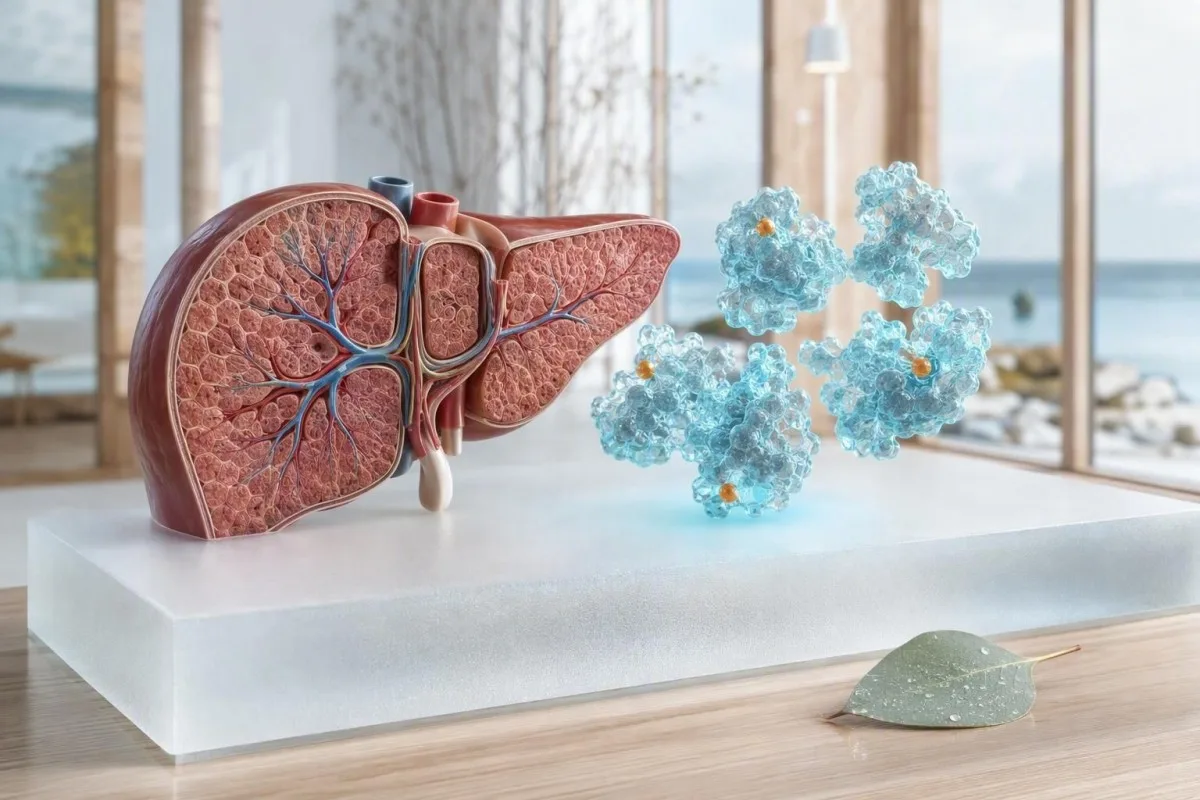
Ang ubos nga resulta sa TIBC panagsa ra makahatag og mga simtomas sa iyang kaugalingon. Ang mga simtomas gikan sa kondisyon nga nag-usab sa produksiyon sa transferrin, pagdumala sa iron, o balanse sa protina.



- Ubo nga TIBC kasagarang nagpasabut nga gamay ra ang magamit nga transferrin aron madala ang iron; daghang mga laboratoryo sa hamtong ang naggamit sa gibana-bana nga 250–450 µg/dL (45–80 µmol/L) ingon nga pakisayran nga agwat.
- Ang mga simtomas dili direkta: ang kakapoy, hilanat, sakit sa lutahan, paghubag, jaundice, o pagkunhod sa timbang nagpunting sa nagpahiping sakit kaysa sa ubos nga TIBC mismo.
- Pattern sa panghubag kasagarang nagpakita og ubos nga iron sa serum, ubos nga TIBC, ubos nga transferrin saturation nga ubos sa 20%, ug ferritin nga normal o taas.
- Pattern sa kakulangan sa iron kasagarang makamugna og ubos nga ferritin ug taas—dili ubos—nga TIBC, gawas kung adunay panghubag o sakit sa atay sa samang higayon.
- Transferrin saturation gikalkula ingon serum iron nga gibahin sa TIBC × 100; ang bili nga labaw sa 45% angayan nga susihon alang sa pagbugkos sa iron kung magpadayon.
- Ang albumin importante tungod kay ang transferrin usa ka protina nga gihimo sa atay; ang ubos nga albumin nga adunay ubos nga TIBC mahimong magpakita og pagkunhod sa sintesis, dili maayo nga pag-inom, pagkawala sa protina, o sakit nga sistema.
- dali nga pagrepaso angay alang sa kalibog, jaundice, itom nga mga bangkito, kalisud sa pagginhawa sa pagpahulay, paspas nga paghubag, o hilanat nga adunay grabe nga kahuyang.
- Maalamon nga pag-usab sa pagsulay nagpasabut sa paglikay sa mga tabletang puthaw sulod sa 24 ka oras sa wala pa ang iron panel kung mouyon ang imong doktor, ug paglangan sa naandan nga pagsulay panahon sa usa ka mahait nga sakit nga hilanat kung mahimo.
Unsa ang tinuod nga kahulugan sa ubos nga resulta sa TIBC
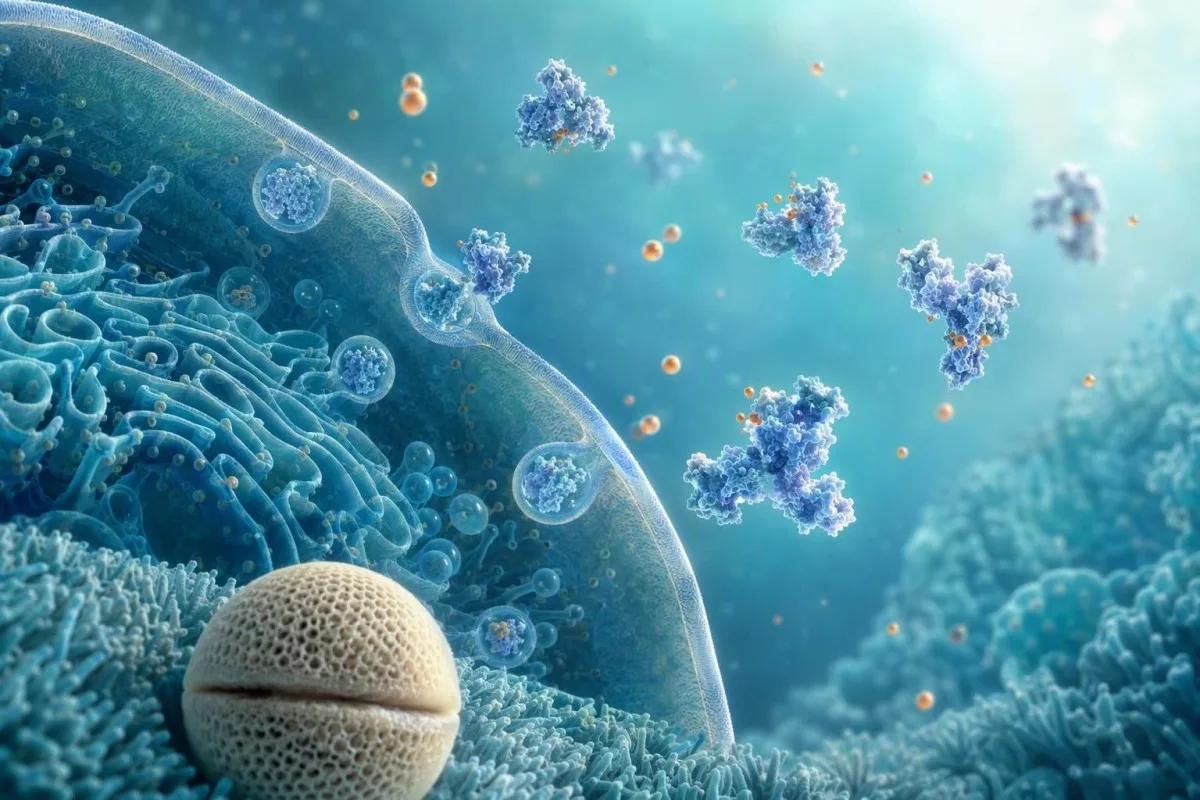
Ang ubos nga kinatibuk-ang kapasidad sa pagbugkos sa iron nagpasabut nga ang agianan sa dugo adunay gamay nga magamit nga transferrin kapasidad sa pagbugkos sa iron. Ang TIBC usa ka dili direkta nga sukod sa transferrin, usa ka protina nga pangunang gihimo sa atay; kini dili direkta nga sukod sa kung unsa kadaghan ang iron nga gitipigan sa imong lawas.
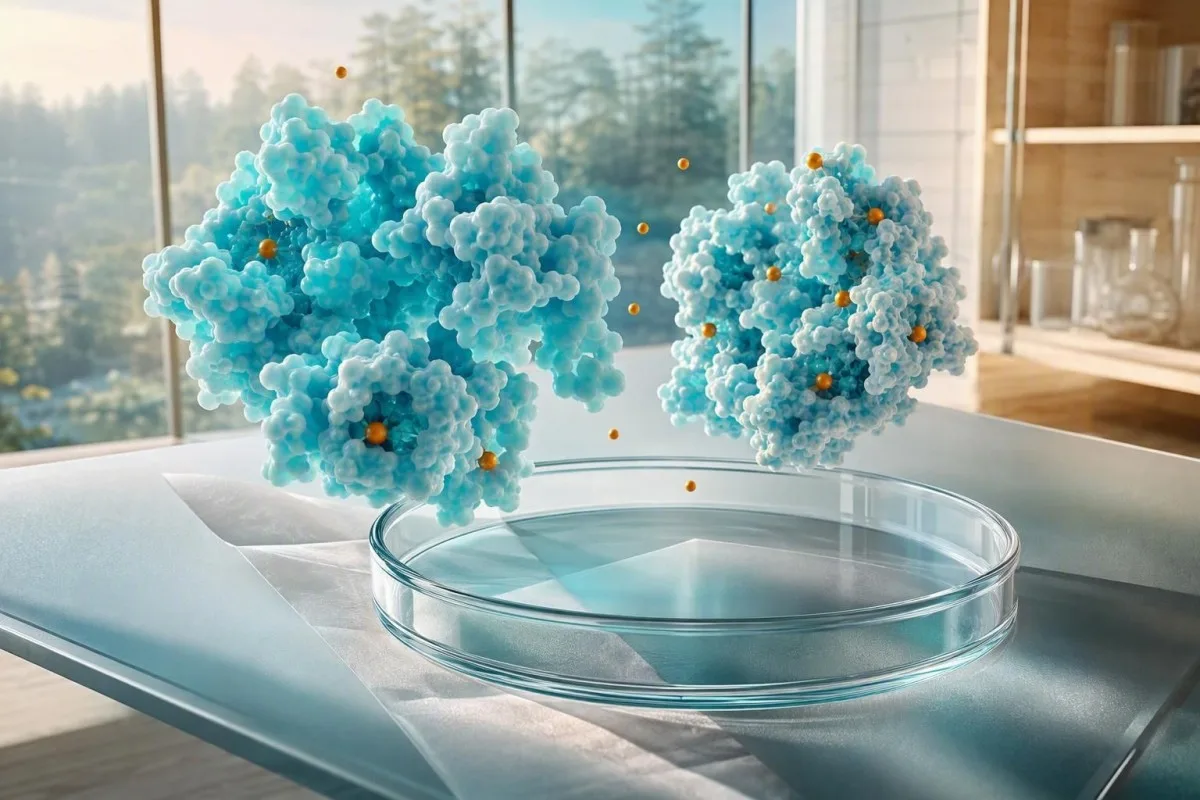
Kadaghanan sa mga laboratoryo nagreport sa adult TIBC sa palibot 250–450 µg/dL o 45–80 µmol/L, apan ang agwat nga gisulat tapad sa imong resulta ang modaog tungod kay lahi ang pagkalibrate sa assay. Ang kantidad nga 210 µg/dL dili awtomatik nga delikado; akong hubad kini tapad sa serum iron, ferritin, transferrin saturation, C-reactive protein, albumin, ug ang bug-os nga ihap sa dugo. Ang among detalyado giya sa pagtuon sa puthaw nagpatin-aw ngano nga walay usa ka iron marker ang makatubag sa tanan nga pangutana.
Ang TIBC ug transferrin suod nga magkadugtong apan dili managsamang mga pagsulay. Ang Transferrin gisukod ingon usa ka konsentrasyon sa protina, kanunay sa g/L o mg/dL, samtang ang TIBC nagbanabana sa kinatas-ang kapasidad sa pagbugkos sa iron sa nag-circulate nga transferrin; pipila ka mga laboratoryo ang nagkalkula sa usa gikan sa lain. Ang AI blood test analyzer nga nagbasa ug ubos nga TIBC kalabot sa nahibilin sa usa ka iron panel kaysa pagtratar sa usa ka bandila ingon usa ka pagdayagnos.
Usa ka praktikal nga detalye nga kanunay gimingaw sa mga pasyente: ang usa ka tawo mahimong adunay ubos nga TIBC panahon sa usa ka viral nga sakit ug mas taas nga kantidad pipila ka semana sa ulahi nga walay bisan unsang suplemento nga nagbag-o niini. Ang pamaagi ni Dr. Thomas Klein mao ang unang pagpangutana kung ang sampol gikuha ba panahon sa impeksyon, pagkahuman sa pagtambal sa ospital, o taliwala sa usa ka bag-ong pag-ulbo sa panghubag; kana nga timeline kanunay nagpugong sa usa ka dili kinahanglan nga reseta sa iron.
Ang kalkulasyon luyo sa transferrin saturation
Ang transferrin saturation katumbas sa serum iron ÷ TIBC × 100. Ang Serum iron nga 50 µg/dL nga adunay TIBC nga 250 µg/dL naghatag ug saturation nga , samtang ang parehas nga serum iron nga adunay TIBC nga 125 µg/dL naghatag ug ; ang ubos nga denominator mahimong maghimo sa saturation nga makapahupay o taas nga larino.
Mga simtomas sa ubos nga TIBC: unsay imong mabati ug unsay dili nimo mabati
Ang ubos nga TIBC mismo kasagaran dili hinungdan sa usa ka lahi nga simtoma. Ang kakapoy, pagkunhod sa tolerance sa pag-ehersisyo, hilanat, paghubas sa tiyan, kasakit sa lutahan, o pagka-dilaw sa mga mata naggikan sa anemia, panghubag, dysfunction sa atay, kakulang sa nutrisyon, o sobra nga iron—dili gikan sa TIBC numero lamang.
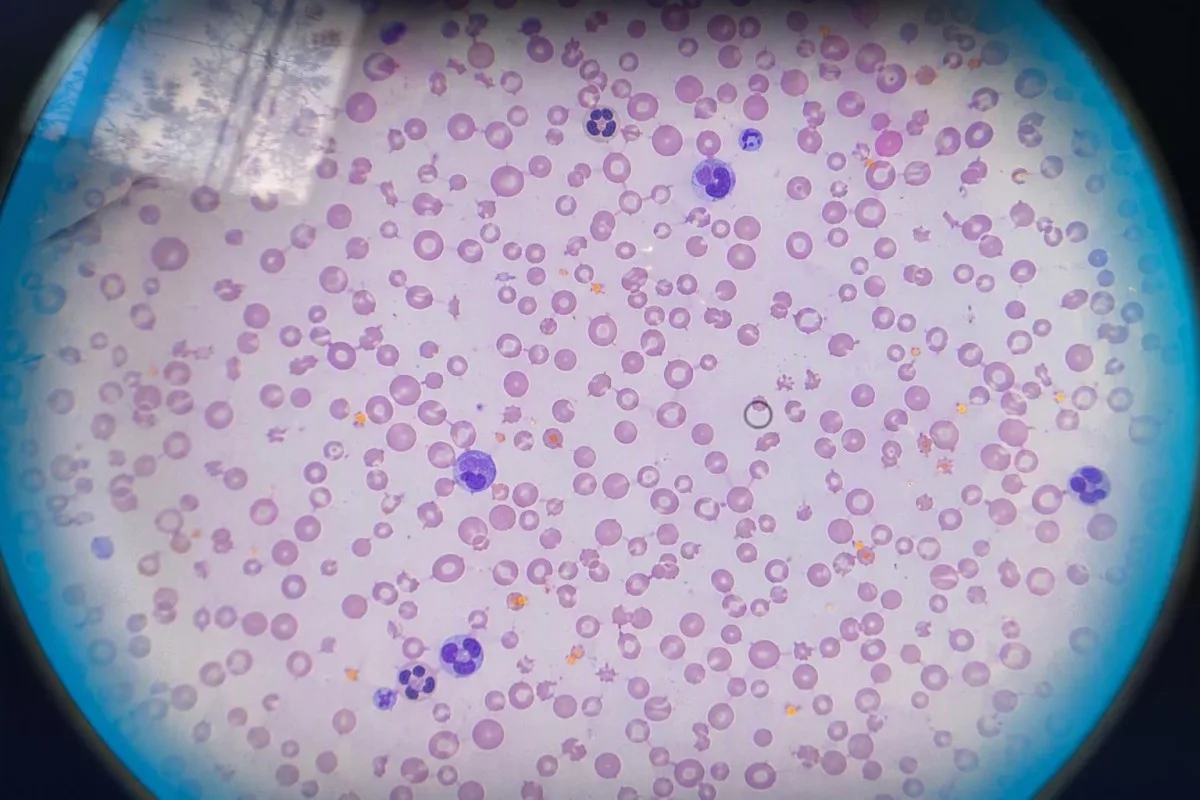
Sa dihang ang ubos nga TIBC nag-uban sa hemoglobin ubos sa 120 g/L sa mga babaye nga dili mabdos o 130 g/L sa mga lalaki, ang pagkakapoy, paghuot sa gininhawa sa hagdanan, palpitations, labad sa ulo, ug pagkalipong mahimong magpakita ug anemia. Bisan pa ang anemia sa panghubag mahimong malumo ug magbilin pa sa pasyente nga gikapoy tungod kay ang mga cytokines nagbag-o sa paghatod sa iron sa marrow. Itandi kini sa ubos nga sintomas sa red blood cell kung ang imong CBC nag-flag usab.
Ang mga simtoma nga nagbalhin sa akong kabalaka padulong sa mga hinungdan nga may kalabutan sa atay o protina naglakip sa paghubas sa bukong, bag-o nga pagkapuno sa tiyan, dali nga pagpasa, pangangati, ngitngit nga ihi, luspad nga tumbang, o dili maayo nga gana sa pagkaon. Ang jaundice inubanan sa kalibog, pagsuka og dugo, itom nga tarry nga tae, grabeng paghuot sa ginaginhawa, o paspas nga paghubag nanginahanglan og pagtimbang-timbang sa samang adlaw. Ang ubos nga TIBC dili ang emerhensya; kana nga mga klinikal nga timaan mahimo nga.
Sa praktis, akong makita ang mga tawo nga mabalaka human sa pagpangita og “ubos nga sintomas sa abilidad sa pagbugkos sa iron” ug magsugod dayon sa iron. Kana mahimong sayop nga lihok kon ang transferrin saturation labaw na sa 45% o ang ferritin taas. Ang iron mapuslanon kung natukod na ang kakulangan, apan kini dili usa ka kinatibuk-ang toniko ug mahimong makatabon sa pattern sa pagdayagnos.
Unsaon paghimo sa panghubag ubos nga TIBC ug ubos nga iron sa serum
Ang panghubag mao ang labing kasagaran nga pagpatin-aw alang sa ubos nga TIBC nga adunay ubos nga serum iron. Ang atay naghimo og gamay nga transferrin sa panahon sa usa ka acute-phase response, samtang ang hepcidin naglimite sa pagpagawas sa iron gikan sa mga macrophage ug pagsuyop sa tinai.
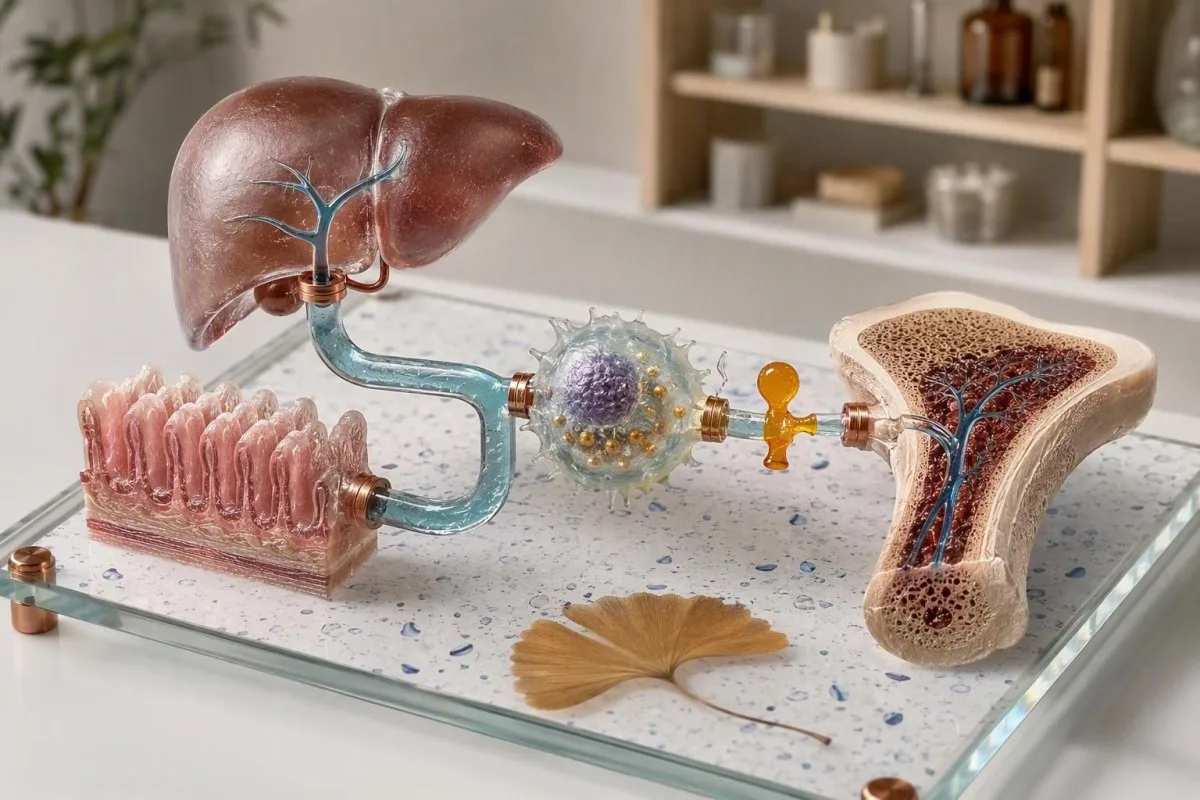
Usa ka tipikal nga pattern nga may kalabutan sa panghubag mao ang serum iron ubos sa 50 µg/dL, TIBC ubos sa 250 µg/dL, saturation ubos sa 20%, ug ferritin labaw sa 100 ng/mL, bisan tuod walay usa niini nga mga cutoffs ang nagdayagnos og sakit sa ilang kaugalingon. Ang ferritin motaas uban sa inflammatory signalling, mao nga ang usa ka “normal” nga ferritin dili kasaligan nga magwagtang sa kakulangan sa iron kung ang CRP gipataas. Ang klinikal nga gambalay nga gihulagway ni Weiss et al. (2019) nagbulag sa absolute iron deficiency gikan sa functional iron restriction gamit kini nga kombinasyon, dili ang ferritin sa isolation.
Ang acute infections, autoimmune disease, chronic kidney disease, obesity-related inflammation, bag-o nga operasyon, ug kanser mahimong makapaus-os sa transferrin. CRP nga labaw sa 10 mg/L naghimo sa ubos nga TIBC nga mas lagmit nga mahimong reaktibo, samtang ang erythrocyte sedimentation rate mahimong magpabilin nga taas sulod sa mga semana human mahulog ang CRP. Alang sa konteksto niining mas hinay nga marka, tan-awa ang among giya sa nganong hinay ang kausaban sa ESR.
Ang dili intuwitibo nga bahin mao nga ang gitipigan nga iron mahimong anaa apan dili ma-access sa marrow. Kantesti AI, usa ka plataporma sa paghubad sa AI biomarker, nag-ila niining dili managsama nga ubos-iron/ubos-TIBC nga pattern ug nag-aghat sa mga pangutana bahin sa aktibo nga sakit, kidney function, ug inflammatory markers; kini dili magdayagnos sa hinungdan gikan lamang sa laboratory data.
Sa diha nga ang soluble transferrin receptor makatabang
Ang soluble transferrin receptor kasagaran dili kaayo mabalda sa panghubag kaysa sa ferritin. Ang usa ka gipataas nga resulta mahimong mosuporta sa tinuod nga iron-restricted red-cell production kung ang ferritin 50–300 ng/mL ug ang CRP gipataas, bisan tuod ang mga sakup nga piho sa assay nagpasabot nga kini kinahanglan nga ipasugo ug hubad-hubaron sa usa ka clinician.
Ngano nga ang mga kondisyon sa atay makapakunhod sa kapasidad sa pagbugkos sa iron
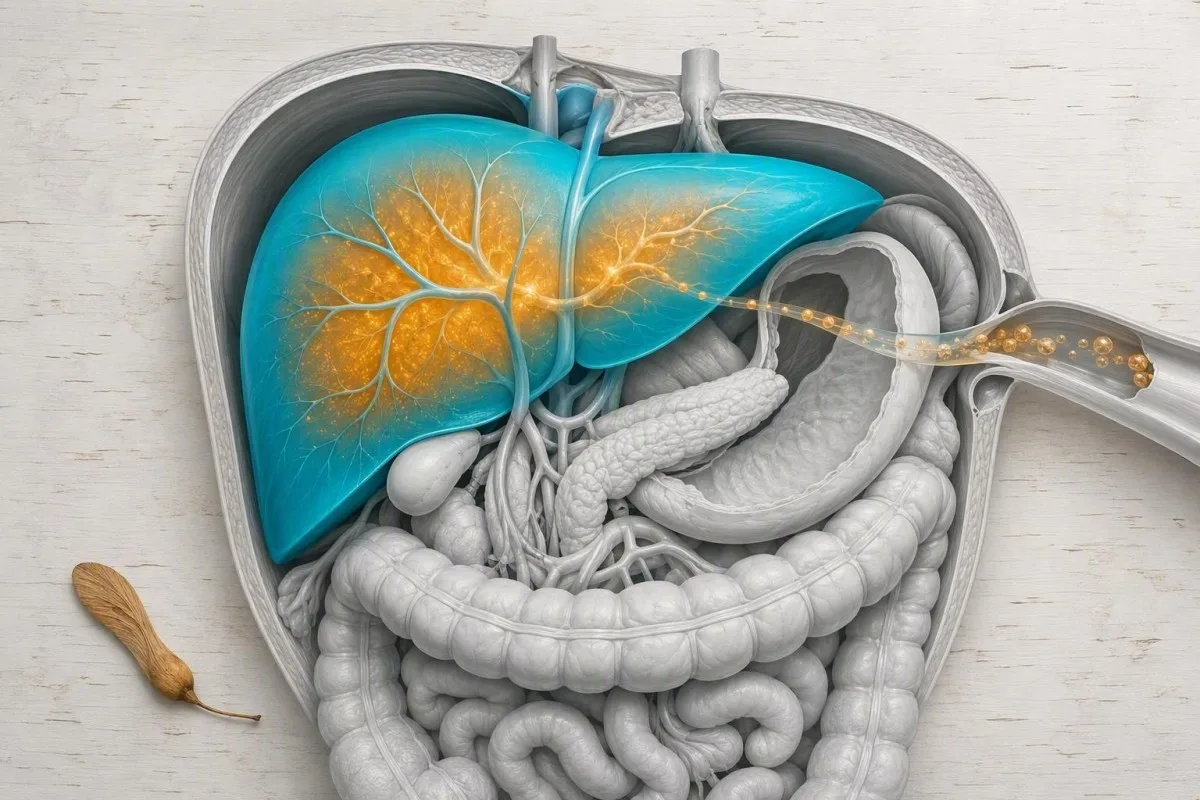
Ang sakit sa atay mahimong makapaus-os sa TIBC tungod kay ang mga hepatocyte nag-synthesize sa transferrin. Ang ubos nga TIBC uban sa ubos nga albumin, dugay nga INR, gipataas nga bilirubin, o abnormal nga AST ug ALT kinahanglan nga ibalhin ang pagtagad gikan sa iron intake ngadto sa hepatic production ug disease severity.
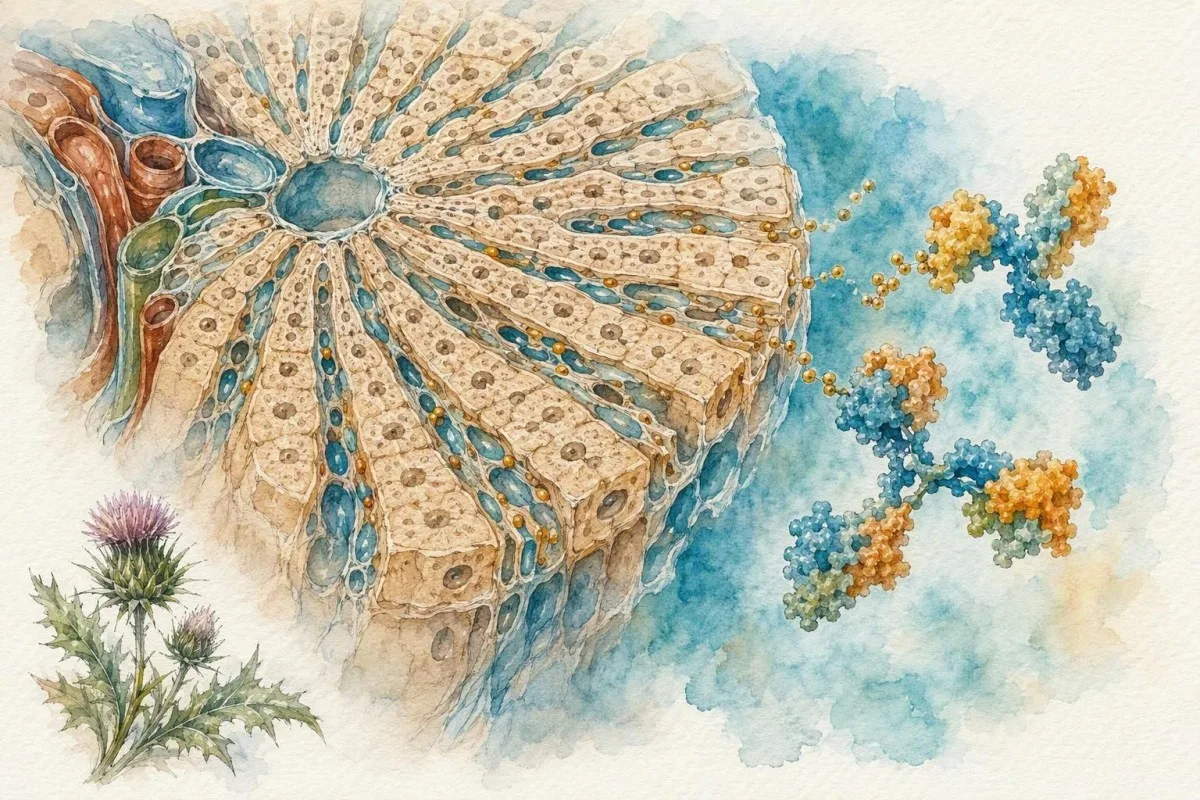
Ang ubos nga resulta sa transferrin mahimong mahitabo sa fatty liver disease, viral hepatitis, alcohol-related liver injury, advanced fibrosis, ug cirrhosis, apan kini dili igo nga piho aron ma-stage ang bisan unsa niini. Albumin na mas mababa sa 35 g/L uban sa usa ka padayon nga ubos nga TIBC angayan sa usa ka tukma nga klinikal nga pagrepaso, ilabi na kung adunay edema o pagkawala sa timbang. Review ang mas lapad nga pattern sa among overview sa liver panel.
Bag-o lang nako nga gi-review ang usa ka runner nga adunay AST 89 IU/L human sa taas nga lumba ug ubos-normal nga TIBC; ang AST normalized human sa pagkaayo, samtang ang albumin ug bilirubin nagpabilin nga normal. Ang ehersisyo mahimong temporaryo nga makapausab sa daghang mga resulta, samtang ang ubos nga TIBC inubanan sa jaundice ug reduced albumin usa ka lahi kaayo nga klinikal nga hulagway. Kini ang kombinasyon—dili usa ka bulag nga AST o TIBC—nga nagbag-o sa sunod nga lakang.
Ang padayon nga taas nga transferrin saturation nagkinahanglan og pagtagad sa sakit sa atay tungod kay ang ubos nga transferrin mahimong makapaburot sa porsyento. Ang 2022 EASL haemochromatosis guideline naggamit ug transferrin saturation labaw sa 45% sa mga babaye ug labaw sa 50% sa mga lalaki, kauban ang taas nga ferritin, ingon usa ka drayber sa dugang nga pagtimbang-timbang kaysa pagsalig sa bisan unsang marka nga mag-inusara (European Association for the Study of the Liver, 2022).
Kung ang mga sintomas sa atay nagkinahanglan ug dinalian nga pag-atiman
Bag-ong jaundice, kalibog, pagsuka ug dugo, itom nga bangkito, o dakong paghubag sa tiyan nagkinahanglan ug dinalian nga pagtimbang-timbang sa medisina bisan unsa pa ang lebel sa TIBC. Kining mga sintomas mahimong magpakita ug dili maayo nga pag-agay sa apdo, pagdugo sa gastrointestinal, o decompensated liver disease; tan-awa ang among review sa mga sayo nga timailhan sa cirrhosis.
Ubos nga TIBC gikan sa dili maayo nga kahimtang sa protina o pagkawala sa protina
Ang ubos nga TIBC mahimong resulta sa dili igo nga protina, pagkunhod sa synthesis sa atay, o pagkawala sa protina pinaagi sa kidney o tinai. Tungod kay ang transferrin adunay katunga sa kinabuhi nga mga 8 ka adlaw, kini mahimong mahulog sa sayo pa kaysa albumin sa acute illness apan usa gihapon ka dili maayo nga standalone nga pagsulay sa nutrisyon.

Ang ubos nga pag-inom, grabeng kasukaon, malabsorption, chronic diarrhea, dagkong paso, ug advanced systemic disease mahimong makapaubos sa transferrin. Albumin ubos sa 30 g/L nagdugang sa posibilidad sa klinikal nga makahuluganon nga pagkunhod o pagkawala sa protina, apan ang panghubag mahimo usab nga makapaubos sa albumin. Mao nga ang pagreseta ug high-dose nga iron alang sa matag ubos nga TIBC nga resulta makalimtan ang nagpahiping problema.
Ang pagkawala sa protina sa kidney mahimong makunhuran ang naglibot nga protina, ilabi na kung ang urine albumin-creatinine ratio kay dakong pagtaas o ang protina sa ihi kay padayon. Ang mabula nga ihi, paghubag sa tabon sa mata, paghubag sa buolbuol, ug pagtaas sa timbang maoy mapuslanong mga timailhan, apan daghang tawo nga adunay proteinuria ang maayo ang pamati. Ang among artikulo sa padayon nga mabula nga ihi nagpatin-aw kon unsaon sa usa ka sampol sa ihi ang pagklaro niini nga posibilidad.
Ang pagtimbang-timbang sa nutrisyon kinahanglan maglakip sa pagbag-o sa timbang, kusog sa kaunuran, pagtugot sa pagkaon, mga isyu sa ngipon o pagtulon, ug mga sintomas sa gastrointestinal—dili lang albumin. Sa akong kasinatian, usa ka dili tinuyo nga pagkawala sa 5% nga gibug-aton sa lawas sa 6–12 ka bulan angay usa ka klinikal nga pagtimbang-timbang bisan kung ang iron panel tan-awon lamang nga gamay nga abnormal.
Kanus-a ang ubos nga TIBC nagpunting sa sobra nga iron
Ang ubos nga TIBC nga adunay taas nga serum iron ug taas nga transferrin saturation mahimong magpaila sa pagtipon sa iron, labi na kung ang saturation magpabilin nga labaw sa 45% sa usa ka balik-balik nga pagpuasa sa buntag nga sample. Kini ang kaatbang sa dili komplikado nga iron deficiency, diin kasagaran motaas ang TIBC.
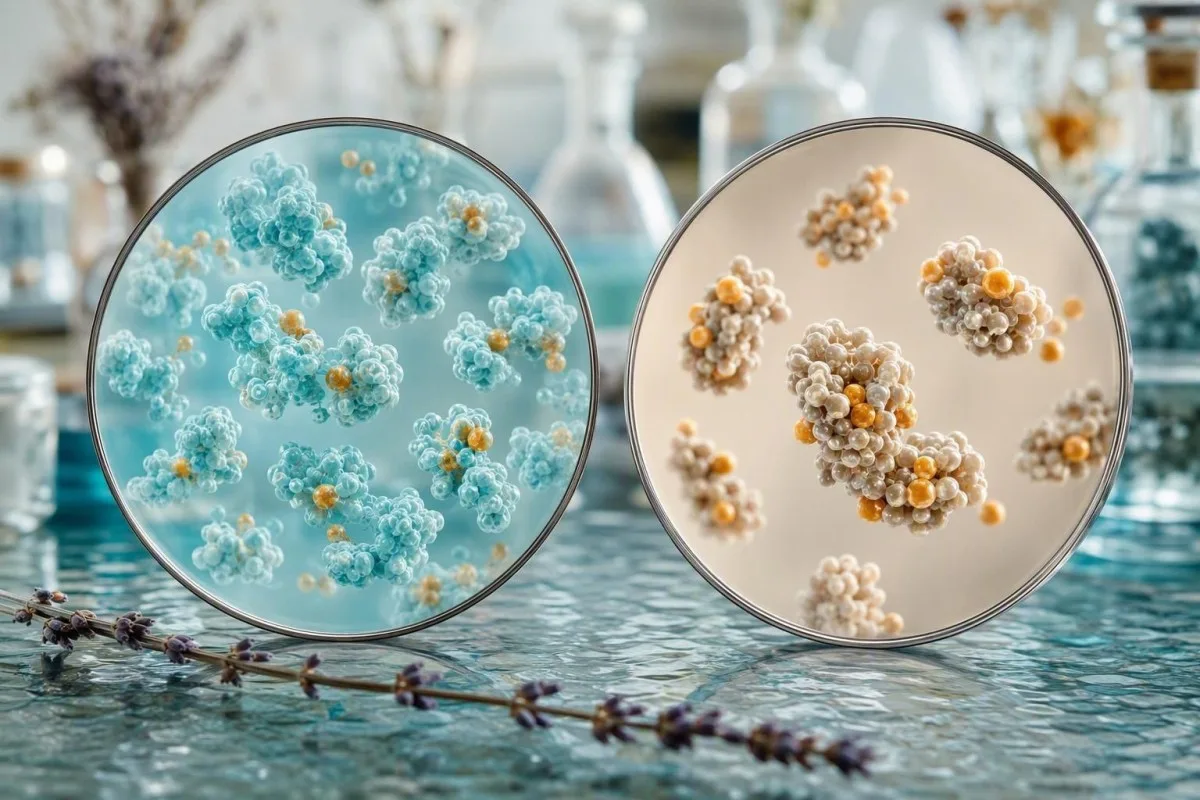
Ang Hereditary haemochromatosis, balik-balik nga mga transfusion, sobra nga paggamit sa iron, dili epektibo nga erythropoiesis, ug pipila ka mga sakit sa atay mahimong makahatag niini nga pattern. Ferritin nga labaw sa 300 ng/mL sa mga lalaki o 200 ng/mL sa mga babaye kasagarang gigamit ingon usa ka praktikal nga threshold alang sa pagsusi, apan ang ferritin mahimo usab nga motaas sa paggamit sa alkohol, sakit sa metaboliko, ug tubag sa tisyu. Ang among giya sa sintomas sa haemochromatosis nagbutang sa mga resulta sa klinikal nga konteksto.
Ayaw pagsulay sa “pagpaubos sa iron” pinaagi sa pagdonar ug dugo kung ikaw anaemic, mabdos, dili maayo, o wala pa masusi. Ang usa ka clinician mahimong magbalik-balik sa mga pagtuon sa iron pagkahuman sa pagpuasa sa tibuok gabii, magrepaso sa mga suplemento ug alkohol, susihon ang mga enzyme sa atay, ug ikonsiderar ang HFE genetic testing kung ang pattern kay padayon. Usa ka non-fasting serum iron value maoy usa ka timailhan, dili usa ka hukom.
Si Kantesti usa ka AI-powered blood test analysis tool gigamit sa 127+ ka mga nasud sa pagmapa sa TIBC, ferritin, iron, saturation, hemoglobin, ug liver markers nga magkauban. Ang among AI nagmarka ug saturation pattern alang sa klinikal nga diskusyon; ang diagnosis nagkinahanglan gihapon ug kasaysayan, balik-balik nga testing, ug usahay genetics o imaging.
Mahimo ka bang magkaubos sa iron nga adunay ubos nga TIBC?
Oo—ang kakulangan sa puthaw mahimong magkadungan sa ubos nga TIBC kung ang panghubag, sakit sa atay, o kakulang sa protina makapugong sa transferrin. Apan, sa walay komplikasyon nga kakulangan sa puthaw, ang ferritin moubos ug ang TIBC mas kanunay nga motaas labaw sa laboratory range.
Ang ferritin nga ubos sa 15 ng/mL mao ang taas kaayo nga piho sa nahurot nga mga tindahan sa puthaw sa laing bahin himsog nga mga hamtong, samtang daghang mga clinician ang naggamit ubos sa 30 ng/mL aron mapalambo ang pagkasensitibo. Sa panahon sa panghubag, ang ferritin ubos sa 100 ng/mL nga adunay transferrin saturation ubos sa 20% makasuporta gihapon sa kakulangan sa puthaw, ilabi na sa mga sitwasyon sa laygay nga sakit sa kidney o pagkapakyas sa kasingkasing. Tan-awa ang among pagpatin-aw sa ubos nga ferritin sa wala pa ang anemia alang sa mga sumbanan sa sintomas.
Mao kini diin ang usa ka CBC nagpakamatarung sa lugar niini. Ubos nga MCV, taas nga RDW, ubos nga reticulocyte hemoglobin, ug ubos nga ferritin pabor sa tinuod nga kakulangan sa puthaw; normal o gamay nga ubos nga MCV nga adunay taas nga CRP ug ubos nga TIBC pabor sa panghubag. Ang kalainan dili perpekto—ang thalassemia trait, kakulangan sa B12, sakit sa kidney, ug bag-o nga transfusion mahimong makapugong niini. Ang among ubos nga MCV triage guide naglangkob niadtong nagsupak nga mga katin-awan.
Si Dr. Thomas Klein nagtambag sa mga pasyente nga dili hukman ang pagtambal sa puthaw pinaagi lamang sa serum iron. Ang serum iron mahimong mausab sa 30% o labaw pa sa tibuok adlaw ug human sa mga pagkaon; ang tubag sa hemoglobin, ang uso sa ferritin, ang mga sintomas, ug ang hinungdan sa kakulangan mas importante.
Mga tambal, pagmabdos, ug mga epekto sa oras sa TIBC
Ang pagkaladlad sa estrogen ug pagmabdos sagad makapataas sa transferrin ug TIBC, samtang ang acute illness, corticosteroids, ug grabe nga systemic stress mahimong makapaubos niini. Ang kasaysayan sa tambal ug yugto sa kinabuhi makapatin-aw sa usa ka wala damha nga resulta sa wala pa ikonsiderar ang usa ka talagsaon nga pagdayagnos.
Ang oral contraceptives ug pagmabdos sagad makapadugang sa produksyon sa transferrin, mao nga ang ubos nga TIBC sa panahon sa pagmabdos mas talagsaon kung ipares sa ubos nga albumin, panghubag, o mga abnormalidad sa atay. Ang interpretasyon sa ferritin nga piho sa pagmabdos lahi: usa ka lebel ubos sa 30 µg/L kaylap nga gigamit sa pag-ila sa kakulangan sa puthaw sa pagmabdos. Basaha ang among trimester ferritin guide imbes nga gamiton ang mga range nga dili mabdos.
Ang mga tablet sa puthaw mahimong temporaryo nga makapataas sa serum iron ug saturation sulod sa pipila ka oras, nga makapahimo sa ubos nga TIBC nga morag sobra sa puthaw. Kung mouyon ang nag-order nga clinician, ang pagpugong sa oral iron sulod sa , hunong ang high-dose sa wala pa ang pagkuha ug pagkuha sa sample sa buntag mahimong makahatag ug mas limpyo nga panel. Ang praktikal nga mga detalye naa sa among giya sa pag-andam sa TIBC.
Ang pagrepaso sa tambal kinahanglan maglakip sa anticonvulsants, chemotherapy, immunosuppressants, testosterone o estrogen therapy, ug intravenous iron—dili tungod kay ang matag usa direkta nga hinungdan sa ubos nga TIBC, apan tungod kay mahimo nilang usbon ang mga pagsulay sa atay, panghubag, produksyon sa pula nga selula, o pag-apod-apod sa puthaw. Ayaw gayud ihunong ang gireseta nga tambal aron lang mapalambo ang resulta sa laboratoryo.
Mahimo bang temporaryo o sayop ang resulta sa ubos nga TIBC?
Ang resulta nga ubos nga TIBC mahimong temporaryo sa panahon sa acute illness, pagkahuman sa intravenous fluids, o kung ang serum iron magkalainlain sa oras, apan ang usa ka husto nga naproseso nga TIBC assay kasagaran kasaligan sa analitikal. Ang mas dako nga risgo mao ang sayop nga interpretasyon sa usa ka tinuod nga resulta sa gawas sa iyang klinikal nga setting.
Ang TIBC kasagarang gisukod pinaagi sa pagdugang og puthaw sa serum, pagtangtang sa dili nakig-alyansa nga puthaw, ug pag-quantify sa nahabilin nga nakig-alyansa; ang direkta nga transferrin immunoassays naggamit ug laing pamaagi. Ang hemolysis, grabe nga lipemia, ug talagsaon nga paraproteins mahimong makabalda sa pipila ka laboratory assays. Ang kalit nga kausaban nga supak sa nangaging mga uso naghatag og katarungan sa usa ka pag-usab kaysa pagpanic; ang among delta-check explanation naglatid kung giunsa paghunahuna sa mga clinician ang bahin sa kalit nga mga pagbag-o.
Ang balik-balik nga pagsulay labing mapuslanon kung ang resulta mahimong magbag-o sa pagdumala. Alang sa usa ka lig-on nga tawo nga adunay ubos nga TIBC sa panahon sa sipon o autoimmune flare, kasagaran akong pabor sa balik-balik nga iron studies 4–8 ka semana human sa pagkaayo, kauban ang CBC, ferritin, CRP, liver panel, ug albumin. Alang sa usa ka tawo nga adunay jaundice, grabe nga anemia, o saturation labaw sa 45%, ang timeframe mas mubo.
Ang Kantesti AI nag-analisar sa mga gi-upload nga report sa mga 60 segundos ug makatabang kanimo sa pagtandi sa mga petsa, yunit, ug mga sakup sa pakisayran, apan ang OCR dili perpekto. Susiha nga ang serum iron wala masayop sa ferritin ug nga ang µmol/L wala mabasa ingon µg/dL; gamita ang among PDF upload checklist sa dili pa mosalig sa usa ka digital nga katingbanan.
Ang sunod nga mga pagsulay nga gigamit sa mga doktor pagkahuman sa ubos nga TIBC
Ang sunod nga lakang human sa ubos nga TIBC kasagaran usa ka pattern-based panel: CBC, ferritin, serum iron, transferrin saturation, CRP o ESR, albumin, ug liver enzymes. Ang pagsulay sa protina sa ihi, pag-andar sa kidney, soluble transferrin receptor, o genetic testing gidugang lamang kung ang sinugdanan nga sumbanan nagtudlo didto.
Ang usa ka makatarunganon nga unang hugna naglakip sa hemoglobin, MCV, RDW, ferritin, iron, TIBC o transferrin, saturation, CRP, ALT, AST, ALP, bilirubin, albumin, creatinine, ug eGFR. Transferrin saturation ubos sa 20% nagpaila sa gipugngan nga pagkaanaa sa puthaw, samtang ang makanunayon nga mga kantidad sa ibabaw 45% nagkinahanglan og iron-loading assessment. Ang tubag nagdepende sa relasyon tali sa kini nga mga kantidad, dili sa pag-order sa tanan nga espesyalista nga pagsulay sa makausa.
Kung adunay panghubag ug ang ferritin dili klaro, ang soluble transferrin receptor o reticulocyte hemoglobin makatabang sa pag-ila sa treatable iron deficiency. Kung ang albumin ubos, ang urinalysis ug urine ACR makasusi sa pagkawala sa protina sa kidney; kung ang mga nahibal-an sa atay abnormal, ang pagsulay sa hepatitis ug ultrasound mahimong angay. Ubos nga transferrin saturation adunay lahi nga kahulugan gikan sa ubos nga TIBC, bisan kung sila kanunay magkaduyog.
Ang neural network sa Kantesti nagtandi sa mga trajectory sa resulta kaysa sa usa ka single snapshot, nga importante tungod kay ang ferritin ug CRP mahimong molihok sa magkasalungat nga direksyon sa daghang mga semana. Ang methodology ug clinical limits gihulagway sa among medikal nga pag-validate nga overview; ang interpretasyon sa resulta usa ka pagpangandam alang sa usa ka klinikal nga panag-istoryahan, dili usa ka kapuli niini.
Upat ka ubos nga TIBC nga mga pattern nga nagbag-o sa pagdayagnos
Ang ubos nga TIBC nahimong mapuslanon kung kini basahon ingon usa sa upat ka sumbanan: panghubag, kadaot sa atay o protina, iron loading, o sagol nga iron deficiency plus panghubag. Ang matag sumbanan adunay lainlaing agianan sa pagtambal ug lainlaing mga kabalaka sa kaluwasan.
Panghubag: ubos nga puthaw, ubos nga TIBC, saturation kasagaran ubos sa 20%, ferritin normal o taas, CRP taas. Liver/protein pattern: ubos nga TIBC nga adunay ubos nga albumin ug posibleng abnormal nga bilirubin, INR, o liver enzymes. Sumilay nga pattern: ubos o normal nga TIBC nga adunay iron saturation labaw sa 45% ug pagtaas sa ferritin. Kini ang mga sinugdanan, dili hugot nga kahon.
Sagol nga kakulangan: ang ferritin mahimong 30–100 ng/mL, saturation ubos sa 20%, TIBC ubos o normal, ug CRP taas. Niini nga sitwasiya, ang pagtambal sa naghubas nga sakit ug pagsusi sa pagkawala sa dugo o malabsorption mahimong gikinahanglan. Ang mga simtomas sa gastrointestinal, bug-at nga pagdugo sa matris, ug paggamit sa tambal nga kontra-sa-paghubas angay nga susihon—ang mga pasyente kasagaran dili magtugyan niini gawas kung pangutan-on.
Alang sa mga pasyente, ang mapuslanon nga pangutana dili “Unsaon nako pagpataas sa TIBC?” kondili “Unsay nakapaus-os sa transferrin o nakapausab sa pagbahin sa iron?” Ang among naggiya makatabang sa paghimo niana nga kalainan sa dili pa mopili og suplemento.
Unsay dili buhaton pagkahuman makakita og ubos nga TIBC flag
Ayaw pag-inom og iron kung ubos ang TIBC hangtod nga masusi ang ferritin, saturation, hemoglobin, ug ang konteksto sa klinika. Ang ubos nga resulta wala magpasabot nga kulang sa iron ang imong dugo, ug ang dugang iron mahimong dili angay sa mga pattern sa pag-load sa iron o mga pattern nga may kalabutan sa atay.

Likayi ang pagpalit ug taas nga dosis nga iron tungod kay ang usa ka report nag-ingon nga “ubos nga iron binding capacity.” Ang kasagarang mga dosis sa therapeutic iron adunay 45–65 mg elemental iron kada tablet, igo na aron hinungdan sa kasukaon, constipation, ug itom nga mga bangkito; sa sayup nga tawo, mahimo nilang dugangan ang mga tindahan sa iron nga dili matambalan ang paghubas o sakit sa atay. Ang mga pamaagi nga unang pagkaon makatarunganon alang sa kadaghanan sa mga tawo, apan kini dili makapuli sa pagsusi sa anemia.
Ayaw gamita ang ferritin nga resulta lamang sa pagwagtang sa kakulangan sa panahon sa impeksyon, pagkadatog, sakit nga autoimmune, o usa ka bag-o nga operasyon. Ug ayaw pag-ingon nga ang kakapoy may kalabutan sa iron kung ang hemoglobin, ferritin, thyroid, pagkatulog, mood, mga tambal, ug paglihok sa kidney wala pa gikonsiderar. Ang among giya sa suplemento sa kakapoy nagpatin-aw ngano nga ang mga pagpili nga gigiyahan sa laboratoryo mas luwas.
Sa katapusan, ayaw paggukod sa usa ka perpekto nga TIBC nga numero. Sa akong klinikal nga kasinatian, ang pagtul-id sa laygay nga paghubas, pagtambal sa celiac disease, pagkontrolar sa sakit sa kidney, pagpahunong sa malikayan nga pagkawala sa dugo, o pagpalambo sa nutrisyon nagbag-o sa iron panel nga mas makahuluganon kaysa pagsulay sa direktang pagpataas sa transferrin.
Pagkaon, pagkaayo, ug realistiko nga mga paagi aron suportahan ang nagpahiping hinungdan
Ang pagkaon makasuporta sa iron intake ug protina nga kahimtang, apan ang pagkaon lamang dili makatul-id sa ubos nga TIBC nga gipahinabo sa aktibo nga paghubas, dakong sakit sa atay, dakong pagkawala sa protina sa nephrotic, o iron overload. Ang plano sa nutrisyon kinahanglan motugma sa sumbanan sa laboratoryo.
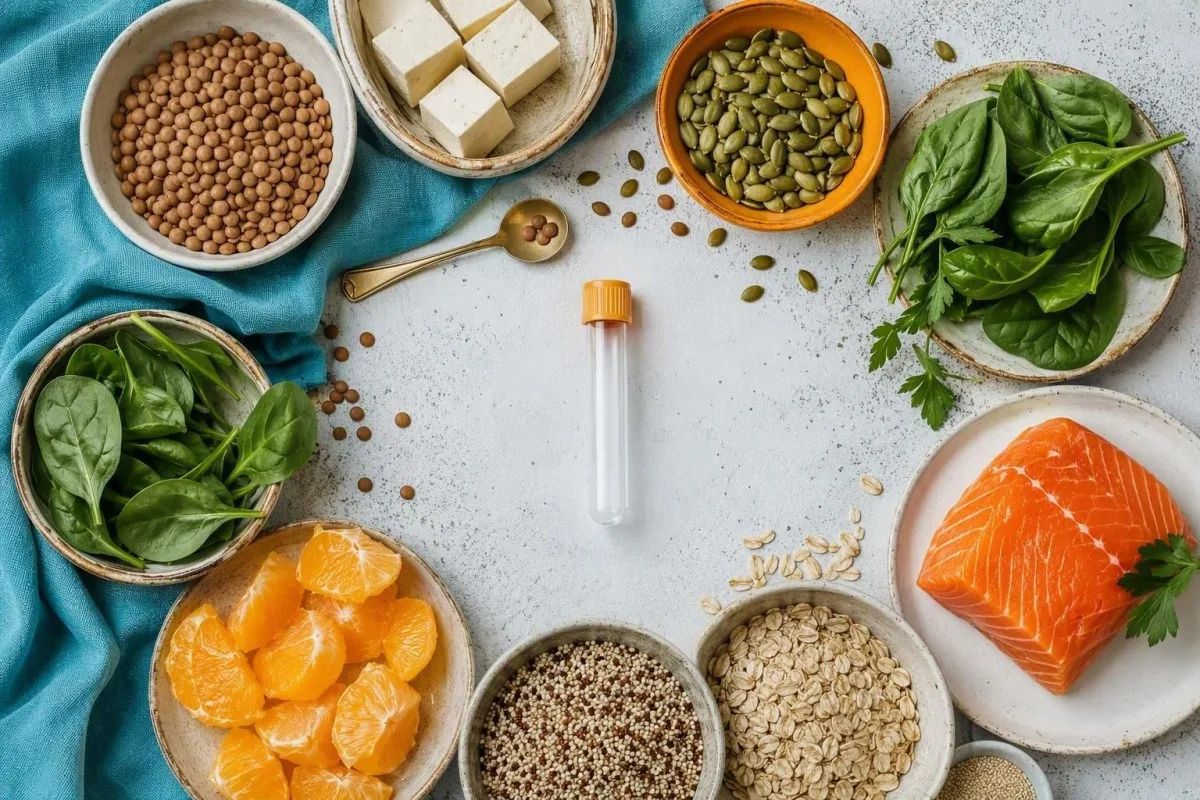
Kon mapamatud-an ang kakulangan sa iron, ang heme iron gikan sa isda, manok, ug karne kasagaran mas epektibo nga masuhop kaysa non-heme iron gikan sa mga legumes, tofu, lentils, liso, ug fortified grains. Ang mga produkto nga adunay Vitamin C makapauswag sa pagsuyop sa non-heme iron, samtang ang tsa ug kape nga imnon uban sa pagkaon makapakunhod niini. Ang among praktikal nga giya sa heme ug non-heme iron foods naghatag ug mga kapilian sa lebel sa pagkaon.
Kon ubos ang pag-inom ug protina, pangandama ang regular nga mga pagkaon nga adunay tinubdan sa protina imbes nga magdugang ug dili regulado nga “transferrin boosters.” Ang kasagarang target sa protina sa mga hamtong kasagaran anaay mga 0.8 g/kg/adlaw, samtang ang mga tigulang, adunay grabeng sakit, nagbansay sa atleta, ug adunay sakit sa kidney nagkinahanglan ug indibidwal nga tambag. Ang mga tawo nga adunay laygay nga sakit sa kidney dili angay magdugang ug protina nga walay diskusyon sa plano uban sa ilang renal team.
Ang pagkaayo nagpasabot usab sa pagpili sa saktong bintana sa pag-retest. Kasagaran mitaas ang hemoglobin mga 10–20 g/L sulod sa 2–4 ka semana human sa epektibo nga pagtambal sa iron sa yano nga kakulangan, apan ang TIBC mahimong dili normal sa maong iskedyul kon ang panghubag o paghimo sa atay maoy nag-unang drayber.
Kanus-a ang ubos nga resulta sa TIBC nanginahanglan og dinalian nga medikal nga pagsusi
Maghikay ug regular nga klinikal nga pagsusi alang sa padayon nga ubos nga TIBC, ug mangayo ug dinalian nga pag-atiman kon kini nag-uban sa grabeng mga simtomas sama sa jaundice, kalibog, sakit sa dughan, kalisod sa pagginhawa samtang nagpahulay, pagkalipong, o pagdugo sa gastrointestinal. Ang kabalaka nagdepende sa tawo ug sa kaubang mga resulta, dili sa TIBC nga kantidad lamang.

Mag-iskedyul ug tukma sa panahon nga appointment kon ang TIBC magpabilin nga ubos sa range sa balik-balik nga pagsulay, ang ferritin dili katuohan nga taas, ang saturation labaw pa sa 45%, ang hemoglobin nagkahulog, ang albumin ubos pa sa 35 g/L, o ang mga pagsulay sa atay abnormal. Dad-a ang daan nga mga resulta, mga listahan sa tambal ug suplemento, bag-o nga kasaysayan sa sakit, kasaysayan sa menstrual diin angay, pag-inom ug alkohol, kausaban sa pagkaon, ug kasaysayan sa pamilya sa sobrang iron o sakit sa atay. Ang usa ka maayong pagkaorganisar nga timeline makaluwas ug ikaduhang appointment.
Ang pag-atiman sa samang adlaw makatarunganon alang sa itom nga mga bangkito, pagsuka ug dugo, dalag nga panit nga adunay pagkahinanok, taas nga hilanat nga adunay grabeng kahuyang, o kalisod sa pagginhawa nga makapugong sa pagsulti. Kana nga mga simtomas mahimong magpakita ug pagdugo, impeksyon, grabeng anemia, o liver decompensation, ug dili luwas ang paghulat alang sa laing iron panel. Alang sa usa ka structured nga pagpangandam, gamita ang among checklist sa lab nga pagbisita sa doktor.
Sukad sa Septembre 10, 2026, ang labing luwas nga mensahe nagpabilin nga simple: ang ubos nga TIBC usa ka timailhan bahin sa biology sa transferrin, dili usa ka diagnosis ug dili usa ka awtomatikong rason alang sa iron. Ang sulod sa klinikal sa Kantesti gisusi uban sa among Lupon sa Medikal nga Magtatambag, apan ang imong kaugalingong clinician makasagol sa mga resulta sa eksaminasyon, mga simtomas, mga tambal, ug lokal nga mga pamaagi sa laboratoryo.
Unsaon pagsubay sa ubos nga resulta sa TIBC nga dili mag-overreact
Subay sa ubos nga TIBC uban sa petsa, kahimtang sa sakit, ferritin, saturation, CRP, albumin, hemoglobin, ug kausaban sa pagtambal. Ang usa ka trend sa duha o tulo ka ikatandi nga mga sample kasagaran mas impormatibo kay sa usa ka gawas sa sakop nga pagsukod.
Itala kon ang matag sample nagpuasa, kon nag-inom ka ug iron sulod sa 24 oras, kon ikaw adunay hilanat o grabeng ehersisyo, ug kon pareho nga laboratoryo ang gigamit. Ang kausaban gikan sa TIBC 225 ngadto sa 245 µg/dL mahimong ordinaryo nga biyolohikal ug analitikal nga kausaban, samtang ang 225 ngadto sa 340 µg/dL human sa pagkaayo gikan sa pneumonia mahimong klinikal nga makahuluganon. Ang among giya sa pagtandi sa mga blood-test nagpakita kung unsang mga detalye sa konteksto ang kinahanglan tipigan.
Kantesti, usa ka AI lab test interpretation service, makahimo sa pag-organisar sa mga longitudinal report ug makapatin-aw nganong ang ubos nga TIBC, ferritin, CRP, ug albumin mahimong magkasabay o magkalain. Kini gidisenyo aron mas tukma ang imong mga pangutana: mas mapuslanon ang “Mahimo bang kini usa ka inflammatory iron restriction?” kaysa “Ubos ba ang akong iron?”
Ang makapadasig nga punto mao nga daghang ubos nga TIBC nga resulta nagpakita sa usa ka temporaryo nga inflammatory state o usa ka reversible nga problema sa nutrisyon ug pagkaayo. Ang mabinantayon nga punto parehas nga tinuod: ang padayon nga mga resulta nga adunay anemia, abnormal nga mga pagsulay sa atay, edema, o taas nga saturation angayan sa tukma nga klinikal nga pag-follow-up kaysa sa pangagpas sa internet.
Kanunay nga Gipangutana nga mga Pangutana
Unsa nga mga sintomas ang hinungdan sa ubos nga TIBC?
Ang ubos nga TIBC kasagaran dili hinungdan sa mga sintomas sa iyang kaugalingon kay gisukod niini ang iron-binding capacity imbes nga usa ka gimbuhaton sa lawas nga imong mabati direkta. Ang mga sintomas sama sa kakapoy, kahuyang, pagginhawa, hilanat, paghubag sa buolbuol, jaundice, o sakit sa lutahan naggikan sa nagpahiping hinungdan, sama sa anemia, paghubag, sakit sa atay, pagkawala sa protina, o sobra nga iron. Ang hemoglobin nga ubos sa 120 g/L sa mga babaye nga dili mabdos o 130 g/L sa mga lalaki naghimo nga mas lagmit ang mga sintomas nga may kalabotan sa anemia. Ang dinalian nga pagtimbang-timbang angay alang sa sakit sa dughan, pagkalipong, kalibog, itom nga bangkito, grabeng pagginhawa, o dilaw nga panit nga may pagkahinanok.
Ang ubos ba nga TIBC pareho ra sa ubos nga transferrin?
Ang ubos nga TIBC kasagaran nagpakita sa ubos nga transferrin, apan ang duha ka pagsulay dili teknikal nga managsama. Ang transferrin usa ka protina nga gidala nga ginahimo sa atay nga gisukod direkta sa g/L o mg/dL, samtang ang TIBC nagbanabana kon unsa ka daghang iron ang mahimo sa transferrin pool ug kasagaran gi-report sa µg/dL o µmol/L. Ang kasagaran nga TIBC sa hamtong mga 250–450 µg/dL, bisan tuod ang mga sakop sa reperensya sa laboratoryo managlahi. Ang ubos nga mga resulta alang sa duha komon sa panahon sa paghubhub ug pagkunhod sa synthesis sa protina sa atay.
Ang ubos bang TIBC nagpasabot ba og kakulangan sa iron?
Ang ubos nga TIBC dili kasagaran nagpasabot ug dili komplikadong kakulangan sa puthaw; ang klasikal nga kakulangan sa puthaw mas kanunay nga moresulta sa ubos nga ferritin ug taas nga TIBC. Ang gisagol nga pattern mahimong mahitabo kung ang kakulangan sa puthaw naglungtad uban sa pagpanghubag, sakit sa atay, o dili maayo nga kahimtang sa protina, nga makapugong sa TIBC. Ang ferritin nga ubos sa 15 ng/mL kusganong nagsuporta sa nahurot nga mga tipiganan sa puthaw sa usa ka himsog nga hamtong, samtang ang ferritin nga ubos sa 100 ng/mL dugang sa transferrin saturation nga ubos sa 20% mahimo pa gihapon magpakita ug kakulangan sa panahon sa pagpanghubag. Ang CBC, ferritin, CRP, ug saturation gikinahanglan sa dili pa magsugod ug puthaw.
Unsay hinungdan sa ubos nga TIBC nga ubos usab ang iron?
Ubos nga TIBC nga adunay ubos nga serum iron kasagaran nagpakita sa pagpugong sa iron nga may kalabutan sa panghubag. Niini nga sumbanan, ang hepcidin naglimite sa pagpagawas sa iron ngadto sa sirkulasyon samtang ang atay naghimo ug dyutay nga transferrin, nga moresulta sa ubos nga iron, ubos nga TIBC, saturasyon nga kasagaran ubos sa 20%, ug ferritin nga mahimong normal o taas. Ang laygay nga sakit sa amimika, impeksyon, sakit sa autoimmune, panghubag nga may kalabutan sa katambok, bag-o nga operasyon, ug kanser mahimong makamugna niini nga sumbanan. Ang CRP nga labaw sa 10 mg/L nagsuporta sa aktibo nga panghubag apan dili makaila sa gigikanan niini.
Unsay buot ipasabot sa ubos nga TIBC nga taas og ferritin?
Ang ubos nga TIBC nga adunay taas nga ferritin kasagarang mahitabo sa panahon sa pagpanghubag, sakit sa atay, dysfunction sa metaboliko, kadaot sa atay nga may kalabutan sa alkohol, o sobra nga iron. Ang ferritin usa ka marker sa pagtipig ug iron ug usa ka acute-phase protein, mao nga ang taas nga kantidad dili awtomatikong nagpasabot ug sobra nga gitipigan nga iron. Ang padayon nga transferrin saturation labaw sa 45% dugang sa taas nga ferritin mas makapaalarma alang sa iron loading ug nagkinahanglan ug pagsusi nga gipangulohan sa clinician. Ang albumin, CRP, ALT, AST, bilirubin, ug ang full blood count makatabang sa pag-ila sa mga hinungdan.
Kuhaon ba nako ang iron kung ubos ang akong TIBC?
Ayaw pag-inom og iron tungod lang kay ubos ang TIBC. Ang oral iron angay kung ang kakulangan sa iron gipakita sa kinatibuk-ang pattern, kasagaran apil ang ubos nga ferritin, ubos nga saturation, ug pagka-uyon sa CBC findings; daghang therapeutic products adunay 45–65 mg elemental iron kada tableta. Mahimong walay kapuslanan o dili angay ang iron kung ang ubos nga TIBC resulta sa panghubag, problema sa atay, pagkawala sa protina, o sobra nga iron. Pangutan-a ang usa ka clinician nga repasuhon una ang ferritin, transferrin saturation, hemoglobin, CRP, ug liver tests.
Karon na ang AI-Powered Blood Test Analysis
Apil sa kapin sa 2 milyon nga mga user sa tibuok kalibutan nga nagsalig sa Kantesti para sa dayon ug tukma nga pag-analisa sa lab test. I-upload ang imong resulta sa blood test ug makadawat og komprehensibong pagsabot sa 15,000+ nga mga biomarker sulod sa mga segundo.
📚 Mga Napangalan nga Research Publications
Klein, T., Mitchell, S., & Weber, H. (2026). Urobilinogen sa Pagsulay sa Ihi: Kumpletong Giya sa Urinalysis 2026. Zenodo. https://doi.org/10.5281/zenodo.18226379. Mga link sa ResearchGate ug Academia.edu record nga magamit pinaagi sa DOI sa publikasyon.. Kantesti AI Medical Research.
Klein, T., Mitchell, S., & Weber, H. (2026). Giya sa mga Pagsusi sa Iron: TIBC, Iron Saturation & Binding Capacity. Zenodo. https://doi.org/10.5281/zenodo.18248745. Mga link sa ResearchGate ug Academia.edu record nga magamit pinaagi sa DOI sa publikasyon.. Kantesti AI Medical Research.
📖 Mga Panlabas nga Sanggunian sa Medisina
⚕️ Pagpasabot sa Medikal
Kini nga artikulo para sa katuyoan sa edukasyon ra ug dili kini mosangpot sa medikal nga tambag. Kanunay mokonsulta sa usa ka kwalipikado nga healthcare provider alang sa mga desisyon sa diagnosis ug pagtambal.
Mga E-E-A-T Trust Signals
Kasinatian
Pagsusi sa klinika nga gipangulohan sa doktor sa mga workflow sa interpretasyon sa lab.
Kahanas
Pokus sa medisina sa laboratoryo kung giunsa paglihok ang mga biomarker sa konteksto sa klinika.
Pagka-awtorisado
Gisulat ni Dr. Thomas Klein ug gisusi ni Dr. Sarah Mitchell ug Prof. Dr. Hans Weber.
Kasaligan
Interpretasyon nga base sa ebidensya, nga adunay klaro nga mga agianan sa sunod nga buhat aron makunhuran ang kabalaka.