Malalta TIBC-rezulto malofte kaŭzas simptomojn memstare. La simptomoj devenas de la kondiĉo kiu ŝanĝas transferrin-produktadon, fer-manipuladon, aŭ protein-ekvilibron.



- Malalta TIBC kutime signifas, ke malpli da transferrino estas havebla por porti feron; multaj laboratorioj por plenkreskuloj uzas proksimume 250–450 µg/dL (45–80 µmol/L) kiel la referencan intervalon.
- Simptomoj estas ne-rekta: laceco, febro, artika doloro, ŝvelado, iktero, aŭ malplipeziĝo indikas la suban malsanon prefere ol la malalta TIBC mem.
- Inflama ŝablono kutime montras malaltan seruman feron, malaltan TIBC, transferrin-saturigon sub 20%, kaj feritinon kiu estas normala aŭ pliigita.
- Fer-manka padrono kutime produktas malaltan feritinon kaj altan—ne malaltan—TIBC, krom se inflamo aŭ hepata malsano ĉeestas samtempe.
- Transferrina saturiĝo estas kalkulita kiel seruma fero dividita per TIBC × 100; valoro super 45% postulas taksadon por fer-ŝarĝado kiam persista.
- Albuminio gravas ĉar transferrino estas hepato-farita proteino; malalta albumino kun malalta TIBC povas indiki reduktitan sintezon, malbonan konsumadon, protein-perdon, aŭ sisteman malsanon.
- Urĝa revizio estas konvena por konfuzo, iktero, nigraj fekaĵoj, manko de spiro dum ripozo, rapide kreskanta ŝvelado, aŭ febro kun severa malforteco.
- Retesting wisely signifas eviti ferajn tabelojn dum 24 horoj antaŭ fera panelo kiam via kuracisto konsentas, kaj prokrasti rutinajn testojn dum akra febra malsano kiam eble.
Kion malalta TIBC-rezulto signifas fakte
Malalta tuta fera-ligkapablo signifas, ke la sangocirkulado havas malpli da disponebla transferin-kapablo por ligi feron. TIBC estas nerekta mezuro de transferino, proteino produktita ĉefe de la hepato; ĝi ne estas rekta mezuro de kiom da fero via korpo stokas.

Plej multaj laboratorioj raportas plenkreskan TIBC ĉirkaŭ 250–450 µg/dL aŭ 45–80 µmol/L, sed la intervalo presita apud via rezulto venkas ĉar test-kalibrado malsamas. Valoro de 210 µg/dL ne estas aŭtomate danĝera; Mi interpretas ĝin apud seruma fero, ferritino, transferina saturado, C-reaktiva proteino, albumino, kaj la kompleta sangokalkulo. Nia detala gvidilo pri feraj studoj klarigas kial neniu fera markilo povas respondi ĉiun demandon.
TIBC kaj transferino estas proksime rilataj sed ne identaj testoj. Transferino estas mezurata kiel proteina koncentriĝo, ofte en g/L aŭ mg/dL, dum TIBC taksas la maksimuman fer-ligkapablon de cirkulanta transferino; kelkaj laboratorioj kalkulas unu el la alia. TIBC estas AI-sangotesta analizilo kiu legas malaltan TIBC rilate al la resto de fera panelo prefere ol trakti ununuran signon kiel diagnozon.
Praktika detalo, kiun pacientoj ofte maltrafas: la sama persono povas havi malaltan TIBC dum virusa malsano kaj pli altan valoron kelkajn semajnojn poste sen ke ia suplemento ŝanĝu ĝin. La alproksimiĝo de D-ro Thomas Klein estas demandi unue, ĉu la specimeno estis prenita dum infekto, post hospitala traktado, aŭ meze de nova inflama ekflamo; tiu tempokadro ofte malhelpas nenecesan feran preskribon.
La kalkulo malantaŭ transferina saturado
Transferina saturado egalas serumajn feron ÷ TIBC × 100. Seruma fero de 50 µg/dL kun TIBC de 250 µg/dL donas saturadon de 20%, dum la sama seruma fero kun TIBC de 125 µg/dL donas 40%; malalta denominatoro povas igi saturadon ŝajni trompe trankviliga aŭ alta.
Malaltaj TIBC-simptomoj: kion vi eble sentas kaj kion vi ne sentos
Malalta TIBC mem kutime ne kaŭzas distingan simptomon. Laceco, reduktita ekzerc-toleremo, febro, abdomena ŝveliĝo, artika malkomforto, aŭ flaviĝo de la okuloj ekestas pro anemio, inflamo, hepata misfunkcio, subnutrado, aŭ fer-troo—ne sole pro la TIBC-numero.

Kiam malalta TIBC akompanas hemoglobinon sub 120 g/L en ne-gravedaj virinoj aŭ 130 g/L ĉe viroj, laceco, manko de spiro sur ŝtupoj, palpitoj, kapdoloroj, kaj sento de kapturniĝo povas reflekti anemion. Tamen anemio de inflamo povas esti milda kaj tamen lasi pacienton elĉerpita ĉar citokinoj ŝanĝas feran liveradon al la medolo. Komparu tion kun simptomoj de malaltaj ruĝaj sangĉeloj se via CBC ankaŭ estas markita.
Simptomoj, kiuj ŝanĝas mian zorgon al hepataj aŭ protein-rilataj kaŭzoj, inkluzivas maleolan ŝveliĝon, novan abdomenan plenecoplenon, facilan kontuziĝon, jukon, malhelan urinon, palan fekon, aŭ malbonan apetiton. Iktero plus konfuzo, sanga vomaĵo, nigra tar-simila fekaĵo, severa spirmanko, aŭ rapide ŝveliĝanta ŝvelaĵo bezonas samtagan taksadon. Malalta TIBC ne estas la krizo; tiuj klinikaj signoj povas esti.
En praktiko, mi vidas homojn fariĝi maltrankvilaj post serĉi “simptomoj de malalta fer-ligkapablo” kaj komenci feron tuj. Tio povas esti la malĝusta movo se la transferin-saturiĝo jam superas 45% aŭ la feritino estas alta. Fero estas utila kiam manko estas establita, sed ĝi ne estas ĝenerala toniko kaj povas obskurigi la diagnostikan padronon.
Kiel inflamo kreas malaltan TIBC kaj malaltan seruman feron
Inflamo estas la plej ofta klarigo por malalta TIBC kun malalta seruma fero. La hepato produktas malpli da transferino dum akutfaza respondo, dum hepcidino limigas fer liberigon de makrofagoj kaj intesta sorbado.
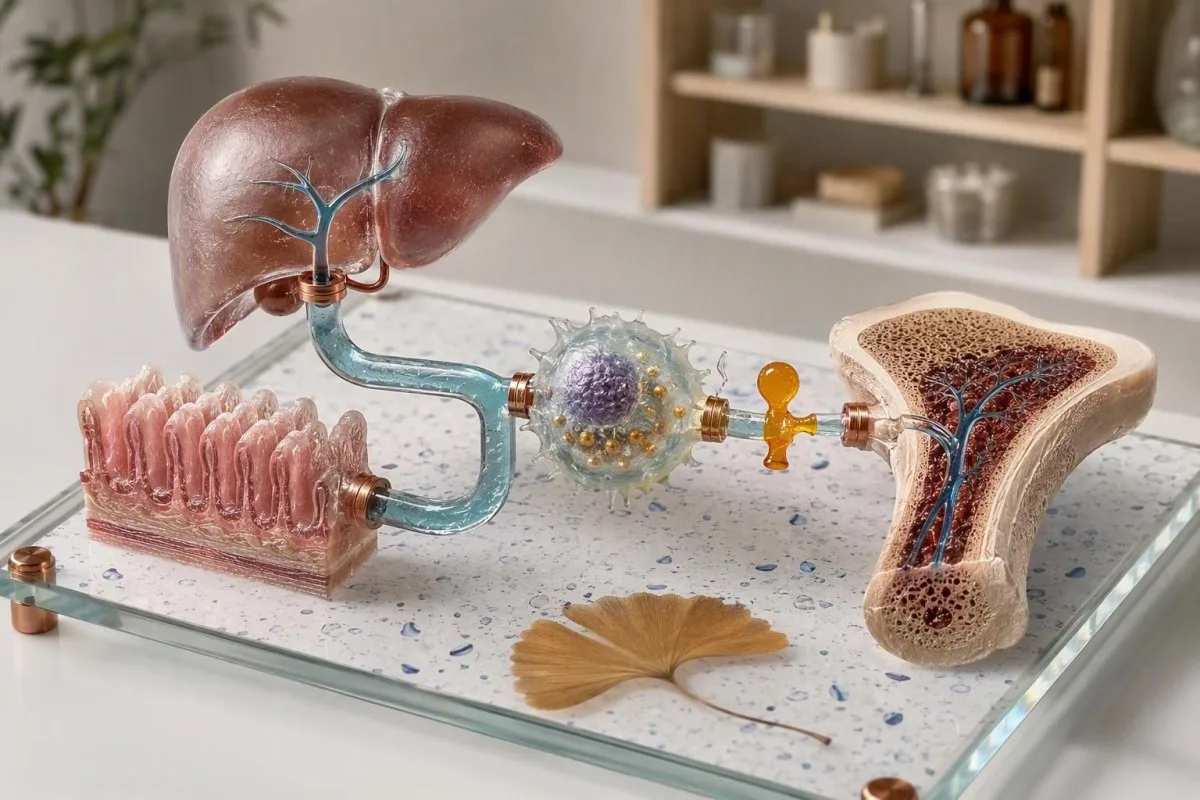
Tipa inflamo-rilata padrono estas seruma fero sub 50 µg/dL, TIBC sub 250 µg/dL, saturiĝo sub 20%, kaj feritino super 100 ng/mL, kvankam neniu el tiuj limoj diagnozas malsanon sole. Feritino kreskas kun inflama signalado, do “normala” feritino ne fidinde ekskludas feromankon kiam CRP estas levita. La klinika kadro priskribita de Weiss et al. (2019) apartigas absolutan feromankon de funkcia fer-limigo uzante ĉi tiun kombinaĵon, ne feritinon izolite.
Akutaj infektoj, aŭtoimuna malsano, kronika rena malsano, obezec-rilata inflamo, lastatempa kirurgio, kaj kancero povas ĉiuj malaltigi transferinon. CRP super 10 mg/L igas malaltan TIBC pli verŝajne reaktiva, dum eritrocita sedimenta rapido povas resti alta dum semajnoj post kiam CRP falas. Por kunteksto pri ĉi tiu pli malrapida markilo, vidu nian gvidilon pri kial ESR malrapide ŝanĝiĝas.
La neintuitiva parto estas, ke stokita fero povas ĉeesti sed neatingebla al la medolo. Kantesti AI, an AI-biomarkila interpretada platformo, identigas ĉi tiun malkongruan malalt-feran/malalt-TIBC padronon kaj instigas demandojn pri aktiva malsano, rena funkcio, kaj inflama markiloj; ĝi ne diagnozas la kaŭzon nur el laboratoriaj datumoj.
Kiam solvebla transferinreceptoro helpas
Solvebla transferinreceptoro estas kutime malpli distordita de inflamo ol feritino. Leva rezulto povas subteni veran fer-restriktitan eritrocitan produktadon kiam feritino estas 50–300 ng/mL kaj CRP estas levita, kvankam test-specifaj gamoj signifas, ke ĝi devus esti mendita kaj interpretita de kuracisto.
Kial hepat-malsanoj povas malaltigi fer-ligan kapablecon
Hepata malsano povas malaltigi TIBC ĉar hepatocitoj sintezas transferinon. Malalta TIBC kune kun malalta albumino, plilongigita INR, levita bilirubino, aŭ nenormalaj AST kaj ALT devus ŝanĝi la atenton de fer-konsumado al hepata produktado kaj malsan-severebleco.
Malalta transferin-rezulto povas okazi en grasa hepata malsano, virusa hepatito, alkohol-rilata hepata vundo, progresinta fibrozo, kaj cirozo, sed ĝi ne estas sufiĉe specifa por stadioigi iun ajn el ili. Albumino sub 35 g/L kune kun konstante malalta TIBC meritas taŭgan klinikan revizion, precipe se estas edemo aŭ malplipeziĝo. Revizu la pli larĝan padronon en nia superrigardo de hepata panelo.
Mi ĵus reviziis kuriston kun AST 89 IU/L post longa kuro kaj malalta-normala TIBC; la AST normaliĝis post reakiro, dum albumino kaj bilirubino restis normalaj. Ekzerco povas transiente ŝanĝi plurajn rezultojn, dum malalta TIBC plus iktero kaj reduktita albumino estas tre malsama klinika bildo. Estas la kombinaĵo—ne izolita AST aŭ TIBC—kiu ŝanĝas la sekvan paŝon.
Persista alta transferrinsaturiĝo bezonas atenton en hepata malsano, ĉar malalta transferrino povas influi la procenton. La 2022 EASL-gvidilo pri hemokromatozo uzas transferrinsaturiĝon super 45% ĉe virinoj kaj super 50% ĉe viroj, kune kun pliigita feritino, kiel ellasilo por plia takso anstataŭ fidi je ĉiu markilo sole (European Association for the Study of the Liver, 2022).
Kiam hepataj simptomoj bezonas urĝan zorgon
Nova iktero, konfuzo, vomado de sango, nigra feko, aŭ rimarkinda abdomena ŝveliĝo postulas urĝan medicinan takson, sendepende de la TIBC-nivelo. Tiuj simptomoj povas indiki difektitan galfluon, gastrointestinan sangadon, aŭ malkompensitan hepatan malsanon; vidu nian revizion pri fruaj cirozaj indicoj.
Malalta TIBC pro malbona protein-statuso aŭ protein-perdo
Malalta TIBC povas rezulti de neadekvata proteina havebleco, reduktita hepata sintezo, aŭ proteintesto tra la renoj aŭ intesto. Ĉar transferrino havas duoniĝotempon de proksimume 8 tagoj, ĝi povas fali pli frue ol albumino en akuta malsano, sed ĝi ankoraŭ estas malbona nutra testo memstare.

Malalta konsumo, severa naŭzo, malabsorbado, kronika lakso, gravaj brulvundoj, kaj progresinta sistema malsano povas malaltigi transferrinon. Albumino sub 30 g/L pliigas la verŝajnecon de klinike signifa proteinmalplenigo aŭ perdo, sed inflamo ankaŭ povas malaltigi albuminon. Tial preskribi alt-dozan feron por ĉiu malalta TIBC-rezulto maltrafas la suban problemon.
Rena proteintesto povas redukti cirkulantajn proteinojn, precipe kiam la urina albumino-kreatinina proporcio estas rimarkeble levita aŭ la urina proteino estas persista. Ŝaŭma urino, palpebra pufeco, maleola edemo, kaj kreskanta pezo estas utilaj indicoj, sed multaj homoj kun proteinurio sentas sin bone. Nia artikolo pri persista ŝaŭma urino klarigas kiel urina provo klarigas tiun eblecon.
Nutra takso devus inkluzivi pezŝanĝon, muskolan forton, nutrotoleremon, dentajn aŭ engluto-problemojn, kaj gastrointestinajn simptomojn—ne nur albuminon. Laŭ mia sperto, neintencita perdo de 5% de korpa pezo en 6–12 monatoj meritas klinike gvidatan takson eĉ kiam la fera panelo aspektas nur milde nenormala.
Kiam malalta TIBC indikas fer-troŝarĝon anstataŭe
Malalta TIBC kun alta seruma fero kaj alta transferrinsaturiĝo povas sugesti ferŝarĝadon, precipe kiam la saturado restas super 45% en ripetita fastanta matena provo. Tio estas la malo de nekunfuzita feromanko, kie TIBC kutime kreskas.
Hereda hemokromatozo, ripetitaj transfuzoj, troa fera uzo, neefika eritropoezo, kaj kelkaj hepataj malordoj povas produkti tiun ŝablonon. Feritino super 300 ng/mL ĉe viroj aŭ 200 ng/mL ĉe virinoj estas ofte uzata kiel praktika sojlo por takso, sed feritino ankaŭ povas kreski kun alkohola uzo, metabola malsano, kaj hista respondo. Nia gvidilo pri simptomoj de hemokromatozo metas tiujn rezultojn en klinika kunteksto.
Ne provu “malaltigi feron” per sangodono, se vi estas anemiulo, graveda, malsana, aŭ ne estis taksita. Kuracisto povas ripeti ferajn studojn post noktomana fasto, revizii suplementojn kaj alkoholon, kontroli hepatajn enzimojn, kaj konsideri HFE genetikan testadon kiam la ŝablono estas persista. Unu ne-fasta seruma fera valoro estas indico, ne verdikto.
Kantesti estas AI-movita ilo por analizo de sangotestoj uzata tra 127+ landoj por mapi TIBC, feritinon, feron, saturadon, hemoglobinon, kaj hepatajn markilojn kune. Nia AI atentigas pri saturado-ŝablono por klinika diskuto; la diagnozo ankoraŭ postulas anamnezon, ripetitan testadon, kaj foje genetikon aŭ bildigon.
Ĉu vi povas havi fer-mankon kun malalta TIBC?
Jes—fera manko povas ekzisti kune kun malalta TIBC kiam inflamo, hepata malsano, aŭ proteinodeplecio subpremas transfeirilon. En nekomplikaĵa fera manko, tamen, feritino malaltiĝas kaj TIBC pli ofte leviĝas super la laboratoria gamo.
Ferritino sub 15 ng/mL estas tre specifa por elĉerpitaj feraj provizoj en alie sanaj plenkreskuloj, dum multaj klinikistoj uzas sub 30 ng/mL por plibonigi sentivecon. Dum inflamo, feritino sub 100 ng/mL kun transferrin-saturiĝo sub 20% povas ankoraŭ subteni feran mankon, precipe en kronika rena malsano aŭ korinsuficienco situacioj. Vidu nian klarigon de malalta feritino antaŭ anemio por simptomaj padronoj.
Jen kie CBC gajnas sian lokon. Malalta MCV, levita RDW, reduktita retikulocita hemoglobino, kaj malalta feritino favoras veran feran mankon; normala aŭ iomete malalta MCV kun levita CRP kaj malalta TIBC favoras inflamon. La distingo ne estas perfekta—talasemio trajto, B12 manko, rena malsano, kaj lastatempa transfuzo povas ŝmIGI ĝin. Nia malalta MCV triage gvidilo kovras tiujn konkurantajn klarigojn.
D-ro Thomas Klein konsilas pacientojn ne juĝi feran traktadon laŭ seruma fero sole. Seruma fero povas ŝanĝiĝi je 30% aŭ pli dum tago kaj post manĝoj; hemoglobina respondo, feritina tendenco, simptomoj, kaj la kaŭzo de manko gravas multe pli.
Medikamentoj, gravedeco, kaj tempigo-efikoj al TIBC
Estrogena ekspozicio kaj gravedeco ofte levas transfeirilon kaj TIBC, dum akuta malsano, kortikosteroidoj, kaj severa sistema streĉo povas malaltigi ĝin. Medikamento kaj vivfaza historio povas klarigi neatenditan rezulton antaŭ ol malofta diagnozo estas pripensita.
Buŝaj kontraŭkoncipiloj kaj gravedeco ofte pliigas transfeirilon-produktadon, do malalta TIBC dum gravedeco estas pli rimarkinda kiam parigita kun malalta albumino, inflamo, aŭ hepataj anomalioj. Gravedec-specifa feritina interpreto estas malsama: nivelo sub 30 µg/L estas vaste uzata por identigi feran mankon en gravedeco. Legu nian trimestro feritina gvidilo prefere ol apliki ne-gravedajn gamojn.
Feraj tablojdoj povas provizore levi seruman feron kaj saturiĝon dum pluraj horoj, kio povas igi malaltan TIBC aspekti kiel feran troon. Se la mendanta klinikisto konsentas, haltigi buŝan feron por 24 horoj antaŭ la sango-preno kaj kolekti matenan specimenon povas produkti pli puran panelon. La praktikaj detaloj estas en nia Gvidilo pri preparado de TIBC.
Medikamenta revizio devus inkluzivi kontraŭkonvulsilojn, kemioterapion, imunosupresilojn, testosteronan aŭ estrogenan terapion, kaj intravejne feron—ne ĉar ĉiu rekte kaŭzas malaltan TIBC, sed ĉar ili povas ŝanĝi hepatajn testojn, inflamon, ruĝ-ĉelan produktadon, aŭ feran distribuon. Neniam ĉesu preskribitan medikamenton nur por plibonigi laboratorian rezulton.
Ĉu la malalta TIBC-rezulto povus esti provizora aŭ malpreciza?
Malalta TIBC-rezulto povas esti provizora dum akuta malsano, post intravejne fluidoj, aŭ kiam seruma fero varias laŭ tempigo, sed taŭge prilaborita TIBC-analizo estas kutime analize fidinda. La pli granda risko estas misinterpretado de vera rezulto ekster ĝia klinika kunteksto.
TIBC estas ofte mezurata per aldonado de fero al serumo, forigante nemalligitan feron, kaj kvantigante kio restis ligita; rektaj transferinaj imunaj analizoj uzas malsaman metodon. Hemolizo, severa lipemio, kaj raraj paraproteinoj povas influi kelkajn laboratoriajn analizojn. Subita ŝanĝo kiu konfliktas kun antaŭaj tendencoj postulas ripeton prefere ol panikon; nia delta-check klarigo skizas kiel klinikistoj pensas pri abruptaj ŝanĝoj.
Ripetado de testado estas plej utila kiam la rezulto povus ŝanĝi administradon. Por stabila persono kun malalta TIBC dum malvarmumo aŭ aŭtoimuna ekflamo, mi kutime preferas ripetajn ferajn studojn 4–8 semajnoj post resaniĝo, kune kun CBC, feritino, CRP, hepata panelo, kaj albumino. Por iu kun iktero, severa anemio, aŭ saturado super 45%, la tempokadro estas pli mallonga.
Kantesti AI analizas alŝutitajn raportojn en ĉirkaŭ 60 sekundoj kaj povas helpi vin kompari datojn, unuojn, kaj referencajn gamojn, sed OCR ne estas nekraŝebla. Kontrolu, ke seria fero ne estis miskomprenita kiel feritino kaj ke µmol/L ne estis legita kiel µg/dL; uzu nian PDF-alŝuta kontrol-listo antaŭ ol fidi je cifereca resumo.
La sekvaj testoj kuracistoj uzas post malalta TIBC
La sekva paŝo post malalta TIBC estas kutime panelo bazita sur ŝablonoj: CBC, feritino, seria fero, transferina saturado, CRP aŭ ESR, albumino, kaj hepataj enzimoj. Urina protein-testado, rena funkcio, solvebla transferina receptoro, aŭ gena testado estas aldonitaj nur kiam la komenca ŝablono indikas tien.
Sensa unua-paso aro inkludas hemoglobinon, MCV, RDW, feritinon, feron, TIBC aŭ transferinon, saturadon, CRP, ALT, AST, ALP, bilirubinon, albuminon, kreatininon, kaj eGFR. Transferrina saturiĝo sub 20% indikas limigitan feran haveblecon, dum daŭraj valoroj super 45% bezonas fer-ŝarĝan taksadon. La respondo kuŝas en la rilato inter ĉi tiuj valoroj, ne en ordonado de ĉiu specialista testo samtempe.
Se inflamo ĉeestas kaj feritino estas ambigua, solvebla transferina receptoro aŭ retikulocita hemoglobino povas helpi identigi traktatan feran mankon. Se albumino estas malalta, urina analizo kaj urina ACR povas kontroli renan proteinperdon; se hepataj trovoj estas nenormalaj, hepatita testado kaj ultrasono povas esti taŭgaj. Malalta transferrina saturiĝo havas malsaman signifon ol malalta TIBC, kvankam ili ofte vojaĝas kune.
La neŭra reto de Kantesti komparas rezultajn trajektoriojn prefere ol ununura momento, kio gravas ĉar feritino kaj CRP povas moviĝi en kontraŭaj direktoj dum pluraj semajnoj. Metodologio kaj klinikaj limoj estas priskribitaj en nia superrigardo pri medicina validigo; rezult-interpretado estas preparo por klinika konversacio, ne anstataŭaĵo por ĝi.
Kvar malaltaj TIBC-padronoj kiuj ŝanĝas la diagnozon
Malalta TIBC fariĝas utila kiam ĝi estas legata kiel unu el kvar ŝablonoj: inflamo, hepata aŭ proteina difekto, fer-ŝarĝo, aŭ miksita fera manko plus inflamo. Ĉiu ŝablono havas malsaman kuracpadon kaj malsamajn sekurecajn zorgojn.
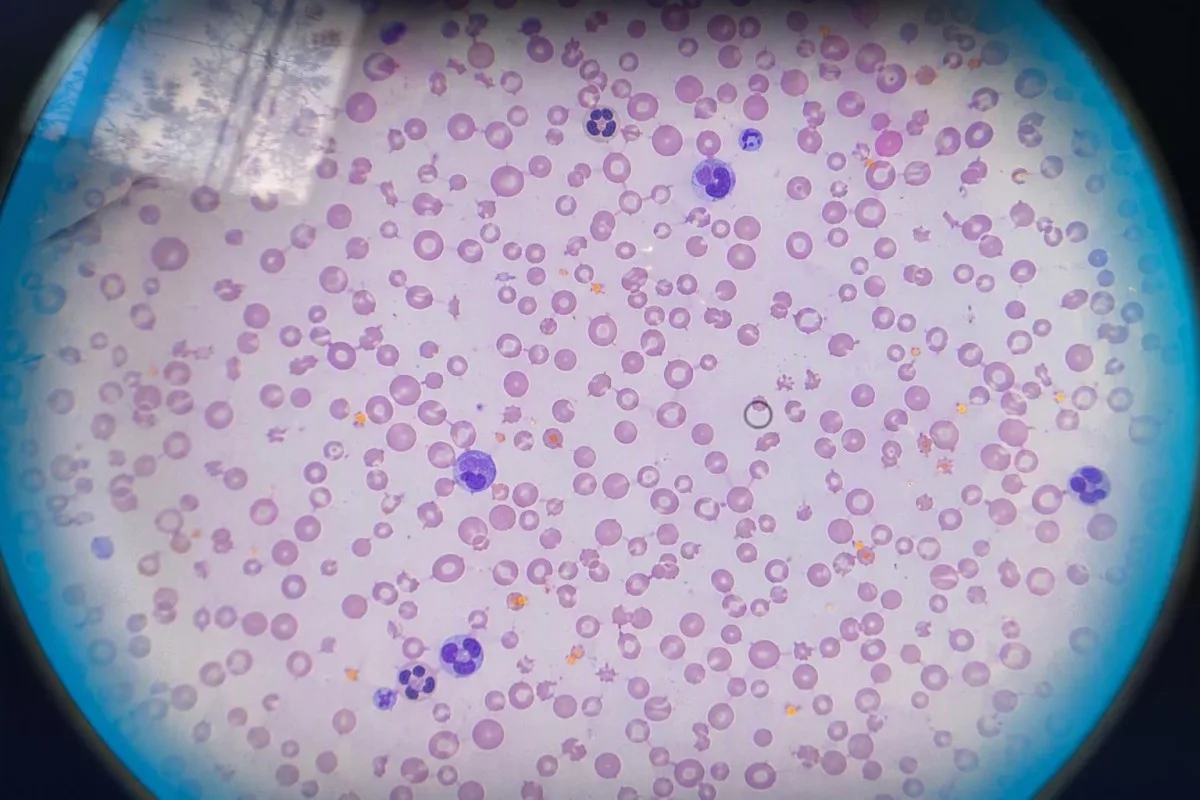
Inflamo: malalta fero, malalta TIBC, saturado ofte sub 20%, feritino normala aŭ alta, CRP levita. Hepata/proteina ŝablono: malalta TIBC kun malalta albumino kaj eble nenormala bilirubino, INR, aŭ hepataj enzimoj. Fera-ŝarĝa ŝablono: malalta aŭ normala TIBC kun ferosaturiĝo super 45% kaj feritina altigo. Tiuj estas komencaj punktoj, ne rigidaj skatoloj.
Miksita deficito: feritino povas esti 30–100 ng/mL, saturiĝo sub 20%, TIBC malalta aŭ normala, kaj CRP altigita. En tiu situacio, traktado de la inflama malsano kaj taksado de sangoperdo aŭ malabsorbado ambaŭ povas esti necesaj. Gastro-intestaj simptomoj, peza menstrua sangado, kaj kontraŭinflama medikamentuzo meritas rektajn demandojn—pacientoj ofte ne proponas ilin krom se demandite.
Por pacientoj, la utila demando ne estas “Kiel mi altigu TIBC?” sed “Kio malaltigis transferinon aŭ ŝanĝis ferodistribuon?” Nia gvidas helpas fari tiun distingon antaŭ ol elekti suplementon.
Kion ne fari post vidi malaltan TIBC-signalon
Ne mem-traktu malaltan TIBC per fero ĝis feritino, saturiĝo, hemoglobino, kaj la klinika kunteksto estus reviziitaj. Malalta rezulto ne signifas, ke via sango mankas feron, kaj ekstra fero povas esti nekonvena en fer-ŝarĝaj aŭ hepataj ŝablonoj.

Evitu aĉeti alt-dozan feron ĉar raporto diras “malalta fer-liga kapablo.” Oftaj terapiaj feraj dozoj enhavas 45–65 mg elementa fero po tableto, sufiĉe por kaŭzi naŭzon, estreñimiento, kaj malhelajn fekojn; en la malĝusta persono, ili povas pliigi ferajn stokojn sen trakti inflamon aŭ hepatan malsanon. Manĝaĵo-unue aliroj estas rezonaj por plej multaj homoj, sed ili ne anstataŭas taksadon de anemio.
Ne uzu feritinan rezulton sole por ekskludi deficion dum infekto, obezeco, aŭtoimuna malsano, aŭ lastatempa operacio. Kaj ne supozu lacecon rilati al fero se hemoglobino, feritino, tiroido, dormo, humoro, medikamentoj, kaj rena funkcio ne estus konsideritaj. Nia gvidilo pri laceco-suplementoj klarigas kial laboratorio-gvidataj elektoj estas pli sekuraj.
Fine, ne ĉasu perfektan TIBC numeron. Laŭ mia klinika sperto, korektado de kronika inflamo, traktado de celiaka malsano, kontrolado de rena malsano, ĉesigo de evitinda sangoperdo, aŭ plibonigo de nutrado ŝanĝas la feropanelon pli signife ol provi rekire altigi transferinon.
Manĝaĵo, resaniĝo, kaj realismaj manieroj subteni la suban kaŭzon
Manĝaĵo povas subteni feron-ingestion kaj proteinan staton, sed dieto sole ne povas korekti malaltan TIBC kaŭzitan de aktiva inflamo, signifa hepata malsano, nefrotika proteinperdo, aŭ fer-superŝarĝo. La nutrada plano devas kongrui kun la laboratorio-ŝablono.
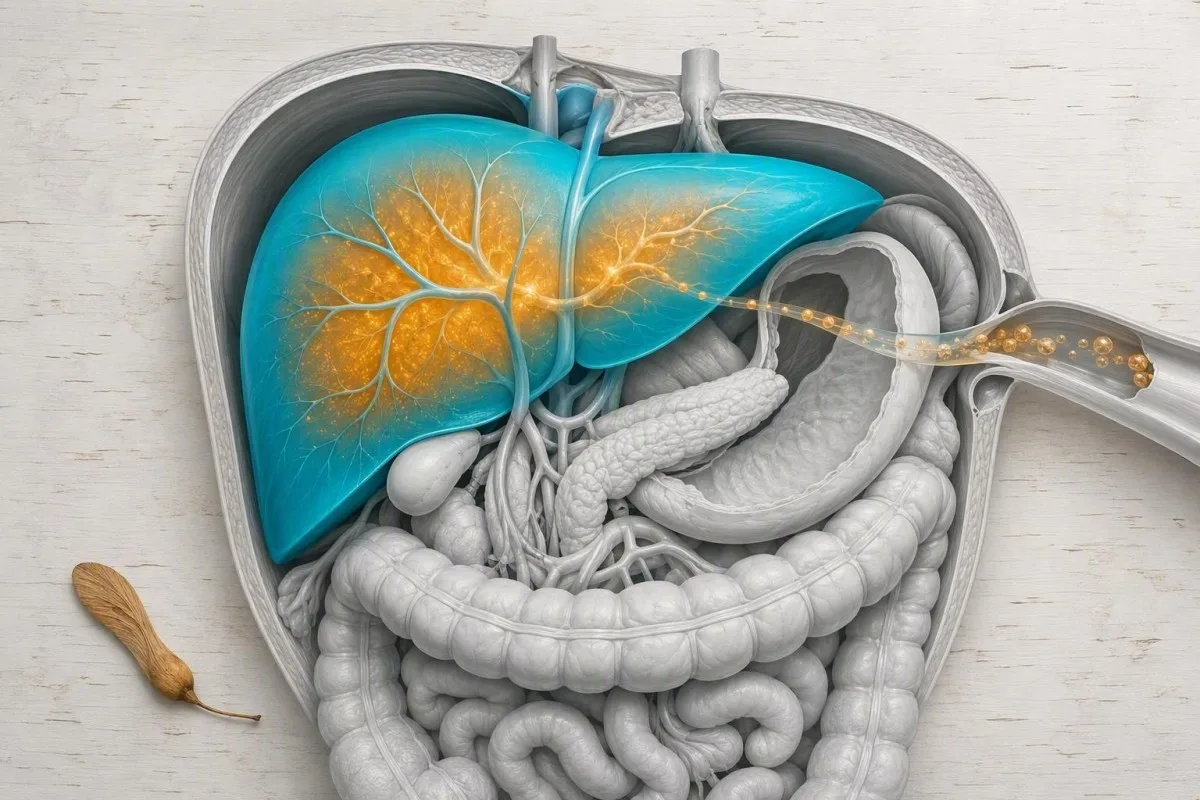
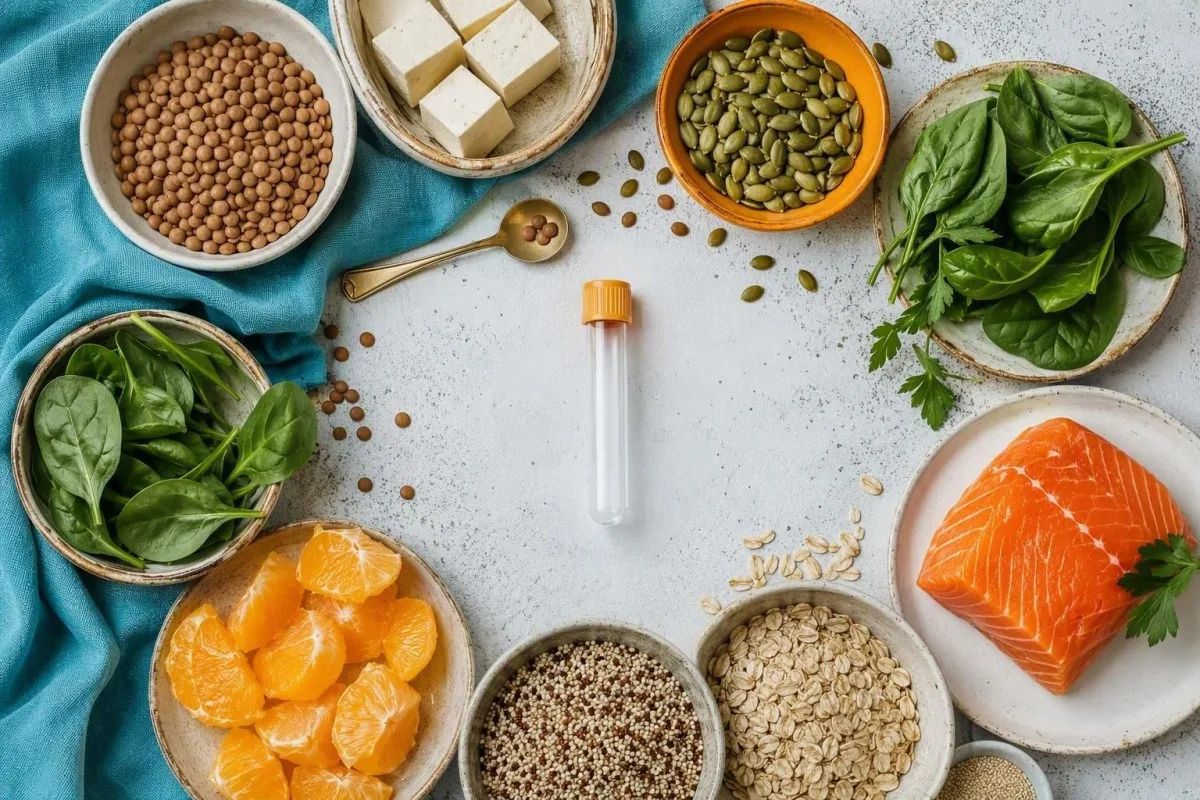
Se fera manko estas konfirmita, hema fero el fiŝoj, kokaĵoj kaj viando estas ĝenerale pli efike absorbita ol ne-hema fero el guŝoj, tofuo, lentoj, semoj kaj fortigitaj grajnoj. Fruktoj kaj legomoj enhavantaj Vitaminon C povas plibonigi ne-heman feran sorbadon, dum teo kaj kafo trinkitaj kun manĝoj povas malpliigi ĝin. Nia praktika gvidilo al hemaj kaj ne-hemaj feraj manĝaĵoj donas eblojn por manĝonivelo.
Se proteina konsumo estis malbona, celu regulajn manĝojn enhavantajn proteinfonton prefere ol aldoni nereguligitajn “transferinajn akcelilojn.” Ĝeneralaj celoj de proteino por plenkreskuloj ofte estas ĉirkaŭ 0.8 g/kg/tage, dum pli aĝaj plenkreskuloj, akuta malsano, atleta trejnado kaj rena malsano postulas individuisman konsilon. Homoj kun kronika rena malsano ne devas pliigi proteinon sen diskuti la planon kun sia rena teamo.
Resaniĝo ankaŭ signifas elekti la ĝustan retestan periodon. Hemoglobino kutime plialtiĝas proksimume 10–20 g/L dum 2–4 semajnoj post efika fera traktado en simpla manko, sed TIBC eble ne normaliĝos laŭ tiu horaro, se inflamo aŭ hepata sintezo restas la ĉefa motoro.
Kiam malalta TIBC-rezulto bezonas rapidan medicinan revizion
Arangani rutinon klinikan revizion por persista malalta TIBC, kaj serĉi urĝan helpon kiam ĝi akompanas severajn simptomojn kiel ictéris, konfuzon, brustan doloron, senspiron dum ripozo, svenadon aŭ gastrointestinalan sangadon. La urĝeco dependas de la persono kaj la akompanantaj rezultoj, ne de la TIBC-valoro memstare.

Rezervu ĝustatempan rendevuon se TIBC restas sub la gamo ĉe ripetaj testoj, ferritino estas neatendite alta, saturado estas super 45%, hemoglobino malaltiĝas, albumino estas sub 35 g/L, aŭ hepataj testoj estas nenormalaj. Alportu antaŭajn rezultojn, medikamentajn kaj suplementajn listojn, lastatempan malsanan historion, menstruan historion kie signifas, alkohol konsumon, dietajn ŝanĝojn, kaj familian historion de fera troŝarĝo aŭ hepata malsano. Bone organizita temposkemo povas ŝpari duan rendevuon.
Samtagan zorgon havas sencon por nigraj fekaĵoj, voma sango, flava haŭto kun dormemo, alta febro kun profunda malforteco, aŭ senspiron, kiu limigas paroladon. Tiuj simptomoj povas signifi sangadon, infekton, severan anemion, aŭ hepata malkompensiĝon, kaj atendi alian feran panelon ne estas sekura. Por strukturita preparado, uzu nian kontrolilon por laboratoriotestoj dum vizito al kuracisto.
Aktuale la 10-an de septembro 2026, la plej sekura mesaĝo restas simpla: malalta TIBC estas indiko pri transferina biologio, ne diagnozo kaj ne aŭtomata kialo por fero. La klinika enhavo de Kantesti estas reviziita kun nia Medicina Konsila Komisiono, sed via propra klinikisto povas integri ekzamenajn trovojn, simptomojn, medikamentojn kaj lokajn laboratoriajn metodojn.
Kiel spuri malaltan TIBC-rezulton sen tro-reagi
Spuru malaltan TIBC kune kun la dato, malsana stato, ferritino, saturado, CRP, albumino, hemoglobino kaj traktadaj ŝanĝoj. Tendenco tra du aŭ tri kompareblaj specimenoj estas kutime pli informiĝa ol unu ekster-teritoria mezurado.
Registru ĉu ĉiu specimeno estis fastanta, ĉu vi prenis feron ene de 24 horoj, ĉu vi havis febron aŭ fortan ekzercon, kaj ĉu la sama laboratorio estis uzata. Ŝanĝo de TIBC 225 al 245 µg/dL povas esti ordinara biologia kaj analiza vario, dum 225 ĝis 340 µg/dL post resaniĝo de pulminflamo povas esti klinike signifa. Nia sang-testa kompara gvidilo montras kiajn kuntekstajn detalojn konservi.
Kantesti, kiu estas AI-labora testa interpretservo, povas organizi longitudajn raportojn kaj klarigi kial malalta TIBC, ferritino, CRP kaj albumino povas moviĝi kune aŭ diverĝi. Ĝi estas desegnita por precizigi viajn demandojn: “Ĉu ĉi tio povus esti inflama feraj limigoj?” estas pli utila ol “Ĉu mia fero estas malalta?”
La konsola punkto estas, ke multaj malaltaj TIBC rezultoj reflektas provizoran inflaman staton aŭ reverteblan nutradan kaj resaniĝan problemon. La singarda punkto estas same reala: persistaj rezultoj kun anemio, nenormalaj hepaj testoj, edemo, aŭ alta saturigo meritas taŭgan klinikan sekvadon prefere ol interreta diveno.
Oftaj Demandoj
Kiajn simptomojn kaŭzas malalta TIBC?
Malalta TIBC kutime ne kaŭzas simptomojn memstare ĉar ĝi mezuras fer-ligan kapablon anstataŭ korpa funkcio, kiun oni povas senti rekte. Simptomoj kiel laceco, malforto, manko de spiro, febro, ŝvelintaj maleoloj, iktero aŭ artika doloro venas de la subesta kaŭzo, kiel anemio, inflamo, hepata malsano, proteinperdo aŭ fer-troŝarĝo. Hemoglobino sub 120 g/L ĉe ne-gravedaj virinoj aŭ 130 g/L ĉe viroj pli probable kaŭzas simptomojn rilatajn al anemio. Urĝa taksado taŭgas por brustodoloro, senkonsciiĝo, konfuzo, nigraj fekaĵoj, severa manko de spiro aŭ flava haŭto kun dormemo.
Ĉu malalta TIBC estas la sama kiel malalta transferino?
Malalta TIBC kutime reflektas malaltan transferinon, sed la du testoj ne estas teknike identaj. Transferino estas hepate produktita portaproteino mezurata rekte en g/L aŭ mg/dL, dum TIBC taksas kiom da fero la transferinopartio povas ligi kaj estas ofte raportita en µg/dL aŭ µmol/L. Tipa plenkreska TIBC estas ĉirkaŭ 250–450 µg/dL, kvankam laboratoriaj referencintervaloj malsamas. Malaltaj rezultoj por ambaŭ estas oftaj dum inflamo kaj reduktita hepata protein-sintezo.
Ĉu malalta TIBC signifas feromankon mankon?
Malalta TIBC ne kutime signifas nekontrolitan feromankon; klasika feromanko pli ofte kaŭzas malaltan feritinon kaj altan TIBC. Miksita padrono povas okazi kiam feromanko ekzistas kune kun inflamo, hepataj malsanoj aŭ malbona proteinostato, kiu subpremas TIBC. Feritino sub 15 ng/mL forte subtenas elĉerpitajn feroprovizojn ĉe sana plenkreskulo, dum feritino sub 100 ng/mL plus translerina saturiĝo sub 20% tamen povas sugesti mankon dum inflamo. CBC, feritino, CRP, kaj saturiĝo necesas antaŭ komenci feron.
Kio kaŭzas malaltan TIBC kun malalta fero?
Malalta TIBC kun malalta sera fero plej ofte reflektas inflamo-rilatan fer-restrikton. En ĉi tiu padrono, hepcidino reduktas fer-liberigon en la cirkuladon dum la hepato produktas malpli da transferino, rezultigante malaltan feron, malaltan TIBC, saturadon ofte sub 20%, kaj feritonon kiu povas esti normala aŭ alta. Kronika renmalsano, infekto, aŭtoimuna malsano, obezec-rilata inflamo, lastatempa kirurgio, kaj kancero povas krei ĉi tiun padronon. CRP super 10 mg/L subtenas aktivan inflamon sed ne identigas ĝian fonton.
Kion signifas malalta TIBC kun alta feritino?
Malalta TIBC kun alta feritino ofte okazas dum inflamo, hepata malsano, metabola misfunkcio, alkohol-rilata hepata lezo, aŭ feri-superŝarĝo. Feritino estas kaj fera-stoka markilo kaj akutfaza proteino, do alta valoro ne aŭtomate signifas troon da stokita fero. Persista transiferina saturiĝo super 45% plus levita feritino estas pli zorgiga pri feri-ŝarĝo kaj postulas taksadon gvidatan de kuracisto. Albumin, CRP, ALT, AST, bilirubino, kaj la kompleta sangokalkulo helpas distingi la kaŭzojn.
Ĉu mi prenu feron se mia TIBC estas malalta?
Ne prenu feron nur pro malalta TIBC. Buŝa fero taŭgas kiam manko de fero estas pruvita per la ĝenerala padrono, ofte inkluzive de malalta feritino, malalta saturiĝo kaj kongruaj CBC-trovaĵoj; multaj terapikaj produktoj enhavas 45–65 mg elementan feron po tablojdo. Fero povas esti neutila aŭ nekonvena kiam malalta TIBC rezultas el inflamo, hepata difekto, proteina perdo aŭ fer supraŝarĝo. Petu kuraciston unue revizii feritinon, transferinan saturiĝon, hemoglobinon, CRP, kaj hepatajn testojn.
Akiru hodiaŭ AI-movitan analizon de sangoanalizo
Aliĝu al pli ol 2 milionoj da uzantoj tutmonde, kiuj fidas je Kantesti por tuja, preciza analizo de laboratoriaj testoj. Alŝutu viajn rezultojn de sangoanalizo kaj ricevu ampleksan interpretadon de 15,000+-biomarkiloj en sekundoj.
📚 Referencitaj esplorpublikaĵoj
Klein, T., Mitchell, S., & Weber, H. (2026). Urobilinogeno en Urina Testo: Kompleta Urinaliza Gvidilo 2026. Zenodo. https://doi.org/10.5281/zenodo.18226379. ResearchGate kaj Academia.edu-rekordaj ligiloj haveblaj tra la publikiga DOI.. Kantesti AI Medicina Esploro.
Klein, T., Mitchell, S., & Weber, H. (2026). Gvidilo pri Feraj Studoj: TIBC, Fera Saturigo & Ligo-kapablo. Zenodo. https://doi.org/10.5281/zenodo.18248745. ResearchGate kaj Academia.edu-rekordaj ligiloj haveblaj tra la publikiga DOI.. Kantesti AI Medicina Esploro.
📖 Eksteraj medicinaj referencoj
⚕️ Medicina Deklaro
Ĉi tiu artikolo estas nur por edukaj celoj kaj ne konsistigas medicinan konsilon. Ĉiam konsultu kvalifikitan sanprovizanton por diagnozaj kaj traktadaj decidoj.
Signaloj de fido E-E-A-T
Sperto
Kuracista gvidata klinika revizio de laboratoriaj interpretaj laborfluoj.
Kompetenteco
Laboratoria medicino fokusiĝas pri kiel biomarkiloj kondutas en klinika kunteksto.
Aŭtoritateco
Skribita de d-ro Thomas Klein kun revizio de d-ro Sarah Mitchell kaj prof. d-ro Hans Weber.
Fidindeco
Evident-bazita interpretado kun klaraj sekvaj vojoj por redukti alarmon.