نتيجة TIBC منخفضة نادرا ما تسبب أعراض بحد ذاتها. الأعراض تأتي من الحالة التي تغير إنتاج الترانسفيرين، أو معالجة الحديد، أو توازن البروتين.



- TIBC منخفض يعني عادةً أن هناك كمية أقل من الترانسفيرين متاحة لحمل الحديد؛ تستخدم العديد من مختبرات البالغين حوالي 250–450 ميكروغرام/ديسيلتر (45–80 ميكرومول/لتر) كفترة مرجعية.
- الأعراض غير مباشرة: التعب، الحمى، آلام المفاصل، التورم، اليرقان، أو فقدان الوزن تشير إلى المرض الكامن وراء ذلك بدلاً من انخفاض TIBC نفسه.
- نمط الالتهاب يظهر عادةً انخفاض الحديد في المصل، وانخفاض TIBC، وتشبع الترانسفيرين أقل من 20%، والفيريتين طبيعي أو مرتفع.
- نمط نقص الحديد ينتج عادةً انخفاض الفيريتين وارتفاع TIBC - وليس انخفاضه - ما لم يكن هناك التهاب أو مرض في الكبد موجود في نفس الوقت.
- تشبع الترانسفيرين يتم حسابه بقسمة حديد المصل على TIBC × 100؛ قيمة أعلى من 45% تستدعي التقييم لتحميل الحديد عند استمراره.
- الألبومين مهم لأن الترانسفيرين هو بروتين تصنعه الكبد؛ انخفاض الألبومين مع انخفاض TIBC يمكن أن يشير إلى انخفاض التخليق، أو ضعف المدخول، أو فقدان البروتين، أو مرض جهازي.
- مراجعة عاجلة مناسب في حالات الارتباك، أو اليرقان، أو البراز الأسود، أو ضيق التنفس عند الراحة، أو زيادة التورم بسرعة، أو الحمى مع الضعف الشديد.
- إعادة الاختبار بحكمة تعني تجنب أقراص الحديد لمدة 24 ساعة قبل إجراء تحليل الحديد عندما يوافق طبيبك، وتأجيل الفحوصات الروتينية أثناء المرض المصحوب بالحمى الشديدة عند الإمكان.
ماذا تعني نتيجة TIBC منخفضة في الواقع
انخفاض القدرة الكلية لربط الحديد يعني أن مجرى الدم لديه قدرة أقل متاحة على الترانسفيرين لربط الحديد. TIBC هو قياس غير مباشر للترانسفيرين، وهو بروتين تصنعه الكبد بشكل أساسي؛ وهو ليس قياسًا مباشرًا لكمية الحديد التي يخزنها جسمك.

معظم المختبرات تسجل TIBC للبالغين حول 250–450 µg/dL أو 45–80 µmol/L, ، ولكن النطاق المطبوع بجانب نتيجتك هو الأهم لأن معايرة الفحص تختلف. قيمة 210 µg/dL ليست خطيرة تلقائيًا؛ أفسرها بجانب حديد المصل، والفيريتين، وتشبع الترانسفيرين، وبروتين C التفاعلي، والألبومين، وصورة الدم الكاملة. شرحنا المفصل دليل دراسات الحديد لماذا لا يمكن لعلامة حديدية واحدة الإجابة على كل سؤال.
TIBC والترانسفيرين مرتبطان ارتباطًا وثيقًا ولكنهما ليسا اختبارين متطابقين. يتم قياس الترانسفيرين كتركيز بروتين، غالبًا بوحدات g/L أو mg/dL، بينما يقدر TIBC الحد الأقصى لقدرة الترانسفيرين المتداول على ربط الحديد؛ تحسب بعض المختبرات أحدهما من الآخر. TIBC هو محلل اختبار الدم بالذكاء الاصطناعي الذي يقرأ انخفاض TIBC بالنسبة لبقية تحليل الحديد بدلاً من اعتبار علامة واحدة تشخيصًا.
تفصيلة عملية غالبًا ما يغفلها المرضى: يمكن أن يكون لدى الشخص نفسه انخفاض في TIBC أثناء عدوى فيروسية وقيمة أعلى بعد عدة أسابيع دون أن يغيرها أي مكمل. نهج الدكتور توماس كلاين هو السؤال أولاً عما إذا كانت العينة قد تم أخذها أثناء العدوى، أو بعد العلاج في المستشفى، أو وسط تفاقم التهابي جديد؛ هذا الجدول الزمني غالبًا ما يمنع وصف الحديد الذي لا داعي له.
الحساب وراء تشبع الترانسفيرين
يساوي تشبع الترانسفيرين حديد المصل ÷ TIBC × 100. حديد المصل 50 µg/dL مع TIBC 250 µg/dL يعطي تشبعًا بنسبة 20%، بينما نفس حديد المصل مع TIBC 125 µg/dL يعطي 40%؛ يمكن للمقام المنخفض أن يجعل التشبع يبدو مطمئنًا بشكل خادع أو مرتفعًا.
أعراض انخفاض TIBC: ما قد تشعر به وما لن تشعر به
انخفاض TIBC بحد ذاته عادة لا يسبب أعراضًا مميزة. التعب، انخفاض تحمل التمرين، الحمى، تورم البطن، آلام المفاصل، أو اصفرار العين تنشأ من فقر الدم، أو الالتهاب، أو خلل في وظائف الكبد، أو سوء التغذية، أو زيادة الحديد - وليس من رقم TIBC وحده.

عندما يصاحب انخفاض TIBC الهيموجلوبين أقل من 120 g/L عند النساء غير الحوامل أو 130 غ/ل فـ الرجال, ، قد يعكس التعب، وضيق التنفس عند صعود السلالم، وخفقان القلب، والصداع، والدوخة فقر الدم. ومع ذلك، يمكن أن يكون فقر الدم الناتج عن الالتهاب خفيفًا ولا يزال يترك المريض منهكًا لأن السيتوكينات تغير توصيل الحديد إلى نخاع العظام. قارن هذا بـ أعراض نقص كريات الدم الحمراء إذا كانت CBC لديك مصابة أيضًا.
الأعراض التي تحول قلقي نحو الأسباب المتعلقة بالكبد أو البروتين تشمل تورم الكاحل، وامتلائ البطن الجديد، سهولة الكدمات، الحكة، البول الداكن، البراز الشاحب، أو ضعف الشهية. اليرقان مع الارتباك، أو تقيؤ الدم، أو براز أسود قيري، أو ضيق شديد في التنفس، أو تورم سريع الانتشار يتطلب تقييماً في نفس اليوم. A low TIBC is not the emergency; those clinical signs can be.
في الواقع، أرى الناس يصابون بالقلق بعد البحث عن “أعراض نقص سعة ربط الحديد” ويبدأون في تناول الحديد فوراً. قد يكون ذلك خطأ إذا كانت نسبة تشبع الترانسفيرين بالفعل أعلى من 45% أو الفيريتين مرتفع. الحديد مفيد عندما يكون النقص مؤكداً، ولكنه ليس مقوياً عاماً ويمكن أن يحجب النمط التشخيصي.
كيف يسبب الالتهاب انخفاض TIBC وانخفاض الحديد في المصل
Inflammation is the most common explanation for low TIBC with low serum iron. الكبد ينتج كمية أقل من الترانسفيرين أثناء استجابة الطور الحاد، بينما الهيبسيدين يحد من إطلاق الحديد من الخلايا البلعمية وامتصاصه المعوي.
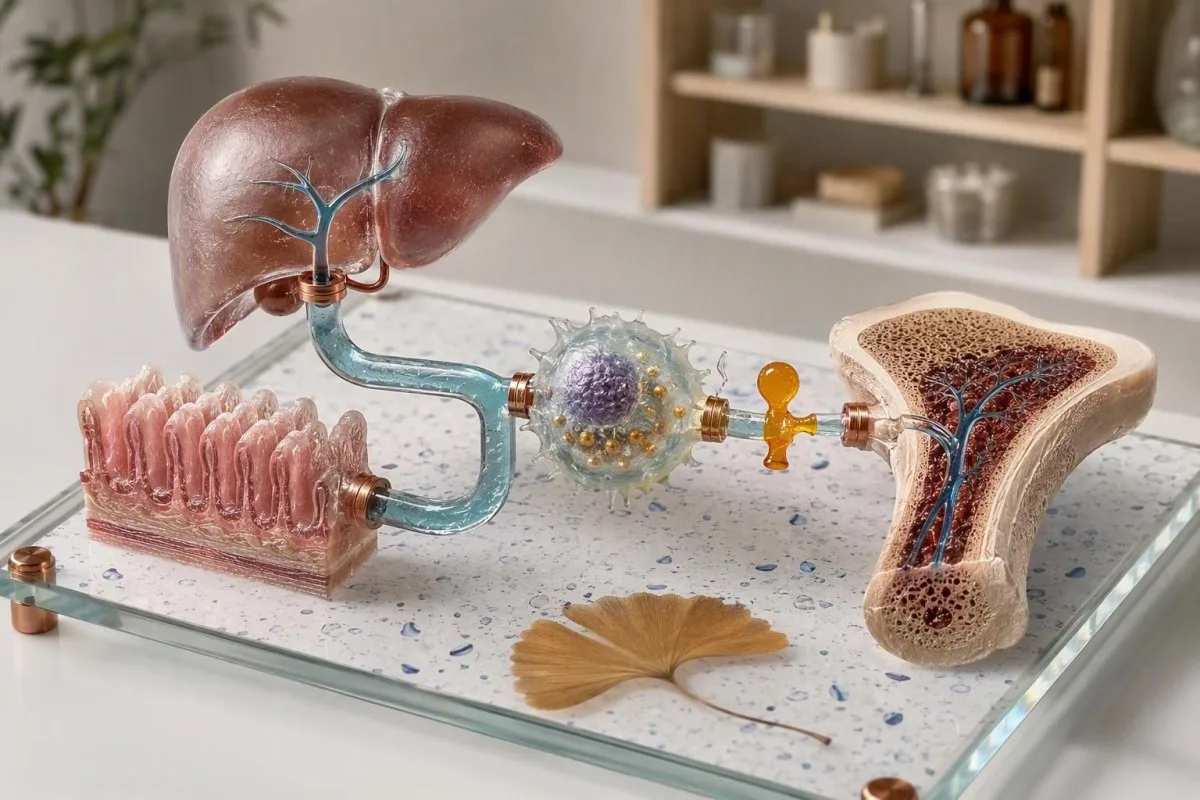
A typical inflammation-related pattern is حديد المصل أقل من 50 ميكروغرام/ديسيلتر، إجمالي قدرة ربط الحديد أقل من 250 ميكروغرام/ديسيلتر، التشبع أقل من 20%، والفيريتين أعلى من 100 نانوغرام/مل, ، على الرغم من أن أياً من هذه الحدود لا يشخص مرضاً بمفرده. يرتفع الفيريتين مع الإشارات الالتهابية، لذا فإن الفيريتين “الطبيعي” لا يستبعد نقص الحديد بشكل موثوق عندما يكون CRP مرتفعاً. الإطار السريري الذي وصفه Weiss وآخرون (2019) يفصل بين نقص الحديد المطلق وتقييد الحديد الوظيفي باستخدام هذا المزيج، وليس الفيريتين بمفرده.
الالتهابات الحادة، أمراض المناعة الذاتية، أمراض الكلى المزمنة، الالتهاب المرتبط بالسمنة، الجراحة الحديثة، والسرطان يمكن أن تخفض جميعها الترانسفيرين. CRP أعلى من 10 mg/L تجعل انخفاض TIBC أكثر عرضة للتفاعلية، بينما قد يظل معدل ترسيب كريات الدم الحمراء مرتفعاً لأسابيع بعد انخفاض CRP. للحصول على سياق لهذا المؤشر الأبطأ، راجع دليلنا إلى why ESR changes slowly.
الجزء غير البديهي هو أن الحديد المخزن قد يكون موجوداً ولكنه غير متاح لنخاع العظام. Kantesti AI، وهو منصة تفسير المؤشرات الحيوية بالذكاء الاصطناعي, ، يحدد هذا النمط المتناقض من انخفاض الحديد/انخفاض TIBC ويثير أسئلة حول المرض النشط، وظائف الكلى، ومؤشرات الالتهاب؛ لا يشخص السبب من بيانات المختبر وحدها.
When soluble transferrin receptor helps
مستقبل الترانسفيرين القابل للذوبان يتشوه عادةً بالالتهاب أقل من الفيريتين. يمكن للنتيجة المرتفعة أن تدعم إنتاج خلايا الدم الحمراء المقيد بالحديد الحقيقي عندما يكون الفيريتين 50-300 نانوغرام/مل و CRP مرتفعاً، على الرغم من أن النطاقات الخاصة بالفحص تعني أنه يجب طلبه وتفسيره بواسطة طبيب.
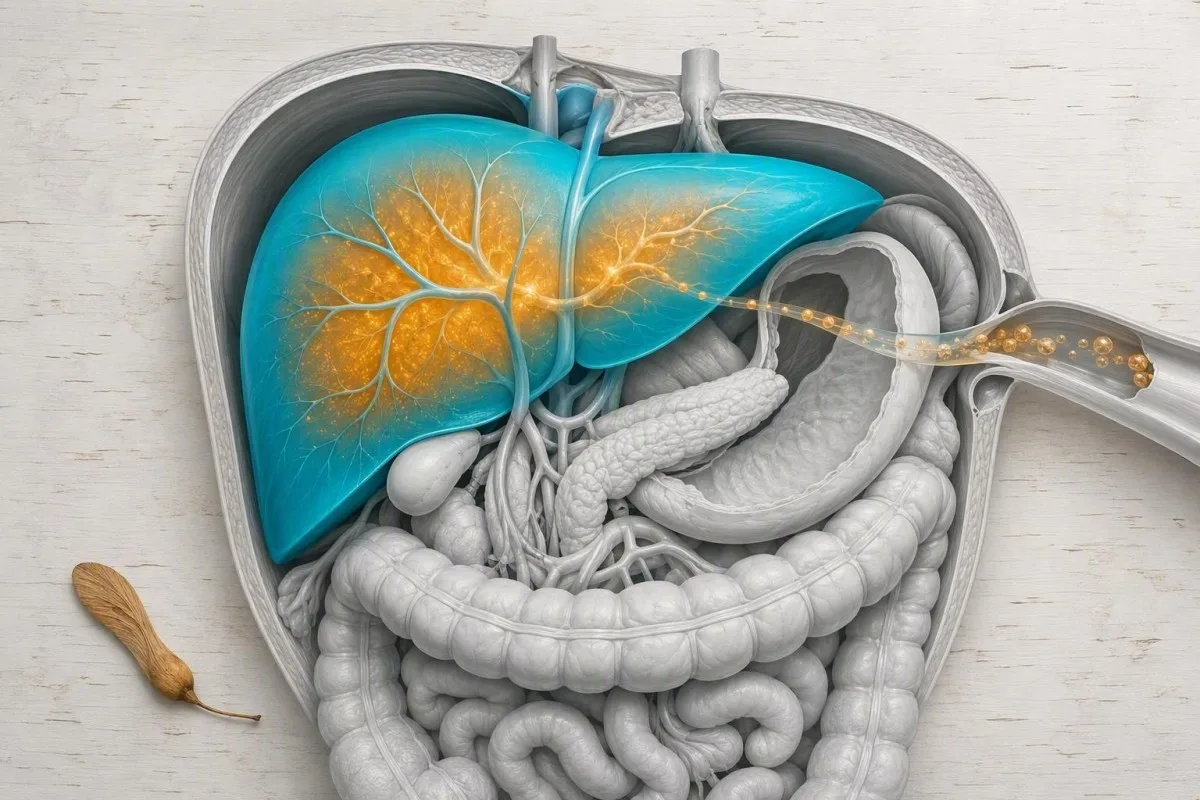
لماذا يمكن لحالات الكبد أن تخفض قدرة ربط الحديد
Liver disease can lower TIBC because hepatocytes synthesize transferrin. انخفاض TIBC إلى جانب انخفاض الألبومين، أو ارتفاع INR، أو ارتفاع البيليروبين، أو ارتفاع AST و ALT يجب أن يحول الانتباه من تناول الحديد نحو إنتاج الكبد وشدة المرض.
يمكن أن يحدث انخفاض في نتيجة الترانسفيرين في مرض الكبد الدهني، التهاب الكبد الفيروسي، إصابة الكبد المرتبطة بالكحول، تليف متقدم، وتليف كبدي، ولكنه ليس محدداً بما يكفي لتحديد مرحلة أي منها. ألبومين أقل من 35 g/L مع انخفاض TIBC المستمر يستحق مراجعة سريرية مناسبة، خاصة إذا كان هناك وذمة أو فقدان الوزن. راجع النمط الأوسع في نظرة عامة على فحوصات الكبد (liver panel overview).
I recently reviewed a runner with AST 89 وحدة دولية/لتر بعد سباق طويل و TIBC منخفض/طبيعي؛ عاد AST إلى طبيعته بعد التعافي، بينما ظل الألبومين والبيليروبين طبيعيين. يمكن أن يغير التمرين مؤقتًا العديد من النتائج، بينما انخفاض TIBC بالإضافة إلى اليرقان وانخفاض الألبومين هو صورة سريرية مختلفة تمامًا. إنه المزيج - وليس AST أو TIBC المنفصل - الذي يغير الخطوة التالية.
Hsaturation مرتفعة مستمرة تحتاج اهتمام في أمراض الكبد لأن انخفاض الترانسفيرين يمكن أن يضخم النسبة. دليل EASL 2022 لمرض ترسب الأصبغة الدموية يستخدم تشبع الترانسفيرين فوق 43% عند النساء وفوق 50% عند الرجال, ، بالإضافة إلى الفيريتين المرتفع، كدافع لمزيد من التقييم بدلاً من الاعتماد على أي علامة بمفردها (الجمعية الأوروبية لدراسة الكبد، 2022).
عندما تحتاج أعراض الكبد إلى رعاية عاجلة
اليرقان الجديد، الارتباك، تقيؤ الدم، براز أسود، أو انتفاخ ملحوظ في البطن يتطلب تقييماً طبياً عاجلاً بغض النظر عن مستوى TIBC. يمكن أن تشير هذه الأعراض إلى ضعف تدفق الصفراء، نزيف في الجهاز الهضمي، أو مرض كبد غير معوض؛ راجع مراجعتنا لـ علامات مبكرة لتليف الكبد.
انخفاض TIBC بسبب ضعف حالة البروتين أو فقدان البروتين
يمكن أن ينتج انخفاض TIBC عن نقص توافر البروتين، انخفاض تخليقه الكبدي، أو فقدان البروتين عن طريق الكلى أو الأمعاء. نظرًا لأن عمر النصف للترانسفيرين يبلغ حوالي 8 أيام، يمكن أن ينخفض مستواه قبل الألبومين في الأمراض الحادة ولكنه لا يزال اختبار تغذية ضعيفًا بمفرده.

انخفاض المدخول، الغثيان الشديد، سوء الامتصاص، الإسهال المزمن، الحروق الكبيرة، والأمراض الجهازية المتقدمة قد تخفض الترانسفيرين. الألبومين أقل من 30 جم/لتر يزيد من احتمالية استنزاف أو فقدان البروتين ذا المغزى السريري، ولكن الالتهاب يمكن أن يخفض الألبومين أيضًا. لهذا السبب فإن وصف جرعة عالية من الحديد لكل نتيجة TIBC منخفضة يتجاهل المشكلة الأساسية.
يمكن أن يؤدي فقدان البروتين الكلوي إلى تقليل البروتينات الدائرة، خاصة عندما تكون نسبة الألبومين في البول إلى الكرياتينين مرتفعة بشكل ملحوظ أو يكون بروتين البول مستمرًا. البول الرغوي، تورم الجفن، وذمة الكاحل، وزيادة الوزن هي أدلة مفيدة، ولكن العديد من الأشخاص الذين يعانون من بروتينية لا يشعرون بالمرض. مقالتنا حول البول الرغوي المستمر تشرح كيف توضح عينة البول هذه الاحتمالية.
يجب أن يشمل التقييم الغذائي تغير الوزن، قوة العضلات، تحمل الطعام، مشاكل الأسنان أو البلع، وأعراض الجهاز الهضمي - وليس فقط الألبومين. في تجربتي، فقدان غير مقصود لـ 5% من وزن الجسم خلال 6-12 شهرًا يستدعي تقييمًا بقيادة الطبيب حتى عندما تبدو لوحة الحديد غير طبيعية بشكل طفيف فقط.
متى يشير انخفاض TIBC إلى زيادة الحديد بدلاً من ذلك
انخفاض TIBC مع ارتفاع حديد المصل وارتفاع تشبع الترانسفيرين يمكن أن يشير إلى تحميل الحديد، خاصة عندما يظل التشبع فوق 43% في عينة صباحية صائمة مكررة. هذا هو عكس نقص الحديد غير المعقد، حيث يرتفع TIBC عادة.

داء ترسب الأصبغة الدموية الوراثي، عمليات نقل الدم المتكررة، الاستخدام المفرط للحديد، تكون الكريات الحمر غير الفعال، وبعض اضطرابات الكبد يمكن أن تنتج هذا النمط. الفيريتين أعلى من 300 ng/mL عند الرجال أو 200 ng/mL عند النساء يستخدم عادة كحد عملي للتقييم، ولكن الفيريتين يمكن أن يرتفع أيضًا مع تعاطي الكحول، أمراض التمثيل الغذائي، والاستجابة النسيجية. موقعنا دليل أعراض الهيموكروماتوز يضع تلك النتائج في سياق سريري.
لا تحاول “خفض الحديد” بالتبرع بالدم إذا كنت مصابًا بفقر الدم، أو حاملًا، أو مريضًا، أو لم يتم تقييمك. قد يكرر الطبيب دراسات الحديد بعد صيام طوال الليل، ويراجع المكملات الغذائية والكحول، ويفحص إنزيمات الكبد، ويفكر في اختبار HFE الجيني عندما يكون النمط مستمرًا. قيمة واحدة لحديد المصل غير صائم هي دليل، وليست حكمًا.
كانتيستي هو أداة تحليل ديال تحاليل الدم مدعومة بالذكاء الاصطناعي المستخدمة عبر 30 دولة لرسم خرائط TIBC، الفيريتين، الحديد، التشبع، الهيموجلوبين، وعلامات الكبد معًا. يسلط الذكاء الاصطناعي لدينا الضوء على نمط تشبع لمناقشة سريرية؛ التشخيص لا يزال يتطلب التاريخ، اختبارات مكررة، وأحيانًا علم الوراثة أو التصوير.
هل يمكن أن تعاني من نقص الحديد مع انخفاض TIBC؟
نعم - يمكن أن يتعايش نقص الحديد مع انخفاض TIBC عندما يؤدي الالتهاب أو مرض الكبد أو استنزاف البروتين إلى قمع الترانسفيرين. في نقص الحديد غير المعقد، ومع ذلك، ينخفض الفيريتين و يرتفع TIBC غالباً فوق نطاق المختبر.
ferritin أقل من 15 نانوغرام/مل محدد للغاية لمخزون الحديد المستنزف لدى البالغين الأصحاء، بينما يستخدم العديد من الأطباء أقل من 30 ng/mL لتحسين الحساسية. أثناء الالتهاب، الفيريتين أقل من 100 نانوغرام/مل مع تشبع الترانسفيرين تحت 20% لا يزال بإمكانه دعم نقص الحديد، خاصة في حالات أمراض الكلى المزمنة أو قصور القلب. راجع شرحنا لـ انخفاض الفيريتين قبل فقر الدم لأنماط الأعراض.
هنا تأتي أهمية CBC. انخفاض MCV، ارتفاع RDW، انخفاض الهيموغلوبين في الشبكات، وانخفاض الفيريتين يفضلون نقص الحديد الحقيقي؛ MCV طبيعي أو منخفض قليلاً مع ارتفاع CRP وانخفاض TIBC يفضل الالتهاب. التمييز ليس مثالياً - سمة الثلاسيميا، نقص B12، أمراض الكلى، ونقل الدم الحديث يمكن أن يعقد الأمر. دليلنا لفرز MCV المنخفض يغطي هذه التفسيرات المتنافسة.
ينصح الدكتور توماس كلاين المرضى بعدم الحكم على علاج الحديد بناءً على الحديد في المصل وحده. يمكن أن يتغير الحديد في المصل بمقدار 30% أو أكثر خلال اليوم وبعد الوجبات؛ استجابة الهيموغلوبين، اتجاه الفيريتين، الأعراض، وسبب النقص مهمة أكثر بكثير.
تأثير الأدوية والحمل والتوقيت على TIBC
التعرض للإستروجين والحمل غالباً ما يرفع الترانسفيرين و TIBC، بينما المرض الحاد، والكورتيكوستيرويدات، والإجهاد الجهازي الشديد يمكن أن يخفضه. تاريخ الأدوية والمرحلة العمرية يمكن أن يفسر نتيجة غير متوقعة قبل النظر في تشخيص نادر.
موانع الحمل الفموية والحمل تزيدان بشكل شائع من إنتاج الترانسفيرين، لذا فإن انخفاض TIBC خلال الحمل يكون أكثر أهمية عند اقترانه بانخفاض الألبومين، أو الالتهاب، أو تشوهات الكبد. تفسير الفيريتين الخاص بالحمل مختلف: مستوى أقل من 30 ميكروغرام/لتر يستخدم على نطاق واسع لتحديد نقص الحديد في الحمل. اقرأ دليلنا للفيريتين في الثلث الأول من الحمل بدلاً من تطبيق النطاقات لغير الحوامل.
يمكن لأقراص الحديد أن ترفع بشكل مؤقت الحديد في المصل والتشبع لعدة ساعات، مما قد يجعل انخفاض TIBC يبدو وكأنه زيادة في الحديد. إذا وافق الطبيب المعالج، فإن إيقاف الحديد عن طريق الفم لمدة تجنب مجهود قوي لمدة قبل السحب وجمع عينة صباحية يمكن أن ينتج لوحة أنظف. التفاصيل العملية موجودة في دليلنا دليل تحضير TIBC.
يجب أن تشمل مراجعة الأدوية مضادات الاختلاج، والعلاج الكيميائي، ومثبطات المناعة، العلاج بالتيستوستيرون أو الإستروجين، والحديد الوريدي - ليس لأن كل منها يسبب انخفاض TIBC بشكل مباشر، ولكن لأنه يمكن أن يغير اختبارات الكبد، أو الالتهاب، أو إنتاج خلايا الدم الحمراء، أو توزيع الحديد. لا توقف أبدًا دواءً موصوفًا لمجرد تحسين نتيجة مختبر.
هل يمكن أن تكون نتيجة TIBC المنخفضة مؤقتة أو غير دقيقة؟
قد يكون انخفاض نتيجة TIBC مؤقتًا أثناء المرض الحاد، بعد السوائل الوريدية، أو عندما يختلف الحديد في المصل مع التوقيت، ولكن فحص TIBC الذي تم إجراؤه بشكل صحيح يكون موثوقًا تحليليًا عادةً. الخطر الأكبر هو سوء تفسير نتيجة حقيقية خارج سياقها السريري.
يتم قياس TIBC عادةً عن طريق إضافة الحديد إلى المصل، وإزالة الحديد غير المرتبط، وتحديد الكمية المتبقية المرتبطة؛ مقايسات الأجسام المضادة المباشرة للترانسفيرين تستخدم طريقة مختلفة. انحلال الدم، فرط الدهون في الدم الشديد، والبروتينات النادرة يمكن أن تتداخل مع بعض فحوصات المختبر. التغيير المفاجئ الذي يتعارض مع الاتجاهات السابقة يستدعي التكرار بدلاً من الذعر؛ دليلنا شرح فحص التغير (delta-check explanation) يوضح كيف يفكر الأطباء في التغيرات المفاجئة.
يكون اختبار التكرار الأكثر فائدة عندما يمكن للنتيجة أن تغير الإدارة. بالنسبة للشخص المستقر الذي يعاني من انخفاض TIBC أثناء نزلة برد أو تفاقم مرض مناعي ذاتي، أفضل عادةً تكرار دراسات الحديد 4–8 أسابيع بعد التعافي، إلى جانب CBC، والفيريتين، و CRP، ولوحة الكبد، والألبومين. بالنسبة لشخص يعاني من اليرقان، فقر الدم الشديد، أو تشبع يزيد عن 80%، فإن الإطار الزمني أقصر.
يقوم Kantesti AI بتحليل التقارير التي تم تحميلها في حوالي 60 ثانية ويمكن أن يساعدك في مقارنة التواريخ، والوحدات، ونطاقات المرجع، ولكن التعرف الضوئي على الحروف (OCR) ليس معصومًا من الخطأ. تحقق من أن الحديد في المصل لم يختلط مع الفيريتين وأن µmol/L لم تتم قراءتها على أنها µg/dL؛ استخدم دليلنا لقائمة فحص رفع PDF قبل الاعتماد على ملخص رقمي.
الاختبارات التالية التي يستخدمها الأطباء بعد انخفاض TIBC
الخطوة التالية بعد انخفاض TIBC عادة ما تكون مجموعة تحليل على أساس النمط: CBC، الفيريتين، الحديد في المصل، تشبع الترانسفيرين، CRP أو ESR، الألبومين، وإنزيمات الكبد. يتم إضافة اختبار بروتين البول، وظائف الكلى، مستقبل الترانسفيرين القابل للذوبان، أو الاختبارات الجينية فقط عندما يشير النمط الأولي إلى ذلك.
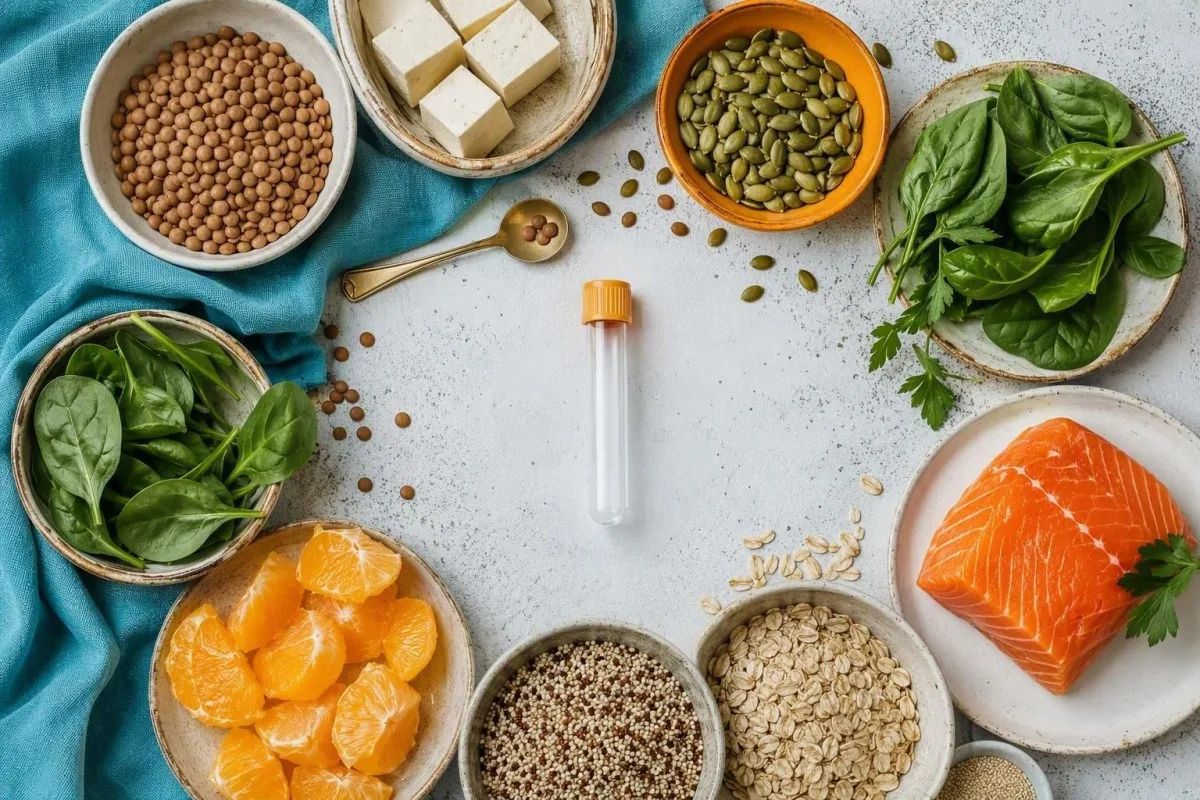
تتضمن مجموعة فحص أولى معقولة الهيموغلوبين، MCV، RDW، الفيريتين، الحديد، TIBC أو الترانسفيرين، التشبع، CRP، ALT، AST، ALP، البيليروبين، الألبومين، الكرياتينين، و eGFR. تشبع الترانسفيرين أقل من 20% تشير إلى توفر الحديد المقيد، بينما القيم المستمرة فوق 45% تتطلب تقييمًا لتحميل الحديد. تكمن الإجابة في العلاقة بين هذه القيم، وليس في طلب كل اختبار متخصص دفعة واحدة.
إذا كان الالتهاب موجودًا والفيريتين غامضًا، يمكن لمستقبل الترانسفيرين القابل للذوبان أو الهيموغلوبين في الشبكية المساعدة في تحديد نقص الحديد القابل للعلاج. إذا كان الألبومين منخفضًا، يمكن لتحليل البول و ACR في البول التحقق من فقدان البروتين الكلوي؛ إذا كانت نتائج الكبد غير طبيعية، فقد يكون اختبار التهاب الكبد والموجات فوق الصوتية مناسبًا. انخفاض تشبع الترانسفيرين لها معنى مختلف عن انخفاض TIBC، على الرغم من أنهما غالبًا ما يحدثان معًا.
تقارن الشبكة العصبية لـ Kantesti مسارات النتائج بدلاً من لقطة واحدة، وهو أمر مهم لأن الفيريتين و CRP يمكن أن يتحركا في اتجاهين متعاكسين على مدى عدة أسابيع. المنهجية والحدود السريرية موصوفة في مقالتنا نظرة عامة على التحقق الطبي; ؛ تفسير النتيجة هو تحضير لمحادثة سريرية، وليس بديلاً عنها.
أربعة أنماط لانخفاض TIBC تغير التشخيص
يصبح انخفاض TIBC مفيدًا عند قراءته كواحد من أربعة أنماط: التهاب، ضعف في الكبد أو البروتين، تحميل الحديد، أو نقص الحديد المختلط بالإضافة إلى الالتهاب. كل نمط له مسار علاج مختلف ومخاطر سلامة مختلفة.
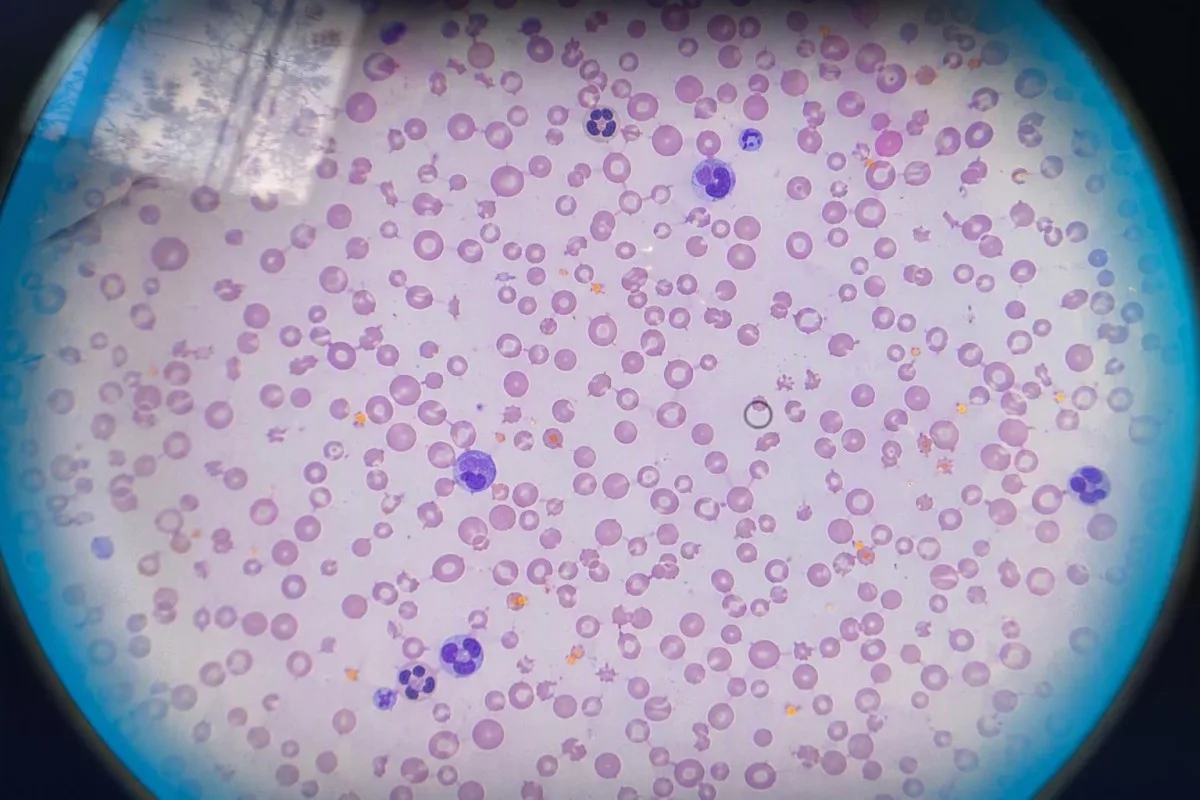
الالتهاب: انخفاض الحديد، انخفاض TIBC، التشبع غالبًا أقل من 20%، الفيريتين طبيعي أو مرتفع، CRP مرتفع. نمط الكبد/البروتين: انخفاض TIBC مع انخفاض الألبومين واحتمال وجود البيليروبين أو INR أو إنزيمات الكبد غير طبيعية. نمط تحميل الحديد: انخفاض أو طبيعي TIBC مع تشبع الحديد فوق 45% وارتفاع الفيريتين. هذه نقاط انطلاق، وليست صناديق جامدة.
نقص مختلط: قد يكون الفيريتين 30-100 نانوغرام/مل، التشبع أقل من 20%، TIBC منخفض أو طبيعي، و CRP مرتفع. في هذا الوضع، قد يكون علاج المرض الالتهابي وتقييم فقدان الدم أو سوء الامتصاص ضروريين. الأعراض الهضمية، النزيف الحيضي الغزير، واستخدام الأدوية المضادة للالتهاب تستحق أسئلة مباشرة - غالبًا لا يذكرها المرضى إلا إذا سُئلوا.
بالنسبة للمرضى، السؤال المفيد ليس “كيف أرفع TIBC؟” بل “ما الذي خفض الترانسفيرين أو غير توزيع الحديد؟” فيريتين و CRP كيوجّهو يساعد في التمييز بينهما قبل اختيار مكمل.
ما لا يجب فعله بعد رؤية علامة انخفاض TIBC
لا تعالج نقص قدرة ربط الحديد (TIBC) بالحديد بنفسك حتى تتم مراجعة الفيريتين، والتشبع، والهيموغلوبين، والسياق السريري. نتيجة منخفضة لا تعني أن دمك يفتقر إلى الحديد، ويمكن أن يكون الحديد الإضافي غير مناسب في حالات تحميل الحديد أو الأنماط المتعلقة بالكبد.

تجنب شراء الحديد بجرعات عالية لأن التقرير يقول “قدرة ربط الحديد منخفضة”. الجرعات العلاجية الشائعة للحديد تحتوي على 45–65 ملغ حديد عنصري في القرص، وهو ما يكفي للتسبب في الغثيان والإمساك والبراز الداكن؛ ولدى الشخص الخطأ، يمكن أن تزيد مخزون الحديد دون معالجة الالتهاب أو أمراض الكبد. نهج "الغذاء أولاً" معقول لمعظم الناس، ولكنه لا يحل محل تقييم فقر الدم.
لا تستخدم نتيجة الفيريتين وحدها لاستبعاد النقص أثناء العدوى أو السمنة أو أمراض المناعة الذاتية أو عملية جراحية حديثة. ولا تفترض أن التعب متعلق بالحديد إذا لم يتم النظر في الهيموغلوبين والفيريتين والغدة الدرقية والنوم والحالة المزاجية والأدوية ووظائف الكلى. إن دليلنا دليل مكملات الإرهاق يشرح لماذا الخيارات الموجهة بالمختبر أكثر أماناً.
أخيراً، لا تسعَ للحصول على رقم مثالي لقدرة ربط الحديد (TIBC). في خبرتي السريرية، فإن معالجة الالتهاب المزمن، وعلاج مرض الاضطرابات الهضمية، والتحكم في أمراض الكلى، وإيقاف فقدان الدم الذي يمكن تجنبه، أو تحسين التغذية يغير لوحة الحديد بشكل أكثر أهمية من محاولة زيادة الترانسفيرين مباشرة.
الطعام، والتعافي، والطرق الواقعية لدعم السبب الكامن وراء المشكلة
يمكن أن يدعم الغذاء تناول الحديد وحالة البروتين، ولكن النظام الغذائي وحده لا يمكنه تصحيح نقص قدرة ربط الحديد (TIBC) الناجم عن الالتهاب النشط، أو أمراض الكبد الخطيرة، أو فقدان البروتين الكلوي، أو الحمل الزائد للحديد. يجب أن يتطابق النظام الغذائي مع نمط المختبر.
إذا تم تأكيد نقص الحديد، فإن حديد الهيم من الأسماك والدواجن واللحوم يتم امتصاصه بشكل عام بكفاءة أكبر من حديد غير الهيم من البقوليات والتوفو والعدس والبذور والحبوب المدعمة. يمكن أن تحسن المنتجات التي تحتوي على فيتامين سي امتصاص حديد غير الهيم، بينما يمكن للشاي والقهوة التي يتم تناولها مع الوجبات أن تقلل منه. دليلنا العملي إلى لأطعمة الحديد الهيم وغير الهيم يقدم خيارات على مستوى الوجبات.
إذا كان تناول البروتين ضعيفًا، استهدف الوجبات المنتظمة التي تحتوي على مصدر للبروتين بدلاً من إضافة “معززات الترانسفيرين” غير المنظمة. غالبًا ما تقع أهداف البروتين العامة للبالغين حول 0.8 g/kg/يوم, ، بينما يحتاج كبار السن والمرضى الذين يعانون من أمراض حادة والمدربون الرياضيون والمرضى الذين يعانون من أمراض الكلى إلى نصائح فردية. يجب على الأشخاص الذين يعانون من أمراض الكلى المزمنة عدم زيادة البروتين دون مناقشة الخطة مع فريقهم الكلوي.
يتضمن التعافي أيضًا اختيار نافذة إعادة الاختبار الصحيحة. يرتفع الهيموغلوبين عادةً بحوالي 10–20 g/L خلال 2–4 أسابيع بعد علاج الحديد الفعال في حالة النقص الواضح، ولكن قد لا تعود قدرة ربط الحديد (TIBC) إلى طبيعتها في هذا الجدول الزمني إذا ظل الالتهاب أو تركيب الكبد هو المحرك الرئيسي.
متى تتطلب نتيجة TIBC المنخفضة مراجعة طبية فورية
قم بترتيب مراجعة دورية للطبيب العام لمتابعة نقص قدرة ربط الحديد (TIBC) المستمر، واطلب العناية العاجلة عندما يصاحبها أعراض حادة مثل اليرقان أو الارتباك أو ألم الصدر أو ضيق التنفس عند الراحة أو الإغماء أو نزيف الجهاز الهضمي. الأولوية كتبقى على حسب الشخص والنتائج المصاحبة، ماشي غير على قيمة TIBC بوحدها.

دير موعد في الوقت المناسب إذا بقى TIBC أقل من المعدل في الاختبار المتكرر، والفرتين مرتفع بشكل غير متوقع، التشبع فوق 45%, ، والهيموغلوبين كينقص، والألبومين أقل من 35 غ/ل, ، أو اختبارات الكبد غير طبيعية. جيب معك النتائج السابقة، قائمة الأدوية والمكملات، تاريخ المرضى الأخيرة، تاريخ الدورة الشهرية عند الحاجة، استهلاك الكحول، تغييرات النظام الغذائي، وتاريخ العائلي ديال تضخم الحديد أو أمراض الكبد. خط زمني منظم مزيان ممكن يوفر عليك موعد آخر.
الرعاية في نفس اليوم منطقية بالنسبة للبراز الأسود، القيء ديال الدم، الجلد الأصفر مع النعاس، الحمى المرتفعة مع الضعف الشديد، أو ضيق التنفس اللي كيمنع الكلام. هاد الأعراض ممكن تشير لنزيف، عدوى، فقر دم حاد، أو تدهور الكبد، والانتظار لتقرير حديد آخر ماشي آمن. للاستعداد المنظم، استعمل قائمة فحص مختبر لزيارة الطبيب.
ابتداءً من 10 شتنبر 2026، الرسالة الأكثر أمانا لا تزال بسيطة: انخفاض TIBC هو مؤشر على بيولوجيا الترانسفيرين، وليس تشخيصا وليس سببا تلقائيا للحديد. محتوى Kantesti السريري تتم مراجعته مع المجلس الاستشاري الطبي, ، ولكن طبيبك الخاص يمكنه دمج نتائج الفحص، الأعراض، الأدوية، وطرق المختبر المحلية.
كيفية تتبع نتيجة TIBC المنخفضة دون مبالغة
تتبع انخفاض TIBC جنبا إلى جنب مع التاريخ، حالة المرض، الفيريتين، التشبع، CRP، الألبومين، الهيموغلوبين، وتغييرات العلاج. اتجاه عبر عينتين أو ثلاث عينات قابلة للمقارنة هو عادة أكثر إفادة من قياس واحد خارج النطاق.
سجل ما إذا كانت كل عينة صيام، ما إذا كنت قد تناولت الحديد في غضون 24 ساعة، ما إذا كنت تعاني من الحمى أو ممارسة الرياضة الشاقة، وما إذا كان نفس المختبر قد تم استخدامه. تغيير من TIBC 225 إلى 245 µg/dL قد يكون تغيرا بيولوجيا وتحليليا عاديا، بينما 225 إلى 340 µg/dL بعد التعافي من الالتهاب الرئوي يمكن أن يكون ذا مغزى سريري. دليل مقارنة فحوصات الدم يوضح التفاصيل السياقية التي يجب الحفاظ عليها.
Kantesti، وهو خدمة تفسير تحاليل مختبر الذكاء الاصطناعي, ، يمكنه تنظيم تقارير طولية وشرح سبب تحرك انخفاض TIBC، الفيريتين، CRP، والألبومين معا أو بشكل منفصل. تم تصميمه لجعل أسئلتك أكثر دقة: “هل يمكن أن يكون هذا تقييد الحديد الالتهابي؟” هو أكثر فائدة من “هل الحديد لدي منخفض؟”.”
النقطة المطمئنة هي أن العديد من نتائج TIBC المنخفضة تعكس حالة التهابية مؤقتة أو مشكلة تغذية وتعافي قابلة للعكس. النقطة الحذرة حقيقية بنفس القدر: النتائج المستمرة مع فقر الدم، اختبارات الكبد غير الطبيعية، الوذمة، أو التشبع العالي تستحق المتابعة السريرية المناسبة بدلا من التخمين عبر الإنترنت.
الأسئلة الشائعة
أشمن أعراض كتسبب فيهم قلة TIBC؟
انخفاض TIBC لا يسبب أعراضًا عادةً بمفرده لأنه يقيس قدرة الحديد على الارتباط بدلاً من وظيفة جسدية يمكنك الشعور بها مباشرة. الأعراض مثل التعب، الضعف، ضيق التنفس، الحمى، تورم الكاحلين، اليرقان، أو آلام المفاصل تأتي من السبب الأساسي، مثل فقر الدم، الالتهاب، أمراض الكبد، فقدان البروتين، أو زيادة الحديد. الهيموغلوبين أقل من 120 جرام/لتر في النساء غير الحوامل أو 130 جرام/لتر في الرجال يجعل الأعراض المتعلقة بفقر الدم أكثر احتمالاً. التقييم العاجل مناسب لألم الصدر، الإغماء، الارتباك، البراز الأسود، ضيق التنفس الشديد، أو اصفرار الجلد مع النعاس.
واش TIBC ناقص بحال بحال ترانسفيرين ناقص؟
Low TIBC usually reflects low transferrin, but the two tests are not technically identical. Transferrin is a liver-made carrier protein measured directly in g/L or mg/dL, whereas TIBC estimates how much iron the transferrin pool can bind and is commonly reported in µg/dL or µmol/L. Typical adult TIBC is approximately 250–450 µg/dL, although laboratory reference ranges differ. Low results for both are common during inflammation and reduced liver protein synthesis. TIBC طايح غالبا تيعني طايح ترانسفيرين، و لكن هاد جوج تحاليل ماشي بالضبط بحال بحال. ترانسفيرين هو واحد بروتين تيديرو الكبد تيقولو ليه "carrier protein" تيقياسوه ديريكتومون ب g/L أو mg/dL، أما TIBC فهو تيقدر شحال ديال الحديد تجمع ديال ترانسفيرين و ديما تيخرج ب µg/dL أو µmol/L. TIBC ديال لادالتا العادي هو تقريبا 250–450 µg/dL، و لكن الرينجات ديال المختبرات تايختلفو. النتائج لي تاتكون طايحة بجوج بزاف تاتبان فاش تيكون التهاب و الكبد ما تيديرش بروتينات كافية.
واش انخفاض TIBC كيعني فقر الدم؟
Low TIBC لا يعني عادةً نقص الحديد غير المعقد؛ نقص الحديد الكلاسيكي يسبب فيريتين منخفض و TIBC مرتفع في أغلب الأحيان. يمكن أن يحدث نمط مختلط عندما يوجد نقص الحديد إلى جانب التهاب أو مرض في الكبد أو سوء حالة البروتين، مما يقلل من TIBC. فيريتين أقل من 15 نانوغرام/مل يدعم بقوة نقص مخزون الحديد لدى شخص بالغ سليم، بينما فيريتين أقل من 100 نانوغرام/مل بالإضافة إلى تشبع الترانسفيرين أقل من 20% لا يزال يمكن أن يشير إلى نقص أثناء الالتهاب. مطلوب CBC، فيريتين، CRP، وتشبع قبل البدء بالحديد.
شنو السبب ديال انخفاض TIBC مع انخفاض الحديد؟
انخفاض TIBC مع انخفاض الحديد في المصل في أغلب الأحيان يعكس تقييد الحديد المتعلق بالالتهاب. في هذا النمط، يقلل الهبسيدين من إطلاق الحديد في الدورة الدموية بينما ينتج الكبد كمية أقل من الترانسفيرين، مما يؤدي إلى انخفاض الحديد، وانخفاض TIBC، وتشبع غالبًا أقل من 20%، والبروتينات التي قد تكون طبيعية أو مرتفعة. يمكن أن يؤدي مرض الكلى المزمن، أو العدوى، أو أمراض المناعة الذاتية، أو الالتهاب المرتبط بالسمنة، أو الجراحة الحديثة، أو السرطان إلى هذا النمط. CRP أعلى من 10 ملغم/لتر يدعم الالتهاب النشط ولكنه لا يحدد مصدره.
آش كيعني انخفاض TIBC مع ارتفاع الفيريتين؟
لانخفاض TIBC مع ارتفاع الفيريتين غالبا ما يحدث أثناء الالتهاب، أمراض الكبد، خلل وظيفي في التمثيل الغذائي، تلف الكبد المرتبط بالكحول، أو زيادة الحديد. الفيريتين هو علامة لتخزين الحديد وبروتين طور حاد، لذا فإن القيمة المرتفعة لا تعني تلقائيا وجود فائض في مخزون الحديد. تشبع الترانسفيرين المستمر فوق 45% بالإضافة إلى ارتفاع الفيريتين يثير القلق بشأن زيادة الحديد ويتطلب تقييمًا بقيادة الطبيب. الألبومين، CRP، ALT، AST، البيليروبين، وصورة الدم الكاملة تساعد في التمييز بين الأسباب.
واش ناخد الحديد الا كان عندي TIBC ناقص؟
ما تاخدش الحديد غير حيت TIBC ناقصة. الحديد عن طريق الفم مناسب ملي يكون نقص الحديد مثبت بالصورة الكلية، وكيتضمن بزاف مرات الفريتين ناقص، والتشبع ناقص، ونتائج CBC متوافقة؛ بزاف ديال المنتجات العلاجية فيها 45-65 ملغ حديد خالص لكل قرص. الحديد ممكن يكون غير مفيد أو غير مناسب ملي تكون TIBC ناقصة بسبب الالتهاب، أو ضعف الكبد، أو فقدان البروتين، أو زيادة الحديد. سولو طبيب باش يراجع الفريتين، وتشبع الترانسفيرين، والهيموغلوبين، CRP، وتحاليل الكبد الأول.
احصل على تحليل الدم بالذكاء الاصطناعي اليوم
انضم إلى أكثر من 2 مليون مستخدم عالمي يثقون في Kantesti لتحليل فوري ودقيق لنتائج التحاليل المخبرية. ارفع نتائج تحليل الدم الخاصة بك واحصل على تفسير شامل لـ 15,000+ للـ biomarkers في ثوانٍ.
📚 أبحاث منشورة مُشار إليها
Klein, T., Mitchell, S., & Weber, H. (2026). اختبار اليوروبيلينوجين في البول: دليل تحليل البول الشامل 2026. Zenodo. https://doi.org/10.5281/zenodo.18226379. روابط سجل البحث ResearchGate و Academia.edu متاحة عبر DOI الخاص بالنشر.. Kantesti بحث طبي بالذكاء الاصطناعي.
Klein, T., Mitchell, S., & Weber, H. (2026). دليل دراسات الحديد: TIBC، تشبع الحديد والقدرة على الارتباط. Zenodo. https://doi.org/10.5281/zenodo.18248745. روابط سجل البحث ResearchGate و Academia.edu متاحة عبر DOI الخاص بالنشر.. Kantesti بحث طبي بالذكاء الاصطناعي.
📖 مراجع طبية خارجية
⚕️ إخلاء مسؤولية طبية
هذه المقالة لأغراض تعليمية فقط ولا تشكل نصيحة طبية. استشر دائمًا مقدم رعاية صحية مؤهلًا لاتخاذ قرارات التشخيص والعلاج.
إشارات الثقة E-E-A-T
خبرة
مراجعة سريرية يقودها الأطباء لسير عمل تفسير التحاليل.
خبرة
تركيز طب المختبر على كيفية سلوك الـ biomarkers في السياق السريري.
السلطة
مكتوب من طرف الدكتور Thomas Klein مع مراجعة من طرف الدكتورة Sarah Mitchell والأستاذ الدكتور Hans Weber.
الجدارة بالثقة
تفسير قائم على الأدلة مع مسارات متابعة واضحة لتقليل الإنذار.