Et lavt TIBC-resultat gir sjelden symptomer alene. Symptomene kommer fra tilstanden som endrer transferrinproduksjon, jernhåndtering eller proteinbalanse.



- Low TIBC betyr vanligvis at mindre transferrin er tilgjengelig for å bære jern; mange laboratorier for voksne bruker omtrent 250–450 µg/dL (45–80 µmol/L) som referanseintervall.
- Symptomer er indirekte: tretthet, feber, leddsmerter, hevelse, gulsott eller vekttap peker mot den underliggende sykdommen snarere enn lavt TIBC i seg selv.
- Inflammatorisk mønster viser vanligvis lavt serumjern, lavt TIBC, transferrinmetning under 20%, og ferritin som er normal eller forhøyet.
- Jernmønster gir vanligvis lav ferritin og høy — ikke lav — TIBC, med mindre betennelse eller leversykdom er til stede samtidig.
- Transferrin saturation beregnes som serumjern delt på TIBC × 100; en verdi over 45% krever vurdering for jernopphopning når den er vedvarende.
- Albumin har betydning fordi transferrin er et leverprodusert protein; lav albumin med lav TIBC kan indikere redusert syntese, dårlig inntak, proteintap eller systemisk sykdom.
- Akutt vurdering er passende for forvirring, gulsott, svart avføring, tung pust i hvile, raskt økende hevelse eller feber med alvorlig svakhet.
- Å teste klokt betyr å unngå jerntabletter 24 timer før en jernpanel når legen din samtykker, og å utsette rutinemessig testing under en akutt febersykdom når det er mulig.
Hva et lavt TIBC-resultat faktisk betyr
Lav total jernbindende kapasitet betyr at blodstrømmen har mindre tilgjengelig transferrin-kapasitet til å binde jern. TIBC er et indirekte mål på transferrin, et protein hovedsakelig produsert av leveren; det er ikke et direkte mål på hvor mye jern kroppen din lagrer.

De fleste laboratorier rapporterer TIBC for voksne rundt 250–450 µg/dL or 45–80 µmol/L, men intervallet trykt ved siden av resultatet ditt vinner fordi analysens kalibrering er forskjellig. En verdi på 210 µg/dL er ikke automatisk farlig; jeg tolker den ved siden av serumjern, ferritin, transferrinsaturering, C-reaktivt protein, albumin og blodstatus. Vår detaljerte jernundersøkelsesguide forklarer hvorfor ingen enkelt jernmarkør kan svare på alle spørsmål.
TIBC og transferrin er nært beslektet, men er ikke identiske tester. Transferrin måles som en proteinkonsentrasjon, ofte i g/L eller mg/dL, mens TIBC estimerer den maksimale jernbindende kapasiteten til sirkulerende transferrin; noen laboratorier beregner den ene fra den andre. TIBC er en AI-blodprøveanalysator som leser lav TIBC i forhold til resten av en jernpanel, heller enn å behandle et enkelt avvik som en diagnose.
En praktisk detalj pasienter ofte går glipp av: samme person kan ha lav TIBC under en virussykdom og en høyere verdi flere uker senere uten at noe supplement endrer det. Dr. Thomas Kleins tilnærming er å først spørre om prøven ble tatt under infeksjon, etter sykehusbehandling, eller midt i et nytt betennelsesutbrudd; den tidslinjen forhindrer ofte en unødvendig jernresept.
Beregningen bak transferrinsaturering
Transferrinsaturering er lik serumjern ÷ TIBC × 100. Serumjern på 50 µg/dL med TIBC på 250 µg/dL gir en metning på 20 %, mens samme serumjern med TIBC på 125 µg/dL gir 40 %; en lav nevner kan få metningen til å virke bedragersk betryggende eller høy.
Lavt TIBC-symptomer: hva du kan føle og hva du ikke vil føle
Lav TIBC i seg selv forårsaker vanligvis ingen særegne symptomer. Tretthet, redusert treningstoleranse, feber, abdominal hevelse, leddsmerter eller gulfarging av øynene oppstår fra anemi, betennelse, leverdysfunksjon, underernæring eller jernoverskudd – ikke fra TIBC-tallet alene.

Når lav TIBC ledsages av hemoglobin under 120 g/L hos ikke-gravide kvinner or 130 g/L hos menn, kan tretthet, tungpustethet i trapper, hjertebank, hodepine og svimmelhet reflektere anemi. Likevel kan betennelsesrelatert anemi være mild og likevel gjøre en pasient utmattet fordi cytokiner endrer jernlevering til margen. Sammenlign dette med symptomer på lavt antall røde blodceller hvis din CBC også er flagget.
Symptomer som flytter min bekymring mot lever- eller proteinrelaterte årsaker inkluderer ankelhevelse, ny abdominal fylde, lett blåmerking, kløe, mørk urin, blek avføring eller dårlig appetitt. Gulsott plus forvirring, oppkast av blod, svart tjæreaktig avføring, alvorlig tungpustethet eller raskt voksende hevelse krever vurdering samme dag. En lav TIBC er ikke en nødssituasjon; de kliniske tegnene kan være det.
I praksis ser jeg folk bli engstelige etter å ha søkt på “symptomer på lav jernbindingskapasitet” og starte jern umiddelbart. Det kan være feil trekk hvis transferrinmetningen allerede er over 45% eller ferritin er høyt. Jern er nyttig når mangel er etablert, men det er ikke et generelt styrkemiddel og kan skjule det diagnostiske mønsteret.
Hvordan betennelse skaper lavt TIBC og lavt serumjern
Inflammasjon er den vanligste forklaringen på lav TIBC med lavt serumjern. Leveren produserer mindre transferrin under en akuttfase-respons, mens hepcidin begrenser jernfrigjøring fra makrofager og tarmabsorpsjon.
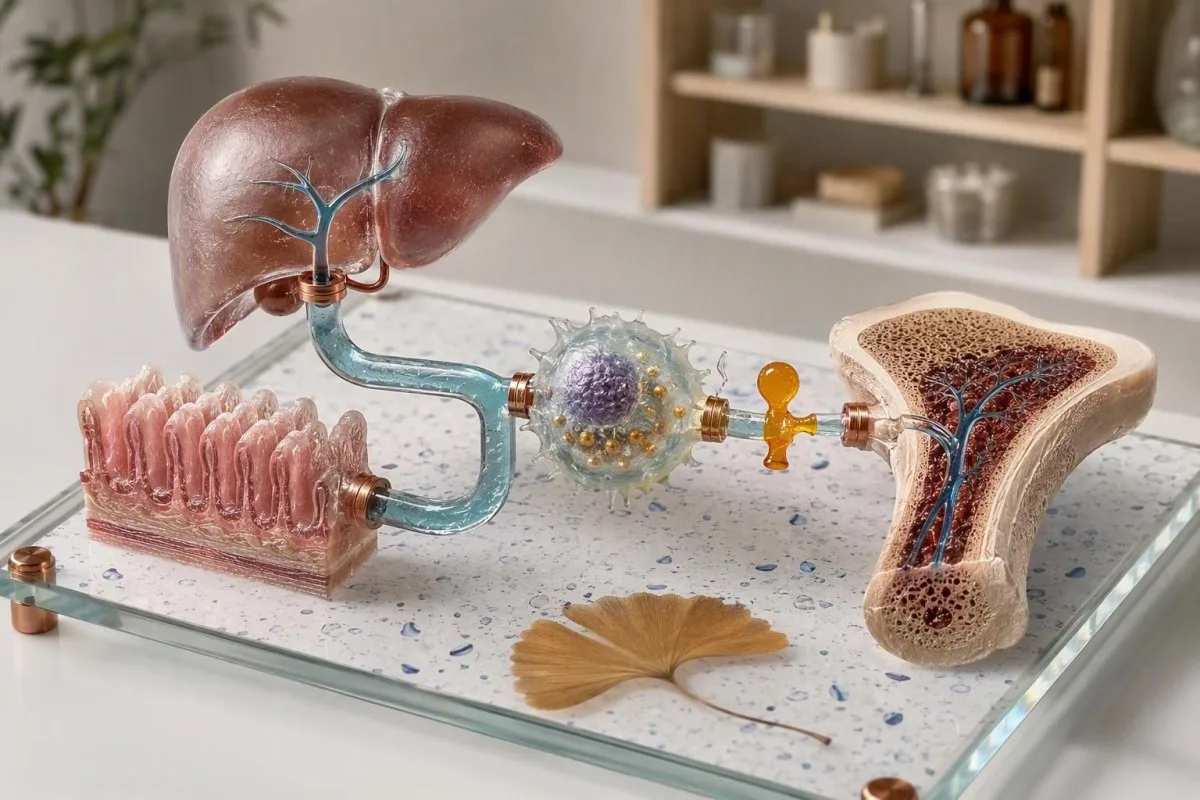
Et typisk inflammasjonsrelatert mønster er serumjern under 50 µg/dL, TIBC under 250 µg/dL, metning under 20%, og ferritin over 100 ng/mL, selv om ingen av disse grenseverdiene alene diagnostiserer en sykdom. Ferritin stiger med inflammatorisk signalering, så en “normal” ferritin utelukker ikke pålitelig jernmangel når CRP er forhøyet. Det kliniske rammeverket beskrevet av Weiss et al. (2019) skiller absolutt jernmangel fra funksjonell jernrestriksjon ved å bruke denne kombinasjonen, ikke ferritin isolert.
Akutte infeksjoner, autoimmune sykdommer, kronisk nyresykdom, fedmerelatert inflammasjon, nylig kirurgi og kreft kan alle senke transferrin. CRP over 10 mg/L gjør en lav TIBC mer sannsynlig å være reaktiv, mens erytrocyttsedimenteringshastighet kan forbli høy i uker etter at CRP faller. For kontekst om denne tregere markøren, se vår guide til hvorfor ESR endrer seg sakte.
Det kontraintuitive er at lagret jern kan være til stede, men utilgjengelig for margen. Kantesti AI, en AI-plattform for tolkning av biomarkører, identifiserer dette diskordante lave jern/lave TIBC-mønsteret og fremkaller spørsmål om aktiv sykdom, nyrefunksjon og inflammatoriske markører; den diagnostiserer ikke årsaken utelukkende fra laboratoriedata.
Når løselig transferrinreseptor hjelper
Løselig transferrinreseptor er vanligvis mindre forvrengt av inflammasjon enn ferritin. Et forhøyet resultat kan støtte sann rød blodcelleproduksjon som er jernbegrenset når ferritin er 50–300 ng/mL og CRP er forhøyet, selv om analysespesifikke referanseområder betyr at det bør bestilles og tolkes av en kliniker.
Hvorfor leversykdommer kan redusere jernbindingskapasiteten
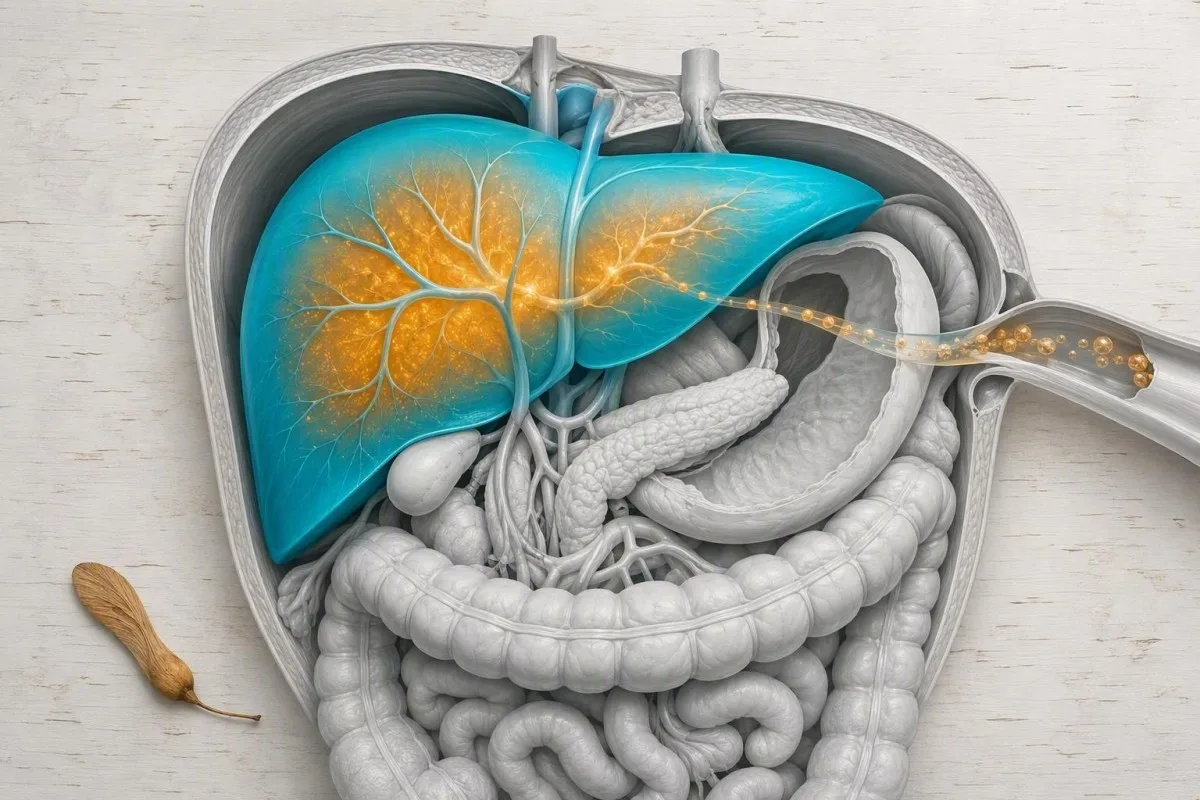
Leversykdom kan senke TIBC fordi hepatocytter syntetiserer transferrin. Lav TIBC sammen med lav albumin, forlenget INR, forhøyet bilirubin eller unormal AST og ALT bør flytte oppmerksomheten fra jerninntak mot leverproduksjon og sykdommens alvorlighetsgrad.
Et lavt transferrinresultat kan forekomme ved fettleversykdom, viral hepatitt, alkoholrelatert leverskade, avansert fibrose og cirrhose, men det er ikke spesifikt nok til å stadie noen av dem. Albumin under 35 g/L sammen med en vedvarende lav TIBC fortjener en skikkelig klinisk gjennomgang, spesielt hvis det er ødem eller vekttap. Se på det bredere mønsteret i vår oversikt over leverprøver.
Jeg gjennomgikk nylig en løper med AST 89 IU/L etter et langt løp og lav-normal TIBC; AST normaliserte seg etter restitusjon, mens albumin og bilirubin forble normale. Trening kan midlertidig endre flere resultater, mens lav TIBC pluss gulsott og redusert albumin er et svært forskjellig klinisk bilde. Det er kombinasjonen – ikke en isolert AST eller TIBC – som endrer neste steg.
Vedvarende høy transferrinmetning krever oppmerksomhet ved leversykdom fordi lav transferrin kan blåse opp prosentandelen. 2022 EASL hemokromatose-retningslinjen bruker transferrinmetning over 45 % hos kvinner og over 50 % hos menn, sammen med forhøyet ferritin, som en utløser for videre vurdering, heller enn å stole på en av markørene alene (European Association for the Study of the Liver, 2022).
Når leversymptomer krever akutt behandling
Ny gulsott, forvirring, oppkast av blod, svart avføring eller markert magesvulst krever umiddelbar medisinsk vurdering uavhengig av TIBC-nivå. Disse symptomene kan indikere nedsatt galleflyt, gastrointestinal blødning eller dekompensert leversykdom; se vår gjennomgang av tidlige tegn på cirrhose.
Lavt TIBC fra dårlig proteinstatus eller proteintap
Lav TIBC kan skyldes utilstrekkelig proteintilgjengelighet, redusert hepatisk syntese eller proteintap gjennom nyrene eller tarmen. Fordi transferrin har en halveringstid på omtrent 8 dager, kan det falle tidligere enn albumin ved akutt sykdom, men er fortsatt en dårlig ernæringstest alene.

Lavt inntak, alvorlig kvalme, malabsorpsjon, kronisk diaré, store brannskader og avansert systemisk sykdom kan senke transferrin. Albumin under 30 g/L øker sannsynligheten for klinisk meningsfull proteindepletering eller -tap, men inflammasjon kan også senke albumin. Derfor overser foreskriving av høydose jern for hvert lave TIBC-resultat det underliggende problemet.
Nyreproteintap kan redusere sirkulerende proteiner, spesielt når urin albumin-kreatinin-forholdet er markert forhøyet eller urinen er vedvarende proteinuri. Skummende urin, hevelse i øyelokkene, ankelødem og vektøkning er nyttige ledetråder, men mange med proteinuri føler seg friske. Vår artikkel om vedvarende skummende urin forklarer hvordan en urinprøve klargjør denne muligheten.
Ernæringsvurdering bør inkludere vekttap, muskelstyrke, matintoleranse, tann- eller svelgeproblemer og gastrointestinale symptomer – ikke bare albumin. Etter min erfaring, et ufrivillig tap av 5% av kroppsvekten i løpet av 6–12 måneder fortjener en klinikerledet vurdering selv når jernpanelet ser bare mildt unormalt ut.
Når lavt TIBC peker mot jernoverbelastning i stedet
Lav TIBC med høyt serumjern og høy transferrinmetning kan tyde på jernopphopning, spesielt når metningen forblir over 45 % på en ny fastende morgenprøve. Dette er det motsatte av ukomplisert jernmangel, der TIBC vanligvis stiger.
Arvelig hemokromatose, gjentatte transfusjoner, overdreven jernbruk, ineffektiv erytropoiese og noen leversykdommer kan gi dette mønsteret. Ferritin over 300 ng/mL hos menn eller 200 ng/mL hos kvinner brukes ofte som en praktisk terskel for evaluering, men ferritin kan også stige med alkoholbruk, metabolsk sykdom og vevsrespons. Vår symptomveiledning for hemokromatose setter disse resultatene i klinisk kontekst.
Ikke prøv å “senke jern” med blodgivning hvis du er anemisk, gravid, syk eller ikke er blitt vurdert. En kliniker kan gjenta jernstudier etter en nattlig faste, gjennomgå kosttilskudd og alkohol, sjekke leverenzymer og vurdere HFE genetisk testing når mønsteret er vedvarende. En ikke-fastende serumjernverdi er en ledetråd, ikke en dom.
Kantesti er en Analyseverktøy for blodprøver drevet av KI brukt på tvers av 14 land for å kartlegge TIBC, ferritin, jern, metning, hemoglobin og levermarkører sammen. Vår AI flagger et metningsmønster for klinisk diskusjon; diagnosen krever fortsatt anamnese, gjentatte tester, og noen ganger genetikk eller billeddiagnostikk.
Kan du ha jernmangel med lavt TIBC?
Ja – jernmangel kan forekomme samtidig med lav TIBC når betennelse, leversykdom eller proteindeplegering undertrykker transferrin. Ved ukomplisert jernmangel faller imidlertid ferritin og TIBC øker oftere over laboratorieområdet.
Et ferritin under 15 ng/mL er svært spesifikk for uttømte jernlagre hos ellers friske voksne, mens mange klinikere bruker under 30 ng/mL for å forbedre sensitiviteten. Under betennelse kan ferritin under 100 ng/mL med transferrinmetningsgrad under 20% fortsatt støtte jernmangel, spesielt ved kronisk nyresykdom eller hjertesvikt. Se vår forklaring av lav ferritin før anemi for symptomplaster.
Her fortjener en CBC sin plass. Lav MCV, økt RDW, redusert retikulocytthemoglobin og lav ferritin favoriserer ekte jernmangel; normal eller mildt lav MCV med økt CRP og lav TIBC favoriserer betennelse. Skillet er ikke perfekt – thalassemiatrekk, B12-mangel, nyresykdom og nylig transfusjon kan grumse det til. Vår guide for triage ved lav MCV dekker disse konkurrerende forklaringene.
Dr. Thomas Klein råder pasienter til ikke å bedømme jernbehandling kun basert på serumjern. Serumjern kan variere med 30% eller mer i løpet av en dag og etter måltider; hemoglobinrespons, ferritintrend, symptomer og årsaken til mangel betyr mye mer.
Medisiner, graviditet og tidsmessige effekter på TIBC
Østrogeneksponering og graviditet øker ofte transferrin og TIBC, mens akutt sykdom, kortikosteroider og alvorlig systemisk stress kan senke det. Medisin- og livsfasehistorikk kan forklare et uventet resultat før en sjelden diagnose vurderes.
P-piller og graviditet øker vanligvis transferrinproduksjonen, så en lav TIBC under graviditet er mer bemerkelsesverdig når den er kombinert med lav albumin, betennelse eller leveravvik. Svangerskapsspesifikk ferrittolkning er annerledes: et nivå under 30 µg/L brukes ofte for å identifisere jernmangel under graviditet. Les vår guide til ferritin i trimester i stedet for å bruke referanseområder for ikke-gravide.
Jernpiller kan forbigående øke serumjern og metning i flere timer, noe som kan få en lav TIBC til å se ut som jernoverbelastning. Hvis rekvirerende lege er enig, kan det å unngå oralt jern i 24 hours før prøvetaking og innsamling av en morgenprøve gi et renere panel. De praktiske detaljene finnes i vår veiledning for TIBC- klargjøring.
Medisinsk vurdering bør inkludere antikonvulsiva, kjemoterapi, immunsuppressiva, testosteron- eller østrogenbehandling og intravenøst jern – ikke fordi hver enkelt direkte forårsaker lav TIBC, men fordi de kan endre leverprøver, betennelse, produksjon av røde blodlegemer eller jernfordeling. Slutt aldri en foreskrevet medisin kun for å forbedre et laboratorieresultat.
Kan det lave TIBC-resultatet være midlertidig eller unøyaktig?
Et lavt TIBC-resultat kan være forbigående under akutt sykdom, etter intravenøse væsker, eller når serumjern varierer med tidspunktet, men en riktig prosessert TIBC-analyse er vanligvis analytisk pålitelig. Den større risikoen er feiltolkning av et genuint resultat utenfor dets kliniske setting.
TIBC måles vanligvis ved å tilsette jern til serum, fjerne ubundet jern og kvantifisere det som bandt seg igjen; direkte transferrin-immunglobuliner bruker en annen metode. Hemolyse, alvorlig lipemi og sjeldne paraproteiner kan forstyrre enkelte laboratorieanalyser. En plutselig endring som motsier tidligere trender, berettiger en gjentakelse snarere enn panikk; vår delta-check forklaring skisserer hvordan klinikere tenker på brå skift.
Gjentatt testing er mest nyttig når resultatet kan endre behandling. For en stabil person med lav TIBC under en forkjølelse eller autoimmun forverring, foretrekker jeg vanligvis gjentatte jernstudier 4–8 weeks etter bedring, sammen med CBC, ferritin, CRP, leverpanel og albumin. For noen med gulsott, alvorlig anemi eller metning over 45%, er tidsrammen kortere.
Kantesti AI analyserer opplastede rapporter på ca. 60 sekunder og kan hjelpe deg med å sammenligne datoer, enheter og referanseområder, men OCR er ikke ufeilbarlig. Kontroller at serumjern ikke ble forvekslet med ferritin og at µmol/L ikke ble lest som µg/dL; bruk vår sjekkliste for opplasting av PDF før du stoler på et digitalt sammendrag.
De neste testene leger bruker etter et lavt TIBC
Neste trinn etter lav TIBC er vanligvis et mønsterbasert panel: CBC, ferritin, serumjern, transferrinmetning, CRP eller ESR, albumin og leverenzymer. Urinproteintesting, nyrefunksjon, løselig transferrinreseptor eller gentesting legges kun til når det innledende mønsteret peker dit.
Et fornuftig første sett inkluderer hemoglobin, MCV, RDW, ferritin, jern, TIBC eller transferrin, metning, CRP, ALT, AST, ALP, bilirubin, albumin, kreatinin og eGFR. Transferrinmetning under 20% indikerer begrenset jern-tilgjengelighet, mens vedvarende verdier over 45% krever en vurdering av jern-overbelastning. Svaret ligger i forholdet mellom disse verdiene, ikke i å bestille hver spesialisttest samtidig.
Hvis betennelse er til stede og ferritin er tvetydig, kan løselig transferrinreseptor eller retikulocytt-hemoglobin hjelpe med å identifisere behandlingsbar jernmangel. Hvis albumin er lavt, kan urinanalyse og urinanalyse ACR sjekke renalt proteintap; hvis leverfunn er unormale, kan hepatitt-testing og ultralyd være aktuelt. Lav transferrinmetning har en annen betydning enn lav TIBC, selv om de ofte følger hverandre.
Kantesti sitt nevrale nettverk sammenligner resultatbaner snarere enn et enkelt øyeblikksbilde, noe som har betydning fordi ferritin og CRP kan bevege seg i motsatt retning over flere uker. Metodologi og kliniske grenser er beskrevet i vår oversikt over medisinsk validering; en resultat-tolkning er forberedelse til en kliniker-samtale, ikke en erstatning for den.
Fire lav-TIBC-mønstre som endrer diagnosen
Lav TIBC blir nyttig når den tolkes som ett av fire mønstre: betennelse, lever- eller proteinpåvirkning, jern-overbelastning, eller blandet jernmangel pluss betennelse. Hvert mønster har en annen behandlingsvei og andre sikkerhetshensyn.
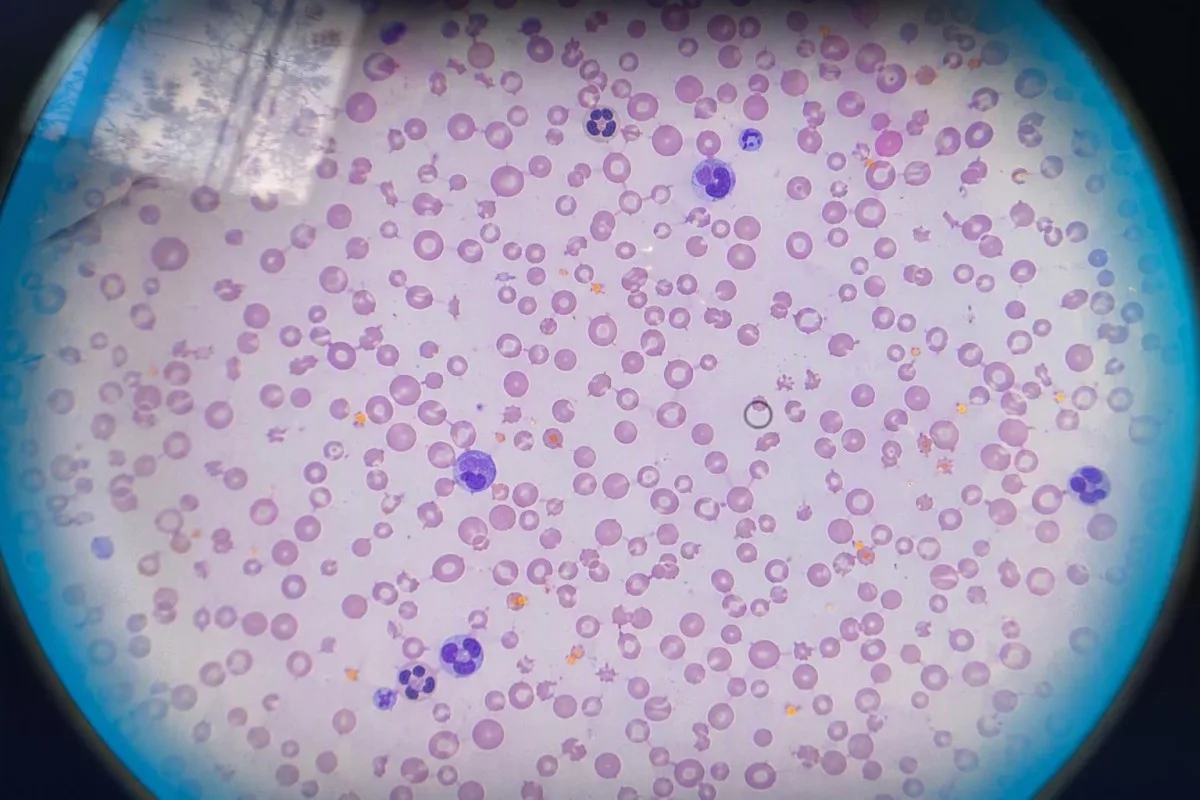
Betennelse: lavt jern, lav TIBC, metning ofte under 20%, ferritin normal eller høy, CRP forhøyet. Lever/protein mønster: lav TIBC med lav albumin og muligens unormal bilirubin, INR eller leverenzymer. Jernbelastningsmønster: lav eller normal TIBC med jernmetning over 45% og forhøyet ferritin. Dette er utgangspunkter, ikke rigide bokser.
Blandet mangel: ferritin kan være 30–100 ng/mL, metning under 20%, TIBC lav eller normal, og CRP forhøyet. I denne situasjonen kan det være nødvendig både å behandle den inflammatoriske sykdommen og vurdere blodtap eller malabsorpsjon. Mage-tarmsymptomer, kraftige menstruasjonsblødninger og bruk av betennelsesdempende medisiner fortjener direkte spørsmål – pasienter forteller det ofte ikke frivillig med mindre de blir spurt.
For pasienter er det nyttige spørsmålet ikke “Hvordan øker jeg TIBC?” men “Hva senket transferrin eller endret jernfordelingen?” Vår ferritin- og CRP-veiledning hjelper med å skille dette før valg av tilskudd.
Hva du ikke skal gjøre etter å ha sett en lav TIBC-varsel
Ikke selvbehandle lav TIBC med jern før ferritin, metning, hemoglobin og den kliniske konteksten er gjennomgått. Et lavt resultat betyr ikke at blodet ditt mangler jern, og ekstra jern kan være upassende ved jernbelastning eller leverrelaterte mønstre.

Unngå å kjøpe jern med høye doser fordi en rapport sier “lav jernbindingskapasitet”. Vanlige terapeutiske jerndoser inneholder 45–65 mg elementært jern per tablett, nok til å forårsake kvalme, forstoppelse og mørk avføring; hos feil person kan de øke jernlagrene uten å adressere betennelse eller leversykdom. Matførst-tilnærminger er rimelige for de fleste, men de erstatter ikke vurdering av anemi.
Ikke bruk et ferritineresultat alene for å utelukke mangel under infeksjon, fedme, autoimmun sykdom eller nylig operasjon. Og ikke anta at tretthet er jernrelatert hvis hemoglobin, ferritin, skjoldbruskkjertel, søvn, humør, medisiner og nyrefunksjon ikke er vurdert. Vår guide for tretthetstilskudd forklarer hvorfor laboratorieveiledede valg er tryggere.
Til slutt, ikke jag et perfekt TIBC-tall. Etter min kliniske erfaring endrer korrigering av kronisk betennelse, behandling av cøliaki, kontroll av nyresykdom, stopp av unngåelig blodtap eller forbedring av ernæring jernpanelet mer meningsfullt enn å prøve å øke transferrin direkte.
Mat, restitusjon og realistiske måter å støtte den underliggende årsaken på
Mat kan støtte jerninntak og proteinstatus, men kosthold alene kan ikke korrigere lav TIBC forårsaket av aktiv betennelse, signifikant leversykdom, nefrotisk proteintap eller jernoverbelastning. Ernæringsplanen må matche laboratoriemønsteret.
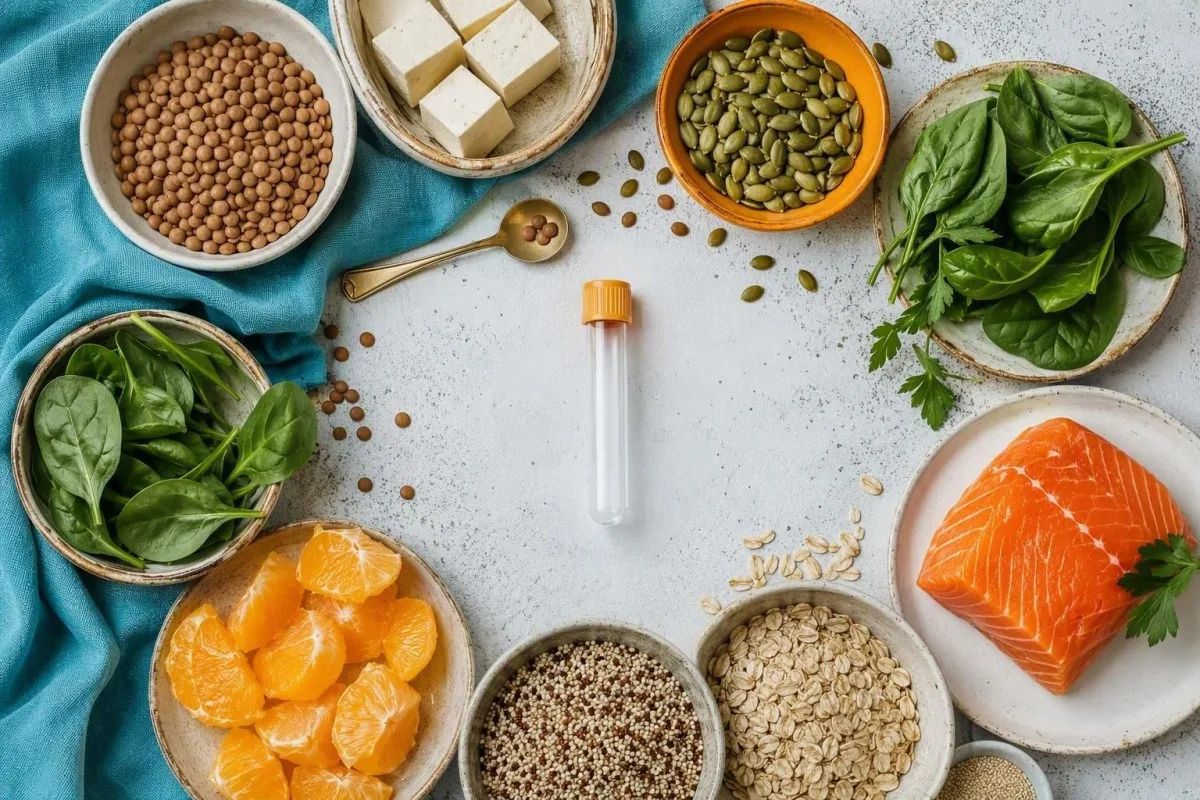
Hvis jernmangel er bekreftet, absorberes hemjern fra fisk, fjærkre og kjøtt generelt mer effektivt enn ikke-hemjern fra belgfrukter, tofu, linser, frø og berikede kornprodukter. Vitamin C-holdige produkter kan forbedre opptaket av ikke-hemjern, mens te og kaffe tatt til måltider kan redusere det. Vår praktiske guide til hem- og ikke-hem jernmatvarer gir måltidsalternativer.
Hvis proteininntaket har vært dårlig, sikt på regelmessige måltider som inneholder en proteinkilde i stedet for å legge til urede “transferrin boosters”. Generelle proteiner for voksne faller ofte rundt 0,8 g/kg/dag, mens eldre voksne, akutt sykdom, atletisk trening og nyresykdom krever individuell rådgivning. Personer med kronisk nyresykdom bør ikke øke proteininntaket uten å diskutere planen med sitt nyreteam.
Bedring betyr også å velge riktig retest-vindu. Hemoglobin stiger vanligvis med omtrent 10–20 g/L over 2–4 uker etter effektiv jernbehandling ved ukomplisert mangel, men TIBC normaliseres kanskje ikke i henhold til den tidsplanen hvis betennelse eller leversyntese fortsatt er den viktigste driveren.
Når et lavt TIBC-resultat krever umiddelbar medisinsk vurdering
Arranger en rutinemessig klinisk gjennomgang for vedvarende lav TIBC, og søk akutt hjelp når den ledsages av alvorlige symptomer som gulsott, forvirring, brystsmerter, tungpust ved hvile, besvimelse eller gastrointestinal blødning. Det haster avhenger av personen og de ledsagende resultatene, ikke TIBC-verdien alene.

Bestill en rettidig avtale hvis TIBC forblir under referanseområdet ved gjentatt testing, ferritin er uventet høy, metning er over 45%, hemoglobin faller, albumin er under 35 g/L, eller leverprøver er unormale. Ta med tidligere resultater, medisin- og tilskuddslister, nylig sykdomshistorikk, menstruasjonshistorikk der det er relevant, alkoholforbruk, kostsendringer og familiehistorikk med jernoverbelastning eller leversykdom. En godt organisert tidslinje kan spare en ny avtale.
Akuttmottak samme dag er fornuftig ved svart avføring, oppkast av blod, gul hud med døsighet, høy feber med dyp svakhet, eller tungpust som begrenser taleevnen. Disse symptomene kan signalisere blødning, infeksjon, alvorlig anemi eller leversvikt, og det er ikke trygt å vente på en ny jernpanel. For en strukturert forberedelse, bruk vår sjekkliste for laboratorieprøver ved legebesøk.
Fra 10. september 2026 er det tryggeste budskapet fortsatt enkelt: lav TIBC er en pekepinn om transferrinbiologi, ikke en diagnose og ikke en automatisk grunn til jern. klinisk innhold gjennomgås med våre Medisinsk rådgivende styre, men din egen kliniker kan integrere undersøkelsesfunn, symptomer, medisiner og lokale laboratoriemetoder.
Hvordan spore et lavt TIBC-resultat uten å overdrive
Spor lav TIBC sammen med dato, sykdomsstatus, ferritin, metning, CRP, albumin, hemoglobin og behandlingsendringer. En trend på tvers av to eller tre sammenlignbare prøver er vanligvis mer informativ enn én måling utenfor referanseområdet.
Noter om hver prøve var fastende, om du tok jern innen 24 timer, om du hadde feber eller anstrengende trening, og om samme laboratorium ble brukt. En endring fra TIBC 225 til 245 µg/dL kan være vanlig biologisk og analytisk variasjon, mens 225 til 340 µg/dL etter bedring fra lungebetennelse kan være klinisk meningsfullt. Vår guide for sammenligning av blodprøver viser hvilke kontekstuelle detaljer som skal bevares.
Kantesti, en Tjeneste for tolkning av laboratorieprøver med AI, kan organisere longitudinelle rapporter og forklare hvorfor lav TIBC, ferritin, CRP og albumin kan bevege seg sammen eller divergere. Det er designet for å gjøre spørsmålene dine mer presise: “Kan dette være inflammatorisk jernrestriksjon?” er mer nyttig enn “Er jernet mitt lavt?”
Det betryggende poenget er at mange lave TIBC-resultater reflekterer en midlertidig inflammatorisk tilstand eller et reversibelt ernærings- og restitusjonsproblem. Det forsiktige poenget er like reelt: vedvarende resultater med anemi, unormale leverprøver, ødem eller høy metningsgrad fortjener skikkelig klinisk oppfølging snarere enn internett-gjetting.
Ofte stilte spørsmål
Hvilke symptomer forårsaker lav TIBC?
Lav TIBC gir vanligvis ikke symptomer i seg selv fordi den måler jernbindingskapasitet snarere enn en kroppsfunksjon du kan føle direkte. Symptomer som tretthet, svakhet, tungpustethet, feber, hovne ankler, gulsott eller leddsmerter kommer fra den underliggende årsaken, som anemi, betennelse, leversykdom, proteintap eller jernoverbelastning. Hemoglobin under 120 g/L hos ikke-gravide kvinner eller 130 g/L hos menn gjør anemi-relaterte symptomer mer sannsynlige. Akutt vurdering er hensiktsmessig ved brystsmerter, besvimelse, forvirring, svart avføring, alvorlig tungpustethet eller gul hud med døsighet.
Er lav TIBC det samme som lav transferrin?
Lav TIBC gjenspeiler vanligvis lav transferrin, men de to testene er ikke teknisk sett identiske. Transferrin er et leverprodusert bæreprotein målt direkte i g/L eller mg/dL, mens TIBC estimerer hvor mye jern transferrinmengden kan binde og rapporteres vanligvis i µg/dL eller µmol/L. Typisk TIBC for voksne er omtrent 250–450 µg/dL, selv om laboratoriereferanseområder varierer. Lave resultater for begge er vanlig under betennelse og redusert leversyntese av proteiner.
Betyr lav TIBC jernmangel?
Lav TIBC betyr vanligvis ikke ukomplisert jernmangel; klassisk jernmangel gir oftere lav ferritin og høy TIBC. Et blandet mønster kan oppstå når jernmangel foreligger sammen med betennelse, leversykdom eller dårlig proteinstatus, som undertrykker TIBC. Ferritin under 15 ng/mL støtter sterkt utarmede jernlagre hos en frisk voksen, mens ferritin under 100 ng/mL pluss transferrinmetning under 20% fortsatt kan tyde på mangel under betennelse. En CBC, ferritin, CRP og metning trengs før man starter med jern.
Hva forårsaker lav TIBC med lavt jern?
Lav TIBC med lavt serumjern gjenspeiler oftest inflammasjonsrelatert jernrestriksjon. I dette mønsteret reduserer hepcidin jernfrigjøring til sirkulasjonen mens leveren lager mindre transferrin, noe som gir lavt jern, lav TIBC, metning ofte under 20%, og ferritin som kan være normal eller høy. Kronisk nyresykdom, infeksjon, autoimmun sykdom, fedmerelatert inflammasjon, nylig kirurgi og kreft kan skape dette mønsteret. CRP over 10 mg/L støtter aktiv inflammasjon, men identifiserer ikke kilden.
Hva betyr lav TIBC med høy ferritin?
Lav TIBC med høy ferritin oppstår ofte under betennelse, leversykdom, metabolsk dysfunksjon, alkoholrelatert leverskade eller jernoverbelastning. Ferritin er både en jernlagringsmarkør og et akuttfaserespons protein, så en høy verdi betyr ikke automatisk for mye lagret jern. Vedvarende transferrinmetning over 45% pluss forhøyet ferritin er mer bekymringsfullt for jernakkumulering og krever vurdering ledet av kliniker. Albumin, CRP, ALT, AST, bilirubin og full blodtelling hjelper til med å skille årsakene.
Bør jeg ta jern hvis min TIBC er lav?
Ikke ta jern kun fordi TIBC er lav. Peroralt jern er hensiktsmessig når jernmangel er påvist av det samlede mønsteret, ofte inkludert lav ferritin, lav metning og kompatible CBC-funn; mange terapeutiske produkter inneholder 45–65 mg elementært jern per tablett. Jern kan være lite nyttig eller upassende når lav TIBC skyldes betennelse, leversvikt, proteintap eller jernoverbelastning. Be en lege om å gjennomgå ferritin, transferrinmetning, hemoglobin, CRP og leverprøver først.
Få AI-drevet analyse av blodprøver i dag
Bli med over 2 millioner brukere over hele verden som stoler på Kantesti for øyeblikkelig, nøyaktig analyse av laboratorietester. Last opp blodprøveresultatene dine og få omfattende tolkning av 15,000+-biomarkører på sekunder.
📚 Refererte forskningspublikasjoner
Klein, T., Mitchell, S., & Weber, H. (2026). Urobilinogen i urinprøve: Fullstendig urinanalyseguide 2026. Zenodo. https://doi.org/10.5281/zenodo.18226379. ResearchGate og Academia.edu postkoblinger tilgjengelig via publikasjonens DOI.. Kantesti KI medisinsk forskning.
Klein, T., Mitchell, S., & Weber, H. (2026). Jernstudierguide: TIBC, jernmetning og bindingskapasitet. Zenodo. https://doi.org/10.5281/zenodo.18248745. ResearchGate og Academia.edu postkoblinger tilgjengelig via publikasjonens DOI.. Kantesti KI medisinsk forskning.
📖 Eksterne medisinske referanser
⚕️ Medisinsk ansvarsfraskrivelse
Denne artikkelen er kun for informasjonsformål og utgjør ikke medisinsk rådgivning. Rådfør deg alltid med en kvalifisert helsepersonell for beslutninger om diagnose og behandling.
E-E-A-T tillitssignaler
Experience
Klinisk gjennomgang ledet av lege av arbeidsflyter for laboratorietolkning.
Expertise
Fagområde laboratoriemedisin med fokus på hvordan biomarkører oppfører seg i klinisk kontekst.
Authoritativeness
Skrevet av Dr. Thomas Klein med gjennomgang av Dr. Sarah Mitchell og Prof. Dr. Hans Weber.
Trustworthiness
Evidensbasert tolkning med tydelige oppfølgingsveier for å redusere uro.