低的总铁结合力:症状和原因

类别
文章
铁代谢检查 实验室解读 2026年更新 面向患者的说明

A low TIBC result rarely causes symptoms by itself. The symptoms come from the condition changing transferrin production, iron handling, or protein balance.

📖 ~11分钟 📅
📝 发表: 🩺 医学审阅: ✅ 基于证据
⚡ 快速概要 v1.0 —
  1. TIBC 偏低 usually means less transferrin is available to carry iron; many adult laboratories use approximately 250–450 µg/dL (45–80 µmol/L) as the reference interval.
  2. Symptoms are indirect: fatigue, fever, joint pain, swelling, jaundice, or weight loss point toward the underlying illness rather than low TIBC itself.
  3. 炎症模式 commonly shows low serum iron, low TIBC, transferrin saturation below 20%, and ferritin that is normal or raised.
  4. Iron deficiency pattern usually produces low ferritin and high—not low—TIBC, unless inflammation or liver disease is present at the same time.
  5. 转铁蛋白饱和度 is calculated as serum iron divided by TIBC × 100; a value above 45% merits assessment for iron loading when persistent.
  6. 白蛋白很重要 because transferrin is a liver-made protein; low albumin with low TIBC can indicate reduced synthesis, poor intake, protein loss, or systemic illness.
  7. 需要紧急复查 is appropriate for confusion, jaundice, black stools, shortness of breath at rest, rapidly increasing swelling, or fever with severe weakness.
  8. Retesting wisely means avoiding iron tablets for 24 hours before an iron panel when your clinician agrees, and postponing routine testing during an acute febrile illness when possible.

What a low TIBC result actually means

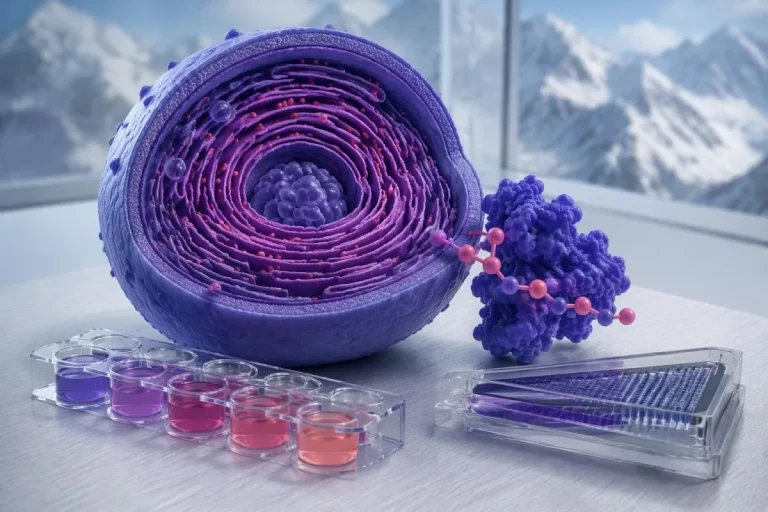
Low total iron-binding capacity means the bloodstream has less available transferrin capacity to bind iron. TIBC is an indirect measure of transferrin, a protein made mainly by the liver; it is not a direct measure of how much iron your body stores.

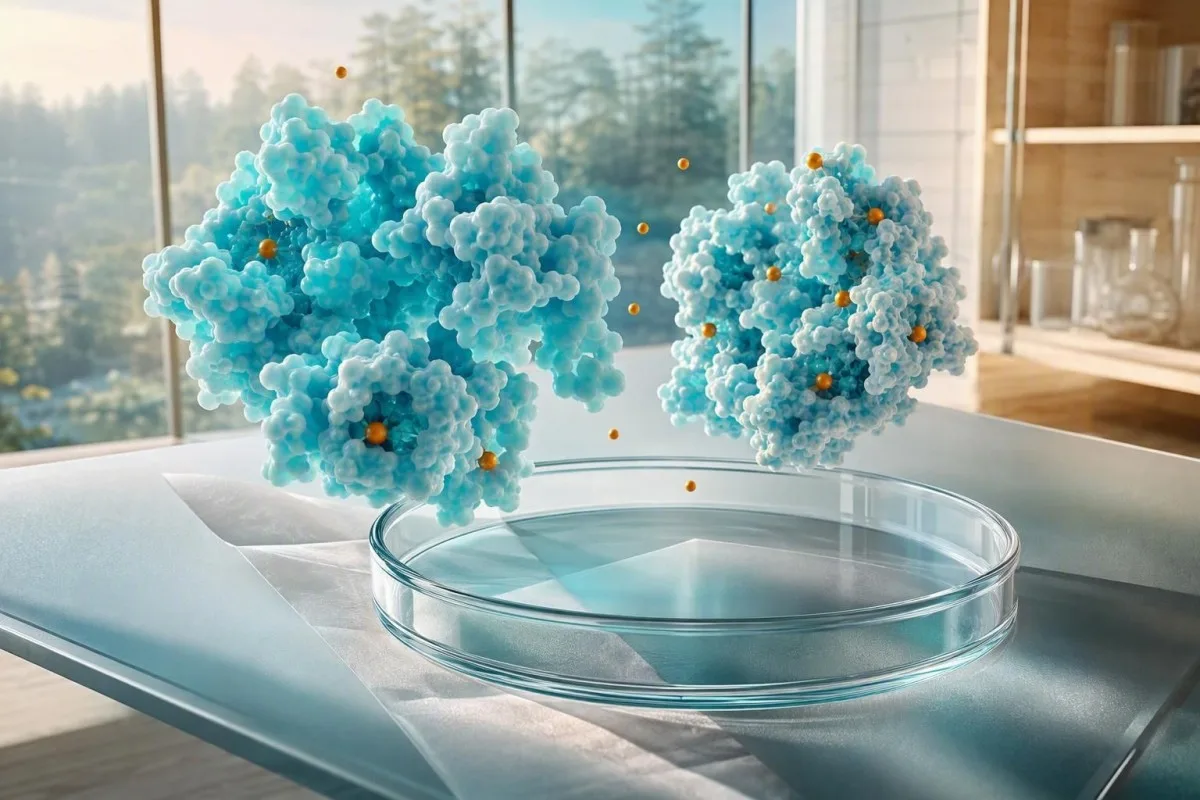
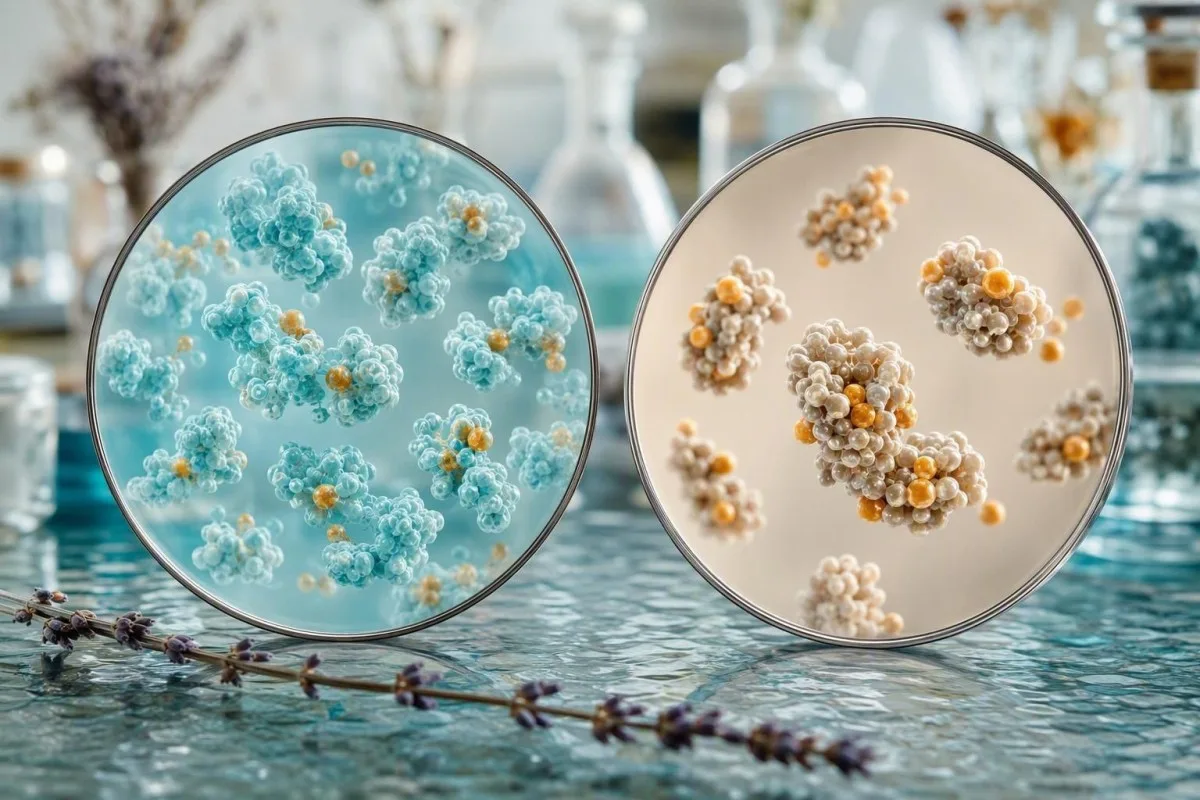
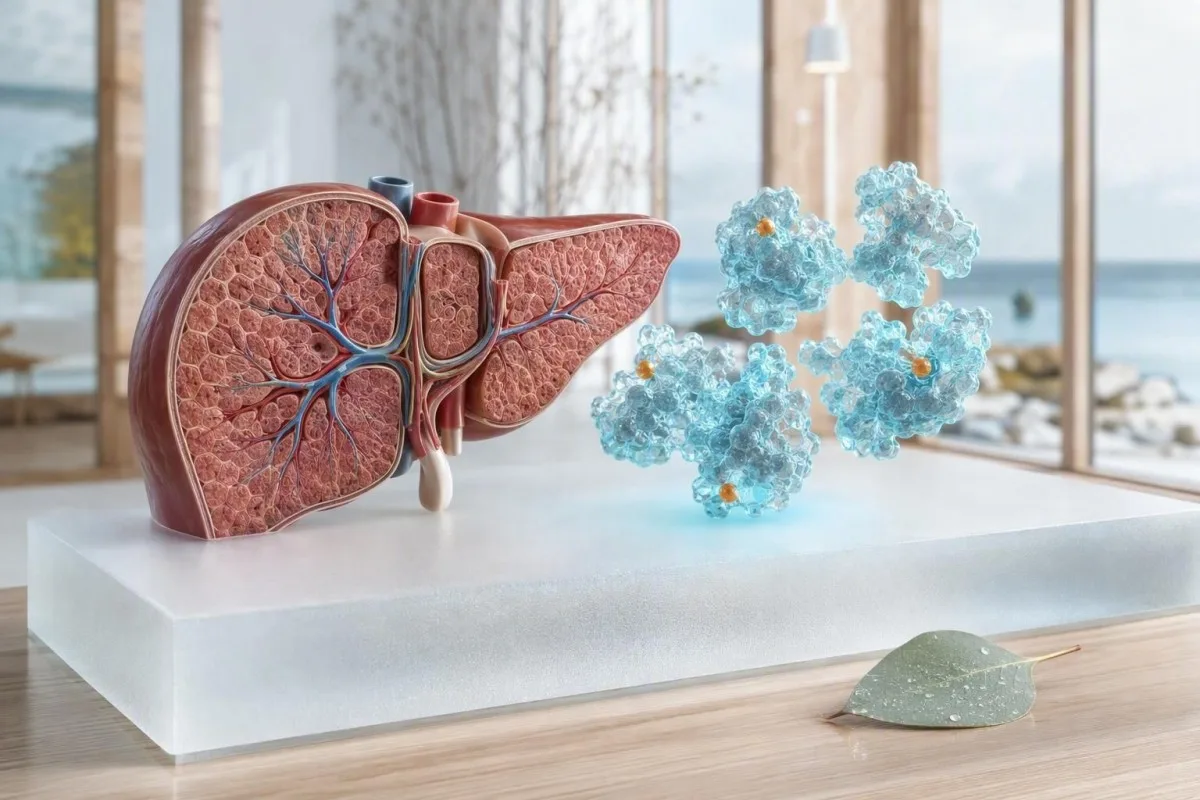
Low total iron binding capacity visualized as transferrin proteins with limited iron-binding sites
图1: Transferrin molecules show why binding capacity can fall independently of iron stores.

Most laboratories report adult TIBC around 250–450 µg/dL 或者 45–80 µmol/L, but the interval printed beside your result wins because assay calibration differs. A value of 210 µg/dL is not automatically dangerous; I interpret it beside serum iron, ferritin, transferrin saturation, C-reactive protein, albumin, and the full blood count. Our detailed 铁元素研究指南 explains why no one iron marker can answer every question.

TIBC and transferrin are closely related but are not identical tests. Transferrin is measured as a protein concentration, often in g/L or mg/dL, while TIBC estimates the maximum iron-binding capacity of circulating transferrin; some laboratories calculate one from the other. Kantesti is an 人工智能血液检测分析仪 that reads low TIBC in relation to the rest of an iron panel rather than treating a single flag as a diagnosis.

A practical detail patients often miss: the same person can have a low TIBC during a viral illness and a higher value several weeks later without any supplement changing it. Dr. Thomas Klein’s approach is to ask first whether the sample was taken during infection, after hospital treatment, or amid a new inflammatory flare; that timeline often prevents an unnecessary iron prescription.

The calculation behind transferrin saturation

Transferrin saturation equals serum iron ÷ TIBC × 100. Serum iron of 50 µg/dL with TIBC of 250 µg/dL gives a saturation of 20%, whereas the same serum iron with TIBC of 125 µg/dL gives 40%; a low denominator can make saturation appear deceptively reassuring or high.

Low TIBC symptoms: what you may feel and what you will not

Low TIBC itself usually causes no distinctive symptom. Fatigue, reduced exercise tolerance, fever, abdominal swelling, joint discomfort, or yellowing of the eyes arise from anemia, inflammation, liver dysfunction, malnutrition, or iron excess—not from the TIBC number alone.

Low total iron binding capacity symptoms assessed through a calm clinical iron-panel consultation
图2: Symptoms guide urgency while the iron panel identifies the underlying pattern.

When low TIBC accompanies hemoglobin below 120 g/L in non-pregnant women 或者 男性为 130 g/L, tiredness, breathlessness on stairs, palpitations, headaches, and light-headedness may reflect anemia. Yet anemia of inflammation can be mild and still leave a patient exhausted because cytokines alter iron delivery to marrow. Compare this with 低红细胞症状 if your CBC is also flagged.

Symptoms that shift my concern toward liver or protein-related causes include ankle swelling, new abdominal fullness, easy bruising, itch, dark urine, pale stool, or poor appetite. Jaundice plus confusion, vomiting blood, black tarry stool, severe breathlessness, or rapidly expanding swelling needs same-day assessment. A low TIBC is not the emergency; those clinical signs can be.

In practice, I see people become anxious after searching “low iron binding capacity symptoms” and start iron immediately. That can be the wrong move if transferrin saturation is already above 45% or ferritin is high. Iron is useful when deficiency is established, but it is not a general tonic and can obscure the diagnostic pattern.

How inflammation creates low TIBC and low serum iron

Inflammation is the most common explanation for low TIBC with low serum iron. The liver makes less transferrin during an acute-phase response, while hepcidin limits iron release from macrophages and intestinal absorption.

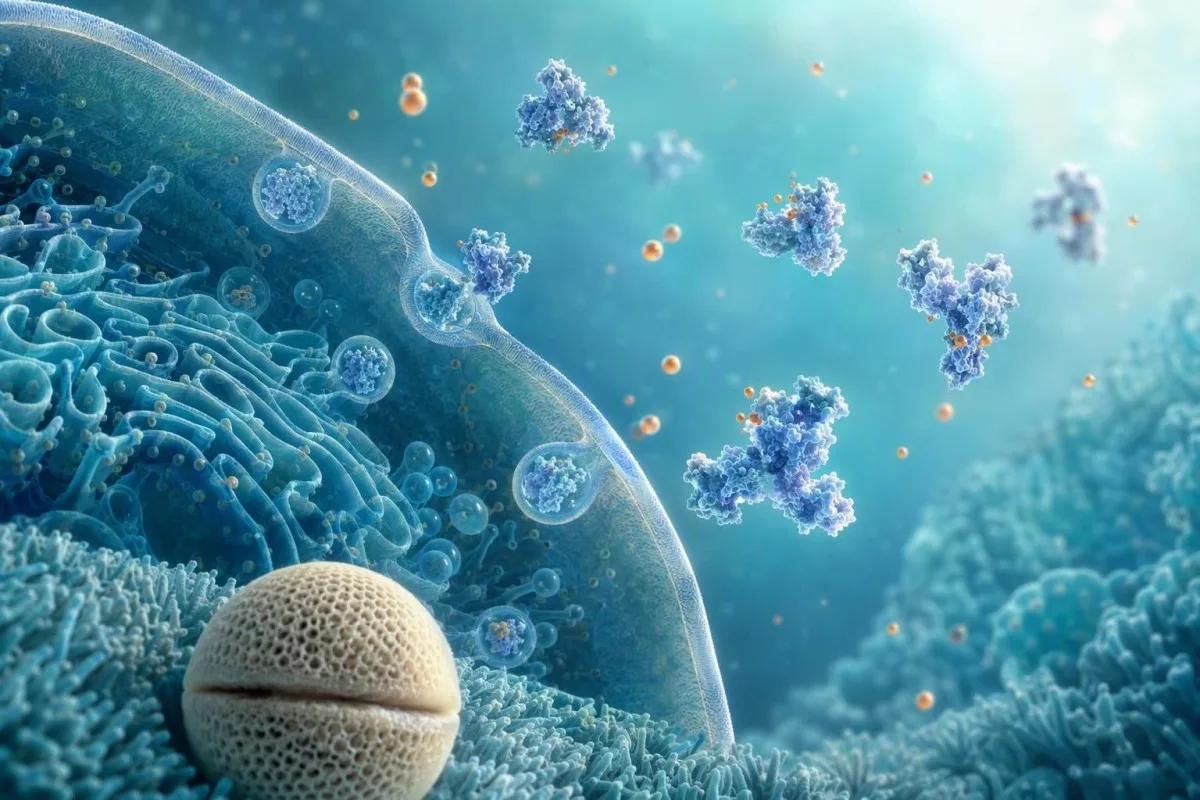
Low total iron binding capacity pattern showing hepcidin-driven iron sequestration during tissue response
图 3: Hepcidin retains iron in storage cells while transferrin availability falls.

A typical inflammation-related pattern is serum iron below 50 µg/dL, TIBC below 250 µg/dL, saturation below 20%, and ferritin above 100 ng/mL, although none of these cutoffs diagnoses a disease alone. Ferritin rises with inflammatory signalling, so a “normal” ferritin does not reliably exclude iron deficiency when CRP is elevated. The clinical framework described by Weiss et al. (2019) separates absolute iron deficiency from functional iron restriction using this combination, not ferritin in isolation.

Acute infections, autoimmune disease, chronic kidney disease, obesity-related inflammation, recent surgery, and cancer can all lower transferrin. CRP 高于 10 mg/L makes a low TIBC more likely to be reactive, while erythrocyte sedimentation rate may stay high for weeks after CRP falls. For context on this slower marker, see our guide to why ESR changes slowly.

The counterintuitive part is that stored iron may be present but inaccessible to the marrow. Kantesti AI, an AI 生物标志物解读平台, identifies this discordant low-iron/low-TIBC pattern and prompts questions about active illness, kidney function, and inflammatory markers; it does not diagnose the cause from laboratory data alone.

When soluble transferrin receptor helps

Soluble transferrin receptor is usually less distorted by inflammation than ferritin. A raised result can support true iron-restricted red-cell production when ferritin is 50–300 ng/mL and CRP is elevated, though assay-specific ranges mean it should be ordered and interpreted by a clinician.

Why liver conditions can lower iron-binding capacity

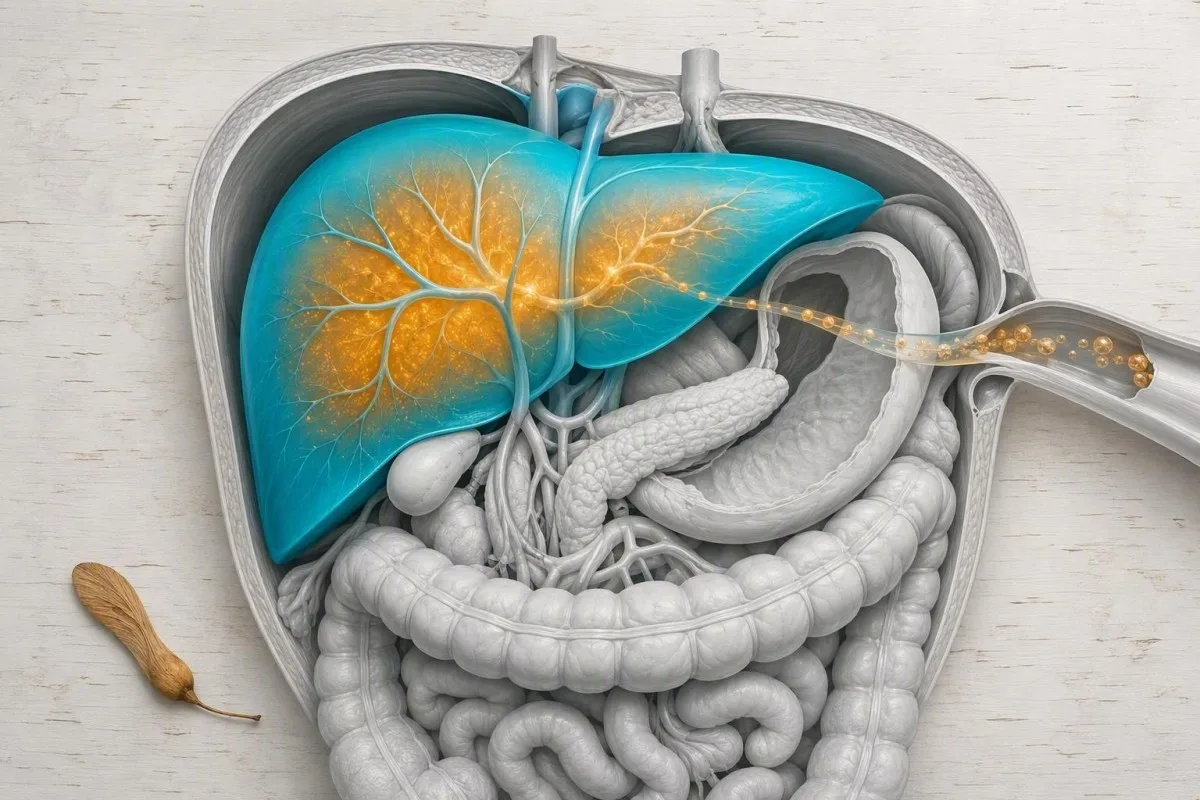
Liver disease can lower TIBC because hepatocytes synthesize transferrin. Low TIBC alongside low albumin, prolonged INR, raised bilirubin, or abnormal AST and ALT should shift attention from iron intake toward liver production and disease severity.

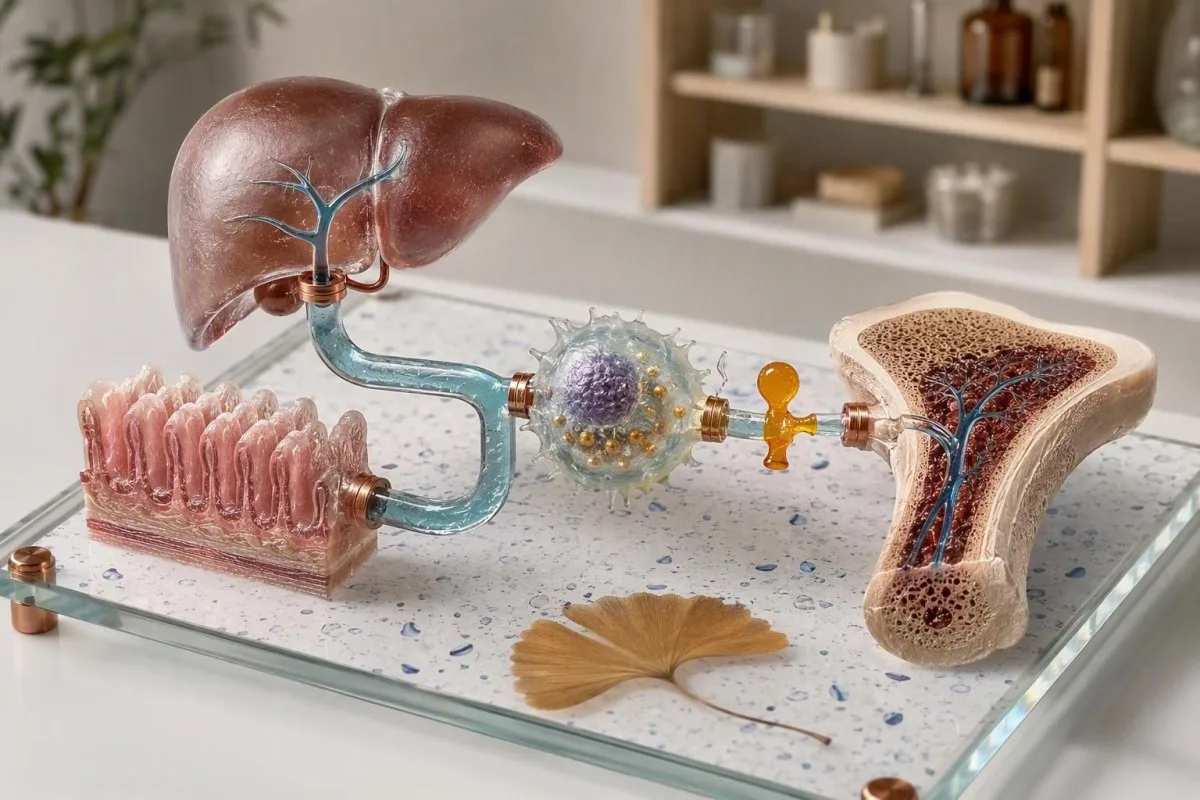
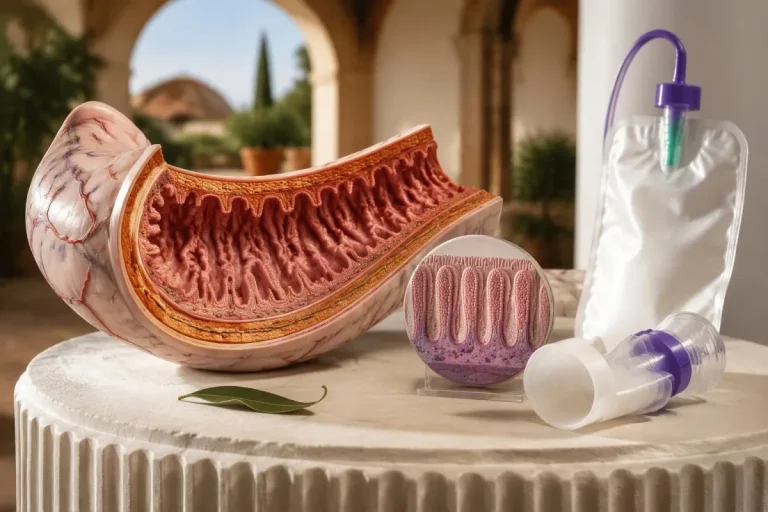
Low total iron binding capacity connected to reduced liver transferrin production in an anatomical render
图 4: The liver produces transferrin, linking iron capacity to hepatic protein synthesis.

A low transferrin result can occur in fatty liver disease, viral hepatitis, alcohol-related liver injury, advanced fibrosis, and cirrhosis, but it is not specific enough to stage any of them. 白蛋白低于35 g/L together with a persistently low TIBC deserves a proper clinical review, particularly if there is edema or weight loss. Review the wider pattern in our 肝功能面板概览.

I recently reviewed a runner with AST 89 IU/L after a long race and low-normal TIBC; the AST normalized after recovery, while albumin and bilirubin stayed normal. Exercise can transiently alter several results, whereas low TIBC plus jaundice and reduced albumin is a very different clinical picture. It is the combination—not an isolated AST or TIBC—that changes the next step.

Persistent high transferrin saturation needs attention in liver disease because low transferrin can inflate the percentage. The 2022 EASL haemochromatosis guideline uses transferrin saturation above 45% in women and above 50% in men, together with elevated ferritin, as a trigger for further assessment rather than relying on either marker alone (European Association for the Study of the Liver, 2022).

When liver symptoms need urgent care

New jaundice, confusion, vomiting blood, black stool, or marked abdominal swelling requires urgent medical assessment regardless of the TIBC level. These symptoms can indicate impaired bile flow, gastrointestinal bleeding, or decompensated liver disease; see our review of 早期肝硬化线索.

Low TIBC from poor protein status or protein loss

Low TIBC can result from inadequate protein availability, reduced hepatic synthesis, or protein loss through the kidneys or gut. Because transferrin has a half-life of roughly 8 days, it can fall earlier than albumin in acute illness but is still a poor stand-alone nutrition test.

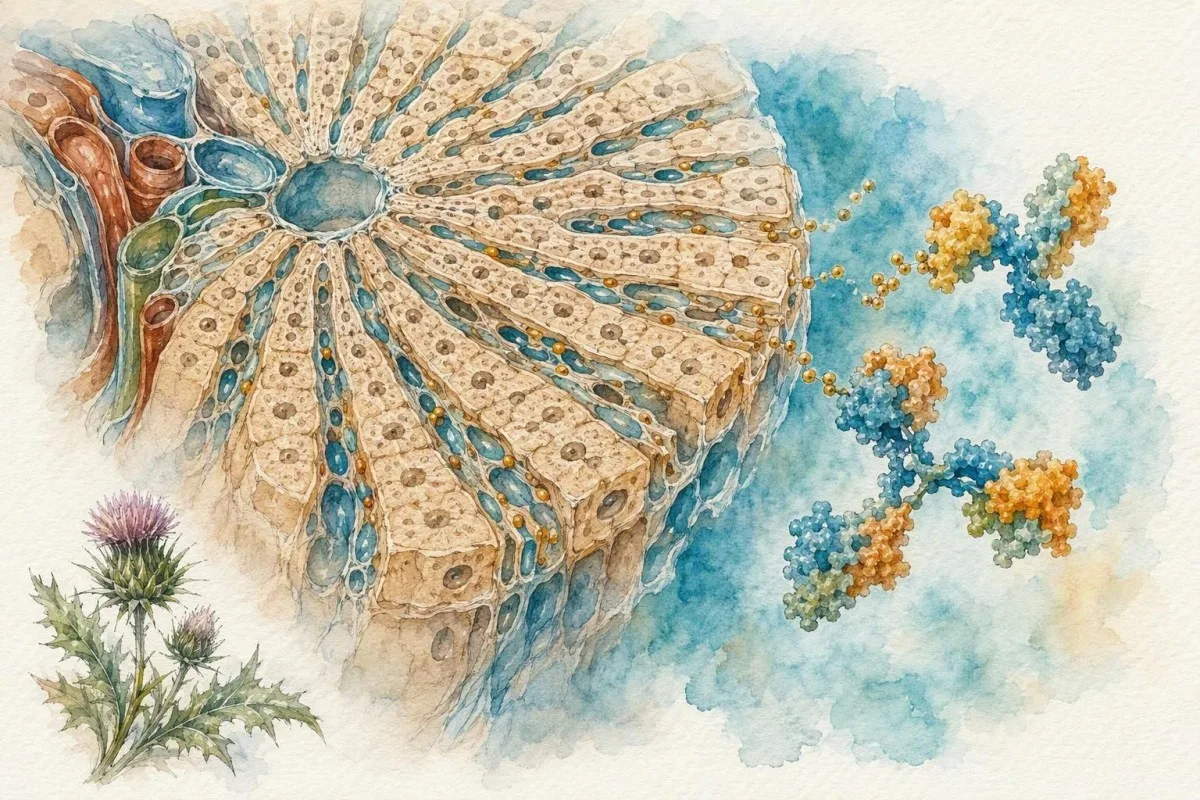
Low total iron binding capacity linked with transferrin and albumin protein assessment materials
图 5: Transferrin and albumin provide complementary clues about protein balance.

Low intake, severe nausea, malabsorption, chronic diarrhea, major burns, and advanced systemic disease may lower transferrin. Albumin below 30 g/L increases the likelihood of clinically meaningful protein depletion or loss, but inflammation can lower albumin too. That is why prescribing high-dose iron for every low TIBC result misses the underlying problem.

Kidney protein loss can reduce circulating proteins, particularly when urine albumin-creatinine ratio is markedly raised or urine protein is persistent. Foamy urine, eyelid puffiness, ankle edema, and rising weight are useful clues, but many people with proteinuria feel well. Our article on persistent foamy urine explains how a urine sample clarifies this possibility.

Nutritional assessment should include weight change, muscle strength, food tolerance, dental or swallowing issues, and gastrointestinal symptoms—not just albumin. In my experience, an unintentional loss of 体重 5% 的 6-12 个月 deserves a clinician-led assessment even when the iron panel looks only mildly abnormal.

When low TIBC points toward iron overload instead

Low TIBC with high serum iron and high transferrin saturation can suggest iron loading, especially when saturation remains above 45% on a repeat fasting morning sample. This is the opposite of uncomplicated iron deficiency, where TIBC usually rises.

Low total iron binding capacity compared with heavily occupied transferrin iron-binding sites
图 6: High saturation occurs when a smaller transferrin pool carries disproportionate iron.

Hereditary haemochromatosis, repeated transfusions, excessive iron use, ineffective erythropoiesis, and some liver disorders can produce this pattern. 男性铁蛋白高于 300 ng/mL 或女性高于 200 ng/mL is commonly used as a practical threshold for evaluation, but ferritin can also rise with alcohol use, metabolic disease, and tissue response. Our 血色病症状指南 puts those results in clinical context.

Do not try to “lower iron” with blood donation if you are anemic, pregnant, unwell, or have not been assessed. A clinician may repeat iron studies after an overnight fast, review supplements and alcohol, check liver enzymes, and consider HFE genetic testing when the pattern is persistent. One non-fasting serum iron value is a clue, not a verdict.

Kantesti 是一个 基于 AI 的血液检测分析工具 used across 127+ countries to map TIBC, ferritin, iron, saturation, hemoglobin, and liver markers together. Our AI flags a saturation pattern for clinical discussion; the diagnosis still requires history, repeat testing, and sometimes genetics or imaging.

Can you have iron deficiency with low TIBC?

Yes—iron deficiency can coexist with low TIBC when inflammation, liver disease, or protein depletion suppresses transferrin. In uncomplicated iron deficiency, however, ferritin falls and TIBC more often rises above the laboratory range.

Low total iron binding capacity in a mixed iron deficiency and inflammation laboratory pattern
图 7: Mixed disease can conceal classic high-TIBC iron deficiency findings.

经典的缺铁模式是铁蛋白低、血清铁低、TIBC 高和饱和度低,但真实患者并不总是像教科书那样表现。 15 ng/mL is highly specific for depleted iron stores in otherwise healthy adults, while many clinicians use 低于30 ng/mL to improve sensitivity. During inflammation, ferritin below 100 ng/mL 且转铁蛋白饱和度低于 20% can still support iron deficiency, particularly in chronic kidney disease or heart failure settings. See our explanation of low ferritin before anemia for symptom patterns.

This is where a CBC earns its place. Low MCV, raised RDW, reduced reticulocyte hemoglobin, and low ferritin favor true iron deficiency; normal or mildly low MCV with raised CRP and low TIBC favors inflammation. The distinction is not perfect—thalassemia trait, B12 deficiency, kidney disease, and recent transfusion can muddy it. Our low MCV triage guide covers those competing explanations.

Dr. Thomas Klein advises patients not to judge iron treatment by serum iron alone. Serum iron can shift by 30% or more across a day and after meals; hemoglobin response, ferritin trend, symptoms, and the cause of deficiency matter much more.

Medicines, pregnancy, and timing effects on TIBC

Estrogen exposure and pregnancy often raise transferrin and TIBC, while acute illness, corticosteroids, and severe systemic stress can lower it. Medication and life-stage history can explain an unexpected result before a rare diagnosis is considered.

Low total iron binding capacity reviewed with medication bottles and iron-study sample materials
图 8: Medication timing and pregnancy can shift transferrin-related laboratory results.

Oral contraceptives and pregnancy commonly increase transferrin production, so a low TIBC during pregnancy is more notable when paired with low albumin, inflammation, or liver abnormalities. Pregnancy-specific ferritin interpretation is different: a level below 30 µg/L is widely used to identify iron deficiency in pregnancy. Read our trimester ferritin guide rather than applying non-pregnant ranges.

Iron tablets can transiently raise serum iron and saturation for several hours, which can make a low TIBC look like iron overload. If the ordering clinician agrees, withholding oral iron for 24小时 before the draw and collecting a morning sample can produce a cleaner panel. The practical details are in our 铁代谢面板制备指南.

Medication review should include anticonvulsants, chemotherapy, immunosuppressants, testosterone or estrogen therapy, and intravenous iron—not because each directly causes low TIBC, but because they can change liver tests, inflammation, red-cell production, or iron distribution. Never stop a prescribed medicine solely to improve a laboratory result.

Could the low TIBC result be temporary or inaccurate?

A low TIBC result may be temporary during acute illness, after intravenous fluids, or when serum iron varies with timing, but a properly processed TIBC assay is usually analytically reliable. The bigger risk is misinterpretation of a genuine result outside its clinical setting.

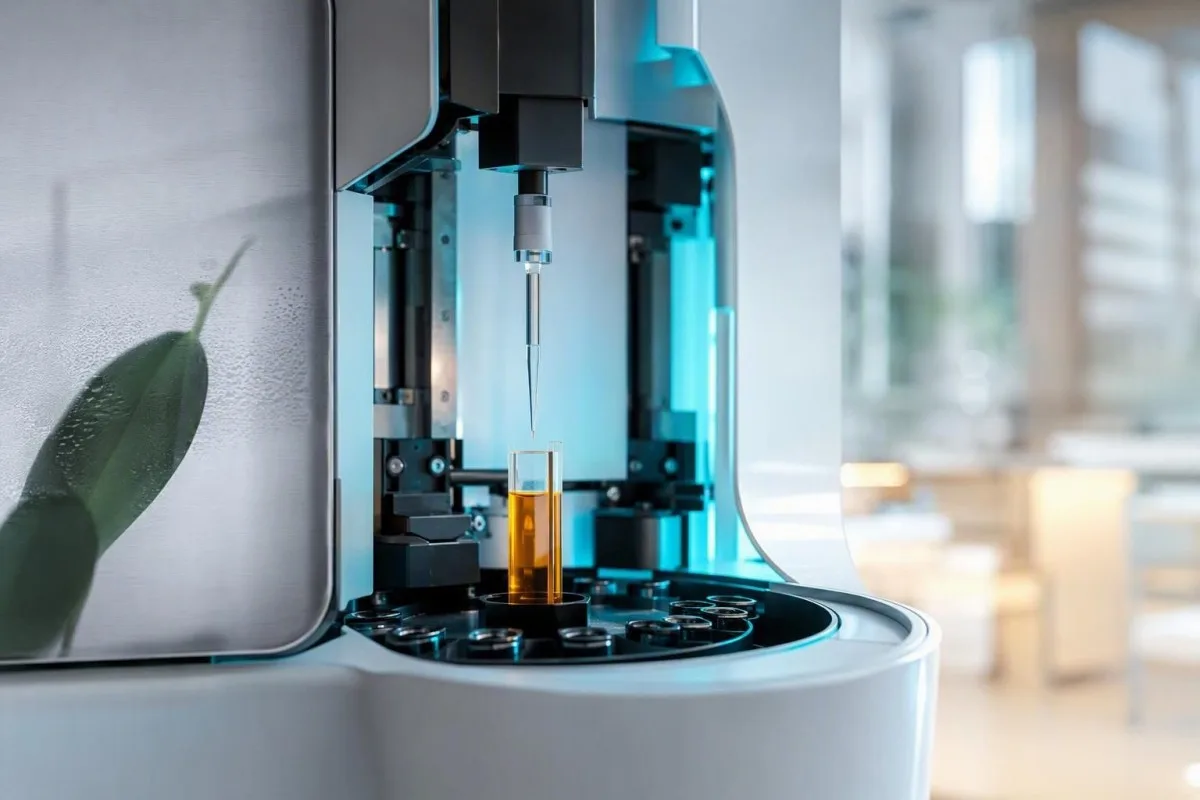
Low total iron binding capacity testing shown through a precision laboratory analyzer and sample workflow
图 9: Careful sample handling helps separate biologic variation from a meaningful trend.

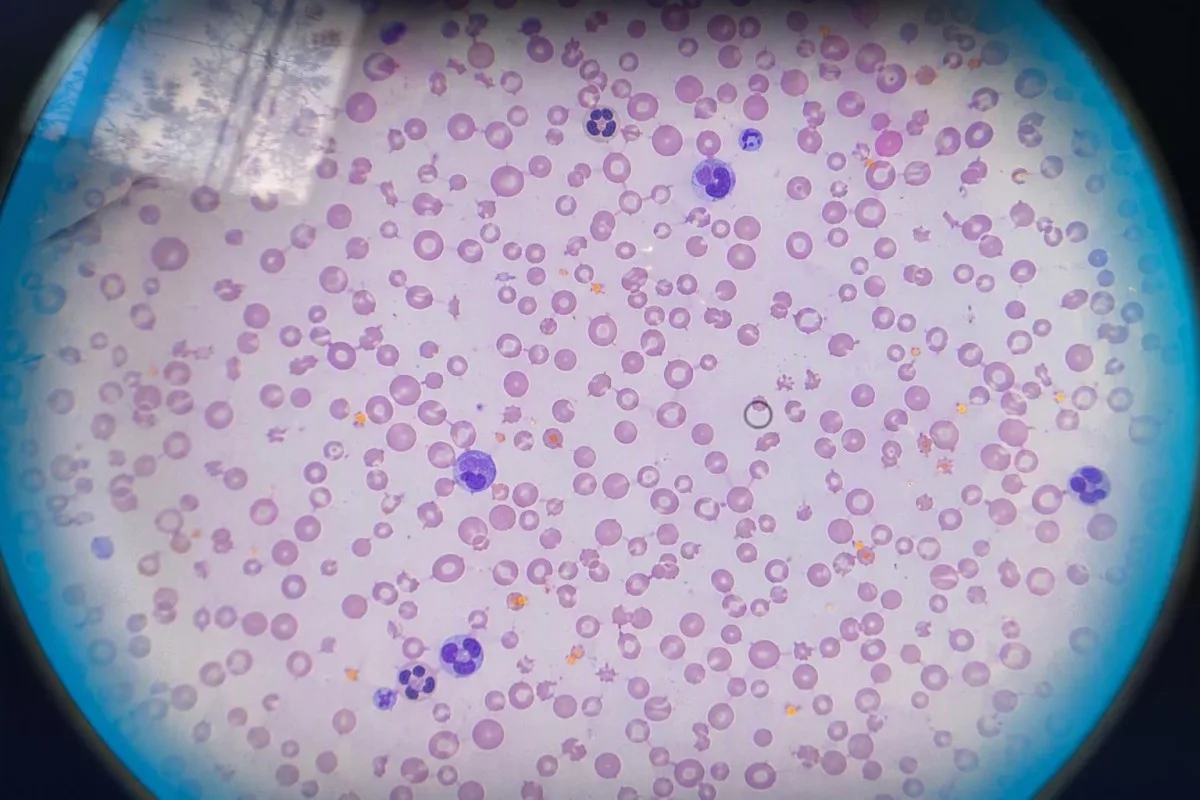
TIBC is commonly measured by adding iron to serum, removing unbound iron, and quantifying what remained bound; direct transferrin immunoassays use a different method. Hemolysis, severe lipemia, and rare paraproteins can interfere with some laboratory assays. A sudden change that conflicts with prior trends warrants a repeat rather than panic; our delta-check解释 outlines how clinicians think about abrupt shifts.

Repeat testing is most useful when the result could change management. For a stable person with low TIBC during a cold or autoimmune flare, I usually favor repeat iron studies 4–8周 after recovery, alongside CBC, ferritin, CRP, liver panel, and albumin. For someone with jaundice, severe anemia, or saturation above 45%, the timeframe is shorter.

Kantesti AI analyzes uploaded reports in about 60 seconds and can help you compare dates, units, and reference ranges, but OCR is not infallible. Check that serum iron was not mistaken for ferritin and that µmol/L was not read as µg/dL; use our PDF 上传检查清单 before relying on a digital summary.

The next tests doctors use after a low TIBC

The next step after low TIBC is usually a pattern-based panel: CBC, ferritin, serum iron, transferrin saturation, CRP or ESR, albumin, and liver enzymes. Urine protein testing, kidney function, soluble transferrin receptor, or genetic testing are added only when the initial pattern points there.

Low total iron binding capacity follow-up panel arranged for ferritin CRP albumin and liver assessment
图 10: A targeted follow-up panel identifies the mechanism behind low binding capacity.

A sensible first-pass set includes hemoglobin, MCV, RDW, ferritin, iron, TIBC or transferrin, saturation, CRP, ALT, AST, ALP, bilirubin, albumin, creatinine, and eGFR. 转铁蛋白饱和度低于 20% indicates restricted iron availability, whereas persistent values above 45% need an iron-loading assessment. The answer lies in the relationship between these values, not in ordering every specialist test at once.

If inflammation is present and ferritin is ambiguous, soluble transferrin receptor or reticulocyte hemoglobin can help identify treatable iron deficiency. If albumin is low, urinalysis and urine ACR can check renal protein loss; if liver findings are abnormal, hepatitis testing and ultrasound may be appropriate. 转铁蛋白饱和度偏低 has a different meaning from low TIBC, although they often travel together.

Kantesti’s neural network compares result trajectories rather than a single snapshot, which matters because ferritin and CRP can move in opposite directions over several weeks. Methodology and clinical limits are described in our 医学验证概览; a result interpretation is preparation for a clinician conversation, not a substitute for it.

Four low-TIBC patterns that change the diagnosis

Low TIBC becomes useful when it is read as one of four patterns: inflammation, liver or protein impairment, iron loading, or mixed iron deficiency plus inflammation. Each pattern has a different treatment path and different safety concerns.

Low total iron binding capacity patterns compared across inflammation liver protein and iron-loading states
图 11: Four laboratory patterns show why low TIBC has no single diagnosis.

Inflammation: low iron, low TIBC, saturation often below 20%, ferritin normal or high, CRP raised. Liver/protein pattern: low TIBC with low albumin and possibly abnormal bilirubin, INR, or liver enzymes. Iron-loading pattern: low or normal TIBC with iron saturation over 45% and ferritin elevation. These are starting points, not rigid boxes.

Mixed deficiency: ferritin may be 30–100 ng/mL, saturation below 20%, TIBC low or normal, and CRP raised. In this situation, treating the inflammatory disease and evaluating blood loss or malabsorption may both be necessary. Gastrointestinal symptoms, heavy menstrual bleeding, and anti-inflammatory medicine use deserve direct questions—patients often do not volunteer them unless asked.

For patients, the useful question is not “How do I raise TIBC?” but “What lowered transferrin or altered iron distribution?” Our 铁蛋白和CRP用于指导 helps make that distinction before choosing a supplement.

Typical adult TIBC 250–450 µg/dL Interpret with local laboratory range and iron saturation.
TIBC 偏高 >450 µg/dL Often supports uncomplicated iron deficiency or increased estrogen effect.
TIBC 偏低 200–249 µg/dL Often reflects inflammation, reduced synthesis, or protein status.
Markedly low TIBC <200 µg/dL Review albumin, liver results, CRP, nutrition, and iron saturation promptly.

What not to do after seeing a low TIBC flag

Do not self-treat low TIBC with iron until ferritin, saturation, hemoglobin, and the clinical context have been reviewed. A low result does not mean your blood lacks iron, and extra iron can be inappropriate in iron-loading or liver-related patterns.

Low total iron binding capacity result reviewed safely beside supplements and a clinician note
图 12: Supplements should follow a confirmed pattern rather than a single flagged result.

Avoid buying high-dose iron because a report says “low iron binding capacity.” Common therapeutic iron doses contain 45–65 mg elemental iron per tablet, enough to cause nausea, constipation, and dark stools; in the wrong person, they can increase iron stores without addressing inflammation or liver disease. Food-first approaches are reasonable for most people, but they do not replace assessment of anemia.

Do not use a ferritin result alone to rule out deficiency during infection, obesity, autoimmune disease, or a recent operation. And do not assume fatigue is iron-related if hemoglobin, ferritin, thyroid, sleep, mood, medications, and kidney function have not been considered. Our 疲劳补充剂指南 explains why lab-guided choices are safer.

Finally, do not chase a perfect TIBC number. In my clinical experience, correcting chronic inflammation, treating celiac disease, controlling renal disease, stopping avoidable blood loss, or improving nutrition changes the iron panel more meaningfully than trying to raise transferrin directly.

Food, recovery, and realistic ways to support the underlying cause

Food can support iron intake and protein status, but diet alone cannot correct low TIBC caused by active inflammation, significant liver disease, nephrotic protein loss, or iron overload. The nutritional plan must match the laboratory pattern.

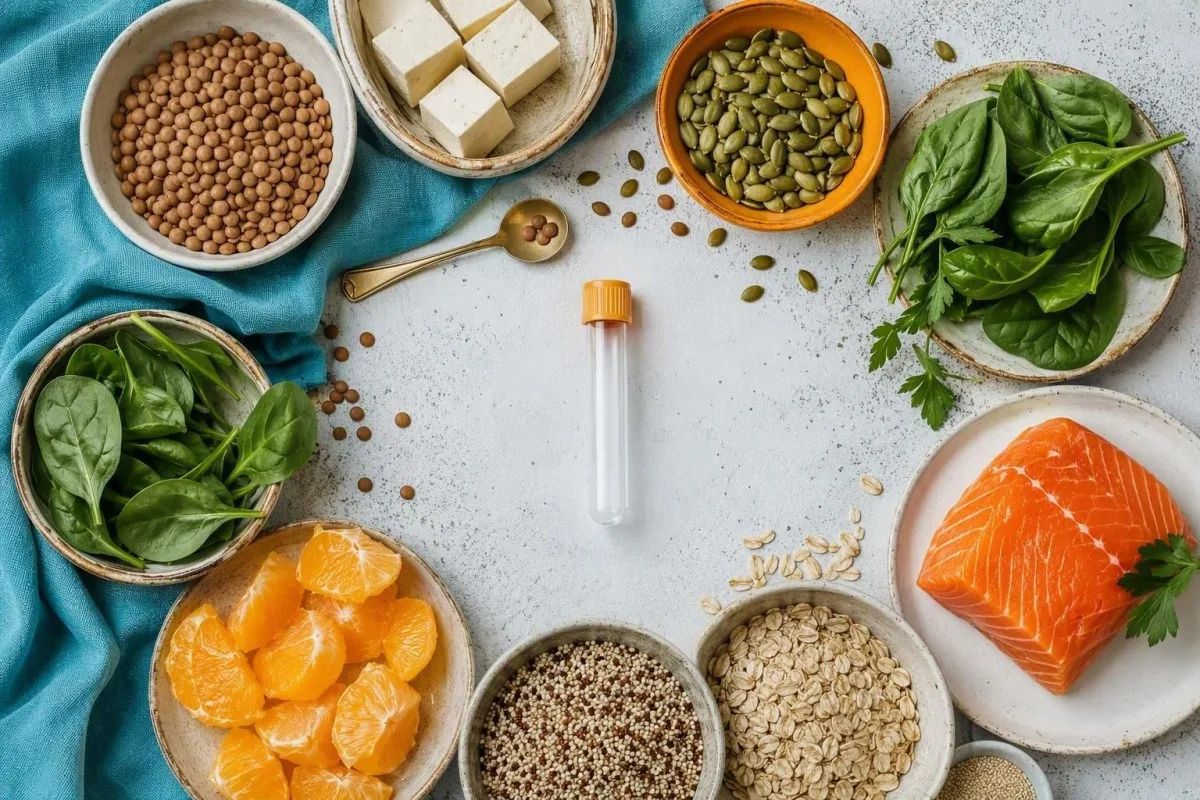
Low total iron binding capacity dietary context with legumes fish grains and a laboratory iron panel
图 13: Balanced protein and iron foods support recovery after the cause is identified.

If iron deficiency is confirmed, heme iron from fish, poultry, and meat is generally absorbed more efficiently than non-heme iron from legumes, tofu, lentils, seeds, and fortified grains. Vitamin C-containing produce can improve non-heme iron absorption, while tea and coffee taken with meals can reduce it. Our practical guide to 血红素与非血红素铁食物 gives meal-level options.

If protein intake has been poor, aim for regular meals containing a protein source rather than adding unregulated “transferrin boosters.” General adult protein targets often fall around 0.8 g/kg/天, while older adults, acute illness, athletic training, and kidney disease require individualized advice. People with chronic kidney disease should not increase protein without discussing the plan with their renal team.

Recovery also means choosing the right retest window. Hemoglobin usually rises by roughly 2–4周内增加10–20 g/L after effective iron treatment in straightforward deficiency, but TIBC may not normalize on that schedule if inflammation or liver synthesis remains the main driver.

When a low TIBC result needs prompt medical review

Arrange a routine clinician review for persistent low TIBC, and seek urgent care when it accompanies severe symptoms such as jaundice, confusion, chest pain, breathlessness at rest, fainting, or gastrointestinal bleeding. The urgency depends on the person and the accompanying results, not the TIBC value by itself.

Low total iron binding capacity follow-up with clinician reviewing longitudinal iron and liver markers
图 14: Persistent abnormalities deserve trend review and clinician-led follow-up.

Book a timely appointment if TIBC remains below range on repeat testing, ferritin is unexpectedly high, saturation is over 45%, hemoglobin is falling, albumin is below 35 g/L, or liver tests are abnormal. Bring prior results, medication and supplement lists, recent illness history, menstrual history where relevant, alcohol intake, diet changes, and family history of iron overload or liver disease. A well-organized timeline can save a second appointment.

Same-day care is sensible for black stools, vomiting blood, yellow skin with drowsiness, high fever with profound weakness, or breathlessness that limits speaking. Those symptoms may signal bleeding, infection, severe anemia, or liver decompensation, and waiting for another iron panel is not safe. For a structured preparation, use our 医生就诊用化验单核对清单.

As of September 10, 2026, the safest message remains simple: low TIBC is a clue about transferrin biology, not a diagnosis and not an automatic reason for iron. Kantesti’s clinical content is reviewed with our 医疗顾问委员会, but your own clinician can integrate examination findings, symptoms, medications, and local laboratory methods.

How to track a low TIBC result without overreacting

Track low TIBC alongside the date, illness status, ferritin, saturation, CRP, albumin, hemoglobin, and treatment changes. A trend across two or three comparable samples is usually more informative than one out-of-range measurement.

Record whether each sample was fasting, whether you took iron within 24 hours, whether you had fever or strenuous exercise, and whether the same laboratory was used. A change from TIBC 225 to 245 µg/dL may be ordinary biologic and analytical variation, whereas 225 to 340 µg/dL after recovery from pneumonia can be clinically meaningful. Our 血液检测比较指南 shows which contextual details to preserve.

Kantesti是一款 AI 实验室检测解读服务, can organize longitudinal reports and explain why low TIBC, ferritin, CRP, and albumin may move together or diverge. It is designed to make your questions more precise: “Could this be inflammatory iron restriction?” is more useful than “Is my iron low?”

The reassuring point is that many low TIBC results reflect a temporary inflammatory state or a reversible nutrition and recovery issue. The cautious point is equally real: persistent results with anemia, abnormal liver tests, edema, or high saturation deserve proper clinical follow-up rather than internet guesswork.

常见问题

低 TIBC 会引起哪些症状?

低 TIBC 本身通常不会引起症状,因为它测量的是铁结合能力,而不是您可以直接感觉到的身体功能。疲劳、虚弱、呼吸急促、发烧、脚踝肿胀、黄疸或关节疼痛等症状源于潜在原因,例如贫血、炎症、肝病、蛋白质丢失或铁过载。非孕期女性血红蛋白低于 120 g/L 或男性血红蛋白低于 130 g/L 会使与贫血相关的症状更有可能出现。胸痛、昏厥、意识模糊、黑便、严重呼吸急促或皮肤发黄伴嗜睡应立即评估。.

低 TIBC 与低转铁蛋白相同吗?

低 TIBC 通常反映转铁蛋白水平低,但这两项检测在技术上并不完全相同。转铁蛋白是一种由肝脏产生的载体蛋白,直接以 g/L 或 mg/dL 为单位测量,而 TIBC 则估算转铁蛋白库可以结合多少铁,通常以 µg/dL 或 µmol/L 为单位报告。成人典型 TIBC 约为 250–450 µg/dL,尽管实验室参考范围有所不同。在炎症和肝脏蛋白质合成减少期间,两者的低结果都很常见。.

低 TIBC 意味着缺铁吗?

低 TIBC 通常并不意味着单纯的缺铁;典型的缺铁通常会导致铁蛋白降低和 TIBC 升高。当缺铁同时存在炎症、肝病或蛋白质营养不良时,会出现混合模式,这会抑制 TIBC。在健康成人中,铁蛋白低于 15 ng/mL 强烈提示铁储存耗尽,而在炎症期间,铁蛋白低于 100 ng/mL 加上转铁蛋白饱和度低于 20% 仍然可能提示缺铁。在开始补铁之前,需要进行 CBC、铁蛋白、CRP 和饱和度检查。.

引起铁结合力低伴血清铁低的原因是什么?

低 TIBC 合并低血清铁最常反映与炎症相关的铁限制。在这种模式下,铁调素减少铁释放到血液中,同时肝脏产生的转铁蛋白减少,导致铁低、TIBC 低、转铁饱和度通常低于 20%,铁蛋白可正常或升高。慢性肾脏病、感染、自身免疫性疾病、肥胖相关炎症、近期手术和癌症都可能引起这种模式。CRP 升高超过 10 mg/L 支持活动性炎症,但不能确定其来源。.

低 TIBC 合并高铁蛋白意味着什么?

低 TIBC 合高铁蛋白血症常见于炎症、肝病、代谢功能障碍、酒精性肝损伤或铁负荷过重。铁蛋白既是铁储存标志物,也是急性期蛋白,因此高值并不自动意味着铁储存过量。持续的转铁蛋白饱和度高于 45% 并伴有铁蛋白升高,更可能表明铁负荷过重,需要由临床医生进行评估。白蛋白、CRP、ALT、AST、胆红素和全血细胞计数有助于区分病因。.

Should I take iron if my TIBC is low?

Do not take iron solely because TIBC is low. Oral iron is appropriate when iron deficiency is demonstrated by the overall pattern, often including low ferritin, low saturation, and compatible CBC findings; many therapeutic products contain 45–65 mg elemental iron per tablet. Iron may be unhelpful or inappropriate when low TIBC results from inflammation, liver impairment, protein loss, or iron overload. Ask a clinician to review ferritin, transferrin saturation, hemoglobin, CRP, and liver tests first.

立即获取AI驱动的血液检测分析

加入全球超过2,000,000名用户,他们信任Kantesti进行即时、准确的检验分析。上传你的血液检查结果,并在几秒内获得对15,000+生物标志物的全面解读。.

📚 参考研究论文

1

Klein, T., Mitchell, S., & Weber, H. (2026). Urobilinogen in Urine Test: Complete Urinalysis Guide 2026. Zenodo. https://doi.org/10.5281/zenodo.18226379. ResearchGate and Academia.edu record links available through the publication DOI.. Kantesti AI医学研究。.

2

Klein, T., Mitchell, S., & Weber, H. (2026). Iron Studies Guide: TIBC, Iron Saturation & Binding Capacity. Zenodo. https://doi.org/10.5281/zenodo.18248745. ResearchGate and Academia.edu record links available through the publication DOI.. Kantesti AI医学研究。.

📖 外部医学参考资料

3

Weiss G 等 (2019)。. 炎症性贫血.。.

4

欧洲肝脏研究协会(2022)。. EASL《血色病临床实践指南》.。 《Journal of Hepatology》。.

5

Ganz T et al. (2012). Hepcidin and iron metabolism: 10 years later.。.

200万+测试分析
127+国家
75+语言

⚕️ 医疗免责声明

E-E-A-T信任信号

经验

由医生主导的临床审阅:实验室解读工作流程。.

📋

专业知识

实验室医学重点:生物标志物在临床情境中的表现。.

👤

权威

由 Thomas Klein 博士撰写,并由 Sarah Mitchell 博士与 Hans Weber 教授审阅。.

🛡️

可信度

基于循证的解读,并提供清晰的后续路径以减少警报。.

🏢 Kantesti LTD 在英格兰和威尔士注册 · 公司编号:. 17090423 英国伦敦 · kantesti.net
blank
作者:Prof. Dr. Thomas Klein

Thomas Klein 博士是获得美国内科医学委员会认证的临床血液科医生,担任 Kantesti AI 的首席医疗官。凭借超过 15 年的实验室医学经验,并对借助 AI 进行血液检查结果解读抱有浓厚兴趣,他致力于将新技术与日常临床实践相连接。他的研究兴趣包括生物标志物分析、临床决策支持研究以及针对特定人群的参考范围优化。作为 CMO,他为平台的内部基准评估提供临床输入,并对 Kantesti 教育报告的医疗质量提供临床监督。.

发表回复

您的邮箱地址不会被公开。 必填项已用 * 标注