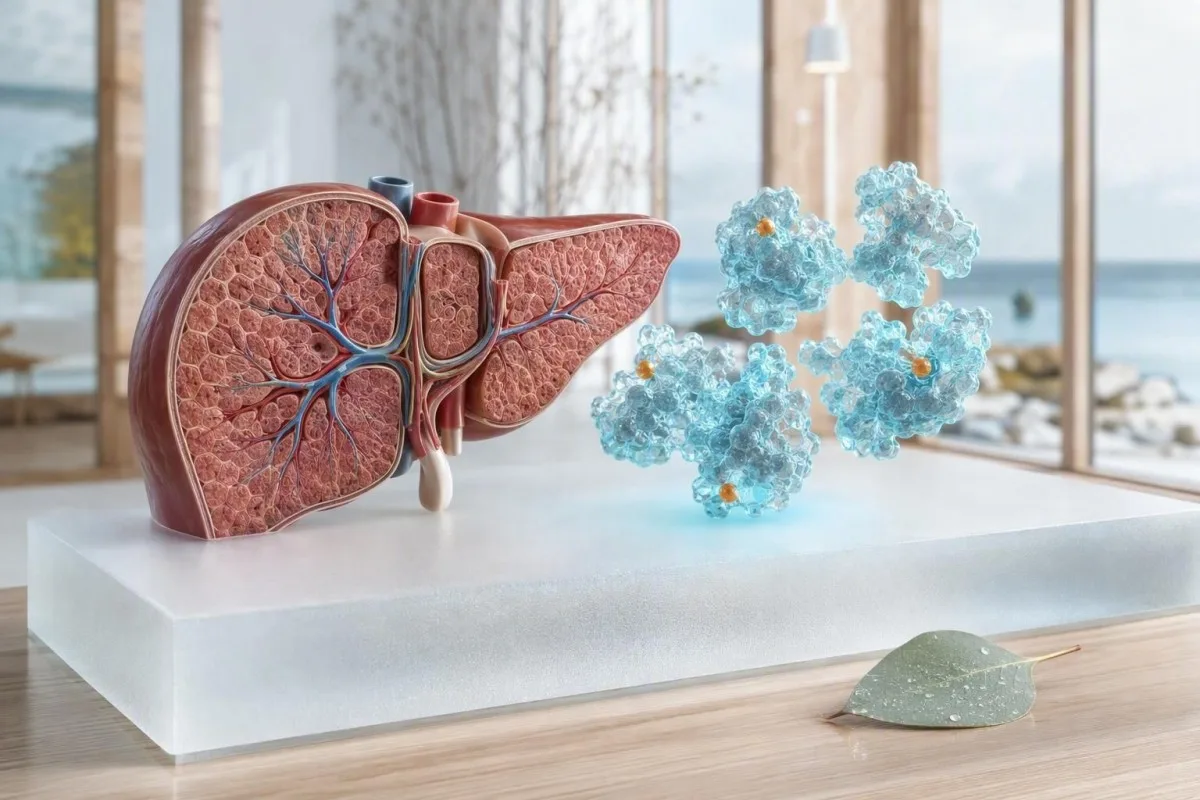
Az alacsony TIBC-eredmény önmagában ritkán okoz tüneteket. A tünetek az állapotból adódnak, amely megváltoztatja a transzferrin termelést, a vasanyagcserét vagy a fehérjeegyensúlyt.



- Alacsony TIBC általában kevesebb transzferrin áll rendelkezésre a vas szállítására; számos felnőtt laboratórium kb. 250–450 µg/dL (45–80 µmol/L) referencia tartományt használ.
- A tünetek közvetettek: fáradtság, láz, ízületi fájdalom, duzzanat, sárgaság vagy fogyás inkább a mögöttes betegségre utalnak, mint magára az alacsony TIBC-re.
- Gyulladásos mintázat általában alacsony szérumvasat, alacsony TIBC-t, 20% alatti transzferrin telítettséget, valamint normális vagy emelkedett ferritint mutat.
- Vashiányos minta általában alacsony ferritint és magas – nem alacsony – TIBC-t eredményez, hacsak nem áll fenn egyidejűleg gyulladás vagy májbetegség.
- Transzferrin-telítettség a szérumvas és a TIBC hányadosának 100-zal szorzott értéke; 45% feletti érték vasterhelés vizsgálatát indokolja, ha tartós.
- Az albumin számít mert a transzferrin egy máj által termelt fehérje; az alacsony albumin és az alacsony TIBC csökkent szintézisre, rossz bevitelre, fehérjevesztésre vagy szisztémás betegségre utalhat.
- sürgős felülvizsgálat megfelelő zavartság, sárgaság, fekete széklet, nyugalmi légszomj, gyorsan növekvő duzzanat vagy láz súlyos gyengeséggel esetén.
- Bölcs újratesztelés azt jelenti, hogy az orvos beleegyezésével kerülni kell a vaspótló tablettákat 24 órával a vastagbél tükrözés előtt, és ha lehetséges, el kell halasztani a rutinvizsgálatokat akut lázas betegség alatt.
Mit is jelent valójában az alacsony TIBC-eredmény
Az alacsony teljes vastranszfer kapacitás azt jelenti, hogy a véráramban kevesebb a vasat megkötni képes transzferrin kapacitás. A TIBC (teljes vastranszfer kapacitás) a transzferrin, egy főként a máj által termelt fehérje közvetett mérése; nem közvetlen mérése annak, hogy mennyi vasat tárol a szervezet.

A legtöbb laboratórium felnőttek TIBC értékét kb. 250–450 µg/dL vagy 45–80 µmol/L, tartományban adja meg, de az eredmény mellett feltüntetett intervallum a mérvadó, mivel a vizsgálati kalibráció eltérő. A 210 µg/dL érték nem automatikusan veszélyes; én a szérumvas, ferritin, transzferrin telítettség, C-reaktív protein, albumin és a teljes vérkép (CBC) mellett értelmezem. Részletes vas tanulmányi útmutató magyarázza el, miért nem tud egyetlen vasmarkőr minden kérdésre válaszolni.
A TIBC és a transzferrin szorosan összefügg, de nem azonos tesztek. A transzferrint fehérjekoncentrációként mérik, gyakran g/L vagy mg/dL egységben, míg a TIBC a keringő transzferrin maximális vastárgyaló kapacitását becsüli meg; egyes laboratóriumok az egyikből kiszámítják a másikat. A TIBC egy AI vérvizsgálati analizátor teszt, amely az összes vastárgyaló kapacitást a vaspanel többi eleméhez viszonyítva alacsonynak ítéli, ahelyett, hogy egyetlen jelzést diagnózisként kezelne.
Egy gyakorlati részlet, amit a betegek gyakran figyelmen kívül hagynak: ugyanaz a személy alacsony TIBC-vel rendelkezhet vírusos betegség alatt, és néhány héttel később magasabb értékkel, anélkül, hogy bármilyen kiegészítő változtatná azt. Dr. Thomas Klein megközelítése az, hogy először megkérdezi, hogy a mintát fertőzés alatt, kórházi kezelés után, vagy új gyulladásos fellángolás közben vették-e; ez az idővonal gyakran megelőz egy felesleges vaskészítmény felírását.
A transzferrin telítettség mögötti számítás
A transzferrin telítettség = szérumvas ÷ TIBC × 100. Az 50 µg/dL szérumvas 250 µg/dL TIBC-vel 20% telítettséget eredményez, míg ugyanaz az 50 µg/dL szérumvas 125 µg/dL TIBC-vel 40% telítettséget eredményez; egy alacsony nevező megtévesztően megnyugtatónak vagy magasnak tűnhet.
Alacsony TIBC tünetei: mit érezhet és mit nem
Az alacsony TIBC önmagában általában nem okoz jellegzetes tünetet. Fáradtság, csökkent terhelhetőség, láz, hasi duzzanat, ízületi fájdalom vagy a szem besárgulása vérszegénységből, gyulladásból, májműködési zavarból, alultápláltságból vagy túlzott vastartalomból ered – nem kizárólag a TIBC-értékből.

Amikor az alacsony TIBC-t hemoglobinérték kíséri 120 g/L alatt nem terhes nőknél vagy 130 g/L alatt van, a fáradtság, a légszomj lépcsőzéskor, a szívdobogásérzés, a fejfájás és a szédülés vérszegénységre utalhatnak. Azonban a gyulladás okozta vérszegénység enyhe lehet, és még mindig kimerítheti a beteget, mert a citokinek megváltoztatják a vas szállítását a csontvelőbe. Hasonlítsa össze ezt a alacsony vörösvérsejt-tünetek ha a CBC is flagged.
Azok a tünetek, amelyek máj- vagy fehérje-eredetű okokra irányítják a figyelmemet, magukban foglalják a bokaduzzanatot, az új teltségérzetet a hasban, az könnyű zúzódást, a viszketést, a sötét vizeletet, a halvány székletet vagy az étvágytalanságot. Sárgaság plus zavartság, vérhányás, fekete, kátrányszerű széklet, súlyos légszomj vagy gyorsan növekvő duzzanat esetén azonnali orvosi vizsgálat szükséges. Az alacsony TIBC önmagában nem sürgős eset; a klinikai tünetek azok lehetnek.
A gyakorlatban látom, hogy az emberek szorongani kezdenek, miután rákerestek a “low iron binding capacity symptoms” kifejezésre, és azonnal elkezdenek vasat szedni. Ez rossz lépés lehet, ha a transzferrin szaturáció már magasabb 45% vagy a ferritin is magas. A vas hasznos, ha a hiány igazolt, de nem általános tonikum, és elfedheti a diagnosztikai mintázatot.
Hogyan hoz létre gyulladás alacsony TIBC-t és alacsony szérumvasat
Az alacsony TIBC és az alacsony szérumvas leggyakoribb magyarázata a gyulladás. A máj kevesebb transzferrint termel akut fázisú válasz során, míg a hepcidin korlátozza a vas felszabadulását a makrofágokból és a bél felszívódását.
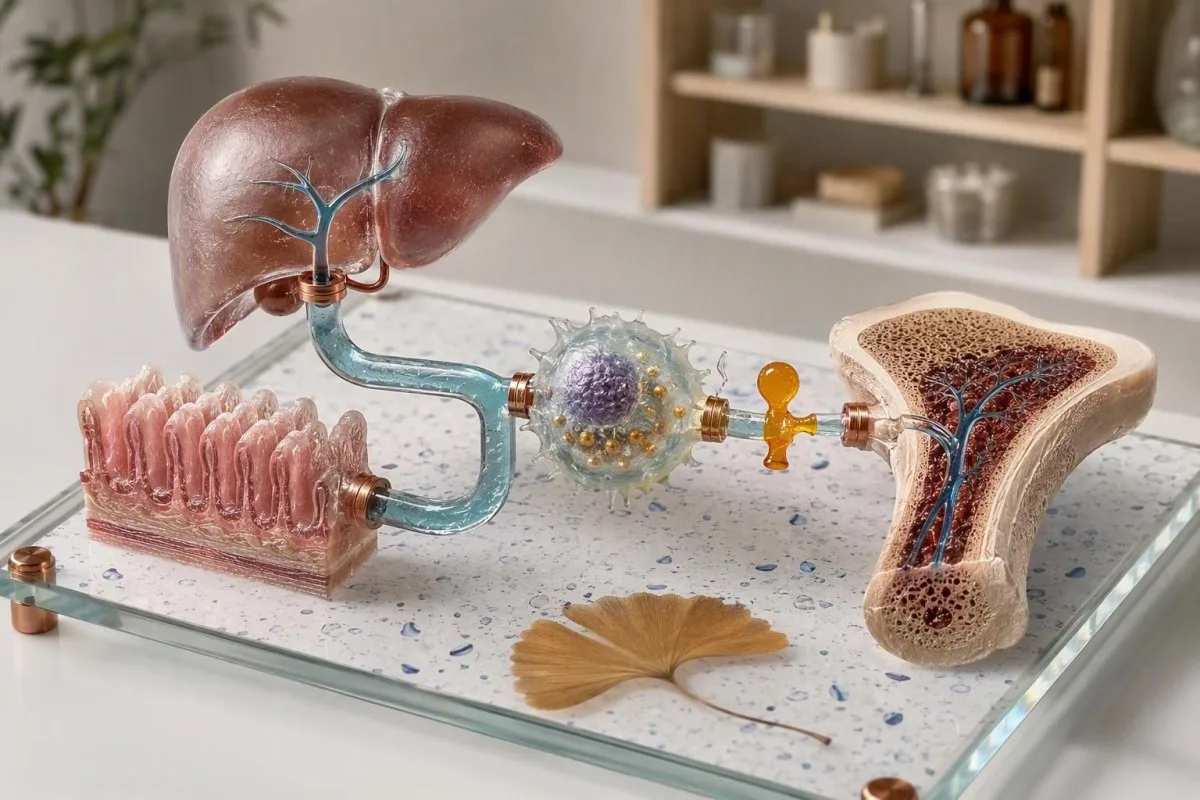
A tipikus gyulladással kapcsolatos minta a szérumvas 50 µg/dL alatti, TIBC 250 µg/dL alatti, szaturáció 20% alatti, és ferritin 100 ng/mL feletti, bár ezen határértékek egyike sem diagnosztizál önmagában betegséget. A ferritin a gyulladásos jelzésekkel együtt emelkedik, így a “normál” ferritin nem zárja ki megbízhatóan a vashiányt, ha a CRP emelkedett. A Weiss et al. (2019) által leírt klinikai keretrendszer a vashiányt a funkcionális vasrestrikciótól elkülönítve vizsgálja e kombináció alapján, nem csak a ferritin alapján.
Az akut fertőzések, autoimmun betegségek, krónikus vesebetegség, elhízással kapcsolatos gyulladás, friss műtét és rák mind csökkenthetik a transzferrint. 10 mg/L feletti CRP valószínűbbé teszi, hogy az alacsony TIBC reaktív eredetű, míg az erütrocyta ülepedési sebesség (ESR) hetekig magas maradhat, miután a CRP csökken. Ennek a lassabb markernek a kontextusát lásd a útmutatónkban a az ESR lassú változásairól.
A visszás része, hogy a tárolt vas jelen lehet, de hozzáférhetetlen a csontvelő számára. Kantesti AI, egy AI biomarker-értelmező platform, azonosítja ezt a diszkordáns alacsony-vas/alacsony-TIBC mintát, és aktív betegségre, vesefunkcióra és gyulladásos markerekre vonatkozó kérdéseket vet fel; nem diagnosztizálja az okot pusztán a laboratóriumi adatok alapján.
Amikor az oldható transzferrin receptor segít
Az oldható transzferrin receptor általában kevésbé torzítódik a gyulladás által, mint a ferritin. A megemelkedett eredmény támogathatja az igazi vas-restriktív vörösvértest termelést, ha a ferritin 50–300 ng/mL és a CRP emelkedett, bár az analízis-specifikus tartományok miatt azt csak orvos rendelhet el és értelmezhet.
Miért csökkenthetik a májbetegségek a vas-kötő kapacitást
A májbetegség csökkentheti a TIBC-t, mivel a májsejtek transzferrint szintetizálnak. Az alacsony TIBC alacsony albuminnal, elhúzódó INR-rel, emelkedett bilirubinszinttel vagy abnormális AST és ALT értékekkel együtt a vételről a máj termelésére és a betegség súlyosságára tereli a figyelmet.
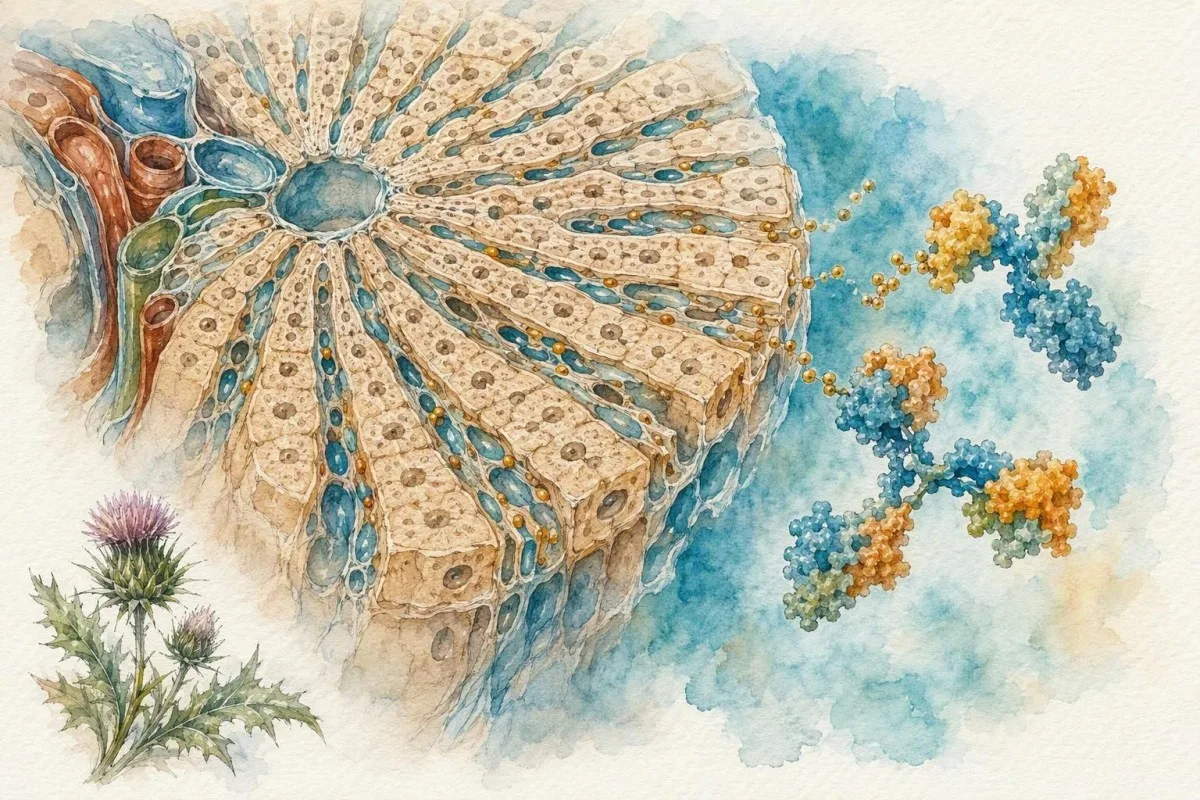
Alacsony transzferrin eredmény előfordulhat zsírmájban, vírusos hepatitisben, alkoholos májkárosodásban, előrehaladott fibrózisban és cirrhosisban, de nem elég specifikus ahhoz, hogy ezek közül bármelyiket stádiumba sorolná. Albumin 35 g/L alatt együtt egy tartósan alacsony TIBC-vel érdemes egy megfelelő klinikai felülvizsgálatra, különösen, ha ödéma vagy súlyvesztés áll fenn. Tekintse át a szélesebb mintázatot a májpanel áttekintése.
Nemrég vizsgáltam egy futót AST 89 IU/L egy hosszú verseny után és alacsony-normál TIBC-vel; az AST normalizálódott a felépülés után, míg az albumin és a bilirubin normális maradt. A testmozgás átmenetileg több eredményt is befolyásolhat, míg az alacsony TIBC sárgasággal és csökkent albuminnal nagyon más klinikai kép. Ez a kombináció – nem egy izolált AST vagy TIBC – változtatja meg a következő lépést.
A tartósan magas transzferrin szaturáció figyelmet igényel májbetegség esetén, mivel az alacsony transzferrin felfújhatja a százalékos arányt. A 2022-es EASL haemochromatosis irányelv a transzferrin szaturációt 45%-on felül nőknél és 50%-on felül férfiaknál, a magasabb ferritinszint mellett, a további vizsgálatok kiindulópontjaként használja, ahelyett, hogy csak az egyik markertől függene (European Association for the Study of the Liver, 2022).
Amikor máj tünetei sürgős ellátást igényelnek
Az új keletű sárgaság, zavartság, véres hányás, fekete széklet vagy jelentős hasi puffadás sürgős orvosi értékelést igényel a TIBC szinttől függetlenül. Ezek a tünetek károsodott epeáramlásra, gyomor-bélrendszeri vérzésre vagy dekompenzált májbetegségre utalhatnak; lásd a mi áttekintésünket a korai cirrhosis jeleiről.
Alacsony TIBC gyenge fehérjeállapotból vagy fehérjevesztésből
Az alacsony TIBC oka lehet elégtelen fehérjeellátás, csökkent máj szintézis, vagy fehérjevesztés a veséken vagy a bélrendszeren keresztül. Mivel a transzferrin felezési ideje nagyjából 8 nap, akut betegségben korábban eshet, mint a.

Az alacsony bevitel, súlyos hányinger, malabszorpció, krónikus hasmenés, súlyos égési sérülések és előrehaladott szisztémás betegség csökkenthetik a transzferrint. Az albumin 30 g/L alatti értéke növeli a klinikailag jelentős fehérjehiány vagy -vesztés valószínűségét, de a gyulladás is csökkentheti az albumint. Ezért az minden alacsony TIBC eredményre történő magas dózisú vaspótlás elvész a mögöttes probléma.
A vesék fehérjevesztése csökkentheti a keringő fehérjéket, különösen, ha a vizelet albumin-kreatinin aránya jelentősen emelkedett, vagy a vizeletfehérje tartós. A habos vizelet, szemhéjduzzanat, bokaödéma és súlygyarapodás hasznos jelzések, de sok emberrel, akiknek proteinuriája van, jól érzik magukat. A mi cikkünk a tartósan habos vizelet magyarázza el, hogyan tisztázza ezt a lehetőséget egy vizeletminta.
A táplálkozási értékelésnek magában kell foglalnia a testsúlyváltozást, az izomerőt, az ételtoleranciát, a fogászati vagy nyelési problémákat, valamint a gyomor-bélrendszeri tüneteket - nem csak az albumint. Saját tapasztalatom szerint egy akaratlan súlyvesztés 5% testsúlycsökkenés 6–12 hónap alatt orvosi értékelést érdemel, még akkor is, ha a vas panel csak enyhén kórosnak tűnik.
Mikor utal az alacsony TIBC inkább vashiányra
Az alacsony TIBC magas szérumvassal és magas transzferrin szaturációval vashiányt jelezhet, különösen, ha a szaturáció 45%-on felül marad egy ismételt, éhgyomri mintán. Ez az ellentéte a szövődménymentes vashiánynak, ahol a TIBC általában emelkedik.

A vashiányos haemochromatosis, ismételt transzfúziók, túlzott vastartalmú használat, hatástalan eritropoézis és néhány májbetegség okozhatja ezt a mintázatot. Ferritin 300 ng/mL felett férfiaknál vagy 200 ng/mL felett nőknél gyakran használják kiindulópontként az értékeléshez, de a ferritin emelkedhet alkoholfogyasztás, anyagcsere-betegségek és szöveti válasz esetén is. A mi haemochromatosis tüneti útmutatónk kontextusba helyezi ezeket az eredményeket.
Ne próbáljon “vasat csökkenteni” véradással, ha vérszegény, terhes, rosszul van, vagy nem lett kivizsgálva. Az orvos megismételheti a vas vizsgálatokat éjszakai éhgyomor után, átnézheti a táplálékkiegészítőket és az alkoholt, ellenőrizheti a májenzimeket, és megfontolhatja a HFE genetikai tesztelést, ha a minta tartós. Egy nem éhgyomri szérumvas érték támpont, nem ítélet.
Kantesti egy Mesterséges intelligencia-alapú vérvizsgálat-elemző eszköz 130 országban használatos a TIBC, ferritin, vas, szaturáció, hemoglobin és máj markerek együttes térképezésére. AI rendszereink kiemelik a szaturációs mintázatot klinikai megbeszélésre; a diagnózis továbbra is anamnézist, ismételt vizsgálatokat, és néha genetikát vagy képalkotást igényel.
Lehet vashiánya alacsony TIBC-vel?
Igen – vashiány egyidejűleg fennállhat alacsony TIBC-vel, amikor gyulladás, májbetegség vagy fehérjehiány elnyomja a transzferrint. Azonban szövődménymentes vashiány esetén a ferritin esik, és a TIBC gyakrabban emelkedik a laboratóriumi tartomány fölé.

A ferritin 15 ng/mL nagyon specifikus a kimerült vastartalékokra egyébként egészséges felnőtteknél, míg sok orvos használja 30 ng/mL alatt az érzékenység javítására. Gyulladás esetén a 4 alatti ferritin 100 ng/ml a transzferrin-telítettség az alábbi érték alatt 20% még támogathatja a vashiányt, különösen krónikus vesebetegség vagy szívelégtelenség esetén. Lásd a magyarázatunkat a alacsony ferritinről anémia előtt a tünetmintázatokhoz.
Itt érdemel helyet a CBC. Az alacsony MCV, a magas RDW, a csökkent retikulocita hemoglobin és az alacsony ferritin az igazi vashiányt támasztja alá; normál vagy enyhén alacsony MCV emelkedett CRP-vel és alacsony TIBC-vel a gyulladást támasztja alá. A megkülönböztetés nem tökéletes – a talasszémia-hordozóság, a B12-hiány, vesebetegség és a nemrégiben történt transzfúzió elmoshatja azt. A mi alacsony MCV triázs útmutatónk ezeket a versengő magyarázatokat tárgyalja.
Dr. Thomas Klein azt tanácsolja a betegeknek, hogy ne csak a szérumvas alapján ítéljék meg a vasterápiát. A szérumvas eltolódhat 30%-tel vagy többel egy nap alatt és étkezések után; a hemoglobin válasz, a ferritin trendje, a tünetek és a hiány oka sokkal fontosabb.
Gyógyszerek, terhesség és időzítési hatások a TIBC-re
Az ösztrogén-expozíció és a terhesség gyakran növeli a transzferrint és a TIBC-t, míg az akut betegség, a kortikoszteroidok és a súlyos szisztémás stressz csökkentheti azt. A gyógyszeres és életstádium-történet megmagyarázhat egy váratlan eredményt, mielőtt ritka diagnózist fontolgatnának.
Az orális fogamzásgátlók és a terhesség általában növelik a transzferrin termelést, így a terhesség alatti alacsony TIBC figyelemre méltóbb, ha alacsony albuminal, gyulladással vagy májrendellenességekkel párosul. A terhességspecifikus ferritin értelmezés más: az alábbi szint 30 µg/L széles körben használják a vashiány azonosítására terhesség alatt. Olvassa el a mi trimeszteri ferritin útmutatónkat a nem terhes tartományok alkalmazása helyett.
A vaspótló tabletták átmenetileg növelhetik a szérumvasat és a telítettséget több órán keresztül, ami miatt az alacsony TIBC vasterhelésnek tűnhet. Ha a rendelő orvos egyetért, a szájon át szedett vas elhagyása 24 órán át a mintavétel előtt, és egy reggeli minta gyűjtése tisztább panelt eredményezhet. A gyakorlati részletek a mi Vaspanel előkészítési útmutatónk.
A gyógyszeres anamnézisnek tartalmaznia kell az antikonvulzánsokat, a kemoterápiát, az immunszuppresszánsokat, a tesztoszteron vagy ösztrogén terápiát és az intravénás vasat – nem azért, mert mindegyik közvetlenül alacsony TIBC-t okoz, hanem mert megváltoztathatják a májteszteket, a gyulladást, a vörösvértestek termelését vagy a vas eloszlását. Soha ne hagyjon abba egy felírt gyógyszert kizárólag egy laboratóriumi eredmény javítása érdekében.
Lehet átmeneti vagy pontatlan az alacsony TIBC-eredmény?
Az alacsony TIBC eredmény átmeneti lehet akut betegség alatt, intravénás folyadékok után, vagy amikor a szérumvas az időzítéssel változik, de a megfelelően feldolgozott TIBC-vizsgálat általában analitikailag megbízható. A nagyobb kockázat egy valódi eredmény félreértelmezése annak klinikai kontextusán kívül.
A teljes vastranszport-kapacitást (TIBC) általában úgy mérik, hogy vasat adnak a szérumhoz, eltávolítják a nem kötött vasat, és kvantifikálják, ami kötve maradt; a közvetlen transzferrin immunoassay más módszert használ. Hemolízis, súlyos lipémia és ritka paraproteinek befolyásolhatják egyes laboratóriumi vizsgálatokat. Egy hirtelen változás, amely ellentmond a korábbi trendeknek, megismétlést érdemel a pánik helyett; a mi delta-check magyarázat felvázolja, hogyan gondolkodnak a klinikusok a hirtelen változásokról.
Az ismételt tesztelés akkor a leghasznosabb, ha az eredmény megváltoztathatja a kezelést. Stabil, alacsony TIBC-vel rendelkező személy esetében megfázás vagy autoimmun fellángolás során általában a megismételt vasvizsgálatokat részesítem előnyben 4–8 hét a felépülés után, a CBC, ferritin, CRP, májpanel és albumin mellett. Sárgaságban, súlyos vérszegénységben vagy 45% feletti telítettség esetén rövidebb az időkeret.
A Kantesti AI körülbelül 60 másodperc alatt elemzi a feltöltött jelentéseket, és segíthet összehasonlítani a dátumokat, egységeket és referenciatartományokat, de az OCR nem tévedhetetlen. Ellenőrizze, hogy a szérumvasat ne tévesztette-e össze a ferritinnel, és hogy az µmol/L-t ne µg/dL-ként olvasta-e ki; használja a mi PDF feltöltési ellenőrzőlista mielőtt megbízna egy digitális összefoglalóban.
Milyen további vizsgálatokat alkalmaznak az orvosok alacsony TIBC után
Az alacsony TIBC utáni következő lépés általában egy mintázat-alapú panel: CBC, ferritin, szérumvas, transzferrin-telítettség, CRP vagy ESR, albumin és májenzimek. Vizeletfehérje vizsgálat, vesefunkció, oldható transzferrin receptor vagy genetikai vizsgálatok csak akkor kerülnek hozzáadásra, ha az elsődleges minta arra utal.

Egy ésszerű első körös készlet tartalmazza a hemoglobint, MCV-t, RDW-t, ferritint, vasat, TIBC-t vagy transzferrint, telítettséget, CRP-t, ALT-t, AST-t, ALP-t, bilirubint, albumint, kreatinint és eGFR-t. Transzferrin-telítettség 20% alatt korlátozott vaselérhetőségre utal, míg a tartós, magas értékek 45% vasterhelési vizsgálatot igényelnek. A válasz ezen értékek kapcsolatában rejlik, nem pedig minden szakorvosi teszt azonnali megrendelésében.
Ha gyulladás áll fenn, és a ferritin kétértelmű, az oldható transzferrin receptor vagy a retikulocita hemoglobin segíthet azonosítani a kezelhető vashiányt. Ha az albumin alacsony, vizeletvizsgálat és vizelet ACR ellenőrizheti a vese fehérjevesztését; ha a májleletek rendellenesek, hepatitis vizsgálat és ultrahang lehet megfelelő. Alacsony transzferrin-szaturáció eltérő jelentéssel bír, mint az alacsony TIBC, bár gyakran együtt járnak.
A Kantesti neurális hálózata eredménytrajektóriákat hasonlít össze egyetlen pillanatkép helyett, ami azért fontos, mert a ferritin és a CRP több hét alatt ellentétes irányba mozdulhatnak. A módszertan és a klinikai korlátok a mi orvosi validációs áttekintés; egy eredményértelmezés egy klinikus beszélgetésre való felkészülés, nem pedig annak helyettesítése.
Négy alacsony TIBC-mintázat, amely megváltoztatja a diagnózist
Az alacsony TIBC akkor válik hasznossá, ha négy minta egyikének olvassák le: gyulladás, máj- vagy fehérje-károsodás, vasterhelés, vagy vegyes vashiány plusz gyulladás. Minden mintának más kezelési útja és más biztonsági aggályai vannak.
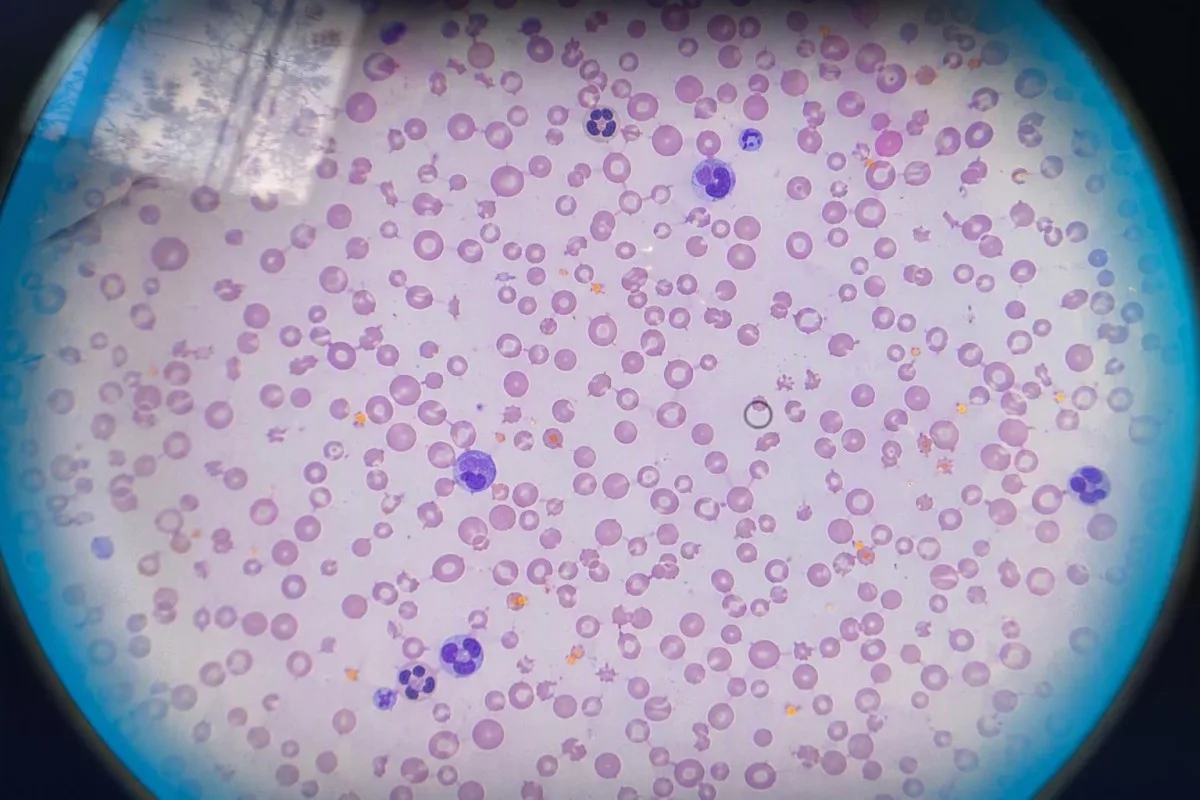
Gyulladás: alacsony vas, alacsony TIBC, telítettség gyakran 20% alatt, ferritin normál vagy magas, CRP emelkedett. Máj/fehérje minta: alacsony TIBC alacsony albuminnal és esetleg abnormális bilirubinszinttel, INR-rel vagy májenzimekkel. Vastagágy mintázat: alacsony vagy normál TIBC vashiány túltelítettséggel és emelkedett feritin szinttel. Ezek kiindulópontok, nem merev dobozok.
Kevert hiány: a feritin 30–100 ng/mL lehet, a telítettség 20% alatt, a TIBC alacsony vagy normális, és a CRP emelkedett. Ebben a helyzetben szükség lehet a gyulladásos betegség kezelésére, valamint vérveszteség vagy malabszorpció kivizsgálására. Gasztrointesztinális tünetek, erős menstruációs vérzés és gyulladáscsökkentő gyógyszerek szedése miatt közvetlen kérdéseket kell feltenni – a betegek gyakran nem említik ezeket, hacsak nem kérdezik meg őket.
A betegek számára a hasznos kérdés nem az, hogy “Hogyan növeljem a TIBC-t?”, hanem az, hogy “Mi csökkentette a transzferrint vagy változtatta meg a vas elosztását?” A mi ferritin és a CRP vezeti segít megkülönböztetni, mielőtt kiegészítőt választana.
Mit ne tegyen, miután látott egy alacsony TIBC riasztást
Ne kezelje önmagában az alacsony TIBC-t vassal, amíg a feritint, a telítettséget, a hemoglobint és a klinikai kontextust át nem tekintette. Az alacsony eredmény nem jelenti azt, hogy vashiányos, és a felesleges vas nem megfelelő vastúlterhelés vagy májjal kapcsolatos mintázatok esetén.

Kerülje a nagy dózisú vas vásárlását, mert egy jelentés “alacsony vastranszport kapacitást” állít. A szokásos terápiás vastartalmú dózisok tartalmaznak 45–65 mg elemi vasat tablettánként, ami elegendő hányingert, székrekedést és sötét székletet okozhat; a rossz személynek növelheti a vasraktárakat a gyulladás vagy májbetegség kezelése nélkül. Az étrend-előnyben részesítési megközelítések ésszerűek a legtöbb ember számára, de nem helyettesítik a vérszegénység értékelését.
Ne használjon csak feritin eredményt a hiány kizárására fertőzés, elhízás, autoimmun betegség vagy nemrégiben végzett műtét során. És ne feltételezze, hogy a fáradtság vashiányhoz kapcsolódik, ha a hemoglobin, a feritin, a pajzsmirigy, az alvás, a hangulat, a gyógyszerek és a vesefunkció nem lett figyelembe véve. A mi fáradtság táplálékkiegészítő útmutató magyarázza, miért biztonságosabbak a laboratóriumi útmutatású választások.
Végül ne keressen tökéletes TIBC számot. Klinikai tapasztalatom szerint a krónikus gyulladás korrigálása, a coeliákia kezelése, a vesebetegség szabályozása, az elkerülhető vérveszteség megállítása vagy a táplálkozás javítása jobban befolyásolja a vastengelyt, mint a transzferrin közvetlen növelésére tett kísérlet.
Élelmiszer, gyógyulás és reális módszerek a kiváltó ok támogatására
Az élelmiszer támogathatja a vasbevitelt és a fehérje státuszt, de a diéta önmagában nem tudja korrigálni az alacsony TIBC-t, amelyet aktív gyulladás, jelentős májbetegség, nephrotikus fehérjevesztés vagy vastúlterhelés okoz. A táplálkozási tervnek meg kell felelnie a laboratóriumi mintázatnak.
Ha a vashiány megerősítést nyer, a hal-, baromfi- és húsból származó hemvas általában hatékonyabban szívódik fel, mint a hüvelyesekből, tofusból, lencséből, magvakból és dúsított gabonafélékből származó nem-hemvas. A C-vitamin tartalmú zöldségek és gyümölcsök javíthatják a nem-hemvas felszívódását, míg a teát és kávét étkezés közben fogyasztva csökkenthetik azt. A gyakorlati útmutatónk a hém és nem-hém vas élelmiszereiről étkezési szintű lehetőségeket kínál.
Ha a fehérjebevitel alacsony volt, törekedjen rendszeres, fehérjeforrást tartalmazó étkezésekre a szabályozatlan “transzferrin-erősítők” hozzáadása helyett. A felnőttek általános fehérjecéljai gyakran 0,8 g/ttkg/nap, körüli értékeket jelentenek, míg az idősebb felnőttek, akut betegség, sportolói edzés és vesebetegség egyéni tanácsot igényel. Krónikus vesebetegségben szenvedők ne növeljék a fehérjebevitelt anélkül, hogy ezt megbeszélnék vesetréning csapatukkal.
A felépülés azt is jelenti, hogy a megfelelő utánkövetési időszakot választjuk. A hemoglobin általában durván 10–20 g/L 2–4 hét alatt emelkedik a megfelelő vaskezelés után egyszerű hiány esetén, de a TIBC nem normalizálódhat ilyen ütemterv szerint, ha a gyulladás vagy a máj szintézise marad a fő mozgatórugó.
Mikor igényel sürgős orvosi felülvizsgálatot az alacsony TIBC-eredmény
Rendszeres orvosi felülvizsgálatot kell kérni tartósan alacsony TIBC esetén, és sürgős ellátást kell keresni, ha az olyan súlyos tünetekkel jár együtt, mint sárgaság, zavartság, mellkasi fájdalom, nyugalomban jelentkező légszomj, ájulás vagy gyomor-bélrendszeri vérzés. A sürgősség az egyénen és a kísérő eredményeken múlik, nem pedig kizárólag a TIBC értéken.

Foglaljon időpontot, ha a TIBC ismételt vizsgálat során a tartomány alatt marad, a ferritin váratlanul magas, a telítettség meghaladja a 45%, -ot, a hemoglobin csökken, az albumin alatta van a 35 g/L, -nak, vagy a májenzimek értékei eltérőek. Vigye magával a korábbi eredményeket, gyógyszer- és étrendkiegészítő listákat, a közelmúltbeli betegségek kórtörténetét, menstruációs kórtörténetet, ahol releváns, alkoholfogyasztást, étrendi változásokat és a vashiány túltengés vagy májbetegség családi kórtörténetét. Egy jól szervezett idővonal megspórolhat egy második találkozót.
Az azonos napon történő ellátás indokolt fekete széklet, vérhányás, sárga bőr álmossággal, magas láz mély gyengeséggel, vagy beszédkorlátozó légszomj esetén. Ezek a tünetek vérzést, fertőzést, súlyos vérszegénységet vagy májelégtelenséget jelezhetnek, és nem biztonságos megvárni egy újabb vas panel vizsgálatot. Strukturált felkészüléshez használja a orvosi vizit laboratóriumi ellenőrzőlistát.
2026. szeptember 10-től a legbiztonságosabb üzenet továbbra is egyszerű: az alacsony TIBC a transzferrin biológiájára utaló jel, nem diagnózis és nem automatikus ok a vas szedésére. A Kantesti klinikai tartalma áttekintésre kerül a Orvosi Tanácsadó Testület, -val, de saját orvosa integrálhatja a vizsgálati leleteket, tüneteket, gyógyszereket és a helyi laboratóriumi módszereket.
Hogyan kövessen nyomon egy alacsony TIBC-eredményt túlzott reakció nélkül
Kövesse nyomon az alacsony TIBC-t a dátum, a betegség állapota, a ferritin, a telítettség, a CRP, az albumin, a hemoglobin és a kezelés változásai mellett. Két vagy három összehasonlítható mintánál tapasztalható trend általában informatívabb, mint egyetlen tartományon kívüli mérés.
Jegyezze fel, hogy az egyes minták éhgyomorra készültek-e, hogy szedett-e vasat 24 órán belül, hogy lázas volt-e vagy megerőltető edzése volt-e, és hogy ugyanazt a laboratóriumot használták-e. A TIBC 225 és 245 µg/dL közötti változása hétköznapi biológiai és analitikai eltérés lehet, míg a tüdőgyulladásból való felépülés utáni 225 és 340 µg/dL közötti érték klinikailag jelentős lehet. A mi vérvizsgálat-összehasonlító útmutatónk -unk megmutatja, mely kontextuális részleteket kell megőrizni.
Az Kantesti, egy AI laboratóriumi leletértelmező szolgáltatás, képesek a longitudinális jelentések rendezésére és elmagyarázni, miért mozoghatnak együtt vagy eltérően az alacsony TIBC, ferritin, CRP és albumin értékek. Úgy tervezték, hogy pontosítsa kérdéseit: a “Lehet ez gyulladásos vas-restrikció?” hasznosabb, mint az “Alacsony a vasam?”.”
A megnyugtató pont az, hogy sok alacsony TIBC eredmény átmeneti gyulladásos állapotot vagy visszafordítható táplálkozási és felépülési problémát tükröz. Az óvatos pont ugyanolyan valós: az anémiával, kóros májfunkcióval, ödémával vagy magas telítettséggel járó tartós eredmények megfelelő klinikai utánkövetést érdemelnek az internetes találgatások helyett.
Gyakran Ismételt Kérdések
Milyen tüneteket okoz az alacsony TIBC?
Az alacsony TIBC önmagában általában nem okoz tüneteket, mert az a vas megkötő kapacitást méri, nem pedig egy közvetlenül érezhető testi funkciót. Az olyan tünetek, mint a fáradtság, gyengeség, légszomj, láz, bokadagadás, sárgaság vagy ízületi fájdalom, a kiváltó okból, például vérszegénységből, gyulladásból, májbetegségből, fehérjevesztésből vagy vashiányból származnak. Az anémia-relált tünetek valószínűbbek, ha a hemoglobin 120 g/L alatt van nem terhes nők esetében, vagy 130 g/L alatt férfiak esetében. Azonnali értékelés javasolt mellkasi fájdalom, ájulás, zavartság, fekete széklet, súlyos légszomj vagy sárgaság álmosság kíséretében.
Az alacsony TIBC megegyezik az alacsony transzferrinnel?
Az alacsony TIBC általában alacsony transzferrint tükröz, de a két teszt technikailag nem azonos. A transzferrin egy máj által termelt hordozófehérje, amelyet közvetlenül g/L vagy mg/dL egységben mérnek, míg a TIBC megbecsüli, hogy a transzferrintartalék mennyi vasat képes megkötni, és általában µg/dL vagy µmol/L egységben adják meg. A tipikus felnőtt TIBC körülbelül 250–450 µg/dL, bár a laboratóriumi referencia tartományok eltérőek lehetnek. Gyulladás és csökkent májfehérje-szintézis esetén mindkét eredmény alacsony lehet.
Az alacsony TIBC vashiányt jelent?
Az alacsony TIBC általában nem utal egyszerű vashiányra; a klasszikus vashiány gyakrabban okoz alacsony ferritint és magas TIBC-t. Kevert minta akkor fordulhat elő, amikor a vashiány gyulladással, májbetegséggel vagy rossz fehérjeállapottal együtt áll fenn, ami elnyomja a TIBC-t. Az alacsony, 15 ng/mL alatti ferritinszint erősen alátámasztja az alacsony vastartalékokat egy egészséges felnőttnél, míg a 100 ng/mL alatti ferritin és az alacsony, 20% alatti transzferrinszaturáció továbbra is hiányra utalhat gyulladás esetén. Vasadagolás megkezdése előtt CBC, ferritin, CRP és szaturáció vizsgálata szükséges.
Mi okozhat alacsony TIBC-t alacsony vassal?
Az alacsony TIBC és az alacsony szérumvas leggyakrabban gyulladással összefüggő vashiányt tükröz. Ebben a mintázatban a hepcidin csökkenti a vas felszabadulását a keringésbe, miközben a máj kevesebb transzferrint termel, ami alacsony vas-, alacsony TIBC-, gyakran 20% alatti szaturációt és normál vagy magas ferritint eredményez. Krónikus vesebetegség, fertőzés, autoimmun betegség, elhízással kapcsolatos gyulladás, nemrégiben végzett műtét és rák hozhatja létre ezt a mintázatot. A 10 mg/L feletti CRP támogatja az aktív gyulladást, de nem azonosítja annak forrását.
Mit jelent az alacsony TIBC magas fehérvérsejtszámmal?
Az alacsony TIBC magas ferritinnel gyakran gyulladás, májbetegség, anyagcsere-zavar, alkoholos májkárosodás vagy vastúlterhelés esetén fordul elő. A ferritin egyszerre vasraktározási marker és akut fázisú fehérje, így a magas érték nem jelent automatikusan túlzott tárolt vasat. A 43%-ot meghaladó, tartós transzferrin-szaturáció emelkedett ferritinnel együtt aggasztóbb a vastúlterhelés szempontjából, és orvosi értékelést igényel. Az albumin, CRP, ALT, AST, bilirubin és a teljes vérkép segít a kiváltó okok megkülönböztetésében.
Szedjek vasat, ha alacsony a TIBC-m?
Ne szedjen vasat csak azért, mert a TIBC alacsony. Az orális vas akkor megfelelő, ha a vashiányt az általános minta igazolja, gyakran alacsony feritin, alacsony szaturáció és összeegyeztethető CBC leletekkel; sok terápiás termék 45–65 mg elemi vasat tartalmaz tablettánként. A vas haszontalan vagy nem megfelelő lehet, ha az alacsony TIBC gyulladásból, májkárosodásból, fehérjevesztésből vagy vaskorongból ered. Kérdezze meg kezelőorvosát, hogy először tekintse át a feritin, transzferrin szaturáció, hemoglobin, CRP és májfunkciós teszteket.
Végezzen mesterséges intelligencia által támogatott vérvizsgálat-elemzést még ma
Csatlakozzon világszerte több mint 2 millió felhasználóhoz, akik az Kantesti-t bízzák meg azonnali, pontos laborvizsgálat-elemzésért. Töltse fel a vérvizsgálat eredményeit, és kapjon átfogó értelmezést az 15,000+ biomarkerekről másodpercek alatt.
📚 Hivatkozott kutatási publikációk
Klein, T., Mitchell, S., & Weber, H. (2026). Urobilinogén a vizeletben: Teljes vizeletvizsgálati útmutató 2026. Zenodo. https://doi.org/10.5281/zenodo.18226379. Kutatási kapu és Academia.edu rekord linkek elérhetők a kiadvány DOI-ján keresztül.. Kantesti mesterséges intelligencia orvosi kutatás.
Klein, T., Mitchell, S., & Weber, H. (2026). Vas vizsgálati útmutató: TIBC, vas telítettség és kötőképesség. Zenodo. https://doi.org/10.5281/zenodo.18248745. Kutatási kapu és Academia.edu rekord linkek elérhetők a kiadvány DOI-ján keresztül.. Kantesti mesterséges intelligencia orvosi kutatás.
📖 Külső orvosi hivatkozások
⚕️ Orvosi nyilatkozat
A cikk kizárólag oktatási célokat szolgál, és nem minősül orvosi tanácsadásnak. A diagnózisra és a kezelési döntésekre vonatkozóan mindig konzultáljon szakképzett egészségügyi szolgáltatóval.
E-E-A-T bizalmi jelzések
Tapasztalat
Orvosok által vezetett klinikai áttekintés a laboratóriumi értelmezési munkafolyamatokról.
Szakértelem
Laboratóriumi medicina fókusz: hogyan viselkednek a biomarkerek klinikai környezetben.
Tekintélyesség
Dr. Thomas Klein írta, Dr. Sarah Mitchell és Prof. Dr. Hans Weber általi felülvizsgálattal.
Megbízhatóság
Bizonyítékokon alapuló értelmezés, világos követési útvonalakkal a riadalom csökkentésére.