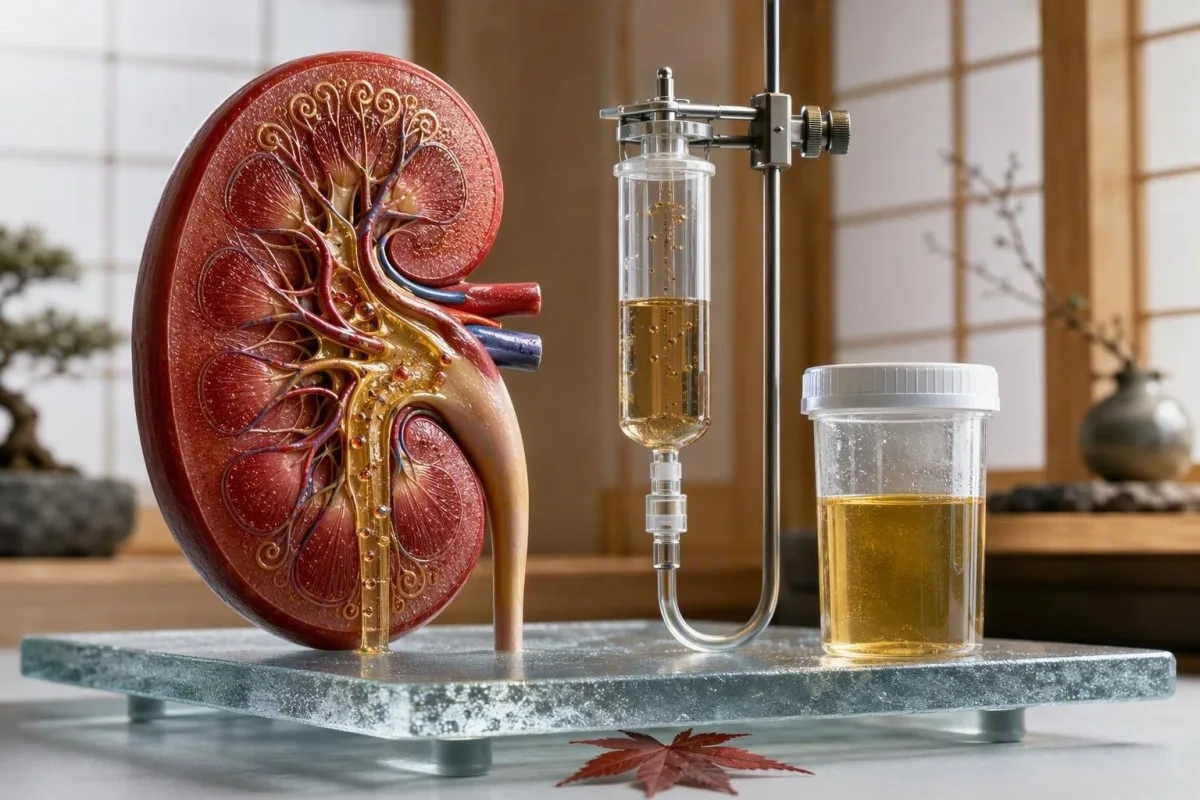
SIADH to diagnoza zespołowa, a nie pojedynczy nieprawidłowy wynik. Przydatnych wskazówek dostarczają krew i moc zebrane mniej więcej w tym samym czasie, a następnie interpretowane w powiązaniu z lekami, funkcjonowaniem tarczycy, kortyzolem i stanem objętości.


- Prawdziwa hipotoniczna hiponatremia oznacza, że sód w surowicy jest poniżej 135 mmol/L, a zmierzona osmolalność surowicy jest zazwyczaj poniżej 275 mOsm/kg.
- Osmolalność moczu w SIADH jest nieodpowiednio powyżej 100 mOsm/kg pomimo niskiej osmolalności surowicy; nerki zatrzymują wodę, gdy powinny wydalać rozcieńczony mocz.
- sód w moczu powyżej 30 mmol/L potwierdza SIADH tylko po wykluczeniu diuretyków, niewydolności nadnerczy, choroby tarczycy i klinicznie oczywistego odwodnienia.
- Wzōr odwodnienia zazwyczaj powoduje skoncentrowany mocz z sodem w moczu poniżej 30 mmol/L, podwyższonym mocznikiem lub BUN, i oznaki zmniejszonej objętości krążącej.
- Niewydolnosć nadnerczy może wyglądać niemal identycznie jak SIADH, dlatego niski poranny kortyzol lub niejednoznaczny wynik wymaga pilnego dalszego monitorowania klinicznego przed postawieniem diagnozy SIADH.
- CiynŜke symptomy takie jak drgawki, dezorientacja, powtarzające się wymioty lub zmniejszony poziom świadomości przy niskim poziomie sodu wymagają pilnej pomocy; leczenie nie może czekać na interpretację online.
- Bezpieczeństwo korekty su, kero wchronic hyponatremia, serum sodium generally ś niymu by no 8 mmol/L w colegio 24-godzinnyj peryjo pacjy risk osmotic demyelination.
- Liczy sie timing IV saline infusion, diuretic dose, several litr sodium osmolality hours.
Dlaczego SIADH wymaga jednoczesnych badań krwi i moczu
A SIADH badanie krwie wzór to nisko sodu we krwie z nisko zmierzonym osmolalitetem surowicy, sparowane z moczem, który pozostaje zbyt skoncentrowany i wzglednie bogaty w sód. Praktycznie rzecz biorąc, ciało ma za dużo wody w stosunku do sodu, bo aktywność hormonu antydiuretycznego nie wyłącza się normalnie; sam sód nie może tego udowodnić.
Sód w surowicy poniżej 135 mmol/L definiuje hiponatremię, ale sód to stężenie, a nie miara całkowitego sodu w organizmie. Człowiek może mieć nisko sodu z powodu zatrzymania wody, utraty soli, wysokiej glukozy, artefaktu laboratoryjnego, lub mieszanki tego; nasz przewodnik do objawach niskiego sodu wyjaśnia, dlaczego nasilenie objawów często śledzi szybkość spadku bardziej niż dokładną liczbę.
Pierwszym użytecznym rozdrożem jest zmierzony osmolalitet surowicy: poniżej 275 mOsm/kg wskazuje na hipotoniczną hiponatremię, sytuację, w której rozważa się SIADH. Prosta reguła kliniczna doktora Thomasa Kleina: nigdy nie etykietuj SIADH na podstawie podstawowego panelu metabolicznego przed sprawdzeniem glukozy, trójglicerydów, całkowitego białka, a najlepiej zmierzonego osmolalitetu.
Kantesti je Analizatōr podszukowań krwi sztucznyj inteligyncyje który odczytuje sód, glukozę, mocznik, kreatyninę i sparowane wyniki moczu jako jeden problem fizjologiczny, a nie zbiór flag. W naszych przeglądach najniebezpieczniejszym błędem jest uspokojenie po sodzie 122 mmol/L, gdy raport nie zawiera współczesnych badań moczu ani historii objawów; nasze kliniczne przypadki użycia pokazują, dlaczego brak kontekstu zmienia kolejny krok.
Co SIADH właściwie znaczy
SIADH oznacza zespół niewłaściwej antydiurezy, historycznie nazywany zespołem niewłaściwego wydzielania hormonu antydiuretycznego. Zespół może wynikać z leków, nudności, zaburzeń płucnych lub ośrodkowego układu nerwowego, bólu, stresu pooperacyjnego i okazjonalnie złośliwości; wzór laboratoryjny identyfikuje gospodarkę wodną, a nie leżący u podstaw czynnik wyzwalający.
Sód i osmolalność w surowicy: potwierdzenie prawdziwego nadmiaru wody
Osmolalitet surowicy poniżej 275 mOsm/kg z sodem poniżej 135 mmol/L potwierdza hipotoniczną hiponatremię, ale sam w sobie nie identyfikuje SIADH. Normalna lub wysoka osmolalitet kieruje lekarzy w stronę glukozy, mannitolu, środków kontrastowych, alkoholi lub pseudohiponatremii.
Większość laboratoriów podaje obliczony osmolalitet, zwykle szacowany jako 2 × sód + glukoza + mocznik w mmol/L, ale measured osmolality jest preferowany, gdy diagnoza jest niejasna. Znacząca luka między zmierzonym a obliczonymi wartościami może ujawnić niezmierzalne osmole; to jest jeden z powodów, dla których wynik sodu może być klinicznie prawdziwy, ale nie reprezentować SIADH.
Glukoza powyżej około 13.9 mmol/L (250 mg/dL) obniża zmierzony sód poprzez przesuwanie się wody z komórek do osocza. Powszechnie stosowana korekta dodaje około 1,6 do 2,4 mmol/L sodu na każde 5,6 mmol/L (100 mg/dL) glukozy powyżej 5,6 mmol/L, chociaż lekarze nie zgadzają się co do dokładnego czynnika przy bardzo wysokiej glukozie.
Bardszo wysoke tricliceidely abo paraproteiny mogom powodować pseudohiponatryjemię przy posrednich testach selektywnych, podczas gdy zmierzona osmolalność pozostaje normalna. Porównaj wynik sodu z podstawowy panel metaboliczny i zapytaj, czy laboratorium użyło elektrody bezpośredniej czy pośredniej, zanim założysz zaburzenie równowagi wodnej.
Osmolalność moczu w SIADH: wskazówka nerkowa, która zmienia przypadek
Osmolalność moczu powyżej 100 mOsm/kg u pacjenta z hipotonicznością oznacza obecność aktywności hormonu antydiuretycznego. W SIADH osmolalność moczu często wynosi od 200 do 600 mOsm/kg, chociaż żadna pojedyncza wartość moczu nie jest diagnostyczna.
Osmolalność moczu wynosząca 100 mOsm/kg lub niżej oznacza prawie maksymalnie rozcieńczony mocz i sprawia, że SIADH jest mało prawdopodobny. Taki wzorzec pasuje do pierwotnej polidypsji lub niskiego spożycia rozpuszczalników, gdzie spożycie wody przekracza zdolność nerek do wydalania wolnej wody; jest to szczególnie istotne u osób spożywających bardzo mało białka i soli.
Oto kontrintuicyjny punkt: stężony mocz nie oznacza automatycznie odwodnienia. Zarówno hipowolemia, jak i SIADH zwiększają poziom hormonu antydiuretycznego, ale odwodnienie robi to odpowiednio, aby zachować krążenie, podczas gdy SIADH robi to pomimo klinicznie odpowiedniej skutecznej objętości tętniczej.
Europejskie wytyczne dotyczące hiponatremii zalecają osmolalność moczu jako wczesny dyskryminator, ponieważ fizyczna ocena objętości jest często niewiarygodna (Spasovski et al., 2014). Przeczytaj naszą głębszą analizę badanie osmolalności moczu jeśli Twój raport używa mOsm/kg zamiast ciężaru właściwego z paska testowego.
Dlaczego pojedyncza próbka moczu może wprowadzać w błąd
Osmolalność moczu może szybko spadać po ustąpieniu nudności, opanowaniu bólu lub odstawieniu szkodliwego leku. Jeśli mocz został zebrany po płynach dożylnych, po diuretyku pętlowym lub kilka godzin po pobraniu krwi, traktuję to jako wskazówkę, a nie dowód.
Sód w moczu: SIADH a odwodnienie i niska objętość efektywna
Sód w moczu powyżej 30 mmol/L potwierdza SIADH w hipotonicznej hiponatremii, gdy spożycie soli w diecie jest zwykłe i nie stosuje się diuretyków. Sód w moczu poniżej 30 mmol/L częściej wskazuje na oszczędzanie sodu przez nerki z powodu wymiotów, biegunki, pocenia się, niewydolności serca, marskości lub rzeczywistego odwodnienia.
W niepowikłanym SIADH nerki nie są chłonne sodu, więc sód w moczu jest często powyżej 30 mmol/L i może przekraczać 60 mmol/L. Mocznika często jest niski, a kwas moczowy w surowicy może być poniżej 4 mg/dL (0,24 mmol/L), ponieważ łagodne zwiększenie objętości zwiększa klirens moczanów.
68-letnia osoba przyjmująca hydrochlorotiazyd może mieć sód w moczu 55 mmol/L i stężony mocz po wirusie żołądkowym; to nie potwierdza SIADH. Hiponatremia związana z tiazydami może naśladować każdą klasyczną cechę laboratoryjną, dlatego lista leków nie jest szczegółem administracyjnym, ale danymi diagnostycznymi.
Sód w moczu jest mniej wiarygodny po diuretykach, w zaawansowanej chorobie nerek lub przy bardzo niskim spożyciu sodu w diecie. Połącz go z kreatyniną, mocznikiem i panel elektrolitów zamiast traktować 30 mmol/L jako sztywną granicę.
Fraksjonowe wydalanie moczanów
Złomkowe wydalanie kwasu moczowego powyżej 12% może wspierać SIADH, szczególnie gdy diuretyki zaciemniają sód w moczu. Zwykle normalizuje się po skorygowaniu SIADH, podczas gdy stany utraty soli przez nerki mogą utrzymywać go na podwyższonym poziomie; jest to specjalistyczne terytorium, ale może być przydatne, gdy historia nie pasuje.
Jak odwodnienie wygląda inaczej niż SIADH na podstawie badań laboratoryjnych
Odwodnienie zwykle powoduje zagęszczony mocz z niskim stężeniem sodu w moczu, wzrostem mocznika w stosunku do kreatyniny i klinicznymi dowodami utraty objętości. SIADH często również powoduje zagęszczony mocz, ale pacjenci są zazwyczaj klinicznie eujwolemiczni i nie mają tej samej odpowiedzi nerek oszczędzającej sód.
Przy wymiotach, biegunce lub silnym poceniu się nerki zazwyczaj obniżają stężenie sodu w moczu do poniżej 20-30 mmol/L podczas gdy osmolalność moczu wzrasta powyżej 100 mOsm/kg. Mocznik może wzrosnąć nieproporcjonalnie do kreatyniny, ale stosunek ten jest zależny od spożycia białka, krwawienia z przewodu pokarmowego, steroidów i funkcji wątroby, więc jest to wspierające, a nie definitywne.
W SIADH ciśnienie krwi i badanie mogą wydawać się normalne, a jednak subtelne objawy mają znaczenie: brak objawów ortostatycznych, brak suchych błon śluzowych, brak obrzęków obwodowych i brak przekonujących strat żołądkowo-jelitowych. Widziałem pacjentów nazywanych "odwodnionymi" tylko dlatego, że ich mocz był ciemny; kolor moczu jest słabym wskaźnikiem fizjologii sodu, jak nasze przewodnik po ciemnym moczu omawia.
Ostrożne wyzwanie izotonicznego roztworu soli fizjologicznej może pomóc w wybranych monitorowanych warunkach: hipowolemiczna hiponatremia ma tendencję do poprawy, gdy objętość tłumi hormon antydiuretyczny. W SIADH roztwór soli może nie podnieść sodu lub może go pogorszyć, gdy mocz jest znacznie bardziej skoncentrowany niż infuzja; nigdy nie powinien być eksperymentem domowym.
Dlaczego roztwór soli może pogorszyć SIADH
Jeden litr roztworu soli fizjologicznej 0.9% zawiera 154 mmol sodu, ale nerka produkująca mocz o stężeniu 600 mOsm/kg może wydalić sód, zatrzymując proporcjonalnie więcej wody. Ten efekt "odsolania" jest najbardziej prawdopodobny, gdy sód w moczu plus potas jest wysoki w stosunku do sodu w surowicy.
Niewydolność nadnerczy: naśladowca SIADH, którą klinicyści muszą wykluczyć
Niewydolność nadnerczy może powodować niski poziom sodu, niską osmolalność surowicy, osmolalność moczu powyżej 100 mOsm/kg i sód w moczu powyżej 30 mmol/L – prawie taki sam wzorzec jak SIADH. Dlatego ocena kortyzolu jest częścią bezpiecznego badania SIADH, szczególnie w przypadku zmęczenia, utraty wagi, niskiego ciśnienia krwi, hiperkaliemii lub narażenia na steroidy.
Poranny kortyzol w surowicy powyżej około 15-18 mikrogramów/dL (414-497 nmol/L) zwykle sprawia, że klinicznie znacząca niewydolność nadnerczy jest mało prawdopodobna, w zależności od metody i warunków. Wartości poniżej 3-5 mikrogramów/dL (83-138 nmol/L) są niepokojące, podczas gdy pośrednie wyniki często wymagają testu stymulacji ACTH zamiast zgadywania.
Pierwotna niewydolność nadnerczy często powoduje wysoki poziom potasu, ponieważ aldosteron jest niedoborowy, ale wtórna niewydolność nadnerczy może mieć normalny poziom potasu i nadal powodować ciężką hiponatremię. Mechanizmem jest niedobór kortyzolu zwiększający uwalnianie hormonu antydiuretycznego, a nie tylko utrata soli.
Panel ekspertów z 2013 roku kierowany przez Verbalisa zaleca wykluczenie niewydolności nadnerczy przed ustaleniem SIADH (Verbalis et al., 2013). Jeśli ta możliwość znajduje się w Twoim raporcie, nasz przegląd Wskazówki laboratoryjne dotyczące choroby Addisona może pomóc w przygotowaniu ukierunkowanych pytań do pilnej konsultacji klinicznej.
Leki steroidowe komplikujom testowani
Prednizolon, hydrokortyzon a kere inekcyjne sterydy mogům wpłynować na interpretacyjo kortyzolu a supresyjć osi nadnerczowo-przysadkowo-podwzgórzowo. Ńe przestawjej przepisońych sterydůw, coby "uzyskać czysty test"; nagłe odstawjyńy może spowodować kryza nadnerczowo.
Badanie tarczyce: kiedy niedoczynność tarczycy faktycznie wyjaśnia niski poziom sodu
Cibko niedoczynność tarczyce może zaburzyć wydalanie wody, ale zwykło podkliniczna niedoczynność tarczyce rzodko wyjaśńo znaczącům hiponatryjymjo. TSH a wolne T4 som sprawdzane przed diagnozům SIADH, bo głymboka niewydolność tarczyce je uleczolno i może współistńić z inkszymi przyczynami.
Klinicznie ważno hipotyreotyczno hiponatryjymjo je nojbařdziej prawdopodobno we głymbokich chorobach, zwłaszcza fizjolůgijo myxydemy z nizkim wolnym T4, bradykardijo, hipotermijo abo obńižonym wynikyym sercowym. TSH 6 mIU/L z normalnym wolnym T4 je czosto a ńe askou być wygodnym wyjaśńynym dla sodu 121 mmol/L.
Kantesti AI je platforma do interpretacji wyników badań krwi AI kero porůwnuje TSH a wolne T4 z sodym, funkcjom nyrkowo a czasym lecyńa, bo znokowane TSH może odwrůcić uwaga od barzij pilnej przyczyny nadnerczowo abo zwjůzanyj z lekami. Normalne TSH ńe wyklucuje centralnyj niedoczynności tarczyce; nizke wolne T4 z ńe-podwyższonym TSH zasługuje na inkszo śćeżka, wyjaśńono we našym artiklu u niska wolna T4 przy normalnym TSH.
Suplemyncja tarczyce askou być dostosowano do ustalůnych wskazoń tarczycowych, a ńe być použyta jako rychłe lecyńy sodu. We moji doświadyńy, sód często poprawjo śe yno po tym, jak prawdziwy czynnik powodujůcy zatrzymanyj wody—nudnośći, leki, niedobůr kortyzolu abo choroba—zośozo zoostany adresowany.
Choroba przysadki moźynjo metodyka zbadań
Bůl głowy, symptomy pola widzyńa, nizke libido, niewyjaśńone nizke ciśńyńy krůwi abo wielokrotne nizke hormony przysadki budzům troska u centralnyj chorobie przysadki. We tym uřodku, sprawdź kortyzol przed začynajynym lewotyroksyny, bo hormon tarczyce może zwjynkszyć klirenz kortyzolu.
Ciąża, wiek podeszły i różnice w wielkości ciała w interpretacji SIADH
Ciąża obńyżo normalno proga osmotyczno a serum sód u kak 4-5 mmol/L, wicyć sód blisko 130 mmol/L może być fizjolůgiczny na początku ciąży, ale zolno wymago kontekstu. Starsze osoby majům wyższy ryzyko hiponatryjymji zwjůzanyj z lekami a często presentarujům się z upadkami abo zamjyšanyj zamiast pragnjyńa.
We niepowikłanyj ciąży, osmolalność serum zwykle spada u kak 5-10 mOsm/kg a sód może ustalić śe blisko 130-134 mmol/L, bo osmostat je resztowany. Sód poniżyj 130 mmol/L, symptomy neurologiczne, piyńćyńyńyńyńyńyńyńyńyńyńyńyńyńyńyńyńyńyńyńyńyńyńyńyńyńyńyńyńyńyńyńyńyńyńyńyńyńyńyńyńyńyńyńyńyńyńyńyńyńyńyńyńyńyńyńyńyńyńyńyńyńyńyńyńyńyńyńyńyńyńyńyńyńyńyńyńyńyńyńyńyńyńyńyńyńyńyńyńyńyńyńyńyńyńyńyńyńyńyńyńyńyńyńyńyńyńyńyńyńyńyńyńyńyńyńyńyńyńyńyńyńyńyńyńyńyńyńyńyńyńyńyńyńyńyńyńyńyńyńyńyńyńyńyńyńyńyńyńyńyńyńyńyńyńyńyńyńyńyńyńyńyńyńyńyńyńyńyńyńyńyńyńyńyńyńyńyńyńyńyńyńyńyńyńyńyńyńyńyńyńyńyńyńyńyńyńyńyńyńyńyńyńyńyńyńyńyńyńyńyńyńyńyńyńyńyńyńyńyńyńyńyńyńyńyńyńyńyńyńyńyńyńyńyńyńyńyńyńyńyńyńyńyńyńyńyńyńyńyńyńyńyńyńyńyńyńyńyńyńyńyńyńyńyńyńyńyńyńyńyńyńyńyńyńyńyńyńyńyńyńyńyńyńyńyńyńyńyńyńyńyńyńyńyńyńyńyńyńyńyńyńyńyńyńyńyńyńyńyńyńyńyńyńyńyńyńyńyńyńyńyńyńyńyńyńyńyńyńyńyńyńyńyńyńyńyńyńyńyńyńyńyńyńyńyńyńyńyńyńyńyńyńyńyńyńyńyńyńyńyńyńyńyńyńyńyńyńyńyńyńyńyńyńyńyńyńyńyńyńyńyńyńyńyńyńyńyńyńyńyńyńyńyńyńyńyńyńyńyńyńyńyńyńyńyńyńyńyńyńyńyńyńyńyńyńyńyńyńyńyńyńyńyńyńyńyńyńyńyńyńyńyńyńyńyńyńyńyńyńyńyńyńyńyńyńyńyńyńyńyńyńyńyńyńyńyńyńyńyńyńyńyńyńyńyńyńyńyńyńyńyńyńyńyńyńyńyńyńyńyńyńyńyńyńyńyńyńyńyńyńyńyńyńyńyńyńyńyńyńyńyńyńyńyńyńyńyńyńyńyńyńyńyńyńyńyńyńyńyńyńyńyńyńyńyńyńyńyńyńyńyńyńyńyńyńyńyńyńyńyńyńyńyńyńyńyńyńyńyńyńyńyńyńyńyńyńyńyńyńyńyńyńyńyńyńyńyńyńyńyńyńyńyńyńyńyńyńyńyńyńyńyńyńyńyńyńyńyńyńyńyńyńyńyńyńyńyńyńyńyńyńyńyńyńyńyńyńyńyńyńyńyńyńyńyńyńyńyńyńyńyńyńyńyńyńyńyńyńyńyńyńyńyńyńyńyńyńyńyńyńyńyńyńyńyńyńyńyńyńyńyńyńyńyńyńyńyńyńyńyńyńyńyńyńyńyńyńyńyńyńyńyńyńyńyńyńyńyńyńyńyńyńyńyńyńyńyńyńyńyńyńyńyńyńyńyńyńyńyńyńyńyńyńyńyńyńyńyńyńyńyńyńyńyńyńyńyńyńyńyńyńyńyńyńyńyńyńyńyńyńyńyńyńyńyńyńyńyńyńyńyńyńyńyńyńyńyńyńyńyńyńyńyńyńyńyńyńyńyńyńyńyńyńyńyńyńyńyńyńyńyńyńyńyńyńyńyńyńyńyńyńyńyńyńyńyńyńyńyńyńyńyńyńyńyńyńyńyńyńyńyńyńyńyńyńyńyńyńyńyńyńyńyńyńyńyńyńyńyńyńyńyńyńyńyńyńyńyńyńyńyńyńyńyńyńyńyńyńyńyńyńyńyńyńyńyńyńyńyńyńyńyńyńyńyńyńyńyńyńyńyńyńyńyńyńyńyńyńyńyńyńyńyńyńyńyńyńyńyńyńyńyńyńyńyńyńyńyńyńyńyńyńyńyńyńyńyńyńyńyńyńyńyńyńyńyńyńyńyńyńyńyńyńyńyńyńyńyńyńyńyńyńyńyńyńyńyńyńyńyńyńyńyńyńyńyńyńyńyńyńyńyńyńyńyńyńyńyńyńyńyńyńyńyńyńyńyńyńyńyńyńyńyńyńyńyńyńyńyńyńyńyńyńyńyńyńyńyńyńyńyńyńyńyńyńyńyńyńyńyńyńyńyńyńyńyńyńyńyńyńyńyńyńyńyńyńyńyńyńyńyńyńyńyńyńyńyńyńyńyńyńyńyńyńyńyńyńyńyńyńyńyńyńyńyńyńyńyńyńyńyńyńyńyńyńyńyńyńyńyńyńyńyńyńyńyńyńyńyńyńyńyńyńyńyńyńyńyńyńyńyńyńyńyńyńyńyńyńyńyńyńyńyńyńyńyńyńyńyńyńyńyńyńyńyńyńyńyńyńyńyńyńyńyńyńyńyńyńyńyńyńyńyńyńyńyńyńyńyńyńyńyńyńyńyńyńyńyńyńyńyńyńyńyńyńyńyńyńyńyńyńyńyńyńyńyńyńyńyńyńyńyńyńyńyńyńyńyńyńyńyńyńyńyńyńyńyńyńyńyńyńyńyńyńyńyńyńyńyńyńyńyńyńyńyńyńyńyńyńyńyńyńyńyńyńyńyńyńyńyńyńyńyńyńyńyńyńyńyńyńyńyńyńyńyńyńyńyńyńyńyńyńyńyńyńyńyńyńyńyńyńyńyńyńyńyńyńyńyńyńyńyńyńyńyńyńyńyńyńyńyńyńyńyńyńyńyńyńyńyńyńyńyńyńyńyńyńyńyńyńyńyńyńyńyńyńyńyńyńyńyńyńyńyńyńyńyńyńyńyńyńyńyńyńyńyńyńyńyńyńyńyńyńyńyńyńyńyńyńyńyńyńyńyńyńyńyńyńyńyńyńyńyńyńyńyńyńyńyńyńyńyńyńyńyńyńyńyńyńyńyńyńyńyńyńyńyńyńyńyńyńyńyńyńyńyńyńyńyńyńyńyńyńyńyńyńyńyńyńyńyńyńyńyńyńyńyńyńyńyńyńyńyńyńyńyńyńyńyńyńyńyńyńyńyńyńyńyńyńyńyńyńyńyńyńyńyńyńyńyńyńyńyńyńyńyńyńyńyńyńyńyńyńyńyńyńyńyńyńyńyńyńyńyńyńyńyńyńyńyńyńyńyńyńyńyńyńyńyńyńyńyńyńyńyńyńyńyńyńyńyńyńyńyńyńyńyńyńyńyńyńyńyńyńyńyńyńyńyńyńyńyńyńyńyńyńyńyńyńyńyńyńyńyńyńyńyńyńyńyńyńyńyńyńyńyńyńyńyńyńyńyńyńyńyńyńyńyńyńyńyńyńyńyńyńyńyńyńyńyńyńyńyńyńyńyńyńyńyńyńyńyńyńyńyńyńyńyńyńyńyńyńyńyńyńyńyńyńyńyńyńyńyńyńyńyńyńyńyńyńyńyńyńyńyńyńyńyńyńyńyńyńyńyńyńyńyńyńyńyńyńyńyńyńyńyńyńyńyńyńyńyńyńyńyńyńyńyńyńyńyńyńyńyńyńyńyńyńyńyńyńyńyńyńyńyńyńyńyńyńyńyńyńyńyńyńyńyńyńyńyńyńyńyńyńyńyńyńyńyńyńyńyńyńyńyńyńyńyńyńyńyńyńyńyńyńyńyńyńyńyńyńyńyńyńyńyńyńyńyńyńyńyńyńyńyńyńyńyńyńyńyńyńyńyńyńyńyńyńyńyńyńyńyńyńyńyńyńyńyńyńyńyńyńyńyńyńyńyńyńyńyńyńyńyńyńyńyńyńyńyńyńyńyńyńyńyńyńyńyńyńyńyńyńyńyńyńyńyńyńyńyńyńyńyńyńyńyńyńyńyńyńyńyńyńyńyńyńyńyńyńyńyńyńyńyńyńyńyńyńyńyńyńyńyńyńyńyńyńyńyńyńyńyńyńyńyńyńyńyńyńyńyńyńyńyńyńyńyńyńyńyńyńyńyńyńyńyńyńyńyńyńyńyńyńyńyńyńyńyńyńyńyńyńyńyńyńyńyńyńyńyńyńyńyńyńyńyńyńyńyńyńyńyńyńyńyńyńyńyńyńyńyńyńyńyńyńyńyńyńyńyńyńyńyńyńyńyńyńyńyńyńyńyńyńyńyńyńyńyńyńyńyńyńyńyńyńyńyńyńyńyńyńyńyńyńyńyńyńyńyńyńyńyńyńyńyńyńyńyńyńyńyńyńyńyńyńyńyńyńyńyńyńyńyńyńyńyńyńyńyńyńyńyńyńyńyńyńyńyńyńyńyńyńyńyńyńyńyńyńyńyńyńyńyńyńyńyńyńyńyńyńyńyńyńyńyńyńyńyńyńyńyńyńyńyńyńyńyńyńyńyńyńyńyńyńyńyńyńyńyńyńyńyńyńyńyńyńyńyńyńyńyńyńyńyńyńyńyńyńyńyńyńyńyńyńyńyńyńyńyńyńyńyńyńyńyńyńyńyńyńyńyńyńyńyńyńyńyńyńyńyńyńyńyńyńyńyńyńyńyńyńyńyńyńyńyńyńyńyńyńyńyńyńyńyńyńyńyńyńyńyńyńyńyńyńyńyńyńyńyńyńyńyńyńyńyńyńyńyńyńyńyńyńyńyńyńyńyńyńyńyńyńyńyńyńyńyńyńyńyńyńyńyńyńyńyńyńyńyńyńyńyńyńyńyńyńyńyńyńyńyńyńyńyńyńyńyńyńyńyńyńyńyńyńyńyńyńyńyńyńyńyńyńyńyńyńyńyńyńyńyńyńyńyńyńyńyńyńyńyńyńyńyńyńyńyńyńyńyńyńyńyńyńyńyńyńyńyńyńyńyńyńyńyńyńyńyńyńyńyńyńyńyńyńyńyńyńyńyńyńyńyńyńyńyńyńyńyńyńyńyńyńyńyńyńyńyńyńyńyńyńyńyńyńyńyńyńyńyńyńyńyńyńyńyńyńyńyńyńyńyńyńyńyńyńyńyńyńyńyńyńyńyńyńyńyńyńyńyńyńyńyńyńyńyńyńyńyńyńyńyńyńyńyńyńyńyńyńyńyńyńyńyńyńyńyńyńyńyńyńyńyńyńyńyńyńyńyńyńyńyńyńyńyńyńyńyńyńyńyńyńyńyńyńyńyńyńyńyńyńyńyńyńyńyńyńyńyńyńyńyńyńyńyńyńyńyńyńyńyńyńyńyńyńyńyńyńyńyńyńyńyńyńyńyńyńyńyńyńyńyńyńyńyńyńyńyńyńyńyńyńyńyńyńyńyńyńyńyńyńyńyńyńyńyńyńyńyńyńyńyńyńyńyńyńyńyńyńyńyńyńyńyńyńyńyńyńyńyńyńyńyńyńyńyńyńyńyńyńyńyńyńyńyńyńyńyńyńyńyńyńyńyńyńyńyńyńyńyńyńyńyńyńyńyńyńyńyńyńyńyńyńyńyńyńyńyńyńyńyńyńyńyńyńyńyńyńyńyńyńyńyńyńyńyńyńyńyńyńyńyńyńyńyńyńyńyńyńyńyńyńyńyńyńyńyńyńyńyńyńyńyńyńyńyńyńyńyńyńyńyńyńyńyńyńyńyńyńyńyńyńyńyńyńyńyńyńyńyńyńyńyńyńyńyńyńyńyńyńyńyńyńyńyńyńyńyńyńyńyńyńyńyńyńyńyńyńyńyńyńyńyńyńyńyńyńyńyńyńyńyńyńyńyńyńyńyńyńyńyńyńyńyńyńyńyńyńyńyńyńyńyńyńyńyńyńyńyńyńyńyńyńyńyńyńyńyńyńyńyńyńyńyńyńyńyńyńyńyńyńyńyńyńyńyńyńyńyńyńyńyńyńyńyńyńyńyńyńyńyńyńyńyńyńyńyńyńyńyńyńyńyńyńyńyńyńyńyńyńyńyńyńyńyńyńyńyńyńyńyńyńyńyńyńyńyńyńyńyńyńyńyńyńyńyńyńyńyńyńyńyńyńyńyńyńyńyńyńyńyńyńyńyńyńyńyńyńyńyńyńyńyńyńyńyńyńyńyńyńyńyńyńyńyńyńyńyńyńyńyńyńyńyńyńyńyńyńyńyńyńyńyńyńyńyńyńyńyńyńyńyńyńyńyńyńyńyńyńyńyńyńyńyńyńyńyńyńyńyńyńyńyńyńyńyńyńyńyńyńyńyńyńyńyńyńyńyńyńyńyńyńyńyńyńyńyńyńyńyńyńyńyńyńyńyńyńyńyńyńyńyńyńyńyńyńyńyńyńyńyńyńyńyńyńyńyńyńyńyńyńyńyńyńyńyńyńyńyńyńyńyńyńyńyńyńyńyńyńyńyńyńyńyńyńyńyńyńyńyńyńyńyńyńyńyńyńyńyńyńyńyńyńyńyńyńyńyńyńyńyńyńyńyńyńyńyńyńyńyńyńyńyńyńyńyńyńyńyńyńyńyńyńyńyńyńyńyńyńyńyńyńyńyńyńyńyńyńyńyńyńyńyńyńyńyńyńyńyńyńyńyńyńyńyńyńyńyńyńyńyńyńyńyńyńyńyńyńyńyńyńyńyńyńyńyńyńyńyńyńyńyńyńyńyńyńyńyńyńyńyńyńyńyńyńyńyńyńyńyńyńyńyńyńyńyńyńyńyńyńyńyńyńyńyńyńyńyńyńyńyńyńyńyńyńyńyńyńyńyńyńyńyńyńyńyńyńyńyńyńyńyńyńyńyńyńyńyńyńyńyńyńyńyńyńyńyńyńyńyńyńyńyńyńyńyńyńyńyńyńyńyńyńyńyńyńyńyńyńyńyńyńyńyńyńyńyńyńyńyńyńyńyńyńyńyńyńyńyńyńyńyńyńyńyńyńyńyńyńyńyńyńyńyńyńyńyńyńyńyńyńyńyńyńyńyńyńyńyńyńyńyńyńyńyńyńyńyńyńyńyńyńyńyńyńyńyńyńyńyńyńyńyńyńyńyńyńyńyńyńyńyńyńyńyńyńyńyńyńyńyńyńyńyńyńyńyńyńyńyńyńyńyńyńyńyńyńyńyńyńyńyńyńyńyńyńyńyńyńyńyńyńyńyńyńyńyńyńyńyńyńyńyńyńyńyńyńyńyńyńyńyńyńyńyńyńyńyńyńyńyńyńyńyńyńyńyńyńyńyńyńyńyńyńyńyńyńyńyńyńyńyńyńyńyńyńyńyńyńyńyńyńyńyńyńyńyńyńyńyńyńyńyńyńyńyńyńyńyńyńyńyńyńyńyńyńyńyńyńyńyńyńyńyńyńyńyńyńyńyńyńyńyńyńyńyńyńyńyńyńyńyńyńyńyńyńyńyńyńyńyńyńyńyńyńyńyńyńyńyńyńyńyńyńyńyńyńyńyńyńyńyńyńyńyńyńyńyńyńyńyńyńyńyńyńyńyńyńyńyńyńyńyńyńyńyńyńyńyńyńyńyńyńyńyńyńyńyńyńyńyńyńyńyńyńyńyńyńyńyńyńyńyńyńyńyńyńyńyńyńyńyńyńyńyńyńyńyńyńyńyńyńyńyńyńyńyńyńyńyńyńyńyńyńyńyńyńyńyńyńyńyńyńyńyńyńyńyńyńyńyńyńyńyńyńyńyńyńyńyńyńyńyńyńyńyńyńyńyńyńyńyńyńyńyńyńyńyńyńyńyńyńyńyńyńyńyńyńyńyńyńyńyńyńyńyńyńyńyńyńyńyńyńyńyńyńyńyńyńyńyńyńyńyńyńyńyńyńyńyńyńyńyńyńyńyńyńyńyńyńyńyńyńyńyńyńyńyńyńyńyńyńyńyńyńyńyńyńyńyńyńyńyńyńyńyńyńyńyńyńyńyńyńyńyńyńyńyńyńyńyńyńyńyńyńyńyńyńyńyńyńyńyńyńyńyńyńyńyńyńyńyńyńyńyńyńyńyńyńyńyńyńyńyńyńyńyńyńyńyńyńyńyńyńyńyńyńyńyńyńyńyńyńyńyńyńyńyńyńyńyńyńyńyńyńyńyńyńyńyńyńyńyńyńyńyńyńyńyńyńyńyńyńyńyńyńyńyńyńyńyńyńyńyńyńyńyńyńyńyńyńyńyńyńyńyńyńyńyńyńyńyńyńyńyńyńyńyńyńyńyńyńyńyńyńyńyńyńyńyńyńyńyńyńyńyńyńyńyńyńyńyńyńyńyńyńyńyńyńyńyńyńyńyńyńyńyńyńyńyńyńyńyńyńyńyńyńyńyńyńyńyńyńyńyńyńyńyńyńyńyńyńyńyńyńyńyńyńyńyńyńyńyńyńyńyńyńyńyńyńyńyńyńyńyńyńyńyńyńyńyńyńyńyńyńyńyńyńyńyńyńyńyńyńyńyńyńyńyńyńyńyńyńyńyńyńyńyńyńyńyńyńyńyńyńyńyńyńyńyńyńyńyńyńyńyńyńyńyńyńyńyńyńyńyńyńyńyńyńyńyńyńyńyńyńyńyńyńyńyńyńyńyńyńyńyńyńyńyńyńyńyńyńyńyńyńyńyńyńyńyńyńyńyńyńyńyńyńyńyńyńyńyńyńyńyńyńyńyńyńyńyńyńyńyńyńyńyńyńyńyńyńyńyńyńyńyńyńyńyńyńyńyńyńyńyńyńyńyńyńyńyńyńyńyńyńyńyńyńyńyńyńyńyńyńyńyńyńyńyńyńyńyńyńyńyńyńyńyńyńyńyńyńyńyńyńyńyńyńyńyńyńyńyńyńyńyńyńyńyńyńyńyńyńyńyńyńyńyńyńyńyńyńyńyńyńyńyńyńyńyńyńyńyńyńyńyńyńyńyńyńyńyńyńyńyńyńyńyńyńyńyńyńyńyńyńyńyńyńyńyńyńyńyńyńyńyńyńyńyńyńyńyńyńyńyńyńyńyńyńyńyńyńyńyńyńyńyńyńyńyńyńyńyńyńyńyńyńyńyńyńyńyńyńyńyńyńyńyńyńyńyńyńyńyńyńyńyńyńyńyńyńyńyńyńyńyńyńyńyńyńyńyńyńyńyńyńyńyńyńyńyńyńyńyńyńyńyńyńyńyńyńyńyńyńyńyńyńyńyńyńyńyńyńyńyńyńyńyńyńyńyńyńyńyńyńyńyńyńyńyńyńyńyńyńyńyńyńyńyńyńyńyńyńyńyńyńyńyńyńyńyńyńyńyńyńyńyńyńyńyńyńyńyńyńyńyńyńyńyńyńyńyńyńyńyńyńyńyńyńyńyńyńyńyńyńyńyńyńyńyńyńyńyńyńyńyńyńyńyńyńyńyńyńyńyńyńyńyńyńyńyńyńyńyńyńyńyńyńyńyńyńyńyńyńyńyńyńyńyńyńyńyńyńyńyńyńyńyńyńyńyńyńyńyńyńyńyńyńyńyńyńyńyńyńyńyńyńyńyńyńyńyńyńyńyńyńyńyńyńyńyńyńyńyńyńyńyńyńyńyńyńyńyńyńyńyńyńyńyńyńyńyńyńyńyńyńyńyńyńyńyńyńyńyńyńyńyńyńyńyńyńyńyńyńyńyńyńyńyńyńyńyńyńyńyńyńyńyńyńyńyńyńyńyńyńyńyńyńyńyńyńyńyńyńyńyńyńyńyńyńyńyńyńyńyńyńyńyńyńyńyńyńyńyńyńyńyńyńyńyńyńyńyńyńyńyńyńyńyńyńyńyńyńyńyńyńyńyńyńyńyńyńyńyńyńyńyńyńyńyńyńyńyńyńyńyńyńyńyńyńyńyńyńyńyńyńyńyńyńyńyńyńyńyńyńyńyńyńyńyńyńyńyńyńyńyńyńyńyńyńyńyńyńyńyńyńyńyńyńyńyńyńyńyńyńyńyńyńyńyńyńyńyńyńyńyńyńyńyńyńyńyńyńyńyńyńyńyńyńyńyńyńyńyńyńyńyńyńyńyńyńyńyńyńyńyńyńyńyńyńyńyńyńyńyńyńyńyńyńyńyńyńyńyńyńyńyńyńyńyńyńyńyńyńyńyńyńyńyńyńyńyńyńyńyńyńyńyńyńyńyńyńyńyńyńyńyńyńyńyńyńyńyńyńyńyńyńyńyńyńyńyńyńyńyńyńyńyńyńyńyńyńyńyńyńyńyńyńyńyńyńyńyńyńyńyńyńyńyńyńyńyńyńyńyńyńyńyńyńyńyńyńyńyńyńyńyńyńyńyńyńyńyńyńyńyńyńyńyńyńyńyńyńyńyńyńyńyńyńyńyńyńyńyńyńyńyńyńyńyńyńyńyńyńyńyńyńyńyńyńyńyńyńyńyńyńyńyńyńyńyńyńyńyńyńyńyńyńyńyńyńyńyńyńyńyńyńyńyńyńyńyńyńyńyńyńyńyńyńyńyńyńyńyńyńyńyńyńyńyńyńyńyńyńyńyńyńyńyńyńyńyńyńyńyńyńyńyńyńyńyńyńyńyńyńyńyńyńyńyńyńyńyńyńyńyńyńyńyńyńyńyńyńyńyńyńyńyńyńyńyńyńyńyńyńyńyńyńyńyńyńyńyńyńyńyńyńyńyńyńyńyńyńyńyńyńyńyńyńyńyńyńyńyńyńyńyńyńyńyńyńyńyńyńyńyńyńyńyńyńyńyńyńyńyńyńyńyńyńyńyńyńyńyńyńyńyńyńyńyńyńyńyńyńyńyńyńyńyńyńyńyńyńyńyńyńyńyńyńyńyńyńyńyńyńyńyńyńyńyńyńyńyńyńyńyńyńyńyńyńyńyńyńyńyńyńyńyńyńyńyńyńyńyńyńyńyńyńyńyńyńyńyńyńyńyńyńyńyńyńyńyńyńyńyńyńyńyńyńyńyńyńyńyńyńyńyńyńyńyńyńyńyńyńyńyńyńyńyńyńyńyńyńyńyńyńyńyńyńyńyńyńyńyńyńyńyńyńyńyńyńyńyńyńyńyńyńyńyńyńyńyńyńyńyńyńyńyńyńyńyńyńyńyńyńyńyńyńyńyńyńyńyńyńyńyńyńyńyńyńyńyńyńyńyńyńyńyńyńyńyńyńyńyńyńyńyńyńyńyńyńyńyńyńyńyńyńyńyńyńyńyńyńyńyńyńyńyńyńyńyńyńyńyńyńyńyńyńyńyńyńyńyńyńyńyńyńyńyńyńyńyńyńyńyńyńyńyńyńyńyńyńyńyńyńyńyńyńyńyńyńyńyńyńyńyńyńyńyńyńyńyńyńyńyńyńyńyńyńyńyńyńyńyńyńyńyńyńyńyńyńyńyńyńyńyńyńyńyńyńyńyńyńyńyńyńyńyńyńyńyńyńyńyńyńyńyńyńyńyńyńyńyńyńyńyńyńyńyńyńyńyńyńyńyńyńyńyńyńyńyńyńyńyńyńyńyńyńyńyńyńyńyńyńyńyńyńyńyńyńyńyńyńyńyńyńyńyńyńyńyńyńyńyńyńyńyńyńyńyńyńyńyńyńyńyńyńyńyńyńyńyńyńyńyńyńyńyńyńyńyńyńyńyńyńyńyńyńyńyńyńyńyńyńyńyńyńyńyńyńyńyńyńyńyńyńyńyńyńyńyńyńyńyńyńyńyńyńyńyńyńyńyńyńyńyńyńyńyńyńyńyńyńyńyńyńyńyńyńyńyńyńyńyńyńyńyńyńyńyńyńyńyńyńyńyńyńyńyńyńyńyńyńyńyńyńyńyńyńyńyńyńyńyńyńyńyńyńyńyńyńyńyńyńyńyńyńyńyńyńyńyńyńyńyńyńyńyńyńyńyńyńyńyńyńyńyńyńyńyńyńyńyńyńyńyńyńyńyńyńyńyńyńyńyńyńyńyńyńyńyńyńyńyńyńyńyńyńyńyńyńyńyńyńyńyńyńyńyńyńyńyńyńyńyńyńyńyńyńyńyńyńyńyńyńyńyńyńyńyńyńyńyńyńyńyńyńyńyńyńyńyńyńyńyńyńyńyńyńyńyńyńyńyńyńyńyńyńyńyńyńyńyńyńyńyńyńyńyńyńyńyńyńyńyńyńyńyńyńyńyńyńyńyńyńyńyńyńyńyńyńyńyńyńyńyńyńyńyńyńyńyńyńyńyńyńyńyńyńyńyńyńyńyńyńyńyńyńyńyńyńyńyńyńyńyńyńyńyńyńyńyńyńyńyńyńyńyńyńyńyńyńyńyńyńyńyńyńyńyńyńyńyńyńyńyńyńyńyńyńyńyńyńyńyńyńyńyńyńyńyńyńyńyńyńyńyńyńyńyńyńyńyńyńyńyńyńyńyńyńyńyńyńyńyńyńyńyńyńyńyńyńyńyńyńyńyńyńyńyńyńyńyńyńyńyńyńyńyńyńyńyńyńyńyńyńyńyńyńyńyńyńyńyńyńyńyńyńyńyńyńyńyńyńyńyńyńyńyńyńyńyńyńyńyńyńyńyńyńyńyńyńyńyńyńyńyńyńyńyńyńyńyńyńyńyńyńyńyńyńyńyńyńyńyńyńyńyńyńyńyńyńyńyńyńyńyńyńyńyńyńyńyńyńyńyńyńyńyńyńyńyńyńyńyńyńyńyńyńyńyńyńyńyńyńyńyńyńyńyńyńyńyńyńyńyńyńyńyńyńyńyńyńyńyńyńyńyńyńyńyńyńyńyńyńyńyńyńyńyńyńyńyńyńyńyńyńyńyńyńyńyńyńyńyńyńyńyńyńyńyńyńyńyńyńyńyńyńyńyńyńyńyńyńyńyńyńyńyńyńyńyńyńyńyńyńyńyńyńyńyńyńyńyńyńyńyńyńyńyńyńyńyńyńyńyńyńyńyńyńyńyńyńyńyńyńyńyńyńyńyńyńyńyńyńyńyńyńyńyńyńyńyńyńyńyńyńyńyńyńyńyńyńyńyńyńyńyńyńyńyńyńyńyńyńyńyńyńyńyńyńyńyńyńyńyńyńyńyńyńyńyńyńyńyńyńyńyńyńyńyńyńyńyńyńyńyńyńyńyńyńyńyńyńyńyńyńyńyńyńyńyńyńyńyńyńyńyńyńyńyńyńyńyńyńyńyńyńyńyńyńyńyńyńyńyńyńyńyńyńyńyńyńyńyńyńyńyńyńyńyńyńyńyńyńyńyńyńyńyńyńyńyńyńyńyńyńyńyńyńyńyńyńyńyńyńyńyńyńyńyńyńyńyńyńyńyńyńyńyńyńyńyńyńyńyńyńyńyńyńyńyńyńyńyńyńyńyńyńyńyńyńyńyńyńyńyńyńyńyńyńyńyńyńyńyńyńyńyńyńyńyńyńyńyńyńyńyńyńyńyńyńyńyńyńyńyńyńyńyńyńyńyńyńyńyńyńyńyńyńyńyńyńyńyńyńyńyńyńyńyńyńyńyńyńyńyńyńyńyńyńyńyńyńyńyńyńyńyńyńyńyńyńyńyńyńyńyńyńyńyńyńyńyńyńyńyńyńyńyńyńyńyńyńyńyńyńyńyńyńyńyńyńyńyńyńyńyńyńyńyńyńyńyńyńyńyńyńyńyńyńyńyńyńyńyńyńyńyńyńyńyńyńyńyńyńyńyńyńyńyńyńyńyńyńyńyńyńyńyńyńyńyńyńyńyńyńyńyńyńyńyńyńyńyńyńyńyńyńyńyńyńyńyńyńyńyńyńyńyńyńyńyńyńyńyńyńyńyńyńyńyńyńyńyńyńyńyńyńyńyńyńyńyńyńyńyńyńyńyńyńyńyńyńyńyńyńyńyńyńyńyńyńyńyńyńyńyńyńyńyńyńyńyńyńyńyńyńyńyńyńyńyńyńyńyńyńyńyńyńyńyńyńyńyńyńyńyńyńyńyńyńyńyńyńyńyńyńyńyńyńyńyńyńyńyńyńyńyńyńyńyńyńyńyńyńyńyńyńyńyńyńyńyńyńyńyńyńyńyńyńyńyńyńyńyńyńyńyńyńyńyńyńyńyńyńyńyńyńyńyńyńyńyńyńyńyńyńyńyńyńyńyńyńyńyńyńyńyńyńyńyńyńyńyńyńyńyńyńyńyńyńyńyńyńyńyńyńyńyńyńyńyńyńyńyńyńyńyńyńyńyńyńyńyńyńyńyńyńyńyńyńyńyńyńyńyńyńyńyńyńyńyńyńyńyńyńyńyńyńyńyńyńyńyńyńyńyńyńyńyńyńyńyńyńyńyńyńyńyńyńyńyńyńyńyńyńyńyńyńyńyńyńyńyńyńyńyńyńyńyńyńyńyńyńyńyńyńyńyńyńyńyńyńyńyńyńyńyńyńyńyńyńyńyńyńyńyńyńyńyńyńyńyńyńyńyńyńyńyńyńyńyńyńyńyńyńyńyńyńyńyńyńyńyńyńyńyńyńyńyńyńyńyńyńyńyńyńyńyńyńyńyńyńyńyńyńyńyńyńyńyńyńyńyńyńyńyńyńyńyńyńyńyńyńyńyńyńyńyńyńyńyńyńyńyńyńyńyńyńyńyńyńyńyńyńyńyńyńyńyńyńyńyńyńyńyńyńyńyńyńyńyńyńyńyńyńyńyńyńyńyńyńyńyńyńyńyńyńyńyńyńyńyńyńyńyńyńyńyńyńyńyńyńyńyńyńyńyńyńyńyńyńyńyńyńyńyńyńyńyńyńyńyńyńyńyńyńyńyńyńyńyńyńyńyńyńyńyńyńyńyńyńyńyńyńyńyńyńyńyńyńyńyńyńyńyńyńyńyńyńyńyńyńyńyńyńyńyńyńyńyńyńyńyńyńyńyńyńyńyńyńyńyńyńyńyńyńyńyńyńyńyńyńyńyńyńyńyńyńyńyńyńyńyńyńyńyńyńyńyńyńyńyńyńyńyńyńyńyńyńyńyńyńyńyńyńyńyńyńyńyńyńyńyńyńyńyńyńyńyńyńyńyńyńyńyńyńyńyńyńyńyńyńyńyńyńyńyńyńyńyńyńyńyńyńyńyńyńyńyńyńyńyńyńyńyńyńyńyńyńyńyńyńyńyńyńyńyńyńyńyńyńyńyńyńyńyńyńyńyńyńyńyńyńyńyńyńyńyńyńyńyńyńyńyńyńyńyńyńyńyńyńyńyńyńyńyńyńyńyńyńyńyńyńyńyńyńyńyńyńyńyńyńyńyńyńyńyńyńyńyńyńyńyńyńyńyńyńyńyńyńyńyńyńyńyńyńyńyńyńyńyńyńyńyńyńyńyńyńyńyńyńyńyńyńyńyńyńyńyńyńyńyńyńyńyńyńyńyńyńyńyńyńyńyńyńyńyńyńyńyńyńyńyńyńyńyńyńyńyńyńyńyńyńyńyńyńyńyńyńyńyńyńyńyńyńyńyńyńyńyńyńyńyńyńyńyńyńyńyńyńyńyńyńyńyńyńyńyńyńyńyńyńyńyńyńyńyńyńyńyńyńyńyńyńyńyńyńyńyńyńyńyńyńyńyńyńyńyńyńyńyńyńyńyńyńyńyńyńyńyńyńyńyńyńyńyńyńyńyńyńyńyńyńyńyńyńyńyńyńyńyńyńyńyńyńyńyńyńyńyńyńyńyńyńyńyńyńyńyńyńyńyńyńyńyńyńyńyńyńyńyńyńyńyńyńyńyńyńyńyńyńyńyńyńyńyńyńyńyńyńyńyńyńyńyńyńyńyńyńyńyńyńyńyńyńyńyńyńyńyńyńyńyńyńyńyńyńyńyńyńyńyńyńyńyńyńyńyńyńyńyńyńyńyńyńyńyńyńyńyńyńyńyńyńyńyńyńyńyńyńyńyńyńyńyńyńyńyńyńyńyńyńyńyńyńyńyńyńyńyńyńyńyńyńyńyńyńyńyńyńyńyńyńyńyńyńyńyńyńyńyńyńyńyńyńyńyńyńyńyńyńyńyńyńyńyńyńyńyńyńyńyńyńyńyńyńyńyńyńyńyńyńyńyńyńyńyńyńyńyńyńyńyńyńyńyńyńyńyńyńyńyńyńyńyńyńyńyńyńyńyńyńyńyńyńyńyńyńyńyńyńyńyńyńyńyńyńyńyńyńyńyńyńyńyńyńyńyńyńyńyńyńyńyńyńyńyńyńyńyńyńyńyńyńyńyńyńyńyńyńyńyńyńyńyńyńyńyńyńyńyńyńyńyńyńyńyńyńyńyńyńyńyńyńyńyńyńyńyńyńyńyńyńyńyńyńyńyńyńyńyńyńyńyńyńyńyńyńyńyńyńyńyńyńyńyńyńyńyńyńyńyńyńyńyńyńyńyńyńyńyńyńyńyńyńyńyńyńyńyńyńyńyńyńyńyńyńyńyńyńyńyńyńyńyńyńyńyńyńyńyńyńyńyńyńyńyńyńyńyńyńyńyńyńyńyńyńyńyńyńyńyńyńyńyńyńyńyńyńyńyńyńyńyńyńyńyńyńyńyńyńyńyńyńyńyńyńyńyńyńyńyńyńyńyńyńyńyńyńyńyńyńyńyńyńyńyńyńyńyńyńyńyńyńyńyńyńyńyńyńyńyńyńyńyńyńyńyńyńyńyńyńyńyńyńyńyńyńyńyńyńyńyńyńyńyńyńyńyńyńyńyńyńyńyńyńyńyńyńyńyńyńyńyńyńyńyńyńyńyńyńyńyńyńyńyńyńyńyńyńyńyńyńyńyńyńyńyńyńyńyńyńyńyńyńyńyńyńyńyńyńyńyńyńyńyńyńyńyńyńyńyńyńyńyńyńyńyńyńyńyńyńyńyńyńyńyńyńyńyńyńyńyńyńyńyńyńyńyńyńyńyńyńyńyńyńyńyńyńyńyńyńyńyńyńyńyńyńyńyńyńyńyńyńyńyńyńyńyńyńyńyńyńyńyńyńyńyńyńyńyńyńyńyńyńyńyńyńyńyńyńyńyńyńyńyńyńyńyńyńyńyńyńyńyńyńyńyńyńyńyńyńyńyńyńyńyńyńyńyńyńyńyńyńyńyńyńyńyńyńyńyńyńyńyńyńyńyńyńyńyńyńyńyńyńyńyńyńyńyńyńyńyńyńy.
U ludziach po 75. roku życia, SSRI, tiazydy, karbamazepina, desmopresyna i diety niskosolne często się nakładają. Spadek sodu o zaledwie 5 mmol/L może mieć znaczenie, gdy bazowa sprawność poznawcza jest krucha; niestabilność chodu i upadki mogą być pierwszymi obserwowalnymi objawami.
Filtracja nerkowa naturalnie zmienia się w ciąży, a interpretacja powinna wykorzystywać odniesienia uwzględniające ciążę; nasz przewodnik po wartościach eGFR w ciąży wyjaśnia, dlaczego podane eGFR często nie jest walidowane w ciąży. Ograniczenie płynów powinno być zindywidualizowane w ciąży i przy kruchości, a nie kopiowane z generycznej ulotki SIADH.
Niska masa ciała nie jest trywialnym szczegółem
Osoba ważąca 45 kg ma mniej całkowitej wody w organizmie niż osoba ważąca 100 kg, więc ta sama dawka wody lub leku może spowodować większy przesunięcie sodu. Kruch pacjenci mają również mniejsze rezerwy fizjologiczne, jeśli sód zmienia się szybko.
Działanie leków, które naśladują lub wywołują SIADH
Tiazydowe leki moczopędne, SSRI, SNRI, karbamazepina, okskarbazepina, desmopresyna i niektóre leki przeciwpsychotyczne są częstymi lekami powodującymi hipotoniczne niedobór sodu. Niektóre powodują prawdziwą fizjologię SIADH, podczas gdy tiazydy mogą naśladować SIADH poprzez upośledzone rozcieńczanie i utratę sodu.
Hyponatremia zwîzana z tiazydōmô często zaczyno sie weô piyrszych 2 tygodni po zaczōniyńu abo zwiykszyniu dawki, aże może sie zdařzyć po miesiōncach, kej do sydōmy přibyde chōroba, znižōno přijōmo jedzynio abo ekstra przyjōmo wody. Diuretyki pōtōwki řidzyj dyto prowokujō ta konkretno forma, bo ôńe znižujō zdolność nyrki do kōncentracyje.
Hyponatremia zwîzana z SSRI je nojčastši we starszych dorosłych, ludźiach z mało wagōm ciała i tōch, co tyž bijō diuretyki. Nowy antydepresant niy je automatycznie winowajcōm, ale ôdcień czasowy je wažniyjszy niż ksiōžkowŏ lista: dokumentuj kōžde zaczōńcie, zaprzestōnie i zmiana dawki we ôkresie 30 dni před tym.
Niy zaprzestōwaj leków na padaczka, psychiczne, hormōny abo ciśńenie krwi bez lekarza, kiery zna wskazanie. Nisko poziōm chloru może towarzyszyć używaniu diuretykōw i wymiotōm; ôbpisowani naszego niski chlorowŏ wyniky może pomōc rozrōžnić szerszy ôbraz elektrolitōw.
Przyczynki dostympne bez recepty
Desmopresyna, używana na nokturija, zasługuje na szczygolnō uwaga, bo pijōce bez ôgraniczeń po dawce může sprowokować nagrōmôdzyniô wody. NLPZ tyž mogō zwiykszyć działanie hormōnu antydiuretycznego uôsoby z podatnościōm, zwłaszcza weô czaśie chōroby ôkresowyj.
Niska podaż rozpuszczalników i nadmiar wody: wzorce, które nie są SIADH
Piyrszŏ polydipsija i bardzo niski priyjyōm soli w zôżreciu zwykle powodujō osmolalność moczu na poziomie 100 mOsm/kg abo niyžym, w ôdmiynie od klasycznego SIADH. Rozrōžńynie je wažne, bo ścisłe ôgraniczyniô płynōw mogō pominōńć niedożywieniô, chōroby zwîzane z alkoholem abo ôbecnie rychłe naprowiynie, jak tyko priyjyōm soli sie wznowi.
Nyrki potrzebujō soli—głōwnie mocznika z białka i elektrolitōw—do wydalaniô wody. Majōc ino 250 mOsm soli do dyspozycji dzynnie, ôsoba může wydalić wōkō 2.5 L moczu przy 100 mOsm/kg, ale ino 1 L, jak hormōn antydiuretyczny trzimie mocz na poziomie 250 mOsm/kg.
We piyrszyj polydipsiji mocz je často uderzajōco rozcieńczōny i história może ôkryć wōkō 4-6 L płynōw do biydōniô dzynnie, chociyž pamiyńć je niedoskonała. We hyponatrymiji z mało solōm, mocznik może być niski, a história zôżreciowa może ôkryć ôstatni okres zô żŏłymi białka i soli.
Ketony, niski mocznik i utrata wagi mogō sygnalizować niedożywieniô abo długi post niy ôd SIADH. Przejrzyjô nasz artikiel ô ketonach w moczu jak ketozŏ je obecnŏ; kwasica ketonowŏ cukrzycowo je oddzielnõ awaryjnōściōm i może skrzywić interpretacyjo sodu.
Ryziko ponownego nasyceniô
Jak nutrition zostaje naprōwiōno, sód może rychlej rychciej vzrōstōć niż sie ôczekuje, jak nyrki ôdzyskujō zdolność wydalaniô soli. Zespoły szpitalne czymsto monitorujō sód u pacjentōw wysokiego rizika, czasami co 2-4 godziny podczas aktywnego naprōwiyniô.
Choroby nerek, serca i wątroby: niski poziom sodu bez SIADH
Niewydolność serca, marskość i zaawansowanŏ choroba nyrki powodujō hyponatrymijo przez niski efektywny objyntōść tytniczo, niy piyrszy SIADH. Te stany mogō jeszcze produkowôć skōncytrowany mocz, ale obrzōki, znižōne perfuzja, niski albumin abo upośledzone filtracyjo zwykle ôdmiejniō caly ôbraz.
We niewydolności serca i marskości, ciało może zawierać nadmierno całkowitą wodę i sód, ale czuje niewystarczajōncō napełńyniô tytniczo, aktywujōc hormōn antydiuretyczny i szlaki zatřimujōce sód. Sódo w moczu je często poniżyj 30 mmol/L chyba że diuretyki abo uszkodzeniô nyrki skomplikujō wyniky.
Zaawansowana choroba nerek ogranicza zarówno wydalanie wody, jak i zagęszczanie moczu, więc osmolalność moczu może być bliska osmolalności osocza w okolicach 250-350 mOsm/kg. W takiej sytuacji klasyczne progi SIADH tracą precyzję, a wkład nefrologii jest bardziej użyteczny niż powtarzane badanie moczu z punktu pobrania.
Białkomocz, wałeczki, albumina, trend kreatyniny i obrzęki nie są kwestiami pobocznymi; pomagają zidentyfikować fizjologię. Nasz praktyczny przewodnik po względny ciężar właściwy moczu wyjaśnia, dlaczego szacunek z paska testowego nie może zastąpić zmierzonej osmolalności moczu w złożonym przypadku nerkowym.
Obrzęk nie wyklucza niebezpieczeństwa
Osoba z obrzękiem może nadal rozwijać ciężkie objawy neurologiczne przy sodzie poniżej 120 mmol/L. Stan płynów wyjaśnia przyczynę, ale nie zmniejsza pilności ostrego objawowego niedoboru sodu.
Czas pobierania próbek, płyny IV i pułapki laboratoryjne
Krew i mocz powinny być pobrane idealnie przed podaniem płynów dożylnych i w ciągu kilku godzin od siebie, ponieważ leczenie może szybko zmienić wyniki laboratoryjne SIADH. Opóźniona próbka moczu może opisywać odpowiedź na terapię, a nie przyczynę niedoboru sodu.
Litr soli fizjologicznej, dawka furosemidu, leczenie przeciwwymiotne, łagodzenie bólu lub zaprzestanie podawania desmopresyny może zmienić wydalanie moczu i osmolalność w ciągu kilku godzin. Zapisz dokładne czasy pobrania, niedawne spożycie płynów, terapię dożylną i leki; ten przyziemny szczegół często rozwiązuje pozornie sprzeczne wyniki laboratoryjne SIADH.
Hemoliza zazwyczaj nie powoduje fałszywie niskiego poziomu sodu, ale znaczna hiperlipidemia, hiperproteinemia i zanieczyszczenie próbki mogą. Wynik sodu, który znacznie różni się od wczorajszego wartości bez klinicznego wyjaśnienia, powinien skłonić do ponownego pobrania lub bezpośredniego pomiaru elektrodą jonoselektywną, a nie do diagnozy arkuszem kalkulacyjnym.
Kantesti AI porównuje daty i oznacza nieprawdopodobne zmiany, ale nie widzi niezarejestrowanego wlewu soli fizjologicznej ani pominiętej dawki. Użyj harmonogramu badań krwi do odnotowania choroby, ćwiczeń, postu, spożycia płynów i zdarzeń związanych z lekami obok każdego wyniku.
Ciężar właściwy moczu to nie osmolalność
Ciężar właściwy odzwierciedla masę cząstek, a także stężenie, i może być zniekształcony przez glukozę, białko lub środki kontrastowe. Wartość 1,020 nie przekłada się wiarygodnie na określoną wartość mOsm/kg u każdego pacjenta.
Skierowane badanie SIADH, które zwykle zlecają klinicyści
Bezpieczna ocena SIADH zwykle obejmuje sód w surowicy, potas, glukozę, mocznik, kreatyninę, zmierzoną osmolalność surowicy, osmolalność moczu, sód w moczu, TSH, wolną T4 i poranny kortyzol. Celem jest potwierdzenie hipotonicznego niedoboru sodu i wykluczenie odwracalnych imitacji przed przypisaniem rozpoznania SIADH.
Dodatkowe badania zależą od kontekstu: kwas moczowy, markery wątrobowe, profil lipidowy, białko całkowite, ACTH, obrazowanie klatki piersiowej, obrazowanie mózgu lub przegląd leków mogą być odpowiednie. U pacjenta z pozornie prawidłową objętością płynów z sodem 126 mmol/L, jednoczesna para osmolalności i kortyzol są zazwyczaj bardziej pouczające niż szerokie, nieukierunkowane badania.
Porównanie wytycznych Hoorna i Zietse podkreśla, że samo badanie objętości ma ograniczoną dokładność diagnostyczną i wspiera biochemiczne podejście „najpierw mocz” (Hoorn i Zietse, 2017). Dlatego normalnie wyglądające badanie nie powinno przeważyć nad osmolalnością moczu 550 mOsm/kg i osmolalnością surowicy 260 mOsm/kg.
Dr Thomas Klein zaleca robienie zdjęcia każdej strony wyniku, w tym czasu pobrania, zakresu referencyjnego i listy leków, przed wizytą. Nasz Lista kontrolna bezpieczeństwa medycznego AI wyjaśnia, jak zachować szczegóły źródłowe potrzebne do interpretacji.
Kiedy obrazowanie staje się istotne
Nowy, uporczywy SIADH bez wyraźnego leczenia lub ostrej choroby może skłonić do obrazowania klatki piersiowej, szczególnie u osób starszych z narażeniem na palenie lub objawami ze strony układu oddechowego. Obrazowanie jest ukierunkowane przez wywiad i badanie; nie jest automatycznie wymagane dla każdego sodu 132 mmol/L.
Co oznaczają liczby dotyczące leczenia i dlaczego korekta sodu może być niebezpieczna
Ciężki objawowy niedobór sodu jest leczony w szpitalu ostrożnie monitorowaną hipertoniczną solanką, podczas gdy przewlekłe leczenie SIADH celuje w przyczynę i kontrolowaną równowagę wodną. Niebezpieczeństwo jest dwustronne: nieleczony obrzęk mózgu i zbyt szybkie wyrównanie mogą oba spowodować trwałe uszkodzenie neurologiczne.
W przypadku drgawek, śpiączki, głębokiego splątania lub ciężkich wymiotów spowodowanych niedoborem sodu, wytyczne często stosują 100-150 ml 3% solanki jako przerywany bolus z powtarzanymi kontrolami sodu. Początkowym celem jest niewielki wzrost o około 4-6 mmol/L w celu zmniejszenia obrzęku mózgu, a nie natychmiastowa normalizacja.
W przypadku przewlekłego niedoboru sodu wielu lekarzy ogranicza wyrównanie do 8 mmol/L w 24 godzinach dla osób z wysokim ryzykiem demielinizacji osmotycznej, w tym alkoholizmu, niedożywienia, ciężkiej choroby wątroby, hipokaliemii lub bardzo niskiego początkowego poziomu sodu. Niektóre wytyczne dopuszczają 10 mmol/L w pierwszym dniu dla pacjentów z niższym ryzykiem, ale ja preferuję ostrożność, ponieważ liczba może nieoczekiwanie wzrosnąć po spadku hormonu antydiuretycznego.
Ograniczenie płynów często zaczyna się od około 800-1000 ml dziennie w stabilnym SIADH, ale jego sukces zależy od stężenia moczu i spożycia substancji rozpuszczonych. Mocznik, diuretyki pętlowe z solą lub antagoniści wazopresyny są decyzjami specjalistycznymi; Kantesti to Narzędzie do analizy badań krwi oparte na AI zaprojektowany, aby zaznaczyć odpowiedni wzorzec, a nie przepisać lub zastąpić pilną opiekę. Przejrzyj nasz technicznym nadzorze klinicznym rozważając, jak automatyczna interpretacja jest medycznie weryfikowana.
Korekta potasu również zwiększa sód
Potas jest skutecznym osmolem, więc leczenie hipokaliemii może zwiększyć stężenie sodu w surowicy nawet bez podawania soli fizjologicznej. Jest to łatwo przeoczyć przy obliczaniu całkowitej dobowej stopy korekty.
Kiedy niski poziom sodu lub możliwe SIADH wymaga pilnej pomocy medycznej
Szukaj natychmiastowej pomocy medycznej w przypadku drgawek, omdlenia, nowego ciężkiego splątania, znacznej senności, powtarzających się wymiotów, silnego bólu głowy lub trudności z oddychaniem przy znanym lub podejrzewanym niskim poziomie sodu. Sód poniżej 120 mmol/L wymaga oceny klinicznej tego samego dnia, nawet jeśli objawy wydają się łagodne, zwłaszcza gdy spadek mógł być niedawny.
Zadzwoń na czas do doktora, kiery prziznoł te badanie, coby spytać, kej idzie o sód 125-129 mmol/L, nowe leki, terapijo s rakom, ciążo, symptomy nadnerczy, abo wiynkszy spadek. Niy pij celowo ekstra wody, niy bierz tabeletek s solom, abo niy ôgraniczaj wšyjstkich płynōw, nimôsz ôsobistego poradzenia; kierekolwiek dzyjanie może pogorszyć jaki ônô przyczynã.
Ôd 27 siyrpnia 2026 roku nojwartościyjšym wkładym pacjenta je dōkôdná historia: dzienne płyny, spożycie alkoholu, ôstatnie wymioty abo biegunka, wszyjske recepty i suplementy, płyny dożylne, bōl, mdłości, symptomy płucne i przědniejsze poziōmy sōdu. Ta historia czãsto dōkôdniej ôdrōżniyjo przědnio uwalnianie antydiuretycznego hormonu ôd utrwalōnego SIADH niže izôlowany panel chemiczny.
Zespół medyczny Kantesti używo przeglądu ôpartigo ô wzōrce z ôpiykōm lekarsko; czytŏcze mogōm widzieć doktōry za tym procesym na naszej Rada Doradczo Medyczno. Kej wyniki sōm niyjasne, przynieś piyrse spōrtōw laboratoryjno i to ôparcie na ôbych badaniach do licencjowanego doktora, a niy samolecz ô numéro sódowe.
Pytania, co wziąć na twoje spotkanie
Spytaj, eli hiponatremia je potvrdzōno jako hipotoniczno, eli mocz zebrano przed leczenym, eli skontrolowano kortyzol i wolny T4, i eli lek abo niski pobōr solōw może wytłōmaczyć wzōr. Te cztĕry pytańia trzimajōm dyskusyjõ skupiōno na przyczynach, kere zmieniajōm leczenie.
Czynsto zadawane pytania
Jakie wyniki badańo krwi wskazujom na SIADH?
SIADH je navrhován hladinou sérového sodíku pod 135 mmol/l, naměřenou osmolalitou séra pod 275 mOsm/kg, osmolalitou moči nad 100 mOsm/kg a hladinou sodíku v moči obvykle nad 30 mmol/l. Pacient je obvykle klinicky euvolemický, bez přesvědčivých známek dehydratace, edému, renálního selhání, adrenální insuficience nebo těžké hypotyreózy. Nízká hladina močoviny a sérové kyseliny močové pod přibližně 4 mg/dl může diagnózu podpořit, ale žádné z nich samo o sobě není diagnostické. Lékaři musí tyto testy interpretovat z krve a moči odebraných téměř ve stejnou dobu.
Jaká je typická osmolalita moči u SIADH?
Močowa osmolalność w SIADH je nevhodně nad 100 mOsm/kg i přes nízkou sérovou osmolalność, a hodně pacientů ma hodnoty mezi 200 a 600 mOsm/kg. Močowa osmolalność 100 mOsm/kg abo nižši mluwi proti SIADH, bo pokazuja, że nerki potrafia odpowiednio rozcićzyć mocz. Odwodnienie może tyż producir močową osmolalność nad 100 mOsm/kg, więc močowy sód i kliniczna ocena objętości są potrzebne. Próbka zebrana po podaniu soli fizjologicznej, diuretyków abo leczeniu nudności może być myląca.
Kany znojenie sie abo suchość w ustach moho być objawym syćkigo ubytku sodu abo syndroma, kery wygląda podobnie do SIADH?
Wola, dehydratacija z wōmitow, srajki, pōceni, abo złe przyjimanie hydrataciji może powodować hipotonijnyj hiponatrijemiji z skoncentrowanom moczym powiżyj 100 mOsm/kg. W prostij dehydrataciji, sód w moczym je zazwyczaj poniżyj 20-30 mmol/L, bo nerki zachowujōm sód, a mocznik może wzróść wzglydem kreatyniny. SIADH czōściyj ma sód w moczym powiżyj 30 mmol/L bez czystych oznak spōdku płynōw. Diuretyki mogōm rozmywać tōżô rozmajitość, wiōntōż historia medykamentōw je niezbędna.
Czamu kode je kontrolowany, kej medykowie sům podejrzani o SIADH?
Kortyzol je kontrolowany, poněvadž nedostatečnost nadledvin může způsobit stejný vzor nízkého sodíku, nízké osmolality séra a koncentrované moči jako SIADH. Ranní kortizol nad přibližně 15-18 mikrogramů/dL, v závislosti na metodě a klinickém kontextu, obvykle činí významnou nedostatečnost nadledvin nepravděpodobnou; výsledek pod 3-5 mikrogramů/dL je znepokojující. Střední hodnoty často vyžadují test stimulace ACTH. Přehlédnutí nedostatečnosti nadledvin je nebezpečné, protože vyžaduje náhradu steroidů, nejen omezení tekutin.
Můžó SSRI abo wodńik zapuszkować laboratorne wusnůńa SIADH?
SSRI, SNRI, karbamazepina, okskarbazepina a desmopresyna mogom wywołać zatrzymanie wody przypominajce SIADH, podczas gdy tiazydowe leki moczopdne mogom dokladnie imitowac wyniki laboratoryjne SIADH. Hiponatremia zwizana z tiazydami czsto rozwija si w cigu 14 dni od rozpoczcia lub zwikszenia leczenia, ale choroba wspistniejca mo e wywolac ja pozniej. Sód moczu mo e pozostac powyej 30 mmol/L w obu przypadkach, wic czas podawania leków jest decydujcy klinicznie. Pacjenci nie powinni odstawiac przepisanych leków psychiatrycznych, przeciwpadaczkowych ani na nadcinienie bez konsultacji z lekarzem.
Jak szybko można bezpiecznie skorygować niski poziom sodu?
We chronicznyj hyponatryjeji, wiela klinicystów celuje w korektyju sodu na poziomie 8 mmol/L abo niski w ciagu 24 godzin dla pacjentów z wysokim ryzykiem demielinizacji osmotycznej, jako ci z malnutrycjom, alkoholizmem, ciężkom chorobom wątroby, hypokalemijom abo barzo niskim sodem. Symptomy nadzwyczajne mogom wogóndź 100-150 mL bolusów 3% saliny w szpitalu, coby uzyskać poczontkowi wzrost o kole 4-6 mmol/L. Dokładny cel zoleży od duracje, symptomuf i czynnikuf ryzyka. Leczynie sodym wymago powtarzanych testuf z krwi, bo spontaniczna diureza wodna może sprawić, że korekta przyspieszy niespodziewanie.
Zdobōdź analizō krwi z AI dzisiaj
Dołącz do wiyncyj niż 2 milionōw użytkownikōw na całym świecie, co ufajōm Kantesti za natychmiastowō i dokładnō analizō badań labolatoryjnych. Wgraj swoje wyniki badańo krwi i dostōń kompleksowō interpretacyjo biomarkerōw 15,000+ w sekundach.
📚 Publikacyje badawcze z referencjami
Klein, T., Mitchell, S., & Weber, H. (2026). Przewodnik ô zdrowiu kobiyt: Owulacyjo, menopauza i ôbjawy hormōnalne. Kantesti AI Medycynne Badań.
Klein, T., Mitchell, S., & Weber, H. (2026). Multilingwalne AI Wsparty Kliniczny System Doradzania przy Wczesnym Sortowaniu Hantawirusa: Projekt, Walidacja Inżynieryjna i Wdrożenie w Rzeczywistości na 50,000 Raportach Badań Krwi. Kantesti AI Medycynne Badań.
📖 Zewnętrzne medyczne referencyje
⚕️ Uchylynie ôd ôdpowiedzialności medycznyj
Ten artykuł je wyłōncznie do celōw edukacyjnych i nie stanowi porady medyczno. Zawsze skonsultuj się z wykwalifikowanym pracownikiem ochrony zdrowio w sprawie decyzji o diagnozie i leczeniu.
Sygnały zaufanio E-E-A-T
Doświadczynie
Kliniczny przeglōnd prowadzōny przez lekarza w ramach procydur interpretacyje wynikōw laboratorijnych.
Ekspertyza
Skupiyńce na medycynie laboratorijnej: jak biomarkery zachowujōm sie w klinicznym kontekście.
Autorytetność
Napisane przez dr. Thomasa Kleina z przeglōndym przez dr. Sarah Mitchell i prof. dr. Hansa Webera.
Godność
Interpretacyja na bazie dowodōw z jasnymi ścieżkami dalszego postępowania, coby zredukujōć alarm.