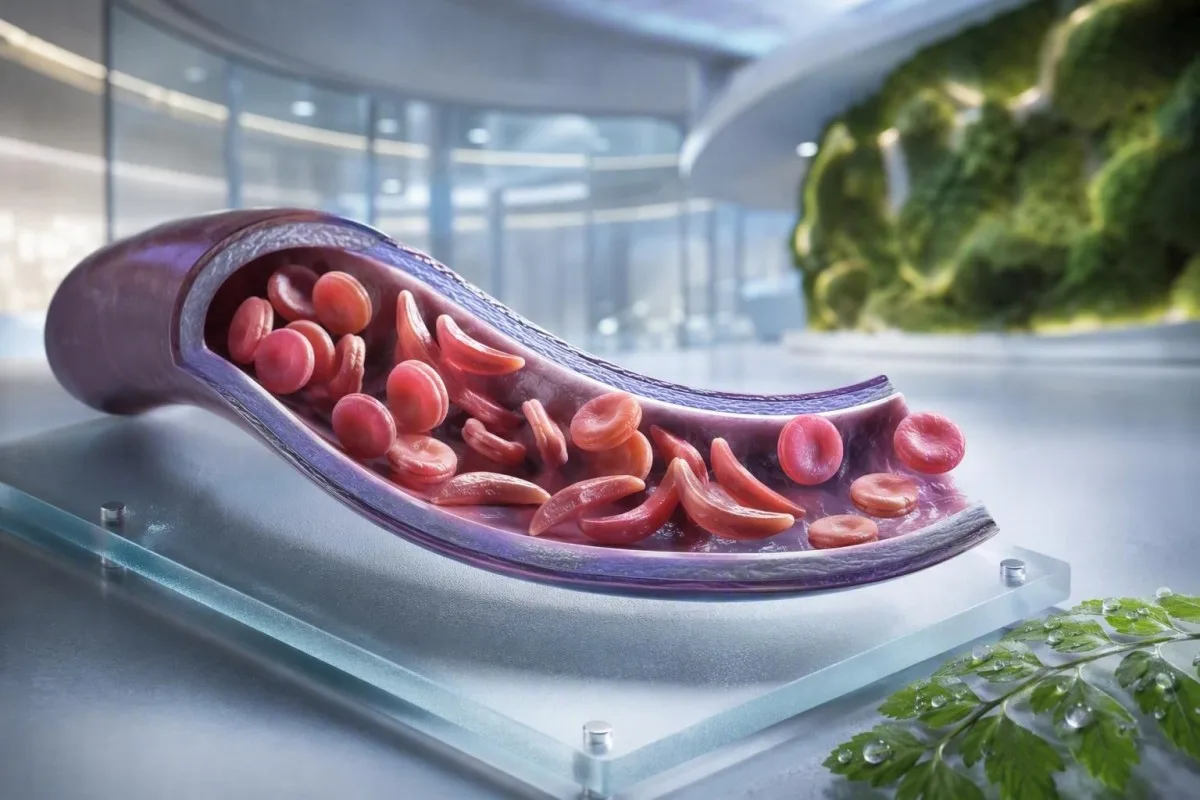
Anemia falciforme nuk është një test, një simptomë apo një nivel urgjence. Ky udhëzues me pacientin në qendër ndan statusin e bartësit, sëmundjen e konfirmuar, monitorimin rutinë dhe situatat që kërkojnë kujdes urgjent.


- Tipar i qelizave falciforme do të thotë një gen HbS; zakonisht nuk shkakton anemi kronike ose kriza të përsëritura dhimbjeje.
- Skriningu i të porsalindurve identifikon shumicën e foshnjave të prekur para se të fillojnë simptomat, duke lejuar fillimin e hershëm të penicilinës dhe ndjekjes nga specialistë.
- Elektroforeza e hemoglobinës ndan llojet e hemoglobinës dhe ndihmon në konfirmimin e HbSS, HbSC, HbS-beta talasemisë, ose statusit të bartësit.
- Dhimbje e rëndë e gjoksit, vështirësi në frymëmarrje, ethe 38.5°C ose më të lartë, konfuzion, ose dobësi e re kërkojnë vlerësim urgjent emergjent te një person me sëmundjen e qelizave falciforme.
- Sindroma akute e gjoksit mund të fillojë me kollë, ethe, dhimbje gjoksi, ose oksigjen të ulët dhe mund të përkeqësohet brenda orëve në vend të ditëve.
- Një rënie e papritur e hemoglobinës prej 2 g/dL ose më shumë nga niveli i zakonshëm i një personi mund të sinjalizojë krizë aplastike, sekuestrim, gjakderdhje ose hemolizë të përshpejtuar.
- Numri i retikulociteve ndihmon në dallimin e përgjigjes aktive të palcës kockore nga kriza aplastike; një numër i ulët gjatë përkeqësimit të anemisë është një model paralajmërues.
- Hidroksiurea është një ilaç që modifikon sëmundjen, jo thjesht një ilaç kundër dhimbjes; monitorimi zakonisht përfshin një numërim të plotë të gjakut çdo 4 javë gjatë rregullimit të dozës.
Çfarë do të thotë anemia falciforme—dhe çfarë nuk do të thotë
Anemia e qelizave serpike zakonisht i referohet sëmundjes HbSS, ku një person trashëgon dy gjene që prodhojnë hemoglobinë S; qelizat e kuqe të gjakut mund të bëhen të ngurta, të shkatërrohen herët dhe të bllokojnë enët e vogla të gjakut. Tipari i qelizave serpike është i ndryshëm: një gen HbS zakonisht është i mjaftueshëm për t'u trashëguar gjenetikisht, por jo i mjaftueshëm për të shkaktuar aneminë kronike dhe episodet e përsëritura vaskulare-okluzive të parë në HbSS.
Sëmundja e qelizave serpike është një term i përgjithshëm që përfshin HbSS, HbSC, HbS-beta-zero talasemi dhe HbS-beta-plus talasemi. HbSS shpesh shkakton aneminë më të theksuar, por ashpërsia ndryshon në mënyrëEnormouse edhe brenda një familjeje; një hemoglobinë bazë prej 7.5 g/dL mund të jetë stabile për një të rritur dhe e rrezikshme për një tjetër nëse ka rënë shpejt.
Muzioni i hemoglobinës S ndryshon një aminoacid në beta-globinën: valina zëvendëson acidin glutamik në pozicionin 6. Në kushte të ulëta oksigjeni, dehidrimi, acidoza ose ethet, molekulat e HbS mund të polimerizohen brenda qelizës. Ajo ndryshimi fizik shpjegon pse kriza mund të zhvillohet pas një fluturimi të gjatë, një sëmundje gastrointestinale ose një nate me marrje të pamjaftueshme të lëngjeve.
Kantesti AI është një Analizues i testeve të gjakut AI që vendos CBC, bilirubinën, LDH, retikulocitet, kreatininën dhe rezultatet e mëparshme në një pamje gjatësore; nuk diagnostikon sëmundjen e qelizave serpike vetëm nga një CBC. Për një përditësim praktik të raportimit të hemoglobinës, shihni çfarë do të thotë HGB.
Që nga 4 shtatori 2026, unë ende shoh pacientë të cilëve u thuhet gabimisht se tipari dhe sëmundja janë të ndërsjellë. Ato nuk janë. Rregulla klinike e Dr. Thomas Klein është e thjeshtë: kërkoni gjenotipin ekzakt të hemoglobinës, jo një deklaratë të paqartë se një test ishte “pozitiv”.”
Pse gjenotipi ndryshon kujdesin
HbSC mund të ketë një hemoglobinë më të lartë se HbSS, por prapëseprapë të shkaktojë komplikime retinopatie, dhimbje ose nekrozë avaskulare. HbS-beta talasemia mund të ngjajë me tiparin ose HbSS në varësi të asaj nëse prodhimi i beta-globinës është pjesërisht i pranishëm, prandaj testimi molekular ndonjëherë zgjidh një model elektroforeze ambigue.
Simptomat e sëmundjes së qelizave falciforme sipas moshës dhe bazës
Simptomat e sëmundjes së qelizave serpike zakonisht përfshijnë dhimbje kockash ose gjoksi episodike, lodhje, verdhëz, gulçim, rritje të vonuar dhe infeksione të shpeshta, por asnjë dy njerëz nuk përjetojnë të njëjtin model. Simptomat zakonisht shfaqen pas 4 deri në 6 muajsh moshë sepse hemoglobina fetale fillimisht i mbron foshnjat nga polimerizimi i HbS.
Daktiliti—enjtje e dhimbshme e duarve ose këmbëve—mund të jetë shenja e parë e dukshme tek foshnjat. Tek fëmijët e moshës shkollore, dhimbja e barkut meriton kujdes të veçantë sepse kapsllëku, sëmundja e fshikëzës së tëmthit, zmadhimi i shpretkës dhe vaskulo-okluzioni mund të ndjehen në mënyrë befasuese të ngjashme në shtëpi.
Verdhëza në sëmundjen e qelizave serpike reflekton thyerjen e vazhdueshme të qelizave të kuqe të gjakut dhe rritjen e indirekte të bilirubinës; nuk do të thotë automatikisht hepatit. Urina e errët, jashtëqitjet e zbehta, kruarja, ethet ose dhimbja në kuadratin e sipërm të djathtë të barkut ndryshojnë atë vlerësim dhe kërkojnë vlerësimin e shkaqeve të mëlçisë dhe të tëmthit; udhëzuesi ynë për modelet direkte të bilirubinës shpjegon dallimin.
Të rriturit mund të normalizojnë dhimbjen që është bërë gradualisht më e shpeshtë. Në përvojën time, një kalim nga dy episode të menaxhuara në shtëpi në vit në dy episode në muaj është klinikisht kuptimplotë edhe nëse vizitat emergjente nuk janë rritur. Ndërprerja e gjumit, puna e humbur, simptomat e erektilitetit, disponimi i ulët dhe reduktimi i tolerancës ndaj ushtrimeve duhet të dokumentohen sepse shpesh ato i paraprijnë një ndryshimi formal në trajtim.
Një përqendrim i hemoglobinës prej 6 deri në 9 g/dL mund të jetë një diapazon normal bazë në HbSS, ndërsa një vlerë nën 10 g/dL do të ishte e papritur në shumicën e njerëzve pa sëmundje. Numri ka rëndësi, por ndryshimi nga baza personale ka më shumë rëndësi.
Kush duhet të marrë në konsideratë skriningun për bartjen e qelizave falciforme
Shqyrtimi për qelizat serpike është i arsyeshëm para shtatzënisë ose herët në shtatzëni për këdo, statusi i bartësit i të cilit është i panjohur, pavarësisht nga pamja, mbiemri ose prejardhja e supozuar. Statusi i bartësit trashëgohet dhe shpesh mbetet i panjohur deri në një test të të porsalindurit ose një test të hemoglobinës të papritur anormal.
Nëse të dy prindërit biologjikë janë bartës të një varianti të lidhur me HbS ose beta-talaseminë, çdo shtatzëni mund të ketë 25% shans për të trashëguar një gjendje klinikisht domethënëse të hemoglobinës, në varësi të varianteve të përfshira. Bartësi mund të ketë energji normale, rezultate normale të CBC dhe histori mungesë të episodeve të dhimbjes.
Ekzaminimi është veçanërisht i dobishëm kur një partner ka HbAS, tipar HbC, tipar beta-talasemie, mikrocitozë të pashpjegueshme ose histori familjare të sëmundjes së qelizave drapër. Vëllimi mesatar i kuqerendë i ulët nuk duhet të fajësohet për mungesë hekuri pa kontrolluar ferritinën dhe duke marrë parasysh talaseminë; krahaso Treguesit MCV dhe MCH.
Një raport global i Organizatës Botërore të Shëndetësisë i vitit 2022 vlerësoi se çrregullimet e hemoglobinës mbeten një barrë e madhe e sëmundjeve të trashëguara, veçanërisht aty ku aksesi në ekzaminimin e të porsalindurve është i pabarabartë. Qasja më e respektueshme është qasja universale në ekzaminime të informuara, në vend që të përdoret etnia si portier.
Kantesti është një platformë e interpretimit të analizave të gjakut AI që mund të shpjegojë një rezultat të raportuar të HbS në gjuhë të thjeshtë, por konfirmimi i bartësit dhe këshillimi riprodhues kërkojnë një laborator të akredituar dhe mjek. Nëse një çift po planifikon një shtatzëni, pyesni nëse testimi i partnerit dhe këshillimi gjenetik mund të bëhen para konceptimit, në vend që të ndodhin pas një rezultati që bëhet i ndjeshëm ndaj kohës.
Si konfirmon elektroforeza e hemoglobinës diagnozën
Elektroforeza e hemoglobinës ndan fraksionet e hemoglobinës dhe është një test bazë për konfirmimin e anemisë falciforme ose tipit, shpesh së bashku me kromatografinë e lëngshme me performancë të lartë dhe, kur është e nevojshme, testime gjenetike. Një CBC rutinë nuk mund të konfirmojë HbSS ose tipin sepse mungesa e hekuri dhe talasemia mund të prodhojnë inde të kuqe të gjakut që mbivendosen.
Në HbSS të patrajtuar, elektroforeza zakonisht tregon kryesisht HbS pa HbA, megjithëse përqindja e HbF ndryshon. HbAS zakonisht tregon si HbA ashtu edhe HbS, shpesh me HbA më të lartë se HbS; përqindjet e sakta mund të ndryshojnë me alfa-talaseminë e trashëguar bashkërisht ose transfuzionin e kohëve të fundit.
Transfuzioni i kohëve të fundit mund ta bëjë rezultatin e elektroforezës mashtrues për rreth 3 muaj, sepse HbA e dhuruesit është ende në qarkullim. Kjo është arsyeja edhe pse HbA1c mund të nënvlerësojë glukozën mesatare pas transfuzionit ose në hemolizë me qarkullim të lartë; shih kur HbA1c mashtron.
Një shtupë periferike mund të tregojë qeliza të objektivit, polikromazi dhe forma të drapërizuara, por mikroskopia mbështet më shumë sesa zëvendëson testimin e fraksionit. Dr. Klein ka parë shtupat e emergjencës “normale” duke vonuar sqarimin kur një pacient ishte transfuzuar javë më parë—gjithmonë informoni laboratorin dhe ekipin e hematologjisë për transfuzionet.
Metodat e ekzaminimit të të porsalindurve identifikojnë HbS para sëmundjes klinike, por rezultati ende kërkon testime konfirmuese në kohë. Udhëzimi i vitit 2014 i bazuar në prova nga Yawn et al. rekomandon përfshirjen e specialistëve në jetë të hershme, me masa parandaluese që fillojnë para komplikacionit kryesor të parë (Yawn et al., 2014).
Monitorimi rutinë i gjakut: çfarë analizojnë klinicistët në fakt
Monitorimi rutinë në sëmundjen e qelizave drapër zakonisht përqendrohet në hemoglobinë, retikulocite, qeliza të bardha, trombocite, bilirubinë, LDH, funksionin e veshkave dhe proteinën në urinë—jo një rezultat i izoluar. Krahasimi më i sigurt është me nivelin bazë stabil të pacientit, i cili idealisht merret kur ai është mirë dhe jo kohët e fundit i transfuzuar.
Hemoliza shpesh prodhon LDH, bilirubinë indirekte dhe retikulocite të ngritura me haptoglobinë të ulët. Haptoglobina mund të jetë e ulët edhe për arsye të tjera, duke përfshirë sëmundjet e mëlçisë, kështu që modeli i kombinuar është më i fortë se çdo marker individual; për interpretimin e haptoglobinës tregon pse.
Vetëm përqindja e retikulociteve mund të mbingarkojë përgjigjen e palcës në aneminë e rëndë. Mjekët shpesh llogarisin numrin absolut të retikulociteve ose përgjigjen e korrigjuar të retikulociteve; një numër absolut në rënie gjatë përkeqësimit të anemisë ngre shqetësim për krizën aplastike të lidhur me parvovirusin B19.
Kantesti është një Mjet për analizën e testeve të gjakut me AI që krahason rezultatet e përsëritura të hematologjisë në vend që të trajtojë një LDH të lartë si diagnozë të vetme. Një mostër e shënuar si e hemolizuar në tub mund të rrisë në mënyrë të rremë kaliumin dhe LDH, kështu që një rezultat i befasishëm mund të kërkojë ripërsëritje; rishikoni testime përsëritëse pas hemolizës.
Hidroksiurea zakonisht rrit MCV dhe HbF me kalimin e kohës, ndërsa ul moderuar neutrofilet në një dozë efektive. Këto ndryshime mund të jenë të pritshme, por një numër absolut i neutrofileve nën pragun e trajtimit individual ose një numër trombocitesh në rënie të shpejtë kërkon rishikimin e mjekut përshkrues, në vend që të rregullohet vetë medikamenti.
Kur dhimbja është një episod vazo-okluziv—dhe kur nuk është
Dhimbja vazo-okluzive është shpesh e thellë, e rëndë dhe e vendosur në shpinë, gjoks, ije, gjymtyrë ose bark, por dhimbja e re nuk duhet të quhet automatikisht krizë drapër. Ethe, ënjtje fokale, lëndim, mbrojtje abdominale ose simptoma neurologjike njëansore tregojnë për probleme që kërkojnë një vlerësim tjetër.
Një plan për dhimbjen në shtëpi zakonisht përfshin hidratim të hershëm, ngrohtësi, analgjezi të përshkruar, pushim dhe një prag personal rritjeje të rënë dakord me ekipin e qelizave drapër. Pirja e tepërt e lëngjeve nuk është më e sigurt: personat me dëmtim të veshkave ose sëmundje të zemrës mund të zhvillojnë mbingarkesë me lëngje, veçanërisht gjatë një sëmundjeje akute.
Dhimbja që mbetet e pakontrolluar pas planit të zakonshëm të shpëtimit, parandalon mbajtjen e lëngjeve ose medikamenteve, ose është e ndryshme në cilësi ose vendndodhje duhet të nxisë këshillë urgjente klinike. Një nyje e ënjtur dhe e nxehtë mund të paraqesë artrit septik ose infeksion kockash në vend të vazo-okluzionit të pakomplikuar; udhëzues për testime të dhimbjes së pashpjegueshme përshkruan hetimet e para të dobishme.
Në kujdesin urgjent, analgjezia e kohëshme dhe rishikimi kanë më shumë rëndësi sesa provimi i ashpërsisë së dhimbjes përmes një numri laboratorik. Udhëzuesi i NICE mbi episodet akute të dhimbjes me qeliza drapër rekomandon vlerësim të shpejtë të analgjezisë dhe rishikim të shpeshtë, sepse nën-trajtimi vetë kontribuon në shqetësim të zgjatur dhe shërim të vonuar (NICE, 2012).
Shmangni paketat e akullit drejtpërdrejt në një zonë me dhimbje vazo-okluzive, nëse ekipi juaj nuk i këshillon ato specifikisht; i ftohti mund të ngushtojë enët periferike. Ky detaj praktik duket i parëndësishëm, por shumë pacientë më thonë se askush nuk ua shpjegoi atë derisa pas disa episodesh të vështira.
Sindroma akute e gjoksit: urgjenca që shumë njerëz e anashkalojnë
Sindroma akute e gjoksit është një infiltrat i ri në mushkëri në imazhet e gjoksit plus simptoma respiratore, ethe, dhimbje gjoksi ose pak oksigjen te një person me sëmundje të qelizave drapër, dhe është një emergjencë. Mund të përkeqësohet shpejt, ndonjëherë pas pranimit për një episod dhimbjeje, në vend që të fillojë në momentin kur shfaqen simptomat në gjoks.
Telefononi shërbimet emergjente ose shkoni në kujdesin urgjent për gulçim të ri, dhimbje gjoksi, buzë blu-gri, të fikët, kollë të vazhdueshme me ethe, ose një saturim oksigjeni nën objektivin e caktuar për personin. Një saturim prej 92% mund të jetë një rënie e madhe për dikë që normalisht është në 98%, ndërsa disa pacientë kanë një nivel bazë të dokumentuar më të ulët; si vlera absolute ashtu edhe ndryshimi kanë rëndësi.
Sindroma akute e gjoksit mund të përfshijë infeksion, embolizim yndyror nga palca kockore, bllokim vaskular pulmonar, atelectazë, ose disa procese njëkohësisht. Mjekët zakonisht vlerësojnë oksigjenimin, CBC, retikulocitet, kultura kur kanë ethe, imazhet e gjoksit dhe ndonjëherë gazrat e gjakut; analizat e gjakut për gulçim shton kontekst këtyre rezultateve.
Te të rriturit, mbingarkesa me sedative nga opioidet, frymëmarrja e cekët nga dhimbja dhe teprica e lëngjeve intravenozë mund të përkeqësojnë statusin respirator. Spirometria e nxitur gjatë shtrimit në spital redukton komplikacionet pulmonare në episode të zgjedhura dhimbjeje, megjithëse nuk është zëvendësim për vlerësimin urgjent kur simptomat kanë filluar tashmë.
Rishikimi i vitit 2018 nga Kato dhe kolegët përshkruan sindromën akute të gjoksit si një shkak kryesor të morbiditetit dhe mortalitetit gjatë jetës (Kato et al., 2018). Mos e drejtoni vetë makinën nëse gulçimi, përgjumja ose presioni në gjoks janë të rëndësishme.
Ethe, infeksion dhe emergjenca të shpretkës
Një temperaturë prej 38.5°C (101.3°F) ose më e lartë te një fëmijë ose i rritur me sëmundje qelizore drapanore kërkon vlerësim mjekësor urgjent brenda së njëjtës ditë, nëse ekipi i tyre specialist nuk ka dhënë një plan tjetër. Humbja funksionale e funksionit imunitar të shpretkës mund të bëjë që disa infeksione bakteriale të përparojnë shumë më shpejt se një ethe e zakonshme virale.
Ethe plus letargji, skuqje, presion i ulët i gjakut, konfuzion ose ulje e prodhimit të urinës kërkon kujdes urgjent tani. Një numër normal i qelizave të bardha të gjakut nuk përjashton në mënyrë të besueshme infeksionin serioz në sëmundjen qelizore drapanore, veçanërisht në fillim të sëmundjes ose gjatë trajtimit me hidroksiure.
Sekuestrimi splenik ndodh më së shpeshti te fëmijët e vegjël dhe shkakton zmadhim të papritur të shpretkës, zbehtje, ndjenjë të rënduar në bark, frymëmarrje të shpejtë dhe një rënie të shpejtë të hemoglobinës. Prindërit ndonjëherë mësohen se si ta ndiejnë shpretkën e fëmijës së tyre, por çdo zmadhim i ri me sëmundje duhet të shkaktojë vlerësim urgjent në vend të kontrolleve të përsëritura në shtëpi.
Një rënie e hemoglobinës prej 2 g/dL ose më shumë nën nivelin bazë të zakonshëm me një shpretkë të zmadhuar është shqetësuese për sekuestrim. Në të kundërt, anemia e rëndë me një numër shumë të ulët retikulocitësh mund të sugjerojë krizë aplastike, shpesh të lidhur me parvovirusin B19; interpretimi i numrit të retikulocitëve shpjegon sinjalin e palcës kockore.
Laboratorët e sepsës mund të përfshijnë laktatin, kulturat, CBC, testet e veshkave dhe markerët inflamatorë, por vendimet e trajtimit nuk duhet kurrë të presin që të gjitha vlerat të kthehen. Për kontekst mbi modelet urgjente, lexoni treguesit e markuesve të sepsës.
Vaksinat dhe antibiotikët preventivë
Vaksinat dhe profilaksia me penicilinë te fëmijët zvogëlojnë rrezikun, por nuk e bëjnë ethet me rrezik të ulët. Konfirmoni planin tuaj individualizuar me një ekip të hematologjisë ose pediatrisë, veçanërisht pas splenektomisë, udhëtimit, një foshnje të re ose një ndryshimi në programin vendas të imunizimit.
Shenjat paralajmëruese të goditjes dhe neurologjike kërkojnë veprim të menjëhershëm
Çdo rënie e papritur e fytyrës, dobësi në krah ose këmbë, vështirësi në të folur, krizë, dhimbje koke e rëndë e pazakontë, konfuzion ose humbje e ekuilibrit në sëmundjen qelizore drapanore duhet trajtuar si një emergjencë e mundshme e goditjes cerebrale (stroke). Thirrni menjëherë shërbimet e urgjencës; mos prisni për të parë nëse simptomat kalojnë ose jepni medikament për dhimbje më parë.
Fëmijëve me HbSS ose talasemi HbS-beta-zero u ofrohet zakonisht ekzaminimi me ultratingull Doppler transkranik nga mosha 2 deri në 16 vjeç. Një shpejtësi mesatare mesatare maksimale e kohës anormale prej 200 cm/sekondë ose më e lartë identifikon një rrezik në rritje ndjeshëm të goditjes cerebrale dhe kërkon veprim të shpejtë specialistik.
Terapia e përhershme me transfuzion mund të zvogëlojë rrezikun e goditjes cerebrale të parë te fëmijët me rezultate anormale të Doppler, por krijon nevoja shtesë: monitorim të mbishkarkimit me hekur, shqyrtim për antitrupa dhe përputhje të kujdesshme të qelizave dhuruese. Ky është kujdes i specializuar, jo një rezultat për t'u menaxhuar përmes një aplikacioni.
Të rriturit mund të kenë simptoma neurologjike kalimtare, ndryshime kognitive ose dëmtime cerebrale të heshtura pa një goditje cerebrale klasike dramatike. Një episod 10-minutësh i vështirësisë në gjetjen e fjalëve ende kërkon vlerësim urgjent, sepse simptomat iskemike kalimtare mund të jenë një paralajmërim, jo një garanci.
Dr. Thomas Klein këshillon familjet të ruajnë numrin lokal të kontaktit të urgjencës për sëmundjen drapanore pranë planit të zakonshëm për dhimbjen. Kjo eliminon një vendim gjatë minutave të pakta kur një fëmijë ose i rritur mund të luftojë për të komunikuar.
Mbrojtja e veshkave, syve dhe mushkërive midis krizave
Sëmundja qelizore drapanore mund të dëmtojë veshkat, retinën, mushkëritë dhe zemrën edhe kur dhimbja është e paqëndrueshme, kështu që mbikëqyrja rutinore e organeve është pjesë e trajtimit dhe jo një shtesë opsionale. Testimi i albuminës në urinë, kontrollet e presionit të gjakut, ekzaminimet e syve dhe vlerësimi i mushkërive i udhëhequr nga simptomat identifikojnë komplikime para se ato të bëhen të dukshme.
Albuminuria mund të jetë një shenjë e hershme e nefropatisë drapanore. Një raport albuminë-kreatininë në urinë prej 30 mg/g ose më shumë është jonormal te shumica e të rriturve dhe duhet të konfirmohet me teste të përsëritura, sepse ethet, ushtrimet, menstruacionet dhe dehidratimi mund ta rrisin atë në mënyrë kalimtare.
Kreatinina mund të duket mashtruese normale në sëmundjen qelizore drapanore, sepse sekrecioni i rritur tubuliar dhe masa më e ulët e muskujve mund të maskojnë filtrimin e reduktuar. Cystatin C ose ekuacionet e kombinuara mund të shtojnë kontekst të dobishëm, ndërsa urina e vazhdueshme me shkumë meriton vlerësim; shihni udhëzimet për proteinat në urinë.
Retinopatia është veçanërisht e rëndësishme në sëmundjen HbSC, e cila mund të jetë më e qetë në aspektin klinik në drejtime të tjera. Floaters të rinj, shkëlqime, një ndryshim vizual në formë perde, ose shikim i papritur i turbullt kërkojnë rishikim urgjent oftalmologjik, jo një takim rutinë pas javësh.
Shtatzënia shton hiperfiltrimin fiziologjik dhe rrezikun më të lartë nënë-fetus, kështu që vlerësimi bazë i veshkave dhe urinës duhet të bëhet herët. Shpjegimi ynë i ndryshimeve të GFR gjatë shtatzënisë ndihmon në dallimin e ndryshimit të pritshëm nga një trend shqetësues.
Zgjedhjet e trajtimit, hidroksiurea dhe siguria e transfuzionit
Hidroksiurea redukton episodet e dhimbshme dhe sindromën akute të gjoksit te shumë njerëz me talasemi HbSS ose HbS-beta-zero duke rritur hemoglobinën fetale, por kërkon monitorim të strukturuar. Transfuzioni mund të jetë jetëshpëtues për komplikime të zgjedhura, megjithatë transfuzionet e përsëritura sjellin rreziqe të ngarkesës me hekur dhe antitrupave të qelizave të kuqe të gjakut.
Hidroksiurea zakonisht titrohet me një CBC dhe numërim retikulocitar rreth çdo 4 javë derisa të arrihet një dozë stabile, pastaj në intervale më të gjata të përcaktuara nga ekipi mjekësor. Një MCV më i lartë është shpesh një efekt i pritshëm i trajtimit, ndërsa citopenia e rëndë kërkon rishikim të medikamentit dhe ndonjëherë ndërprerje të përkohshme.
Transfuzioni i thjeshtë rrit kapacitetin mbartës të oksigjenit, por përqendrimi i tepërt i hemoglobinës mund të rrisë viskozitetin në HbSS. Shumë protokolle akute shmangin rritjen e hemoglobinës pas transfuzionit shumë mbi 10 g/dL, nëse një specialist nuk vendos një qëllim tjetër; transfuzioni i shkëmbimit përdoret për komplikime të rënda të zgjedhura.
Ngarkesa me hekur bëhet më e mundshme pas transfuzioneve të përsëritura dhe vlerësohet me tendencat e ferritinës plus MRI të mëlçisë ose zemrës kur është e përshtatshme. Ferritina rritet me inflamacionin, kështu që një nivel i lartë i vetëm nuk është provë e ngarkesës me hekur në ind; udhëzues për studimet e hekurit shpjegon kufijtë.
E vërteta shkencore është më e fortë për hidroksiurean në sëmundjen HbSS dhe HbS-beta-zero; përfitimi në HbSC mbetet një fushë me më pak siguri dhe më shumë vendimmarrje individuale. Një plan medikamentesh duhet të përfshijë diskutime për kontracepsionin dhe shtatzëninë aty ku është e relevantë, barrierat e përputhshmërisë dhe një plan me shkrim për dozat e humbura.
Shtatzënia, fertiliteti dhe planifikimi familjar me HbS
Shtatzënia me anemi qelizore drapër kërkon kujdes të hershëm të përbashkët nga obstetrika dhe hematologjia, sepse rreziku i episodeve të dhimbjes, anemisë, trombozës, infeksionit, preeklampsisë, kufizimit të rritjes fetale dhe lindjes së parakohshme janë më të larta. Shqyrtimi i bartësve është i rëndësishëm para shtatzënisë sepse rreziku gjenetik varet nga të dy prindërit biologjikë.
Një vizitë para shtatzënisë duhet të shqyrtojë gjenotipin, hemoglobinën bazë, funksionin e veshkave, albuminin në urinë, presionin e gjakut, historinë e transfuzionit, antitrupat e qelizave të kuqe të gjakut, vaksinimet dhe medikamentet. Vendimet për hidroksiurean gjatë shtatzënisë janë individuale dhe duhet të merren me specialistë; mos e ndaloni ose rifilloni atë vetëm bazuar në këshilla nga interneti.
Hekuri nuk duhet të përshkruhet automatikisht për hemoglobinë të ulët në HbSS. Mungesa e hekurit mund të bashkë-ekzistojë, veçanërisht me shtatzëninë ose gjakderdhjen e rëndë menstruale, por ferritina dhe satura e transferinës duhet të udhëheqin trajtimin sepse hemoliza kronike vetëm nuk është e barabartë me mungesë hekuri.
Kur të dy prindërit mbartin varianete relevante të hemoglobinës, këshillimi gjenetik mund të shpjegojë konceptimin natyral, zgjedhjet diagnostikuese prenatale, opsionet e dhuruesve dhe testimin gjenetik para implantimit pa drejtuar një familje drejt një vendimi. Qëllimi është zgjedhja e informuar, jo alarmi.
Për shenja të tjera praktike laboratorike të kuqe të shtatzënisë, shihni shqetësime laboratorike të shtatzënisë në të njëjtën ditë. Bazat e njohura të pacientit duhet të përfshihen në çdo dorëzim të kujdesit amësor; ndryshon mënyrën se si interpretohet rezultati i hemoglobinës.
Përdorimi i sigurt i rezultateve laboratorike midis vizitave
Një rezultat laboratorik i anemisë qelizore drapër është më i dobishëm kur krahasohet me gjenotipin tuaj, bazën stabile, simptomat, trajtimet dhe transfuzionet e fundit. Një bilirubinë e lartë ose hemoglobinë e ulët mund të jetë e pritshme për një person me HbSS, por urgjente për të njëjtin person nëse rezultati ndryshon papritmas.
Mbani një rekord një-faqësh të gjenotipit, hemoglobinës së zakonshme, saturimit të zakonshëm të oksigjenit nëse dihet, grupit të gjakut dhe antitrupave, medikamenteve aktuale, datave të transfuzionit dhe kontakteve emergjente. Kjo kursen kohë në reparte emergjence të panjohura dhe redukton mundësinë që një bazë HbSS të ngatërrohet me anemi të sapo zbuluar.
Kantesti është një shërbimin e interpretimit të analizave të AI që mund të organizojë raporte laboratorike të ngarkuara dhe të shënojë modele për diskutim, duke përfshirë markerët e hemolizës, tendencat renale dhe monitorimin e medikamenteve. Nuk mund të shohë gjoksin tuaj, të masë oksigjenimin, ose të zëvendësojë kujdesin emergjent kur simptomat tregojnë për sindromë akute të gjoksit, sepsë ose goditje në tru.
Një rezultat jashtë intervalit referues të laboratorit nuk është automatikisht i rrezikshëm, dhe një rezultat brenda tij mund të jetë ende i rrezikshëm nëse ka ndryshuar ndjeshëm. Për një shpjegim të flamujve të raportimit dhe rangjeve referuese, lexoni kuptimi i rezultatit jashtë diapazonit.
Qasja klinike e Kantesti shqyrtohet kundrejt metodave dhe kufizimeve të përcaktuara; lexuesit që duan të kuptojnë masat tona mbrojtëse mund të shqyrtojnë validimit klinik. Sillni PDF-në origjinale në takimin tuaj hematologjik—OCR është i dobishëm, por raporti burimor mbetet regjistri.
Një plan i qartë veprimi emergjent për sëmundjen e qelizave falciforme
Kërkoni ndihmë urgjente tani për dhimbje në gjoks ose gulçim, ethe 38.5°C ose më të lartë, simptoma të reja neurologjike, të fikët, zbehje të rëndë, dhimbje të pakontrolluar, një bark që zgjerohet shpejt, ose paaftësi për të pirë dhe marrë ilaçe. Këto shenja paralajmëruese mund të tregojnë sindromën akute të gjoksit, sepsën, goditjen në tru, aneminë e rëndë, ose sekuestrimin shpretkor.
Informoni stafin e urgjencës se keni sëmundjen e qelizave drapër, jepni gjenotipin tuaj nëse e dini dhe përshkruani se çfarë është ndryshe nga episodi juaj i zakonshëm. Përmendni transfuzionin e fundit, hemoglobinën bazë, ilaçet kundër dhimbjeve të marra tashmë me doza dhe kohë, alergjitë, shtatzëninë dhe çdo sindromë akute e gjoksit ose goditje në tru të mëparshme.
Mos prisni që pulsioksometri në shtëpi të bëhet jonormal nëse simptomat e gjoksit po përkeqësohen. Pajisjet e konsumatorëve mund të lexojnë gabim me gishta të ftohtë, produkte për thonjtë, lëvizje, qarkullim të dobët të gjakut dhe disa tone të lëkurës; simptomat dhe vlerësimi klinik tejkalojnë një ekran qetësues.
Nëse kujdeseni për një fëmijë, kërkoni ekipit të tyre një prag etheje me shkrim, plan analgjezik dhe udhëzime për kontrollin e shpretkës. Nëse jeni i rritur, mbani një kopje në telefonin tuaj dhe ndajeni me një person të besuar; planifikimi i regjistrit shëndetësor familjar mund ta bëjë këtë më të lehtë.
Ekipi mjekësor i Kantesti, duke përfshirë Bordi Këshillimor Mjekësor, mbështet edukimin rreth interpretimit laboratorik, ndërsa vendimet emergjente i përkasin shërbimeve klinike në vend. Rreth organizatës dhe misionit tonë klinik, shihni ekipi dhe qasja jonë.
Pyetje të Shpeshta
Cilat janë simptomat e para të anemisë së qelizave-redha dallgëzuara te foshnjat?
Simptomat e para të anemisë së qelizave drapanore shpesh shfaqen pas 4-6 muajsh moshë, kur hemoglobina fetale natyrshëm bie. Fryerja e dhimbshme e duarve dhe këmbëve, e quajtur daktilit, ethet, acarimi i pazakontë, zbehja, ikteri, ushqimi i dobët dhe barku i fryrë janë shenja paralajmëruese të hershme të zakonshme. Një temperaturë 38.5°C (101.3°F) ose më e lartë te një foshnjë me sëmundje qelizore drapanore kërkon vlerësim mjekësor urgjent brenda ditës, sepse infeksioni serioz mund të përparojë shpejt. Shqyrtimi i të porsalindurve identifikon foshnjat e prekura para se të fillojnë simptomat, por testimi konfirmues dhe ndjekja nga specialisti mbeten të nevojshme.
A keni shenja nëse keni tiparin e qelizave drapër?
Shumica e njerëzve me tiparin e drapërzimit kanë anemi kronike, kriza të dhimbshme të përsëritura dhe tolerancë normale të përditshme ndaj ushtrimeve. Komplikime të rralla mund të ndodhin në dehidrim ekstrem, ekspozim të rëndë ndaj nxehtësisë, lartësi të mëdha, përpjekje shumë intensive, ose ambiente me pak oksigjen, dhe gjaku në urinë duhet të vlerësohet në vend që të supozohet se është beninj. Tipari do të thotë një gjen HbS, ndërsa anemia e drapërzimit zakonisht do të thotë sëmundja HbSS me dy gjene beta-globin të prekur. Elektroforeza e hemoglobinës ose një test ekuivalent i fraksionimit mund të qartësojë dallimin.
Cili test konfirmon aneminë e qelizave drapër?
Elektroforeza hemoglobinës, kromatografia e lëngshme me performancë të lartë, ose elektroforeza kapilare konfirmon fraksionet e hemoglobinës së pranishme dhe është qendrore për diagnostikimin e anemisë falciforme. HbSS e patrajtuar zakonisht tregon kryesisht hemoglobinë S pa hemoglobinë A, ndërsa bartësit zakonisht tregojnë si hemoglobinë A ashtu edhe hemoglobinë S. Një CBC mund të identifikojë aneminë ose qeliza të kuqe të vogla, por nuk mund të diagnostikojë në mënyrë të pavarur HbSS, HbSC, ose bartjen. Transfuzioni i fundit mund të shtrembërojë rezultatet e fraksioneve për rreth 3 muaj, kështu që mund të nevojitet testimi molekular kur modeli është i paqartë.
Kur duhet të shkojë në repartin e urgjencës një person me anemi qelizore?
Një person me sëmundje qelizore drapër duhet të kërkojë vlerësim urgjent për ethe prej 38.5°C (101.3°F) ose më të larta, dhimbje në gjoks, vështirësi në frymëmarrje, nivel të ulët të oksigjenit, dobësi të papritur, vështirësi në të folur, konvulsione, të fikët, zbehje që përkeqësohet shpejt, fryerje të rëndë të barkut, ose dhimbje që mbetet e pakontrolluar me planin e tyre të përcaktuar. Këto simptoma mund të sinjalizojnë sindromën akute të gjoksit, infeksion, goditje në tru, sekuestrim shpretke, ose një rënie të papritur të hemoglobinës. Dhimbja e re ose ndryshe gjithashtu ka nevojë për vlerësim sepse infeksioni i kockave, sëmundja e tëmthit, apendiciti dhe mpiksjet e gjakut mund të imitojnë dhimbjen vaso-okluzive. Mos e drejtoni vetë automjetin nëse simptomat neurologjike ose respiratore janë të rëndësishme.
Cili nivel i hemoglobinës është i rrezikshëm në aneminë e qelizave drapër?
Nuk ka një numër të vetëm të hemoglobinës të rrezikshme në sëmundjen e qelizave drapër, sepse shumë njerëz me HbSS kanë një nivel bazë stabil midis përafërsisht 6 dhe 9 g/dL. Një rënie prej 2 g/dL ose më shumë nga hemoglobina e zakonshme e individit është shpesh më shqetësuese sesa vlera absolute dhe mund të sugjerojë krizë aplastike, sekuestrim shpretkor, gjakderdhje ose hemolizë të përshpejtuar. Simptomat e rënda si gulçim, të fikët, dhimbje gjoksi, rrahje të shpejta të zemrës ose konfuzion kërkojnë vlerësim urgjent në çdo nivel të hemoglobinës. Vendimet për transfuzion varen nga simptomat, niveli bazë, shkaku i anemisë, oksigjenimi dhe rreziku i hiperviskozitetit.
A e shëron hidrokurea aneminë e drapanit?
Hidroksiurea nuk e shëron aneminë falciforme, por mund të zvogëlojë episodet e dhimbjes, sindromën akute të gjoksit, nevojën për transfuzion dhe përdorimin e spitalit për shumë njerëz me HbSS ose talasemi HbS-beta-zero. Ajo vepron pjesërisht duke rritur hemoglobinën fetale dhe zakonisht kërkon monitorim të CBC dhe retikulociteve rreth çdo 4 javësh ndërsa doza po rregullohet. Një rritje e MCV dhe nivelit të HbF mund të tregojë efekt biologjik, megjithëse asnjë nga rezultatet nuk provon përputhje të plotë. Qasjet kurative si transplantimi i qelizave burimore dhe disa terapi të bazuara në gjene kërkojnë vlerësim të veçantë të përshtatshmërisë dhe ndjekje afatgjatë.
Merrni sot analizë të analizave të gjakut me AI
Bashkohuni me mbi 2 milionë përdorues në mbarë botën që i besojnë Kantesti për analizë të menjëhershme dhe të saktë të analizave laboratorike. Ngarkoni rezultatet e analizave të gjakut dhe merrni interpretim gjithëpërfshirës të biomarkerëve të 15,000+ brenda sekondash.
📚 Publikime kërkimore të cituara
Klein, T., Mitchell, S., & Weber, H. (2026). Udhëzues për testin e komplementit C3 C4 dhe titrin e ANA. Kantesti Kërkim Mjekësor me AI.
Klein, T., Mitchell, S., & Weber, H. (2026). Testi i gjakut për virusin Nipah: Udhëzues për zbulimin dhe diagnostikimin e hershëm 2026. Kantesti Kërkim Mjekësor me AI.
📖 Referenca të jashtme mjekësore
⚕️ Mohim përgjegjësie mjekësore
Ky artikull është vetëm për qëllime edukative dhe nuk përbën këshilla mjekësore. Gjithmonë konsultohuni me një ofrues të kualifikuar të kujdesit shëndetësor për vendimet e diagnozës dhe trajtimit.
Sinjalet e Besimit E-E-A-T
Përvoja
Rishikim klinik i udhëhequr nga mjeku i flukseve të punës për interpretimin e analizave.
Ekspertizë
Fokus i mjekësisë laboratorike mbi mënyrën se si sillen biomarkerët në kontekstin klinik.
Autoritariteti
Shkruar nga Dr. Thomas Klein me rishikim nga Dr. Sarah Mitchell dhe Prof. Dr. Hans Weber.
Besueshmëria
Interpretim i bazuar në prova, me rrugë të qarta për ndjekje për të reduktuar alarmin.