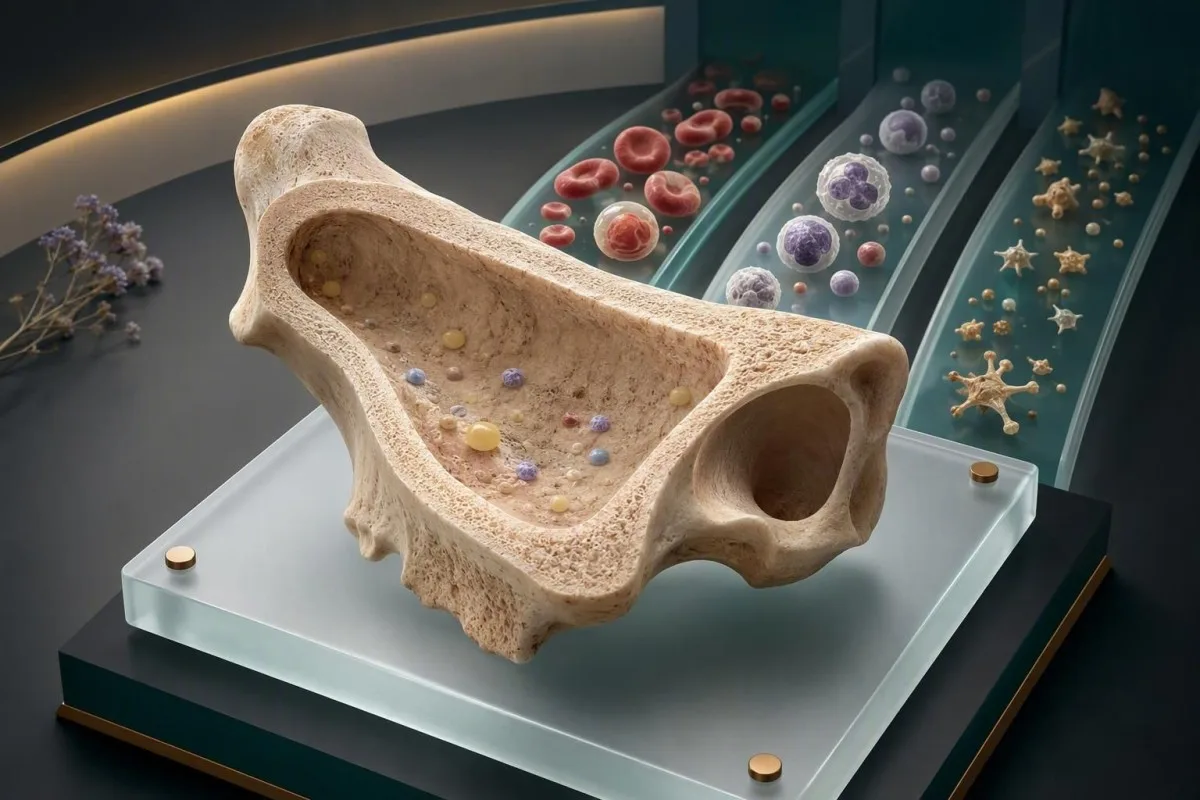
Aplastična anemija običajno povzroči izrazit vzorec treh linij v CBC: anemijo, nizke bele krvne celice in nizke trombocite z neprimerno nizkim številom retikulocitov. Vzorec potrebuje takojšnjo klinično potrditev, ker lahko več ozdravljivih in resnih stanj na prvi pogled izgleda podobno.


- Pancitopenija pomeni nizke rdeče krvne celice, bele krvne celice in trombocite; to je vzorec, ne diagnoza.
- Absolutno število retikulocitov pod 20 × 10⁹/L podpira znatno zmanjšano izločanje kostnega mozga ob prisotnosti anemije.
- Huda aplastična anemija je opredeljena z hipoceličnim kostnim mozgom plus vsaj dvema od naslednjega: ANC pod 0,5 × 10⁹/L, trombociti pod 20 × 10⁹/L ali retikulociti pod 20 × 10⁹/L.
- ANC pod 0,5 × 10⁹/L z vročino 38,0 °C ali višjo potrebuje nujno oceno isti dan.
- Trombociti pod 10 × 10⁹/L predstavljajo znatno tveganje za spontane krvavitve in običajno zahtevajo nujno bolnišnično oskrbo.
- Macrocytosis se lahko pojavi pri aplastični anemiji, vendar bi moral MCV nad 110 fL pri kliničnih zdravnikih aktivno izključiti pomanjkanje B12 ali folata.
- Blasti, označena displazija, solzaste celice ali shistociti na razmazu kažejo na zapleteno aplastično anemijo in spremenijo nadaljnje ukrepanje.
- Ne zdravite se sami tri-linijska nizka CBC s samo železom; železo ne obnovi proizvodnje v kostnem mozgu in lahko odloži nujno oceno.
Vzorec CBC, ki vzbuja skrb za aplastično anemijo
En test krvi za aplastično anemijo običajno kaže pancitopenijo: nizka hemoglobina, nizki nevtrofilci in nizki trombociti, ki se pojavijo skupaj, medtem ko se odziv retikulocitov še vedno nizek in ne kompenzacijski. Ta kombinacija bi morala sprožiti nujni pregled zdravnika, še posebej, če so se vrednosti zmanjšale na več kot eni predhodni CBC.
Pri odraslih je tipični referenčni interval CBC za hemoglobin približno 120–155 g/L za mnoge ženske in 135–175 g/L za mnoge moške, bele celice 4,0–11,0 × 10⁹/L in trombociti 150–400 × 10⁹/L; laboratoriji določajo svoje meje. Aplastična anemija zniža vse tri linije, ker kostni mozeg ne proizvaja dovolj novih celičnih elementov. Za osnovno orientacijo si oglejte naš vodnik po kaj vključuje CBC.
Vzorec je bolj informativen kot katera koli posamezna nizka vrednost. Hemoglobin 92 g/L po moški menstrualni izgubi je lahko posledica pomanjkanja železa, medtem ko je hemoglobin 92 g/L plus ANC 0,7 × 10⁹/L in trombociti 34 × 10⁹/L težava s proizvodnjo v kostnem mozgu, dokler ni dokazano drugače. Po mojih kliničnih izkušnjah nevarnost ni samo anemija – je okužba in tveganje krvavitev, ki se pojavita tiho ob njej.
Kantesti je AI analizator krvi ki bere komponente CBC kot povezan vzorec, ne kot tri nepovezane rdeče zastavice. Naš sistem lahko pomaga organizirati poročilo in predhodne rezultate, vendar ne more diagnosticirati odpovedi kostnega mozga ali nadomestiti nujne hematološke ocene. Od 26. avgusta 2026 si vsaka nova tri-linijska citopenija zasluži resničen pregled zdravnika v nekaj dneh, ne rutinskega letnega nadaljnjega pregleda.
Normalno videti MCV ne naredi pancitopenije neškodljive. Zgodnja aplastična anemija je lahko normocitična, blago makrocitična ali občasno mikrocitična, če se pojavlja pomanjkanje železa; odziv kostnega mozga in periferni razmaz pogosto dajeta več usmeritev kot samo MCV. Praktično pravilo dr. Thomasa Kleina je preprosto: vprašajte, ali kostni mozeg odgovarja, preden domnevate prehransko razlago.
Zakaj se vzorec pogosto spregleda
CBC lahko vsako vrednost označi ločeno, zato se bolniki včasih osredotočijo na najnižjo številko in prezrejo skupino. Padec trombocitov z 260 na 92 × 10⁹/L, čeprav tehnično še vedno nad mejo za nujne primere, je klinično pomemben, ko hemoglobin in nevtrofilci padajo vzporedno. Trendi krvnih preiskav pogosto razkrijejo to pot prej kot eno samo poročilo.
Anemija plus nizko število retikulocitov: namig za izločanje iz kostnega mozga
A nizko število retikulocitov pri anemični osebi pomeni, da kostni mozeg ne nadomešča rdečih celic ustrezno, in je ena najbolj uporabnih sledi, ki podpirajo aplastično anemijo. Absolutno število retikulocitov je bolj pomembno kot odstotek retikulocitov, ker odstotek lahko izgleda varljivo normalen, ko je skupno število rdečih celic nizko.
Večina laboratorijev poroča o referenčnem intervalu absolutnih retikulocitov pri odraslih okoli 25–100 × 10⁹/L, čeprav se metode razlikujejo. Pri kriterijih za hudo aplastično anemijo je absolutno število retikulocitov pod 20 × 10⁹/L ena od definicijskih mer nizke proizvodnje, ko je celičnost kostnega mozga močno zmanjšana. Podroben vodič za število retikulocitov pojasnjuje, zakaj lahko rezultati samo v odstotkih zavedejo.
V nasprotju s tem bi akutna krvavitev ali hemoliza običajno morala povečati število retikulocitov po nekaj dneh, pogosto nad 100 × 10⁹/L, če sta oskrba z železom in delovanje kostnega mozga nepoškodovana. Nizek haptoglobin, naraščajoči indirektni bilirubin in povišan LDH podpirajo hemolizo; to je drugačna fiziološka zgodba od aplazije. Razlikovanje je pomembno, ker je zdravljenje “anemije” brez prepoznavanja proizvodnje proti uničenju tisto, kar povzroča zamude.
Pri bolnici, ki sem jo videl s hemogbinomom 76 g/L, je bil odstotek retikulocitov 1,2%, kar se je zdelo neopazno, dokler ni bilo izračunano absolutno število na 18 × 10⁹/L. To ni bil odziv okrevanja. Ko je anemija znatna, lahko zdravniki uporabijo indeks proizvodnje retikulocitov, vendar so absolutni retikulociti na splošno manj nagnjeni k napakam pri vsakodnevni triaži.
Retikulociti so lahko prehodno nizki med hudo okužbo, po kemoterapiji, pri toksičnosti alkohola ali pri napredovali ledvični bolezni, zato ta rezultat ni specifičen za aplastično anemijo. Pregled Younga iz leta 2018 v New England Journal of Medicine poudarja, da diagnoza zahteva oceno kostnega mozga in izključitev dednih, imunskih, strupenih in klonskih alternativ – ne rezultat retikulocitov sam zase (Young, 2018).
Nizki nevtrofilci: število v CBC, ki spreminja nujnost zdravljenja okužbe
The absolutno število nevtrofilcev (ANC) bolje napoveduje tveganje za bakterijske in glivične okužbe kot celotno število belih krvničk. ANC pod 0,5 × 10⁹/L je huda nevtropenija, vročina pri 38,0 °C ali višja enkrat, ali 38,0 °C vzdrževana eno uro, pa zahteva nujno oceno.
ANC se izračuna kot bele krvničke, pomnožene s odstotkom nevtrofilcev plus odstotkom nesegmentiranih nevtrofilcev. Na primer, WBC 1,4 × 10⁹/L s 40% nevtrofilci daje ANC 0,56 × 10⁹/L—veliko bolj uporaben kot samo celotno število. Naša vodilom za prag ANC pojasnjuje razlike glede na starost in nosečnost, vendar prag 0,5 × 10⁹/L ostaja ključna nevarna meja za odrasle.
Huda aplastična anemija pogosto povzroči nevtropenijo brez toksične granulacije ali premika v levo, ki lahko spremljata bakterijsko okužbo. Kljub temu ima bolnik lahko tako odpoved kostnega mozga kot okužbo; odsotnost visoke vrednosti belih krvničk nikoli ne izključuje sepse. Vročina, tresavica, nova zmedenost, kratka sapa ali hitro poslabšujoče se vnetje grla ne smeta čakati na ponovni ambulantni CBC.
Zelo huda aplastična anemija uporablja še nižji prag ANC: pod 0,2 × 10⁹/L. Razlog za ločitev 0,2 od 0,5 je praktičen—pri teh vrednostih lahko običajni ustni in kožni organizmi postanejo nevarni z malo lokalne rdečine ali gnoja. V bolnišnici lahko zdravniki pridobijo kulture in začnejo empirično antimikrobno zdravljenje, preden se vzrok v celoti ugotovi.
Nizko število limfocitov se lahko pojavi sočasno, vendar ne nadomesti ANC pri odločitvah o akutnem tveganju. Če diferencialnega izvida ni, ga zahtevajte od laboratorija ali zdravnika, namesto da ugibate iz skupnega števila WBC. Simptomi nizkih limfocitov zaslužijo nadaljnje spremljanje, vendar globina nevtrofilcev poganja odločitev za isti dan.
Ko je vročina pomembnejša od izpisa CBC
Temperatura 38,0 °C pri osebi z ANC 0,4 × 10⁹/L je nujna, tudi če se počuti “večinoma v redu” in vročina po paracetamolu popusti. Antipiretiki lahko zmanjšajo vidni signal, ne da bi zdravili osnovni problem. Prinesite CBC in seznam zdravil na nujno oskrbo; ne jemljite preostalih antibiotikov pred kulturami, razen če vam tako naroči zdravnik.
Nizki trombociti: pragovi krvavitev pri sumu na odpoved kostnega mozga
Trombociti pod 50 × 10⁹/L povečajo modrice in tveganje za krvavitev pri posegih, medtem ko število pod 10 × 10⁹/L lahko povzroči spontano krvavitev. Pri aplastični anemiji se trombocitopenija običajno pojavi skupaj z anemijo in nevtropenijo, ne pa kot samostojen problem s trombociti.
Petehije, krvavitve iz nosu, ki trajajo več kot 20 minut, krvavitve dlesni, močne menstrualne krvavitve, kri v urinu, črno blato ali nenadna močna glavobol potrebujejo nujni klinični stik, ko so trombociti nizki. Število trombocitov 18 × 10⁹/L ni samodejno katastrofalno, vendar to ni število, ki bi ga smeli urejati s spletnimi nasveti. Glejte naš praktični pogovor o pragovih trombocitov pred zobozdravstvenimi posegi.
Razmaz pomaga ločiti zmanjšano proizvodnjo od periferne destrukcije. Pri imunske trombocitopenije so trombociti lahko edina nizka vrednost in pogosto so vidni veliki mladi trombociti; pri aplastični anemiji je delež nezrelih trombocitov pogosteje nizek ali normalen, ker je sama proizvodnja zmanjšana. To so tendence, ne pravila, in drsni trak mora prebrati usposobljen morfolog.
Izogibajte se aspirinu, ibuprofenu, naproksenu in nekontroliranim mega-odmerkom ribjega olja, dokler zdravnik ne pregleda pomembne trombocitopenije, ker lahko ti vplivajo na delovanje trombocitov, tudi če se numerična vrednost ne spremeni. Alkohol lahko poslabša supresijo kostnega mozga in delovanje trombocitov. Acetaminofen/paracetamol tudi ni univerzalno primeren—odmerjanje in stanje jeter sta še vedno pomembna.
Število trombocitov je lahko lažno nizko, ko se trombociti združijo v vzorcu EDTA. Laboratorij lahko poroča “prisotne združene trombocite” in ponovi število v citratni epruveti; to se imenuje pseudotrombocitopenija. Pojasnjuje izolirane nizke trombocite, ne pa prepričljive pancitopenije z nizkim številom retikulocitov.
Kako klinični zdravniki ocenjujejo hudo in zelo hudo obliko aplastične anemije
Huda aplastična anemija zahteva hipocelični kostni mozeg—običajno pod 25% celičnosti—plus vsaj dve periferni merili: ANC pod 0,5 × 10⁹/L, trombociti pod 20 × 10⁹/L ali absolutni retikulociti pod 20 × 10⁹/L. Zelo huda bolezen izpolnjuje ta merila z ANC pod 0,2 × 10⁹/L.
Ti pragovi izhajajo iz dolgoletnega Camitta okvira, vendar so orodja za triažo in načrtovanje zdravljenja, ne pa diagnoza iz preglednice. Kostni mozeg je lahko lisast in nedavna transfuzija lahko spremeni videz anemije. Klinični zdravniki upoštevajo tudi simptome, zgodovino okužb, potrebo po transfuziji, starost, možnosti darovalcev in dokaze o klonskih motnjah.
Zmerna aplastična anemija ni tako natančno opredeljena. Nekdo s trombociti 58 × 10⁹/L, ANC 0,9 × 10⁹/L in hemoglobinom 98 g/L morda ne bo izpolnjeval strogih meril, vendar se lahko še vedno poslabša ali zahteva zdravljenje. Ta dvoumnost je natančno razlog, zakaj so zaporedni CBC in spremljanje hematologije pomembnejši kot poskus dodelitve pomirjujoče oznake doma.
Smernica Britanskega združenja za hematologijo opisuje pregled kostnega mozga, citogenetiko, pretočno testiranje za klone PNH in oceno dednih napak kostnega mozga kot dele diagnostične poti (Killick et al., 2016). Normalen citogenetski rezultat zmanjša skrb za nekatere mielodisplastične sindrome, vendar sam po sebi ne dokazuje imunske aplastične anemije.
Kantesti AI poudarja kombinacije, ki presegajo nujne pragove, vključno z ANC pod 0,5 × 10⁹/L in trombociti pod 20 × 10⁹/L, tako da lahko uporabniki vidijo skupino pred svojim obiskom. Naša analiza je varnostni poziv, ne ocena resnosti; osnovna merila zahtevajo klinični pregled in ugotovitve kostnega mozga. Za kontekst o posameznih oznakah poročila preberite kaj pomeni izven referenčnega območja.
MCV, RDW in izsledki krvnega razmaza, ki izboljšajo vzorec CBC
Aplastična anemija ima pogosto normalen ali rahlo povišan MCV, vendar sam MCV ne more razlikovati od pomanjkanja B12, pomanjkanja folata, učinkov alkohola, bolezni jeter ali mielodisplazije. Ročni pregled periferne krvi je bistven, ko je pancitopenija nova, napredujoča ali nepojasnjena.
Referenčni razpon MCV je običajno 80–100 fL. Blaga makrocitoza okoli 101–105 fL se lahko pojavi pri aplastični anemiji, ker spremenjena proizvodnja kostnega mozga v stresu vpliva na zorenje rdečih krvnih celic, vendar mora MCV nad 110 fL sprožiti premišljeno preverjanje B12, folata, zdravil, alkohola, ščitnice in jeter. Primerjajte indekse v našem Vodnik MCV proti MCH.
RDW meri variacijo velikosti rdečih krvnih celic in je pogosto 11,5–14,5%, odvisno od analizatorja. Normalen RDW ne izključuje odpovedi kostnega mozga; dejansko se lahko pojavi precej enakomerna populacija zmanjšanih rdečih celic, ko se proizvodnja preprosto zmanjša. Ostro povišan RDW lahko namesto tega kaže na mešana pomanjkanja, nedavne transfuzije, okrevanje po zdravljenju ali displazijo.
Blasti, promielociti, izrazita hipogranulacija, pseudo-Pelgerjevi nevtrofilci ali znatne displastične oblike premikajo skrb proti akutni levkemiji ali mielodisplastičnemu sindromu in bi morale pospešiti specialistično oceno. Schistociti kažejo v drugo smer – drobljenje rdečih krvnih celic zaradi mikroangiopatije – in so lahko nujni, kadar so povezani z nizkimi trombociti, poškodbo ledvic ali nevrološkimi simptomi. Naš vodnik po schistocitih pokriva ta ločeni izredni vzorec.
Kantesti je Orodje za analizo krvnih testov z umetno inteligenco ki lahko primerja MCV, RDW, retikulocite in zgodovinske izračune, vendar ne nadomešča pregledanega brisa. Po mojih izkušnjah je bris tisti, kjer se na videz enostaven “nizek CBC” spremeni v ostro osredotočeno diagnostično vprašanje. tehnološki vodnik pojasnjuje, kako naša AI ohranja prvotne enote in referenčne intervale laboratorija.
Pomanjkanje B12, folata in bakra lahko posnema odpoved kostnega mozga
Pomanjkanje vitamina B12, folata in bakra lahko povzroči pancitopenijo in ga je treba izključiti, preden se vzorec CBC označi kot aplastična anemija. Ta pomanjkanja so še posebej verjetna pri restriktivnih dietah, malabsorpciji, bariatričnem kirurškem posegu, veliki uporabi cinka ali nekaterih zdravilih.
Pomanjkanje B12 običajno povzroči makrocitozo, hipersegmentirane nevtrolce in zvišano raven metilmalonske kisline, vendar imajo nekateri bolniki MCV pod 100 fL, kadar sočasno obstaja pomanjkanje železa. Serumski B12 pod 148 pmol/L, približno 200 pg/mL, se pogosto šteje za pomanjkljivega, medtem ko lahko 148–221 pmol/L zahteva potrditev z metilmalonsko kislino ali homocisteinom. Naš primerjava B12 in folata pojasnjuje, zakaj lahko samo folat prikrije hematološke znake, medtem ko se nevrološke poškodbe nadaljujejo.
Pomanjkanje folata lahko v napredovalih primerih zniža vse tri krvne vrste, zlasti pri slabem vnosu, uživanju alkohola, malabsorpciji, metotreksatu, trimetoprimu ali nekaterih antiepileptičnih zdravilih. Folat v rdečih krvnih celicah lahko v nekaterih primerih bolje odraža zaloge v tkivih kot ena sama serumsko raven, vendar razpoložljivost in interpretacija testov variirata. Ne začnite z visoko dozo folne kisline pred oceno B12, razen če ima zdravnik poseben razlog.
Pomanjkanje bakra se redkeje preverja, vendar lahko povzroči anemijo in nevtropenijo ter lahko na pregled kostnega mozga spominja na mielodisplazijo. Presežek dodatnega cinka je klasičen reverzibilni vzrok, saj cink inducira črevesni metalotionein, ki se prednostno veže na baker. preiskava za pomanjkanje bakra je še posebej pomembna pri izpostavljenosti kremi za zobne proteze, bariatričnem kirurškem posegu ali odmerkih cinka nad 40 mg dnevno.
Prehrana je lahko del odgovora, vendar ne sme postati razlog za odložitev ocene kostnega mozga pri hudi pancitopeniji. Nadomeščanje železa, B12, folata in bakra je prilagojeno potrjenim pomanjkanjem in medicinskemu kontekstu; nepremišljeno dodajanje lahko prikrije uporabne rezultate testov. To je eno tistih področij, kjer je kontekst pomembnejši od ene same mejne številke.
Zdravila, strupi in virusni vzroki pancitopenije, ki jih je treba najprej preveriti
Zdravila, strupi in virusne bolezni lahko zavirajo produkcijo kostnega mozga in povzročijo vzorec CBC, podoben aplastični anemiji, včasih reverzibilno. Popolna anamneza izpostavljenosti mora vključevati predpisana zdravila, nedavna antibiotike, antikonvulzive, imunoterapije, zeliščne izdelke, topila, alkohol in rekreativne snovi.
Kemična terapija je očiten vzrok, manj očitna sredstva pa vključujejo kloramfenikol v regijah, kjer se še vedno uporablja, antitiroidna zdravila, linezolid, nekatera antikonvulziva in imunomodulacijske terapije. Časovni potek pomaga: neposredna toksičnost zdravila za kostni mozeg se pogosto pojavi tedne ali mesece po izpostavljenosti, medtem ko so imunske reakcije na zdravila lahko manj predvidljive. Nikoli ne prekinite predpisanega zdravila nenadoma, ne da bi se posvetovali s kliničnim zdravnikom, ki obravnava citopenijo.
Z hepatitisom povezana aplastična anemija se lahko pojavi tedne ali mesece po akutni epizodi hepatitisa, pogosto pri mlajših ljudeh, rutinsko testiranje na hepatitis A, B, C, E, HIV, EBV, CMV in parvovirus pa se lahko izbere glede na anamnezo. Negativen virusni presejalni test ne izključuje imunske aplastične anemije. Preprosto odstrani pomembne konkurenčne razlage in usmerja preudarnost glede okužb.
Izpostavljenost benzenu ostaja pomembno poklicno in domače tveganje, vključno s slabo prezračenim industrijskim delom, rokovanjem z gorivom in nekaterimi topili. Klinični zdravniki se sprašujejo o delovnih nalogah namesto o delovnih mestih, saj “vodja pisarne pri dobavitelju barv” lahko še vedno vključuje periodično izpostavljenost v skladišču. Prinesite imena izdelkov ali varnostne tehnične liste, če so na voljo; nejasni spomini so pogosti in nihče se ne bi smel počutiti kriv.
CBC, opravljen kmalu po pomembni virusni bolezni, bo morda treba ponoviti v nekaj dneh ali tednih, če je oseba stabilna, vendar se hude vrednosti ne smejo pasivno opazovati. Spremembe CBC po bolezni lahko pomagajo pri določanju časovnega poteka, medtem ko vročina s hudo nevtropenijo ostaja nujna, ne glede na domnevni sprožilec.
Vzroki za pancitopenijo, ki se razlikujejo od aplastične anemije
Pankitopenija ima veliko vzrokov, aplastična anemija pa se odlikuje po hipocelularnem kostnem mozgu brez malignega vnetja ali večje displazije. Glavne alternative vključujejo akutno levkemijo, mielodisplastični sindrom, infiltracijo kostnega mozga, hipersplenizem, hude pomanjkljivosti, hemophagocitične sindrome, okužbe in učinke zdravil.
Akutna levkemija lahko povzroči nizke vrednosti, ker blasti izrivajo normalen kostni mozeg, vendar krožeči blasti niso vedno vidni. Mielodisplastični sindrom postane bolj verjeten ob displaziji, značilnih citogenetskih spremembah ali perzistentni makrocitozi pri starejših odraslih, čeprav samo starost ne dokazuje ničesar. Pot v našem vodniku za testiranje krvnih rakov prikazuje, zakaj so razmaz, pretočna citometrija in preiskave kostnega mozga komplementarne.
Hipersplenizem zmanjšuje krožeče vrednosti z zasegom, običajno s splenomegalijo, portalno hipertenzijo, boleznijo jeter ali določenimi hematološkimi motnjami. Retikulociti so lahko normalni ali visoki namesto globoko zatrti, celičnost kostnega mozga pa je običajno ohranjena ali povečana. Ultrazvok je lahko uporaben, vendar ne odpravlja potrebe po preiskavi skrb vzbujajočega razmaza ali hude nevtropenije.
Paroksizmalna nočna hemoglobinurija (PNH) se lahko biološko prekriva z aplastično anemijo, zato klinični zdravniki pogosto naročajo pretočno citometrijo visoke občutljivosti za granulocite in monocite s pomanjkanjem GPI-vezave. Temen urin ni niti potreben niti specifičen. Odkritje majhnega klona PNH lahko podpira kontekst imunske odpovedi kostnega mozga, vendar odvisnost obravnave od velikosti klona, hemolize, tveganja za trombozo in splošne slike kostnega mozga.
Kantesti je storitvi za interpretacijo laboratorijskih testov AI ki lahko razkrije vzorce pankitopenije in potencialna alternativna namige, vključno z bilirubinom, LDH, jetrnimi indeksi in zgodovinskim upadom trombocitov. Ne more določiti, ali je kostni mozeg hipocelularni, infiltriran ali displastični – to so vprašanja za hematologijo in patologijo. Seznam za drugo mnenje lahko bolnikom pomaga pri pripravi osredotočenih vprašanj.
Znaki nujnega opozorila: kdaj nizki rezultati CBC potrebujejo nujno oskrbo
Nujna oskrba je primerna za vročino 38,0 °C ali višjo z ANC pod 0,5 × 10⁹/L, nenadzorovano krvavitev, črno blato, kašelj s krvjo, hudo novo glavobol, zmedenost, omedlevico, bolečine v prsih ali zadihanost v mirovanju. Ne čakajte na spletno interpretacijo, če se karkoli od tega pojavi.
Huda anemija lahko poslabša dovajanje kisika tudi brez vidne krvavitve. Hemoglobin pod 70 g/L je pogosto uporabljen prag za razmislek o transfuziji pri stabilnih bolnišničnih bolnikih, vendar simptomi, aktivna krvavitev, srčno-žilne bolezni, nosečnost in kroničnost spremenijo odločitve. Oseba z hemoglobinom 82 g/L, ki omedleva ali je zadihana v mirovanju, potrebuje bolj nujno oceno kot zdrava oseba z enakim številom.
Trombociti pod 10 × 10⁹/L se pogosto obravnavajo z nujnimi odločitvami, ki jih usmerja specialist, ker postane spontana krvavitev iz sluznice ali notranja krvavitev bolj verjetna. Izogibajte se kontaktnim športom, intramuskularnim injekcijam, rektalnim termometrom in zobozdravstvenim posegom, dokler zdravniška ekipa ne svetuje drugače. V primeru poškodbe glave pri katerikoli nizki vrednosti trombocitov poiščite nujno oceno, tudi če se simptomi zdijo nepomembni.
Normalna temperatura ne zagotavlja varnosti pri hudi nevtropeniji; starejši odrasli, ljudje, ki jemljejo steroide, in zelo bolni pacienti morda ne bodo imeli vročine. Nove razjede v ustih, boleče požiranje, perianalna bolečina ali hitro poslabšanje utrujenosti so lahko zgodnji znaki okužbe. Vzorce laboratorijskih preiskav sepse zagotavljajo kontekst, vendar simptomi in vitalni znaki določajo takojšnje ukrepanje.
Dr. Thomas Klein bolnike svetuje, naj fotografirajo ali prenesejo izvirno poročilo, zabeležijo datum preiskave in prinesejo vse posode z zdravili ter prehranskimi dopolnili na nujni pregled. Ta majhen korak pogosto razkrije časovno občutljivo izpostavljenost zdravilu ali pojasni, ali je “nova” nizka vrednost že v trendu. Ne vozite sami, če ste omotični, omagujete ali aktivno krvavite.
Kateri testi potrdijo ali izključijo aplastično anemijo po CBC
CBC ne more potrditi aplastične anemije; potrditev običajno zahteva aspiracijo in trepanobiopsijo kostnega mozga, ki kaže hipocelularnost, ter preiskave, ki izključujejo klonske, dedne, nalezljive, hranilne in vzroke, povezane z izpostavljenostjo. Potek testiranja je odvisen od resnosti zmanjšanih vrednosti in simptomov.
Vzorec kostnega mozga ocenjuje celičnost, arhitekturo, blaste, fibrozo, zaloge železa in displazijo. Pri odraslih je pričakovana celičnost približno 100 minus starost kot groba ocena za učenje, vendar je to netočno in kakovost vzorca je pomembna. 30-letnik s celičnostjo kostnega mozga 10% se zelo razlikuje od 80-letnika z 10%, vendar oba potrebujeta strokovno interpretacijo v kontekstu.
Citogenetika, kromosomska mikročipna analiza ali sekvenčni paneli lahko pomagajo razlikovati hipocelularni mielodisplastični sindrom od pridobljene aplastične anemije. Testiranje na PNH klone, telomerna obolenja, Fanconijevo anemijo in druga dedna stanja odpovedi kostnega mozga se izbere glede na starost, družinsko anamnezo, telesne ugotovitve in načrtovanje presaditve. Genetsko testiranje ni rezervirano samo za otroke; vse bolj se prepoznava dedna bolezen, ki se pojavi v odrasli dobi.
Osnovne preiskave pogosto vključujejo B12, folat, baker, jetrni in ledvični profil, ščitnične preiskave, kadar so indicirane, označevalce hemolize, virusno serologijo, testiranje nosečnosti, kadar je relevantno, in avtoimunske preiskave, prilagojene anamnezi. Cilj ni naročiti vsako preiskavo. Cilj je izogniti se zamuditvi povratnih vzrokov, medtem ko se hitro premikamo k dokončni oceni.
Kantesti AI lahko organizira poročilo po teh kategorijah in identificira manjkajoče osnove, vendar je klinično upravljanje pomembno, ko so rezultati visoko tvegani. Naša standarde medicinske validacije opisati mejo med interpretacijo s pomočjo umetne inteligence in zdravstveno diagnozo. Vprašajte, kdo bo pregledal vzorec kostnega mozga in ali ga bo ocenil hematopatolog.
Kdaj ponoviti CBC, preden domnevamo, da je rezultat resničen
Ponovni CBC je primeren, kadar lahko strjevanje vzorca, agregacija trombocitov, razredčitev z intravenskimi tekočinami ali zastavice analizatorja popačijo rezultat, vendar ponovljeno testiranje nikoli ne sme zavirati nujne oskrbe pri hudih citopenijah ali skrb vzbujajočih simptomih. Laboratoriji lahko pogosto preverijo rezultat iz prvotne epruvete v nekaj urah.
Agregacija trombocitov v EDTA lahko povzroči lažno nizko število trombocitov, medtem ko lahko delno strjena epruveta nepričakovano zmanjša število trombocitov in belih krvničk. Ročni pregled razmaza in štetje trombocitov v epruveti s citratom lahko rešita težavo. The ponovno testiranje po hemolizi vodilo pojasnjuje, zakaj so komentarji o kakovosti vzorca klinično uporabni, ne le laboratorijsko gospodinjstvo.
Intravenska tekočina lahko razredči hemoglobin in trombocite, zlasti po več litrih, vendar redko pojasni globoko nizko število ANC ali retikulocitov. Nasprotno, dehidracija lahko začasno zgosti vrednosti in skrije globino anemije. Primerjajte čas odvzema, nedavne tekočine, transfuzije, akutno bolezen in predhodne osnovne vrednosti, preden sklepate, da numerična sprememba odraža biologijo kostnega mozga.
Transfuzija zaplete interpretacijo, ker lahko donatorski eritrociti izboljšajo hemoglobin, ne da bi popravili nevtropenijo, trombocite ali retikulocite. Naraščajoč hemoglobin po transfuziji ne smemo zamenjevati z okrevanjem kostnega mozga. Zato klinični zdravniki spremljajo datume transfuzij poleg trendov retikulocitov in intervala do naslednje potrebne transfuzije.
Laboratorijska “preveritev razlike” lahko označi ostro odstopanje od prejšnjih vrednosti, vendar se lahko resnična odpoved kostnega mozga razvije med rutinskimi preiskavami. Če poročilo izgleda neverjetno, takoj pokličite naročajočega kliničnega zdravnika ali laboratorij; ne ponavljajte ga preprosto na oddaljenem mestu za obiskovalce in ne izgubite kontinuitete. Prvotni laboratorij lahko primerja zastavice analizatorja in mikroskopijo.
Kaj ne smete storiti med čakanjem na oceno hematologa
Ne začnite z železom, visoko dozo folata, zeliščnimi “graditelji krvi”, aspirinom ali ostanki antibiotikov samo zato, ker je CBC nizek. Pri sumu na aplastično anemijo so najvarnejši prvi ukrepi takojšen zdravniški pregled, previdnost pri okužbah, previdnost pri krvavitvah in popolna zgodovina zdravil in dopolnil.
Pomanjkanje železa je pogosto, vendar železo pri večini odraslih ne pojasnjuje nizkih nevtrofilcev in trombocitov. Vsakodnevno jemanje 45–65 mg elementarnega železa lahko povzroči slabost, zaprtje in zavajajoče spremembe v preiskavah železa, ne da bi odpravilo odpoved kostnega mozga. Preverite feritin, nasičenost transferina, CRP in splošni vzorec CBC, preden domnevate, da utrujenost pomeni pomanjkanje železa; naše sredstvo za preiskave železa pomaga pri teh razlikah.
Izogibajte se prenatrpanim notranjim prostorom in tesnemu stiku z ljudmi, ki imajo respiratorne simptome, če je ANC resnično nizek, vendar se ne izolirajte od potrebne zdravniške oskrbe. Higiena rok, takojšnje preverjanje temperature, ko ste slabo počutite, in varnost hrane so smiselni. Ekstremne “nevtrofenične diete” imajo omejene dokaze in lahko poslabšajo prehrano, zato prosite ekipo, ki vas zdravi, za lokalno ustrezna navodila, namesto da bi sledili restriktivnim seznamom na družbenih omrežjih.
Vodite enostransko časovnico: prvi nenormalni CBC, predhodni normalni CBC, okužbe v predhodnih 6 mesecih, začeta ali ustavljena zdravila, potovanja, izpostavljenosti na delovnem mestu, transfuzije, družinske krvne bolezni in simptomi krvavitev. Te informacije lahko prihranijo celoten obisk klinike. Sledilnik laboratorijskih rezultatov ponuja praktično strukturo za zapisovanje datumov in enot.
Kantesti-jev platforma za interpretacijo biomarkerjev z AI lahko uporabnikom pomaga pri primerjavi zaporednih poročil o CBC in pripravi vprašanj v njihovem jeziku v več kot 75+ jezikih. To ni nujna storitev in ne more videti simptomov, pregledati pacienta ali urediti podporo pri transfuziji. Uporabite ga za razumevanje poročila, nato pa sledite klinični poti, ki je že v teku.
Vprašanja, ki naredijo obisk pri hematologu bolj koristno
Najbolj uporabna hematološka vprašanja se nanašajo na resnost, verjeten mehanizem, pragove okužbe in krvavitev ter diagnostični načrt – ne na to, ali je ena izolirana številka “slaba”. Prinesite originalna poročila, saj trendi v ANC, trombocitih, hemoglobinu, MCV in retikulocitih vodijo odločitve.
Vprašajte: “Ali izpolnjujem merila za hudo aplastično anemijo in katera merila izpolnjujem?” Odgovor naj vključuje celičnost kostnega mozga, ANC, število trombocitov in absolutno število retikulocitov. Če diagnoza ostane negotova, vprašajte, kateri izvidi kažejo na hipocelularni mielodisplastični sindrom, akutno levkemijo, prehransko pomanjkanje ali zatiranje, povzročeno z zdravili, in kateri test jih bo ločil.
Prositi za izrecne varnostne pragove: kdaj naj se nujno oglasim pri kakšni temperaturi, kateri simptomi krvavitve odtehtajo čakanje, katerih protibolečinskih zdravil naj se izogibam in ali lahko potujem? Ta navodila se razlikujejo glede na globino ANC in trombocitov. Oseba z ANC 1,1 × 10⁹/L in trombociti 95 × 10⁹/L prejme drugačen nasvet kot oseba z ANC 0,18 × 10⁹/L in trombociti 8 × 10⁹/L.
Če je aplastična anemija potrjena, lahko razprava vključuje imunosupresivno terapijo, eltrombopag v izbranih protokolih in presaditev hematopoetskih matičnih celic, odvisno od starosti, razpoložljivosti darovalca, resnosti bolezni in lokalne strokovnosti. Iz spletne razlage CBC ne smete sklepati o nobeni izbiri zdravljenja. Predviden potek in tveganja sta osebna, včasih resnično negotova in jih je najbolje določiti pri ekipi za odpoved kostnega mozga.
Naš Zdravniški svetovalni odbor pomaga pri določanju načel kliničnega pregleda, ki stojijo za vsebino Kantesti, vključno s pravilom, da visoko tvegani vzorci CBC zahtevajo strokovno eskalacijo. Če je mogoče, pripeljite spremljevalca; ti sestanki vsebujejo veliko neznanih izrazov, drug poslušalec pa izboljša pomnjenje.
Varen naslednji korak po nenormalnem CBC za pancitopenijo
Novo pancitopenijo z nizkim številom retikulocitov je treba obravnavati kot možno motnjo proizvodnje kostnega mozga, dokler klinični zdravnik ne ugotovi drugega vzroka. Nujna oskrba je potrebna pri vročini s hudo nevtropenijo, aktivni krvavitvi, nevroloških simptomih, bolečinah v prsih, omedlevici ali zasoplosti v mirovanju.
Najprej preverite natančne vrednosti in enote: hemoglobin, WBC z ANC, trombocite, MCV, RDW in absolutne retikulocite. Drugič, primerjajte jih z zadnjim razpoložljivim CBC, celo tistim izpred 2 let. Stabilno blago nizko število in hiter trilinejski padec nista ista klinična težava; primerjava CBC bok ob boku lahko to razliko naredi vidno.
Tretjič, poiščite raven oskrbe, ki jo zahtevajo vaši simptomi in pragovi. ANC pod 0,5 × 10⁹/L z vročino, trombociti pod 10 × 10⁹/L ali znatna krvavitev ne smeta čakati na standardno napotitev. Za stabilno, a nepojasnjeno pancitopenijo se dogovorite za takojšen pregled pri kliničnem zdravniku in vprašajte, ali je potreben pregled razmaza, ponovni CBC, študije o prehrani, testiranje na viruse in napotitev k hematologu.
Četrtič, ne interpretirajte enega samega “normalnega” spremljevalnega testa kot zagotovilo. Normalni feritin ne izključuje pomanjkanja B12, normalna LDH ne izključuje odpovedi kostnega mozga in normalni MCV ne prekliče treh nizkih celičnih vrstic. Celoten vzorec, njegov čas in pregled določajo tveganje.
Kantesti AI podpira strukturiran pregled rezultatov in analizo zgodovinskih trendov, medtem ko diagnoza in zdravljenje ostajata pri vaši klinični ekipi. Ta članek je bil medicinsko pregledan v skladu s standardi, opisanimi v postopku kliničnega nadzora Kantesti. Praktični cilj ni povzročiti strah pred vsako nizko zastavico – je prepoznati kombinacije, ki jih nikoli ne smemo ignorirati.
Pogosto zastavljena vprašanja
Kako izgleda aplastična anemija na KKS?
Aplastična anemija se običajno pojavi kot pancitopenija: nizek hemoglobin, nizke bele krvničke – zlasti nevtrofilci – in nizke trombocite na isti CBC. Podporni klinični znak je neprimerno nizko število retikulocitov, pogosto pod 20 × 10⁹/L pri hudi bolezni. MCV je lahko normalen ali rahlo povišan, zato normalen MCV ne izključuje te bolezni. Diagnoza zahteva dokaze o hipocelularnosti kostnega mozga in izključitev drugih vzrokov pancitopenije.
Ali je lahko pri aplastični anemiji sprva normalna belokrvna slika?
Da, zgodnja aplastična anemija lahko sprva prizadene eno ali dve krvni vrsti, preden se razvije jasna pancitopenija. Padajoče število trombocitov ali progresivna anemija z absolutnimi retikulociti pod približno 25 × 10⁹/L lahko predhodita hudi nevtropeniji. Kliniki zato primerjajo prejšnje CBC, namesto da bi se zanašali na en sam normalen rezultat WBC. Nov trend navzdol pri več krvnih linijah naj bi spodbudil pravočasen zdravniški pregled.
Kakšen delež retikulocitov kaže na aplastično anemijo?
Absolutno število retikulocitov pod 20 × 10⁹/L podpira hudo zmanjšano produkcijo kostnega mozga ob prisotnosti anemije in je del kriterijev za hudo aplastično anemijo. Številni laboratoriji uporabljajo referenčni interval za odrasle blizu 25–100 × 10⁹/L, čeprav se natančno območje razlikuje glede na metodo. Procent retikulocitov je pri hudi anemiji lahko zavajajoče normalen, zato je prednostno absolutno število. Nizki retikulociti niso specifični za aplastično anemijo in se pojavljajo tudi pri pomanjkanju hranil, ledvičnih boleznih, okužbah in zaviranju zaradi zdravil.
Je število trombocitov 20 nevarno pri aplastični anemiji?
Število trombocitov 20 × 10⁹/L je zelo nizko in zahteva nujno oceno pod vodstvom hematologa, še posebej, če je prisotna krvavitev iz nosu, dlesni, močna menstruacija, črno blato, kri v urinu ali glavobol. Števila pod 10 × 10⁹/L predstavljajo večje tveganje za spontano krvavitev in se pogosto obravnavajo v bolnišnici glede na simptome in vzrok. Izogibajte se aspirinu in nesteroidnim antirevmatikom (NSAID), razen če jih zdravnik izrecno odobri. Nujnost se poveča, ko sta prisotni tudi anemija in nevtropenija.
Kdaj je nizko število nevtrofilcev nujno?
Število nevtrofilcev (ANC) pod 0,5 × 10⁹/L pomeni hudo nevtropenijo, temperatura 38,0 °C ali višja pa zahteva nujno oceno še isti dan. Zelo huda aplastična anemija se definira z vrednostjo ANC pod 0,2 × 10⁹/L, pri čemer lahko pride do resne okužbe z malo lokalnimi znaki. Tudi mrzlica, nova zmedenost, kratka sapa, boleče požiranje ali bolečina v perianalnem predelu zahtevajo nujno oskrbo, tudi brez potrjene vročine. Samo skupno število belih krvnih celic je za to odločitev manj uporabno kot ANC.
Ali se lahko pomanjkanje vitamina B12 zamenja za aplastično anemijo?
Pomanjkanje vitamina B12 lahko povzroči anemijo, nizko število belih krvničk, nizko število trombocitov, makrocitozo in nizko število retikulocitov, zato lahko sprva spominja na aplastično anemijo. Raven B12 v serumu pod 148 pmol/L, približno 200 pg/mL, se pogosto šteje za pomanjkanje, medtem ko lahko mejne vrednosti zahtevajo testiranje z metilmalonsko kislino. Hipersegmentirani nevtrofilci in MCV nad 110 fL kažejo na pomanjkanje B12 ali folata, vendar lahko mešana železova pomanjkljivost prikrije makrocitozo. Testiranje kostnega mozga in ciljno usmerjeni krvni testi ločijo te bolezni, kadar je CBC resen ali nejasen.
Danes pridobite analizo krvnih preiskav z umetno inteligenco
Pridružite se več kot 2 milijonoma uporabnikov po vsem svetu, ki zaupajo Kantesti za takojšnjo, natančno analizo laboratorijskih preiskav. Naložite svoje rezultate krvnih preiskav in v nekaj sekundah prejmite celovito razlago biomarkerjev 15,000+.
📚 Citirane raziskovalne publikacije
Klein, T., Mitchell, S., & Weber, H. (2026). Vodnik za krvno skupino B negativno, LDH krvni test in število retikulocitov. Kantesti AI Medical Research.
Klein, T., Mitchell, S., & Weber, H. (2026). Driska po postu, črne pike v blatu in prebavila, vodnik 2026. Kantesti AI Medical Research.
📖 Zunanje medicinske reference
⚕️ Medicinska izjava o omejitvi odgovornosti
Ta članek je namenjen izobraževalnim namenom in ne predstavlja medicinskega nasveta. Za odločitve o diagnozi in zdravljenju se vedno posvetujte z usposobljenim izvajalcem zdravstvenih storitev.
E-E-A-T zaupanja vredni signali
Izkušnje
Zdravniški klinični pregled delovnih postopkov za interpretacijo laboratorijskih izvidov.
Strokovno znanje
Laboratorijska medicina s poudarkom na tem, kako se biomarkerji obnašajo v kliničnem kontekstu.
Avtoritativnost
Napisal dr. Thomas Klein, pregledala dr. Sarah Mitchell in prof. dr. Hans Weber.
Zanesljivost
Interpretacija na podlagi dokazov z jasnimi nadaljnjimi potmi za zmanjšanje alarmiranja.