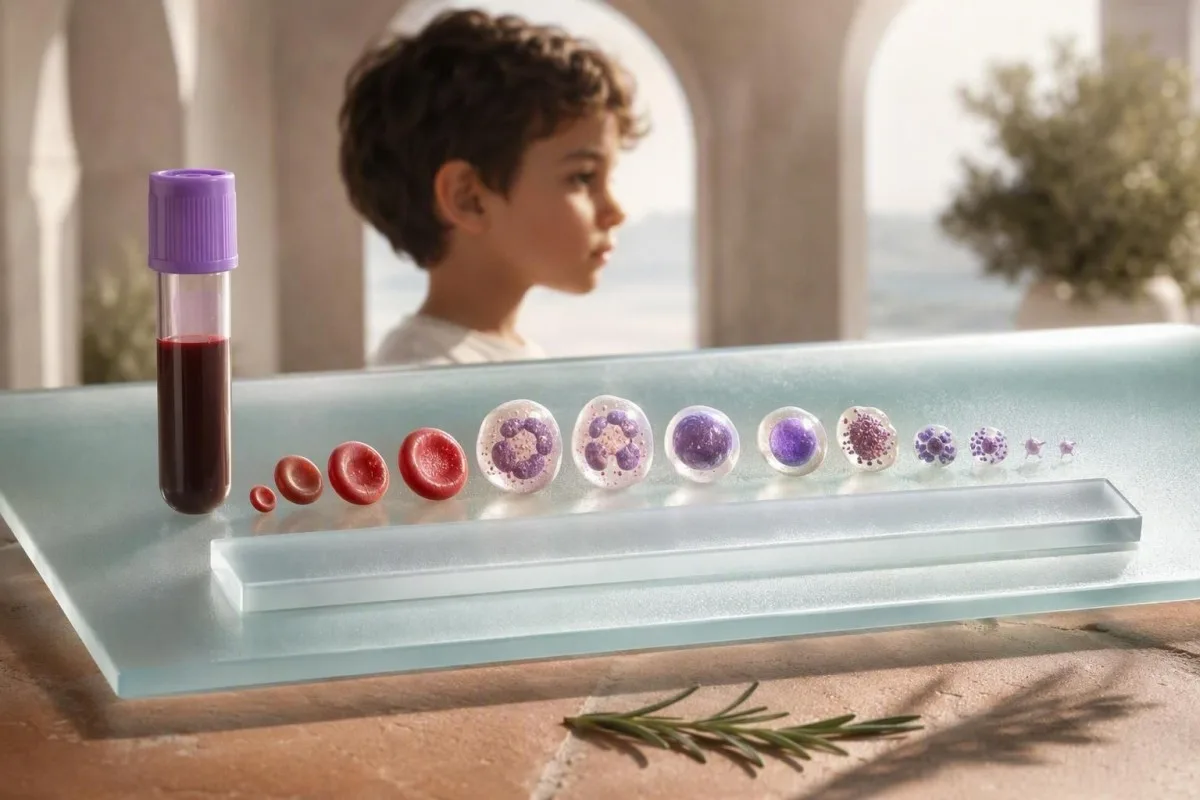
AI môže organizovať laboratórne výsledky dieťaťa a vysvetliť neznáme termíny, ale nemôže nahradiť pediatra, ktorý pozná vek dieťaťa, rastový vzorec, vyšetrenie a príznaky.


- Priame odpovede: AI môže interpretovať vzorce krvných testov pre deti ako vzdelávací doplnok, ale diagnostické a liečebné rozhodnutia musí urobiť pediater.
- Vekovo špecifické rozsahy: Počet lymfocytov, ktorý je v 2 rokoch očakávaný, môže byť pri použití referenčného intervalu pre dospelých označený ako vysoký.
- Puberta je dôležitá: Alkalická fosfatáza sa môže počas rastu kostí vyšplhať nad 300 IU/L bez ochorenia pečene.
- Naliehavé príznaky: Problémy s dýchaním, zmätenosť, záchvat, modré pery, ťažká dehydratácia alebo veľmi choré dieťa vyžadujú okamžitú klinickú starostlivosť bez ohľadu na správu AI.
- Kvalita vzorky: Hemolýza, oneskorené spracovanie a zhlukovatenie krvných doštičiek v dôsledku EDTA môžu viesť k zavádzajúcim výsledkom draslíka, LDH alebo krvných doštičiek.
- Trend value: Porovnávanie výsledkov z tej istej laboratória v priebehu týždňov alebo mesiacov je často užitočnejšie ako reagovanie na jeden hraničný výsledok.
- Žiadna samoliečba: Rodičia by nemali začať s liečbou železom, vitamínom D, štítnou žľazou alebo doplnkami elektrolytov len na základe interpretácie výsledkov z online laboratórnych testov.
- Súkromie: Správu dieťaťa by sa mala nahrať iba so súhlasom rodiča alebo zákonného zástupcu a starostlivým odstránením nepotrebných identifikátorov.
Čo AI dokáže a nedokáže s krvným obrazom dieťaťa
AI môže interpretovať výsledky krvných testov u detí len ako štrukturované vysvetlenie, nie ako diagnózu alebo náhradu pediatrickej kontroly. Môže identifikovať označenú hodnotu, previesť jednotky, opísať bežné príčiny a predložiť otázky pre lekára; nedokáže posúdiť hydratáciu, štádium vývoja, nálezy z vyšetrenia ani to, ako choré dieťa vyzerá. K 6. septembru 2026 toto rozlíšenie zostáva bezpečnostnou hranicou, o ktorej najčastejšie diskutujem s rodičmi.
Som Dr. Thomas Klein a pri klinickej kontrole som videl, ako normálny CBC (kompletný krvný obraz) u batoľaťa vyvolal zbytočný poplach, keď sa aplikovali dospelé referenčné hodnoty. Výsledok mimo tlačeného rozsahu nie je automaticky abnormálny pre dieťa, pretože mnohé správy štandardne používajú široké alebo odvodené dospelé referenčné hodnoty. Rozumná AI zdravotná správa by mala uviesť, aký referenčný interval použila, a nasmerovať rodiny späť na predpisujúceho lekára.
Kantesti je Analyzátor krvných testov s umelou inteligenciou navrhnutý na organizovanie laboratórnych údajov a vysvetľovanie vzorcov jednoduchým jazykom; pre pediatrické správy by mal byť náš výstup považovaný za začiatok konverzácie pre pediatra, nie za zelenú na samostatné konanie. Horúčkovité 18-mesačné dieťa s upokojujúcou správou môže stále potrebovať posúdenie v ten istý deň, ak je letargické, ťažko dýcha alebo málo pije.
Interpretácia výsledkov online laboratórnych testov je najužitočnejšia, keď z chaotického PDF súboru urobí praktické otázky: Bolo dieťa nalačno? Bola nedávno vírusová choroba? Prechádza výška alebo hmotnosť cez percentily? Rodičia si tiež môžu pozrieť naše AI kontrola bezpečnosti lekárskych správ pred tým, ako sa spoľahnú na akékoľvek automatizované vysvetlenie.
Prečo deti potrebujú referenčné intervaly laboratórnych vyšetrení špecifické pre ich vek
Deti vyžadujú referenčné intervaly zodpovedajúce veku, pohlaviu, pubertálnemu štádiu, vyšetreniu a niekedy aj gestačnému veku. Číslo sa môže výrazne meniť medzi dojčenským vekom, školským vekom a adolescenciou, zatiaľ čo dieťa zostáva v poriadku.
Hemoglobín novorodenca je zvyčajne okolo 14 až 22 g/dL, zatiaľ čo typický rozsah pre deti od 1 do 5 rokov je približne 11,0 až 13,5 g/dL; laboratóriá si stanovujú vlastné overené intervaly. Fyziologický pokles po narodení je očakávaný, ale rovnaký hemoglobín 9 g/dL si vyžaduje iné posúdenie urgentnosti u prosperujúceho 2-mesačného dieťaťa ako u bledého, tachykardického 8-ročného dieťaťa.
Absolútne počty lymfocytov sú tiež závislé od veku. Počet okolo 4,0 × 10⁹/l môže byť u predškoláka bežný, ale nad mnohými dospelými rozsahy, preto sa diferenciálna diagnóza musí čítať podľa veku, nie iba podľa percenta; naša sprievodca počtom lymfocytov podľa veku vysvetľuje rozdiel.
Soldin a kolegovia opísali, ako sa pediatrické intervaly vďaka vývojovej fyziológii materiálne líšia od dospelých hodnôt pre mnohé anality (Soldin et al., 2005). V praxi chcem najprv vlastný interval laboratória, potom presný vek dieťaťa v čase odberu – nie generický webový rozsah.
Ako rast a puberta menia laboratórne výsledky
Rast a puberta môžu zmeniť alkalickú fosfatázu, hemoglobín, feritín, lipidy a pohlavné hormóny natoľko, že napodobňujú chorobu na dospelom reporte. Časovanie rastového spurtu dieťaťa často vysvetlí viac ako jedno označené číslo.
Počas rýchleho rastu kostí, alkalická fosfatáza (ALP) môže prekročiť 300 IU/l a zostať normálna pre daný vek, pretože aktivita osteoblastov je vysoká. Zvýšená ALP s normálnym bilirubínom, GGT, vápnikom, fosfátom, príznakmi a anamnézou rastu je veľmi odlišný vzor od cholestatického ochorenia pečene; pozri naše vysvetlenie ALP po raste kostí.
Puberta pridáva ďalšiu vrstvu. Hemoglobín u chlapcov často stúpa s tým, ako testosterón zvyšuje produkciu červených krviniek, zatiaľ čo u adolescentov, ktorí menštruujú, sa môže vyvinúť nedostatok železa s feritínom pod 15 ng/mL ešte pred poklesom hemoglobínu. Pediatrická kardiologická smernica NHLBI z roku 2011 tiež uznáva, že hodnoty lipidov sa líšia v závislosti od dozrievania a mali by sa hodnotiť pomocou pediatrických hraničných bodov (Expert Panel, 2011).
Kantesti je platforma na interpretáciu krvného testu AI ktoré môžu ukazovať tieto vývojové výhrady, ale spoľahlivo nemôže odvodiť Tannerovo štádium z laboratórneho PDF. Lekár sa môže pred interpretáciou hormónového alebo železného panelu primerane opýtať na menštruácie, rýchlosť rastu, stravu, športový tréning, lieky a rodinné načasovanie puberty.
Prečo výsledky novorodencov a predčasne narodených detí vyžadujú odborné posúdenie
Výsledky laboratórnych vyšetrení novorodencov a nedonosených dojčiat by sa nemali interpretovať iba na základe všeobecného výstupu AI, pretože normálna fyziológia sa mení hodiny a dni po narodení. Bilirubín, glukóza, vápnik, hematokrit a skríning štítnej žľazy si vyžadujú časovo citlivý novorodenecký kontext.
Celková koncentrácia bilirubínu 12 mg/dL (205 µmol/L) môže byť monitorovaná alebo môže vyžadovať urgentné ošetrenie v závislosti od popôrodného veku v hodinách, gestačného veku, kŕmenia, rizika hemolýzy a rýchlosti nárastu. Preto sa pri rozhodovaní o novorodeneckej žltačke používajú nomogramy špecifické pre hodiny a klinické posúdenie, nie jeden univerzálny prah.
Hladina glukózy v plazme pod 47 mg/dL (2.6 mmol/L) sa bežne používa ako prevádzkový prah v rizikových novorodeneckých protokoloch, ale manažment závisí od symptómov, kŕmenia, opakovaného merania a miestnych novorodeneckých usmernení. Výsledok odberu z päty sa tiež môže líšiť od okamžite spracovanej laboratórnej hodnoty plazmy.
Rodičia by mali abnormalitu odoslanú zo skríningu novorodencov považovať za rýchlu cestu kontaktu, nie za online problém na výskum. Naša prehliadka príznakov skríningu novorodencov vysvetľuje, prečo niektoré výsledky vyžadujú kontakt v ten istý deň, zatiaľ čo iné vyžadujú plánované opakovanie.
Ako čítať CBC dieťaťa bez prehnanej reakcie
Krvný obraz dieťaťa je užitočný, keď sa číta ako vzor: hemoglobín, MCV, retikulocyty, diferenciálna krvná obrazovka bielych krviniek, trombocyty, symptómy a vývojová trajektória spolu patria. Izolovaný vysoký alebo nízky príznak zriedka poskytuje diagnózu.
Hemoglobín nižší než 11,0 g/dl u malého dieťaťa často podnecuje posúdenie nedostatku železa, stravy, rizika expozície olovu, chronického zápalu, hemoglobinopatie a straty krvi; MCV a feritín pomáhajú zúžiť otázku. Feritín môže počas infekcie vyzerať falošne upokojujúco, pretože sa zvyšuje ako reaktant akútnej fázy.
Absolútny počet neutrofilov pod 1,5 × 10⁹/l sa v mnohých prípadoch nazýva neutropénia, ale naliehavosť sa prudko mení s vekom, pôvodom, trvaním, horúčkou a hĺbkou poklesu. Zdravé dieťa s ANC 1,2 × 10⁹/L po vírusovom ochorení nie je v rovnakej klinickej situácii ako dieťa s horúčkou a ANC pod 0,5 × 10⁹/l; prečítajte si náš sprievodca referenčnými hodnotami neutrofilov.
Keď kontrolujem CBC po gastroenteritíde, zisťujem, či hemokoncentrácia vysvetľuje mierne zvýšený hemoglobín alebo počet trombocytov, než aby som predpokladal problém s kostnou dreňou. Opakovanie po zotavení je často bezpečnejšie ako rozsiahle testovanie, pokiaľ sa riziko nemení modrinami, pretrvávajúcou horúčkou, bolesťou kostí, stratou hmotnosti alebo výraznou bledosťou.
Prečo manipulácia so vzorkou môže klamať AI a lekárov
Zlá kolekcia alebo oneskorené spracovanie môžu spôsobiť, že výsledok odberu krvi dieťaťa bude nesprávny skôr, ako ho uvidí akýkoľvek človek alebo algoritmus. Hemolýza, obtiažny odber, predĺžený čas turniketu a nesprávna skúmavka môžu zmeniť výsledky natoľko, že vyvolajú falošné poplachy.
Hemolýza uvoľňuje intracelulárny draslík a LDH do vzorky, takže vysoký výsledok draslíka s príznakom hemolýzy môže vyžadovať urgentné opakovanie namiesto okamžitého liečenia. Avšak dieťa s oslabenosťou, palpitáciami, ochorením obličiek alebo problémom s EKG stále potrebuje rýchle klinické posúdenie; varovanie vzorky nedokazuje, že draslík je neškodný.
Aglutinácia trombocytov spôsobená EDTA môže viesť k umelo nízkemu počtu trombocytov, niekedy pod 100 × 10⁹/L, napriek normálnym trombocytom u dieťaťa. Laboratórne vyšetrenie náteru krvi alebo opakovanie odberu do citrátovej skúmavky môže objasniť túto bežnú preanalytickú pascu; náš článok o zhlukovanie krvných doštičiek v EDTA ukazuje, prečo samotné číslo môže klamať.
Kantesti’s Nástroj na analýzu krvných testov poháňaný AI dokáže označiť vnútorné nekonzistencie a viditeľné laboratórne komentáre, ale nedokáže skontrolovať skúmavku ani sledovať náročný odber. Rodičia by mali odfotiť celý report, vrátane komentárov o kvalite vzorky, čase odberu a referenčných rozsahov – nielen označenú stranu.
Ako horúčka, dehydratácia a vírusy dočasne menia výsledky testov
Akútne ochorenie môže dočasne zmeniť hladinu glukózy, sodíka, kreatinínu, počet bielych krviniek, CRP, feritínu a pečeňových enzýmov u detí. Výsledok počas horúčky by sa mal často porovnať s opakovaným odberom po zotavení, namiesto toho, aby sa považoval za východiskovú hodnotu dieťaťa.
Vracanie a znížený príjem potravy môžu koncentrovať hemoglobín a močovinu, zatiaľ čo závažná hnačka môže znížiť bikarbonát a narušiť hladiny sodíka alebo draslíka. Sodík pod 130 mmol/l, najmä pri zmätenosti, silnej bolesti hlavy, záchvatoch alebo opakovanom vracaní, si vyžaduje urgentné lekárske vyšetrenie, nie online vysvetlenie.
CRP stúpa a klesá rýchlejšie ako ESR, ale ani jeden test sám osebe neurčí špecifickú príčinu. CRP vo výške 40 mg/l sa môže vyskytnúť pri vírusových alebo bakteriálnych ochoreniach, poranení tkaniva a zápalových ochoreniach; vzhľad dieťaťa, dĺžka horúčky, vyšetrenie a niekedy aj kultivácie sú dôležitejšie ako jeden marker.
Praktické pravidlo Dr. Thomasa Kleina je jednoduché: zaznamenajte deň ochorenia, lieky, príjem tekutín a teplotu vedľa výsledku. Tento malý záznam robí laboratórne zmeny medzi návštevami oveľa jednoduchšími na interpretáciu pre pediatrického lekára.
Príznaky, ktoré prekračujú akúkoľvek upokojujúcu správu AI
Urgentné príznaky majú prednosť pred dobre vyzerajúcim AI reportom, pretože laboratórne panely nevylučujú mnohé pediatrické núdzové stavy. Dieťa, ktoré má ťažkosti s dýchaním, je ťažko zobuditeľné, má modré pery, záchvat alebo vykazuje známky ťažkej dehydratácie, potrebuje okamžitú urgentnú pomoc.
Vyhľadajte urgentnú starostlivosť pre dieťa s nevytlačiteľnou vyrážkou plus horúčkou, stuhnutým krkom, pretrvávajúcou silnou bolesťou hlavy, zmeneným správaním alebo zlou perfúziou, ako sú studené, škvrnité ruky a výrazne znížené močenie. CBC alebo CRP nemôžu bezpečne vylúčiť skorú sepsu, meningitídu, apendicitídu, diabetickú ketoacidózu ani alergickú núdzovú situáciu.
Pri riziku cukrovky, vracaní s hlbokým alebo rýchlym dýchaním, bolesti brucha, ospalosti alebo stredne veľkých až veľkých ketónoch je potrebné urgentné vyšetrenie. Hladina glukózy v krvi 200 mg/dL (11,1 mmol/L) s klasickými príznakmi podporuje vyšetrenie cukrovky, ale posúdenie ketoacidózy si vyžaduje hladinu glukózy, ketóny, elektrolyty, acidobázický stav a lekára.
Výsledok nemôže posúdiť námahu pri dýchaní ani kapilárne plnenie. Rodičia, ktorí sa obávajú príznakov na hrudníku, môžu použiť náš urgentný sprievodca symptómami krvných testov pre kontext, ale nemali by čakať na automatizovanú analýzu, keď dieťa vyzerá vážne choré.
Lieky, vitamíny a doplnky, ktoré menia pediatrické laboratórne výsledky
Bežné lieky a doplnky stravy môžu zmeniť alebo ovplyvniť pediatrické laboratórne testy, takže AI potrebuje kompletný zoznam liekov, aby sa vyhla zavádzajúcemu vysvetleniu. Biotín, kortikosteroidy, antikonvulzíva, železo, vitamín D a nedávne IV tekutiny sú časté príklady.
Biotín vo vysokých dávkach môže interferovať s niektorými imunoanalýzami a viesť k zavádzajúcim výsledkom štítnej žľazy alebo hormónov; rodiny by mali lekárovi oznámiť informácie o produktoch na vlasy, nechty alebo multivitamínoch. Dávka je dôležitá: bežný príjem stravy sa líši od doplnkov obsahujúcich 5 000 až 10 000 mikrogramov denne.
Železo by sa nemalo začať podávať len preto, že dieťa vyzerá unavené alebo má nízku-normálnu hladinu feritínu. Príliš veľa železa môže byť škodlivé a diagnostické vyšetrenie sa líši pri nedostatku železa, trait talasémie, chronickom zápale a expozícii olovu; náš sprievodca štúdiou železa ukazuje, prečo sa saturácia transferínu a feritín interpretujú spolu.
Liečba vitamínom D je ďalšou oblasťou, kde záleží na kontexte. Koncentrácia 25-hydroxyvitamínu D pod 20 ng/mL (50 nmol/L) je často považovaná za nedostatok, ale pediatrické dávkovanie závisí od veku, telesnej hmotnosti, stravy, rizika malabsorpcie, vápnika a miestnych pokynov—nie od generického plánu AI výživy.
Prečo sú trendy zvyčajne bezpečnejšie ako jeden pediatrický výsledok
Opakované výsledky z rovnakého laboratória sú často informatívnejšie ako jedna hraničná pediatrická hodnota. Trendy môžu odhaliť zotavenie, zmenu súvisiacu s rastom, účinky liekov alebo pretrvávajúci vzor, ktorý si vyžaduje posúdenie špecialistom.
Zmena feritínu z 8 na 28 ng/ml po liečbe vedenej lekárom hovorí jasnejší príbeh ako jediný výsledok 18 ng/ml, najmä ak CRP kleslo v rovnakom čase. Pri vyšetrení štítnej žľazy má zmena TSH zmysel iba vtedy, keď sa zohľadní čas odberu, metóda, choroba a dodržiavanie liečby.
Kantesti je službe na interpretáciu výsledkov AI laboratórnych testov ktorý môže umiestniť historické správy vedľa seba a poukázať na významné zmeny, ale systém by nikdy nemal tvrdiť, že trend dokazuje diagnózu. Analytická variabilita laboratória a normálne biologické kolísanie môžu vysvetliť malé zmeny, najmä blízko prahovej hodnoty rozhodnutia.
Uložte si pôvodné súbory PDF a poznamenajte si, či dieťa malo horúčku, namáhavý šport, pôst, rastovú akceleráciu alebo zmenu liekov. Náš sprievodca longitudinálnymi výsledkami načrtáva podrobnosti, ktoré robia opakované testovanie klinicky použiteľným.
Čo by rodičia mali zahrnúť pred použitím online interpretácie laboratórnych výsledkov
Rodičia by mali nahrať kompletný report, presný vek, pohlavie pridelené pri narodení, ak je relevantné, dátum a čas odberu a vlastné referenčné intervaly laboratória. Orezané snímky obrazovky bez jednotiek alebo komentárov k vzorkám sú bežným zdrojom nebezpečnej analýzy lekárskych správ pomocou AI.
Užitočné odoslanie zahŕňa vek dieťaťa v rokoch a mesiacoch, trend výšky a hmotnosti, ak je relevantný, nedávnu chorobu, stav pôstu, aktuálne lieky, doplnky a klinickú otázku, ktorá viedla k testovaniu. Neuvádzajte úplnú adresu dieťaťa, údaje o škole ani zbytočné identifikátory.
Kantesti AI podporuje nahrávanie správ vo viacerých jazykoch a môže vrátiť vysvetlenie približne za 60 sekúnd, ale rýchlosť nie je klinickým povolením. Naše kontrolný zoznam pre nahrávanie PDF je obzvlášť užitočný pre desatinné čiarky, slabé fotografie, duplicitné panely a nezrovnalosti v jednotkách.
Ak správa uvádza ‘kritické’, ‘telefonický výsledok’, ‘urgentné posúdenie’ alebo obsahuje požiadavku laboratória na okamžité opakované vyšetrenie, najprv kontaktujte objednávajúcu službu. Online interpretácia by nemala oneskorovať vlastnú eskaláciu laboratória.
Otázky, ktoré si z správy AI vziať k pediatrovi
Najbezpečnejšie použitie správy AI je generovanie zameraných otázok pre lekára, nie generovanie liečebného plánu. Spýtajte sa, či je referenčný interval pediatrický, či vzor zodpovedá nedávnemu ochoreniu alebo rastu, a či je potrebné opakované vyšetrenie.
Dobré otázky zahŕňajú: ‘Ktorá hodnota je najdôležitejšia?’ ‘Používa toto laboratórium interval prispôsobený veku?’ ‘Mali by sme to zopakovať, keď bude moje dieťa v poriadku?’ a ‘Aký príznak by vás prinútil nás vidieť skôr?’ Tieto otázky sú užitočnejšie ako pýtať sa, či každá vlajka znamená chorobu.
Pri nízkom hemoglobine sa pýtajte, či retikulocyty, MCV, feritín, saturácia transferínu, strava a rodinná anamnéza menia diferenciálnu diagnózu. Pri vysokom ALT sa pýtajte na nedávne vírusové ochorenie, lieky, trajektóriu hmotnosti, poškodenie svalov a či sú potrebné opakované ALT a AST; naše Vysvetlenie ALT dáva rodičom slovník bez nahradenia posúdenia.
Ak sa umelá inteligencia a detský lekár nezhodnú, interpretácia lekára by mala mať prednosť, pretože má dieťa pred sebou. Druhý pediatrický názor je rozumný, keď abnormality pretrvávajú, vysvetlenie zostáva nejasné alebo príznaky nezodpovedajú navrhovanému plánu.
Pravidlá ochrany súkromia a súhlasu pre laboratórne výsledky detí
Laboratórna správa dieťaťa je citlivá zdravotná informácia a mala by ju zdieľať iba rodič alebo zákonný zástupca pomocou služby, ktorá rešpektuje súkromie. Rodiny by mali pochopiť, kto má prístup k správe, ako dlho je uchovávaná a ako fungujú žiadosti o vymazanie.
Pred nahraním správy odstráňte školské identifikátory, domáce adresy a nesúvisiace rodinné informácie. Ponechajte dátum odberu, názov laboratória, referenčné intervaly a komentáre lekára, pretože odstránenie týchto údajov môže viesť k menej bezpečnej pediatrickej interpretácii.
Kantesti AI využíva spracovanie údajov zamerané na ochranu súkromia v súlade s GDPR, ale opatrovníci by mali stále starostlivo rozhodnúť, či je online analýza vhodná pre situáciu dieťaťa. Zdieľaný rodinný prístup by mal byť premyslený a obmedzený; náš sprievodca pre zdieľanie rodinných výsledkov pokrýva praktické rozhodnutia o súhlase.
Dospievajúci si zaslúžia hlas pri zdieľaní svojich zdravotných informácií, najmä pri citlivých testoch. Miestne pravidlá sa líšia v oblasti dôvernosti a súhlasu, takže rodiny by sa mali opýtať ošetrujúcej služby, ako budú výsledky komunikované rodičom a mladému človeku.
Ako by mal vyzerať bezpečný dohľad AI v pediatrii
Bezpečná pediatrická interpretácia AI by mala priznať svoje limity, zachovať pôvodné laboratórne údaje, identifikovať urgentné varovné signály a nasmerovať používateľov na ľudské klinické posúdenie. Nikdy by nemala diagnostikovať dieťa z jedného panelu, predpisovať lieky ani upokojovať rodiny od núdzovej starostlivosti.
Presnosť má niekoľko vrstiev: správne čítanie PDF, zhodovanie analytov a jednotiek, výber vhodného intervalu a interpretácia vzoru v klinickom kontexte. Zdanlivo presný prepis môže stále viesť k nebezpečnému záveru, ak chýba štádium puberty 14-ročného dieťaťa, horúčka alebo anamnéza liekov.
V spoločnosti Kantesti náš lekársky tím kontroluje bezpečnostné hranice a jazyk eskalácie; čitatelia si môžu pozrieť náš prístup k klinické overenie a lekárom na Lekárska poradná rada. Kantesti je an platforma na interpretáciu biomarkerov pomocou AI že by mala ujasniť nasledujúcu klinickú konverzáciu, nikdy ju nenahradiť.
Mojou konečnou líniou po 15 rokoch praxe je jednoduchá: použite AI na pochopenie správy, zachovanie trendu a prípravu otázok. Použite pediatrického lekára na rozhodnutie, čo výsledok znamená pre toto konkrétne dieťa, dnes.
Často kladené otázky
Dokáže AI interpretovať krvné testy u detí?
Umelá inteligencia môže interpretovať krvné testy u detí ako vzdelávaciu pomôcku, nemôže však bezpečne diagnostikovať ani liečiť dieťa bez klinického posúdenia pediatrom. Výsledky u detí si vyžadujú referenčné intervaly špecifické pre vek, zohľadnenie štádia puberty, príznakov, nálezov pri vyšetrení a kvality vzorky. Napríklad hodnota ALP nad 300 IU/L môže byť počas rastového špurtu očakávaná, zatiaľ čo rovnaký výsledok môže u dospelého vyžadovať iné posúdenie. Rodičia by mali vysvetlenie od AI využiť na prípravu otázok pre lekára, ktorý vyšetrenie indikoval.
Prečo sú referenčné rozmedzia krvných testov pre dospelých nevhodné pre deti?
Laboratórne referenčné rozsahy pre dospelých nie sú bezpečné pre deti, pretože hemoglobín, lymfocyty, alkalická fosfatáza, kreatinín, hormóny a mnohé ďalšie analyty sa počas vývoja menia. Dieťa v predškolskom veku môže mať za normálnych okolností absolútny počet lymfocytov približne 4,0 × 10⁹/l, čo by laboratórny výsledok pre dospelých mohol označiť ako zvýšenú hodnotu. Hladinu bilirubínu u novorodenca je tiež potrebné interpretovať podľa veku v hodinách, nie podľa jedného univerzálneho čísla. Vždy, keď je to možné, by sa mal použiť vlastný pediatrický referenčný interval laboratória a presný vek dieťaťa.
Kedy mám vyhľadať urgentnú zdravotnú starostlivosť namiesto čakania na výsledky laboratórnych testov vyhodnotených umelou inteligenciou?
Okamžite vyhľadajte urgentnú zdravotnú starostlivosť, ak má dieťa ťažkosti s dýchaním, modré pery, záchvat, je zmätené, ťažko sa prebúdza, má závažnú dehydratáciu alebo vyzerá vážne choré. Koncentrácia sodíka nižšia ako 130 mmol/l s neurologickými príznakmi alebo vracanie s hlbokým dýchaním a ketónmi si tiež vyžadujú bezodkladné lekárske vyšetrenie. Normálny CBC, CRP ani zdravotná správa vytvorená umelou inteligenciou nedokážu vylúčiť mnohé urgentné stavy. Príznaky a celkový vzhľad dieťaťa majú prednosť pred interpretáciou laboratórnych výsledkov online.
Môže ťažký odber krvi spôsobiť falošne abnormálne výsledky u detí?
Áno, náročný odber môže u detí spôsobiť falošne abnormálne výsledky. Hemolýza môže falošne zvýšiť hladiny draslíka a LDH, zatiaľ čo zhlukovanie trombocytov v EDTA môže viesť k falošne nízkemu počtu trombocytov, niekedy pod 100 × 10⁹/l. Laboratórium môže pridať poznámku o hemolýze alebo zhlukovaní a opakovaný odber alebo vyšetrenie krvného náteru môže výsledok objasniť. Rodiny by nikdy nemali bez konzultácie s lekárom predpokladať, že označená hodnota je skutočná alebo falošná.
Majú rodičia po laboratórnom náleze vytvorenom umelou inteligenciou podávať železo alebo vitamín D?
Rodičia by nemali začínať podávať železo ani vysoké dávky vitamínu D výlučne na základe laboratórnej správy vytvorenej umelou inteligenciou. Hladina feritínu pod 15 ng/ml môže svedčať o nedostatku železa, ale infekcia môže hladinu feritínu zvýšiť a anémia má viacero ďalších príčin, ktoré si vyžadujú inú liečbu. Hladina 25-hydroxyvitamínu D pod 20 ng/ml si často vyžaduje postup pod dohľadom lekára, pričom dávkovanie závisí od veku, telesnej veľkosti, hladiny vápnika, stravy a anamnézy. Nadbytok železa aj vitamínu D môže byť škodlivý.
Získajte analýzu krvných testov s podporou AI už dnes
Pridajte sa k viac než 2 miliónom používateľov na celom svete, ktorí dôverujú Kantesti pri okamžitej a presnej analýze laboratórnych testov. Nahrajte svoje výsledky krvných testov a získajte komplexnú interpretáciu biomarkerov 15,000+ v priebehu sekúnd.
📚 Citované publikácie výskumu
Klein, T., Mitchell, S., & Weber, H. (2026). Sprievodca sérovými proteínmi: Krvný test globulínov, albumínu a pomeru A/G. Kantesti AI Medical Research.
Klein, T., Mitchell, S., & Weber, H. (2026). Sprievodca krvným testom C3 C4 komplementu a titrom ANA. Kantesti AI Medical Research.
📖 Externé lekárske referencie
⚕️ Vyhlásenie o lekárskej starostlivosti
Tento článok je určený len na vzdelávacie účely a nepredstavuje lekárske poradenstvo. Pri rozhodnutiach o diagnostike a liečbe sa vždy poraďte s kvalifikovaným poskytovateľom zdravotnej starostlivosti.
Signály dôvery E-E-A-T Trust Signals
Skúsenosti
Klinické hodnotenie vedené lekárom pracovných postupov interpretácie laboratórnych výsledkov.
Odbornosť
Laboratórna medicína so zameraním na to, ako sa biomarkery správajú v klinickom kontexte.
Autoritatívnosť
Napísané Dr. Thomasom Kleinom, recenzia Dr. Sarah Mitchell a prof. Dr. Hans Weber.
Dôveryhodnosť
Interpretácia založená na dôkazoch s jasnými následnými krokmi na zníženie poplachu.