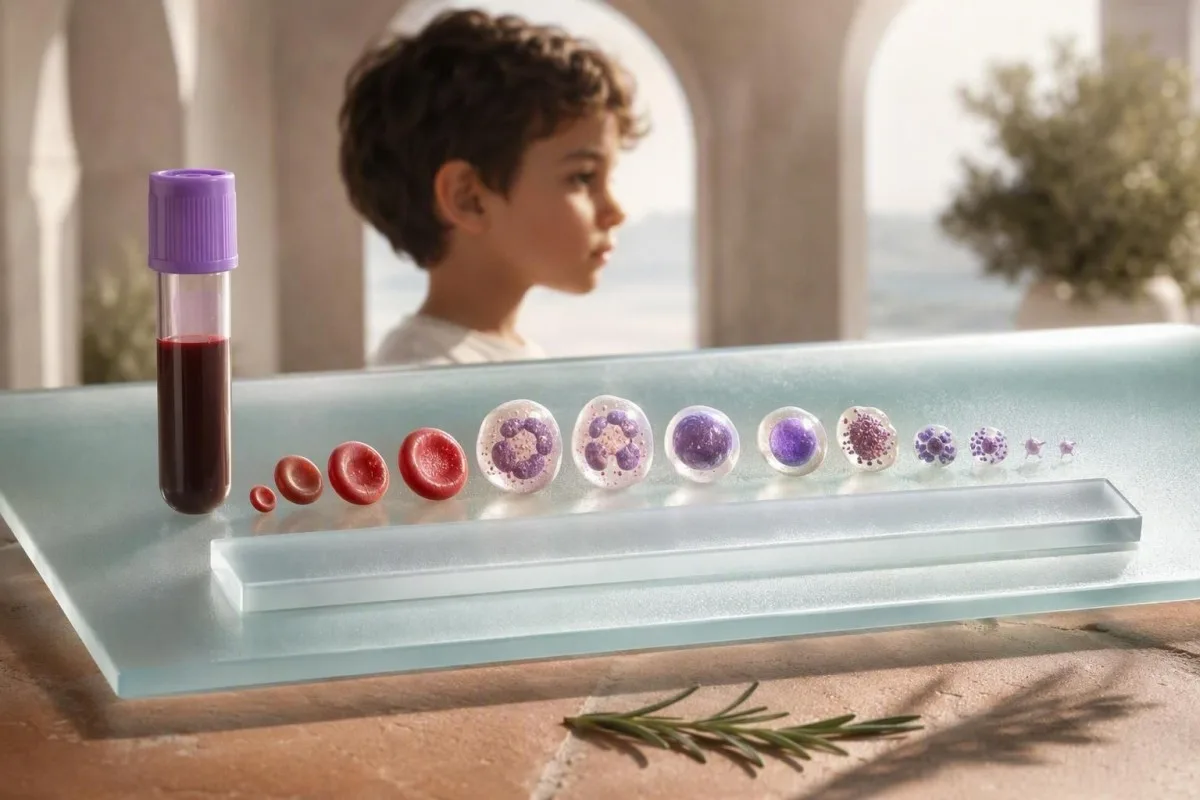
A mesterséges intelligencia rendszerezheti a gyermek laboratóriumi eredményeit és elmagyarázhatja az ismeretlen kifejezéseket, de nem helyettesítheti a gyermekorvost, aki ismeri a gyermek életkorát, növekedési mintázatát, vizsgálatát és tüneteit.


- Rövid válasz: A mesterséges intelligencia oktatási kiegészítésként értelmezheti a gyermekek vérvizsgálati mintázatait, de a diagnosztikai és kezelési döntéseket gyermekorvosnak kell meghoznia.
- Életkor-specifikus tartományok: Egy 2 éves korban elvárt limfocitaszám felnőtt referenciatartomány szerint magasnak minősülhet.
- A pubertás számít: Az alkalikus foszfatáz emelkedhet 300 IU/L fölé a csontnövekedés során májbetegség nélkül.
- Sürgős tünetek: Légzési nehézség, zavartság, görcsroham, kék ajkak, súlyos kiszáradás vagy egy nagyon rosszul lévő gyermek sürgős orvosi ellátást igényel, függetlenül a mesterséges intelligencia jelentésétől.
- Mintaminőség: A hemolízis, a késleltetett feldolgozás és az EDTA lemezke-csomósodás félrevezető kálium-, LDH- vagy lemezke-eredményeket eredményezhet.
- Trend érték: Az eredmények összehasonlítása ugyanazon laboratórium heteken vagy hónapokon át tartó eredményeiből gyakran hasznosabb, mint egy-egy határértékre reagálni.
- Nincs önkezelés: A szülők ne kezdjenek vaskezelést, D-vitamin-kezelést, pajzsmirigykezelést vagy elektrolitpótlást kizárólag online laboreredmény-értelmezés alapján.
- Adatvédelem: Egy gyermek jelentését csak a szülő vagy törvényes képviselő hozzájárulásával, a felesleges azonosítók gondos eltávolítása után szabad feltölteni.
Mit tehet és mit nem tehet a mesterséges intelligencia egy gyermek vérvizsgálatával kapcsolatban
A mesterséges intelligencia csak strukturált magyarázatként tudja értelmezni a vérvizsgálat eredményeket gyermekeknél, nem diagnózisként vagy gyermekorvosi felülvizsgálat helyettesítéseként. Képes azonosítani egy jelzett értéket, átváltani az egységeket, leírni a gyakori okokat, és kérdéseket felvetni a klinikus számára; nem tudja felmérni a hidratáltságot, a fejlődési stádiumot, a vizsgálati leleteket, vagy azt, hogy mennyire tűnik betegnek egy gyermek. 2026. szeptember 6-tól kezdve ez a különbség marad az a biztonsági határ, amelyet a leggyakrabban megvitatok a szülőkkel.
Dr. Thomas Klein vagyok, és klinikai felülvizsgálat során láttam már egy normál kisgyermek CBC-t felesleges riadalmat okozni, amikor felnőtt tartományokat alkalmaztak. A nyomtatott tartományon kívüli eredmény nem automatikusan kóros gyermekeknél, mert sok jelentés alapértelmezetten széles vagy felnőttekre vonatkozó jelzéseket használ. Egy értelmes AI egészségügyi jelentésnek meg kellene mondania, hogy melyik referencia intervallumot használta, és vissza kellene irányítania a családokat a beutaló orvoshoz.
Kantesti egy AI vérvizsgálati analizátor célja a laboratóriumi adatok rendszerezése és a mintázatok egyszerű nyelven történő magyarázása; gyermekekre vonatkozó jelentések esetében a kimenetet a gyermekorvos számára kiindulópontként kell kezelni, nem pedig zöld lámpaként a független cselekvésre. Egy lázas, 18 hónapos gyermeknek, akinek megnyugtató kinézetű a jelentése, még mindig szüksége lehet aznapi vizsgálatra, ha levertség, nehéz légzés vagy rossz étvágy jellemzi.
Az online laboreredmény-értelmezés akkor a leghasznosabb, ha egy kaotikus PDF-et gyakorlati kérdésekké alakít át: Éhezett a gyermek? Volt nemrégiben vírusos betegsége? Keresztül halad-e a testmagasság vagy súly a percentilisen? A szülők áttekinthetik a mi AI orvosi jelentés biztonsági ellenőrzéseinket is, mielőtt bármilyen automatizált magyarázatra támaszkodnának.
Miért van szükség életkor-specifikus laboratóriumi referenciatartományokra a gyermekeknél
A gyermekeknél az életkorhoz, nemhez, pubertás stádiumhoz, vizsgálati módszerhez és néha a gesztációs korhoz igazított referencia intervallumokra van szükség. Egy szám jelentősen változhat a csecsemőkor, az iskoláskor és a serdülőkor között, miközben a gyermek jól van.
Az újszülött hemoglobin általában 14-22 g/dl körüli, míg egy tipikus 1-5 éves kor közötti tartomány körülbelül 11,0-13,5 g/dl; a laboratóriumok saját érvényesített intervallumokat állapítanak meg. A születés utáni fiziológiai csökkenés várható, de ugyanaz a 9 g/dl hemoglobin más sürgősségi értékelést igényel egy fejlődő 2 hónapos csecsemőnél, mint egy sápadt, tachycardiás 8 éves gyermeknél.
Az abszolút limfocita szám is függ az életkortól. Egy szám körülbelül 4,0 × 10⁹/L lehet hétköznapi egy óvodás gyermeknél, mégis meghaladhatja a felnőtt tartományokat, ezért a differenciált vérképet életkor szerint kell értékelni, nem csak százalék alapján; a mi útmutatónk a limfocitaszámokhoz életkor szerint elmagyarázza a különbséget.
Soldin és kollégái leírták, hogyan teszi a gyermek fejlődési fiziológiája a gyermekgyógyászati intervallumokat anyagilag eltérővé a felnőtt értékektől számos analit esetében (Soldin et al., 2005). Gyakorlatban először a laboratórium saját intervallumát szeretném látni, majd a gyermek pontos életkorát a mintavételkor – nem egy általános internetes tartományt.
Hogyan változtatja meg a növekedés és a pubertás a laboratóriumi eredményeket
A növekedés és a pubertás elegendő mértékben módosíthatja az alkalikus foszfatázt, a hemoglobint, a ferritint, a lipideket és a nemi hormonokat ahhoz, hogy felnőtt leleten betegséget imitáljon. A gyermek növekedési csúcsának ideje gyakran több magyarázattal szolgál, mint egyetlen kiemelt szám.
Gyors csontnövekedés során, az alkalikus foszfatáz (ALP) meghaladhatja a 300 IU/L-t és normális maradhat az életkorhoz képest, mivel az oszteoblaszt aktivitás magas. Az emelkedett ALP normális bilirubinszinttel, GGT-vel, kalciummal, foszfáttal, tünetekkel és növekedési anamnézissel igen eltérő mintázatot mutat, mint az epepangásos májbetegség; lásd magyarázatunkat a csontnövekedés utáni ALP-ről.
A pubertás további réteget ad. A hemoglobin fiúknál gyakran emelkedik, ahogy a tesztoszteron fokozza a vörösvértest-termelést, míg a menstruáló serdülőknél vashiány alakulhat ki alacsony ferritinszinttel 15 ng/mL még azelőtt, hogy a hemoglobin csökkenne. A 2011-es NHLBI gyermek kardiovaszkuláris irányelv is elismeri, hogy a lipidszintek a maturációval változnak, és gyermekgyógyászati küszöbértékekkel kell őket értékelni (Expert Panel, 2011).
Kantesti egy AI vérvizsgálat-értelmező platform amely megmutathatja ezeket a fejlődési figyelmeztetéseket, de megbízhatóan nem tudja következtetni a Tanner-stádiumot egy laboratóriumi PDF-ből. Egy orvos ésszerűen kérdezhet a menstruációról, növekedési sebességről, étrendről, sportolói edzésről, gyógyszerezésről és a család pubertásának időzítéséről, mielőtt egy hormon- vagy vastartományt értékelne.
Miért igényelnek a csecsemőkori és koraszülöttek eredményei szakértői felülvizsgálatot
Az újszülött és koraszülött laboratóriumi eredményeket nem szabad csak általános AI kimenet alapján értelmezni, mert a normál fiziológia a születés utáni órákban és napokban változik. A bilirubin, glükóz, kalcium, hematokrit és pajzsmirigy szűrés mind időérzékeny neonatális kontextust igényel.
A teljes bilirubinszint 12 mg/dL (205 µmol/L) megfigyelhető vagy sürgős kezelést igényelhet a születés utáni életkor, gesztációs kor, táplálás, hemolízis kockázata és a növekedés üteme függvényében. Ezért az újszülött sárgaságával kapcsolatos döntések óraspecifikus nomogramokat és klinikai értékelést használnak egy univerzális küszöbérték helyett.
A plazma glükózszint 47 mg/dL (2.6 mmol/L) alatt gyakran használatos működési küszöbértékként a kockázatnak kitett újszülöttek protokolljaiban, de a kezelés a tünetektől, táplálástól, ismételt méréstől és helyi neonatális útmutatástól függ. Egy sarok-próbából származó eredmény eltérhet a gyorsan feldolgozott laboratóriumi plazmaértéktől is.
A szülőknek a rendellenes újszülött szűrési üzenetet gyors kapcsolatfelvételi útvonalként kell kezelniük, nem online kutatási problémaként. Az újszülött szűrési jelzéseinek áttekintése magyarázza, miért igényelnek egyes eredmények aznapi kapcsolatot, míg mások tervezett ismétlést.
Hogyan olvassunk el egy gyermek CBC-eredményét túlzott reakció nélkül
A gyermek teljes vérképét mint mintázatot olvasva érdemes értelmezni: a hemoglobin, MCV, reticulocyták, fehérvérsejt differenciálás, vérlemezkék, tünetek és a pályaszakasz összetartoznak. Az izolált magas vagy alacsony jelzés ritkán ad diagnózist.
A hemoglobin < 11,0 g/dL egy fiatal gyermeknél gyakran vas-hiány, étrend, ólommennyiség kockázat, krónikus gyulladás, hemoglobinopátia és vérvesztés vizsgálatát indítja el; az MCV és a ferritin segít a kérdés szűkítésében. A ferritin fertőzés során hamisnak tűnő megnyugtató lehet, mert akut fázisú reaktánsként emelkedik.
Egy abszolút neutrofil szám, amely alacsony 1,5 × 10⁹/l sok esetben neutropéniának nevezik, de a sürgősség az életkorral, származással, időtartammal, lázzal és a csökkenés mélységével élesen változik. Egy vírust követően 1,2 × 10⁹/L ANC-vel rendelkező egészséges gyermek nem ugyanaz a klinikai helyzet, mint lázas és 0,5 × 10⁹/L alatt; alatti ANC-vel rendelkező gyermek; olvassa el a neutrofil tartomány útmutatónkat.
Amikor gastroenteritis után átnézek egy teljes vérképet, ellenőrzöm, hogy a hemokoncentráció magyarázza-e a kissé magas hemoglobin- vagy vérlemezkeszámot, mielőtt csontvelői problémát feltételeznék. Az ismétlés a gyógyulás után gyakran biztonságosabb, mint a széleskörű tesztelés, hacsak nem okoz vérzés, tartós láz, csontfájdalom, fogyás vagy jelentős sápadtság változást a kockázatban.
Miért vezethetnek félre a mintakezelési hibák a mesterséges intelligenciát és a klinikusokat
A rossz mintavétel vagy a késleltetett feldolgozás már azelőtt tévesszé teheti egy gyermek véreredményét, mielőtt bármely ember vagy algoritmus látná. A hemolízis, a nehéz mintavétel, a hosszantartó vénastabilizátor idő és a rossz cső annyira megváltoztathatja az eredményeket, hogy téves riasztást váltson ki.
A hemolízis intracelluláris káliumot és LDH-t enged a mintába, így a magas káliumeredmény hemolízis jelzéssel sürgős ismétlést igényelhet, nem pedig azonnali kezelést. Azonban egy gyengeségben, palpitációban, vesebetegségben vagy EKG-eltéréssel küzdő gyermeknek továbbra is gyors klinikai értékelésre van szüksége; a mintára vonatkozó figyelmeztetés nem bizonyítja, hogy a kálium ártalmatlan.
Az EDTA-val kapcsolatos vérlemezke-aggregáció mesterségesen alacsony vérlemezkeszámot eredményezhet, néha alatta 100 × 10⁹/l, a gyermek normál vérlemezke-száma ellenére. A laboratóriumi vérkenet-ellenőrzés vagy citrátcsőben történő megismétlés tisztázhatja ezt a gyakori elő-analitikai hibát; cikkünk arról EDTA okozta thrombocyta-aggregáció megmutatja, miért vezethet félre önmagában egy szám.
Kantesti’s Mesterséges intelligencia-alapú vérvizsgálat-elemző eszköz felhívhatja a figyelmet belső ellentmondásokra és látható laboratóriumi megjegyzésekre, de nem tudja megvizsgálni a kémcsövet vagy megfigyelni egy nehéz mintavételt. A szülőknek le kell fotózniuk a teljes jelentést, beleértve a mintaminőségi megjegyzéseket, a mintavétel időpontját és a referencia-tartományokat – nem csak a kiemelt oldalt.
Hogyan befolyásolják ideiglenesen a láz, a kiszáradás és a vírusok a teszteket
Az akut megbetegedés átmenetileg megváltoztathatja a glükóz-, nátrium-, kreatinin-, fehérvérsejt-számot, CRP-, ferritin- és májenzim-szintet gyermekeknél. Láz alatti eredményt gyakran azután ismételt méréshez kell hasonlítani, miután a gyermek felépült, ahelyett, hogy a gyermek alapértékének tekintenénk.
A hányás és csökkent bevitel koncentrálhatja a hemoglobint és a karbamidot, míg a súlyos hasmenés csökkentheti a bikarbonátot és felboríthatja a nátrium- vagy káliumszintet. A nátriumszint csökkenése 130 mmol/L alatti nátriumértéket terhességben nem tekintik normálisnak, és a gyermekeknél a gasztroenteritis miatt sokkal gyorsabban alakulhat ki tünetes hyponatraemia vagy hypernatraemia, mint a felnőtteknél, még akkor is, ha úgy tűnik, hogy csak csekély mértékű folyadékvesztés történt., különösen zavartsággal, súlyos fejfájással, görcsrohammal vagy ismétlődő hányással együtt, sürgős orvosi értékelést igényel, nem pedig online magyarázatot.
A CRP gyorsabban emelkedik és csökken, mint az ESR, de egyik teszt sem azonosít önmagában specifikus okot. Egy CRP érték 40 mg/L vírusos vagy bakteriális megbetegedéssel, szöveti sérüléssel és gyulladásos betegséggel fordulhat elő; a gyermek megjelenése, a láz időtartama, a vizsgálat és néha a tenyésztések fontosabbak, mint egyetlen marker.
Dr. Thomas Klein gyakorlati szabálya egyszerű: dokumentálja a betegség napját, gyógyszereket, folyadékbevitelt és hőmérsékletet az eredmény mellett. Ez a kis feljegyzés teszi a laboratóriumi változásokat a látogatások között sokkal könnyebben értelmezhetővé egy gyermekorvos számára.
Tünetek, amelyek felülírnak bármilyen megnyugtató mesterséges intelligencia jelentést
A sürgős tünetek felülírják a normálisnak tűnő AI-jelentést, mert a laboratóriumi panelek nem zárják ki sok gyermek sürgősségi állapotát. Azonnali sürgősségi ellátást igényel az a gyermek, aki légszomjjal küzd, nehezen ébreszthető, ajka körül kék, görcsrohamot kap, vagy súlyos kiszáradás jeleit mutatja.
Sürgős ellátást kell kérni olyan gyermeknél, akinek nem múló kiütése van lázzal, tarkómerevséggel, tartós súlyos fejfájással, megváltozott viselkedéssel vagy gyenge perfúzióval, mint például hideg márványos kezek és jelentősen csökkent vizeletürítés. A CBC vagy CRP nem zárhatja ki biztonságosan a korai szeptikémiát, meningitiszt, appendicitist, diabéteszes ketoacidózist vagy allergiás vészhelyzetet.
Cukorbetegség kockázata esetén sürgős értékelést igényel a mély vagy gyors légzéssel járó hányás, hasi fájdalom, álmosság vagy közepes-nagy ketonok. A vércukorszint 200 mg/dl (11,1 mmol/l) klasszikus tünetekkel támogatja a cukorbetegség kivizsgálását, de a ketoacidózis értékelése glükózt, ketonokat, elektrolitokat, sav-bázis státuszt és egy klinikust igényel.
Egy eredmény nem tudja megítélni a légzési munka vagy a kapilláris újratelődési idejét. A mellkasi tünetek miatt aggódó szülők használhatják a mi sürgős vérvizsgálati tüneti útmutatóinkat a kontextushoz, de nem szabad várniuk az automatikus elemzésre, ha egy gyermek súlyosan rosszul érzi magát.
Gyógyszerek, vitaminok és étrend-kiegészítők, amelyek megváltoztatják a gyermek laboratóriumi eredményeit
A gyakori gyógyszerek és étrend-kiegészítők megváltoztathatják vagy befolyásolhatják a gyermeklaboratóriumi vizsgálatokat, ezért az AI-nak teljes gyógyszerlistára van szüksége a félrevezető magyarázat elkerülése érdekében. Biotin, kortikoszteroidok, görcsoldók, vas, D-vitamin és nemrégiben adott intravénás folyadékok gyakori példák.
A magas dózisú biotin befolyásolhat egyes immunoassay-ket és félrevezető pajzsmirigy- vagy hormonerős eredményeket produkálhat; a családoknak tájékoztatniuk kell a kezelőorvost a hajat, körmöt vagy multivitaminokat tartalmazó termékekről. A dózis számít: a szokásos étrendi bevitel eltér a 5000-10 000 mikrogramm naponta tartalmazó étrendkiegészítőktől.
Vasat ne azért kezdjünk el adni, mert a gyermek fáradtnak tűnik, vagy alacsony-normál a ferritin-szintje. A túl sok vas káros lehet, és a diagnosztikai kivizsgálás eltérő a vashiány, a thalasszémia-hordozás, a krónikus gyulladás és az ólommennyiség szempontjából; a vasvizsgálati útmutatónk megmutatja, miért értelmezik együtt a transzferrin szaturációt és a ferritint.
A D-vitamin kezelés egy másik olyan terület, ahol a kontextus számít. A 25-hidroxi-D-vitamin koncentráció alatti 20 ng/mL (50 nmol/L) értéket gyakran hiányként értékelnek, de a gyermekgyógyászati adagolás az életkortól, testmérettől, étrendtől, malabszorpciós kockázattól, kalciumtól és helyi útmutatástól függ – nem egy általános mesterséges intelligencia táplálkozási tervtől.
Miért biztonságosabbek általában a trendek, mint egyetlen gyermekgyógyászati eredmény
Az azonos laboratóriumból származó ismételt eredmények gyakran informatívabbak, mint egyetlen határérték körüli gyermekgyógyászati érték. A trendek feltárhatják a gyógyulást, növekedéssel kapcsolatos változást, gyógyszerhatást vagy egy kitartó mintázatot, amely szakorvosi felülvizsgálatot igényel.
8-ról 28 ng/mL-re emelkedő ferritin érték a kezelőorvos által vezetett kezelést követően, egyetlen 18 ng/mL-es eredményhez képest, tisztább képet fest, különösen, ha a CRP eközben csökkent. Pajzsmirigy vizsgálat esetén a TSH változása csak akkor értelmes, ha figyelembe veszik a mintavétel időzítését, az assay-t, a betegséget és a gyógyszer betartását. amelyek lehetővé teszik a korábbi jelentések egymás melletti összehasonlítását és a jelentős változások kiemelését, de a rendszer soha nem állíthatja, hogy egy trend bizonyít egy diagnózist. A laboratórium analitikai variációja és a normál biológiai ingadozás magyarázhatja a kis változásokat, különösen a döntési küszöb közelében.
Kantesti egy AI laboratóriumi leletértelmező szolgáltatás Mentse el az eredeti PDF-eket, és jegyezze fel, hogy a gyermeknek volt-e láza, intenzív sporttevékenysége, böjtölt-e, volt-e növekedési ugrása vagy gyógyszerváltása. A.
részletezi azokat a részleteket, amelyek klinikailag használhatóvá teszik az ismételt tesztelést. longitudinális eredmény-útmutatónk A szülőknek fel kell tölteniük a teljes jelentést, a pontos életkortot, a nemet, ahol releváns, a mintavétel dátumát és időpontját, valamint a laboratórium saját referenciatartományait.
Mit kell tartalmazniuk a szülőknek az online laboratóriumi értelmezés használata előtt
A vágott képernyőfelvételek egységek vagy mintakommentek nélkül gyakran okoznak nem biztonságos mesterséges intelligencia orvosi jelentés elemzést. A teljes jelentések megőrzik az egységeket, a referenciatartományokat és a mintaminőségre vonatkozó megjegyzéseket.
A Kantesti AI támogatja a jelentések feltöltését több nyelven, és körülbelül ennyi idő alatt képes magyarázatot adni,.
de a sebesség nem jelent klinikai jóváhagyást. A mi 60 másodperc, de a sebesség nem klinikai tisztulás. A mi PDF feltöltési ellenőrzőlista különösen hasznos tizedesvesszők, halvány fotók, ismétlődő panelek és egységbeli eltérések esetén.
Ha a jelentés ‘kritikus’, ‘telefonon’, ‘sürgős felülvizsgálatot’ tartalmaz, vagy sürgős megismételt vizsgálatot kér a laboratórium, először vegye fel a kapcsolatot a megrendelő szolgálattal. Az online értelmezés ne késleltesse a laboratórium saját riasztási folyamatát.
Kérdések, amelyeket egy mesterséges intelligencia jelentésből lehet feltenni a gyermekorvosnak
Az AI jelentés legbiztonságosabb felhasználása az orvos számára fókuszált kérdések generálása, nem pedig kezelési terv kidolgozása. Kérdezze meg, hogy a tartomány gyermekekre vonatkozik-e, a minta illeszkedik-e a közelmúltbeli betegséghez vagy növekedéshez, és szükséges-e ismételt vizsgálat.
A jó kérdések közé tartozik: ‘Melyik érték a legfontosabb?’ ‘Ez a laboratórium életkorhoz igazított intervallumot használ?’ ‘Megismételjük, amikor a gyermekem jól van?’ és ‘Milyen tünet miatt szeretne minket hamarabb látni?’ Ezek a kérdések hasznosabbak, mint megkérdezni, hogy minden jelzés betegséget jelent-e.
Alacsony hemoglobin esetén kérdezze meg, hogy a reticulocyták, MCV, ferritin, transzferrin szaturáció, étrend és családi öröklődés változtatnak-e a differenciálon. Magas ALT esetén kérdezze meg a közelmúltbeli vírusos betegséget, gyógyszereket, testsúly-változást, izomsérülést, és hogy szükséges-e az ALT és AST ismételt vizsgálata; ALT magyarázat szókincset ad a szülőknek, az értékelés helyettesítése nélkül.
Ha egy AI válasz és a gyermekgyógyász orvos eltérnek, az orvos értelmezése legyen irányadó, mert ő látja a gyermeket. Második gyermekgyógyászati vélemény akkor indokolt, ha az eltérések fennállnak, a magyarázat továbbra is tisztázatlan, vagy a tünetek nem egyeznek a javasolt tervvel.
Adatvédelmi és hozzájárulási szabályok a gyermekek laboratóriumi jelentéseire vonatkozóan
Egy gyermek laboratóriumi jelentése érzékeny egészségügyi információ, és azt csak szülő vagy törvényes képviselő oszthatja meg, adatvédelmi szempontokat szem előtt tartó szolgáltatás igénybevételével. A családoknak meg kell érteniük, ki férhet hozzá a jelentéshez, mennyi ideig tárolják, és hogyan működik az adat törlésére irányuló kérelem.
Távolítsa el az iskolai azonosítókat, lakcímeket és a nem kapcsolódó családi információkat, mielőtt feltölti a jelentést. Tartsa meg a gyűjtés dátumát, a laboratórium nevét, a referenciatartományokat és az orvosi megjegyzéseket, mert ezek az adatok eltávolítása kevésbé biztonságossá teheti a gyermekgyógyászati értelmezést.
A Kantesti AI GDPR-kompatibilis, adatvédelmi szempontból fókuszált adatkezelést használ, de a gondviselőknek továbbra is óvatosan kell eldönteniük, hogy az online elemzés alkalmas-e a gyermek helyzetére. A megosztott családi hozzáférés szándékos és korlátozott legyen; útmutatónk a családi eredmény megosztásához lefedi a gyakorlati beleegyezési döntéseket.
Az adolescens kortú fejlődőknek joguk van beleszólni abba, hogyan oszlik meg egészségügyi információjuk, különösen az érzékeny vizsgálatok esetében. A helyi szabályok eltérnek a titoktartás és a beleegyezés tekintetében, ezért a családoknak meg kell kérdezniük a kezelő szolgáltatást arról, hogyan kerülnek az eredmények kommunikálásra a szülőknek és a fiatalnak.
Hogyan nézzen ki a biztonságos gyermekgyógyászati mesterséges intelligencia felügyelet
A biztonságos gyermekgyógyászati AI értelmezésnek fel kell tárnia korlátait, meg kell őriznie az eredeti laboratóriumi adatokat, azonosítania kell a sürgős riasztási jeleket, és az emberi klinikai felülvizsgálathoz kell irányítania a felhasználókat. Soha nem diagnosztizálhat egy gyermeket egyetlen panelből, nem írhat fel gyógyszert, és nem nyugtathatja meg a családokat az sürgősségi ellátástól.
A pontosságnak több rétege van: a PDF helyes olvasása, az analitok és egységek egyeztetése, a megfelelő intervallum kiválasztása és a minta klinikai kontextusban történő értelmezése. Egy látszólag pontos átírás is biztonságtalan következtetéshez vezethet, ha hiányzik egy 14 éves gyermek pubertási szakasza, láza vagy gyógyszeres anamnézise.
A Kantesti-nél orvosi csapatunk felülvizsgálja a biztonsági határokat és a riasztási nyelvezeteket; az olvasók láthatják a megközelítésünket a klinikai validáció és a klinikusok a Orvosi Tanácsadó Testület. Kantesti egy AI biomarker-értelmező platform hogy az következő klinikai beszélgetést világosabbá tegyék, soha ne helyettesítsék azt.
A gyakorlatban 15 év utáni alapvető következtetésem egyértelmű: használja az AI-t a jelentés megértésére, a tendencia megőrzésére és a kérdések előkészítésére. Használjon gyermekgyógyász szakorvost annak eldöntésére, hogy mit jelentenek az eredmények az adott gyermek számára, ma.
Gyakran Ismételt Kérdések
Képes a mesterséges intelligencia értelmezni a gyermekek vérvizsgálati eredményeit?
Az AI oktatási segédeszközként értelmezheti a gyermekek vérvizsgálati eredményeit, de gyermekgyógyászati klinikai felülvizsgálat nélkül nem képes biztonságosan diagnózist felállítani vagy kezelni a gyermeket. A gyermekgyógyászati eredmények értékeléséhez életkor-specifikus referencia-intervallumok, a pubertás állapota, a tünetek, a vizsgálati leletek és a minta minőségére vonatkozó ismeretek szükségesek. Például a 300 IU/L feletti ALP-érték növekedési ugrás idején várható lehet, míg ugyanez az eredmény felnőtt esetében eltérő megítélést igényelhet. A szülők az AI magyarázatát felhasználhatják arra, hogy kérdéseket készítsenek elő a vizsgálatot elrendelő klinikus számára.
Miért nem biztonságosak a felnőttek vérvizsgálati referencia-tartományai gyermekek esetében?
A felnőttek laboratóriumi referencia-tartományai gyermekek esetében nem biztonságosak, mivel a hemoglobin, a limfociták, az alkalikus foszfatáz, a kreatinin, a hormonok és számos egyéb analit fejlődés során változik. Egy óvodáskorú gyermek abszolút limfocitaszáma normálisan megközelítheti a 4,0 × 10⁹/l értéket, amelyet egy felnőttekre vonatkozó lelet magasnak jelölhet. Az újszülött bilirubinszintjét szintén az életkor órákban kifejezett értéke alapján kell értelmezni, nem pedig egyetlen, mindenre érvényes szám szerint. Lehetőség szerint a laboratórium saját gyermekgyógyászati referencia-intervallumát és a gyermek pontos életkorát kell figyelembe venni.
Mikor forduljak sürgősségi ellátáshoz ahelyett, hogy megvárnám az MI által elemzett laboreredményeket?
Azonnal kérjen sürgősségi ellátást, ha a gyermeknek nehézlégzése van, elkékül az ajka, görcsrohama van, zavart, nehezen ébreszthető, súlyosan dehidratált, vagy láthatóan súlyos állapotban van. A 130 mmol/l alatti nátriumkoncentráció neurológiai tünetekkel együtt, illetve a hányás mély légzéssel és ketonok jelenlétével szintén sürgős orvosi vizsgálatot igényel. A normális CBC-, CRP- vagy AI-egészségügyi jelentés számos sürgősségi állapotot nem zárhat ki. A tünetek és a gyermek általános állapota elsőbbséget élvez az online laboreredmény-értelmezéssel szemben.
Okozhat-e nehéz vérvétel hamis rendellenes eredményeket gyermekeknél?
Igen, egy nehezen kezelhető mintavétel hamis kóros eredményeket okozhat gyermekeknél. A hemolízis hamisan megemelheti a kálium- és LDH-értéket, míg az EDTA-val történő thrombocyta-aggregáció (csomósodás) hamisan alacsony thrombocyta-számot eredményezhet, néha 100 × 10⁹/L alatt. A laboratórium megjegyzést fűzhet a hemolízisre vagy a csomósodásra, illetve ismételt mintavétel vagy vérkenet-áttekintés segíthet tisztázni az eredményt. A családok soha ne feltételezzék, hogy a jelölt érték valódi vagy hamis, klinikai tanács nélkül.
A szülők adjanak-e vasat vagy D-vitamint az AI laborlelet után?
A szülők nem kezdhetnek el kizárólag egy AI-laborjelentés alapján vaspótlást vagy nagy dózisú D-vitamint. A 15 ng/mL alatti ferritin vashiányt támogathat, de a fertőzés megemelheti a ferritint, és a vérszegénységnek több más oka is van, amelyek eltérő ellátást igényelnek. A 25-hidroxi-D-vitamin szint 20 ng/mL alatt gyakran klinikus által irányított kezelést tesz szükségessé, az adagolás pedig az életkortól, a testmérettől, a kalciumállapottól, az étrendtől és az anamnézistől függ. A túlzott vas és a túlzott D-vitamin egyaránt árthat.
Végezzen mesterséges intelligencia által támogatott vérvizsgálat-elemzést még ma
Csatlakozzon világszerte több mint 2 millió felhasználóhoz, akik az Kantesti-t bízzák meg azonnali, pontos laborvizsgálat-elemzésért. Töltse fel a vérvizsgálat eredményeit, és kapjon átfogó értelmezést az 15,000+ biomarkerekről másodpercek alatt.
📚 Hivatkozott kutatási publikációk
Klein, T., Mitchell, S., & Weber, H. (2026). Szérumfehérjék útmutató: Globulinok, albumin és A/G arány vérvizsgálat. Kantesti mesterséges intelligencia orvosi kutatás.
Klein, T., Mitchell, S., & Weber, H. (2026). C3 C4 komplement vérvizsgálat és ANA-titer útmutató. Kantesti mesterséges intelligencia orvosi kutatás.
📖 Külső orvosi hivatkozások
Szakértői testület a gyermekek és serdülők kardiovaszkuláris egészségének és kockázatcsökkentésének integrált irányelveiről (2011). Szakértői bizottság a gyermekek és serdülők szív- és érrendszeri egészségére és kockázatcsökkentésére vonatkozó integrált irányelvekről: összefoglaló jelentés. Gyermekgyógyászat.
⚕️ Orvosi nyilatkozat
A cikk kizárólag oktatási célokat szolgál, és nem minősül orvosi tanácsadásnak. A diagnózisra és a kezelési döntésekre vonatkozóan mindig konzultáljon szakképzett egészségügyi szolgáltatóval.
E-E-A-T bizalmi jelzések
Tapasztalat
Orvosok által vezetett klinikai áttekintés a laboratóriumi értelmezési munkafolyamatokról.
Szakértelem
Laboratóriumi medicina fókusz: hogyan viselkednek a biomarkerek klinikai környezetben.
Tekintélyesség
Dr. Thomas Klein írta, Dr. Sarah Mitchell és Prof. Dr. Hans Weber általi felülvizsgálattal.
Megbízhatóság
Bizonyítékokon alapuló értelmezés, világos követési útvonalakkal a riadalom csökkentésére.