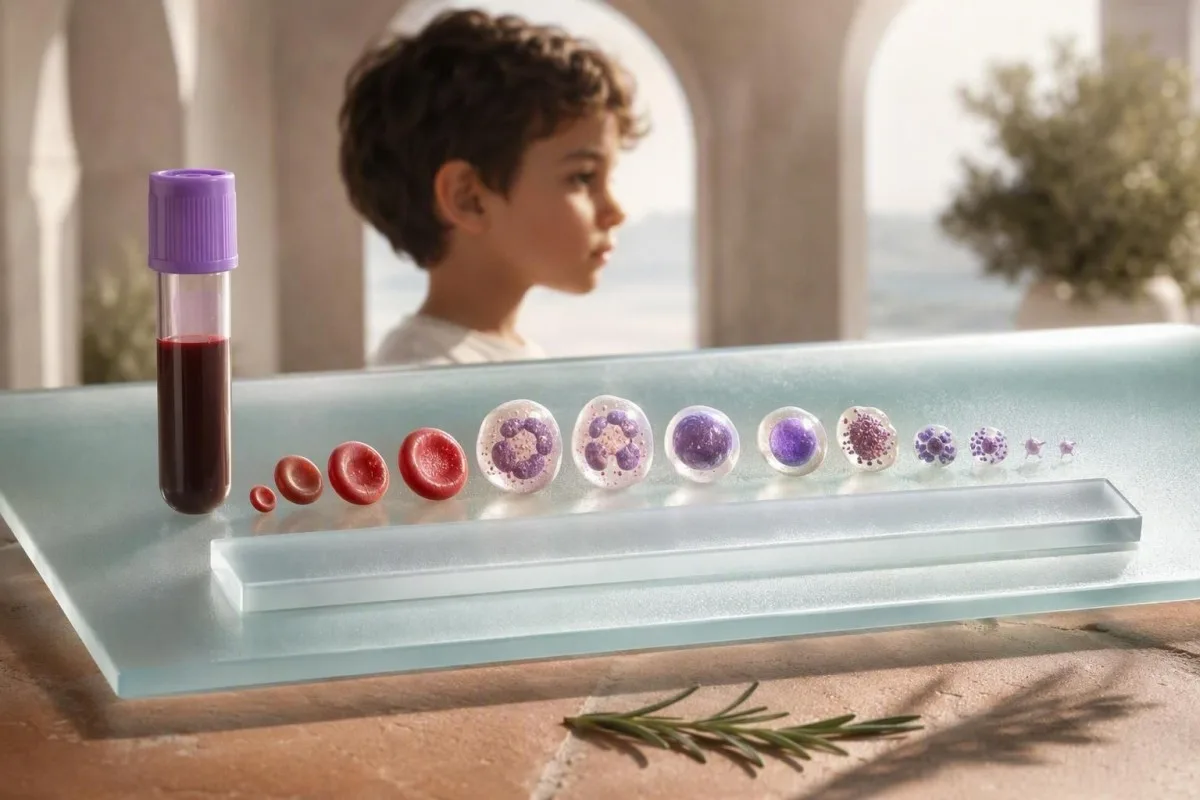
هوش مصنوعی میتواند نتایج آزمایشگاهی کودک را سازماندهی کرده و اصطلاحات ناآشنا را توضیح دهد، اما نمیتواند جایگزین پزشک متخصص اطفال شود که سن، الگوی رشد، معاینه و علائم کودک را میشناسد.


- پاسخ مستقیم: هوش مصنوعی میتواند الگوهای آزمایش خون را به عنوان یک مکمل آموزشی برای کودکان تفسیر کند، اما پزشک متخصص اطفال باید تصمیمات تشخیصی و درمانی را اتخاذ کند.
- بازههای خاص سن: تعداد لنفوسیتهایی که در سن 2 سالگی مورد انتظار است، ممکن است توسط بازه مرجع بزرگسالان بالا تشخیص داده شود.
- بلوغ مهم است: فسفاتاز قلیایی میتواند در طول رشد استخوان بدون بیماری کبدی به بیش از 300 IU/L برسد.
- علائم فوری: تنگی نفس، گیجی، تشنج، لبهای آبی، کمآبی شدید یا کودکی که حال عمومی بسیار بدی دارد، صرف نظر از گزارش هوش مصنوعی، نیاز به مراقبت بالینی فوری دارد.
- کیفیت نمونه: همولیز، تأخیر در پردازش و تجمع پلاکتها در EDTA میتواند نتایج گمراهکننده پتاسیم، LDH یا پلاکت ایجاد کند.
- روند مقدار: مقایسه نتایج حاصل از یک آزمایشگاه در طول هفتهها یا ماهها اغلب مفیدتر از واکنش به یک نتیجه مرزی است.
- خود درمانی نکنید: والدین نباید تنها بر اساس تفسیر نتایج آزمایشگاهی آنلاین، مکملهای آهن، ویتامین D، تیروئید یا الکترولیت را شروع کنند.
- حریم خصوصی: گزارش کودک فقط باید با رضایت والدین یا قیم قانونی و حذف دقیق شناسههای غیرضروری آپلود شود.
کاری که هوش مصنوعی میتواند و نمیتواند با آزمایش خون کودک انجام دهد
هوش مصنوعی میتواند نتایج آزمایش خون در کودکان را فقط به عنوان یک توضیح ساختاریافته تفسیر کند، نه به عنوان تشخیص یا جایگزینی برای بررسی اطفال. این میتواند یک مقدار پرچمگذاری شده را شناسایی کند، واحدها را تبدیل کند، دلایل رایج را توضیح دهد و سوالاتی را برای پزشک مطرح کند؛ اما نمیتواند هیدراتاسیون، مرحله رشد، یافتههای معاینه، یا ظاهر بیمار کودک را ارزیابی کند. از تاریخ ۶ سپتامبر ۲۰۲۶، این تمایز مرز ایمنی باقی میماند که من اغلب با والدین در مورد آن صحبت میکنم.
من دکتر توماس کلاین هستم، و در بررسی بالینی دیدهام که یک CBC طبیعی در کودکان نوپا باعث هشدار بیمورد شده است، زمانی که از محدوده بزرگسالان استفاده شده بود. نتیجهای خارج از محدوده چاپی به طور خودکار برای کودک غیرطبیعی نیست, ، زیرا بسیاری از گزارشها به طور پیشفرض از پرچمهای گسترده یا مشتق شده از بزرگسالان استفاده میکنند. یک گزارش سلامت هوش مصنوعی منطقی باید محدوده مرجع مورد استفاده خود را ذکر کند و خانوادهها را به پزشک تجویز کننده ارجاع دهد.
کانتستی یک آنالایزر آزمایش خون هوش مصنوعی برای سازماندهی دادههای آزمایشگاهی و توضیح الگوها به زبان ساده طراحی شده است؛ برای گزارشهای اطفال، خروجی ما باید به عنوان یک شروع کننده مکالمه برای یک پزشک اطفال در نظر گرفته شود، نه چراغ سبزی برای اقدام مستقل. یک نوزاد ۱۸ ماهه تبدار با گزارشی که ظاهراً نگرانکننده نیست، همچنان ممکن است نیاز به ارزیابی در همان روز داشته باشد اگر بیحال، نفسنفسزنان یا کمخوراک باشد.
تفسیر نتایج آزمایشگاهی آنلاین زمانی مفیدترین است که یک PDF آشفته را به سوالات عملی تبدیل کند: آیا کودک روزه بوده است؟ آیا اخیراً بیماری ویروسی داشته است؟ آیا قد یا وزن از صدکها عبور میکند؟ والدین همچنین میتوانند بررسیهای ایمنی گزارش پزشکی هوش مصنوعی ما را قبل از اتکا به هر توضیح خودکار بررسی کنند.
چرا کودکان به بازههای مرجع آزمایشگاهی خاص سن خود نیاز دارند
کودکان به محدودههای مرجع متناسب با سن، جنسیت، مرحله بلوغ، سنجش، و گاهی اوقات سن حاملگی نیاز دارند. یک عدد میتواند بین نوزادی، سن مدرسه و نوجوانی به طور قابل توجهی تغییر کند در حالی که کودک سالم میماند.
هموگلوبین نوزاد معمولاً حدود ۱۴ تا ۲۲ گرم در دسیلیتر است, ، در حالی که محدوده معمول برای کودکان ۱ تا ۵ ساله تقریباً ۱۱.۰ تا ۱۳.۵ گرم در دسیلیتر است; ؛ آزمایشگاهها محدودههای معتبر خود را تعیین میکنند. افت فیزیولوژیکی پس از تولد مورد انتظار است، اما همین هموگلوبین ۹ گرم در دسیلیتر در یک نوزاد ۲ ماهه در حال رشد نیاز به ارزیابی فوریت متفاوتی نسبت به یک کودک ۸ ساله رنگپریده و تاکیکاردی دارد.
تعداد مطلق لنفوسیتها نیز وابسته به سن است. تعداد حدود ۴.۰ × ۱۰⁹/L ممکن است در یک کودک پیش دبستانی عادی باشد اما بالاتر از بسیاری از محدوده های بزرگسالان باشد، به همین دلیل تفریق باید بر اساس سن و نه صرفاً درصد خوانده شود؛ راهنمای ما برای تعداد لنفوسیت ها بر اساس سن راهنمای تعداد لنفوسیت ها بر اساس سن تفاوت را توضیح میدهد.
سولدن و همکاران توضیح دادند که چگونه فیزیولوژی رشدی باعث می شود محدوده های اطفال به طور قابل توجهی با مقادیر بزرگسالان در بسیاری از آنالیت ها متفاوت باشد (Soldin et al., 2005). در عمل، من ابتدا محدوده آزمایشگاه را می خواهم، سپس سن دقیق کودک در زمان نمونه گیری—نه یک محدوده عمومی اینترنتی.
چگونه رشد و بلوغ نتایج آزمایشگاهی را تغییر میدهند
رشد و بلوغ می توانند آلکالین فسفاتاز، هموگلوبین، فریتین، لیپیدها و هورمون های جنسی را به اندازه ای تغییر دهند که در گزارش بزرگسالان بیماری را تقلید کند. زمان جهش رشد کودک اغلب بیش از یک عدد مشخص شده را توضیح می دهد.
در طول رشد سریع اسکلتی،, آلکالین فسفاتاز (ALP) می تواند از ۳۰۰ واحد بین المللی بر لیتر تجاوز کند و به دلیل فعالیت بالای استئوبلاست، برای سن عادی باقی بماند. ALP بالا با بیلی روبین، GGT، کلسیم، فسفات، علائم و سابقه رشد طبیعی، الگوی بسیار متفاوتی از بیماری کبد صفراوی دارد؛ توضیح ما را در مورد ALP پس از رشد استخوان ببینید. ALP پس از رشد استخوان.
بلوغ لایه دیگری اضافه می کند. هموگلوبین اغلب در پسران با افزایش تستوسترون تولید گلبول های قرمز افزایش می یابد، در حالی که نوجوانان قاعدگی ممکن است دچار کمبود آهن با فریتین کمتر از حد طبیعی شوند ۱۵ نانوگرم بر میلیلیتر حتی قبل از کاهش هموگلوبین. راهنمای قلب و عروق اطفال NHLBI در سال ۲۰۱۱ همچنین تشخیص می دهد که مقادیر لیپید با بلوغ متفاوت است و باید با استفاده از نقاط برش اطفال ارزیابی شود (Expert Panel, 2011).
کانتستی یک پلتفرم تفسیر آزمایش خون AI که میتواند این ملاحظات رشدی را نشان دهد، اما نمیتواند مرحله Tanner را از یک فایل PDF آزمایشگاهی به طور قابل اعتماد استنباط کند. یک پزشک ممکن است منطقاً قبل از تفسیر یک پنل هورمونی یا آهن، در مورد قاعدگی، سرعت رشد، رژیم غذایی، تمرینات ورزشی، داروها و زمان بلوغ خانوادگی سؤال کند.
چرا نتایج نوزادان و شیرخواران نارس نیاز به بررسی تخصصی دارند
نتایج آزمایشگاهی نوزادان و شیرخواران نارس نباید تنها با خروجی عمومی هوش مصنوعی تفسیر شود زیرا فیزیولوژی طبیعی با ساعتها و روزها پس از تولد تغییر میکند. غربالگری بیلی روبین، گلوکز، کلسیم، هماتوکریت و تیروئید همگی به زمینه نوزادی حساس به زمان نیاز دارند.
غلظت کل بیلی روبین 12 میلیگرم در دسیلیتر (205 میکرومول در لیتر) بسته به سن پس از تولد بر حسب ساعت، بارداری، تغذیه، خطر همولیز و سرعت افزایش، ممکن است تحت نظر قرار گیرد یا نیاز به درمان فوری داشته باشد. به همین دلیل است که تصمیمات مربوط به زردی نوزادان از نمودارهای ساعتی-خاص و ارزیابی بالینی به جای یک آستانه جهانی استفاده میکنند.
گلوکز پلاسما زیر 47 میلیگرم در دسیلیتر (2.6 میلیمول در لیتر) معمولاً به عنوان یک آستانه عملیاتی در پروتکلهای نوزادان پرخطر استفاده میشود، اما مدیریت آن به علائم، تغذیه، اندازهگیری تکراری و دستورالعملهای محلی نوزادان بستگی دارد. نتیجه خراش پاشنه نیز میتواند با مقدار پلاسمای آزمایشگاهی که به سرعت پردازش شده متفاوت باشد.
والدین باید پیام غیرطبیعی غربالگری نوزادان را به عنوان یک مسیر تماس سریع تلقی کنند، نه یک مسئله تحقیقات آنلاین. پرچمهای غربالگری نوزادان توضیح میدهد که چرا برخی نتایج نیاز به تماس در همان روز دارند در حالی که برخی دیگر نیاز به تکرار برنامهریزی شده دارند.
چگونه CBC کودک خود را بدون واکنش افراطی بخوانیم
آزمایش خون کامل (CBC) یک کودک زمانی مفید است که به عنوان یک الگو خوانده شود: هموگلوبین، MCV، رتیکولوسیتها، افتراسیون گلبول سفید، پلاکتها، علائم و روند باید با هم در نظر گرفته شوند. یک پرچم بالا یا پایین منفرد به ندرت تشخیص را ارائه میدهد.
هموگلوبین کمتر از 11.0 گرم بر دسیلیتر در یک کودک خردسال اغلب ارزیابی برای کمبود آهن، رژیم غذایی، خطر تماس با سرب، التهاب مزمن، هموگلوبینپاتی و از دست دادن خون را تحریک میکند؛ MCV و فریتین به محدود کردن سوال کمک میکنند. فریتین در طول عفونت میتواند به دروغ اطمینانبخش به نظر برسد زیرا به عنوان یک واکنشدهنده فاز حاد افزایش مییابد.
تعداد مطلق نوتروفیل کمتر از ۱.۵ × ۱۰⁹/لیتر در بسیاری از موارد نوتروپنی نامیده میشود، اما فوریت بسته به سن، پیشینه، مدت زمان، تب و عمق کاهش به شدت تغییر میکند. یک کودک سالم با ANC 1.2 × 10⁹/L پس از یک ویروس، همان وضعیت بالینی یک کودک تبدار با ANC کمتر از ۰.۵ × ۱۰⁹/لیتر; نیست؛ راهنمای محدوده نوتروفیل ما را بخوانید راهنمای محدوده نوتروفیل.
هنگامی که CBC را پس از گاستروانتریت مرور میکنم، بررسی میکنم که آیا هموغلظت، غلظت بالای خفیف هموگلوبین یا پلاکت را توضیح میدهد قبل از اینکه مشکل مغز استخوان را فرض کنم. تکرار پس از بهبودی اغلب ایمنتر از آزمایش گسترده است، مگر اینکه کبودی، تب مداوم، درد استخوان، کاهش وزن یا رنگپریدگی قابل توجه، خطر را تغییر دهد.
چرا نحوه جابجایی نمونه میتواند هوش مصنوعی و پزشکان را گمراه کند
جمعآوری ضعیف یا پردازش تأخیری میتواند نتیجه خون کودک را قبل از اینکه انسان یا الگوریتم آن را ببیند، اشتباه کند. همولیز، جمعآوری دشوار، زمان طولانی تورنیکه، و لوله اشتباه میتوانند نتایج را به اندازه کافی تغییر دهند تا هشدارهای کاذب ایجاد کنند.
همولیز پتاسیم درون سلولی و LDH را در نمونه آزاد میکند، بنابراین نتیجه بالای پتاسیم با پرچم همولیز ممکن است به جای درمان فوری نیاز به تکرار فوری داشته باشد. با این حال، کودکی با ضعف، تپش قلب، بیماری کلیوی، یا نگرانی ECG همچنان نیاز به ارزیابی بالینی سریع دارد؛ هشدار نمونه ثابت نمیکند که پتاسیم بیضرر است.
لخته شدن پلاکت مرتبط با EDTA میتواند باعث شمارش پلاکت مصنوعی پایین شود، گاهی کمتر از 100 × 10⁹/L, ، علیرغم نرمال بودن پلاکتها در کودک. بررسی لام خون آزمایشگاهی یا تکرار در لوله سیترات میتواند این تله رایج پیشتحلیلی را روشن کند؛ مقاله ما در مورد تجمع پلاکتها با EDTA نشان میدهد که چرا یک عدد به تنهایی میتواند گمراهکننده باشد.
Kantesti’s ابزار تحلیل آزمایش خون مبتنی بر AI میتواند ناهماهنگیهای داخلی و نظرات واضح آزمایشگاهی را پرچمگذاری کند، اما نمیتواند لوله را بازرسی کند یا یک نمونهگیری چالشبرانگیز را مشاهده کند. والدین باید از کل گزارش عکس بگیرند، از جمله نظرات کیفیت نمونه، زمان نمونهگیری و محدودههای مرجع — نه فقط صفحه پرچمگذاری شده.
چگونه تب، کمآبی و ویروسها به طور موقت آزمایشها را تغییر میدهند
بیماری حاد میتواند به طور موقت گلوکز، سدیم، کراتینین، شمارش گلبولهای سفید، CRP، فریتین و آنزیمهای کبدی را در کودکان تغییر دهد. نتیجه در زمان تب اغلب باید با نتیجه تکراری پس از بهبودی مقایسه شود تا به عنوان خط پایه کودک تلقی شود.
استفراغ و کاهش دریافت میتواند هموگلوبین و اوره را غلیظ کند، در حالی که اسهال شدید ممکن است بیکربنات را کاهش داده و سدیم یا پتاسیم را مختل کند. سدیم کمتر از 130 میلیمول/لیتر, ، به خصوص با گیجی، سردرد شدید، تشنج، یا استفراغ مکرر، نیاز به ارزیابی فوری پزشکی دارد تا یک توضیح آنلاین.
CRP سریعتر از ESR بالا و پایین میرود، اما هیچ یک از این آزمایشها به تنهایی علت خاصی را مشخص نمیکند. CRP 40 میلیگرم/لیتر میتواند با بیماری ویروسی یا باکتریایی، آسیب بافتی و بیماری التهابی رخ دهد؛ ظاهر کودک، مدت زمان تب، معاینه و گاهی کشتها مهمتر از یک نشانگر منفرد هستند.
قانون عملی دکتر توماس کلاین ساده است: روز بیماری، داروها، مصرف مایعات و دما را در کنار نتیجه ثبت کنید. آن ثبت کوچک باعث میشود تغییرات آزمایشگاهی بین ویزیتها برای یک پزشک اطفال بسیار آسانتر تفسیر شود.
علائمی که بر هر گزارش اطمینانبخش هوش مصنوعی ارجحیت دارند
علائم فوری بر گزارش هوش مصنوعی با ظاهر نرمال اولویت دارند زیرا پنلهای آزمایشگاهی بسیاری از اورژانسهای کودکان را رد نمیکنند. کودکی که در تنفس مشکل دارد، بیدار کردنش سخت است، اطراف لبهایش کبود است، تشنج دارد، یا علائم کمآبی شدید را نشان میدهد، فوراً به ارزیابی اورژانسی نیاز دارد.
برای کودکی با بثورات غیرقابل محو شدن همراه با تب، سفتی گردن، سردرد شدید و مداوم، رفتار تغییر یافته، یا پرفیوژن ضعیف مانند دستهای سرد و لکهدار و کاهش قابل توجه ادرار، مراقبت فوری بخواهید. CBC یا CRP نمیتواند به طور ایمن سپسیس اولیه، مننژیت، آپاندیسیت، کتواسیدوز دیابتی، یا اورژانس آلرژیک را رد کند.
برای خطر دیابت، استفراغ همراه با تنفس عمیق یا سریع، درد شکم، خوابآلودگی، یا کتونهای متوسط تا زیاد نیاز به ارزیابی فوری دارد. گلوکز خون ۲۰۰ میلیگرم در دسیلیتر (۱۱.۱ میلیمول در لیتر) با علائم کلاسیک از ارزیابی دیابت پشتیبانی میکند، اما ارزیابی کتواسیدوز نیاز به گلوکز، کتونها، الکترولیتها، وضعیت اسید-باز و یک پزشک دارد.
یک نتیجه نمیتواند کار تنفس یا پر شدن مویرگ را قضاوت کند. والدین نگران علائم قفسه سینه میتوانند از راهنمای علائم آزمایش خون اورژانسی ما برای زمینه استفاده کنند، اما نباید منتظر تجزیه و تحلیل خودکار بمانند زمانی که کودک به شدت بیمار به نظر میرسد.
داروها، ویتامینها و مکملهایی که آزمایشگاههای کودکان را تغییر میدهند
داروها و مکملهای رایج میتوانند آزمایشهای آزمایشگاهی کودکان را تغییر داده یا در آنها تداخل ایجاد کنند، بنابراین هوش مصنوعی برای جلوگیری از یک توضیح گمراهکننده به لیست کامل داروها نیاز دارد. بیوتین، کورتیکواستروئیدها، ضد تشنجها، آهن، ویتامین D و مایعات وریدی اخیر مثالهای رایجی هستند.
بیوتین با دوز بالا میتواند با برخی ایمونواسیها تداخل داشته باشد و نتایج گمراهکننده تیروئید یا هورمونی ایجاد کند؛ خانوادهها باید محصولات مو، ناخن یا مولتیویتامین را به پزشک اطلاع دهند. دوز مهم است: مصرف عادی رژیم غذایی با مکملهای حاوی ۵۰۰۰ تا ۱۰۰۰۰ میکروگرم در روز متفاوت است.
آهن نباید صرفاً به این دلیل شروع شود که کودک خسته به نظر میرسد یا سطح فریتین او پایین نرمال است. مصرف بیش از حد آهن میتواند مضر باشد، و بررسی تشخیصی برای کمبود آهن، صفت تالاسمی، التهاب مزمن و مواجهه با سرب متفاوت است؛ راهنمای مطالعه آهن ما نشان میدهد که چرا اشباع ترانسفرین و فریتین با هم تفسیر میشوند.
درمان ویتامین D حوزه دیگری است که زمینه در آن اهمیت دارد. غلظت ۲۵-هیدروکسی ویتامین D زیر 20 نانوگرم بر میلیلیتر (50 نانومول بر لیتر) اغلب کمبود در نظر گرفته میشود، اما دوز پدیاتریک به سن، اندازه بدن، رژیم غذایی، خطر سوء جذب، کلسیم و راهنمایی محلی بستگی دارد - نه یک برنامه تغذیه هوش مصنوعی عمومی.
چرا روندها معمولاً ایمنتر از یک نتیجه اطفال هستند
نتایج تکراری از همان آزمایشگاه اغلب آموزندهتر از یک نتیجه مرزی کودکان است. روندها میتوانند بهبودی، تغییرات مرتبط با رشد، اثرات دارویی یا الگوی پایدار را که نیاز به بررسی تخصصی دارد، نشان دهند.
تغییر فریتین از ۸ به ۲۸ نانوگرم در میلیلیتر پس از درمان به راهنمایی پزشک، داستانی واضحتر از یک نتیجه منفرد ۱۸ نانوگرم در میلیلیتر بیان میکند، به خصوص اگر CRP همزمان کاهش یافته باشد. برای آزمایش تیروئید، تغییر TSH تنها زمانی معنیدار است که زمان نمونهبرداری، روش آزمایش، بیماری و پایبندی به دارو در نظر گرفته شوند.
کانتستی یک سرویس تفسیر آزمایشهای آزمایشگاه AI منتشر میشوند که میتواند گزارشهای تاریخی را کنار هم قرار دهد و تغییرات قابل توجه را نشان دهد، اما سیستم هرگز نباید ادعا کند که یک روند، تشخیص را اثبات میکند. واریانس تحلیلی آزمایشگاه و نوسانات بیولوژیکی طبیعی میتواند تغییرات کوچک، به ویژه نزدیک به آستانه تصمیمگیری را توضیح دهد.
PDFهای اصلی را ذخیره کنید و یادداشت کنید که آیا کودک تب، ورزش شدید، روزه، جهش رشد یا تغییر دارو داشته است. برای نتایج طولی جزئیات را که آزمایش مجدد را از نظر بالینی قابل استفاده میکند، بیان میکند.
چه مواردی را والدین باید قبل از استفاده از تفسیر آزمایش آنلاین در نظر بگیرند
والدین باید گزارش کامل، سن دقیق، جنسیت تعیین شده در بدو تولد در صورت لزوم، تاریخ و زمان نمونهبرداری و محدودههای مرجع خود آزمایشگاه را بارگذاری کنند. اسکرینشاتهای بریده شده بدون واحد یا توضیحات نمونه، منبع رایج تجزیه و تحلیل ناامن گزارش پزشکی هوش مصنوعی هستند.
یک ارسال مفید شامل سن کودک به سال و ماه، روند قد و وزن در صورت لزوم، بیماری اخیر، وضعیت روزه، داروهای فعلی، مکملها و سوال بالینی منجر به آزمایش است. آدرس کامل کودک، جزئیات مدرسه یا شناسههای غیر ضروری را وارد نکنید.
هوش مصنوعی Kantesti از بارگذاری گزارش به چندین زبان پشتیبانی میکند و میتواند توضیحی را در حدود 60 ثانیه, برگرداند، اما سرعت، تاییدیه بالینی نیست. گزارش PDF upload checklist برای ارقام اعشار، عکسهای کمرنگ، پنلهای تکراری و عدم تطابق واحدها مفید است.
اگر گزارش ‘بحرانی’، ‘نتیجه تلفنی’، ‘بررسی فوری’ را ذکر میکند یا شامل درخواست آزمایشگاهی برای تکرار فوری است، ابتدا با سرویس سفارشدهنده تماس بگیرید. تفسیر آنلاین نباید مسیر تشدید وضعیت آزمایشگاه را به تأخیر بیندازد.
سوالاتی که باید از گزارش هوش مصنوعی به پزشک متخصص اطفال پرسید
ایمنترین استفاده از گزارش هوش مصنوعی، ایجاد سؤالات متمرکز برای پزشک است، نه ایجاد یک برنامه درمانی. بپرسید که آیا محدوده برای اطفال است، آیا الگو با بیماری یا رشد اخیر مطابقت دارد، و آیا به آزمایش تکراری نیاز است.
سؤالات خوب شامل: ‘کدام مقدار مهمتر است؟’ ‘آیا این آزمایشگاه از بازه زمانی متناسب با سن استفاده میکند؟’ ‘آیا باید آن را وقتی فرزندم خوب است تکرار کنیم؟’ و ‘چه علامتی باعث میشود بخواهید زودتر ما را ببینید؟’ آن سؤالات بیشتر از این پرسش که آیا هر پرچم نشاندهنده بیماری است، مفید هستند.
برای هموگلوبین پایین، بپرسید که آیا رتیکولوسیتها، MCV، فریتین، اشباع ترانسفرین، رژیم غذایی و سابقه خانوادگی، افتراق را تغییر میدهند. برای ALT بالا، در مورد بیماری ویروسی اخیر، داروها، روند تغییر وزن، آسیب عضلانی، و اینکه آیا تکرار ALT و AST مورد نیاز است، بپرسید؛ توضیح ALT واژگان را بدون جایگزینی ارزیابی در اختیار والدین قرار میدهد.
اگر پاسخ هوش مصنوعی و پزشک اطفال اختلاف نظر داشته باشند، تفسیر پزشک باید برتری داشته باشد زیرا او کودک را در مقابل خود دارد. نظر دوم متخصص اطفال زمانی منطقی است که ناهنجاریها ادامه یابد، توضیح مبهم باقی بماند، یا علائم با برنامه پیشنهادی مطابقت نداشته باشد.
قوانین حریم خصوصی و رضایت برای گزارشهای آزمایشگاهی کودکان
گزارش آزمایشگاهی کودک اطلاعات بهداشتی حساس است و فقط باید توسط والدین یا قیم قانونی با استفاده از سرویس حریم خصوصیمحور به اشتراک گذاشته شود. خانوادهها باید درک کنند که چه کسی میتواند به گزارش دسترسی داشته باشد، چه مدت نگهداری میشود، و درخواستهای حذف چگونه کار میکنند.
قبل از بارگذاری گزارش، شناسههای مدرسه، آدرس منزل و اطلاعات نامربوط خانوادگی را حذف کنید. تاریخ جمعآوری، نام آزمایشگاه، بازههای مرجع و نظرات پزشک را حفظ کنید زیرا حذف این جزئیات میتواند تفسیر اطفال را کمتر ایمن کند.
Kantesti AI از مدیریت دادههای متمرکز بر حریم خصوصی و مطابق با GDPR استفاده میکند، اما والدین همچنان باید با دقت تصمیم بگیرند که آیا تجزیه و تحلیل آنلاین برای وضعیت کودک مناسب است یا خیر. دسترسی مشترک خانوادگی باید عمدی و محدود باشد؛ راهنمای ما برای اشتراکگذاری نتایج خانوادگی تصمیمات عملی رضایت را پوشش میدهد.
نوجوانان در نحوه اشتراکگذاری اطلاعات سلامتی خود، به ویژه برای آزمایشهای حساس، شایسته بیان نظر هستند. قوانین محلی در مورد محرمانگی و رضایت متفاوت است، بنابراین خانوادهها باید از سرویس درمانی بپرسند که نتایج چگونه به والدین و فرد جوان ابلاغ خواهد شد.
نظارت ایمن هوش مصنوعی بر کودکان باید چگونه باشد
تفسیر ایمن هوش مصنوعی اطفال باید محدودیتهای خود را فاش کند، دادههای اصلی آزمایشگاهی را حفظ کند، پرچمهای قرمز فوری را شناسایی کند و کاربران را به بررسی بالینی انسانی ارجاع دهد. هرگز نباید از یک پنل واحد، کودکی را تشخیص دهد، دارو تجویز کند، یا خانوادهها را از مراقبتهای اورژانسی دور کند.
دقت چندین لایه دارد: خواندن صحیح PDF، تطابق آنالیتها و واحدها، انتخاب بازه زمانی مناسب، و تفسیر الگو در زمینه بالینی. حتی یک رونویسی ظاهراً دقیق نیز میتواند نتیجه ناایمنی تولید کند اگر مرحله بلوغ، تب، یا سابقه دارویی یک نوجوان ۱۴ ساله از قلم بیفتد.
در Kantesti، تیم پزشکی ما مرزهای ایمنی و زبان تشدید را بررسی میکند؛ خوانندگان میتوانند رویکرد ما را به اعتبارسنجی بالینی و پزشکان در هیئت مشاوره پزشکی. Kantesti یک پلتفرم تفسیر بیومارکرهای AI که باید گفتگوی بالینی بعدی را واضحتر کند، هرگز جایگزین آن نشود.
خط نهایی من پس از ۱۵ سال طبابت ساده است: از هوش مصنوعی برای درک گزارش، حفظ روند و آماده کردن سؤالات استفاده کنید. از یک پزشک متخصص کودکان برای تصمیمگیری در مورد معنای نتیجه برای این کودک خاص، امروز، استفاده کنید.
سوالات متداول
آیا هوش مصنوعی میتواند آزمایشهای خون کودکان را تفسیر کند؟
هوش مصنوعی میتواند آزمایشهای خون کودکان را بهعنوان یک ابزار آموزشی تفسیر کند، اما بدون بررسی بالینی توسط متخصص اطفال، نمیتواند با اطمینان کودک را تشخیصگذاری یا درمان کند. نتایج آزمایشهای کودکان به فواصل مرجع متناسب با سن، وضعیت بلوغ، علائم، یافتههای معاینه و آگاهی از کیفیت نمونه نیاز دارند. برای مثال، مقدار ALP بالاتر از 300 IU/L ممکن است در دوره جهش رشد مورد انتظار باشد، در حالی که همین نتیجه در یک فرد بزرگسال ممکن است به ارزیابی متفاوتی نیاز داشته باشد. والدین باید از توضیحات هوش مصنوعی برای آمادهکردن پرسشهای خود برای پزشک درخواستکننده آزمایش استفاده کنند.
چرا محدودههای آزمایش خون بزرگسالان برای کودکان ایمن نیستند؟
استفاده از محدودههای آزمایشگاهی بزرگسالان برای کودکان ایمن نیست، زیرا هموگلوبین، لنفوسیتها، آلکالین فسفاتاز، کراتینین، هورمونها و بسیاری از آنالیتهای دیگر با رشد تغییر میکنند. یک کودک پیشدبستانی ممکن است بهطور طبیعی شمارش مطلق لنفوسیتها در حدود ۴٫۰ × ۱۰⁹ در لیتر داشته باشد، که در گزارش بزرگسالان ممکن است بالا تلقی شود. تفسیر بیلیروبین نوزاد نیز باید بر اساس سن بهصورت ساعت انجام شود، نه بر مبنای یک عدد واحد و عمومی. هرگاه امکانپذیر باشد، باید از محدوده مرجع کودکانِ خودِ آزمایشگاه و سن دقیق کودک استفاده شود.
چه زمانی باید بهجای منتظر ماندن برای نتایج آزمایشهای هوش مصنوعی، فوراً به مراکز مراقبتهای پزشکی مراجعه کنم؟
اگر کودک دچار مشکل تنفسی، کبودی لبها، تشنج، گیجی، بیدار کردن دشوار، کمآبی شدید است یا بهشدت بدحال به نظر میرسد، فوراً به مراقبتهای اورژانسی مراجعه کنید. غلظت سدیم کمتر از ۱۳۰ میلیمول در لیتر همراه با علائم عصبی، یا استفراغ همراه با تنفس عمیق و کتونها نیز به ارزیابی فوری پزشکی نیاز دارد. CBC، CRP یا گزارش سلامت هوش مصنوعیِ طبیعی نمیتواند بسیاری از موارد اورژانسی را رد کند. علائم و وضعیت ظاهری کودک بر تفسیر آنلاین نتایج آزمایش اولویت دارند.
آیا خونگیری دشوار میتواند باعث ایجاد نتایج غیرطبیعی کاذب در کودکان شود؟
بله، جمعآوری دشوار نمونه میتواند در کودکان باعث ایجاد نتایج غیرطبیعی کاذب شود. همولیز ممکن است سطح پتاسیم و LDH را بهطور کاذب افزایش دهد، در حالی که تجمع پلاکتی ناشی از EDTA میتواند تعداد پلاکتها را بهطور کاذب کاهش دهد؛ گاهی این مقدار به کمتر از ۱۰۰ × ۱۰⁹/L میرسد. آزمایشگاه ممکن است توضیحی درباره همولیز یا تجمع پلاکتی اضافه کند و تکرار نمونهگیری یا بررسی اسمیر خون میتواند نتیجه را روشن کند. خانوادهها هرگز نباید بدون دریافت مشاوره بالینی فرض کنند که یک مقدار علامتگذاریشده واقعی یا کاذب است.
آیا والدین باید پس از دریافت گزارش آزمایشگاهی هوش مصنوعی، آهن یا ویتامین D بدهند؟
والدین نباید صرفاً بر اساس گزارش آزمایشگاهی هوش مصنوعی، مصرف آهن یا ویتامین D با دوز بالا را شروع کنند. فریتین کمتر از ۱۵ نانوگرم در میلیلیتر میتواند مؤید کمبود آهن باشد، اما عفونت میتواند سطح فریتین را افزایش دهد و کمخونی علل متعدد دیگری نیز دارد که به مراقبتهای متفاوتی نیاز دارند. سطح ۲۵-هیدروکسیویتامین D کمتر از ۲۰ نانوگرم در میلیلیتر اغلب مستلزم مدیریت تحت نظر پزشک است و دوز مصرفی بر اساس سن، جثه، وضعیت کلسیم، رژیم غذایی و سابقه پزشکی تعیین میشود. مصرف بیش از حد آهن و ویتامین D هر دو میتوانند آسیبزا باشند.
همین امروز آنالیز آزمایش خون با هوش مصنوعی را دریافت کنید
به بیش از 2 میلیون کاربر در سراسر جهان بپیوندید که Kantesti را برای تحلیل فوری و دقیق آزمایشهای آزمایشگاهی مورد اعتماد قرار میدهند. نتایج آزمایش خون خود را بارگذاری کنید و در عرض چند ثانیه، تفسیر جامع 15,000+ از نشانگرهای زیستی را دریافت کنید.
📚 انتشارات پژوهشی ارجاعشده
کلاین، تی.، میچل، اس.، و وبر، اچ. (۲۰۲۶). راهنمای پروتئینهای سرم: آزمایش خون گلوبولینها، آلبومین و نسبت A/G. پژوهش پزشکی مبتنی بر هوش مصنوعی Kantesti.
کلاین، تی.، میچل، اس.، و وبر، اچ. (۲۰۲۶). راهنمای آزمایش خون مکمل C3 و C4 و تیتر ANA. پژوهش پزشکی مبتنی بر هوش مصنوعی Kantesti.
📖 منابع پزشکی خارجی
⚕️ سلب مسئولیت پزشکی
این مقاله فقط برای اهداف آموزشی است و توصیه پزشکی محسوب نمیشود. برای تصمیمهای مربوط به تشخیص و درمان، همیشه با یک ارائهدهنده مراقبتهای بهداشتی واجد شرایط مشورت کنید.
سیگنالهای اعتماد E-E-A-T
تجربه
بازبینی بالینی مبتنی بر نظر پزشک از فرایندهای تفسیر آزمایشگاه.
تخصص
تمرکز بر پزشکی آزمایشگاهی و اینکه نشانگرهای زیستی در زمینه بالینی چگونه رفتار میکنند.
اقتدارگرایی
نوشتهشده توسط دکتر توماس کلاین، با بازبینی توسط دکتر سارا میچل و پروفسور دکتر هانس وبر.
قابل اعتماد بودن
تفسیر مبتنی بر شواهد با مسیرهای پیگیری روشن برای کاهش هشدارها.