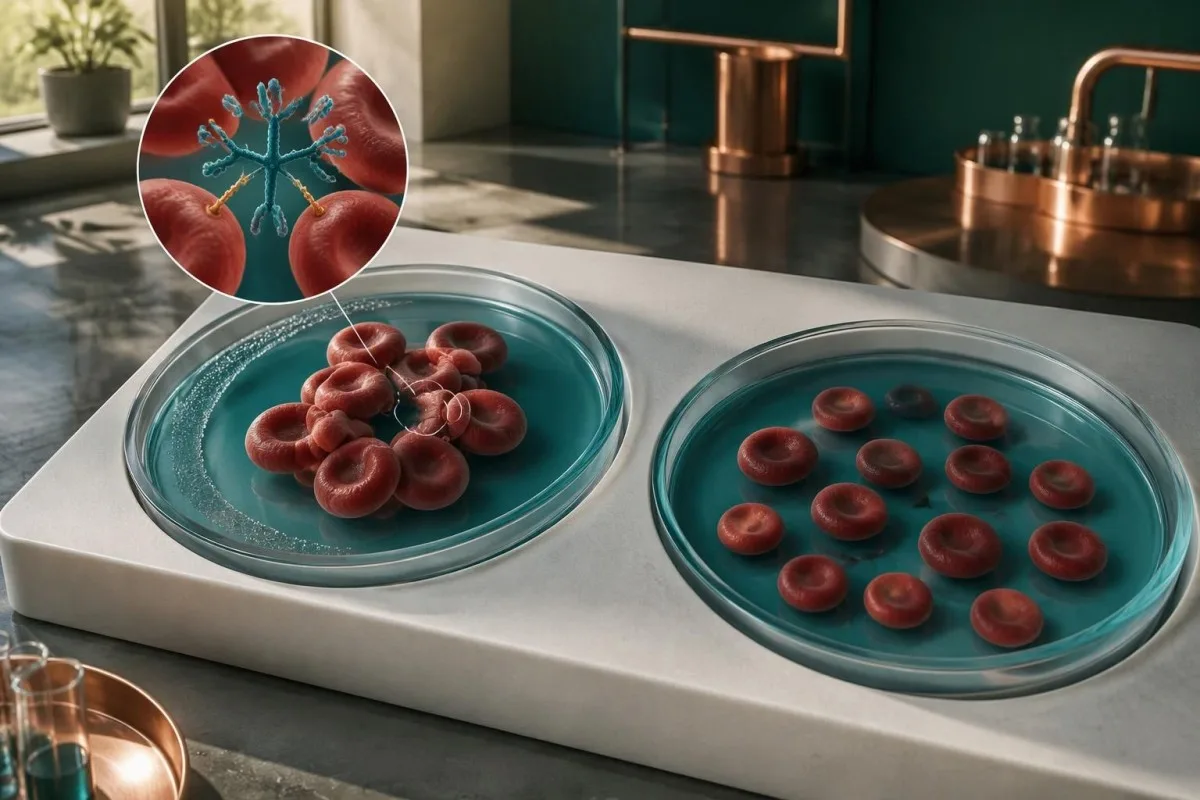
ٿڌ ۾ گڏجندڙ اينٽي باڊيز جو وڌيڪ ٽائيٽر اهو معنيٰ رکي ٿو ته گهڻي قدر پتلو ڪرڻ کان پوءِ به اينٽي باڊيز سڃاڻپ لائق رهن ٿيون—ضروري ناهي ته اهي توهان جي ڳاڙهن رت جي خلين کي نقصان پهچائين. فرق جو دارومدار انهن جي گرمي پد جي حد، هيمولائسس جي ثبوت، ڪمپليمينٽ-مثبت جاچ ۽ نموني کي صحيح نموني سنڀالڻ تي آهي.

اهم ڳالهيون
- مثبت نتيجو ٿڌ سان ردعمل ڪندڙ اينٽي باڊيز جي سڃاڻپ ڪري ٿو؛ اهو اڪيلو ٿڌ ۾ گڏجندڙ اينٽي باڊيز جي بيماري جي تصديق نٿو ڪري.
- 4°C تي گهٽ ۾ گهٽ 1:64 جو ٽائيٽر هڪ عام طور استعمال ٿيندڙ تشخيصي جزو آهي، پر طبي عملي کي هيمولائسس جو ثبوت ۽ سڌي اينٽي گلوبولين جاچ جو مناسب نمونو پڻ گهربل هوندو آهي.
- حرارتي وسعت اها سڀ کان وڌيڪ گرمي پد جي نشاندهي ڪري ٿي جنهن تي اينٽي باڊي ردعمل ڏيکاري ٿي؛ 30°C يا ان کان مٿي سرگرمي عام طور تي ان سرگرمي کان وڌيڪ ڳڻتي جوڳي هوندي آهي جيڪا رڳو ليبارٽري جي تمام ٿڌين حالتن تائين محدود هجي.
- C3d-مثبت سڌي اينٽي گلوبولين جاچ ڪمپليمينٽ وسيلي ٿيندڙ عمل جي حمايت ڪري ٿي، پر ساڳيو نمونو ٿڌ ۾ گڏجندڙ اينٽي باڊيز جي بيماري کان سواءِ به ٿي سگهي ٿو.
- هيمولائسس جو جائزو هڪ غيرمعمولي نشان تي ڀاڙڻ بدران، هيموگلوبن جي لاڳيتن نتيجن، ريٽيڪيولوسائٽس، LDH، اڻسڌي بلي روبن ۽ هپٽوگلوبن کي گڏائي ڏسي ٿو.
- 37–38°C تي نموني جي سنڀال سيرم الڳ ڪرڻ تائين ضروري ٿي سگهي ٿي، جيڪڏهن ڪولڊ ايگلوٽينن جي جاچ ڪرڻي هجي؛ پنهنجي ملاقات کان اڳ نمونو گڏ ڪندڙ ليبارٽري جون هدايتون پڪ ڪريو.
- انفيڪشن سان لاڳاپيل اينٽي باڊيز عارضي ٿي سگهن ٿيون، جيتوڻيڪ انفيڪشن سبب هجي تڏهن به طبي لحاظ کان اهم هيمولائسس جو جائزو وٺڻ ضروري آهي.
- هنگامي علامتون ۾ ڇاتيءَ جو سور، آرام جي حالت ۾ ساهه کڻڻ ۾ تڪليف، بيهوشي يا مونجهارو شامل آهن؛ نئون يرقان، اونداهي پيشاب يا ٿڪاوٽ جو تيزيءَ سان وڌڻ ترت طبي جائزي جو تقاضو ڪن ٿا.
ڇا ٿڌ ۾ گڏجندڙ اينٽي باڊيز جي مثبت جاچ جو مطلب بيماري آهي؟
A ڪولڊ ايگلوٽينن جي مثبت جاچ جو مطلب پاڻمرادو ڪولڊ ايگلوٽينن جي بيماري ناهي. وڏي ٽائيٽر جي به 3 طبي نتيجن سان گڏ تشريح ڪرڻ لازمي آهي: اينٽي باڊيءَ جي اثرائتي گرمي پد جي حد، ڳاڙهن رت جي خلين جي تباهيءَ جا ثبوت ۽ ڪمپليمينٽ-مثبت سڌي اينٽي گلوبولين جاچ.
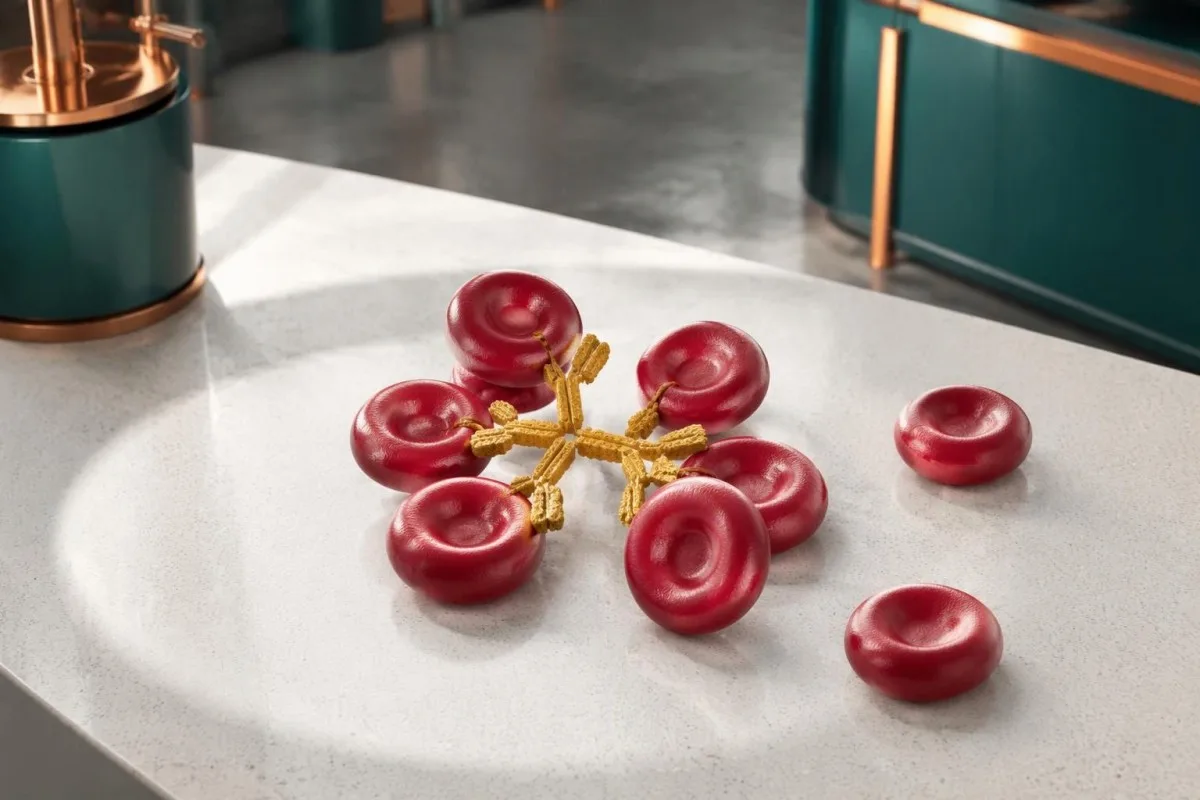
ٿڌي ايگلوٽينينز (Cold agglutinins) عام طور تي IgM اينٽي باڊيز هونديون آهن، جيڪي گهٽ گرمي پد تي ڳاڙهن رت جي خلين سان وڌيڪ آسانيءَ سان ڳنڍجي سگهن ٿيون ۽ انهن کي گڏ ڳنڍي ڇڏين ٿيون. جاچ ۾ عام طور تي 4°C تي انهن جي سرگرمي ماپي ويندي آهي—جيڪا گردش ڪندڙ رت جي اڪثر گرمي پد کان گهڻي ٿڌي آهي—تنهنڪري ليبارٽري ۾ نمايان ردعمل سان گڏ جسم اندر ٿوري يا ڪا به طبي لحاظ کان لاڳاپيل سرگرمي نه به ٿي سگهي ٿي.
رڳو هڪ نتيجو، جهڙوڪ 1:256 اهو نٿو ٻڌائي سگهي ته توهان کي انيميا آهي يا نه، اينٽي باڊي جسم جي گرمي پد جي ويجهو ردعمل ڏيکاري ٿي يا نه، يا ڪنهن بيماريءَ کان پوءِ اها عارضي آهي يا نه. اسان جي وضاحت مثبت اينٽي باڊي جا نتيجا سڃاڻپ کي تشخيص کان الڳ ڪري ٿي؛ ايندڙ ڪارائتو سوال اهو آهي ته گڏ ڪيل جاچون ڇا ظاهر ڪن ٿيون.
ڪينٽيسٽي هڪ آهي اي آءِ بلڊ ٽيسٽ اينالائيزر جيڪا لاڳاپيل ليبارٽري نتيجن سان گڏ ڪولڊ ايگلوٽينن ٽائيٽر جي وضاحت ۾ مدد ڪري ٿي، جنهن ۾ اهو به شامل آهي ته رپورٽ ڪيل جاچ جو گرمي پد 4°C هو يا نه. اسان جو ڪمپني پسمنظر هن تعليمي خدمت پٺيان تنظيم جي وضاحت ڪري ٿو؛ تشخيص قائم ڪرڻ لاءِ گهربل هيماتولوجي ۽ ليبارٽري جائزي جو متبادل اسان ناهيون.
ٿڌ ۾ گڏجندڙ اينٽي باڊيز جو وڌيڪ ٽائيٽر ڇا ماپي ٿو؟
A ڪولڊ ايگلوٽينن ٽائيٽر توهان جي سيرم جي سڀ کان وڏي رقت آهي، جنهن تي اڃا به ليبارٽريءَ جي مقرر ڪيل ايگلوٽينيشن ردعمل پيدا ٿئي ٿو. 1:512 جي نتيجي جو مطلب آهي ته 1:32 جي نتيجي جي ڀيٽ ۾ گهڻو وڌيڪ رقت کان پوءِ به سرگرمي سڃاڻپ جوڳي رهي ٿي؛ ٻنهي انگن مان ڪو به سڌيءَ طرح انيميا جي مقدار نٿو ماپي.
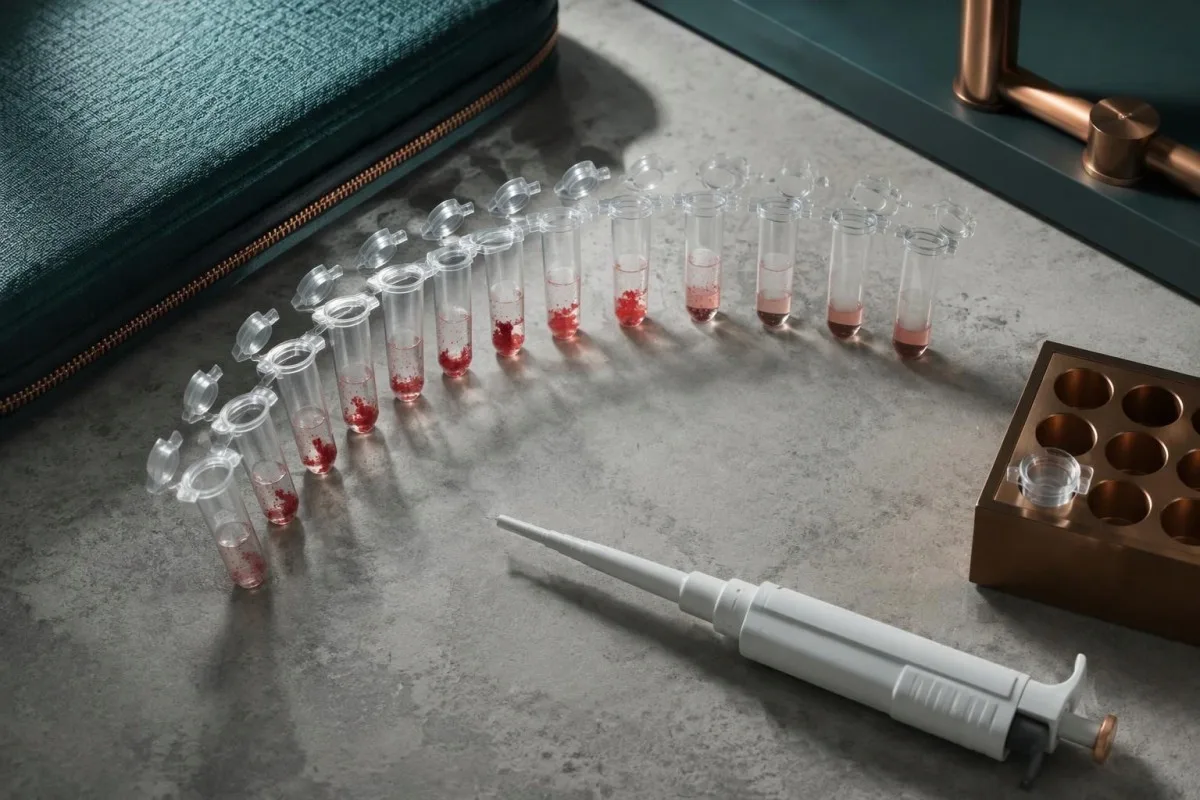
4°C تي گهٽ ۾ گهٽ 1:64 جو ٽائيٽر ڪولڊ ايگلوٽينن جي بيماريءَ جي تشخيص ۾ عام طور استعمال ٿيندڙ جزو آهي، پر اڪيلي سر اسڪريننگ جو حتمي فيصلو نه آهي. هيماتولوجي جو جائزو هن حد کي دائمي هيمولائسس ۽ سڌي اينٽي گلوبولين جاچ ۾ مضبوط C3d مثبت هجڻ سان گڏ بيان ڪري ٿو (Berentsen, 2016)؛ ڪو به عالمگير ٽائيٽر اهڙو ناهي، جيڪو پاڻمرادو هنگامي علاج لازمي بڻائي.
رقت جا ٻه ڀيرا وڌندڙ مرحلا عام طور اهڙا نتيجا ڏين ٿا، جهڙوڪ 1:64، 1:128 ۽ 1:256. هڪ درجي جو فرق، ڪنهن اهم حياتياتي تبديليءَ بدران، جاچ جي ڦيرڦار، چونڊيل آخري نقطي يا نموني جي سنڀال سبب ٿي سگهي ٿو؛ انگن جو ڀيٽ تڏهن وڌيڪ معتبر هوندو آهي، جڏهن ساڳي ليبارٽري ساڳيو طريقو ۽ گرمي پد استعمال ڪري.
ڪجهه ليبارٽريون رڳو مثبت يا منفي، رپورٽ ڪن ٿيون، جڏهن ته ٻيون 1:256 لکڻ بدران 256 جهڙو اُلٽو انگ ڏين ٿيون. اسان جي رهنمائي بابت معياري ۽ مقداري نتيجا explains that distinction; ask for the actual dilution, assay temperature and local reference interval before comparing reports.
| سطح | حد | ان جو مطلب |
|---|---|---|
| Low-level activity | Below 1:64 at 4°C | Often incidental when thermal amplitude is narrow and hemolysis is absent; this is not a universal laboratory reference interval. |
| Common diagnostic threshold | At least 1:64 at 4°C | Supports further assessment when hemolysis and a compatible direct antiglobulin test are present; does not confirm disease alone. |
| Higher dilution endpoint | Examples: 1:256 or 1:512 | Shows activity after greater dilution, but does not establish thermal amplitude or predict treatment need. |
| Very high reported endpoint | Example: 1:1024 or higher | Still requires clinical interpretation; no titer-only emergency threshold is established. |
ٽائيٽر کان وڌيڪ حرارتي وسعت ڇو اهم ٿي سگهي ٿي
حرارتي وسعت is the highest temperature at which a cold antibody reacts under the laboratory's testing conditions. Reactivity around 30°C or above is generally more clinically concerning than reactivity confined to 4°C, because cooler peripheral circulation can reach temperatures at which the antibody becomes active.
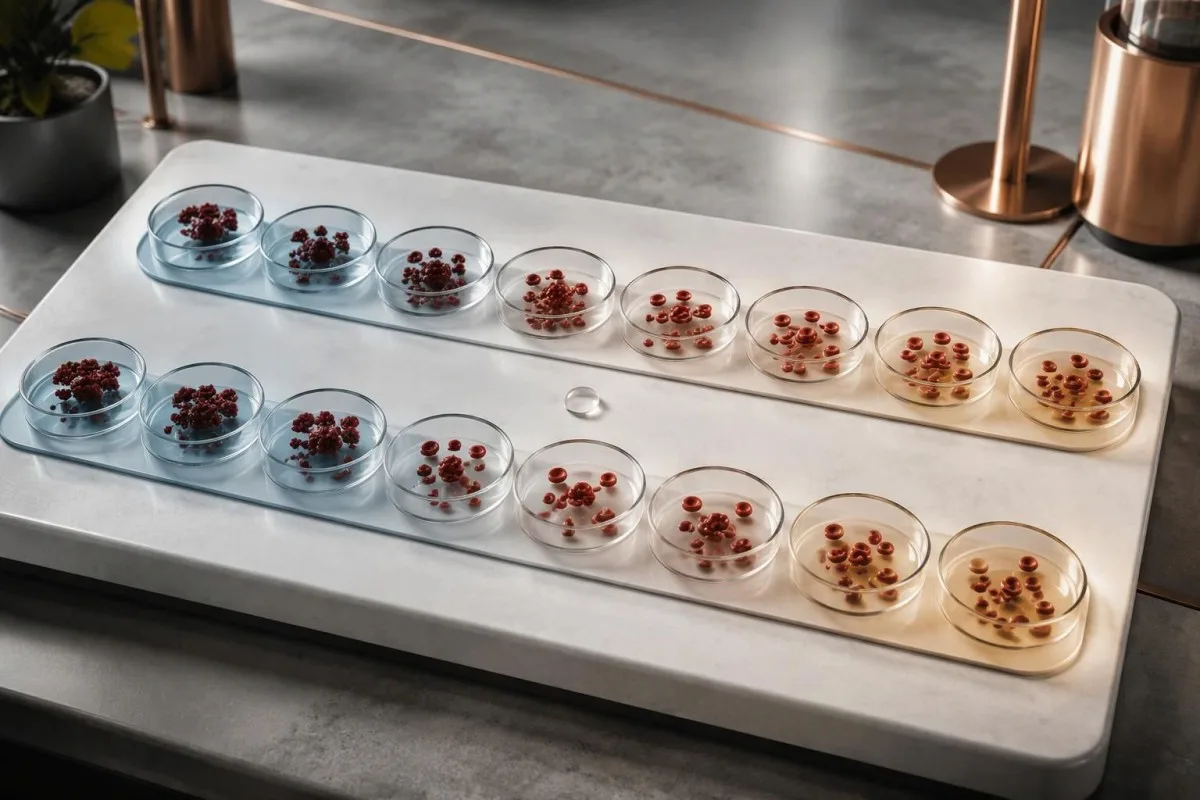
A high-titer antibody active only at 4°C may matter less clinically than a lower-titer antibody that remains active at 30–32°C. The reason is exposure: red cells do not normally circulate at refrigerator temperature, but they can encounter substantially cooler conditions in fingers, toes and other peripheral areas.
Complement can attach while red cells are cool and remain relevant after they return toward 37°C, even when the IgM antibody detaches. This explains why antibody-related injury is not simply a matter of visible clumping; our مڪمل تجربو گائيڊ also distinguishes circulating complement measurements from complement deposited on cells.
Thermal amplitude testing is not standardized into 1 universal patient-facing cutoff, and many routine reports omit it entirely. Specialist laboratories may test several temperatures, such as 4°C, room temperature, 30°C and 37°C; clinicians usually request that additional work when the titer, symptoms and hemolysis results do not fit together.
رت جي ڪهڙن نتيجن مان حقيقي هيمولائسس ظاهر ٿئي ٿو؟
Hemolysis means red cells are being destroyed faster than expected, and assessment usually combines 5 measurements: hemoglobin, reticulocytes, LDH, indirect bilirubin and haptoglobin. A high cold agglutinin titer without this supporting pattern does not establish a hemolytic disorder.
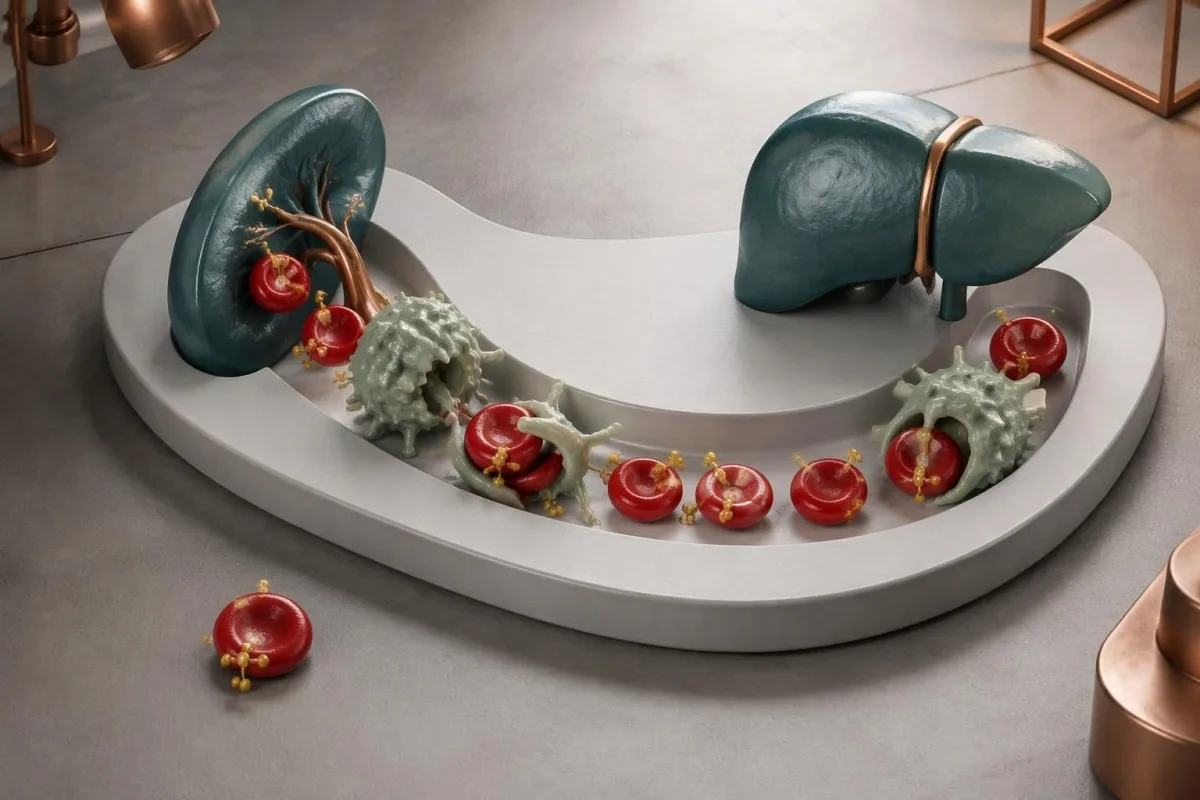
A hypothetical hemoglobin fall from 13.2 to 9.6 g/dL, accompanied by rising indirect bilirubin and LDH, is more concerning than an unchanged hemoglobin with the same titer. Reticulocytes often increase as the marrow replaces lost cells, although an early episode, nutrient deficiency or marrow disorder can blunt that response.
Low haptoglobin supports hemolysis but is not definitive: liver disease can reduce production, while an acute-phase response can raise the concentration despite red-cell destruction. Our explanation of گهٽ هاپٽوگلوبين جا سبب covers these exceptions; a result below 1 laboratory's reference limit should be interpreted with the other markers rather than alone.
Kantesti AI helps explain LDH trends, including why a hypothetical rise from 220 to 650 U/L needs the laboratory's reference interval and specimen-quality information. Our LDH interpretation guide describes other sources of elevation; normal hemoglobin also does not exclude compensated hemolysis when the marrow is keeping pace.
C3d-مثبت سڌي اينٽي گلوبولين جاچ جو ڇا مطلب آهي؟
A C3d-positive direct antiglobulin test, also called a direct Coombs test, detects complement fragments attached to red cells. Cold agglutinin disease typically produces strong C3d positivity with absent or sometimes weak IgG reactivity, but these 2 antibody-testing results are not sufficient without clinical evidence of hemolysis.

The direct antiglobulin test and the cold agglutinin titer answer 2 مختلف سوالن جا: what is attached to your red cells, and what cold-reactive activity is present in your serum? The Blood Reviews international consensus recommends a monospecific direct antiglobulin test as part of autoimmune hemolytic anemia assessment (Jäger et al., 2020).
A report stating only DAT positive may not distinguish IgG from C3d; asking for those 2 components can materially change interpretation. Our guide to a مثبت سڌو سنئون ڪومبس ٽيسٽ explains why transfusion-related antibodies, medications and other immune processes can also produce a positive result without proving cold agglutinin disease.
In a child with abrupt post-illness hemolysis, a C3d-positive DAT and a low cold agglutinin titer can raise a different possibility: paroxysmal cold hemoglobinuria. This condition usually involves an IgG antibody assessed by Donath–Landsteiner testing, so a cold agglutinin result below 1:64 should not end the investigation when symptoms suggest significant hemolysis.
اتفاقي اينٽي باڊيز، انفيڪشن ۽ جاري رهندڙ بيماري
Incidental cold antibodies may cause no symptoms, while infection-related antibodies can be temporary and occasionally cause substantial hemolysis. Persistent cold agglutinin disease is usually associated with a clonal marrow B-cell process; these 3 situations require different follow-up rather than the same response to a positive test.
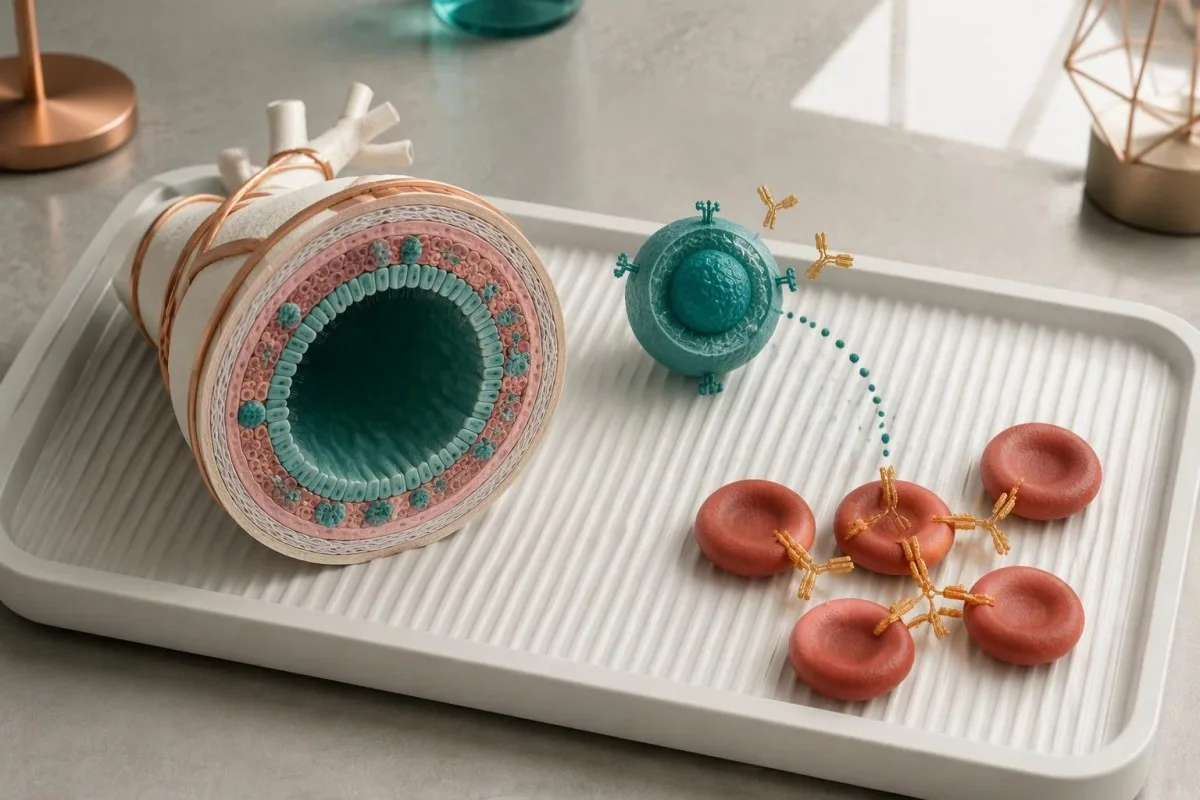
Mycoplasma pneumoniae and Epstein–Barr virus are 2 recognized infection-related associations, but a cold agglutinin test cannot reliably diagnose either infection. Our guide to Mycoplasma antibody interpretation explains why antibody timing and persistence complicate that diagnosis; respiratory symptoms may require pathogen-directed testing rather than inference from the titer.
Recent fever or sore throat changes the questions clinicians ask, not the urgency of genuine hemolysis: a hemoglobin of 8.5 g/dL with new jaundice still requires assessment even if the antibody is expected to be temporary. Our EBV result interpretation explains how VCA and EBNA patterns provide more specific information about exposure timing.
Terminology matters: cold agglutinin syndrome generally describes cold-antibody hemolysis secondary to another condition, while cold agglutinin disease is a distinct, usually persistent disorder. A titer of 1:512 does not identify lymphoma; specialist investigation may find a small marrow clone without overt lymphoma, and incidental antibodies do not automatically justify cancer investigations.
جاچ کان اڳ توهان جي نموني کي گرم ڪرڻ جي ضرورت ڇو پئجي سگهي ٿي
For cold agglutinin titer testing, many specialist laboratories require the specimen to remain at 37–38°C from collection until serum separation. Cooling before separation can allow antibodies to bind the patient's cells, potentially lowering the antibody activity left in the serum and producing a misleading result.
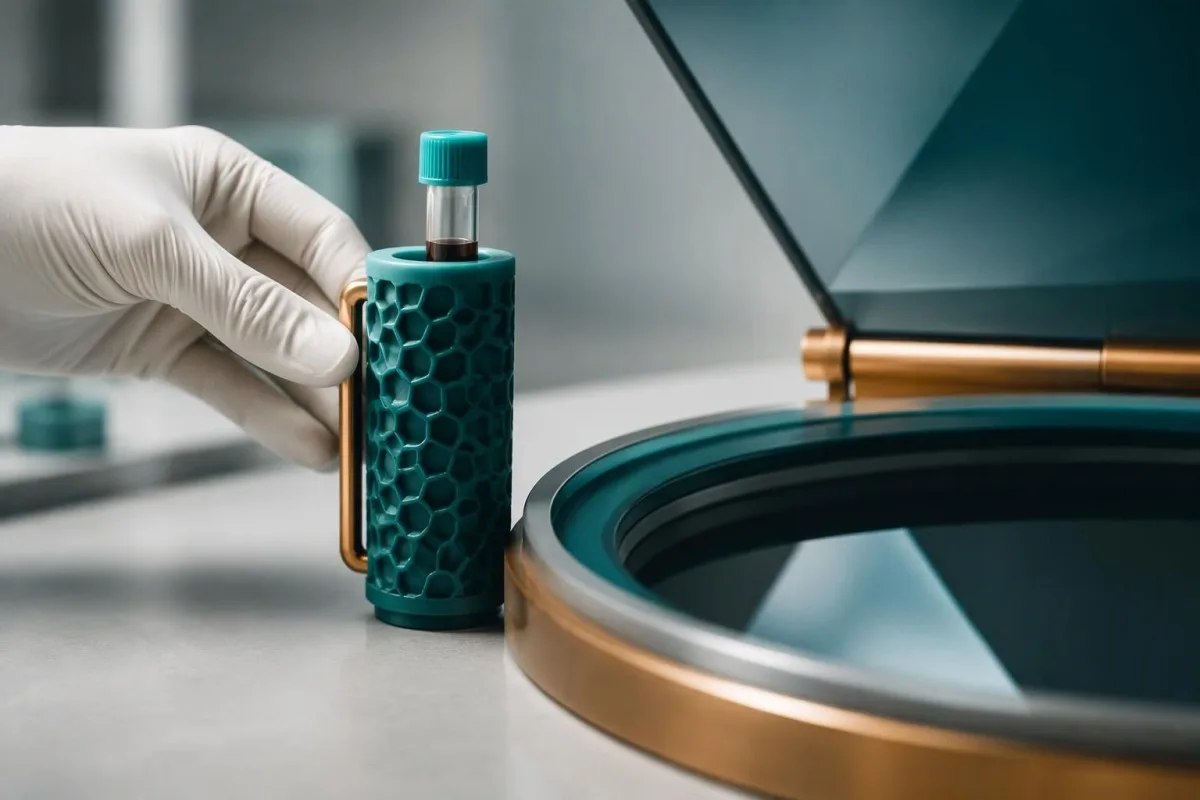
The pre-analytical requirement is different from the assay temperature: serum may be kept near 37°C during preparation and then deliberately tested at 4°C. The Hematology review emphasizes warm collection and separation for cold antibody studies (Berentsen, 2016); the laboratory creates the controlled cooling step only after an appropriate specimen is available.
Warming a specimen after it has already cooled may not fully reverse every earlier problem, so repeating the test can be more useful than interpreting an unexpected low titer. Our repeat specimen guide explains another handling distinction: cells breaking inside a collection tube are not the same as hemolysis occurring inside your body.
Before the appointment, ask 3 عملي سوال: which tube is required, how warmth will be maintained and where serum separation will occur. Titer testing, an EDTA specimen for the DAT and a warmed CBC may have different instructions; do not heat, transport or store your own specimen unless the collecting service specifically directs you.
ٿڌ ۾ گڏجندڙ اينٽي باڊيز توهان جي CBC کي ڪيئن بگاڙي سگهن ٿيون
Cold-related red-cell clumping can falsely lower the RBC count and raise MCV or MCHC on an automated complete blood count. A CBC repeated after laboratory warming near 37°C can help identify this artifact, although correcting the numbers does not by itself establish or exclude cold agglutinin disease.
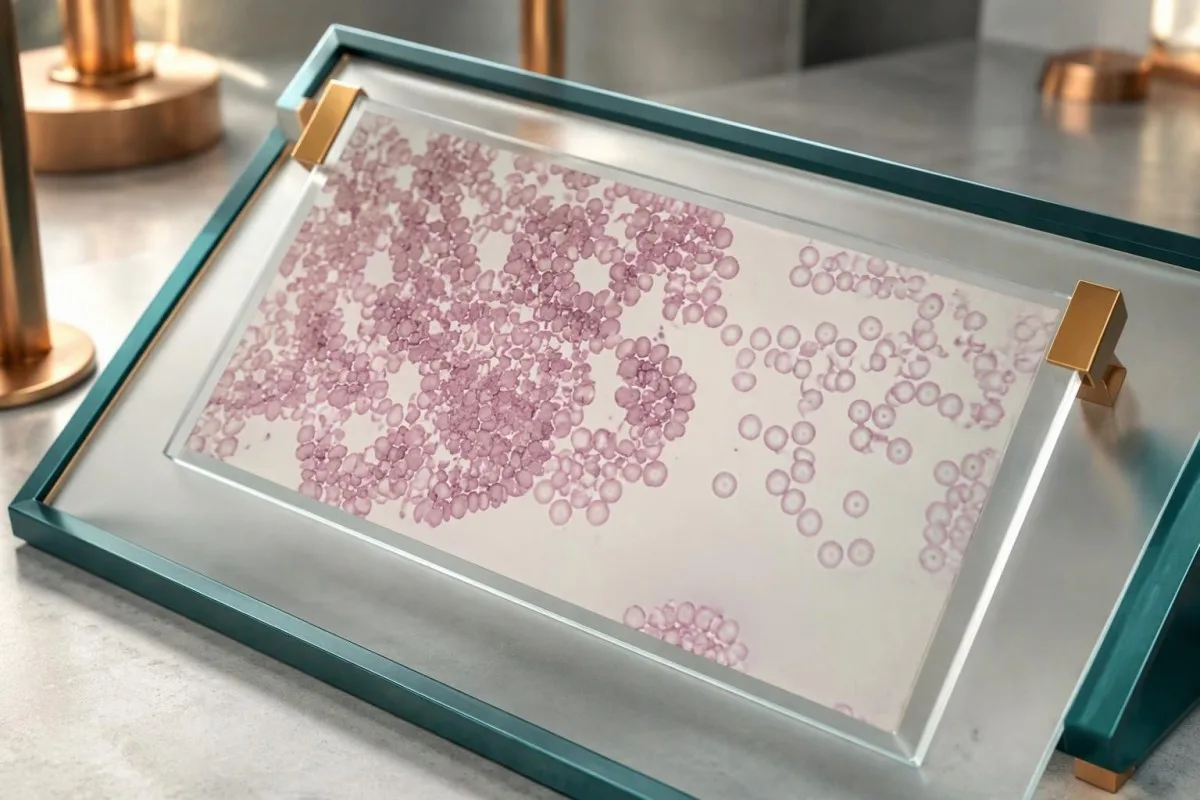
Automated counters may treat a cluster as 1 large particle rather than several separate cells, making the calculated mean cell volume appear high. Hematocrit and derived indices can become internally inconsistent, while photometrically measured hemoglobin is often less affected; the laboratory must still check whether other specimen or instrument issues are present.
مثال طور، هڪ فرضي MCHC of 40 g/dL with an analyzer agglutination flag should prompt verification rather than an immediate diagnosis of an unusually concentrated red-cell disorder. Our high MCHC explanation covers this reasoning; genuine anemia can coexist with an artifact, so neither finding should erase the other.
ڪينٽيسٽي هڪ آهي AI blood test interpretation پليٽ فارم that helps explain discrepancies between CBC values and a reported cold agglutinin titer, including whether a result was rerun near 37°C. Our AI ٽيڪنالاجي گائيڊ describes the interpretation process; only the testing laboratory can confirm that warming corrected a measurement error.
ٿڌ ۾ گڏجندڙ اينٽي باڊيز جي بيماري جي تشخيص جي تصديق ڪهڙي ڳالهه ڪري ٿي؟
A cold agglutinin disease diagnosis usually combines chronic hemolysis, a strongly C3d-positive DAT and a cold agglutinin titer of at least 1:64 at 4°C, with assessment for secondary causes. These are linked diagnostic components, not a checklist that an isolated positive report can complete.
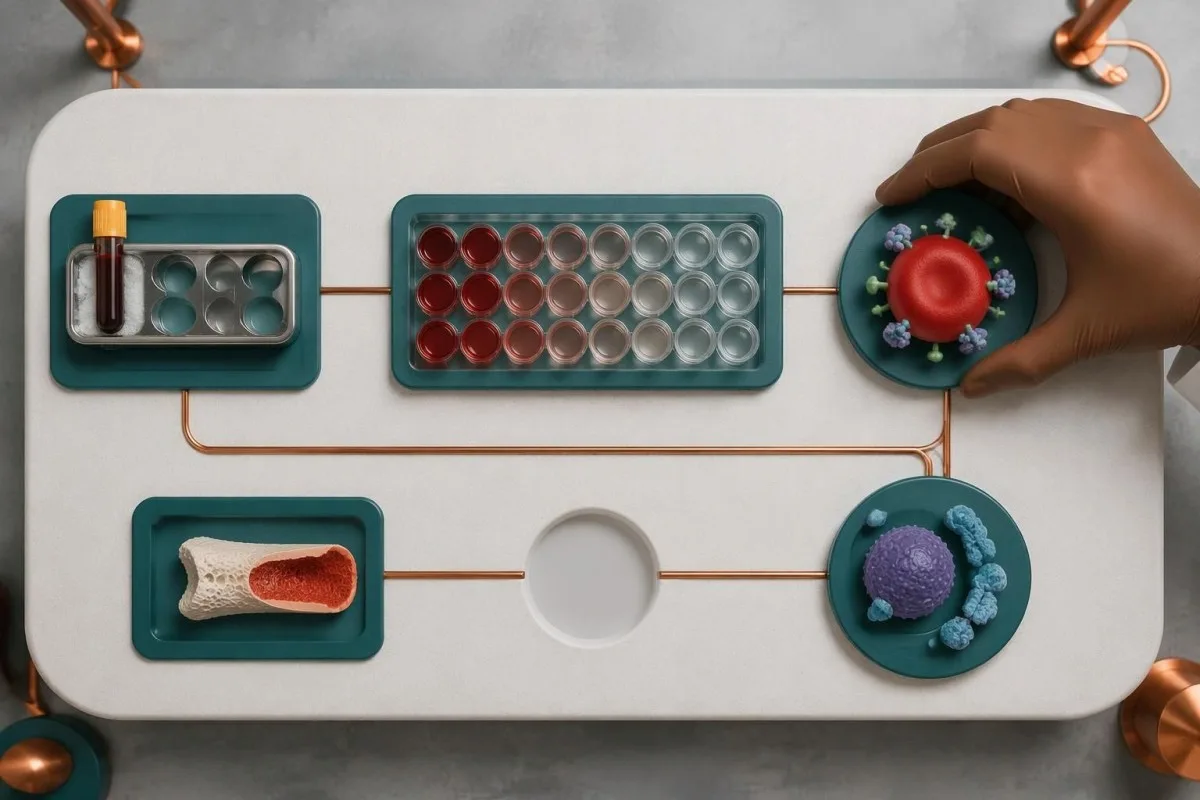
Clinicians first verify the 2 core laboratory patterns—hemolysis and immune attachment to cells—then assess symptoms, duration, medications, recent infections and transfusion history. A broad thermal amplitude can support interpretation when routine results are borderline or discordant; the international consensus treats autoimmune hemolytic anemia as a pattern-based diagnosis (Jäger et al., 2020).
Persistent findings may lead to serum protein electrophoresis, immunofixation and hematology-directed marrow assessment to characterize antibody production. Our guide to immunofixation band results explains why a monoclonal band needs context; even a titer of 1:1024 cannot determine whether a detectable protein represents overt lymphoma or a smaller clonal process.
Kantesti AI can help organize 3 groups of information for the appointment: antibody tests, hemolysis markers and changes over time. It cannot establish whether the specimen followed the warm-handling protocol or replace a specialist's assessment of marrow findings; bring the full report, because an isolated screenshot may omit the method and interpretive comments.
ٽي مثال: ساڳيو ٽائيٽر، پر اڳتي جا قدم مختلف
The same cold agglutinin titer can lead to different next steps because clinical significance depends on temperature-dependent activity and red-cell injury. The following 3 examples are hypothetical teaching scenarios, not patient accounts or rules for diagnosing yourself from a single report.
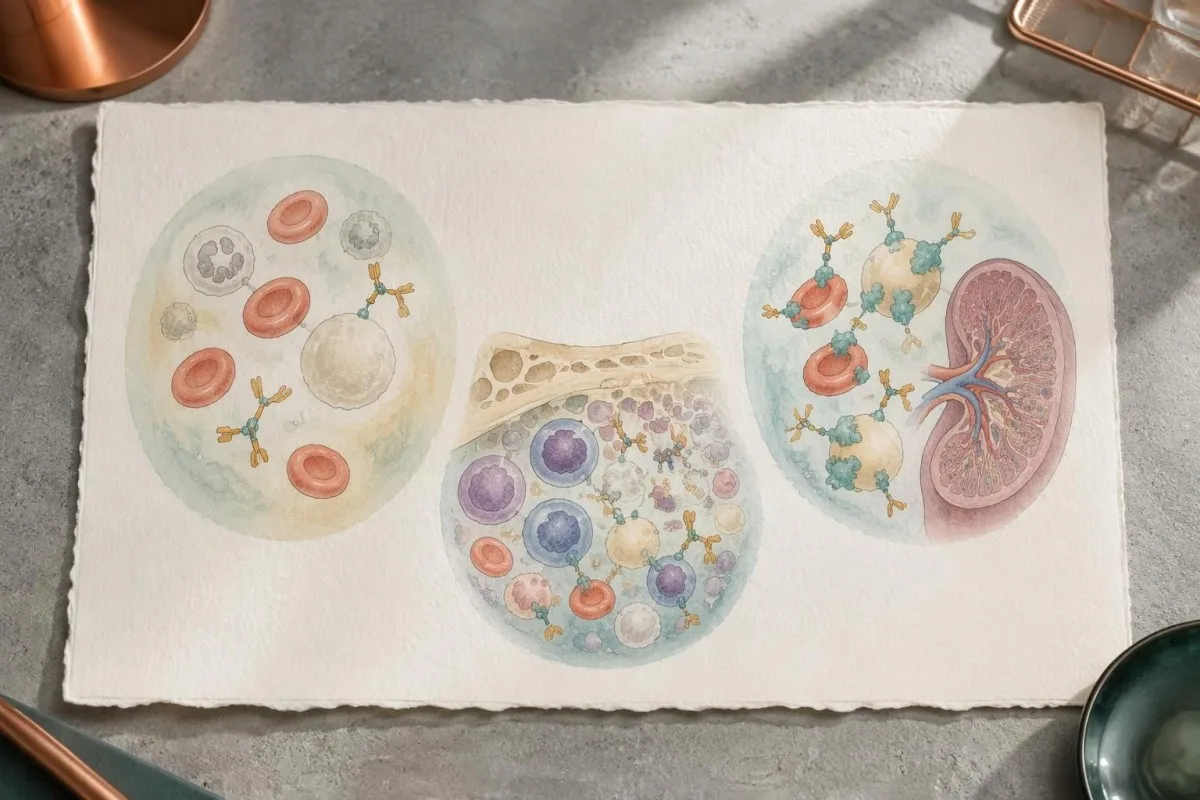
In the first example, an adult has a titer of 1:256 at 4°C, hemoglobin of 14.0 g/dL, normal hemolysis markers and no cold-related symptoms. If specialist testing shows a narrow thermal amplitude, incidental antibodies become more plausible; the useful step is confirming the context and need for follow-up, not assuming that antibody detection requires treatment.
In the second example, a person recovering from a respiratory illness has a titer of 1:256 and hemoglobin that has fallen from 13.5 to 10.2 g/dL, with rising indirect bilirubin. An infection-associated syndrome is possible, but the falling hemoglobin still needs assessment; our polychromasia explanation describes one smear clue to the marrow's replacement response.
In the third example, a person has months of fatigue, a titer of 1:256, strong C3d positivity, low haptoglobin and antibody reactivity at 30°C. Persistent clinically significant cold-antibody hemolysis becomes more likely; hematology assessment addresses diagnosis and treatment need, while the identical titer across all 3 examples shows why the number alone cannot choose the pathway.
ڪهڙين علامتن لاءِ ترت طبي جائزو ضروري آهي؟
Chest pain, breathlessness at rest, fainting or confusion require emergency assessment, regardless of the cold agglutinin titer. New jaundice, dark urine or rapidly worsening fatigue warrant prompt, often same-day medical review; a result below 1:64 does not make these symptoms safe to ignore.
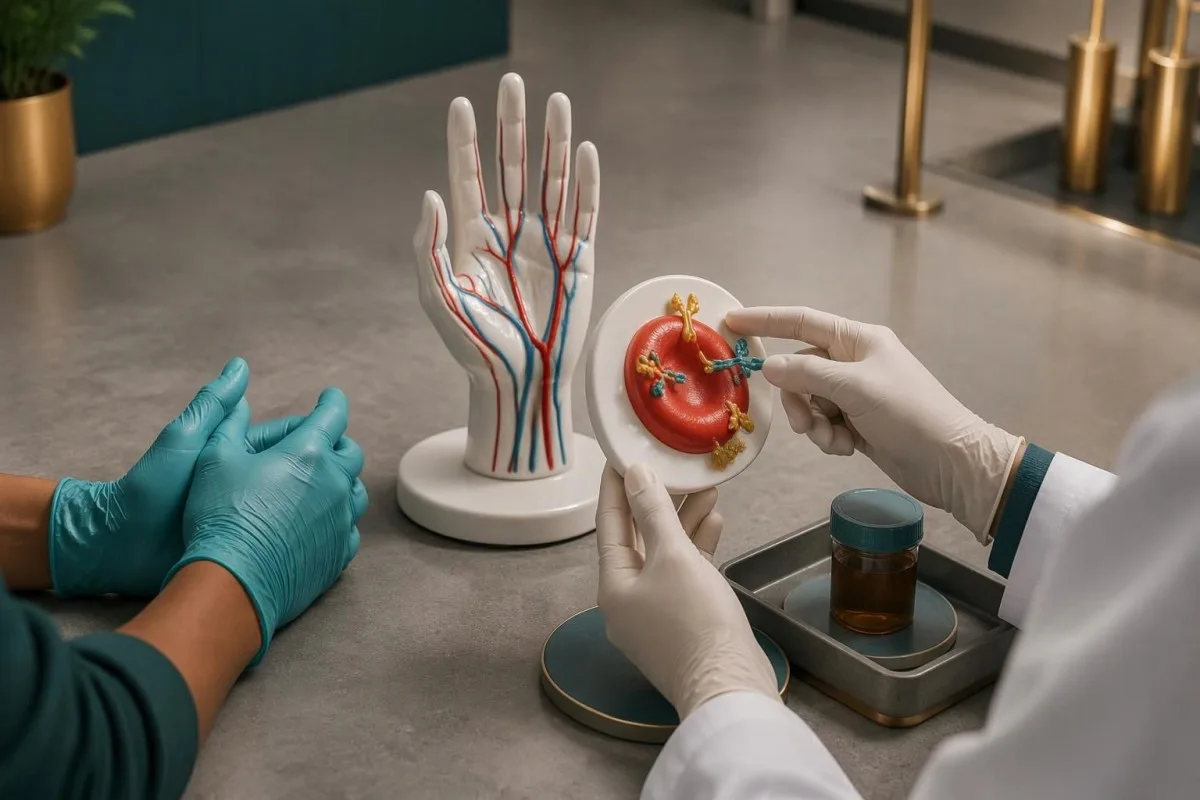
A rapid hemoglobin decline can be more dangerous than a stable low value, because your circulation has less time to adapt. A hypothetical fall from 12 to 8 g/dL over several days deserves prompt assessment even if someone with a long-standing, monitored value near 8 g/dL has fewer symptoms; these examples are not universal transfusion thresholds.
Dark urine can reflect hemoglobin released during marked intravascular hemolysis, but dehydration, liver conditions and urinary causes can produce similar appearances. Our dark urine assessment guide explains the alternatives; dark urine together with jaundice or weakness should not be dismissed because only 1 antibody result is abnormal.
Cold-related blue or purple fingers can occur with agglutination, but persistent discoloration, severe pain or failure to improve after gentle warming needs urgent evaluation for impaired circulation. Clinically significant cold agglutinin disease also carries increased clot risk; sudden breathlessness or 1 newly swollen leg requires assessment rather than attribution to cold sensitivity alone.
گرم رهڻ ۽ طبي طريقيڪار لاءِ تياري ڪيئن ڪجي
Keeping the whole body warm can reduce cold-triggered symptoms in clinically significant cold-antibody disorders. Tell the care team before transfusion, anesthesia or a procedure, because laboratory compatibility testing and clinical temperature management may need coordination near 37°C rather than routine handling.

Practical protection includes layers, gloves, warm footwear and avoiding abrupt whole-body cooling; do not test your tolerance with an ice bath or deliberate cold challenge. Reactivity around 30°C does not translate into 1 safe outdoor temperature, because wind, wet clothing, exposure duration and individual circulation change how much peripheral tissues cool.
For transfusion, the laboratory may perform antibody investigation and compatibility testing at 37°C to limit cold-antibody interference while still identifying clinically significant additional antibodies. Our transfusion compatibility guide explains that distinction; a clinical warming device may also be used, but emergency treatment should not be delayed unnecessarily while pursuing perfect routine test conditions.
هڪ الڳ 1:128 titer without hemolysis does not automatically mean you need to avoid all travel, exercise or procedures. The useful precaution is sharing the report and any prior laboratory interference with the treating team; clinical staff—not the patient—should decide whether warmed fluids, a transfusion warmer or additional temperature monitoring are necessary.
علاج جي ضرورت ڪڏهن پوي ٿي، ۽ ڪهڙي شيءِ جي نگراني ڪئي وڃي ٿي؟
Treatment is guided by anemia, symptoms, transfusion need and functional impact—not a titer alone. In clinically significant cold agglutinin disease, specialist options include B-cell-directed therapy and complement inhibition; a titer of 1:512 without attributable symptoms or hemolysis does not itself establish a reason to start medication.
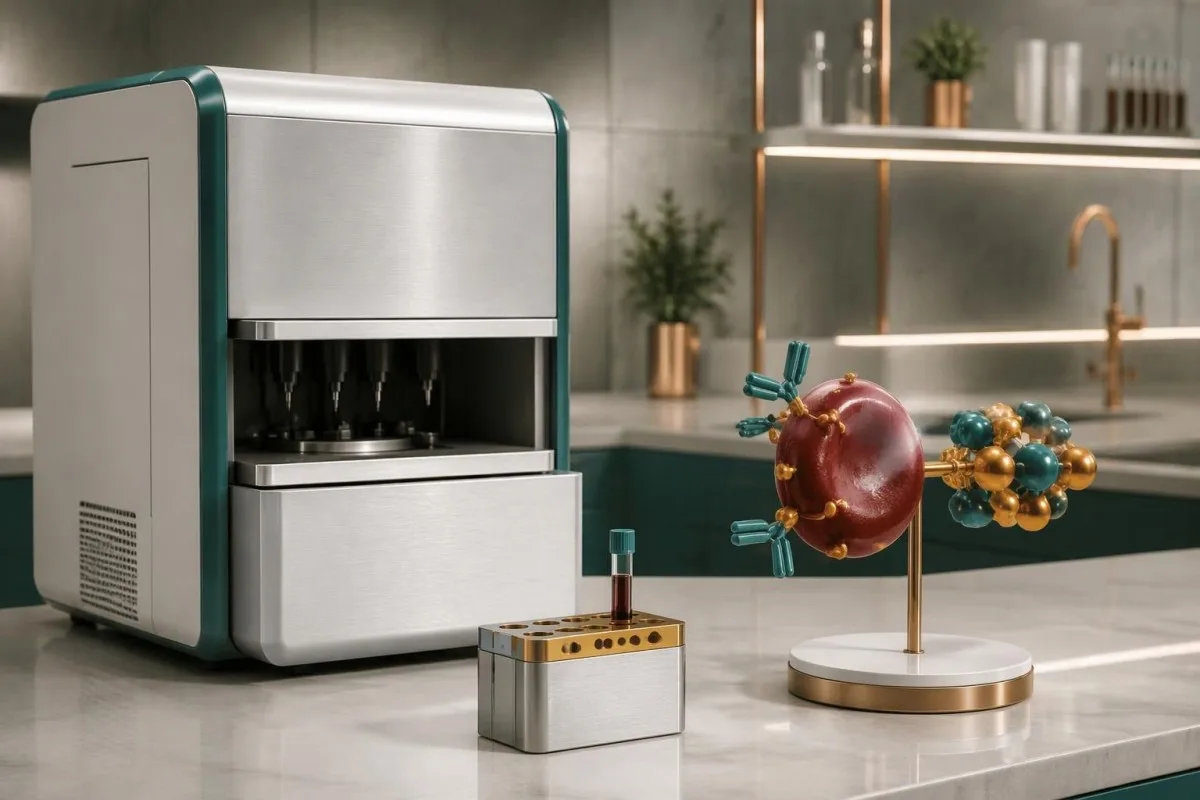
Sutimlimab inhibits C1s, an early classical complement component, and can reduce complement-mediated hemolysis in adults with cold agglutinin disease. It does not remove the IgM antibody, so cold-related agglutination and circulation symptoms may persist even if hemoglobin improves; immunization and infection-risk precautions must follow the product information and the specialist's plan.
B-cell-directed options include rituximab-based treatment, sometimes combined with another agent in selected patients; the appropriate choice depends on goals, comorbidities and treatment tolerance. Corticosteroids, commonly used for warm autoimmune hemolytic anemia, generally perform poorly in cold agglutinin disease; the 2020 international consensus emphasizes distinguishing the subtype before applying a treatment pathway (Jäger et al., 2020).
Kantesti helps explain why a hypothetical hemoglobin improvement from 8.7 to 11.8 g/dL, falling bilirubin and fewer transfusions can matter more than a persistently high titer. Our red-cell monitoring guide explains reticulocytes and related markers; do not change treatment from an AI interpretation, and do not assume anemia means iron deficiency.
پنهنجي رپورٽ کي محفوظ نموني استعمال ڪرڻ: ثبوت ۽ AI جون حدون
ڪينٽيسٽي هڪ آهي AI ليب ٽيسٽ جي تشريح واري سروس that helps organize cold agglutinin results for discussion, but it cannot independently confirm cold agglutinin disease. A useful interpretation needs 3 information groups: the antibody method and handling, the hemolysis pattern and the patient's symptoms and history.

Keep the complete report rather than only the 1:256 result: the test temperature, reference interval, DAT components and laboratory comments can change its meaning. Useful appointment questions include whether hemolysis is present, whether thermal amplitude testing would help and whether specimen handling was adequate; bring earlier hemoglobin values when available.
The Kantesti technical benchmark listed below concerns 100,000 مصنوعي آزمائشي ڪيس, not 100,000 patients with cold agglutinin disease. The accompanying validation framework describes an assessment approach, not proof that AI can diagnose this rare condition; our validation and oversight page provides the appropriate context for these research publications and their limitations.
Before sharing 1 report or a series of reports, review consent and remove information you do not need to provide, especially when the results belong to someone else. Our رازداري ۽ ڊيٽا بابت رهنمائي explains data-handling considerations; urgent symptoms belong with emergency or clinical services, not in an upload queue awaiting interpretation.
اڪثر پڇيا ويندڙ سوال
ڇا ٿڌي ايگلوٽينن ٽيسٽ جو مثبت نتيجو هجڻ جو مطلب آهي ته مون کي ٿڌي ايگلوٽينن جي بيماري آهي؟
ٿڌي ايگلوٽينن ٽيسٽ جو مثبت نتيجو اڪيلو ٿڌي ايگلوٽينن واري بيماري جي تشخيص نٿو ڪري. 4°C تي گهٽ ۾ گهٽ 1:64 جو ٽائيٽر هڪ عام طور استعمال ٿيندڙ تشخيصي جزو آهي، پر طبيب دائمي هيمولائيزس ۽ ان سان ٺهڪندڙ، عام طور تي C3d لاءِ مضبوط مثبت سڌي اينٽي گلوبولين ٽيسٽ جو به جائزو وٺندا آهن. اتفاقي طور موجود يا انفيڪشن سان لاڳاپيل اينٽي باڊيز مثبت نتيجا ڏئي سگهن ٿيون. حرارتي حد ۽ نموني کي قابلِ اعتماد نموني سنڀالڻ سان غير يقيني نتيجن جي وضاحت ڪرڻ ۾ مدد ملي ٿي.
ڇا ڪولڊ ايگلوٽينن ٽائيٽر 1:256 يا 1:512 خطرناڪ آهي؟
ٿڌي ايگلوٽينن جو 1:256 يا 1:512 ٽائيٽر پاڻ ۾ خطري جي حد نه آهي. نتيجو ڏيکاري ٿو ته ٽيسٽ جي حالتن ۾ اينٽي باڊي جي سرگرمي معلوم ٿيندي رهڻ تائين سيرم کي ڪيترو وڌيڪ ملايو وڃي سگهي ٿو. تقريباً 30°C تي سرگرم اينٽي باڊي، رڳو 4°C تي ردعمل ڏيکاريندڙ وڌيڪ ٽائيٽر واري اينٽي باڊي کان ڪلينڪي طور وڌيڪ اهم ٿي سگهي ٿي. علامتون، هيموگلوبن جي سطح ۾ تبديليون ۽ هيمولائسز جا نشان جاچ جي تڪڙ جو تعين ڪن ٿا.
ٿڌي ايگلوٽينن جي ٽيسٽ ۾ حرارتي حد ڇا آهي؟
Thermal amplitude is the highest temperature at which a cold antibody reacts under the laboratory's testing conditions. Reactivity around 30°C or above is generally more concerning than activity restricted to 4°C because peripheral circulation can become cool enough for the antibody to act. Thermal amplitude is different from titer, which measures activity after dilution. Specialist laboratories may assess it when routine findings are discordant or the clinical significance is unclear.
ٿڌي اگلوٽينن جي نموني کي گرم ڇو رکڻ گهرجي؟
Many laboratories require a cold agglutinin specimen to remain at 37–38°C from collection until serum separation. Premature cooling can allow antibody to bind the patient's cells, leaving less detectable activity in the separated serum and potentially producing a falsely low result. This preparation requirement is separate from deliberately testing the serum at 4°C. Confirm the collecting laboratory's instructions rather than attempting to warm or transport the specimen yourself.
ڇا ڪو انفيڪشن ڪولڊ ايگلوٽينن ٽيسٽ جو نتيجو مثبت آڻي سگهي ٿو؟
انفيڪشن، جن ۾ Mycoplasma pneumoniae ۽ Epstein–Barr virus شامل آهن، عارضي طور ٿڌ سان ردعمل ڪندڙ اينٽي باڊيز سان لاڳاپيل ٿي سگهن ٿا. 1:256 جهڙو ٽائٽر اهو ثابت نٿو ڪري سگهي ته ڪهڙو انفيڪشن موجود آهي يا اهو اڃا سرگرم آهي يا نه. انفيڪشن سان لاڳاپيل اينٽي باڊيز ڪڏهن ڪڏهن طبي لحاظ کان اهم هيمولائسز جو سبب بڻجن ٿيون، تنهنڪري هيموگلوبن ۾ گهٽتائي يا نئون يرقان ظاهر ٿيڻ جي صورت ۾ اڃا به جائزو وٺڻ ضروري آهي. انفيڪشن جي تشخيص لاءِ ڪولڊ ايگلوٽيننز استعمال ڪرڻ جي ڀيٽ ۾، جراثيم کي هدف بڻائيندڙ جاچ ۽ علامتن جي وقتي ترتيب وڌيڪ فائديمند آهن.
ڇا ٿڌا اگلُوٽينن MCV يا MCHC کي غلط طور تي وڌائي سگهن ٿا؟
ٿڌا ايگلوٽينن ڳاڙهن رت جي خلين جا ڪلسٽر ٺاهي سگهن ٿا، جيڪي پاڻمرادي CBC ماپن کي بگاڙي ڇڏين ٿا، جنهن ۾ MCV يا MCHC جو غلط طور وڌيل ۽ RBC ڳڻپ جو غلط طور گهٽيل هجڻ شامل آهي. مثال طور، جيڪڏهن ايگلوٽينيشن جو فليگ موجود هجي ته 40 g/dL جو MCHC ڏسي، ان کي حقيقي خلوي غيرمعمولي حالت سمجهڻ بدران ليبارٽري کان تصديق ڪرائڻ گهرجي. لڳ ڀڳ 37°C تي گرم ڪرڻ کان پوءِ ٻيهر ٽيسٽ ڪرڻ سان اها مداخلت درست ٿي سگهي ٿي. CBC جي درست ٿيڻ سان گڏوگڏ هيمولائسس جي موجودگي رد نٿي ٿئي.
ٿڌي ايگلوٽينن جو نتيجو مثبت اچڻ کان پوءِ ڪهڙين علامتن لاءِ فوري طبي امداد وٺڻ گهرجي؟
سيني ۾ درد، آرام جي حالت ۾ ساهه کڻڻ ۾ تڪليف، بيهوشي يا مونجهارو هجي ته ڪولڊ ايگلوٽينن ٽائيٽر کان قطع نظر هنگامي طبي جائزو ضروري آهي. نئون يرقان، ڳاڙهو پيشاب يا ڪمزوريءَ جو تيزيءَ سان وڌڻ هجي ته ترت، اڪثر ساڳئي ڏينهن، طبي جائزو وٺڻ گهرجي. هيموگلوبن ۾ تيزيءَ سان گهٽتائي، جيئن فرضي طور 12 کان 8 g/dL تائين تبديلي، ڳڻتي جوڳي آهي، جيتوڻيڪ ڪا هڪ ئي قدر هر ماڻهوءَ لاءِ تڪڙ جو تعين نٿي ڪري. آڱرين جو مسلسل ڏکوئيندڙ رنگ بدلجڻ يا رت جي دڳ جي نشاندهي ڪندڙ اوچتا علامتون به تڪڙي جاچ گهرن ٿيون.
پنهنجي رت جي جاچ جو نتيجو ڪيئن پڙهجي
پنهنجي ليبارٽري رپورٽ اپلوڊ ڪريو ۽ Kantesti جو AI سيڪنڊن اندر هر بائيو مارڪر کي سادي ٻوليءَ ۾ سمجهائيندو. سڄي دنيا ۾ 2 ملين کان وڌيڪ ماڻهن طرفان استعمال ٿيل.
حوالا
- Klein, T., Mitchell, S., & Weber, H. (2026). Kantesti Blood-Test Interpretation Engine جي 100,000 Synthetic Test Cases تي Pre-Registered، Rubric-Based Automated Technical Benchmark. Kantesti AI طبي تحقيق. ڊي او آءِ
- Klein, T., Mitchell, S., & Weber, H. (2026). ڪلينڪل تصديقي فريم ورڪ v2.0 (طبي تصديق وارو صفحو). Kantesti AI طبي تحقيق. ڊي او آءِ
- Berentsen S. (2016). Cold agglutinin disease. Hematology, American Society of Hematology Education Program. ڊي او آءِ
- Jäger U et al. (2020). Diagnosis and treatment of autoimmune hemolytic anemia in adults: Recommendations from the First International Consensus Meeting. Blood Reviews. ڊي او آءِ
- 20 لک+تجزيو ڪيل ٽيسٽون
- 127+ملڪ
- 100+ٻوليون
طبي ٽيم بابت


E-E-A-T اعتماد جا سگنل
تجربو
ڊاڪٽر جي نگرانيءَ هيٺ ليبارٽري نتيجن جي تشريح واري عمل جو جائزو.
ماهر
ليبارٽري دوائن جو ڌيان ان ڳالهه تي ته بايو مارڪرز ڪلينڪل حوالي سان ڪيئن رويو ڏيکارين ٿا.
اختيار
ڊاڪٽر ٿامس ڪلائن طبي جائزو ورتو، جنهن ۾ ڊاڪٽر سارا مچل ۽ پروفيسر ڊاڪٽر هانس ويبر جون ڀاڱيداريون شامل آهن.
اعتبار
ثبوتن تي ٻڌل تشريح، جنهن سان خبرداري گهٽائڻ لاءِ واضح پيرويءَ جا رستا موجود هجن.






طبي ترديد
هي آرٽيڪل صرف تعليمي مقصدن لاءِ آهي ۽ طبي مشورو نٿو بڻجي. تشخيص ۽ علاج جي فيصلن لاءِ هميشه ڪنهن قابل صحت فراهم ڪندڙ سان صلاح ڪريو.
شايع ٿيل · ايڊيٽوريل ٽيم سان رابطو ڪريو
Kantesti Ltd پاران شايع ٿيل، انگلينڊ ۽ ويلز ۾ رجسٽرڊ، ڪمپني نمبر. 17090423, ، لنڊن، برطانيه.
