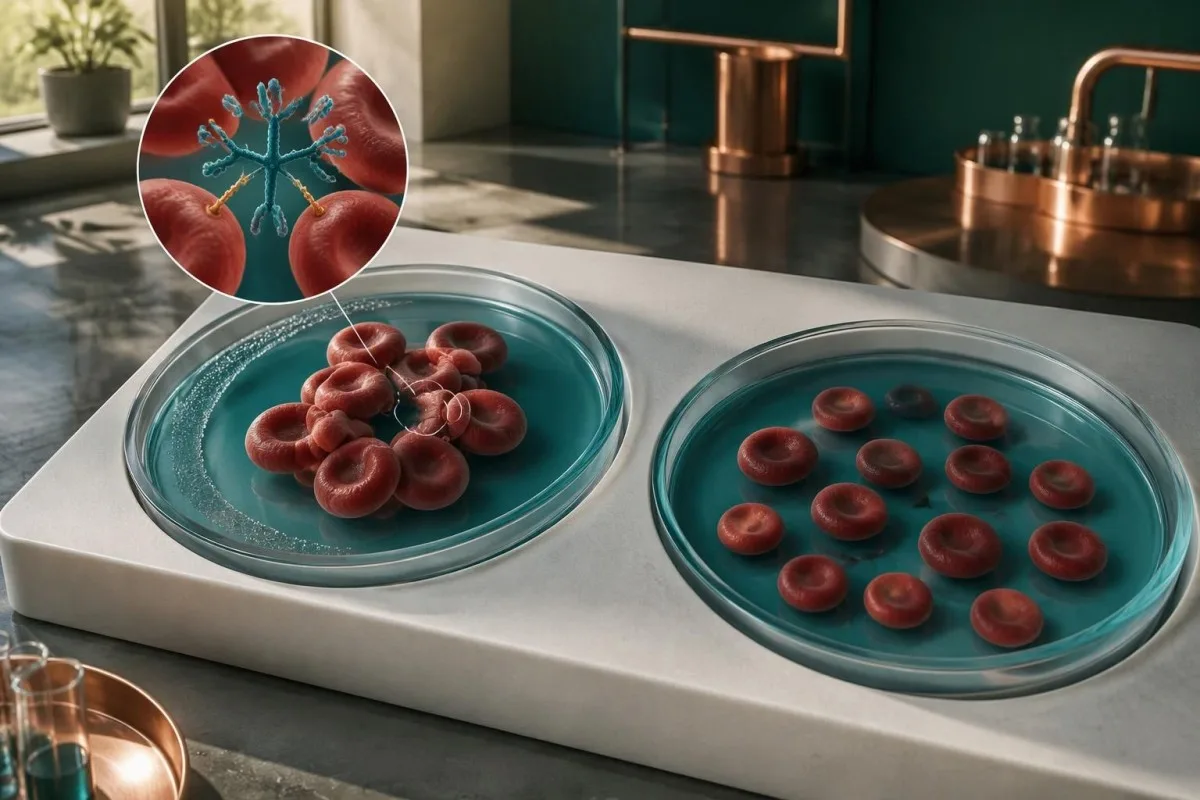
تیتر بالای آگلوتینین سرد به این معناست که آنتیبادیها پس از رقیقسازی قابلتوجه همچنان قابلتشخیص هستند؛ نه لزوماً اینکه به گلبولهای قرمز شما آسیب میرسانند. این تمایز به دامنه دمایی آنها، شواهد همولیز، نتیجه مثبت آزمایشهای کمپلمان و نحوه صحیح نگهداری نمونه بستگی دارد.

نکات کلیدی
- نتیجه مثبت آنتیبادیهای واکنشپذیر به سرما را شناسایی میکند؛ بهتنهایی بیماری آگلوتینین سرد را تشخیص نمیدهد.
- تیتر حداقل 1:64 در دمای 4°C یکی از اجزای تشخیصی رایج است، اما پزشکان به شواهد همولیز و الگوی مناسب آزمایش مستقیم آنتیگلوبولین نیز نیاز دارند.
- دامنه حرارتی بالاترین دمایی را توصیف میکند که در آن یک آنتیبادی واکنش نشان میدهد؛ فعالیت در حدود 30°C یا بالاتر، عموماً نگرانکنندهتر از فعالیتی است که فقط به شرایط آزمایشگاهی بسیار سرد محدود میشود.
- آزمایش مستقیم آنتیگلوبولین مثبت از نظر C3d از یک فرایند با واسطه کمپلمان پشتیبانی میکند، اما همین الگو ممکن است خارج از بیماری آگلوتینین سرد نیز دیده شود.
- ارزیابی همولیز روند هموگلوبین، رتیکولوسیتها، LDH، بیلیروبین غیرمستقیم و هاپتوگلوبین را با هم در نظر میگیرد، نه اینکه به یک نشانگر غیرطبیعی تکیه کند.
- نگهداری نمونه در دمای ۳۷–۳۸°C ممکن است تا زمان جداسازی سرم برای آزمایش آگلوتینین سرد لازم باشد؛ پیش از مراجعه، دستورالعملهای آزمایشگاه نمونهگیر را تأیید کنید.
- آنتیبادیهای مرتبط با عفونت ممکن است موقتی باشند، هرچند حتی وقتی عفونت عامل محرک است، همولیزِ دارای اهمیت بالینی همچنان نیازمند ارزیابی است.
- علائم اورژانسی شامل درد قفسه سینه، تنگی نفس در حالت استراحت، غش یا گیجی هستند؛ یرقان جدید، ادرار تیره یا خستگیای که بهسرعت بدتر میشود، نیازمند بررسی فوری پزشکی است.
آیا مثبت بودن آزمایش آگلوتینین سرد به معنای بیماری است؟
A مثبت بودن آزمایش آگلوتینین سرد بهطور خودکار به معنای بیماری آگلوتینین سرد نیست. حتی یک تیتر بالا نیز باید در کنار ۳ یافته بالینی تفسیر شود: دامنه دمایی آنتیبادی، شواهد تخریب گلبولهای قرمز و نتیجه مثبت آزمون مستقیم آنتیگلوبولین از نظر کمپلمان.

آگلوتینینهای سرد معمولاً آنتیبادیهای IgM هستند که در دماهای پایینتر آسانتر به گلبولهای قرمز متصل میشوند و باعث تجمع آنها میشوند. در آزمایش، فعالیت آنها معمولاً در دمای 4°C سنجیده میشود—دمایی بسیار سردتر از دمای بیشتر خون در گردش—بنابراین ممکن است واکنش آزمایشگاهی چشمگیر، با فعالیت بالینی ناچیز یا فاقد اهمیت در بدن همراه باشد.
نتیجهای منفرد مانند 1:256 نمیتواند به شما بگوید که کمخونی دارید یا نه، آنتیبادی در نزدیکی دمای بدن واکنش نشان میدهد یا نه، یا پس از یک بیماری موقتی است یا نه. توضیحات ما درباره نتایج مثبت آنتیبادی تشخیص آنتیبادی را از تشخیص بیماری متمایز میکند؛ پرسش مفید بعدی این است که آزمایشهای همراه چه چیزی را نشان میدهند.
کانتستی یک آنالایزر آزمایش خون هوش مصنوعی که به توضیح تیتر آگلوتینین سرد در کنار نتایج آزمایشگاهی مرتبط کمک میکند، از جمله اینکه آیا دمای آزمایش گزارششده 4°C بوده است یا نه. صفحهٔ پیشینه شرکت سازمانِ پشت این خدمات آموزشی را توضیح میدهد؛ ما جایگزین ارزیابی هماتولوژی و آزمایشگاهیِ لازم برای تعیین تشخیص نمیشویم.
تیتر بالای آگلوتینین سرد چه چیزی را اندازهگیری میکند؟
A تیتر آگلوتینین سرد بیشترین رقت سرم شماست که هنوز واکنش آگلوتیناسیون تعریفشدهٔ آزمایشگاه را ایجاد میکند. نتیجهٔ 1:512 یعنی فعالیت پس از رقیقسازی بسیار بیشتر از نتیجهٔ 1:32 همچنان قابل تشخیص است؛ هیچیک از این دو عدد میزان کمخونی را مستقیماً اندازه نمیگیرد.
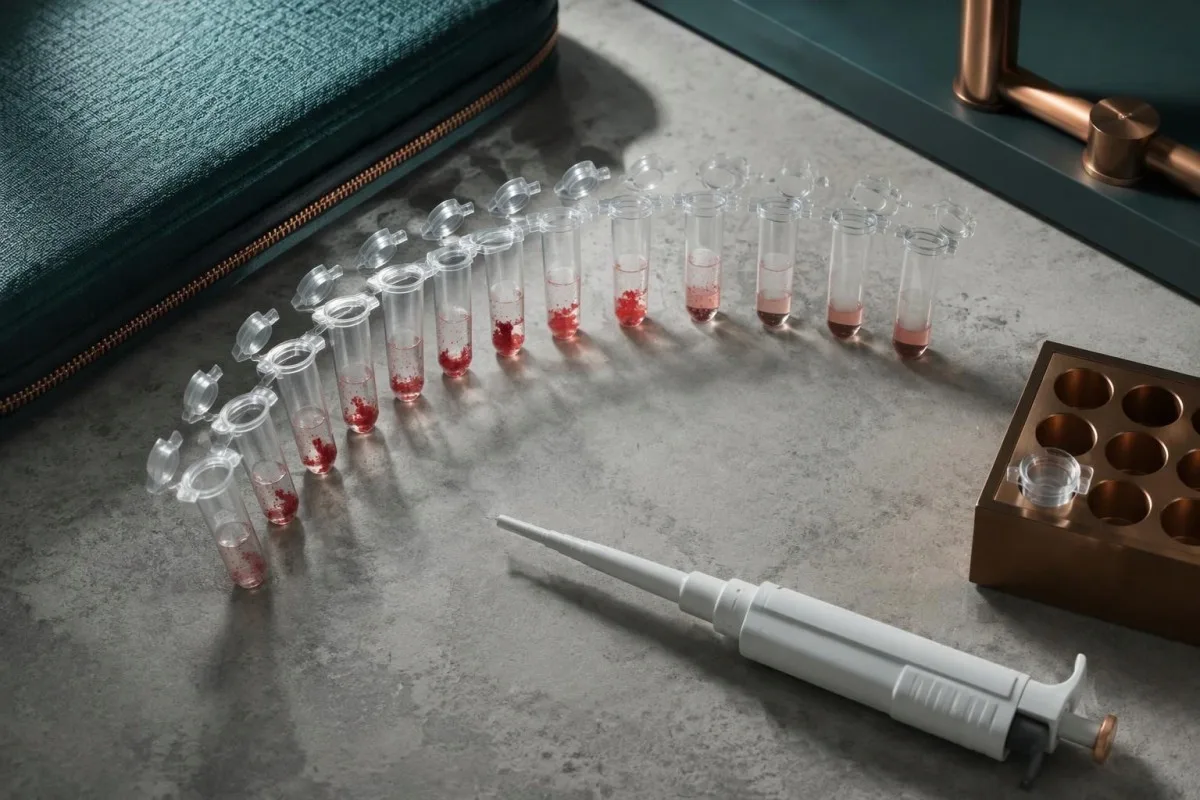
تیتر حداقل 1:64 در دمای 4°C یکی از اجزای رایج تشخیص بیماری آگلوتینین سرد است، نه نتیجهای قطعی برای غربالگری بهتنهایی. مرور هماتولوژی این آستانه را همراه با همولیز مزمن و مثبتبودن قوی C3d در آزمایش مستقیم آنتیگلوبولین توصیف میکند (Berentsen, 2016)؛ هیچ تیتر جهانشمولی وجود ندارد که بهطور خودکار مستلزم درمان اورژانسی باشد.
رقتسازیهای دوبرابری معمولاً نتایجی مانند 1:64، 1:128 و 1:256. ایجاد میکنند. اختلاف یک مرحلهای ممکن است ناشی از تغییرپذیری آزمایش، نقطهٔ پایانی انتخابشده یا نحوهٔ نگهداری نمونه باشد، نه تغییری زیستیِ معنادار؛ مقایسهٔ عددی زمانی معتبرتر است که یک آزمایشگاه از همان روش و دما استفاده کند.
برخی آزمایشگاهها فقط مثبت یا منفی, را گزارش میکنند، درحالیکه برخی دیگر عدد معکوسی مانند 256 ارائه میدهند، بهجای آنکه 1:256 بنویسند. راهنمای ما دربارهٔ نتایج کیفی و کمی explains that distinction; ask for the actual dilution, assay temperature and local reference interval before comparing reports.
| سطح | محدوده | معنی آن |
|---|---|---|
| Low-level activity | Below 1:64 at 4°C | Often incidental when thermal amplitude is narrow and hemolysis is absent; this is not a universal laboratory reference interval. |
| Common diagnostic threshold | At least 1:64 at 4°C | Supports further assessment when hemolysis and a compatible direct antiglobulin test are present; does not confirm disease alone. |
| Higher dilution endpoint | Examples: 1:256 or 1:512 | Shows activity after greater dilution, but does not establish thermal amplitude or predict treatment need. |
| Very high reported endpoint | Example: 1:1024 or higher | Still requires clinical interpretation; no titer-only emergency threshold is established. |
چرا دامنه حرارتی میتواند مهمتر از تیتر باشد
دامنه حرارتی is the highest temperature at which a cold antibody reacts under the laboratory's testing conditions. Reactivity around 30°C or above is generally more clinically concerning than reactivity confined to 4°C, because cooler peripheral circulation can reach temperatures at which the antibody becomes active.
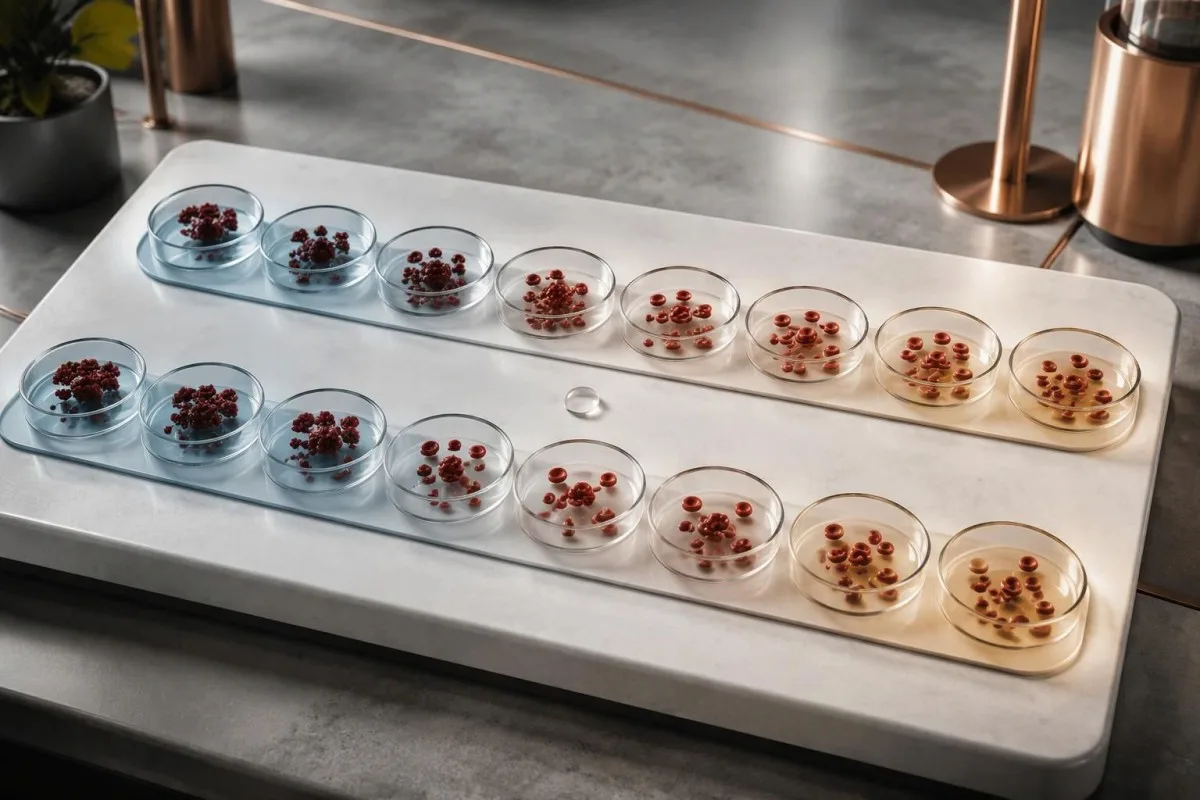
A high-titer antibody active only at 4°C may matter less clinically than a lower-titer antibody that remains active at 30–32°C. The reason is exposure: red cells do not normally circulate at refrigerator temperature, but they can encounter substantially cooler conditions in fingers, toes and other peripheral areas.
Complement can attach while red cells are cool and remain relevant after they return toward ، و همچنین تعداد پایین RBC که با تصویر بالینی همخوانی ندارد را ببینم، از آزمایشگاه میخواهم نمونه را تا, even when the IgM antibody detaches. This explains why antibody-related injury is not simply a matter of visible clumping; our راهنمای مکمل آزمایشها also distinguishes circulating complement measurements from complement deposited on cells.
Thermal amplitude testing is not standardized into 1 universal patient-facing cutoff, and many routine reports omit it entirely. Specialist laboratories may test several temperatures, such as 4°C, room temperature, 30°C and 37°C; clinicians usually request that additional work when the titer, symptoms and hemolysis results do not fit together.
کدام نتایج آزمایش خون همولیز واقعی را نشان میدهند؟
Hemolysis means red cells are being destroyed faster than expected, and assessment usually combines 5 measurements: hemoglobin, reticulocytes, LDH, indirect bilirubin and haptoglobin. A high cold agglutinin titer without this supporting pattern does not establish a hemolytic disorder.
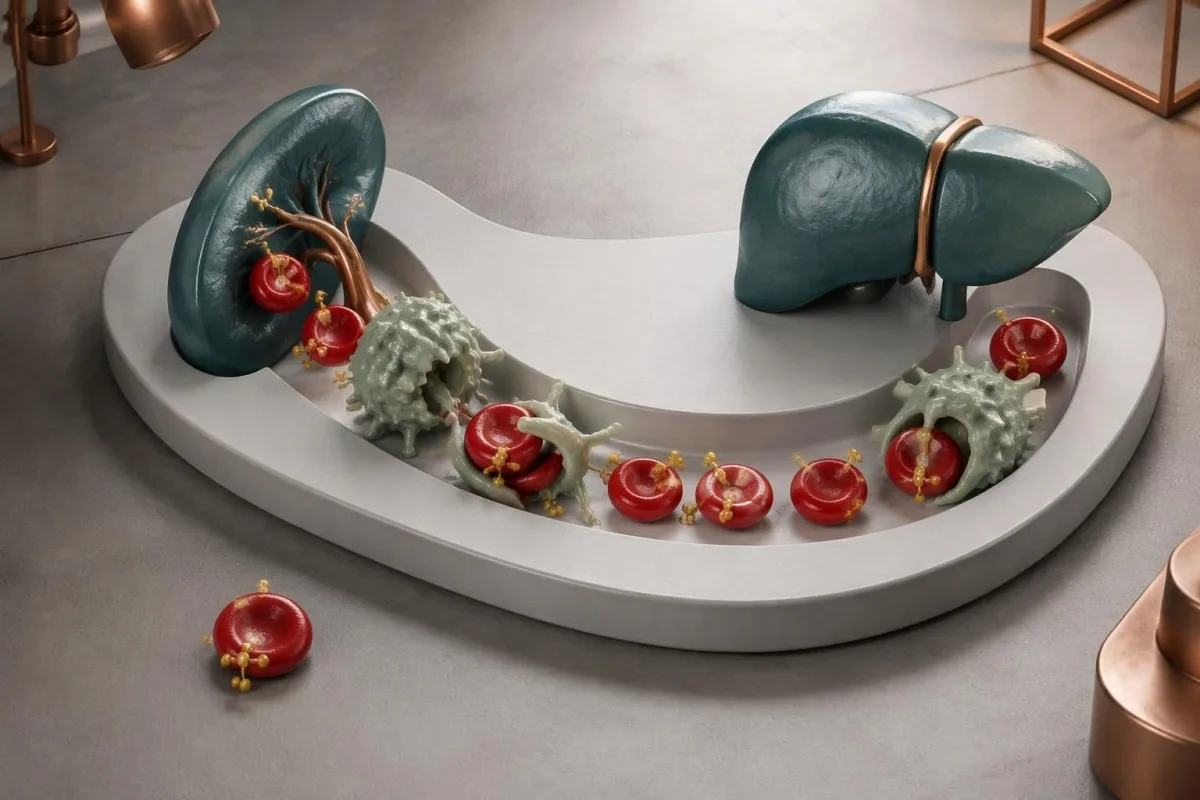
A hypothetical hemoglobin fall from 13.2 to 9.6 g/dL, accompanied by rising indirect bilirubin and LDH, is more concerning than an unchanged hemoglobin with the same titer. Reticulocytes often increase as the marrow replaces lost cells, although an early episode, nutrient deficiency or marrow disorder can blunt that response.
Low haptoglobin supports hemolysis but is not definitive: liver disease can reduce production, while an acute-phase response can raise the concentration despite red-cell destruction. Our explanation of علل پایین بودن هاپتوگلوبین covers these exceptions; a result below 1 laboratory's reference limit should be interpreted with the other markers rather than alone.
Kantesti AI helps explain LDH trends, including why a hypothetical rise from 220 to 650 U/L needs the laboratory's reference interval and specimen-quality information. Our LDH interpretation guide describes other sources of elevation; normal hemoglobin also does not exclude compensated hemolysis when the marrow is keeping pace.
مثبت بودن C3d در آزمایش مستقیم آنتیگلوبولین به چه معناست؟
A C3d-positive direct antiglobulin test, also called a direct Coombs test, detects complement fragments attached to red cells. Cold agglutinin disease typically produces strong C3d positivity with absent or sometimes weak IgG reactivity, but these 2 antibody-testing results are not sufficient without clinical evidence of hemolysis.

The direct antiglobulin test and the cold agglutinin titer answer 2 پرسش متفاوت: what is attached to your red cells, and what cold-reactive activity is present in your serum? The Blood Reviews international consensus recommends a monospecific direct antiglobulin test as part of autoimmune hemolytic anemia assessment (Jäger et al., 2020).
A report stating only DAT positive may not distinguish IgG from C3d; asking for those 2 components can materially change interpretation. Our guide to a تست کومبس مستقیم مثبت explains why transfusion-related antibodies, medications and other immune processes can also produce a positive result without proving cold agglutinin disease.
In a child with abrupt post-illness hemolysis, a C3d-positive DAT and a low cold agglutinin titer can raise a different possibility: paroxysmal cold hemoglobinuria. This condition usually involves an IgG antibody assessed by Donath–Landsteiner testing, so a cold agglutinin result below 1:64 should not end the investigation when symptoms suggest significant hemolysis.
آنتیبادیهای اتفاقی، عفونتها و بیماری پایدار
Incidental cold antibodies may cause no symptoms, while infection-related antibodies can be temporary and occasionally cause substantial hemolysis. Persistent cold agglutinin disease is usually associated with a clonal marrow B-cell process; these 3 situations require different follow-up rather than the same response to a positive test.
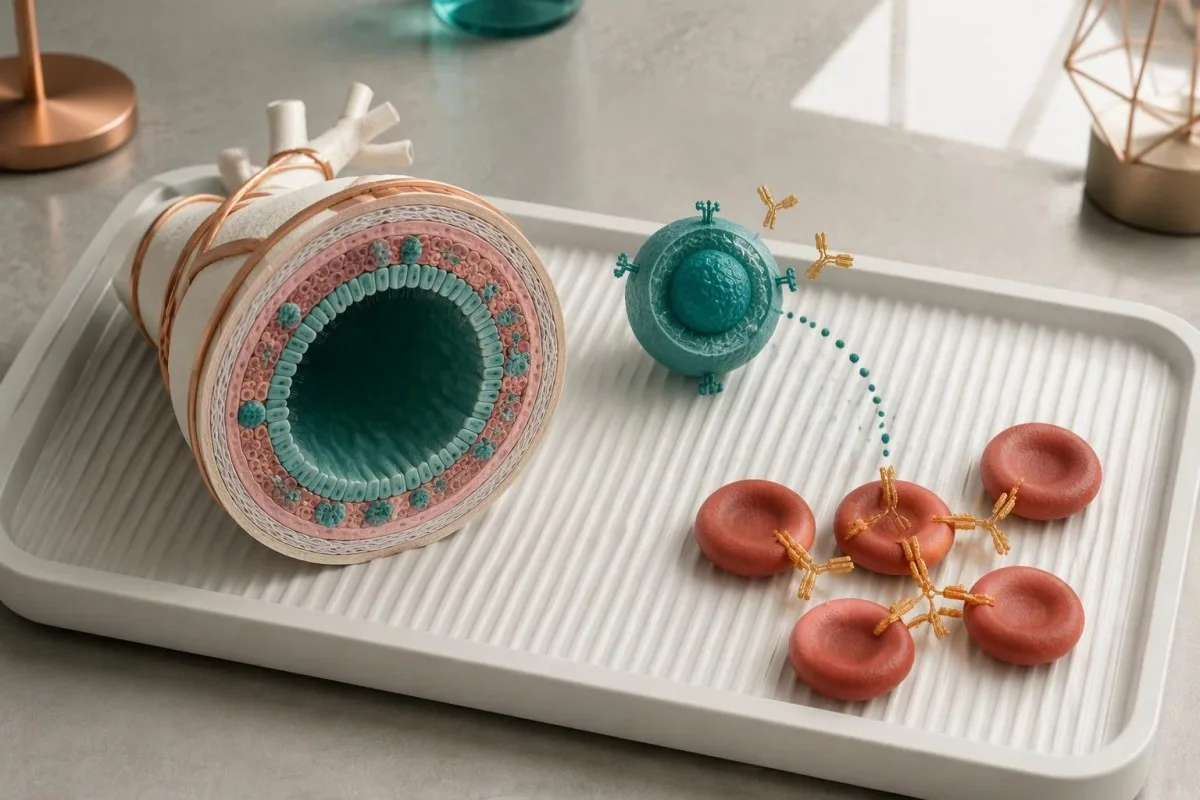
Mycoplasma pneumoniae and Epstein–Barr virus are 2 recognized infection-related associations, but a cold agglutinin test cannot reliably diagnose either infection. Our guide to Mycoplasma antibody interpretation explains why antibody timing and persistence complicate that diagnosis; respiratory symptoms may require pathogen-directed testing rather than inference from the titer.
Recent fever or sore throat changes the questions clinicians ask, not the urgency of genuine hemolysis: a hemoglobin of ۸.۵ g/dL with new jaundice still requires assessment even if the antibody is expected to be temporary. Our EBV result interpretation explains how VCA and EBNA patterns provide more specific information about exposure timing.
Terminology matters: cold agglutinin syndrome generally describes cold-antibody hemolysis secondary to another condition, while cold agglutinin disease is a distinct, usually persistent disorder. A titer of 1:512 does not identify lymphoma; specialist investigation may find a small marrow clone without overt lymphoma, and incidental antibodies do not automatically justify cancer investigations.
چرا ممکن است نمونه شما پیش از آزمایش نیاز به گرمکردن داشته باشد
For cold agglutinin titer testing, many specialist laboratories require the specimen to remain at 37–38°C from collection until serum separation. Cooling before separation can allow antibodies to bind the patient's cells, potentially lowering the antibody activity left in the serum and producing a misleading result.
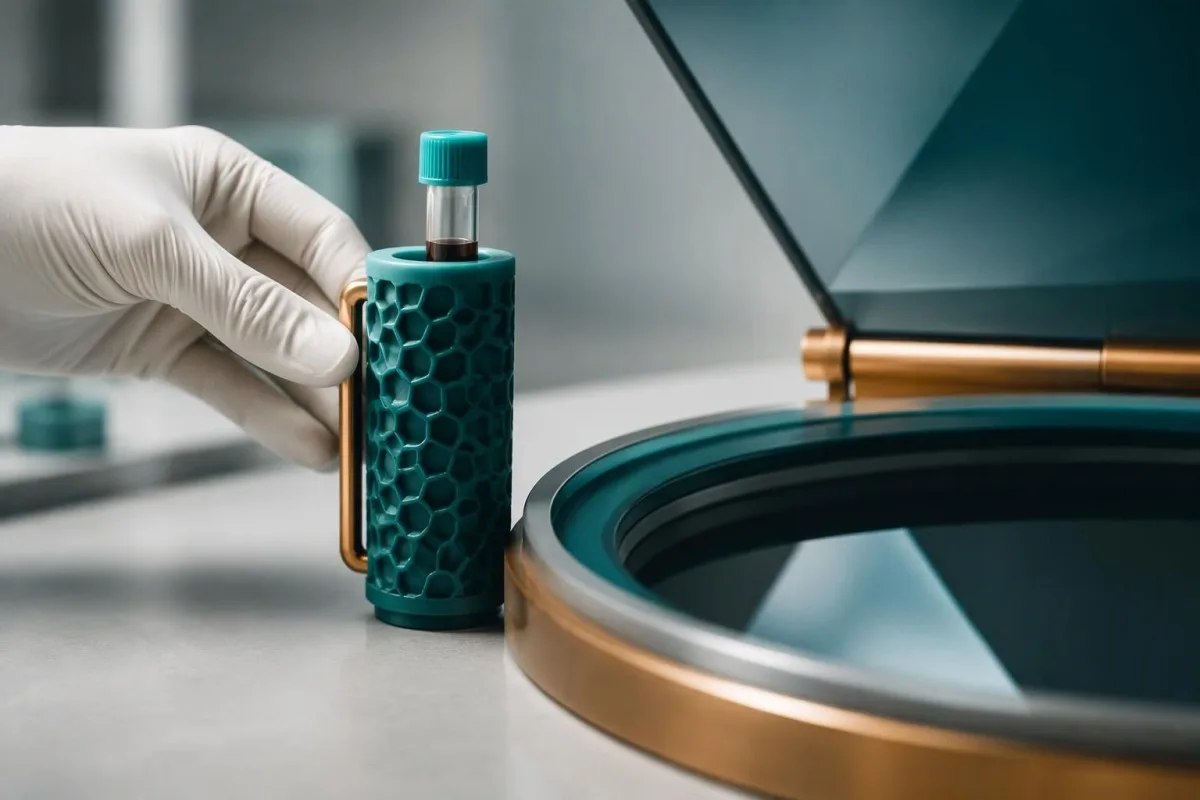
The pre-analytical requirement is different from the assay temperature: serum may be kept near 37°C during preparation and then deliberately tested at 4°C. The Hematology review emphasizes warm collection and separation for cold antibody studies (Berentsen, 2016); the laboratory creates the controlled cooling step only after an appropriate specimen is available.
Warming a specimen after it has already cooled may not fully reverse every earlier problem, so repeating the test can be more useful than interpreting an unexpected low titer. Our repeat specimen guide explains another handling distinction: cells breaking inside a collection tube are not the same as hemolysis occurring inside your body.
Before the appointment, ask ۳ سؤال عملی: which tube is required, how warmth will be maintained and where serum separation will occur. Titer testing, an EDTA specimen for the DAT and a warmed CBC may have different instructions; do not heat, transport or store your own specimen unless the collecting service specifically directs you.
آگلوتینینهای سرد چگونه میتوانند نتایج CBC شما را مخدوش کنند
Cold-related red-cell clumping can falsely lower the RBC count and raise MCV or MCHC on an automated complete blood count. A CBC repeated after laboratory warming near 37°C can help identify this artifact, although correcting the numbers does not by itself establish or exclude cold agglutinin disease.
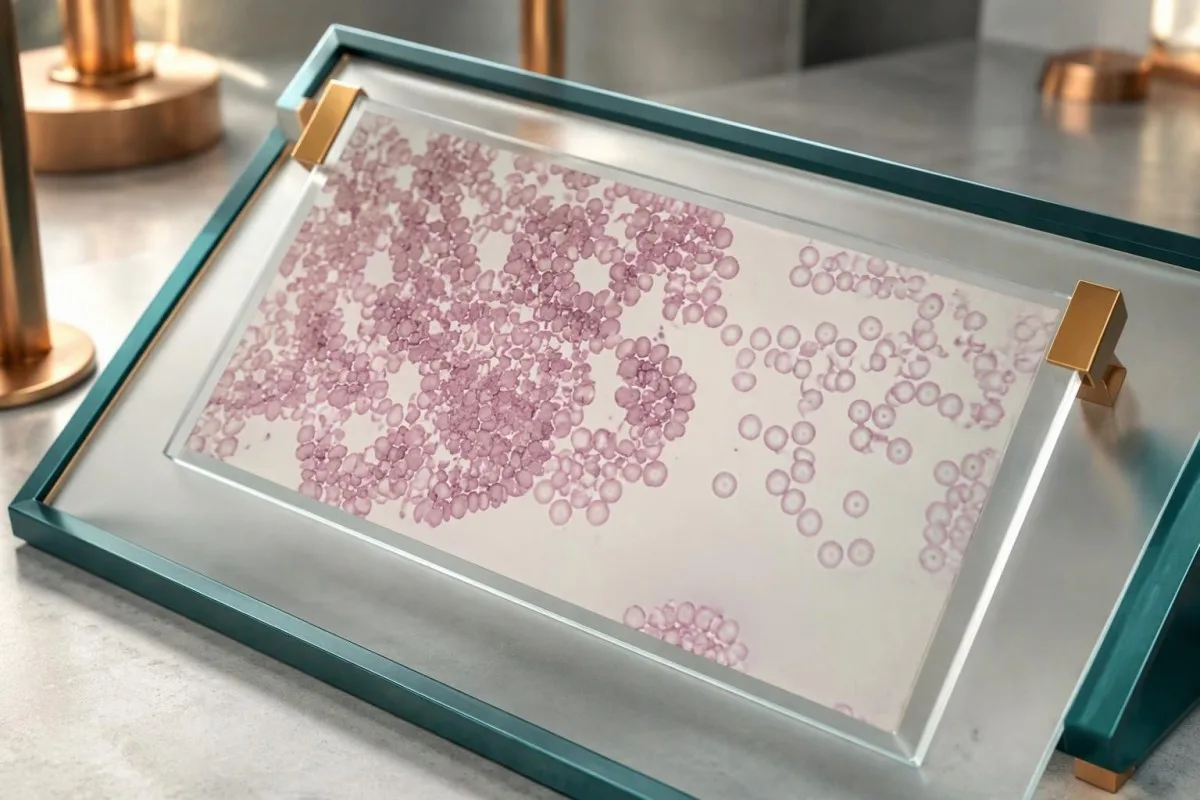
Automated counters may treat a cluster as 1 large particle rather than several separate cells, making the calculated mean cell volume appear high. Hematocrit and derived indices can become internally inconsistent, while photometrically measured hemoglobin is often less affected; the laboratory must still check whether other specimen or instrument issues are present.
برای مثال، یک مرد فرضی MCHC of 40 g/dL with an analyzer agglutination flag should prompt verification rather than an immediate diagnosis of an unusually concentrated red-cell disorder. Our high MCHC explanation covers this reasoning; genuine anemia can coexist with an artifact, so neither finding should erase the other.
کانتستی یک پلتفرم تفسیر آزمایش خون AI that helps explain discrepancies between CBC values and a reported cold agglutinin titer, including whether a result was rerun near 37°C. Our راهنمای فناوری هوش مصنوعی describes the interpretation process; only the testing laboratory can confirm that warming corrected a measurement error.
چه چیزی تشخیص بیماری آگلوتینین سرد را تأیید میکند؟
A cold agglutinin disease diagnosis usually combines chronic hemolysis, a strongly C3d-positive DAT and a cold agglutinin titer of at least 1:64 at 4°C, with assessment for secondary causes. These are linked diagnostic components, not a checklist that an isolated positive report can complete.
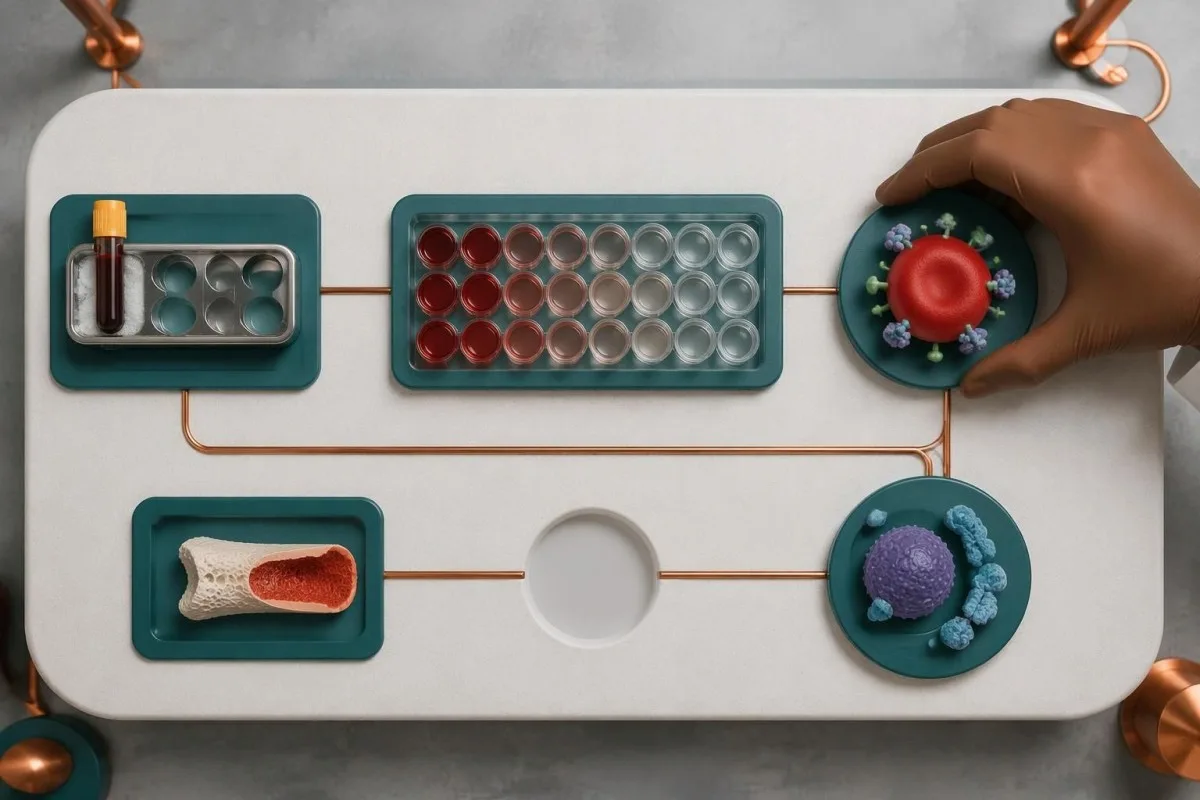
Clinicians first verify the 2 core laboratory patterns—hemolysis and immune attachment to cells—then assess symptoms, duration, medications, recent infections and transfusion history. A broad thermal amplitude can support interpretation when routine results are borderline or discordant; the international consensus treats autoimmune hemolytic anemia as a pattern-based diagnosis (Jäger et al., 2020).
Persistent findings may lead to serum protein electrophoresis, immunofixation and hematology-directed marrow assessment to characterize antibody production. Our guide to immunofixation band results explains why a monoclonal band needs context; even a titer of 1:1024 cannot determine whether a detectable protein represents overt lymphoma or a smaller clonal process.
Kantesti AI can help organize 3 groups of information for the appointment: antibody tests, hemolysis markers and changes over time. It cannot establish whether the specimen followed the warm-handling protocol or replace a specialist's assessment of marrow findings; bring the full report, because an isolated screenshot may omit the method and interpretive comments.
سه نمونه: تیتر یکسان، گامهای بعدی متفاوت
The same cold agglutinin titer can lead to different next steps because clinical significance depends on temperature-dependent activity and red-cell injury. The following 3 examples are hypothetical teaching scenarios, not patient accounts or rules for diagnosing yourself from a single report.
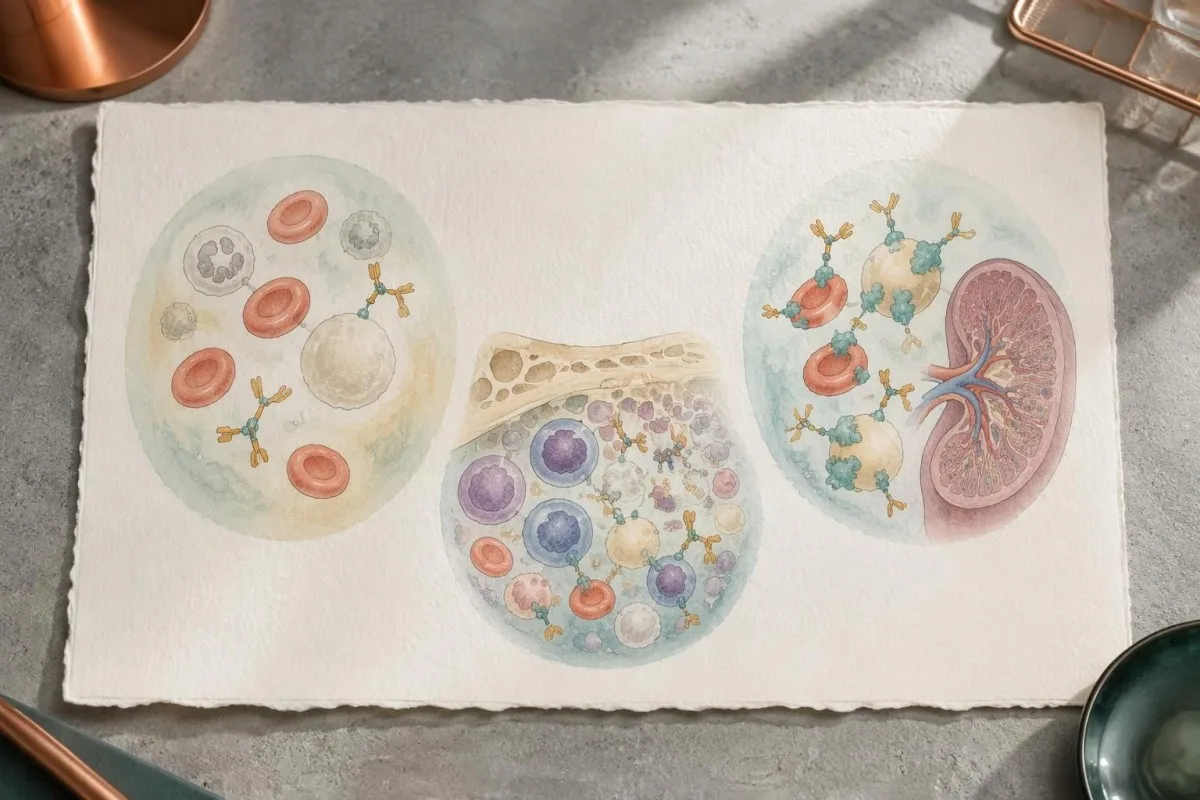
In the first example, an adult has a titer of 1:256 at 4°C, hemoglobin of 14.0 g/dL, normal hemolysis markers and no cold-related symptoms. If specialist testing shows a narrow thermal amplitude, incidental antibodies become more plausible; the useful step is confirming the context and need for follow-up, not assuming that antibody detection requires treatment.
In the second example, a person recovering from a respiratory illness has a titer of 1:256 and hemoglobin that has fallen from 13.5 to 10.2 g/dL, with rising indirect bilirubin. An infection-associated syndrome is possible, but the falling hemoglobin still needs assessment; our polychromasia explanation describes one smear clue to the marrow's replacement response.
In the third example, a person has months of fatigue, a titer of 1:256, strong C3d positivity, low haptoglobin and antibody reactivity at 30°C. Persistent clinically significant cold-antibody hemolysis becomes more likely; hematology assessment addresses diagnosis and treatment need, while the identical titer across all 3 examples shows why the number alone cannot choose the pathway.
کدام علائم نیاز به ارزیابی پزشکی فوری دارند؟
Chest pain, breathlessness at rest, fainting or confusion require emergency assessment, regardless of the cold agglutinin titer. New jaundice, dark urine or rapidly worsening fatigue warrant prompt, often same-day medical review; a result below 1:64 does not make these symptoms safe to ignore.
A rapid hemoglobin decline can be more dangerous than a stable low value, because your circulation has less time to adapt. A hypothetical fall from 12 to 8 g/dL over several days deserves prompt assessment even if someone with a long-standing, monitored value near 8 g/dL has fewer symptoms; these examples are not universal transfusion thresholds.
Dark urine can reflect hemoglobin released during marked intravascular hemolysis, but dehydration, liver conditions and urinary causes can produce similar appearances. Our dark urine assessment guide explains the alternatives; dark urine together with jaundice or weakness should not be dismissed because only 1 antibody result is abnormal.
Cold-related blue or purple fingers can occur with agglutination, but persistent discoloration, severe pain or failure to improve after gentle warming needs urgent evaluation for impaired circulation. Clinically significant cold agglutinin disease also carries increased clot risk; sudden breathlessness or 1 newly swollen leg requires assessment rather than attribution to cold sensitivity alone.
چگونه گرم بمانید و برای اقدامات بالینی آماده شوید
Keeping the whole body warm can reduce cold-triggered symptoms in clinically significant cold-antibody disorders. Tell the care team before transfusion, anesthesia or a procedure, because laboratory compatibility testing and clinical temperature management may need coordination near 37°C rather than routine handling.

Practical protection includes layers, gloves, warm footwear and avoiding abrupt whole-body cooling; do not test your tolerance with an ice bath or deliberate cold challenge. Reactivity around 30°C does not translate into 1 safe outdoor temperature, because wind, wet clothing, exposure duration and individual circulation change how much peripheral tissues cool.
For transfusion, the laboratory may perform antibody investigation and compatibility testing at ، و همچنین تعداد پایین RBC که با تصویر بالینی همخوانی ندارد را ببینم، از آزمایشگاه میخواهم نمونه را تا to limit cold-antibody interference while still identifying clinically significant additional antibodies. Our transfusion compatibility guide explains that distinction; a clinical warming device may also be used, but emergency treatment should not be delayed unnecessarily while pursuing perfect routine test conditions.
یک 1:128 titer without hemolysis does not automatically mean you need to avoid all travel, exercise or procedures. The useful precaution is sharing the report and any prior laboratory interference with the treating team; clinical staff—not the patient—should decide whether warmed fluids, a transfusion warmer or additional temperature monitoring are necessary.
چه زمانی درمان لازم است و چه چیزهایی پایش میشوند؟
Treatment is guided by anemia, symptoms, transfusion need and functional impact—not a titer alone. In clinically significant cold agglutinin disease, specialist options include B-cell-directed therapy and complement inhibition; a titer of 1:512 without attributable symptoms or hemolysis does not itself establish a reason to start medication.
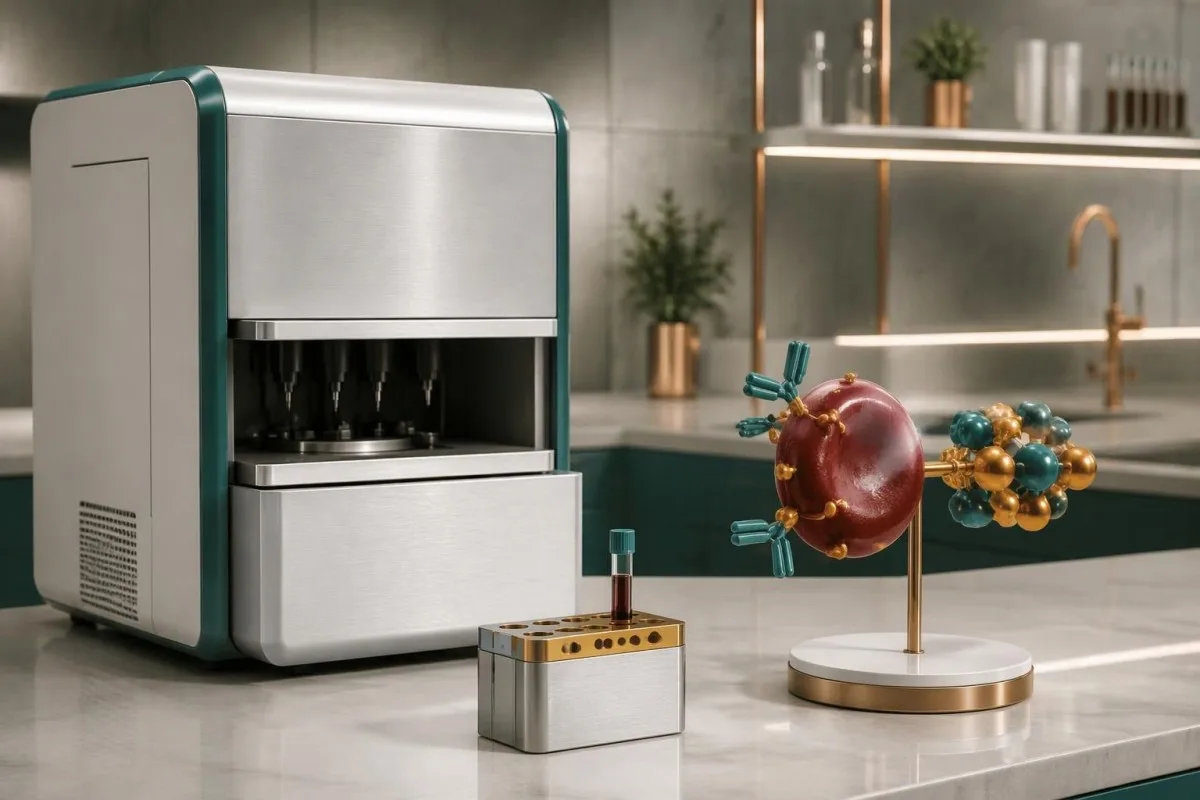
Sutimlimab inhibits C1s, an early classical complement component, and can reduce complement-mediated hemolysis in adults with cold agglutinin disease. It does not remove the IgM antibody, so cold-related agglutination and circulation symptoms may persist even if hemoglobin improves; immunization and infection-risk precautions must follow the product information and the specialist's plan.
B-cell-directed options include rituximab-based treatment, sometimes combined with another agent in selected patients; the appropriate choice depends on goals, comorbidities and treatment tolerance. Corticosteroids, commonly used for warm autoimmune hemolytic anemia, generally perform poorly in cold agglutinin disease; the 2020 international consensus emphasizes distinguishing the subtype before applying a treatment pathway (Jäger et al., 2020).
Kantesti helps explain why a hypothetical hemoglobin improvement from 8.7 to 11.8 g/dL, falling bilirubin and fewer transfusions can matter more than a persistently high titer. Our red-cell monitoring guide explains reticulocytes and related markers; do not change treatment from an AI interpretation, and do not assume anemia means iron deficiency.
استفاده ایمن از گزارش شما: شواهد و محدودیتهای هوش مصنوعی
کانتستی یک سرویس تفسیر آزمایشهای آزمایشگاه AI منتشر میشوند that helps organize cold agglutinin results for discussion, but it cannot independently confirm cold agglutinin disease. A useful interpretation needs 3 information groups: the antibody method and handling, the hemolysis pattern and the patient's symptoms and history.

Keep the complete report rather than only the 1:256 result: the test temperature, reference interval, DAT components and laboratory comments can change its meaning. Useful appointment questions include whether hemolysis is present, whether thermal amplitude testing would help and whether specimen handling was adequate; bring earlier hemoglobin values when available.
The Kantesti technical benchmark listed below concerns 100,000 مورد آزمون مصنوعی, not 100,000 patients with cold agglutinin disease. The accompanying validation framework describes an assessment approach, not proof that AI can diagnose this rare condition; our validation and oversight page provides the appropriate context for these research publications and their limitations.
Before sharing 1 report or a series of reports, review consent and remove information you do not need to provide, especially when the results belong to someone else. Our راهنمای حریم خصوصی و دادهها explains data-handling considerations; urgent symptoms belong with emergency or clinical services, not in an upload queue awaiting interpretation.
سوالات متداول
آیا مثبت بودن آزمایش آگلوتینین سرد به این معناست که به بیماری آگلوتینین سرد مبتلا هستم؟
آزمایش مثبت آگلوتینین سرد بهتنهایی بیماری آگلوتینین سرد را تشخیص نمیدهد. تیتر دستکم ۱:۶۴ در دمای ۴ درجهٔ سانتیگراد، یکی از مؤلفههای رایج تشخیصی است؛ اما پزشکان همزمان همولیز مزمن و نتیجهٔ سازگارِ آزمون مستقیم آنتیگلوبولین را نیز ارزیابی میکنند که معمولاً برای C3d بهشدت مثبت است. آنتیبادیهای اتفاقی یا مرتبط با عفونت میتوانند نتایج مثبت ایجاد کنند. دامنهٔ حرارتی و نگهداری صحیح نمونه به روشنشدن یافتههای نامشخص کمک میکنند.
آیا تیتر آگلوتینین سرد ۱:۲۵۶ یا ۱:۵۱۲ خطرناک است؟
تیتر آگلوتینین سرد ۱:۲۵۶ یا ۱:۵۱۲ بهتنهایی آستانهای برای خطر محسوب نمیشود. این نتیجه نشان میدهد که سرم را تا چه حد میتوان رقیق کرد و همچنان فعالیت آنتیبادی را در شرایط آزمون تشخیص داد. آنتیبادیای که در حدود ۳۰ درجهٔ سانتیگراد فعال است، ممکن است از آنتیبادیای با تیتر بالاتر که فقط در ۴ درجهٔ سانتیگراد واکنش نشان میدهد، از نظر بالینی مهمتر باشد. علائم، روند تغییرات هموگلوبین و شاخصهای همولیز، فوریت ارزیابی را تعیین میکنند.
دامنهٔ حرارتی در آزمایش آگلوتینین سرد چیست؟
Thermal amplitude is the highest temperature at which a cold antibody reacts under the laboratory's testing conditions. Reactivity around 30°C or above is generally more concerning than activity restricted to 4°C because peripheral circulation can become cool enough for the antibody to act. Thermal amplitude is different from titer, which measures activity after dilution. Specialist laboratories may assess it when routine findings are discordant or the clinical significance is unclear.
چرا باید نمونهٔ آگلوتینین سرد را گرم نگه داشت؟
Many laboratories require a cold agglutinin specimen to remain at 37–38°C from collection until serum separation. Premature cooling can allow antibody to bind the patient's cells, leaving less detectable activity in the separated serum and potentially producing a falsely low result. This preparation requirement is separate from deliberately testing the serum at 4°C. Confirm the collecting laboratory's instructions rather than attempting to warm or transport the specimen yourself.
آیا عفونت میتواند باعث مثبت شدن آزمایش آگلوتینین سرد شود؟
عفونتها، از جمله عفونت با مایکوپلاسما پنومونیه و ویروس اپشتین–بار، میتوانند با آنتیبادیهای واکنشپذیر به سرما که موقتی هستند همراه باشند. تیترهایی مانند ۱:۲۵۶ نمیتوانند مشخص کنند کدام عفونت وجود دارد یا آیا هنوز فعال است. آنتیبادیهای مرتبط با عفونت گاهی باعث همولیز بالینیِ مهم میشوند؛ بنابراین، کاهش هموگلوبین یا بروز زردی جدید همچنان نیازمند بررسی است. آزمایشهای اختصاصیِ شناسایی عامل بیماریزا و سیر زمانی علائم، از استفاده از آگلوتینینهای سرد برای تشخیص عفونت مفیدترند.
آیا آگلوتینینهای سرد میتوانند باعث افزایش کاذب MCV یا MCHC شوند؟
آگلوتینینهای سرد میتوانند باعث ایجاد تودههایی از گلبولهای قرمز شوند که اندازهگیریهای خودکار CBC را مختل میکنند و از جمله موجب افزایش کاذب MCV یا MCHC و کاهش کاذب شمارش RBC میشوند. برای مثال، MCHC برابر با ۴۰ g/dL همراه با هشدار آگلوتیناسیون باید بهجای تفسیر فوری بهعنوان ناهنجاری واقعی سلولی، موجب بررسی آزمایشگاهی شود. تکرار آزمایش پس از گرمکردن نمونه تا نزدیک ۳۷°C ممکن است این تداخل را برطرف کند. اصلاح نتیجه CBC، همولیز همزمان را رد نمیکند.
کدام علائم پس از مثبت شدن نتیجه آزمایش آگلوتینین سرد به مراقبت فوری نیاز دارند؟
درد قفسه سینه، تنگی نفس در حالت استراحت، غش یا گیجی، صرفنظر از تیتر آگلوتینین سرد، نیازمند ارزیابی اورژانسی است. زردی جدید، ادرار تیره یا ضعف که بهسرعت بدتر میشود، مستلزم مراجعه سریع، اغلب در همان روز، برای ارزیابی پزشکی است. افت سریع هموگلوبین، برای مثال تغییری فرضی از ۱۲ به ۸ گرم در دسیلیتر، نگرانکننده است؛ هرچند هیچ مقدار واحدی فوریت وضعیت را برای همه افراد تعیین نمیکند. تغییر رنگ دردناک و مداوم انگشتان یا علائم ناگهانیِ حاکی از لخته نیز به ارزیابی فوری نیاز دارد.
چگونه نتایج آزمایش خون را بخوانیم
گزارش آزمایشگاهی خود را بارگذاری کنید تا هوش مصنوعی Kantesti ظرف چند ثانیه هر زیستنشانگر را به زبان ساده توضیح دهد. بیش از 2 میلیون نفر در سراسر جهان از آن استفاده کردهاند.
منابع
- Klein, T., Mitchell, S., & Weber, H. (2026). یک بنچمارک فنی خودکارِ از پیش ثبتشده و مبتنی بر روبریک از موتور تفسیر آزمایش خون Kantesti بر روی 100,000 مورد آزمونِ مصنوعی. پژوهش پزشکی هوش مصنوعی Kantesti. DOI
- Klein, T., Mitchell, S., & Weber, H. (2026). چارچوب اعتبارسنجی بالینی v2.0 (صفحه اعتبارسنجی پزشکی). پژوهش پزشکی هوش مصنوعی Kantesti. DOI
- Berentsen S. (2016). Cold agglutinin disease. Hematology, American Society of Hematology Education Program. DOI
- Jäger U et al. (2020). Diagnosis and treatment of autoimmune hemolytic anemia in adults: Recommendations from the First International Consensus Meeting. Blood Reviews. DOI
- ۲ میلیون+آزمایشهای تجزیهوتحلیلشده
- 127+کشورها
- 100+زبانها
درباره تیم پزشکی


سیگنالهای اعتماد E-E-A-T
تجربه
بازبینی بالینی مبتنی بر نظر پزشک از فرایندهای تفسیر آزمایشگاه.
تخصص
تمرکز بر پزشکی آزمایشگاهی و اینکه نشانگرهای زیستی در زمینه بالینی چگونه رفتار میکنند.
اقتدارگرایی
با بازبینی پزشکی دکتر توماس کلاین، با مشارکت دکتر سارا میچل و پروفسور دکتر هانس وبر.
قابل اعتماد بودن
تفسیر مبتنی بر شواهد با مسیرهای پیگیری روشن برای کاهش هشدارها.






سلب مسئولیت پزشکی
این مقاله فقط برای اهداف آموزشی است و توصیه پزشکی محسوب نمیشود. برای تصمیمهای مربوط به تشخیص و درمان، همیشه با یک ارائهدهنده مراقبتهای بهداشتی واجد شرایط مشورت کنید.
منتشر شد · با تیم تحریریه تماس بگیرید
منتشرشده توسط Kantesti Ltd، ثبتشده در انگلستان و ولز، شماره شرکت. 17090423, ، لندن، بریتانیا.
